How supermarkets have evolved over time
In the early days, shopping for groceries meant a trip to local market stalls, where fresh produce and goods were sourced directly from farmers and artisans. Fast forward to today, supermarkets have become the go-to destination for nearly all household needs.
This evolution has not only changed the way we shop but also how we interact with food and consumer goods. From humble beginnings to vast emporiums, supermarkets have revolutionized consumer culture.
The Birth of the Modern Supermarket

The modern supermarket as we know it was born in 1916 with the opening of Piggly Wiggly in Memphis, Tennessee. Clarence Saunders introduced this innovative concept allowing customers to browse aisles and choose their products, eliminating the need for clerks to fetch items.
This self-service model quickly caught on and laid the groundwork for today’s supermarket chains. Piggly Wiggly’s impact was monumental, showcasing efficiency and convenience that appealed to the evolving consumer lifestyle.
Aisles of Change: The 1950s and 60s
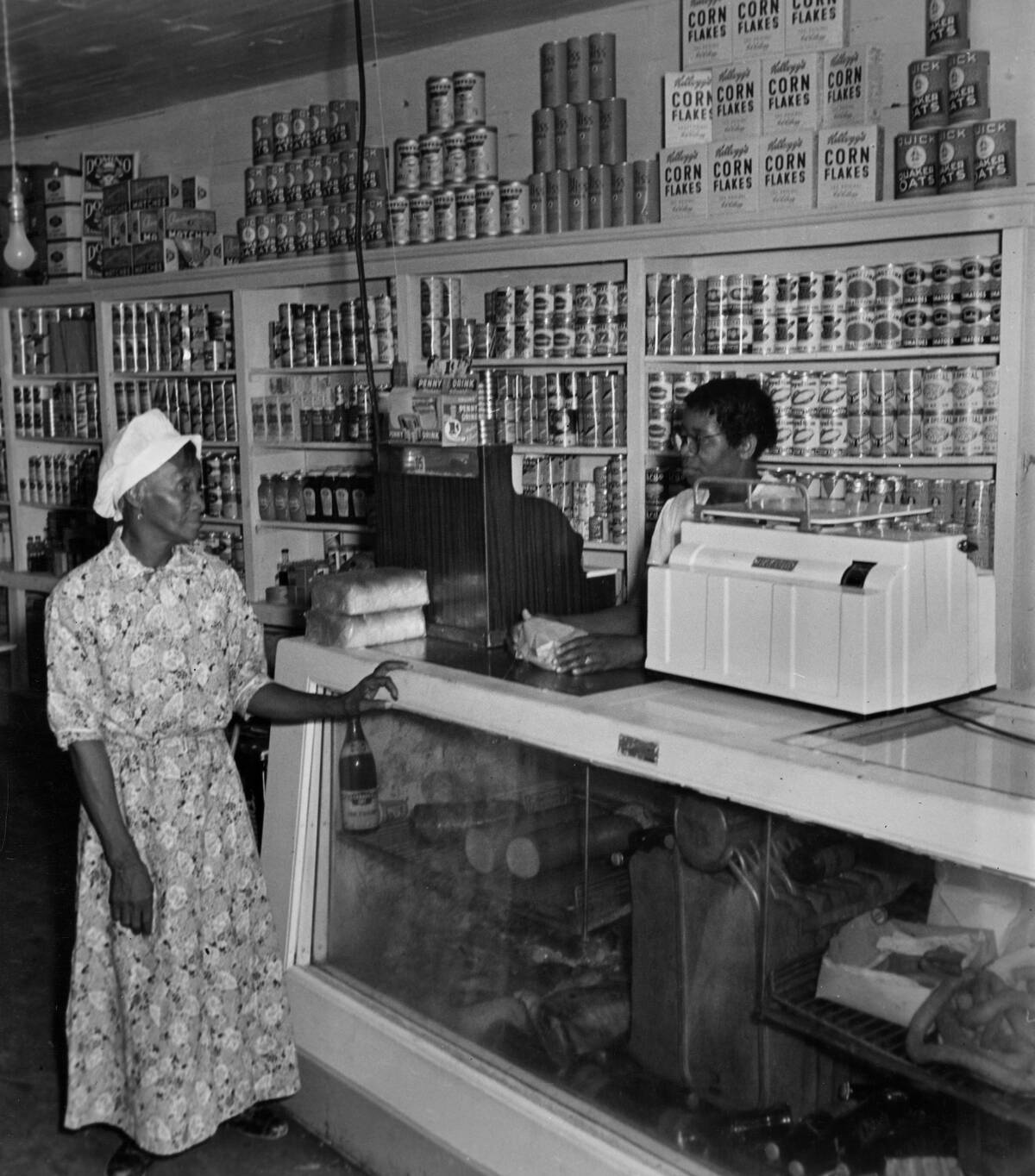
The post-war boom of the 1950s and 60s saw supermarkets expand their offerings significantly. They began stocking a wider variety of goods, including non-food items, making them a one-stop-shop for families.
This era also introduced the concept of loss leaders, where stores offered certain items at a loss to draw in customers. The rise of consumerism during this period was mirrored in supermarkets’ growth, as they adapted to the changing needs and desires of the population.
The Rise of Self-Service Shopping
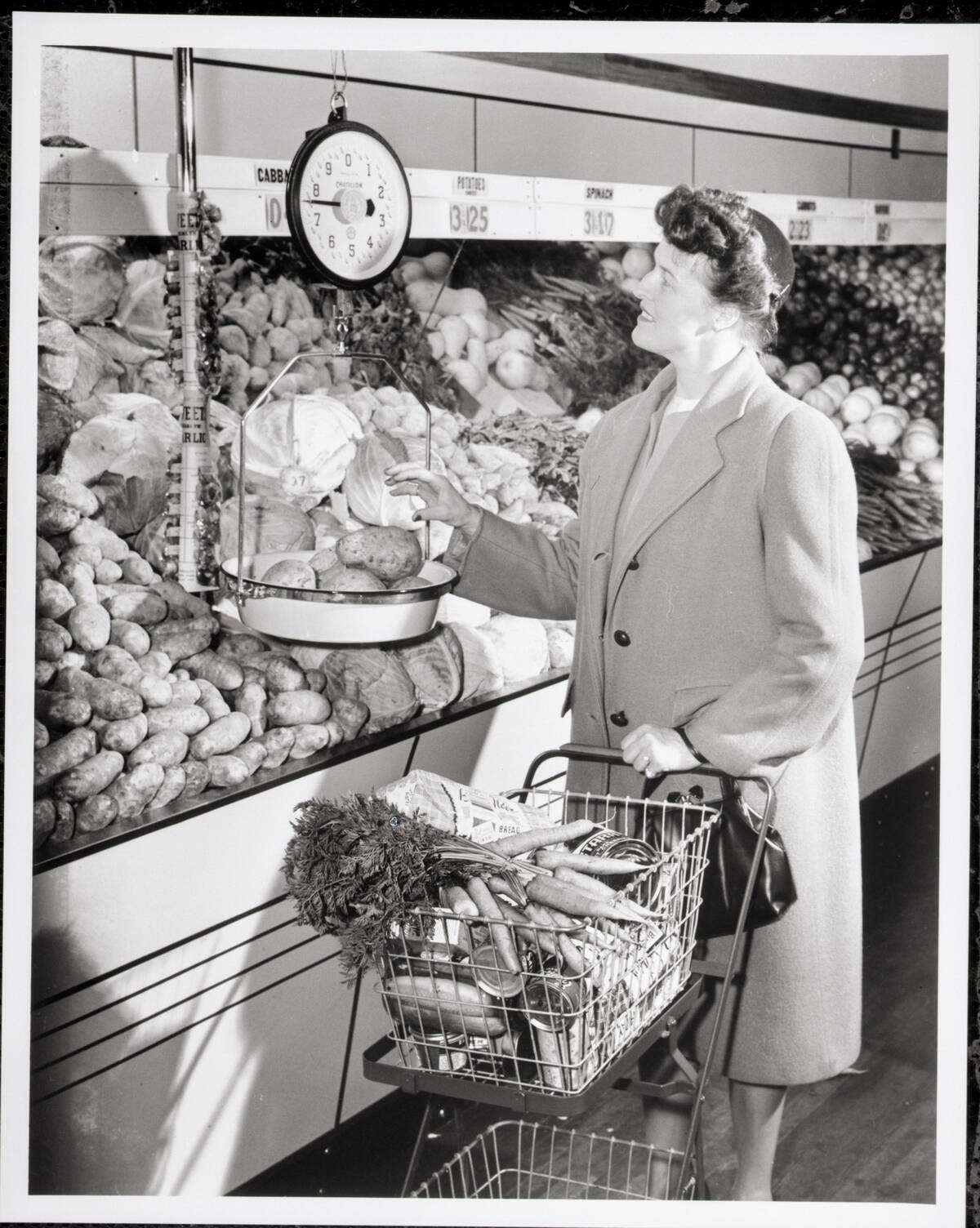
Self-service shopping redefined customer experiences by giving shoppers the freedom to explore products at their own pace. The introduction of shopping carts made it easier to manage larger purchases, encouraging more spontaneous buying.
This change not only streamlined the shopping process but also empowered consumers, leading to increased satisfaction. As customers gained autonomy, supermarkets began to thrive, adapting layouts to better suit the flow of self-service.
Convenience on Wheels: The Shopping Cart Revolution

Sylvan Goldman invented the first shopping cart in 1937, transforming the shopping experience by allowing customers to carry more items with ease. Initially met with skepticism, shopping carts soon became an indispensable part of the supermarket experience.
Their convenience helped increase sales and encouraged larger purchases, as shoppers no longer needed to juggle items in their arms. This simple invention significantly contributed to the efficiency and appeal of supermarkets.
Supermarket Giants: How Chains Took Over
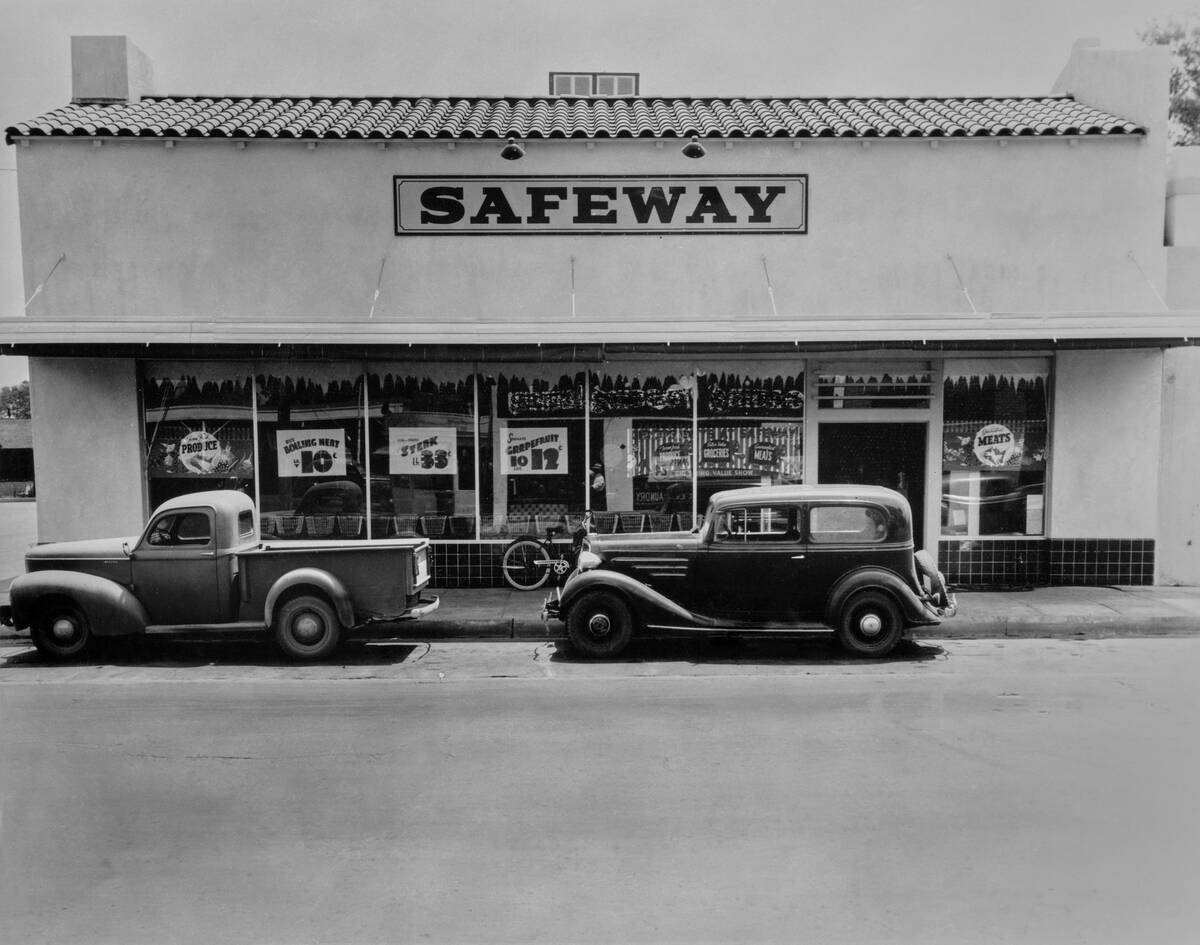
The rise of supermarket chains like Safeway and Kroger in the mid-20th century marked a shift towards standardized shopping experiences. These chains introduced uniform branding and consistent quality across various locations, which appealed to consumers seeking reliability.
As chains expanded, they also gained significant bargaining power with suppliers, allowing them to offer competitive prices. This growth strategy enabled supermarket giants to dominate the market and influence consumer habits on a large scale.
The Impact of Technology on Shopping Experiences

Technology has profoundly impacted how we shop, from barcode scanners to digital payment systems. The introduction of barcodes in the 1970s revolutionized inventory management and checkout processes, making shopping faster and more efficient.
Today, innovations like self-checkout kiosks and mobile payment apps have further streamlined the experience, catering to tech-savvy consumers. As technology continues to evolve, supermarkets are harnessing these advancements to enhance customer satisfaction and operational efficiency.
The Role of Advertising in Supermarket Popularity

Advertising has played a crucial role in shaping supermarket popularity, with jingles and catchy slogans becoming ingrained in consumer culture. Supermarkets have utilized television, radio, and print media to reach broader audiences, promoting weekly specials and exclusive deals.
This strategic communication not only boosted sales but also built brand loyalty. Effective advertising campaigns have been instrumental in distinguishing supermarket brands, making them household names and driving foot traffic into stores.
Organic and Specialty Foods: A Healthier Shift

As consumers become more health-conscious, supermarkets have expanded their offerings to include organic and specialty foods. This shift reflects a growing demand for healthier, sustainable options, with organic food sales reaching over $50 billion in the U.S. alone.
Supermarkets have responded by dedicating entire sections to organic produce, gluten-free products, and plant-based alternatives. This trend not only caters to diverse dietary needs but also aligns with a broader movement towards mindful eating.
The Environmental Impact: From Plastic Bags to Green Initiatives
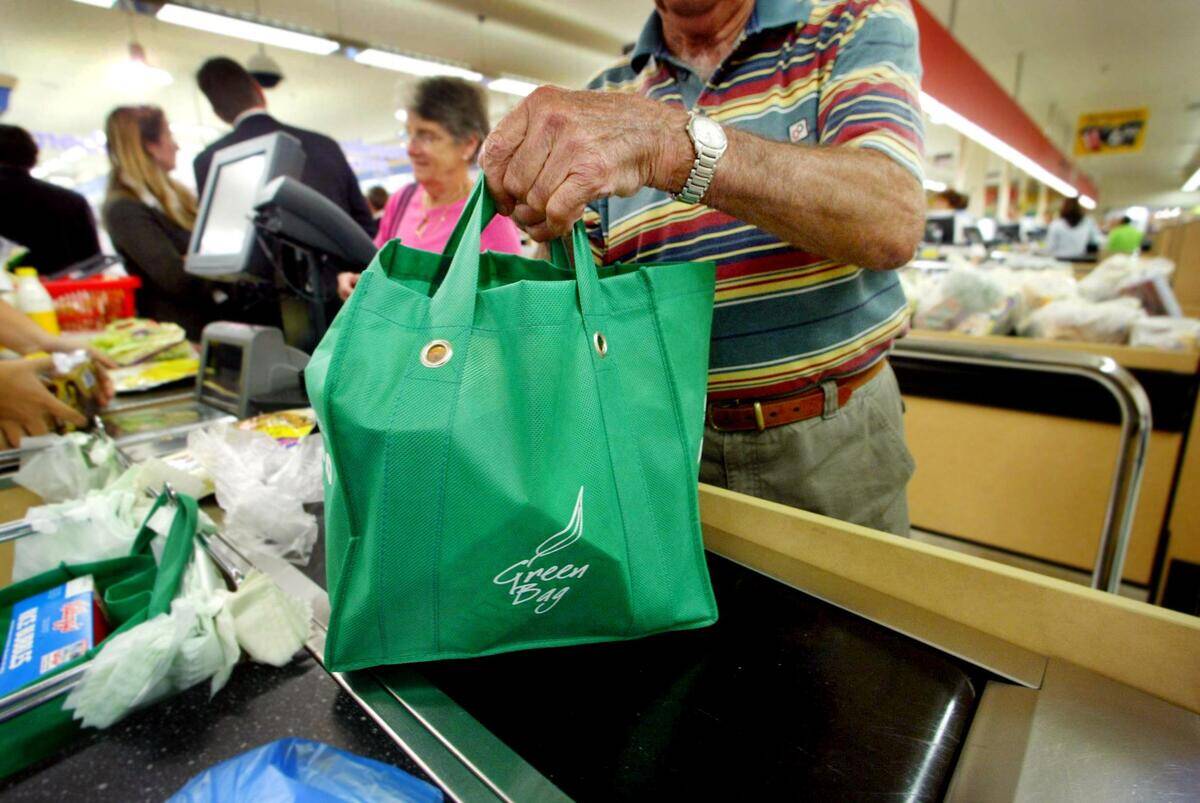
Supermarkets have faced increasing pressure to address their environmental impact, particularly concerning plastic waste. Many have introduced policies to reduce plastic bag usage, offering reusable alternatives and incentivizing eco-friendly practices.
Additionally, supermarkets are adopting green initiatives, such as energy-efficient lighting and waste reduction programs. These efforts reflect a growing commitment to sustainability, as both retailers and consumers recognize the importance of minimizing their ecological footprint.
Online Shopping: The Digital Supermarket Surge

The rise of e-commerce has transformed the supermarket landscape, with online grocery shopping becoming increasingly popular. Services like Amazon Fresh and Instacart offer convenience and flexibility, allowing customers to order groceries from the comfort of their homes.
This digital surge has been accelerated by the global pandemic, which heightened the demand for contactless shopping options. As a result, supermarkets are investing in online platforms and delivery services to meet evolving consumer expectations.
Loyalty Programs and Their Evolution

Loyalty programs have become a staple in the supermarket industry, rewarding customers for their continued patronage. Initially launched as simple point systems, these programs have evolved into sophisticated offerings with personalized discounts and exclusive deals.
Supermarkets use data analytics to tailor rewards to individual shopping habits, enhancing customer engagement and retention. As competition intensifies, loyalty programs are continually adapting, striving to offer greater value and differentiate brands in a crowded market.
The Global Influence: Supermarkets Around the World

Supermarkets have become a global phenomenon, adapting to cultural preferences and regional demands across the world. In Europe, hypermarkets offer extensive selections under one roof, while in Asia, convenience stores thrive in densely populated areas.
Each region has embraced the supermarket model uniquely, reflecting local tastes and shopping habits. This global expansion underscores the versatility and resilience of supermarkets, as they continue to evolve and cater to diverse consumer needs worldwide.
The Role of Supermarkets During Economic Changes
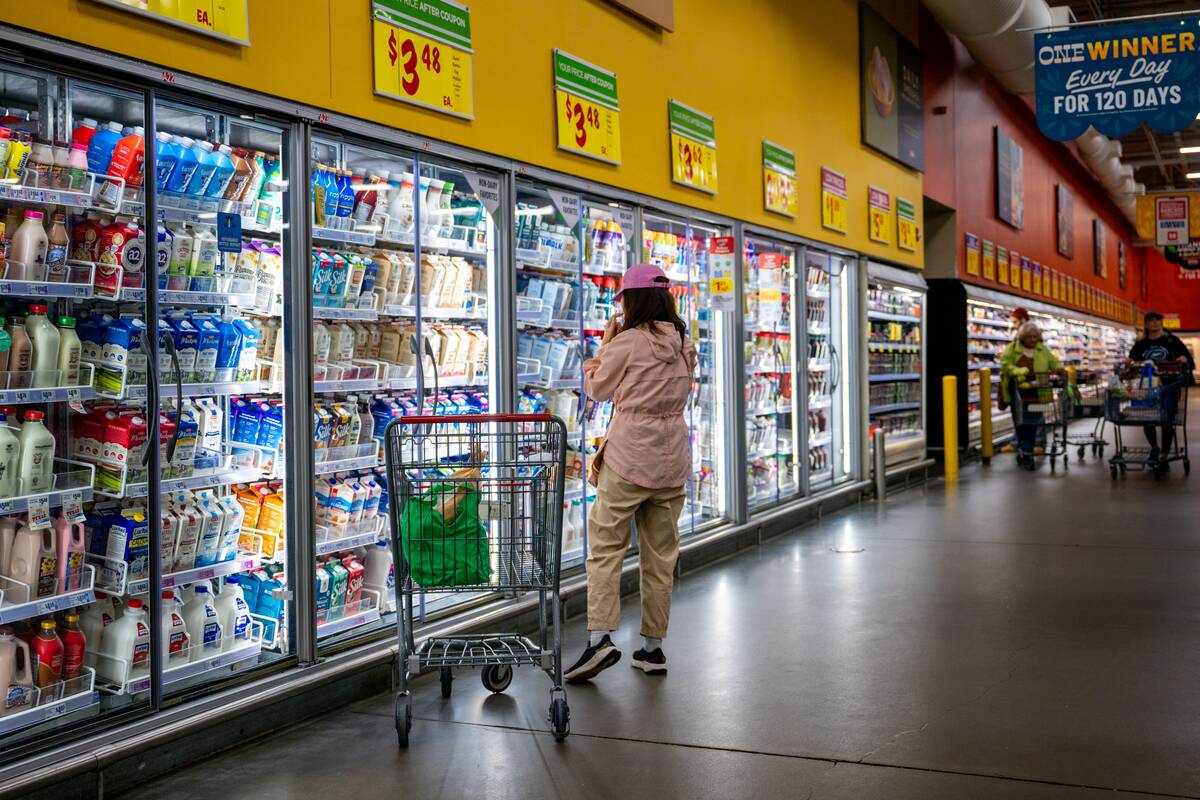
Supermarkets play a critical role during economic fluctuations, providing essential goods and stabilizing prices. During recessions, consumers often turn to supermarkets for affordable options, leading to shifts in purchasing behavior.
Supermarkets adapt by adjusting inventory and pricing strategies to meet changing demands. Moreover, they serve as economic anchors in communities, offering employment and supporting local supply chains. Their adaptability and resilience make supermarkets vital in navigating economic uncertainties.
Cultural Trends and Their Impact on Supermarket Offerings

Cultural trends significantly influence supermarket offerings, as retailers strive to meet the evolving tastes of diverse communities. The rise of international cuisine has prompted supermarkets to expand their global food sections, featuring ingredients from around the world.
Additionally, trends like veganism and plant-based diets have led to increased availability of alternative products. By reflecting cultural shifts, supermarkets not only cater to consumer preferences but also foster inclusivity and culinary exploration.
The Future of Supermarkets: Tech Trends and Innovations
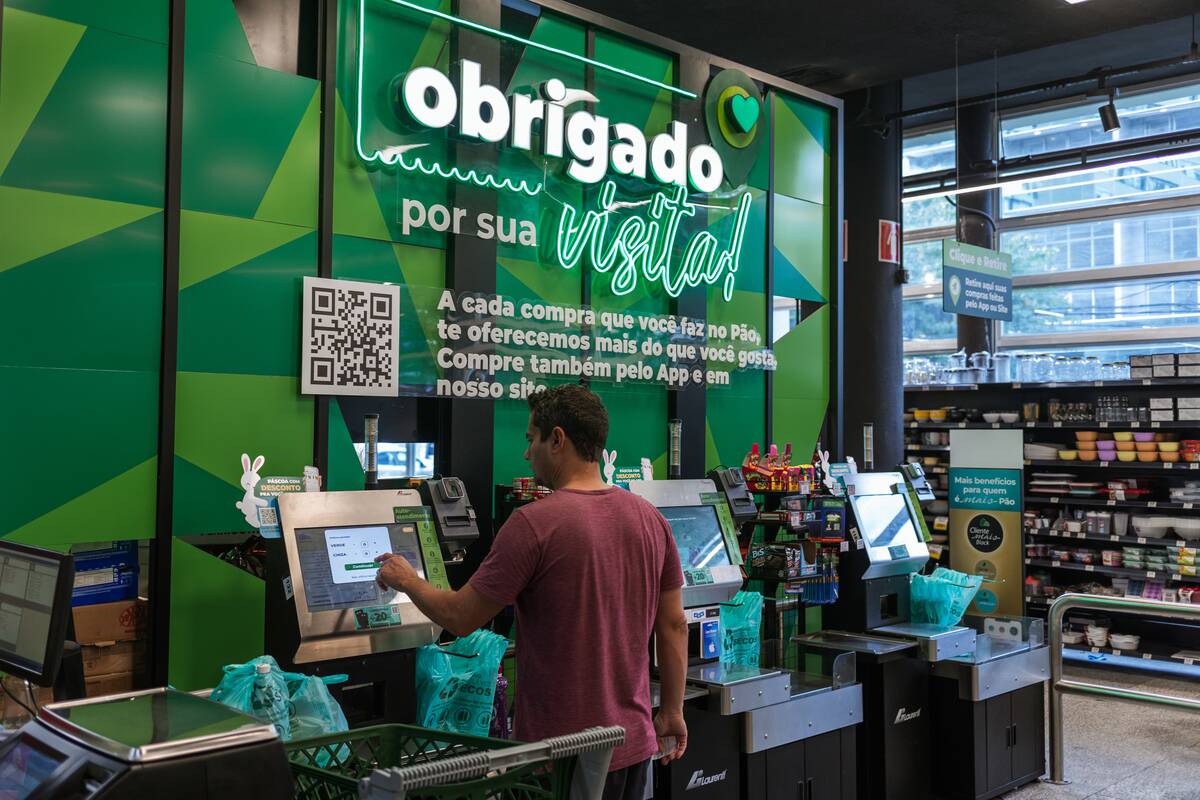
The future of supermarkets is poised for exciting transformations, driven by advancements in technology and innovation. Concepts like cashier-less stores, pioneered by Amazon Go, are gaining traction, offering seamless shopping experiences.
Artificial intelligence and machine learning are being integrated to optimize inventory management and personalize customer interactions. These technological trends promise to revolutionize the supermarket industry, enhancing efficiency, convenience, and sustainability for the next generation of shoppers.




