21 food preservation methods before refrigeration
Before humming Frigidaires hit kitchens in the 1930s, people leaned on physics, chemistry, and a lot of ingenuity to keep supper safe. Chill, dryness, acidity, salt, sugar, fat caps, even smart building design all slowed microbes and enzymes. From the Arctic to the equator, households timed harvests, managed airflow, and stacked foods by how quickly they spoiled. It wasn’t guesswork, either: techniques evolved over centuries, tuned to local climate and crops, long before mechanical refrigeration arrived in homes at scale.
Across cultures, it looked different but worked on the same principles.
Romans fermented fish into shelf-stable garum; Persians stored ice in domed, subterranean yakhchals; Koreans sank onggi crocks of kimchi into the ground to ride out winter. Sailors gnawed on salted meats for months, while farmwives leaned on vinegar, smoke, and sun. The thread tying it together: control moisture, temperature, and oxygen just enough to tip the odds away from bacteria—and toward dinner.
Salt: The original icebox in a shaker
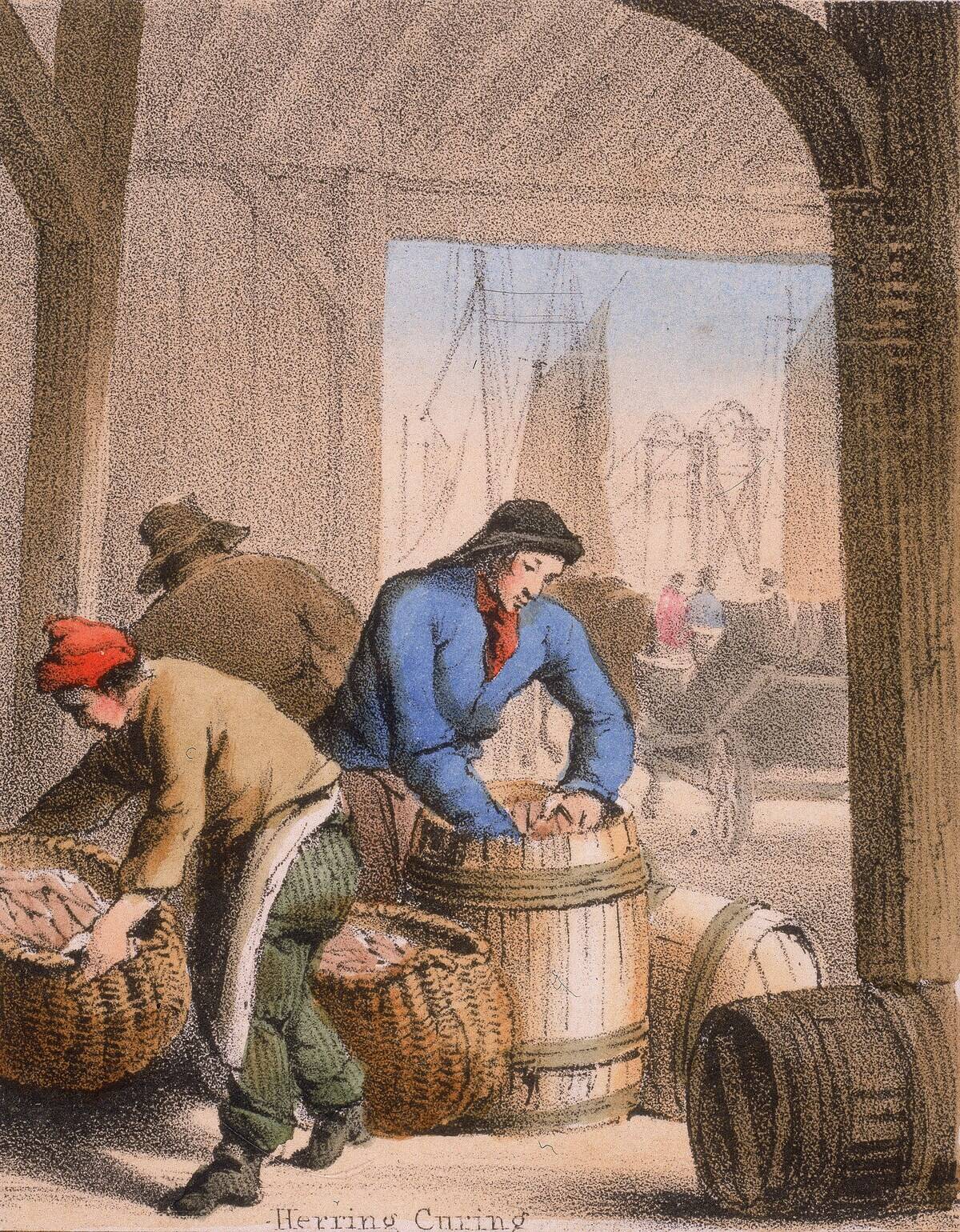
Salt preserves by pulling water from cells via osmosis and lowering water activity so microbes can’t multiply. Coastal communities perfected the trick with cod and herring; traditional bacalhau is salted until about 16–20% salt by weight, then dried until rock-hard. Dry-cured meats like prosciutto di Parma rely only on sea salt and time—no smoke, no nitrites—with minimum aging of 12 months, often longer. Even quick cures, like gravlax, use 2–3% salt plus sugar to buy days of safe, silky texture.
Brines open another lane. A 10% brine (100 g salt per liter water) firms vegetables and discourages spoilage, while stronger 20% solutions can park fish or olives for months before further processing. The side benefits are real: salt tightens protein structure, improves sliceability, and boosts flavor. None of this is magic; it’s measurable chemistry. Below water activity ~0.90, most bacteria struggle. Hit ~0.85 and even tough customers like Staphylococcus aureus tap out.
Smoke and fire: Turning meat into shelf-stable flavor bombs

Smoke doesn’t just taste good—it carries antimicrobial phenols, formaldehyde, and organic acids that slow surface growth. Hot smoking (roughly 52–80°C/125–175°F) cooks and flavors; think bacon or Texas-style sausage. Cold smoking (<30°C/86°F) perfumes fish and cheese without cooking, prized for salmon and kippers. Historically, smokehouses kept low, steady fires for hours or days, drying while layering preservative compounds.
Left cool and dry afterward, smoky foods held for weeks—especially if salted first.
Fire also dehydrates. A hearth’s residual heat can finish jerky or harden sausages so they slice clean and store longer. Pairing smoke with cure salts became a classic double-defense: nitrite guards against Clostridium botulinum in low-oxygen interiors, while smoke shields the surface. Beyond the chemistry, smokehouses were practical architecture—vented huts or attic rafters—where steady airflow kept humidity down, flies out, and dinner out of danger.
Sun, wind, and shade: Drying everything from grapes to fish
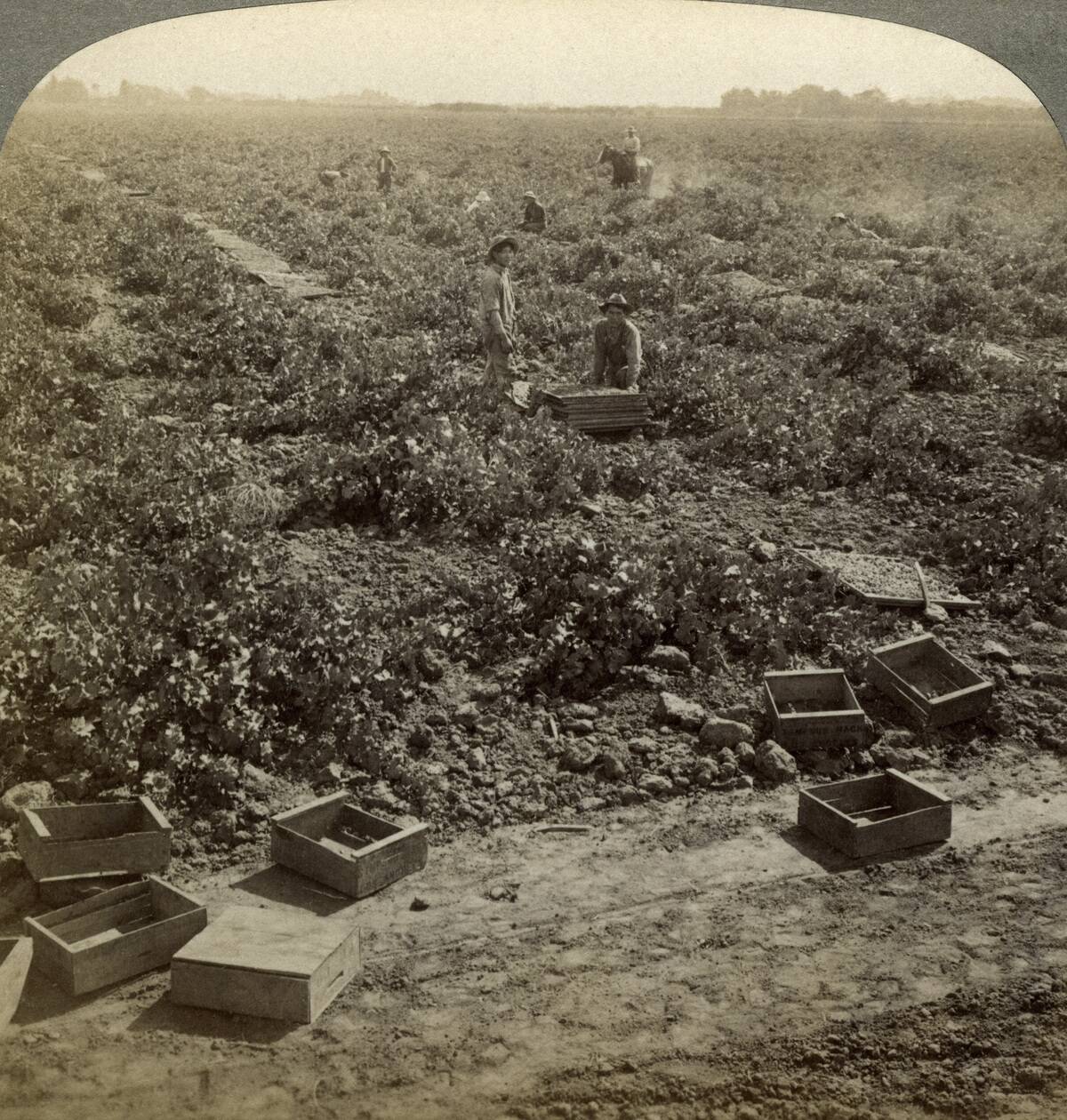
Drying may be the oldest preservation of all. Spread grapes on mats under hot, dry skies and you get raisins; reduce their water activity below ~0.60 and spoilage microbes can’t grow. In Norway and Iceland, cod becomes stockfish on airy racks, cured by wind and cold rather than salt. In the Andes, thin strips of llama or beef dried into charqui—the ancestor of “jerky”—long before canning.
The formula is simple: thin pieces, clean air, and time.
Shade counts, too. Direct sun can bleach flavors or case-harden food, sealing the outside while the inside stays damp. Smart dryers relied on breezes and cover—porches, attics, or mesh screens—to keep insects off and air moving. The goal was consistency: even drying until pieces bend and crack instead of squish. Store the results somewhere cool and arid, and you’ve banked weeks to months of pantry security without a watt of electricity.
Pickling power: Vinegar baths that outlasted empires
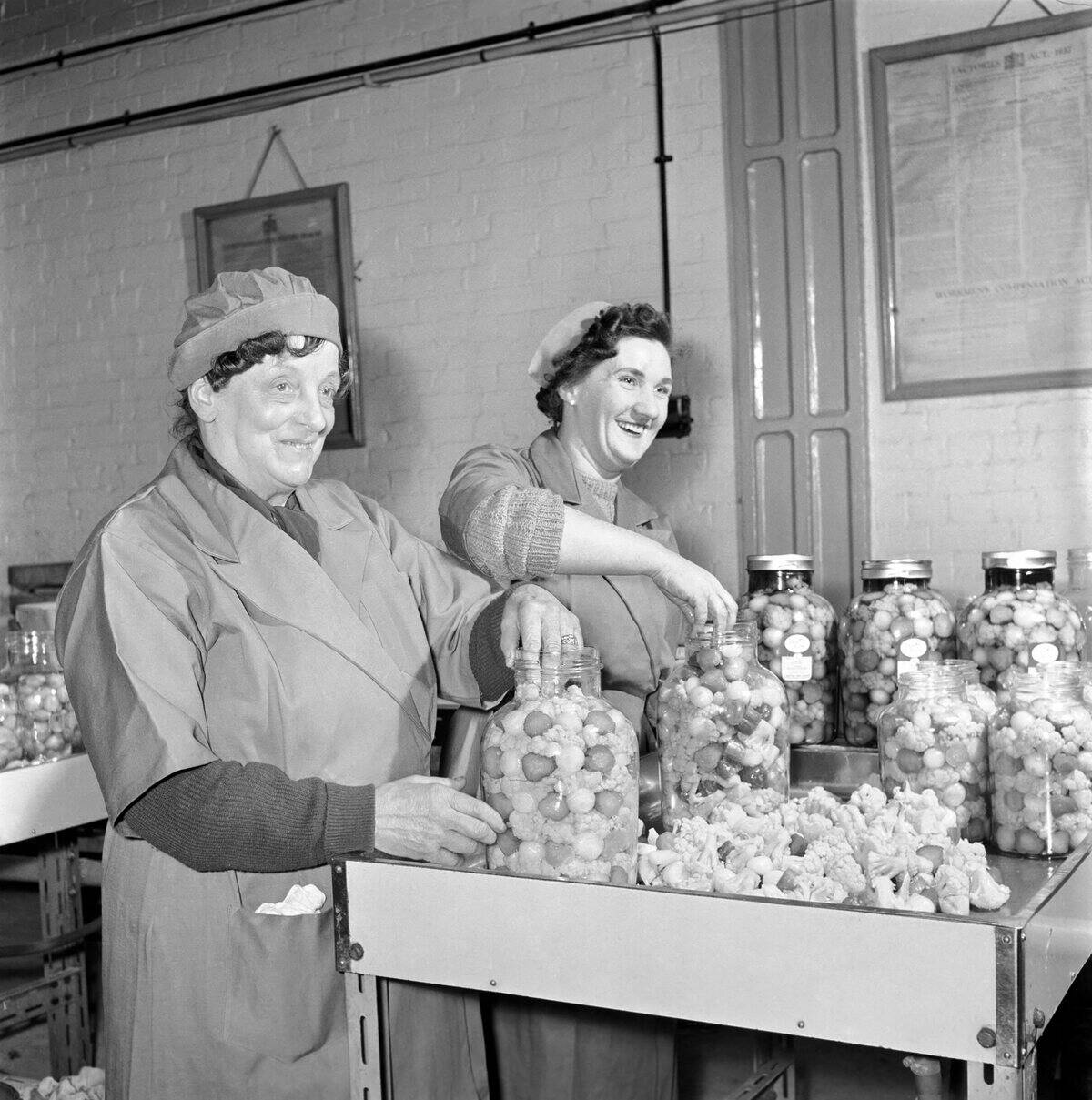
Vinegar preserves by lowering pH; keep foods under about 4.6 and the spores of Clostridium botulinum can’t germinate. Classic table vinegar runs ~5% acetic acid, potent enough to tame cucumbers into crisp pickles and onions into tangy relishes. European escabeche—fried fish marinated in spiced vinegar—was designed to travel for days. Even pickled eggs earned barroom fame because acid and salt hold the line where heat and time can’t always go.
Balance matters.
A safe quick pickle covers ingredients fully, sticks to proven ratios, and often simmers jars to drive out trapped air. Historically, families reused brine to extend cabbage, beets, and peppers through winter, topping off with fresh vinegar when dilution threatened safety. The numbers aren’t romantic, but they’re reliable: enough acid, enough salt, and a tight seal keep the crunch—and troublemakers—right where people wanted them.
Fermentation nation: Harnessing microbes for sauerkraut, kimchi, and more
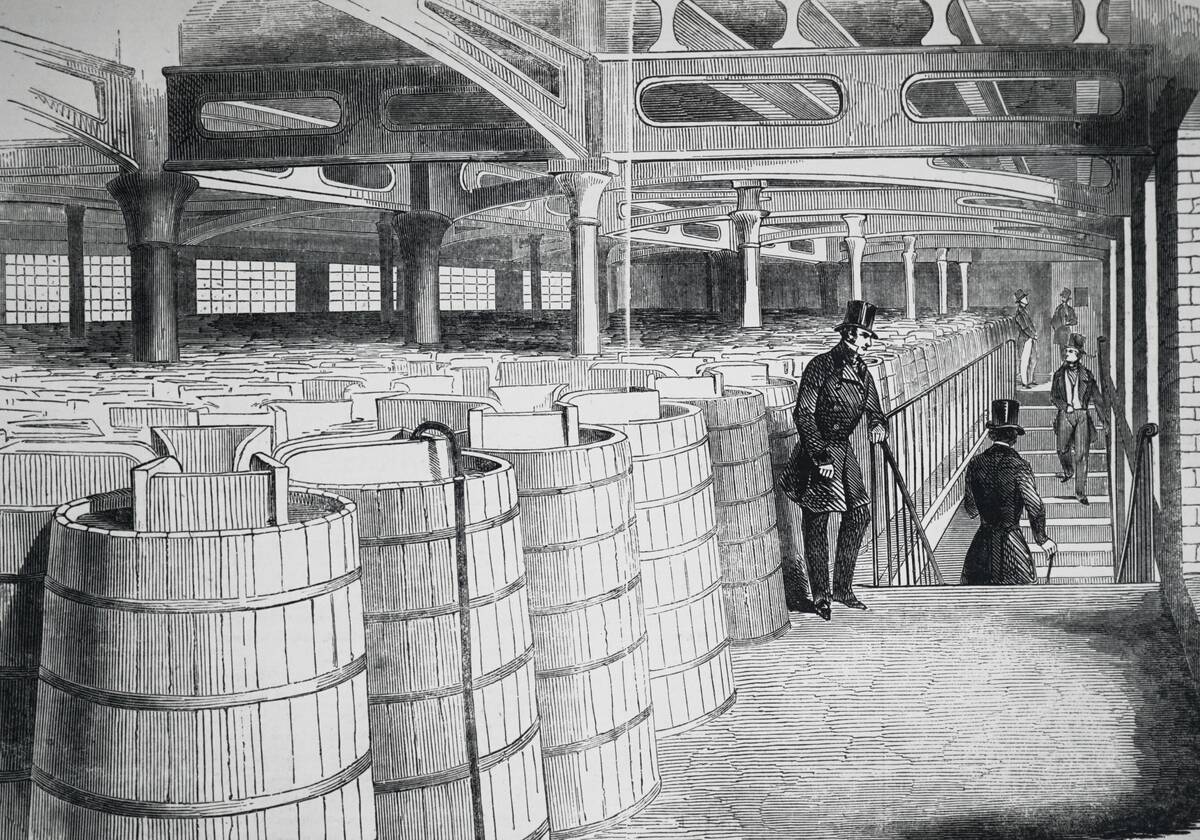
Fermentation recruits friendly lactic acid bacteria to acidify food from the inside out. For sauerkraut, cabbage gets ~2–2.5% salt by weight, is tightly packed to expel air, and ferments until the brine drops to around pH 3.5. Kimchi follows similar rules with napa cabbage, radish, chili, and aromatics; traditional onggi crocks were buried or kept outdoors so soil temperatures moderated the process.
That sour tang is lactic acid—nature’s built-in preservative.
It’s a global club. Miso and soy sauce depend on koji molds and months of enzymatic work to create umami-rich, salted ferments that last for years. Yogurt cultures (Lactobacillus delbrueckii subsp. bulgaricus and Streptococcus thermophilus) thicken milk and drop pH, extending shelf life while changing flavor. In every case, salt, time, and a mostly anaerobic environment tilt the contest in favor of microbes that help us—and away from those that don’t.
Sugar rush: Jams, jellies, and candied fruits as sweet armor
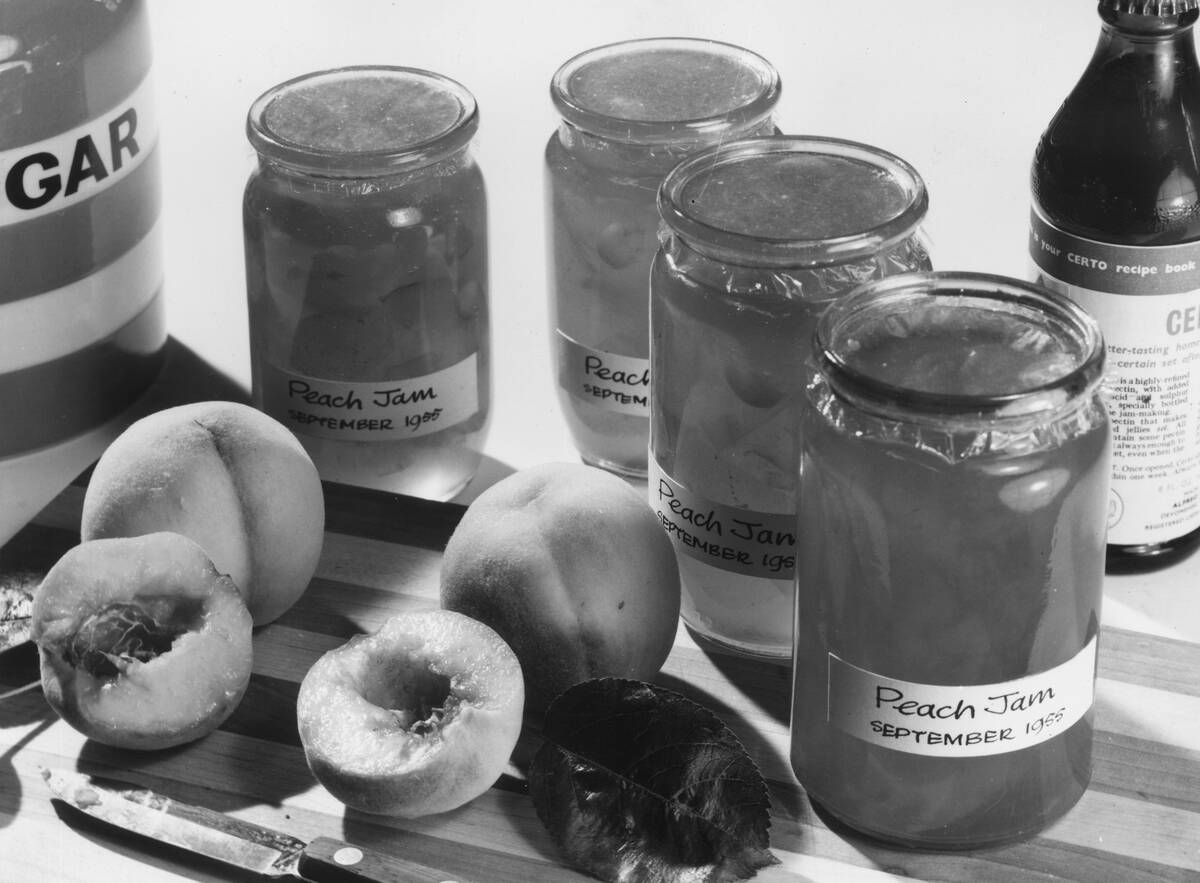
Sugar preserves by binding water, dropping water activity below what yeasts and bacteria need. Most shelf-stable jams and jellies land around 65% soluble solids (measured in °Brix), a sweet spot that frustrates microbes. Heat helps pectin set—typically near 104°C/220°F at the right acidity—creating that familiar gel.
Marmalade’s bitter orange peel brings natural pectin; 18th‑century Scottish cooks turned it into a breakfast staple long before home fridges made mornings easy.
Candied fruits push the idea further, slowly swapping water for syrup until slices are glassy and resilient. Historically, a paraffin wax disk sealed jam jars before screw bands and two-piece lids took over; John Landis Mason’s 1858 screw-top jar made reliable home bottling much safer. Stored cool and dark, high-sugar preserves deliver months of color and flavor, a bright answer to winter toast—or an emergency scone situation.
Sealed in fat: Confit, potting, and rillettes under a protective lid
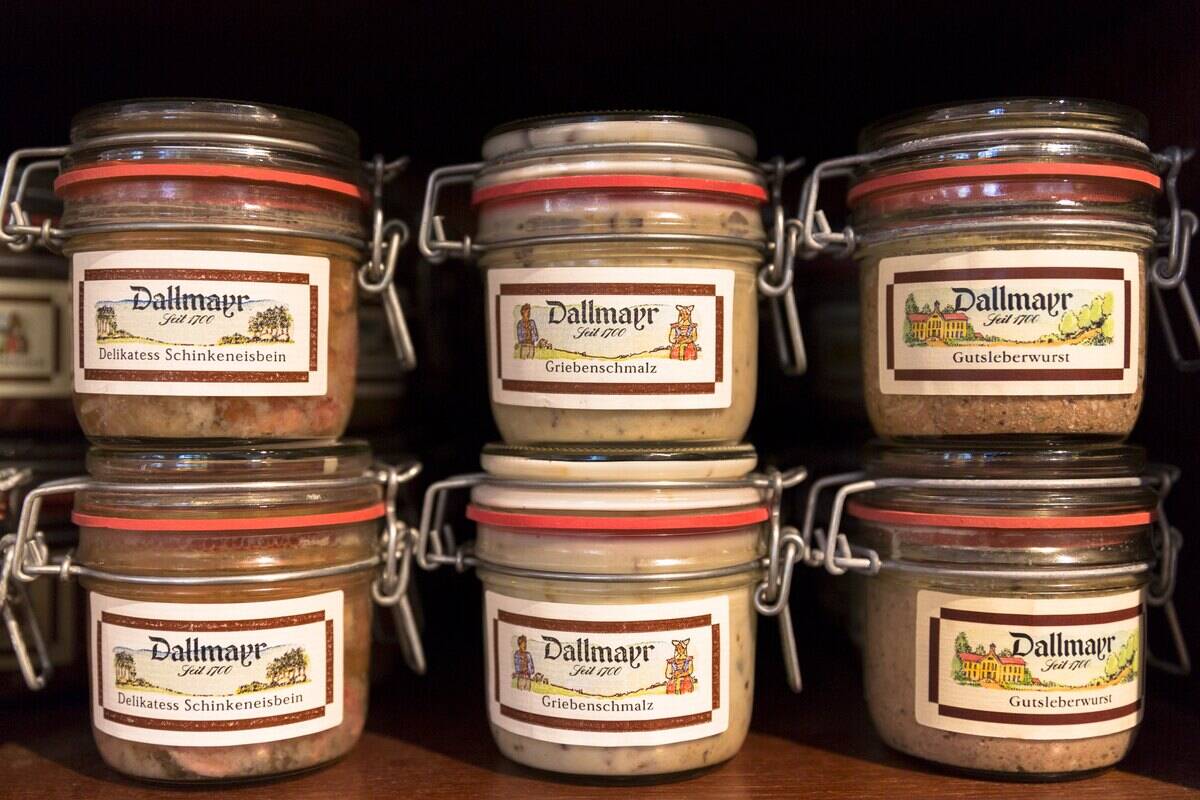
Fat forms a physical, oxygen-blocking barrier. In Gascony, duck legs salted, gently cooked in their own fat, and submerged as confit could last for weeks or months in a cool cellar. Pork rillettes—meat shredded into warm fat—worked the same way. Across the Channel, 18th–19th‑century Britain potted shrimp or ham under clarified butter, scraping off and re-melting the cap for reuse as they ate down the jar.
The method wasn’t a force field, just a strong headwind for microbes. Salt content, thorough cooking, and storage temperature still mattered, because anaerobic spaces invite botulism if mishandled. Done right, though, that creamy lid guarded flavor, kept flies and air at bay, and made speedy meals possible: lift the fat, spread the meat, and reseal. No refrigeration, plenty of satisfaction.
Root cellars and cool pantries: Nature’s underground refrigerators
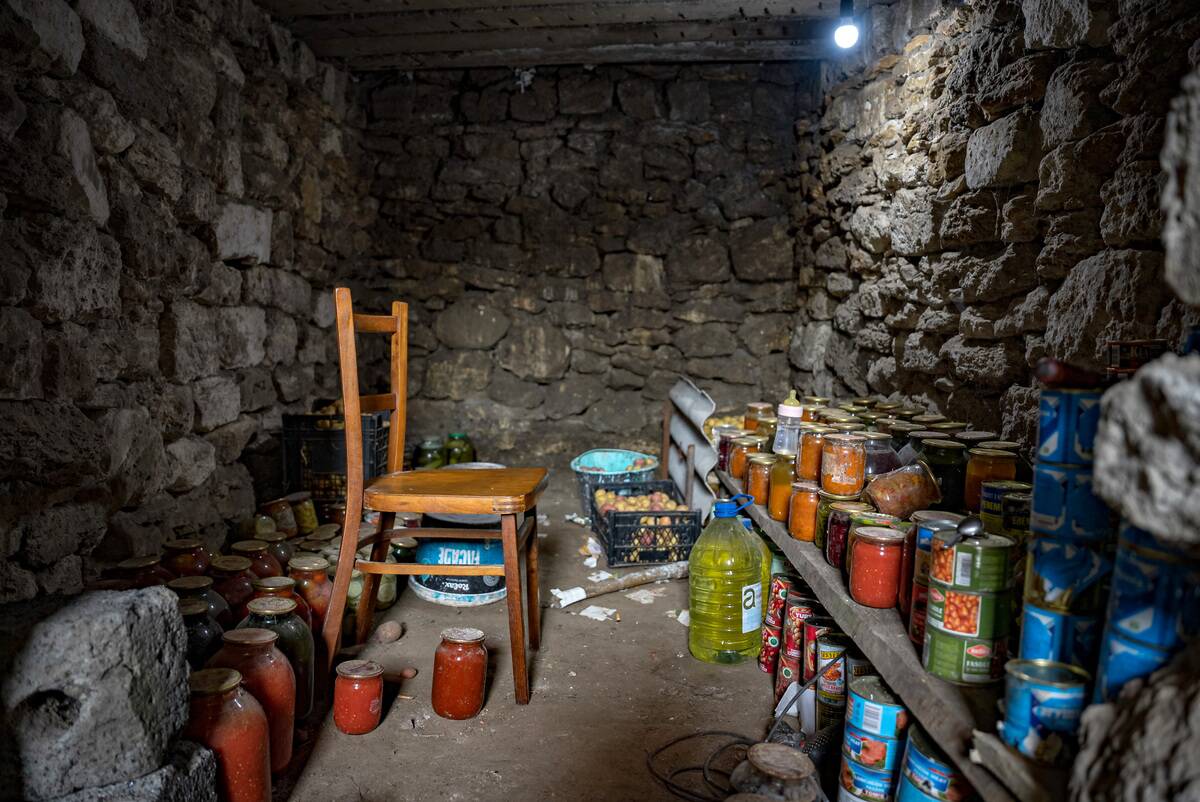
A few steps below ground buys naturally cool, stable temperatures. Traditional root cellars hover around 0–13°C (32–55°F) with high humidity—ideal for potatoes, carrots, beets, and cabbages. Dirt floors and vents help regulate moisture, while shelving keeps air moving. Farmers also “clamped” crops outdoors, piling potatoes or beets under straw and earth so the heap shed rain yet held winter cold.
It’s low-tech thermal mass in action.
Smart storage stretched the benefit. Apples, which emit ethylene gas, were kept away from potatoes to reduce sprouting. Onions and squash liked drier corners; carrots nested in clean sand to prevent wilting. A north-facing pantry or cellar nook with stone or slate shelves stayed even cooler because masonry soaks up nighttime chill. Done thoughtfully, these spaces kept a family’s calories crisp and countable until spring.
Ice houses and ice blocks: Winter’s harvest for summer suppers
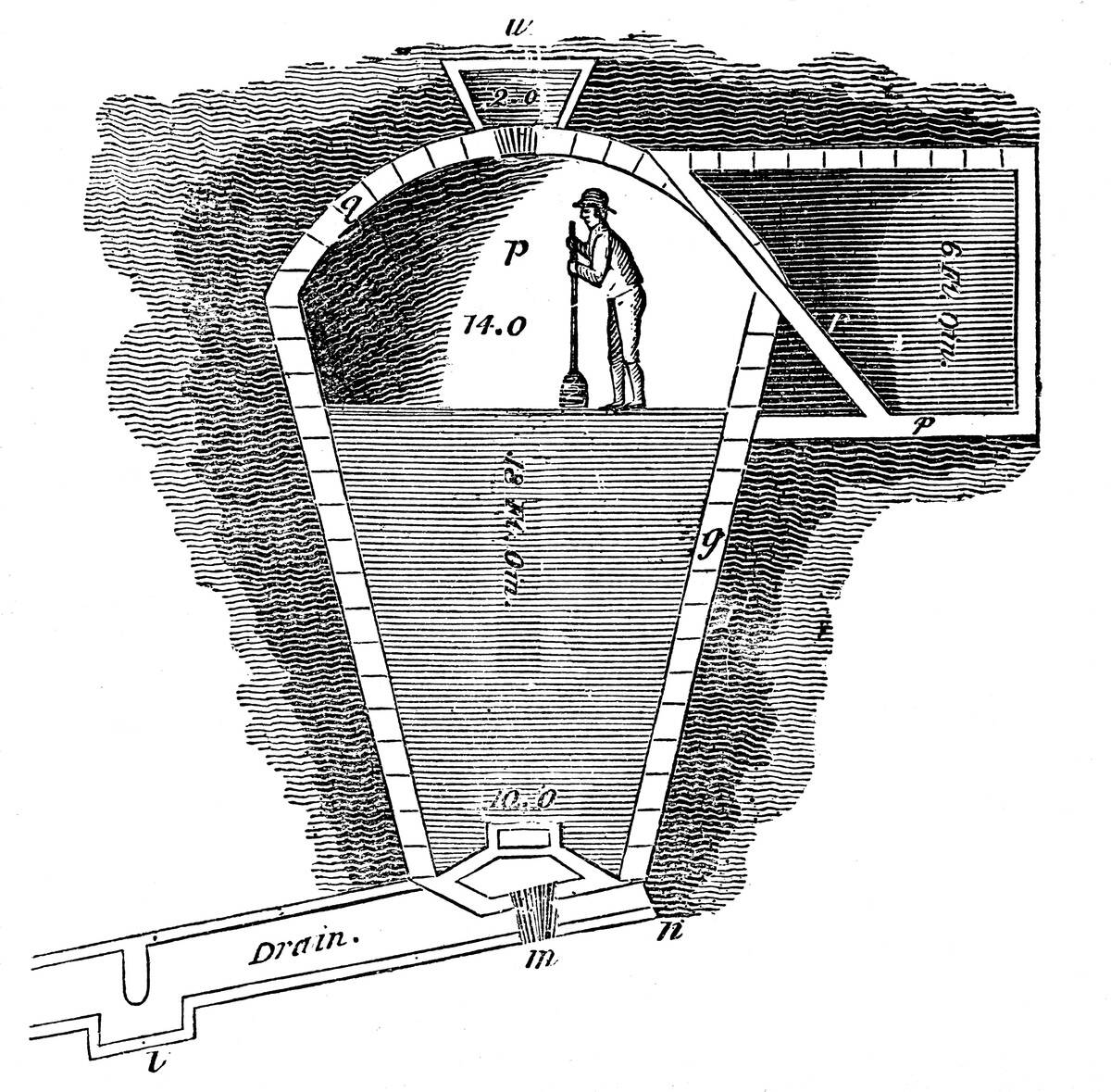
Long before plug-in freezers, people harvested winter itself. In Persia, yakhchals—massive, conical, mud-brick ice houses with subterranean pits—stored ice and chilled foods through blazing summers. In the 19th century, New England’s Frederic Tudor, the “Ice King,” shipped insulated blocks worldwide; sawdust and straw slowed melt as cargo crossed the tropics. By the 1870s, the global ice trade moved hundreds of thousands of tons a year.
Towns and estates mirrored the idea locally. Brick or stone ice houses tucked near ponds held stacked blocks separated by sawdust. Come July, servants or icemen hauled chunks to kitchens. That cold cache made chilled desserts, crisp salads, and safe milk possible weeks after thaw—proof that insulation and smart siting can beat summer, at least for a season.
Spring houses and cool streams: Let the water do the chilling

Flowing water hovers at ground temperature, often 10–13°C (50–55°F) in temperate regions—good enough to stall spoilage. Farmsteads built spring houses over reliable sources, diverting flow through stone troughs where crocks of milk, butter, and eggs nestled. Constant movement whisked heat away, while thick walls and shade did the rest. The system needed no firewood, no ice delivery—just gravity.
These outbuildings doubled as tiny dairies. Morning milk settled so the cream rose for skimming, while the cooler air slowed souring until butter-churning time. In Appalachia and parts of Europe, the footprint was humble, but the effect was outsized: an all-day buffer against summer heat that kept simple staples safe and sweet.
Clay pot coolers: Desert “fridges” that run on evaporation

Evaporation steals heat. Pair a porous outer jar with a snug inner pot and damp sand between, and as water wicks and evaporates, temperatures inside can drop 10–15°C (18–27°F) below ambient in dry climates. Ancient Egyptians exploited the trick with porous amphorae; in the 1990s, Nigerian teacher Mohammed Bah Abba popularized the “zeer” pot, showing tomatoes could last about 21 days instead of two.
Results depend on humidity—drier air means stronger cooling—but the inputs are charmingly basic: clay, water, shade, and breeze. Produce keeps crisper, milk sours more slowly, and leftovers get a precious extra day or two. In regions where electricity is pricey or patchy, these pots still hum along silently, doing physics on the pantry shelf.
Burying and packing in sand, ash, or straw: Low-tech pantry hacks
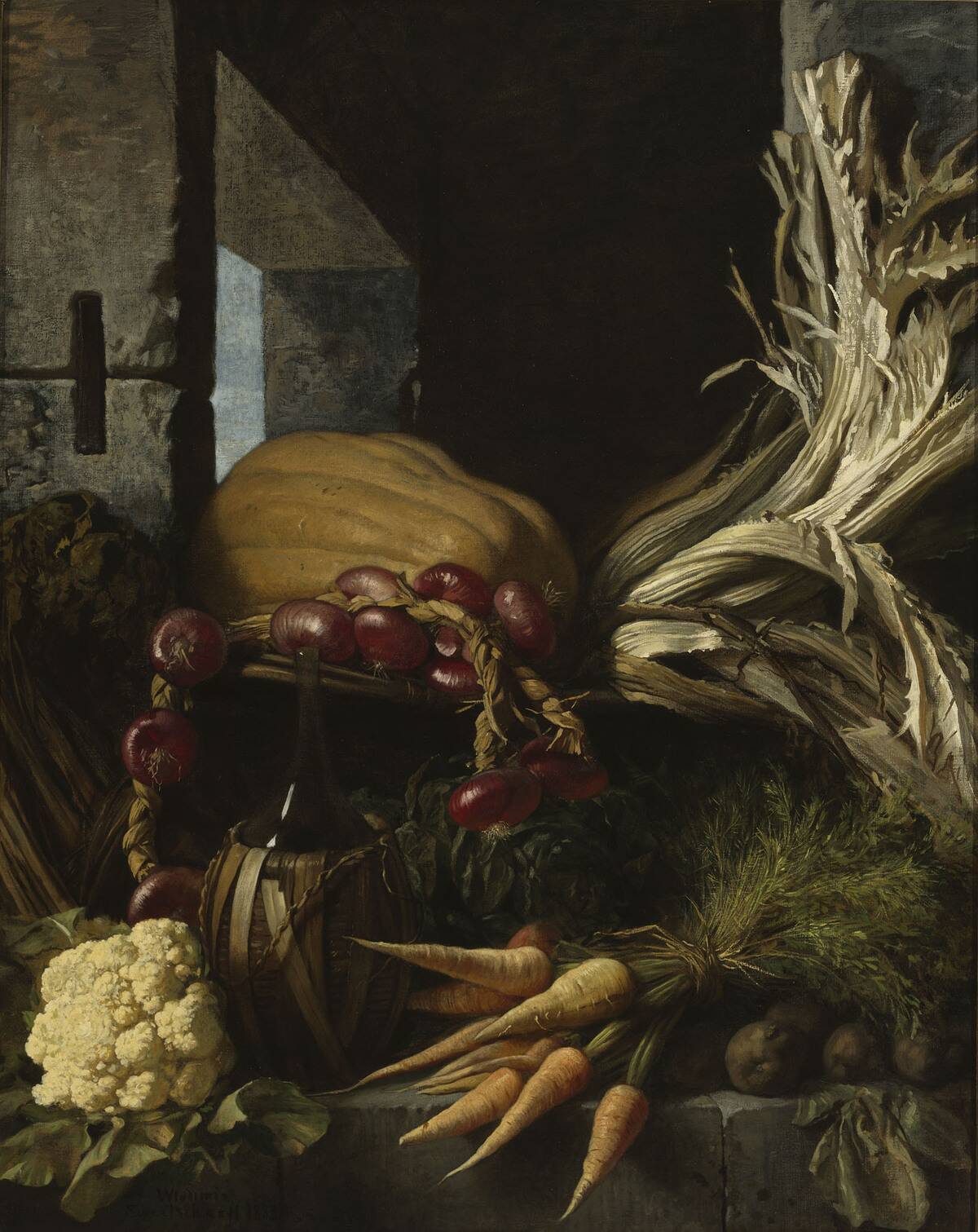
Sometimes “storage” is just strategic hiding. Carrots and beets stay firm packed upright in boxes of clean, slightly damp sand; it slows moisture loss and bruising. Eggs nested in bran or oats were cushioned and insulated. In cheese making, a dusting of food-safe ash (think Loire Valley’s Valençay) discourages unwanted molds by raising surface pH—proof that even a sprinkle can shift the microbial odds.
Earth helps, too. Crocks of pickles or sauerkraut sunk to their shoulders ride steady ground temperatures, much like buried kimchi jars did in Korea. Straw-lined bins kept apples from touching and bruising, while ash layers deterred rodents and insects around stored roots. None of it requires a blueprint—just materials every farm already had and a little patience.
Cheese, yogurt, and cultured dairy: Taming milk before it tamed you
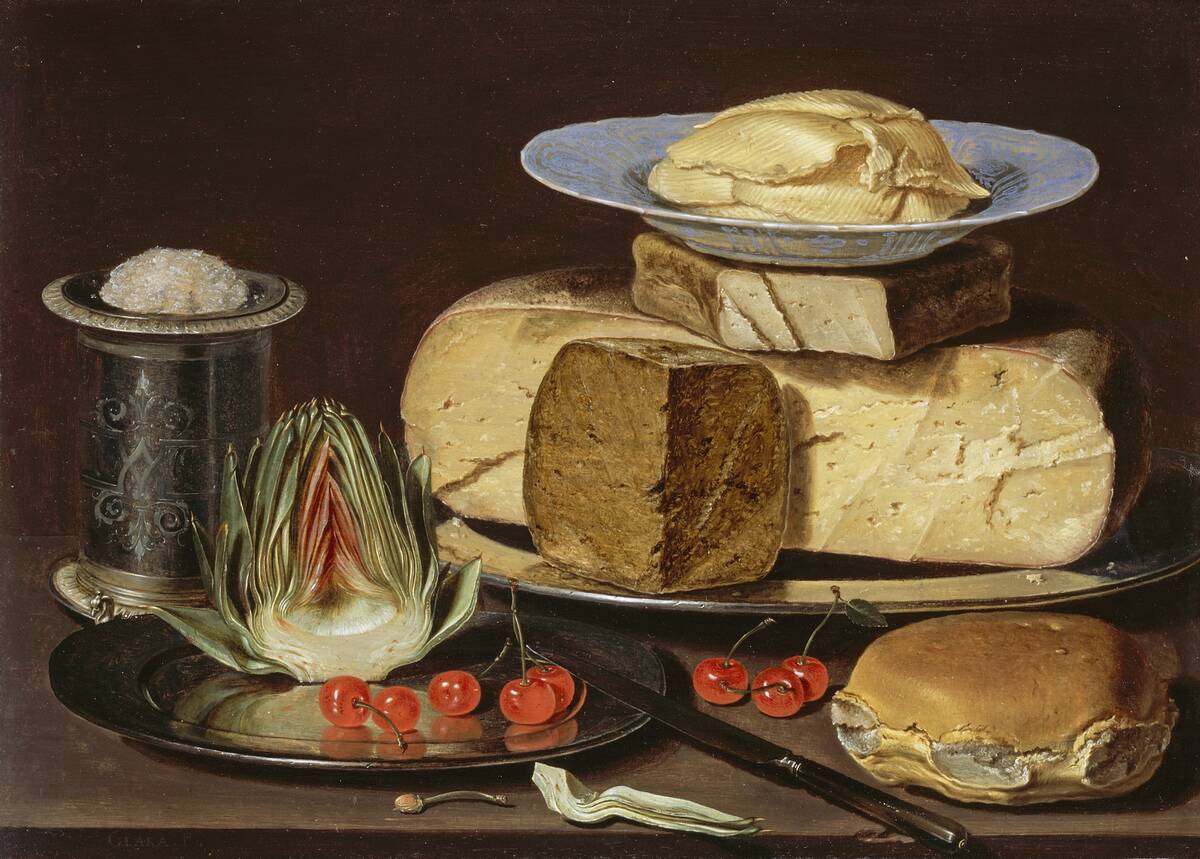
Fresh milk spoils fast; cultured dairy buys time. Yogurt’s duo—Streptococcus thermophilus and Lactobacillus delbrueckii subsp. bulgaricus—acidifies milk to a pH around 4.5, tightening proteins and slowing spoilage. Hard cheeses go further: moisture is pressed out, curds salted, and wheels ripened for months.
Parmigiano Reggiano, aged at least 12 months (often 24–36), keeps because it’s low-moisture, salty, and acidic—hostile terrain for most microbes.
Other traditions shift fat and water. Clarifying butter into ghee removes milk solids and moisture, making it shelf-stable at room temperature. Brined cheeses like feta or halloumi live in salty baths that keep pH and water activity in check. In every case, cultured flavors are the delicious side effect of a preservation plan that works.
Pemmican, jerky, and biltong: Trail-ready protein with staying power

Plains Nations made pemmican by pounding very dry, lean meat into flakes and mixing it with rendered fat—often near a 1:1 ratio by weight—sometimes adding dried berries. Properly sealed, it fueled hunters and traders for months; the Hudson’s Bay Company issued it as a standard ration in the 18th and 19th centuries. Its secret is simple: no moisture for microbes, and a fat matrix that blocks oxygen.
Jerky and biltong hit similar notes in different keys. Jerky dries to a water activity under ~0.85, where pathogens struggle. South African biltong is cured with salt and vinegar (acid helps), often seasoned with coriander and black pepper, then air-dried—not smoked—until sliceable. Kept dry and cool, both travel light and last, exactly what you want when your pantry has to fit in a pocket.
Salt cod and fermented fish: Ocean catches built to last
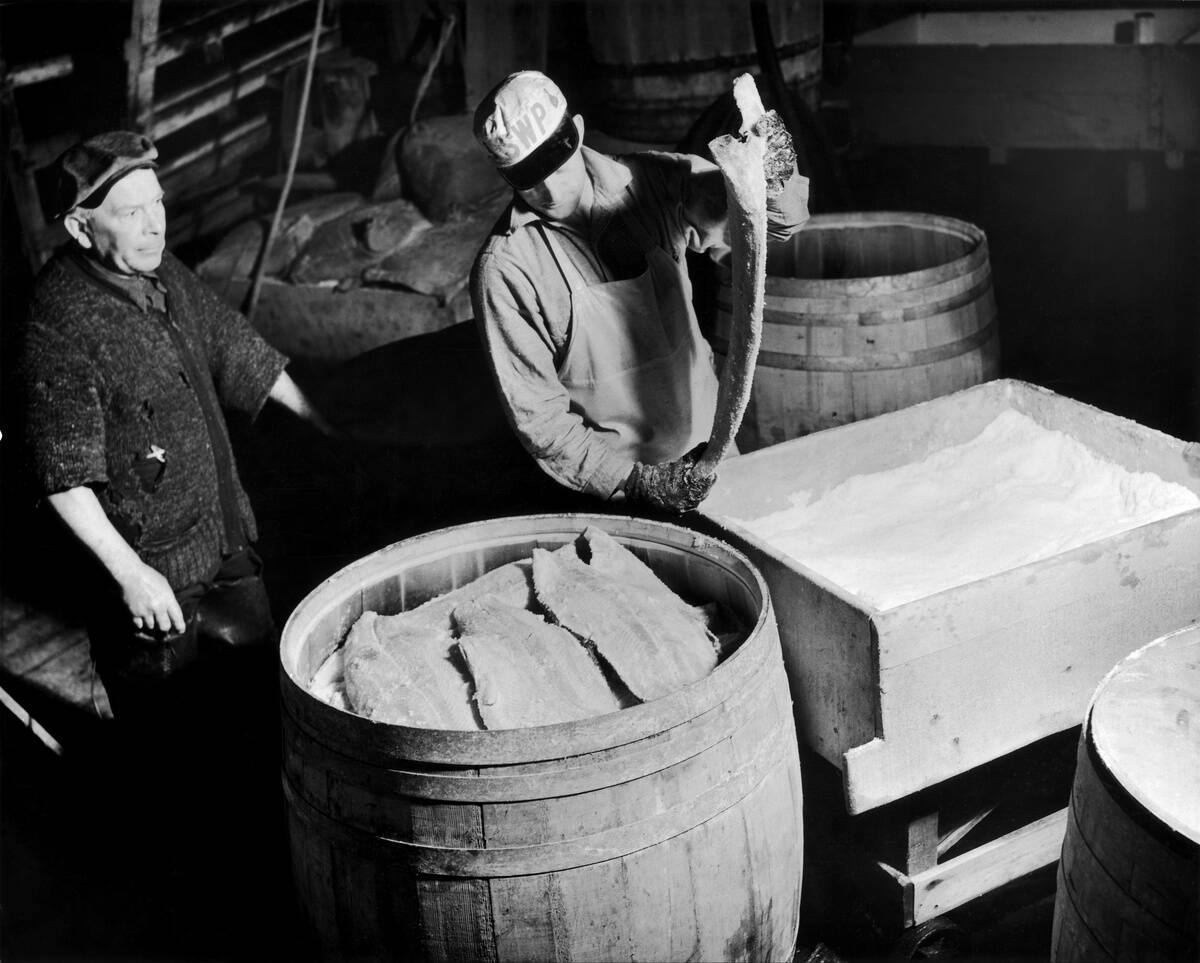
Salt cod—bacalhau—powered Atlantic kitchens for centuries because heavy salting and drying make it nearly imperishable when kept dry. It’s distinct from stockfish, which is air-dried cod with no salt, hung on outdoor racks in cold, windy climates. Both slash water activity so far that spoilage stalls; a long soak and a few changes of water bring dinner back to life.
Fermentation adds another chapter.
Ancient Romans made garum by fermenting fish parts with plenty of salt, letting enzymes and time create a stable, savory sauce. In Scandinavia, lightly salted Baltic herring becomes surströmming after months of controlled fermentation in cans. The aromas are, let’s say, confident—but the preservation logic is sound: salt, acid, and anaerobic conditions stack the deck.
Honey and mustard: Surprising preservers hiding in the pantry
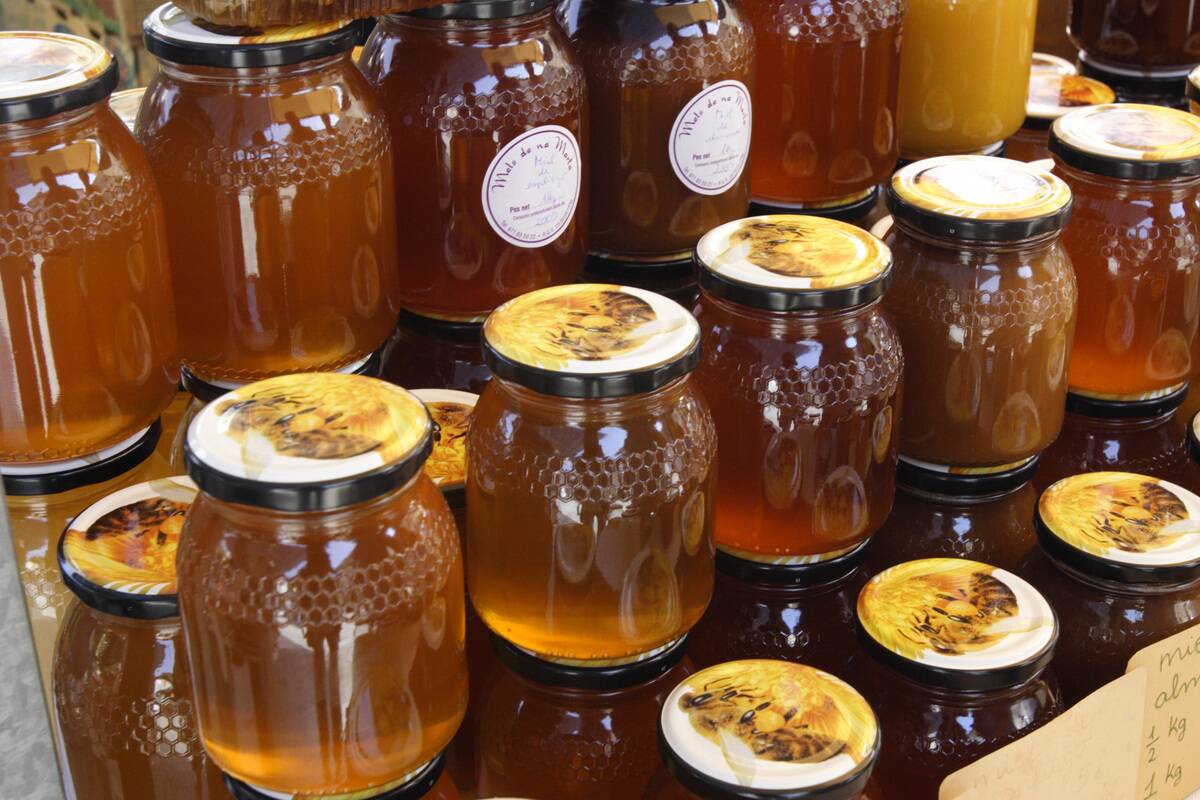
Honey resists spoilage because it’s low in moisture (often ~17–18%), naturally acidic (pH commonly around 3.9), and contains glucose oxidase, which can generate small amounts of hydrogen peroxide when diluted. Sealed tight and kept dry, it lasts for years without refrigeration. Brush a thin layer on fruit pastes or nuts and you’ve gifted them a sweet, protective coat.
Mustard brings chemistry, not just zing.
Allyl isothiocyanate—the sharp compound in brown and black mustard—disrupts microbial membranes. In South Asian pickles (achar), mustard oil and seeds help hold vegetables safe alongside salt and acid. Even in Western kitchens, mustard shows up in brines and sausages because it adds flavor while quietly patrolling the microbial border.
Eggs for months: Water glass, limewater, and waxed shells
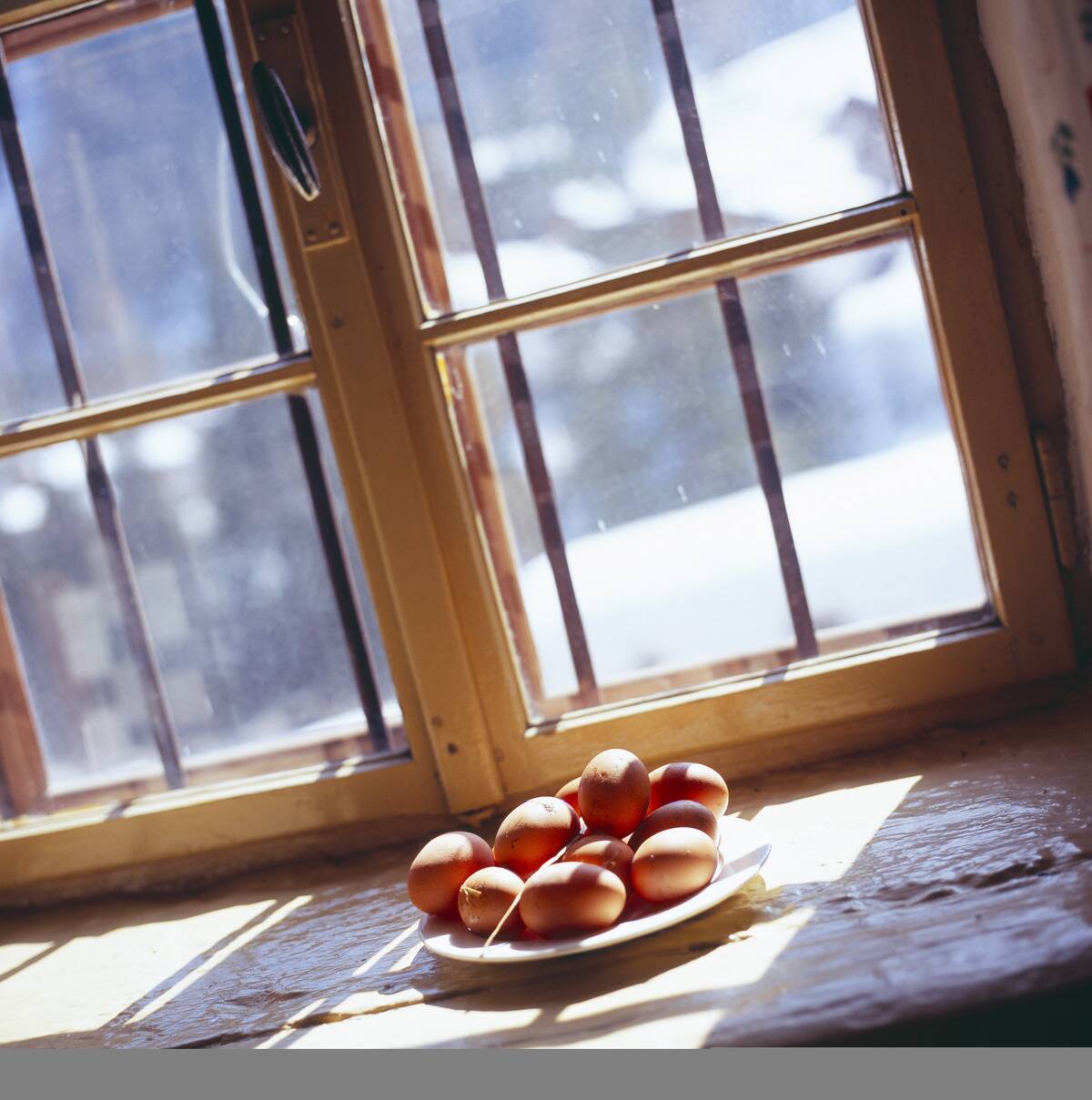
Before year-round cartons, farm families preserved spring eggs for winter. One standby was “water glass,” a sodium silicate solution that seals eggshell pores. Using fresh, unwashed eggs (the natural cuticle intact), submersion in a proper solution and cool storage could stretch freshness 6–9 months; early 20th‑century agricultural bulletins taught the method widely.
A related trick used limewater (calcium hydroxide) to create an alkaline bath that also blocked air exchange.
Simpler still, oiling eggs with mineral oil or melted fat reduced moisture loss by sealing pores—common advice in the early 1900s. Whatever the method, success hinged on cleanliness, stable cool temperatures (ideally below ~15°C/59°F), and starting with the freshest eggs. Refrigeration is safer and easier today, but those old jars kept breakfast on the table when hens took a winter break.
Sealed tight: Pitch, beeswax, and oiled cloth to keep air out
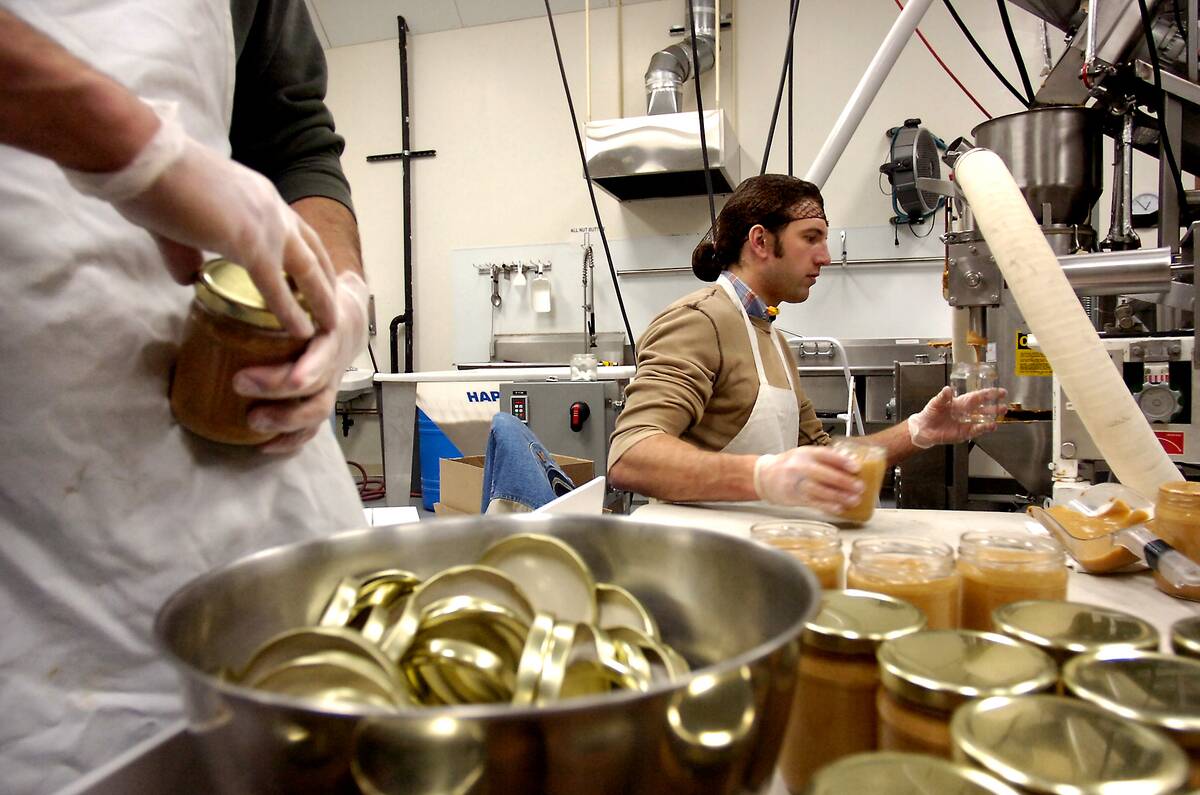
If oxygen is the party crasher, a good seal is the bouncer. Romans lined wine and oil amphorae with pine pitch to make them less porous, slowing oxidation and leaks on long voyages. In later centuries, stoneware crocks of pickles, butter, or rillettes were capped with beeswax or clarified fat. Even a pig’s bladder or parchment tied tight and coated with grease made a serviceable, if humble, lid.
Oiled cloth had a moment, too.
A circle of linen or paper brushed with wax or oil and tied over a jar kept dust and insects out and evaporation down. Cheese still leans on sealing logic: waxed rinds protect wheels during aging, and natural rinds are rubbed with oil to slow moisture loss. None of it sterilizes—seals simply give your other defenses time to work.
Early canning and bottling: Appert’s airtight revolution
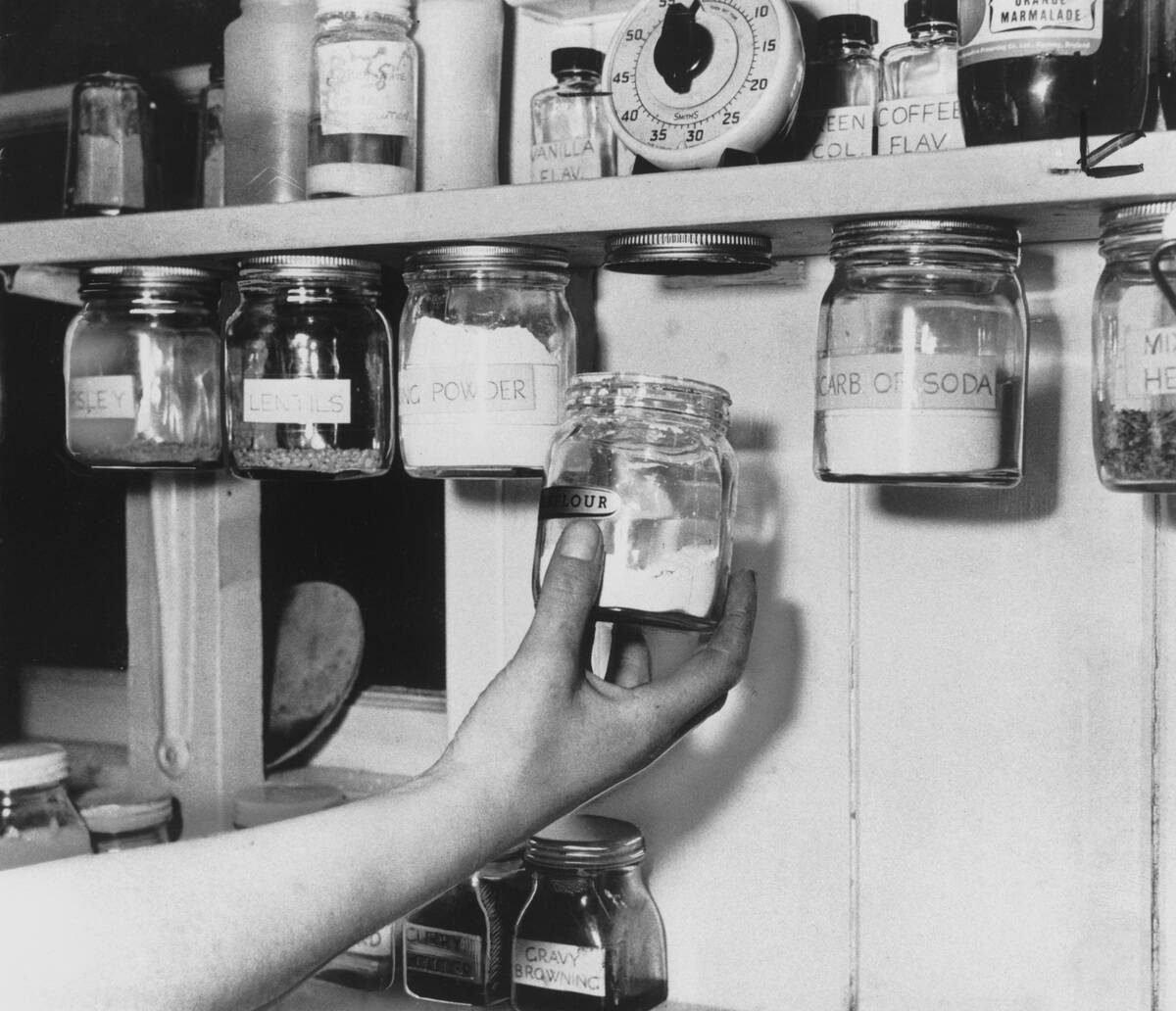
In 1795, France offered a prize for preserving army rations, and Nicolas Appert answered. By 1810 he published a method sealing food in glass with cork and wax, then heating it long enough to keep for months. Across the Channel the same year, Peter Durand patented food packed in iron (tin-plated) cans. The idea was airtight plus heat—a winning pair—decades before germ theory fully explained why it worked.
Improvements came fast.
John Landis Mason’s 1858 screw-top jar made home bottling far safer, and can openers finally arrived in the 1850s–1860s to match the industrial tins. Science filled gaps, too: Émile van Ermengem identified Clostridium botulinum in 1895, sharpening guidance on time, temperature, and acidity. With that, canning shifted from a brave experiment to a reliable pantry backbone.
Clever architecture: Thick walls, marble slabs, and north-facing larders
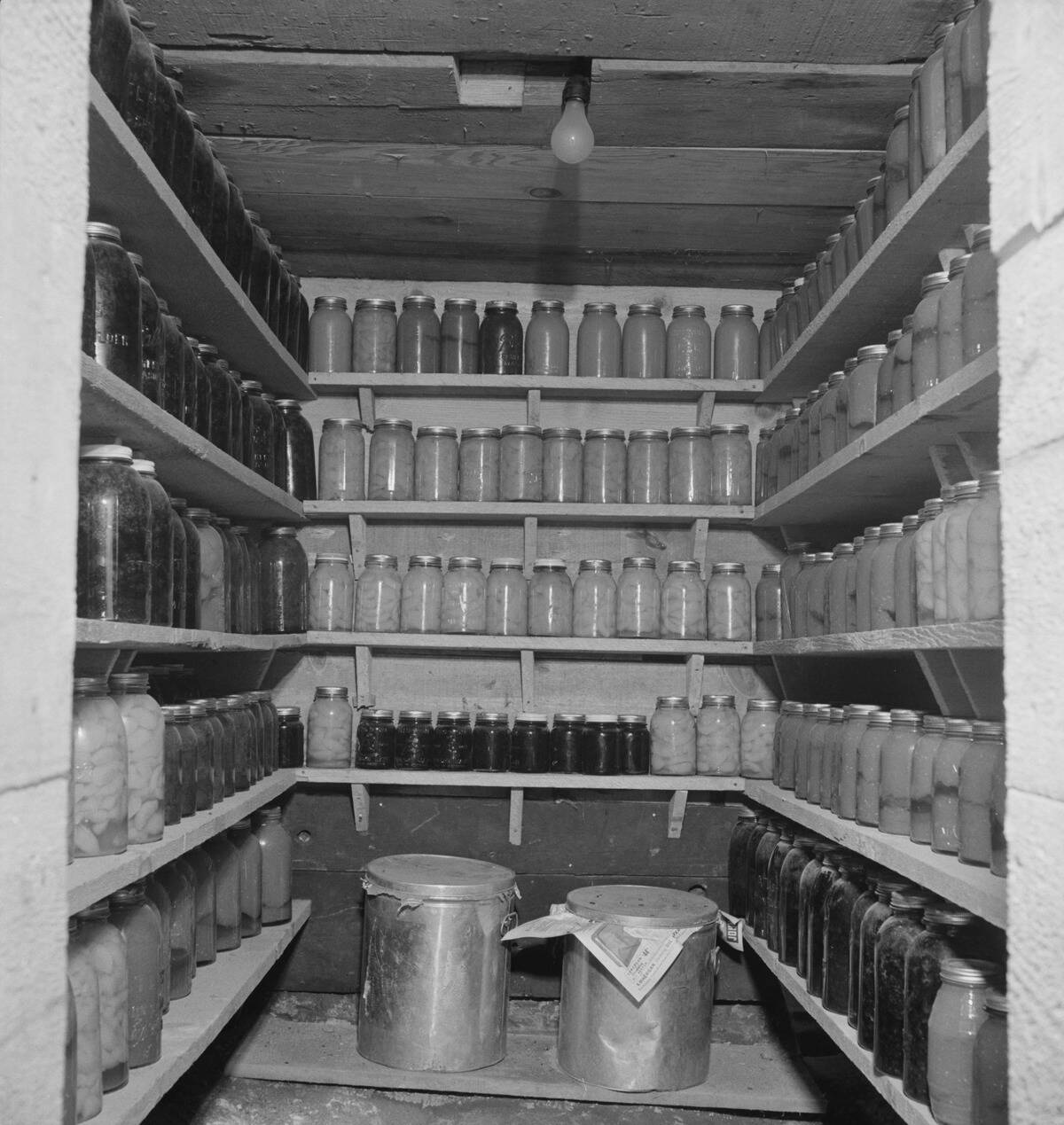
Before thermostats, builders used the compass and stone. North‑facing larders in the Northern Hemisphere dodged direct sun; thick masonry walls and small, shaded windows kept interiors cool. High-and-low vents encouraged a gentle stack effect so warm air drifted out while cooler air slipped in.
Shelves of marble or slate added thermal mass, absorbing nighttime chill and bleeding it back slowly by day.
Specialized rooms followed suit. Dairy sculleries had cold water taps and stone sinks for rinsing, while pantry floors stayed uncarpeted to stay cool and clean. Even simple tricks—whitewash to reflect heat, deep eaves to shade walls—nudged temperatures down a few precious degrees. Add good habits, and you had a house that helped the food help itself.
Leaf wraps and natural casings: Banana leaves, grape leaves, and intestines
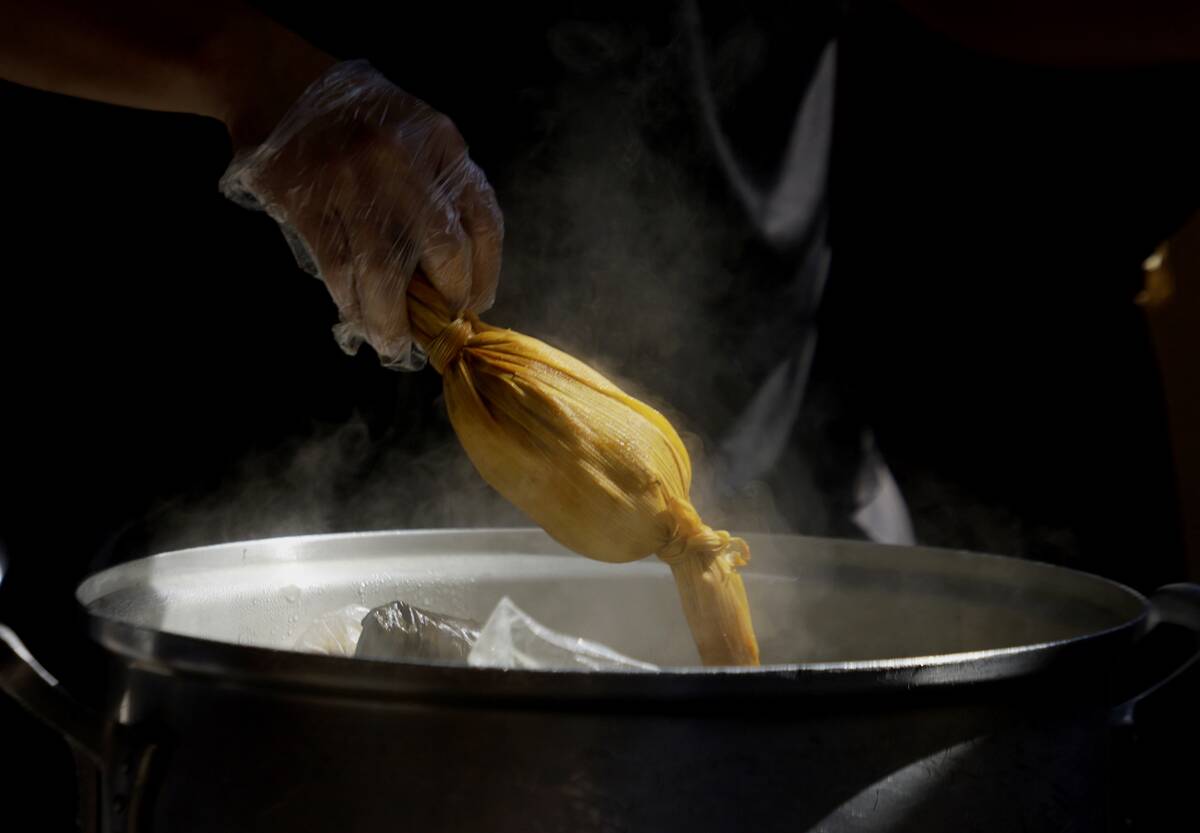
Nature hands out packaging. Banana, plantain, and ti leaves are broad, flexible, and waxy, perfect for wrapping fish or rice so they steam in their own juices while staying protected from dust and bugs—think Polynesian lū‘au bundles or Mexican tamales in corn husks. Grape leaves swaddle rice and meat into dolma; their tight roll and light acidity help hold shape and freshness on the road.
Animal casings—cleaned intestines—gave sausages their breathable armor. They let moisture escape during drying while keeping flies out, critical for traditional salami and landjäger. Inside, salt, spices, and starter cultures generate lactic acid, dropping pH into the safe zone. The result is portable protein with a built-in wrapper, engineered by biology and perfected by butchers.




