25 photos of what school life was like in the early 1900s
Picture a school day when the scent of coal smoke mixed with chalk dust, and the teacher knew every sibling by name. In the early 1900s, American schools were in transition: by 1918, every state had passed compulsory education laws, but what that looked like varied widely. Urban districts were adding age-graded classrooms and longer terms, while rural schools still revolved around the farm calendar.
Attendance could be spotty in planting and harvest seasons, yet the idea that every child should learn the basics had taken root.
Most kids encountered the famous three Rs, read from well-thumbed readers, and wrote with ink that stained their cuffs. Heating came from a potbelly stove, ventilation from tall windows flung open in all seasons, and lighting from daylight or, in some cities, early electric bulbs. A school might double as a gathering hall after hours, where spelling bees drew neighbors as reliably as church suppers. It felt earnest, practical, and very community-made.
One-Room Schoolhouses vs. Bustling City Schools
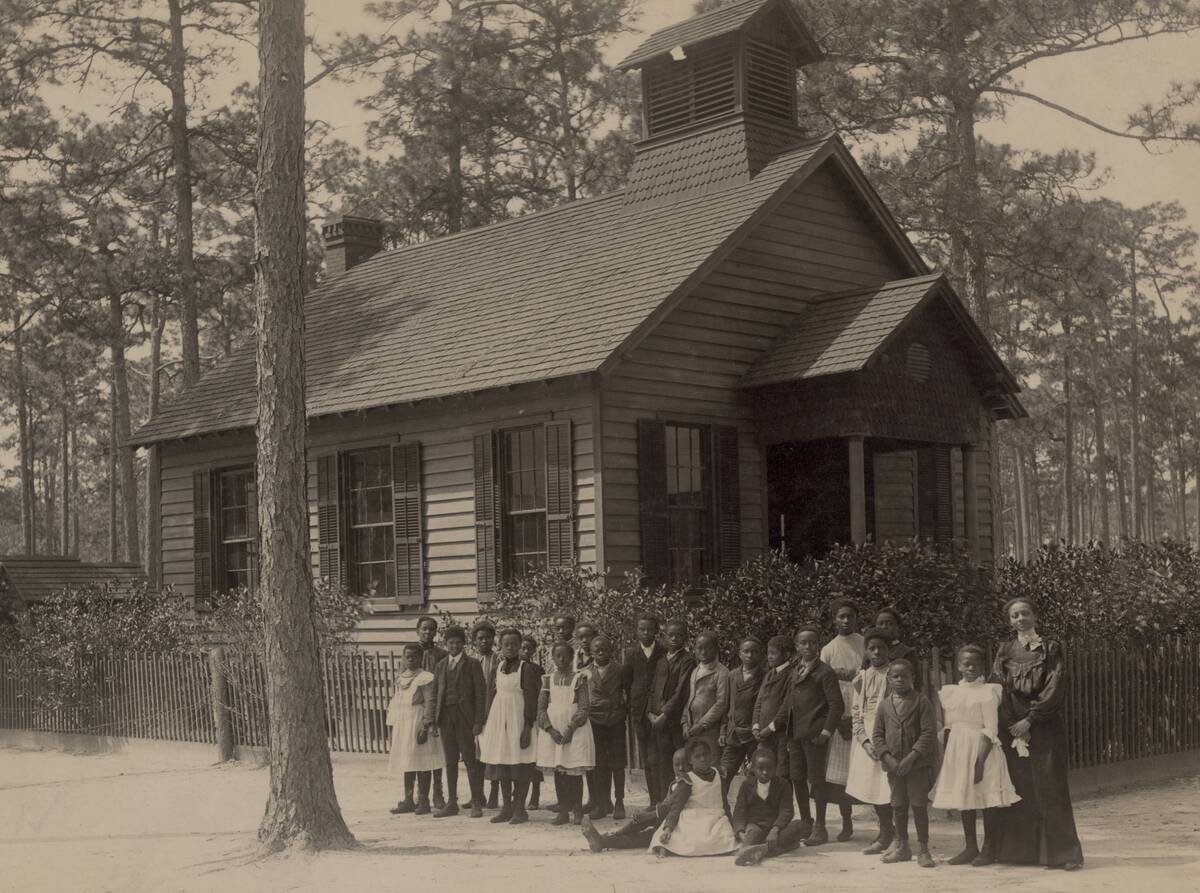
Rural children often learned in one-room schoolhouses where a single teacher juggled six to eight grades at once. Enrollment might be a handful of pupils in winter or a few dozen at harvest’s end, with older students helping younger ones. Desks faced a big blackboard, and a bell on a post called everyone in from the road. In many regions, such schools dotted the countryside just a few miles apart, so no child had to walk all day to reach class.
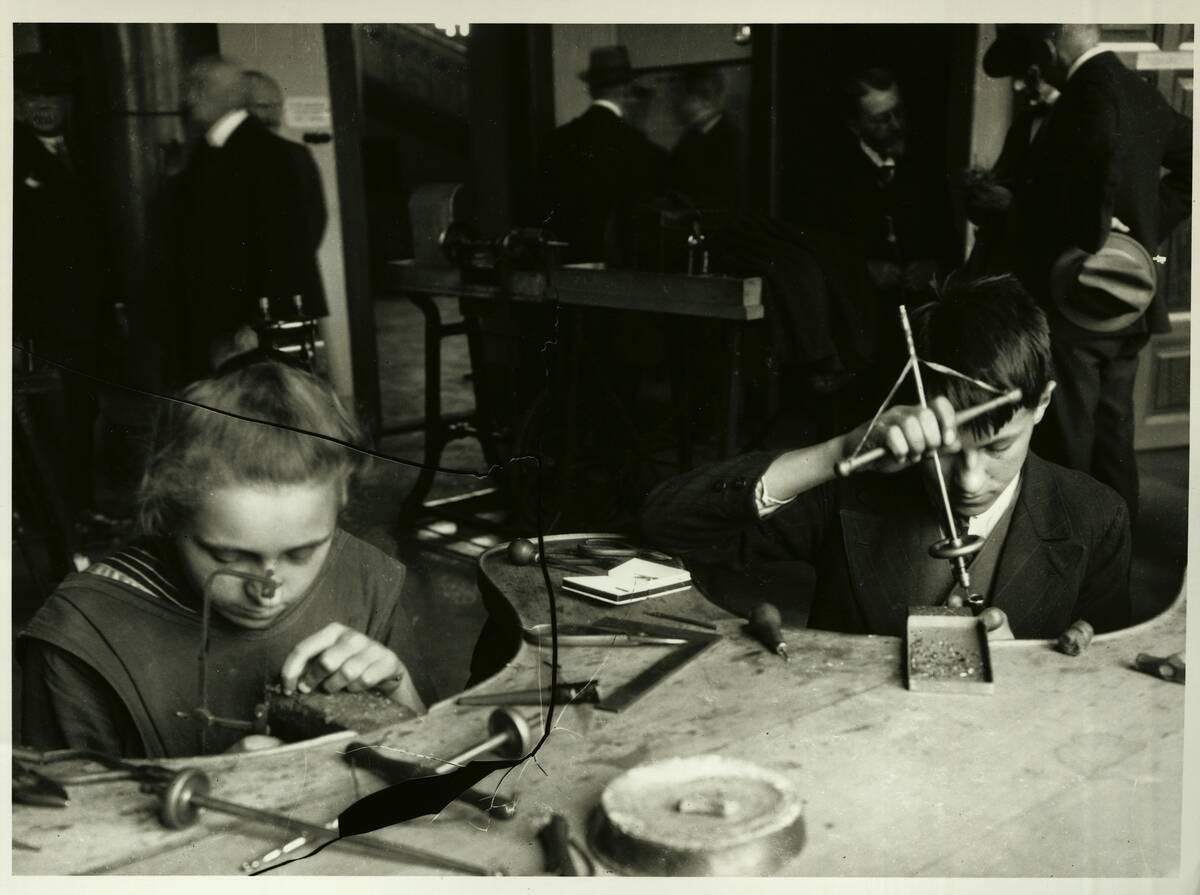
Meanwhile, cities built multi-story brick schools with graded classrooms and principals keeping time by a big wall clock. Classes were sorted by age, lessons by subject, and hallways thrummed when hundreds of students changed periods. Specialized rooms—manual training shops, domestic science kitchens, even science labs—began appearing in large districts. Consolidation would later pull small rural schools into larger centers, but in the early 1900s, the contrast between one-room calm and city bustle was striking.
The School Bell Routine: When the Day Started and Stopped
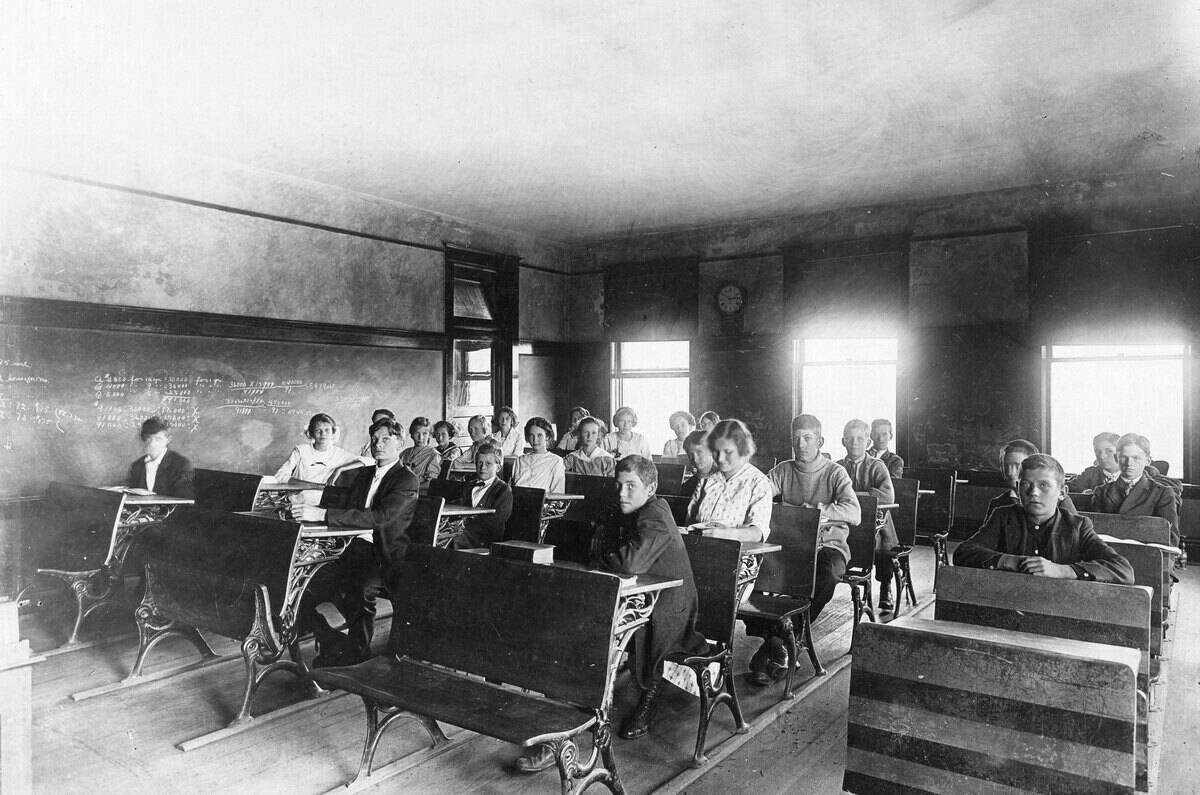
The day typically began around 8:30 or 9:00 a.m. with the clang of a handbell or the peal from a belfry, and ended near 3:30 or 4:00 p.m. Students lined up by class—or simply streamed through the door in the country—hung coats in the cloakroom, and took seats before the opening exercises. Many schools started with a flag salute, a hymn, or a short reading, a holdover from earlier common-school traditions that made the day feel ceremonious.
Lessons followed a tight rhythm: short recitation periods, arithmetic practice, a geography turn at the map, maybe a song. The bell marked lunchtime, then let everyone loose for recess, and finally tolled dismissal. Being tardy earned a note or a demerit; habitual lateness could mean staying after to copy lines. That steady ring governed more than clocks—it set a clear pace in an era when few students carried watches and punctuality was a daily lesson.
Desks, Inkwells, and Squeaky Floors: Inside the Classroom
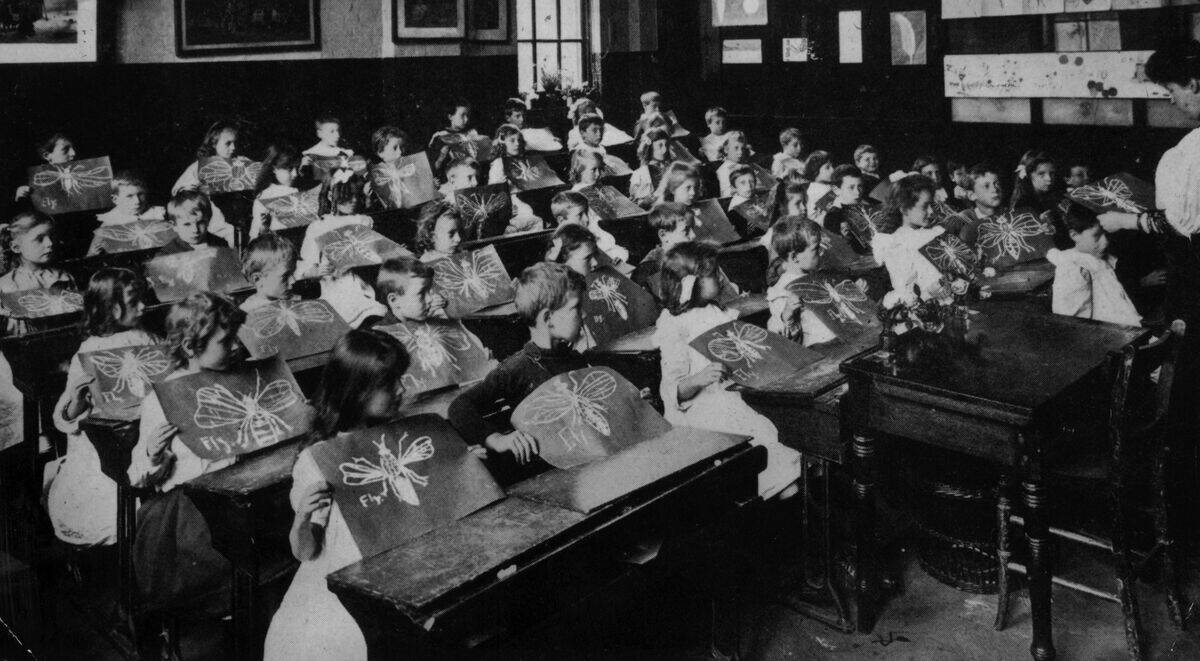
Step onto creaking wooden floors, and you’d see rows of cast-iron and oak desks, many bolted to the floor. Desk lids lifted to hide readers and slates, and a round inkwell sat ready for a dip pen. A potbelly stove radiated heat in winter, with coal scuttles stacked nearby. Cloakrooms guarded wet boots, while a well-worn teacher’s desk faced a long blackboard. Everything felt sturdy and utilitarian, meant to survive muddy seasons and a revolving cast of students.
Noise had its own soundtrack: the scrape of chair feet, the metallic click of desk lids, and the occasional clatter of a dropped slate. Ink blots dotted copybooks, and a whiff of oil from oiled floors mingled with coal smoke. Ventilation, so prized by reformers, came by cranking open tall sash windows. In city schools, radiators hissed; in the country, the stove roared—both competing with the soft murmur of children working sums or spelling aloud.
Chalkboards, Slates, and the Art of Dusty Hands
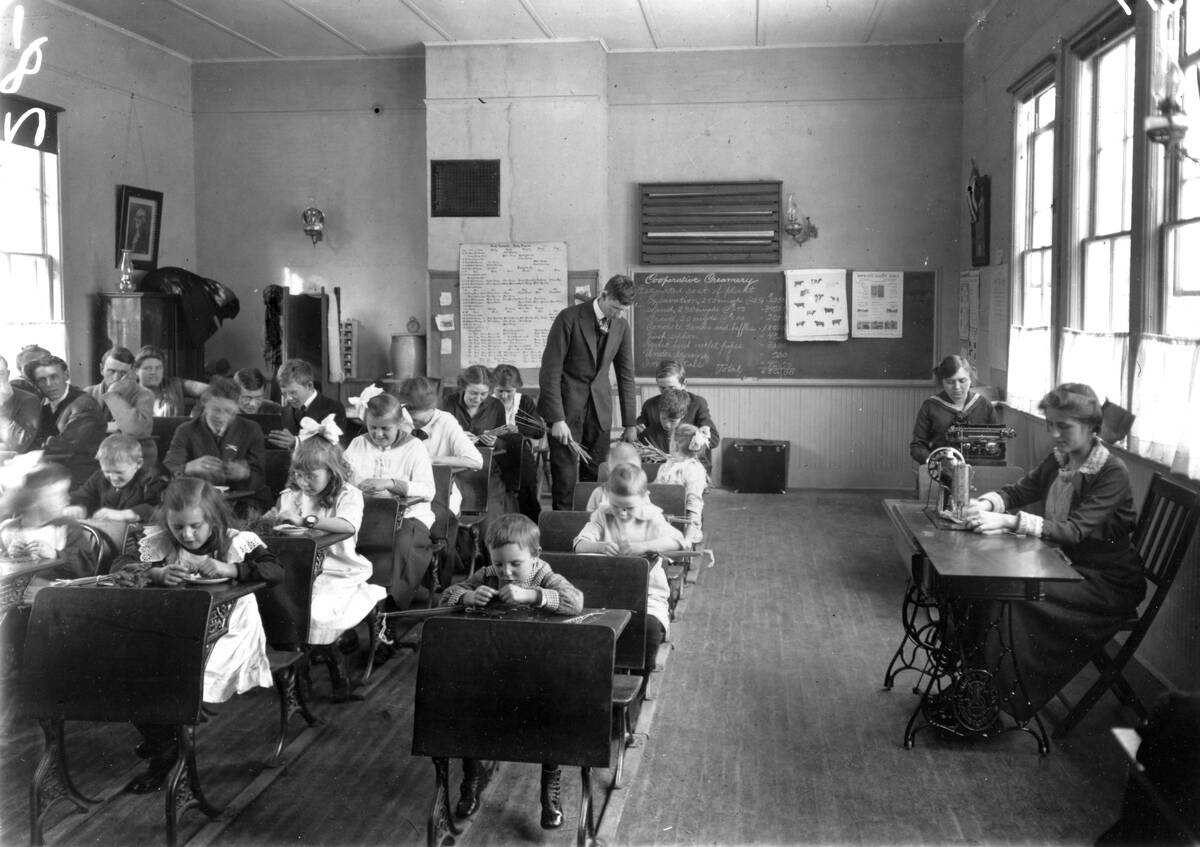
Blackboards stretched across the front wall, the teaching canvas of the age. Teachers diagrammed sentences, traced maps, and worked arithmetic where all could see. Students practiced on individual slates, saving precious paper for final copies. Slate pencils made a telltale scratch, and a woolen rag or small sponge erased mistakes. Erasers for the big board were whisked outside and clapped together, sending up satisfying puffs of chalk dust like little victory clouds after a tough lesson.
Dust was part of the job. Chalk left a fine film on sleeves, and by day’s end, many a teacher’s skirt or cuffs wore a pale badge of industriousness. Some schools installed dustless crayon by the 1910s, but it was more aspiration than everyday reality at first. Still, the simplicity worked: quick to write, quick to correct, and visible to a roomful of learners, chalk-and-slate tools made whole-class instruction both possible and brisk.
What Was Taught: Reading, ’Rithmetic, and a Dash of Morals
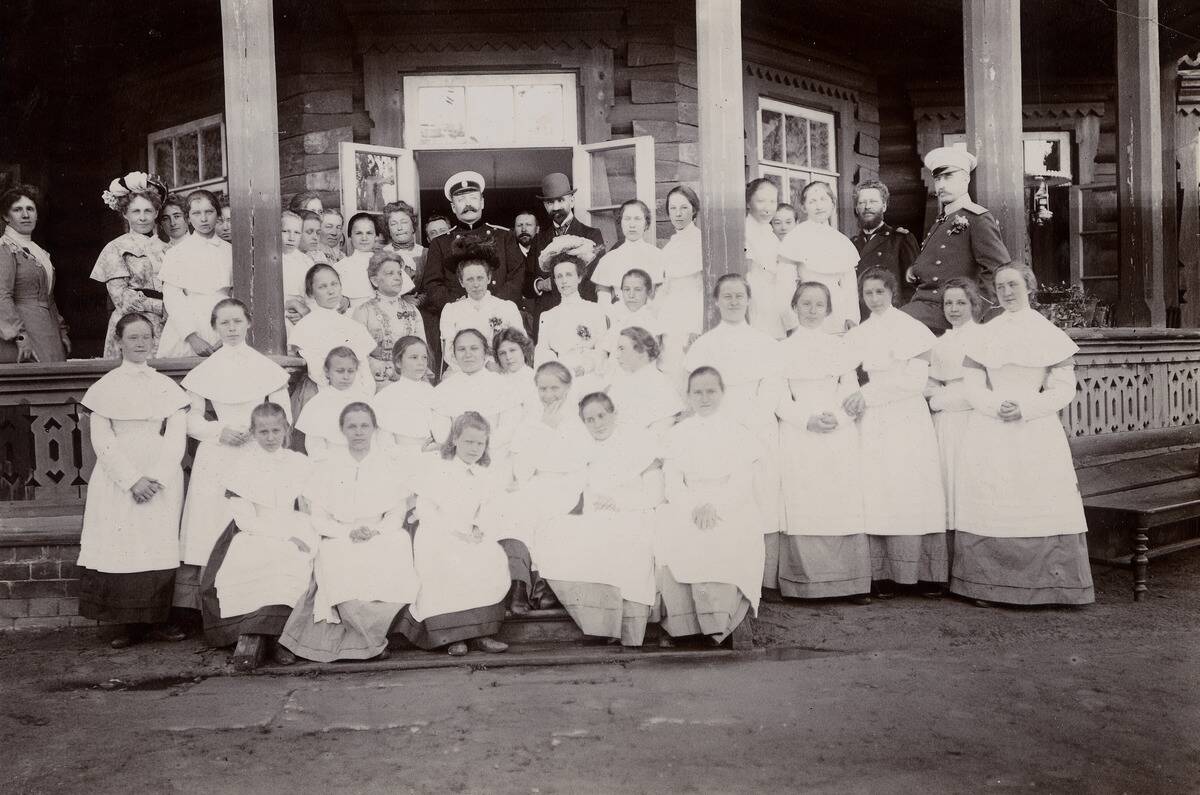
The core was straightforward: reading, writing, arithmetic, and spelling nearly every day. Geography pulled down from wall maps, U.S. history marched from colonies to Civil War, and civics emphasized duties of citizens. Nature study—observing plants, weather, and local wildlife—grew popular in the Progressive Era, blending science with curiosity. Many readers slipped in moral lessons, praising honesty, thrift, and perseverance alongside phonics and vocabulary, reflecting the era’s belief that schools shaped character as well as minds.
Hygiene crept into syllabi, too, with lessons on handwashing and fresh air, especially after waves of tuberculosis education campaigns. Music meant singing together; drawing trained careful observation; and mental arithmetic sharpened quick thinking. In some districts, manual training or domestic science offered practical skills. However humble the materials, the day’s mix tried to balance fundamentals with habits of good conduct, a formula that parents and school boards across the country broadly endorsed.
Recitations and Rote: How Lessons Were Learned (and Remembered)
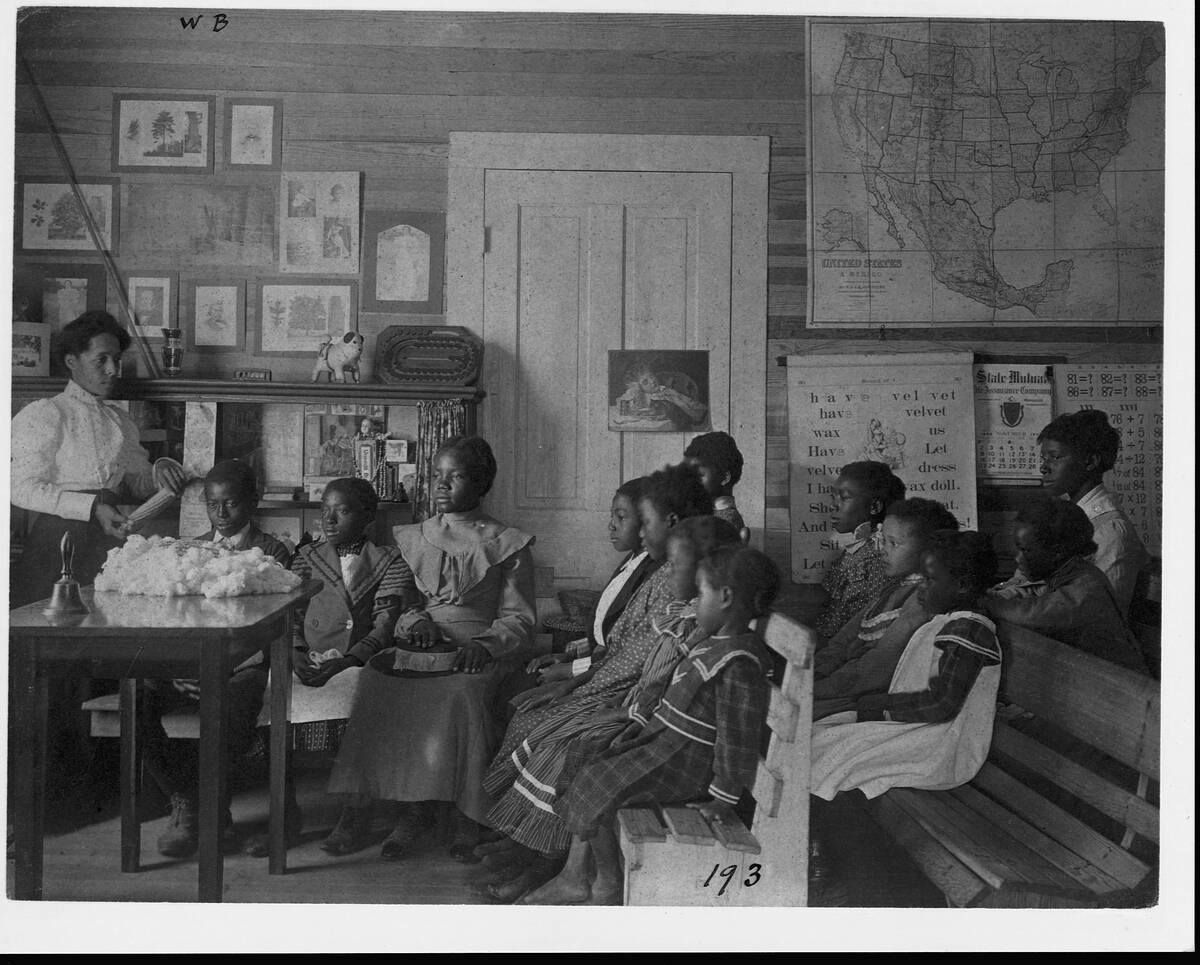
If you had stepped inside, you’d hear recitations—students standing to read, spell, or recite multiplication facts from memory. The recitation bench at the front cycled groups through swift, focused turns while others worked at desks. Memorization was no sideline; it was the engine of learning, from spelling lists to poetry stanzas and state capitals. Teachers quizzed in brisk rhythms, and a good reciter could earn both praise and a reprieve from extra practice.
Rote learning had its reasons: limited books, crowded rooms, and the need to teach many at once. Mental arithmetic drills built speed for everyday calculations, and reciting aloud doubled as elocution practice. Progressive educators would soon champion more hands-on approaches, but in the early 1900s, well-trained memory was considered essential. Students kept commonplaces in copybooks, carried poems in their heads, and discovered that the quickest way to mastery often started with steady, rhythmic repetition.
Penmanship Pride: Cursive, Copybooks, and Blotted Fingers
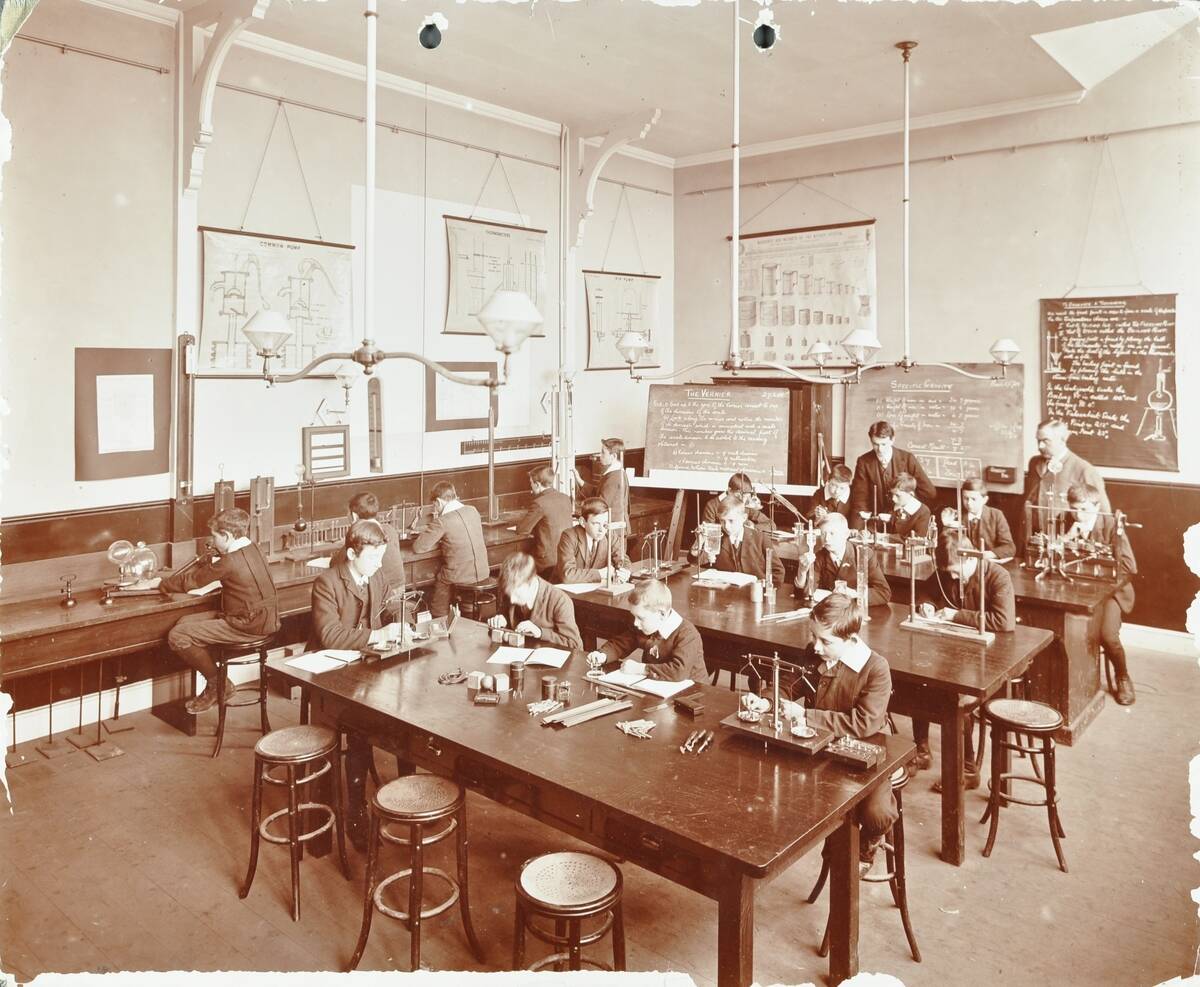
Beautiful handwriting was a bona fide goal, not just a nice-to-have. The Palmer Method, introduced in the 1890s by Austin Palmer, spread widely in the early 20th century with its muscular, rhythmic strokes and insistence on posture, paper slant, and arm movement. Copybooks modeled graceful letters and spacing, and students filled line after line with ovals and push-pulls. Grades depended not only on neatness but on uniformity and speed, which mattered when so much work was done by hand.
Dip pens and inkwells made penmanship messy in the most memorable way. A careless moment could shower a page with blots, and left-handed students often faced extra smudges as their hands followed the wet trail. Blotting paper helped, but stains on fingertips were practically badges of effort. By upper grades, a tidy, legible script could mean better marks and smooth sailing through compositions, ledger practice, and letter-writing—the very muscle memory of educated life.
Textbooks of the Time: McGuffey and Friends
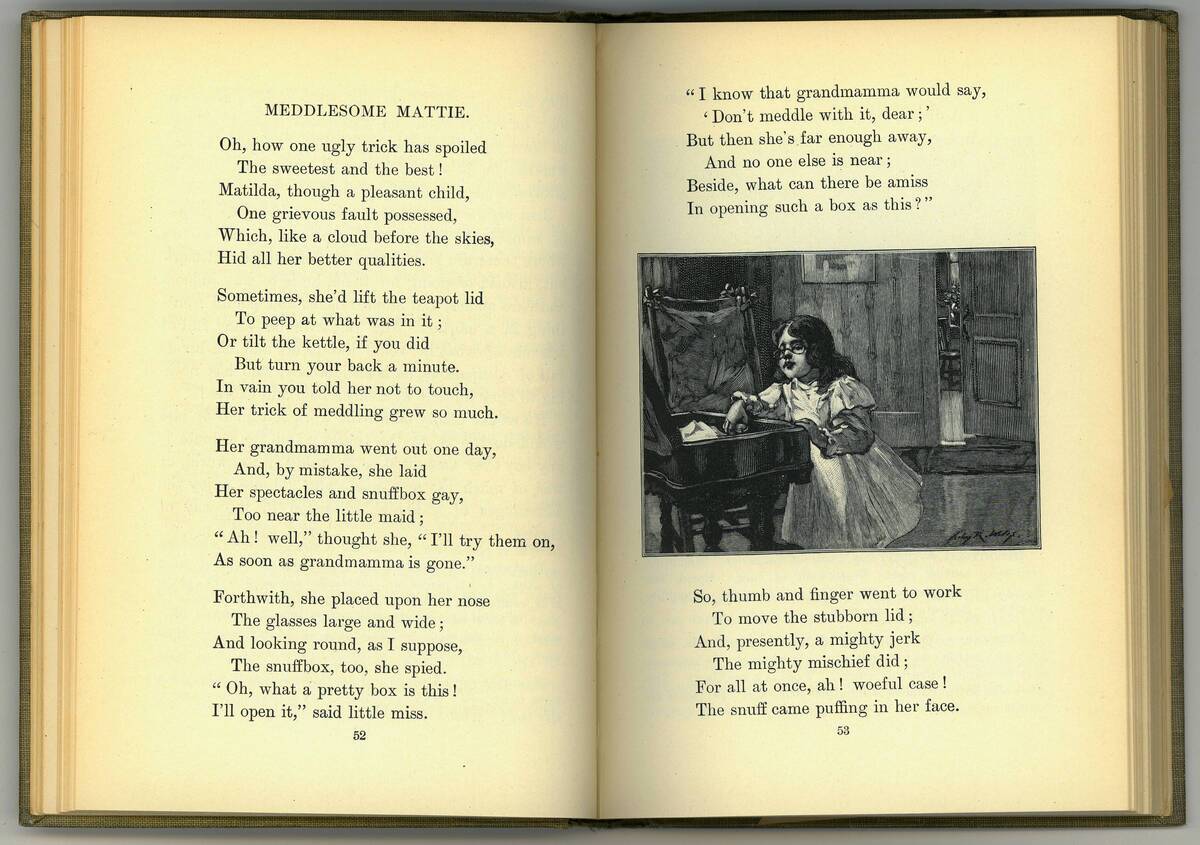
McGuffey Readers—first published in the 1830s—were still on many shelves, especially in rural schools, after selling well over 100 million copies across decades. They mixed phonics, literature excerpts, and moral tales that teachers knew by heart. But new series were arriving: Baldwin Readers and Elson Readers offered fresh selections, and spelling books updated word lists for a changing economy.
Geography texts from firms like Rand McNally paired lessons with handsome wall maps that made the world feel a bit closer.
States and districts often adopted a textbook list for several years, so editions lingered. That meant a classroom could hold mismatched sets—one child on an older reader, another on a newer one—while teachers stitched lessons across them. Many books included questions right in the margins, promoting the recitation style. Though plain in design, they were built to endure hard travel in book satchels and a fair number of sticky jam fingers at lunch.
Rules, Discipline, and the Paddle on the Wall
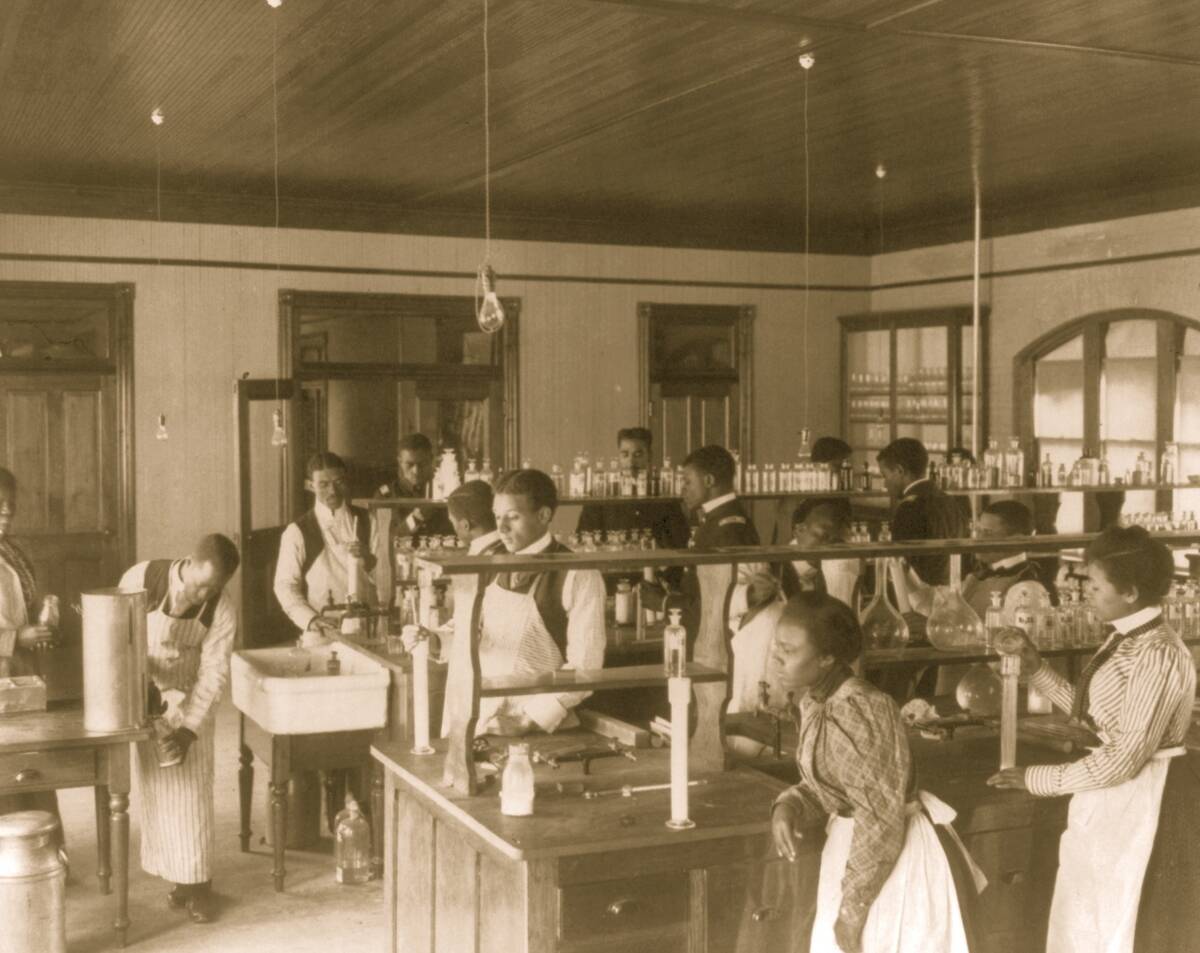
Classroom rules were simple and strict: no whispering during lessons, stand to speak, mind your posture, and keep your desk tidy. Consequences ranged from staying after school to copy lines to losing recess. Corporal punishment was legal and widely used in many states; a paddle, ruler, or switch on the premises was not unusual, especially in rural schools, though individual teachers varied in how often they used it. The aim, in the era’s view, was order first, learning second.
Teachers kept behavior rolls, issued demerits, and sent notes home when needed. Some schools posted conduct grades alongside academics on report cards. Public shaming devices like dunce caps had largely fallen out of favor by the 1900s, replaced by more systematic discipline. Community standards mattered, too—parents expected firm boundaries, yet also expected fairness. A well-run room was quiet enough for study, with just enough cheer to keep spirits up between sums and spelling drills.
Dress for Success: What Students Wore to Class
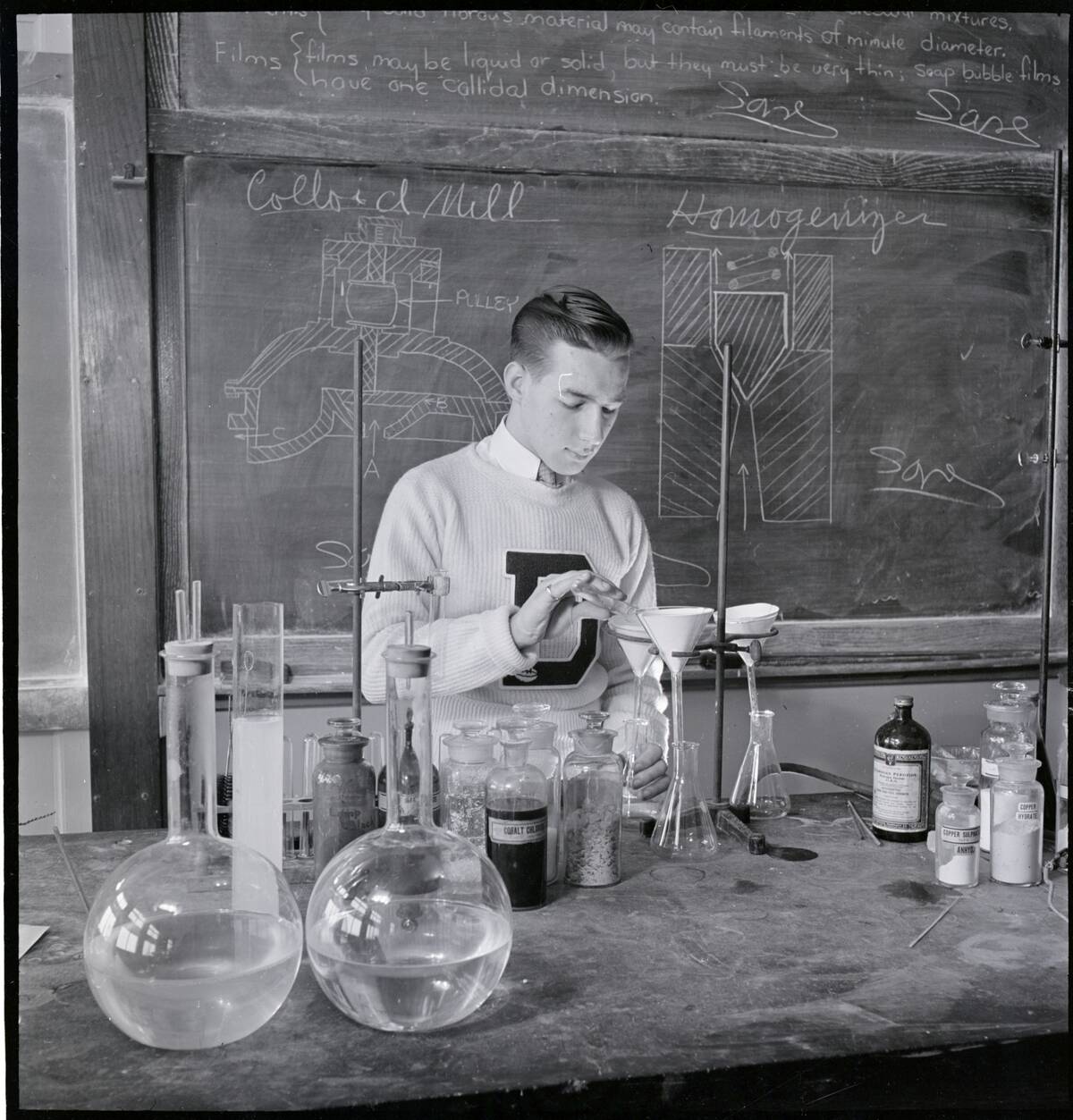
Clothes had a sturdy, practical look. Boys commonly wore knickers or short trousers with long stockings, shirts with detachable collars, and caps that landed in the cloakroom. Girls arrived in knee- to calf-length dresses covered by washable pinafores that protected from ink and dust. High-button or lace-up boots were standard for both, especially in wet seasons. Fabrics leaned toward wool, cotton, and gingham, built to be mended, let out, and handed down across a chain of siblings.
Formality softened as the years went on, but early 1900s students still aimed to look neat. Hair bows, suspenders, and cardigan sweaters appeared in chilly months, while straw hats and lighter cottons marked spring. Laundering day was weekly in many homes, so garments had to hold up under steady wear. Fashion rules were unspoken: hats off indoors, aprons on for messy work, and keep your shoes scraped—no teacher wanted mud tracking past the stove.
Lunch Pails, Milk, and Midday Fuel
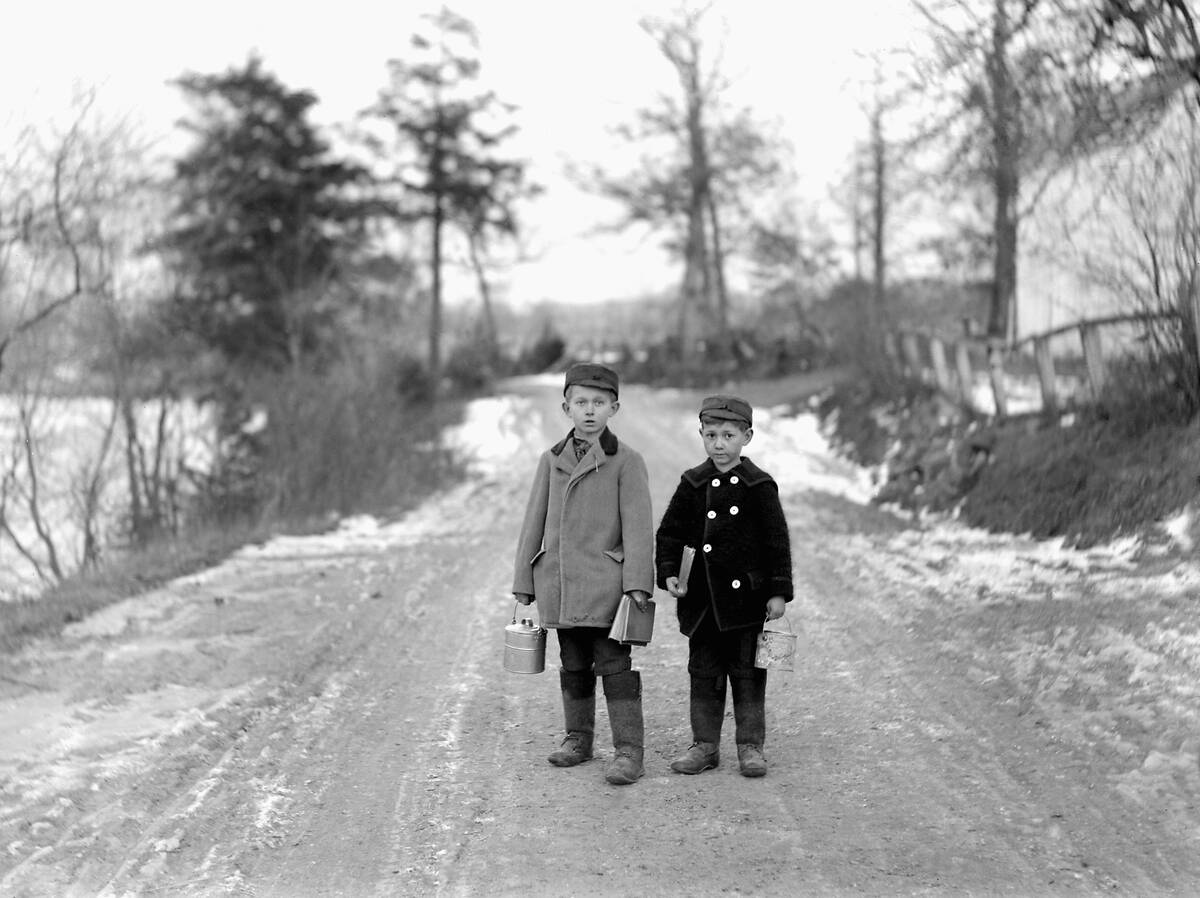
Lunchtime came from home, often in a tin pail or repurposed syrup bucket. Sandwiches on homemade bread, hard-boiled eggs, cheese, cold meats, apples, and leftover pie were common fare. In winter, some classrooms warmed soup or cocoa on the stove, turning the room into a cozy canteen. Vacuum bottles existed by the early 1900s, so a lucky few sipped something warm at noon. Everyone knew the rule: no crumbs on the ledger paper and keep the inkwell lids shut.
City reformers soon organized school lunches for children who needed them. Programs in places like Boston in the 1890s and New York City by 1908 offered simple, low-cost meals—stews, bread, and milk—served in school basements or nearby kitchens. There was no federal lunch program yet, so local committees and charities kept the kettles going. Milk deliveries were common in towns, and a bottle shared among classmates could steady the afternoon’s handwriting and arithmetic.
Recess Then: Hoops, Jump Ropes, and Playground Pastimes
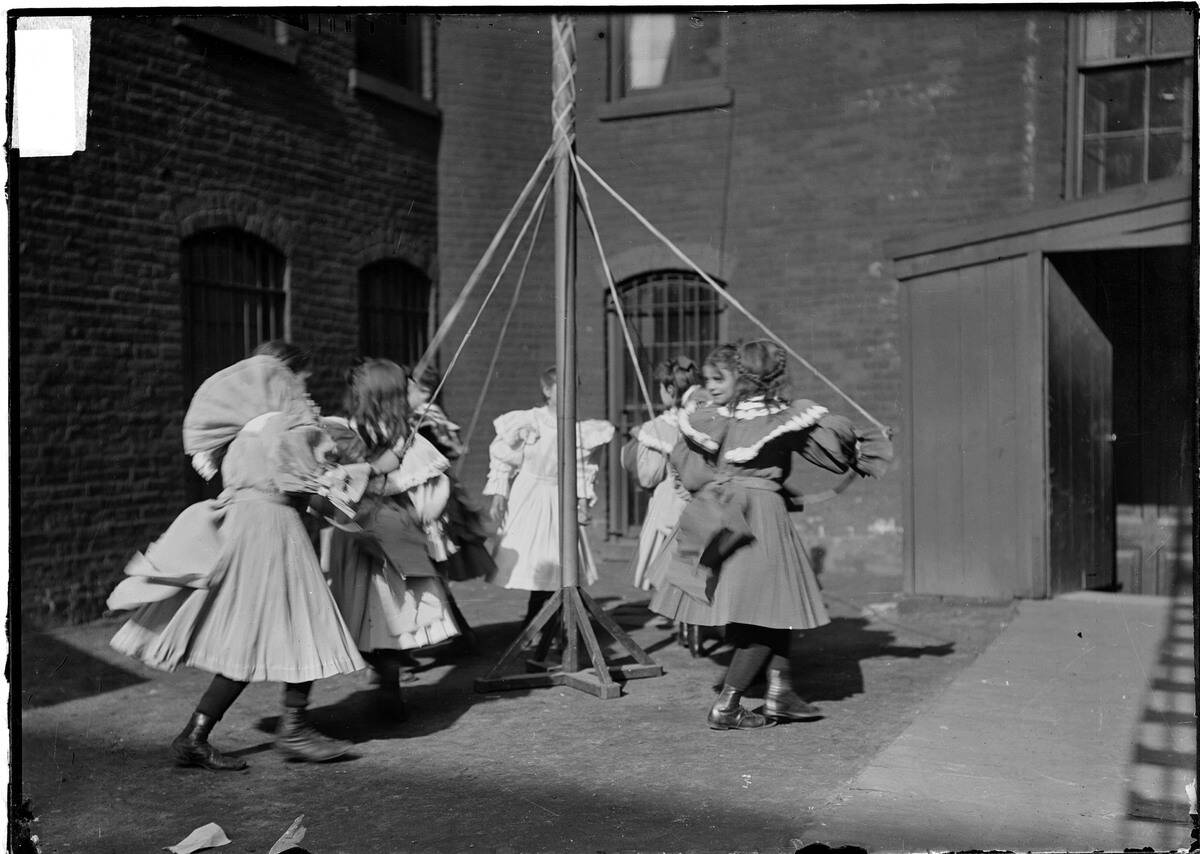
Recess was wonderfully analog. Children rolled hoops along packed earth, skipped rope in singsong rhythms, played marbles, hopscotch, and anti-over tossing a ball over the roof. A scrap of ground became a baseball diamond in minutes, and in winter, snowball etiquette was enforced with the same gravity as grammar rules. The clanging bell could end an entire imaginary world mid-quest, but everyone knew there would be fresh adventure at the next break.
The playground movement took off in the early 1900s, bringing more organized play and equipment to city schools. Swings, slides, and supervised games arrived alongside ideas that play built character and health. Girls often played in designated areas, sometimes with gentler rules, while boys tussled at the edge of the lot. No screens, no batteries—just chalked lines, quick feet, and the age-old debate over whether that marble counted as in or out.
Getting to School: Boots, Buggies, and Long Walks
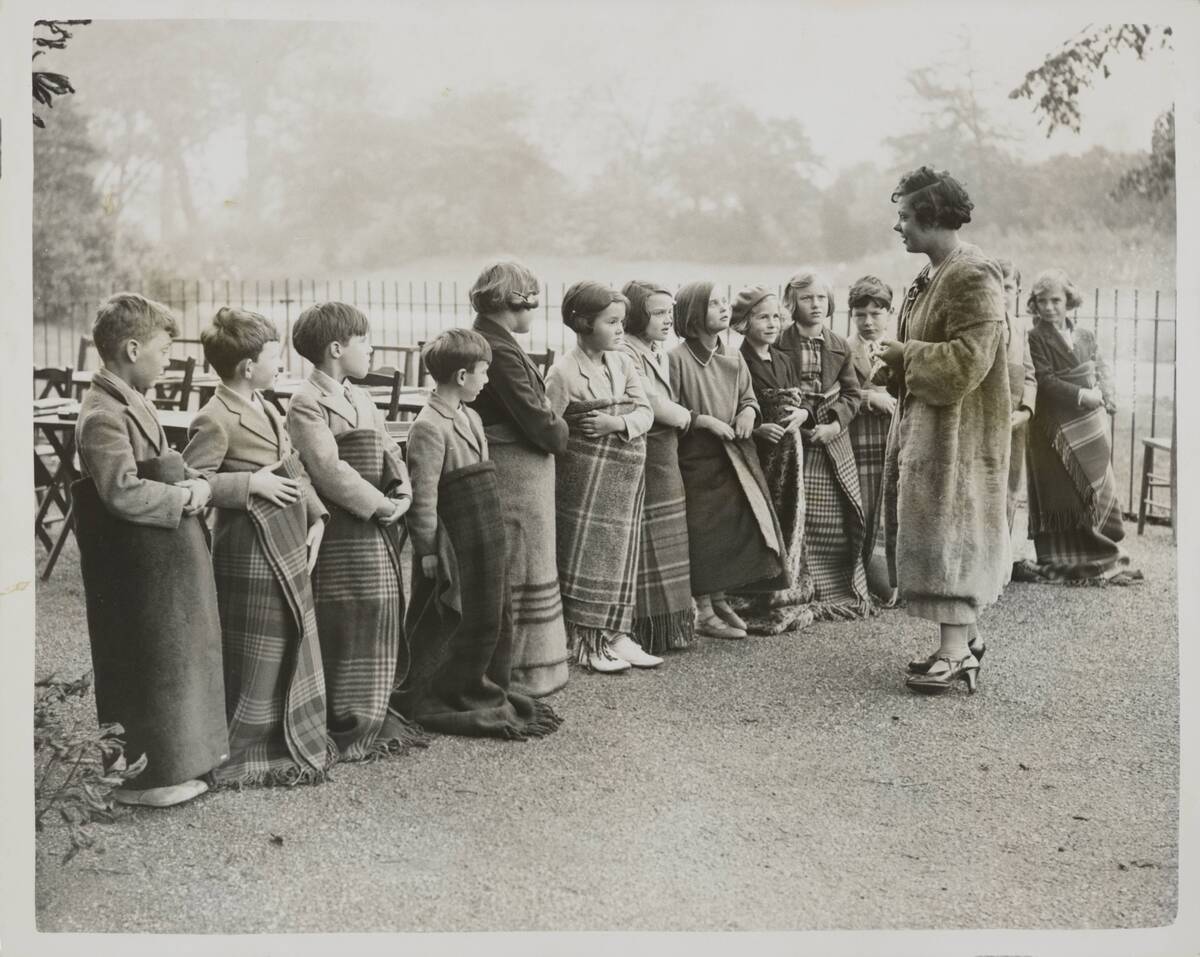
The familiar boast about walking uphill both ways had roots in reality: many children did walk a mile or more, rain or shine. Rural paths turned muddy in spring and rutted in fall, so high boots and overshoes earned their keep. In snowy regions, a horse-drawn sleigh might ferry a cluster of students, bells jingling. Town kids dodged trolleys and delivery wagons, while the lucky few caught a ride in a family buggy on bitter mornings.
Before motorized buses became common, rural districts used school wagons—nicknamed kid hacks—to collect students along scattered routes.
By the 1910s, early motor buses began appearing, but they were rare outside better-funded areas. Attendance rose when transportation improved, a quiet proof of how much a muddy road could stand between a child and a classroom. No matter the vehicle, the cloakroom told the story each morning: dripping coats, steaming boots, and cheeks flushed with the commute.
Teachers’ Lives: Training, Pay, and Boarding with Families
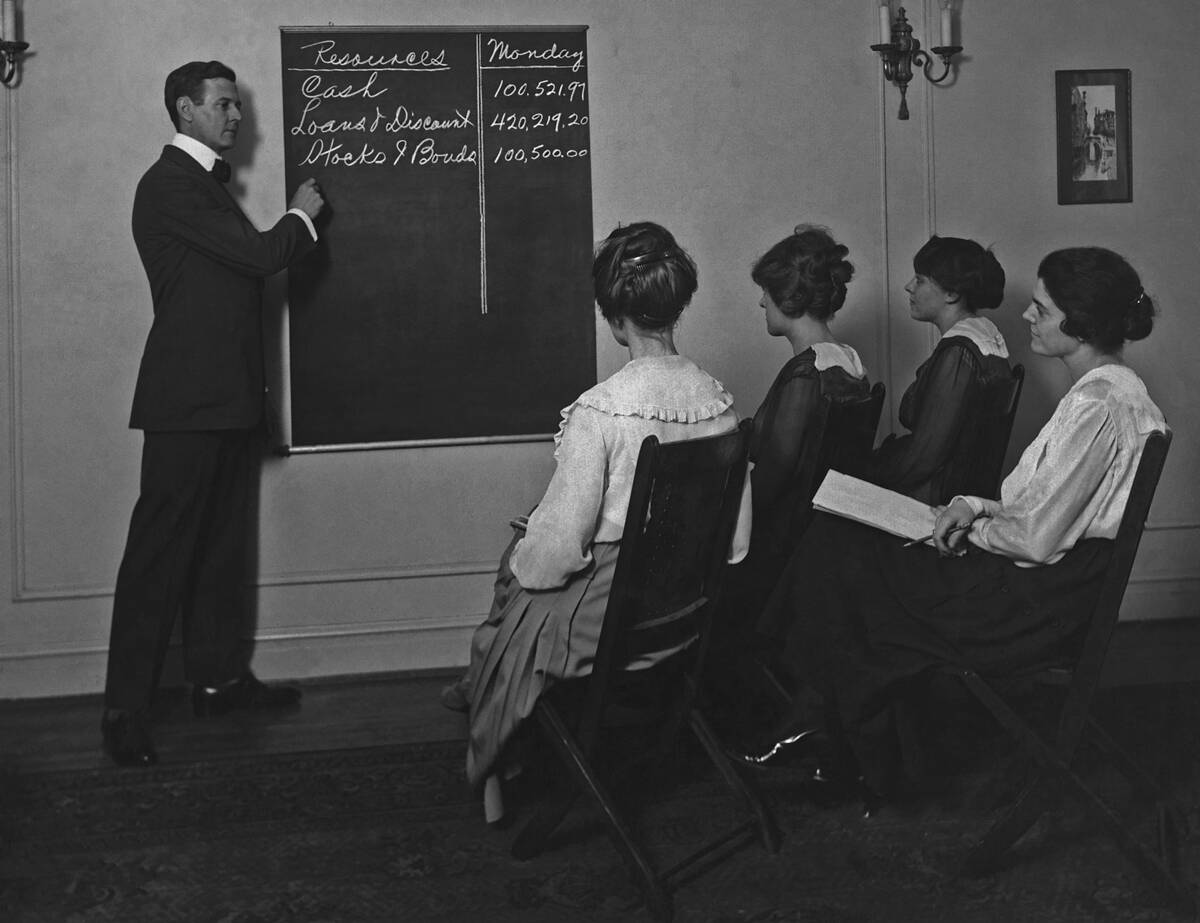
Most teachers were women trained in normal schools, two-year institutions focused on pedagogy, subject matter, and classroom management. Certification standards varied by state, but many required county exams or short institutes to renew credentials. Pay was modest—often only a few hundred dollars a year in rural districts—so thrift and side economies mattered. Some towns boosted salaries for men, reflecting period biases, even though women increasingly led classrooms from primary grades through the new high schools.
Housing was part of the deal. In the countryside, teachers frequently boarded with local families or rotated among homes, a practice known as boarding round that lingered from the 19th century. Along with teaching, they tended the stove, arrived early to sweep, and stayed late to mark papers by lamplight. Social life often revolved around church, community events, and school functions, where the teacher’s influence extended well beyond the last bell.
Girls, Boys, and Boundaries: Gender Expectations at School
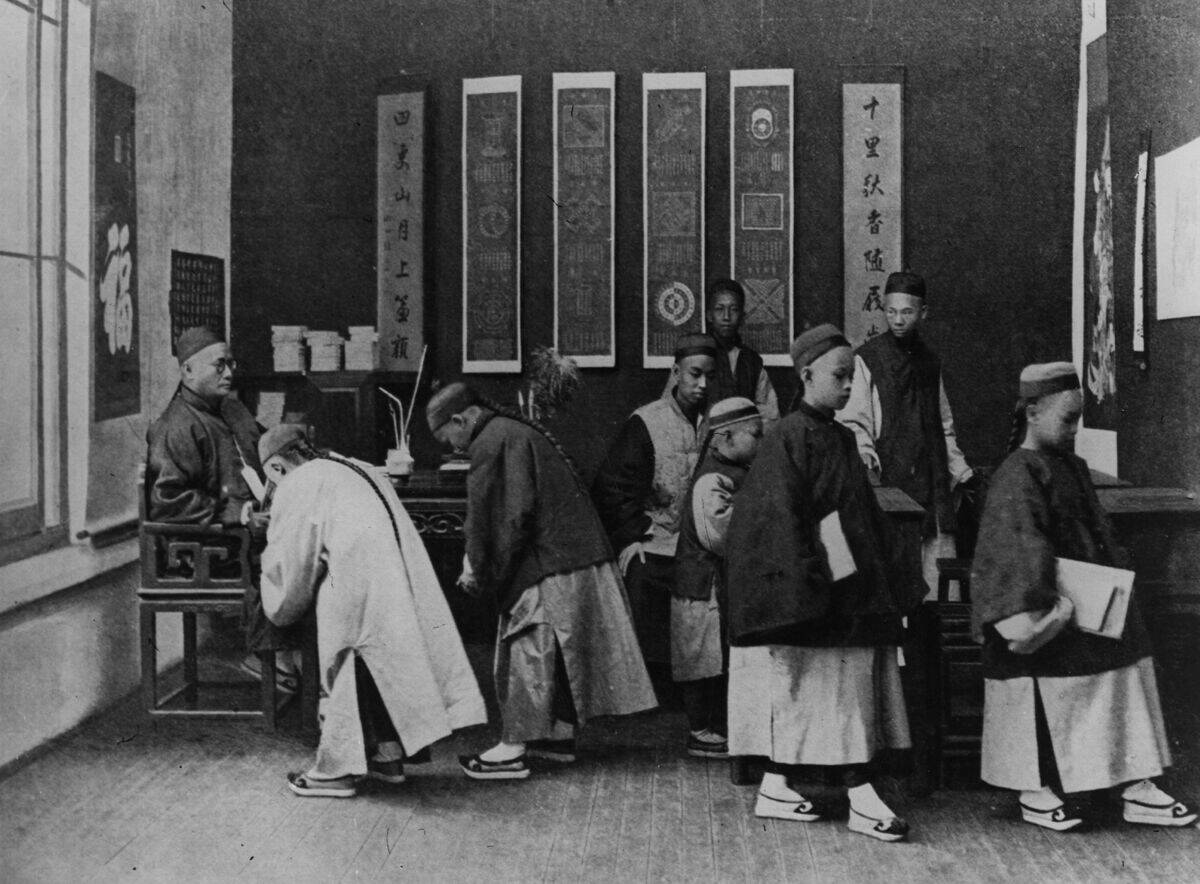
Gender shaped everyday routines in visible ways. Many schools seated boys and girls separately, lined them up at different doors, and assigned distinct playground zones. Coursework sometimes split, too: manual training or shop for boys, domestic science for girls, each cast as preparation for adult roles. Mixed academic subjects remained common, yet the cultural message was clear—work hard, but do so in ways that matched turn-of-the-century expectations for manhood and womanhood.
Participation patterns reflected those norms. Girls joined glee and literary societies in large numbers, and when basketball arrived for girls in the 1890s, it was often played with modified rules to limit roughness. Boys dominated baseball and outdoor games. Continuing beyond eighth grade could tilt male or female depending on local economics; in many cities, girls advanced in high school while some boys left for paid work. Either way, the boundaries were real, negotiated daily and often politely enforced.
Newcomers in Class: Immigrant Kids and Americanization
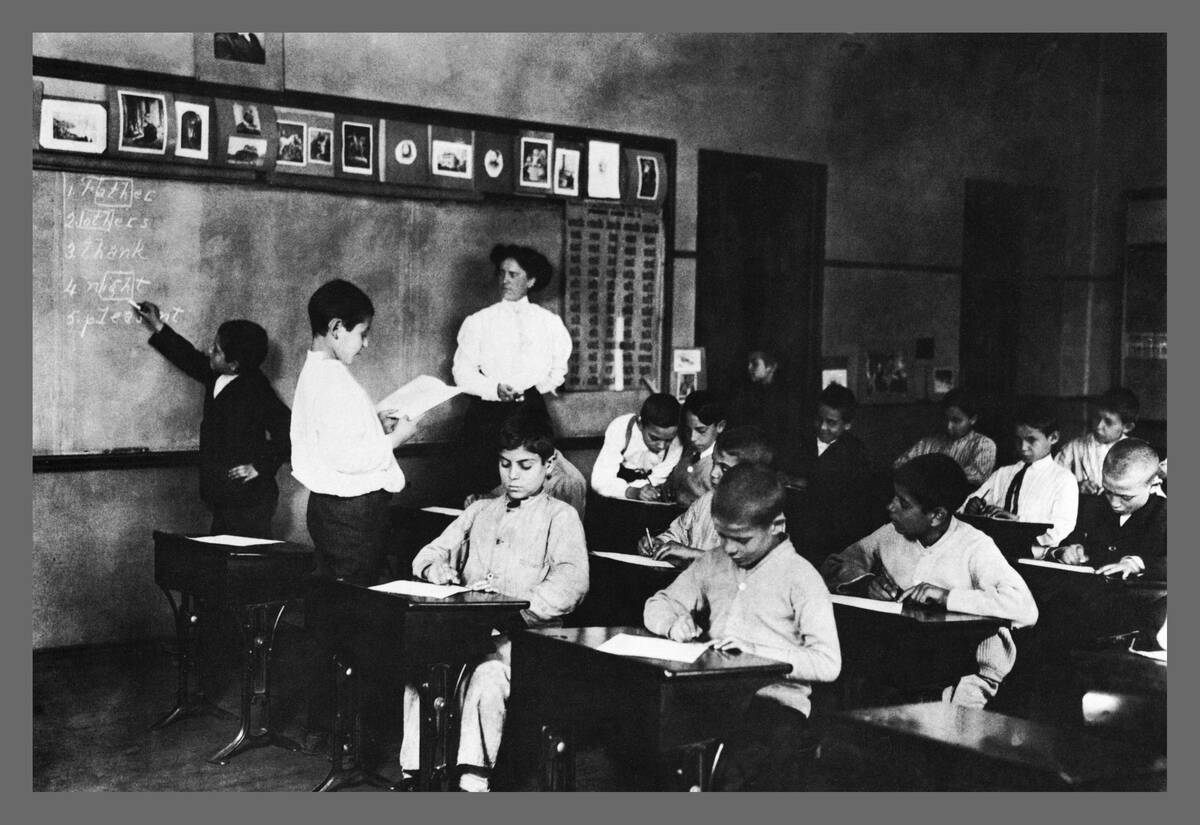
New arrivals to the United States poured into city schools carrying many languages and experiences. Classrooms met them with English-first instruction and a firm push toward American civic rituals, including the flag salute popularized in the 1890s. Settlement houses and evening schools offered language and citizenship classes for families, while day schools paired simple readers with picture-rich lessons to speed comprehension. Teachers juggled learning needs with packed rosters, creating informal buddy systems long before the term existed.
Americanization programs grew especially during and after World War I, mixing English, history, and civics with health lessons on topics like nutrition and sanitation. Some cities organized special classes for newcomers, then integrated students as skills rose. The approach varied—some kind, some rigid—but the goals were unmistakable: competence in English and familiarity with American laws and customs. School plays, patriotic pageants, and community festivals doubled as gentle classrooms for families finding their new footing.
Separate and Unequal: Segregation and Jim Crow Schools
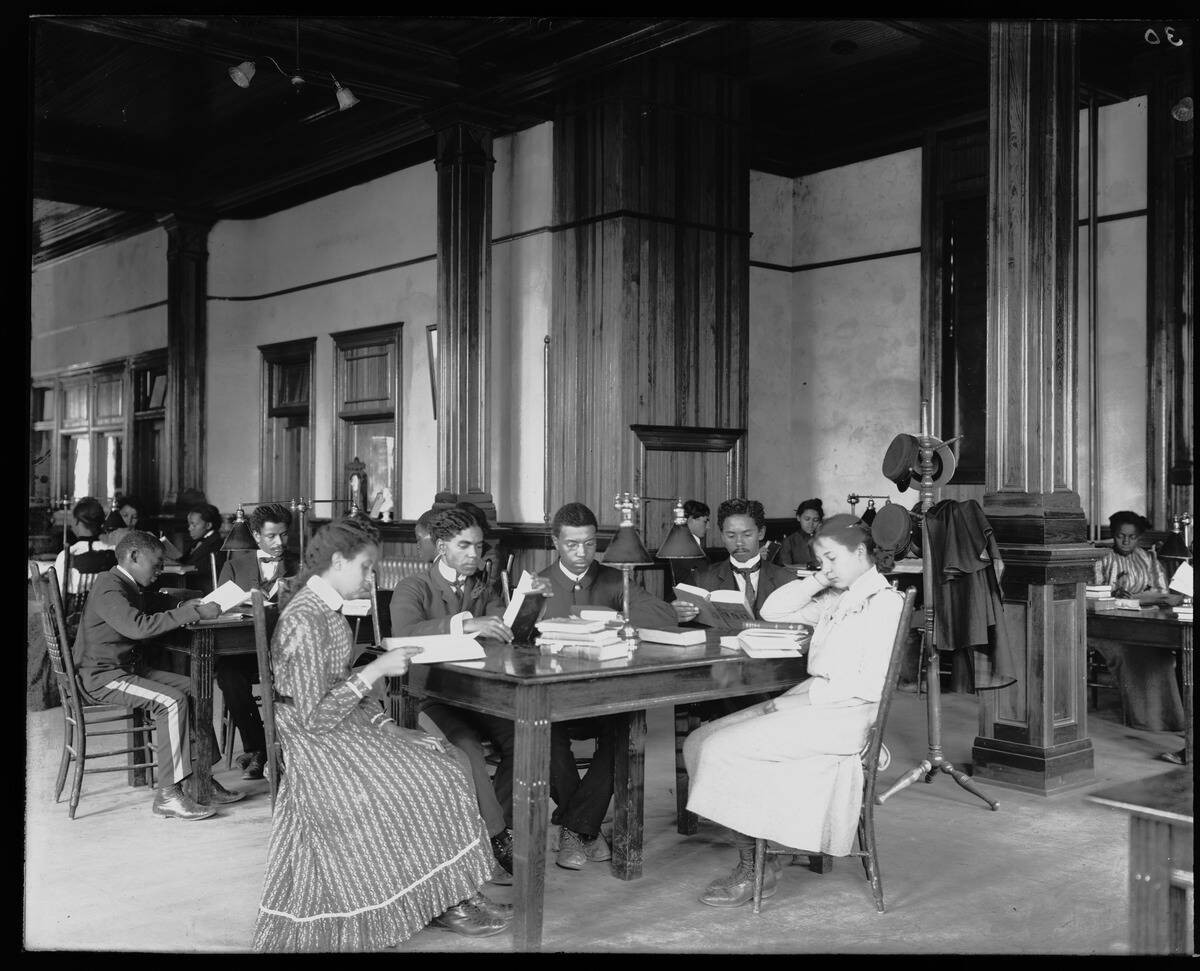
In the South, Jim Crow laws mandated segregated schools after the 1896 Plessy v. Ferguson decision, and the results were starkly unequal. Black schools often received less funding, older textbooks, and shorter terms. Buildings were smaller and more crowded, teacher salaries lower, and supplies scarce. Yet families and teachers built strong institutions with what they had, sustaining education through churches, mutual aid, and relentless local effort even when public dollars fell short.
A remarkable partnership helped change the landscape: from 1912 into the 1930s, the Rosenwald school program—sparked by Booker T. Washington and Julius Rosenwald—helped construct thousands of school buildings for Black children across the South. Communities contributed land, labor, and funds alongside matching grants. These schools brought windows, proper desks, and light-filled rooms to places that had long been overlooked. The struggle for equal education remained, but the blueprints and the will to learn stood powerfully in place.
The Farm Calendar: Seasons, Attendance, and Snow Days
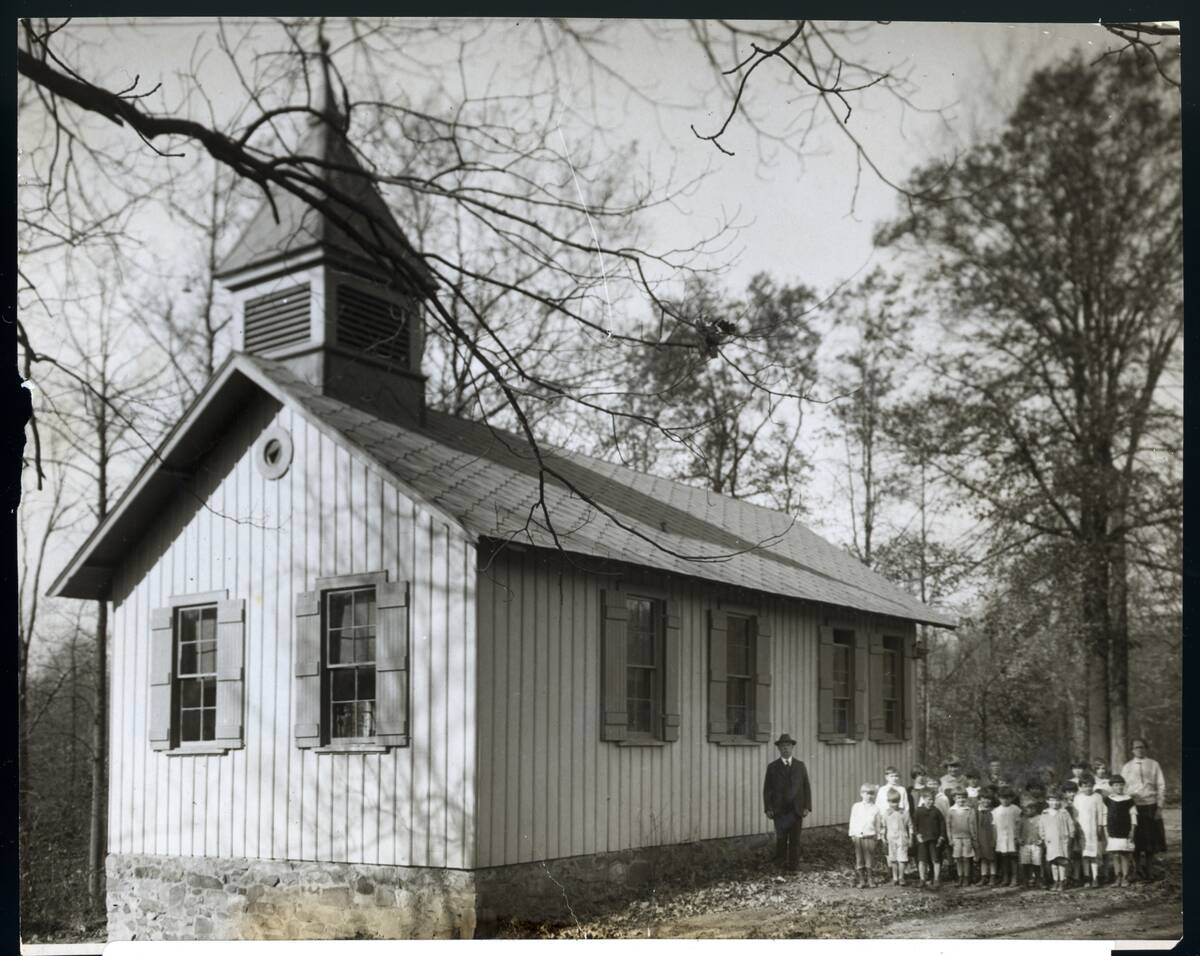
Country schools bent to agricultural rhythms. Planting in spring and harvest in late summer and fall pulled older children from seats to fields, so some districts split the year into shorter terms. Attendance might dip during threshing, then surge with the first frost. Teachers tracked lessons carefully so returning students could rejoin without losing a year. In many towns, the official term length grew, but the practical school year still depended on weather and work.
Snow days were hyper-local decisions. A heavy storm might simply make roads impassable, and without plows, the safest policy was to stay home. Inside on frigid days, students kept coats on until the stove won its battle with the chill, and ink sometimes thickened in the inkwells. Spring brought muddy boots and the annual dance of drying socks by the stove, proof that education carried on regardless of season—just with wetter floors and pinker noses.
Health and Hygiene: Open Windows, Nurse Visits, and Germ Theories
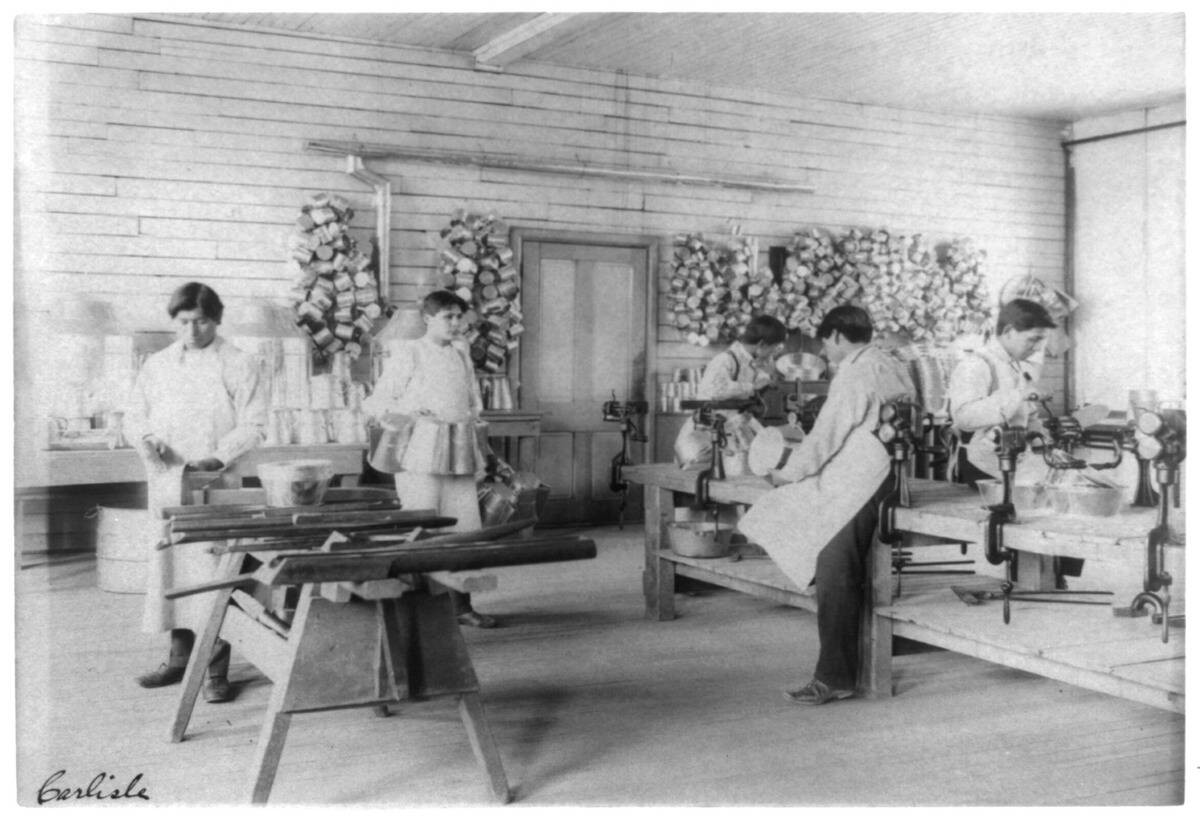
Fresh air was practically a curriculum. Reformers championed ventilation and sunlight, so teachers cracked windows even in winter to sweep away stale air. Open-air classrooms appeared in some cities for children vulnerable to tuberculosis, reflecting growing faith in germ theory and health education. Handwashing drills and lessons on covering coughs joined the routine, and lice checks and eye tests became as familiar as spelling quizzes in many districts determined to keep illnesses in check.
School nursing took root in 1902 when New York City hired the first public school nurse, Lina Rogers Struthers, proving that early treatment kept children in class. Periodic inspections—vision, hearing, and dental checks—followed in many places. After the 1918 influenza pandemic, hygiene campaigns redoubled with posters, health songs, and classroom talks. The tools were simple—soap, towels, fresh air—but the message was modern: healthy habits and attentive care boost learning as surely as phonics and fractions.
School as Community Hub: Box Socials, Pageants, and Pride
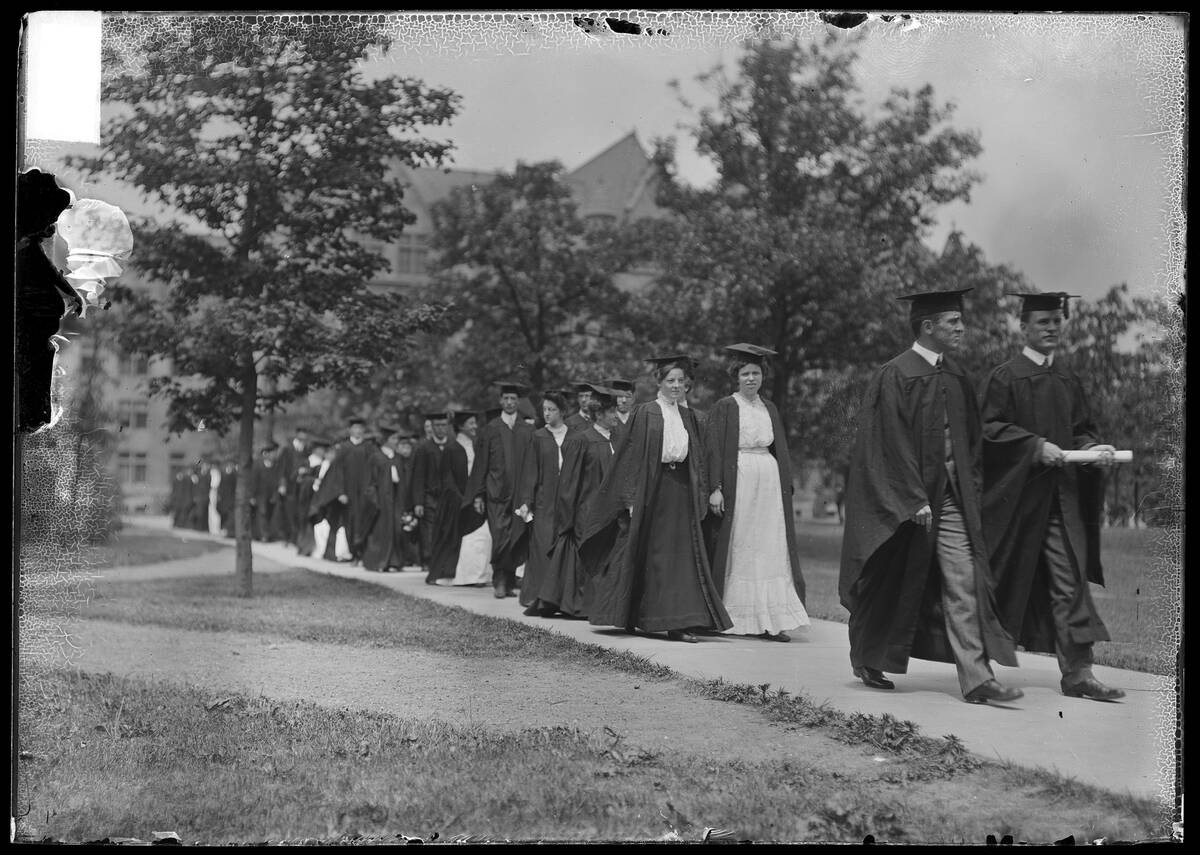
A schoolhouse was more than a place for lessons; it was a stage, auction hall, and civic square. Box socials—where decorated lunch boxes were auctioned to raise funds—filled evenings with friendly bidding wars. Christmas programs and spring pageants packed benches, and eighth-grade graduations drew neighbors who cheered as proudly as any modern crowd. Spelling bees turned into spectator sport, and Friday assemblies showcased recitations that families had heard practiced around parlor lamps all week.
Fundraising bought maps, a new globe, or even a bell rope. The Parent-Teacher movement gathered steam after the 1890s, turning mothers clubs into a national force for playgrounds, health checks, and safer buildings. Barn dances, debates, and traveling lecturers all found a home beneath the familiar rafters. When the stove glowed and the windows fogged from breath, you knew the village had shown up—not just for entertainment, but to invest in the next day’s lessons.
Tech of the Times: Phonographs, Lantern Slides, and Maps
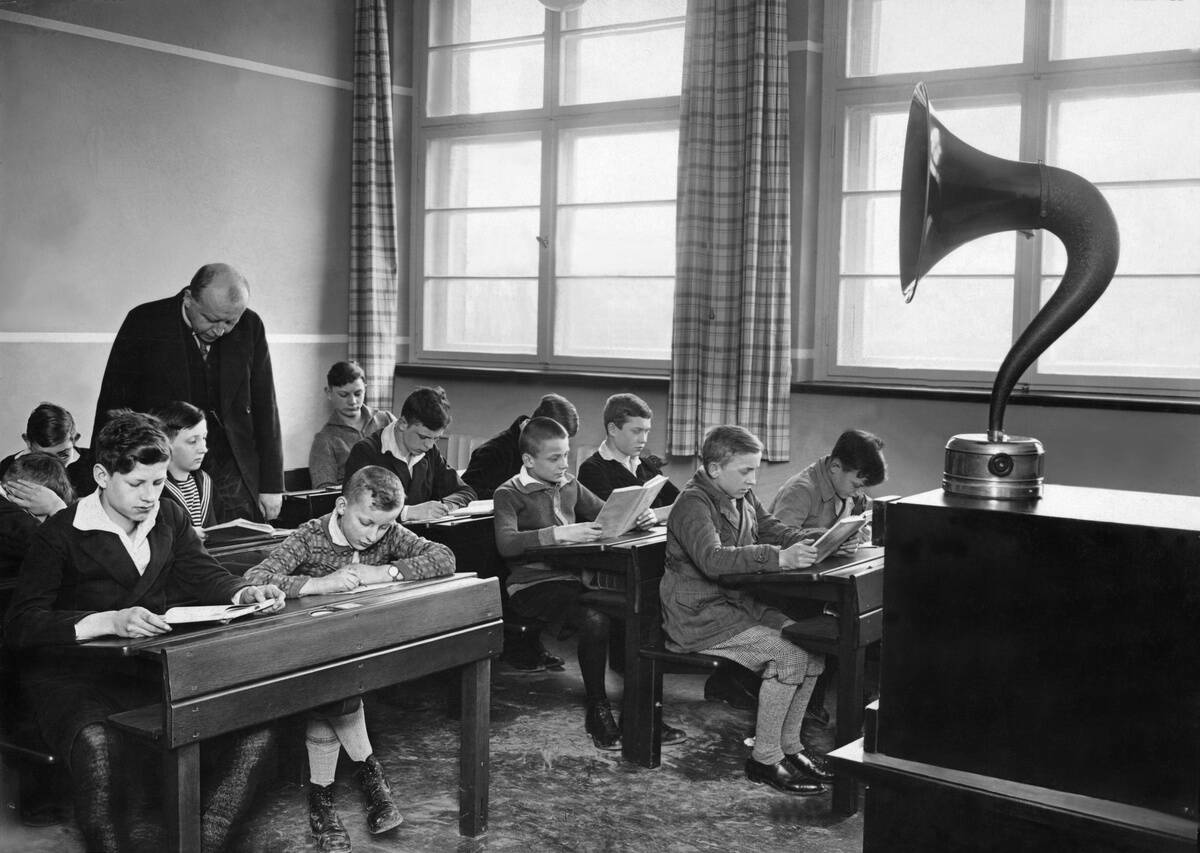
Before laptops, classrooms dazzled with simpler wonders. Magic lanterns projected glass slides for geography and nature study, turning a whitewashed wall into a safari or a trip down the Nile. Stereoscopes circulated, letting students view paired images in 3D to make distant places feel near. Pull-down wall maps and globes stood ready for quick journeys across continents, and charts tracked everything from rainfall to the parts of a flower in clean, colorful lines.
Phonographs joined the toolkit in some schools by the 1910s, spinning records for music appreciation and elocution practice. Teachers also embraced duplicating gadgets like the hectograph or mimeograph to churn out quizzes and copy sheets. None of it buzzed, all of it worked, and when the wick-smell of a lantern or the inky aroma of fresh mimeographs drifted through the room, students knew something special was about to happen on an otherwise ordinary day.
Tests, Report Cards, and the Birth of Letter Grades
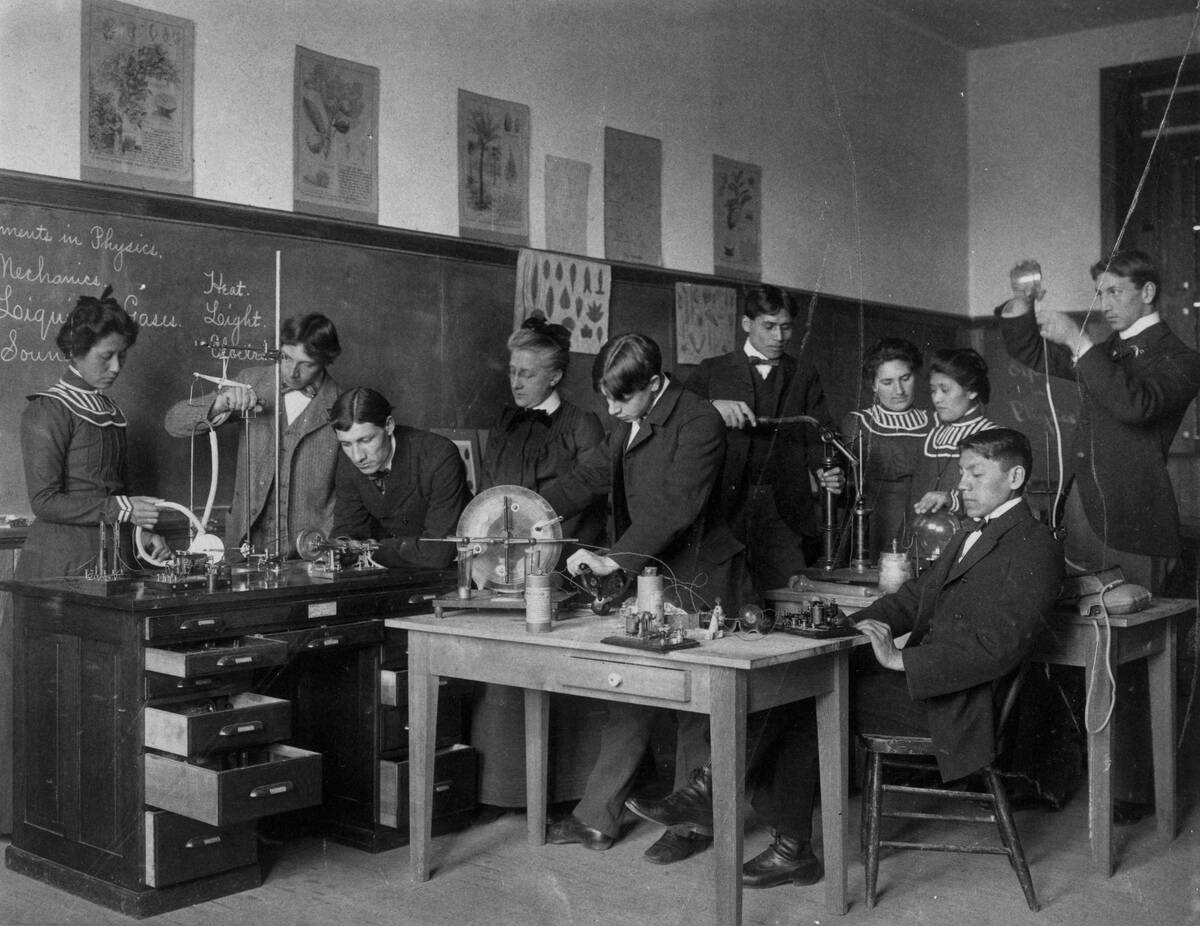
Assessment marched from oral quizzes to written tests as paper grew cheaper. Report cards—often monthly or quarterly—listed conduct alongside arithmetic, spelling, and reading. Letter grades spread in the early 1900s, with systems coalescing around A through F as high schools sought standardization and clearer transcripts. Promotion exams decided whether eighth-graders advanced or graduated, and in places like New York State, Regents examinations had already set a bar for academic credentials that colleges recognized.
Standardized testing gained momentum after World War I, when large-scale exams such as the Army Alpha and Beta inspired school systems to adopt group tests. Spelling bees and mental arithmetic drills persisted as friendly competition, but the data-minded movement asked for numbers on paper. Parents unfolded stiff cards at the kitchen table, scanning marks and teacher comments that toggled between brisk and reassuring. Whether by grade or by glowing remark, progress had to be shown.
From Eighth Grade to High School: Who Kept Going and Why
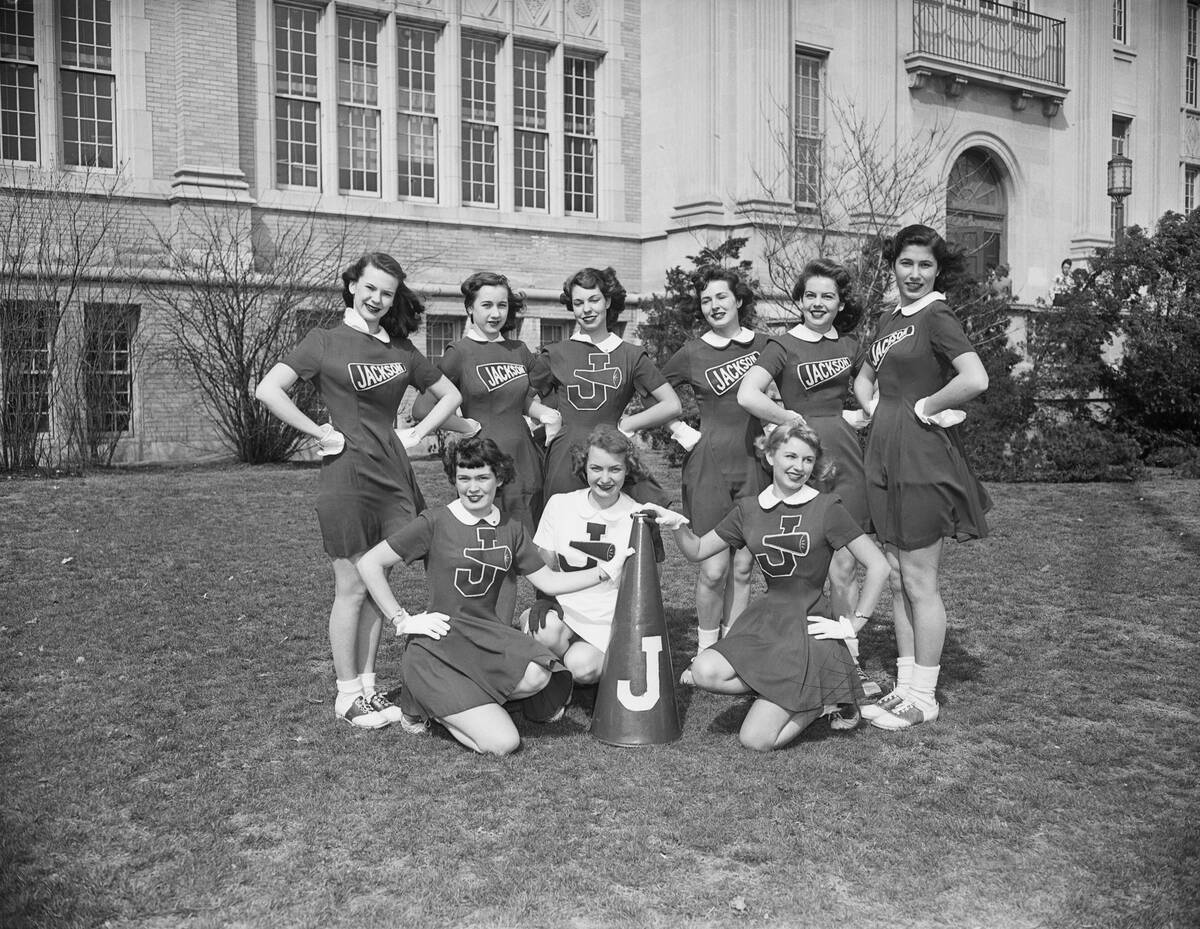
Eighth grade was a finish line for many in the early 1900s, especially in rural districts where high schools were scarce or charged tuition to outsiders. Families needed teens at work, and an eighth-grade diploma testified to solid literacy and numeracy. Yet cities built new high schools at a rapid pace, drawing more students into four-year programs that promised clerical jobs, teacher training, or a stepping-stone to college for a small, ambitious minority.
The high school movement gathered national steam between 1910 and 1940 as communities funded buildings and transportation.
Commercial courses in typing and bookkeeping attracted students bound for offices, while academic tracks prepared a smaller group for university. Access mattered: where consolidation and buses arrived, continuation rates rose. Choices also pivoted on gender and economics, but the arc bent steadily upward—year by year, more teenagers traded immediate wages for another classroom seat.
Reform on the Rise: Progressive Ideas and Changing Classrooms
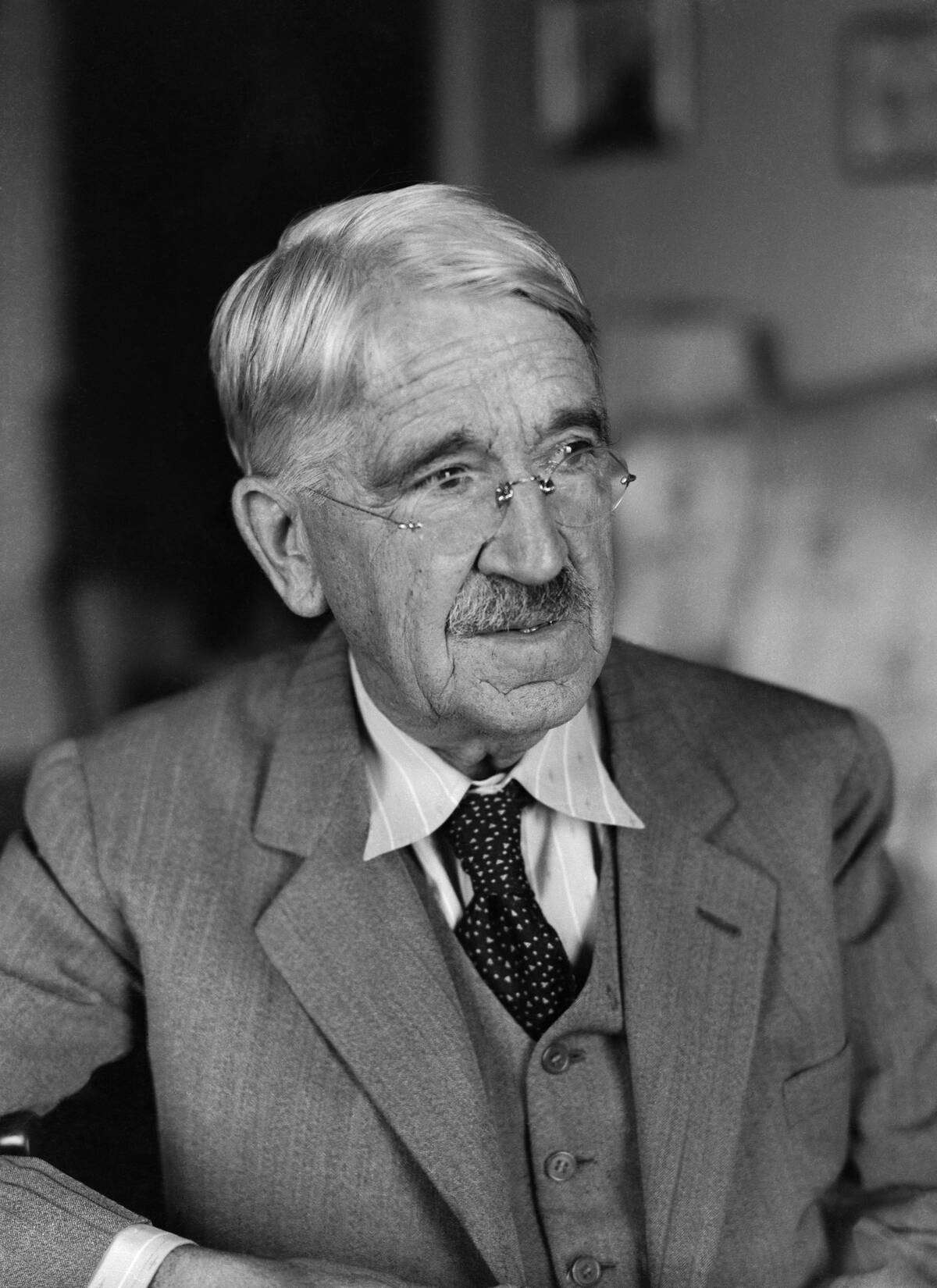
Progressive educators shook up routines with learn-by-doing ideals championed by figures like John Dewey. Nature study, school gardens, and project work joined recitations, and the Gary Plan, launched in Gary, Indiana, in 1907, rotated students through workshops, labs, and academics in a platoon system. Junior high schools appeared around 1909 to ease the leap from elementary to secondary grades, signaling a new focus on adolescence and a more specialized curriculum for growing minds.
Measurement fever rose, too, with tests and school surveys aimed at improving instruction and facilities. Health services, playgrounds, and lunch programs reflected a holistic view: educate the whole child. School consolidation promised better-resourced classrooms, and teacher training expanded beyond normal schools into four-year degrees. Not every experiment stuck, but the spirit was unmistakable—classrooms should be livelier, curricula broader, and schools more attuned to the real problems children would meet beyond the blackboard.
Supplies and Costs: Slates, Tablets, and the Five-Cent Pencil
A child’s kit was humble and hardworking. Slates and slate pencils kept practice cheap, while paper tablets—often just a few cents—handled final drafts. Pencils could cost about a nickel, and a small bottle of ink only a bit more. Readers and spellers were family investments passed down to younger siblings, with margins annotated by generations. Copybooks for penmanship, a ruler, and perhaps a compass completed the set, all carried in a strap or simple satchel.
Schools stretched budgets with community help. Parents donated kindling or coal, and box socials bought maps and a new globe. Wall charts and pull-down maps lasted for years if handled gently, and teachers guarded good erasers like treasure. Nothing was disposable, so students learned to mend, reuse, and share. The economy of the classroom matched the era’s ethic: make it sturdy, keep it simple, and spend your nickel pencil to its very last sharpened stub.