15 Historical mistakes that changed someone’s fate
History, as we know, is a tapestry woven with events that have shaped the world. But what about those pivotal moments when things went awry? These mistakes, often small and seemingly inconsequential at the time, have cascaded through history like dominoes in a row.
Each error, no matter how minor, has left an indelible mark on the course of time, reminding us of the importance of decisions and their far-reaching effects.
The Ill-Fated Voyage of the Titanic
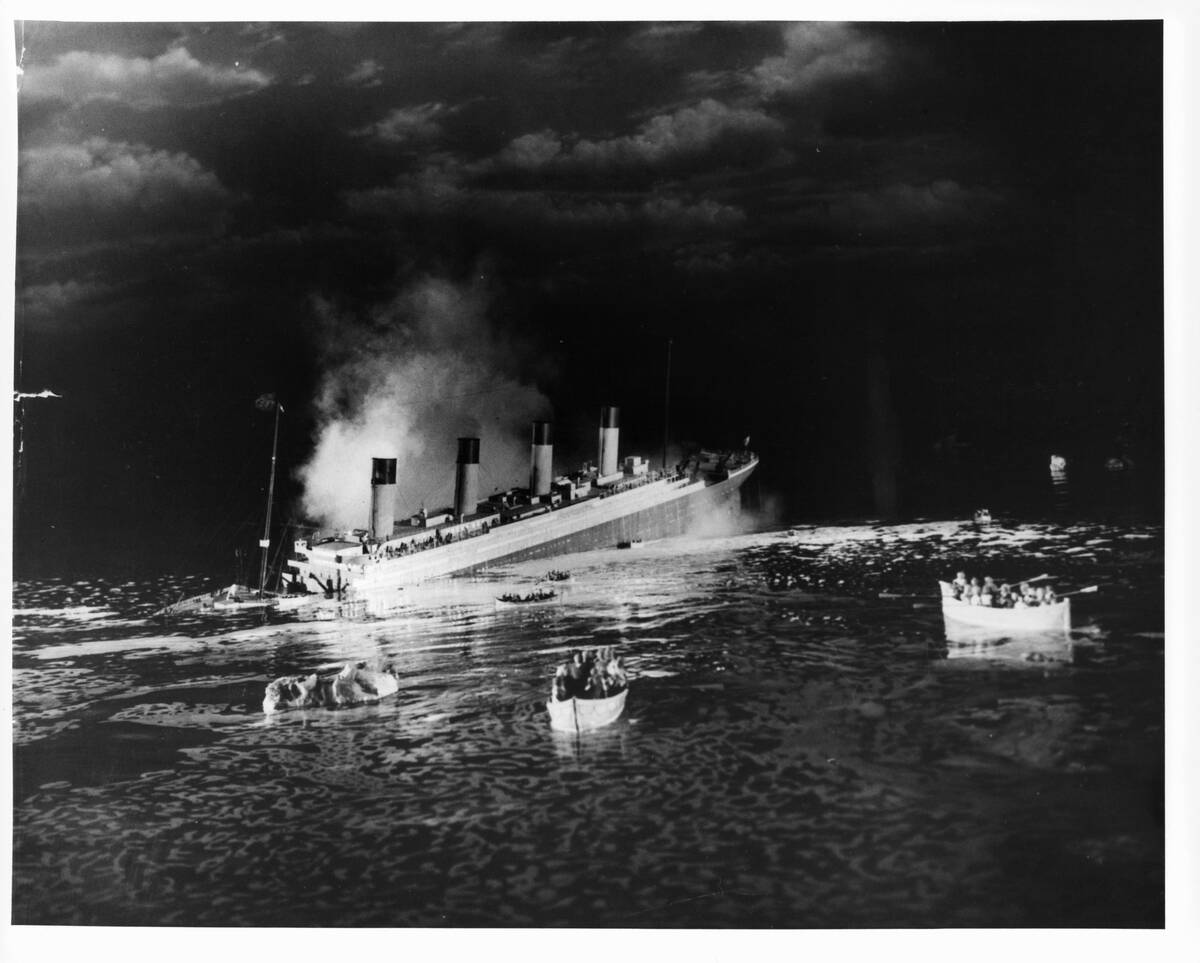
The Titanic was hailed as the unsinkable ship, yet her maiden voyage ended in tragedy. On April 14, 1912, the ship struck an iceberg, leading to one of the deadliest maritime disasters.
The lack of sufficient lifeboats was a glaring oversight, as only 20 were available for over 2,200 passengers. The belief in the ship’s invincibility and the sheer hubris of its operators contributed to the loss of over 1,500 lives.
Napoleon’s Decision to Invade Russia
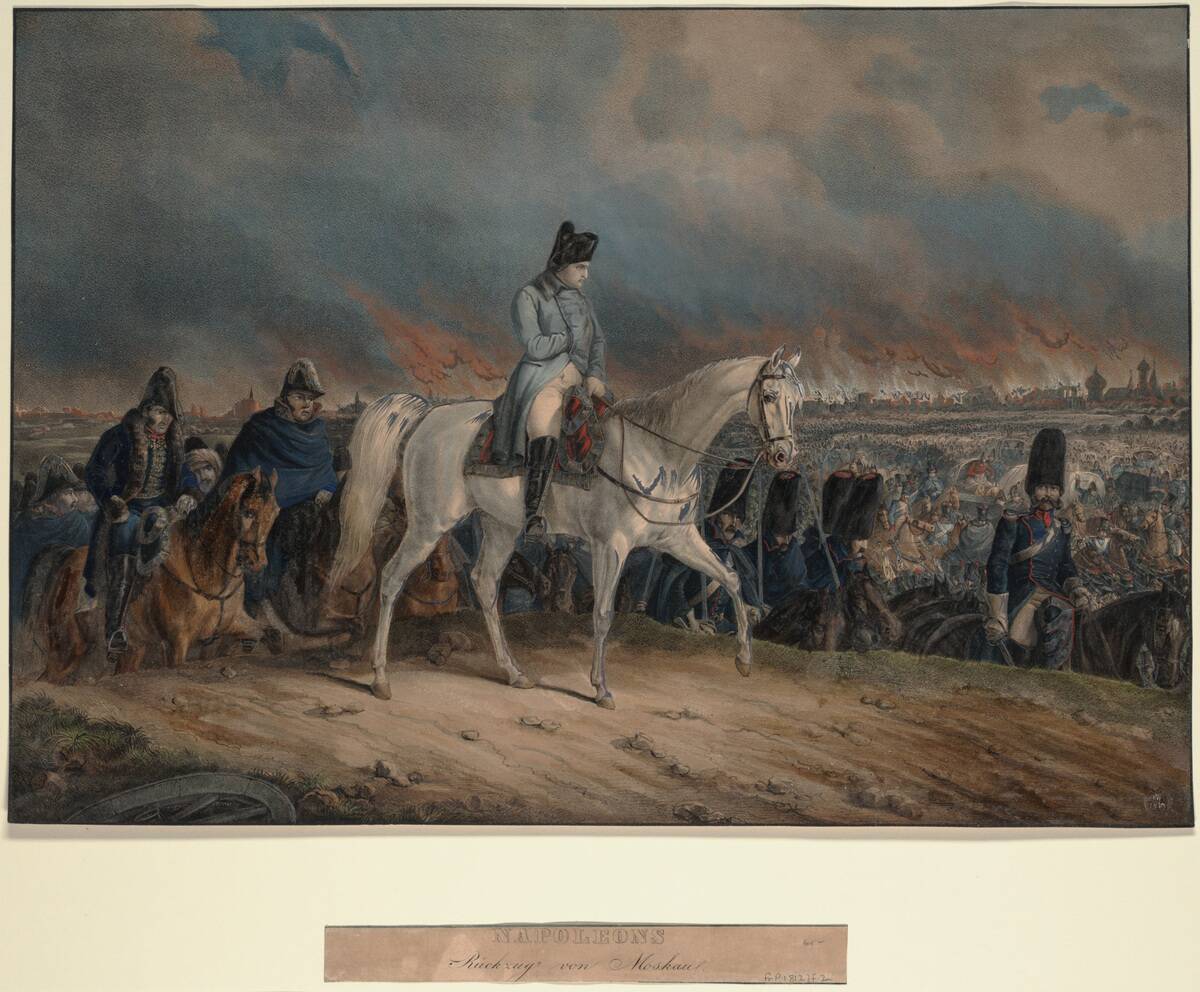
In 1812, Napoleon Bonaparte made the fateful decision to invade Russia, a campaign that would lead to the downfall of his empire. The Russian winter proved unforgiving, with temperatures plummeting to -30 degrees Celsius.
Napoleon’s Grand Army, once 600,000 strong, dwindled to less than 100,000 due to cold, starvation, and guerrilla warfare tactics by the Russians. This disastrous military campaign highlighted the perils of underestimating environmental and logistical challenges.
The Miscommunication at the Battle of Waterloo
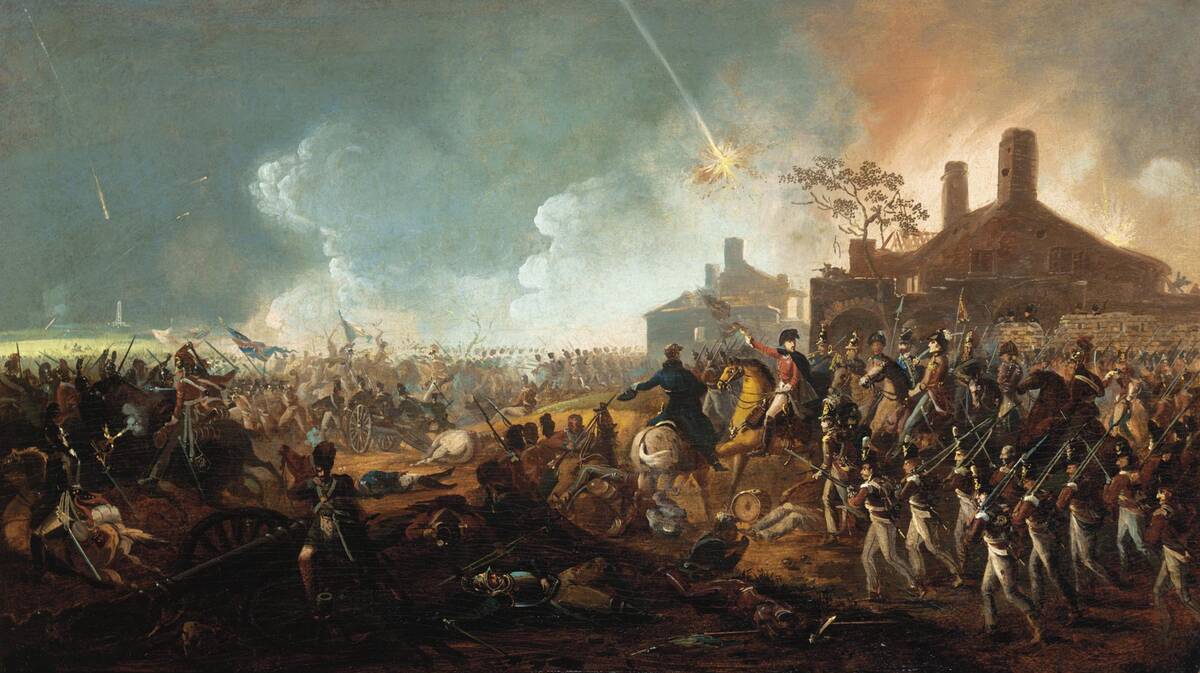
The Battle of Waterloo in 1815 was a climactic showdown between Napoleon and the Seventh Coalition. Miscommunication played a crucial role in Napoleon’s defeat. Marshal Grouchy, tasked with pursuing the Prussian army, failed to prevent them from joining forces with the British.
Meanwhile, Napoleon’s orders were often delayed or misinterpreted, leading to fatal tactical errors. This miscommunication sealed the fate of Napoleon’s rule and reshaped European history.
The Sinking of the Lusitania: A Catalyst for Change
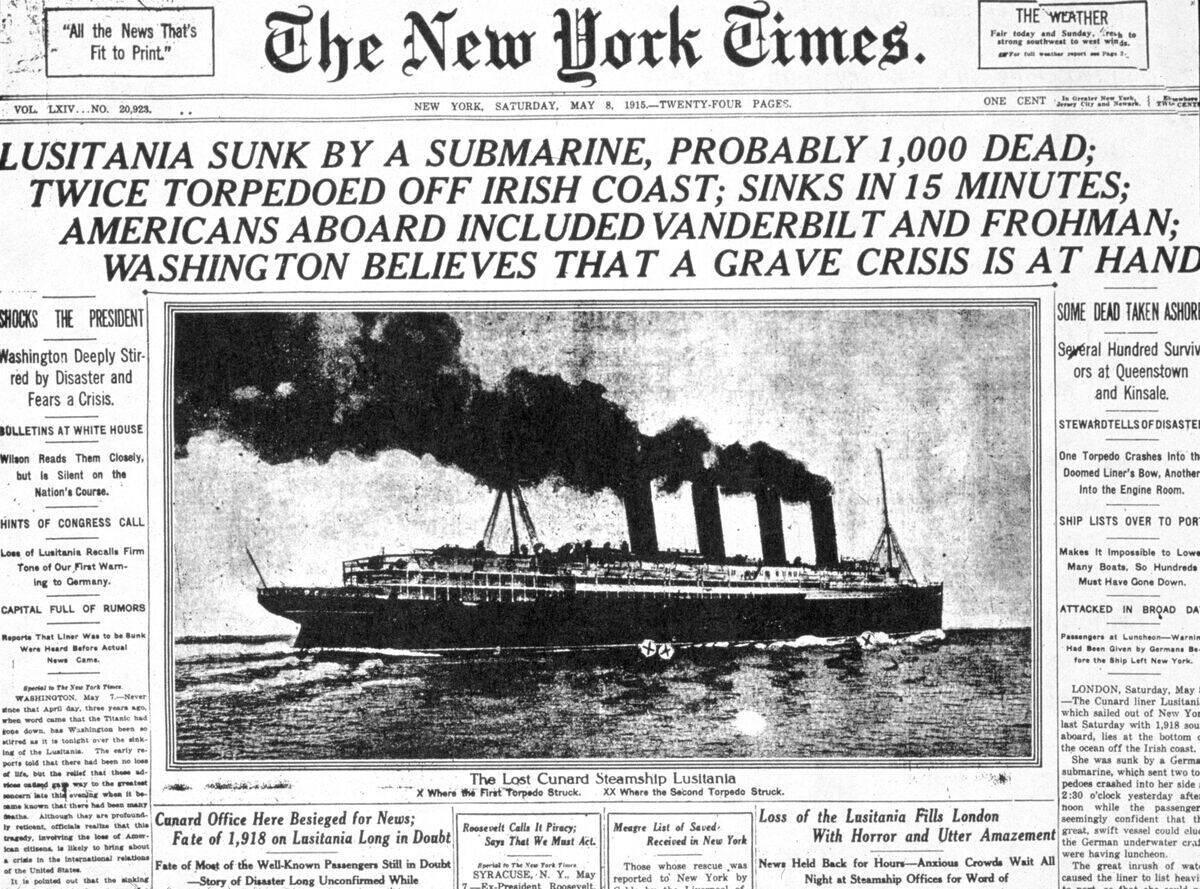
The RMS Lusitania was torpedoed by a German U-boat on May 7, 1915, killing 1,198 passengers, including 128 Americans. This event shifted public opinion in the United States against Germany, contributing to the U.S. entering World War I.
The ship was carrying munitions, a fact used by Germany to justify the attack. However, the loss of civilian life and the outrage it sparked played a pivotal role in altering the course of the war.
The Fall of the Aztec Empire: Misjudging the Spanish
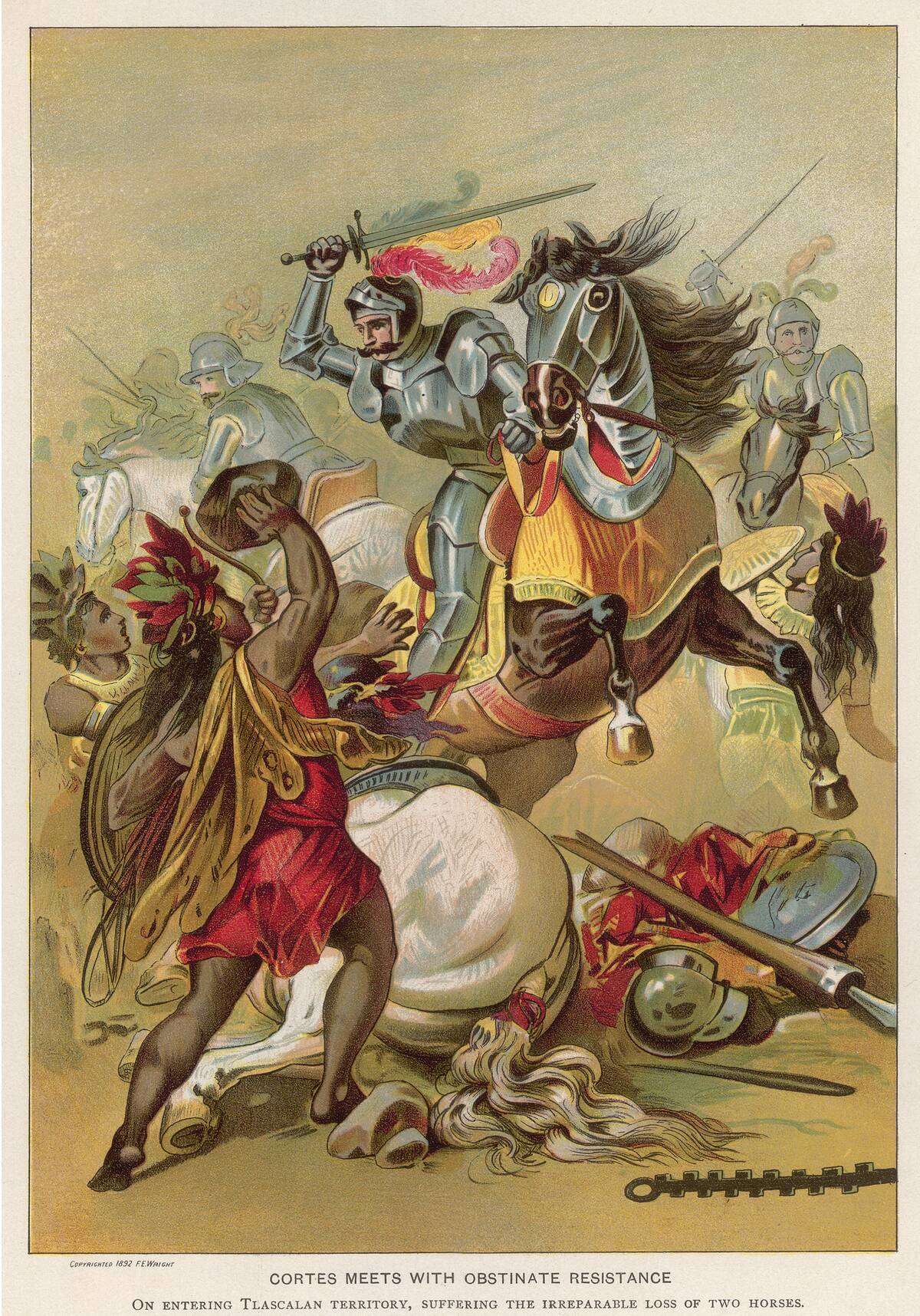
The Aztec Empire, once mighty and expansive, fell to Spanish conquistadors in the early 16th century. The Aztecs, led by Montezuma II, initially allowed Hernán Cortés to enter their capital for complex political and strategic reasons.
This misjudgment, coupled with the spread of smallpox and superior Spanish weaponry, led to the empire’s downfall. The combination of military, cultural, and biological factors converged to alter the fate of the Americas forever.
The Trojan Horse: A Deceptive Gift
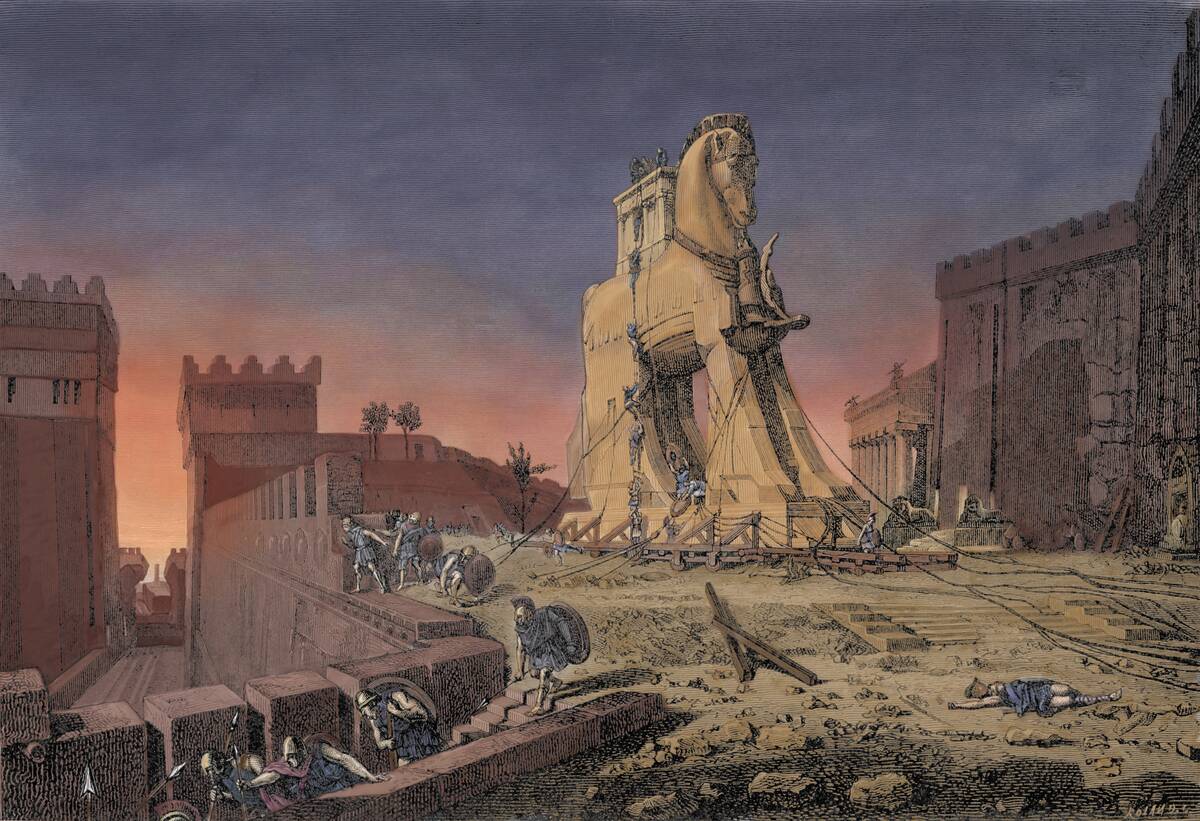
The tale of the Trojan Horse is one of cunning and deception, leading to the fall of Troy. According to legend, the Greeks, unable to breach Troy’s walls, offered a giant wooden horse as a gift.
The Trojans, believing the war was over, brought it inside. Greek soldiers hidden within emerged at night, opening the gates for their army. This strategic blunder by the Trojans is a timeless lesson in the art of war and deception.
The Charge of the Light Brigade: Orders Gone Awry
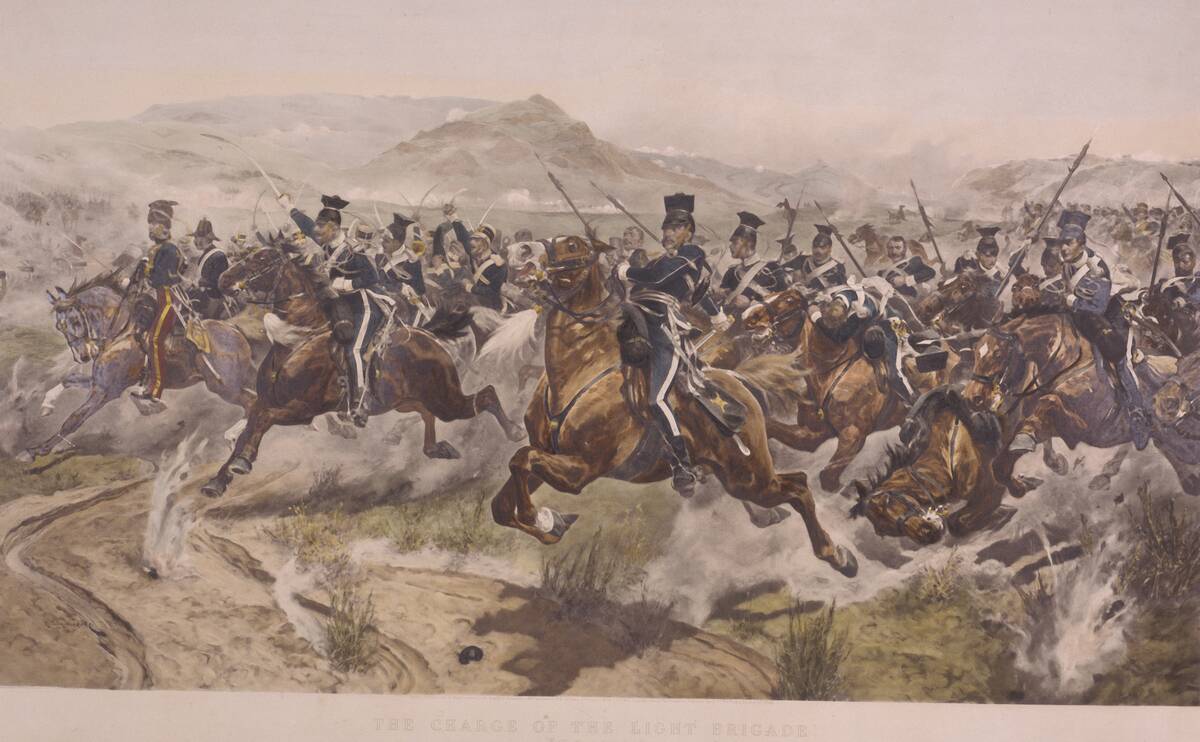
The Charge of the Light Brigade during the Crimean War in 1854 was a classic example of miscommunication and military blunder. The Light Brigade, a British cavalry unit, was ordered to attack a well-defended Russian artillery position.
Misinterpreted orders led to a frontal assault, resulting in heavy casualties. The bravery of the soldiers was immortalized in Tennyson’s poem, yet it underscored the importance of clear communication in military operations.
Chernobyl: The Catastrophic Missteps
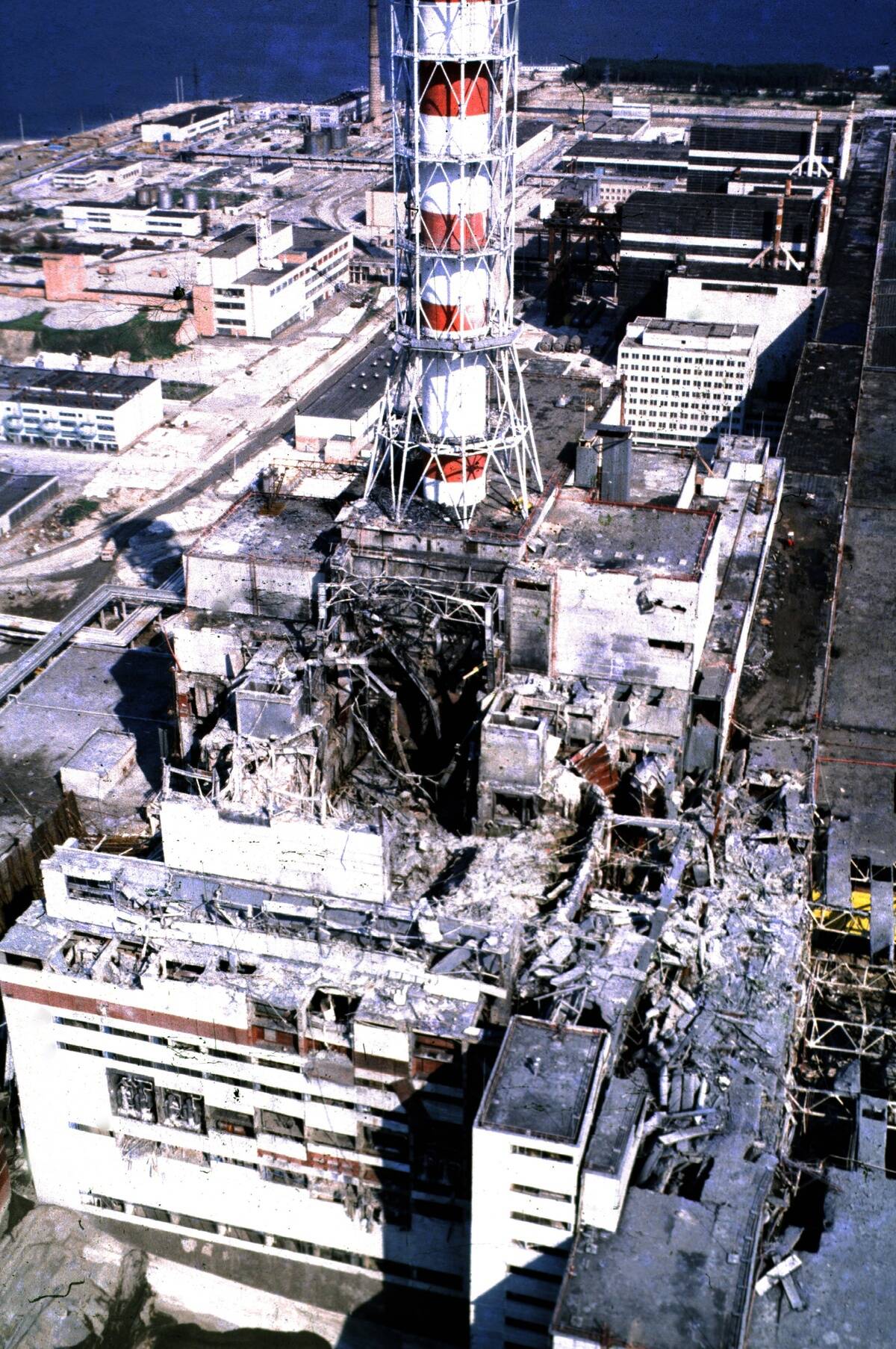
The Chernobyl disaster of 1986 remains one of the worst nuclear accidents in history. A flawed reactor design, combined with serious procedural violations during a safety test and systemic safety culture failures, led to a catastrophic explosion. The incident released radioactive particles into the atmosphere, affecting large parts of Europe.
The initial cover-up attempts by Soviet authorities exacerbated the situation. This disaster highlighted the dire consequences of negligence and the importance of safety protocols in nuclear energy.
The Great Fire of Rome: Nero’s Alleged Folly
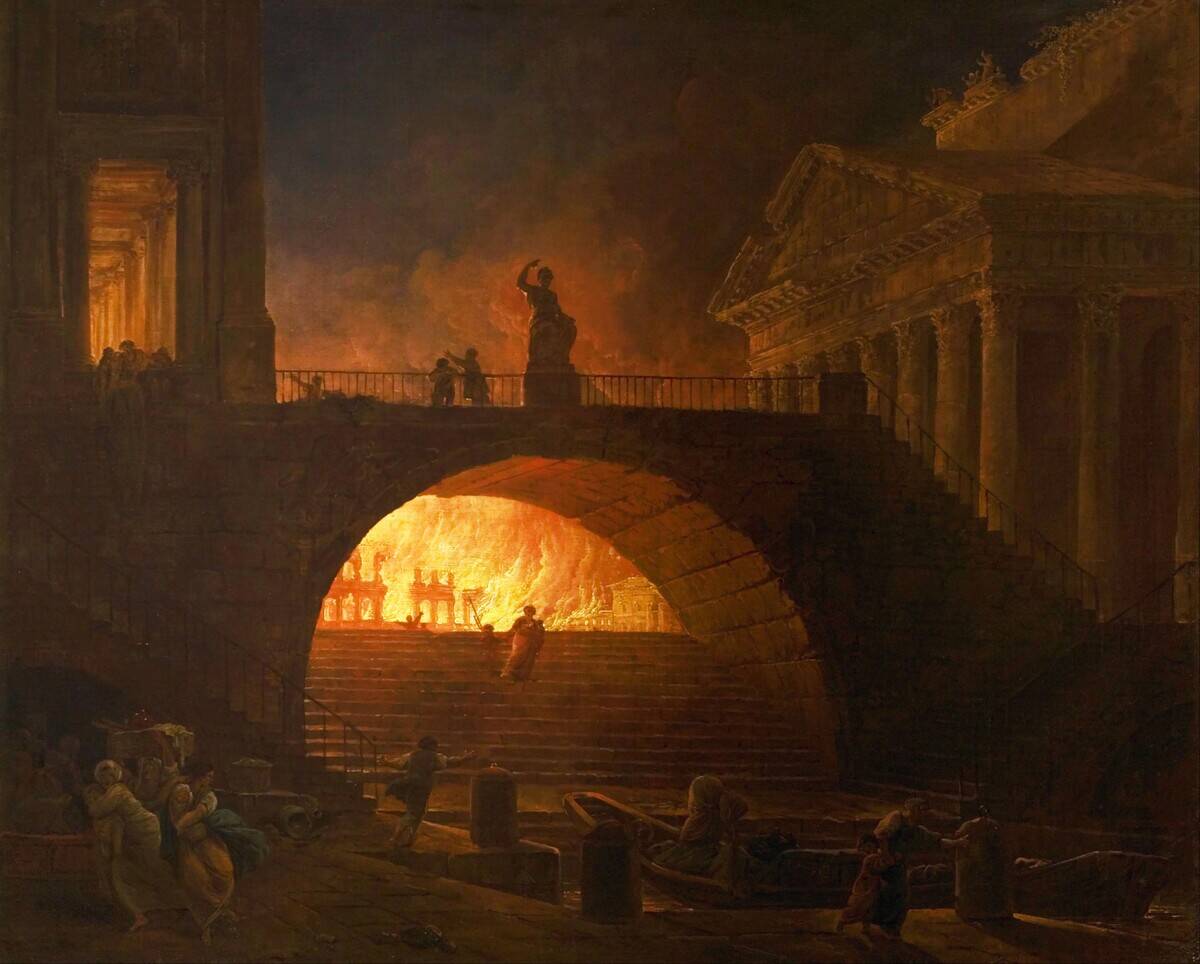
In A.D. 64, a great fire ravaged Rome, lasting for six days and destroying much of the city. Emperor Nero’s role in the disaster has been debated for centuries, with some sources accusing him of starting the fire to make way for his new palace.
While historical evidence is sparse, the fire allowed Nero to rebuild the city according to his vision, but it also fueled rumors and unrest among the Roman populace.
The Maginot Line: A False Sense of Security
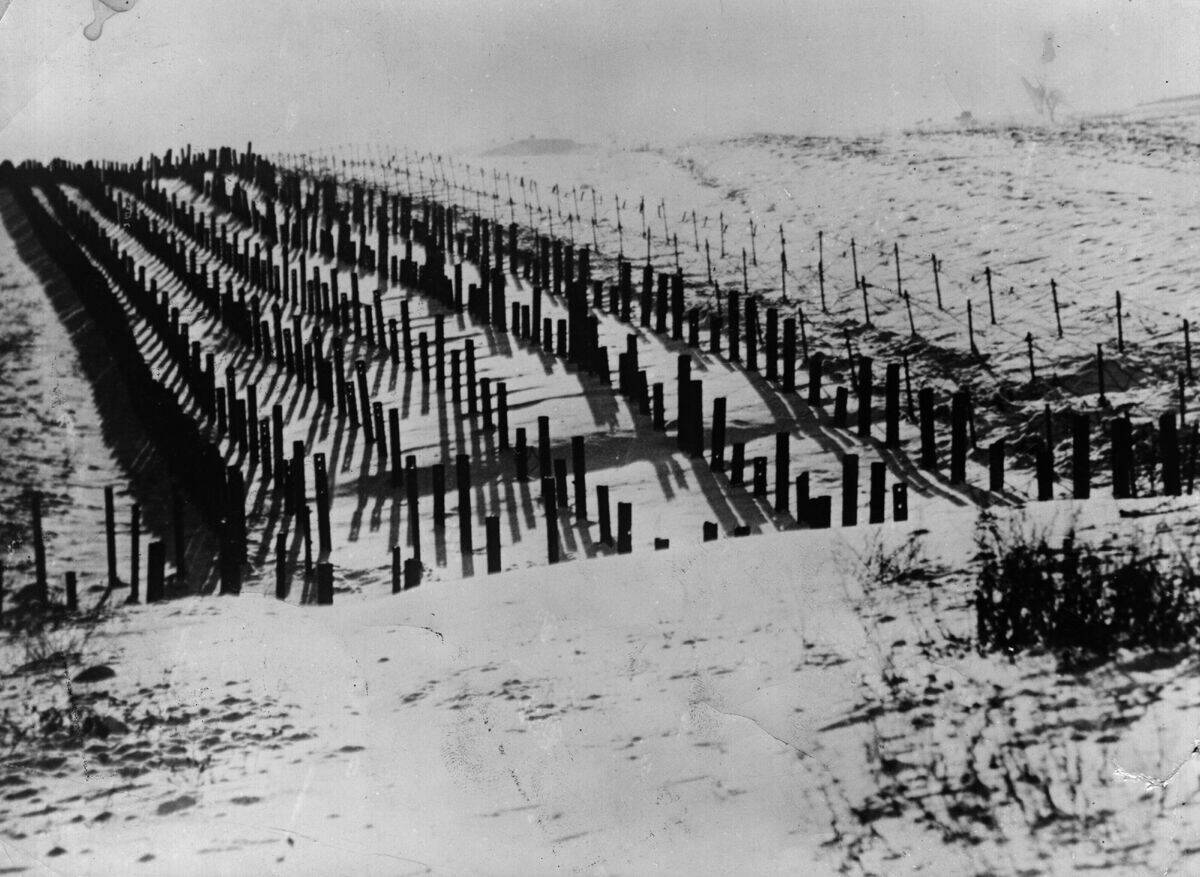
The Maginot Line, a line of fortifications built by France along its border with Germany, was intended to deter invasion. However, during World War II, the German forces simply bypassed it by invading through Belgium.
The reliance on this static defense line lulled France into a false sense of security, leading to a swift German advance. This strategic oversight demonstrated the pitfalls of outdated military tactics in modern warfare.
The Salem Witch Trials: Hysteria and Tragedy
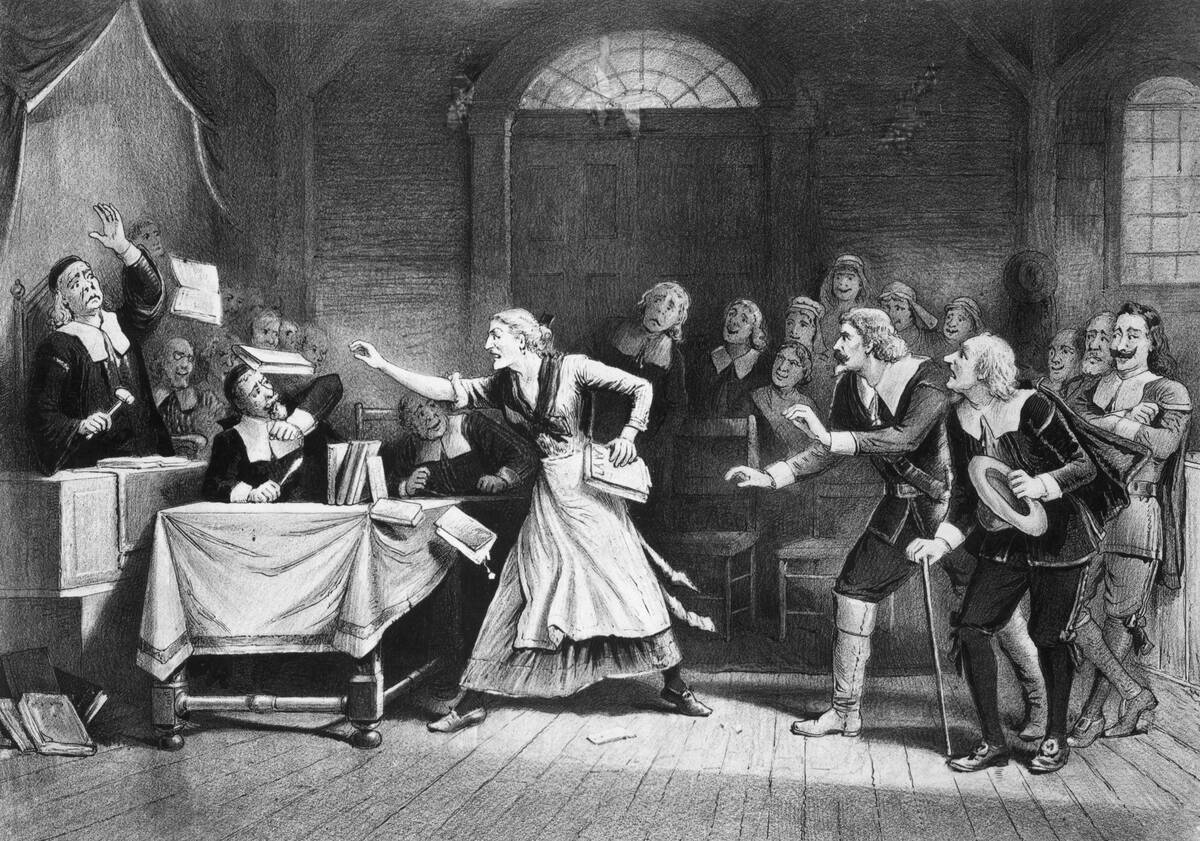
The Salem Witch Trials of 1692 were a notorious episode of mass hysteria in colonial America. Accusations of witchcraft led to the execution of 20 individuals and the imprisonment of many more.
The trials were fueled by superstition, fear, and personal vendettas. This tragic chapter in history serves as a cautionary tale about the dangers of paranoia and the importance of due process and rational thought in justice.
The Signing of the Treaty of Versailles: Seeds of Discontent
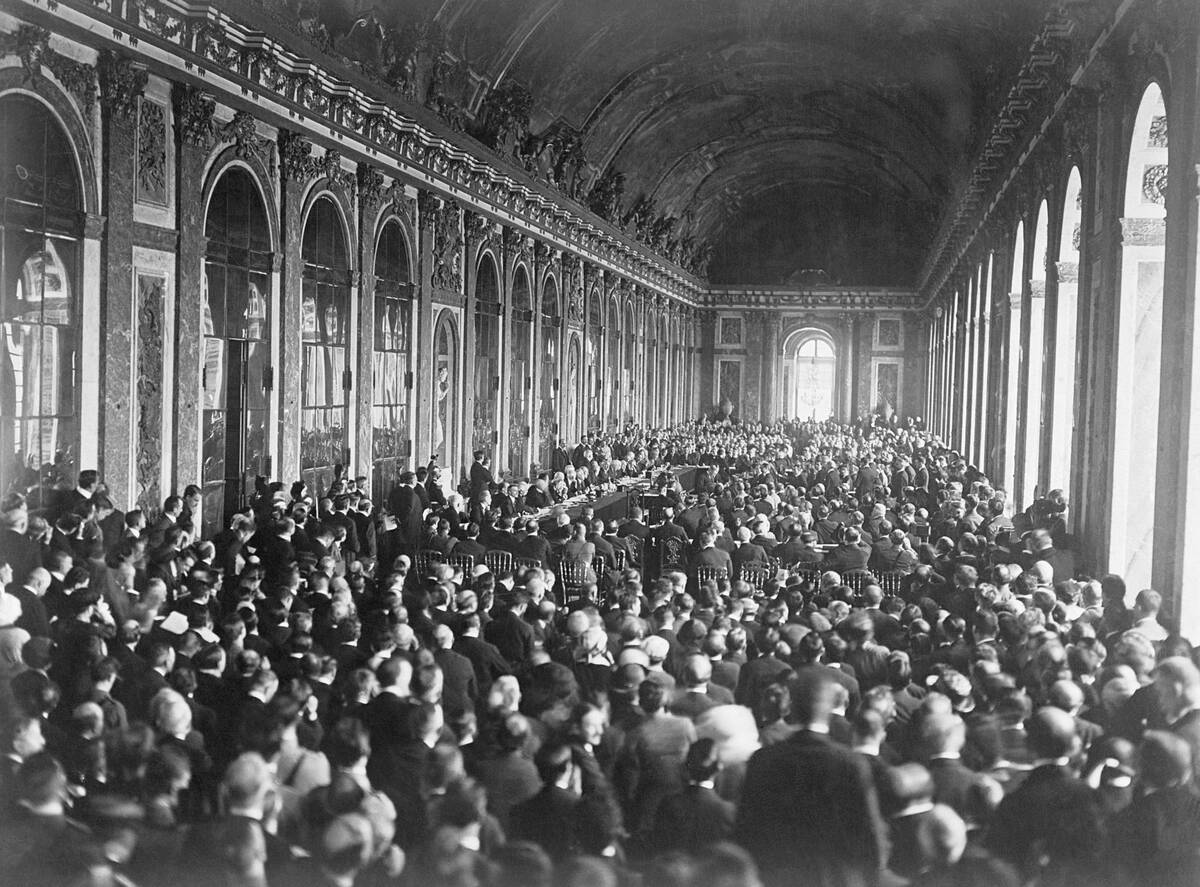
The Treaty of Versailles, signed in 1919, officially ended World War I but sowed the seeds of World War II. The treaty imposed heavy reparations and territorial losses on Germany, leading to economic hardship and resentment.
Many historians argue that the treaty’s harsh terms created fertile ground for the rise of Adolf Hitler and the Nazi Party. This pivotal moment in history illustrates how peace agreements can sometimes lead to future conflicts.
The Bay of Pigs Invasion: A Failed Coup
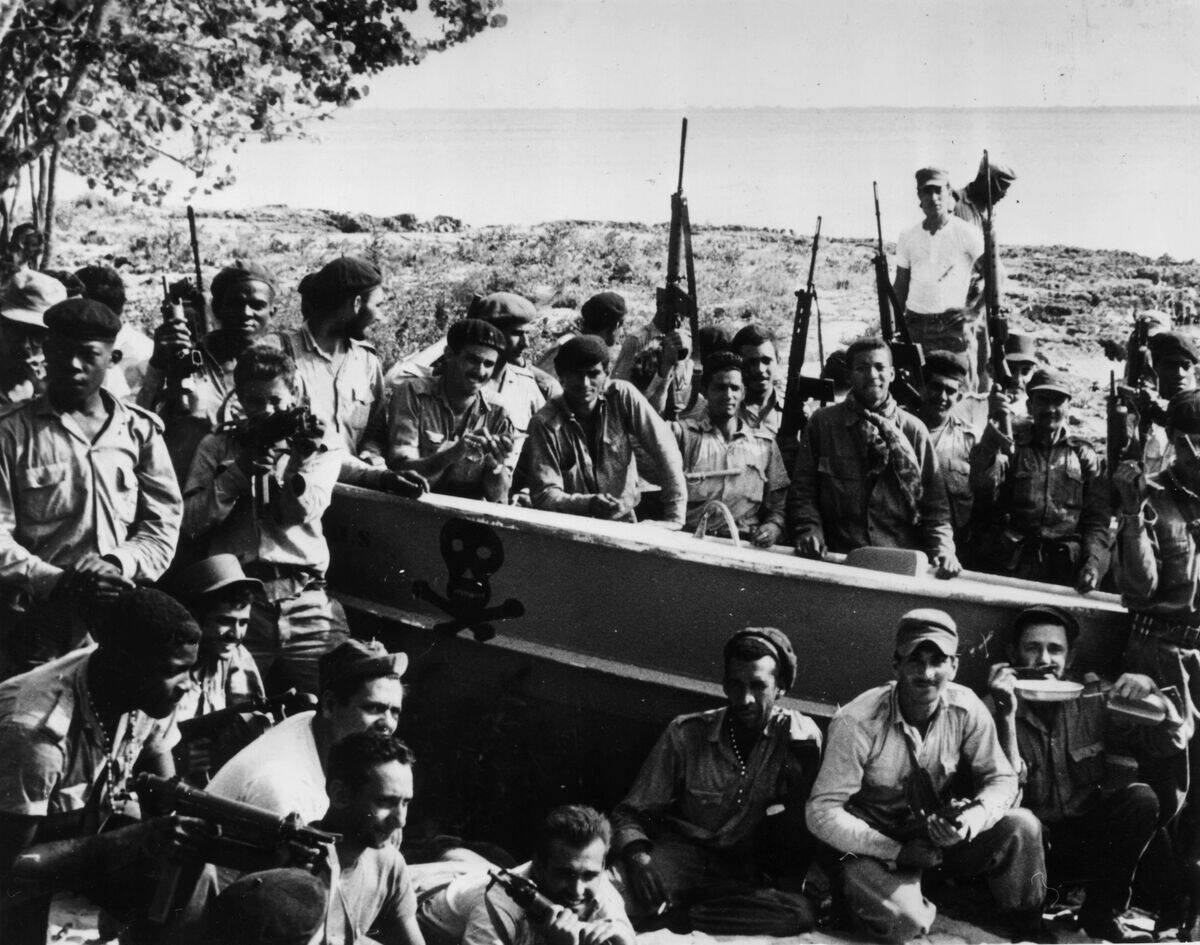
In 1961, the Bay of Pigs Invasion was an unsuccessful attempt by the U.S. to overthrow Cuban leader Fidel Castro. Poor planning, lack of air support, and underestimated Cuban resistance led to the operation’s failure.
The invasion embarrassed the U.S. and strengthened Castro’s position. This event highlighted the complexities of foreign intervention and the importance of strategic planning and intelligence in military operations.
The Fall of Constantinople: A Siege Mismanaged
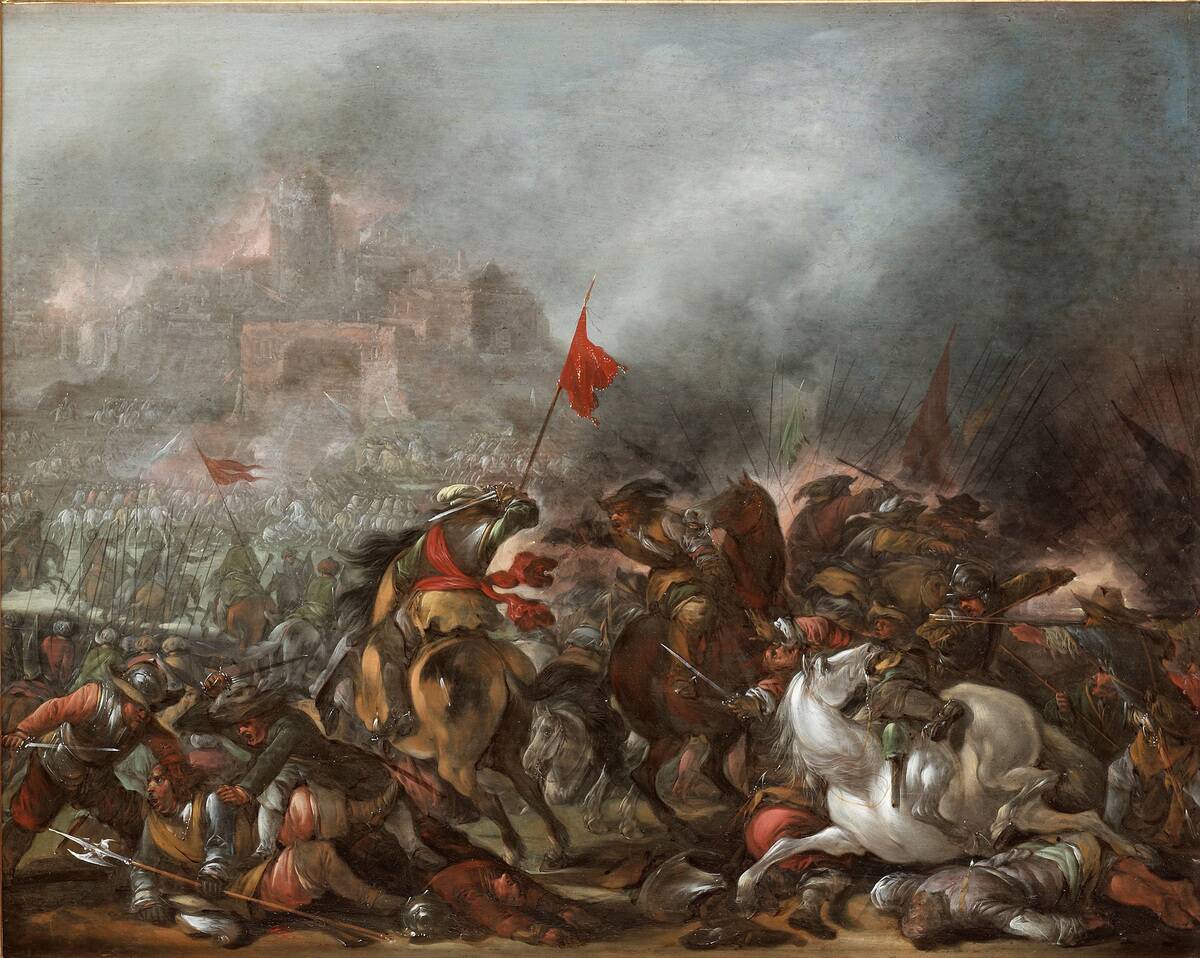
The fall of Constantinople in 1453 marked the end of the Byzantine Empire and a turning point in world history. The city’s defenses were breached by the Ottoman Turks, led by Sultan Mehmed II.
The Byzantines, facing overwhelming odds, were unable to secure adequate reinforcements or resources. The loss of Constantinople paved the way for Ottoman expansion and signified a shift in the balance of power in the region.
The Space Shuttle Challenger Disaster: Ignoring the Warnings
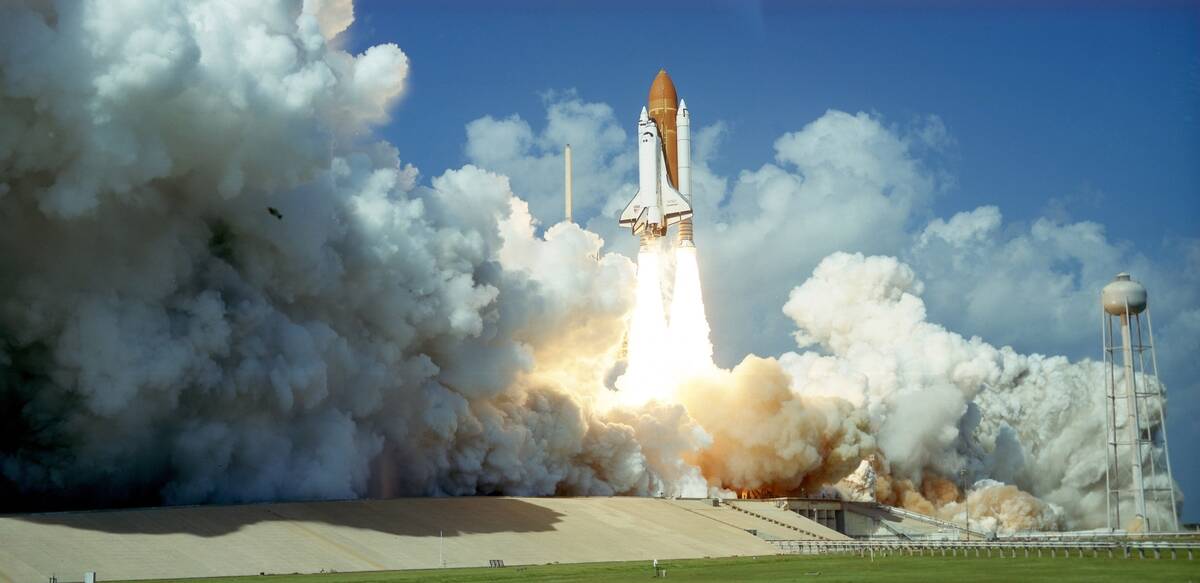
On January 28, 1986, the Space Shuttle Challenger exploded shortly after liftoff, killing all seven crew members. Investigations revealed that cold temperatures compromised the O-rings, a crucial component of the shuttle’s booster rockets.
Engineers had raised concerns about the O-rings but were overruled by management. This tragedy underscored the importance of heeding expert warnings and prioritizing safety over schedules in complex engineering endeavors.




