15 Inventors whose ideas went horribly wrong
History is brimming with inventions that promised greatness but delivered unforeseen consequences. These innovations, often born from genius, sometimes missed the mark spectacularly. They stand as reminders that even the brightest minds can stumble.
From vehicles that flopped to gadgets that fizzled, these stories shed light on the unpredictable journey of innovation. Let’s dive into some tales where brilliance met unexpected twists, leading to memorable lessons in the world of creation.
The Sad Saga of the Segway: Dean Kamen’s Balancing Act
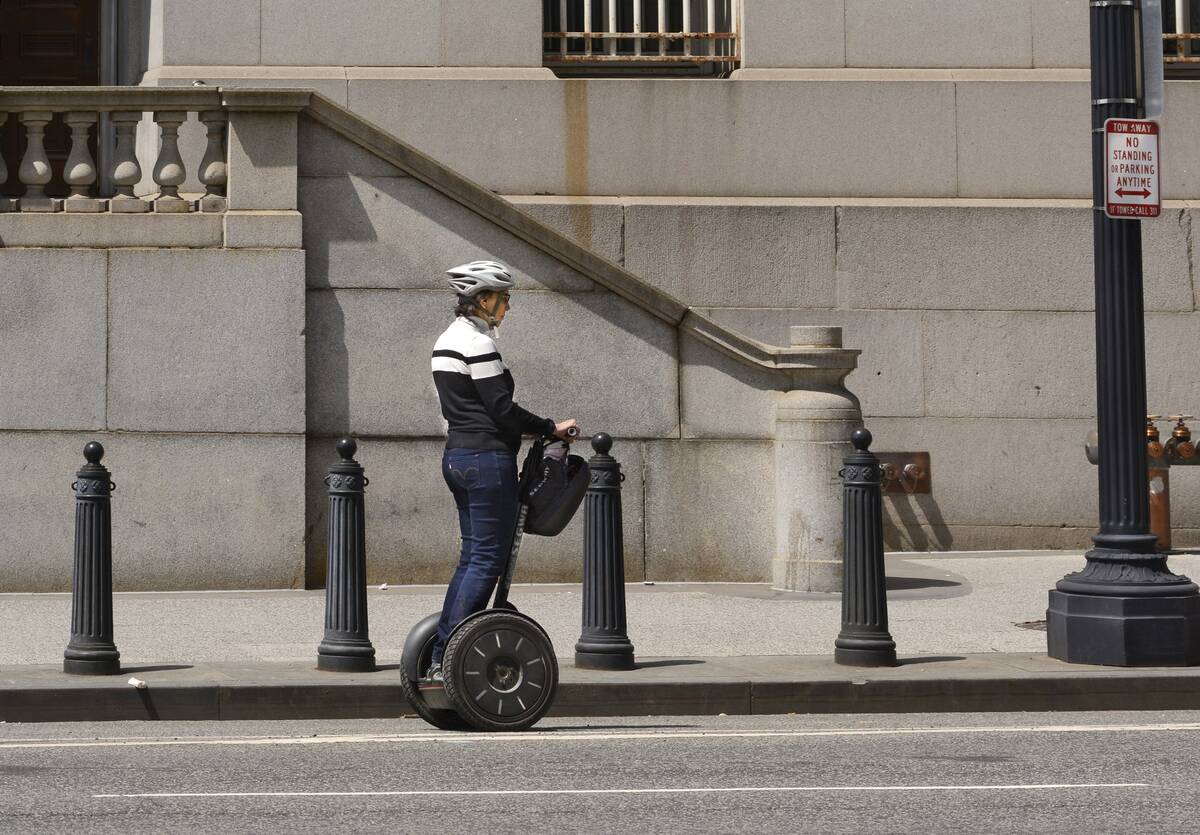
The Segway was heralded as a revolutionary mode of personal transport when Dean Kamen unveiled it in 2001. This two-wheeled, self-balancing scooter promised to change urban commuting forever.
However, the high price tag and regulatory hurdles made it a niche product. Despite its futuristic design, the Segway failed to capture the mass market’s imagination, becoming more of a curiosity than a common sight on city streets.
The Explosive Tale of Thomas Midgley Jr.: A Man of Dangerous Innovations
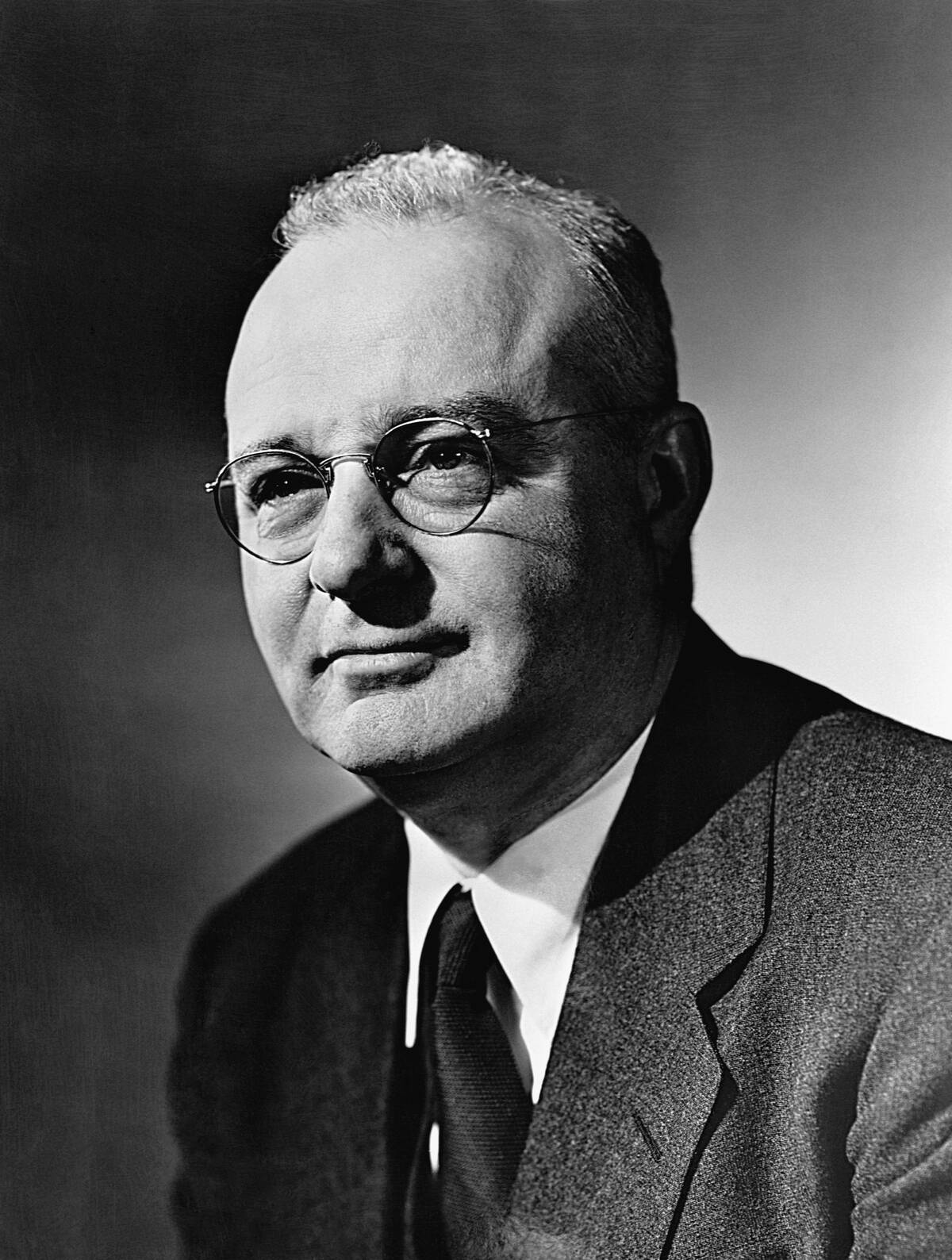
Thomas Midgley Jr. was a brilliant chemist whose inventions had unintended catastrophic impacts. He introduced leaded gasoline, which significantly contributed to air pollution and health issues worldwide.
Later, Midgley developed chlorofluorocarbons (CFCs), leading to ozone layer depletion. Ironically, his innovations intended to improve life, left a legacy of environmental damage, showcasing the double-edged sword of technological advancement.
The Unfortunate Fallout of DDT: Paul Hermann Müller’s Pesticide Problem

Paul Hermann Müller was awarded the Nobel Prize for discovering DDT’s effectiveness as a pesticide. Initially hailed for its success in combating malaria, the chemical was later found to harm wildlife and human health.
Rachel Carson’s “Silent Spring” highlighted these dangers, leading to DDT’s ban in many countries. Müller’s creation serves as a cautionary tale about unforeseen long-term impacts, even from well-intentioned innovations.
The Rise and Fall of Google Glass: A Futuristic Flop

Google Glass was unveiled with much fanfare in 2013, promising to usher in an era of augmented reality. However, privacy concerns and a high price tag kept it from mainstream success.
Dubbed as too intrusive and geeky, the device never caught on with the public. Google Glass found a niche in professional sectors, but its consumer aspirations were short-lived, marking it as a rare misstep for the tech giant.
Sony Betamax: How a Superior Technology Lost the Video Format War
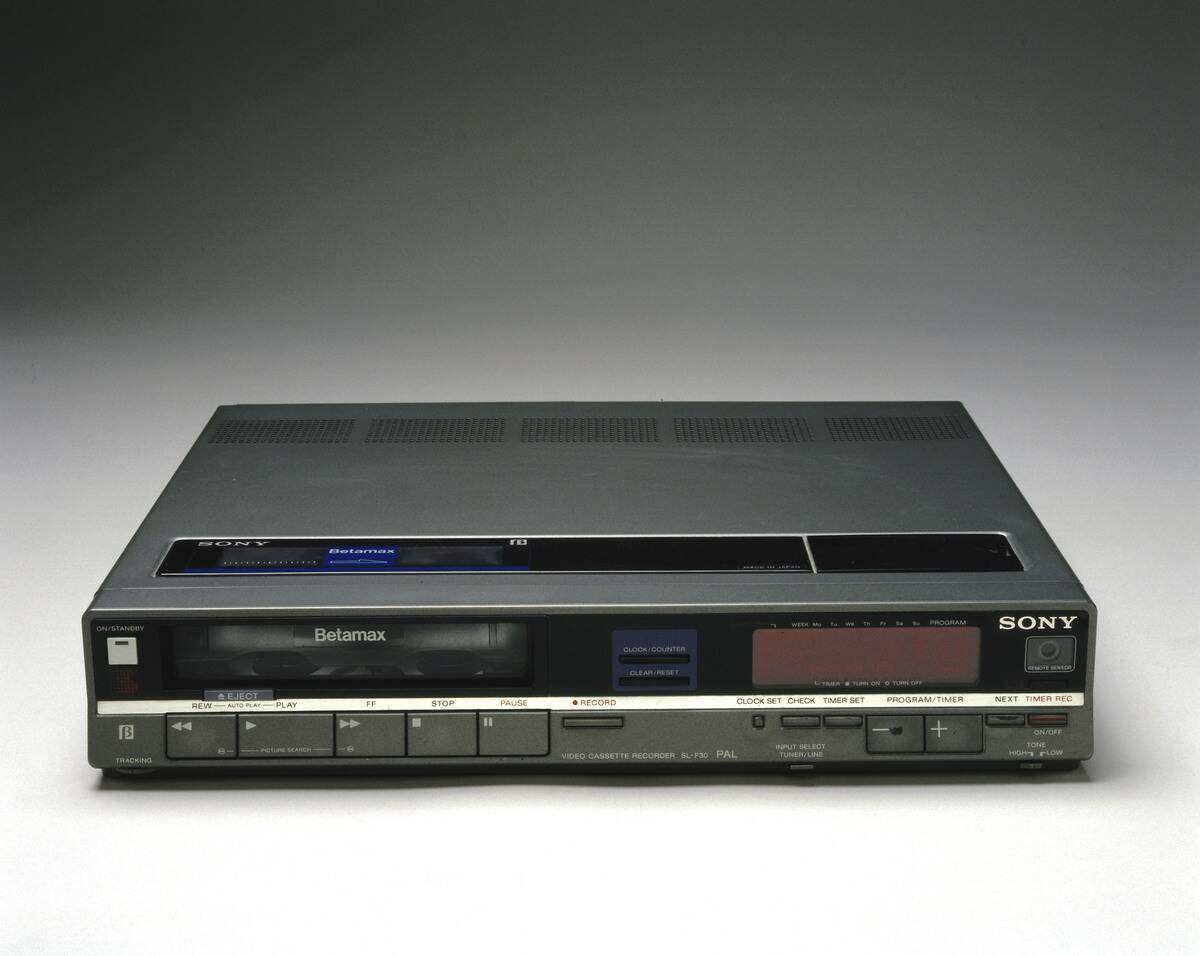
Sony’s Betamax was technically superior to VHS in terms of video quality, but it lost the format war in the 1980s. Its downfall was largely due to shorter recording times and a higher price point.
Consumers opted for the more user-friendly VHS, which offered longer recording capabilities. Betamax’s story is a lesson in how consumer preferences can outweigh technological superiority in determining a product’s success.
The Ford Edsel: A Car that Drove Ford into a Wall
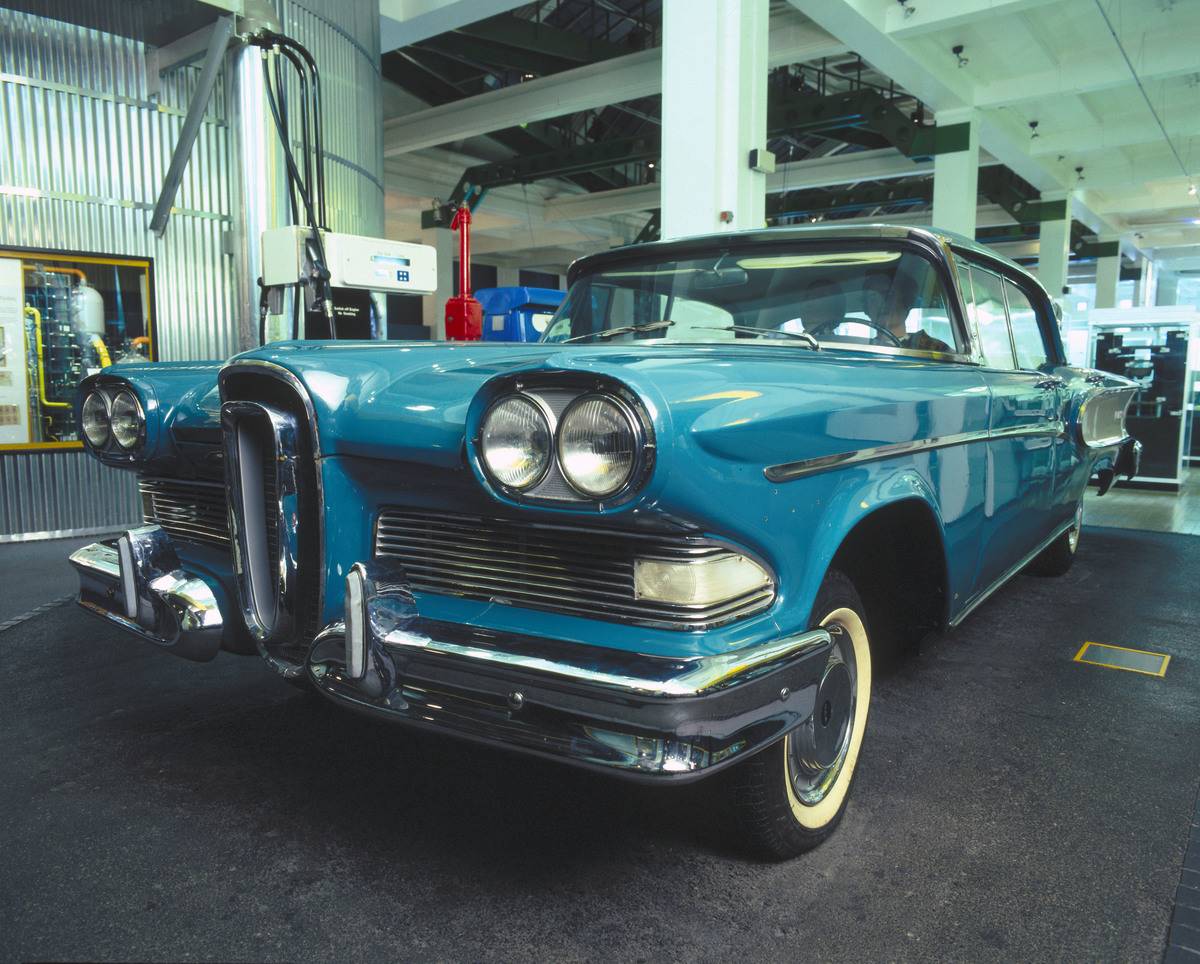
The Ford Edsel is often cited as one of the biggest failures in automotive history. Launched in 1957, the Edsel was hyped as the car of the future but quickly became a symbol of misguided marketing.
Its design was criticized, and it suffered from mechanical issues. The name ‘Edsel’ became synonymous with commercial failure, reminding companies to listen to consumer needs and market demands more closely.
The Hoverboard: When Cool Gadgets Catch Fire

Hoverboards captured the public’s imagination as futuristic personal transporters. However, reports of them catching fire due to battery malfunctions quickly surfaced. Safety concerns led to bans in several cities and airlines, while manufacturers scrambled to improve quality.
Despite early setbacks, hoverboards remain popular among enthusiasts, but their initial safety issues highlight the importance of rigorous product testing.
The DeLorean DMC-12: A Time Machine that Couldn’t Drive Back to the Future
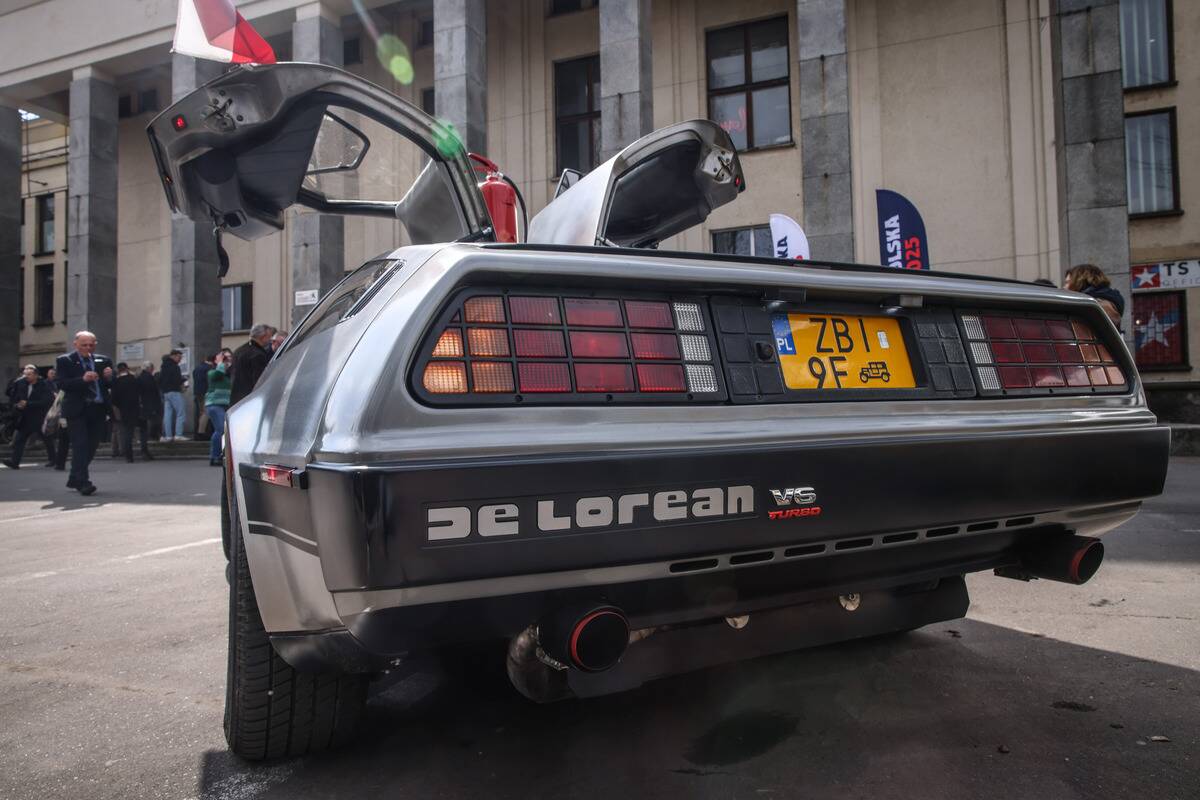
The DeLorean DMC-12 gained fame from the “Back to the Future” films, but its real-life story wasn’t as glamorous. Launched in 1981, its gull-wing doors and stainless steel body were striking, yet performance issues and financial troubles plagued the company.
Production ceased after just two years, making the car a collector’s item. The DeLorean stands as a testament to how cinematic fame can’t always translate to commercial success.
The Water-Powered Car: Stanley Meyer’s Controversial Invention

Stanley Meyer claimed he invented a car that could run on water, sparking both intrigue and skepticism. His “water fuel cell” was touted as a revolutionary technology but was never scientifically validated.
Courts ruled against Meyer for fraud, and his sudden death in 1998 added to the mystery. While the water-powered car remains a fascinating concept, Meyer’s invention is largely regarded as a cautionary tale of too-good-to-be-true innovations.
The Zune: Microsoft’s Misstep in the Music Player Market
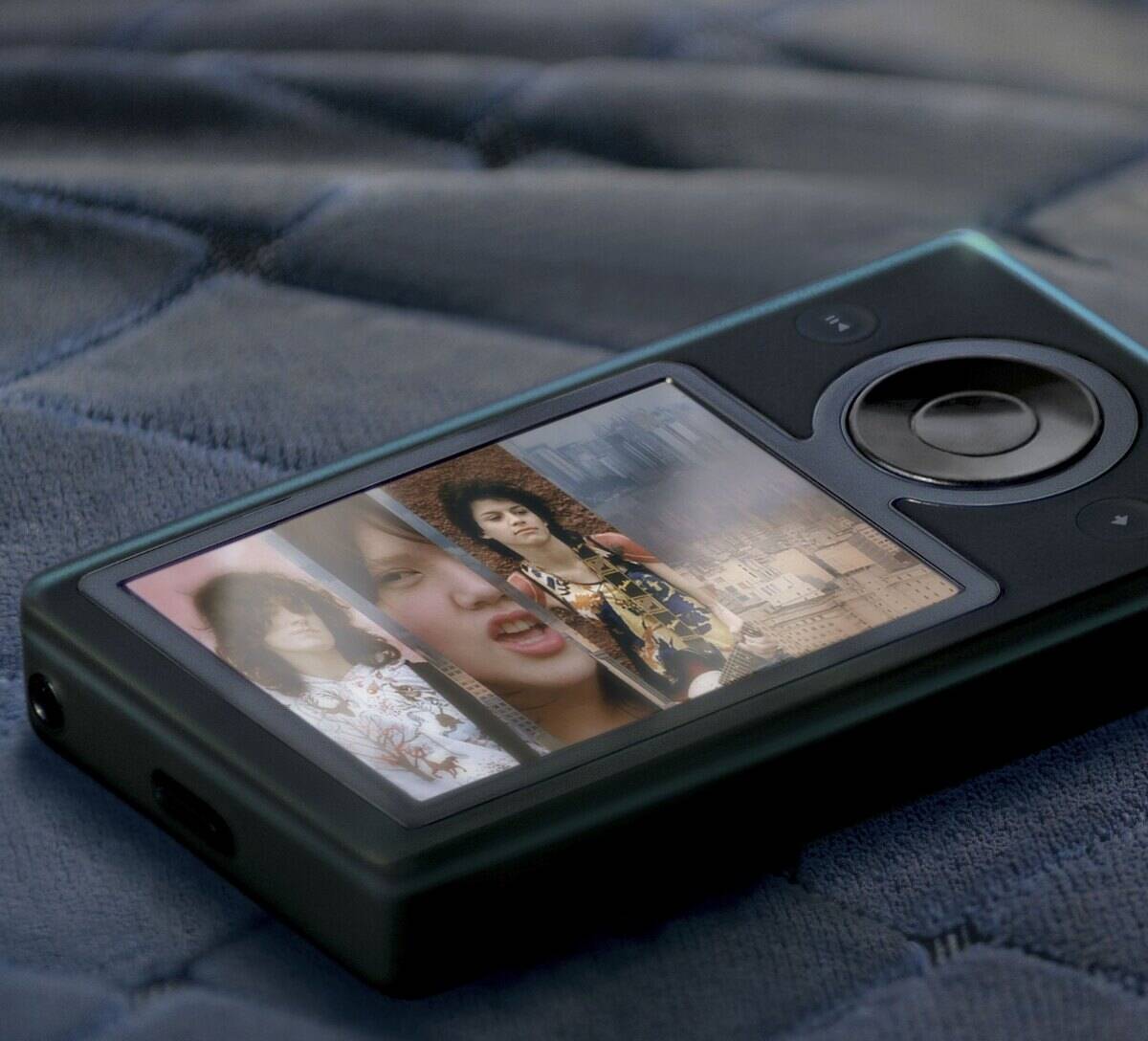
The Zune was Microsoft’s attempt to dethrone the iPod in the digital music player arena. Launched in 2006, it featured a sleek design and wireless sharing capabilities. However, it failed to gain traction against Apple’s stronghold, suffering from a limited ecosystem and lack of innovation.
Despite its loyal fan base, the Zune was discontinued in 2011, serving as a reminder of the challenges tech giants face when entering established markets.
The Titanic: The Unsinkable Ship that Sank Spectacularly
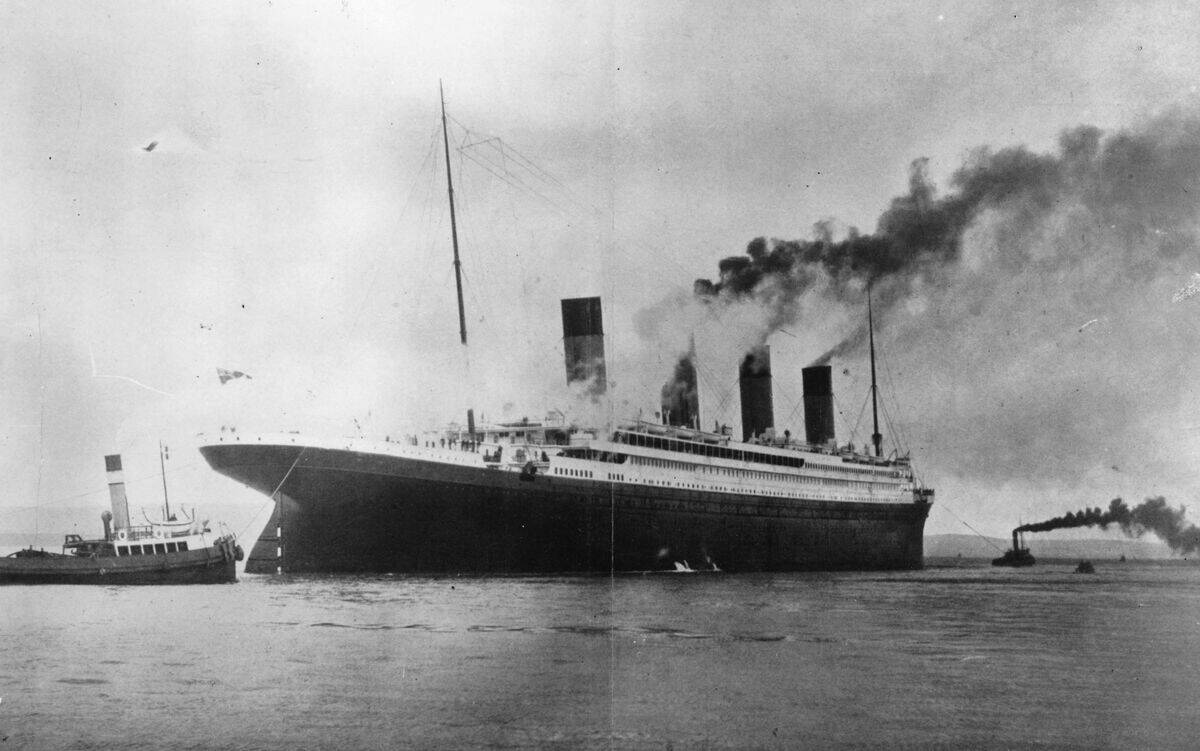
The RMS Titanic was lauded as an unsinkable marvel of engineering when it set sail in 1912. Tragically, it struck an iceberg and sank on its maiden voyage, resulting in over 1,500 deaths.
The disaster highlighted flaws in safety regulations and lifeboat protocols. The Titanic’s story endures as a powerful reminder of human fallibility and the hubris of believing in infallible technology.
Morton Thiokol and the Challenger Disaster: A Tragic Oversight

The Challenger disaster in 1986 was a somber moment in space exploration history. Morton Thiokol, the contractor responsible for the shuttle’s solid rocket boosters, faced scrutiny after the tragedy.
A faulty O-ring, exacerbated by low temperatures, led to the shuttle’s destruction. The incident highlighted the importance of rigorous safety checks and transparent communication, serving as a lesson for future aerospace endeavors.
Google Wave: A Communication Tool That Never Made Waves
Google Wave was introduced in 2009 as a real-time communication platform, blending email, instant messaging, and social networking. Despite its innovative concept, users found it confusing and overwhelming.
The lack of clear purpose led to its decline, and Google discontinued the service in 2012. Google Wave’s brief existence underscores the importance of user experience and clarity in product development.
New Coke: The Beverage Blunder Heard Around the World
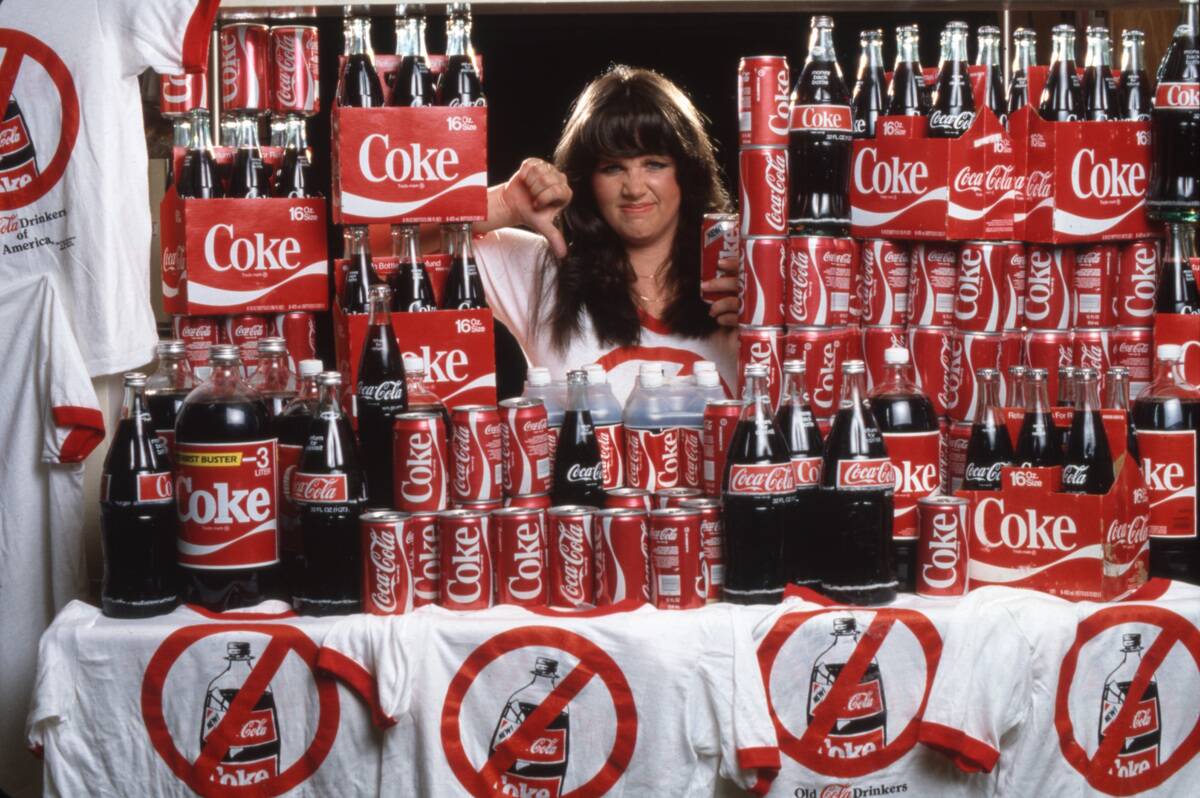
In 1985, Coca-Cola attempted a bold move by introducing New Coke, a reformulated version of its iconic beverage. The change sparked consumer outrage, leading to protests and a swift return to the original formula.
This marketing misstep taught companies the power of brand loyalty and the risks of tampering with beloved products. New Coke remains a classic example of how not to handle product evolution.
The Sinclair C5: The Electric Vehicle that Never Took Off
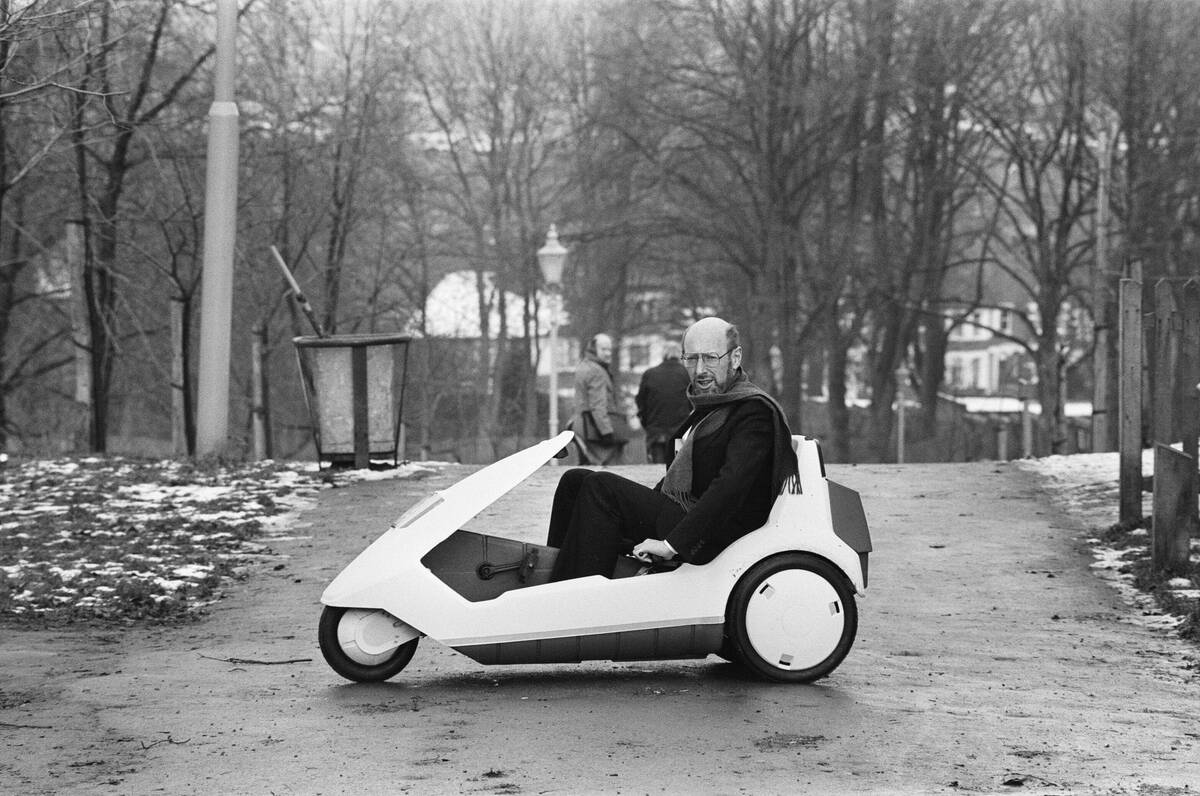
The Sinclair C5, launched in 1985, was a small electric vehicle intended for urban commuting. Invented by Sir Clive Sinclair, it was ahead of its time but plagued by practical issues, such as limited range and exposure to the elements.
Public skepticism and safety concerns led to its commercial failure. The C5’s story reflects the challenges of pioneering new technologies in a market not ready to embrace them.




