21 past social trends that seem strange today
Cultural norms move faster than we remember. Practices that once felt routine—lighting a cigarette at a desk, buckling no one into a car, or waiting for the TV station to “sign on”—now read like plot points from a period drama. In a few decades, public-health research, new laws, and tech leaps can turn everyday habits into artifacts. That whiplash is part of the fun of looking back: it’s a reminder that “common sense” is usually just common for a moment.
Consider a few mileposts. The United States began banning smoking on many flights in 1988 and extended it in 1990; New York made seatbelts mandatory in 1984; leaded gasoline for on‑road cars was finally banned nationwide in 1996. Meanwhile, entire infrastructures vanished: New York City removed its last public payphones in 2022, and many TV stations stopped nightly “sign‑offs” as 24‑hour broadcasting spread in the 1980s. Different times, different defaults.
Smoking literally everywhere—restaurants, offices, even airplanes
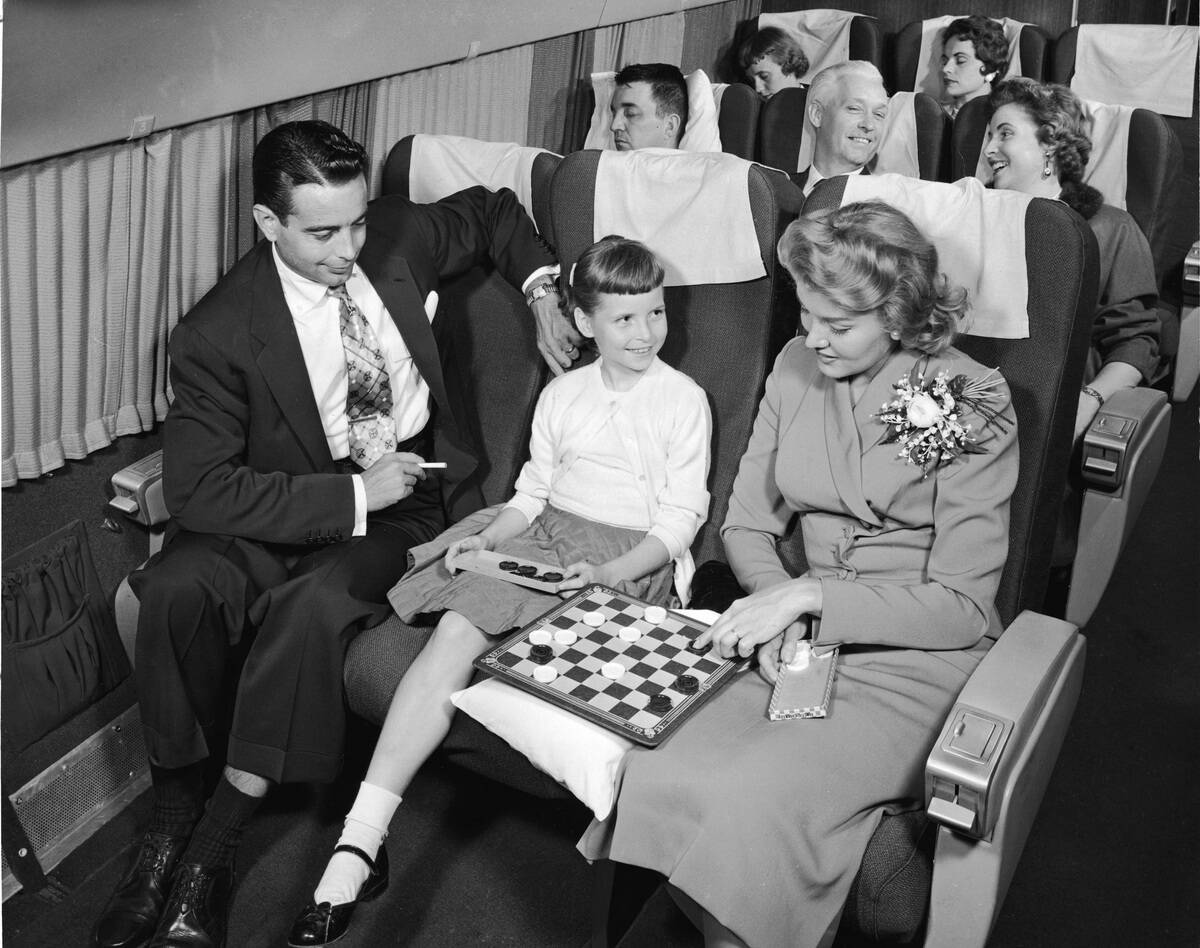
Until the 1990s, restaurants and offices in many places were hazy on purpose. California became the first U.S. state to mandate smoke‑free restaurants in 1995 and extended the rule to bars in 1998. Ireland grabbed headlines in 2004 as the first country to enact a nationwide workplace smoking ban, pubs included. The World Health Organization’s Framework Convention on Tobacco Control, adopted in 2003 and entering into force in 2005, then set a global template for smoke‑free public spaces.
Air travel followed a similar arc. The U.S. banned smoking on most domestic flights of two hours or less in 1988, extended that to flights of six hours or less in 1990, and in 2000 Congress effectively made the prohibition permanent on U.S. flights, including those to and from the country. If you’ve ever wondered why your seat has an ashtray despite the no‑smoking light, it’s a safety holdover from when lighting up at 35,000 feet was normal.
Ads (and some doctors!) promoting cigarettes as “healthy”
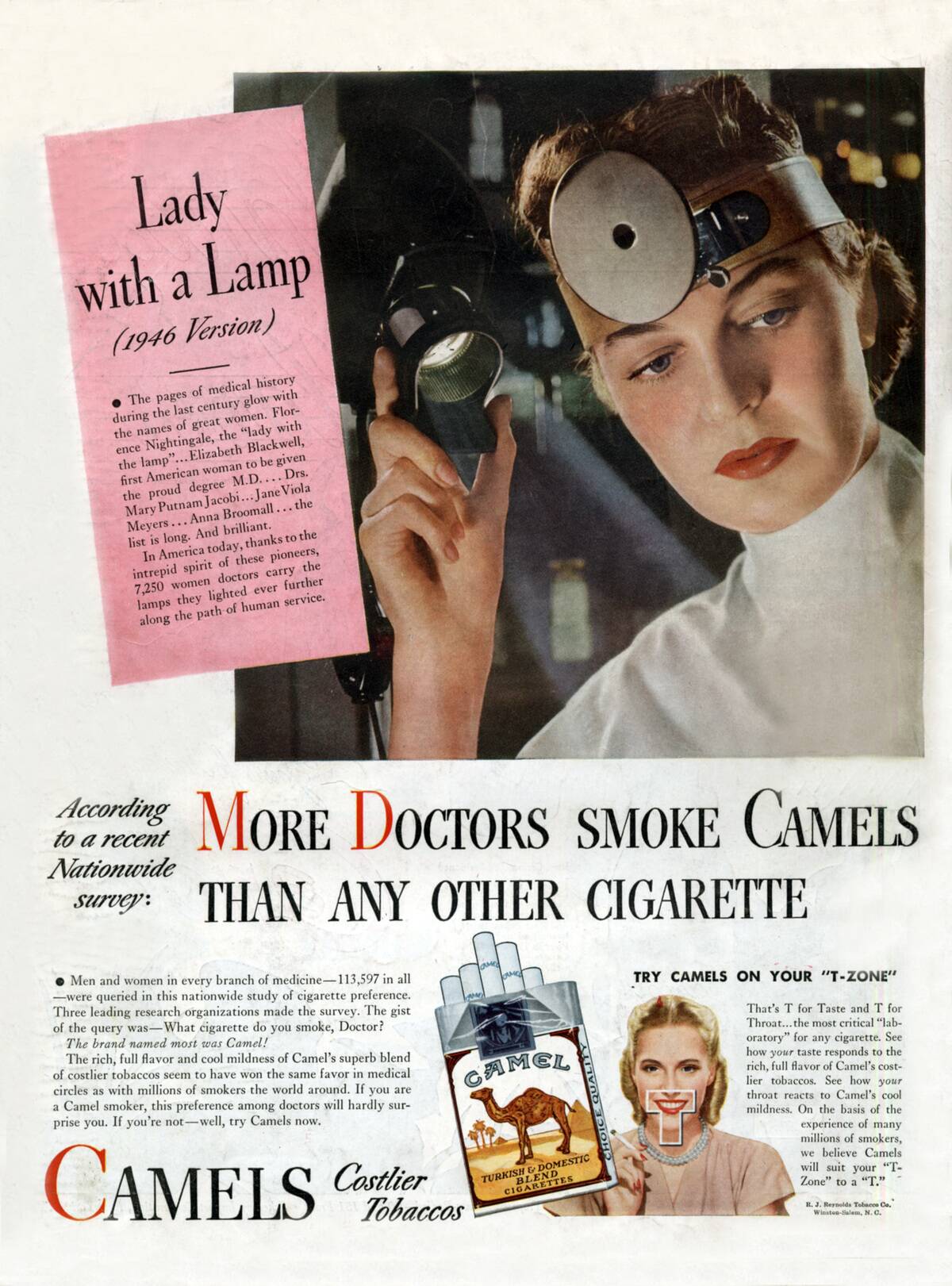
In the 1940s and 1950s, cigarette makers leaned hard on white coats. R.J. Reynolds ran the now‑infamous “More doctors smoke Camels than any other cigarette” campaign (debuting in 1946), citing industry‑commissioned surveys. Lucky Strike pitched “It’s toasted,” and even urged, “Reach for a Lucky instead of a sweet.” The scientific countercurrent was already forming: landmark studies by Doll and Hill (1950) and Wynder and Graham (1953) linked smoking with lung cancer, building the case that would eventually upend those ads.
Policy caught up next. In 1964, the U.S. Surgeon General’s Report formally concluded smoking causes lung cancer and other diseases. Congress banned cigarette advertising on American TV and radio effective January 2, 1971. Warning labels were strengthened in 1984, and the 1998 Master Settlement Agreement curtailed outdoor ads and youth‑targeted marketing, pushing Joe Camel into retirement. Those glossy “doctor‑recommended” spreads now read like artifacts from a parallel medical universe.
Hitchhiking as a perfectly ordinary way to get around
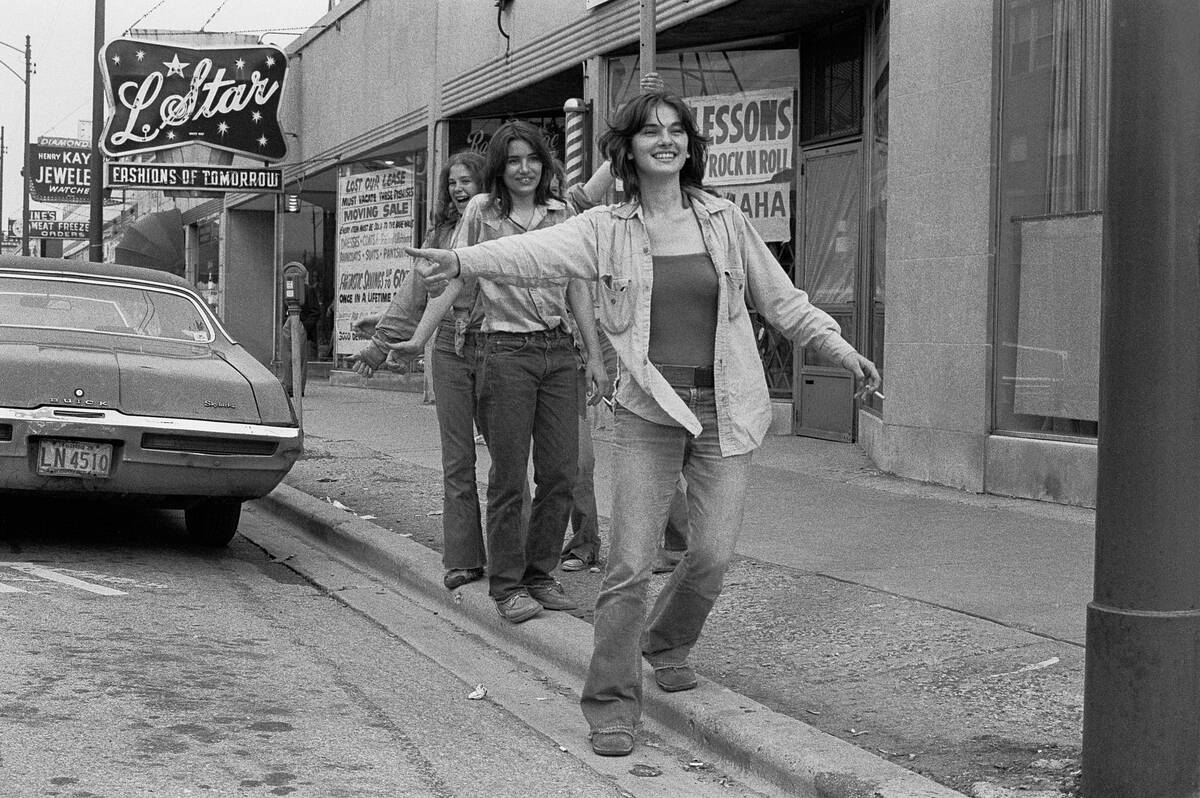
From the 1940s through the 1960s, sticking out a thumb was transportation, not a dare. Soldiers and students routinely hitched rides, and some communities even organized ride boards. The rise of the Interstate Highway System after 1956 changed the terrain—literally. Pedestrians are barred from most interstates, making classic shoulder‑side thumbing illegal or impractical in many jurisdictions, even where hitchhiking itself isn’t explicitly outlawed.
Safety anxieties surged in the 1970s, helped by lurid headlines, and a patchwork of state and local restrictions followed.
California, for instance, prohibits soliciting rides while standing in the roadway and generally bars pedestrians on freeways, with narrow exceptions. Hitching never vanished everywhere—Europe kept pockets of “autostop,” and backpackers still trade tips in New Zealand—but the cultural script shifted: carpool apps and online ride boards replaced cardboard signs and a hopeful grin.
Seatbelts optional, car seats rare, and kids free‑range in the back
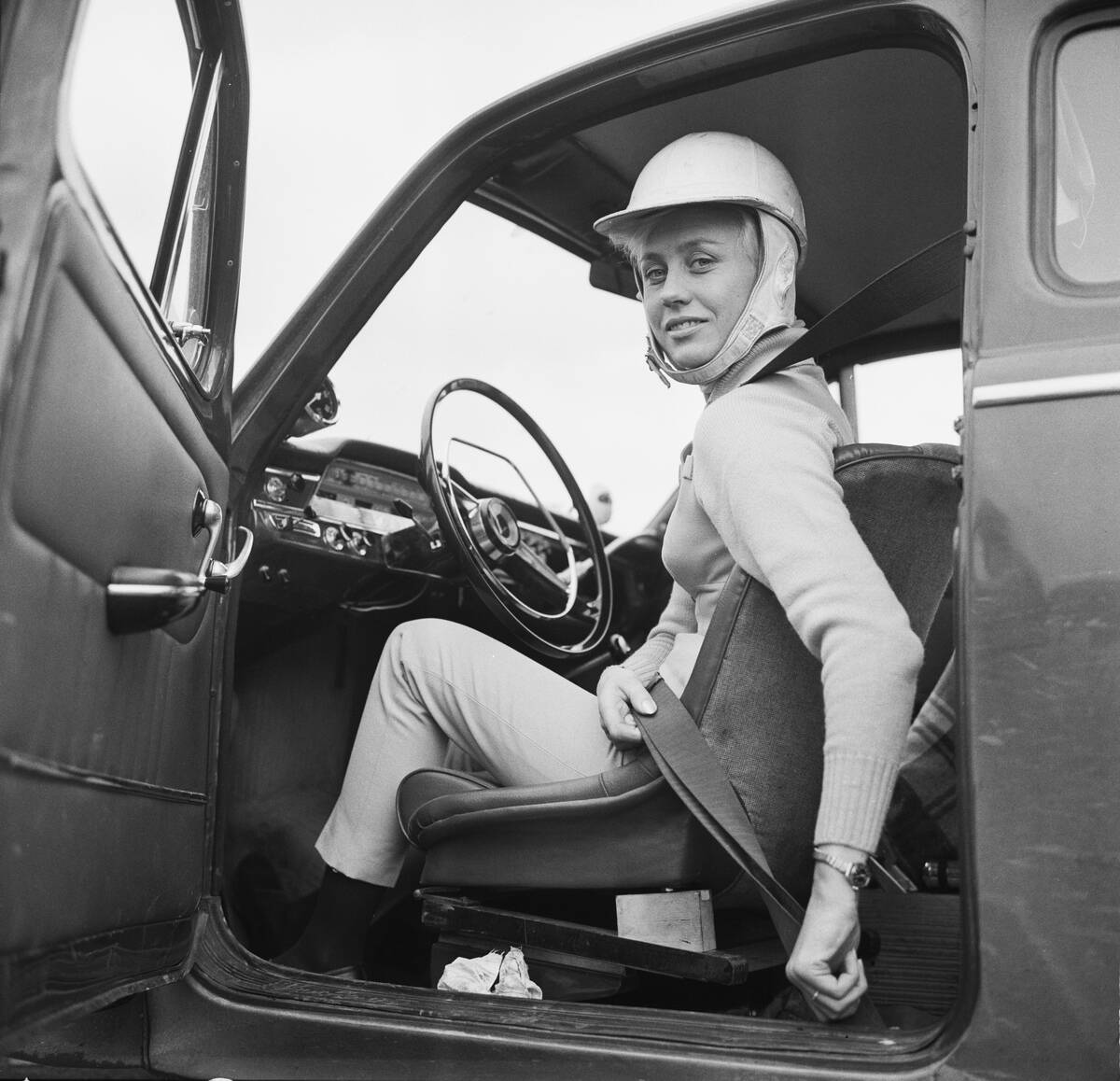
For years, seatbelts weren’t just unused; they often weren’t installed. Volvo engineer Nils Bohlin patented the modern three‑point belt in 1959, and U.S. federal standards required seatbelts in new passenger cars starting with the 1968 model year. Still, wearing them lagged until New York enacted the first statewide mandatory‑use law in 1984. National belt use climbed from about 14% in 1983 to over 90% in recent years, according to the National Highway Traffic Safety Administration.
Child passengers tell a similar story. Early “car seats” mainly boosted toddlers’ height to see out the window. Tennessee passed the first U.S. child restraint law in 1978, and standards toughened across the 1980s and 1990s. Before that, station‑wagon cargo wells and rear‑facing jump seats doubled as rumpus rooms on road trips. Today, LATCH anchors, rear‑facing guidelines, and booster‑age charts would make those vintage family photos look like reenactments from a safety museum.
The three‑martini lunch and daytime cocktails on the clock
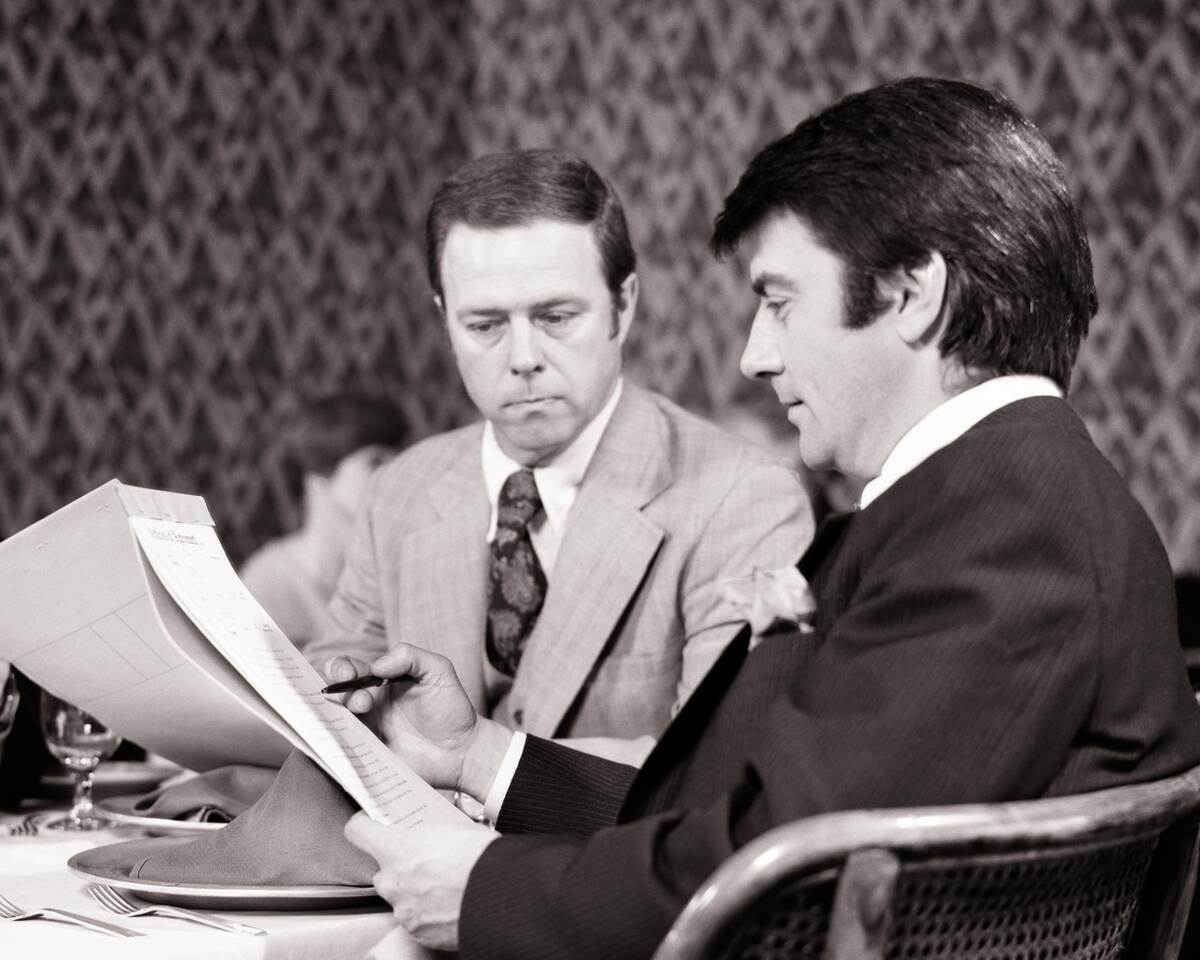
Midcentury business culture famously mixed deals with gin. The “three‑martini lunch” became shorthand for expense‑account indulgence, so much so that Jimmy Carter blasted its tax deductibility during the 1976 campaign. The Tax Reform Act of 1986 reduced the business meal deduction from 100% to 80%, and in 1993 it dropped to 50%, nudging corporate America toward more coffee and fewer olives at noon.
Broader norms shifted too.
The Drug‑Free Workplace Act of 1988 reshaped policies for federal contractors, Mothers Against Drunk Driving (founded 1980) helped stiffen DUI laws, and HR departments tightened conduct rules. Airlines, once free‑pouring daytime cocktails to coach passengers, trimmed service over cost and safety concerns. “Mad Men” captured the vibe, but most offices today reserve the bar cart for Friday socials—or skip it entirely in favor of seltzer and a Slack emoji.
Gendered want ads and “marriage bars” for women at work
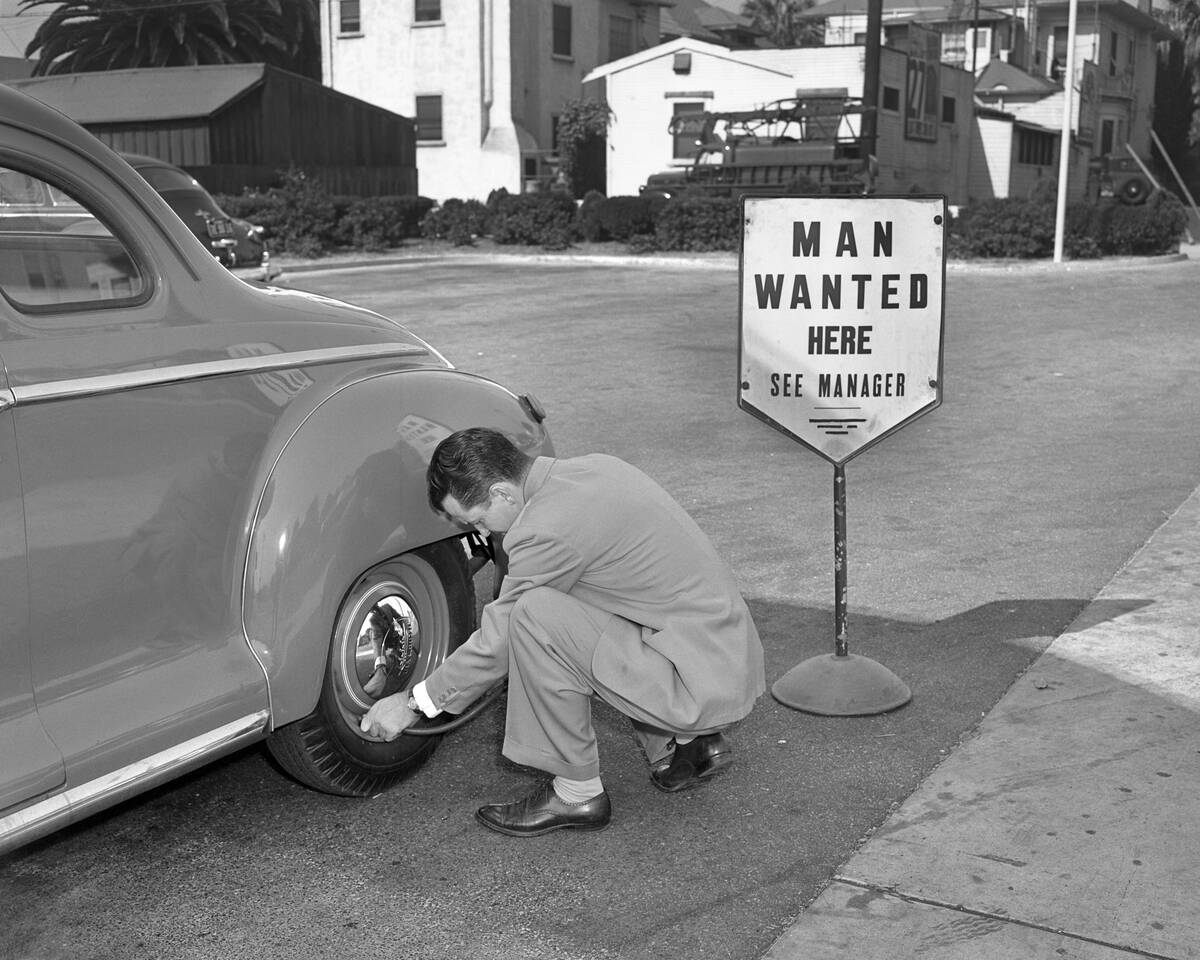
Open a mid‑century newspaper and you’d find “Help Wanted—Male” and “Help Wanted—Female” neatly split. Title VII of the Civil Rights Act (1964) banned sex discrimination in employment, and the Equal Employment Opportunity Commission issued guidelines against sex‑segregated ads by 1968. In 1973, the U.S. Supreme Court in Pittsburgh Press Co. v. Pittsburgh Commission on Human Relations upheld a local ban on those gendered columns, hastening their disappearance.
“Marriage bars” were another barrier. Many school districts and clerical employers once forced women to resign when they wed, a practice that waned after World War II but lingered into the 1950s. Airlines notoriously required “stewardesses” to be single and adhere to strict appearance rules; the EEOC declared such policies discriminatory in 1968, and cases like Diaz v. Pan Am (1971) helped end female‑only flight attendant hiring. Dress codes didn’t vanish, but the wedding ring stopped being a pink slip.
Corporal punishment accepted in classrooms
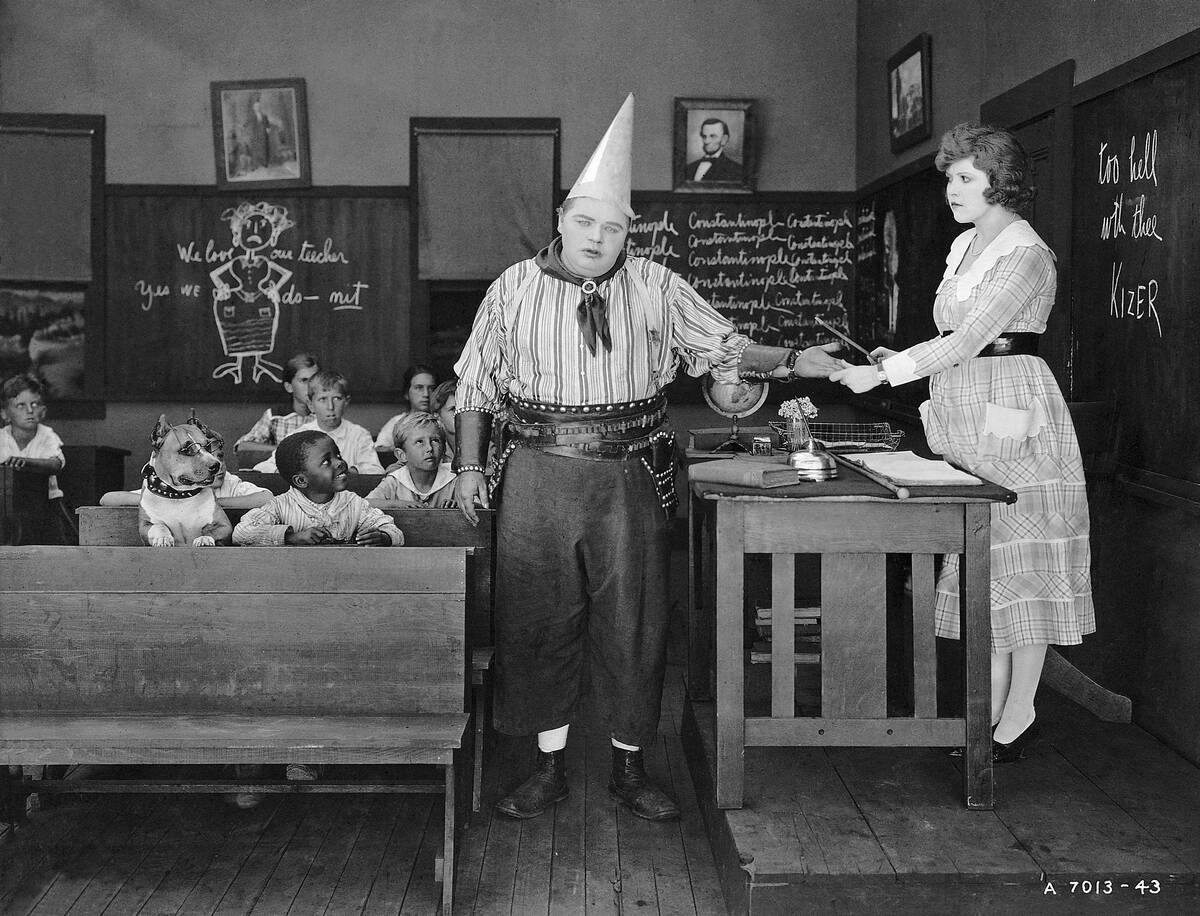
A wooden paddle on the principal’s wall used to be as standard as a chalkboard. In 1977, the U.S. Supreme Court’s Ingraham v. Wright decision held that corporal punishment in public schools didn’t violate the Eighth Amendment, leaving regulation to states and districts. Many prohibited it, but in others, parents signed consent forms while teachers kept a paddle at the ready for “swats.”
It hasn’t entirely vanished. As of the late 2010s and into the early 2020s, 19 U.S. states still permitted corporal punishment in public schools by state law, though many local districts banned it. Federal civil rights data reported tens of thousands of paddling incidents nationwide in some school years, heavily concentrated in a handful of Southern states. Even where legal, sentiment has shifted: restorative practices and behavior interventions are replacing the old trip to the hallway.
Kids roaming the neighborhood till the streetlights flicked on

Before GPS trackers and group chats, the end‑of‑day signal was celestial—or municipal. The “come home when the streetlights turn on” rule governed countless 1970s and 1980s summers. Helmets were rare, schedules looser, and unsupervised bike caravans standard weekend programming. Stranger‑danger PSAs would arrive later; for many families, a house key on a shoelace meant you were a “latchkey kid,” trusted to handle snacks and homework before parents got home.
By the mid‑1980s, fear sharpened. High‑profile cases like Etan Patz (1979) and Adam Walsh (1981) fueled missing‑child campaigns, including faces on milk cartons starting in 1984. Meanwhile, U.S. violent crime peaked around 1991 before falling over the following decades, but perceptions lagged. Youth sports schedules, after‑school programs, and cell phones changed the calculus of freedom. Today, “free‑range parenting” is a label; then, it was just childhood.
Milkmen, Avon ladies, and the heyday of door‑to‑door everything
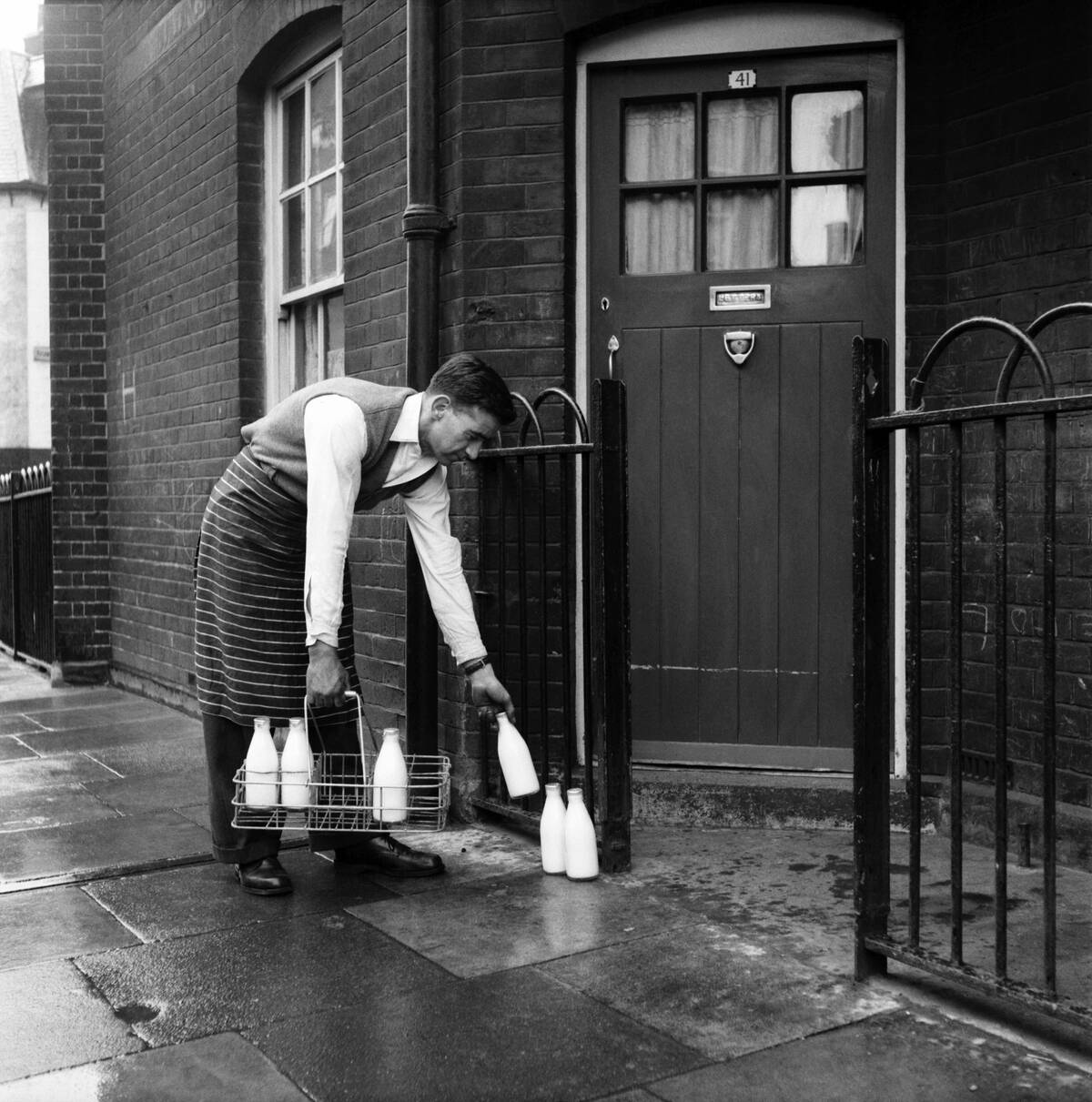
Home wasn’t just where the heart was; it was where commerce showed up. Daily milk delivery thrived through the 1940s and 1950s, aided by glass bottles and insulated porch boxes. Refrigerators, suburban supermarkets, and improved packaging eroded the model in the 1960s and 1970s, though pockets persisted. Parallel empires knocked too: the Fuller Brush man (founded 1906) and the California Perfume Company—renamed Avon in 1939—brought brooms and beauty samples to your stoop.
That intimate retail theater previewed today’s convenience economy. COD orders through the U.S. Post Office normalized delivery, while catalogs like Sears let entire houses be mail‑ordered long before e‑commerce. By the 2000s, the doorbell swapped to a push notification, but you can draw a straight line from the milkman’s pre‑dawn clink to grocery apps, subscription razors, and meal kits packed with ice packs instead of bottles.
Party lines and sharing a phone line with your neighbors
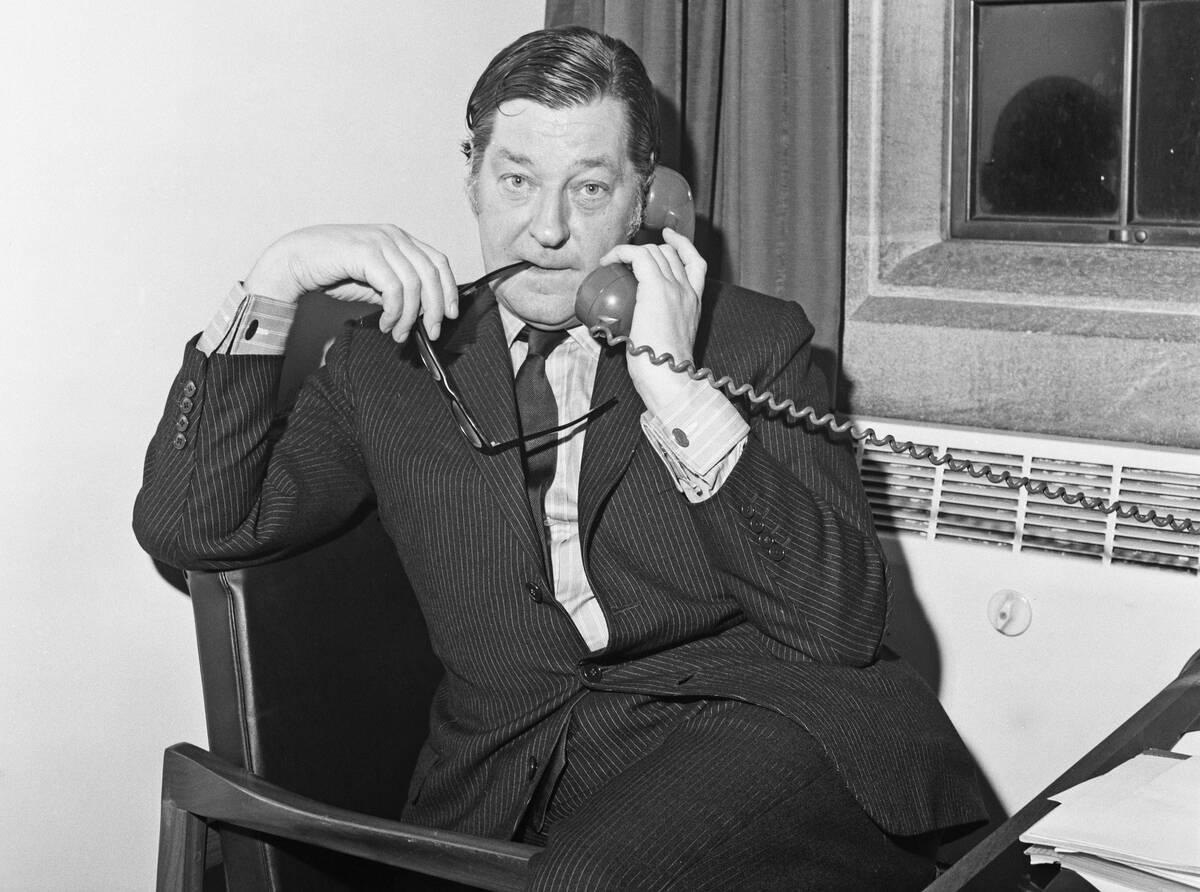
Once upon a dial tone, you didn’t always have the line to yourself. “Party lines” connected multiple households to the same circuit, especially in rural North America from the 1930s through the 1960s. Each home learned its unique ring pattern—two long, one short—before picking up. Eavesdropping was both taboo and temptation, and teens perfected timing calls for when the line finally cleared.
Private lines gradually displaced party lines as infrastructure improved and costs fell. By the 1970s and 1980s, most urban and suburban customers had individual service, and enhanced 911 systems favored direct lines. The 1984 breakup of AT&T accelerated competition and modernization. Even so, some remote areas kept party lines into the 1990s and beyond. Today’s group chats are consensual party lines—minus the nosy neighbor quietly breathing on the receiver.
Home sales parties: Tupperware, cosmetics, and casseroles
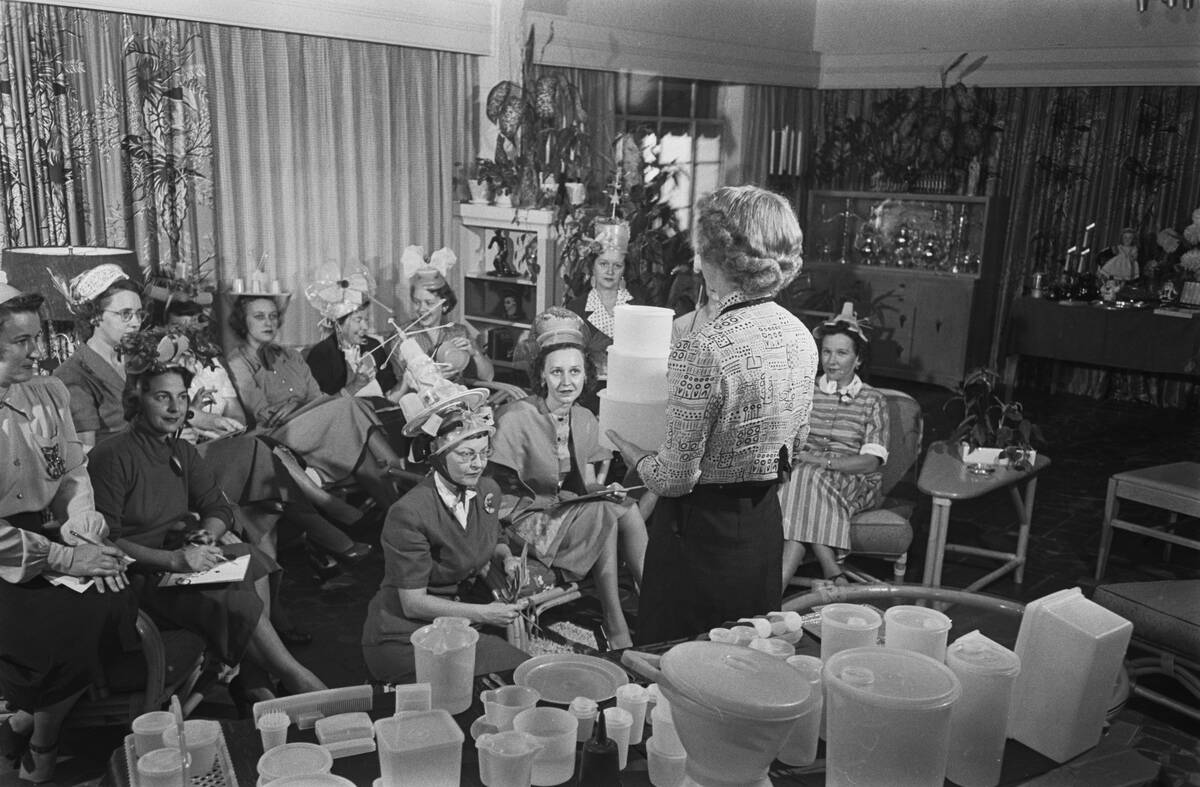
If social commerce had a mid‑century prototype, it was the living‑room demo. Brownie Wise pioneered the Tupperware party model in the late 1940s, and Tupperware Home Parties launched in 1951. She even landed on the cover of Business Week in 1954—rare for a woman executive at the time. The pitch was part product, part performance: burp the lid, seal the leftovers, win a door prize, and book your own party to climb the hostess ladder.
Cosmetics and cookware followed suit. Mary Kay started in 1963, rewarding top sellers with pink Cadillacs, while The Pampered Chef (founded 1980) made kitchen demos and casserole chatter a revenue stream. Avon reps blended door‑knocking with parties, turning neighbors into customers and recruits. Decades later, the format morphed into livestreams and influencer “hauls,” but the script is familiar: gather friends, swap tips, and sell something that claims to solve dinner—or your T‑zone.
Dressing to the nines for flights, church, and even shopping
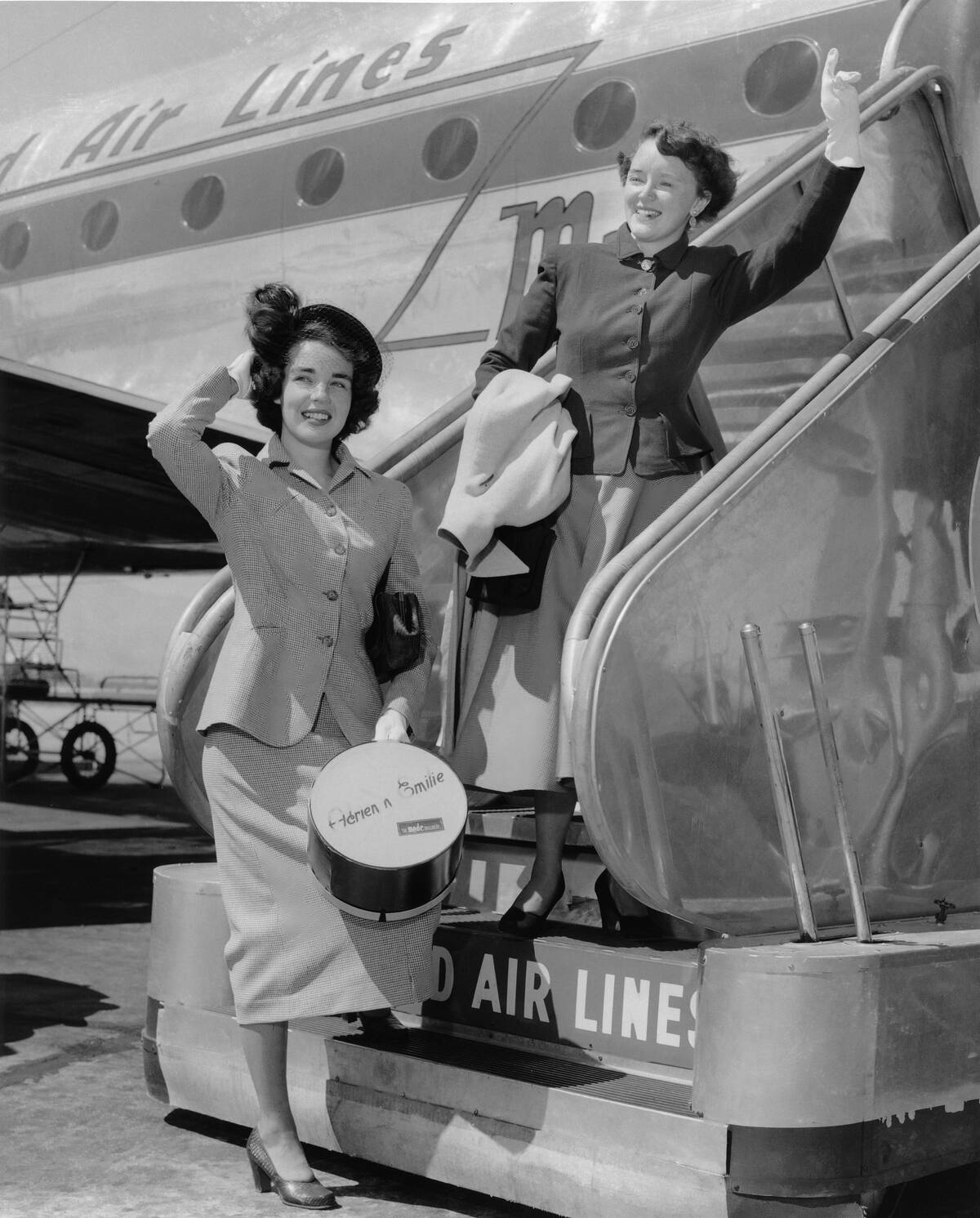
Air travel once felt like a special occasion, not public transit with wings. In the 1950s and 1960s, passengers commonly wore suits, ties, and heels, and airlines enforced decorum with unspoken dress codes. The Airline Deregulation Act of 1978 slashed fares, broadened access, and, over time, loosened the fashion rules in the cabin. Sunday church clothes and school dress codes echoed that formality in many communities.
By the 1990s, “Casual Friday” spread through offices, helped by Levi Strauss’s 1992 “Guide to Casual Businesswear” pushing Dockers into boardrooms. Sneakers crept into malls where gloves and hats once ruled. Occasions still exist—weddings, places of worship with traditions, a few old‑school clubs—but the cultural default shifted from “dress up unless told otherwise” to “dress down unless told otherwise.” Your grandparents’ garment bag logged more miles than your favorite hoodie.
The mall as the ultimate teen hangout (and social media)
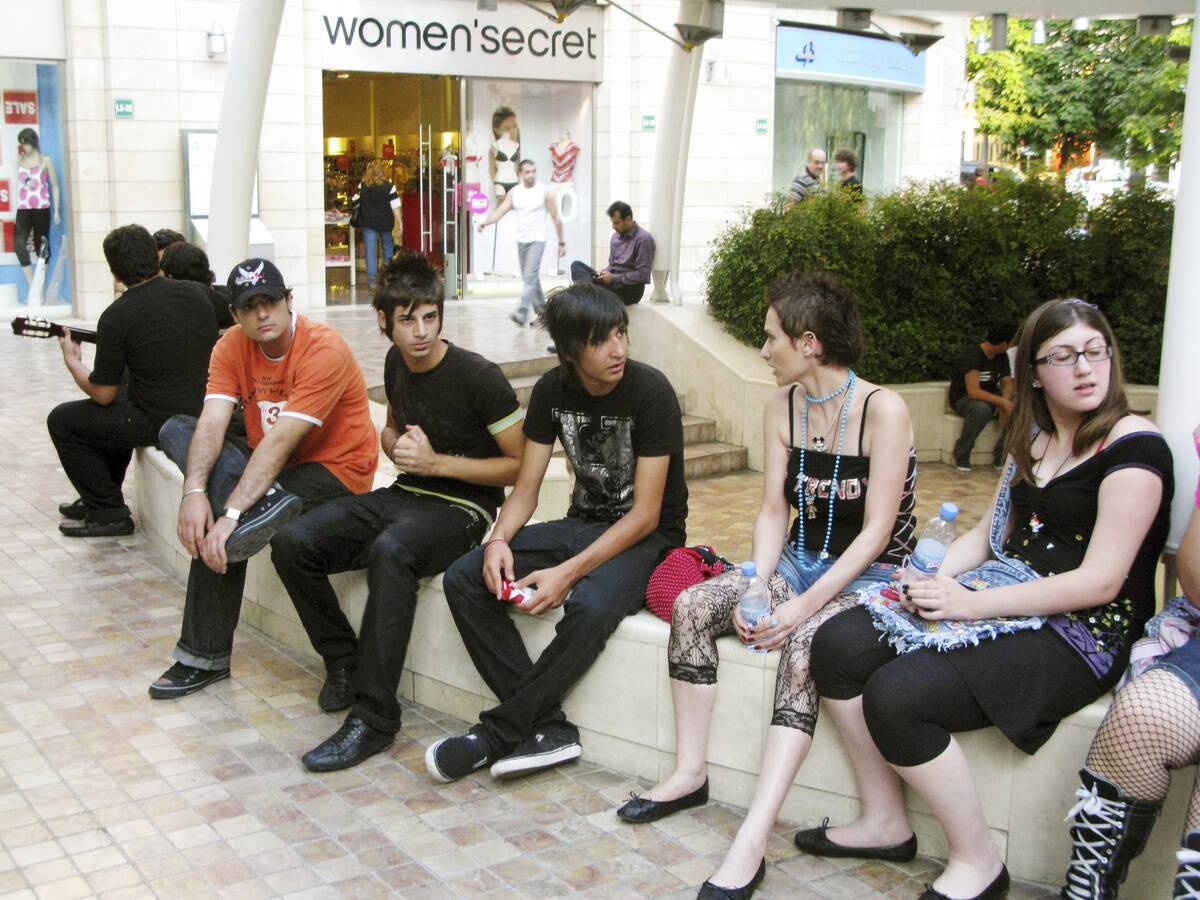
America’s first fully enclosed, climate‑controlled mall—Southdale Center in Edina, Minnesota—opened in 1956, and the template spread. By the 1980s, food courts, arcades, and multiplexes turned malls into turnkey hangouts. Parents liked the roof and security; teens liked everything else. “No loitering” signs tried, but a Hot Dog on a Stick lemonade, five laps past the record store, and a phone call from a payphone were a Saturday rite.
Malls peaked in number around the late 1990s and early 2000s, with roughly 1,500 enclosed centers nationwide, before online retail and changing tastes thinned the herd. Meanwhile, digital hangouts took over: MySpace (2003), Facebook (opened to high schoolers in 2005), Instagram (2010), and TikTok (2016). By 2022, Pew reported 95% of U.S. teens used YouTube and two‑thirds used TikTok. The food court became a For You page—still bustling, just algorithmically air‑conditioned.
Drive‑in theaters: movies, milkshakes, and fogged windows
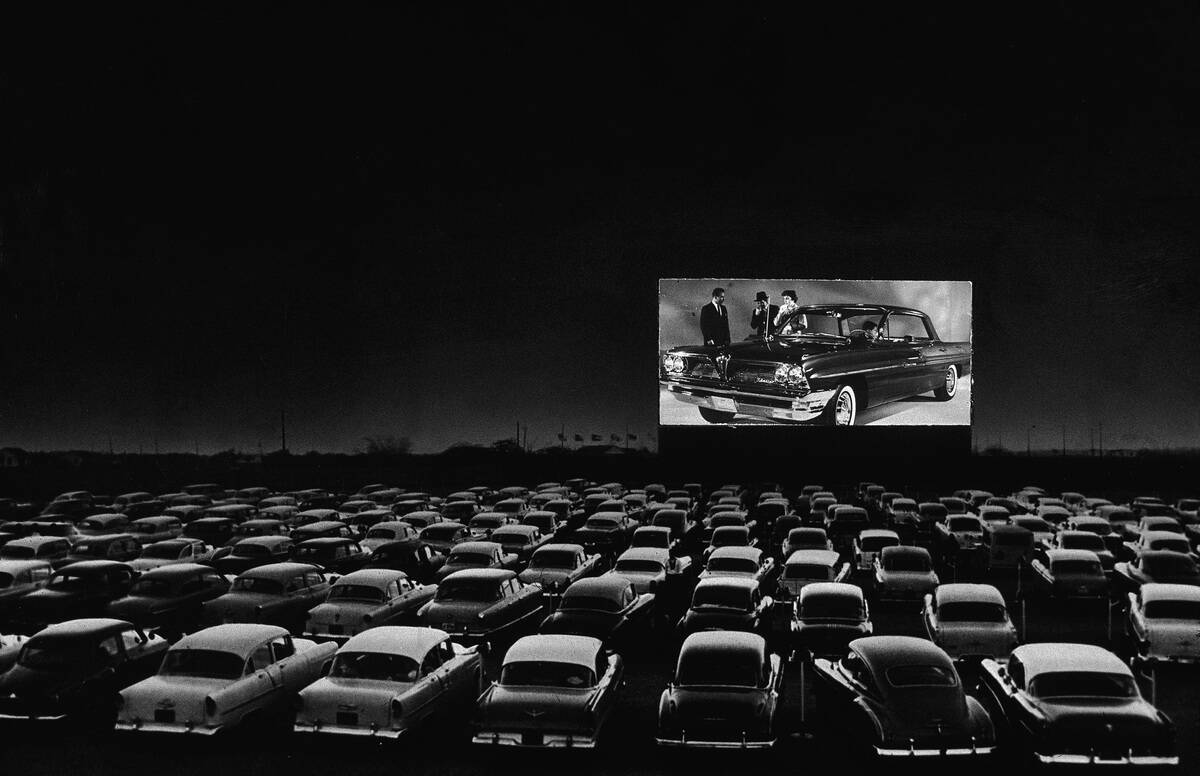
The first drive‑in theater opened in 1933 in Camden, New Jersey, courtesy of Richard Hollingshead Jr., who tested sightlines with cars parked in his yard. By the late 1950s, the U.S. boasted roughly 4,000 drive‑ins. Families packed kids in pajamas, concession stands pushed malts and corn dogs, and tinny window speakers broadcast the film until FM transmitters modernized the soundtrack.
After their mid‑century zenith, drive‑ins faced rising land values, daylight saving time, and competition from indoor multiplexes. Still, they hung on. During the COVID‑19 pandemic, drive‑ins briefly resurged as socially distanced entertainment. As of the early 2020s, about 300 or so remained in the U.S., often as beloved local institutions. The windshield still fogs, but now it’s as likely from the air‑conditioning as from teenage melodrama.
VHS rentals, late fees, and “Be kind, rewind”
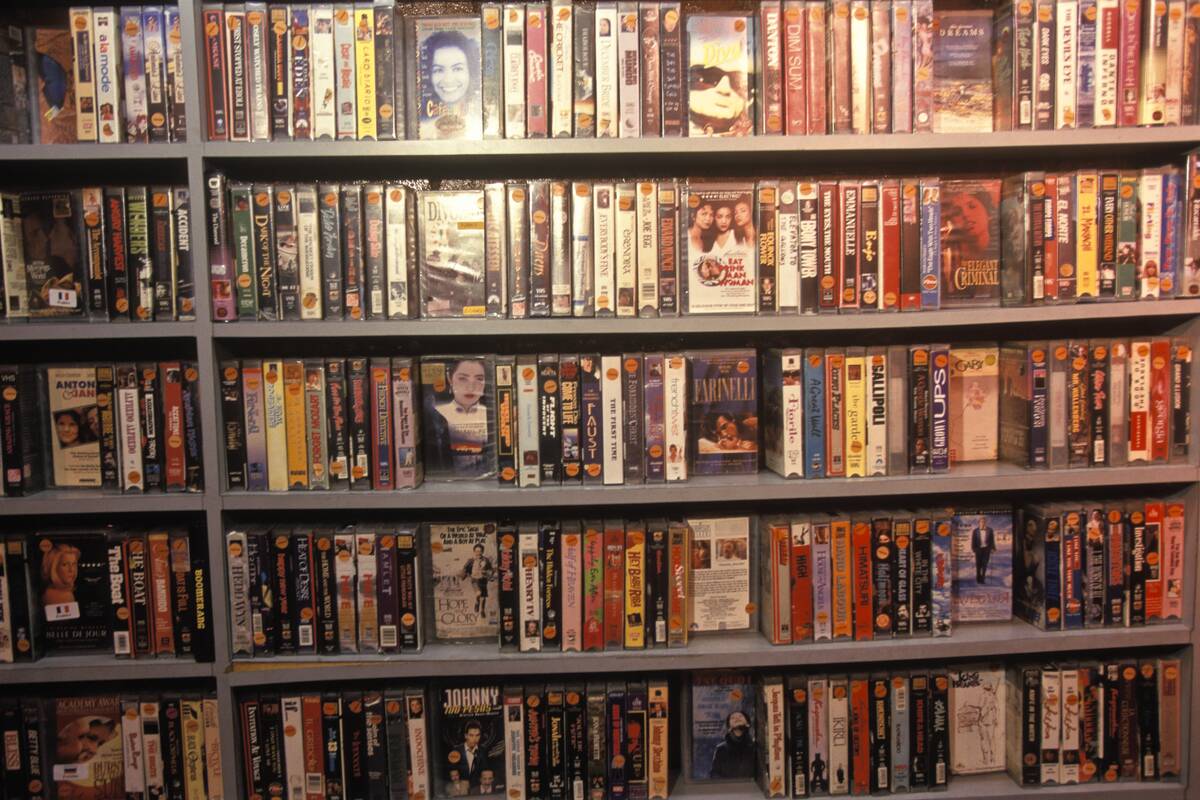
Home video flipped movie nights. JVC introduced the VHS format in 1976, and by the 1980s video rental stores were as common as pizza joints. Blockbuster, founded in 1985, ballooned to roughly 9,000 stores worldwide by the early 2000s. Shelf talkers begged “Be kind, rewind,” and clerks wielded a special machine to zip tapes back. Forget to return on time and late fees stacked up like a villain’s monologue.
Then the plot twist. Netflix launched DVD‑by‑mail in 1998, touting no late fees and queue‑based convenience. Blockbuster belatedly ended late fees in 2005, with caveats that fueled customer backlash, and streaming soon rewrote the script entirely. Today, only one official Blockbuster store remains, in Bend, Oregon—a pilgrimage site for pop‑culture nostalgists and a reminder that buffering once meant a clerk checking the drop box.
Courting with mixtapes and carefully curated playlists
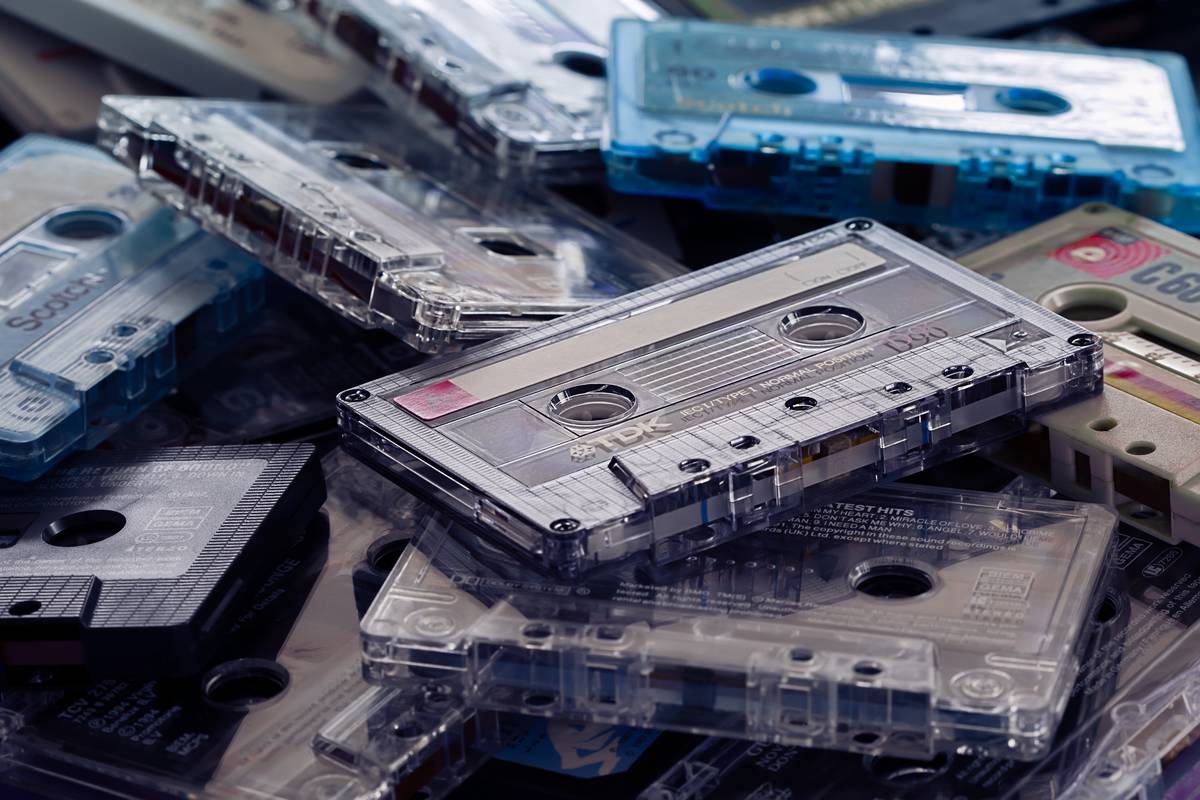
The compact cassette, introduced by Philips in 1963, turned romance into a two‑sided craft. Dual‑deck stereos and boomboxes let you dub songs in real time, while the Sony Walkman (1979) made private listening portable. Careful sequencing mattered: track two of side B had to land just so, with a DJ’s outro trimmed by a precise finger on the pause button. You didn’t just share music; you handed someone hours of you.
Cultural skirmishes followed. The British Phonographic Industry’s “Home Taping Is Killing Music” slogan (early 1980s) scolded record‑your‑own culture, while U.S. law later addressed digital recording with the Audio Home Recording Act of 1992. As CDs and CD‑Rs took over in the 1990s, mixes got cleaner; by the 2000s, iTunes playlists and, later, streaming links made them frictionless. The intimacy persists, but nothing quite replaces liner notes scribbled in a jewel‑case insert.
Sunbathing with baby oil and reflector boards instead of SPF

Mid‑century tanning culture prized bronze over balance. Beachgoers slathered on baby oil to intensify rays and propped up aluminum reflector boards to toast evenly. Sunscreen existed, but standards were fuzzy; Austrian chemist Franz Greiter proposed the SPF concept in 1962, and modern, broad‑spectrum formulations didn’t take hold until decades later. Iconic brands like Coppertone sold the lifestyle with a 1950s ad campaign starring a mischievous dog tugging down a little girl’s swimsuit.
Science changed the vibe. Indoor tanning gained traction in the 1970s, but in 2009 the World Health Organization classified UV tanning devices as Group 1 carcinogens. The U.S. Surgeon General issued a 2014 Call to Action on skin cancer prevention, and dermatologists now recommend broad‑spectrum SPF 30 or higher, reapplied every two hours. Baby oil migrated back to babies, and wide‑brimmed hats replaced reflector boards in the beach tote.
Smoking sections separated from “non‑smoking” by a sign
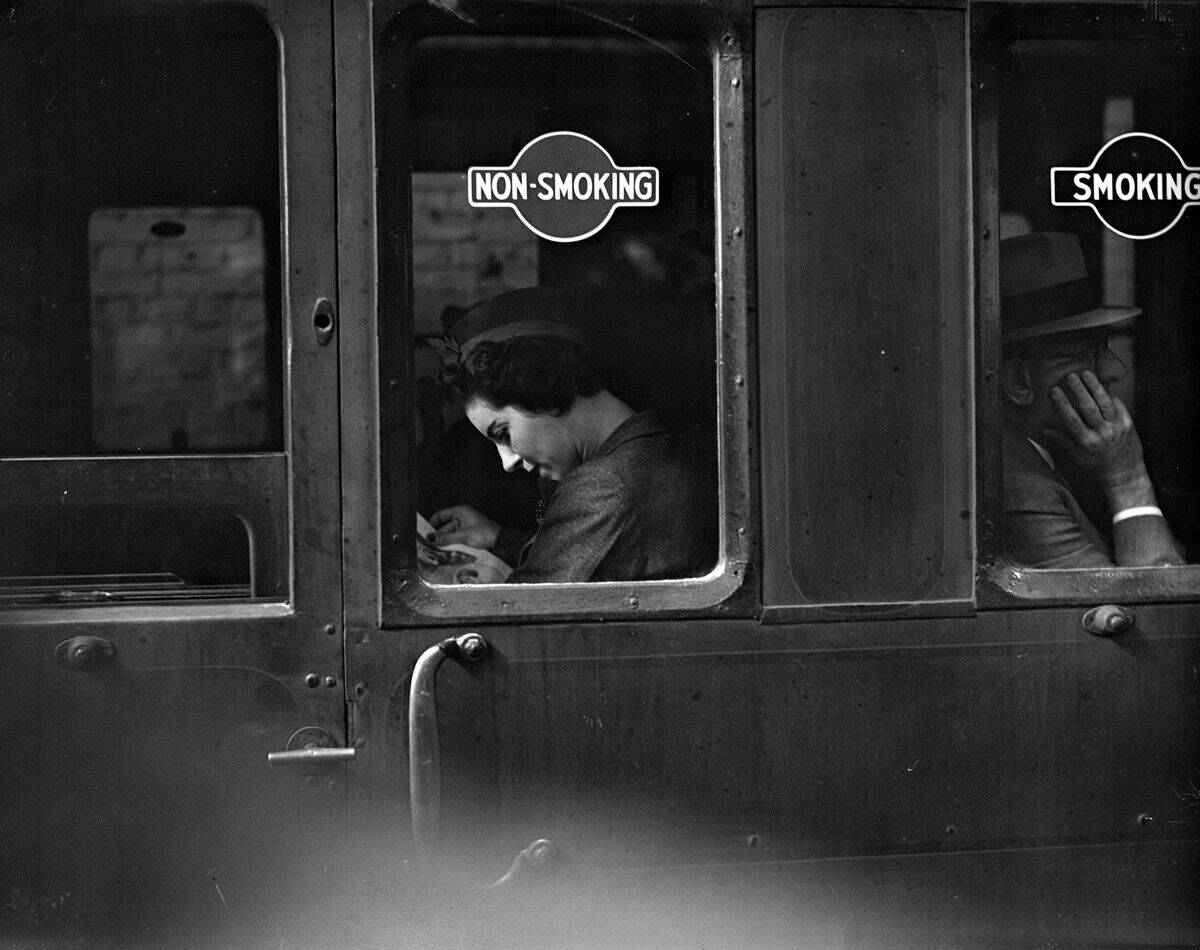
For years, the compromise was a flimsy line on a floor plan. Restaurants and even airplanes carved out “smoking sections,” sometimes only a few rows apart. The problem, documented by public‑health studies, was physics: air doesn’t respect a placard. By 1992, the U.S. Environmental Protection Agency classified secondhand smoke as a Group A (known human) carcinogen, and a 2006 U.S. Surgeon General’s report concluded no level of exposure is risk‑free—and that ventilation can’t fully protect nonsmokers.
Cities and states followed with 100% smoke‑free laws in the 1990s and 2000s, eliminating partial measures inside most public places and workplaces. Airlines had already learned the lesson in a pressurized tube; hospitality venues eventually caught up. The “smoking or non‑smoking?” question faded from hostess stands, replaced by more modern queries like “QR code or paper menu?” and “Still sparkling water for the table?”
Radium, asbestos, and other “miracle” materials in daily life
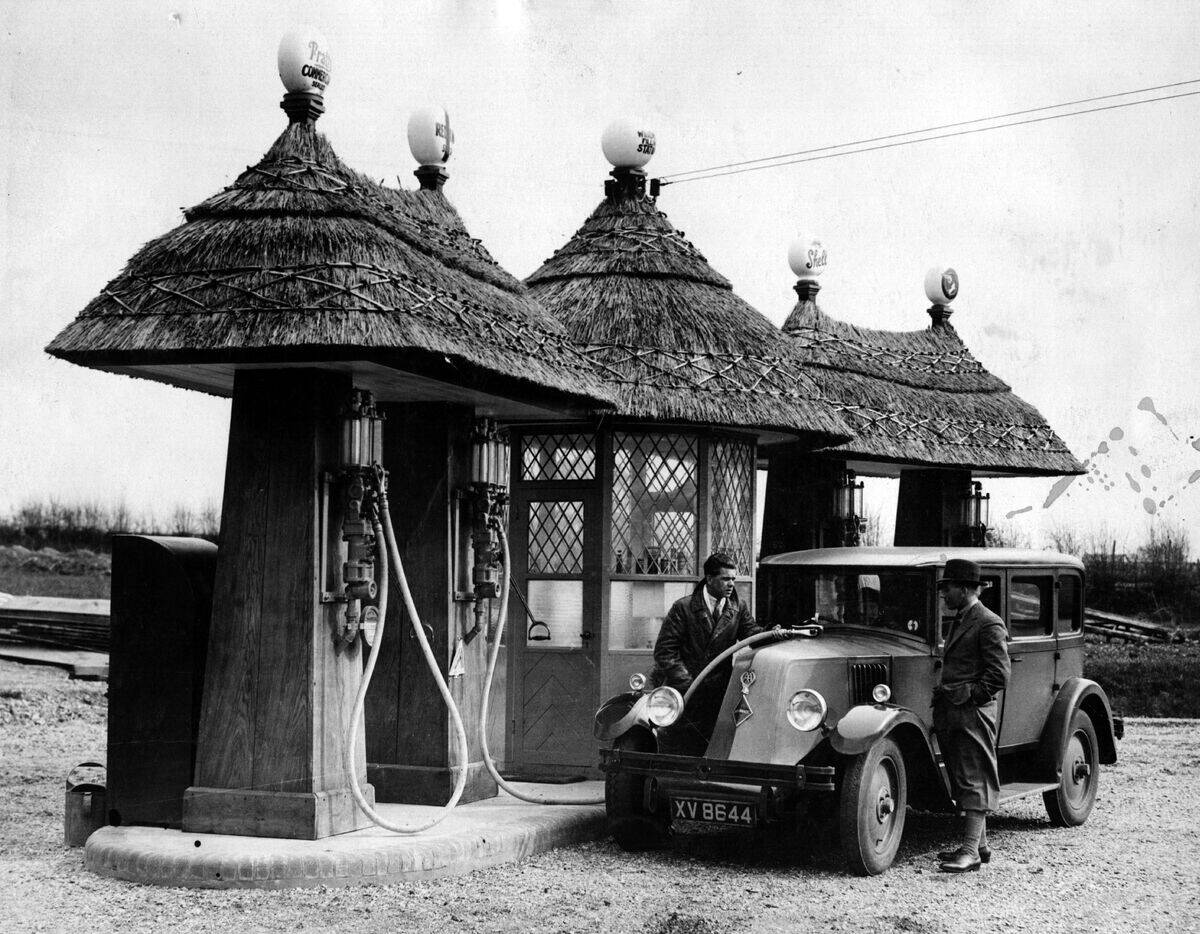
Early 20th‑century wonder met late‑night infomercial energy. Radium lit up watch dials and even appeared in quack tonics like Radithor (marketed 1918–1928) before radiation poisoning deaths—including industrial tragedies among the “Radium Girls” in the 1910s–1920s—spurred reform. Asbestos, prized for fire resistance, went into insulation, floor tiles, and brake linings; by the 1970s, its link to mesothelioma and other diseases pushed regulators to restrict or ban many uses.
Lead was another “everyday” additive with a long tail. Tetraethyl lead in gasoline boosted octane from the 1920s until the U.S. began phasing it down in 1973; on‑road leaded gas was banned nationwide in 1996. In 2021, the U.N. announced the global end of leaded gasoline for cars after Algeria, the last holdout, stopped sales. Even asbestos saw new action: in 2024 the U.S. EPA finalized a ban on ongoing uses of chrysotile asbestos.
TV test patterns and channels that actually signed off at night

Once primetime ended, TV itself went to bed. Stations signed off with the national anthem, then displayed a test pattern—famously the RCA Indian Head pattern introduced in the late 1930s—while engineers calibrated equipment. Overnight programming was sparse until the 1980s, when deregulation and infomercials filled graveyard slots. CNN’s 1980 debut sped the march toward 24‑hour news and, ultimately, a TV schedule that never sleeps.
As broadcasting modernized, color bars (like the SMPTE pattern) replaced earlier targets, and digital playout systems made dead air rarer. Cable and satellite expanded channel lineups, while streaming turned “channels” into apps. If you’ve never seen a station sign‑off, imagine Netflix asking you politely to close your eyes and touch your remote to a series of concentric circles. The ritual is gone, but the memeable nostalgia lives on.
Payphones, pagers, and making plans you couldn’t text to change
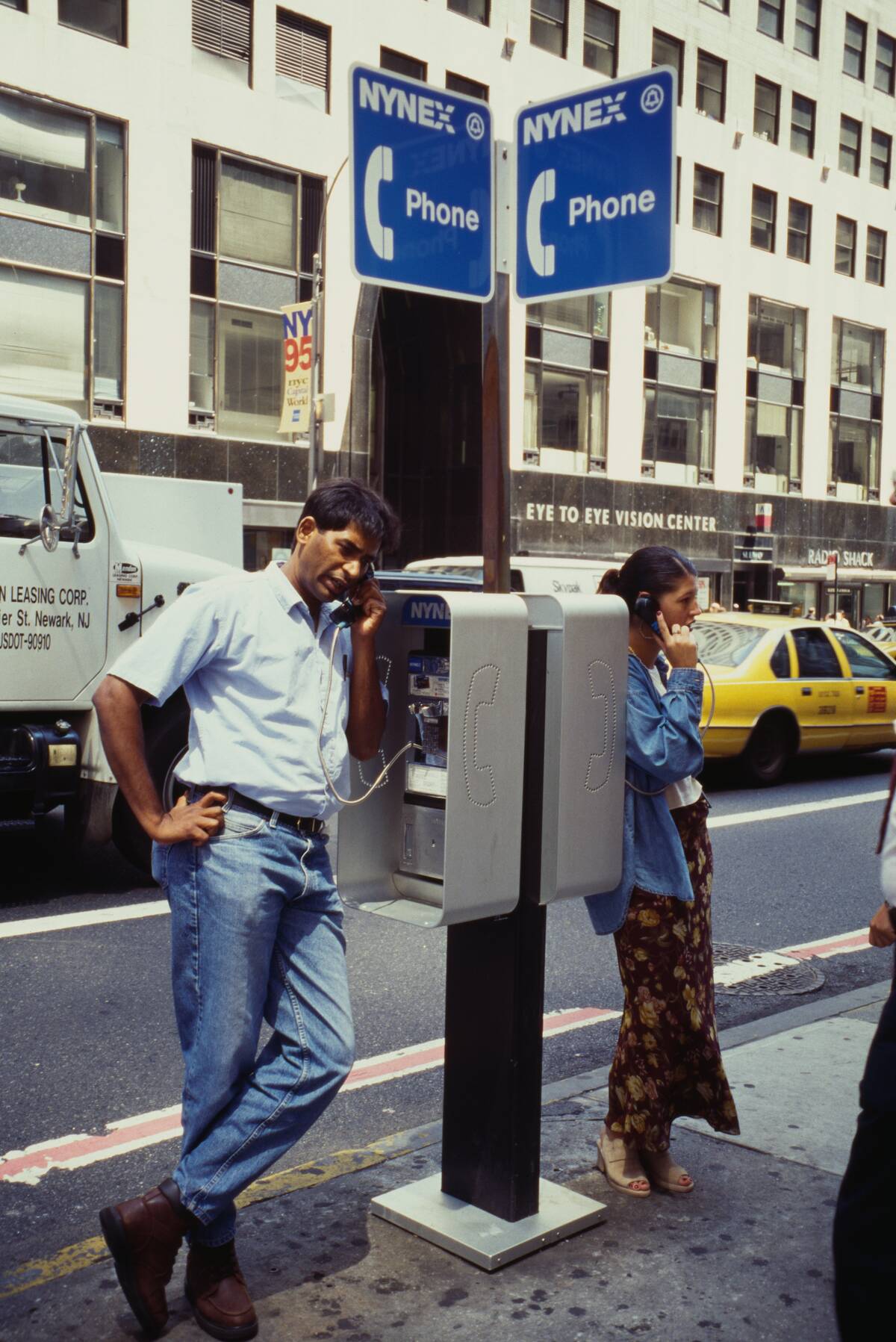
Pre‑smartphone logistics required commitment—and quarters. Payphones dotted sidewalks, airports, and malls; the U.S. had roughly 2.6 million in 1999. Collect‑call ads (“1‑800‑COLLECT”) became 1990s earworms. In May 2022, New York City removed its last public payphones, capping an era when “call me when you get there” meant literally finding a booth and hoping it worked.
Pagers, meanwhile, buzzed through the 1980s and 1990s in the pockets of doctors, delivery drivers, and teens fluent in 143 and 911 codes. The first SMS text—“Merry Christmas”—was sent in 1992, foreshadowing the end of beepers for most users as mobile phones spread in the 2000s. Hospitals and emergency services still favor pagers’ reliability, but for the rest of us, plan‑changing now takes seconds. Once upon a time, if you were late, your friend just kept circling the food court.




