19 celebrities who disappeared from the spotlight
Sometimes it’s a choice. Cameron Diaz stopped acting after Annie (2014), later saying in 2018 she was “actually retired,” before filming a comeback project, Back in Action, in 2023–2024. Other times it’s life. Rick Moranis stepped away after 1997 to raise his children, returning to on-camera work only for a surprise 2020 Mint Mobile ad. Those aren’t myths; they’re paper-trail facts that show disappearing can be strategy, circumstance, or a bit of both.
Sometimes it’s a reset.
Daniel Day‑Lewis announced his retirement in 2017 after Phantom Thread, a rare public statement for an intensely private actor. Bridget Fonda left acting in the early 2000s (her last credited role was a 2002 TV movie, Snow Queen) and has lived largely out of view since. And Dave Chappelle famously walked away from Chappelle’s Show in 2005, relocated to Ohio, and only re‑entered the center ring with Netflix specials beginning in 2017.
The hype cycle: How fame goes from everywhere to elsewhere
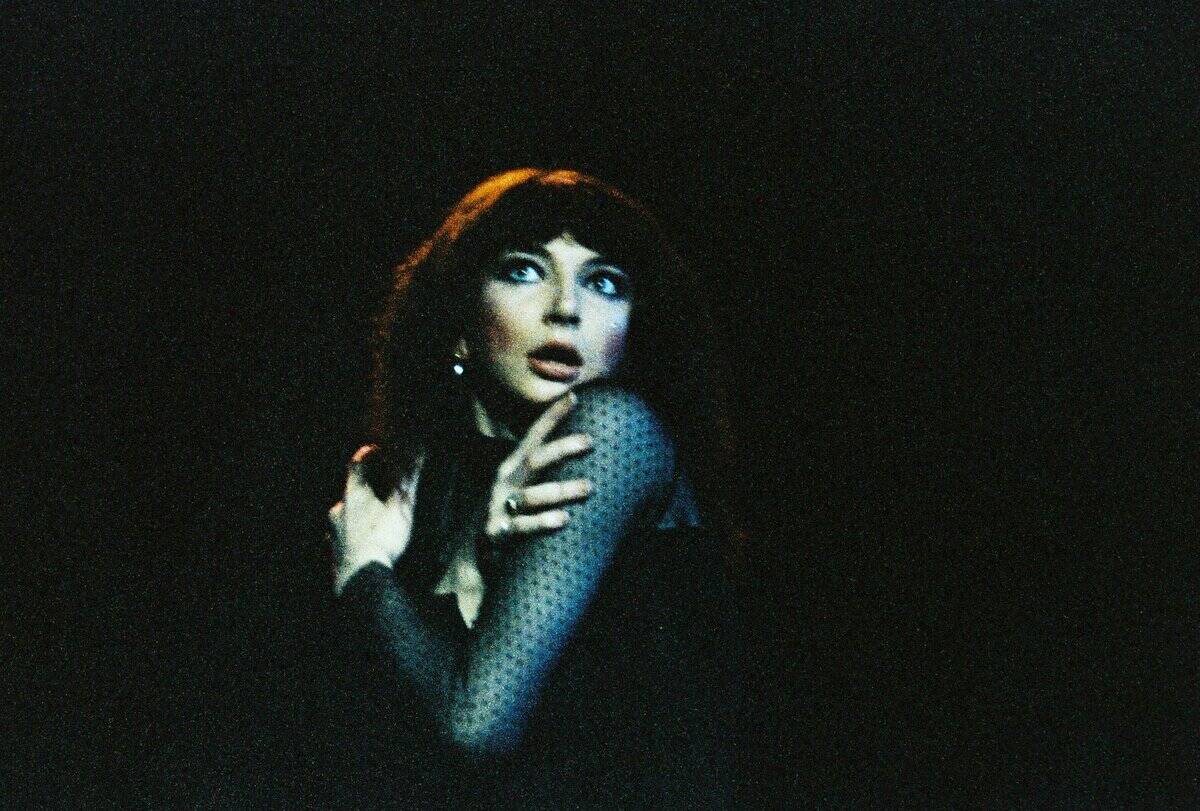
Attention shifts fast. A song can dominate then detonate into silence as the conversation moves on. In 2020, Fleetwood Mac’s Dreams re‑entered the Billboard Hot 100 at No. 12 after a single TikTok skateboarding video; by 2022, Kate Bush’s 1985 track Running Up That Hill hit No. 3 in the U.S. thanks to Stranger Things. The takeaway: fame doesn’t vanish—it migrates, often to platforms or stories that hijack the zeitgeist for a few intense weeks.
Release windows accelerate the churn. In 2021, Warner Bros. briefly tried day‑and‑date streaming on HBO Max, shrinking theatrical buzz cycles. By 2022–2023, studios largely landed on ~45‑day windows before streaming, compressing publicity arcs. A project that once owned months of press now sprints through late‑night bookings, a weekend of box office, and a streaming debut. The noise floor rises; yesterday’s everywhere becomes today’s elsewhere, even if the artist hasn’t changed a thing.
From red carpets to real life: Choosing privacy over publicity
Some quit the step‑and‑repeat to step into normalcy. Eva Mendes hasn’t appeared in a film since Lost River (2014), focusing on family life with Ryan Gosling and brand work. Adele, despite globe‑shaking albums, keeps interviews scarce and tours selectively, prioritizing voice health and privacy; her Las Vegas residency launched in 2022 on tightly curated terms. The shift isn’t a retreat from work—it’s a retreat from 24/7 access, which can feel louder than any role.
Others draw hard lines on publicity.
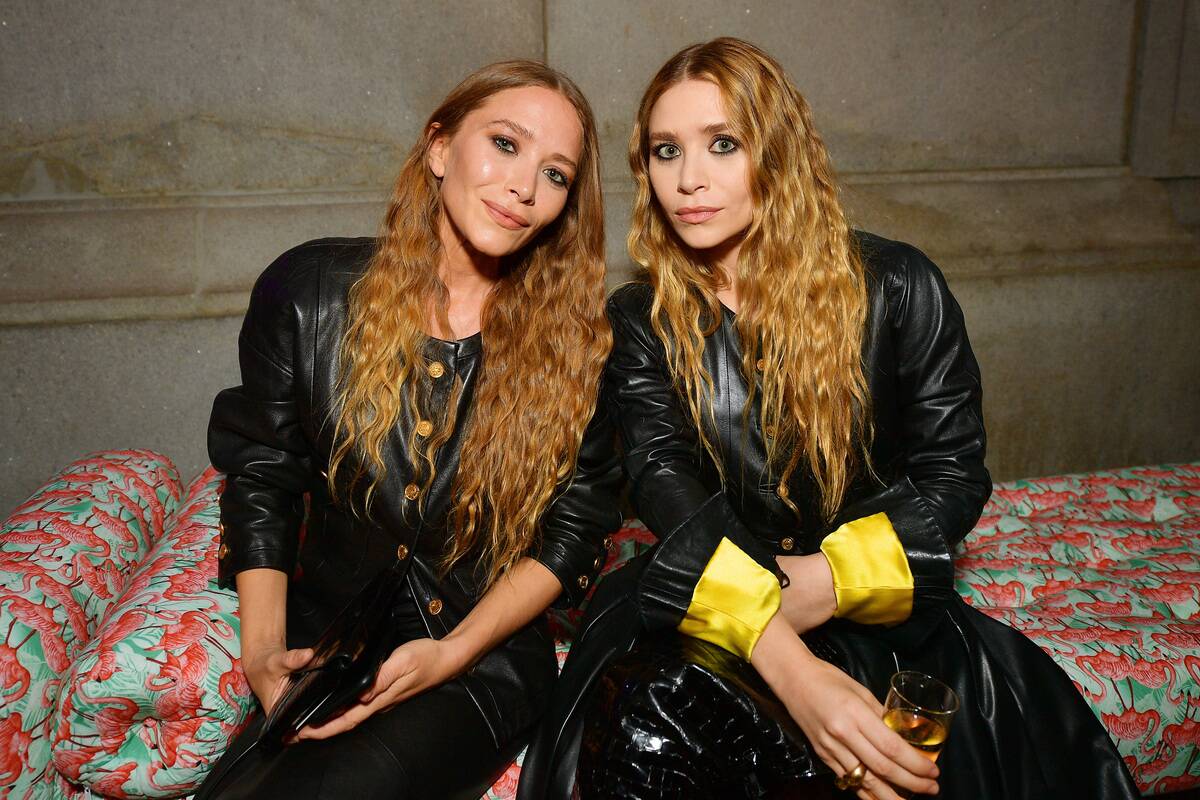
Mary‑Kate and Ashley Olsen built The Row (founded 2006) into a luxury label while rarely giving interviews, a contrast to their childhood ubiquity. Daniel Day‑Lewis, who splits time in Ireland and New York, historically limited press and public appearances even before his 2017 retirement. Choosing privacy decreases headline volume without reducing impact—proof that disappearing from cameras isn’t the same as disappearing from accomplishment.
When a breakout role becomes a box: Typecasting and the quiet fade
An early hit can shadow everything that follows. Mark Hamill, immortal as Luke Skywalker, spent decades pivoting to acclaimed voice work—the Joker in Batman: The Animated Series (debuting 1992) and countless games—partly because on‑camera roles kept circling his Star Wars image. Macaulay Culkin, post‑Home Alone, took a long break from studio films, later reappearing in offbeat projects like 2021’s American Horror Story: Double Feature.
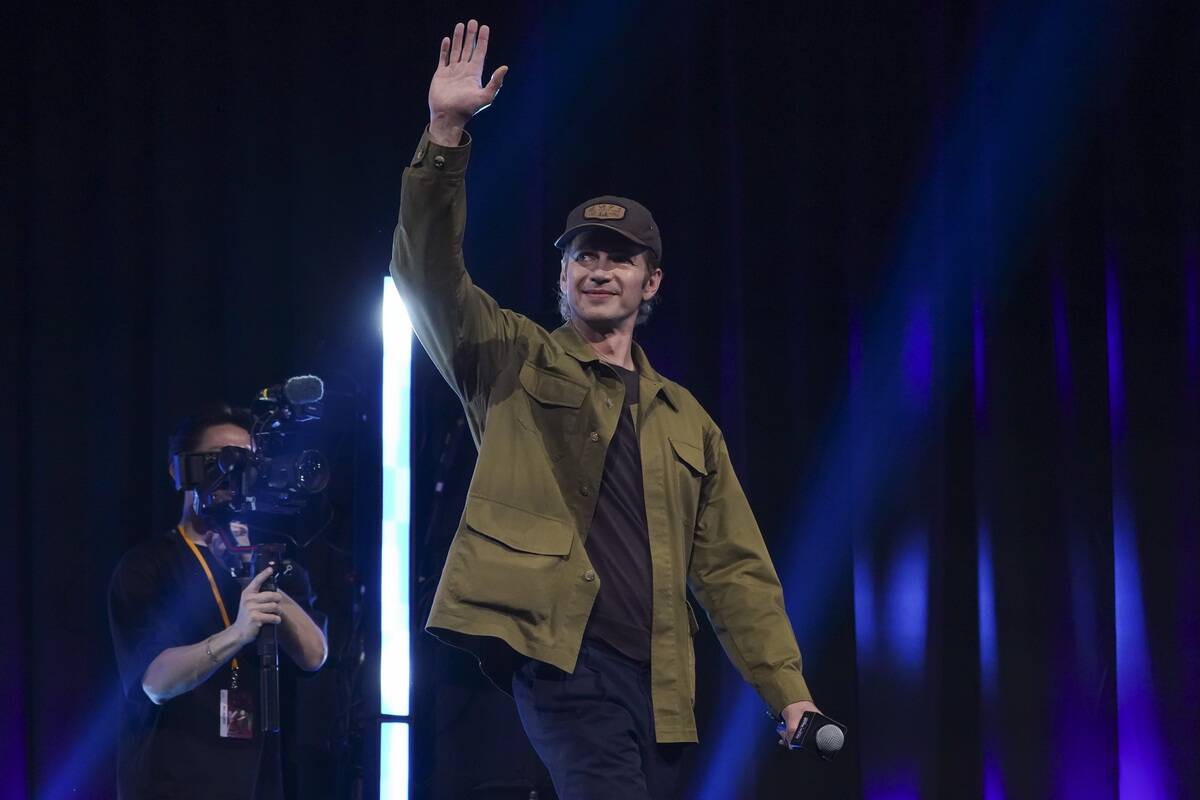
Hayden Christensen, associated with Anakin Skywalker, worked selectively in the 2010s before returning to Star Wars as Darth Vader in 2022’s Obi‑Wan Kenobi and 2023’s Ahsoka, a reminder that boxes can be reopened—on an actor’s terms. Typecasting doesn’t always end careers; it often reshapes them into voice booths, theater stages, indie sets, or long pauses until the right re‑entry arrives.
Chart-toppers on pause: Musicians who stepped back from the spotlight
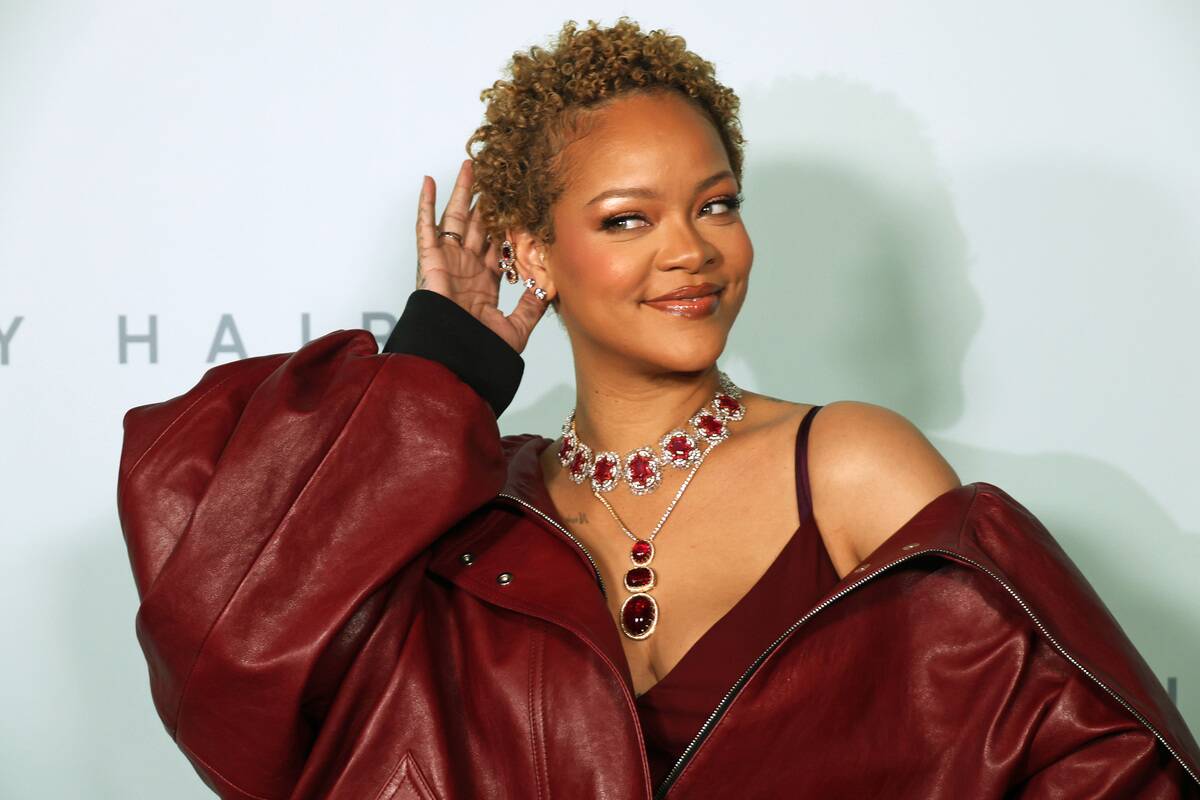
Rihanna’s last studio album, Anti, arrived in 2016, after which she expanded Fenty Beauty (launched 2017) and Savage X Fenty, performed the Super Bowl LVII Halftime Show in 2023, and welcomed two children. Lorde left long gaps between Pure Heroine (2013), Melodrama (2017), and Solar Power (2021), often communicating with fans via newsletters instead of constant posts. Extended album cycles aren’t absence; they’re a conscious trade of ubiquity for longevity.
Adele spaces releases—21 (2011), 25 (2015), 30 (2021)—and limits touring, citing vocal care and life balance. One Direction went on “hiatus” in 2016, clearing room for solo careers from Harry Styles to Niall Horan. Frank Ocean hasn’t released a studio album since 2016’s Blond, surfacing selectively (including a 2023 Coachella headlining weekend) while keeping timelines opaque. Stepping back can be brand strategy, health care, or both.
Sitcom staples and franchise faces who opted out of the next reboot
Not everyone wants another lap. Mary‑Kate and Ashley Olsen declined to appear in Fuller House (2016–2020), despite the nostalgia freight train, choosing to focus on The Row. Kim Cattrall skipped And Just Like That’s first season, later filming a brief cameo for the Season 2 finale in 2023, after openly discussing contract and creative concerns. Saying no can protect a legacy—and a schedule.
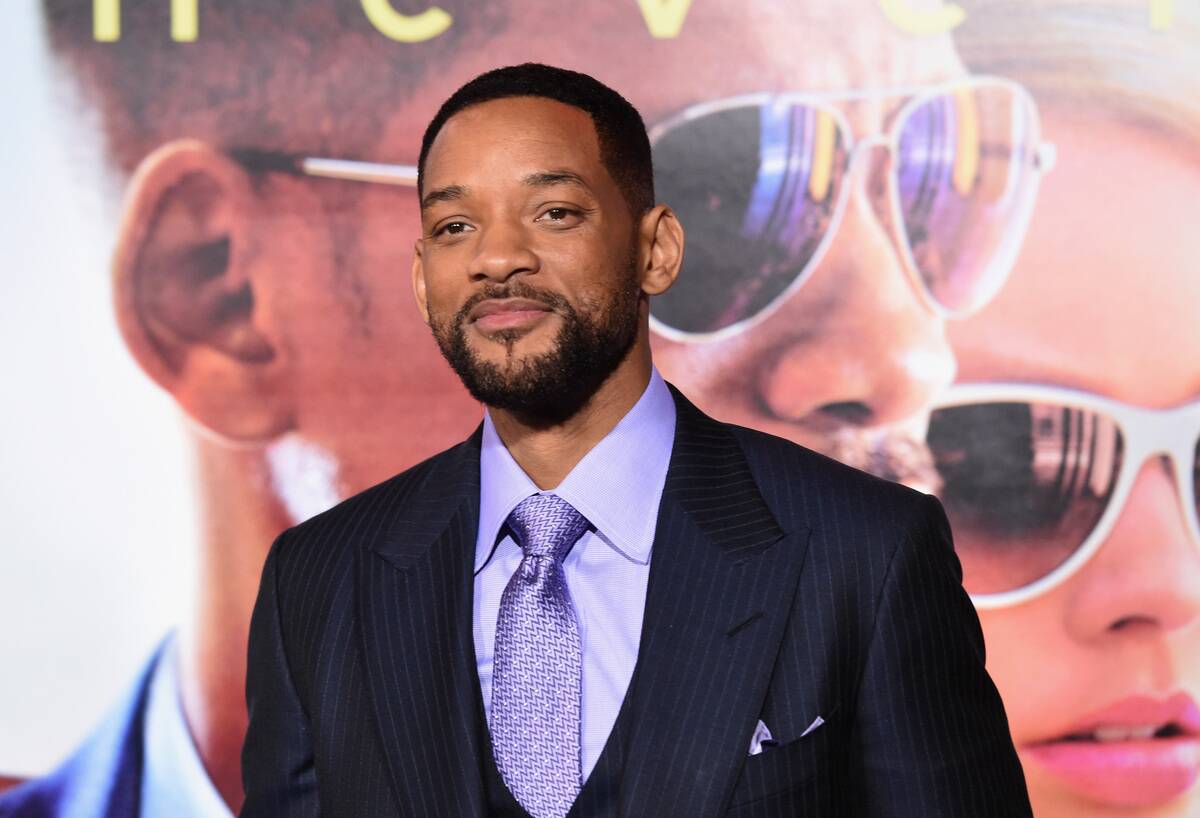
Franchises swap faces, too. Will Smith didn’t return for Independence Day: Resurgence (2016); his character was written out. Hugo Weaving didn’t reprise Red Skull due to scheduling and contract issues; the role was voiced by Ross Marquand in Avengers: Infinity War (2018) and Endgame (2019). Bill Murray resisted a Ghostbusters threequel for years, choosing cameos in 2016’s reboot and 2021’s Afterlife instead. Participation is a choice, not an obligation.
Reality TV breakouts who closed the group chat
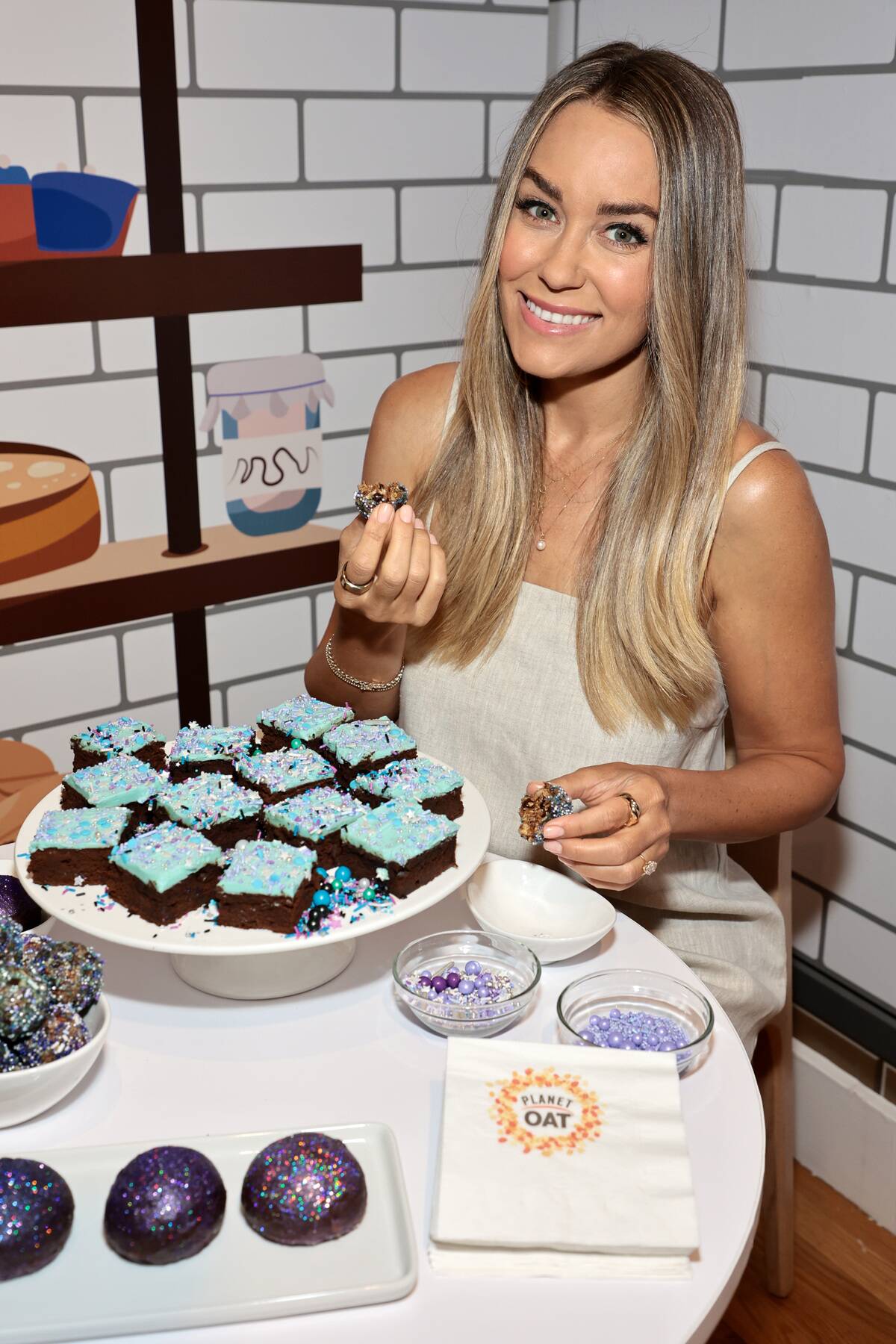
Lauren Conrad left The Hills in 2009 and didn’t join the 2019 revival, channeling her spotlight into fashion and lifestyle companies instead. Bethenny Frankel exited The Real Housewives of New York City in 2019, later launching a podcast (Just B with Bethenny Frankel) and in 2023 publicly challenging reality‑TV contract norms.
Both stayed influential while stepping off the weekly-confessional treadmill.
Others throttle back rather than fully bail. Nicole “Snooki” Polizzi announced her exit from Jersey Shore: Family Vacation in 2019, citing family and burnout, then returned in 2020 on revised terms. Adore Delano left RuPaul’s Drag Race All Stars 2 mid‑season in 2016, later discussing mental health and expectation management. Opting out, even temporarily, can reset boundaries without erasing a brand.
The tabloid-to-tranquility pipeline: Escaping overexposure
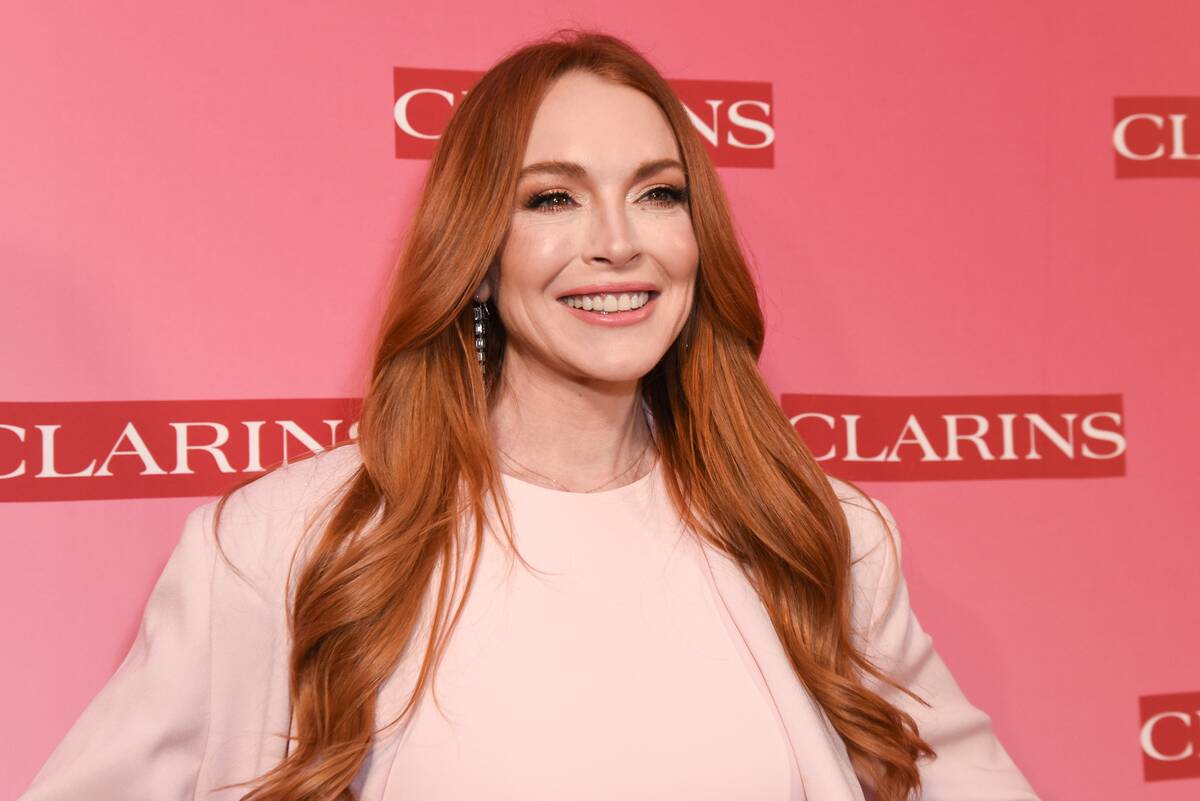
Lindsay Lohan relocated to Dubai in the mid‑2010s, where stricter privacy norms and laws mean far fewer paparazzi run‑ins than in Los Angeles or London. She married Bader Shammas in 2022 and returned to acting with Netflix’s Falling for Christmas that same year. She didn’t vanish; she relocated, rebalanced, and re‑emerged on a timeline that wasn’t set by tabloids.
The Olsen twins are the quiet success template: after saturation coverage as child stars, they built The Row (2006) into a critically praised luxury house and have largely skipped interviews and red carpets since. Even Britney Spears—whose conservatorship ended in 2021—has chosen sporadic releases over traditional media tours. Peace and productivity don’t always live on the same press schedule.
Behind the scenes now: Producing, directing, and writing instead of starring
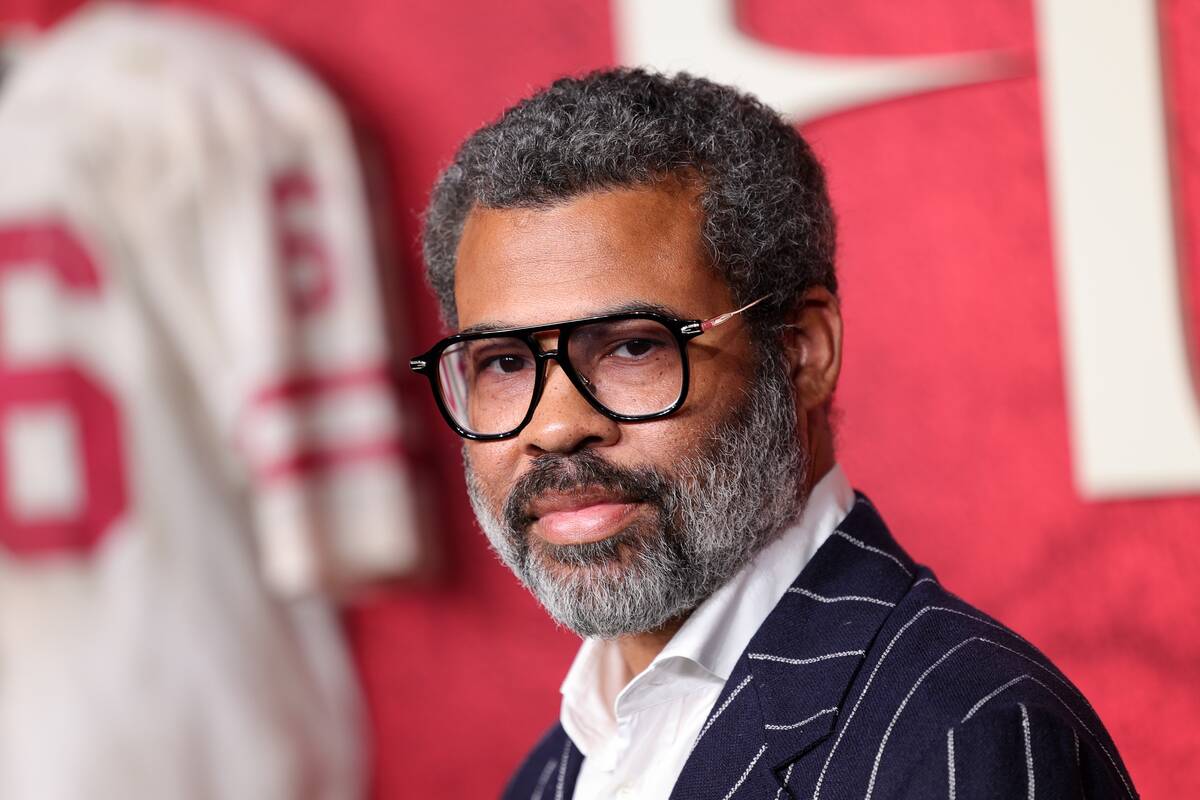
Jordan Peele shifted from sketch star to auteur, winning an Oscar for Get Out (2017) and following with Us (2019) and Nope (2022) under his Monkeypaw banner. Reese Witherspoon’s Hello Sunshine co‑produced Big Little Lies (2017) and The Morning Show (2019), amplifying roles for women on and off camera.
The pivot from front‑of‑lens to creative control can feel like stepping back, but it often multiplies impact.
John Krasinski directed and co‑wrote A Quiet Place (2018) and its sequel (2020), expanding from sitcom fame to horror world‑builder. Olivia Wilde directed Booksmart (2019) and Don’t Worry Darling (2022). Jonah Hill directed Mid90s (2018) and in 2022 announced he’d skip press for mental‑health reasons even as his projects continued. Producing and directing can be the loudest kind of quiet career.
Side hustles that became the main act: Businesses, wellness, and new careers
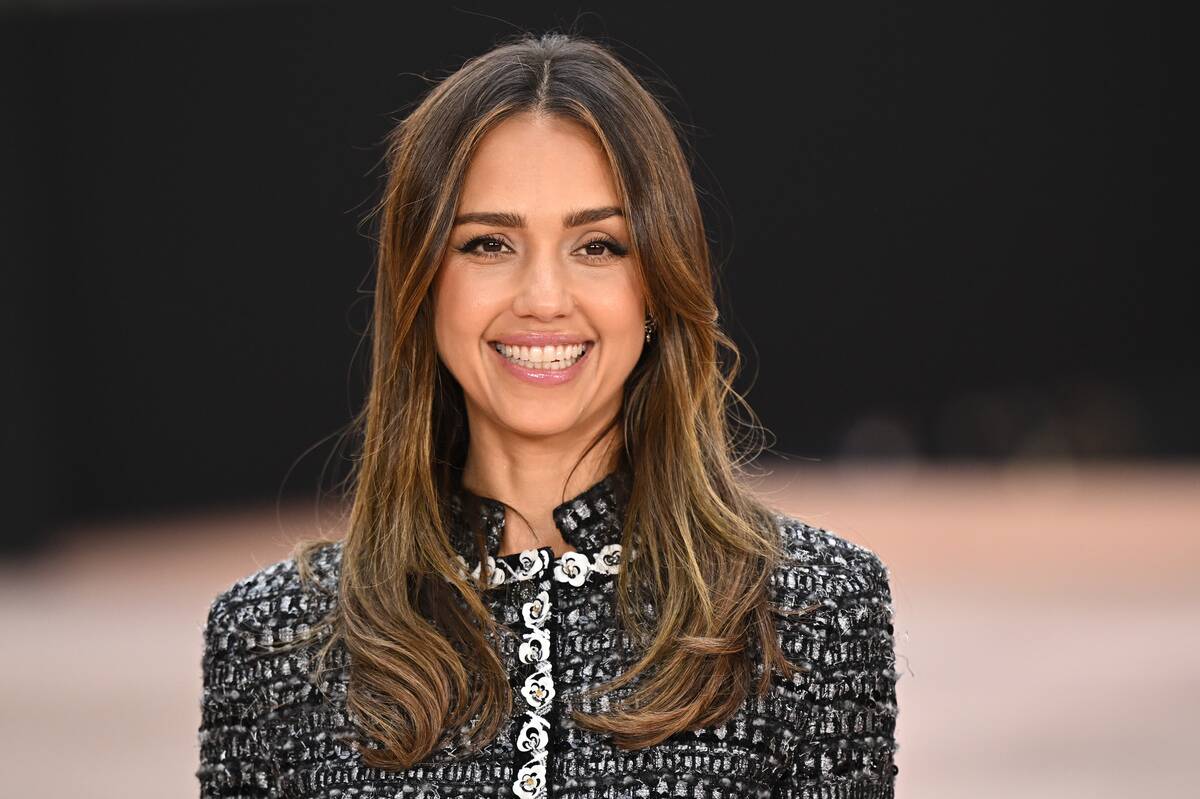
Jessica Alba co‑founded The Honest Company in 2011; it went public in 2021, instantly reframing her public identity as founder‑operator as much as actor. Gwyneth Paltrow turned Goop (started as a newsletter in 2008) into a sprawling wellness-and-commerce brand. Ashton Kutcher’s A‑Grade Investments (launched early 2010s) backed Uber, Airbnb, and Spotify, demonstrating that boardrooms can be bigger stages than talk shows.
Rihanna’s Fenty Beauty (2017) reshaped cosmetics with an industry‑shifting shade range, while Savage X Fenty evolved the lingerie runway format via streaming spectacles. Miranda Kerr’s KORA Organics (2009) kept the wellness lane steady years before “founder” became a default title. Dylan Sprouse co‑founded All‑Wise Meadery in 2017 before easing back into acting. When side projects mature into companies, the calendar fills—and the paparazzi thin.
Geography matters: Leaving Hollywood (and the paparazzi) behind
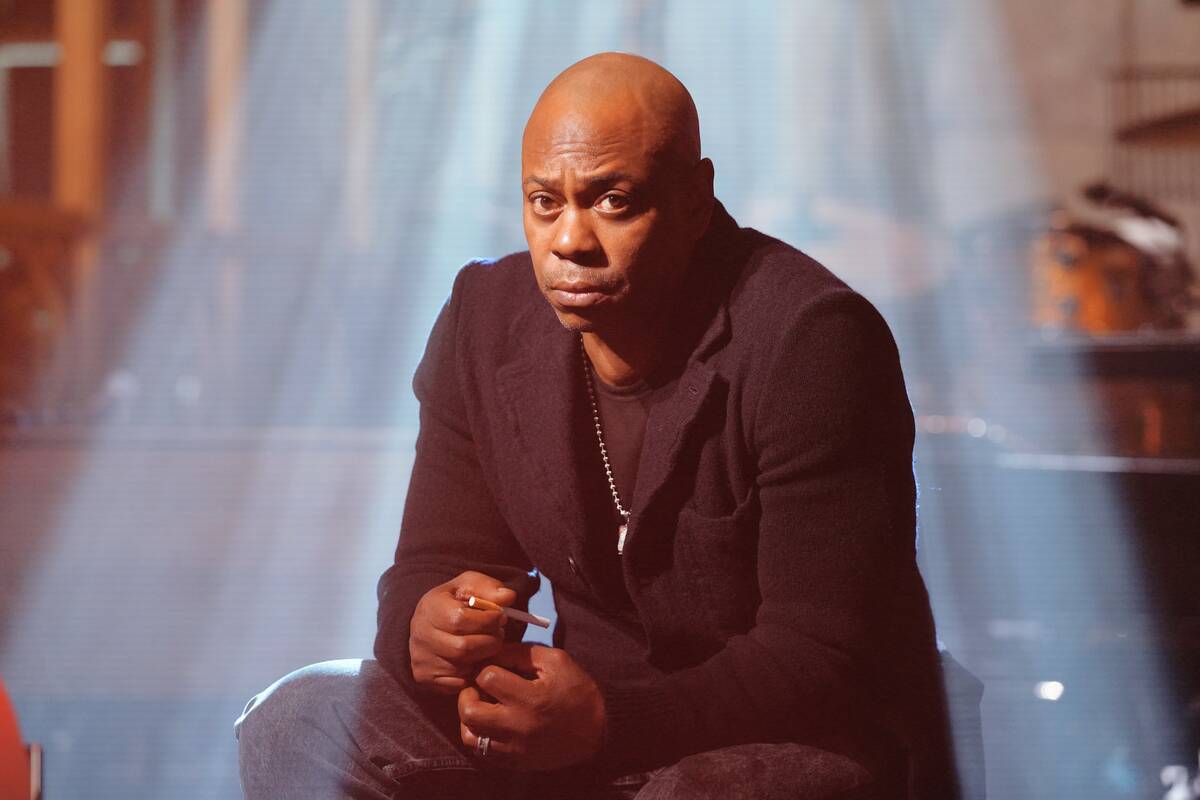
Dave Chappelle rebuilt life and work in Yellow Springs, Ohio, long after leaving Chappelle’s Show in 2005; his 2017 Netflix specials put small‑town Ohio back on the comedy map. Julia Roberts has owned a ranch near Taos, New Mexico, for decades, a counterweight to Los Angeles visibility. Physical distance changes who you bump into—and who bumps into you with a camera.
International moves can be even more decisive. Lindsay Lohan’s Dubai base dramatically reduced tabloid exposure. Shakira spent years in Barcelona, raising a family and releasing Spanish‑language hits before relocating to Miami in 2023. Daniel Day‑Lewis residing primarily in Ireland helped him maintain rare public anonymity even at peak acclaim. Where you live reshapes how loudly fame echoes day to day.
The social media shuffle: Going offline in an always-on era
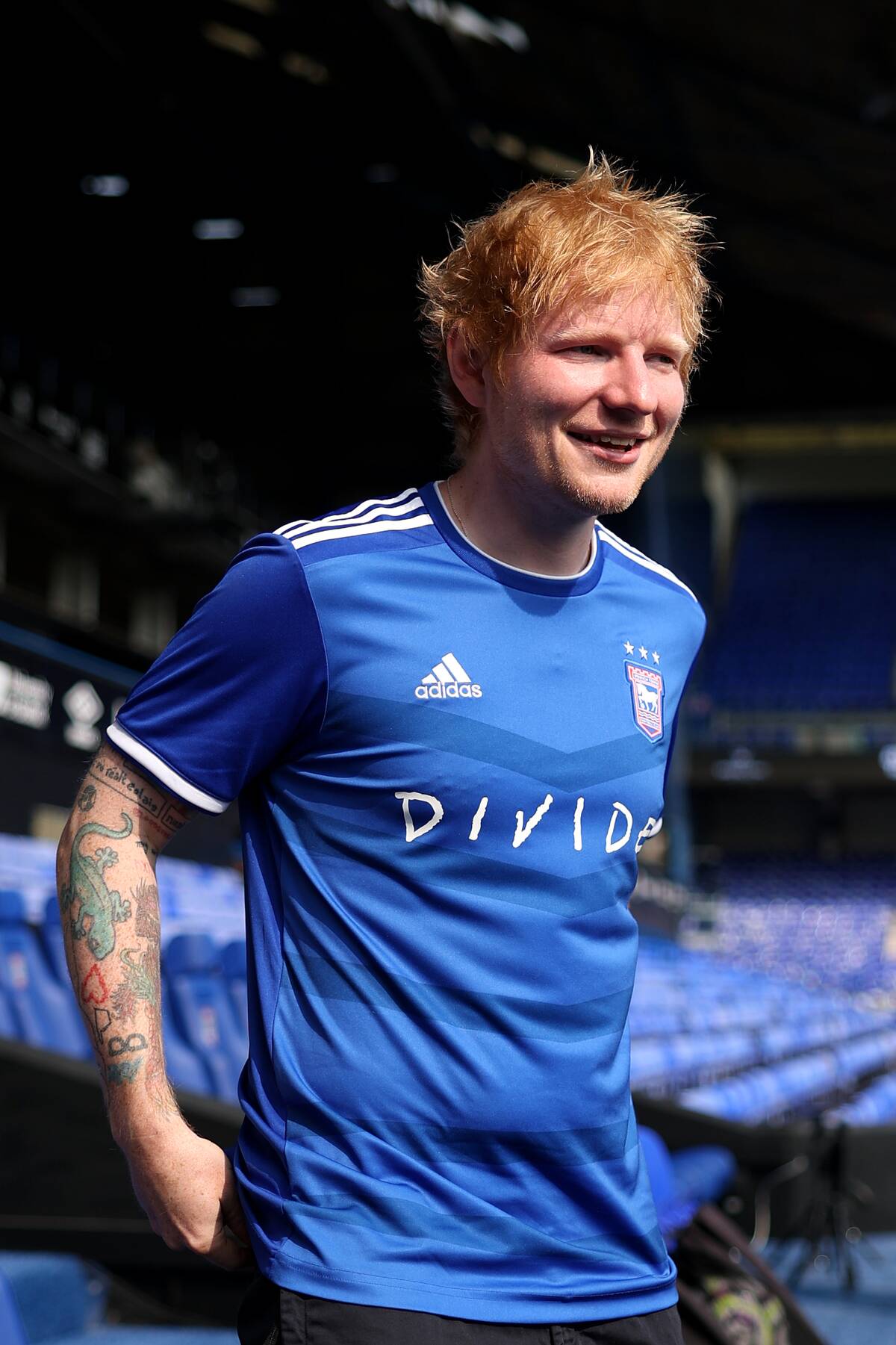
Ed Sheeran wiped social media in 2015, returned in 2017 with ÷, then repeated a lower‑key reset in 2019 before reappearing with 2021–2023 releases. Tom Holland announced in 2022 he was stepping back from social apps for mental‑health reasons. Lorde largely quit platforms after 2018, favoring long-form newsletters to short posts. Silence online can look like absence—even when studios and studios sessions continue offline.
Selena Gomez has repeatedly paused Instagram, citing mental health; in 2023 she said an assistant runs her posting. Billie Eilish said in 2023 she deleted social apps from her phone to reduce noise. The result: fewer micro‑updates, less churn, and a perception of vanishing that’s really just a healthier signal‑to‑noise ratio for people whose job already puts them under a microscope.
Contract tangles and career stalls: The less-glam parts of showbiz
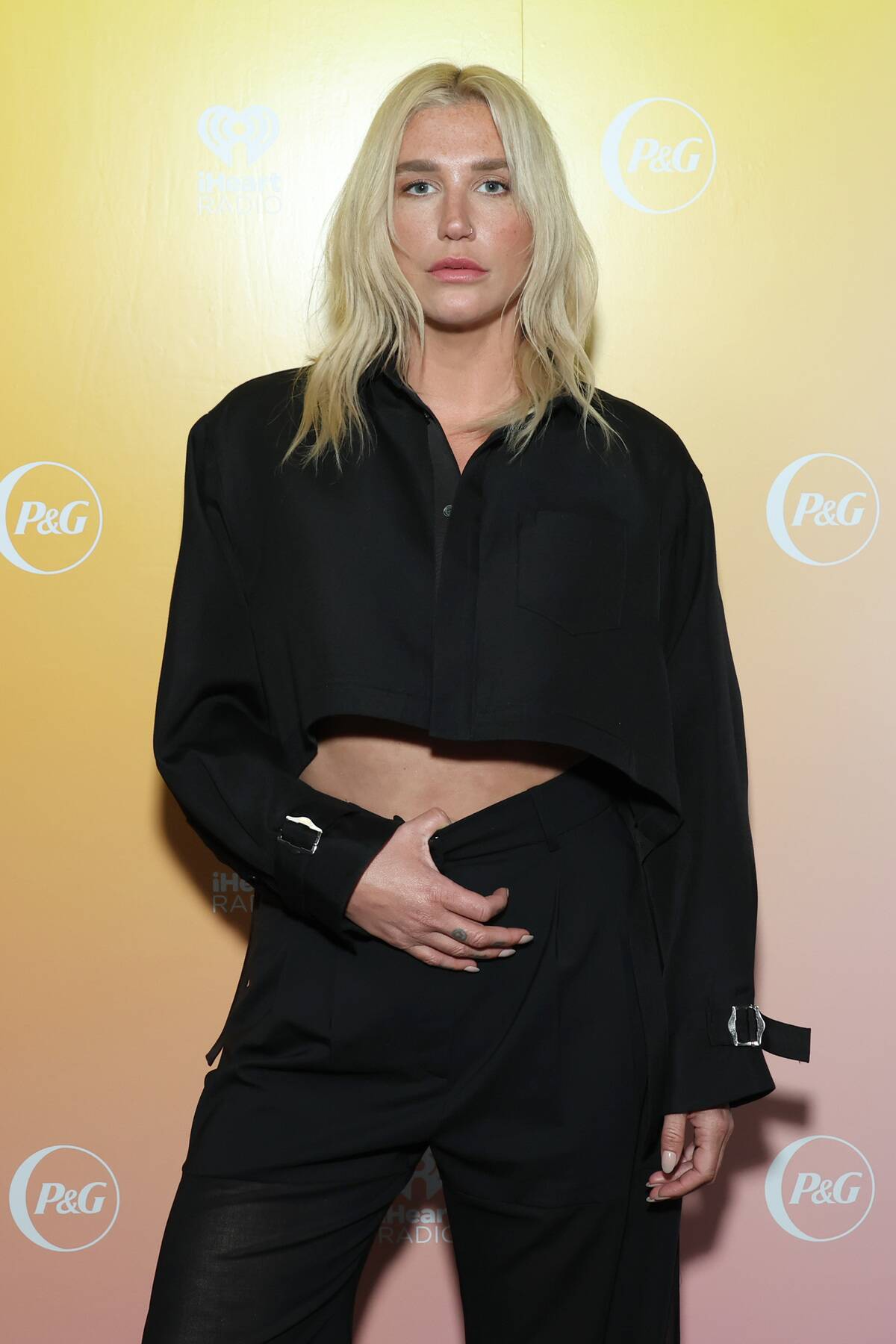
Legal knots can lock the brakes. Kesha’s long legal battle with producer Dr. Luke began in 2014 and wasn’t fully resolved until 2023, complicating releases and promotion for years. Taylor Swift’s 2019 dispute over ownership of her Big Machine masters led to her Taylor’s Version re‑recordings starting in 2020—a savvy detour around rights roadblocks.
Prince’s 1990s fight with Warner Bros., including changing his name to an unpronounceable symbol in 1993, is a classic case study.
Industry‑wide labor actions hit pause, too. The Writers Guild of America strike ran May–September 2023; the SAG‑AFTRA strike spanned July–November 2023. Productions stopped, red carpets went dark, and projects stacked up in limbo. Even when stars want to work, contracts, credits, and calendars can say otherwise—quiet periods aren’t always choices.
Parenthood, priorities, and pressing pause
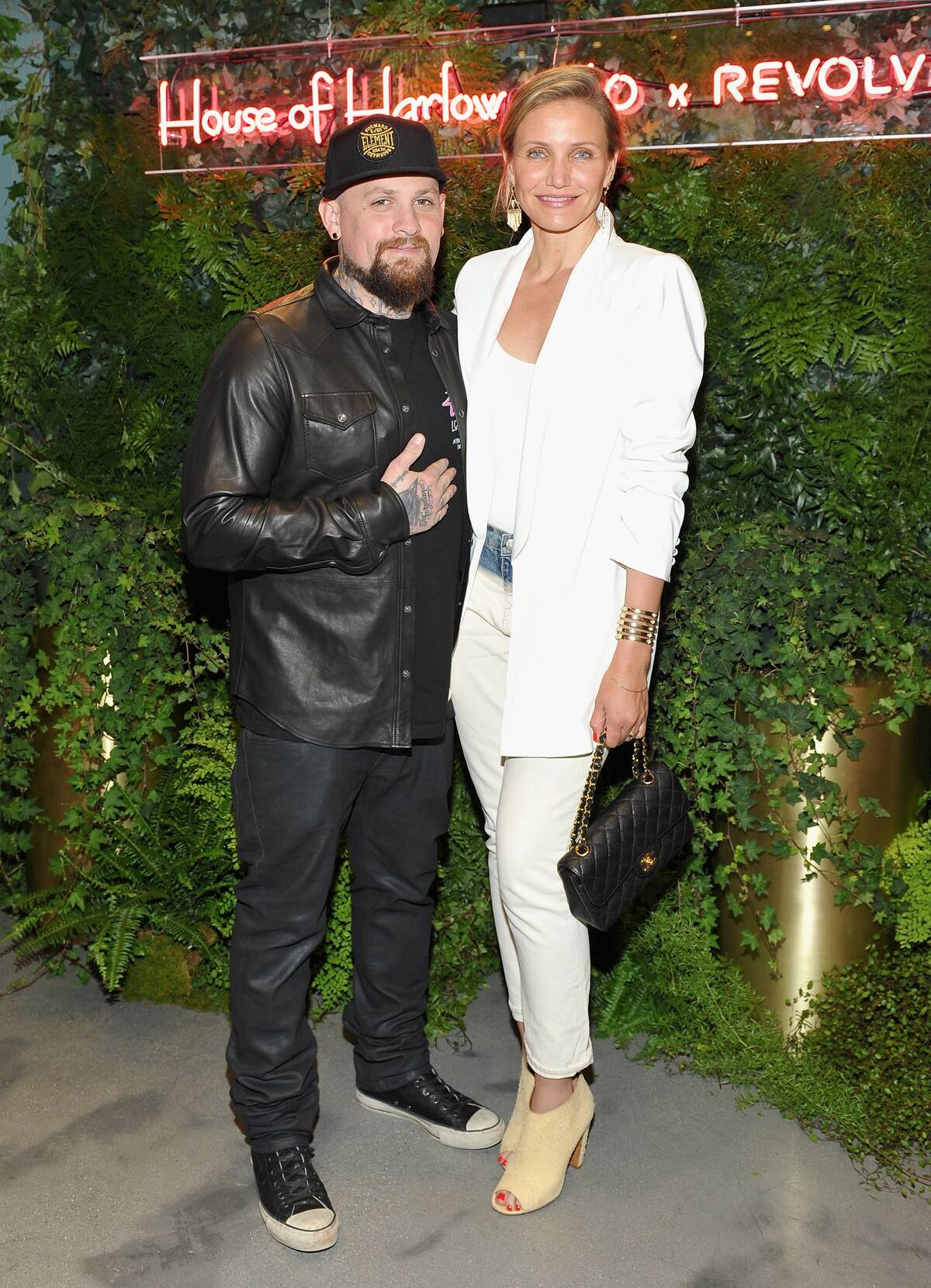
Cameron Diaz and Benji Madden announced the birth of their daughter in late 2019, after which Diaz reiterated she’d stepped away from on‑camera work to focus on family (before agreeing to film again years later). Eva Mendes pivoted from films after 2014 to raise children and build brands. Adele became a mother in 2012 and has repeatedly said she spaces albums and tours with real life in mind.
Parenthood isn’t a departure from career; it’s a new schedule.
Ed Sheeran took an extended break after his Divide Tour ended in 2019, returning post‑fatherhood with 2021’s = and 2023’s – (Subtract). Mindy Kaling has managed producing and acting alongside welcoming children in 2017 and 2020, sometimes stepping behind the camera more than in front. For many, “gone” is simply school runs, bedtime, and a calendar where shoot dates fit around family milestones.
International detours: Finding fame (or peace) in other markets
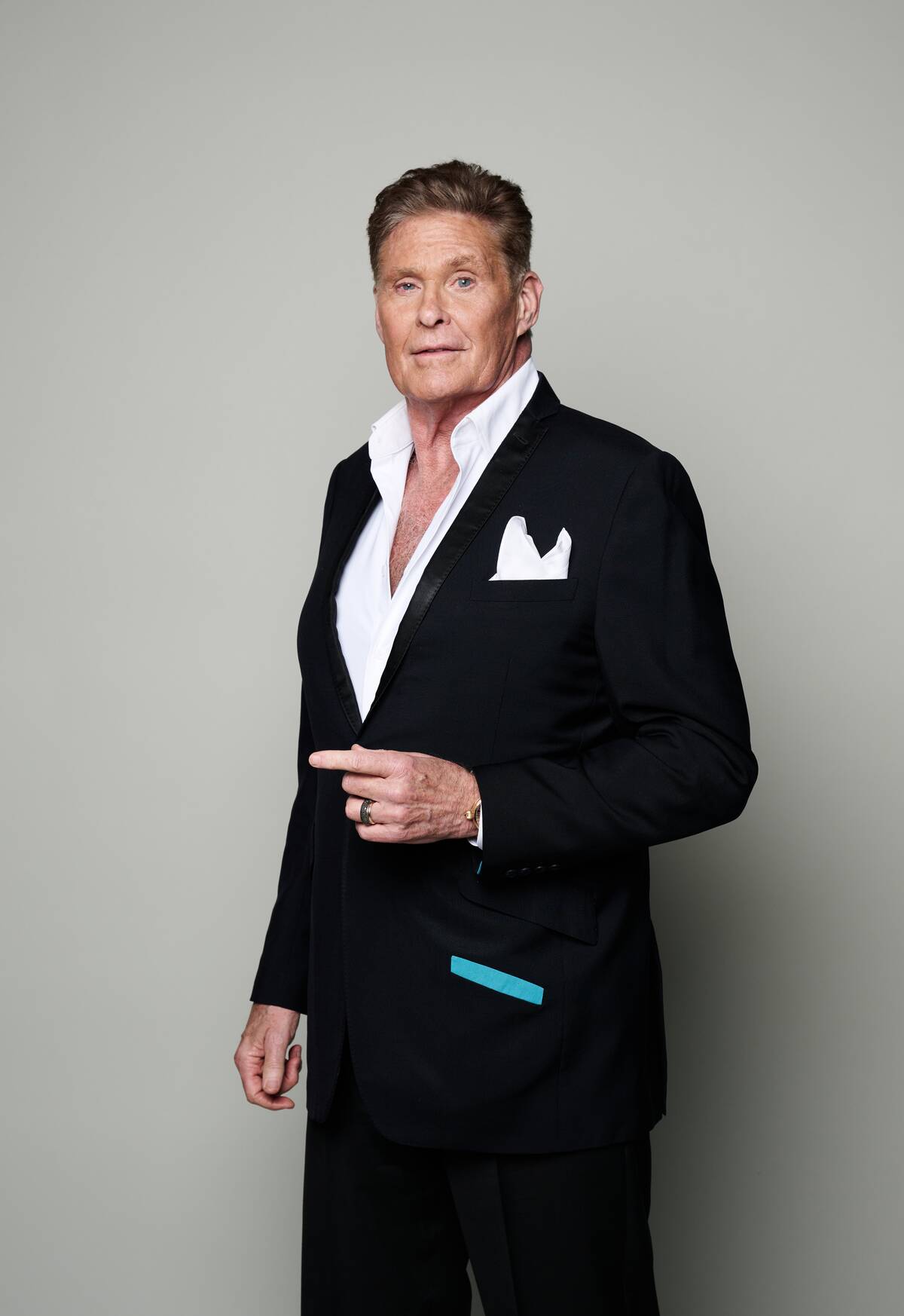
David Hasselhoff became a pop phenomenon in Germany, with Looking for Freedom topping charts in 1989; he even performed near the Berlin Wall that New Year’s Eve. Jackie Chan alternates Hollywood projects with Chinese films, where he’s long been a megastar. Sometimes the biggest stages aren’t in Los Angeles at all—they’re arenas half a world away.
Josh Hartnett moved to Europe for stretches in the late 2000s, worked steadily in indies and TV (including a 2014 Black Mirror episode), and resurfaced to mainstream chatter with Oppenheimer in 2023. Priyanka Chopra arrived in U.S. homes with Quantico (2015) after already being one of Bollywood’s most bankable leads. Fame can feel “missing” domestically while thriving somewhere else entirely.
Fan theories vs. real-life reasons they go quiet
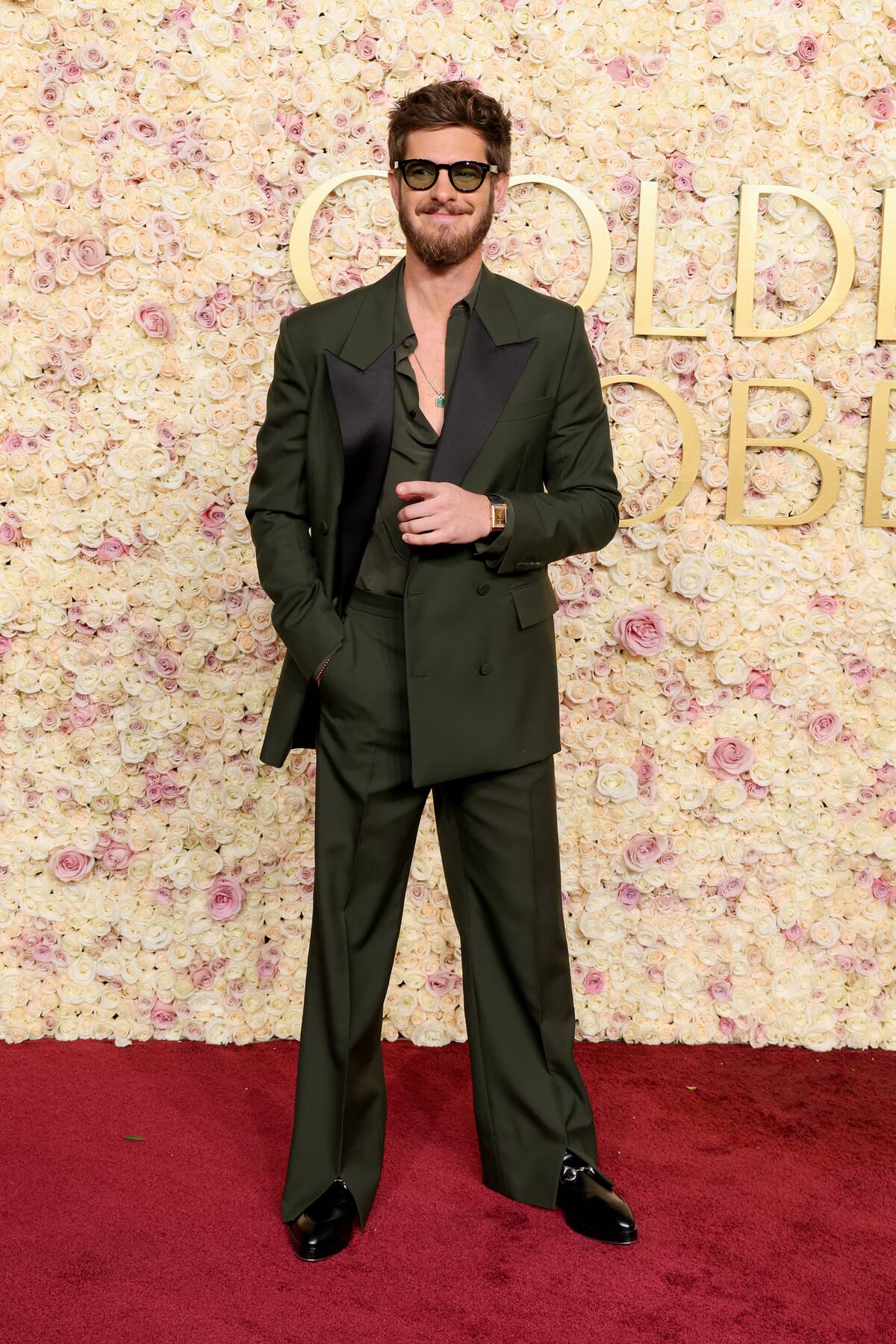
Dave Chappelle didn’t disappear into rumor; he flew to South Africa briefly in 2005 and later explained on Oprah and Inside the Actors Studio that he left Chappelle’s Show over creative and ethical concerns. Fans guessed scandal; reality was pressure and principle. Rick Moranis wasn’t “blacklisted”—he openly chose to raise his kids after his wife’s death and declined projects until the timing felt right.
Andrew Garfield spent 2021 denying Spider‑Man: No Way Home rumors to preserve the surprise, then delivered the crossover anyway. He later said he planned a brief break in 2022 after Under the Banner of Heaven to rest. Theories are seductive, but scheduling, secrecy, and sanity are far more common drivers of silence.
Nostalgia waves and the art of the stealth comeback
Ke Huy Quan, who stepped away from acting for years and worked behind the scenes as a stunt coordinator, returned with Everything Everywhere All at Once (2022) and won the Oscar—a comeback built on patience and perfect fit. Brendan Fraser’s The Whale (2022) reignited a career sidelined by injuries and personal hardship, and his acceptance speeches became part of the story.
Nostalgia opens doors, but craft keeps them open.
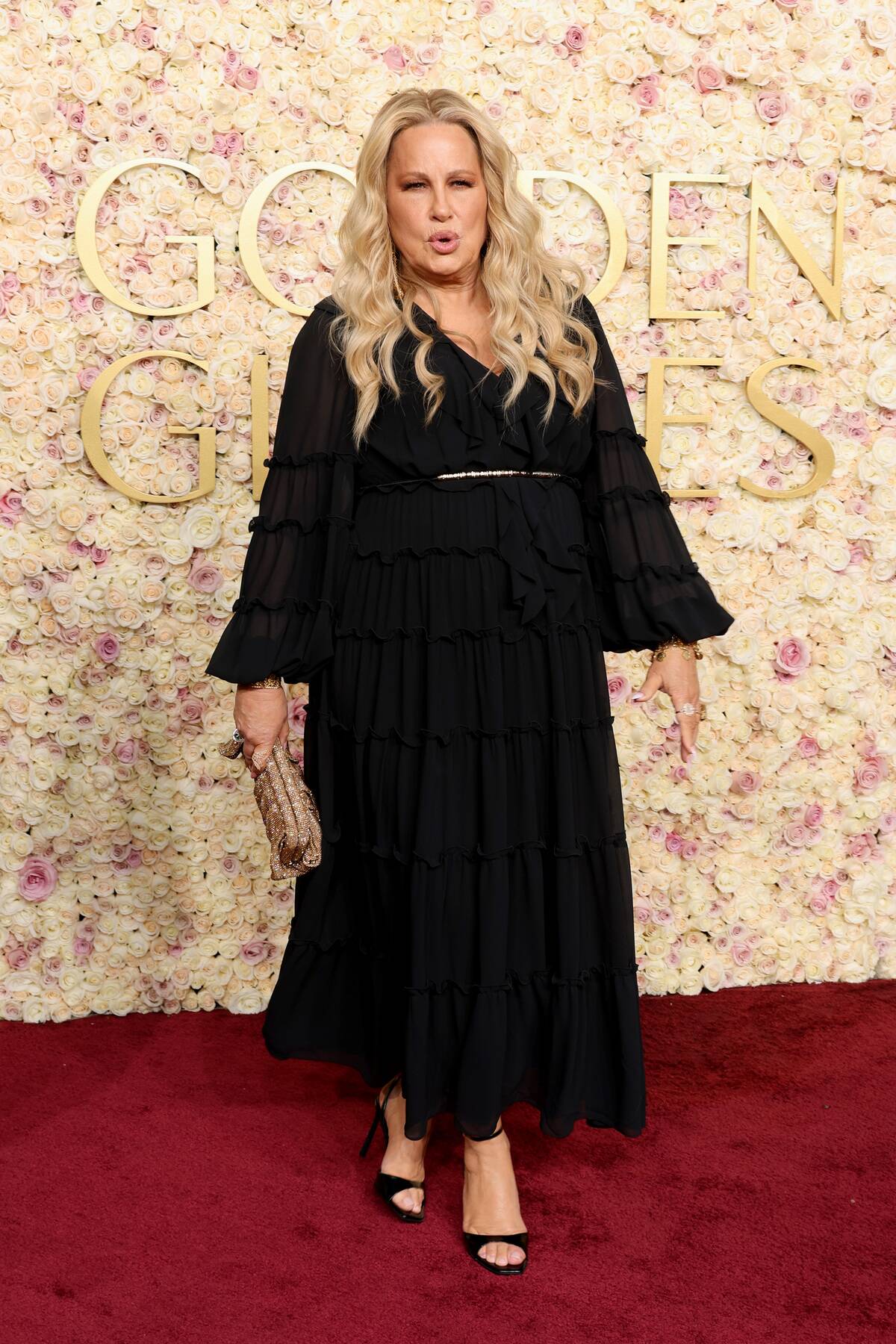
Jennifer Coolidge’s renaissance via The White Lotus (2021–2022) turned a beloved comedic presence into an awards magnet. Rick Moranis teased a return with Disney’s planned Shrunk in 2020 and popped up in that 2020 Mint Mobile ad, a tiny cameo with outsized buzz. The smartest comebacks often arrive as a whisper—then take over the room.
One-hit wonders versus lasting legacies: What sticks and why
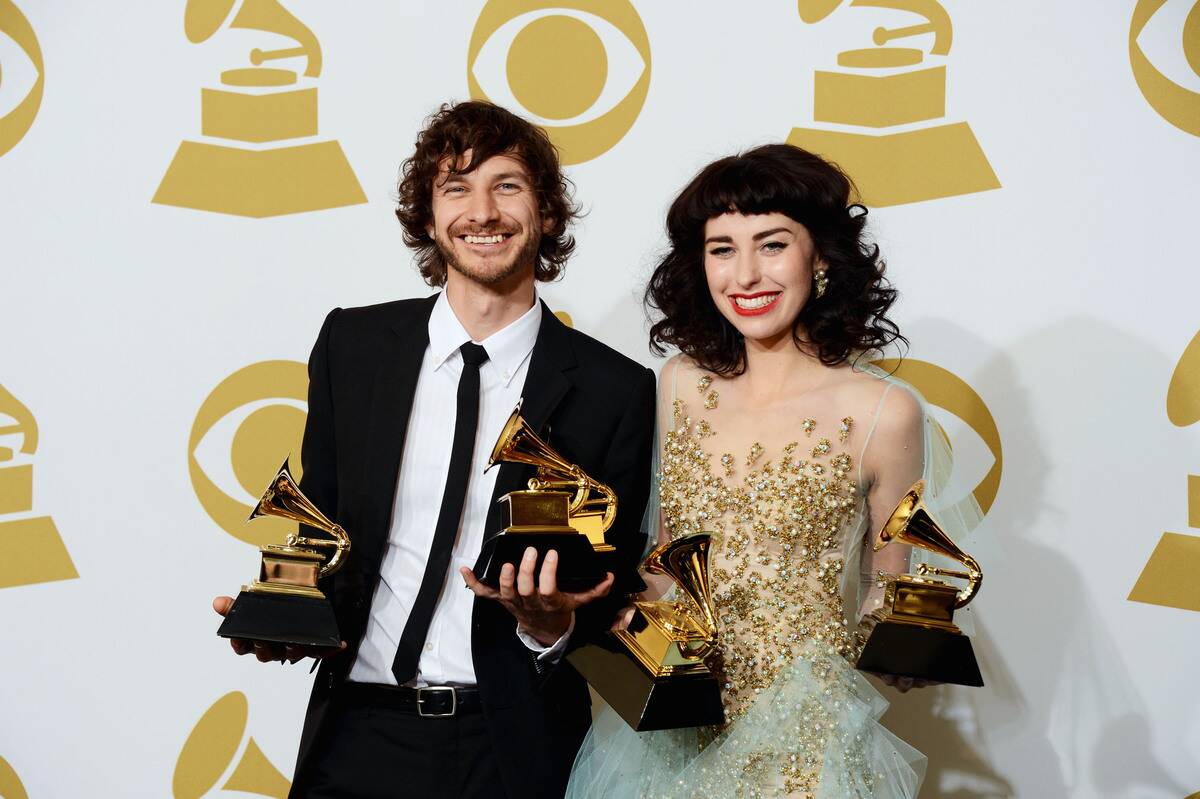
Gotye’s Somebody That I Used to Know (2011) topped charts worldwide; he then declined to chase a similar follow‑up, focusing on projects like his band The Basics and preserving artistic freedom. Psy’s Gangnam Style (2012) became the first YouTube video to hit 1 billion views; he later founded P Nation in 2019, shaping K‑pop careers even if Western radio moved on.
A “one‑hit” can bankroll a decade of selective choices.
Others trade chart dominance for critical devotion. Carly Rae Jepsen followed Call Me Maybe (2012) with cult‑favorite albums Emotion (2015) and The Loneliest Time (2022), touring solidly without repeating a No. 1. Kate Bush’s 2022 surge proved catalog endurance can eclipse debut‑week fireworks. Whether a song or a persona sticks often hinges on reinvention, control of rights, and the long patience to let taste swing back around.
The economics of stepping away: Money, management, and momentum
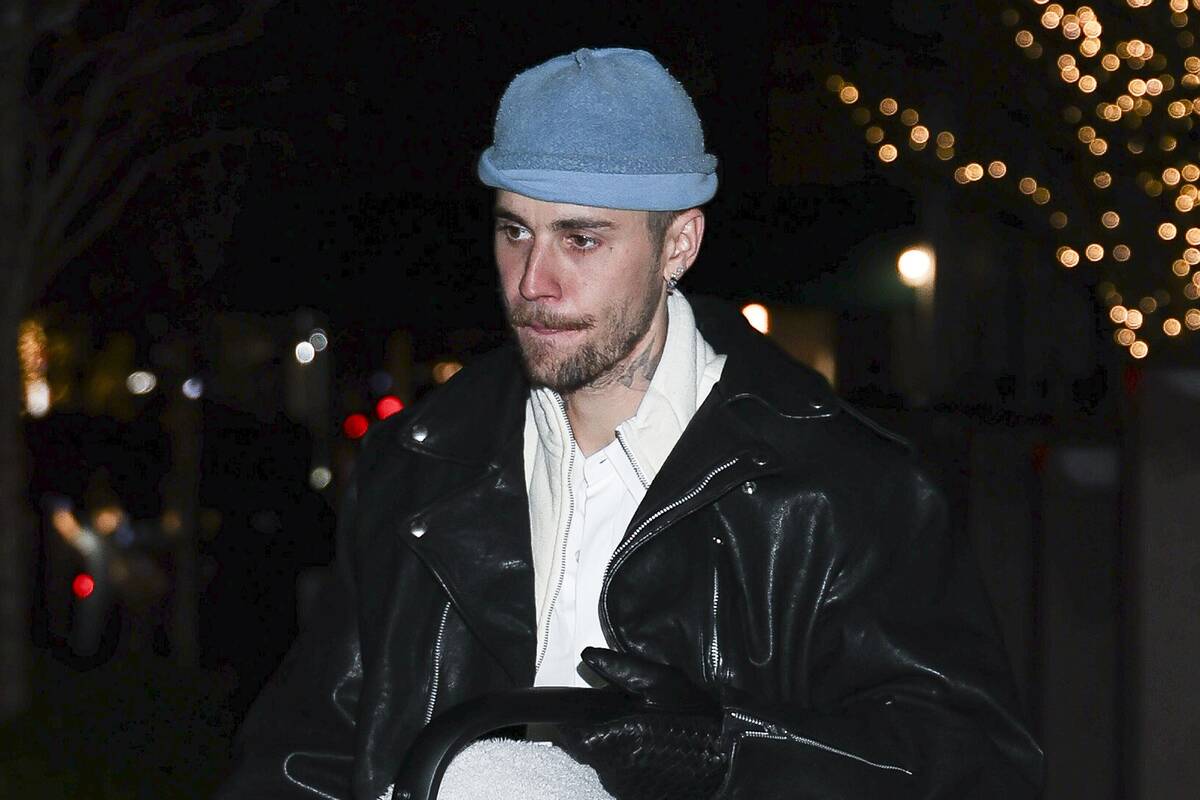
When catalogs cash out, calendars clear. Bob Dylan sold his songwriting catalog to Universal in 2020 in a deal reportedly worth around $300 million; Justin Bieber sold his to Hipgnosis in 2023 for a reported $200 million. Those windfalls can underwrite fewer tours and choosier releases. On TV, megadeals for library rights—Netflix reportedly paid about $500 million for Seinfeld in 2019; WarnerMedia paid a similar figure for Friends—mean creators and stakeholders can afford strategic silence.
Strikes and streaming math matter, too. The 2023 WGA and SAG‑AFTRA strikes paused income and momentum across the board. Streaming residual formulas, often lower than legacy syndication, push some veterans toward producing or live work; others simply wait for better terms. Money doesn’t make the art, but it determines who can sit out a cycle without disappearing for good.
How to rediscover their best work (and surprise cameos) today
Start with tools: JustWatch or Reelgood will tell you exactly where a film or series is streaming; Letterboxd and IMDb lists can map a career in an evening. Spotify’s This Is playlists and Apple Music Essentials are fast routes to an artist’s core catalog. Search by year, not just title—you’ll surface deep cuts that weren’t heavily promoted but have aged beautifully.
Cameo hunting is a joy.
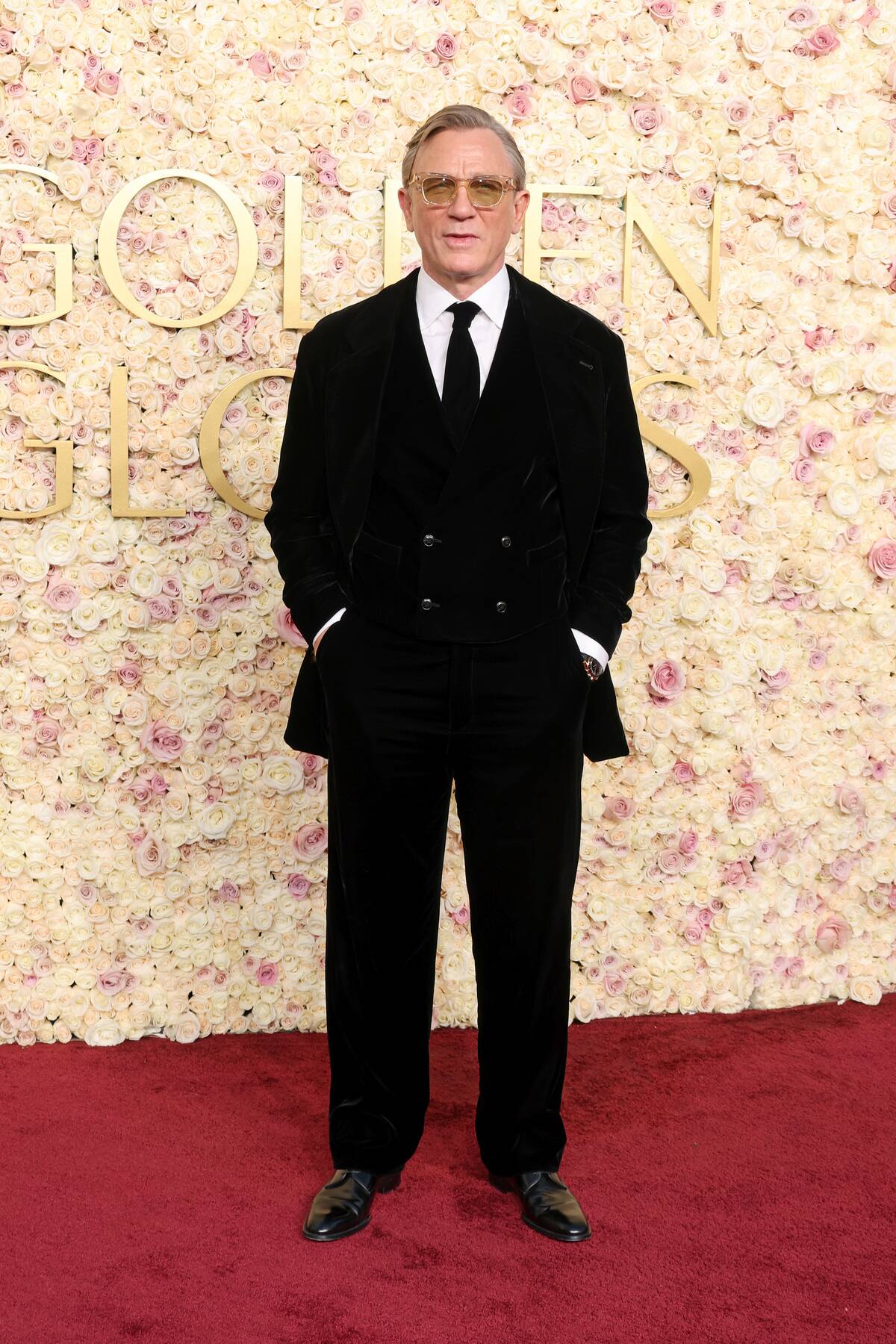
Daniel Craig played an uncredited stormtrooper in Star Wars: The Force Awakens (2015). Brad Pitt flashed in Deadpool 2 (2018) for a literal split second. Keanu Reeves lampooned himself in Always Be My Maybe (2019). Donald Glover popped up in Spider‑Man: Across the Spider‑Verse (2023). They didn’t vanish—you just have to know where to look.




