21 hobbies people enjoyed in the past
Before screens took center stage, spare hours were happily swallowed by analog adventures. Mailboxes brought pen pals, basements sprouted train empires, and kitchen tables doubled as darkrooms and craft stations. Companies fed the passion: Popular Mechanics launched in 1902, inspiring tinkerers for generations, and RadioShack, founded in 1921, sold the parts and kits that powered home projects.
Even the humble Sears, Roebuck catalog nudged people toward pastime gear, from chemistry sets to cameras, right along with the lawn chairs.
By mid‑century, hobbies wove into daily life: neighborhood hobby shops, PTA craft fairs, and bowling alleys claimed a spot in countless communities. Magazines like Hobbies (published 1931–1985) chronicled collecting and making, while club newsletters, local rec centers, and church basements turned strangers into regulars. The culture was practical and social: you learned a knot, shared a tip, exchanged a part, and came back next week with something a little better, a little shinier, and absolutely yours.
Stamp collecting: tiny artworks that traveled the world
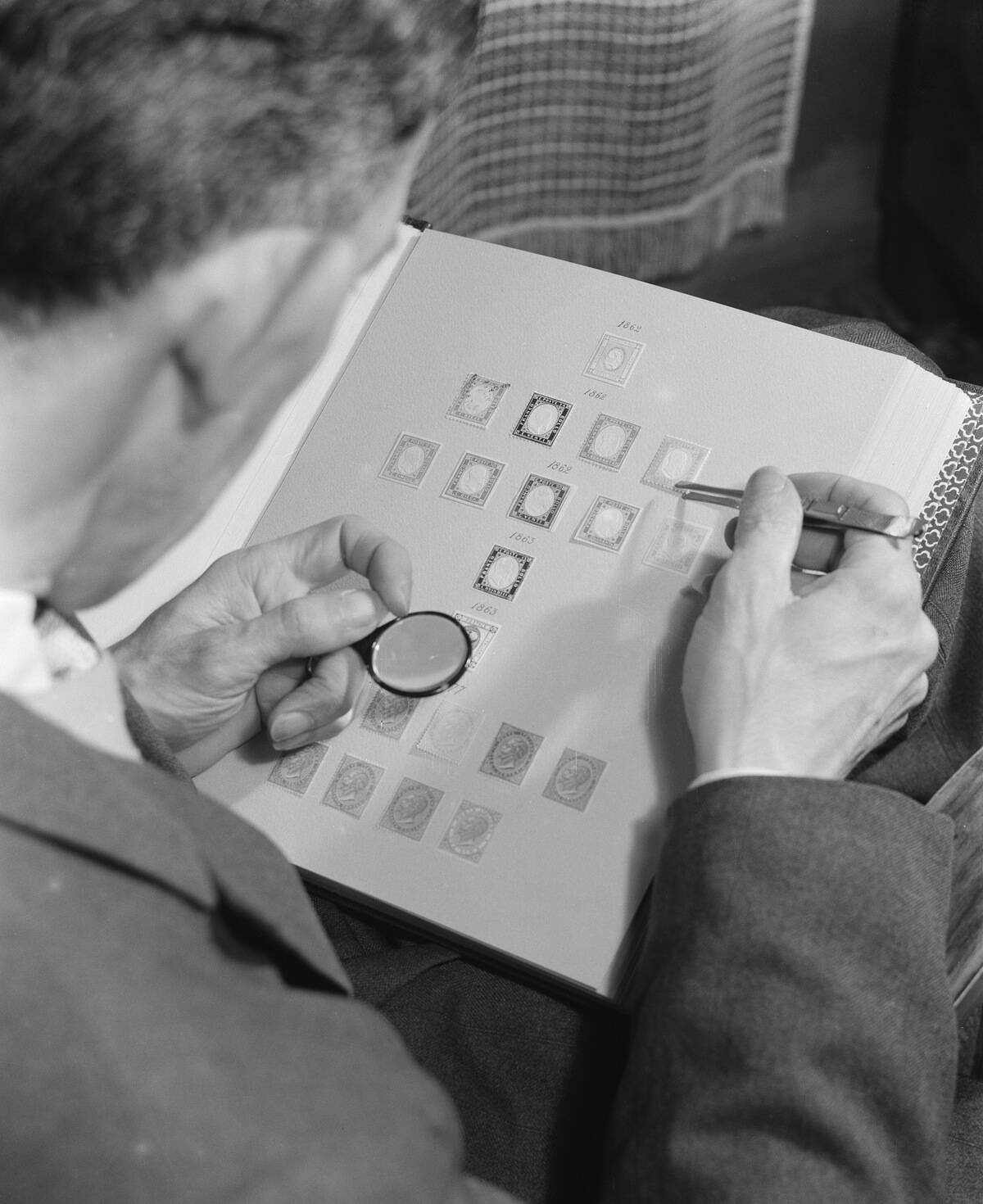
Philately starts with a square of history: the Penny Black, issued by Britain in 1840, was the first widely used adhesive postage stamp. By the 1850s, perforations made stamps easier to separate, and the Universal Postal Union, founded in 1874, helped standardize international mail. Legendary rarities keep collectors dreaming—like the 1918 U.S. Inverted Jenny airmail misprint—while watermarks, cancellations, and engraving styles turn even common stamps into a detective story you can hold in tweezers.
Tools make the difference. Hinges gave way to clear mounts that don’t gum up gum, and the Scott Catalogue, first published in 1868, remains a pricing and identification touchstone. Many chase First Day Covers postmarked on issue day; others dive into plate numbers, postal history routes, or thematic sets (think birds or spaceflight). A simple glassine envelope, a perforation gauge, and a UV lamp can transform a shoebox of worldwide stamps into a curated, time-traveling gallery.
Coin collecting: treasure hunts in your pocket change
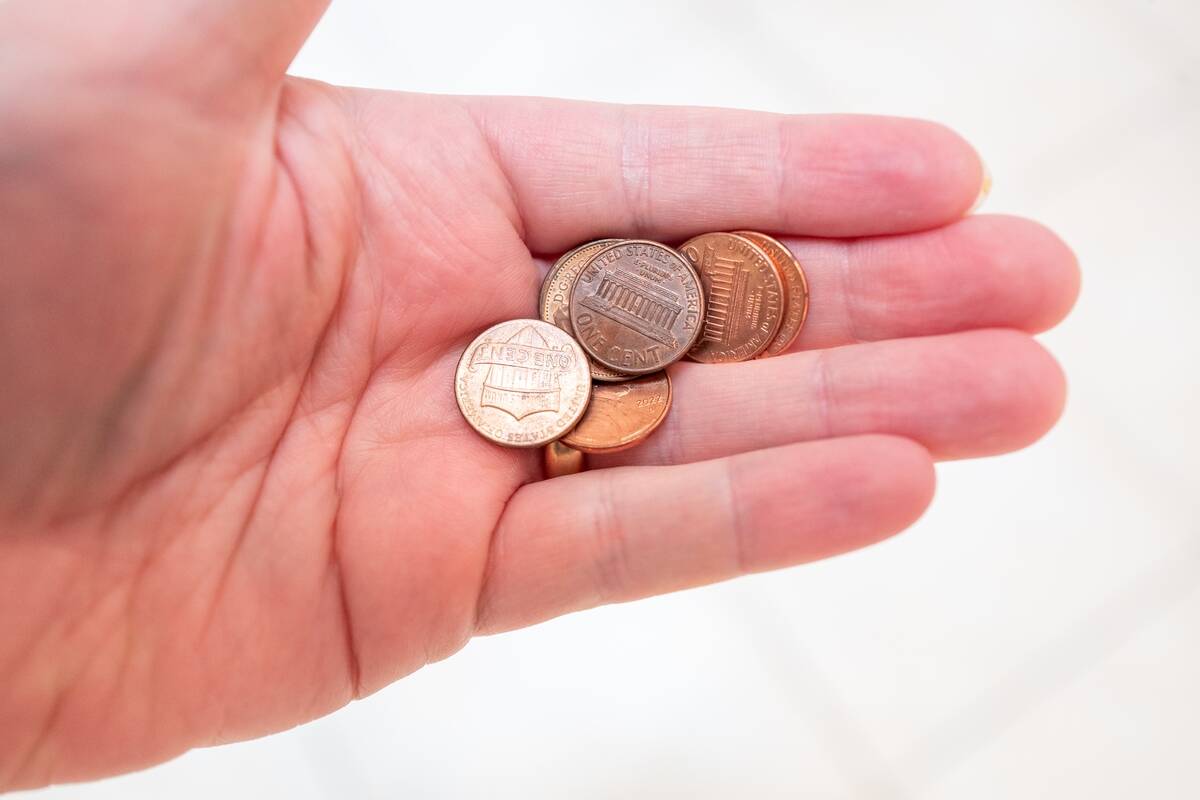
Numismatics turns loose change into a field trip. U.S. mintmarks—P, D, S, and the occasional W—reveal where coins were made. Everyone whispers about key dates: the 1909‑S VDB Lincoln cent, the 1916‑D Mercury dime, and oddities like the 1955 doubled‑die cent. The 50 State Quarters program (1999–2008) pulled millions into the hobby, and in 2019 the Mint even released quarters with a West Point ‘W’ mintmark, sending collectors back to checkout lines with renewed excitement.
Organization is half the fun. Whitman blue folders turn rattling drawers into tidy progress charts, while 2×2 flips and capsules protect better pieces. The Red Book—A Guide Book of United States Coins, first published in 1946—anchors values and lore. Grades matter too: from Good to Mint State on the Sheldon scale, wear and luster mean real money. A decent loupe (10x), cotton gloves, and a soft pad keep evidence of your curiosity off the coin’s surface.
Model trains: mini railways with big imagination
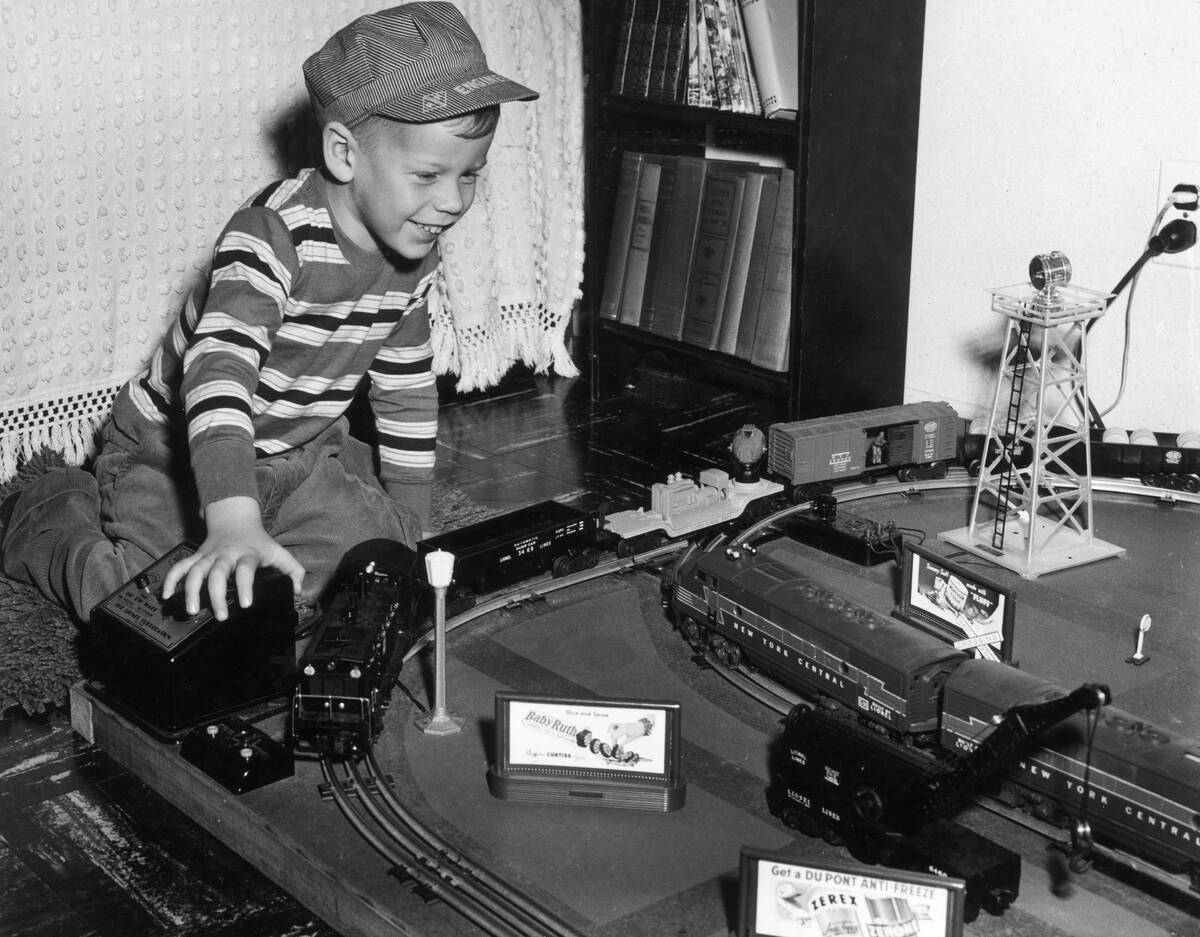
From Lionel’s O scale empire (company founded in 1900) to the fine detail of HO (1:87) and the compact charm of N scale (1:160), model railroading delivers meticulous motion. The National Model Railroad Association, formed in 1935, helped standardize track and equipment so cars roll and couplers click across brands. Track plans evoke real junctions, and railfans learn the difference between steam era and diesel paint schemes faster than you can say interlocking tower.
Power evolved too. Three‑rail AC still powers many O layouts, while two‑rail DC became the norm for HO and N. In the 1990s, Digital Command Control (DCC) let multiple locomotives run independently on the same track, complete with lights and synchronized sound. Scenery turned basements into landscapes: foam carved into canyons, plaster cloth for hills, and ground foam for grass. A tiny depot, a scratch‑built trestle, and suddenly a four‑by‑eight sheet of plywood feels like a continent.
Ham and shortwave radio: chatting across continents
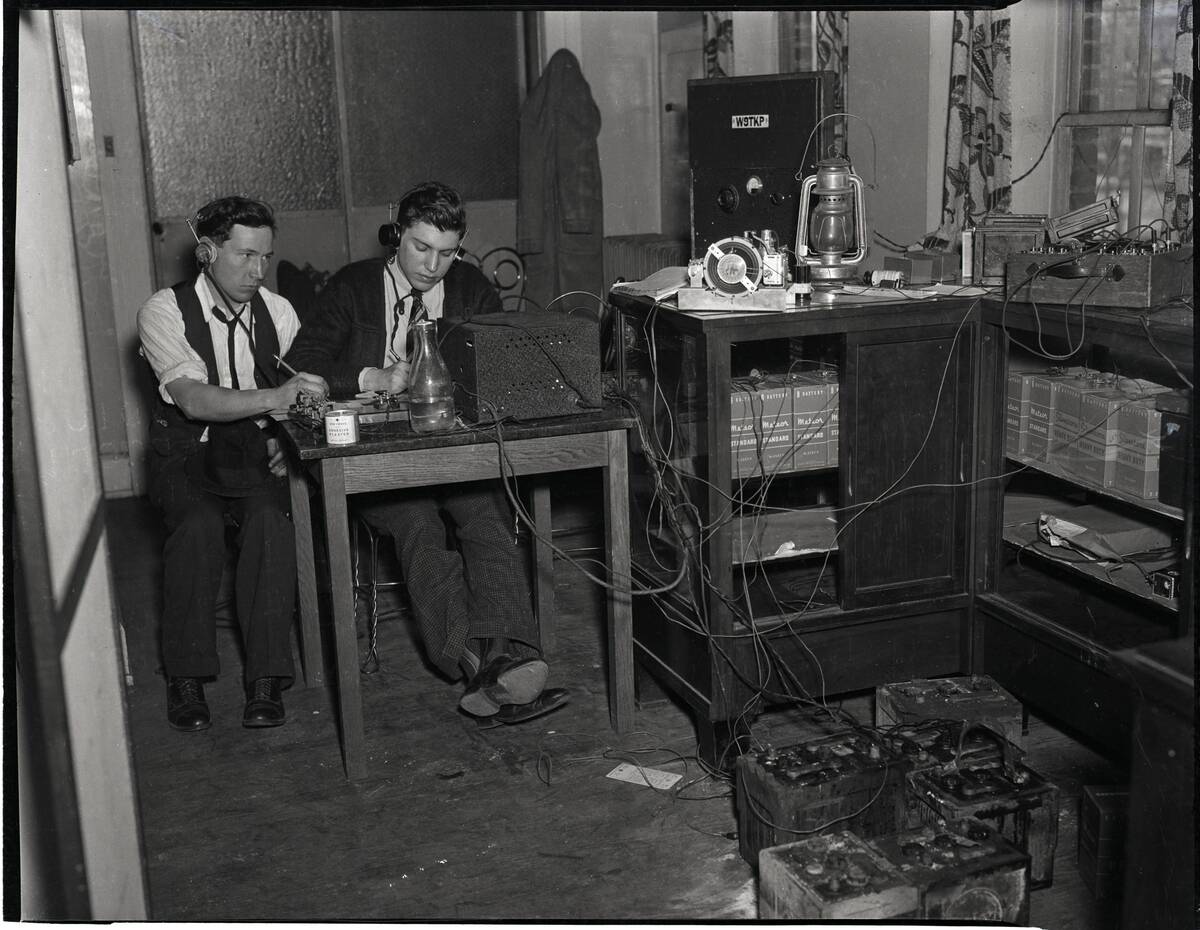
Amateur radio licenses unlock the high‑frequency playground from roughly 3 to 30 MHz, where skywave propagation can bounce signals over oceans. The first major transatlantic amateur contact in 1921 proved the point, and operators still swap QSL cards as tangible proof of a contact. The FCC dropped Morse code as a requirement in 2007, but CW still thrives beside SSB and digital modes.
Call signs follow ITU prefixes, instantly telling you whether that signal hails from JA, G, or K‑land.
There’s more than DX bragging rights. Local VHF/UHF repeaters on 2 meters (144–148 MHz) and 70 centimeters (420–450 MHz) knit communities, and hams support emergency communications when cell networks falter. Through ARISS, students ask questions to astronauts on the International Space Station using amateur radio. Antennas range from simple dipoles to Yagi beams, and portable rigs chase summits and parks. A modest rig, a good logbook, and the right conditions make the ionosphere feel like a friendly hallway.
Scrapbooking: ticket stubs, glue sticks, and memories
Victorians were early scrapbookers, tucking chromolithograph scraps, calling cards, and clippings into albums through the late 19th century. The modern wave embraced archival science: acid‑free paper, photo‑safe adhesives, and page protectors to keep silvered‑out prints from sticking. Photo corners protect originals, and pH‑neutral pens capture the who/what/when before memory blurs.
A few embellishments—think washi tape and die‑cuts—turn a shoe box of keepsakes into a story you can flip through without fingerprints or regret.
The hobby professionalized in the late 20th century. Creative Memories, founded in 1987, popularized workshops and album systems, while rotary trimmers and corner rounders made straight cuts blissfully easy. Instant photography joined the party: the Polaroid SX‑70 debuted in 1972, delivering prints ready to mount within minutes. Layouts often follow tried‑and‑true design rules—visual triangles, odd numbers, white space—so your eye lands on smiles, not just stickers. A few safe adhesives and a plan go a long way.
Pen pals and letter writing: friendships with postage
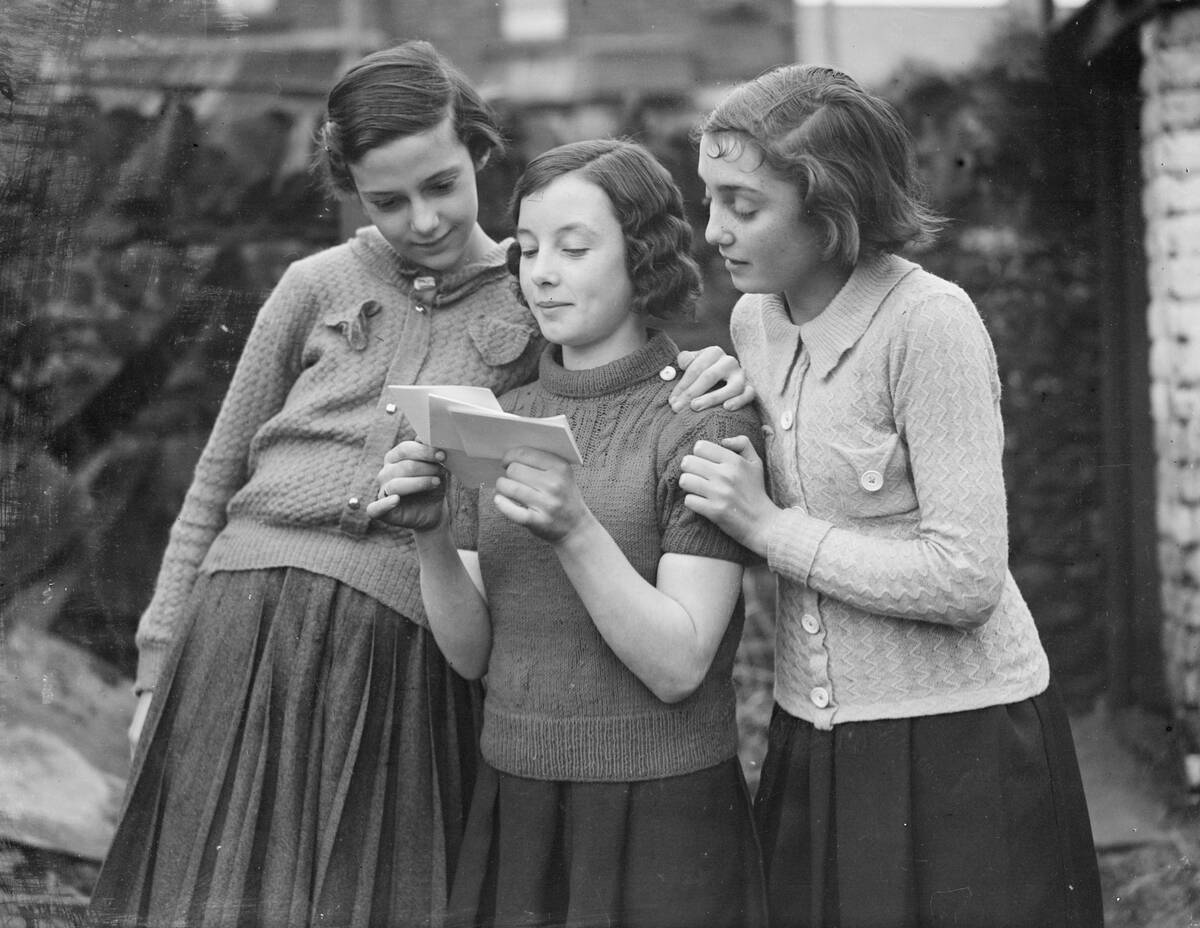
International letter‑writing got a major boost when the Universal Postal Union formed in 1874, smoothing cross‑border mail. The International Reply Coupon (created in 1906) let senders prepay return postage abroad—pen‑pal diplomacy in a small rectangle. Many friendships started in classrooms and youth clubs, and since 1967 International Pen Friends has matched correspondents worldwide. Aerogrammes—those lightweight blue sheets—made mid‑century air mail affordable, proving that thoughtful sentences beat any algorithm at building connection.
Stationery made it personal. Thick cotton paper, fountain pens with fine or medium nibs, and wax seals turned mail into keepsakes. In the U.S., ZIP Codes arrived in 1963, speeding sorting and delivery; clear addressing and legible return lines still matter. Postmarks date your thoughts, and a carefully chosen stamp doubles as a tiny hello. Even today, a tidy paragraph, an ink color you love, and a well‑traveled envelope feel like a handshake you can file.
Calligraphy and penmanship practice: making words gorgeous
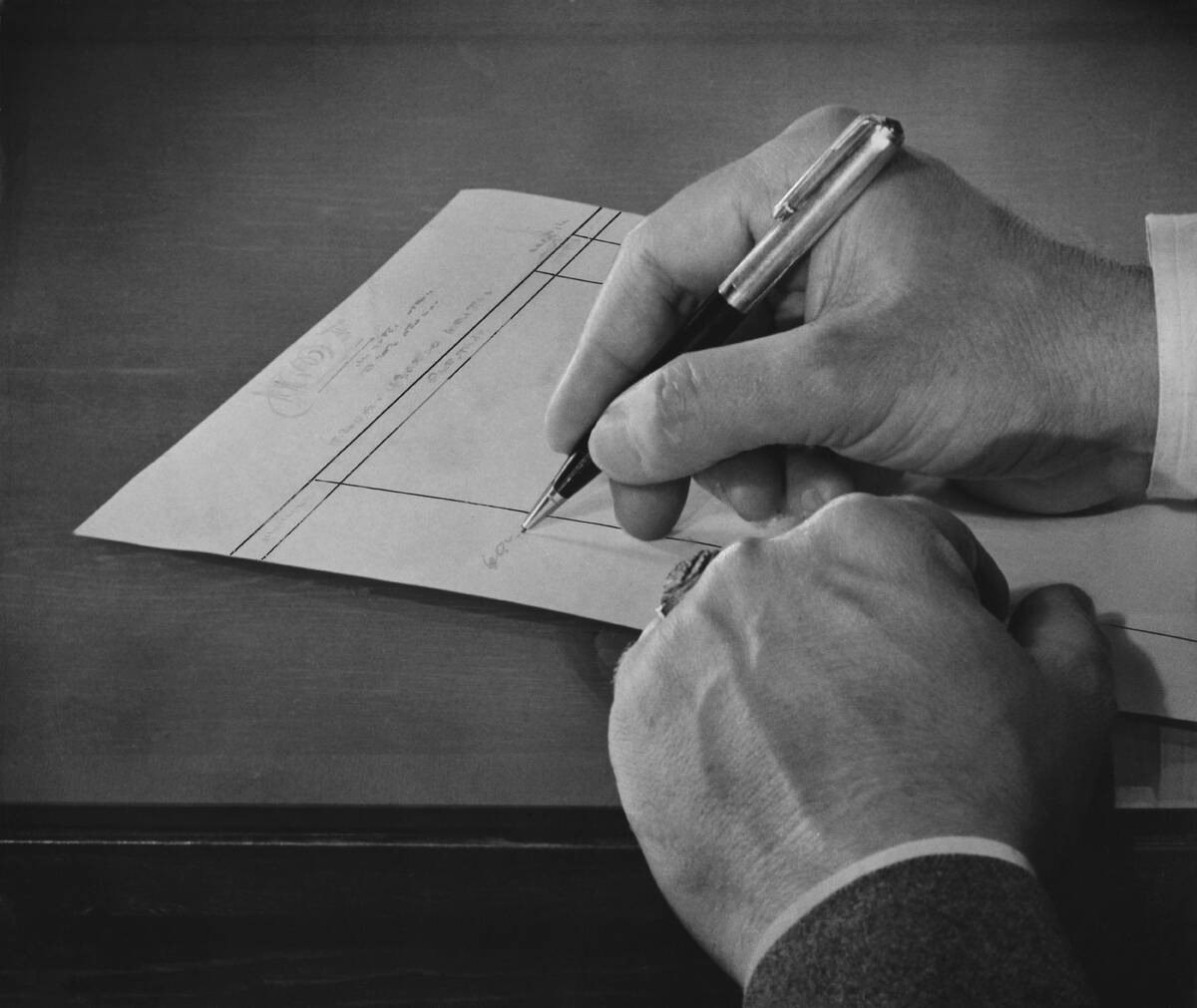
Calligraphy splits into two big toolkits: broad‑edge nibs for Italic and Blackletter, and pointed pens for Copperplate and Spencerian (a 19th‑century American script). The Speedball Textbook, first published in 1915, became a bedrock guide to strokes, nibs, and layouts. India ink gives dark, waterproof lines, while guidelines—baseline, x‑height, ascenders—keep words marching in rhythm. Just a few drills, from ovals to compound curves, can make your grocery list look like a certificate.
Tools reward patience. Rhodia pads (a French brand dating to 1934) resist feathering, and an oblique pen holder helps right‑handers keep a tidy slant with flexible nibs. IAMPETH, founded in 1949, preserves penmanship history and technique through conferences and archives. Practice sheets, light boxes, and smooth Bristol paper tame wobbles; archival inks keep wedding envelopes from smudging. When your downstrokes thicken and hairlines whisper, even a simple thank‑you note lands like a bouquet.
Needlework and embroidery: hoops, floss, and quiet focus
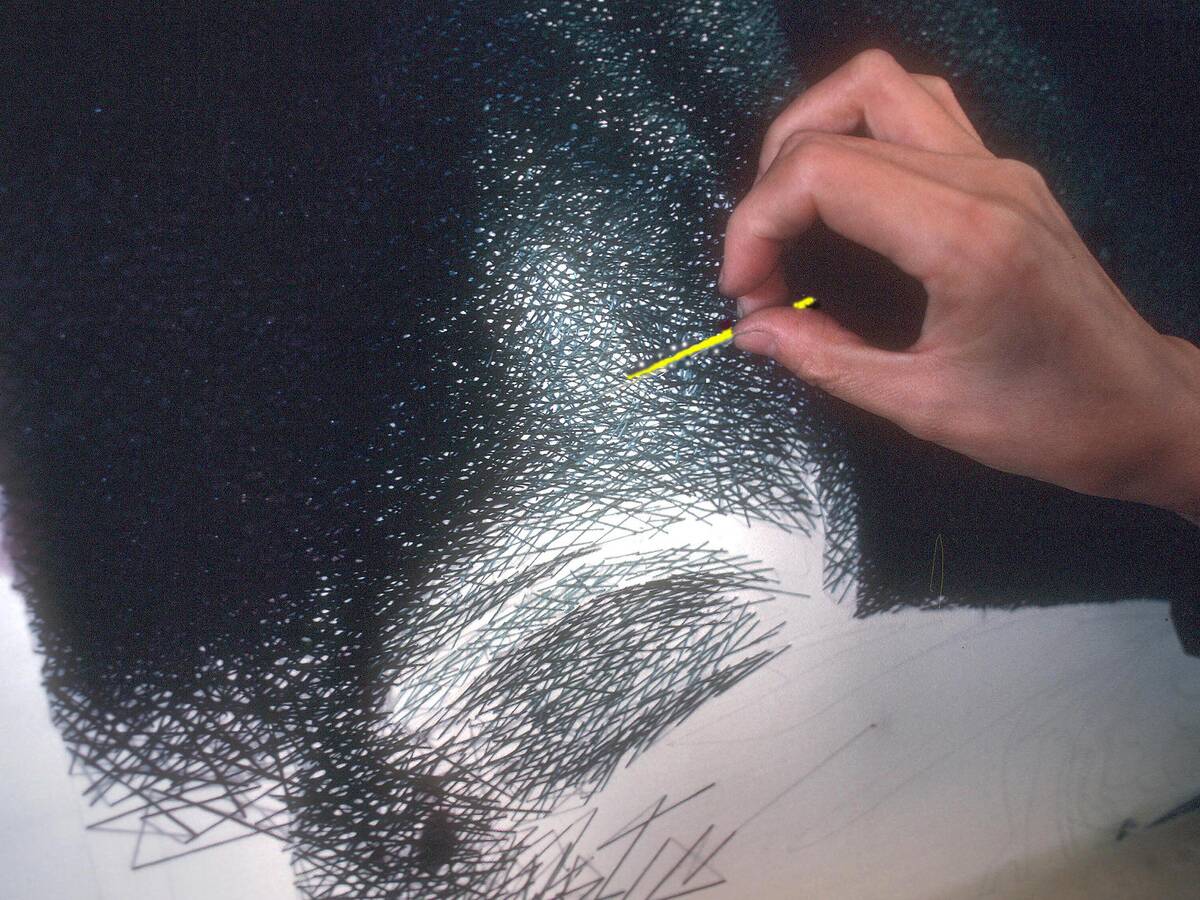
Embroidery marries fabric, thread, and repetition into something soothing. DMC, a French company with roots in 1746, popularized six‑strand cotton floss you can split for perfect coverage. Stitches do the storytelling: backstitch for outlines, satin stitch for shine, and French knots for texture. Counted cross‑stitch rides on Aida cloth—14‑count is common—where each square becomes a neat X. A needle minder, a chart, and a comfortable chair turn patterns into evenings that disappear softly.
The gear is humble but specific. Wooden or bamboo hoops keep tension even; water‑soluble pens help transfer designs without ghosting the fabric. Samplers once taught alphabets and numbers; now they also celebrate quotes, maps, and milestones. For surface embroidery, you might choose linen and add chain, stem, and fly stitches for variety. Washable stabilizers and gentle handwashing keep finished pieces crisp. It’s meditative craft with heirloom potential—thread by thread, a picture you can touch.
Macramé and weaving: knots that tied a room together
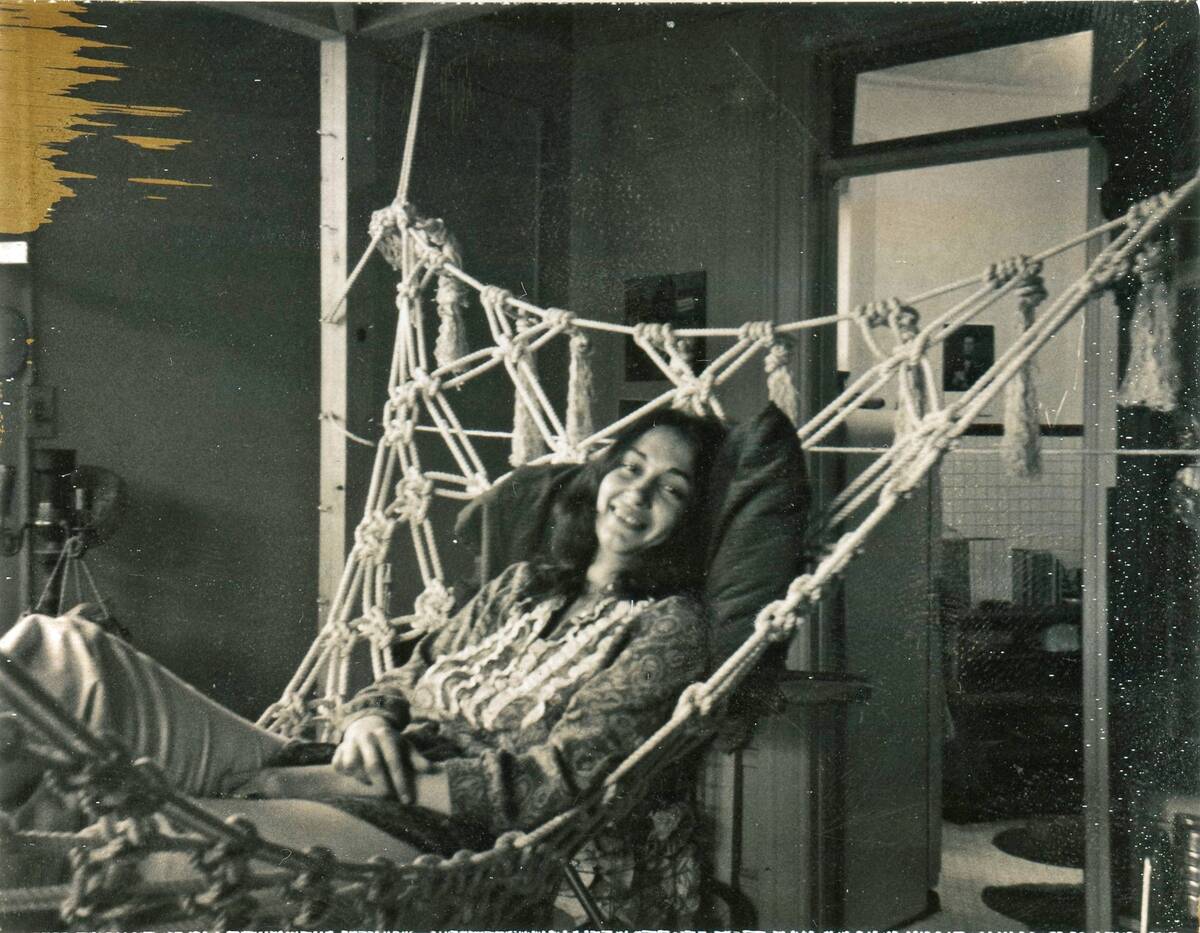
Macramé’s vocabulary is compact: lark’s head to mount cords, square knots for pattern, half hitches for spirals. Sailors once passed the time knotting decorative covers and bell ropes; the 1970s turned that know‑how into plant hangers and wall art. Cotton rope and jute make forgiving practice materials, and a simple dowel serves as a sturdy anchor. Measure twice, cut long—fringe and mistakes both eat cord faster than you expect.
Weaving complements the knots with structure.
Warp threads stretch taut; weft travels over‑under to build cloth. Frame looms make tabletop projects feasible, while backstrap looms anchor around your waist for portable weaving that’s centuries old. Tapestry techniques—like soumak and slit weaves—add texture and clean color transitions. Yarn choice changes everything: wool grips, cotton lies flat, and linen sings when beaten firm. A shuttle, a comb, and patience will turn a tangle into pattern you can feel.
Whittling and woodcarving: carving time into trinkets
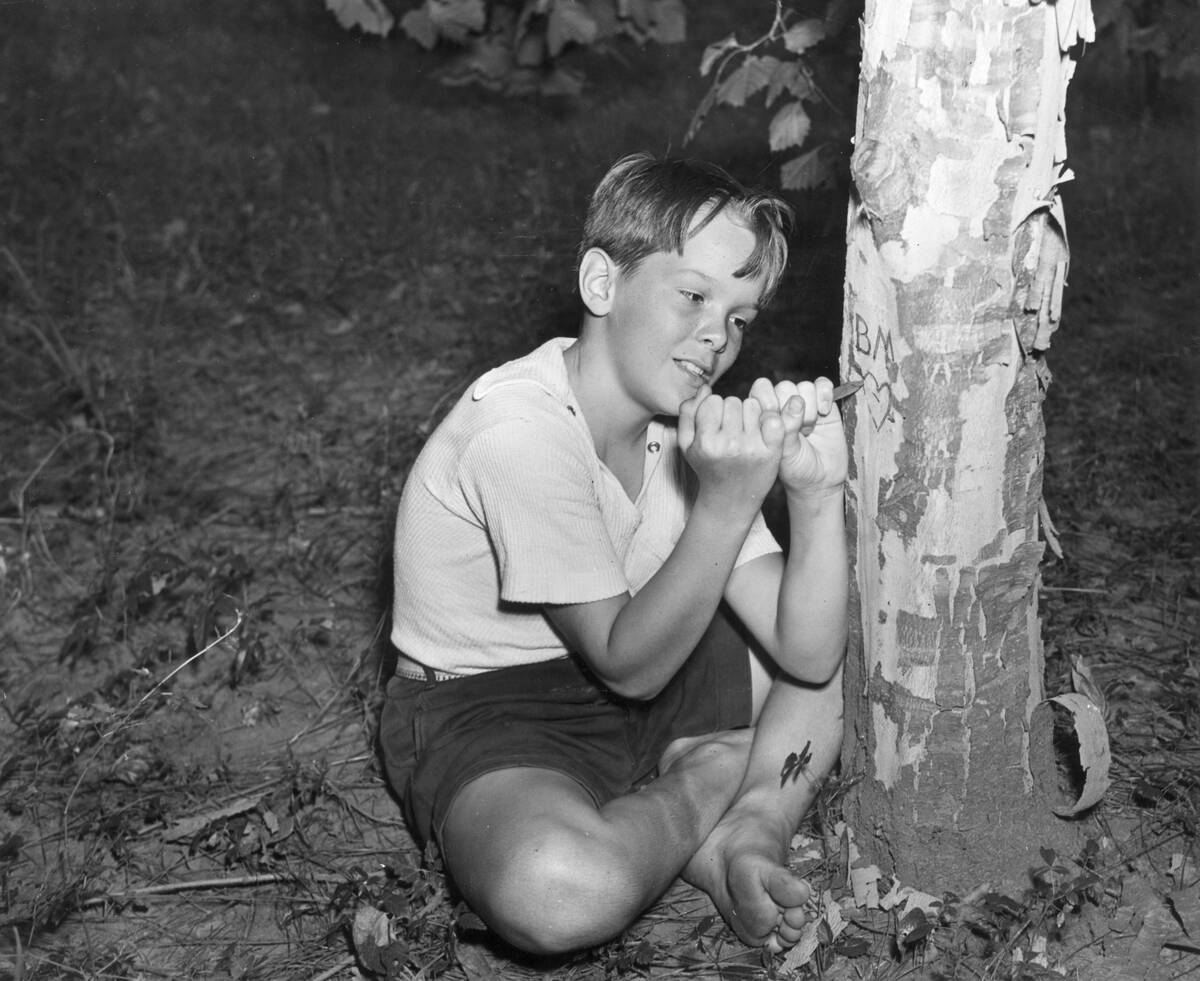
A pocketknife and a stick can be enough, but material matters. Basswood—also called linden or lime—is a carver’s favorite for its fine, even grain and softness. A sharp blade is safer than a dull one; strops loaded with compound keep edges keen. Glove and thumb guards with cut‑resistant fibers like Kevlar reduce nicks. With stop cuts and shallow passes, a block slowly becomes a bird, a spoon, or a friendly, big‑nosed caricature.
Traditions run deep. European chip carving turns geometric cuts into stars and rosettes, while Scandinavian spoons blend function and folk art.
Linseed or walnut oil brings pale basswood to life without plasticky shine. Carving clubs swap patterns and host friendly competitions at fairs. Even a classic Swiss Army Knife, first produced in 1897, can pull its weight for trail‑side whittling. The rhythm is the reward: curl, curl, curl, and suddenly your shavings smell like calm.
Model airplanes and ships in bottles: patience in miniature
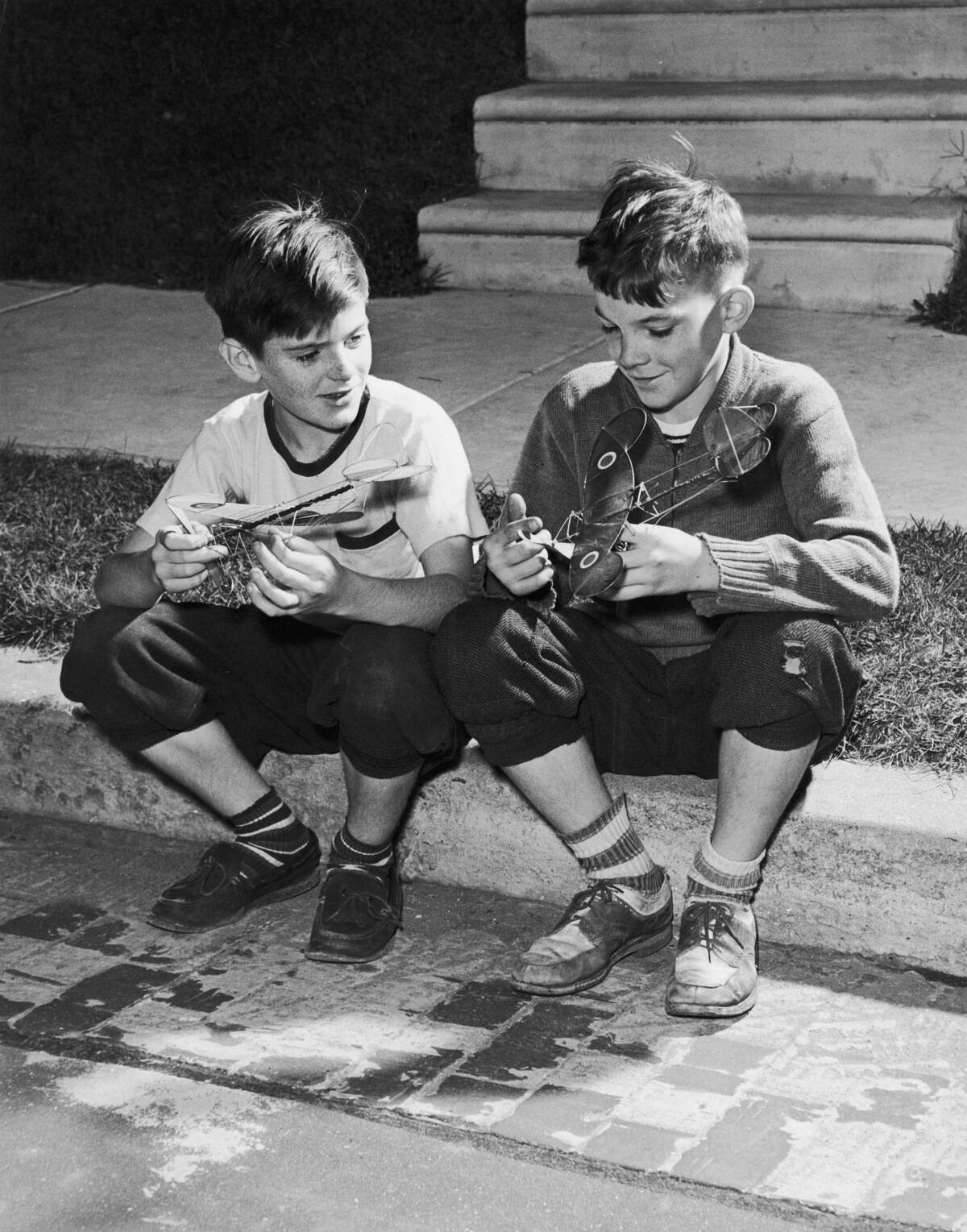
Balsa wood keeps flight dreams light. Companies like Guillow’s, founded by Paul K. Guillow in 1926, sold kits of laser‑cut ribs and tissue that you doped taut before launching. Rubber‑powered free‑flight planes circle happily; control‑line models, popular mid‑20th century, tether a plane to your handle for aerobatics. When proportional radio control matured in the 1960s, larger models got servos for ailerons and elevators. Sandpaper, pin jigs, and a calm breath are as vital as glue.
Ships in bottles are sleight of hand with rigging. Builders carve the hull, hinge or fold the masts flat, and slide the assembly through the bottle’s neck. Using long wire tools, they raise the masts by pulling threads, then set tiny yards and sails. Traditional seas are sculpted from putty or plasticine, sometimes tinted to a North Atlantic green. Knots, scale, and patience rule the day, and when the cork goes in, everyone leans closer to see how.
Darkroom photography: magic under a red light
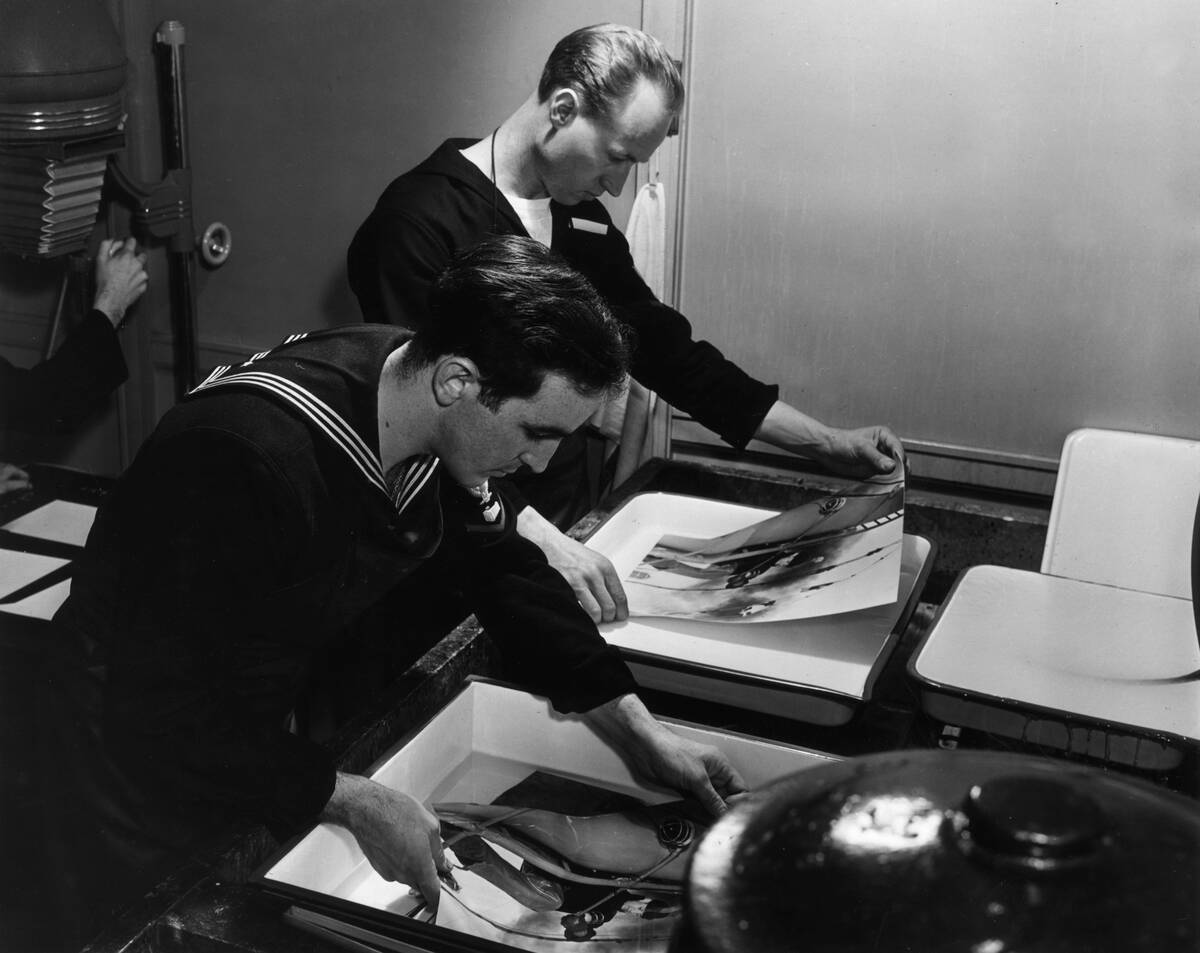
Under a red or amber safelight, black‑and‑white papers stay unexposed while images appear. The sequence is a ritual: developer, stop bath, fixer, then a thorough wash. Classics abound—Kodak D‑76 developer, acetic acid stop, and sodium thiosulfate ‘hypo’ to fix. Enlargers project negatives onto paper; dodging and burning shape contrast like a painter with light. Load 35mm film onto reels in total darkness, and a tank turns your bathroom into a lab.
Numbers matter.
A 35mm frame is 24×36 mm; 120 medium format offers larger negatives for luscious detail. Contact sheets map a roll at a glance. Variable‑contrast papers pair with filters (usually graded 00 to 5) to nudge tones warm or punchy. Wash aids speed archival rinsing, and fiber‑based papers curl unless dried under screens. Negative sleeves, a binder, and a grease pencil turn chaos into a workflow—and a once‑blank tray into a small gasp of surprise.
Slide shows and home movies: living-room premieres
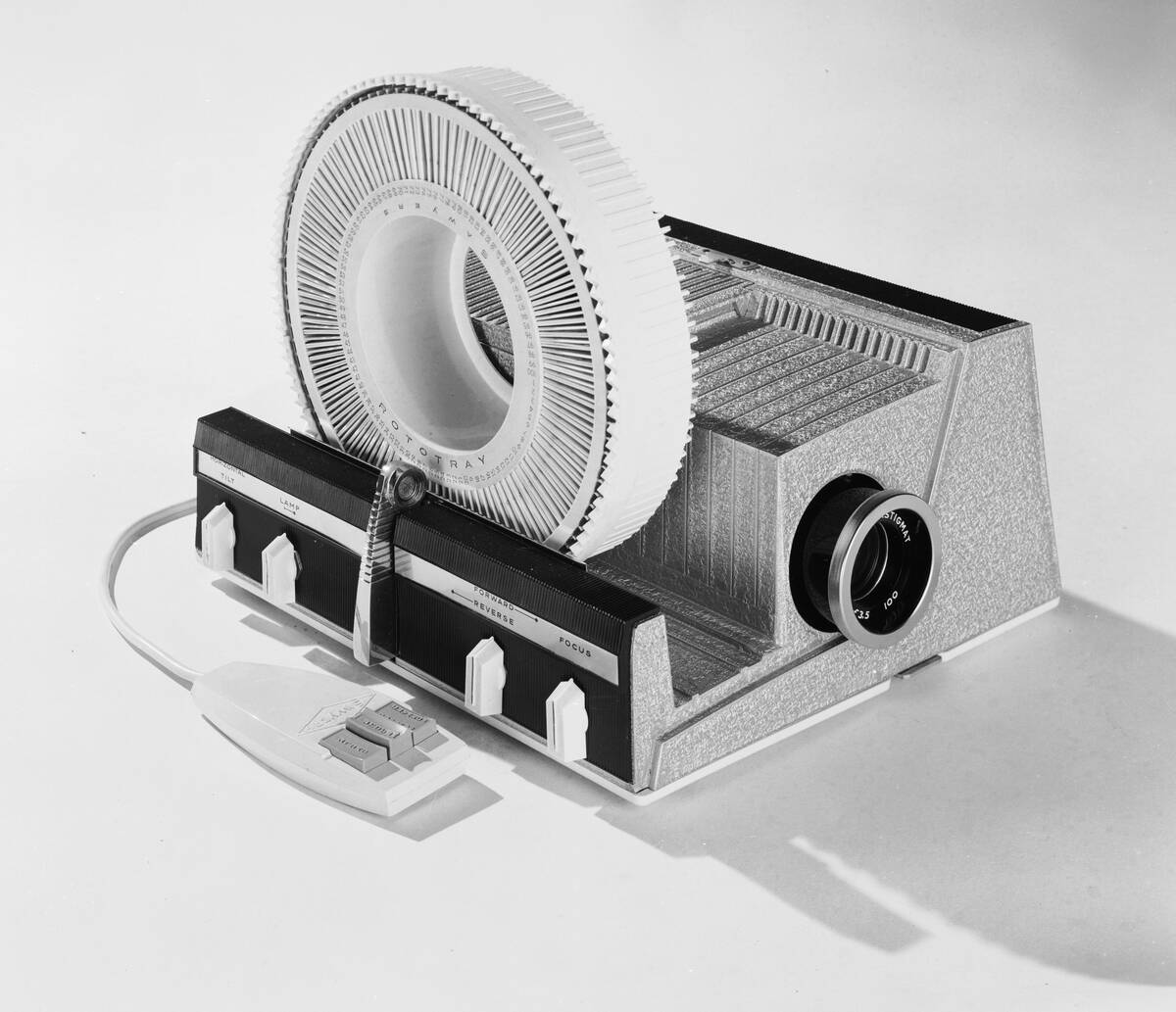
Color slides were the social media carousel of their day. Kodachrome, introduced in 1935, delivered saturated, long‑lasting transparencies mounted in 2×2‑inch frames. Kodak’s Carousel projectors debuted in 1961, feeding trays that clicked one scene at a time onto a pull‑down screen. A dimmed lamp, a humming fan, and the inevitable upside‑down first slide set the vibe. Labels and a handheld clicker kept the narrative moving from beach day to birthday candles.
Motion got its own reel. Standard 8mm film arrived in 1932; Kodak’s Super 8 format followed in 1965 with bigger image area and easier loading. Earlier, 16mm (launched by Kodak in 1923) served schools and serious hobbyists. Editors spliced film with cement or tape on tiny benches, then boxed reels for the next showing. Projector bulbs and belts were consumables; screens folded into closets. In the 1980s, many families transferred those reels to VHS to keep the memories rolling.
Bowling leagues: pins, pizza, and weeknight pride
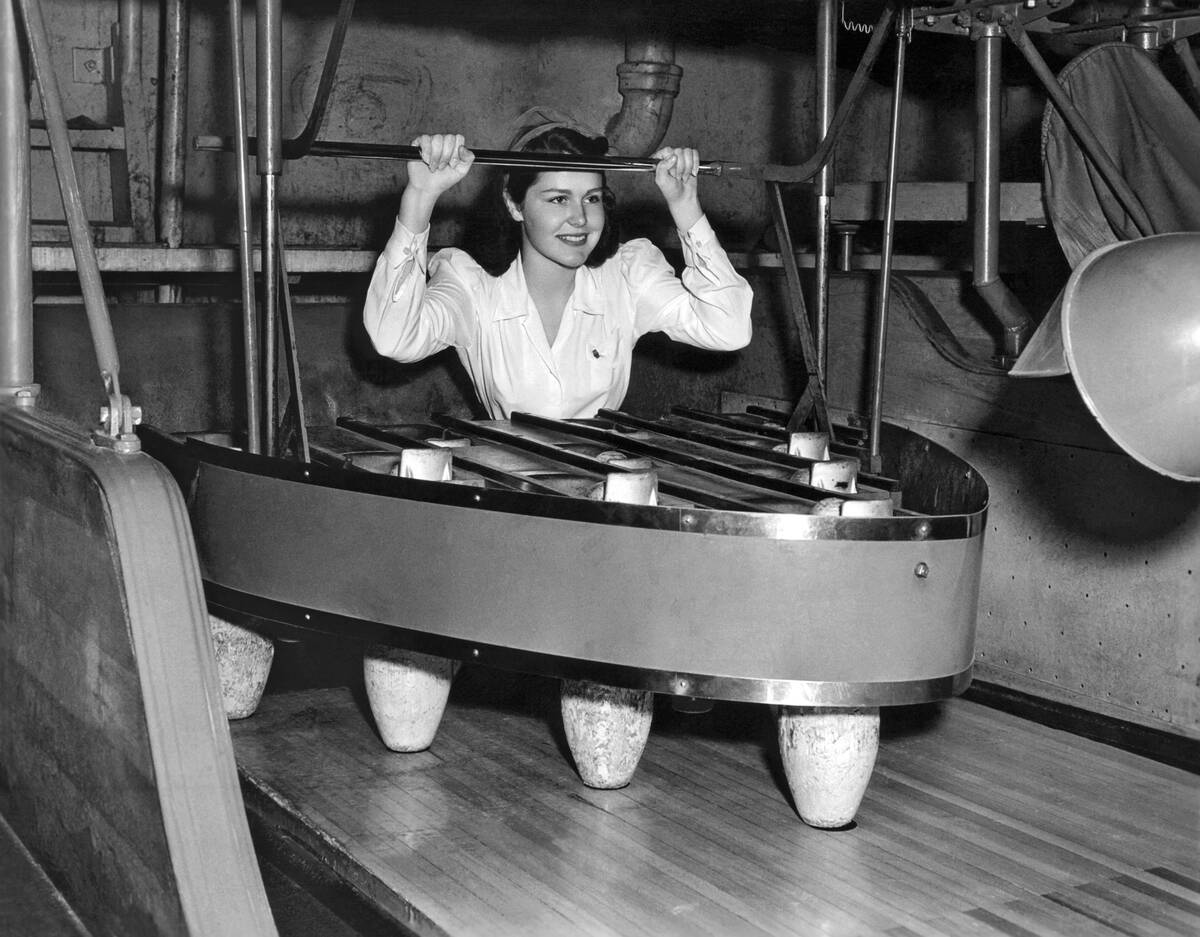
Ten‑pin bowling is precision wrapped in neon. Each lane stretches 60 feet from foul line to headpin; a game runs 10 frames, with strikes and spares stacking bonuses. House balls top out at 16 pounds, but drilled balls match hand spans and rev styles. A perfect score is 300—12 strikes in a row—and even casual players learn to watch oil shine for clues. Few sounds satisfy like the rumble‑thud‑crack of a pocket hit.
Leagues give it rhythm. The American Bowling Congress, founded in 1895, merged into the United States Bowling Congress in 2005, standardizing rules and awards. Handicap systems level matchups so a newcomer can share the lane with a shark. Oil patterns—typical ‘house’ shots versus sport patterns—change strategy and spare shooting. Teams trade high‑five rituals, split‑pickup lore, and post‑game slices in equal measure. Shoe rental, score sheets, and a standing date make Thursday nights feel like a season.
Bridge, canasta, and card clubs: shuffling, dealing, mingling
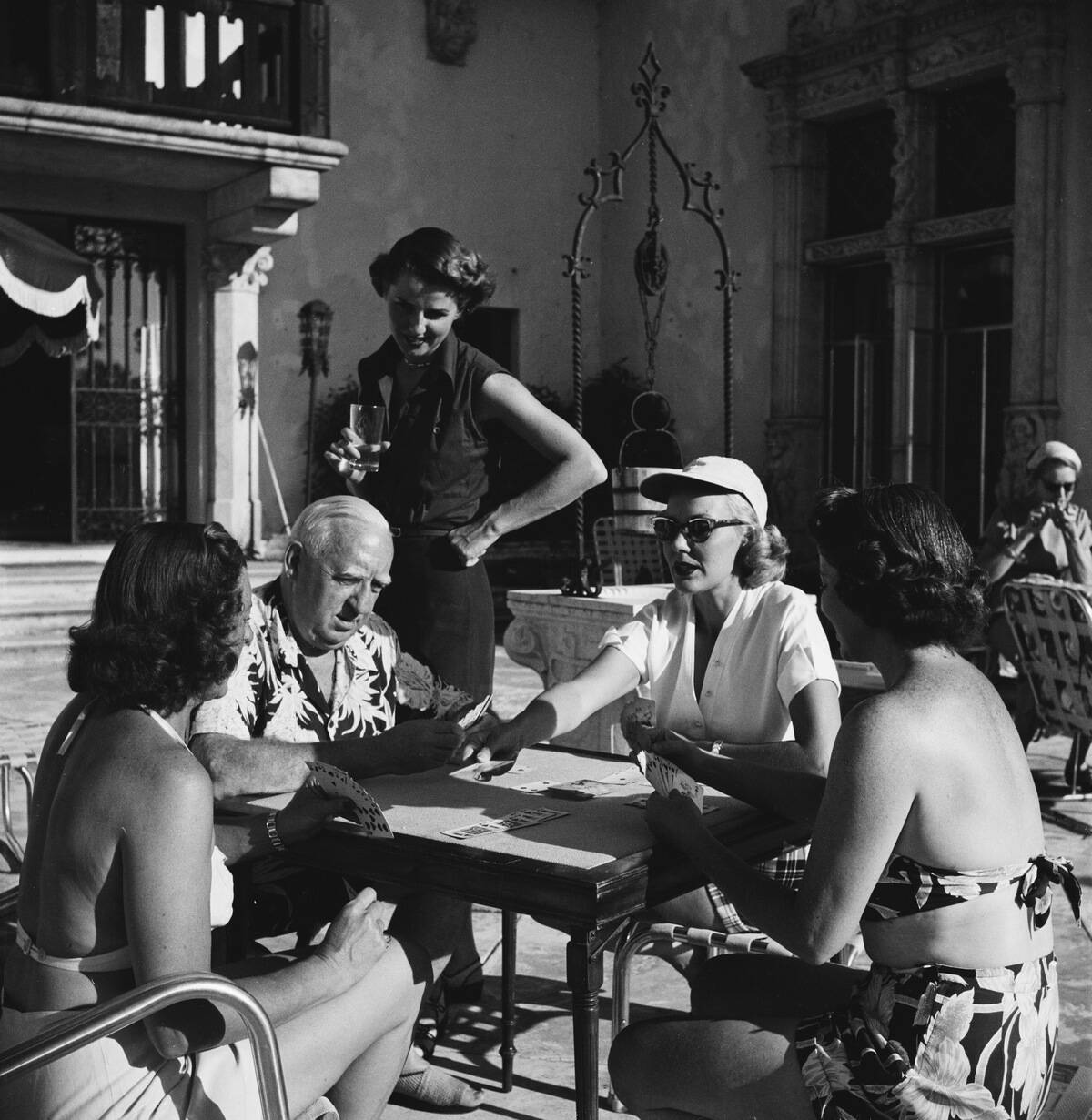
Contract bridge turned coffee tables into war rooms after Harold Vanderbilt codified modern scoring in 1925. The American Contract Bridge League, founded in 1937, spread tournaments and duplicate formats, where identical deals test wits fairly. Bidding boxes, convention cards, and boards keep hands honest; partnerships pick systems like Standard American or 2/1. A splash of Stayman here, a finesse there, and suddenly four minds share one very intense conversation without a single word spoken aloud.
Canasta brings a different rhythm. Born in Uruguay in 1939, the game uses two standard decks plus jokers, rewarding melds and red threes while freezing discard piles with a wild card. It’s social and a touch chaotic—perfect for club nights in community centers and living rooms. Card tables, felt pads, and tally sheets set the stage. Whether you’re building a canasta of sevens or sweating an opponent’s discard, the shuffle‑deal‑laugh loop is the point.
Record collecting and mixtapes: curating the perfect vibe
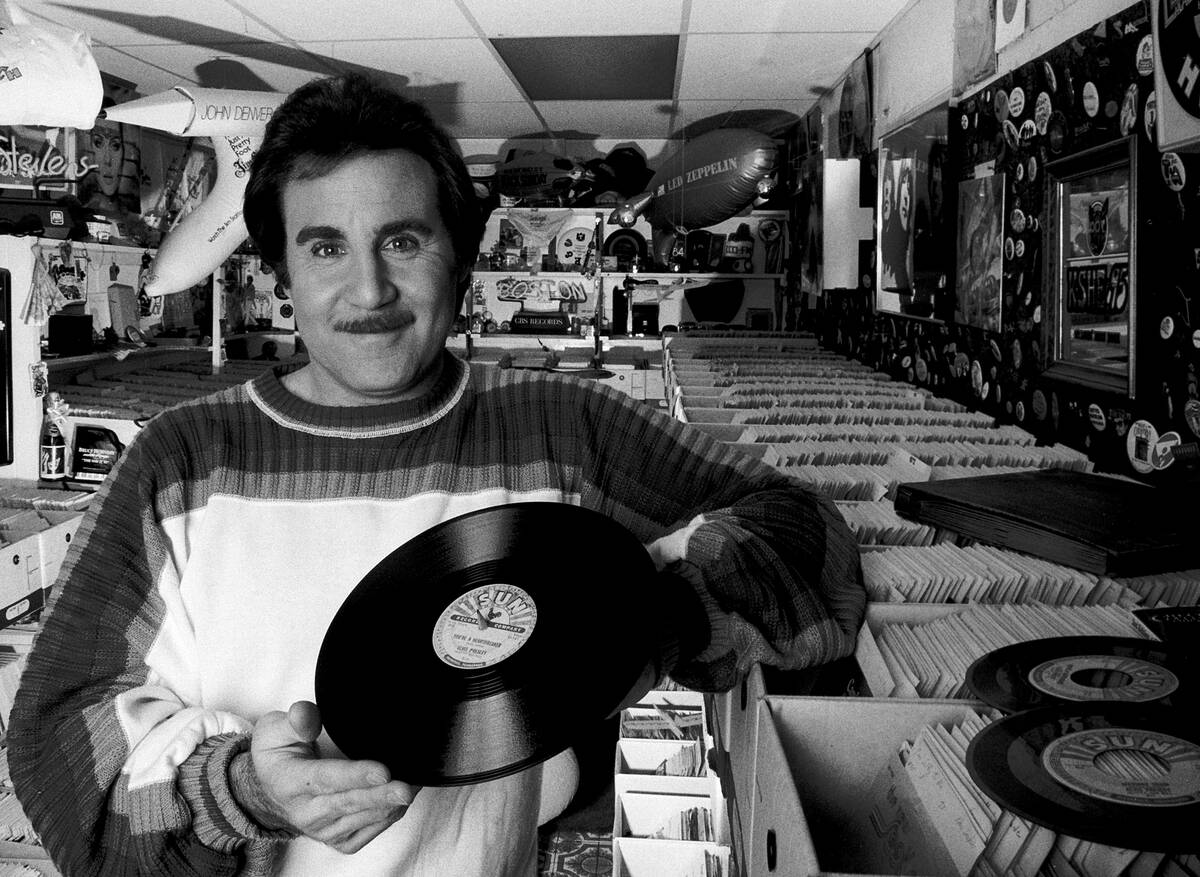
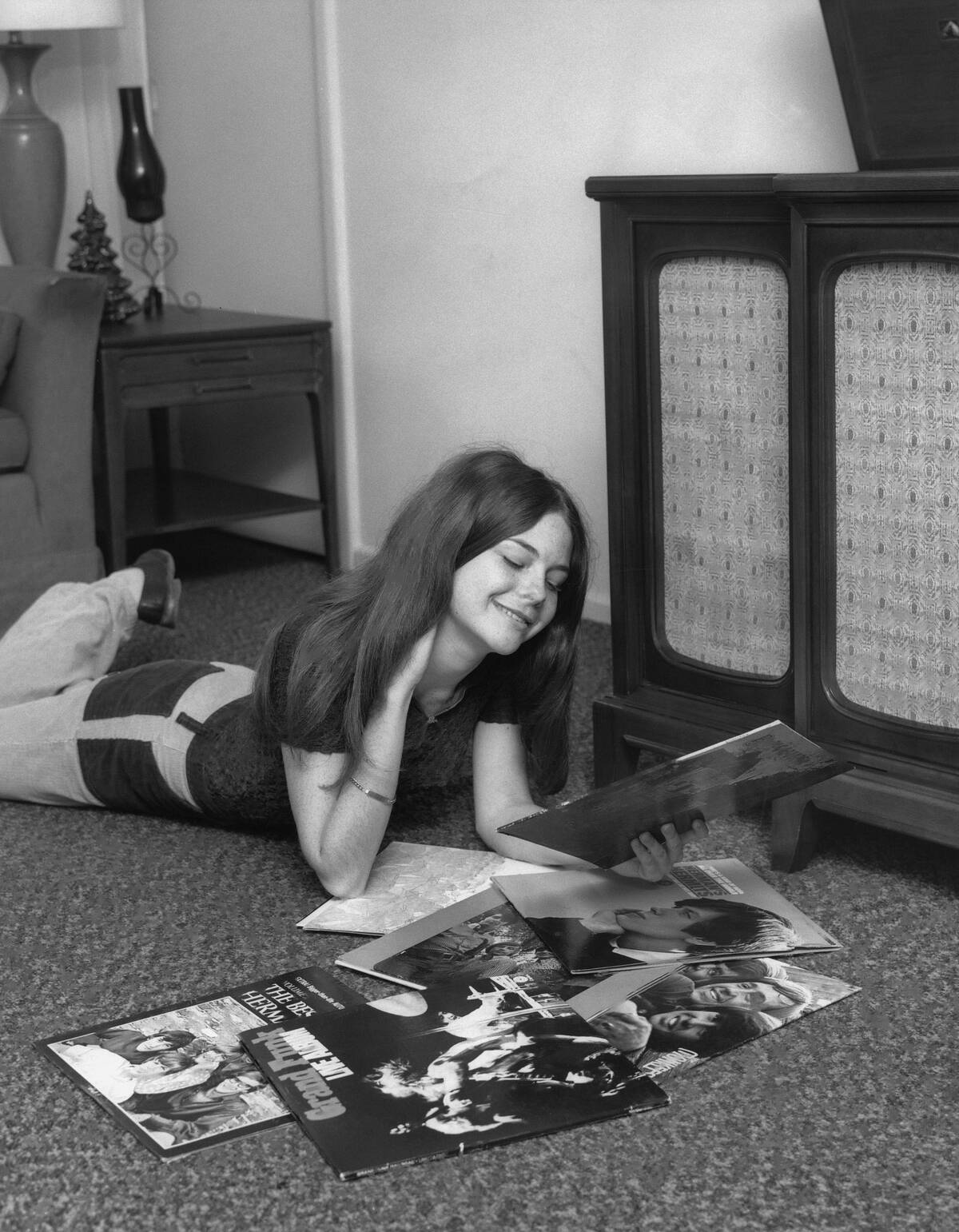
Vinyl made music tangible. Columbia introduced the 33 1/3 rpm LP in 1948 for long plays; RCA Victor answered with 45 rpm singles in 1949. Grooves carry the sound as a stylus traces modulations, and RIAA equalization, standardized in the 1950s, balances bass and treble on playback. Matrix numbers and dead‑wax etchings reveal pressings; gatefolds hold liner notes like mini museums. Crate‑digging means learning to read a label at five paces.
Mixtapes democratized the DJ booth.
Philips launched the compact cassette in 1963, and by the 1980s dual‑deck stereos made dubbing and sequencing easy. The pause button became a razor for tight edits; tape types (ferric, chrome, metal) shaped hiss and sparkle. Brands like Maxell and TDK filled backpacks, while handwritten J‑cards turned track lists into love letters or road‑trip maps. Side A/Side B forced pacing, and that constraint often made the art sing.
Kite making and flying: wind, string, and weekend skies
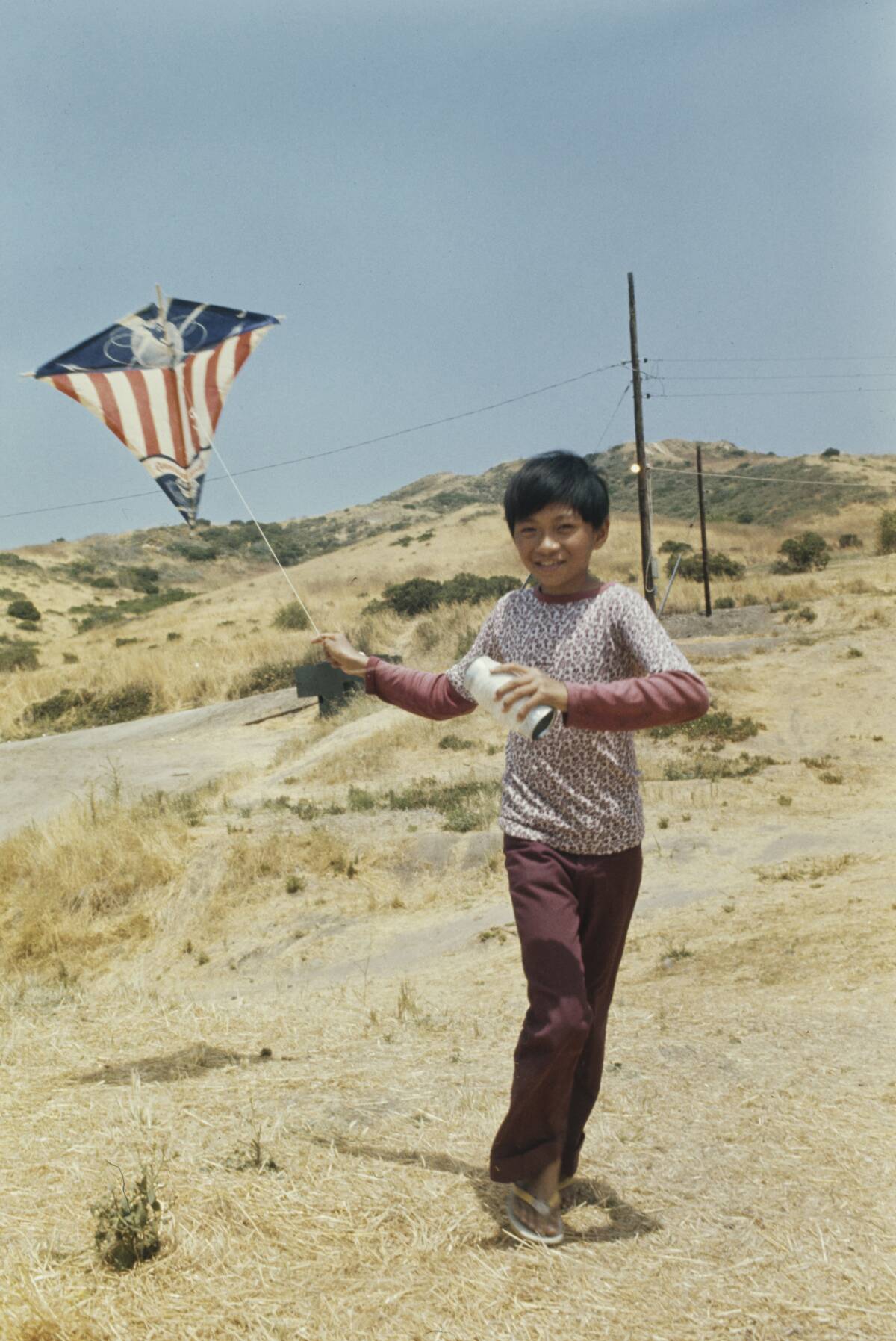
A classic diamond kite is simple engineering: two spars lashed into a cross, a paper or ripstop sail, a bridle to set angle, and a tail to add stability. The Wright brothers used kites around 1900–1902 to test lift ideas, proving that a string can teach aerodynamics. Wind matters; check the Beaufort scale and pick a line weight that won’t snap your joy. A dowel, some tape, and a breezy field are a ticket to look up.
Then there’s control. Dual‑line stunt kites carve loops and figure‑eights, and quad‑line versions can even hover. Festivals turn coastlines into airborne art; the Washington State International Kite Festival in Long Beach has drawn flyers since the 1990s. Safety rules are simple: avoid power lines and storms, give people space, and wear gloves for stronger pulls. Learn the wind window, mind your bridle knots, and you’ll spend more time flying than untangling.
Rock tumbling and geology kits: turning rough into radiant
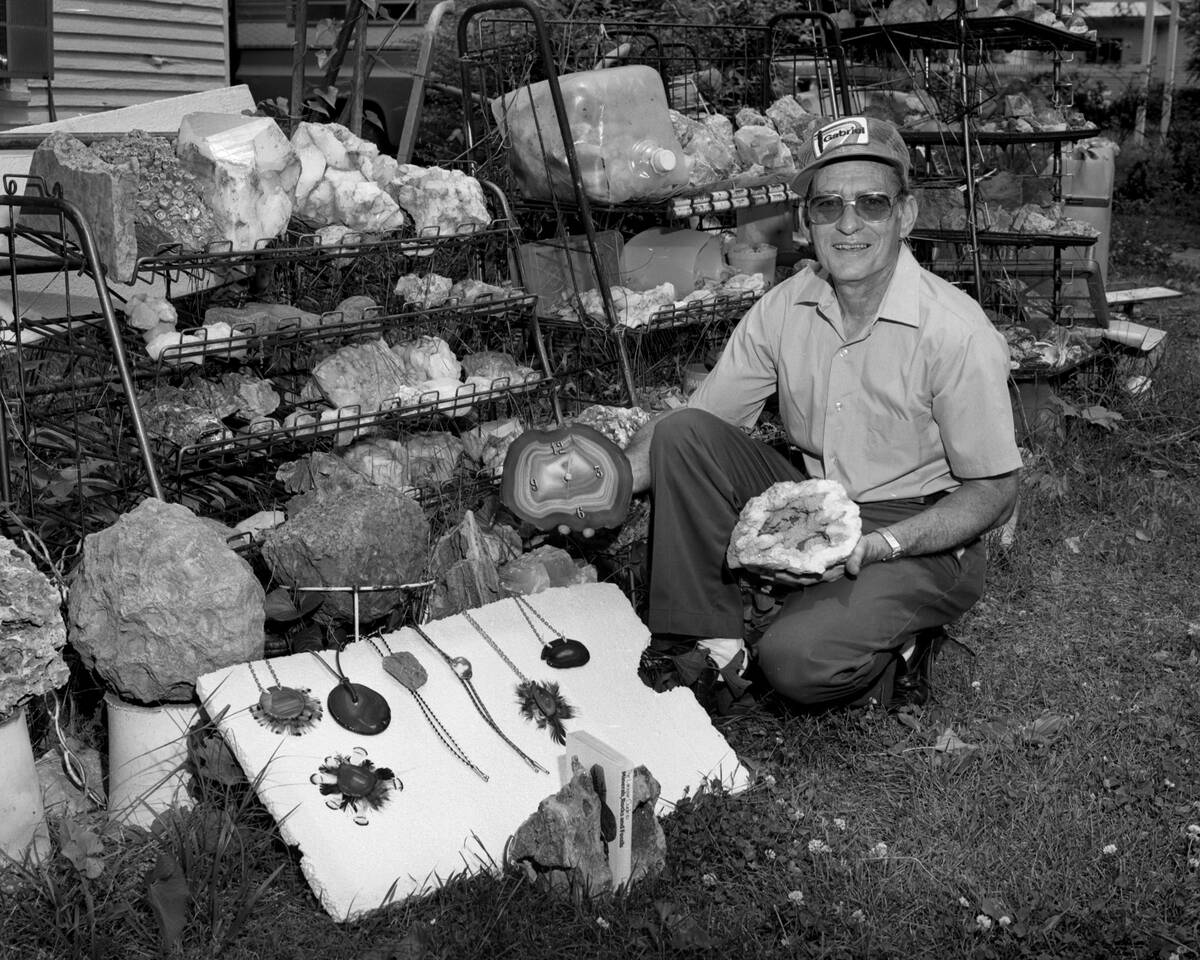
Tumbling transforms driveway‑dull stones into pocket‑polished keepsakes. Rotary tumblers roll rocks with silicon carbide grit—coarse (often 60/90), then 120/220, then 500—before a final polish with aluminum oxide or cerium oxide. Each stage runs days to weeks, with careful rinses so stray grit doesn’t scratch the next step. Agate and jasper are forgiving; soft stones bruise. A rubber barrel, patience, and a towel you don’t mind sacrificing make kitchens sound pleasantly like distant surf.
Geology kits take curiosity outdoors. The Mohs hardness scale, devised by Friedrich Mohs in 1812, runs from talc (1) to diamond (10), and a simple 10x hand lens opens up crystal worlds. Streak plates show true mineral color; a drop of vinegar fizzing on calcite flags carbonate. Field guides help sort quartz from feldspar by luster and habit. Labeling finds, noting locale, and learning local formations turn a pocket of pebbles into a personal museum.
Pressed flowers and nature scrapbooks: petals under glass
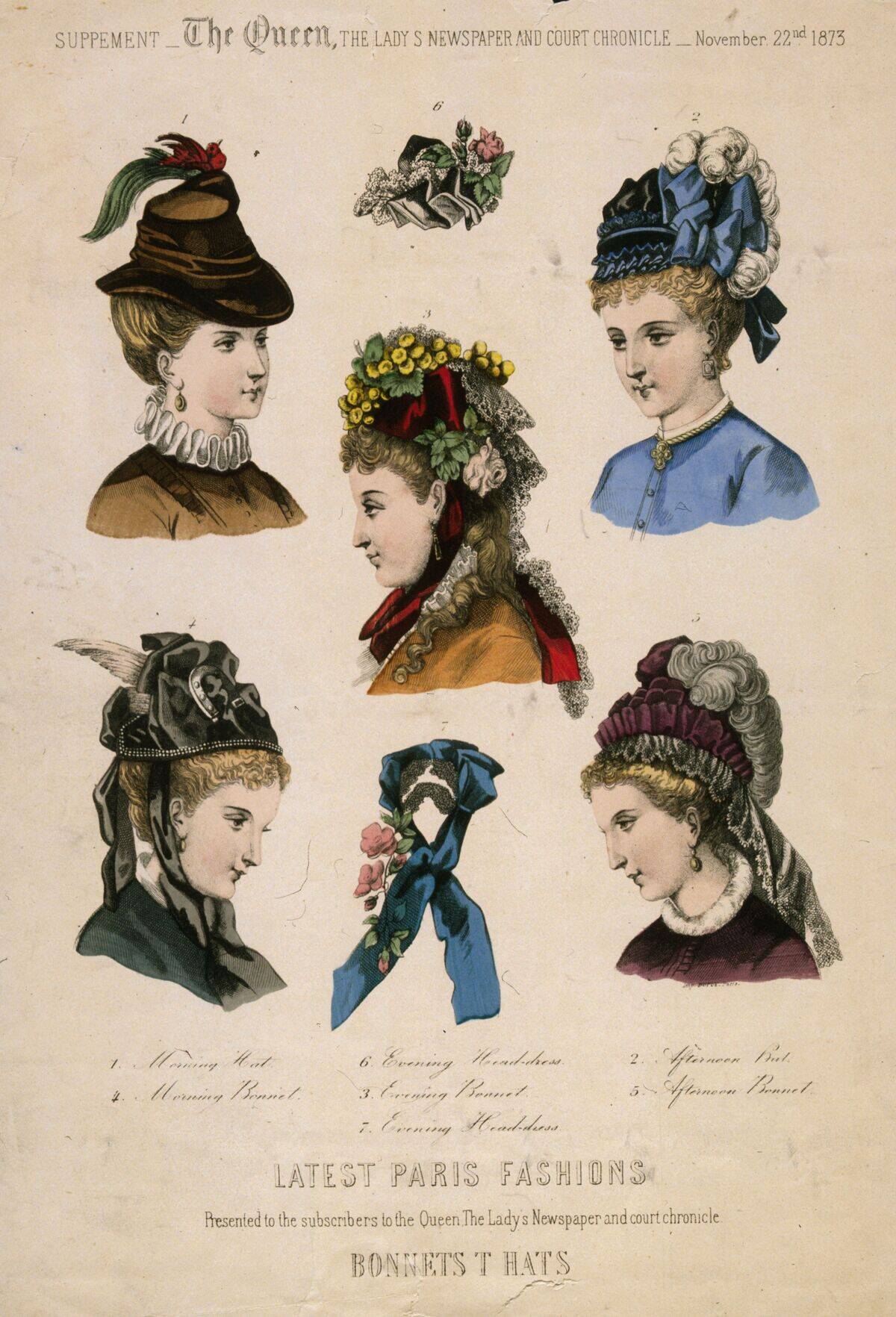
Herbarium practice set the standard: sandwiches of blotting paper and cardboard, tightened with straps or screws, dry specimens flat over a week or three. Labels record collector, date, and location, often with Latin binomials thanks to Linnaean naming. For thicker blooms, silica gel speeds drying while saving color. Once pressed, petals and fronds become both décor and data, their veins and margins preserved so cleanly a future you can still identify them.
Archival choices protect the beauty.
Acid‑free paper and adhesives prevent browning; linen tape and photo corners mount delicate pieces safely. Victorian collectors paired plants with the language of flowers; today’s crafters float botanicals between glass or lay them into journals beside trail notes. Desiccant can be recharged in a low oven and reused. Keep humidity down, avoid direct sun, and those spring walks can brighten shelves and pages long after the last frost.
Jigsaw puzzles and crosswords: slow-brain bliss
Crosswords began with a diamond grid in the New York World in 1913, courtesy of Arthur Wynne. American‑style puzzles evolved into symmetrical grids with themed entries and groan‑worthy puns, while British cryptics layered clues with wordplay instructions. The New York Times popularized the ritual with its Sunday crossword starting in 1942. Pencil or pen, across then down, it’s all about cross‑checking letters and that little zing when a theme revealer snaps the whole thing into focus.
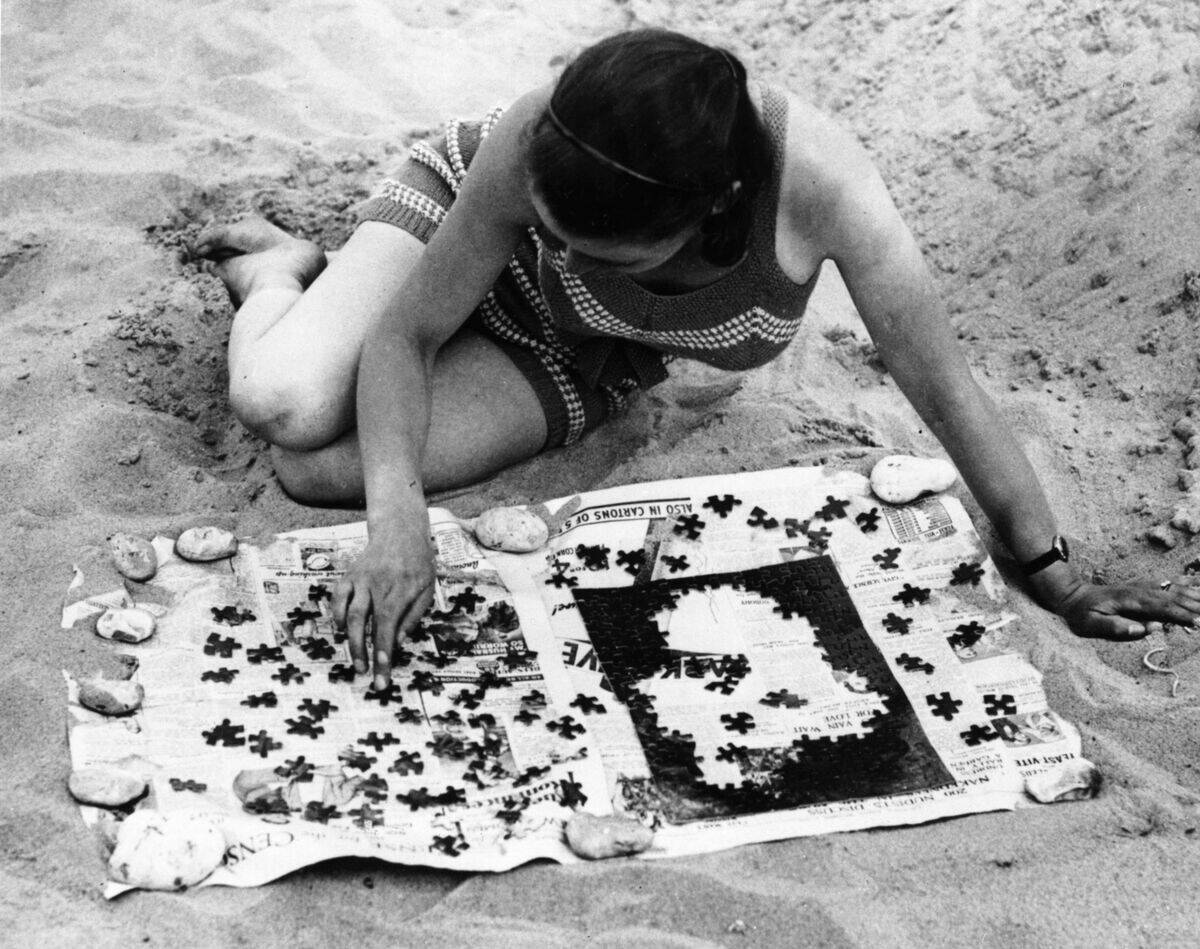
Jigsaw puzzles started as ‘dissected maps’ cut by John Spilsbury in the 1760s to teach geography. By the early 20th century, cardboard replaced wood and mass production made big piece counts affordable. Edge pieces, color sorting, and pattern hunting form the classic strategy toolkit. Brands like Ravensburger (founded 1883) became known for tight cuts and durable finish. A felt mat or board saves dining tables from disappearing, and that last snug fit is a tiny celebration.
CB radio and road chatter: ‘breaker one-nine’ and back again
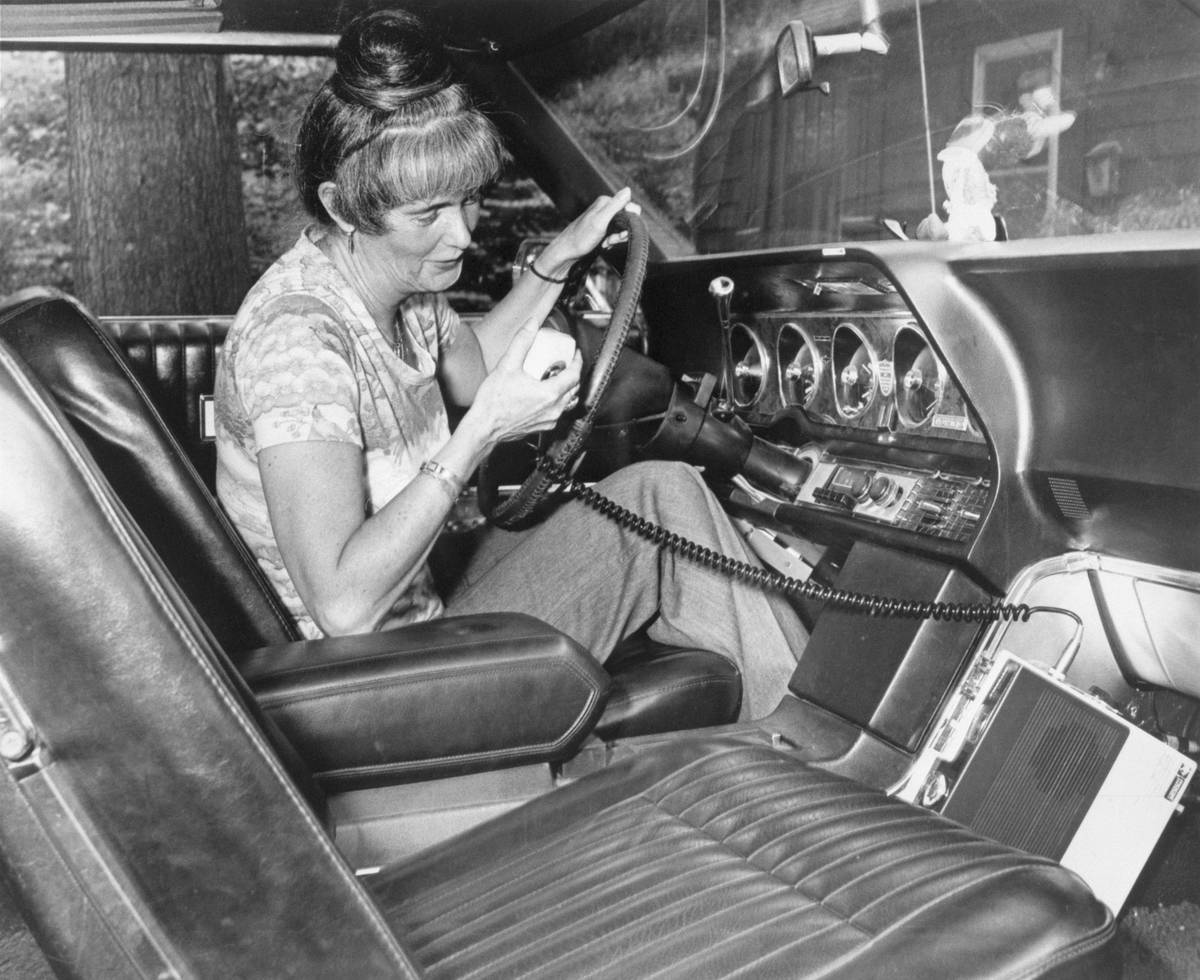
Citizens Band radio put two‑way talk in regular hands. In the U.S., Class D CB operates around 27 MHz with 40 channels; Channel 19 became the highway hangout. The FCC established the service in 1958, and power is limited to 4 watts AM, with 12‑watt PEP allowed on single sideband. Handles replaced names, and skip propagation sometimes bounced local chatter hundreds of miles.
A clean mic and a tuned antenna were worth more than bravado.
The lingo had roots. ’10‑4′ and other ten‑codes trace to APCO brevity codes from the late 1930s, streamlined for airwaves where every second counts. A quarter‑wave whip for 27 MHz runs about 102 inches; an SWR meter helps match antenna to radio and protect finals. Coax like RG‑58 keeps losses reasonable in a pickup‑sized install. From traffic jams to speed traps, CB turned asphalt into a party line that rolled with you.




