19 popular catchphrases that shaped generations
From movie screens to school hallways, tiny phrases have done outsized cultural work. A single line like a TV quip or ad tagline can travel faster than policy speeches, and longer than chart hits. The American Film Institute even maintains a definitive 100 Movie Quotes list to mark their staying power, while dictionaries regularly add slang once it crosses a usage threshold. When a one-liner catches on, it becomes an easy handshake for shared memory.
These verbal shortcuts also map technology shifts: broadcast TV made sitcom catchphrases household staples in the 1970s; cable and music videos supercharged slogans in the 1980s; the internet birthed meme-speak in the 2000s; and social platforms minted acronyms and stan-flavored sparkle in the 2010s. Every era leaves behind a pocket-sized quote that still rings when you hear it. The fun is seeing where each came from, and how it telegraphed what people cared about right then.
“Make love, not war” – the 1960s counterculture in four words

Four words turned into a marching banner for the Vietnam era. “Make love, not war” surfaced in U.S. antiwar circles by 1965, appearing on buttons, posters, and protest signs from Berkeley to New York. Its exact origin is disputed—variously tied to student activists and underground print shops—but its spread isn’t.
The slogan fit neatly alongside 1967’s Summer of Love and the rise of campus teach-ins, compressing a youth-driven critique of militarism into a friendly, unforgettable rhyme.
It wasn’t only street theater; the line filtered into mainstream press coverage and late-night comedy, signaling how far the sentiment had traveled. Musicians echoed the mood in festivals like Monterey Pop (1967) and Woodstock (1969), where antiwar messaging shared the stage with music. The phrase would be echoed again during later conflicts, proof that a compact ideal—pleasure over aggression—can be durable. Agree or debate it, everyone knows what those four words mean.
“Groovy” and “Right on” – the feel-good slang of the late ’60s
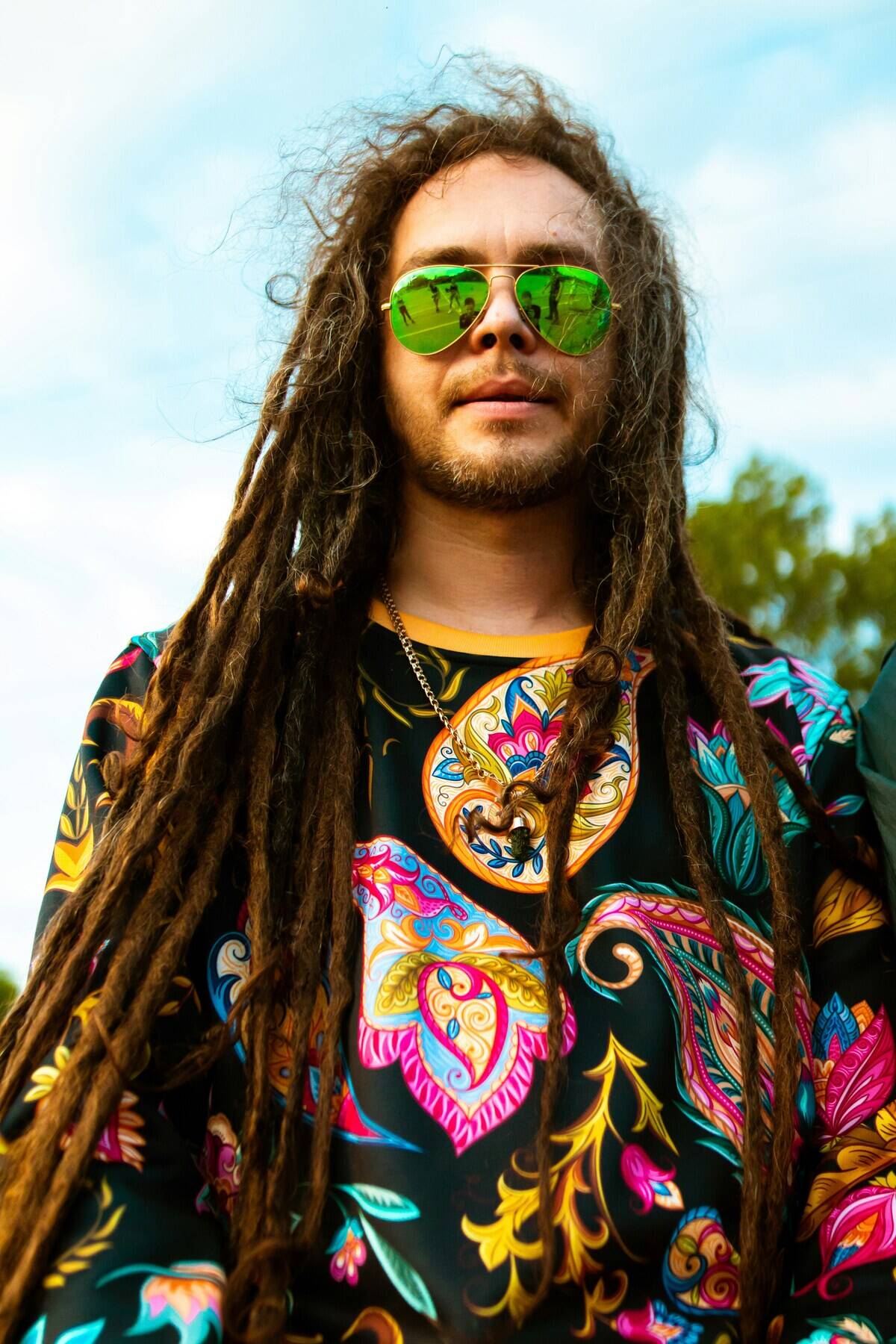
“Groovy” didn’t start in the 1960s—it came from 1930s jazz talk for being “in the groove”—but the counterculture adopted it as a feel-good stamp by the decade’s end. Pop culture amplified it: The Young Rascals’ “Groovin’” hit No. 1 on the Billboard Hot 100 in 1967, and variety shows sprinkled the word like confetti.
Meanwhile, “right on,” rooted in Black American vernacular as affirmation and approval, crossed into broader usage amid civil rights and antiwar coalitions.
The words were handy social grease: quick, upbeat, and instantly affiliating. Their crossover was visible in TV scripts, late-’60s magazines, and record sleeves, where the vibe mattered as much as the message. By the early 1970s, “right on” titled tracks by Marvin Gaye (on 1971’s What’s Going On), signaling affirmation with a soulful wink. Today they feel vintage-cool, but their DNA—short, positive, and rhythmic—still structures how approval travels in youth slang.
“May the Force be with you” – sci-fi optimism uniting the ’70s and beyond
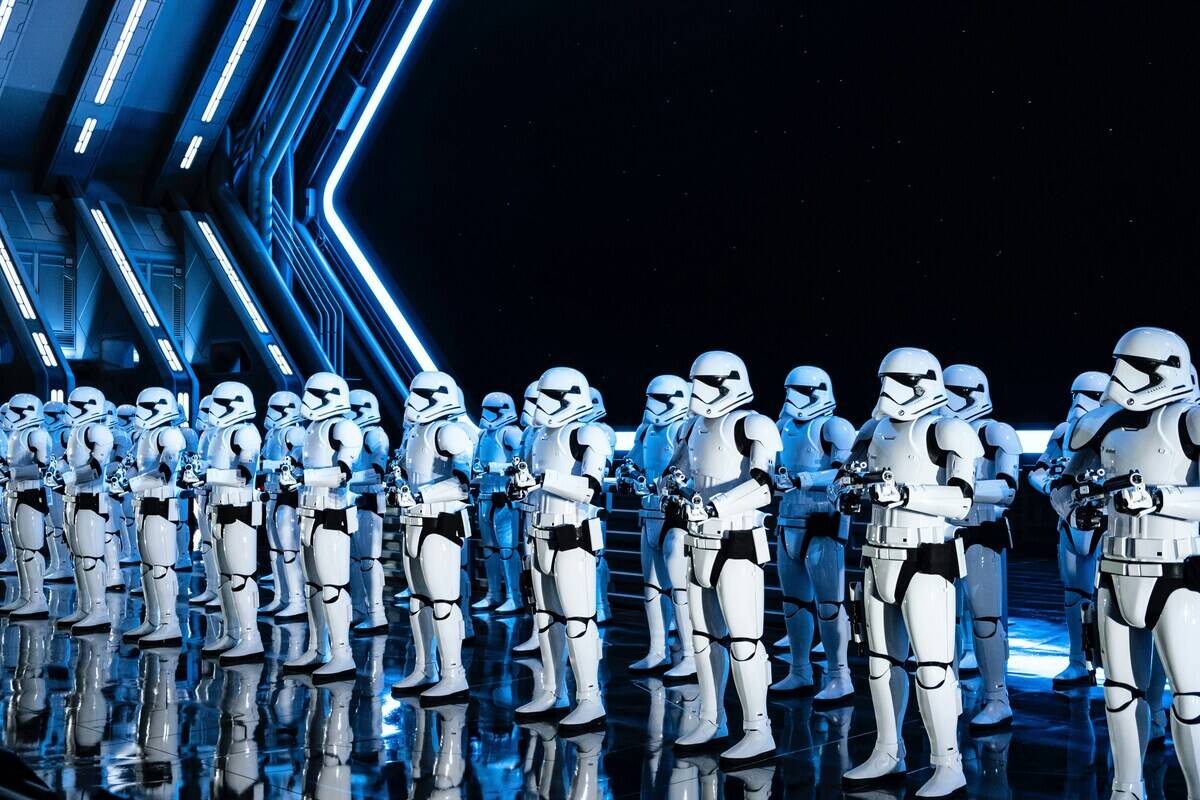
First heard in 1977’s Star Wars (later retitled Episode IV: A New Hope), “May the Force be with you” fused mysticism with pep talk. General Dodonna deploys it before the Death Star run, and it recurs across the saga as a secular benediction. The American Film Institute ranked it among cinema’s top quotes (AFI’s 100 Movie Quotes list, 2005), reflecting how a line from a space opera sailed straight into everyday language as a way to wish luck.
The phrase proved durable beyond theaters: it’s referenced in politics, classrooms, and office memos, where “the Force” reads as courage plus community. “May the Fourth” celebrations (May 4th, pun intended) turned into a global fan holiday by the 2010s, with museums, teams, and brands joining in. It’s a rare case where a franchise catchphrase doubles as a secular blessing—non-denominational, nerdy-charming, and endlessly reusable.
“Dyn-o-mite!” – sitcom catchphrases that exploded in the ’70s
On CBS’s Good Times (1974–1979), J.J. Evans—played by Jimmie Walker—launched “Dyn-o-mite!” into living rooms with vocal fireworks. The elongated burst reportedly grew under the push of director-producer John Rich, who encouraged Walker to punch it up for maximum laugh energy. The show, a Norman Lear production, became a staple of ’70s television, and J.J.’s catchphrase ricocheted onto lunchboxes, talk shows, and stand-up sets, the sound of a joke landing so hard it needed its own exclamation.
The success also sparked debate in the writers’ room about balancing jokes with character development—classic sitcom growing pains. But there’s no denying the cultural imprint: even viewers who never watched an episode can mimic the cadence. The line is a case study in how a sitcom can mint a meme before memes existed—repetition, rhythm, and a star who could sell it. One laugh line, and boom: pop history.
“I want my MTV!” – cable culture’s rallying cry of the early ’80s
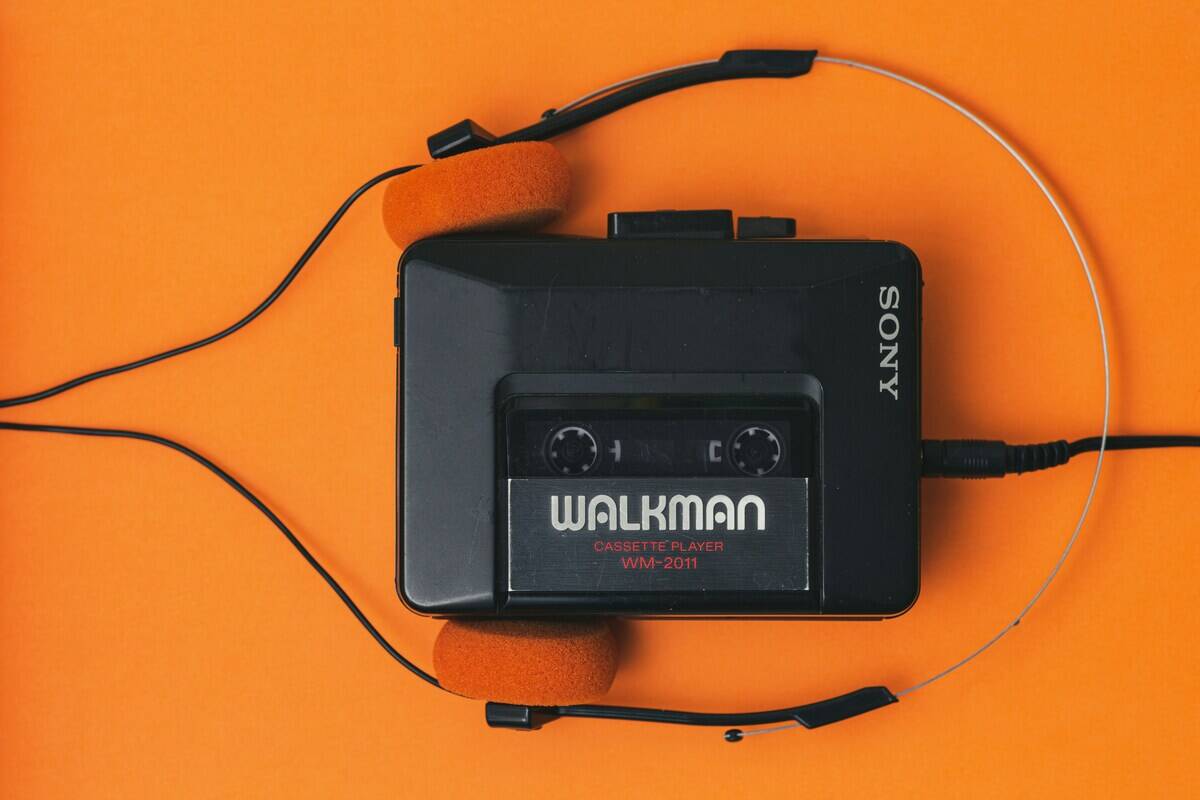
MTV flipped the media mix when it launched on August 1, 1981, with “Video Killed the Radio Star.” The network’s early ad blitz—crafted with help from ad legend George Lois—had rock stars like Sting, Billy Idol, and Pete Townshend demanding, “I want my MTV!” The spots urged viewers to call their cable companies, a cheeky grassroots hack. The line later echoed again in Dire Straits’ 1985 hit “Money for Nothing,” with Sting singing that hook over Mark Knopfler’s riff.
The strategy worked. MTV grew from a handful of markets to tens of millions of households within a few years, reshaping how hits were made and how artists looked. Suddenly, image production mattered as much as sound, and a three-word chant captured a generation’s hunger for nonstop music television. Parents rolled eyes; kids phoned cable operators. Score one for a slogan that literally built its own audience.
“Where’s the beef?” – when ads became everyday punchlines
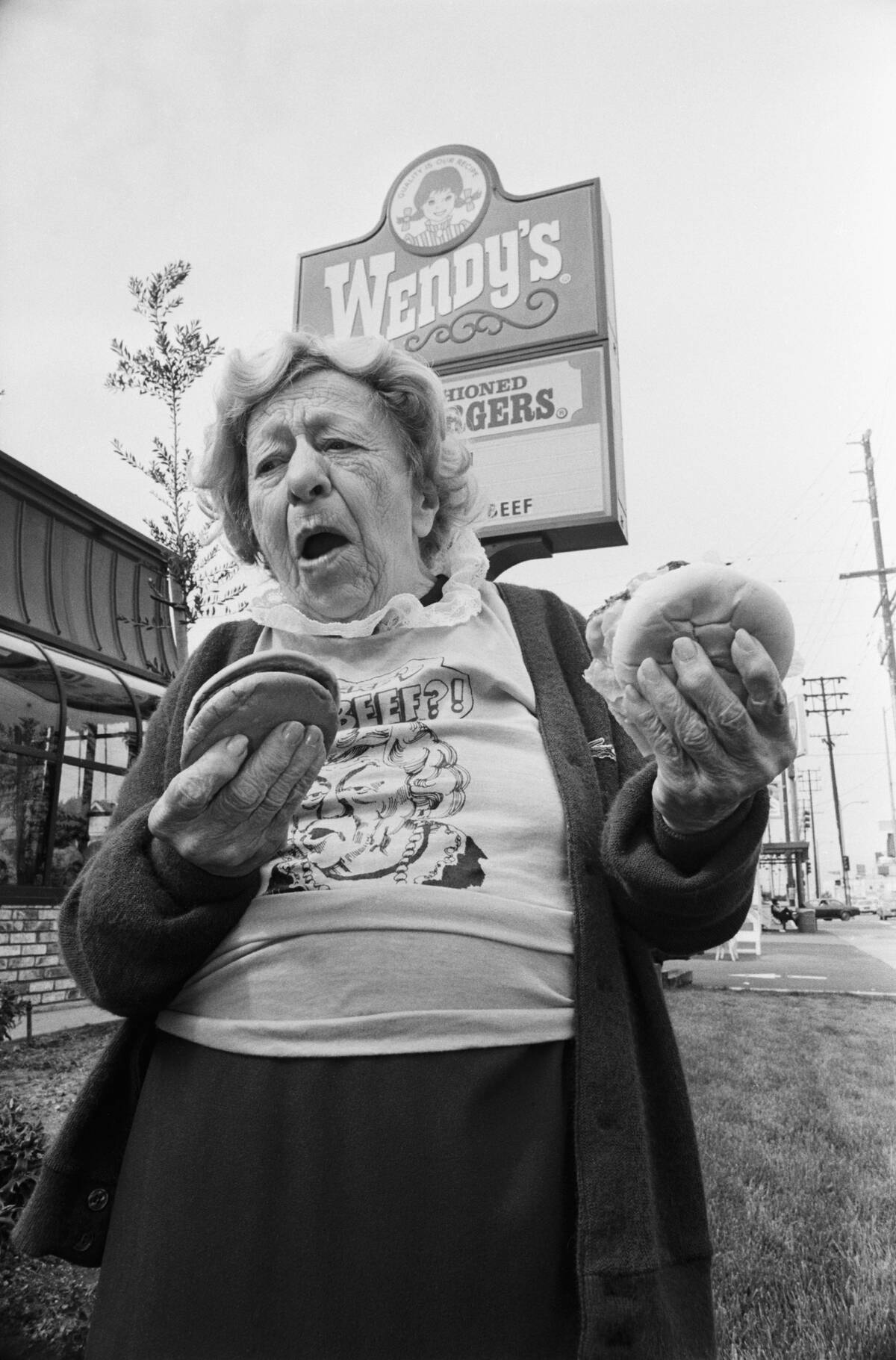
Wendy’s 1984 commercial asked a tiny question with big results. Actor Clara Peller, peering at a competitor’s oversized bun and underwhelming patty, barked, “Where’s the beef?” The spot, from agency Dancer Fitzgerald Sample and copywriter Cliff Freeman, became instant shorthand for calling out fluff over substance. It moved product, too: Wendy’s reported a major sales bump in 1984 as the catchphrase spread to talk shows, T-shirts, and school cafeterias.
The line even jumped into politics.
During a 1984 Democratic primary debate, Walter Mondale used “Where’s the beef?” to needle Gary Hart’s “new ideas,” proving an ad joke could score in policy discourse. Peller herself became a minor celebrity, cropping up in sequels and interviews. It’s a textbook example of a brand catchphrase escaping into the wild—compact, cranky, and perfectly quotable at the lunch table or the lectern.
“Just say no” – the PSA that seeped into school halls in the ’80s
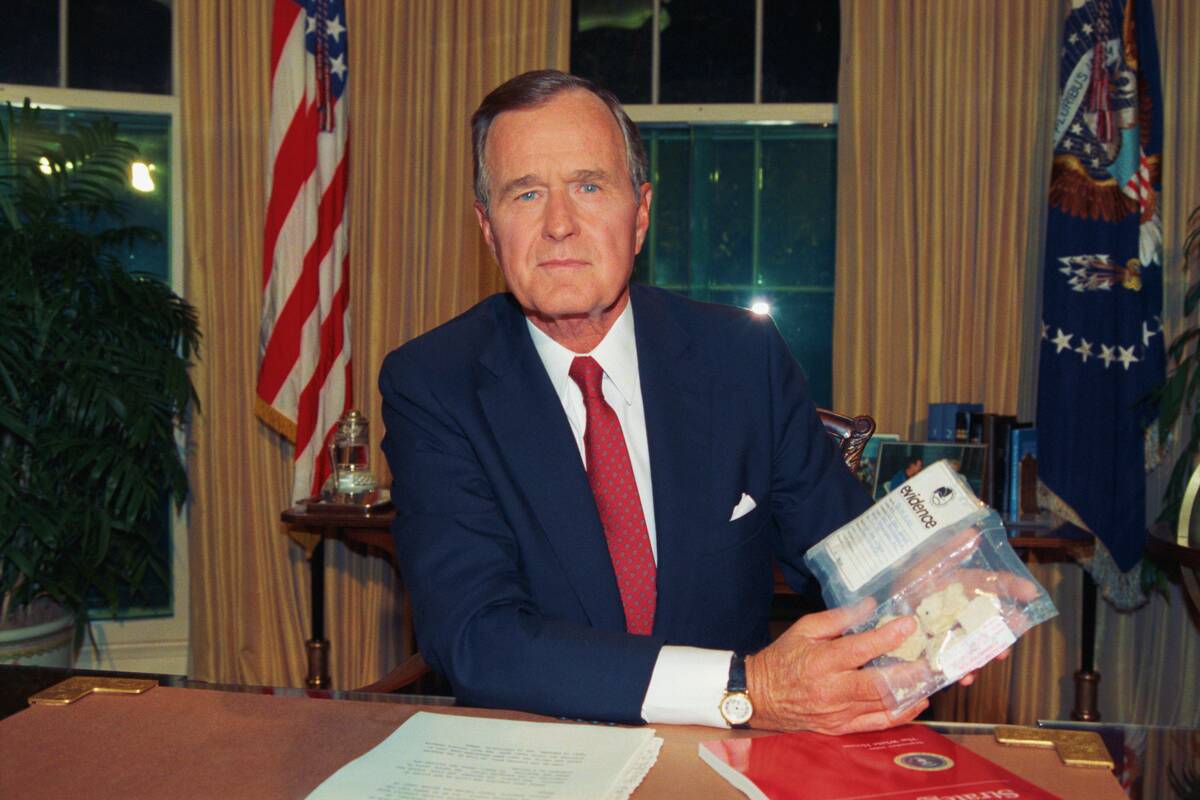
First Lady Nancy Reagan popularized “Just say no” after a 1982 visit to an Oakland, California, school, offering the phrase as advice to a student asking about illegal substances. The slogan grew into a national campaign mid-decade, appearing in classroom posters, assemblies, and TV PSAs. The message was simple by design: give kids a script for awkward moments.
By the late 1980s, there were thousands of “Just Say No” clubs, and the phrase had become playground common sense—sometimes earnest, sometimes parodied.
Critics questioned its simplicity versus the complexity of addiction and policy, but the cultural saturation is indisputable. The line cropped up in sitcom plots, after-school specials, and celebrity-studded announcements. Whether you bought the approach or preferred broader reforms, you knew the refrain. It stands as a case where a three-word mantra tried to do the work of prevention by repetition—and, for a time, practically became part of school décor.
“I’ll be back” – action-hero minimalism that echoed through the ’80s/’90s
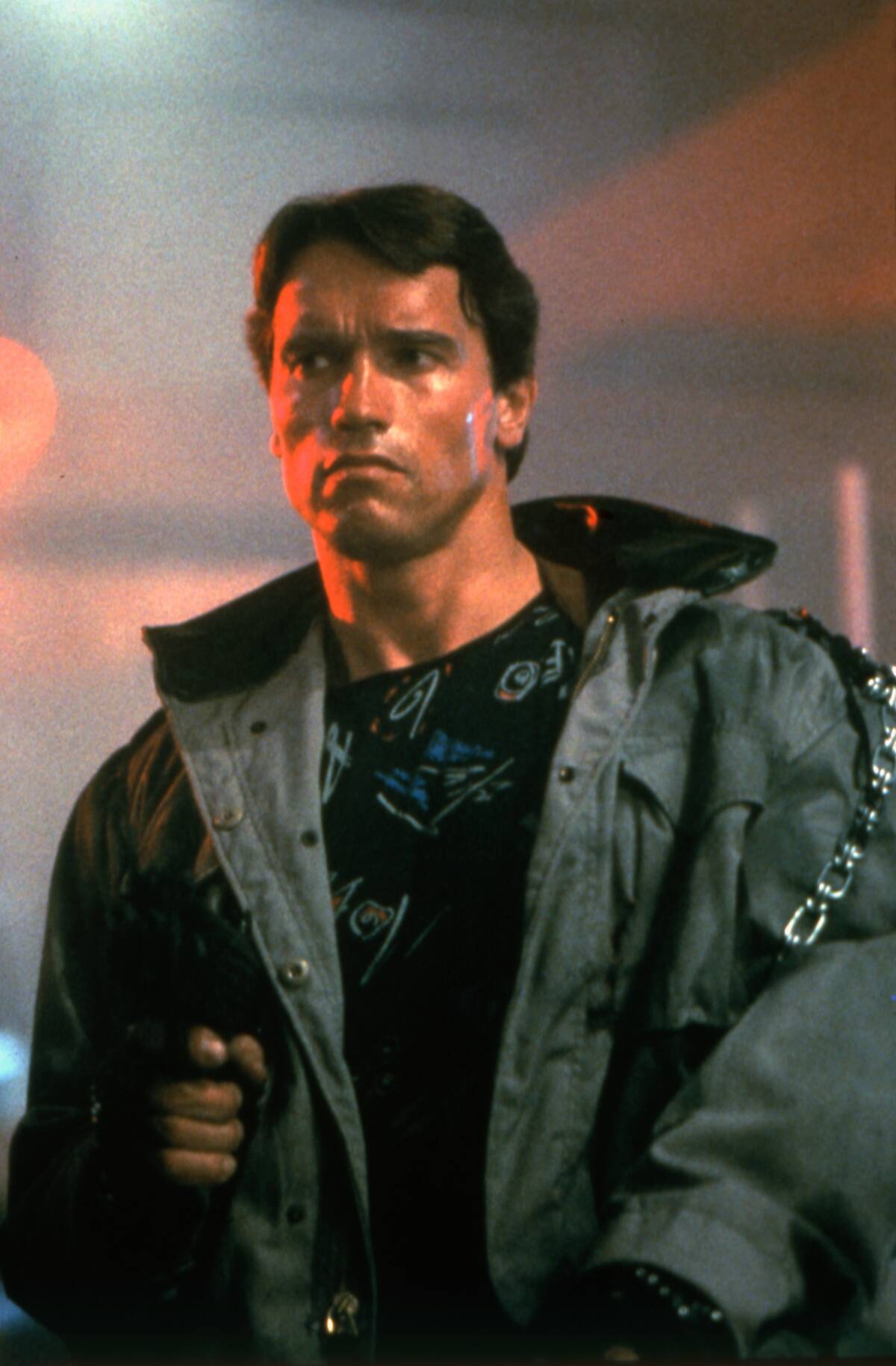
Arnold Schwarzenegger’s “I’ll be back” in The Terminator (1984) is a masterclass in menace-by-minimum. Director James Cameron kept the contraction over the actor’s preference for “I will be back,” sensing the rhythm. Delivered at a police station window before mayhem, the line became a franchise signature and Schwarzenegger’s career tag. The American Film Institute later placed it on its 100 Movie Quotes list, a nod to how a low-syllable promise can loom larger than a monologue.
Schwarzenegger reused variations across films—sometimes winking, sometimes steel-cold—through the 1990s, including in Terminator 2: Judgment Day (1991). The phrase spread to video games, skits, and late-night hosts bidding goodnight. Part of the magic is function: it’s a threat, a guarantee, and a joke depending on context. In an era that loved one-liners with muscle, this one lifted the heaviest weight with four little words.
“Wax on, wax off” – life lessons in a loop from the ’80s
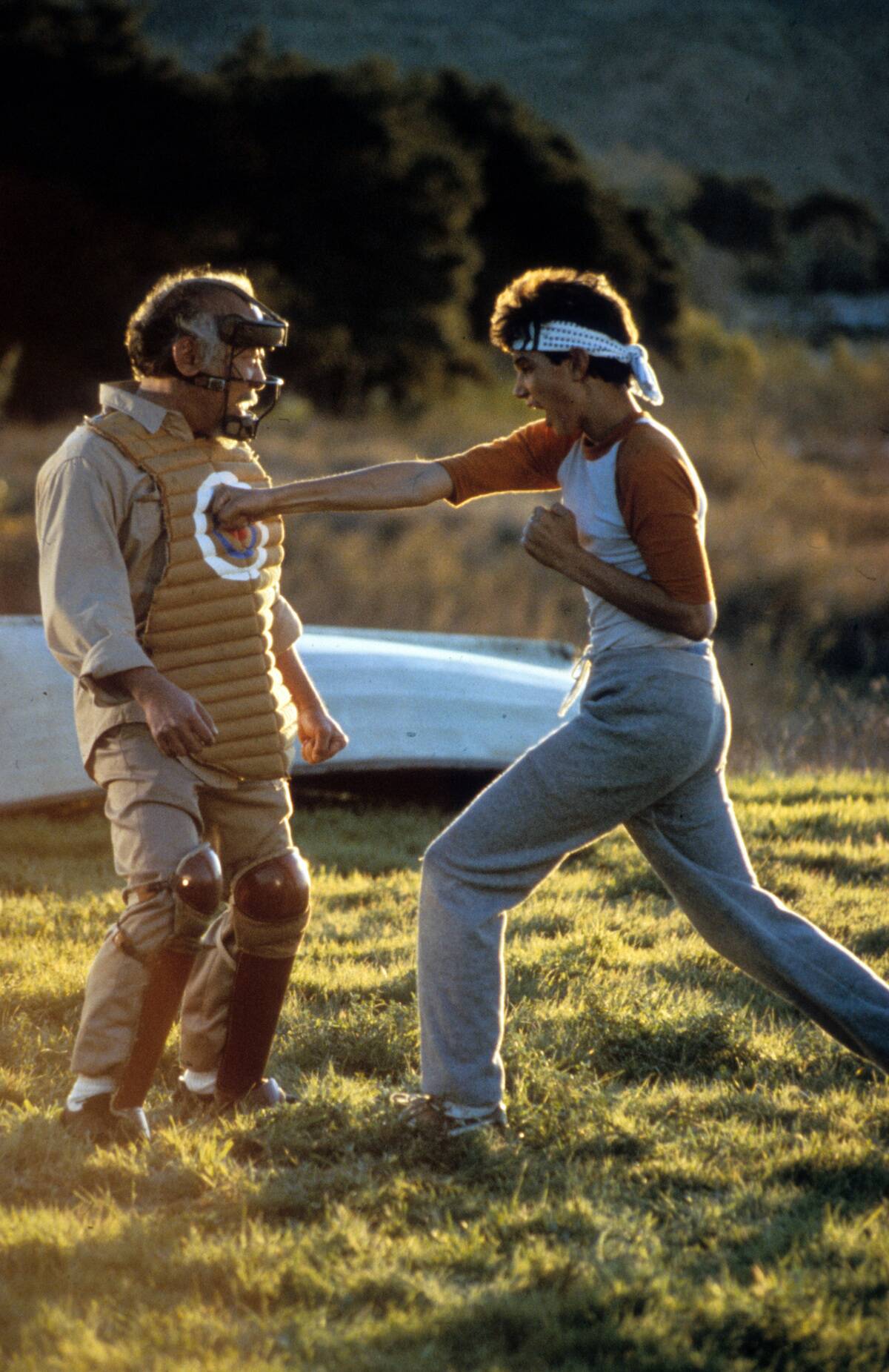
In The Karate Kid (1984), Mr. Miyagi (Pat Morita) assigns Daniel LaRusso (Ralph Macchio) chores—“wax on, wax off”—that secretly build muscle memory for blocks. Director John G. Avildsen stages the reveal so the audience learns with Daniel that repetition is training in disguise. The film became a sleeper hit, and Morita earned an Academy Award nomination for Best Supporting Actor, proof that a mentor’s quiet wisdom can anchor a blockbuster built around teen nerves and crane kicks.
The phrase slipped quickly into office and gym talk: shorthand for boring drills that pay off later. Sequels, a 2010 remake, and the streaming follow-on Cobra Kai (2018–) all kept Miyagi’s philosophy in orbit. Coaches, teachers, and managers borrow it to make tedium feel mythic. That’s the trick—a mundane loop turned into a magic spell, with a rhythm so catchy you can’t help repeating it, brush in hand.
“As if!” – ’90s teen attitude in two syllables
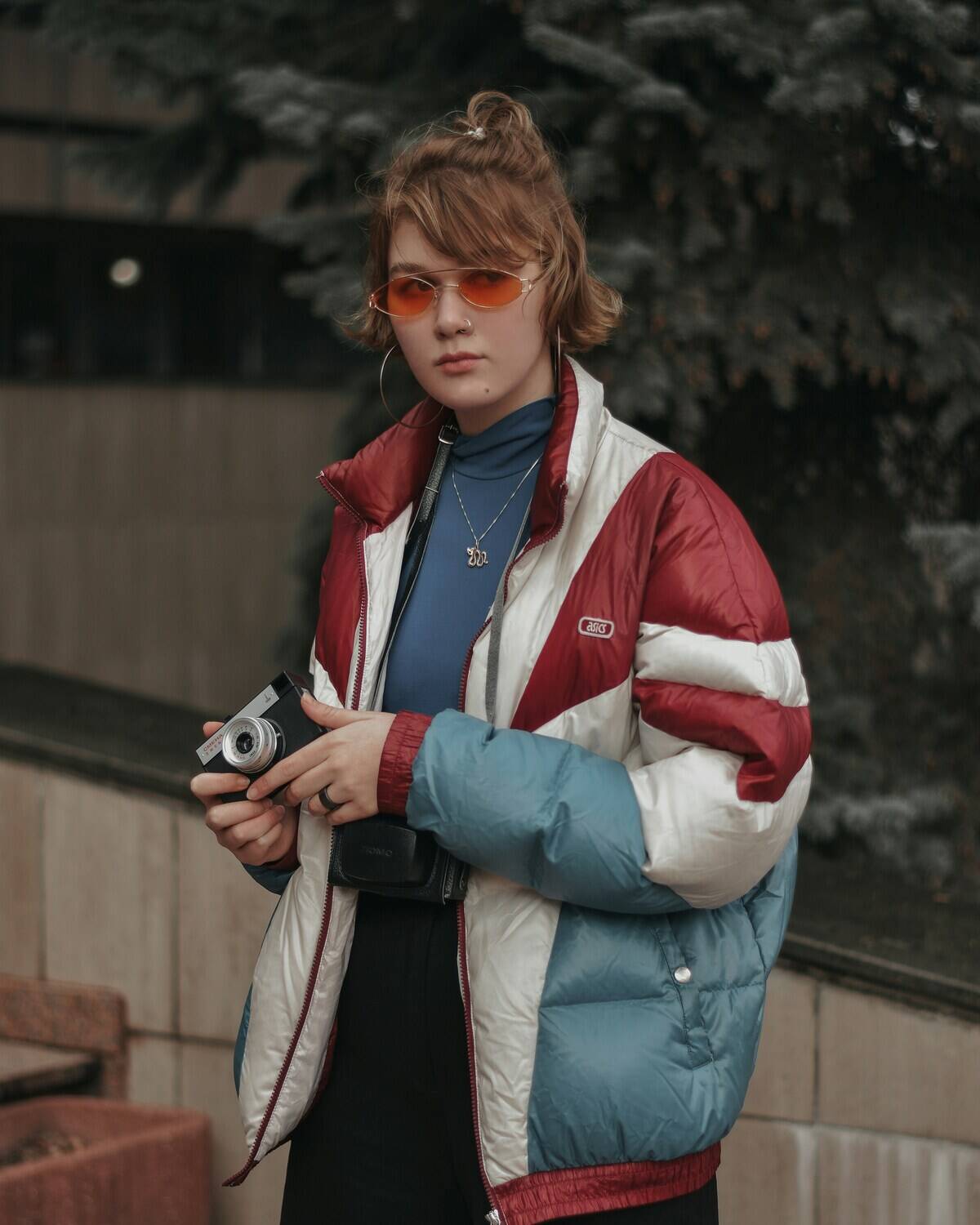
Amy Heckerling’s Clueless (1995) gave us Cher Horowitz (Alicia Silverstone) and a two-syllable eye roll: “As if!” Dropped like a velvet hammer to deflect lame advances and bad ideas, the line rode the film’s July 1995 release into teen vernacular. Clueless spun a Jane Austen plot (Emma) into Beverly Hills slang, grossed over $56 million domestically on a modest budget, and minted a fashion-and-phrasing playbook that seeped into TV, magazines, and, eventually, nostalgic TikToks.
“As if!” works because it’s a whole argument hidden in a shrug—no need to elaborate when tone does the heavy lifting. The film’s script packed quotables, but this one felt portable anywhere: lockers, malls, AOL chat rooms. It stood beside the movie’s makeover montages and soundtrack as the souvenir you could instantly use. Two words, maximum shade, and eternal utility at dodging anything subpar.
“Talk to the hand” and “Whatever” – peak ’90s dismissiveness

“Talk to the hand” strutted into mid-1990s slang as a performative shutdown: palm up, conversation over. It percolated through daytime talk shows, sketch comedy, and school hallways around 1996, a physical meme before we had the word “meme.” Meanwhile, “whatever” morphed from a neutral term to a dismissive dagger, turbocharged by pop culture cameos (including Clueless, 1995) and deadpan delivery that said, “I’m done here,” without lifting a finger.
Language watchers noticed the persistence. From 2009 through 2019, an annual Marist Poll clocked “whatever” as America’s most annoying word in conversation, proof it landed harder than an eye roll. Both phrases captured a decade fluent in sarcasm and public conflict-as-entertainment. They’re still around, but the hand gesture got swapped for the red “end call” button, and “whatever” now has rivals in the shrug emoji and the one-word text reply.
“How you doin’?” – flirty sitcom shorthand of the ’90s
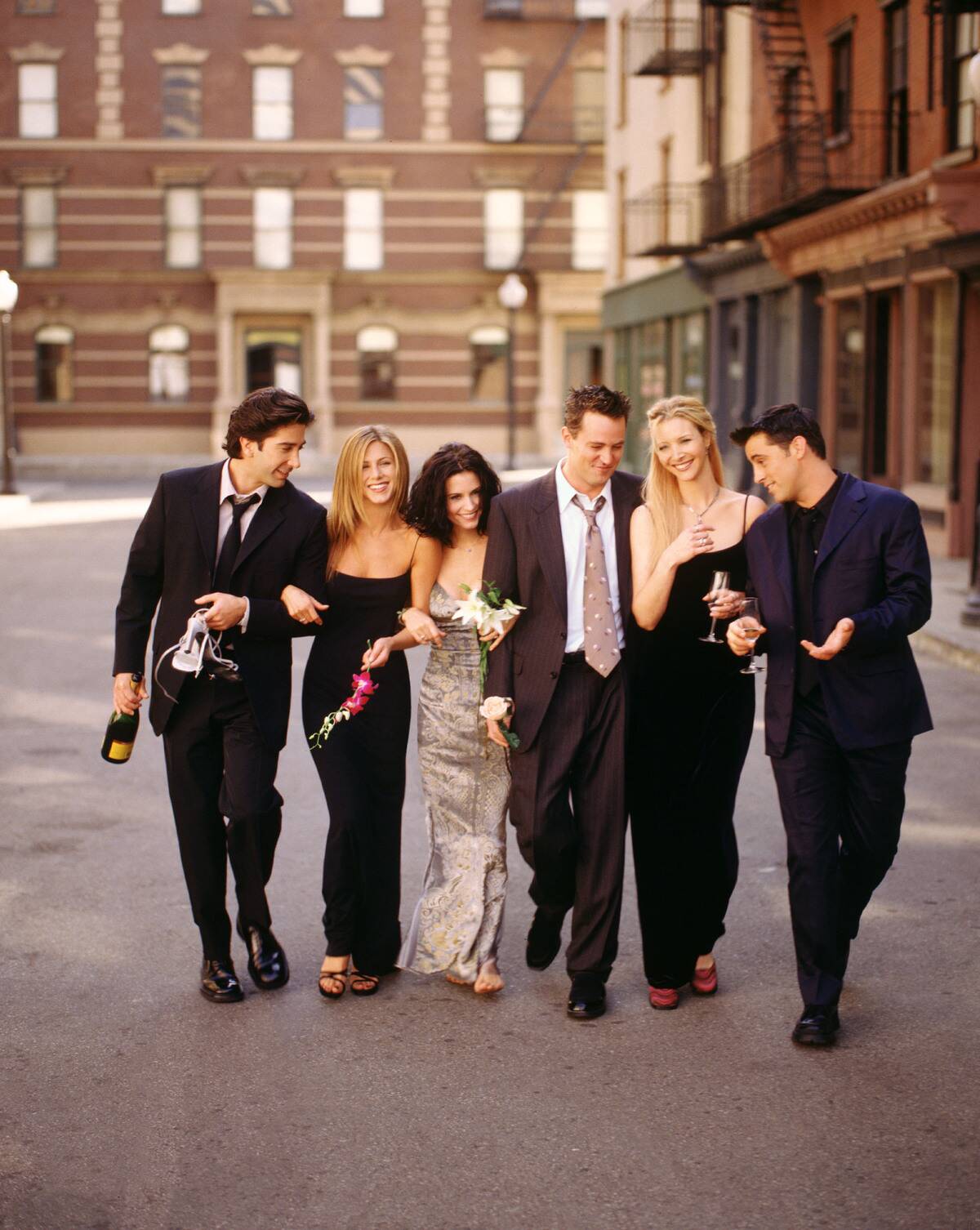
On NBC’s Friends (1994–2004), Joey Tribbiani (Matt LeBlanc) turned “How you doin’?” into a Swiss Army knife of flirting. The line’s magic was delivery—half-smirk, half-sincere—and timing, slipping into scenes like a warm-up act. It became one of the series’ most-quoted bits across ten seasons, right alongside Central Perk mugs and the orange couch, as the sitcom routinely topped ratings and cemented itself as appointment TV in the pre-streaming era.
The catchphrase outlived Thursday nights, resurfacing in reunions, memes, and parade banter. TV Land and TV Guide specials on TV catchphrases in the mid-2000s routinely included it, a nod to how the right line can define a character. You didn’t need to know plot arcs to get the joke; the greeting itself did the introduction. Simple, flirty, evergreen—no wonder it keeps walking back into the room.
“Wassup?!” – the ad that became the greeting of Y2K
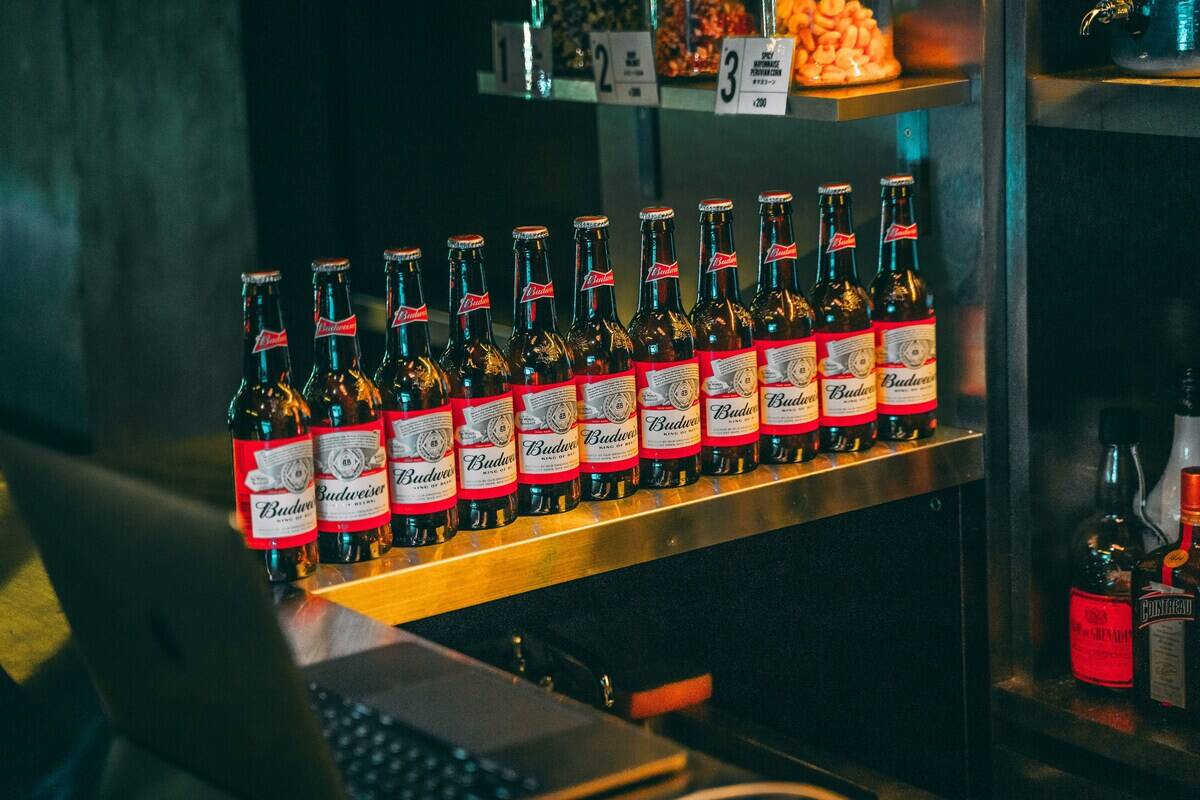
Budweiser’s “Whassup?!” campaign debuted during Monday Night Football on December 20, 1999, adapted from director Charles Stone III’s short film True. A group of friends stretching a casual greeting into joyful chaos felt instantly real. The spots swept awards, including Cannes Lions Grand Prix and Clio honors, and the line turned into dorm-room chorus, office doorway bit, and late-night parody.
By early 2000, it was a default hello that practically arrived with its own echo.
The ad’s secret power was authenticity: Stone cast himself and friends from the original short, and the joke wasn’t mean—just affectionate exaggeration. Imitations popped up on Saturday Night Live and in international markets. Years later, the campaign even got thoughtful reboots, including a 2020 twist urging check-ins during the pandemic. Not many beer ads become a sociolinguistic event, but this one took a sip and shouted across the culture.
“Bling bling” and “That’s hot” – 2000s celebrity gloss in catchphrase form
Cash Money rapper B.G. helped rocket “bling bling” into the mainstream with his 1999 single of the same name, describing flashy jewelry that practically radiated. The term spread so widely that major dictionaries added it in the early 2000s (the Oxford English Dictionary included “bling-bling” in 2003). Meanwhile, reality TV minted its own gloss.
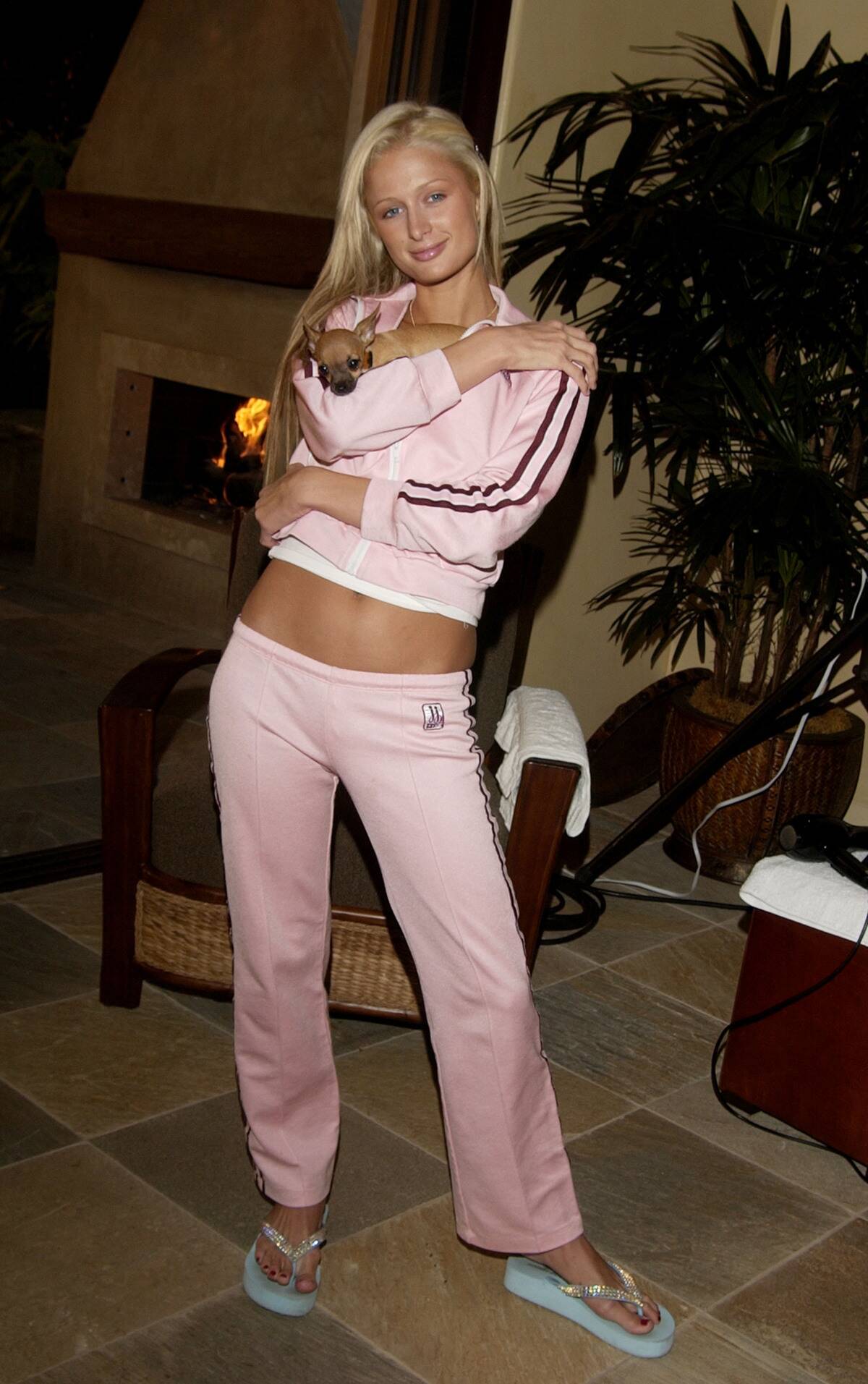
Paris Hilton’s “That’s hot,” a recurring line on The Simple Life (2003–2007), became a signature so strong she later secured a U.S. trademark registration for it.
These phrases marked a decade fluent in celebrity branding, where personal style doubled as a business plan. Music videos orbited around iced-out aesthetics, while red carpets and tabloids amplified catchphrases into merch and licensing. You could track cultural weather by who said what—and how quickly it landed on a T-shirt. Whether you loved the sparkle or rolled your eyes, everyone understood the shorthand for status.
“All your base are belong to us” – early internet weirdness goes mainstream
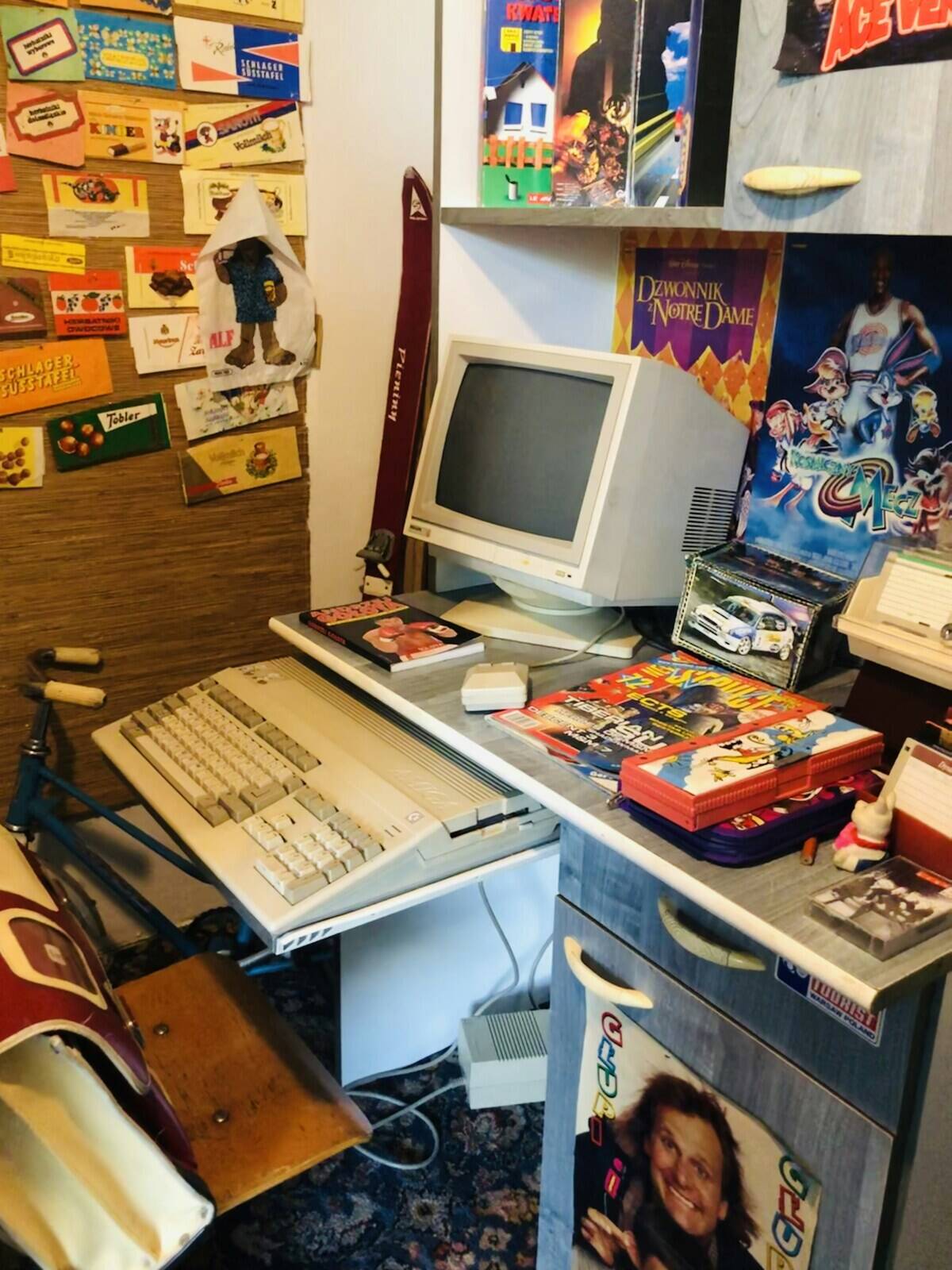
Before social feeds, there were message boards and Flash loops—and a Sega arcade port with very broken English. The phrase “All your base are belong to us” comes from the European Mega Drive version of Zero Wing, a 1989 arcade game whose 1991 home console opening scene was infamously mistranslated. Around 2001, a Flash animation stitched the text onto photos, and the meme jumped to Something Awful, Newgrounds, and beyond, announcing the internet’s taste for absurdist remix.
Within months, the line spilled into offline pranks—banners over highways, chalk on campuses—and tech headlines explaining the joke to bewildered parents. It wasn’t selling anything; it was a community wink proving you knew your way around the web. In hindsight, it foreshadowed how micro-phrases, ripped from niche contexts, could become mass in-jokes—proto-meme culture flexing its ability to turn bad grammar into a victory lap.
“YOLO” and “FOMO” – acronym life lessons of the 2010s

“You Only Live Once” predates the 21st century, but Drake re-lit the fuse with “The Motto” (2011), shouting “YOLO” into captions, merch, and spring-break decisions. Meanwhile, “FOMO” (fear of missing out) captured a very online itch. The term is widely credited to Patrick J. McGinnis, who used it in a 2004 piece for The Harbus, Harvard Business School’s paper. By the mid-2010s, both acronyms were added to major dictionaries, signaling they’d moved from hashtags to household.
They’re flip sides of a social-media coin: one urging impulsive yeses, the other fretting over the no. Marketers pounced—festival promos, travel ads, and app notifications invoked both feelings to nudge behavior. Critics pushed back with “JOMO” (joy of missing out), but YOLO and FOMO kept the louder beat. In four letters each, they turned modern attention economics into self-help slogans you could scribble on a wristband.
“On fleek” and “Yaaasss” – the rise of stan culture and verbal sparkle

In a six-second Vine on June 21, 2014, Kayla Newman (Peaches Monroee) admired her eyebrows as “on fleek,” instantly giving the internet a new metric for precision and polish. Brands quickly echoed it—IHOP tweeted “Pancakes on fleek” in 2014—while beauty YouTube and Instagram tutorials turned the phrase into a compliment economy.
Around the same time, “yaaasss” (or “yas”), rooted in queer and drag communities, surged via pop fandoms, a joyous vowel stretch granting instant approval.
Together they showcased stan culture’s megaphone: ecstatic, specific, and platform-native. You didn’t need a dictionary entry to know how to use them—you needed a timeline. Artists and celebs found “yaaasss” peppering comment sections, and “on fleek” became a shorthand for immaculate everything, from highlighter to houseplants. The sparkle wasn’t subtle, but that was the point: in the scroll, exuberance wins the tap.
“OK, Boomer” – a generational eye-roll goes viral
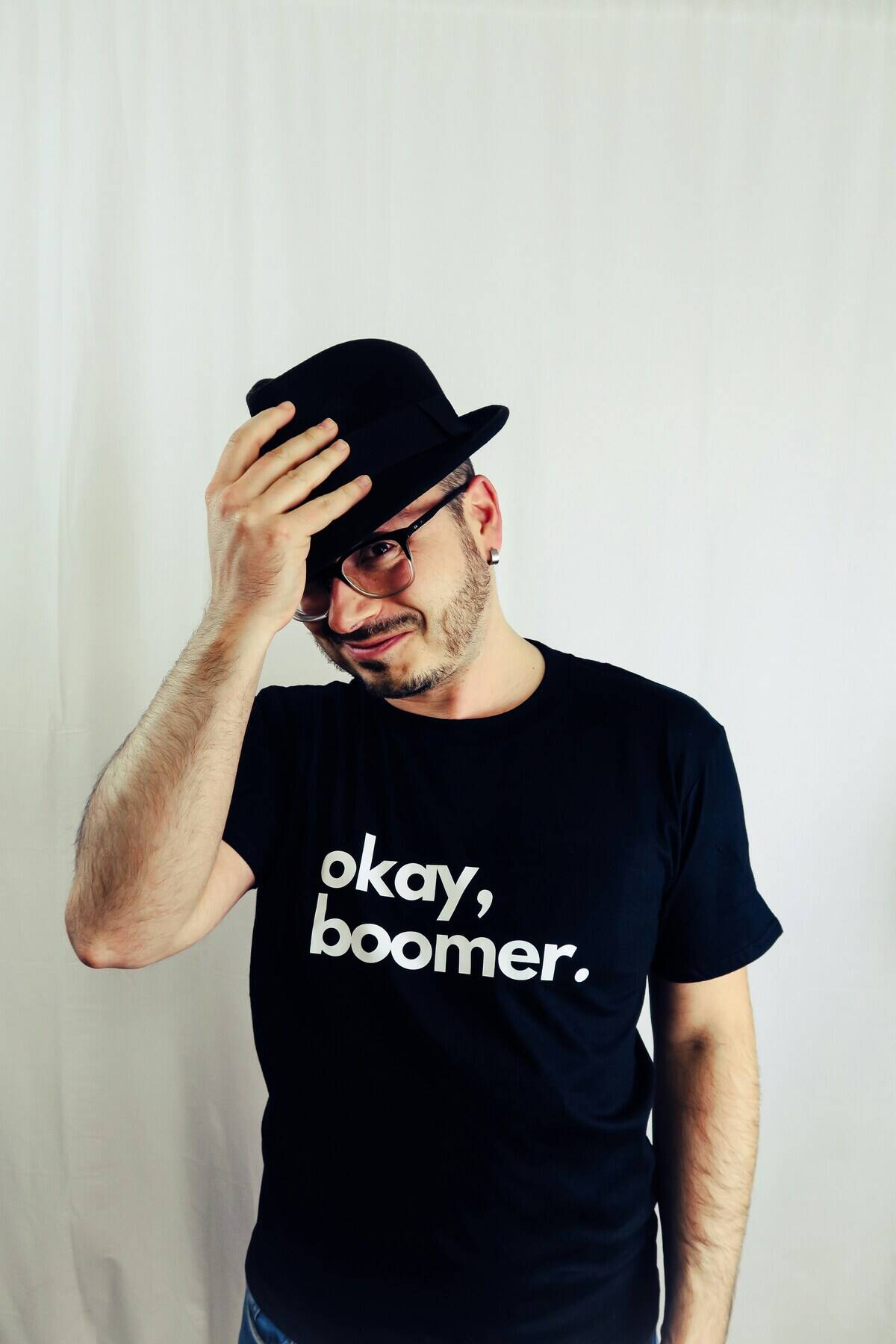
Two words, many think pieces. “OK, Boomer” shot from TikTok clips into global headlines in 2019 as a snappy rebuttal to condescension from older generations. The moment that cemented it came on November 5, 2019, in New Zealand’s Parliament, when MP Chlöe Swarbrick deployed it mid-speech during a climate debate.
Instantly, the phrase leapt from social feeds to the evening news, a cross-continental shrug heard ’round the world.
Commentators argued over whether it was dismissive ageism or rightful pushback, but its virality was textbook: tight, meme-ready wording plus a crystallizing public clip. Merch and headlines proliferated; so did attempts at co-option and clapbacks. As with most catchphrases, its power faded with overuse—but while it lasted, it named a mood with surgical brevity. You didn’t need a paragraph to reply; a nod to a birth cohort would do.
“No cap,” “rizz,” and “It’s giving” – Gen Z and Alpha set the tone

Fresh slang cycles fast, but some terms stick. “No cap” (no lie, for real) comes through Southern hip-hop and Black American vernacular, showing up in track titles and lyrics throughout the late 2010s. “Rizz,” short for charisma, leapt from gamer and streamer slang to mainstream in 2023 so decisively that Oxford University Press named “rizz” its Word of the Year. Meanwhile, “It’s giving” became a stan-adjacent review stamp: vibe confirmed, aesthetic achieved.
The trio travels quickly across TikTok captions, Discord chats, and YouTube titles, where brevity and punch matter. Artists riff on them—Latto even released a 2022 single titled “It’s Givin”—and brands try (with mixed success) to borrow the shine. As with every era, origin credit matters: these phrases trace to Black vernacular and online subcultures before broad adoption. Today’s catchphrases are agile, remixable, and optimized for the feed—no cap.




