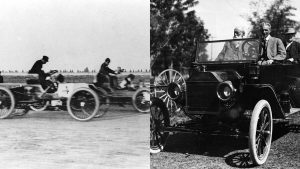
Everyday items that used to be luxury goods
A surprising number of things we barely notice were once locked behind wealth and distance. Between 1870 and 1914, steamships and railroads cut freight rates by more than half, shrinking the price gap between ports and inland towns. Cheap steel, chemical breakthroughs, and standardized parts let factories run faster and more reliably. By 1900, the United States produced nearly 30% of the world’s manufactured goods, and those mass outputs—glass, soap, paper, and more—flowed into everyday life.
Infrastructure finished the job. Municipal water systems spread through major European and American cities in the late 19th century, making flush toilets practical; electric grids followed in the early 20th, with U.S. household electrification passing 90% by 1960. Global trade accelerated again after 1945, and container shipping (first standardized in 1956) slashed handling costs. When production scales up and shipping costs fall, goods once rationed to courts and merchants become normal—so normal we only notice when they’re missing.
Salt: the salary-worthy mineral now on every table
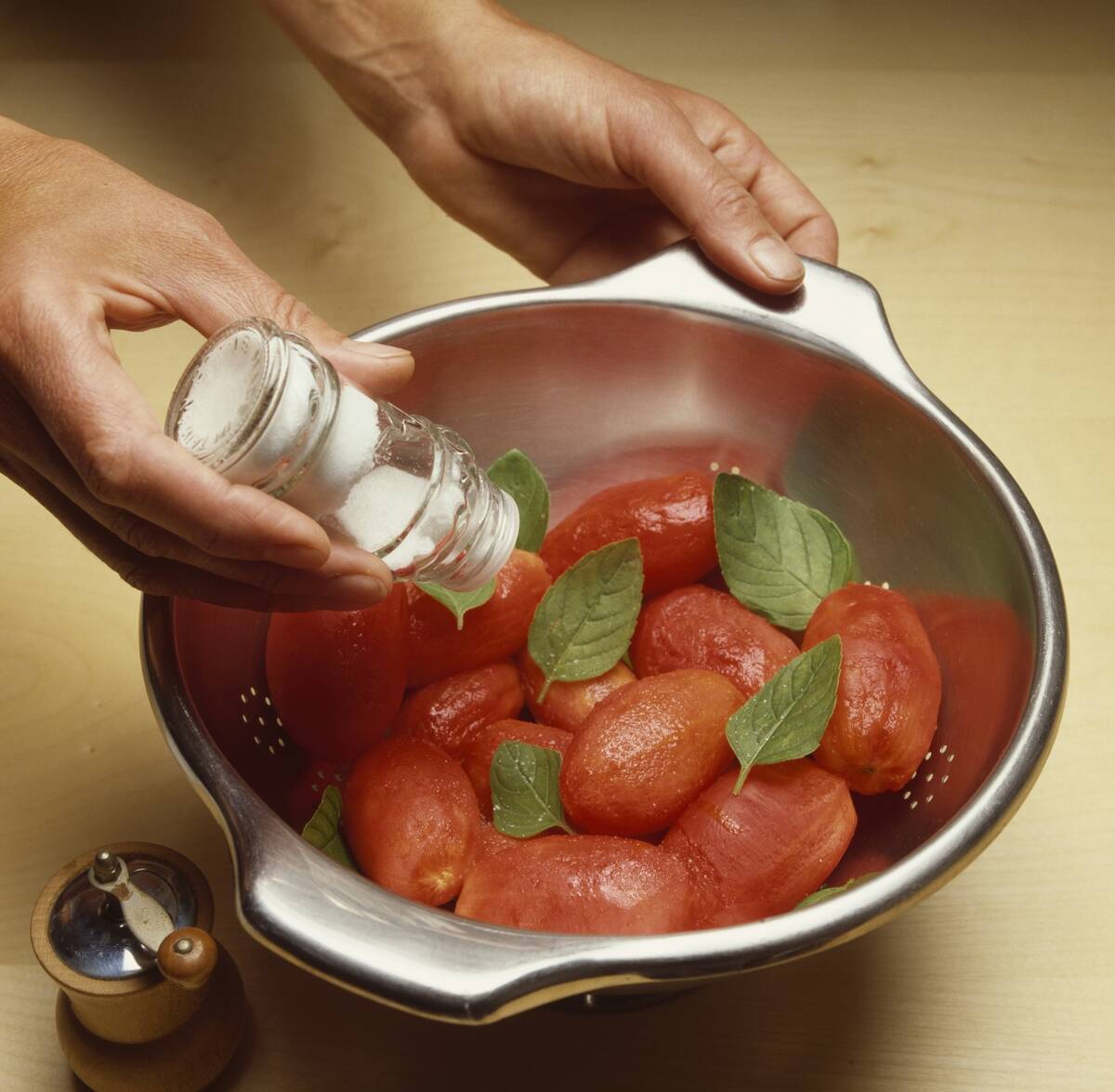
Salt’s importance long predates the shaker. Roman roads like the Via Salaria moved salt inland, and the Latin salarium—possibly an allowance related to salt—reminds us how prized it was, even if not a literal “salt salary.” Medieval salt taxes filled royal coffers from France to China. In West Africa, slabs from Saharan mines at Taghaza traveled by camel caravan, and in 14th‑century Mali, some cities valued salt nearly weight-for-weight with gold.
The trick was volume.
Coastal salterns and rock salt mines like Wieliczka in Poland (operational since the 13th century) fed Europe, but modernity made salt routine. Vacuum pan technology in the 19th century refined brine efficiently; rail and steamships smoothed distribution. By the early 20th century, iodization campaigns—beginning widely in the 1920s in the United States and Switzerland—turned a luxury into a public-health tool, slashing goiter rates. Now it’s a staple, from pickling jars to pretzels.
Sugar: once a status symbol, now pantry staple
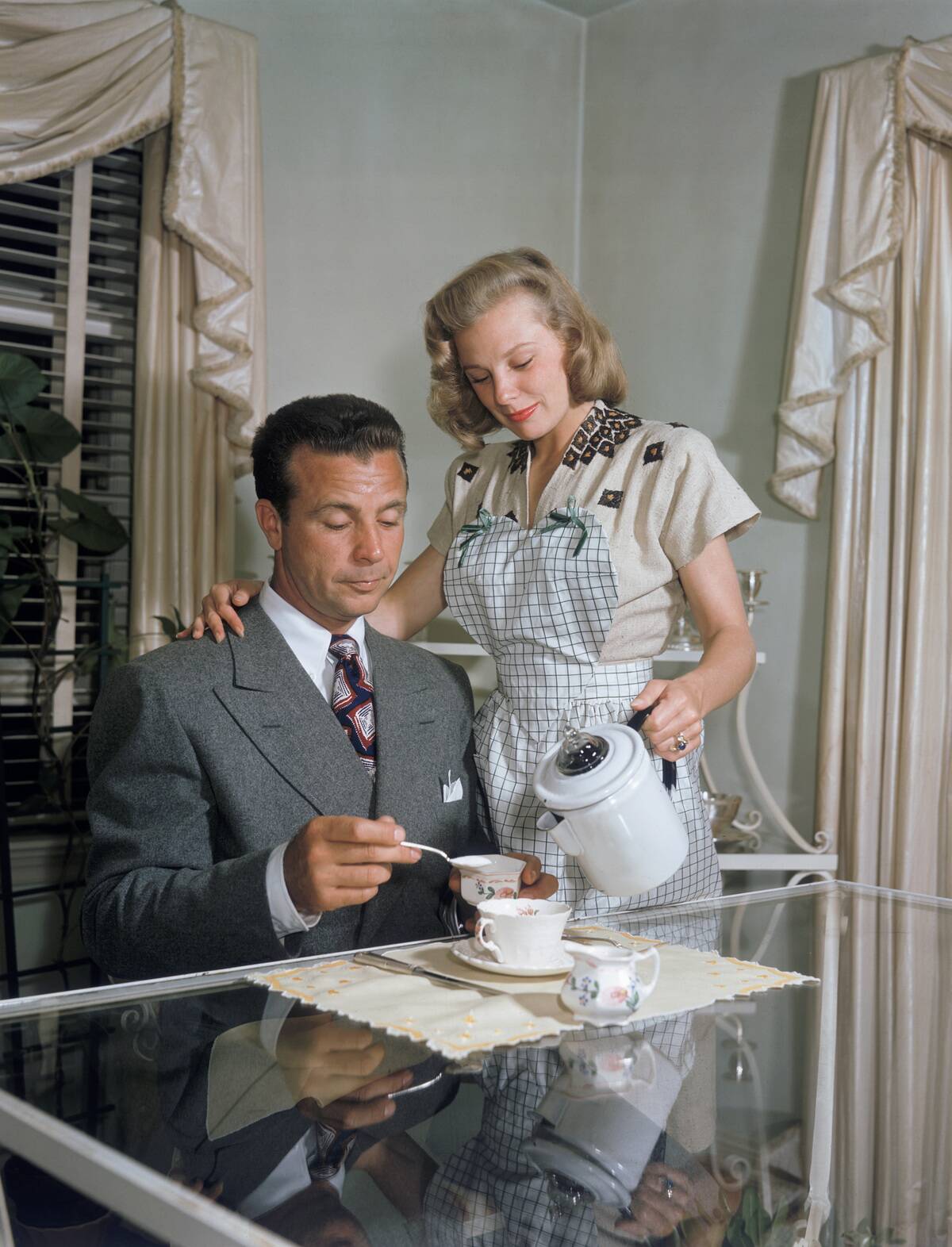
In medieval Europe, sugar was a medicine and a marvel, sculpted into subtleties at royal banquets. Prices plunged only after the 17th century, when Caribbean plantations—powered by enslaved labor—flooded markets. By the early 19th century, Europe’s wartime blockades pushed research into sugar beets; Napoleon heavily promoted beet refining, and by mid‑century, continental beet sugar rivaled cane. The result: sweetness on tap for jam, tea, and confections.
Industrial refining made the crystals consistent and cheap.
The first granulated forms that didn’t clump under humidity were a relief for bakers, and by the late 1800s, branded cubes standardized serving sizes. Global per‑capita sugar consumption rose dramatically between 1850 and 1950, paralleling urbanization and packaged foods. The same affordability, of course, seeded nutrition debates—U.S. dietary guidelines began addressing added sugars in the late 20th century—even as sugar cemented its spot next to the flour canister.
Spices like pepper and cinnamon: from perilous trade to spice racks
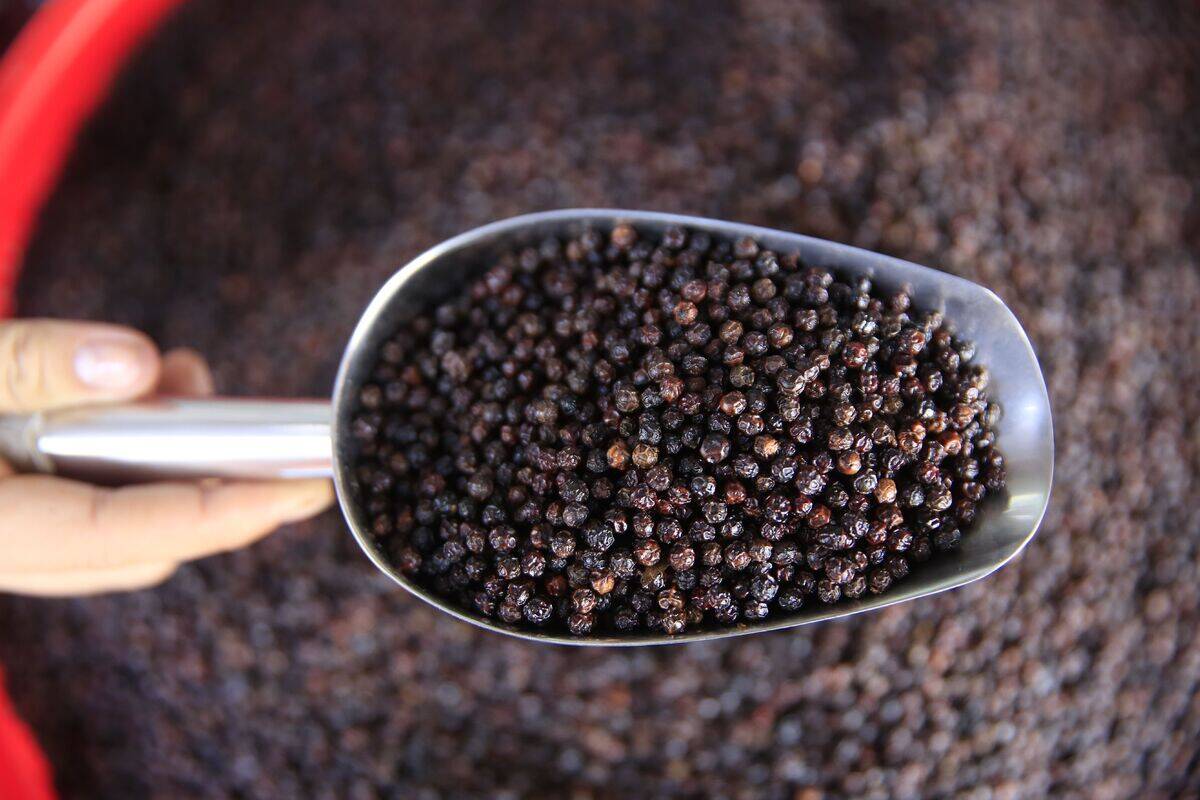
Black pepper once rode caravans and monsoon winds, commanding premiums that tempted empires. Venetian middlemen dominated European spice trade until Portugal opened the sea route around Africa; Vasco da Gama reached India in 1498, and cargoes of pepper and cinnamon followed. Cinnamon, sourced largely from Sri Lanka (then Ceylon), passed through Portuguese and later Dutch control, with the Dutch East India Company enforcing monopolies during the 17th century.
Monopoly cracked under competition—and botany.
The British smuggled cinnamon seedlings to other colonies, and pepper cultivation expanded in Southeast Asia. Steam navigation shortened voyages; by the 19th century, prices softened, and by the 20th, branded tins and glass bottles put peppercorns within reach of any household. Today, supermarket pepper likely hails from Vietnam—the world’s top producer—while cinnamon on your oatmeal is often cassia from Indonesia or China, a reminder that “cinnamon” is a family, not a single species.
Tea and coffee: exotic imports turned daily rituals

Tea arrived in Europe in the 17th century and quickly reshaped habits and politics. The British East India Company scaled imports, and by the early 18th century, tea eclipsed coffee in Britain. Taxes and smuggling tangled the trade, culminating in the Boston Tea Party in 1773. In the 19th century, plantations in India and Ceylon replaced reliance on Chinese exports, and tea became an industrial-age pick‑me‑up poured in factories and front rooms alike.
Coffee, meanwhile, blossomed in Ottoman lands before seeding cafés across Europe. London coffeehouses thrived in the late 1600s, and the drink spread with colonial agriculture in Brazil and the Caribbean. The 1901 patent by Luigi Bezzera advanced espresso extraction; mid‑century Italian espresso bars refined the ritual. Post‑war drip machines and instant coffee democratized brewing at home. By the 21st century, specialty roasters and single‑serve pods coexisted, ensuring morning caffeine is a near‑universal modern rite.
Chocolate: royal indulgence to grocery aisle favorite
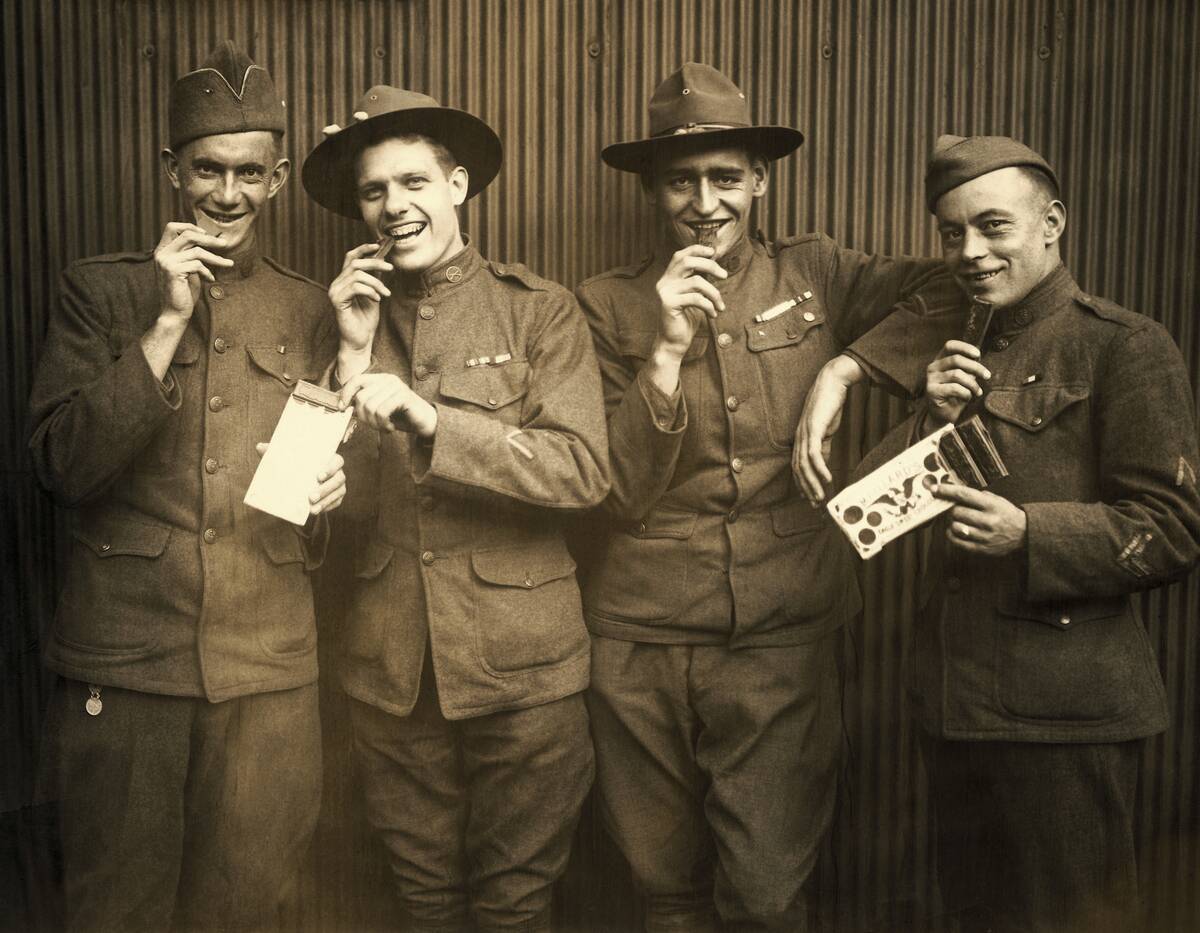
Cacao was currency and ceremony in Mesoamerica long before Europe tasted chocolate. Spaniards carried it back in the 1500s, where sweetened, spiced drinking chocolate captivated courts. Solid bars arrived later: in 1847, Fry’s in Britain produced one of the first molded eating chocolates. Daniel Peter’s 1875 milk chocolate—enabled by Henri Nestlé’s powdered milk—softened the flavor profile, while conching (perfected by Rodolphe Lindt in 1879) smoothed texture to the melt we expect today.
Industrialization spread the treat. Milton Hershey launched his eponymous bar in 1900 and built a Pennsylvania factory town to scale production. Global cocoa supply chained West African farms to European and American chocolatiers; today, Côte d’Ivoire and Ghana produce more than half the world’s cocoa. Labeling laws and fair‑trade certifications now nudge transparency, but from baking chips to vending‑machine bars, chocolate’s move from princely cup to everyday snack is complete.
Ice and refrigeration: from shipped blocks to freezer trays
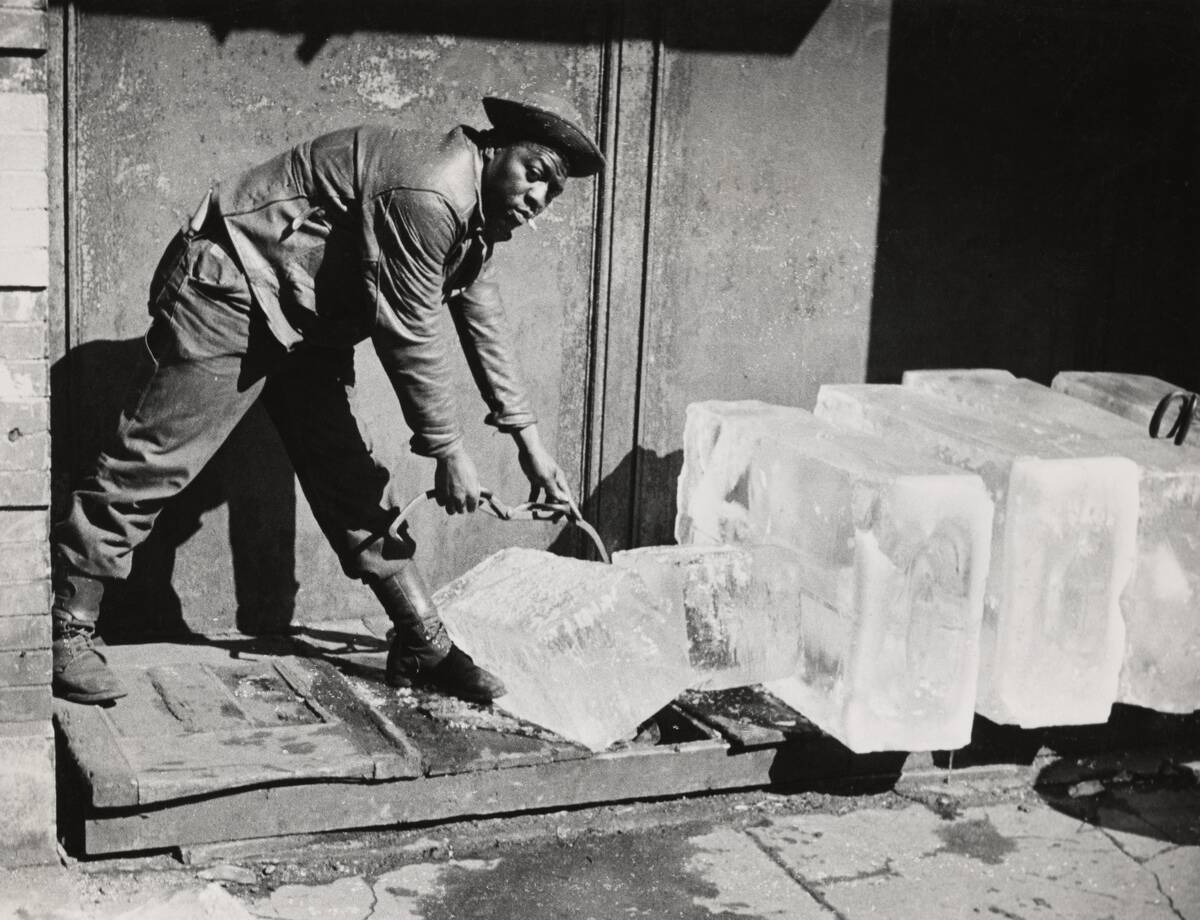
Before compressors hummed in kitchens, ice traveled oceans. In the early 1800s, Boston’s Frederic Tudor—the “Ice King”—harvested New England ponds and shipped blocks, insulated with sawdust, to the Caribbean and India. Urban “ice men” delivered door‑to‑door, feeding insulated iceboxes that made summer bearable and kept milk from turning. Mechanical refrigeration emerged in breweries and meatpacking by the late 19th century, transforming food safety and global meat trade.
Home units took longer. The first electric refrigerator attachments appeared in the 1910s; Kelvinator introduced automatic temperature control in 1918, and by the 1930s, standalone fridges began spreading in affluent homes. Post‑war models added safer refrigerants and the convenience of freezer compartments and cube trays. By 1955, over half of U.S. households owned a refrigerator. Frozen foods, pioneered commercially by Clarence Birdseye in the 1920s, then had the perfect partner waiting in the kitchen.
Glass windows: clear panes that once cost a fortune

For centuries, windows meant latticework and oiled parchment, or tiny, bubbly panes. True plate glass was laborious: the 17th‑century French perfected casting and polishing, but at prices fit for palaces. The 18th and 19th centuries offered crown and cylinder methods, improving size but not perfection. Large, flat sheets remained dear luxuries that advertised wealth as much as they admitted light.
Cheap clarity arrived with process, not magic. In 1959, Pilkington’s float‑glass method let molten glass ride a bath of molten tin, producing uniform, flawless sheets at industrial scale. Costs plunged, panes grew, and whole glass storefronts became normal by the late 20th century. Double‑glazing for insulation spread after the energy shocks of the 1970s. Today, low‑e coatings subtly manage heat and UV, yet the price puts clear, quiet, draft‑free windows within reach of ordinary remodels.
Mirrors: from alchemists’ secrets to bathroom standard
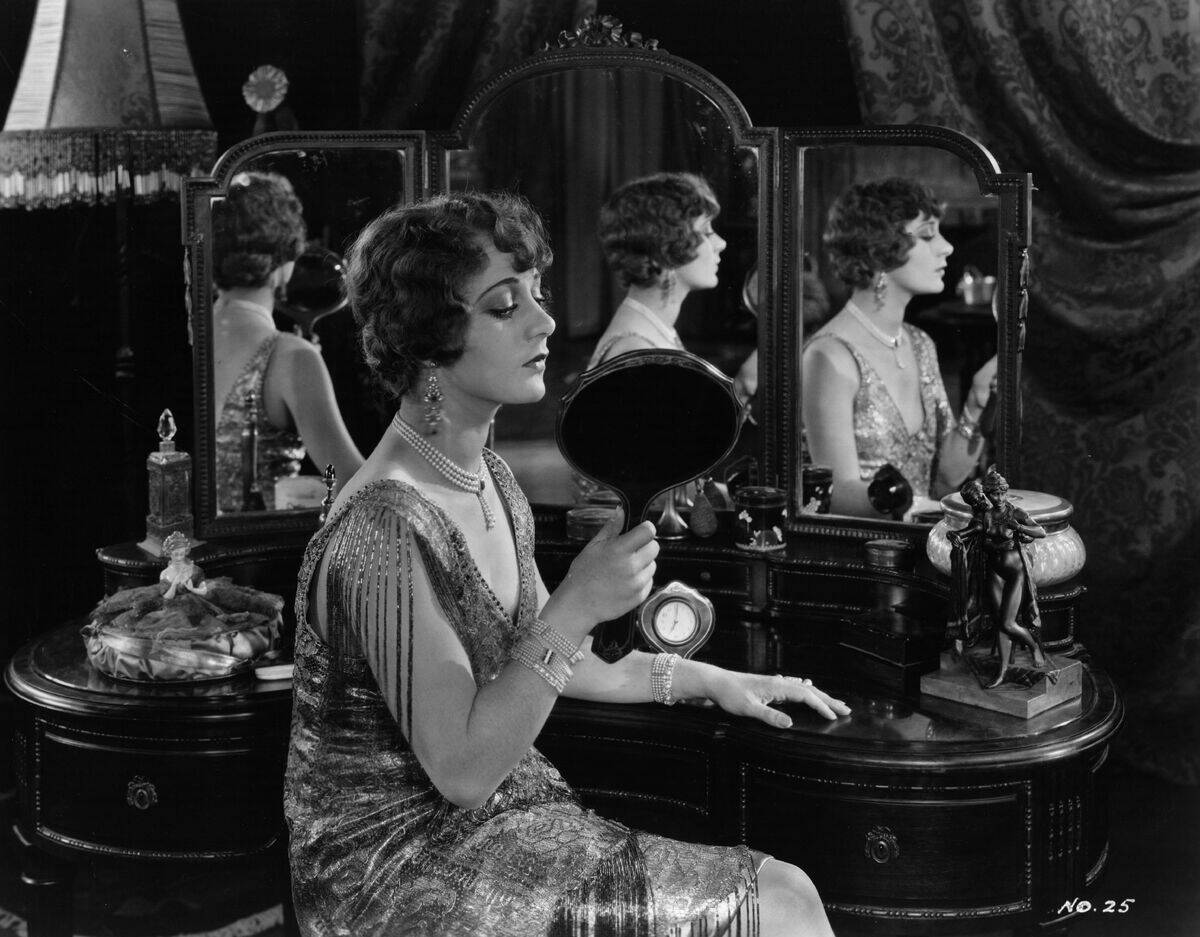
Early mirrors were polished metal; glass‑backed reflectors were a Venetian specialty in the 16th century, their mercury‑tin amalgam method closely guarded. The results dazzled royal halls—and bank accounts. Transport risk, toxic processes, and the finicky art of silvering made large mirrors statement pieces that spoke to a patron’s purse as loudly as to their taste.
In 1835, German chemist Justus von Liebig introduced a safer silver‑nitrate reduction that paved the way for modern silvered glass. Industrialization standardized the coating and cut sheets to size. By the late 19th century, mirrors had reached barber shops and middle‑class dressing tables; by the mid‑20th, they were built into medicine cabinets above nearly every sink. Today’s versions add fog‑resistant films and LED edges, but their ubiquity is the real marvel: an optically precise surface you can buy at a hardware store.
Porcelain and everyday dishware: fine china’s down-to-earth cousins
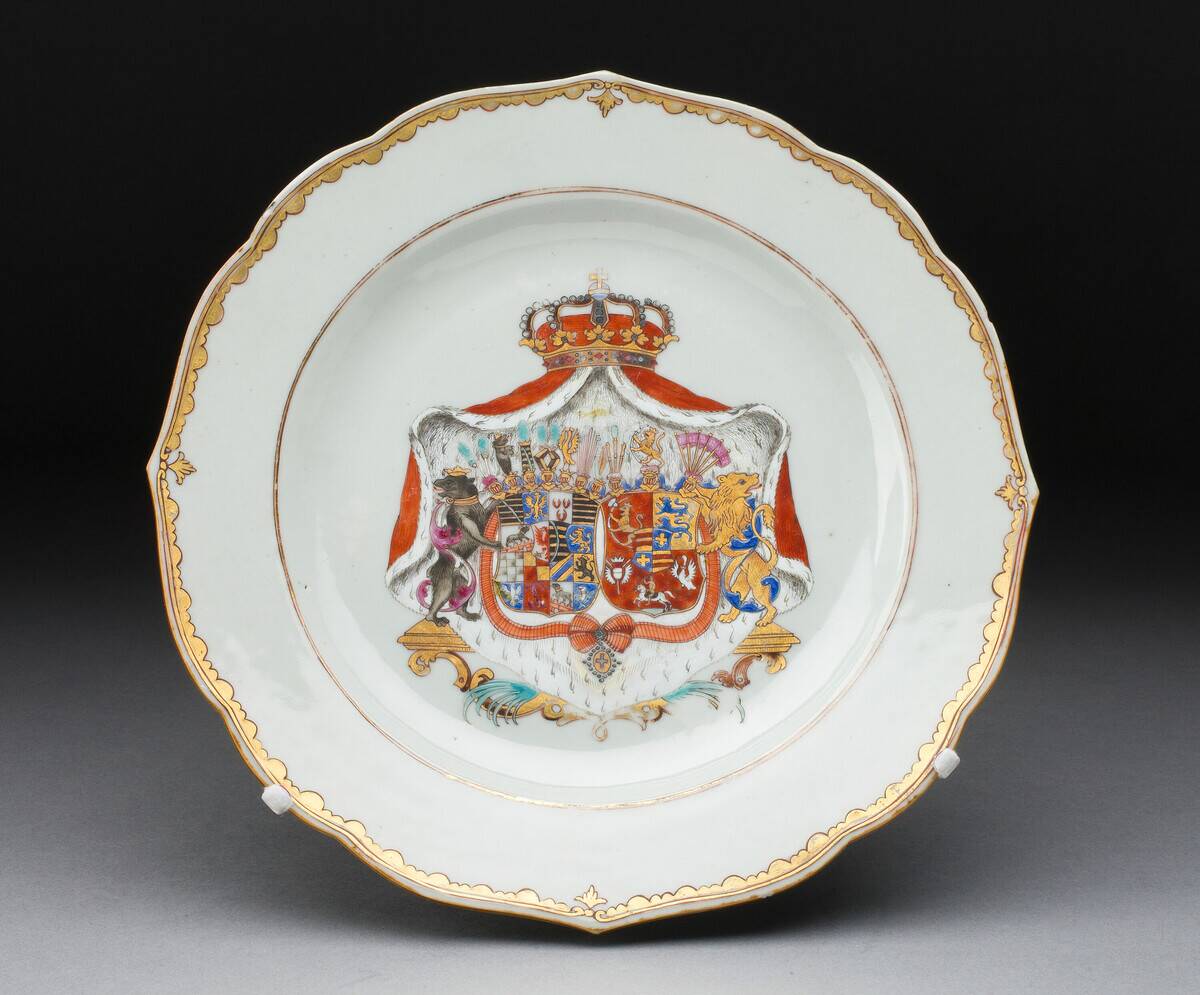
Chinese porcelain, perfected during the Song and Ming dynasties, captivated Europe with its translucent strength. For centuries, import was the only option, until Johann Friedrich Böttger and Ehrenfried von Tschirnhaus cracked hard‑paste porcelain at Meissen in 1710. Royal manufactories spread, but prices kept porcelain on display rather than in daily rotation. Earthenware and tin‑glazed faience filled most cupboards.
The 19th century introduced tougher, cheaper alternatives.
British ironstone (patented in 1813) mimicked porcelain’s resilience at lower cost, perfect for restaurants and railways. Transfer printing decorated plates quickly, replacing hand painting. By the 20th century, vitrified stoneware and mass‑produced porcelain put stackable dinner sets in supermarkets. Microwave‑safe glazes and dishwasher‑tough bodies sealed the deal. “China” still denotes finery, but your weekday bowls owe more to industrial kilns than imperial kilns.
Cutlery and forks: fancy dining tools gone mainstream
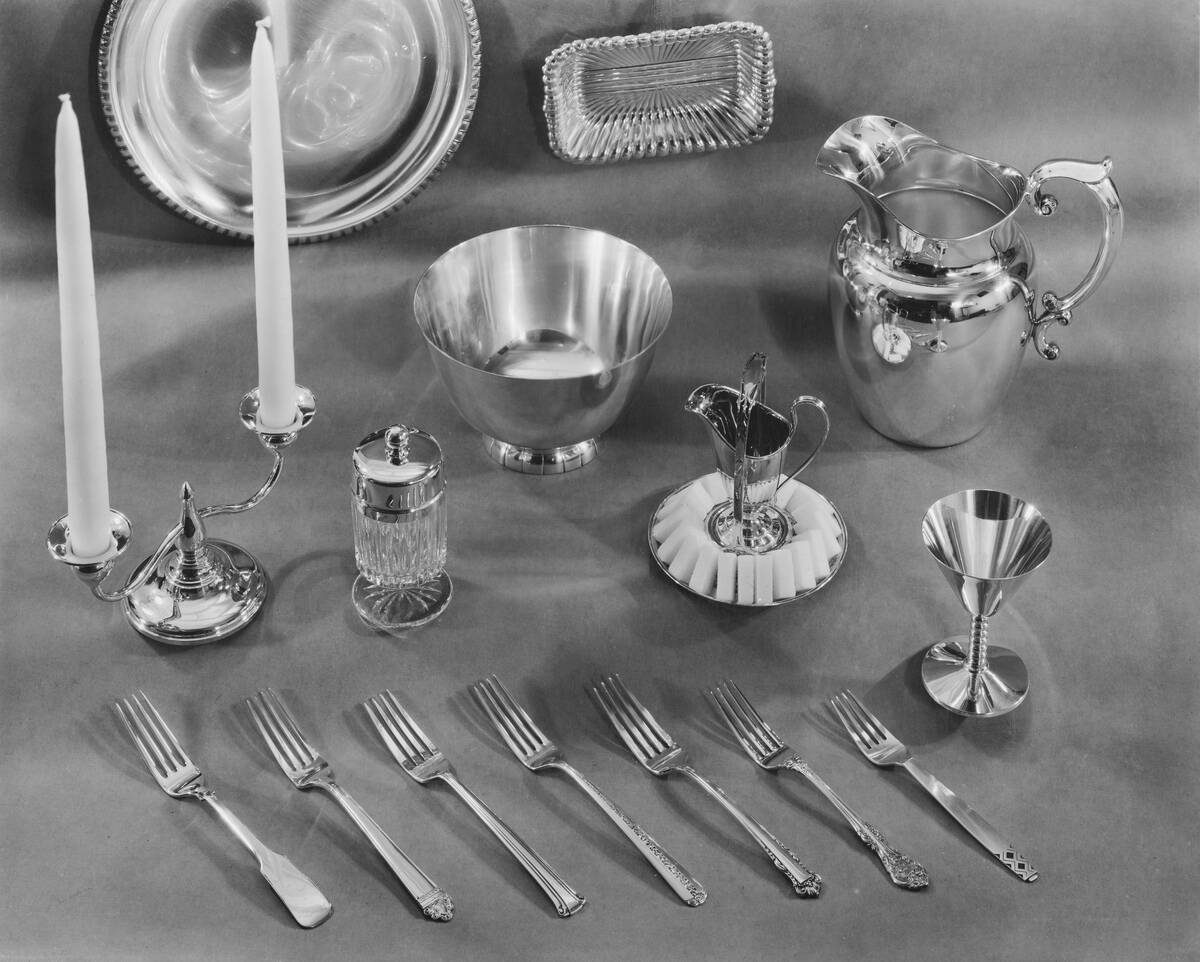
Medieval diners managed with knives and fingers; forks trickled into Europe via Byzantium and Italy, facing mockery before acceptance. By the 17th century, French and English elites adopted the two‑tined fork; three and four tines gained favor in the 18th, better at twirling and spearing. Silver place settings signaled refinement, while ordinary folks still cut with a belt knife and sopped with bread.
Material science broadened the table. In 1913, Harry Brearley in Sheffield developed a corrosion‑resistant steel—stainless—that was soon forged into cutlery that didn’t pit or rust. Machine stamping and standardized patterns shrank costs. Etiquette manuals faded; a drawer of matching forks, spoons, and knives became household default by mid‑century. Today, café sporks, dishwasher‑safe sets, and kids’ forks prove the point: what once telegraphed courtly manners is now sold in 24‑piece boxes.
Soap and personal hygiene: artisan bars to everyday basics
Soapmaking has ancient roots, but quality and cost varied wildly. In early modern Europe, guilds guarded recipes, and high taxes on soap (notably Britain’s until 1853) kept prices lofty. The 19th‑century Leblanc and Solvay processes made soda ash cheaper, stabilizing production. Public‑health campaigns linked handwashing to germ theory after the 1860s, nudging soap from luxury to necessity.
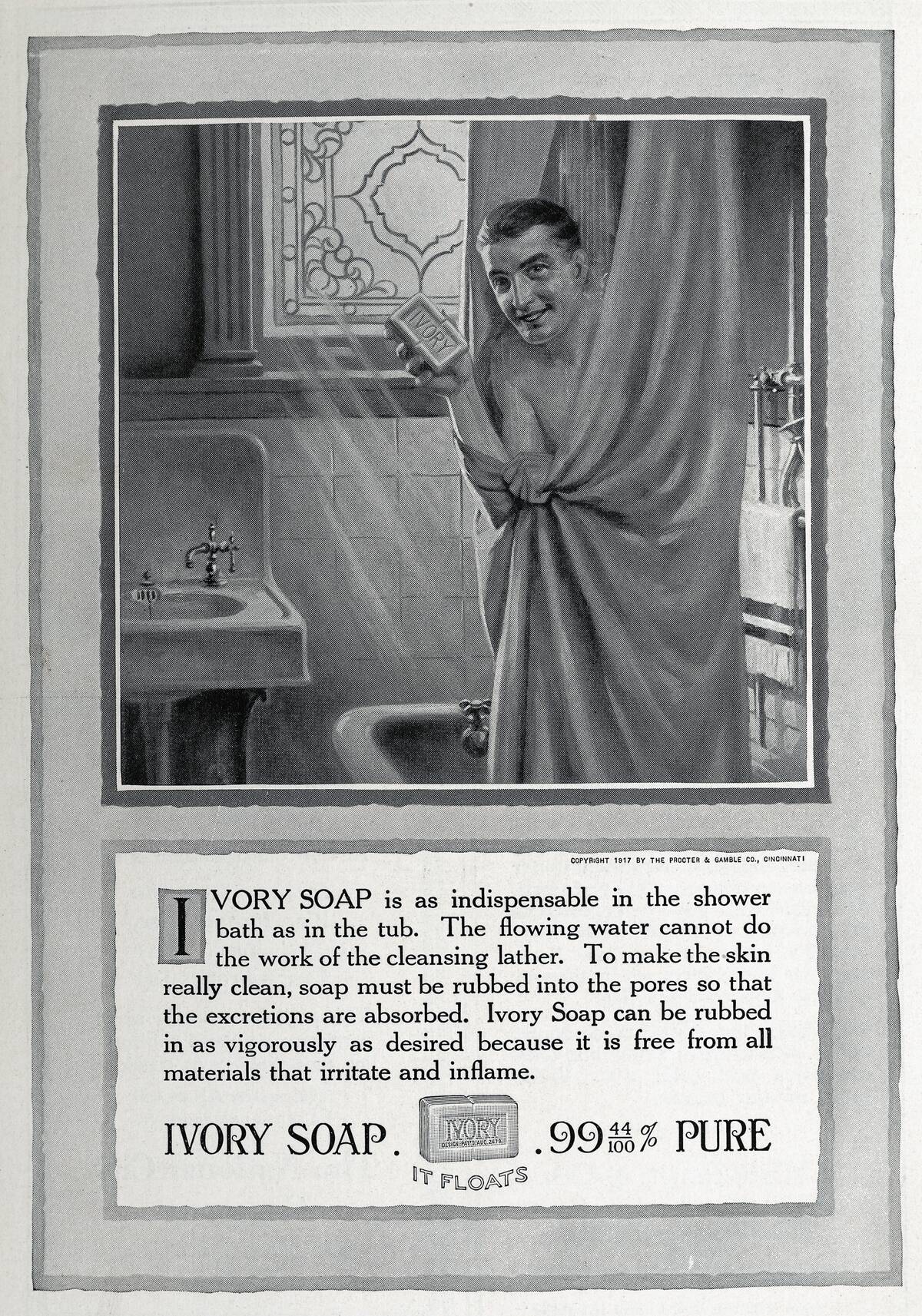
Brands amplified the shift. Procter & Gamble launched Ivory in 1879—advertised to float because of incorporated air—and mass marketing followed. By the early 20th century, scented toilet soaps, laundry flakes, and carbolic disinfectants filled catalogs. Post‑war detergents, synthesized from petrochemicals, excelled in hard water and cold cycles. Today, antimicrobial claims, hypoallergenic bars, and refill pouches crowd the aisle, but the core miracle holds: cheap surfactants make grime surrender, daily, across billions of sinks.
Toothbrushes and toothpaste: luxury grooming to multipacks
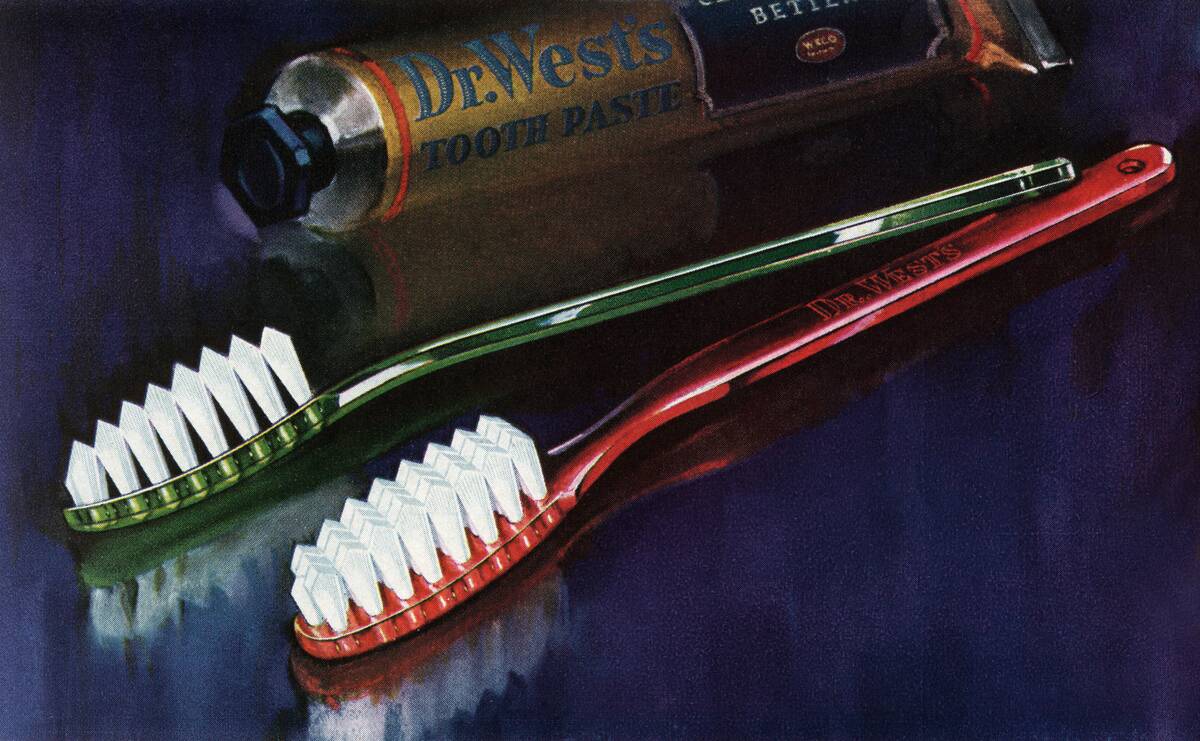
The first mass‑produced toothbrush is credited to William Addis in England around 1780, using bone handles and hog bristles. Dentists endorsed brushing in the 19th century, but supplies remained pricey and inconsistent. DuPont’s 1938 nylon bristles replaced animal hair with a cleaner, more durable option, and American soldiers returning from World War II helped normalize daily brushing stateside.
Toothpaste followed a similar arc. Early pastes used chalk and soap; collapsible tubes arrived in the 1890s. Fluoride formulations in the 1950s—Crest debuted a stannous‑fluoride paste in 1955—helped cut cavities alongside community water fluoridation. Electric brushes emerged mid‑century and went mainstream in the 1990s. Now, drugstores sell bulk multipacks, travel minis, sensitive formulas, and whitening gels, proof that what once lived in apothecaries is stacked high on warehouse pallets.
Toilet paper and the flush toilet: comforts that took time to catch on
The flush toilet’s lineage is older than many think. Sir John Harington described a valve‑flush design in 1596, but it was Alexander Cummings’s 1775 S‑trap that blocked sewer gases and made fixtures viable. Thomas Crapper popularized fittings in Victorian Britain—though not the inventor he’s often credited as being. Urban sewer systems in the 19th century made flushing practical and sanitary on a city scale.
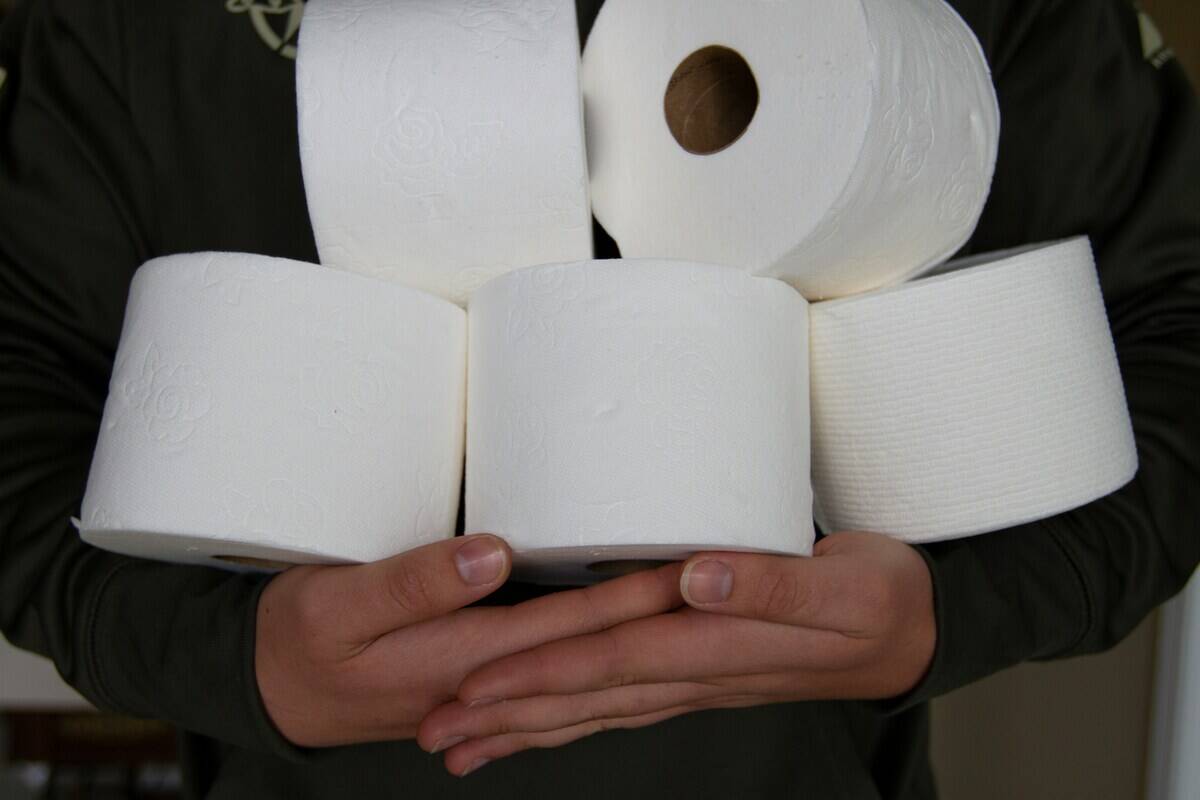
Toilet paper arrived surprisingly late. Joseph Gayetty sold packaged sheets in the U.S. in 1857; the Scott Paper Company popularized perforated rolls in the 1890s. Soft, splinter‑free paper only became standard in the 20th century as wood‑pulp processing improved. Adoption varied by culture and plumbing, but by mid‑century in North America and parts of Europe, TP was nonnegotiable. Today, it’s a consumer staple with eco labels, bidet rivals, and—occasionally—panic‑buy headlines.
Brightly dyed clothing: royal hues to fast-fashion colors
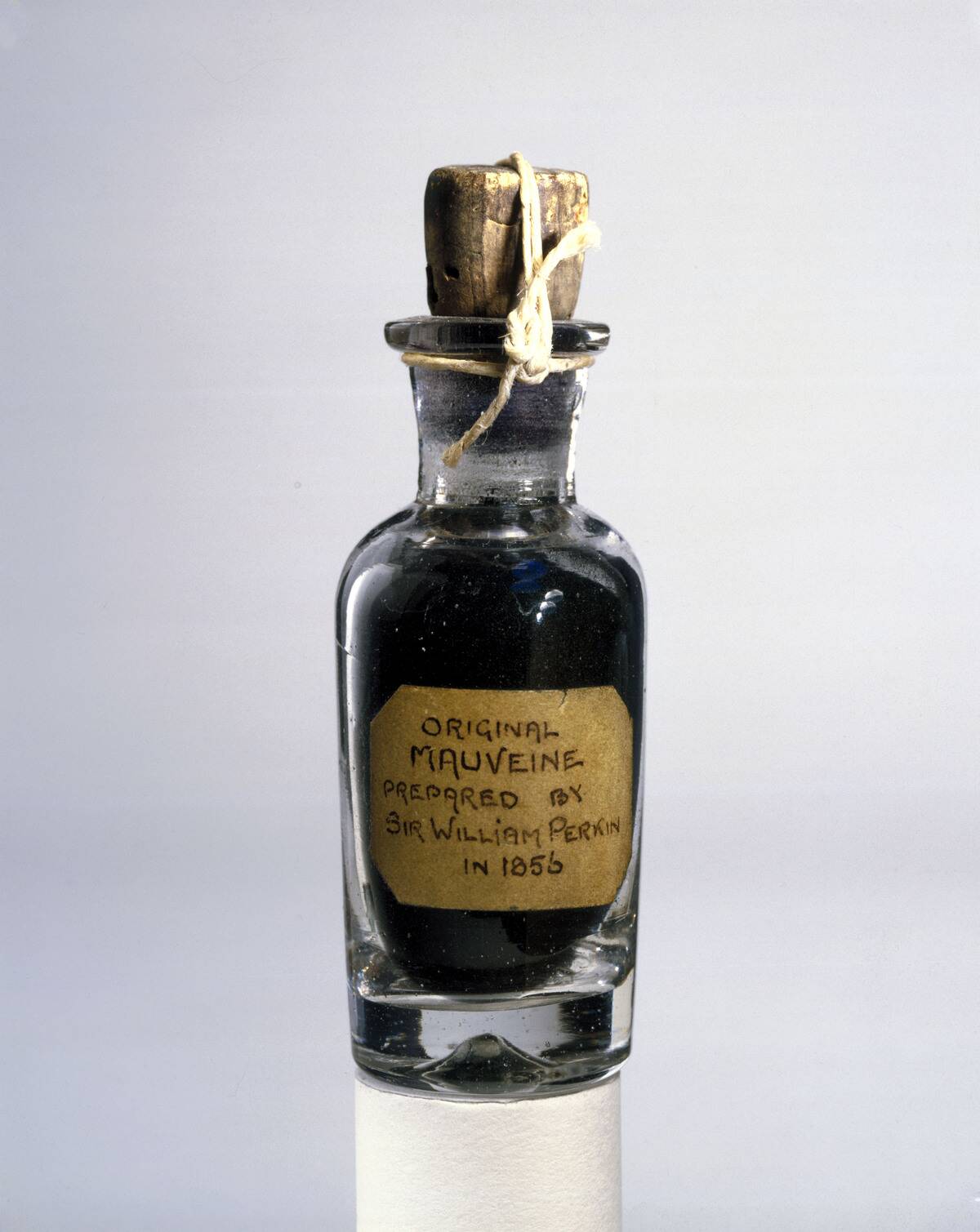
For millennia, bold color meant biology and labor: Tyrian purple from murex snails, cochineal red from insects, indigo from painstaking plant vats. Only elites wore saturated hues in quantity. That changed in 1856 when 18‑year‑old William Henry Perkin accidentally synthesized mauveine while chasing a malaria cure. Aniline dyes cascaded from that breakthrough, spawning an industry that colored silks and cottons cheaply and vividly.
Chemistry kept going. Synthetic indigo replaced plant vats by the late 19th century; BASF scaled production in the 1890s. By the 20th, reactive dyes bonded wash‑fast color to cellulose fibers, and polyester took up disperse dyes brilliantly. The cost per garment plunged as dyehouses and mills industrialized. While modern regulations target effluent and worker safety, the visual result is obvious on any sales rack: once‑rare jewel tones are now Tuesday‑morning T‑shirt options.
Paper, books, and print: knowledge for the few to paperbacks for all
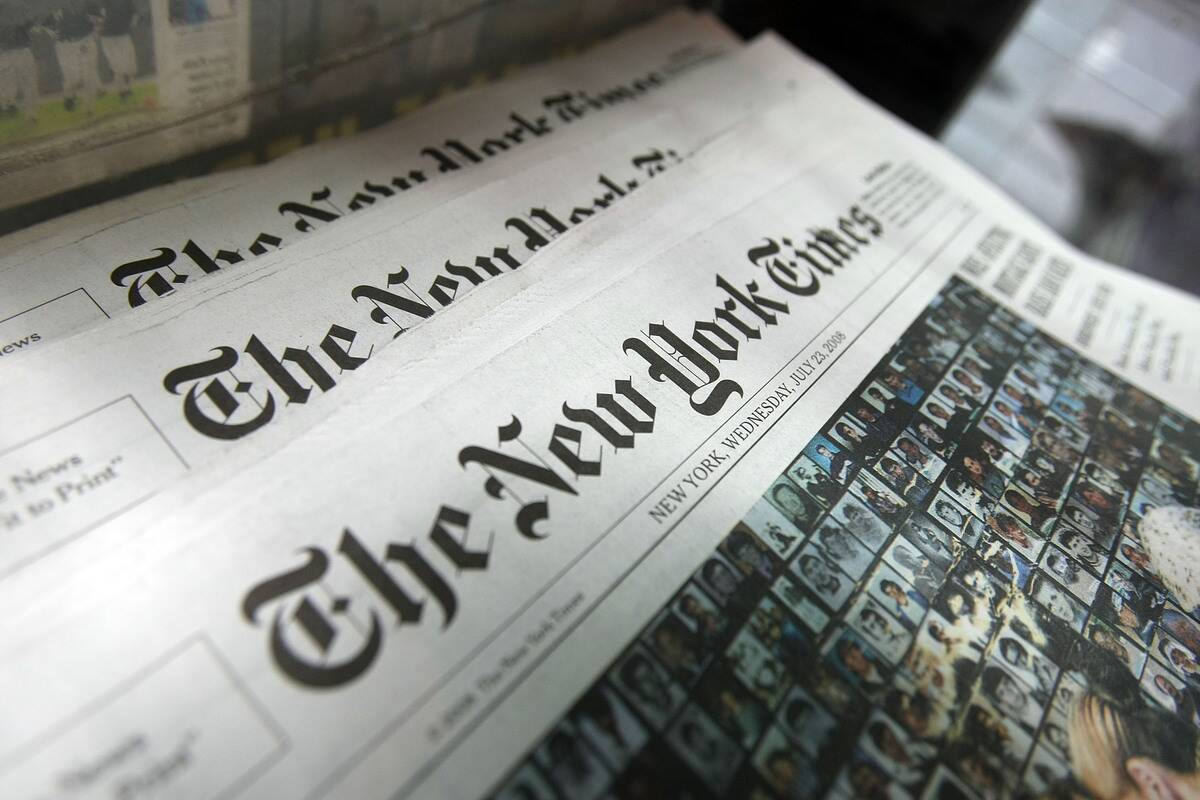
Paper’s journey runs from China—traditionally dated to 105 CE under Cai Lun—through the Islamic world into Europe by the 12th century. Gutenberg’s movable type printing in the 1450s multiplied texts and helped lift literacy. But rag shortages kept paper costly. In the 19th century, wood‑pulp processes and the Fourdrinier continuous paper machine dropped prices and boosted output, turning newspapers into daily habits.
Affordable formats did the rest. Cheap “penny dreadfuls” and dime novels primed mass reading. In 1935, Penguin Books launched modern paperbacks in Britain at sixpence each, and pocket‑size titles followed worldwide. Public libraries expanded access; by the mid‑20th century, compulsory schooling and mass print married into a reading public. Today, print coexists with e‑books and PDFs, but the idea that a novel costs less than lunch would have stunned a medieval scribe.
Clocks and personal timekeeping: heirlooms to lock screens

Mechanical clocks entered European town squares in the 14th century, regulating bells more than minutes. Portable time arrived with spring‑driven watches in the 16th century, expensive gifts more than tools. Railroads in the 19th century demanded standardized time—Britain adopted “railway time” broadly by the 1850s—and mass‑produced pocket watches from firms like Waltham and Elgin made punctuality portable.
Two revolutions followed: wrists and quartz. Wristwatches, popularized during World War I for practicality, became civilian fashion. In 1969, Seiko’s Astron debuted quartz accuracy, soon affordable worldwide. Digital displays, then smartphones with NTP‑synced clocks, put atomic‑time precision in every pocket. Today, alarms, timers, and world clocks live on lock screens; heirloom ticking continues, but most of us check our schedule by tapping glass.
Eyeglasses: bespoke lenses to budget-friendly frames

Spectacles appeared in Italy in the late 13th century, perched on noses with riveted frames. For centuries, lenses were ground by hand and sold by traveling vendors; quality varied, and prices stung. Benjamin Franklin’s bifocals around 1784 eased switching for presbyopes, but frames still signaled class well into the 19th century.
Industrial optics changed that.
Mass‑ground lenses, celluloid then acetate frames, and standardized prescriptions made glasses cheaper by the early 20th century. Safety regulations brought shatter‑resistant materials like polycarbonate; lightweight CR‑39 plastic (introduced in 1940) replaced heavy glass for many users. Big‑box retailers and online sellers now ship frames at budget prices, while insurance and school screenings push coverage. Correcting vision no longer requires a patron’s purse.
Aluminum: from precious metal to foil and soda cans
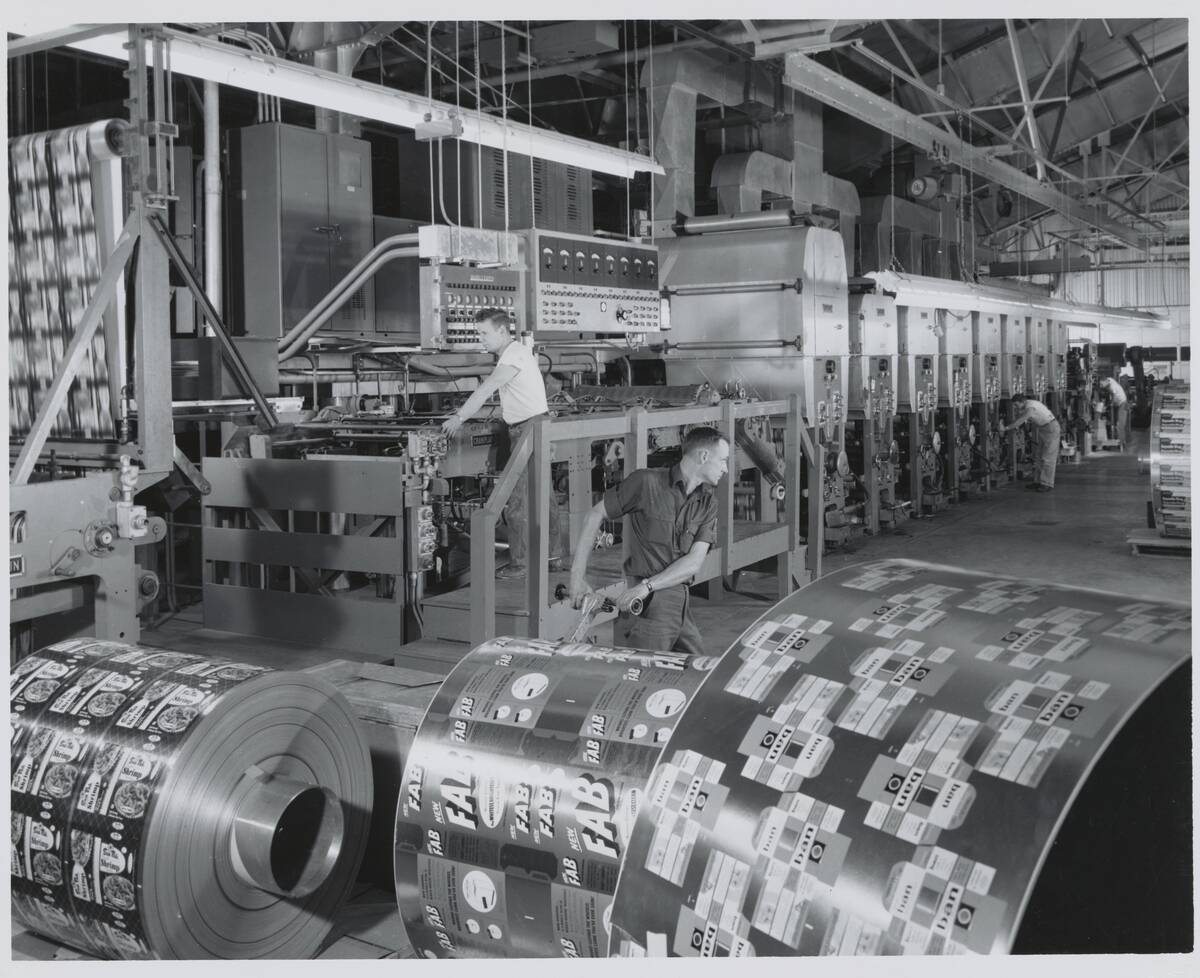
In the mid‑1800s, aluminum was so rare that Napoleon III reportedly reserved aluminum cutlery for honored guests, leaving silver to others. Separating the metal from bauxite took prodigious energy until 1886, when Charles Martin Hall in the U.S. and Paul Héroult in France independently developed an electrolytic process. Coupled with Karl Bayer’s 1888 refining method, the Hall‑Héroult route slashed costs and unleashed light, strong metal for industry.
Everyday uses followed.
Aluminum cookware spread in the early 20th century; the first commercial aluminum foil rolled in Switzerland in 1910, soon replacing tinfoil for wrapping. Beverage cans took off after seamless canning and easy‑open tabs matured mid‑century. Recycling closed the loop—re‑melting aluminum uses around 5% of the energy of primary production. What once rivaled silver in price now lines lunchboxes and takes flight in airframes.
Matches and lighters: easy fire at pocket change prices
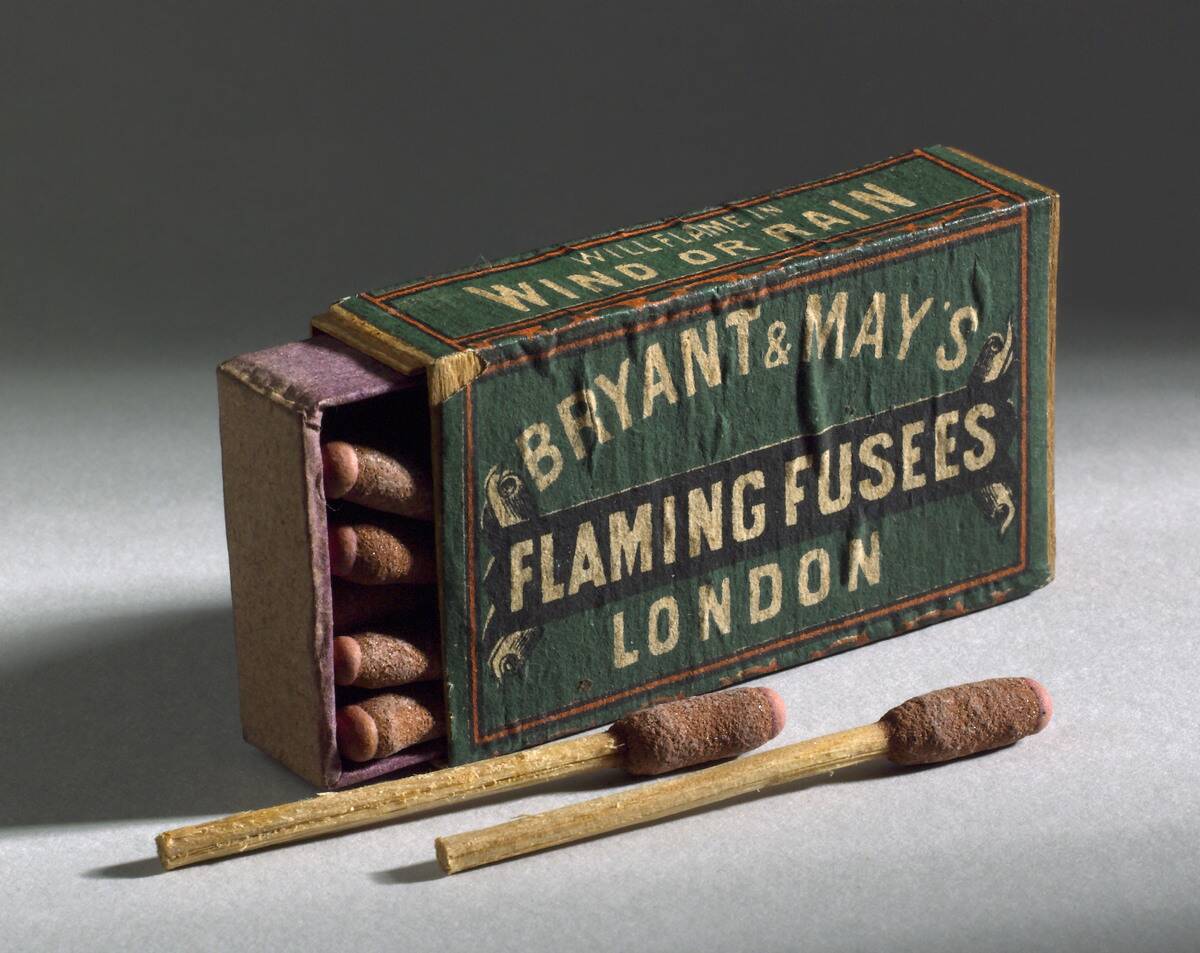
Humans long coaxed flame from tinder, sparks, and skill. The 1826 friction match by John Walker in England changed that, though early formulas were smoky and dangerous. Safety improved with the 1840s shift to red phosphorus, and Swedish innovators like Gustaf Erik Pasch and the Lundström brothers commercialized the safety match in the 1850s, separating phosphorus to the striking surface.
Lighters evolved in parallel. Early 20th‑century petrol lighters offered windproof sparks; Zippo launched in 1932 and gained fame with servicemembers. Butane models delivered clean, adjustable flames post‑war. Today, a disposable lighter or a box of safety matches costs pocket change, igniting everything from camp stoves to birthday candles—conveniences that would astonish a fire striker.
Cameras and photography: studio portraits to smartphone snaps

Photography emerged publicly in 1839 with Daguerre’s process, producing sharp, unique plates that required studio gear and patience. George Eastman’s 1888 Kodak camera—”You press the button, we do the rest”—democratized snapshots with roll film and mail‑in processing. Edwin Land’s Polaroid Model 95 (1948) delivered instant prints, while 35mm SLRs put precision into hobbyists’ hands mid‑century.
Digital broke the chemistry lock. In 1975, Steven Sasson at Kodak built a prototype digital camera; by the 1990s, consumer digitals spread, and in 2007, the iPhone fused cameras with the internet. Today, computational photography stacks exposures, stabilizes video, and recognizes faces in a device thinner than a deck of cards. What required a studio and glass plates now fits in your pocket—and posts before the flash cools.
Umbrellas: status shade to rainy-day essential

Parasols shaded elites in ancient Egypt, Greece, and China, but rain protection remained capes and hats for centuries. In 18th‑century Britain, Jonas Hanway famously braved ridicule by carrying an umbrella in public, helping normalize the practice in the 1750s. Early frames were heavy whalebone and wood, covered in oiled silk—more statement than convenience.
Engineering lightened the load.
In 1852, Samuel Fox patented steel‑rib frames; in 1928, Hans Haupt introduced a compact, telescoping design in Germany. Nylon canopies after World War II dried faster and weighed less. Mass production turned umbrellas into impulse buys sold at newsstands and pharmacies. Today, wind‑vented canopies, automatic buttons, and budget replacements make staying dry a forethought rather than a plan—until a gust proves who really runs the show.