16 historical figures who predicted future technologies
Imagine a world where history and science fiction intertwine, crafting a tapestry of innovation and imagination. This intersection is not just a realm of storytelling but a landscape where visionaries have dared to dream beyond their time.
From the Renaissance to the 20th century, these forward-thinkers have sent ripples through time, shaping the future in ways they could hardly have imagined. Let’s dive into the lives of these extraordinary individuals who blurred the lines between past and future.
Leonardo da Vinci: The Original Renaissance Futurist
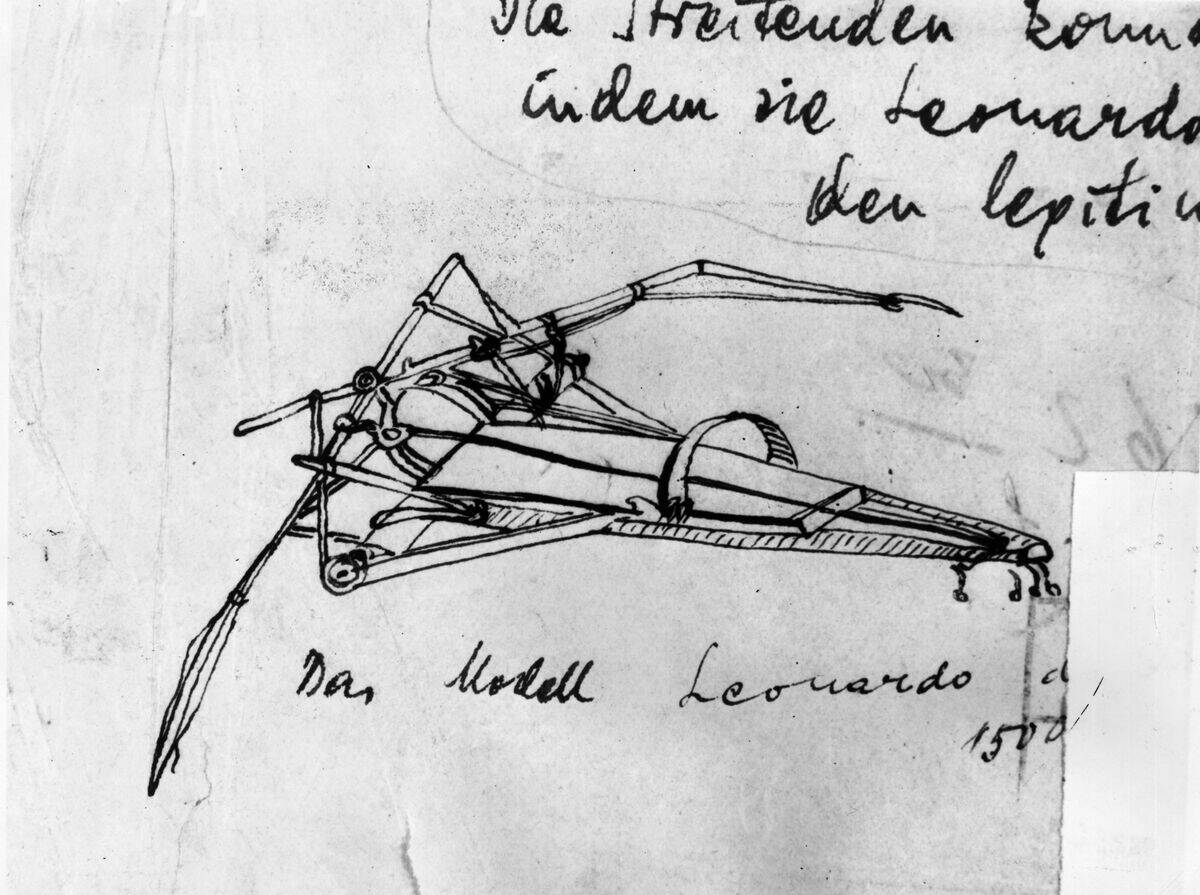
Leonardo da Vinci wasn’t just a painter; he was a visionary who sketched out ideas far ahead of his time. His designs for flying machines and armored vehicles were precursors to modern inventions, showcasing his remarkable foresight.
Da Vinci’s notebooks reveal a mind constantly in motion, blending art with the mechanics of the physical world. This Renaissance man laid the groundwork for future innovation, proving that creativity and science can coexist harmoniously.
Jules Verne: Imagining a World Beneath the Waves
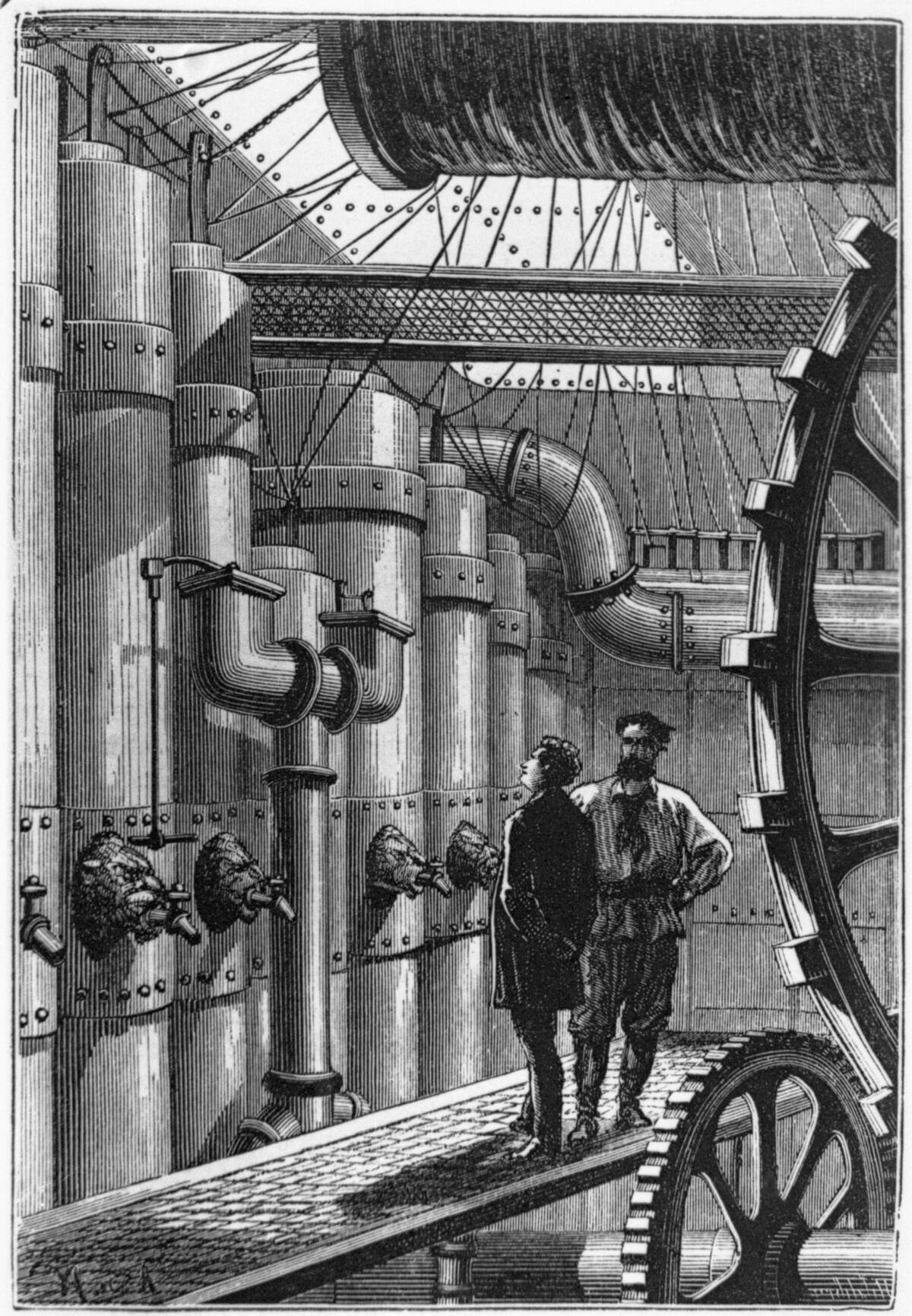
Jules Verne, the father of science fiction, took readers on fantastical journeys beneath the sea with Twenty Thousand Leagues Under the Sea. His depiction of the Nautilus, a submarine powered by electricity, was decades ahead of its time.
Verne’s work ignited imaginations and inspired future generations of explorers and inventors. His uncanny ability to blend scientific possibility with adventure continues to captivate audiences, proving that the depths of the ocean are just as intriguing as the vastness of space.
Nikola Tesla: The Man Who Saw Wireless Before It Happened
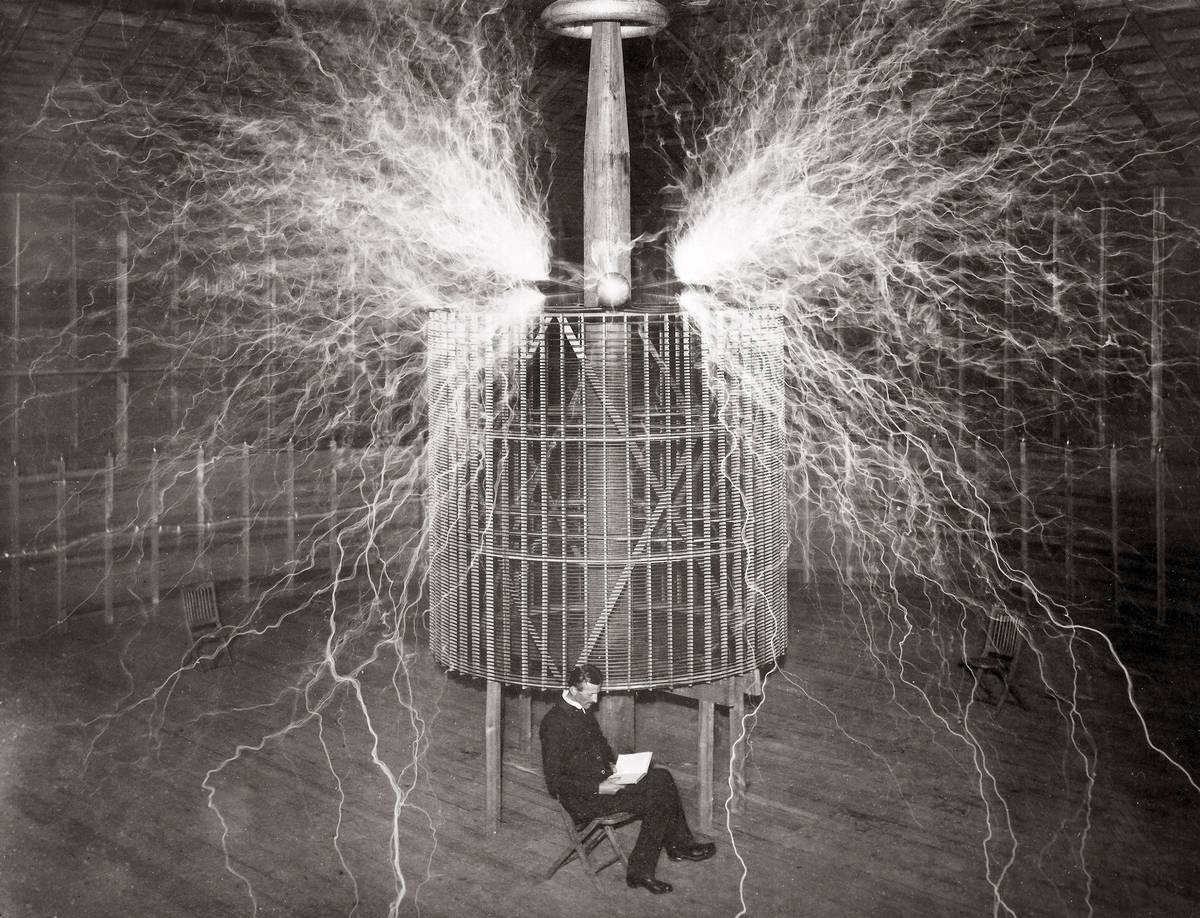
Nikola Tesla was a true pioneer, envisioning a world connected by wireless technology long before it became a reality. His experiments with radio waves and his dream of global wireless power transmission laid the groundwork for modern communication networks.
Tesla’s inventions, including the Tesla coil, revolutionized the way electricity was understood and used. His forward-thinking ideas continue to influence technology today, making him a timeless figure in the world of innovation.
H.G. Wells: Predicting the Atomic Bomb with a Pen
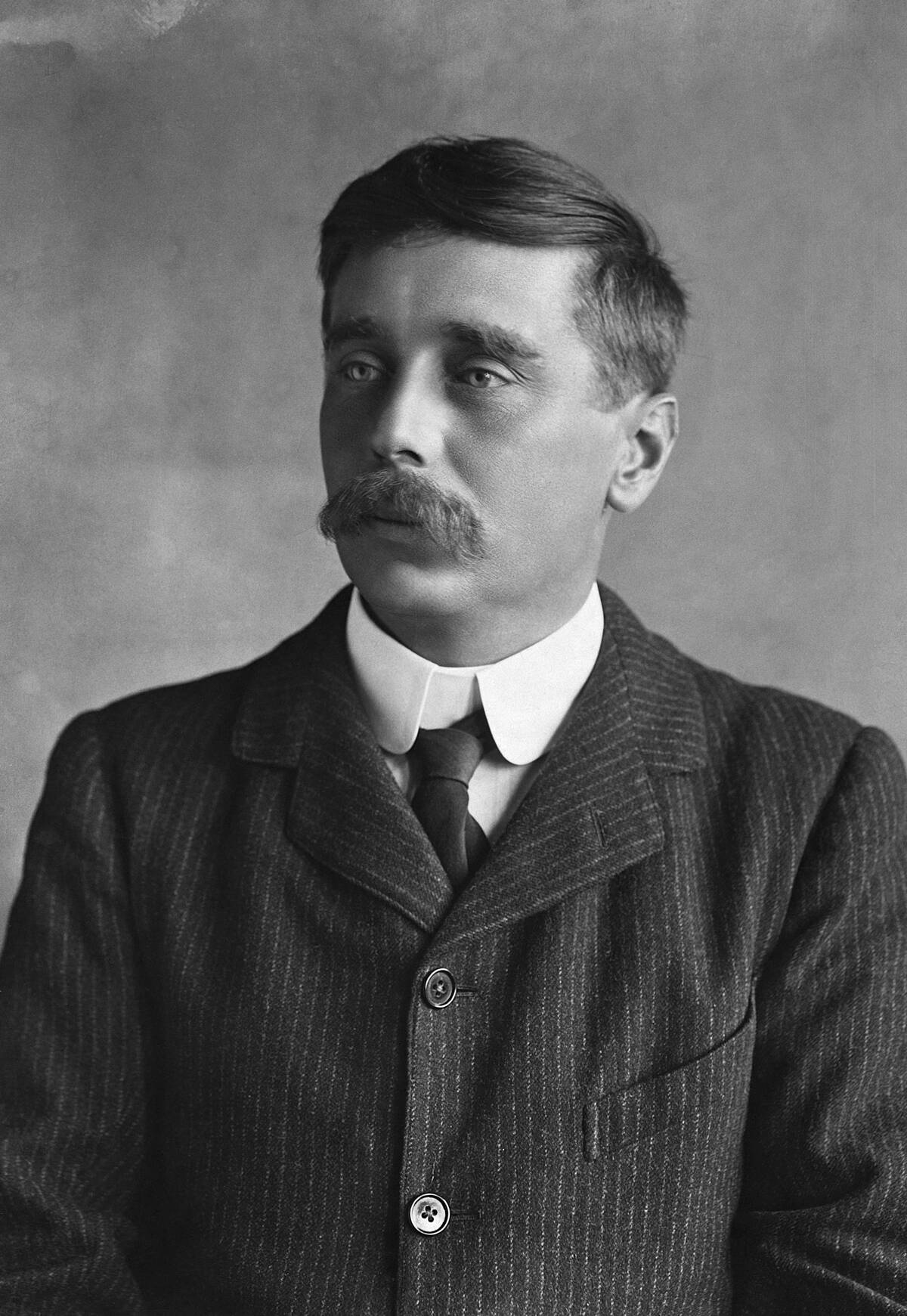
H.G. Wells, a master of speculative fiction, eerily predicted the creation of atomic weapons in his 1914 novel The World Set Free. His novel described powerful atomic bombs made from radioactive materials, foreshadowing the destructive potential of nuclear technology.
Wells’s ability to envision scientific advancements and their societal impacts left an indelible mark on literature and science alike. His works continue to serve as cautionary tales, reminding us of the double-edged sword that is technological progress.
Ray Bradbury: From Martian Landscapes to Smart Homes
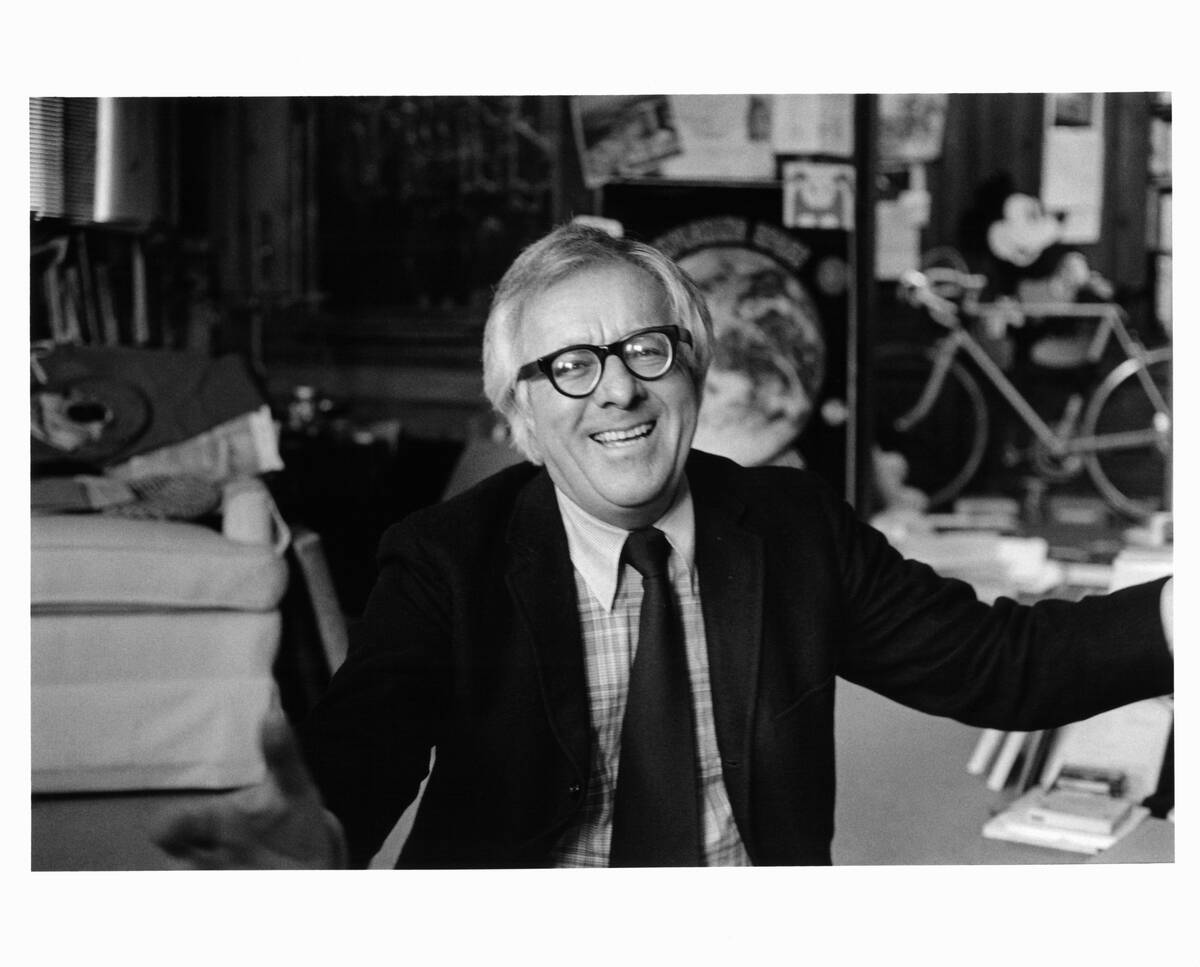
Ray Bradbury’s The Martian Chronicles transported readers to the red planet, exploring themes of colonization and human nature. Yet, his short story “There Will Come Soft Rains” foresaw smart homes and automated technology.
Bradbury’s imagination offered glimpses into a future where technology shapes daily life and human interaction. His stories remain poignant reminders of the delicate balance between technological advancement and the human spirit.
Isaac Asimov: The Prophet of Robotics and AI
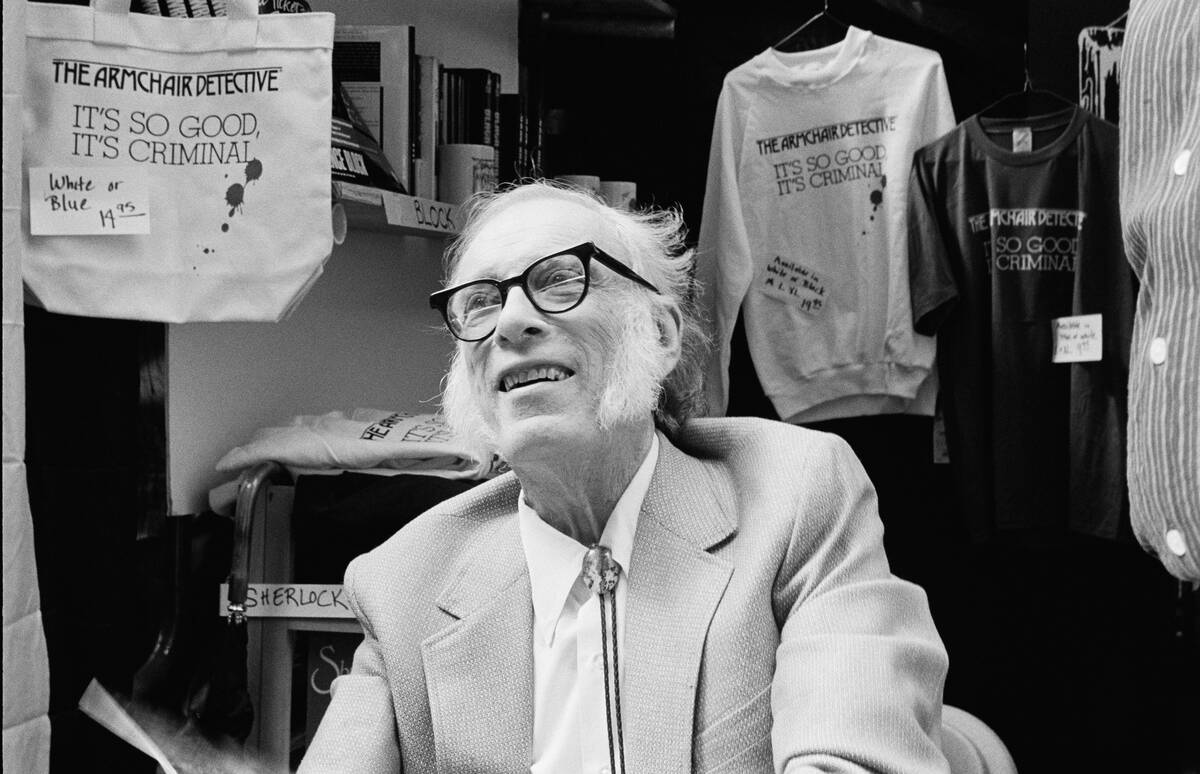
Isaac Asimov, with his famous Three Laws of Robotics, laid the ethical foundation for robotics and artificial intelligence. His work explored the complexities of human-machine interactions, predicting challenges that we face today.
Asimov’s vision of a future filled with intelligent machines continues to influence scientists and technologists. His stories provoke thought on the moral implications of AI, making him a guiding light in the conversation about technology’s role in society.
Arthur C. Clarke: A Visionary of Space Exploration
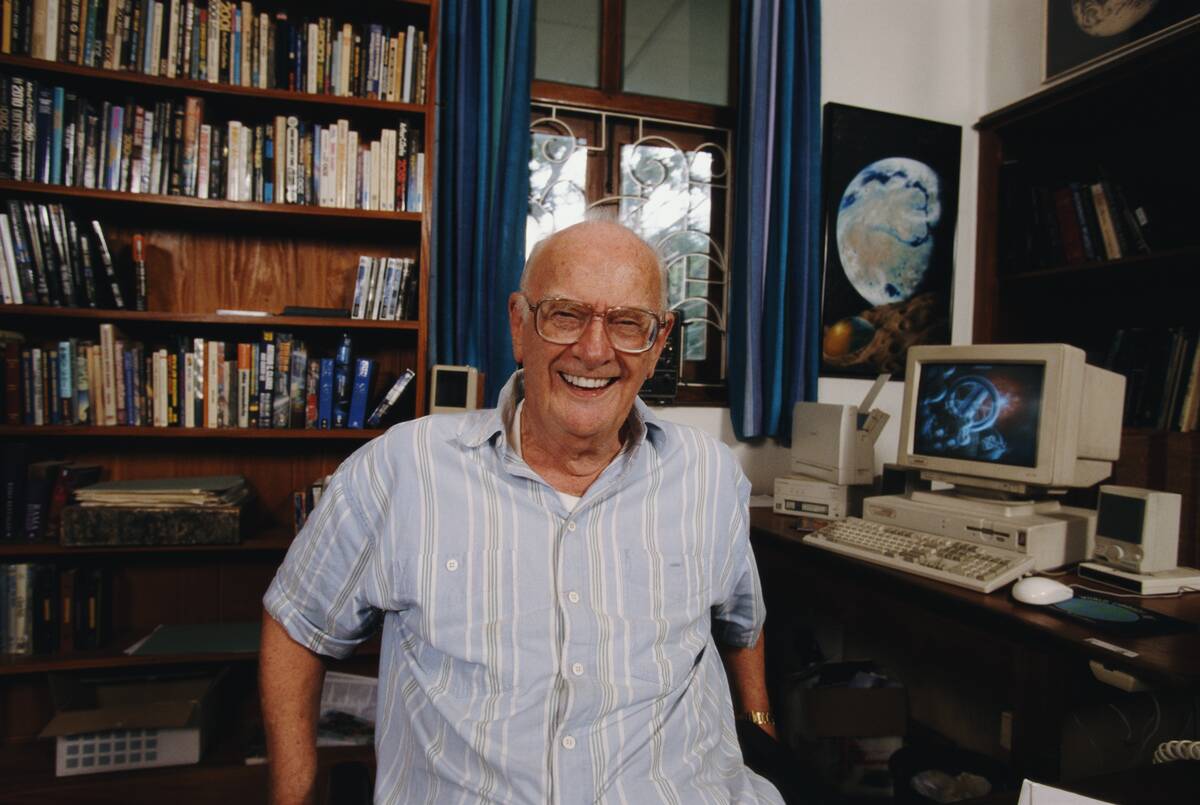
Arthur C. Clarke’s collaboration with Stanley Kubrick on 2001: A Space Odyssey brought forth visions of space travel and artificial intelligence. Clarke’s concept of geostationary satellites revolutionized telecommunications.
His ability to foresee the potential of space exploration and technology has inspired countless scientists and engineers. Clarke’s legacy is a testament to the power of imagination and its ability to propel humanity towards the stars.
Mary Shelley: The Birth of Bioengineering
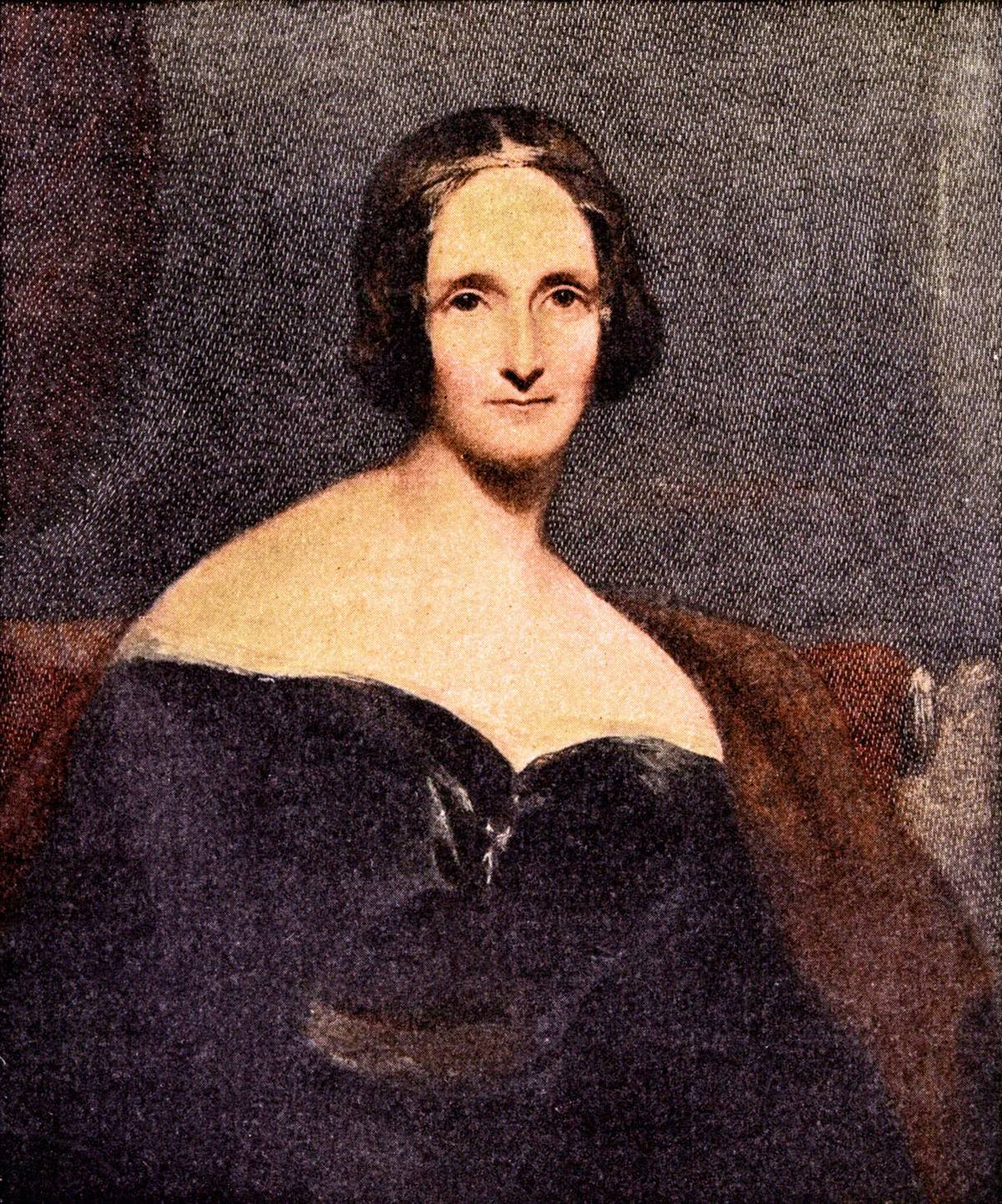
Mary Shelley’s Frankenstein is often regarded as the first science fiction novel, delving into themes of creation and responsibility. Shelley’s exploration of reanimating life through science sparked discussions on bioethics and the limits of human experimentation.
Her tale of the creature and its creator remains a powerful narrative on the consequences of playing god. Shelley’s work continues to resonate, highlighting the moral complexities inherent in scientific advancement.
Mark Twain: The Father of the Internet?
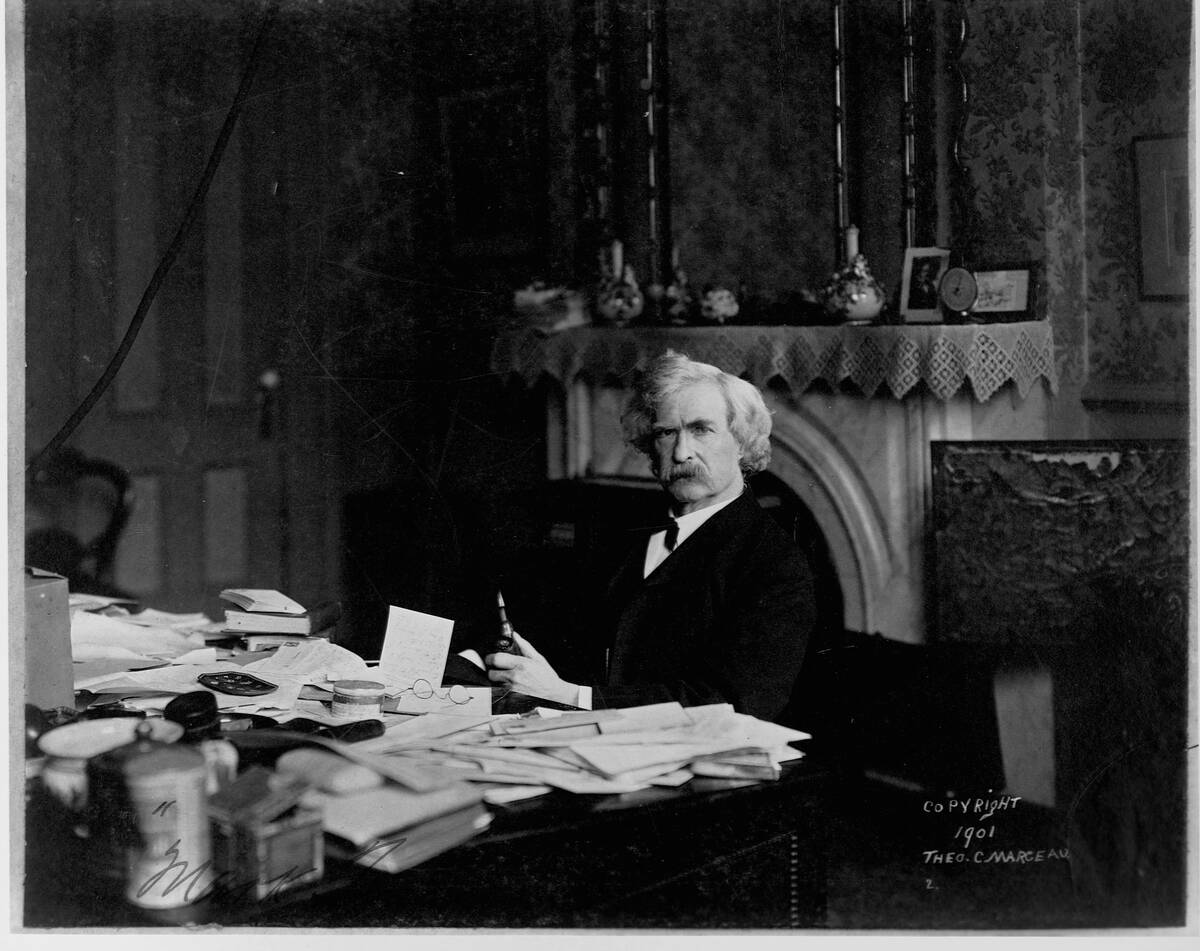
Mark Twain, known for his sharp wit, also dabbled in technological predictions. In his short story “From the ‘London Times’ of 1904,” Twain imagined a “telelectroscope,” a device allowing people to see events happening around the world in real-time.
This early concept mirrors the modern internet, showcasing Twain’s knack for envisioning future communication technologies. His humorous yet insightful take on technology underscores the timeless nature of human curiosity and innovation.
Aldous Huxley: Foreseeing the Brave New World of Genetic Engineering
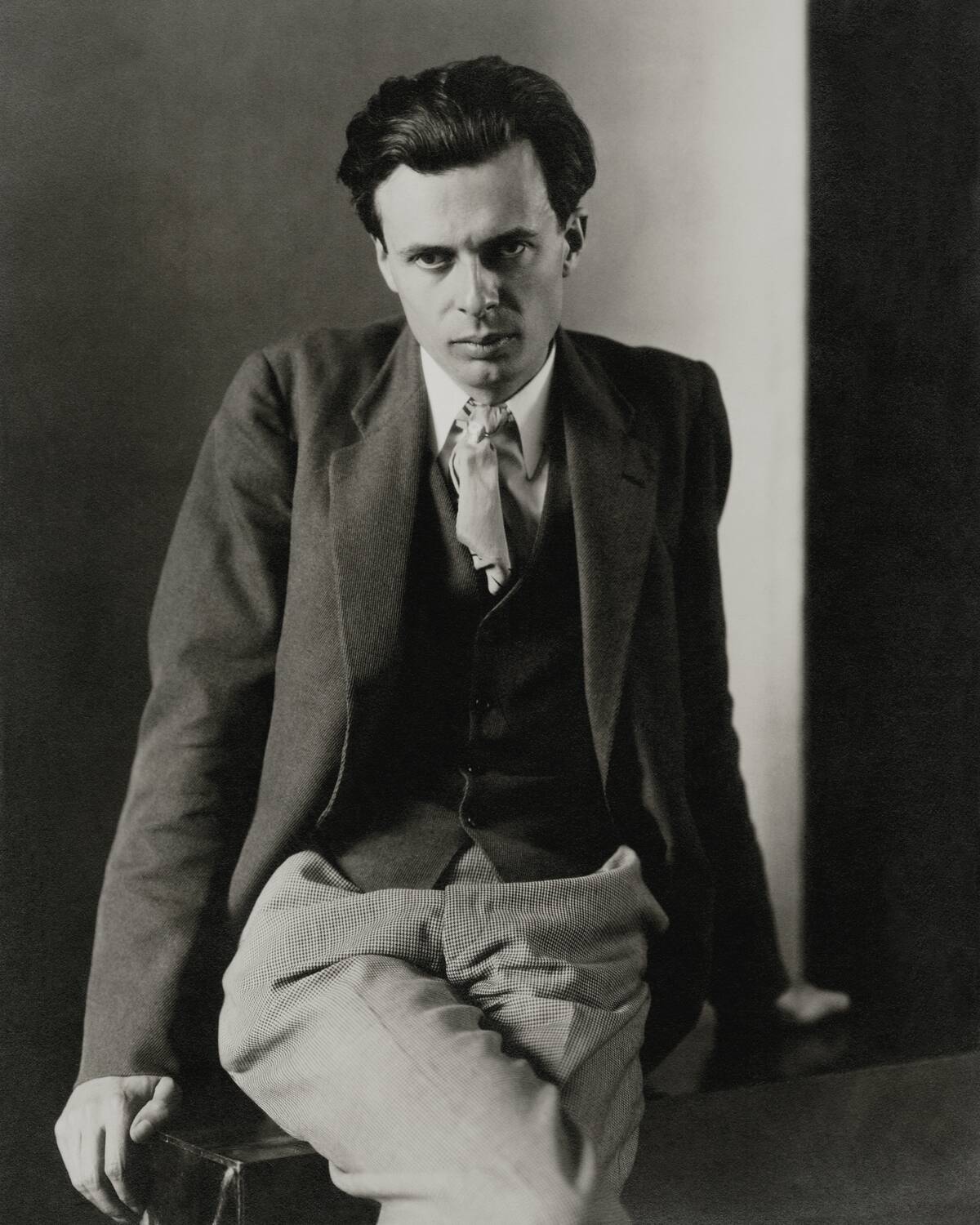
Aldous Huxley’s Brave New World explored the implications of genetic engineering and societal control. His portrayal of a future where human reproduction is regulated by the state raised questions about autonomy and ethics.
Huxley’s vision of a genetically engineered society resonated with readers, prompting reflection on the potential consequences of biotechnological advances. His work serves as a cautionary tale, urging us to consider the moral dimensions of scientific progress.
John Elfreth Watkins Jr.: The Early 20th Century Futurist
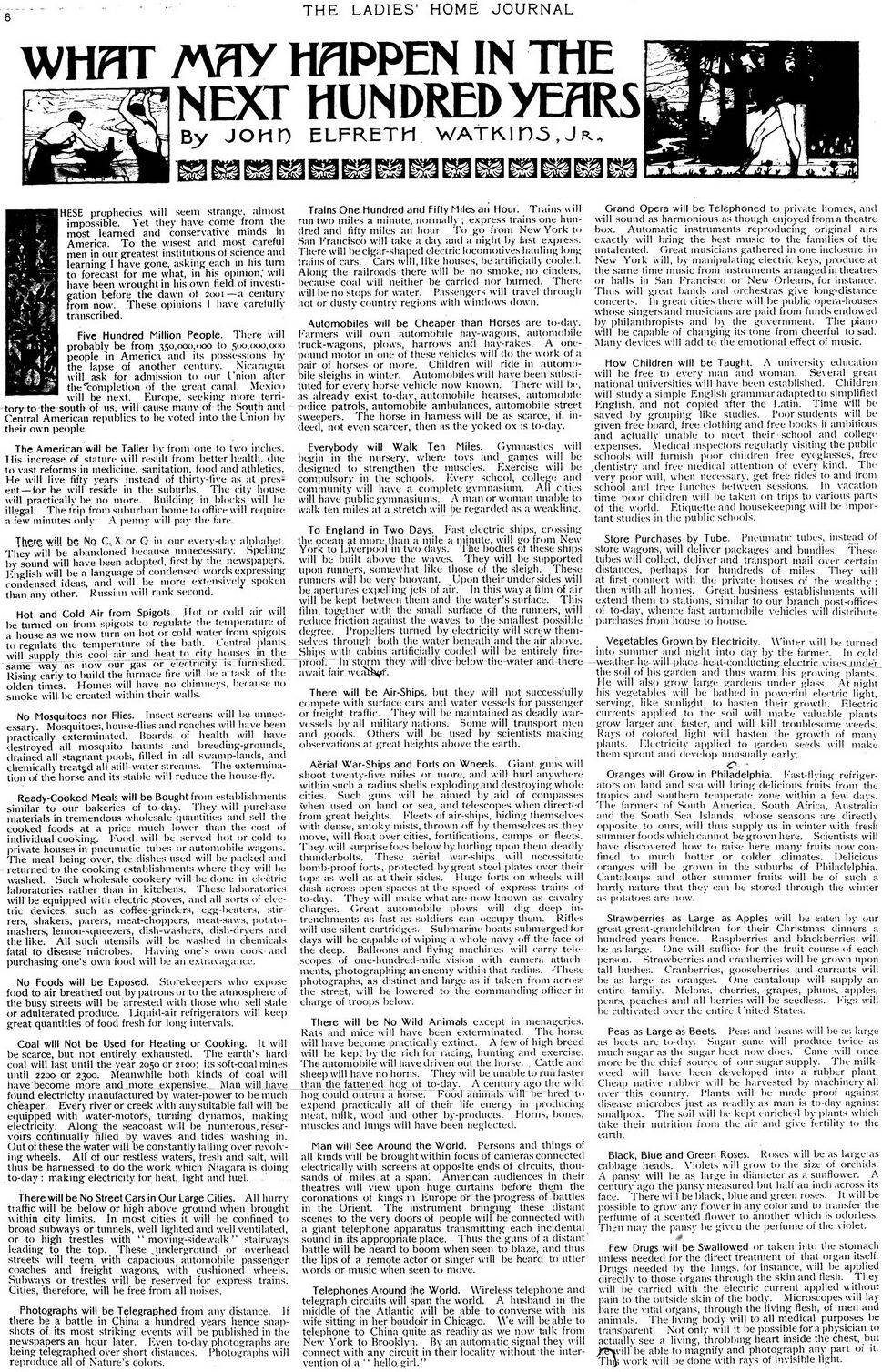
John Elfreth Watkins Jr., in a 1900 article for “Ladies’ Home Journal,” made bold predictions about life in the year 2000. He foresaw advances like mobile phones and digital photography, showcasing his remarkable foresight.
Watkins’s ability to anticipate technological advancements highlights the power of imagination in shaping the future. His predictions, some surprisingly accurate, remind us of the ever-evolving nature of technology and its impact on everyday life.
George Orwell: A Dystopian Glimpse into Surveillance
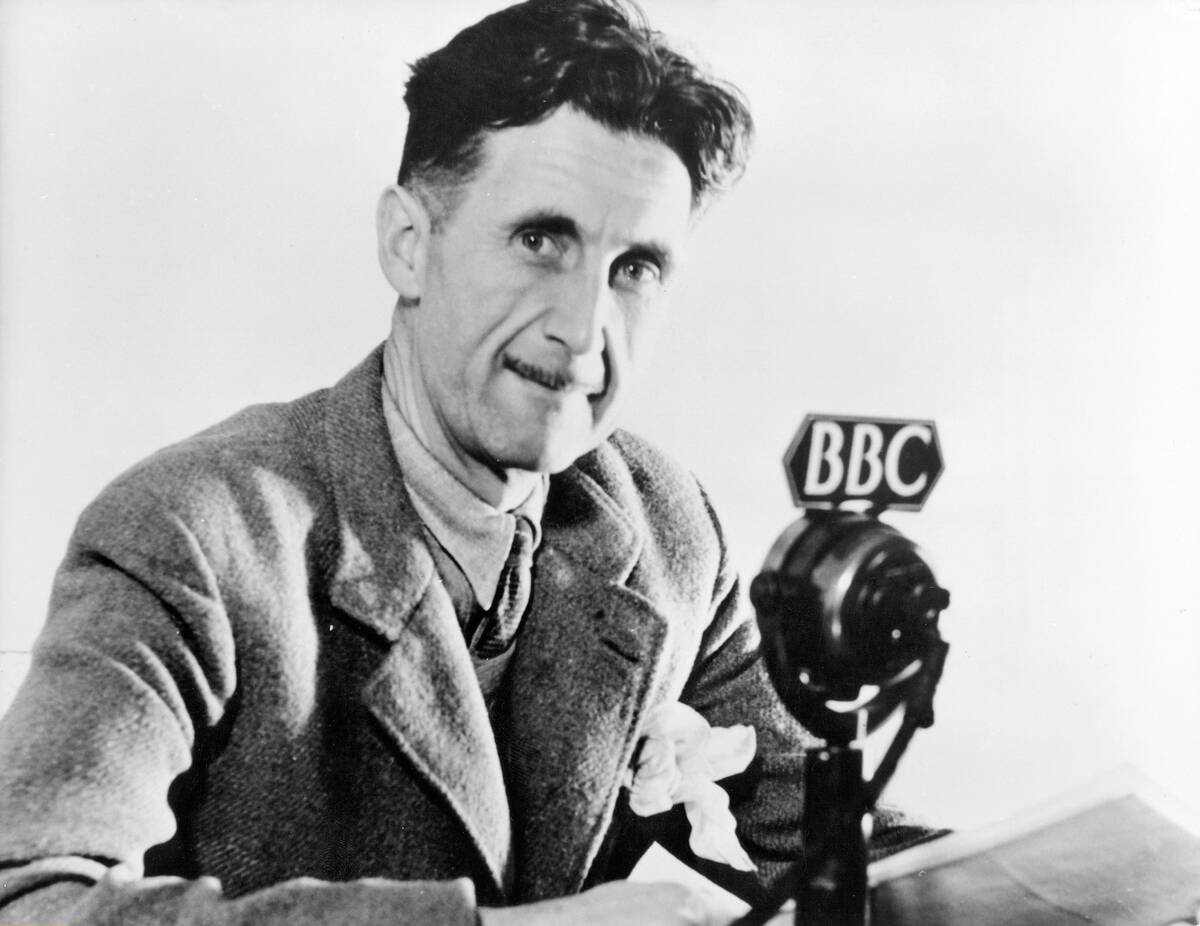
George Orwell’s 1984 painted a chilling picture of a surveillance state, where Big Brother watches every move. Orwell’s exploration of government overreach and privacy invasion resonates in today’s world of digital surveillance.
His work remains a powerful warning against unchecked authority and the erosion of personal freedoms. Orwell’s dystopian vision continues to spark dialogue on the balance between security and individual rights in an increasingly interconnected world.
Philip K. Dick: The Foreseer of Virtual Realities
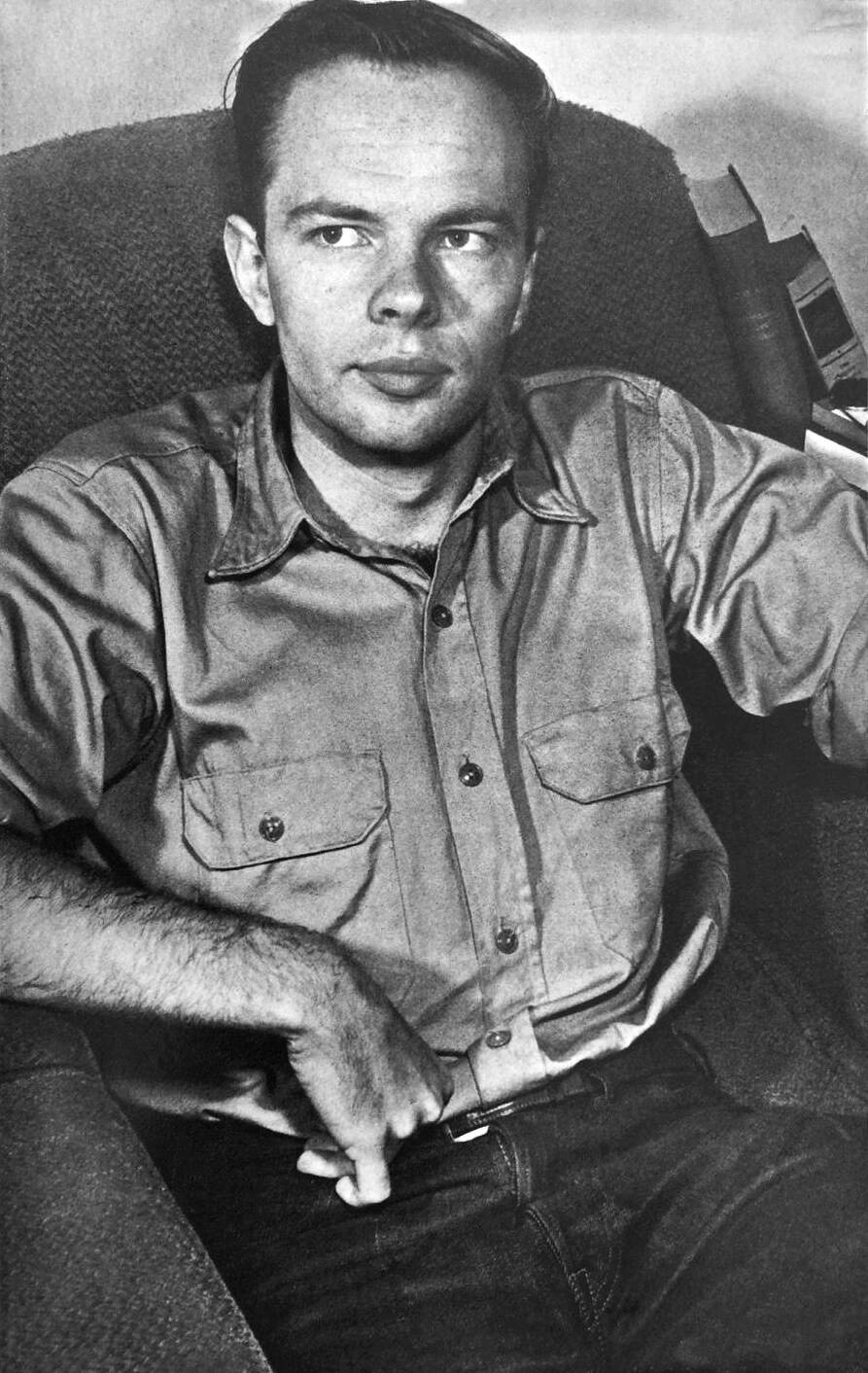
Philip K. Dick’s stories, such as Do Androids Dream of Electric Sheep? and The Minority Report, delved into themes of artificial intelligence and alternate realities. His exploration of virtual realities and consciousness blurred the lines between the real and the imagined.
Dick’s work remains a cornerstone of speculative fiction, inspiring countless films and discussions on the nature of reality. His imaginative storytelling challenges us to question the boundaries of technology and perception.
Ada Lovelace: The First Computer Programmer’s Legacy
![Portrait Of [redacted]](https://media.tellmebest.com/wp-content/uploads/2023/08/portrait-of-ada-byron-24732.jpeg)
Ada Lovelace, often considered the first computer programmer, envisioned the potential of Charles Babbage’s Analytical Engine. Her insights into the machine’s capabilities went beyond mere calculation, laying the groundwork for future computing.
Lovelace’s work anticipated the versatility of computers, marking her as a pioneer in the field of computer science. Her legacy is a testament to the enduring impact of innovation and the foresight to see beyond the limits of contemporary technology.
The Wright Brothers: Pioneers of Aerial Dreams
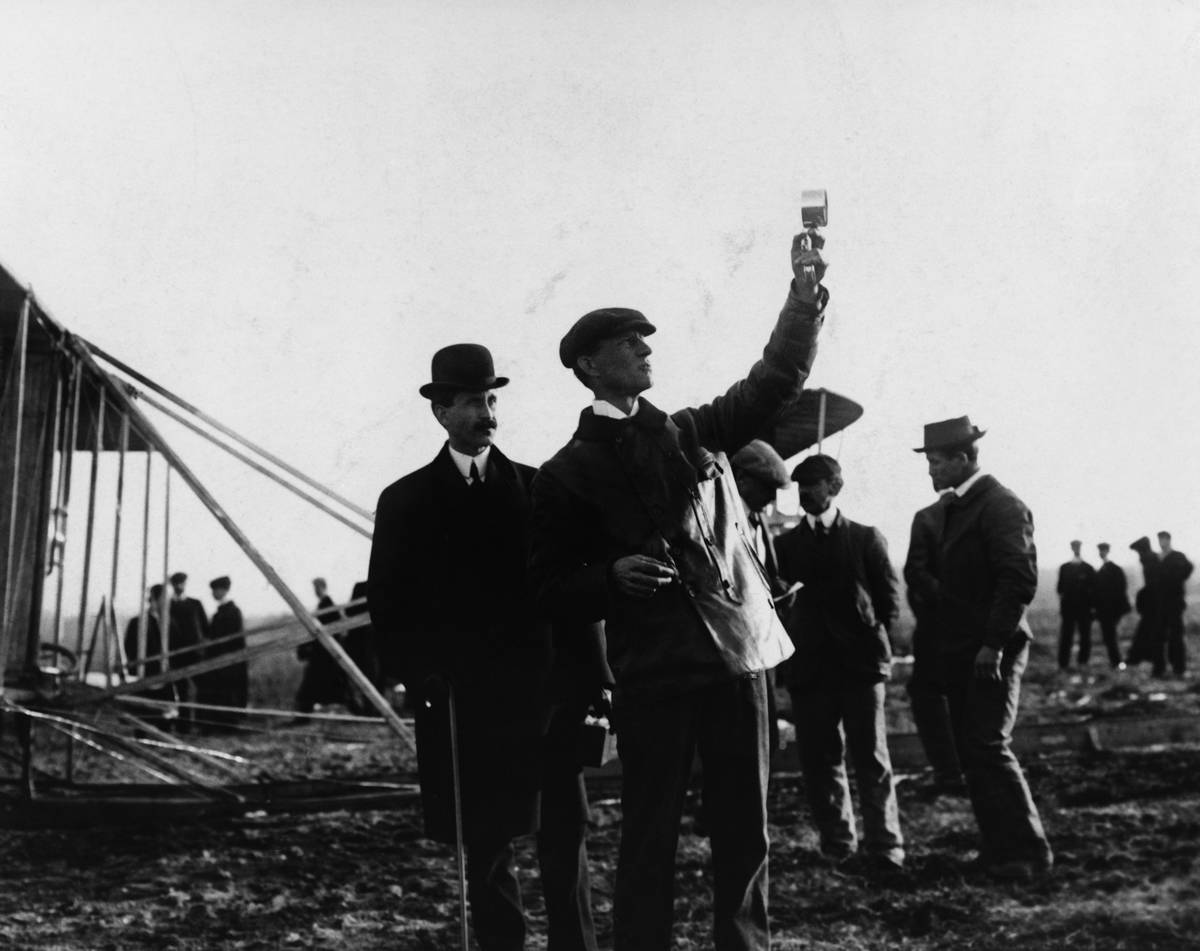
The Wright brothers, Orville and Wilbur, revolutionized transportation with the first successful powered flight in 1903. Their meticulous experimentation and engineering breakthroughs paved the way for modern aviation.
The brothers’ achievements demonstrated the power of perseverance and innovation in overcoming the challenges of flight. Their legacy continues to inspire aeronautical advancements, reminding us of the boundless possibilities when human ingenuity takes to the skies.
Nostradamus: The Enigmatic Prophet of Modern Times
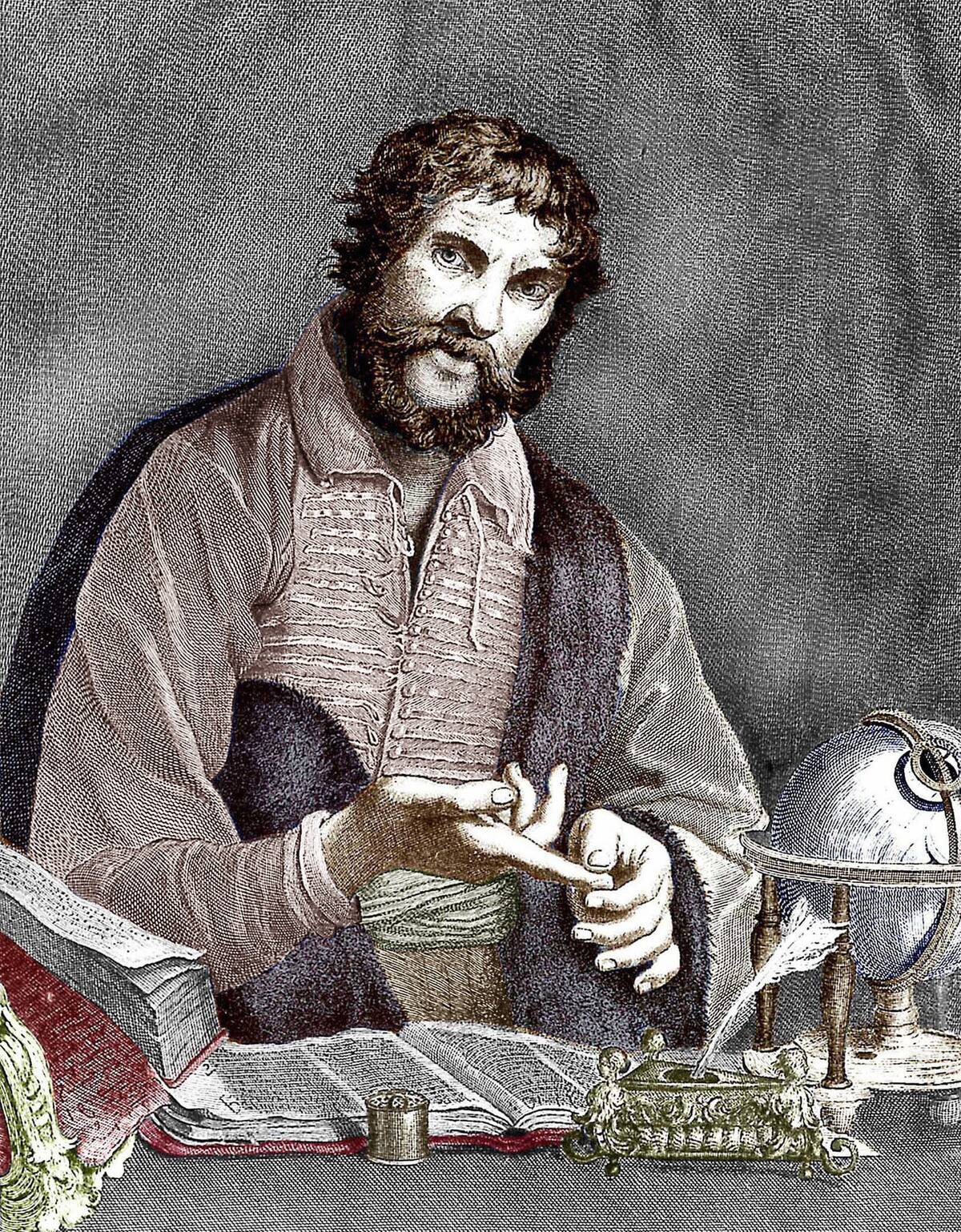
Nostradamus, the 16th-century seer, is often credited with foreseeing major world events. His cryptic quatrains have sparked endless debates and interpretations, with some claiming predictions of wars and natural disasters.
Despite the contentious nature of his prophecies, Nostradamus remains a cultural icon, symbolizing humanity’s fascination with the unknown. His work continues to captivate the public, reflecting our enduring desire to glimpse into the future and unravel its mysteries.




