13 ancient codes that remain unbroken today
Throughout history, humans have been captivated by mysteries, especially those shrouded in codes and ciphers. These enigmatic puzzles hold the power to intrigue, frustrate, and inspire generations of curious minds.
From hidden treasures to secret messages, unbroken codes offer a tantalizing glimpse into the unknown. Their allure lies not only in the challenge they present but also in the promise of unraveling hidden truths about our past.
The Enigmatic Voynich Manuscript
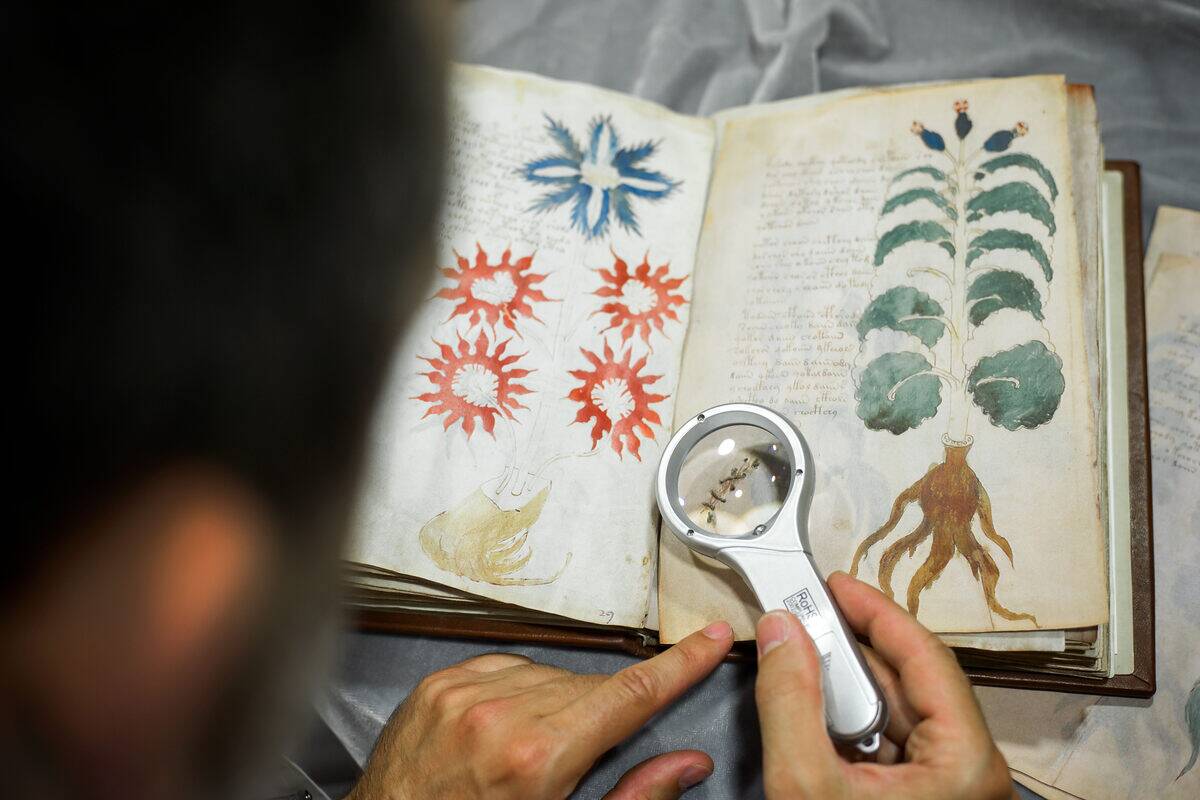
The Voynich Manuscript, a medieval codex, has baffled cryptographers and historians since its discovery. Written in an unknown script and illustrated with mysterious drawings, its purpose and origin remain unknown.
Radiocarbon dating places its creation in the early 15th century, yet no one has been able to decipher its contents. Despite numerous theories suggesting it could be a medicinal guide or a hoax, the manuscript continues to defy explanation.
The Beale Ciphers: Treasure Hunt or Elaborate Hoax?
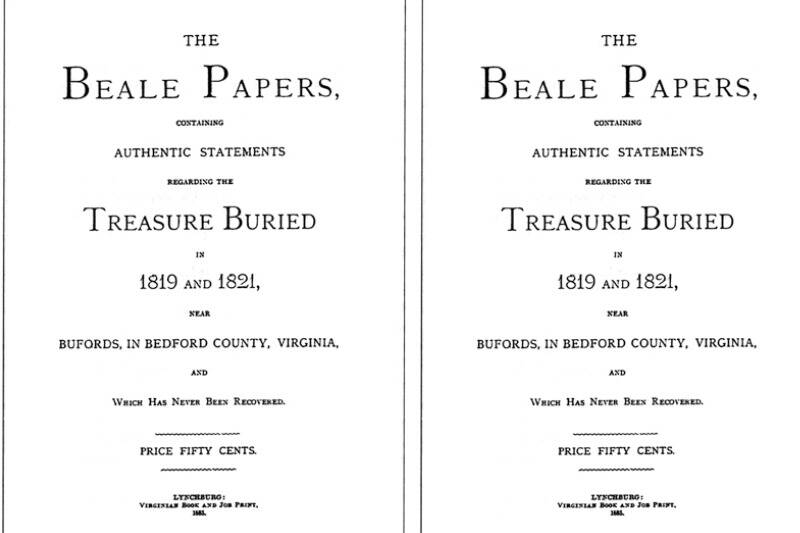
The Beale Ciphers claim to reveal the location of a hidden treasure buried in Bedford County, Virginia. Comprising three texts, only one has been partially deciphered, detailing the treasure’s contents.
Skeptics argue it might be an elaborate hoax, as no treasure has been found, and the story first appeared in a pamphlet by James B. Ward in 1885. Despite this, treasure hunters remain hopeful, believing the codes hold the key to untold riches.
The Mysterious D’Agapeyeff Cipher
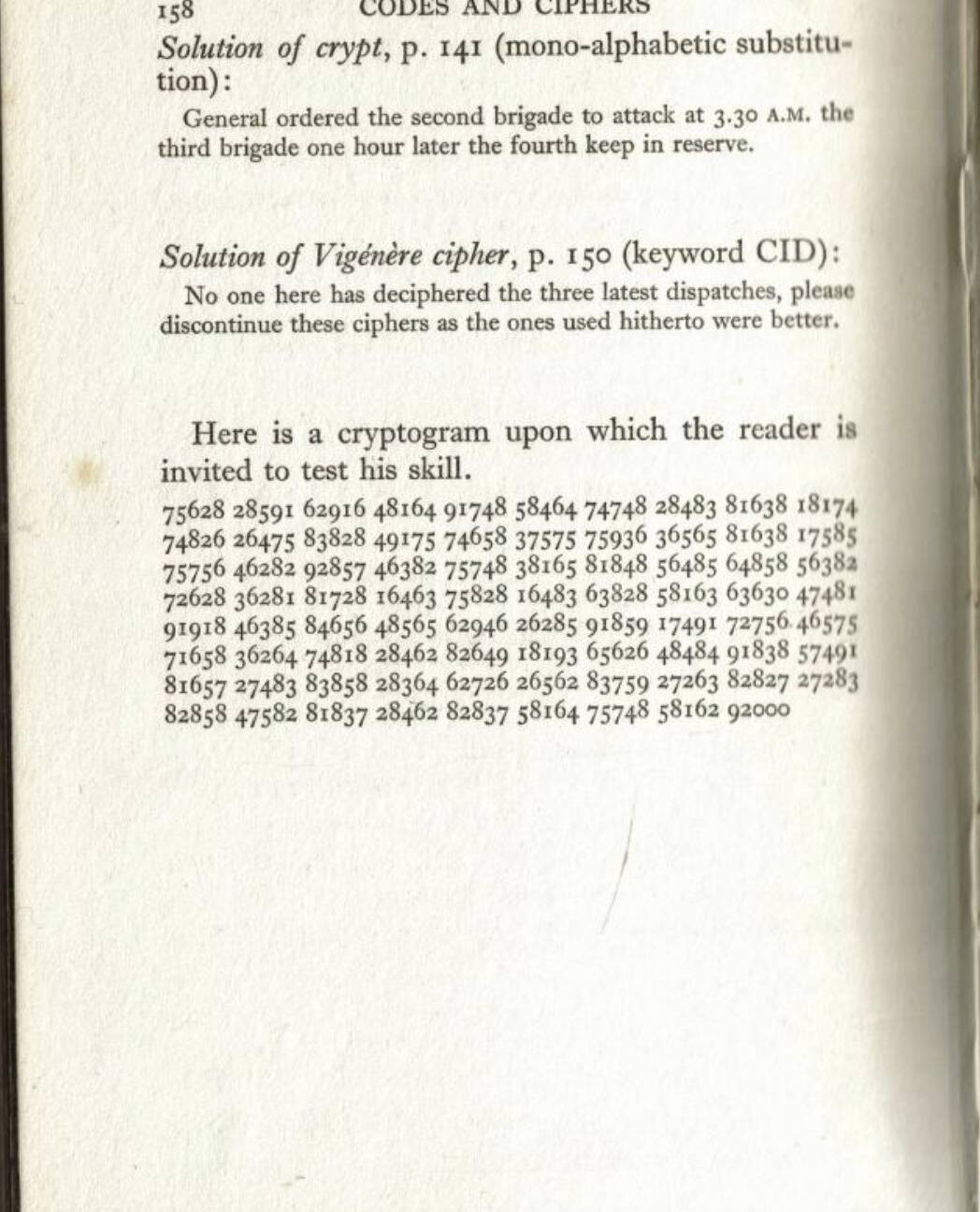
Alexander D’Agapeyeff included a cipher in the first edition of his book, “Codes and Ciphers,” published in 1939. Intended as a challenge, the cipher remains unsolved.
Interestingly, D’Agapeyeff later admitted he forgot the method used to encrypt it, adding to its mystery. Cryptographers have attempted various techniques, but the solution continues to elude them, making it a tantalizing puzzle in the world of cryptography.
The Kryptos Sculpture: A Puzzle at CIA Headquarters
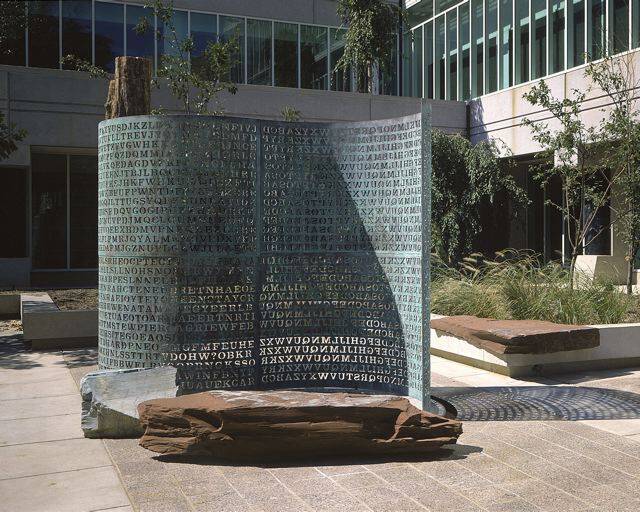
The Kryptos sculpture, created by artist Jim Sanborn, stands on the grounds of the CIA headquarters. It features an encrypted message composed of four sections, three of which have been solved.
The fourth, however, remains a mystery. Installed in 1990, the sculpture challenges both amateur and professional cryptanalysts. Sanborn has provided hints over the years, yet the final piece of the puzzle continues to stump codebreakers worldwide.
The Dorabella Cipher: A Musical Mystery
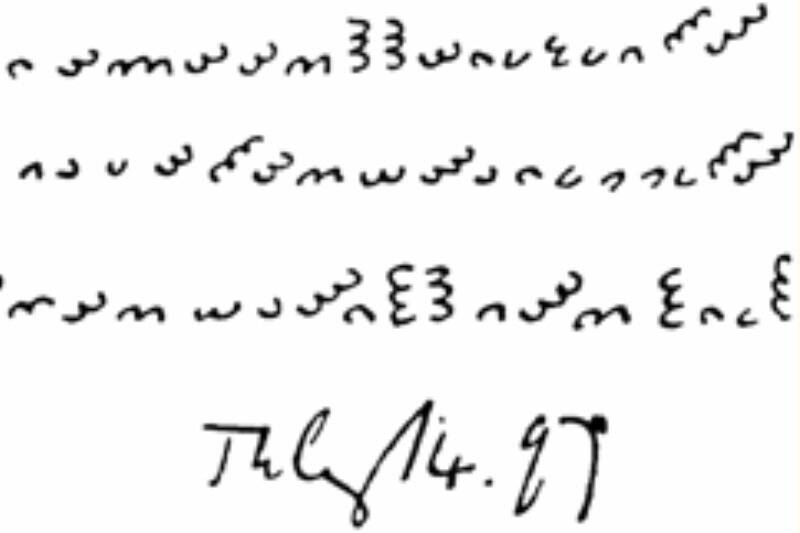
The Dorabella Cipher, penned by composer Edward Elgar in 1897, was sent to his friend Dora Penny. Written in a series of looping symbols, its meaning has never been deciphered.
Some believe it might be a private message or a musical reference, yet it remains an unsolved enigma. Elgar’s love for puzzles and codes only deepens the intrigue, leaving enthusiasts speculating about its true intent.
The McCormick Cipher: A Cold Case with Cold Leads
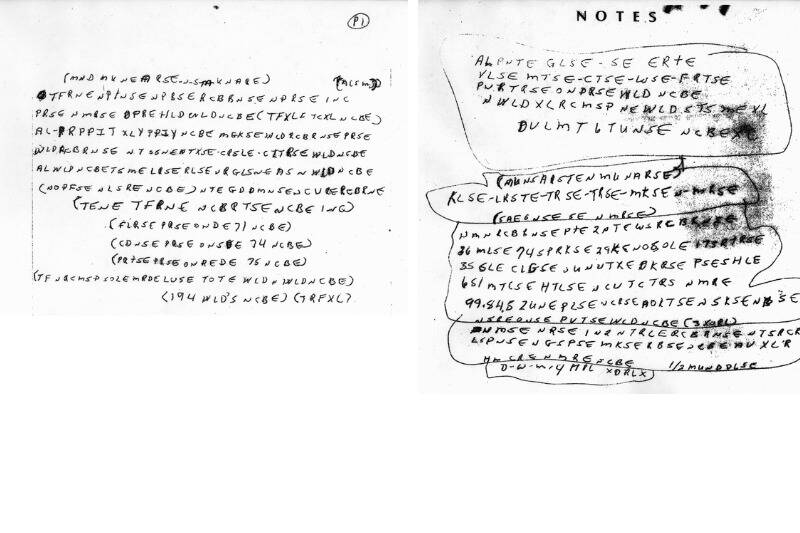
In 1999, Ricky McCormick was found dead in Missouri, with two encrypted notes in his pockets. Despite efforts by the FBI’s Cryptanalysis and Racketeering Records Unit, the ciphers remain unsolved.
The notes, believed to hold clues to his death, continue to baffle investigators. The case highlights the challenge of deciphering messages without context or a known codebook, leaving it a cold case with few leads.
The Tamam Shud Case: The Code in a Dead Man’s Pocket
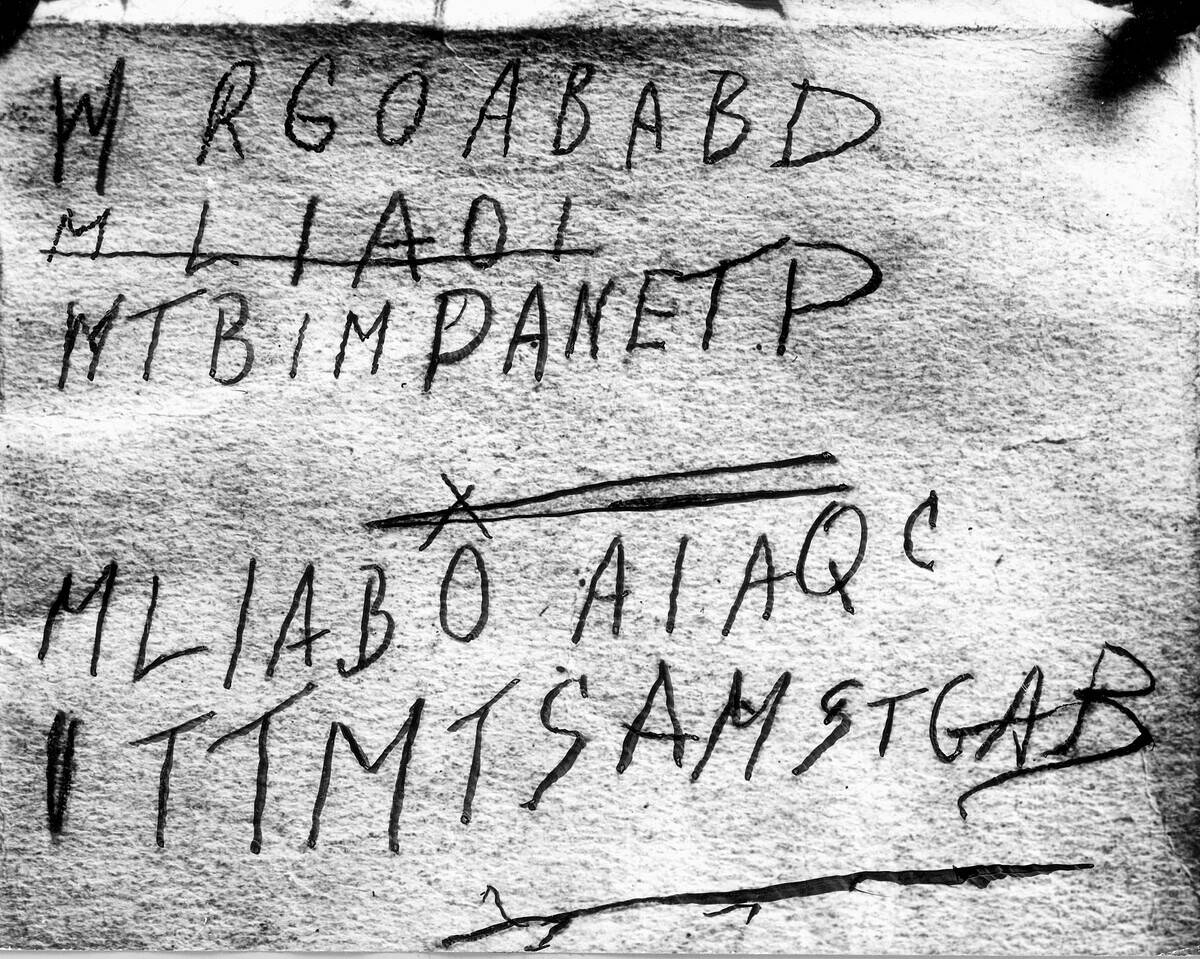
The Tamam Shud case, also known as the Somerton Man mystery, began in 1948 when an unidentified man was found dead on an Australian beach. A scrap of paper with the words “Tamam Shud” was found in his pocket, torn from a book of Persian poetry.
A copy of the book, discovered in a car, contained a mysterious code. Despite extensive investigations, the man’s identity and the code’s meaning remain unsolved. Yet, while this is unconfirmed by Australian police, genetic genealogy from the man’s hair suggests his identity is Carl “Charles” Webb.
The Zodiac Killer’s Unsolved Cipher
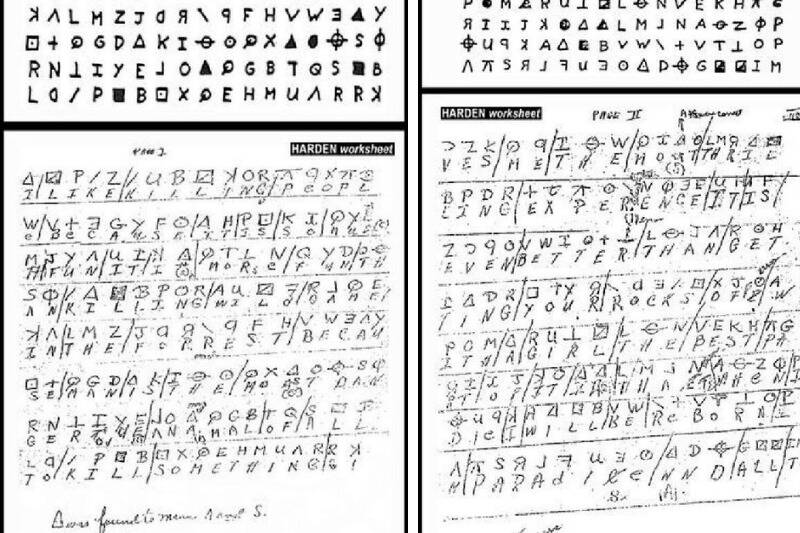
The Zodiac Killer, active in the late 1960s, sent taunting letters to newspapers, some containing ciphers. While most have been solved, one remains unbroken. Known as the Z340, it was sent in 1969 and continues to puzzle cryptanalysts.
The FBI and amateur codebreakers have dedicated countless hours to cracking it, hoping it might reveal the killer’s identity. The cipher’s complexity and the passage of time add to its enduring mystery.
The Phaistos Disc: An Ancient Writing Riddle
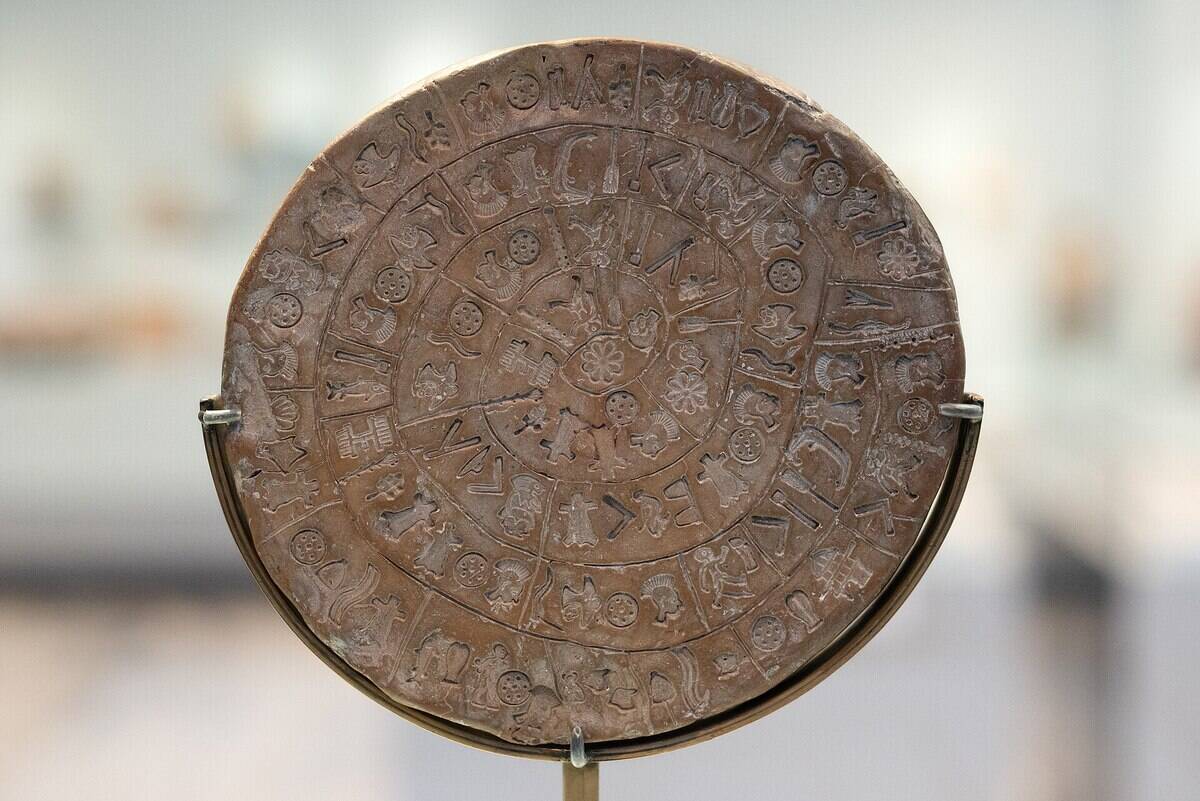
Discovered in 1908 on the Greek island of Crete, the Phaistos Disc features symbols stamped into clay. Dating back to the second millennium BC, its purpose and meaning remain unclear.
Some suggest it could be a prayer or a game, but the lack of comparable texts makes translation difficult. The disc’s unique format and enigmatic symbols continue to captivate archaeologists and linguists, making it a fascinating ancient puzzle.
The Code of the Indus Valley Civilization
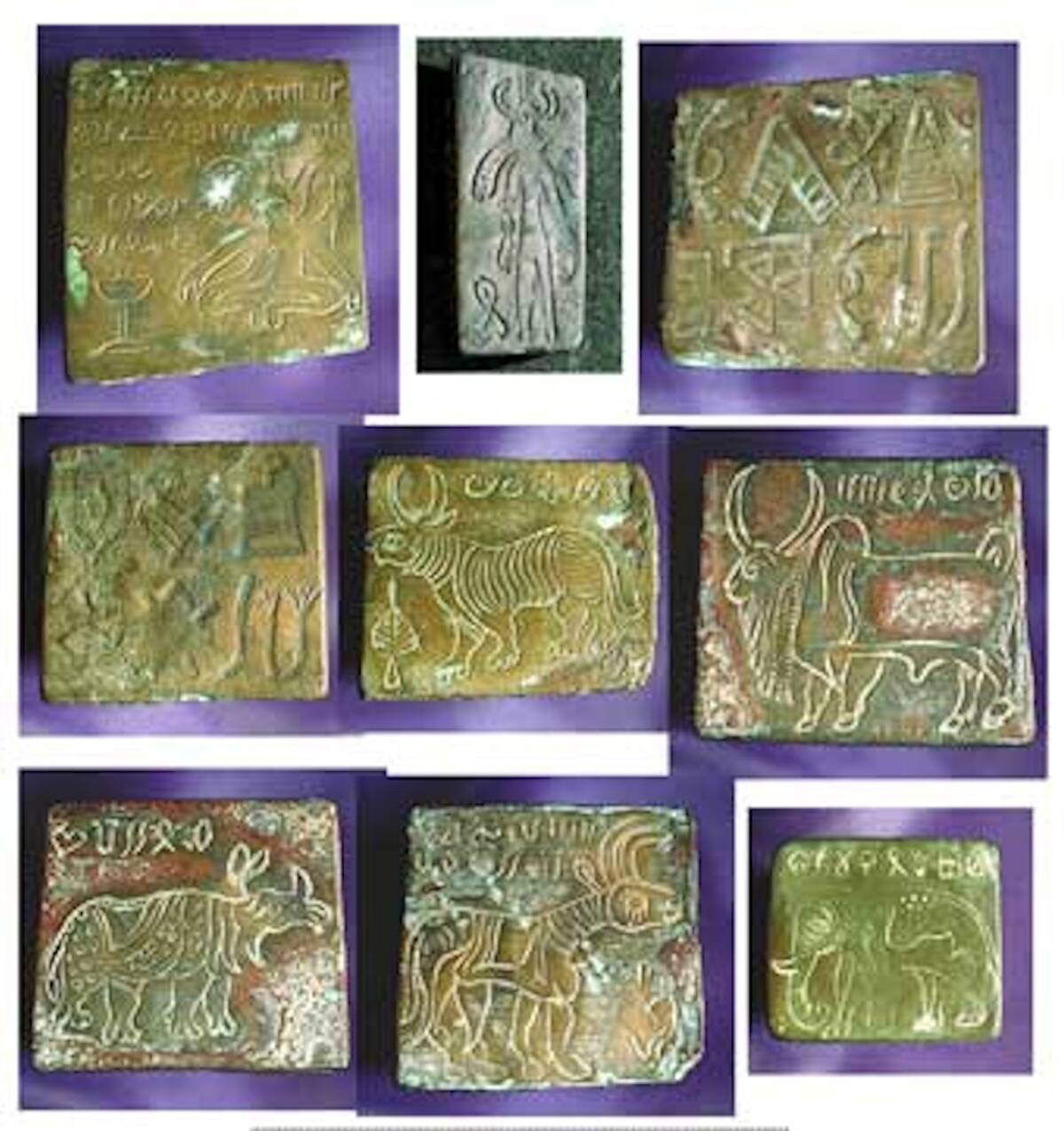
The Indus Valley Civilization, which thrived around 2500 BC, left behind numerous inscriptions on seals and tablets. Despite extensive research, their script remains undeciphered. Scholars debate whether it represents a language or a symbolic system.
The lack of bilingual texts, like the Rosetta Stone for Egyptian hieroglyphs, complicates efforts to understand this ancient civilization. Solving this script could unlock secrets about one of the world’s earliest urban cultures.
The Shugborough Inscription: A Cryptic Message in Stone

The Shugborough Inscription, found on the Shepherd’s Monument in Staffordshire, England, consists of the letters “D OUOSVAVV M.” The stone dates back to the 18th century, and the meaning of the inscription is unknown.
Some theories suggest it could be related to the Knights Templar or a hidden message from the monument’s creators. Despite numerous attempts to decipher it, the true meaning of the inscription remains a mystery.
The Rohonc Codex: Hungary’s Unreadable Book
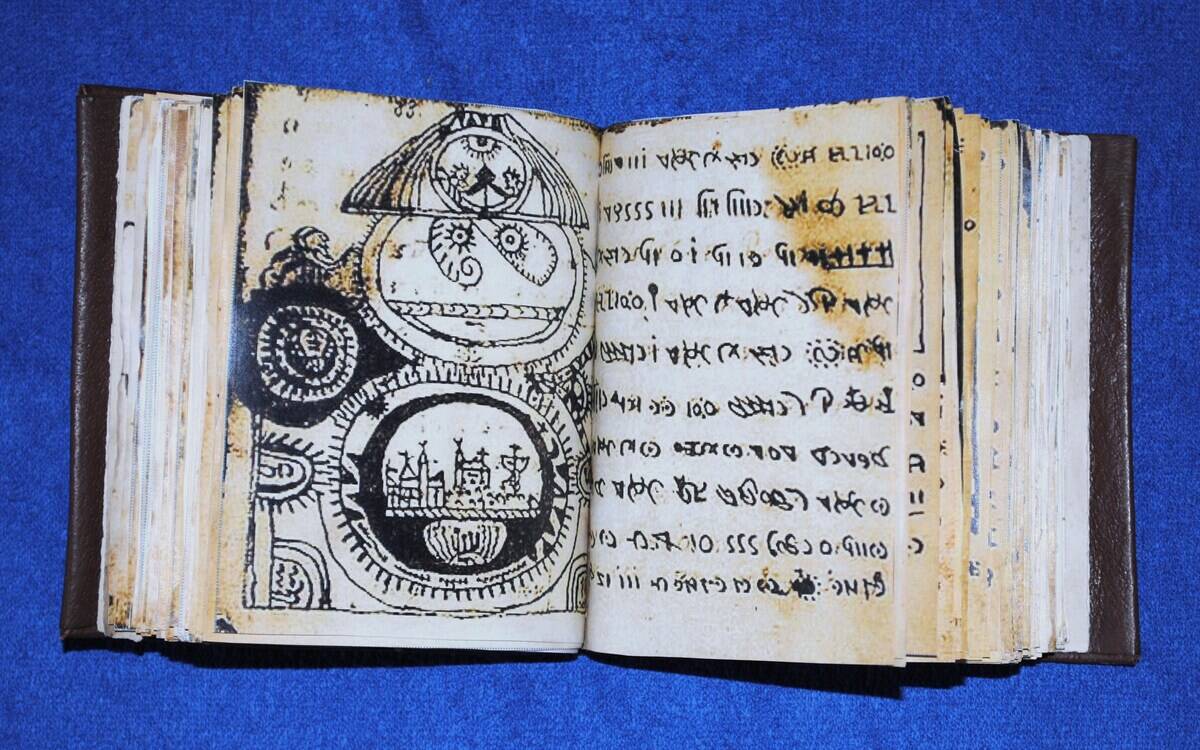
The Rohonc Codex, discovered in Hungary in the 19th century, is a handwritten book filled with an unknown script and illustrations. Its origin and purpose are subjects of debate, with some suggesting it might be a religious text or a historical account.
The script’s uniqueness and the lack of similar texts make decipherment challenging. Efforts to decode the book have yet to yield results, keeping it one of Hungary’s great historical enigmas.
The Famed “Wow!” Signal: A Cosmic Puzzle
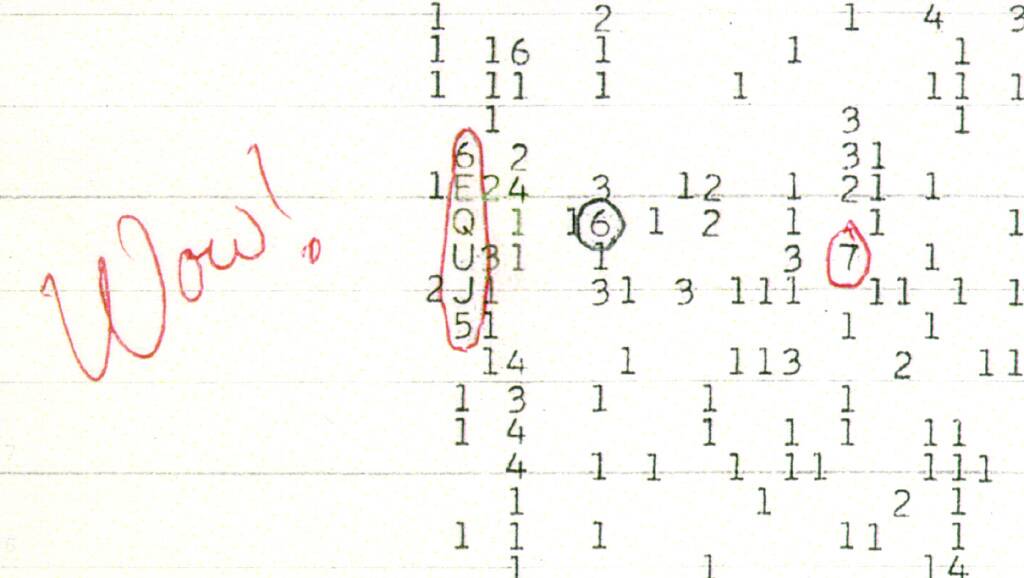
In 1977, astronomer Jerry R. Ehman recorded a radio signal from outer space so unusual that he scribbled “Wow!” next to the data. The 72-second signal came from the direction of the constellation Sagittarius and has never been explained.
Despite extensive searches, no similar signals have been detected. The “Wow!” signal remains a tantalizing mystery, sparking debates about extraterrestrial intelligence and the vast unknowns of the universe.