17 photos of historic hoaxes that fooled the world
Hoaxes have an uncanny ability to capture our imagination, often blending curiosity with disbelief. The allure of the unbelievable taps into our innate desire for mystery and wonder.
While some hoaxes are crafted with malicious intent, others are born out of sheer mischief or artistic expression. The reasons we fall for them are as varied as the hoaxes themselves, from wanting to believe in something extraordinary to simply being caught off guard by a convincing tale.
The Great Moon Hoax of 1835: When Lunar Life Was the Talk of the Town
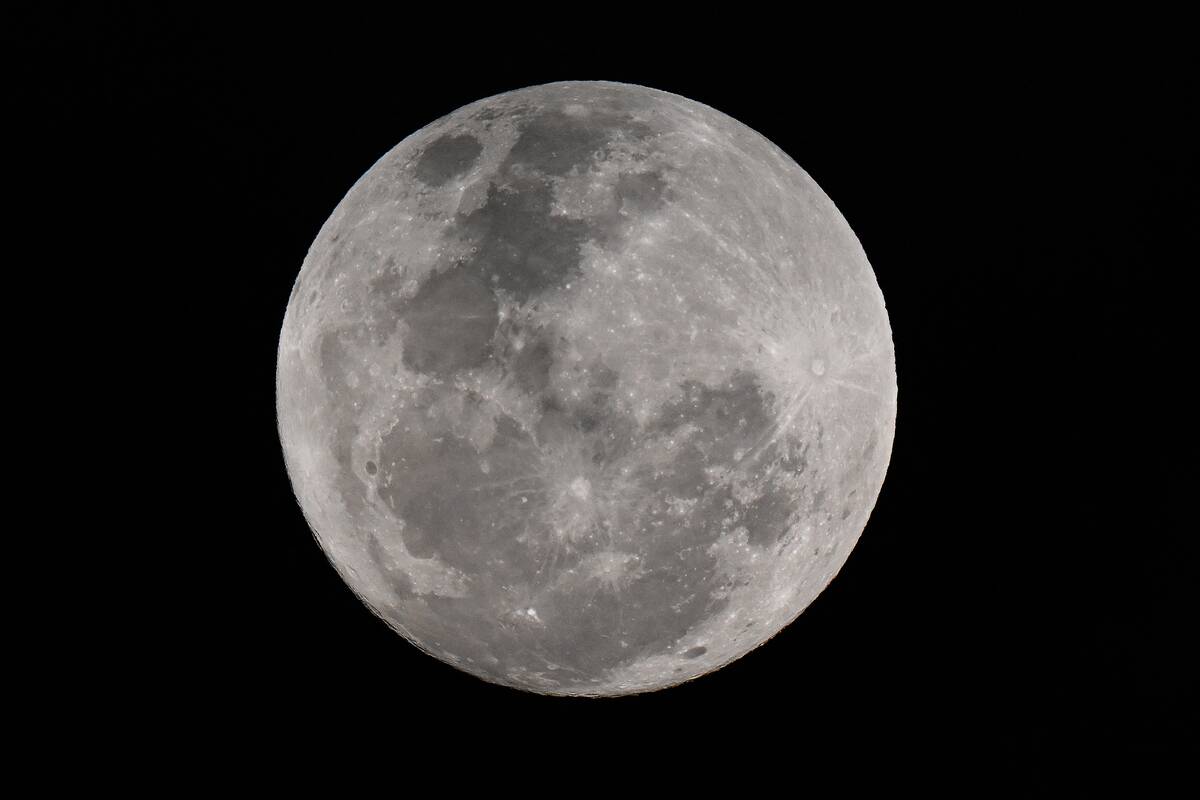
In 1835, The Sun newspaper published a series of articles claiming astronomer Sir John Herschel had discovered life on the Moon. The detailed descriptions of bat-like creatures and crystal-clear lakes captivated readers across New York. At the time, this was a groundbreaking story, as telescopic astronomy was advancing rapidly.
Many believed the hoax, not realizing it was a fabricated account designed to attract readers and boost newspaper sales. This lunar tale remains a fascinating example of how easily fiction can become accepted as fact in the public’s mind.
Cardiff Giant: The Tale of a Petrified Giant That Fooled a Nation

The Cardiff Giant was unearthed in 1869 in New York, touted as a petrified ancient giant. This 10-foot-tall “find” attracted thousands of visitors willing to pay to see it. The truth was that the giant was a creation of George Hull, who carved it from gypsum as part of a deliberate hoax intended both to challenge literal biblical beliefs and to make money.
It was later exposed as a hoax, yet it reflects the era’s fascination with biblical giants and the eagerness of a public to witness marvels from the past.
Piltdown Man: The Fake Fossil That Tricked the Scientific Community
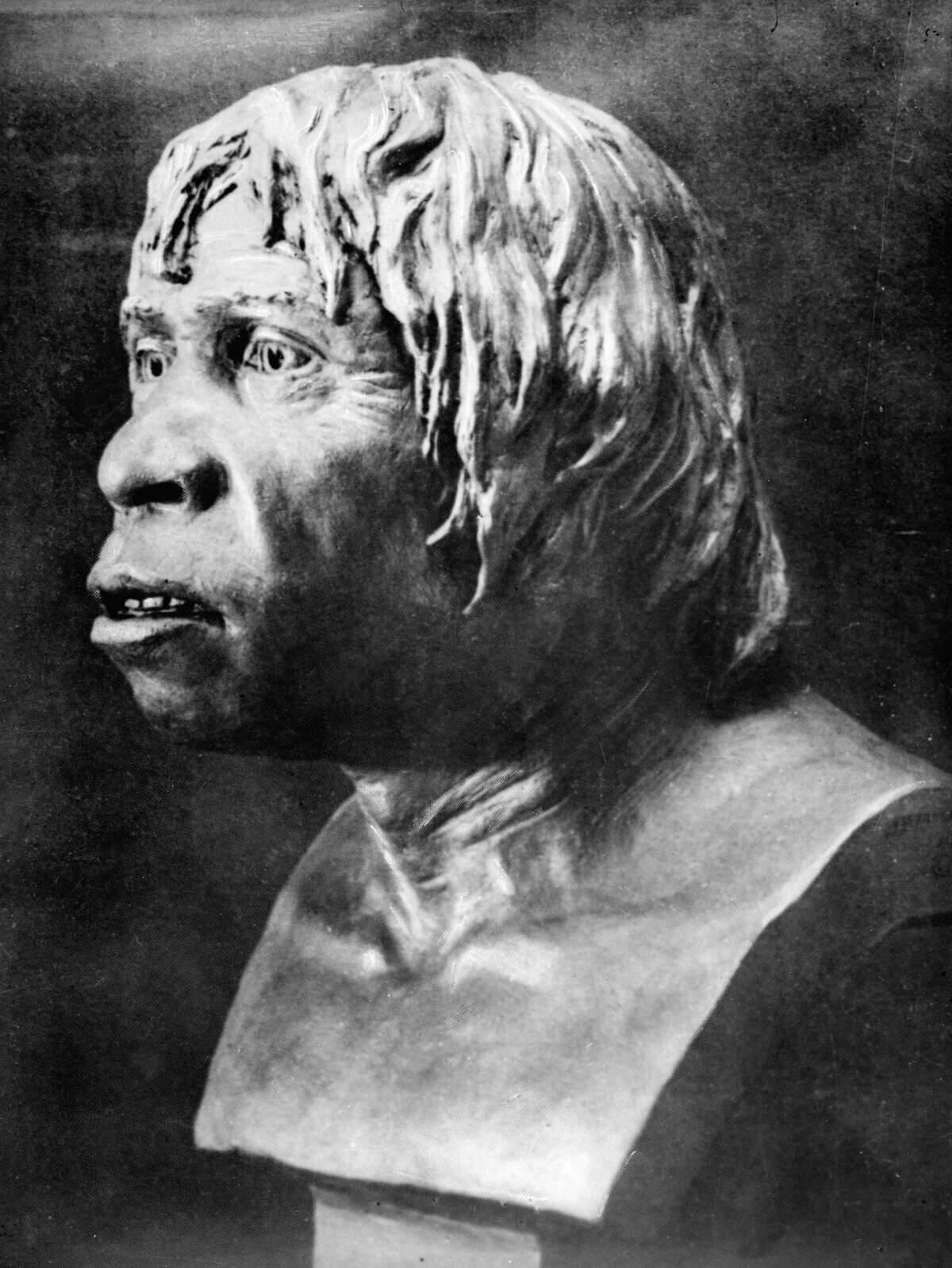
In 1912, the discovery of Piltdown Man in England was hailed as a major link in human evolution. For decades, it was considered a crucial piece in the puzzle of our ancestry. However, in 1953, it was revealed to be a forgery, comprised of a human skull and an orangutan jaw.
The Piltdown Man hoax highlights the scientific community’s vulnerability to confirmation bias, as researchers were eager to find evidence supporting preconceived notions about human evolution.
The Loch Ness Monster: A Legend Fueled by Hoaxes and Hopes
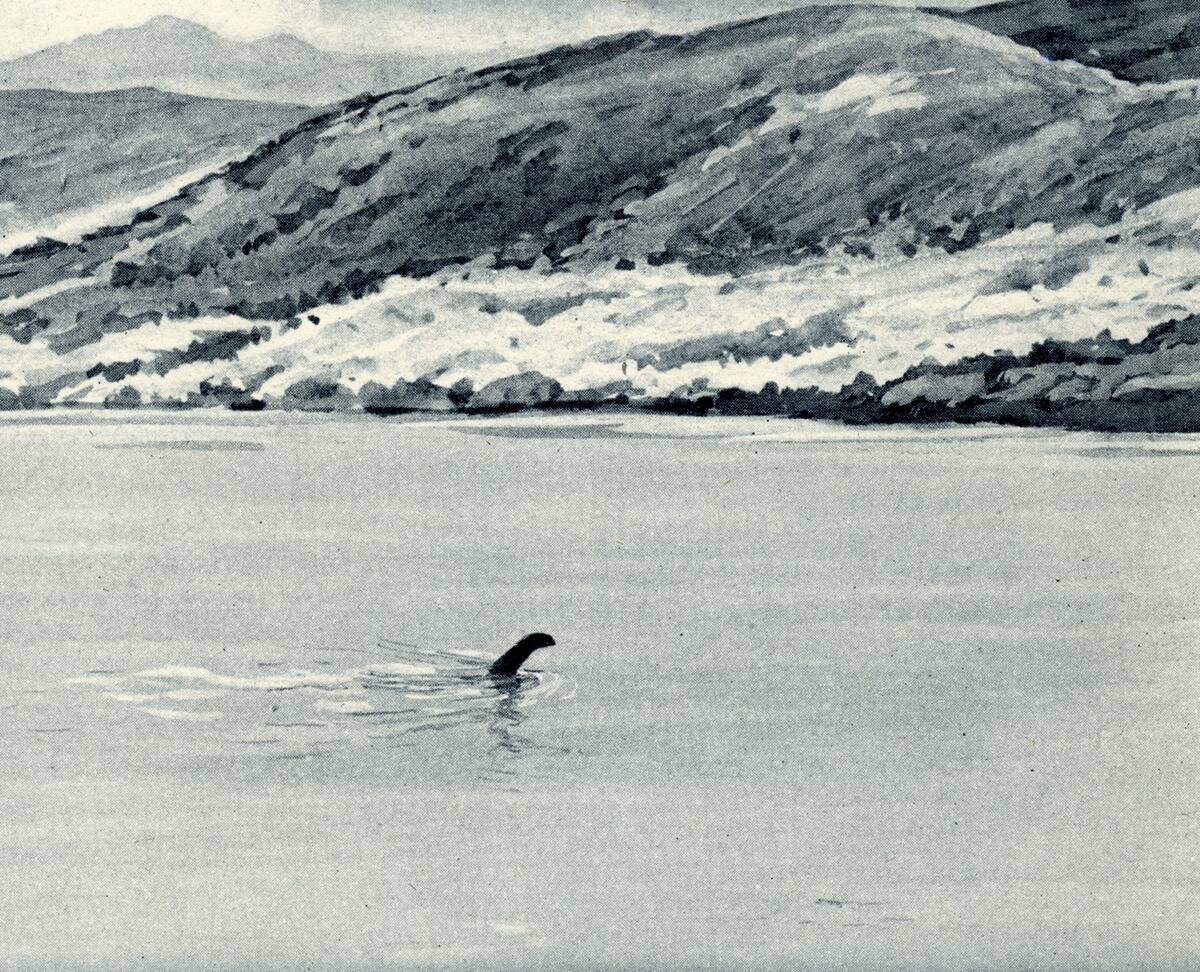
The legend of the Loch Ness Monster has been around for centuries, but it gained significant attention in the 1930s with a famous photo supposedly capturing the creature. Known as the “Surgeon’s Photograph,” it was revealed decades later to be a hoax involving a small model of a monster’s head and neck attached to a toy submarine.
Despite this, sightings and tales continue, driven by a blend of local lore and the desire to believe in the unknown. Nessie remains a symbol of how myths can thrive even in the face of debunking.
The War of the Worlds Broadcast: When Radio Created Mass Panic

Orson Welles’ 1938 radio adaptation of H.G. Wells’ The War of the Worlds caused panic among some listeners who believed an actual Martian invasion was underway. The broadcast’s realistic format, complete with news bulletins, blurred the line between fiction and reality.
While reports of widespread chaos were exaggerated, the incident demonstrated the power of media to influence public perception. It remains a classic example of how convincingly presented information can sway audiences.
The Cottingley Fairies: How Two Girls and Their Photos Fooled the World

In 1917, two young cousins in England claimed to have photographed fairies in their garden. The images enchanted many, including author Sir Arthur Conan Doyle, who was a spiritualist.
It wasn’t until decades later that the girls admitted the photos were staged using paper cutouts. The Cottingley Fairies affair highlights our willingness to believe in the magical and unseen, especially when credible figures lend their support to the narrative.
The Spaghetti Tree Hoax: A Harvest of Laughter on April Fool’s Day

On April 1, 1957, the BBC aired a segment about Swiss farmers harvesting spaghetti from trees. Viewers called in, curious about growing their own pasta. The prank exploited the novelty of television as a new medium, where viewers were more trusting of visual evidence.
The spaghetti tree hoax is remembered as one of the best April Fool’s jokes, illustrating how humor and absurdity can effectively challenge our perceptions of reality.
The Tasaday Tribe: A Fabricated Story of a Lost Stone Age Community
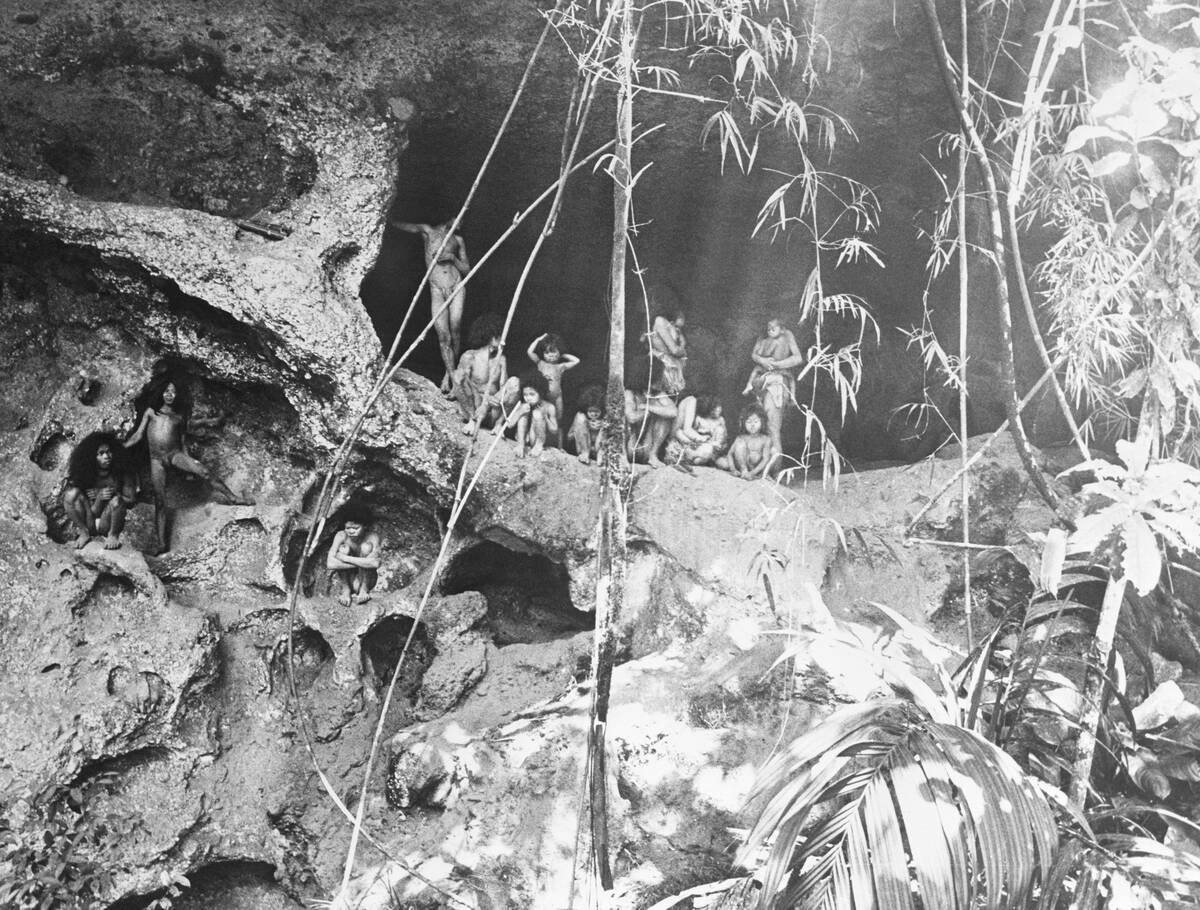
In the 1970s, the Tasaday tribe of the Philippines was portrayed as a primitive group untouched by modern civilization. Their discovery was heralded as a major anthropological find.
However, later investigations suggested that aspects of the tribe’s lifestyle had been staged or exaggerated for the media. The Tasaday controversy underscores the ethical dilemmas in anthropology and the ease with which narratives can be constructed to fit romanticized ideals of “untouched” societies.
The Hitler Diaries: The Literary Forgery That Shocked Historians

In 1983, the discovery of Adolf Hitler’s diaries was announced, promising new insights into the dictator’s mind. However, the diaries were quickly debunked as forgeries by journalist Gerd Heidemann and conman Konrad Kujau.
The scandal highlighted the eagerness of historians and media to uncover new historical documents, sometimes at the expense of due diligence. Despite the embarrassment, the hoax served as a cautionary tale about the importance of rigorous authentication in historical research.
Crop Circles: The Mysterious Patterns That Spawned Theories and Hoaxes
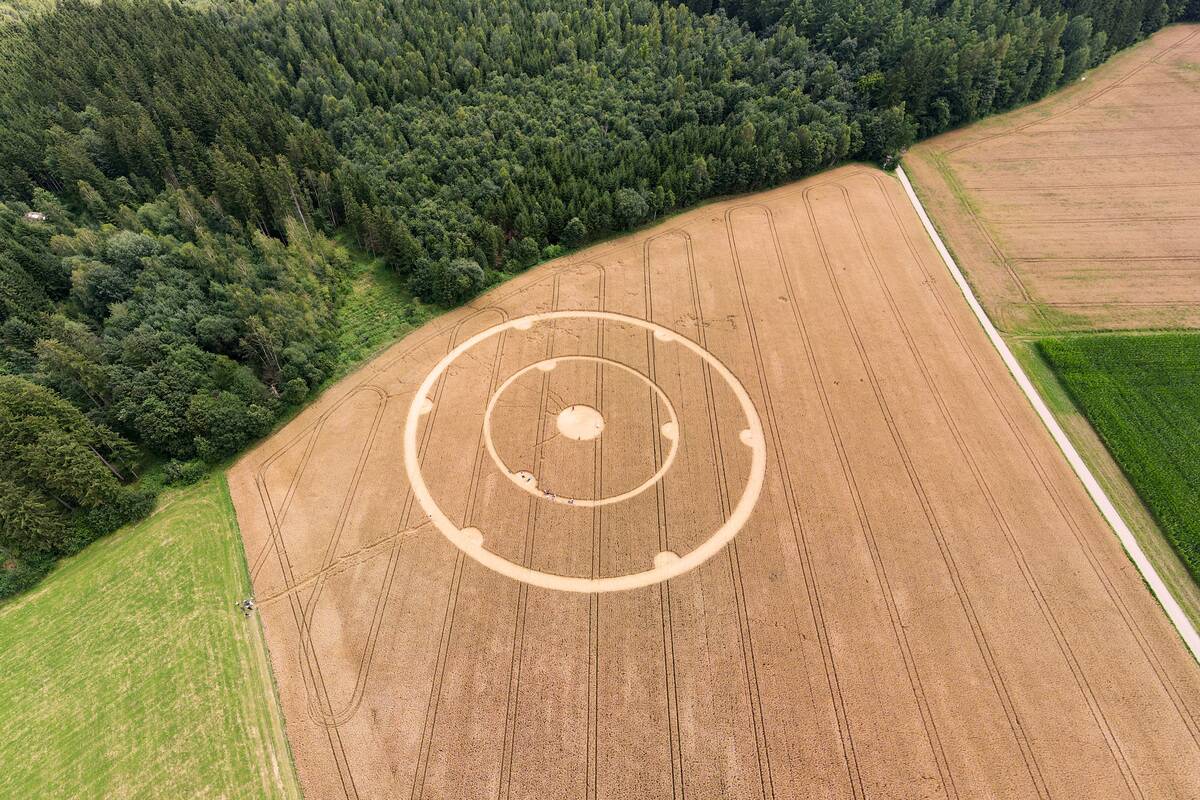
Crop circles have fascinated people since the 1970s, with intricate designs appearing overnight in fields across the world. Initially attributed to extraterrestrial activity, many were later revealed as the work of pranksters using ropes and planks.
The phenomenon continues to inspire speculation and wonder, blending artistry with mystery. Crop circles are a testament to our fascination with the unexplained and the lengths to which some will go to create it.
The Balloon Boy Incident: A High-Flying Hoax That Captured Global Attention

In 2009, the world watched as a homemade balloon soared across Colorado, believed to carry six-year-old Falcon Heene. After hours of media frenzy, it was revealed that Falcon was never in the balloon but hiding at home.
The incident was a publicity stunt orchestrated by his parents. This modern hoax highlights the speed at which information—and misinformation—can spread, especially in an age where media coverage is instantaneous and pervasive.
The Sokal Affair: When a Physicist’s Hoax Exposed Academic Flaws

Physicist Alan Sokal submitted a nonsensical paper to a cultural studies journal in 1996, intentionally filled with absurdities. The paper was published, sparking a debate about academic rigor and peer review processes.
The Sokal Affair illustrated the susceptibility of some academic fields to jargon-heavy, nonsensical content. It served as a critical reminder of the importance of maintaining intellectual standards and the potential pitfalls of postmodern relativism in scholarly work.
The Amityville Horror: The Real Estate Hoax That Became a Horror Classic

The Amityville Horror began with the Lutz family’s claims of paranormal activity in their New York home in 1975. Their story inspired books and movies, becoming a cultural phenomenon.
However, many of the haunting’s details have been disputed and dismissed as fabrications. Despite this, the tale persists, tapping into our love for ghost stories and the idea of terror lurking in the most unsuspecting places. It reflects how myths can be amplified through media and storytelling.
The Dreadnought Hoax: When a Poet and His Crew Pranked the Royal Navy
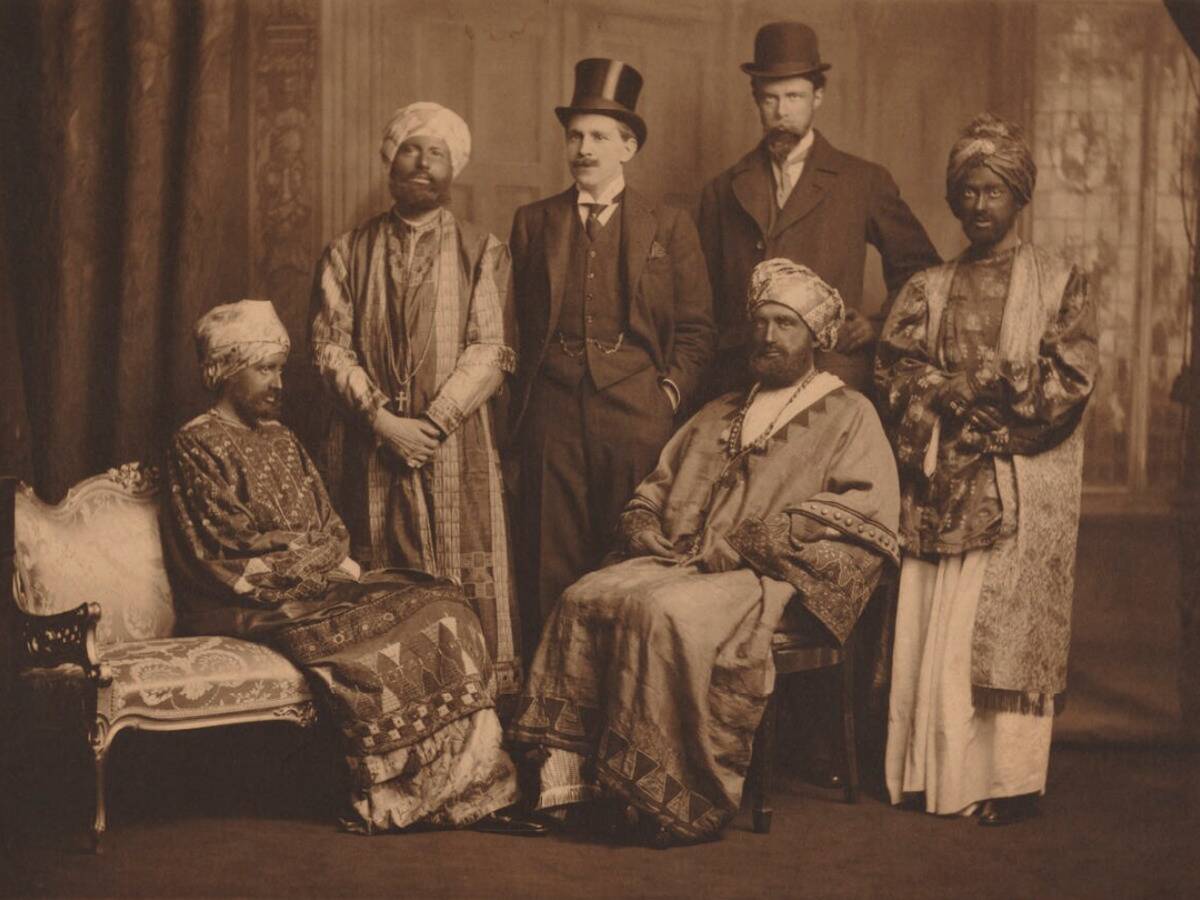
In 1910, Horace de Vere Cole and friends, including Virginia Woolf, disguised themselves as Abyssinian royalty and tricked the Royal Navy into giving them a tour of the HMS Dreadnought. The prank was a commentary on British imperial attitudes and the gullibility of authority figures.
The hoax was widely publicized, both embarrassing the Navy and entertaining the public. It remains a legendary example of how creativity and audacity can challenge institutional respectability.
The Lying Stones of Dr. Beringer: A Hoax That Ended in Infamy
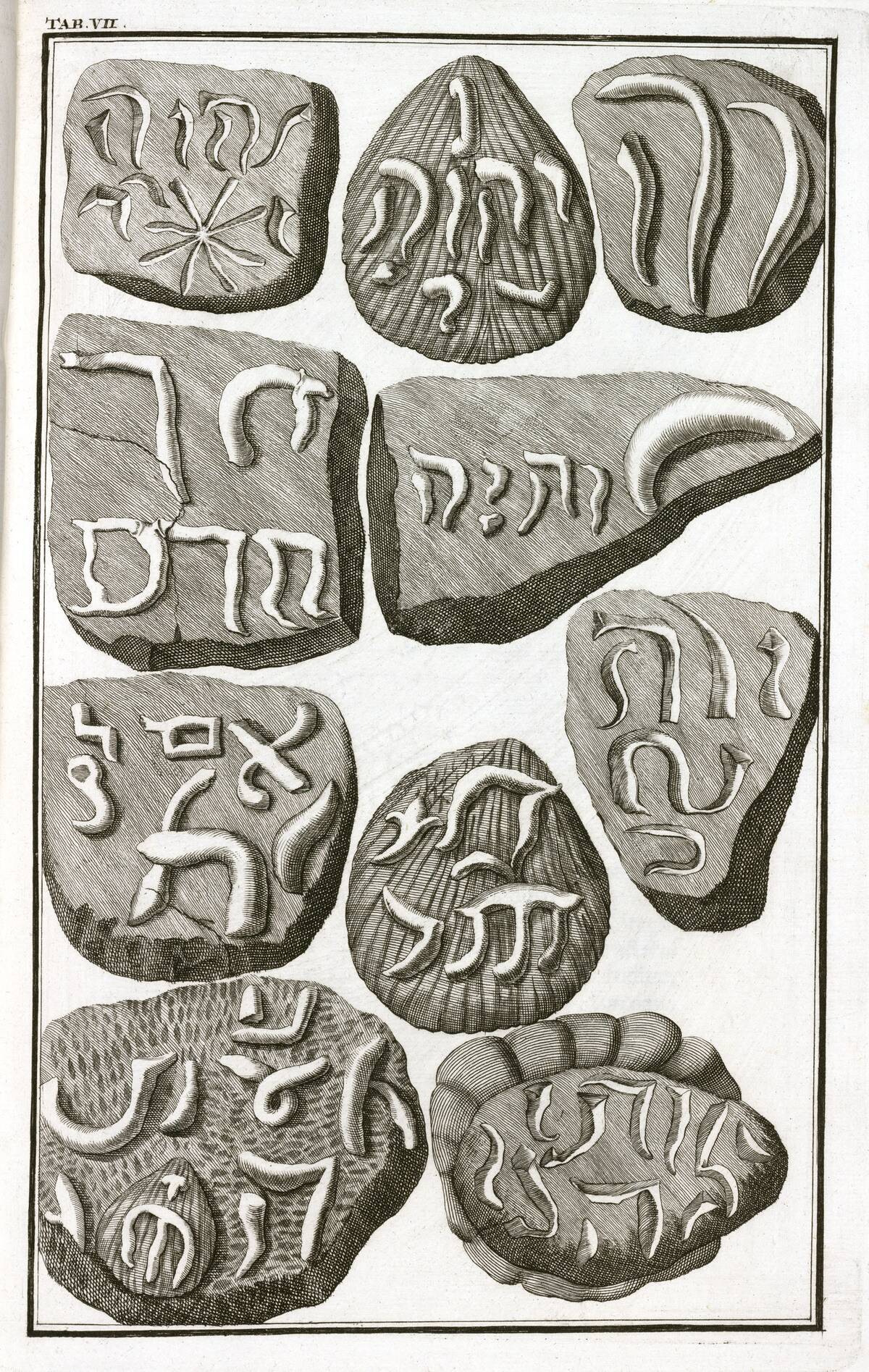
In the early 18th century, Johann Beringer, a German professor, discovered stones engraved with curious images and inscriptions. Believing them to be of divine origin, he published his findings, only to learn they were planted by colleagues as a joke.
This hoax ruined Beringer’s reputation and serves as a cautionary tale about the dangers of hubris and the importance of skepticism in scientific inquiry. It highlights how personal ambition can cloud judgment and lead to public embarrassment.
The Mysterious Case of P.T. Barnum’s Fiji Mermaid
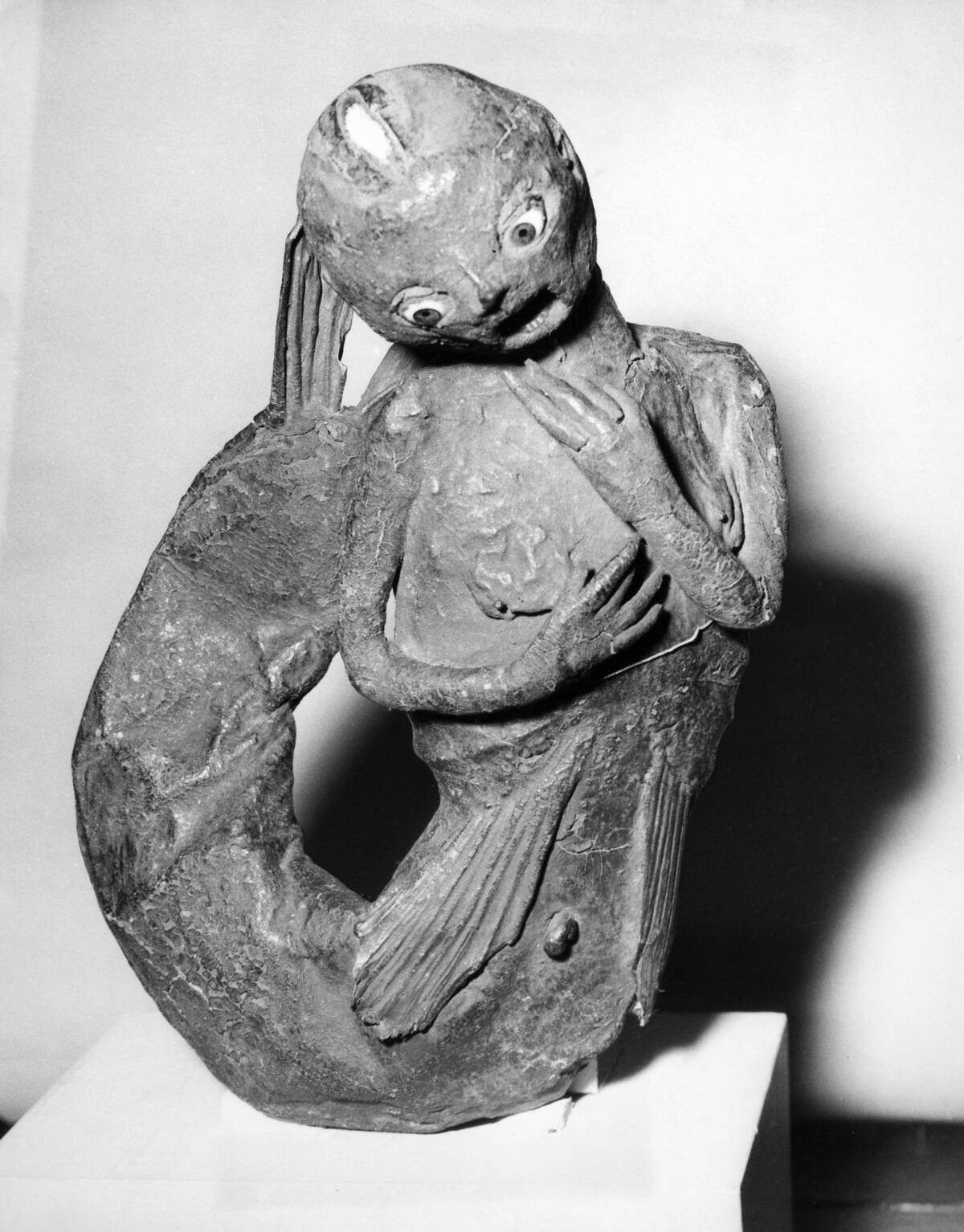
In the 1840s, P.T. Barnum exhibited the Fiji Mermaid, supposedly a mummified mermaid specimen. In reality, it was a monkey’s torso sewn to a fish’s tail. Despite its dubious authenticity, it drew large crowds, eager to witness the bizarre.
Barnum’s clever marketing and showmanship turned a clear hoax into a sensation, illustrating the power of spectacle and curiosity. The Fiji Mermaid remains a symbol of Barnum’s legacy and the enduring appeal of the strange and unusual.
The Financial Hoax of Bernie Madoff: When Trust Led to Tragedy

Bernie Madoff’s Ponzi scheme, uncovered in 2008, is one of the largest financial frauds in history, involving billions of dollars. Madoff’s reputation and charm convinced many that their investments were safe, only for the truth to shatter lives and fortunes.
The scandal exposed significant weaknesses in regulatory oversight and the dangers of unchecked trust. Madoff’s hoax is a sobering reminder of the potential for deceit in financial systems and the need for vigilant scrutiny.




