19 visionaries who transformed everyday routines
Throughout history, certain individuals have emerged whose inventions and ideas have dramatically altered the way we live. These trailblazers, through their relentless pursuit of innovation, have not only addressed the needs of their time but have also shaped the future.
From everyday conveniences to groundbreaking technologies, these innovators have left an indelible mark on society. Their stories are not just about invention but about the human spirit’s capacity to dream and accomplish the extraordinary.
The Genius of Thomas Edison: Lighting Up Our Lives
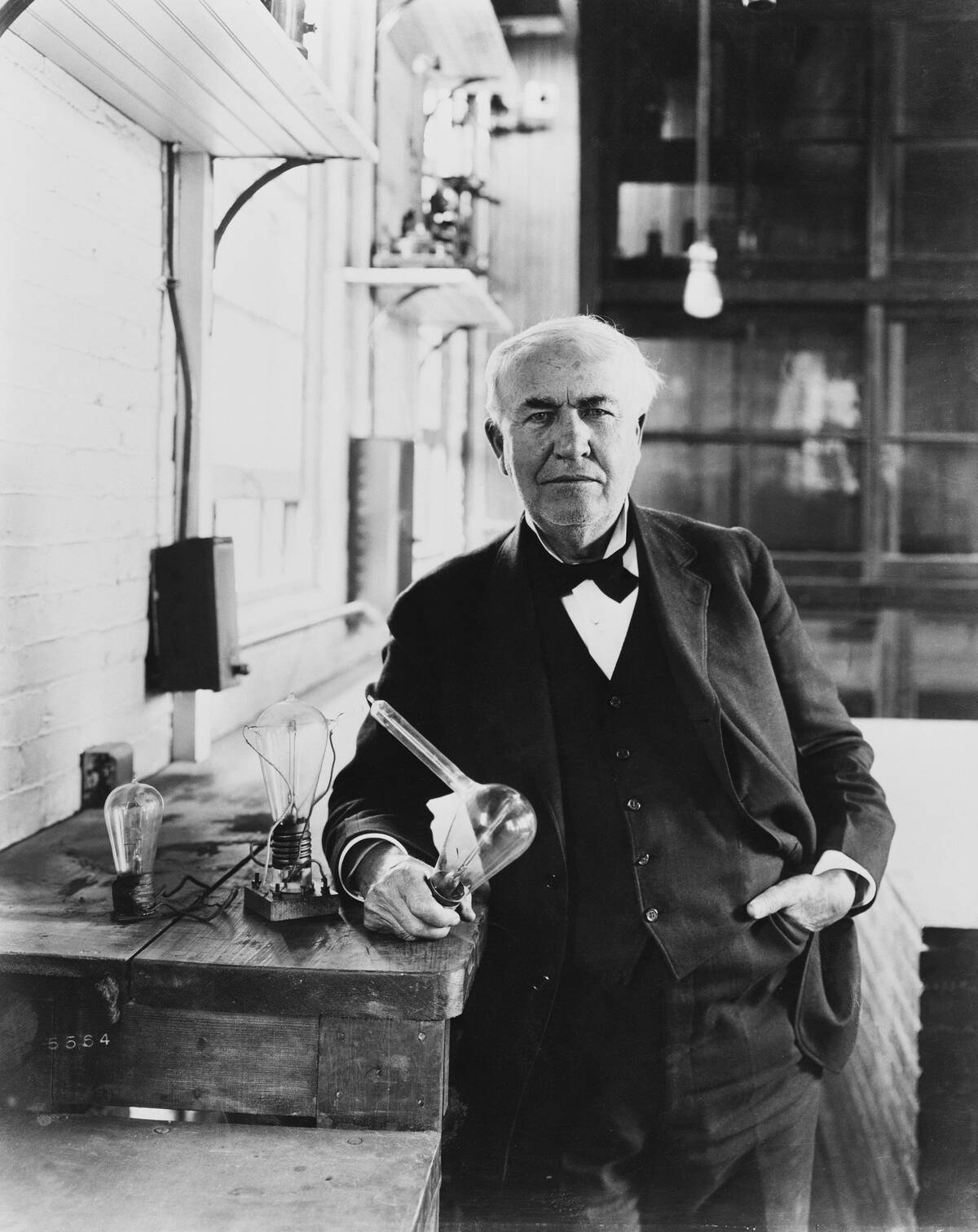
Thomas Edison, often hailed as America’s greatest inventor, was pivotal in bringing electric light into homes. Though the light bulb existed before him, Edison’s version was practical for everyday use, lasting longer and being more reliable.
Beyond just inventing, he was a master at commercializing technologies, making electricity accessible to the masses. His work laid the foundation for the modern electric utility industry, illuminating our world in more ways than one.
Henry Ford: Revolutionizing the Way We Move
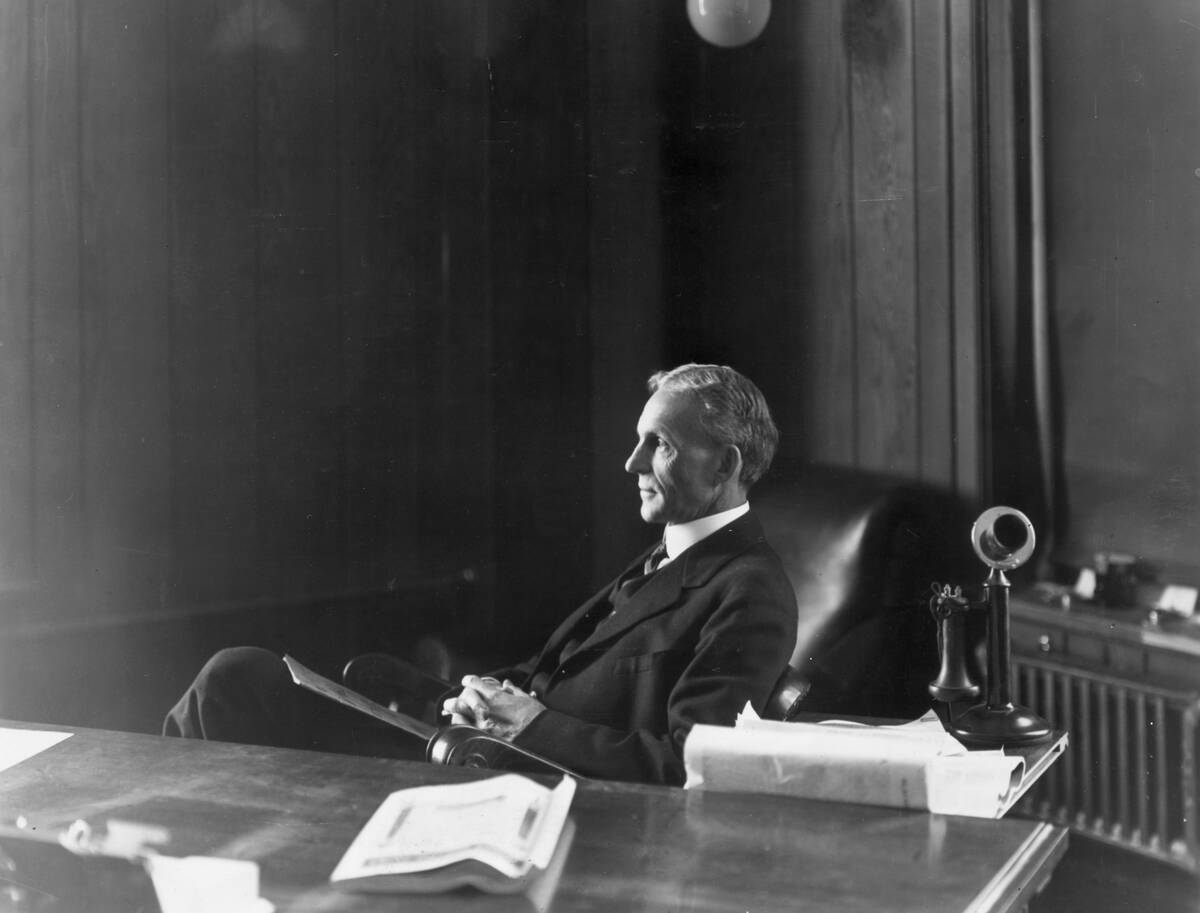
Henry Ford didn’t invent the automobile, but his introduction of the assembly line revolutionized mass production. By making cars affordable, Ford transformed them from luxury items to everyday necessities, changing the landscape of transportation forever.
His Model T became synonymous with personal freedom, allowing people to travel further and explore more. Ford’s impact extended beyond cars, influencing manufacturing industries worldwide.
Tim Berners-Lee: The Birth of the World Wide Web

In 1989, Tim Berners-Lee proposed a system that would become the World Wide Web, fundamentally changing how we access information. His vision of a decentralized information-sharing platform became a reality, connecting the world like never before.
The web has since evolved into a cornerstone of modern life, from social interactions to commerce and education. Berners-Lee’s contribution has made global communication nearly instantaneous and universally accessible.
Steve Jobs: Redefining Communication and Entertainment
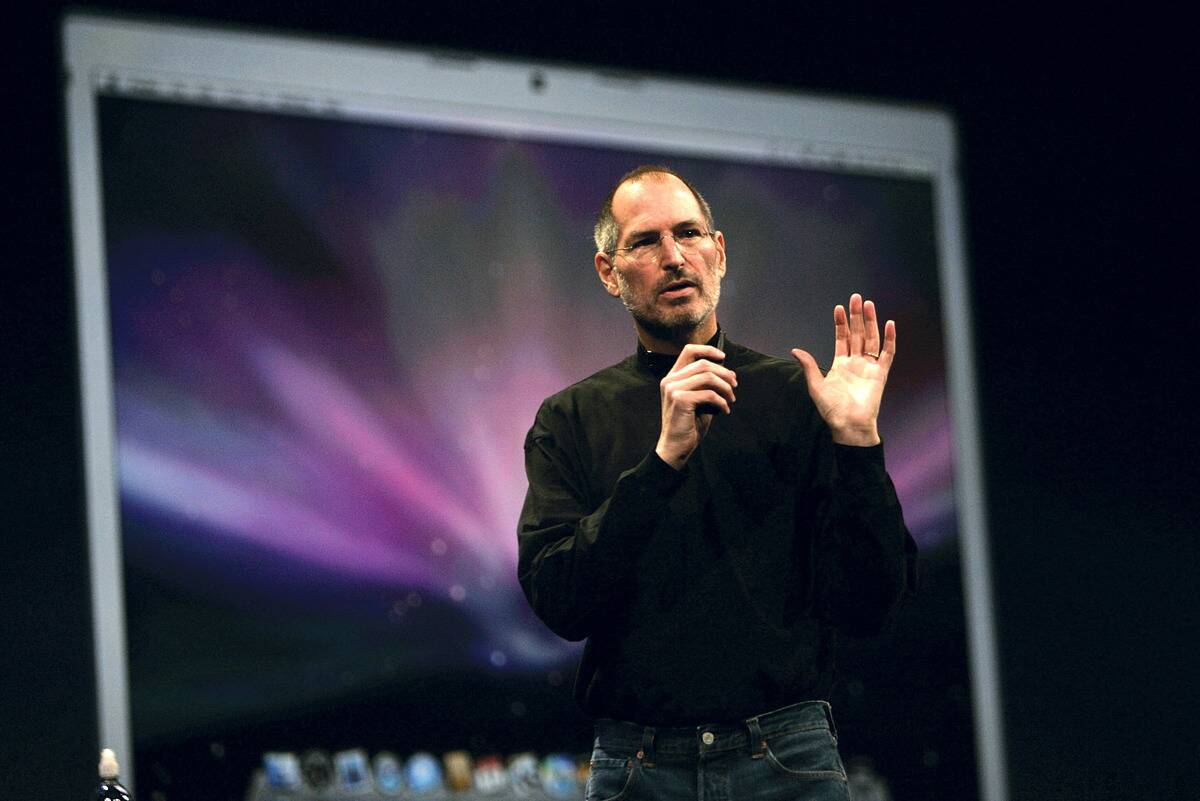
Steve Jobs was a pioneer in the realms of computing and digital entertainment, co-founding Apple Inc. His vision for user-friendly technology led to the creation of products like the iPhone, which revolutionized how we communicate and consume media.
The App Store opened new possibilities for software development, impacting industries far beyond technology. Jobs’s insistence on design and functionality set new standards, making tech both beautiful and accessible.
Marie Curie: Pioneering Modern Medicine
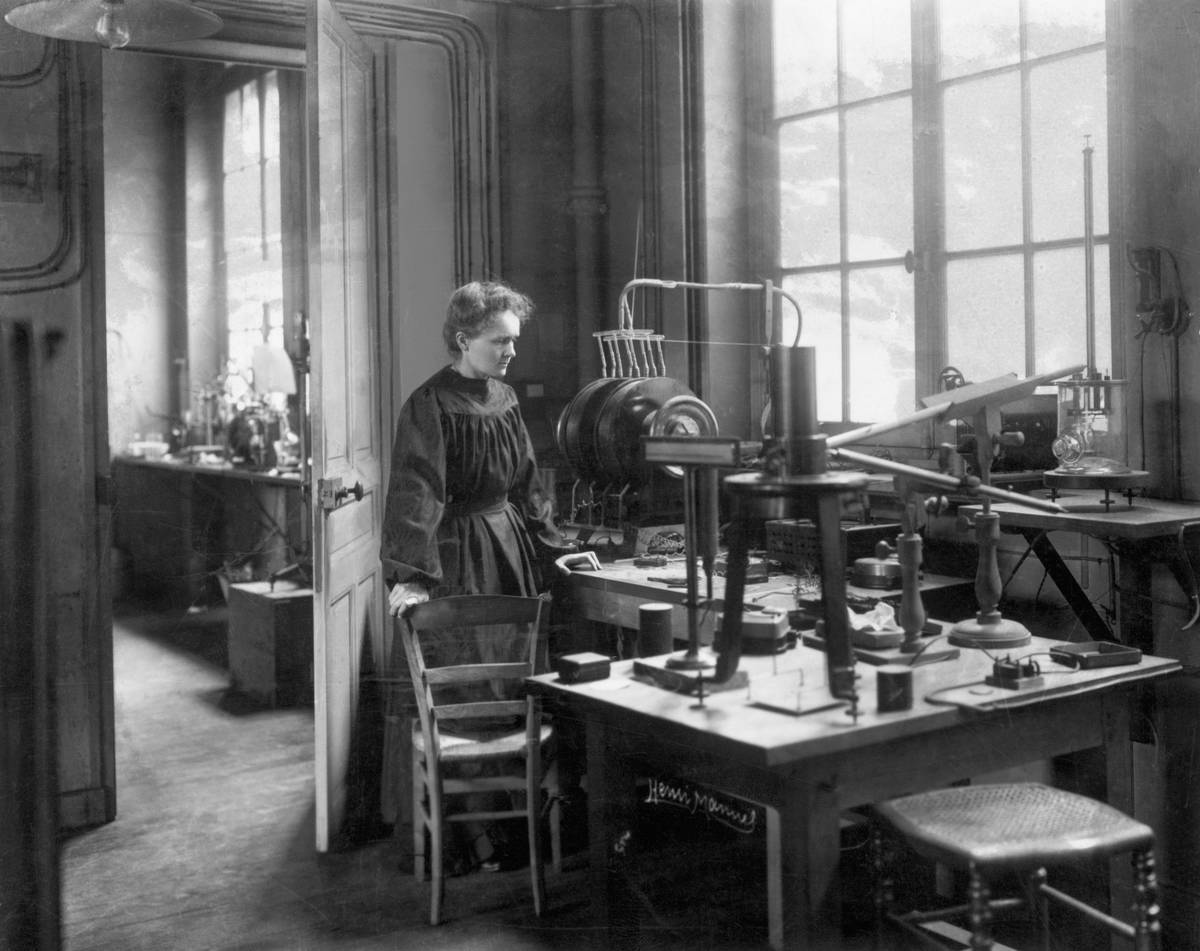
Marie Curie, a trailblazer in the field of radioactivity, was the first woman to win a Nobel Prize and remains the only person to win in two different sciences. Her groundbreaking work on radioactivity, including the discovery of radium and polonium, contributed to advances in medical treatments such as radiation therapy, and she supported the use of X-rays during World War I.
Curie’s legacy is not only in her discoveries but in her role as a female pioneer in science, inspiring generations of women to pursue careers in STEM.
Nikola Tesla: The Power of Alternating Current
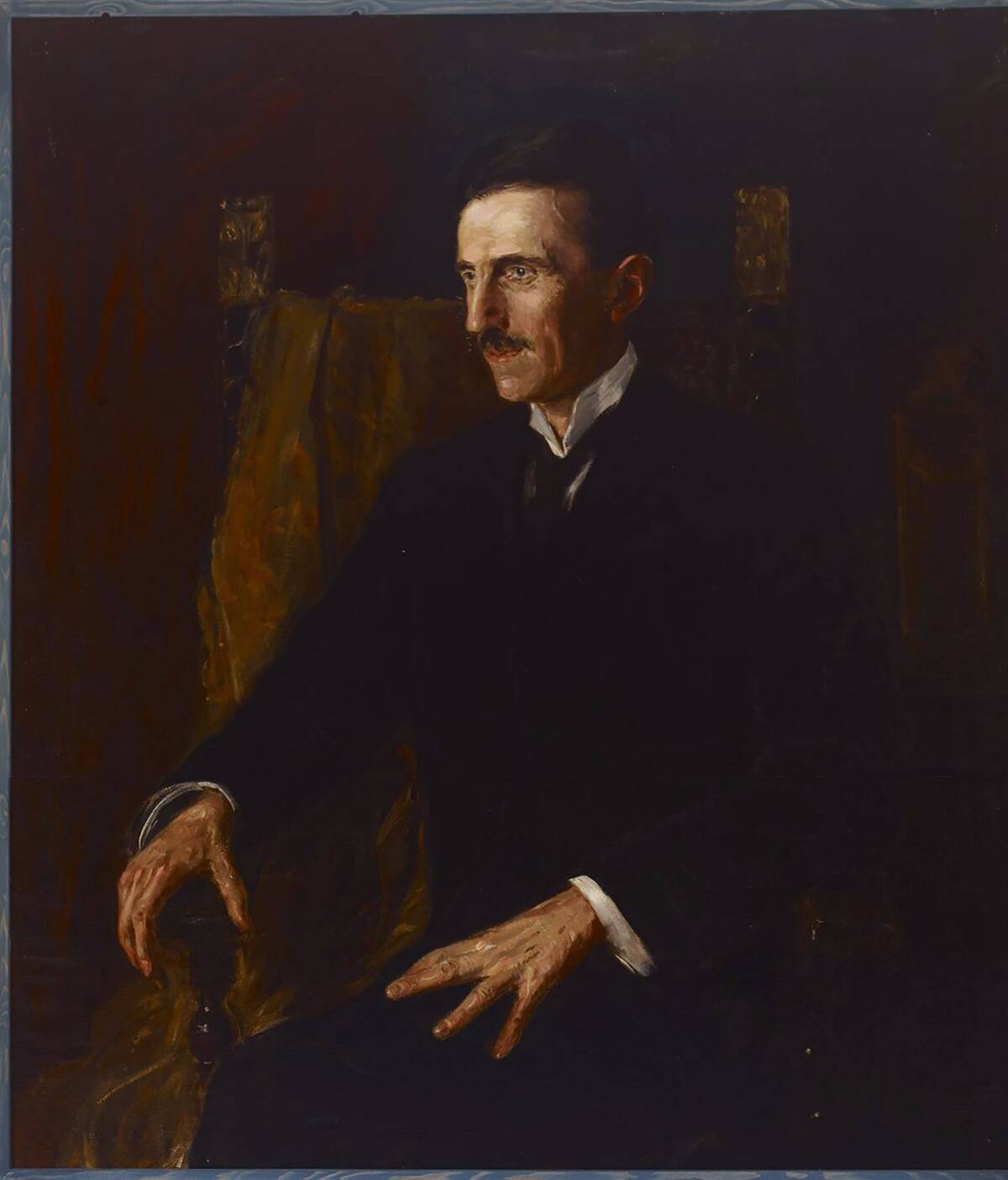
Nikola Tesla, a visionary inventor, played a crucial role in developing alternating current (AC) electricity systems. While Edison’s direct current (DC) was standard, Tesla’s AC proved more efficient for long-distance electricity distribution.
This innovation paved the way for modern electrical grids, powering homes and industries. Tesla’s work extended beyond electricity, as his ideas laid groundwork for future technologies like wireless communication and renewable energy.
Johannes Gutenberg: The Printing Press and Information Access
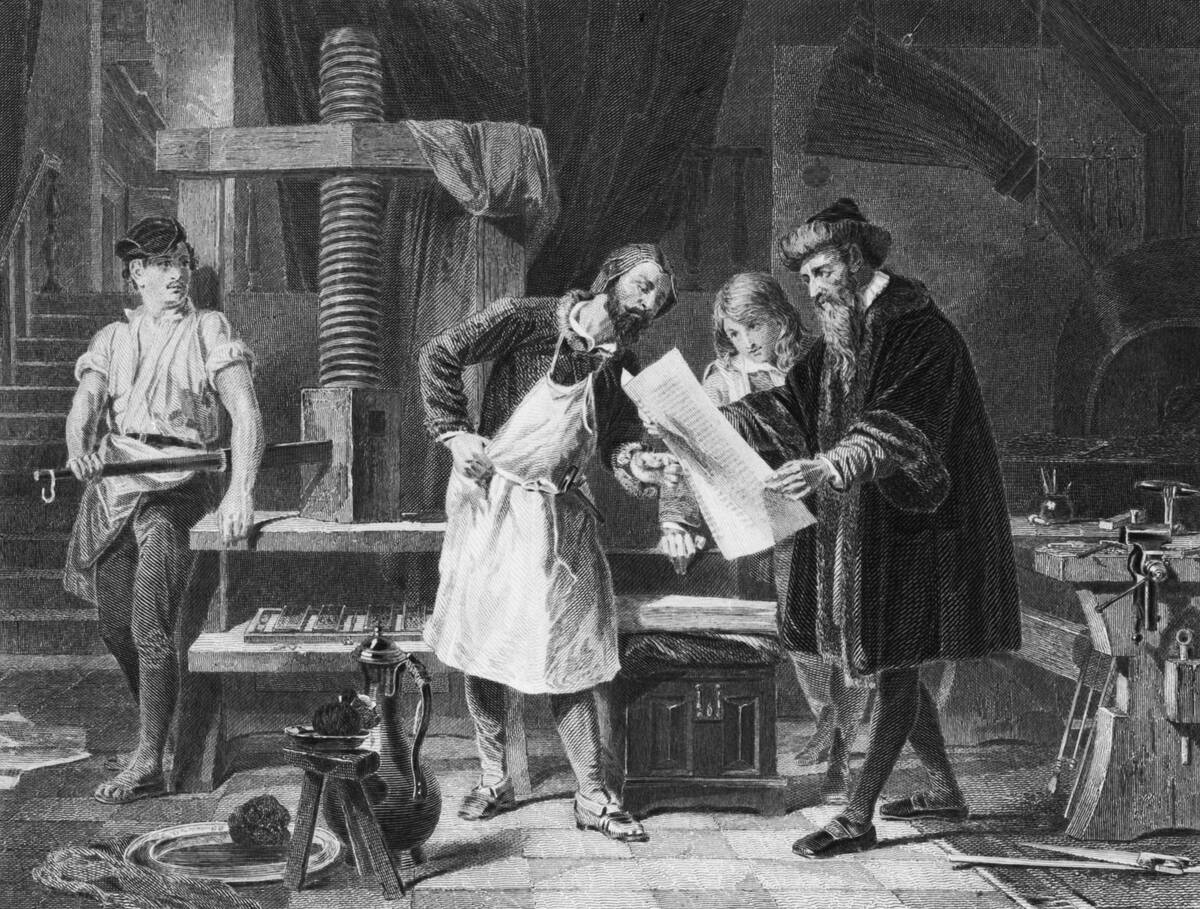
Johannes Gutenberg’s invention of the movable-type printing press in the 15th century revolutionized the distribution of information. By making books more accessible and affordable, it facilitated the spread of knowledge and literacy.
The printing press is often credited with fueling the Renaissance and Reformation, as it allowed for the rapid dissemination of new ideas. Gutenberg’s contribution is a cornerstone of the information age, enabling the democratization of education.
Alexander Graham Bell: Bridging Distances with the Telephone
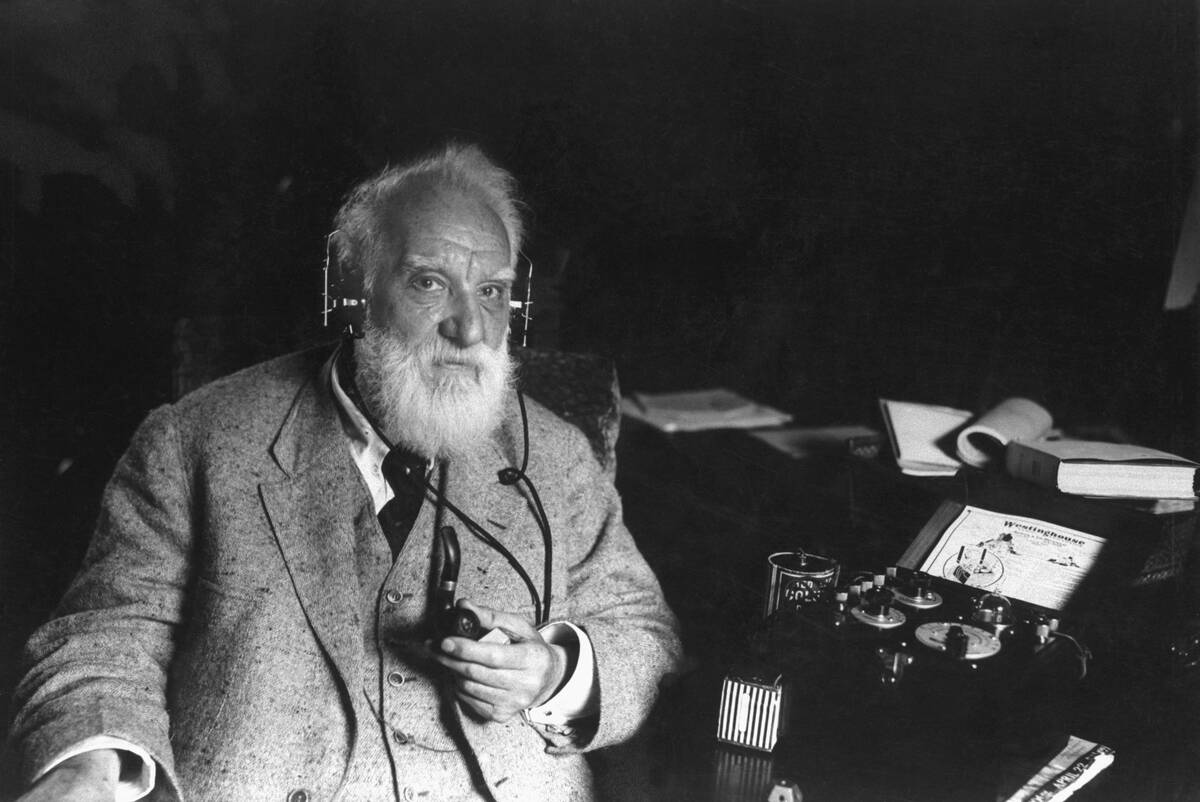
Alexander Graham Bell’s invention of the telephone in 1876 forever changed how we communicate. Though not the first to conceive the idea, Bell was the first to patent a practical device.
His work laid the foundation for the global telecommunications network, making real-time voice communication possible across distances. The telephone has evolved into a ubiquitous tool, integral to both personal and professional communication around the world.
Wright Brothers: Taking to the Skies
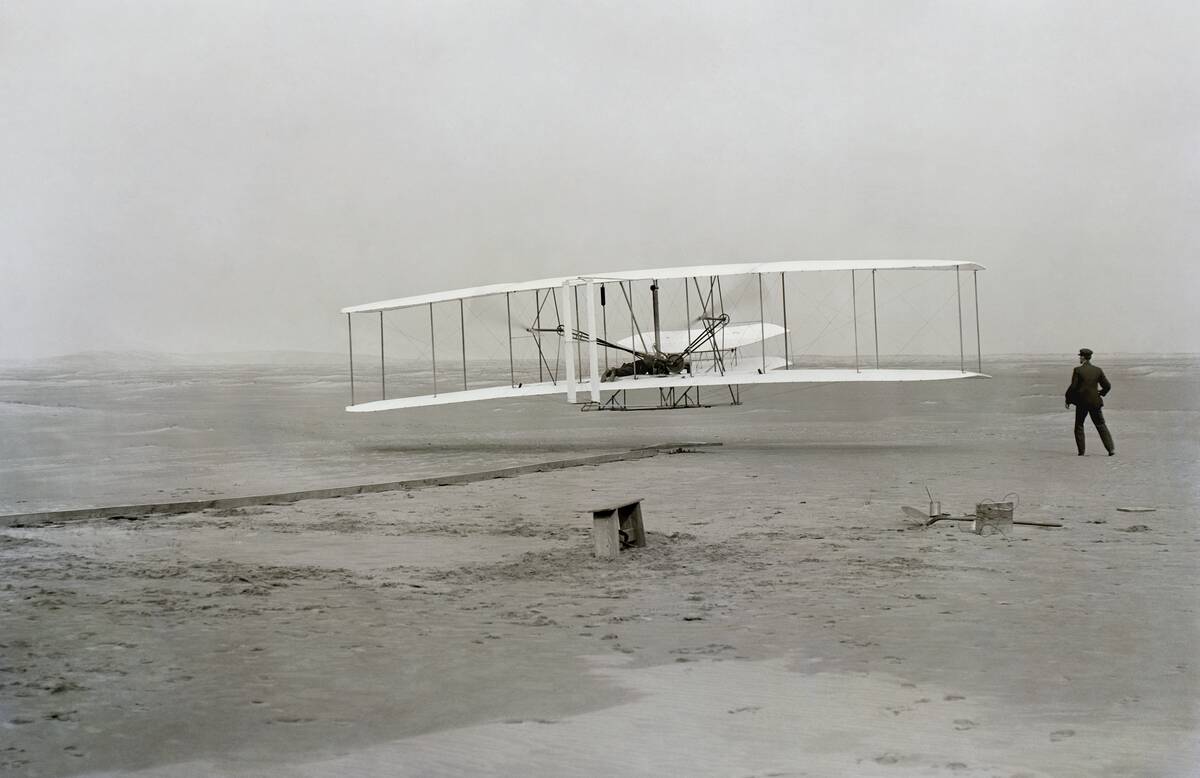
Orville and Wilbur Wright are credited with inventing and building the first successful powered airplane, achieving the first controlled, sustained flight in 1903. Their innovative use of wing-warping for steering marked a significant advance in aerodynamics.
The Wright brothers’ breakthrough transformed travel, shrinking the world by making air travel accessible. Their legacy is evident in the vast network of commercial aviation, connecting people and cultures globally.
Elon Musk: The Vision of a Multi-Planetary Species

Elon Musk, the visionary behind SpaceX, Tesla, and other ventures, is driven by a mission to make humanity multi-planetary. SpaceX, founded in 2002, has pioneered reusable rocket technology, significantly reducing space travel costs.
Musk’s ambitious plans include colonizing Mars, driven by the belief that space exploration is crucial for human survival. His work not only advances space technology but also inspires a new generation to dream beyond Earth.
Hedy Lamarr: Wireless Communication Innovation

Hedy Lamarr, renowned actress and inventor, co-developed a frequency-hopping communication system during World War II. Though initially intended for torpedo guidance, her work laid the groundwork for modern wireless technologies like Wi-Fi and Bluetooth.
Lamarr’s dual legacy as a Hollywood star and innovative thinker highlights the often-overlooked contributions of women in STEM. Her story is a testament to the intersection of creativity and technology.
Dr. John Harvey Kellogg: Breakfast Revolution
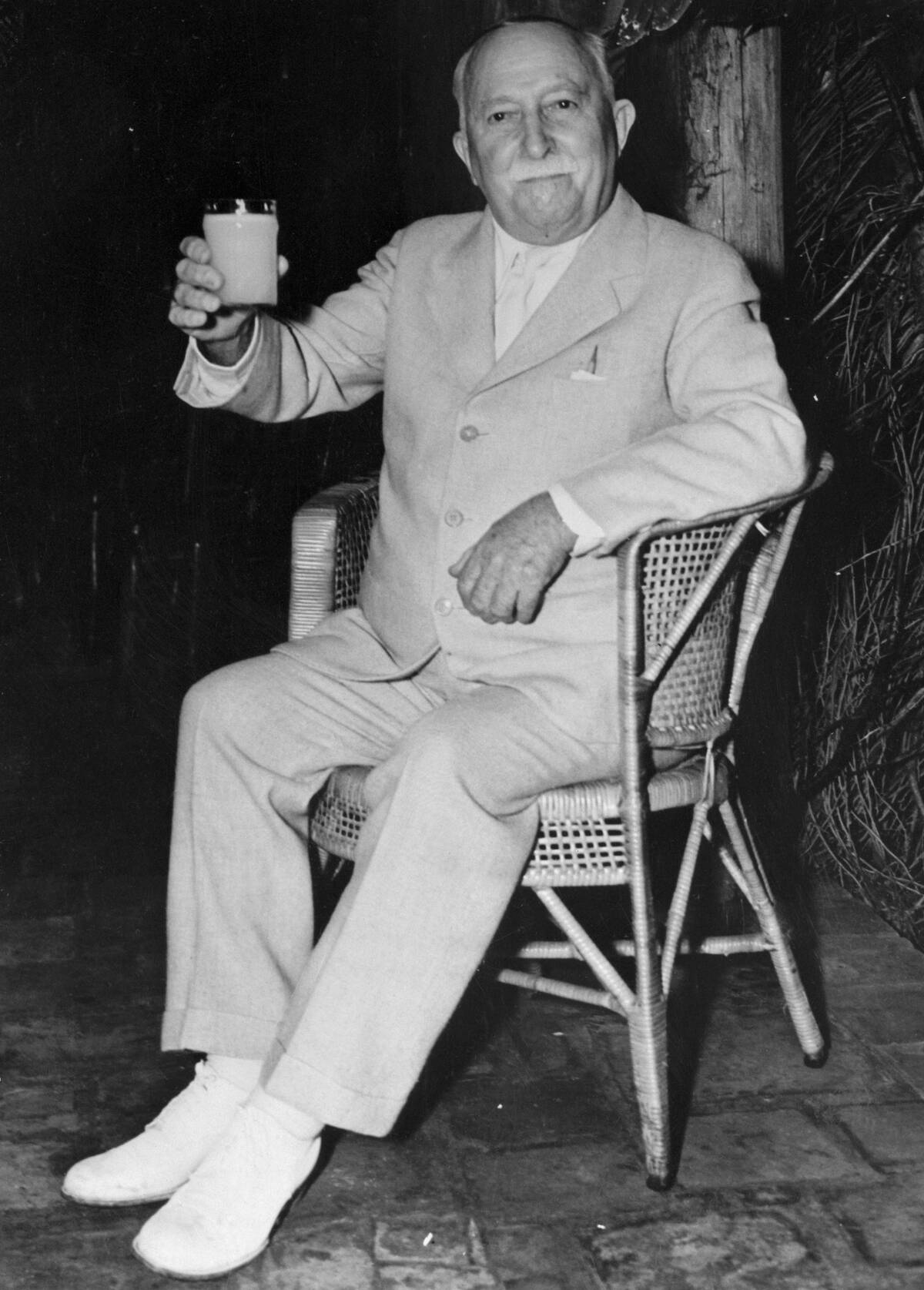
Dr. John Harvey Kellogg, a health reformer and nutritionist, is best known for co-creating corn flakes. Originally intended as a health food for patients at his sanitarium, Kellogg’s cereal revolutionized breakfast by offering a convenient, ready-to-eat meal.
His emphasis on dietary health and wellness helped shape modern nutritional practices. The Kellogg brand became a household name, and breakfast cereals remain a staple in many diets worldwide.
Ada Lovelace: The First Computer Programmer
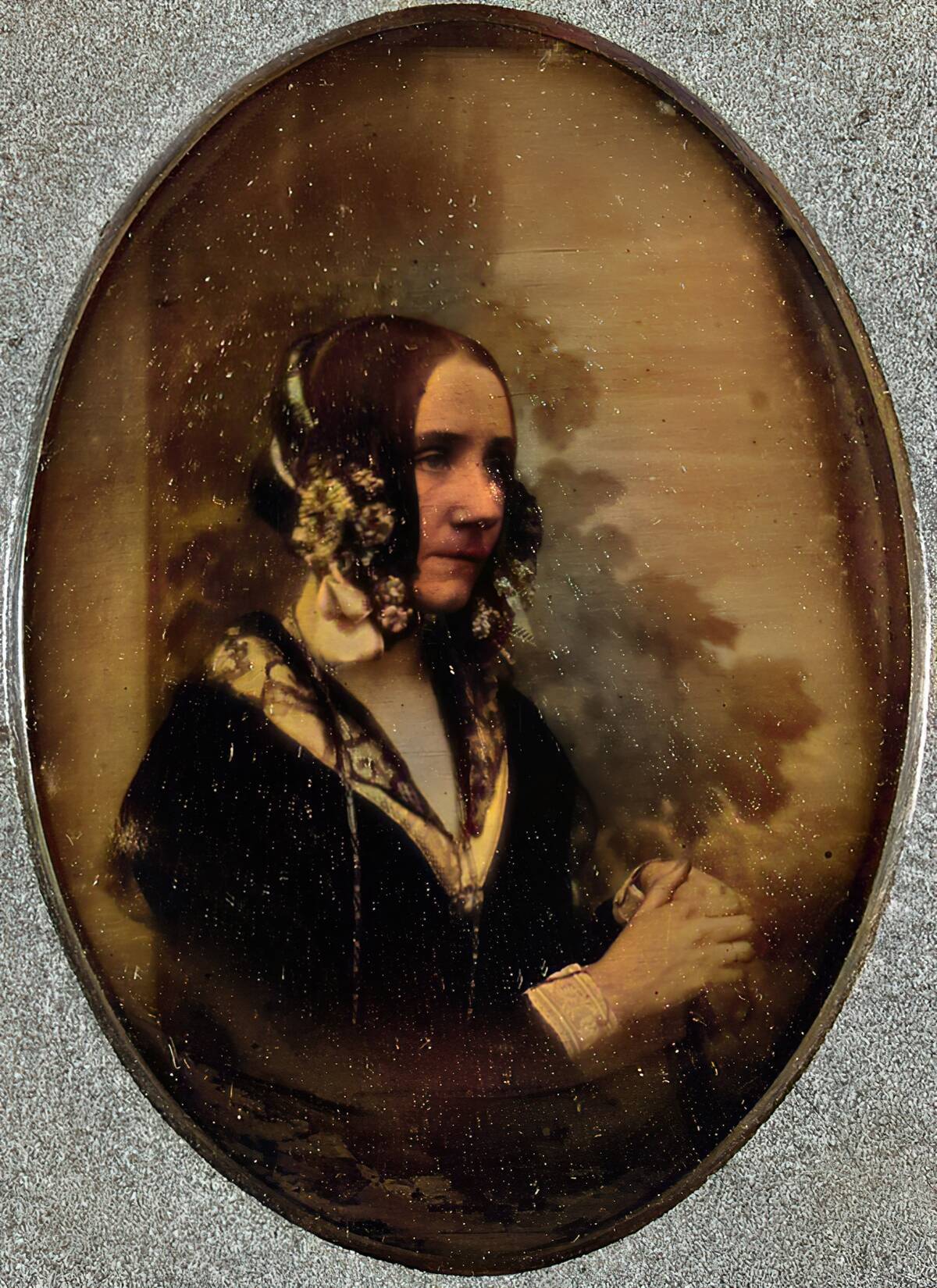
Ada Lovelace, a 19th-century mathematician, is celebrated as the world’s first computer programmer. Her work on Charles Babbage’s Analytical Engine included the first algorithm intended for machine processing.
Lovelace foresaw computers’ potential to go beyond mere calculation, envisioning their application in music and art. Her pioneering contributions laid the foundation for computer science, and she remains an inspiring figure for women in technology.
Mark Zuckerberg: The Social Media Landscape

Mark Zuckerberg, co-founder of Facebook, played a pivotal role in shaping the social media landscape. Launched in 2004, Facebook transformed how we connect and share information, amassing billions of users worldwide.
The platform’s influence extends beyond social networking, impacting political, cultural, and business realms. Zuckerberg’s vision of a connected world has raised important discussions about privacy, data protection, and the power of social media.
Rosa Parks: A Catalyst for Social Change
![[redacted]](https://media.tellmebest.com/wp-content/uploads/2023/10/rosa-parks-97954.jpeg)
Rosa Parks’s refusal to give up her seat on a segregated bus in 1955 became a pivotal moment in the American civil rights movement. Her act of defiance sparked the Montgomery Bus Boycott, leading to significant legal and social changes.
Parks’s courage and determination made her an enduring symbol of the fight against racial injustice. Her legacy continues to inspire movements for equality and justice around the world.
James Dyson: Reinventing Everyday Appliances
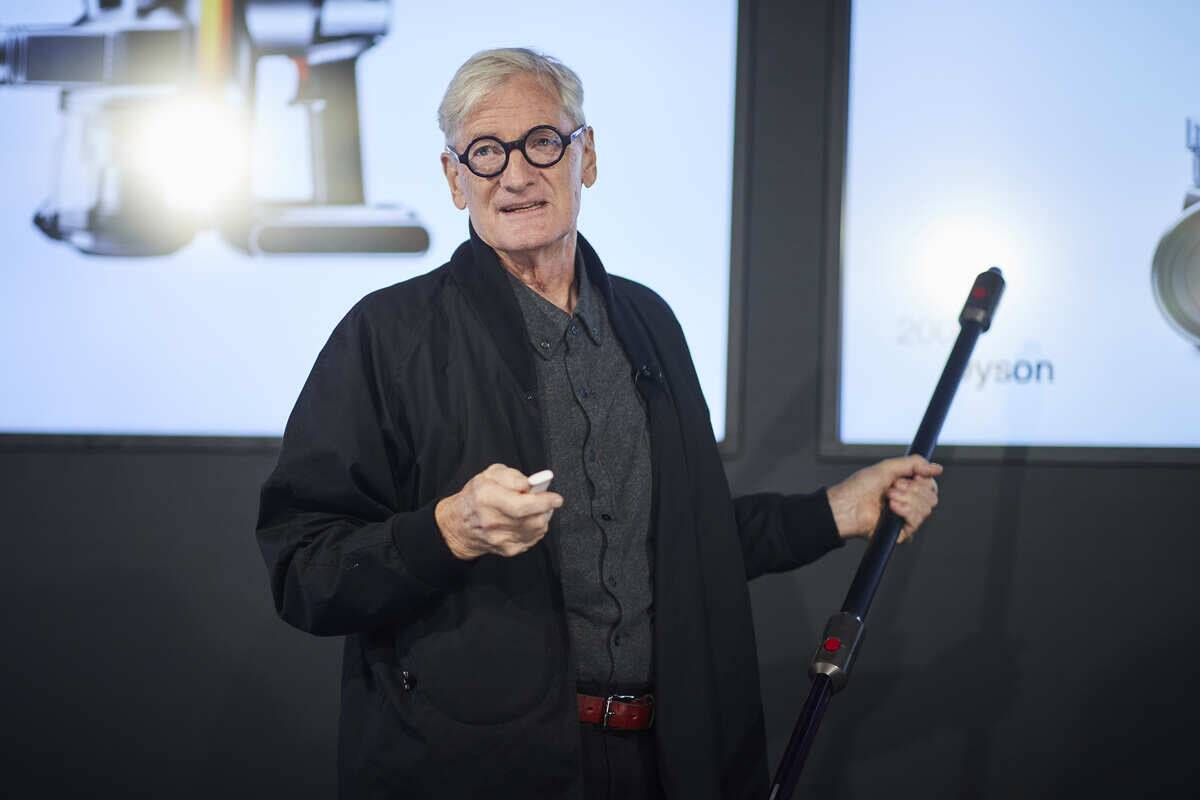
James Dyson, a British inventor, revolutionized home appliances with his innovative vacuum cleaner design. Frustrated by traditional vacuums, Dyson developed a bagless model using cyclonic separation, vastly improving efficiency and suction.
His commitment to engineering excellence and design led to a range of successful products, from fans to hair dryers. Dyson’s approach has transformed consumer expectations for household technology, emphasizing performance and style.
Jeff Bezos: E-Commerce and Beyond

Jeff Bezos, founder of Amazon, revolutionized e-commerce by transforming how we shop. Starting as an online bookstore in 1994, Amazon expanded into a global marketplace, offering everything from groceries to cloud computing services.
Bezos’s focus on customer experience and innovation has reshaped retail, challenging traditional business models. Amazon’s growth under his leadership has made it a dominant force in tech, logistics, and media industries.
Leonardo da Vinci: The Original Renaissance Innovator
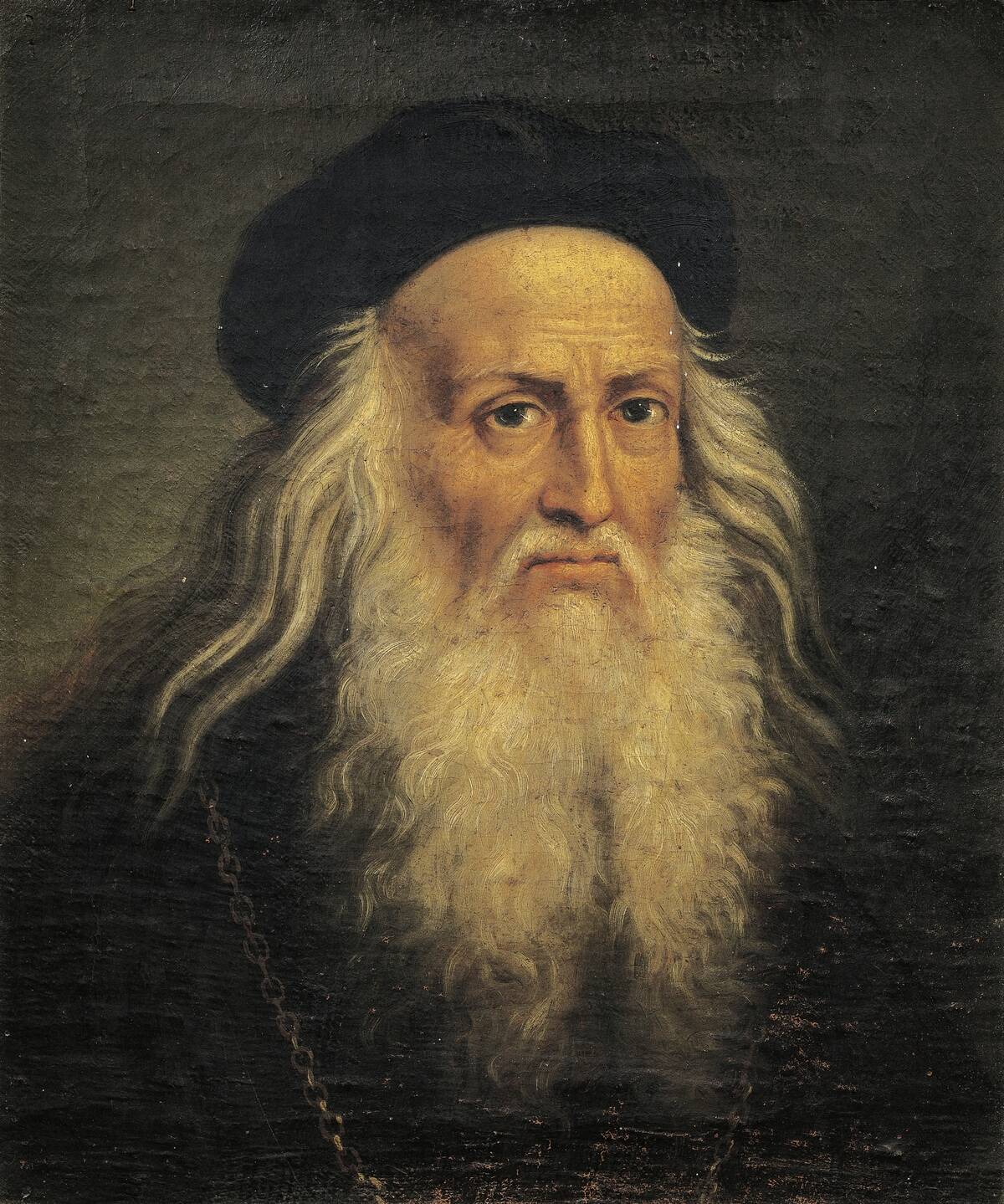
Leonardo da Vinci, a polymath of the Renaissance, was renowned for his contributions to art, science, and engineering. His innovative designs, such as flying machines and anatomical studies, demonstrated a profound understanding of mechanics and biology.
Da Vinci’s art, including ‘The Last Supper’ and ‘Mona Lisa,’ continues to captivate audiences worldwide. His legacy as a visionary thinker embodies the spirit of creativity and curiosity that drives innovation.
Sergey Brin and Larry Page: Google and the Age of Information

Sergey Brin and Larry Page, co-founders of Google, revolutionized information access with their search engine. Launched in 1998, Google’s algorithm transformed how we find and use information online, making vast amounts of data instantly accessible.
Their mission to organize the world’s information has had a profound impact on research, education, and business. Google’s evolution into a tech giant continues to influence the digital landscape and how we interact with technology.




