Lost documents uncovered after centuries
History has a way of holding onto its secrets, often leaving us with tantalizing glimpses into worlds long gone. Every so often, remarkable discoveries are brought to light, offering new insights into ancient cultures and mysteries.
These artifacts, texts, and scrolls are not just relics of a bygone era but are keys that unlock the mysteries of the past. Let’s embark on a journey exploring some of the most intriguing and enigmatic texts that have been unearthed over time.
The Rosetta Stone: Key to Ancient Languages

Discovered in 1799, the Rosetta Stone became the cornerstone for understanding Egyptian hieroglyphs. This granodiorite stele features the same text in three scripts: Greek, Demotic, and hieroglyphic, which allowed scholars to finally decipher the forgotten language of the ancient Egyptians.
The breakthrough came when linguist Jean-François Champollion cracked the code in 1822, opening up a vast wealth of knowledge about ancient Egypt’s civilization and culture that had been inaccessible for centuries.
The Dead Sea Scrolls: A Biblical Treasure Trove
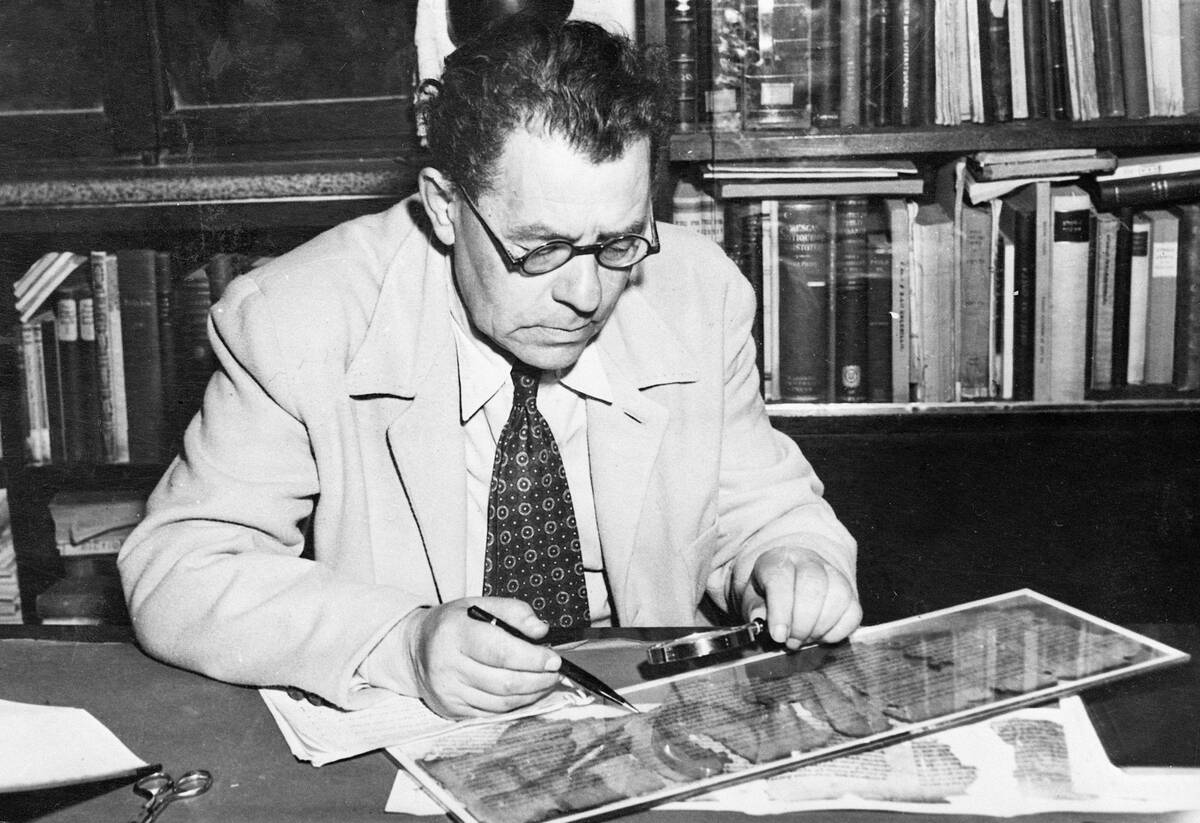
Hidden away in the Qumran Caves for nearly two millennia, the Dead Sea Scrolls were discovered between 1946 and 1956. These ancient Jewish texts, dating from the third century BCE to the first century CE, include some of the oldest known surviving copies of biblical documents.
The scrolls have significantly impacted our understanding of the Hebrew Bible and the origins of Christianity, providing scholars with invaluable insights into the religious landscape of this pivotal historical period.
The Gospel of Judas: A New Perspective on a Betrayal
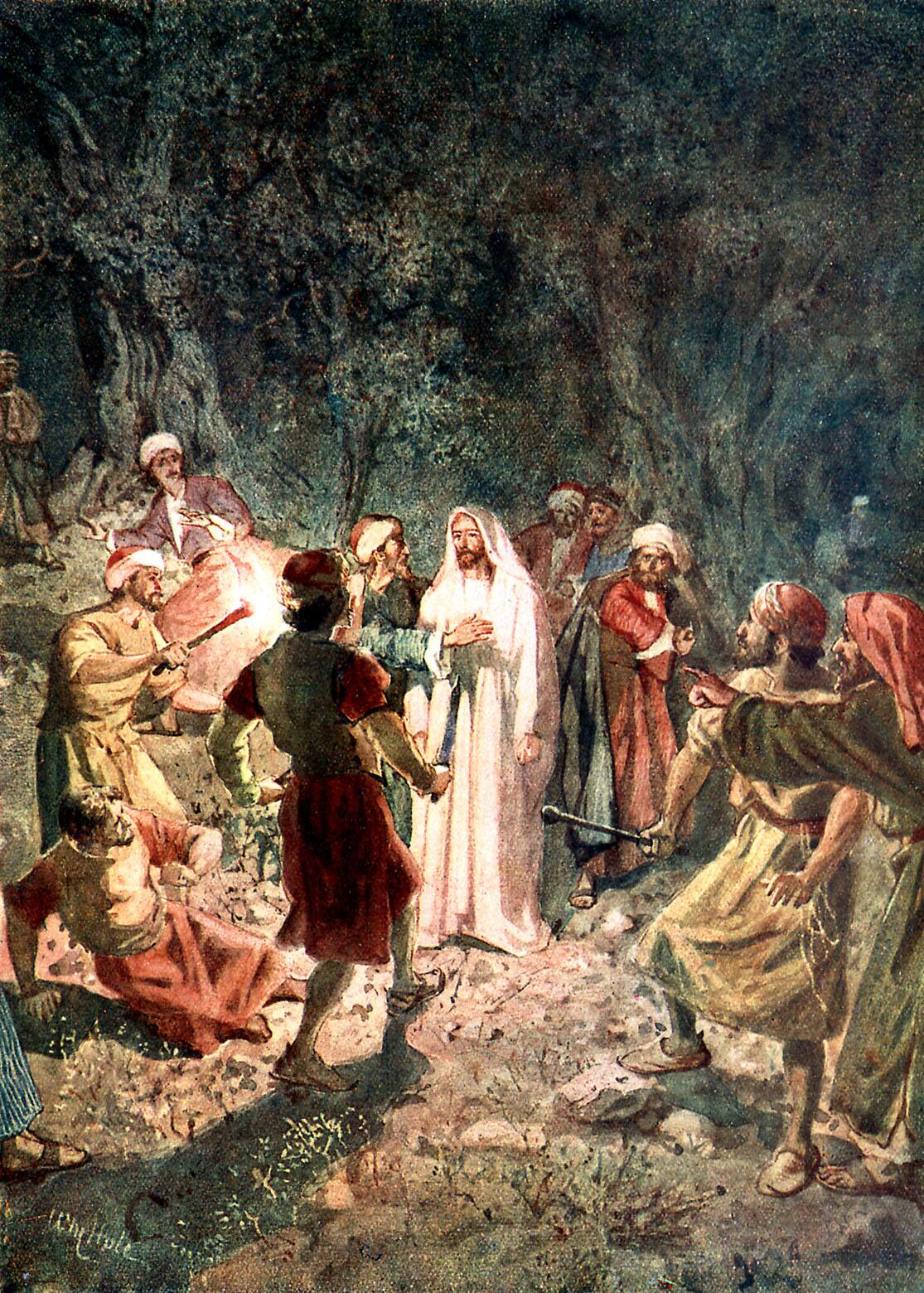
Unearthed in the 1970s, the Gospel of Judas offers a controversial take on one of history’s most infamous betrayals. Unlike the canonical gospels, this Gnostic text portrays Judas Iscariot not as a villain but as a favored disciple acting on Jesus’s instructions.
Although the authenticity and interpretation remain topics of debate, this gospel challenges traditional views and invites readers to reconsider Judas’s role in the crucifixion narrative, sparking lively discussions among theologians and historians.
The Nag Hammadi Library: Gnostic Gospels Revealed
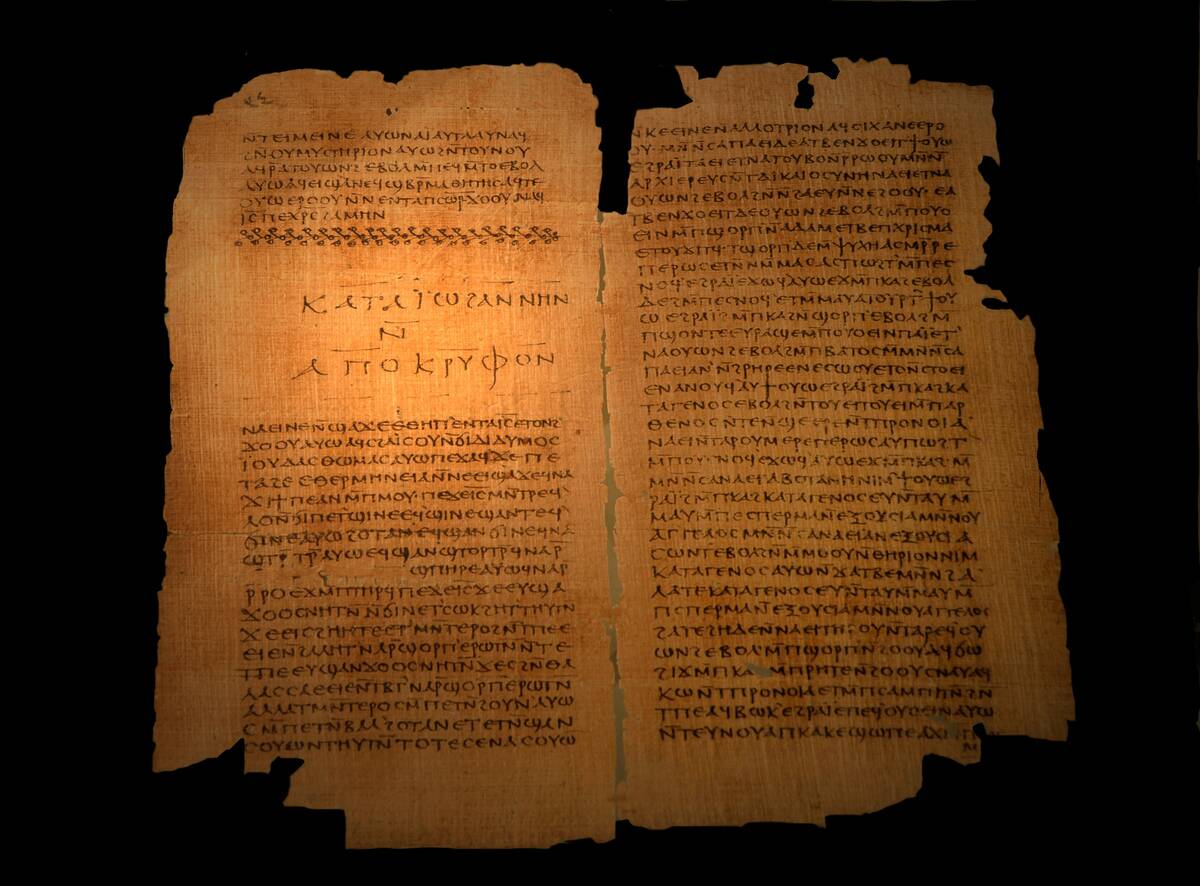
The discovery of the Nag Hammadi Library in 1945 was akin to finding a time capsule from early Christian thought. This collection of 13 ancient books, consisting of over 50 texts, includes a wide range of Gnostic writings.
Among these are the Gospel of Thomas and the Gospel of Philip, which offer alternative views on early Christian teachings. The library provides a deeper understanding of the diversity of beliefs among early Christians and highlights the complex theological debates of the time.
The Vinland Map: Evidence of Viking Exploration
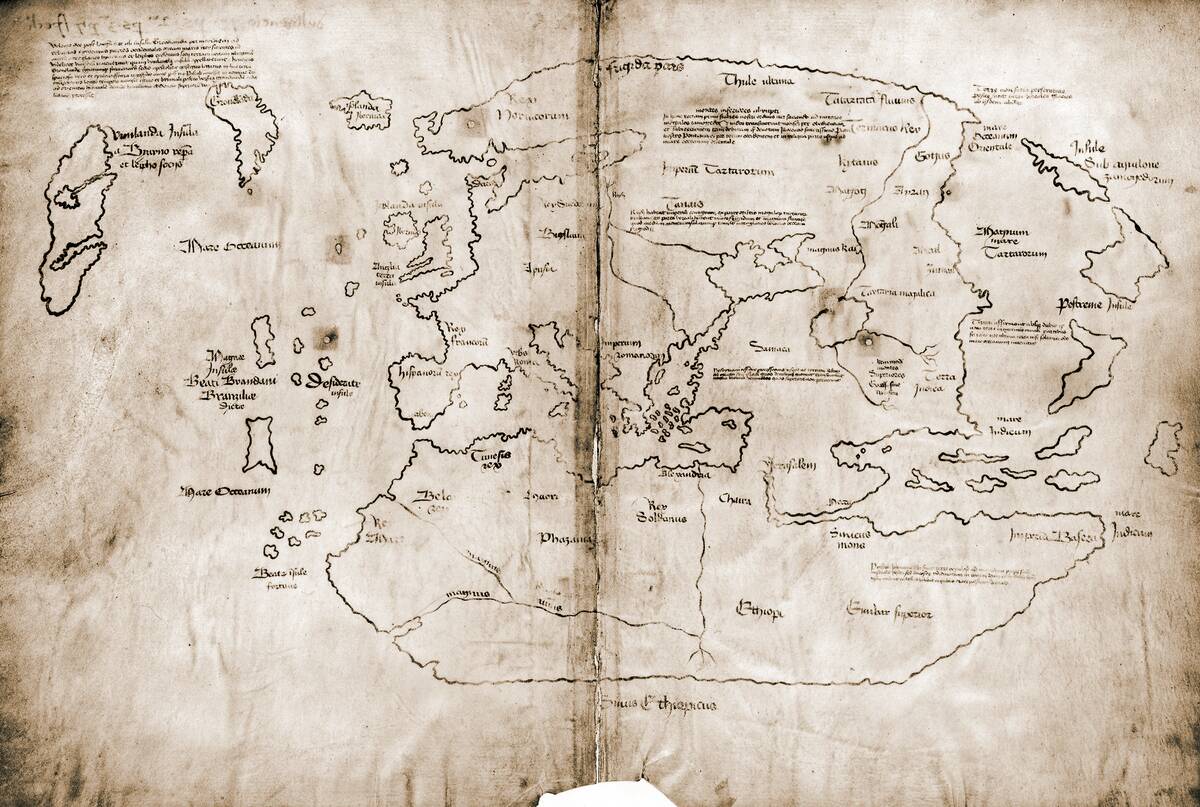
Once hailed as potential proof of Viking voyages to North America before Columbus, the Vinland Map has stirred both excitement and controversy. First revealed in 1965, the map purportedly shows parts of North America, labeled “Vinland,” suggesting Norse exploration around 1000 CE.
However, questions about its authenticity persist, with some experts arguing it is a mid-20th-century forgery. Despite the debate, the map continues to fuel interest in Viking history and the possibility of their early presence in the New World.
The Codex Gigas: The Mysterious Devil’s Bible
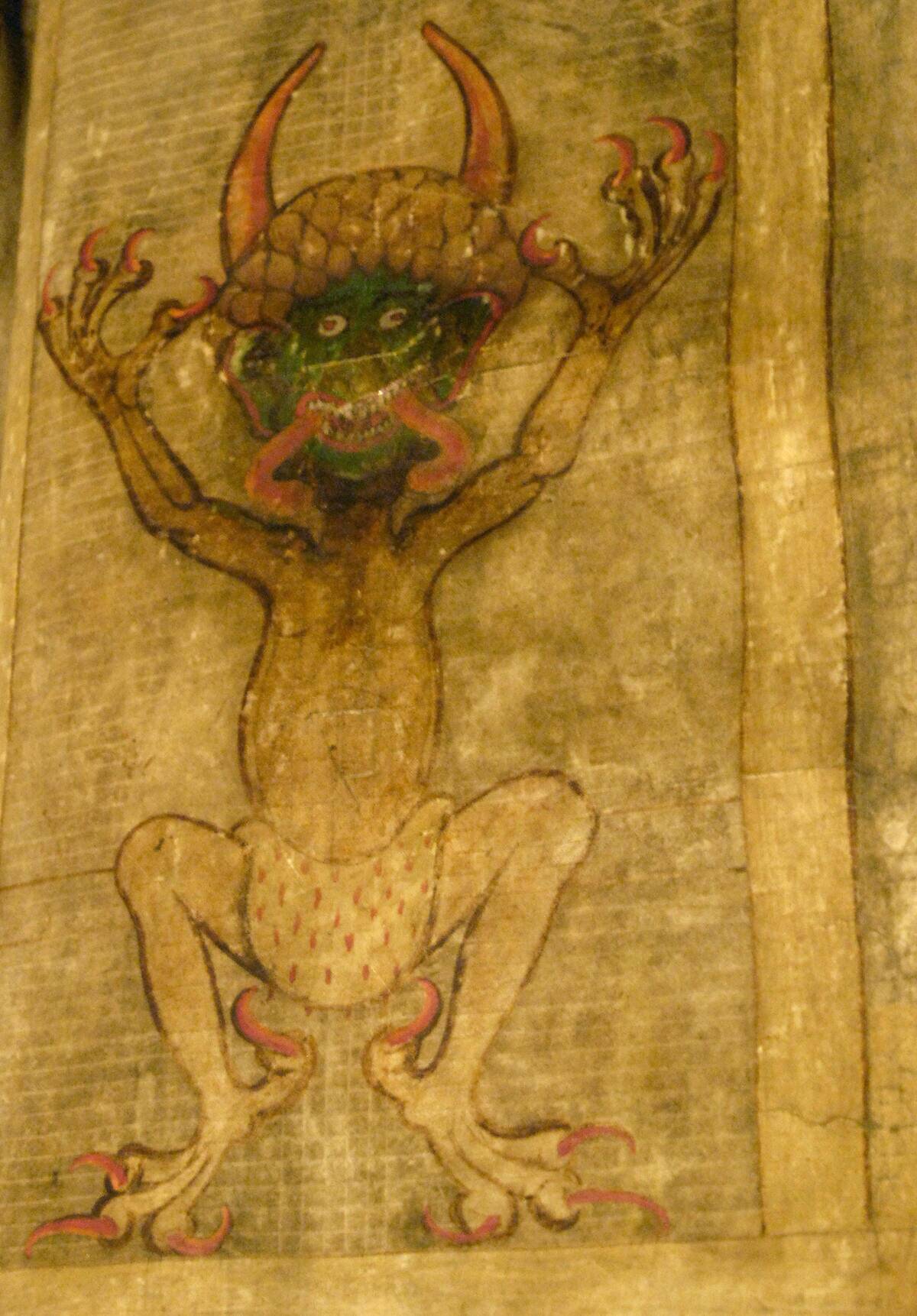
The Codex Gigas, often referred to as the Devil’s Bible, is a medieval manuscript that has captivated imaginations since its creation in the 13th century. This massive tome, weighing over 160 pounds, is renowned for its dramatic full-page illustration of the devil.
Legend has it that the book was created in a single night by a monk who made a pact with Satan. While the truth behind its creation remains uncertain, the Codex Gigas is a fascinating blend of religious texts, historical documents, and mystical imagery.
The Voynich Manuscript: An Uncrackable Code?
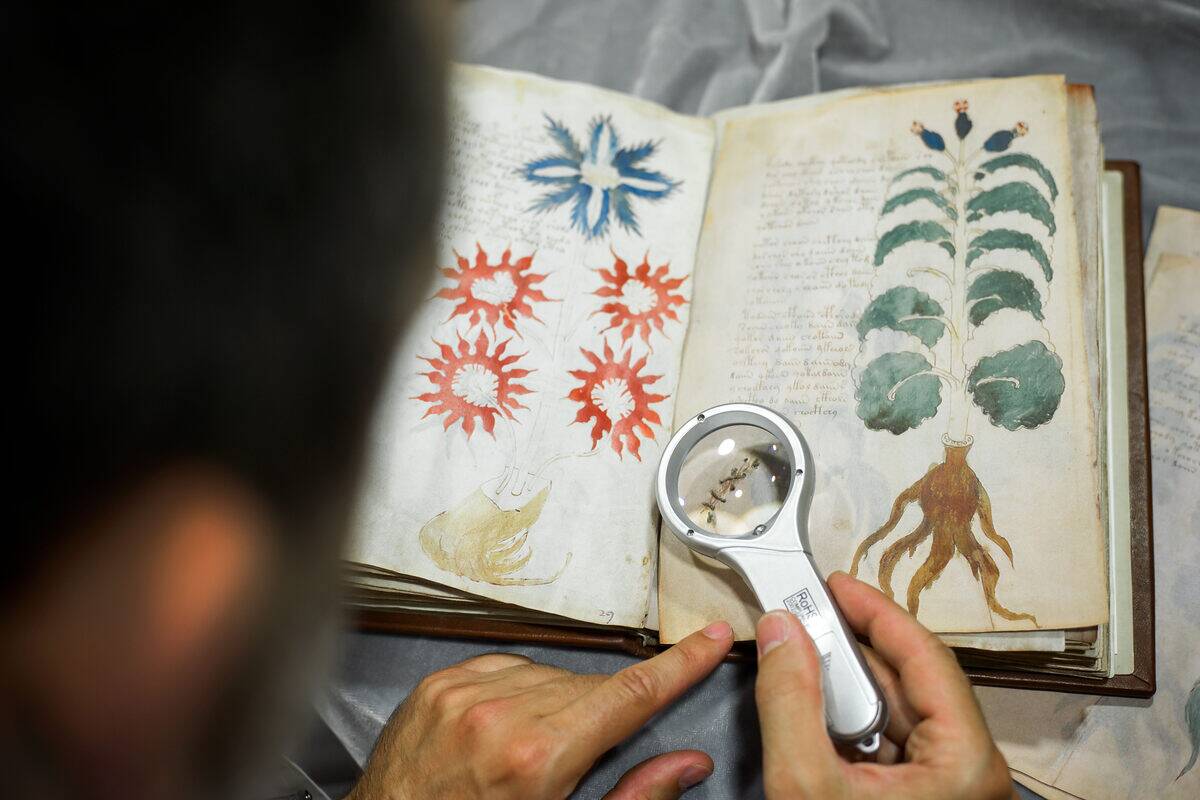
The Voynich Manuscript is one of the most mysterious books in existence, filled with strange illustrations and written in an undeciphered script. Believed to date back to the 15th century, this manuscript has baffled cryptographers, linguists, and historians for centuries.
Despite numerous attempts to decode its contents, the meaning of the text remains elusive. This enigmatic book continues to intrigue scholars and theorists alike, with theories ranging from an elaborate hoax to an alien language.
The Archimedes Palimpsest: Mathematician’s Lost Work

The Archimedes Palimpsest is a remarkable example of the preservation and rediscovery of ancient knowledge. This 10th-century Byzantine manuscript contains hidden works of the Greek mathematician Archimedes, overwritten by a later scribe.
Using modern imaging techniques, researchers have uncovered previously unknown writings, including “The Method of Mechanical Theorems” and “Stomachion.” These discoveries have provided new insights into Archimedes’ genius, revealing advanced mathematical concepts far ahead of his time.
The Sumerian King List: A Record of Ancient Rulers
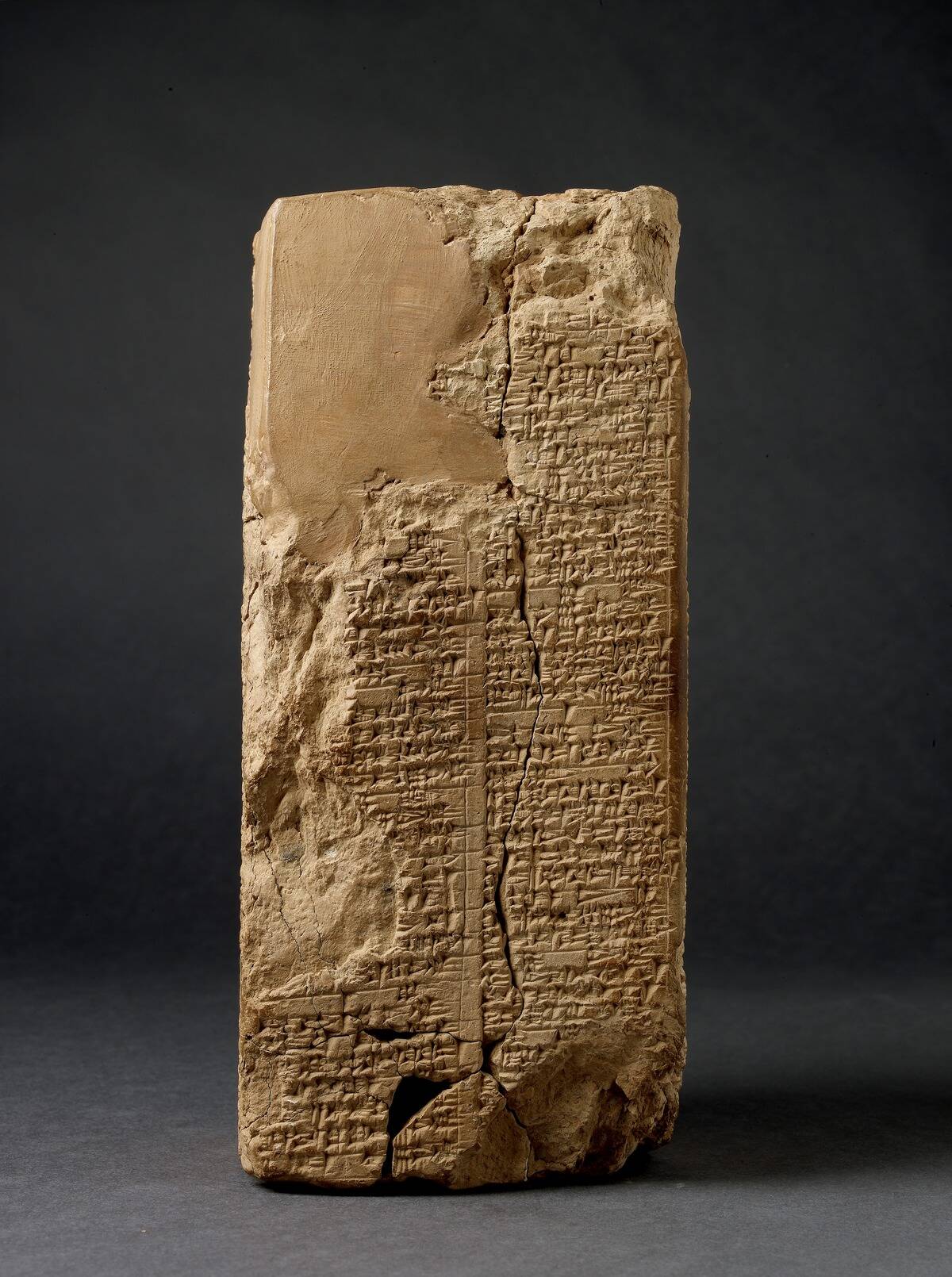
The Sumerian King List is an extraordinary document chronicling the reigns of Sumerian kings from mythical times to historical periods. This ancient text, composed in cuneiform on clay tablets, combines historical fact with legend, listing rulers with astonishingly long reigns before the Great Flood.
It provides a fascinating glimpse into how ancient Mesopotamians viewed their history, blending reality with mythology. The list is essential for understanding the early civilizations of the region and their perception of time and kingship.
The Sibylline Books: Prophecies of the Ancient World
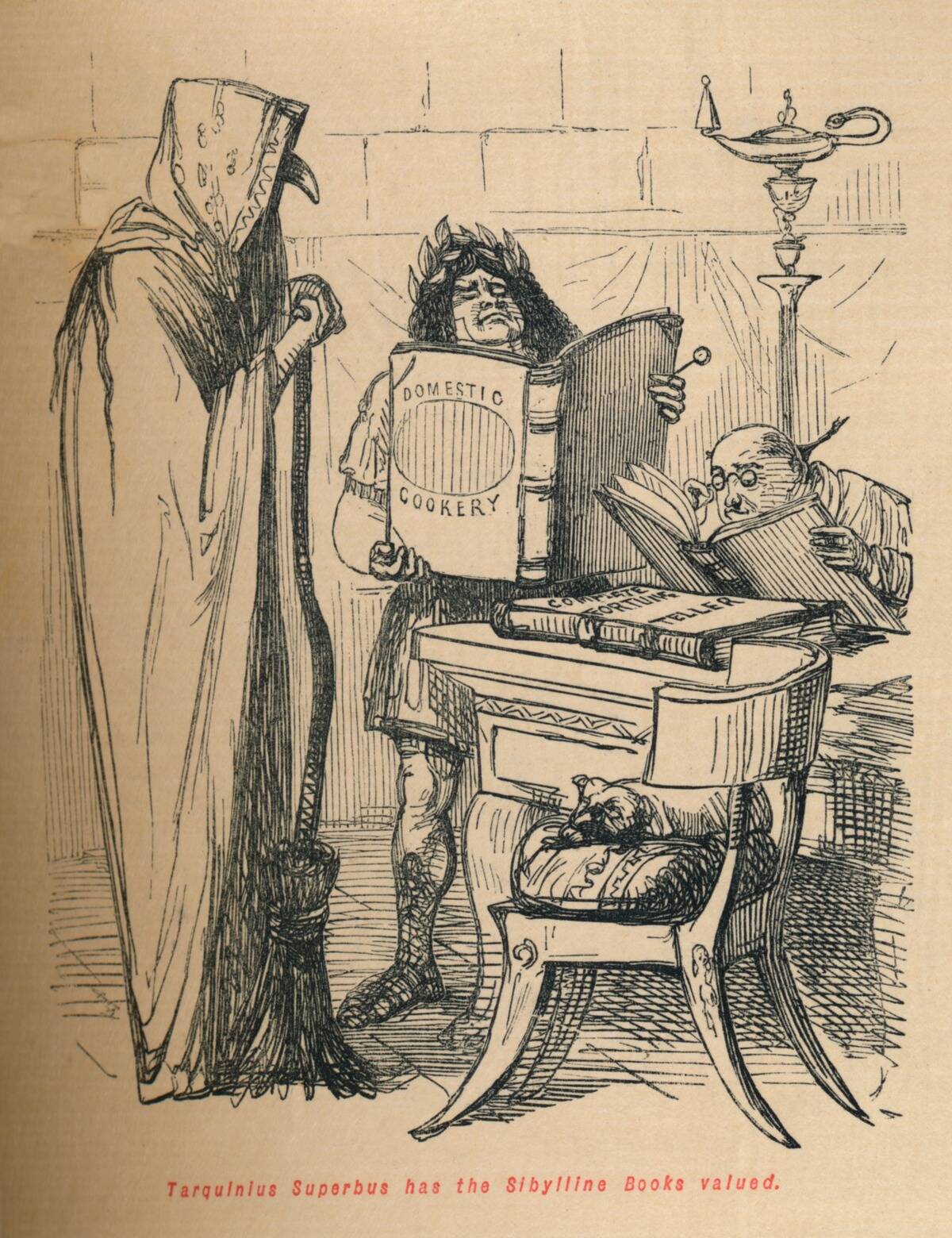
The Sibylline Books were a collection of oracular utterances consulted by ancient Roman officials in times of crisis. According to legend, these books were bought by the last king of Rome, Tarquin the Proud, under mysterious circumstances.
Only fragments of the texts survive today, but they played a crucial role in Roman religion and politics. The prophecies, attributed to the Sibyls, continue to fascinate historians and mythologists, offering a window into the spiritual and cultural landscape of ancient Rome.
The Madrid Codices: Leonardo da Vinci’s Hidden Notes
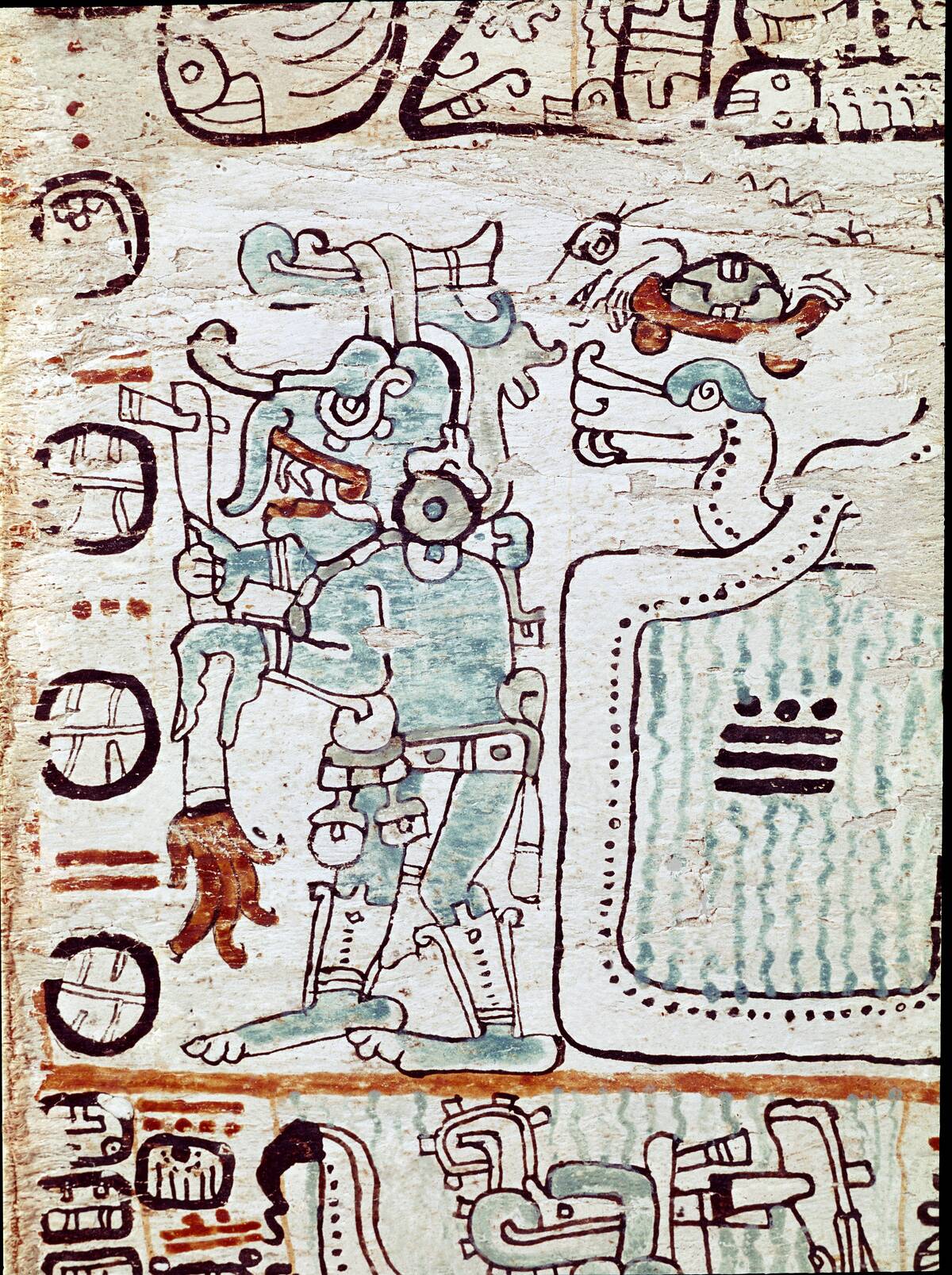
The Madrid Codices are a pair of manuscripts that showcase the inventive genius of Leonardo da Vinci. Discovered in the National Library of Spain in 1965, these notebooks contain sketches and writings on a variety of subjects, including mechanics, geometry, and weaponry.
They provide a deeper understanding of da Vinci’s thought process and his relentless curiosity. The Codices reveal projects that were never realized and offer a glimpse into the mind of one of history’s most brilliant polymaths.
The Codex Leicester: Da Vinci’s Scientific Insights
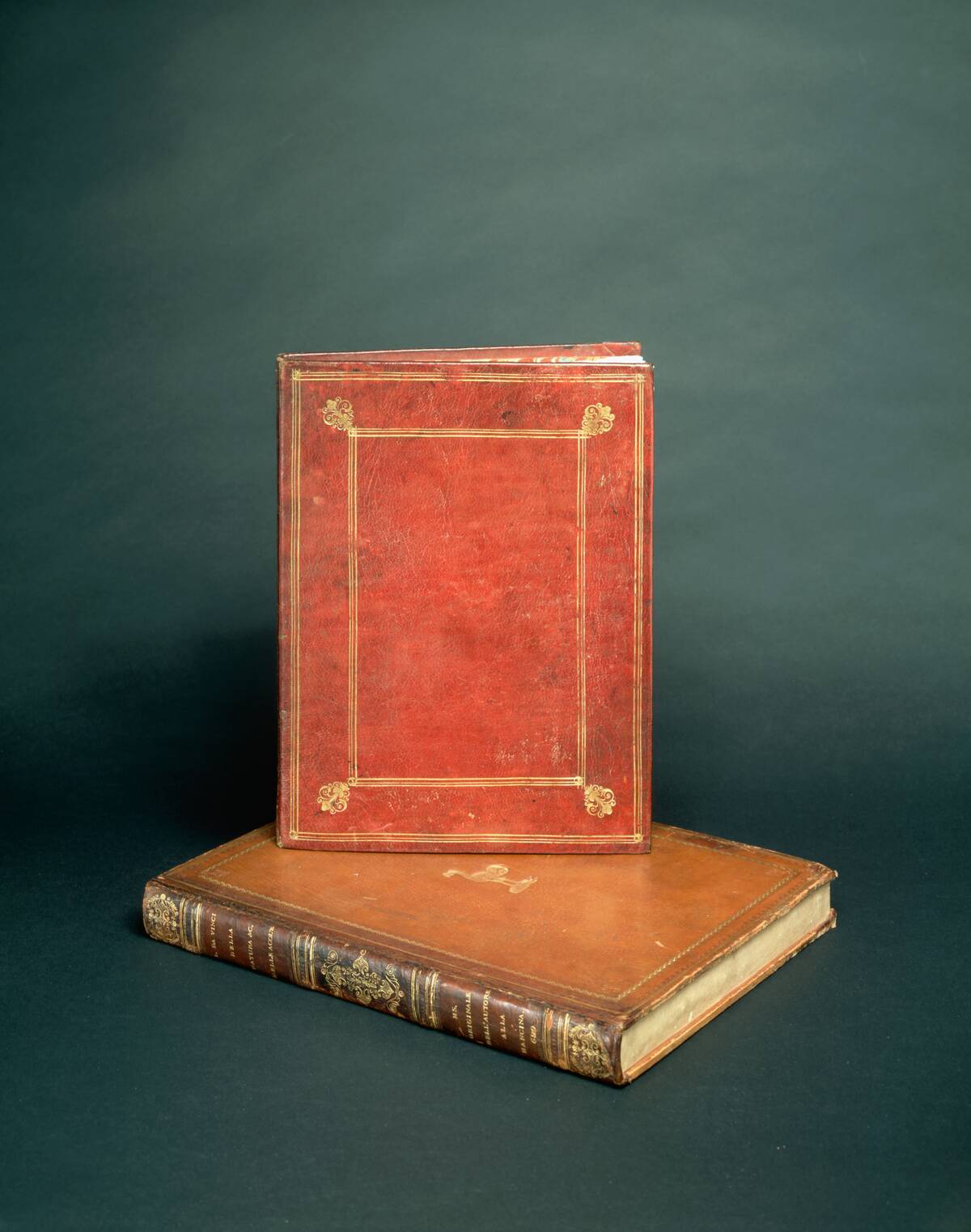
The Codex Leicester, also known as the Codex Hammer, is a manuscript by Leonardo da Vinci that delves into his scientific observations. Purchased by Bill Gates in 1994, it is a collection of writings and drawings covering topics such as astronomy, water movement, and fossils.
The Codex showcases da Vinci’s forward-thinking approach, with many of his hypotheses aligning with modern scientific understanding. His exploration of natural phenomena illustrates his unique ability to blend art and science seamlessly.
The Herculaneum Papyri: Buried by Vesuvius
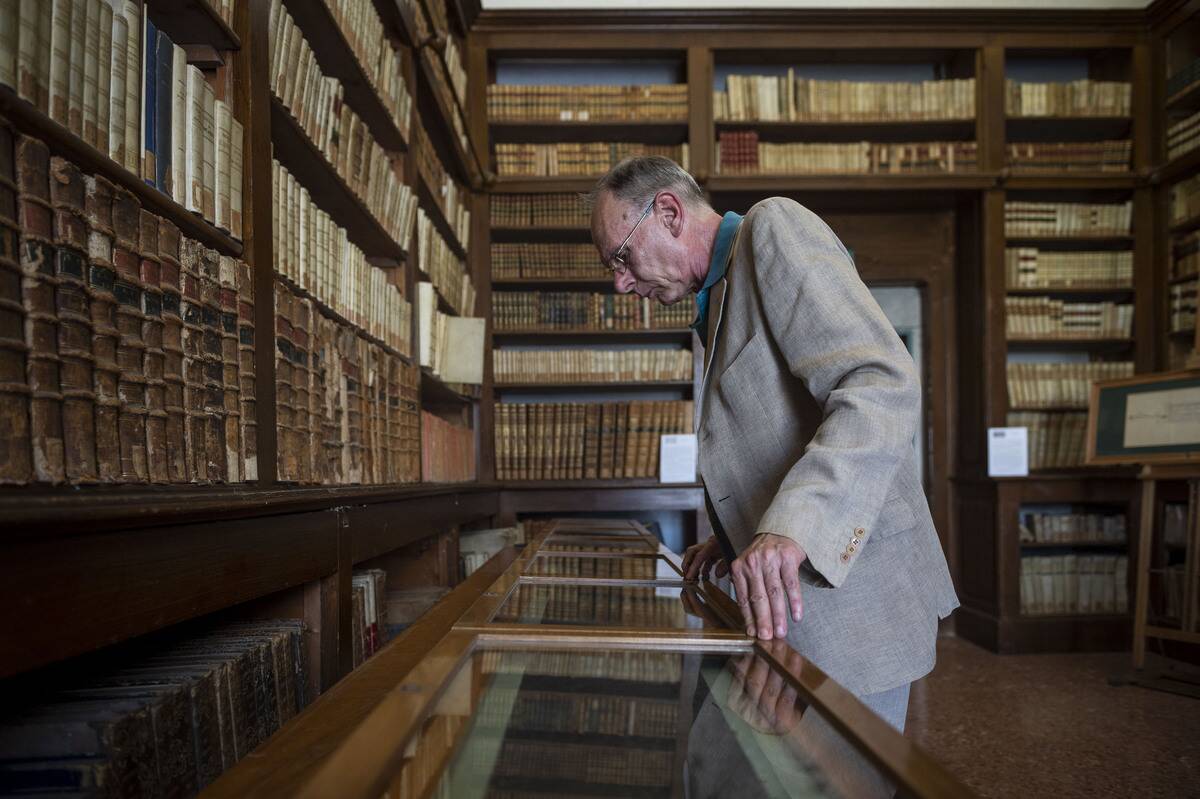
The Herculaneum Papyri are a collection of ancient scrolls buried during the eruption of Mount Vesuvius in 79 CE. Discovered in the 18th century, these charred papyri were found in the Villa of the Papyri in Herculaneum.
Efforts to unroll and read these delicate texts have revealed works of Epicurean philosophy, providing insights into Roman thought and literature. Advances in technology continue to aid in the deciphering process, promising to unlock more secrets from these carbonized treasures.
The Dresden Codex: A Mayan Astronomical Guide
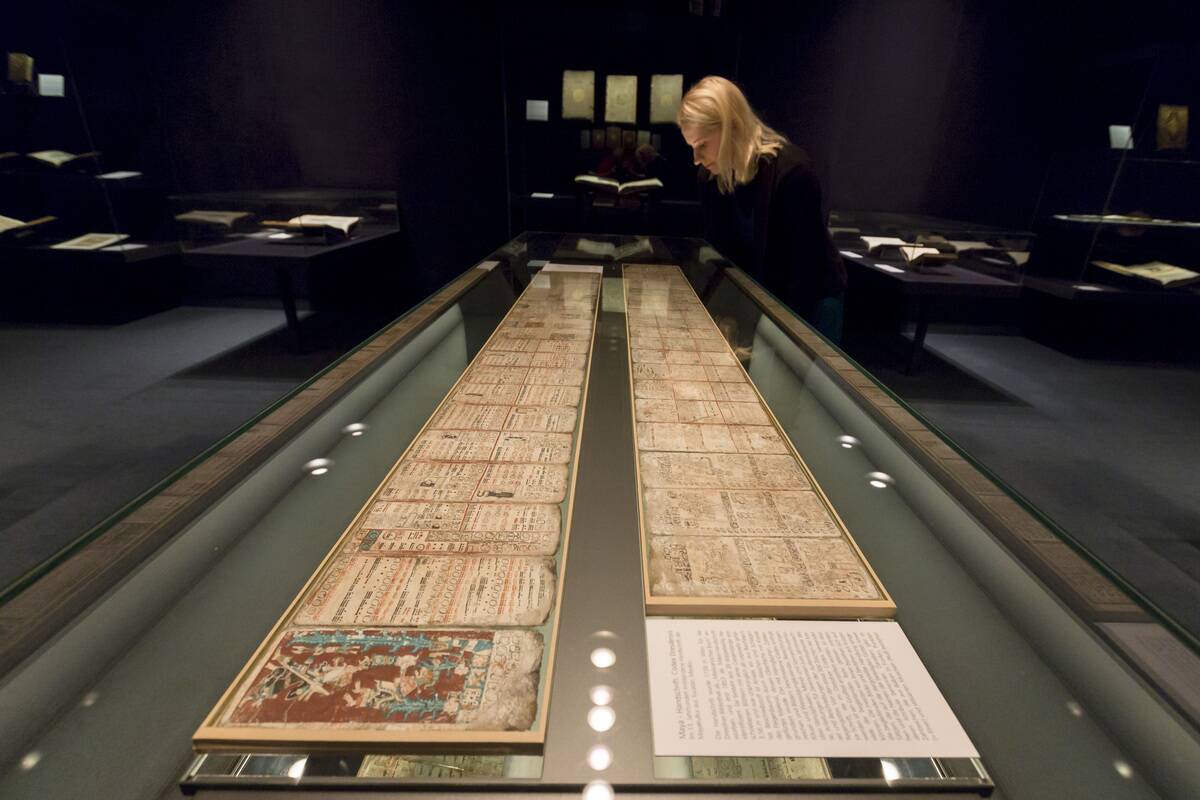
The Dresden Codex is one of the few surviving pre-Columbian Mayan manuscripts, offering a glimpse into the advanced astronomical knowledge of the Maya civilization. This beautifully illustrated codex contains detailed observations of celestial phenomena, including eclipses and the cycles of Venus.
Preserved in the Saxon State and University Library in Dresden, Germany, it serves as a testament to the sophistication of Mayan science and their understanding of the cosmos. The codex remains an invaluable resource for studying ancient Mesoamerican cultures.
The Book of the Dead: Egyptian Path to the Afterlife
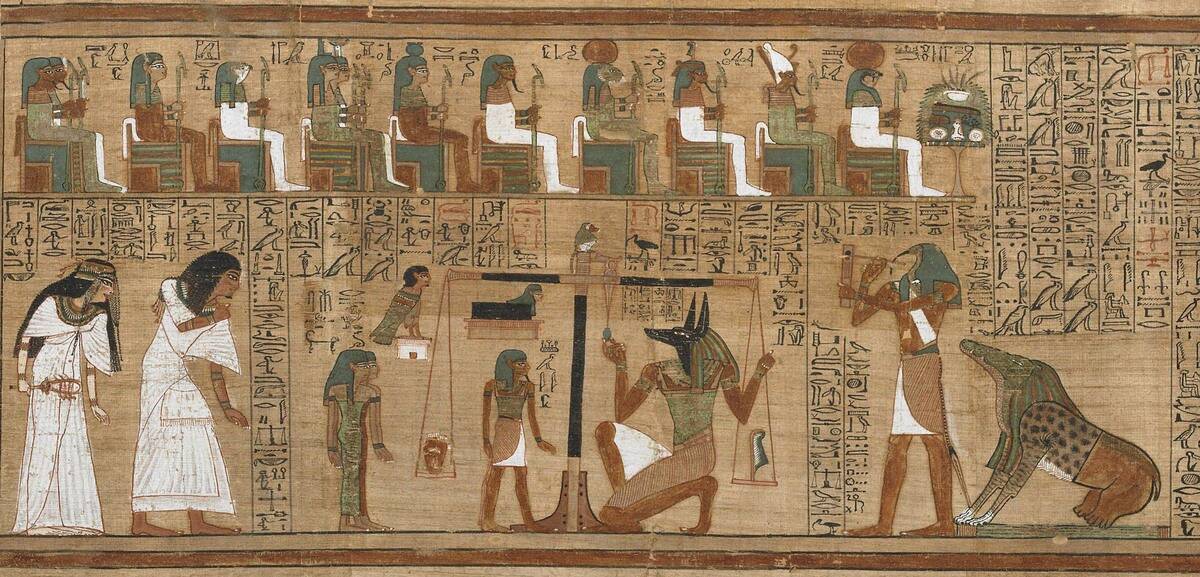
The Book of the Dead is a collection of funerary texts used by ancient Egyptians to guide the deceased through the afterlife. These texts, dating back to the New Kingdom period, were often placed in tombs and contained spells, prayers, and incantations.
The book served as a manual for navigating the challenges of the afterlife, ensuring a safe journey to the underworld. Richly illustrated, it provides a vivid picture of Egyptian beliefs about death and the afterlife, highlighting their spiritual and cultural values.
The Secretum Secretorum: Ancient Wisdom for Kings
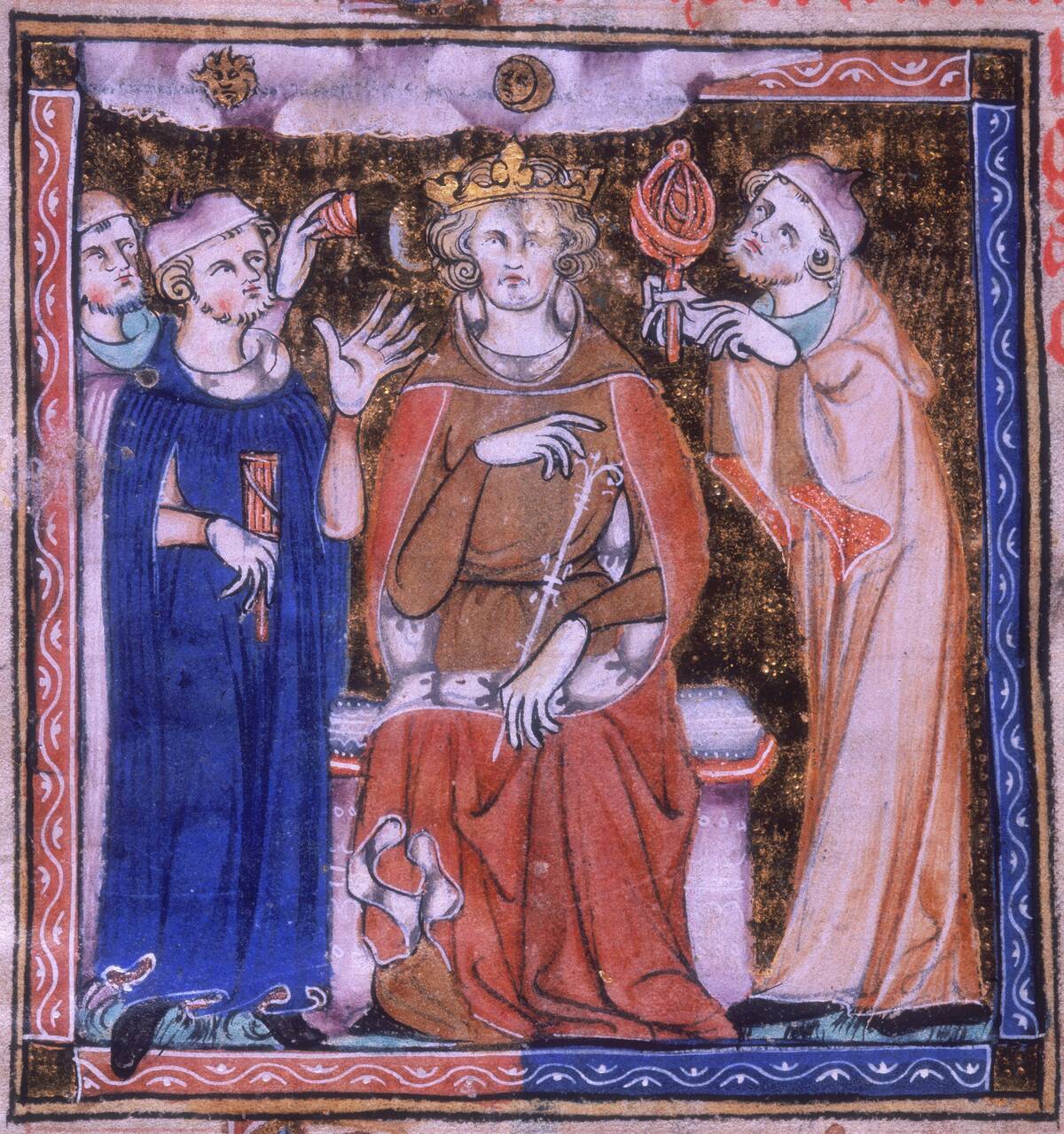
The Secretum Secretorum, or “The Secret of Secrets,” is a medieval treatise attributed to Aristotle. It was believed to contain advice on governance, health, and science for rulers. Widely circulated in the medieval Islamic world and Europe, the text influenced the education of kings and scholars.
Although modern scholarship questions its authorship, the Secretum Secretorum offers a fascinating glimpse into the transmission of knowledge across cultures and the enduring appeal of wisdom literature.




