Ancient cities buried beneath modern streets
Beneath the bustling streets and towering skyscrapers of today’s cities lie hidden worlds waiting to be discovered. These underground layers hold stories of ancient civilizations that once walked the same ground, albeit at a different depth.
From forgotten tunnels to entire cities buried by time, each tells a tale of human history and resilience. It’s fascinating to think that while we rush about our daily lives, echoes of the past linger just underfoot.
Unveiling the Layers: The Mystery of Urban Archaeology
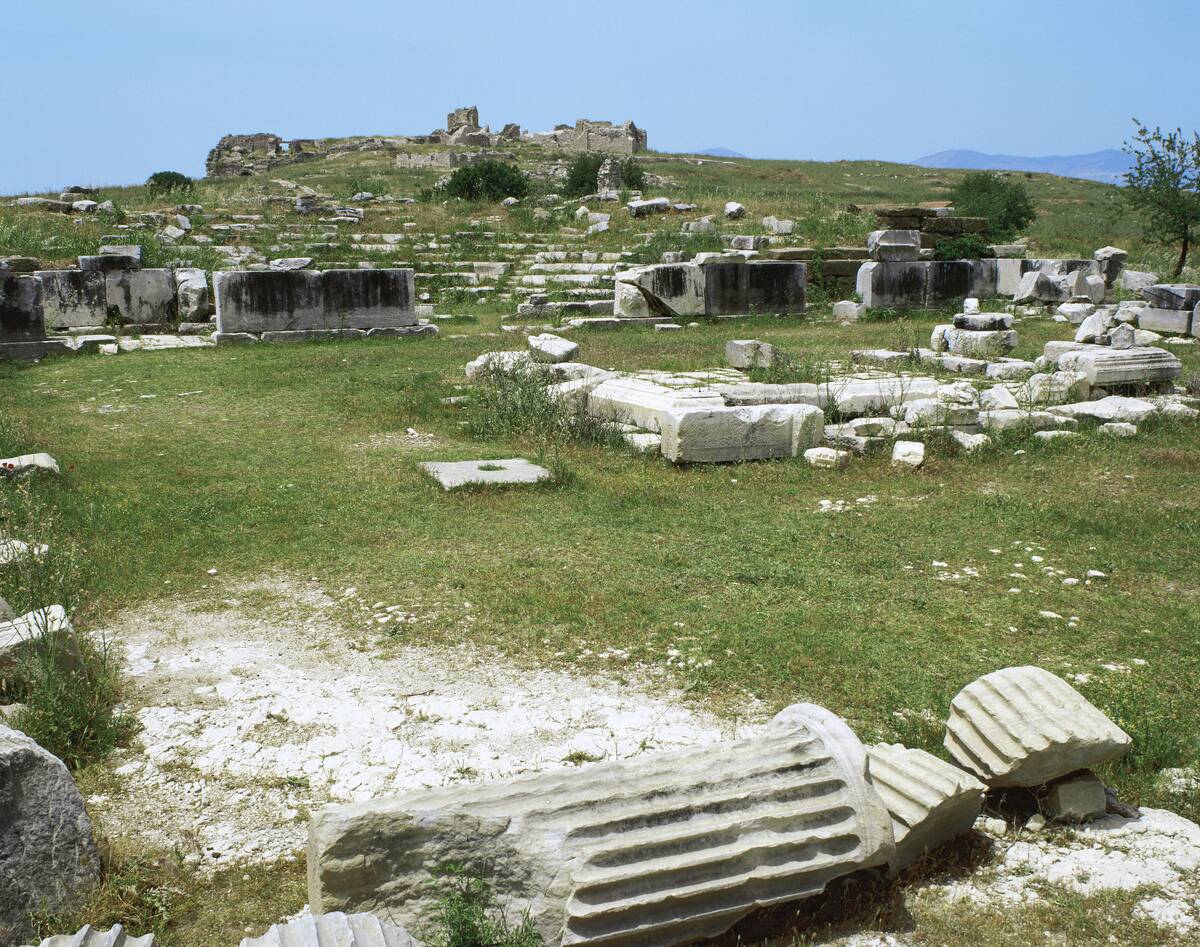
Urban archaeology is like peeling back the layers of a gigantic historical onion. As each stratum is carefully excavated, archaeologists reveal the secrets of bygone eras.
This discipline involves not just digging, but meticulously documenting and preserving ancient structures. In recent years, this field has gained traction, with discoveries that challenge our understanding of history. Every unearthed artifact adds a piece to the puzzle of how our ancestors lived, thrived, and evolved.
Ancient Rome Underneath Modern Rome
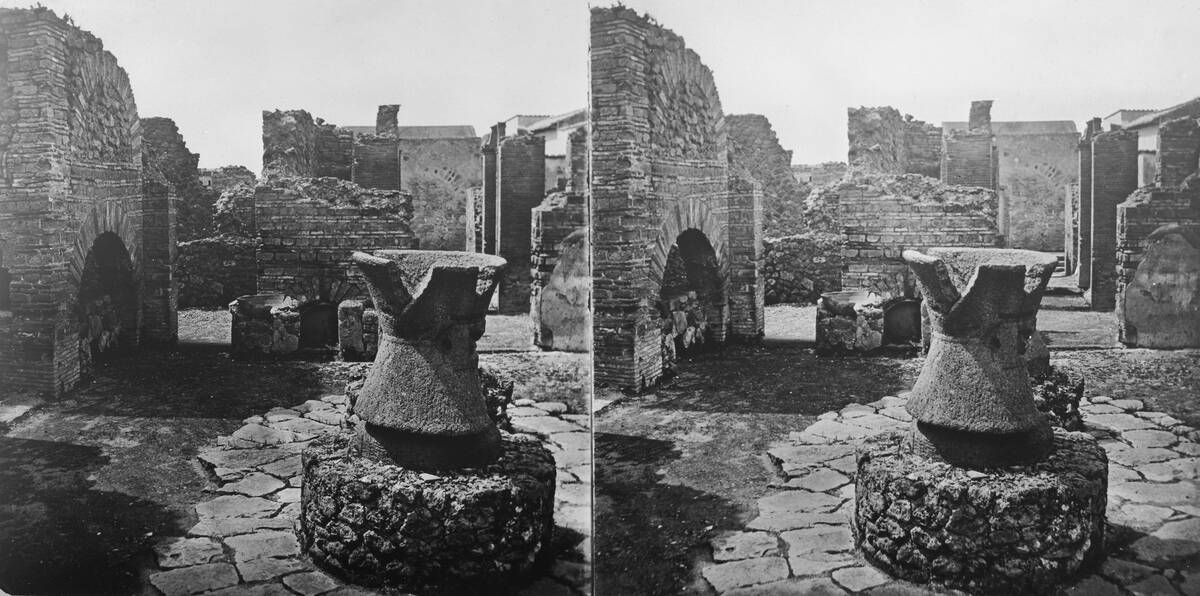
Rome is a city where the past and present coexist in a spectacular display of history. Beneath its modern streets lie remnants of the Roman Empire, including villas, baths, and even entire roads.
The Basilica of San Clemente, for example, is a layered time capsule with a 12th-century church built over a 4th-century basilica, which in turn rests over a 1st-century Roman house. Exploring these layers offers a tangible connection to the grandeur of Rome’s past.
The Subterranean Secrets of Paris
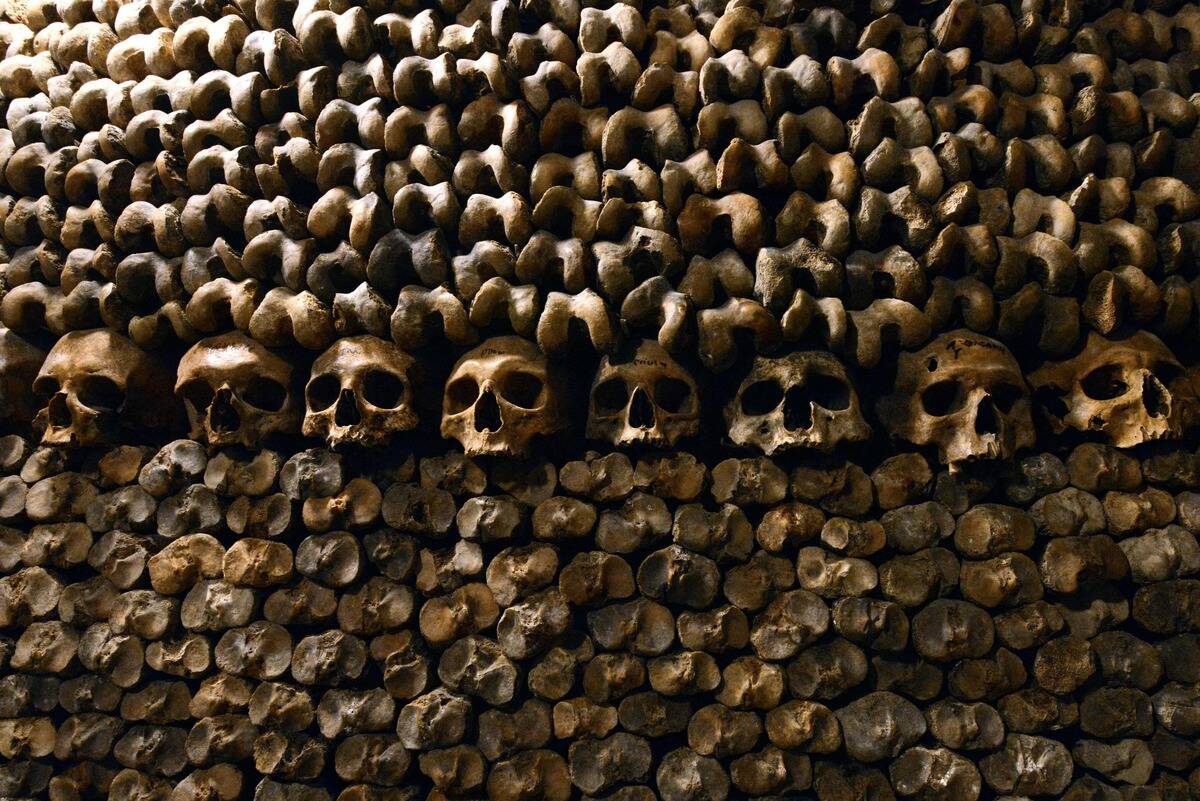
Paris, known for its romance and culture, harbors a labyrinth of secrets below its surface. The Catacombs, a sprawling network of tunnels and ossuaries, house the remains of over six million people.
Originally stone quarries, these tunnels were transformed in the 18th century to address the city’s overflowing cemeteries. Walking through these dimly lit passages is a haunting reminder of the city’s complex history, hidden just beneath the City of Lights.
Istanbul: A City Built on Ancient Foundations
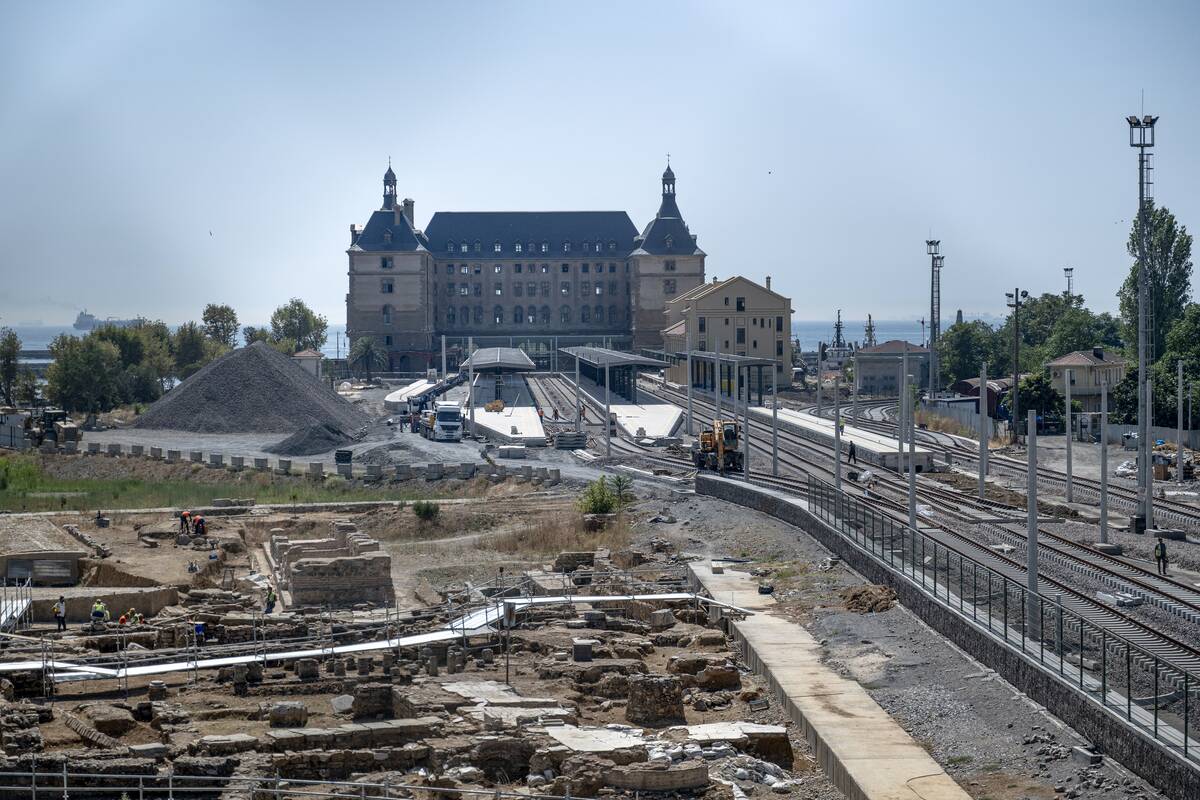
Straddling two continents, Istanbul is a city of incredible historical depth. Beneath its bustling streets lie relics from Byzantium and Constantinople, including the Basilica Cistern. This grand underground reservoir, built in the 6th century, once stored water for the city’s palaces.
Its columns, some repurposed from ancient temples, stand as silent witnesses to the city’s transformation over millennia. Istanbul’s underground treasures reflect its rich and diverse heritage.
The Lost Tunnels of Edinburgh
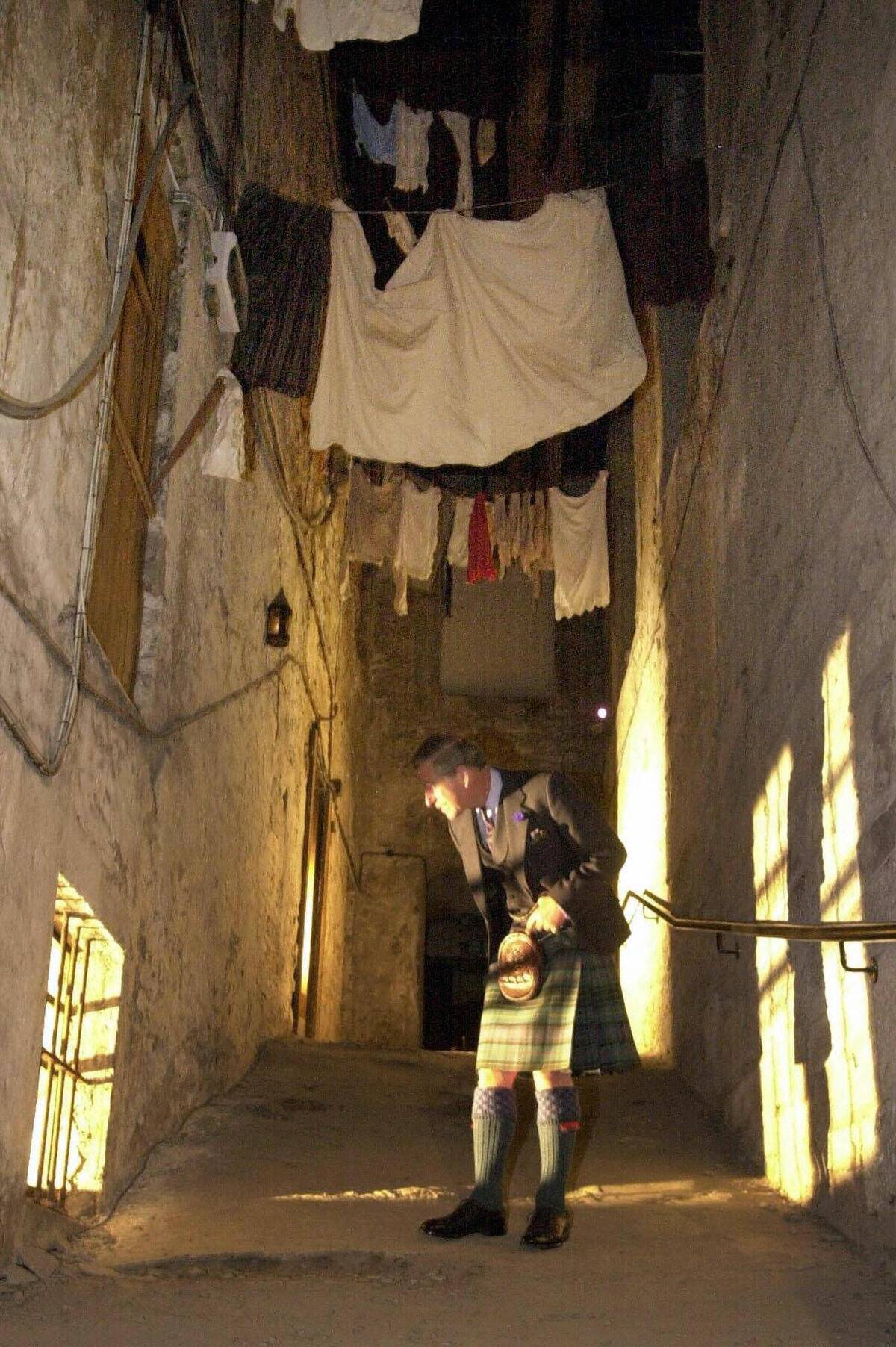
Edinburgh is a city steeped in mystery, with its hidden history lying beneath the cobblestones. The Mary King’s Close, a series of underground streets and spaces, was sealed off in the 17th century.
These hidden passages offer glimpses into the lives of its former residents and the plague that once swept through. Exploring these tunnels is like stepping back in time, with stories of ghostly apparitions adding to the intrigue of this subterranean world.
Mexico City and the Aztec Empire Beneath
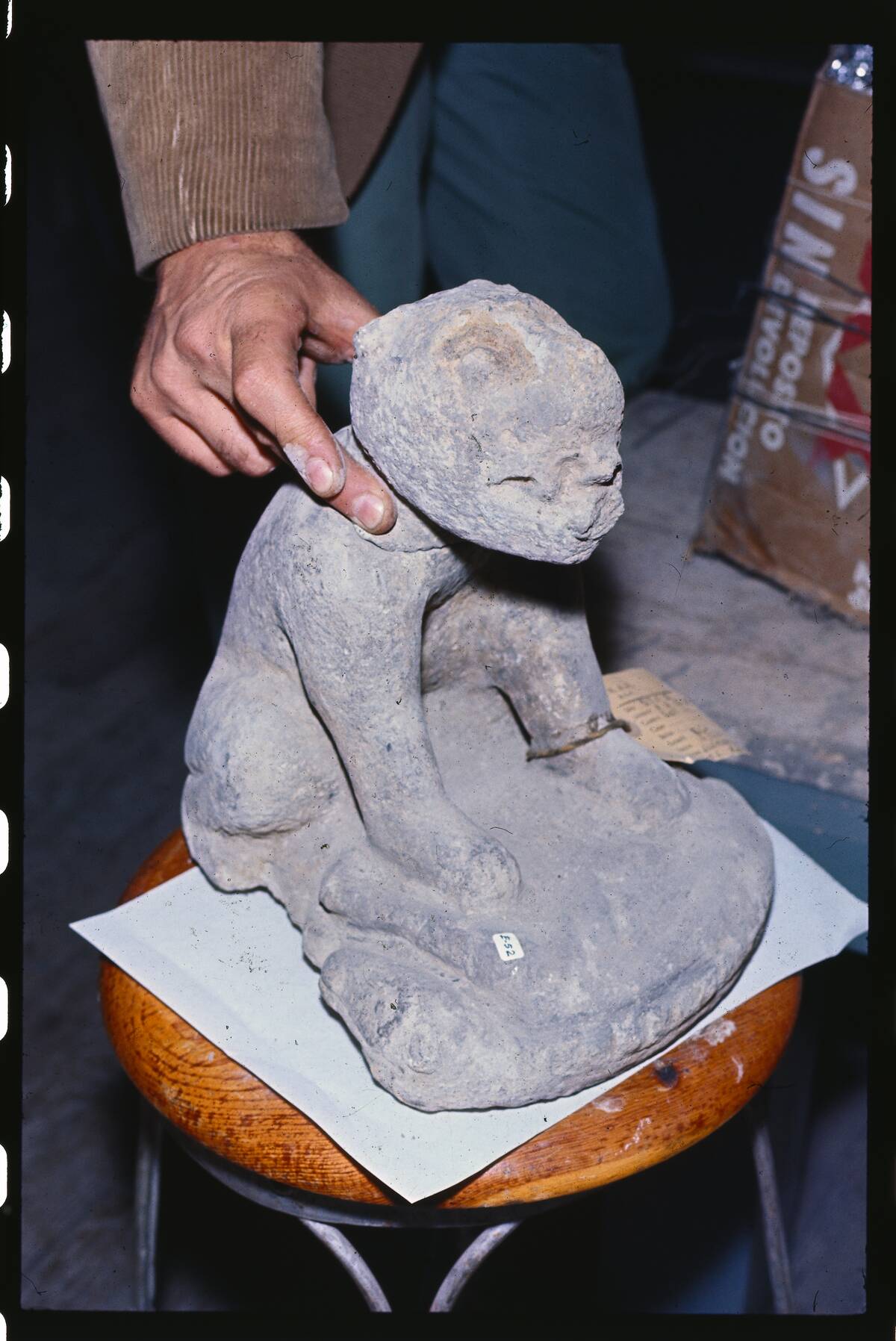
Mexico City, built on the ruins of the Aztec capital Tenochtitlan, is a palimpsest of history. Excavations have unearthed temples, ceremonial platforms, and the famed Templo Mayor, revealing the grandeur of the Aztec civilization.
The city’s sinking ground has made archaeology challenging, yet it continues to yield insights into pre-Hispanic life. Each discovery adds to our understanding of the Aztecs’ sophisticated urban planning and rich cultural heritage.
The Mystical Underground of Beijing
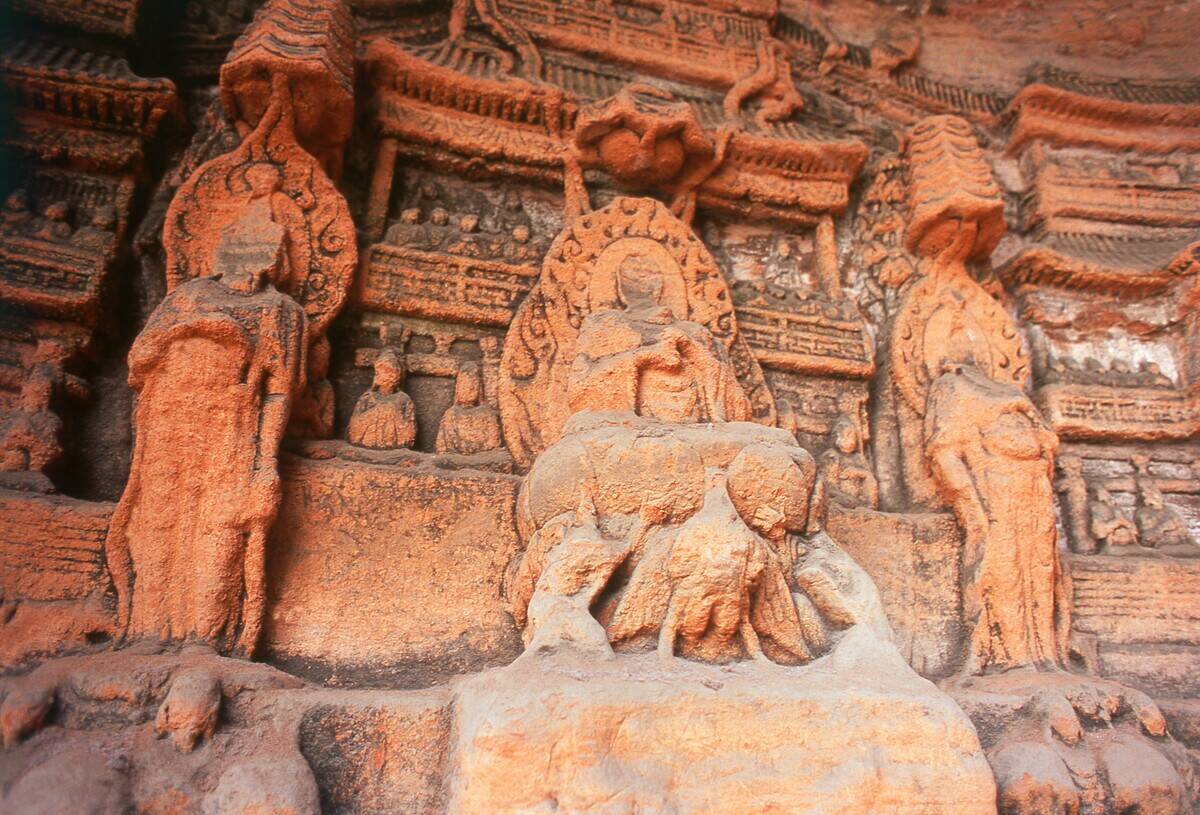
Beneath Beijing’s modern sprawl lies a network of secrets, including the ancient city of Dadu from the Yuan Dynasty. Surprising finds like the Ming Dynasty city wall and the subterranean remnants of imperial gardens paint a vivid picture of Beijing’s past.
The city’s underground also served strategic purposes during the Cold War, with tunnels large enough to accommodate thousands. These layers remind us of Beijing’s enduring legacy and its dynamic history.
Cairo’s Pharaonic Substructures
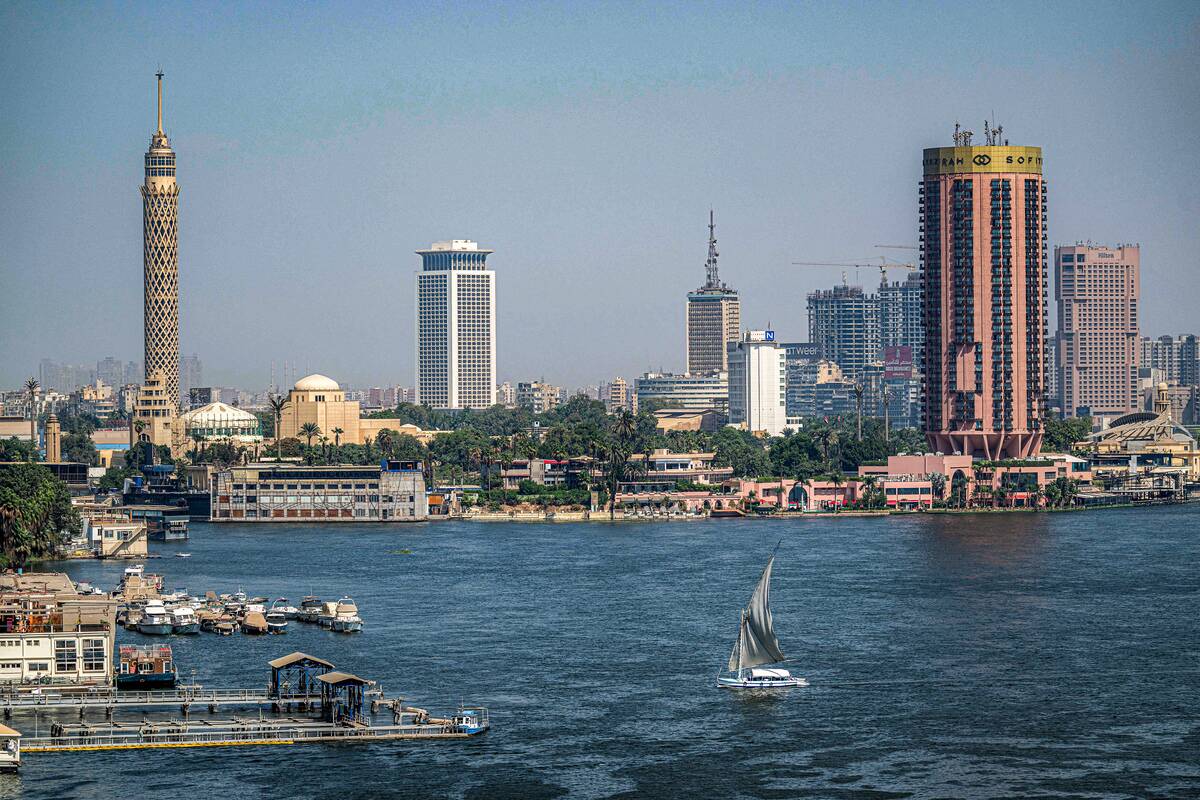
Cairo, the gateway to ancient Egypt, rests atop layers of history waiting to be uncovered. The city’s underground is a treasure trove of Pharaonic wonders, from hidden chambers in the Great Pyramid to tombs of high-ranking officials.
Recent discoveries include a vast necropolis beneath the sands, offering new insights into Egyptian burial practices. These substructures reveal the Egyptians’ architectural prowess and their deep connection to the afterlife.
The Viking Echoes Below Dublin
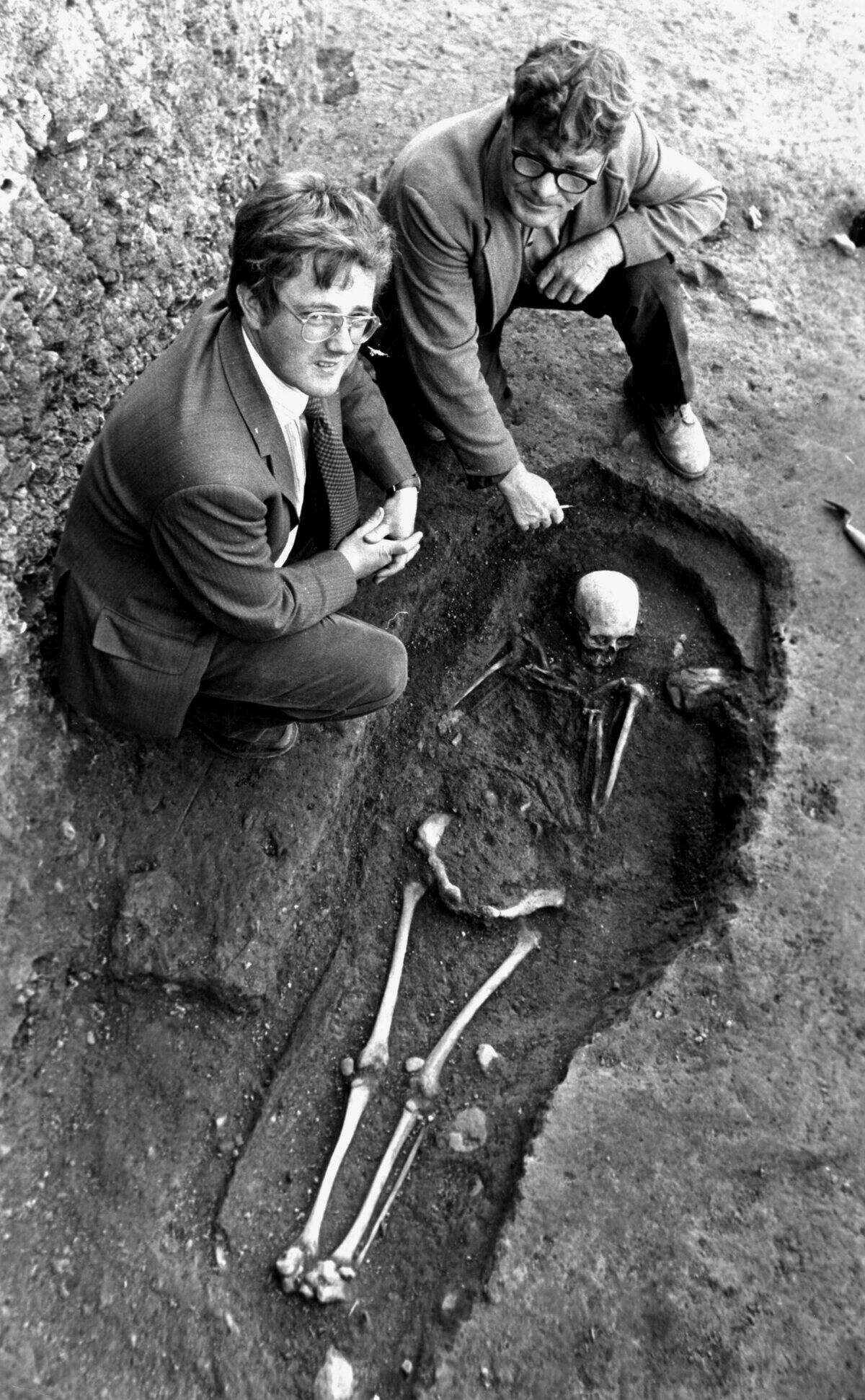
Dublin, a city with Viking roots, hides a rich history beneath its streets. Archaeological digs have uncovered Viking settlements and artifacts, including shipyard remains and wooden fish traps.
These discoveries highlight Dublin’s significance as a thriving Viking hub in the 9th century. The city’s Viking past is celebrated through interactive exhibits and reconstructed longhouses, allowing visitors to experience the Norse influence that shaped Dublin’s early development.
New York City’s Forgotten Underground Worlds
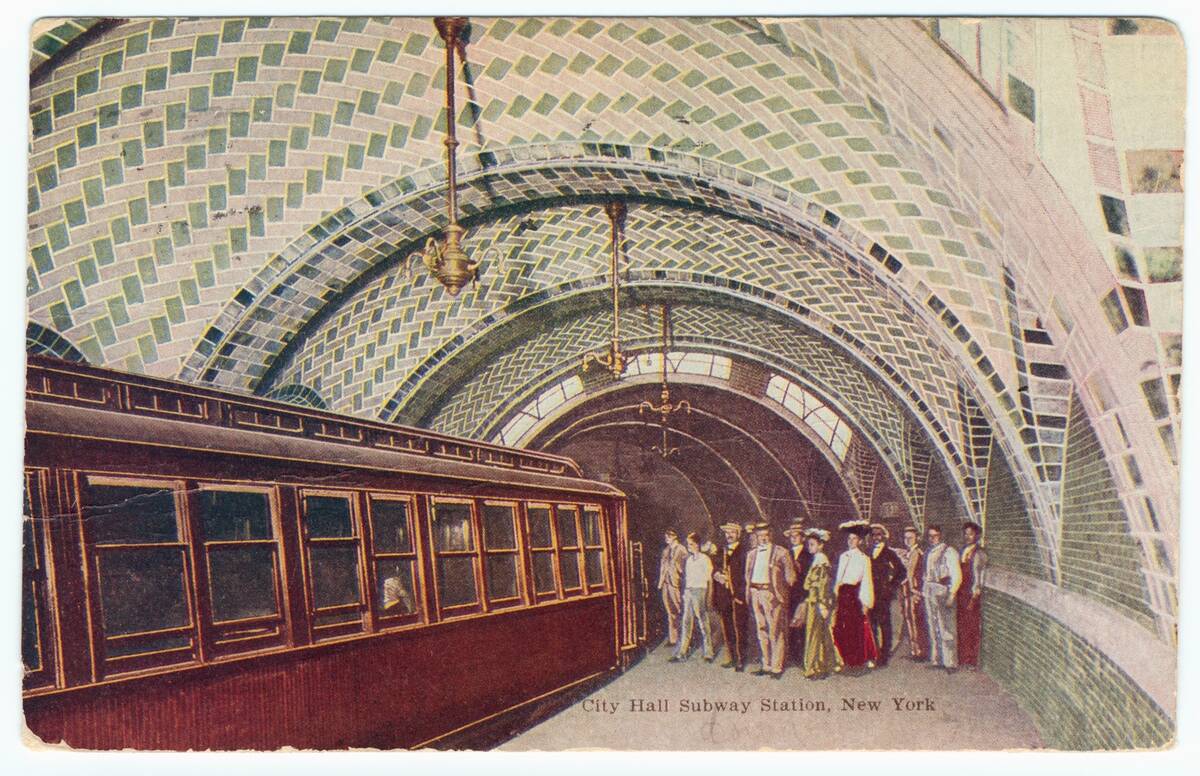
New York City, known for its skyscrapers, also boasts a fascinating underground. The city’s forgotten worlds include the old City Hall subway station and the intricate network of tunnels beneath the streets.
Originally built to support the bustling metropolis above, these structures now serve as historical reminders of the city’s rapid growth. Tours of these underground spaces offer a unique perspective on New York’s architectural evolution and its hidden past.
London’s Roman and Medieval Layers
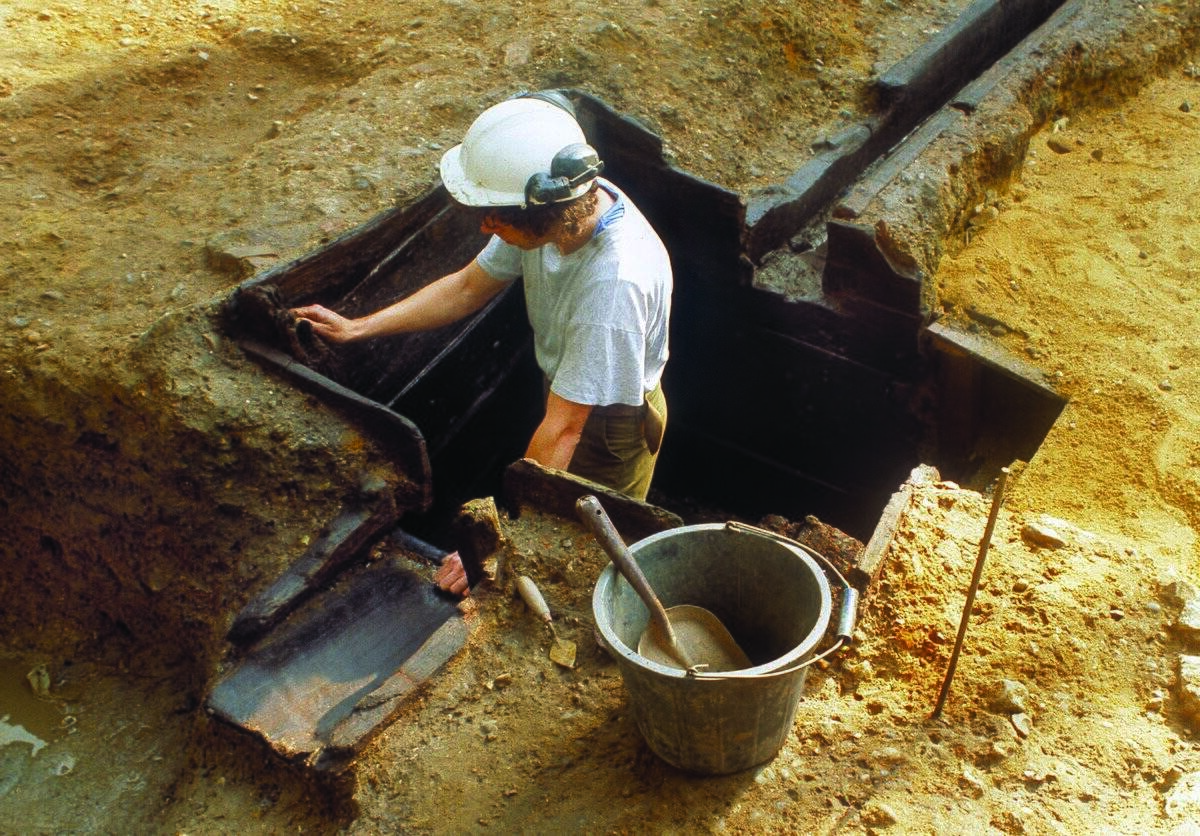
London is a city where history is layered like a rich tapestry. From Roman fortifications to medieval streets, the city’s underground reveals a timeline of human civilization. Recent excavations have uncovered Roman amphitheaters and remnants of the London Wall.
The city’s medieval layers include forgotten plague pits and ancient streets, offering a window into London’s storied past. Each discovery enriches our understanding of the city’s dynamic history and cultural legacy.
Athens: The Cradle of Civilization Below the Streets
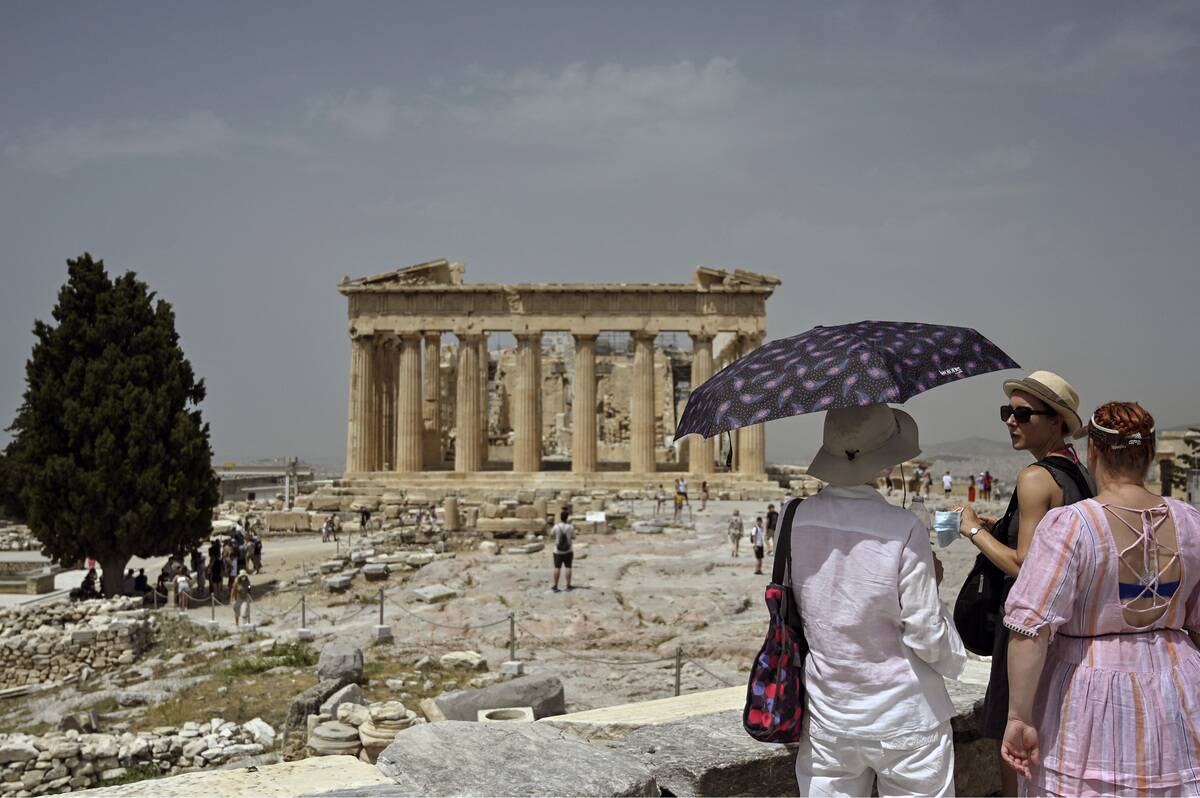
Athens, often called the cradle of civilization, holds timeless treasures beneath its bustling streets. Excavations have revealed remnants of ancient marketplaces, temples, and the city’s sophisticated water systems.
The metro construction unearthed countless artifacts, offering insights into daily life in ancient Greece. These subterranean discoveries highlight Athens’ pivotal role in shaping Western civilization and its enduring influence on art, philosophy, and politics.
Exploring the Subterranean Wonders of Naples
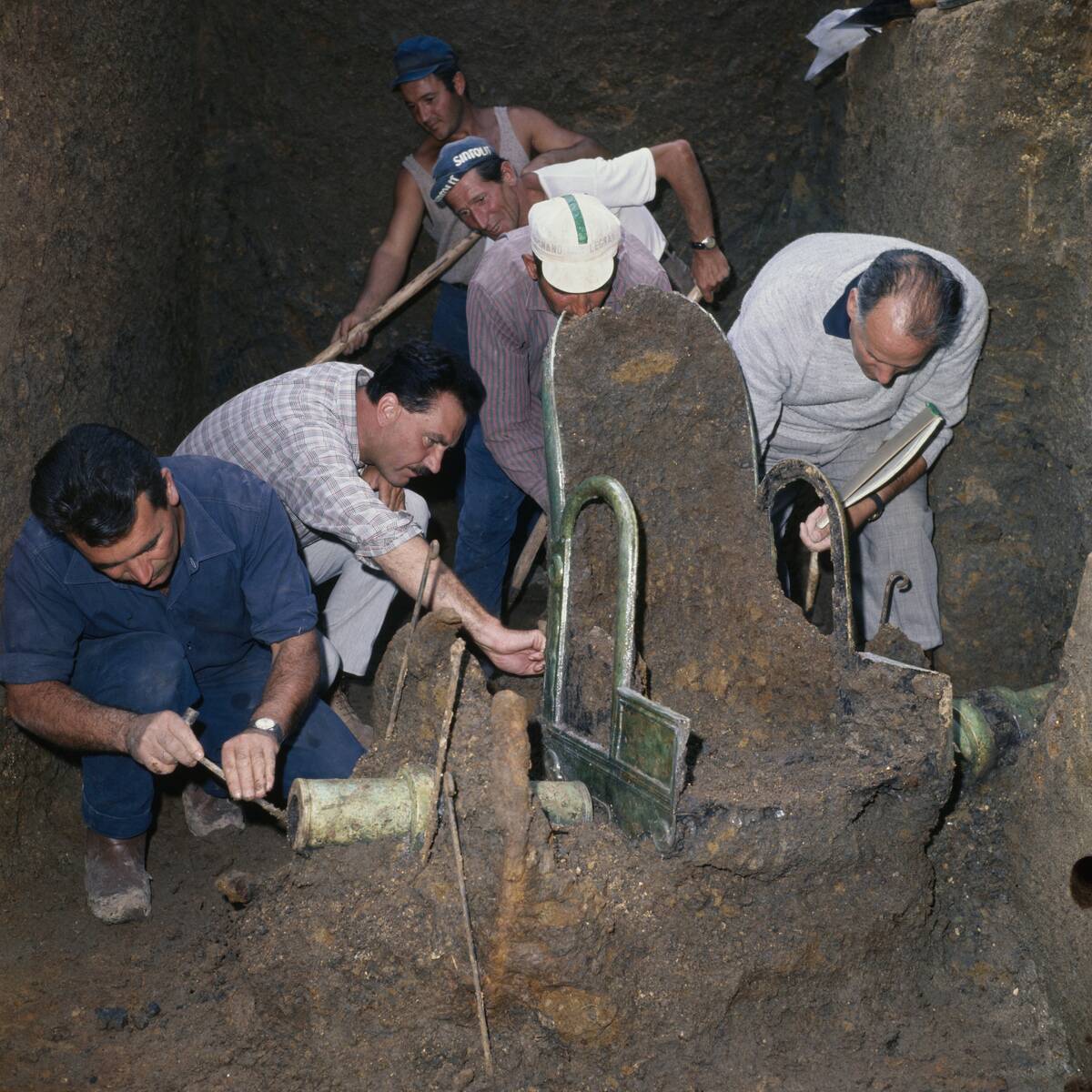
Naples is a city where history runs deep, quite literally. Beneath its vibrant streets lies an intricate network of tunnels and caverns, including the famed Napoli Sotterranea. These tunnels, originally quarried for building materials, were later repurposed as WWII air raid shelters.
Today, they offer a fascinating glimpse into the city’s past, from ancient aqueducts to early Christian catacombs. Naples’ underground is a testament to its resilience and adaptability over centuries.
The Hidden Incan Paths Below Cusco
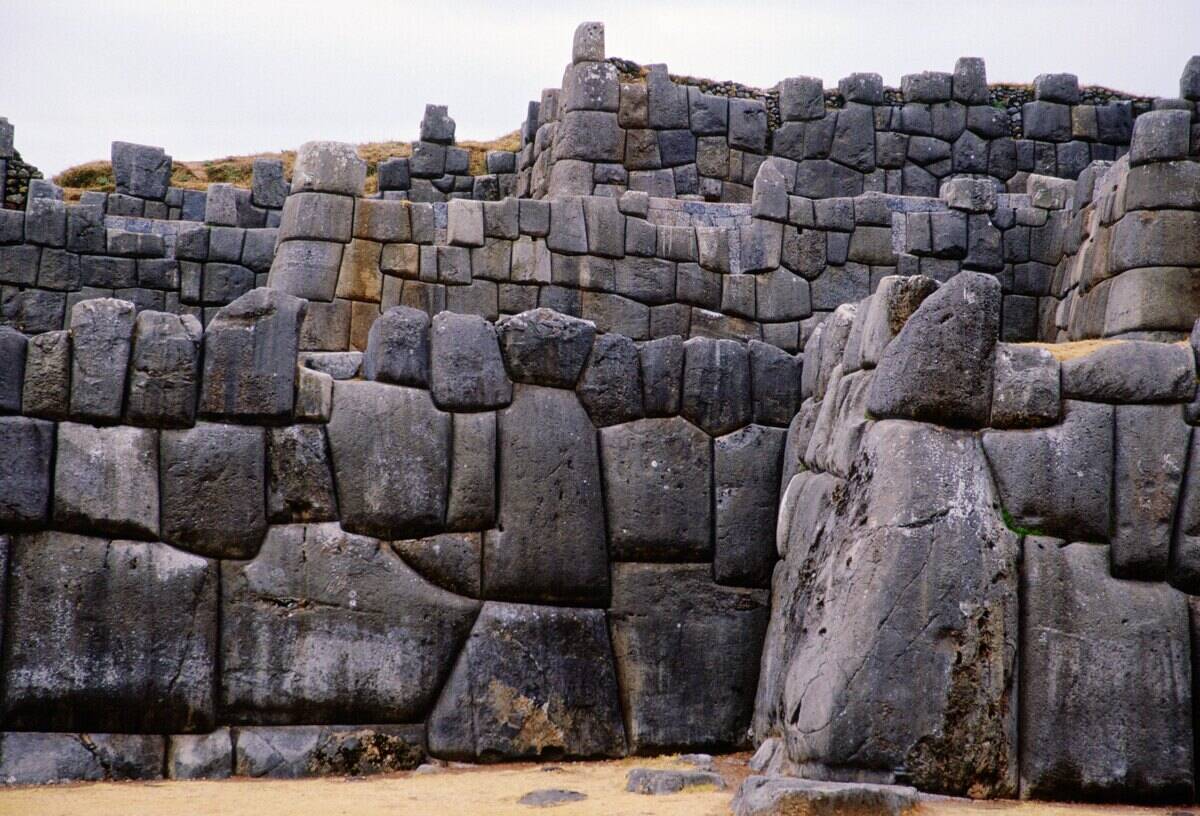
Cusco, the historic capital of the Inca Empire, is a city steeped in ancient wonder. Beneath its cobbled streets lie hidden pathways and tunnels, believed to connect to the legendary Temple of the Sun.
These subterranean routes reflect the engineering prowess of the Incas, showcasing their intricate stonework and architectural ingenuity. Explorations of these paths continue to reveal the rich cultural and spiritual life of the Incas, preserving their legacy for future generations.
Urban Legends and Myths of Buried Cities
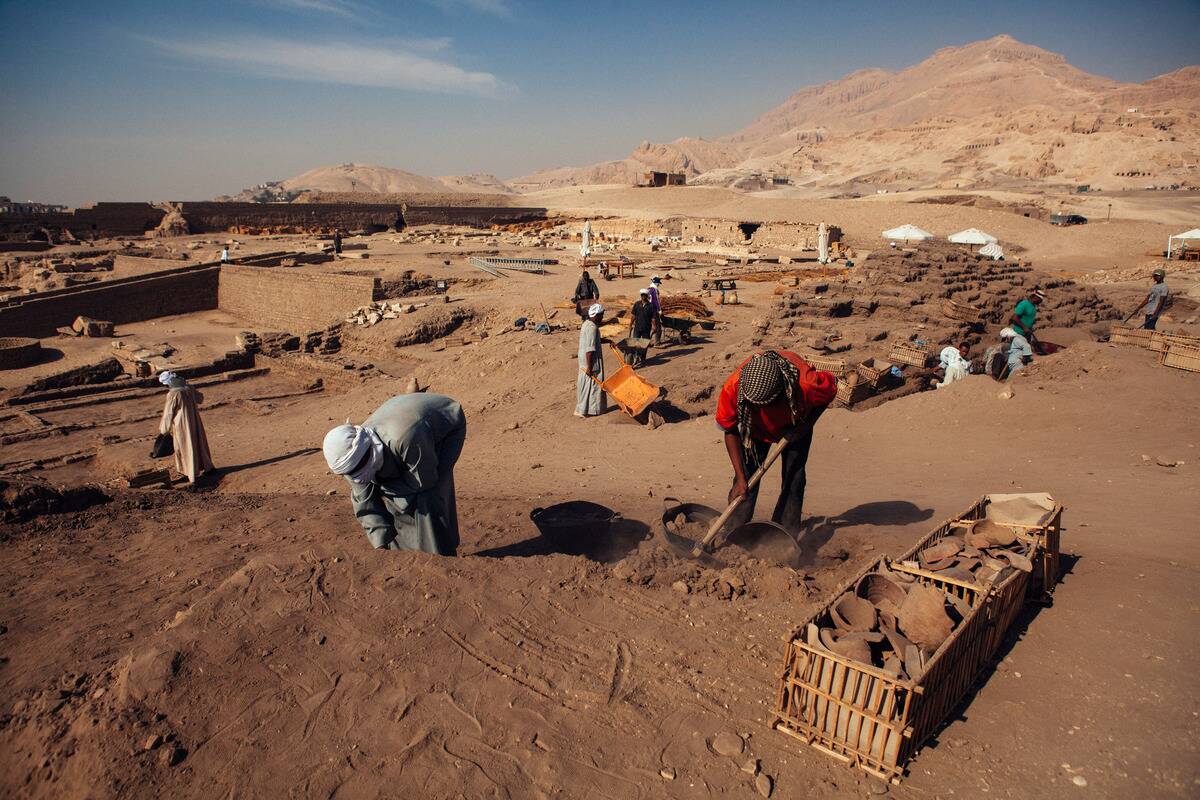
Every city has its share of legends, and those with hidden depths are no exception. From tales of lost treasures to ghostly apparitions, these myths add an air of mystery to the subterranean world.
In Edinburgh, for instance, whispers of a ghostly piper wandering the tunnels persist. Such stories, whether based on truth or imagination, capture the public’s fascination and encourage exploration of these hidden realms. They remind us of the allure and enigma of the unknown.
How Modern Technology Unearths Ancient Secrets
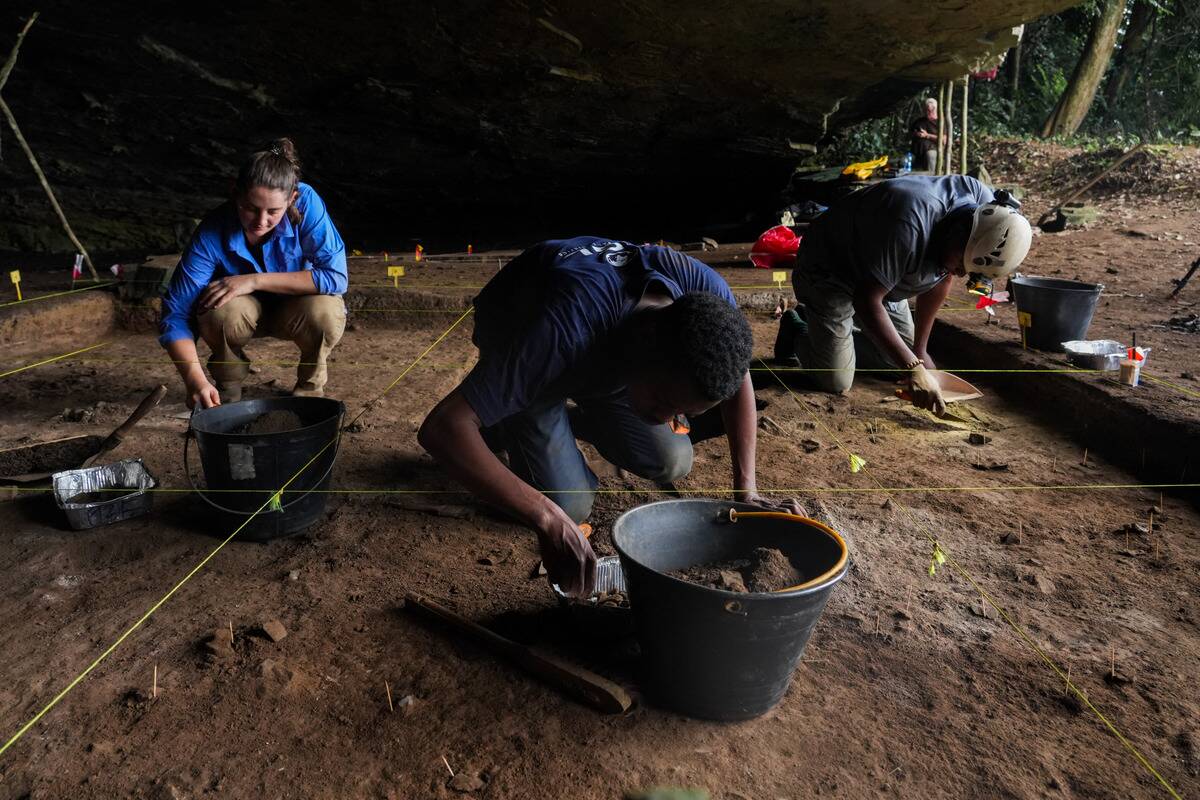
Advancements in technology have revolutionized the field of archaeology, making it easier to uncover hidden civilizations. Tools like ground-penetrating radar and 3D scanning allow archaeologists to explore subterranean sites without disturbing them.
These technologies provide detailed maps and images of what lies beneath, aiding in the preservation of fragile artifacts. As technology continues to evolve, it promises to unlock even more secrets of our ancient past, revealing the depths of human history.
The Cultural Impact of Discovering Hidden Civilizations
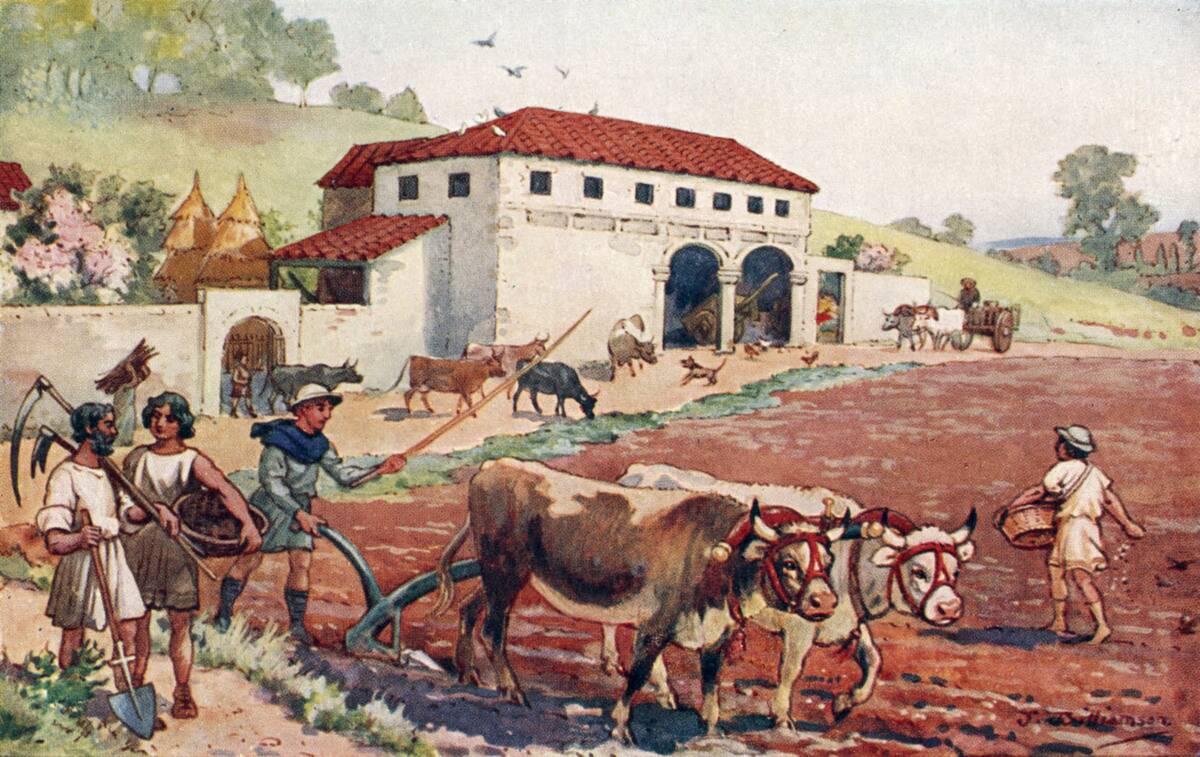
The discovery of hidden civilizations has a profound impact on our cultural understanding and identity. These finds reshape historical narratives and offer new perspectives on ancient societies’ achievements.
They also spark public interest and pride in preserving cultural heritage. As more cities uncover their subterranean secrets, they contribute to a global tapestry of human history, fostering a deeper appreciation for the diversity and complexity of our shared past.
Visiting the Underground: A Guide for Tourists
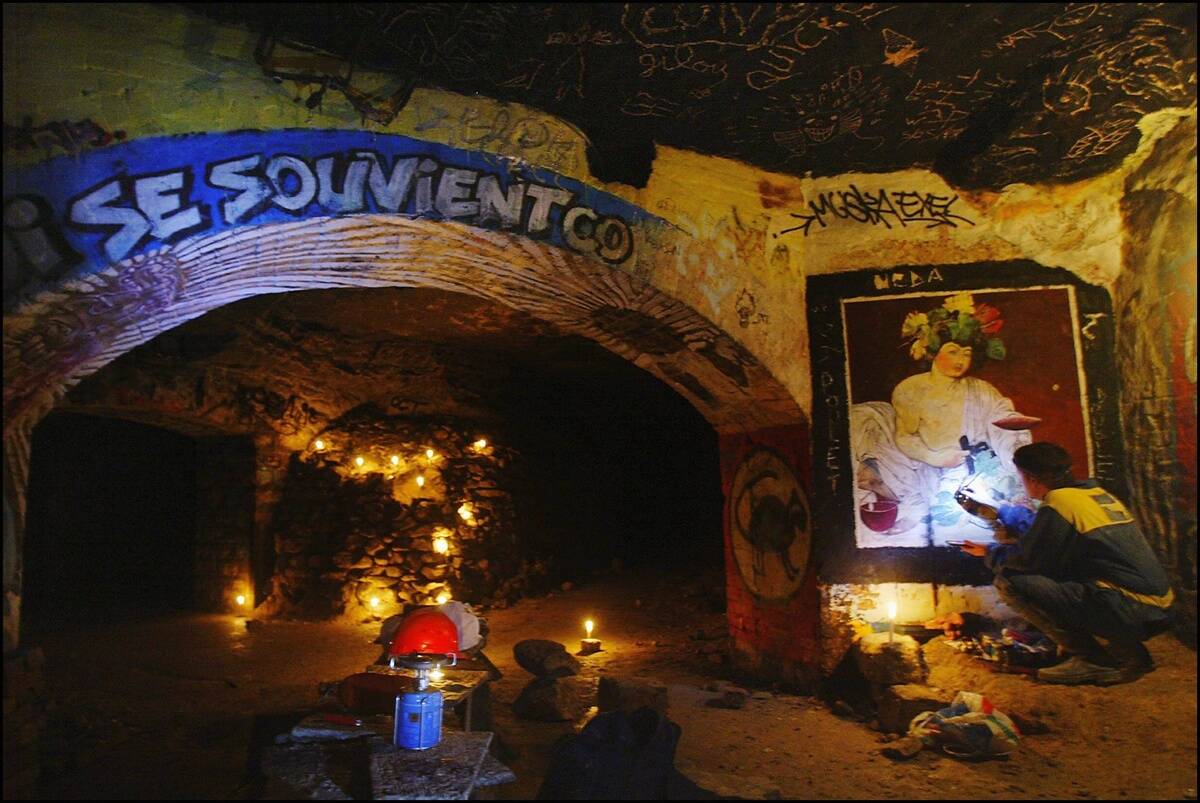
For those with a sense of adventure, exploring underground civilizations offers a unique travel experience. Many cities offer guided tours of their subterranean wonders, from the catacombs of Paris to the tunnels of Naples.
These tours provide insights into history and engineering marvels, making for an unforgettable journey back in time. Visitors are encouraged to respect these sites, as they are not only historical treasures but also delicate ecosystems that require preservation for future generations.
Future Prospects: What Lies Beneath?
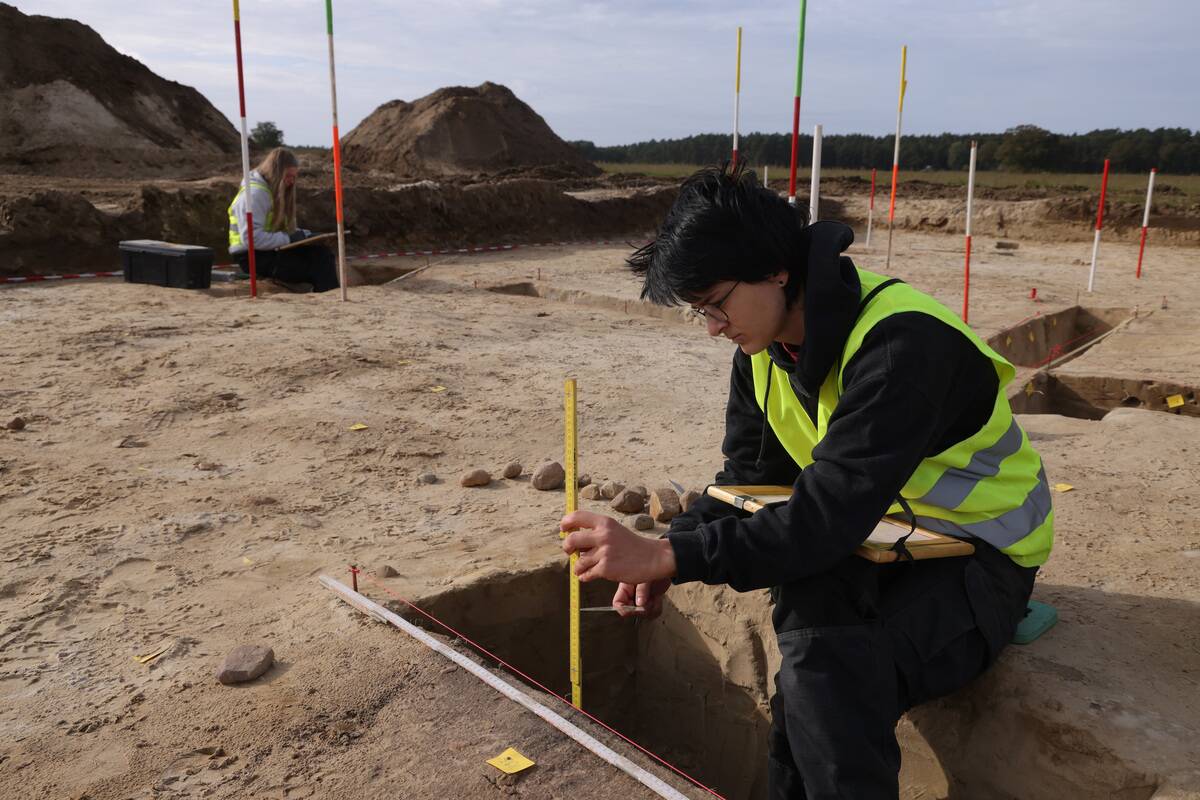
The future of urban archaeology is filled with exciting possibilities as technology and knowledge advance. With each discovery, we gain a clearer picture of the past, and yet, there remains so much hidden beneath our feet.
As cities continue to grow and evolve, the potential for uncovering new sites remains vast. The prospects of what lies beneath fuel our imagination and drive to explore, reminding us that history is not just in the past, but part of our present and future.




