Lost technologies we can’t recreate today
In a world where technology evolves at lightning speed, there’s a certain allure in the ancient innovations that continue to baffle modern scientists. These lost technologies not only demonstrate the ingenuity of past civilizations but also challenge us to uncover the secrets they left behind.
From mysterious materials to architectural marvels, the ancient world holds many mysteries that stir the imagination and invite us to explore the past with a sense of wonder.
Roman Concrete: The Secret Recipe That Stood the Test of Time

The durability of Roman concrete is unrivaled, with structures like the Pantheon and aqueducts standing for millennia. Unlike modern concrete, which can crack over time, Roman concrete actually strengthens under water thanks to volcanic ash.
This unique composition has puzzled scientists, who strive to understand how such ancient engineering feats remain so formidable today. Rediscovering this formula could revolutionize modern construction.
Greek Fire: The Ancient Incendiary Weapon

Greek Fire was a feared weapon used by the Byzantine Empire, capable of burning on water. Its exact composition remains a closely guarded secret, lost over the centuries. Historical accounts describe it as an early form of napalm, able to decimate enemy ships and fortifications.
Despite numerous theories, the precise formula and delivery method remain a mystery, leaving Greek Fire as one of history’s most intriguing military enigmas.
The Antikythera Mechanism: A Clockwork Marvel from Ancient Greece
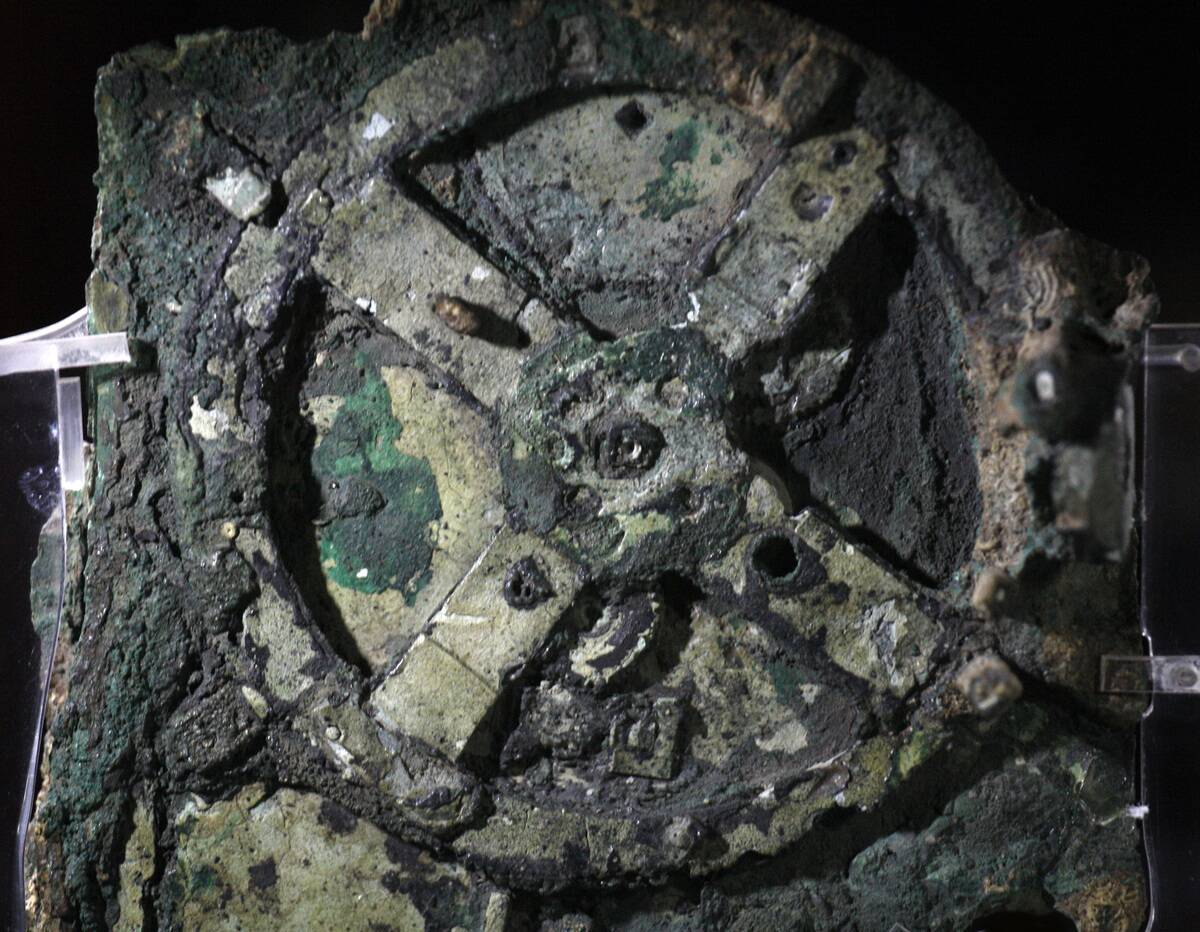
Discovered in a shipwreck off the coast of Greece, the Antikythera Mechanism is often considered the world’s first analog computer. Dating back to the 2nd century BCE, it was used to predict astronomical positions and eclipses.
Its intricate gears and advanced engineering challenge our understanding of ancient technology. The mechanism’s complexity suggests a level of scientific knowledge that seemed impossible for that time, leaving scholars in awe.
Egyptian Blue: The First Synthetic Pigment and Its Lost Formula
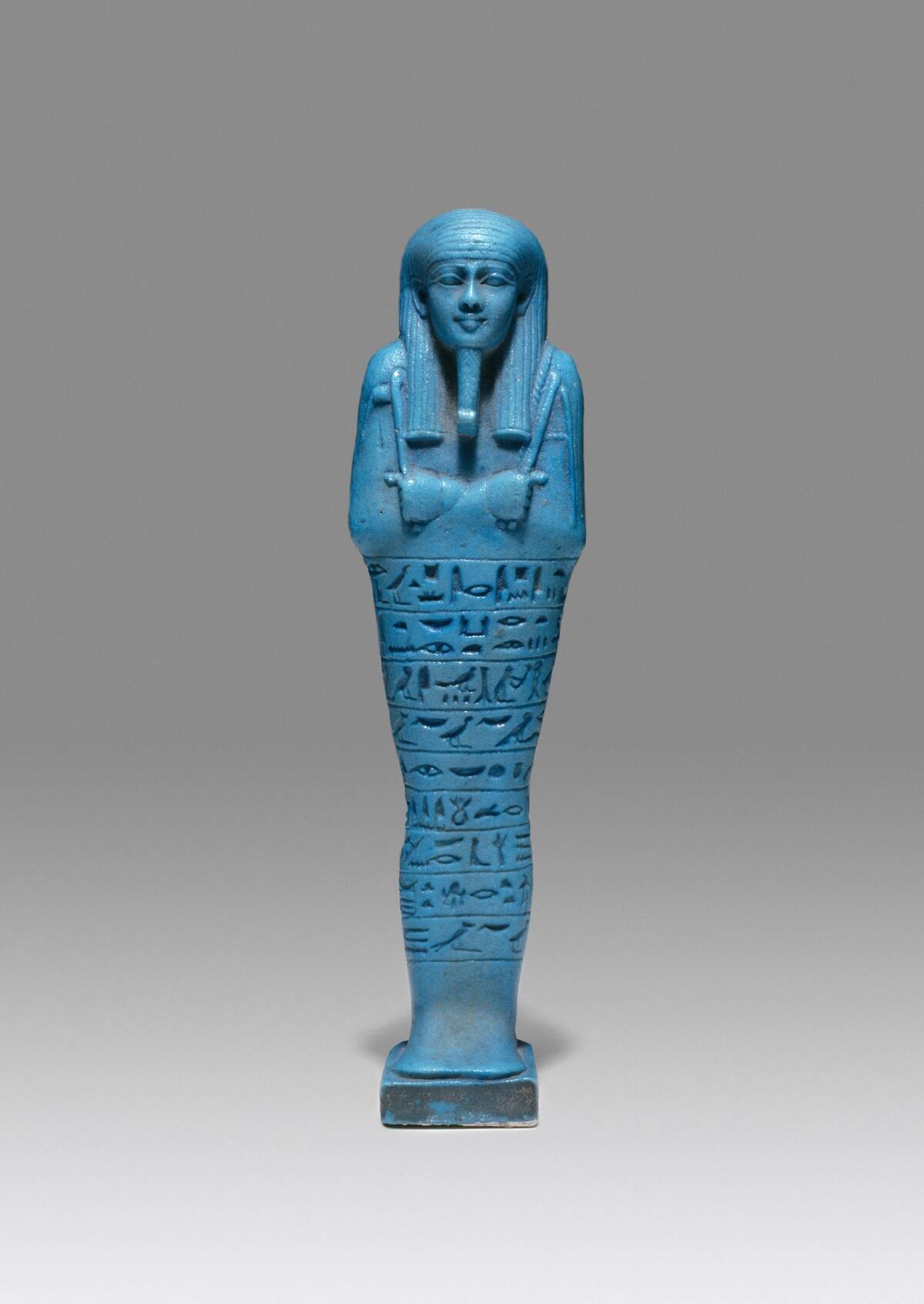
Egyptian Blue, the first synthetic pigment, was used by the ancient Egyptians to adorn statues and tombs. Its vibrant hue, composed of copper silicate and calcium, is durable and stable over millennia. However, the precise method of its production was lost with the decline of ancient Egyptian civilization.
Recent studies have begun to unlock its secrets, sparking interest in its potential applications in modern technology, such as in medical imaging and telecommunications.
Artesian Wells of the Nabataeans: Mastering Water in the Desert

The Nabataeans, an ancient civilization in the Middle East, mastered the art of water management in arid environments. Their network of artesian wells, channels, and cisterns allowed them to thrive in the desert.
These systems, ingeniously designed to capture and store scarce rainfall, remain a marvel of engineering. The Nabataeans’ expertise in hydrology highlights their understanding of sustainable practices long before the modern era.
The Lycurgus Cup: Glass That Changes Color
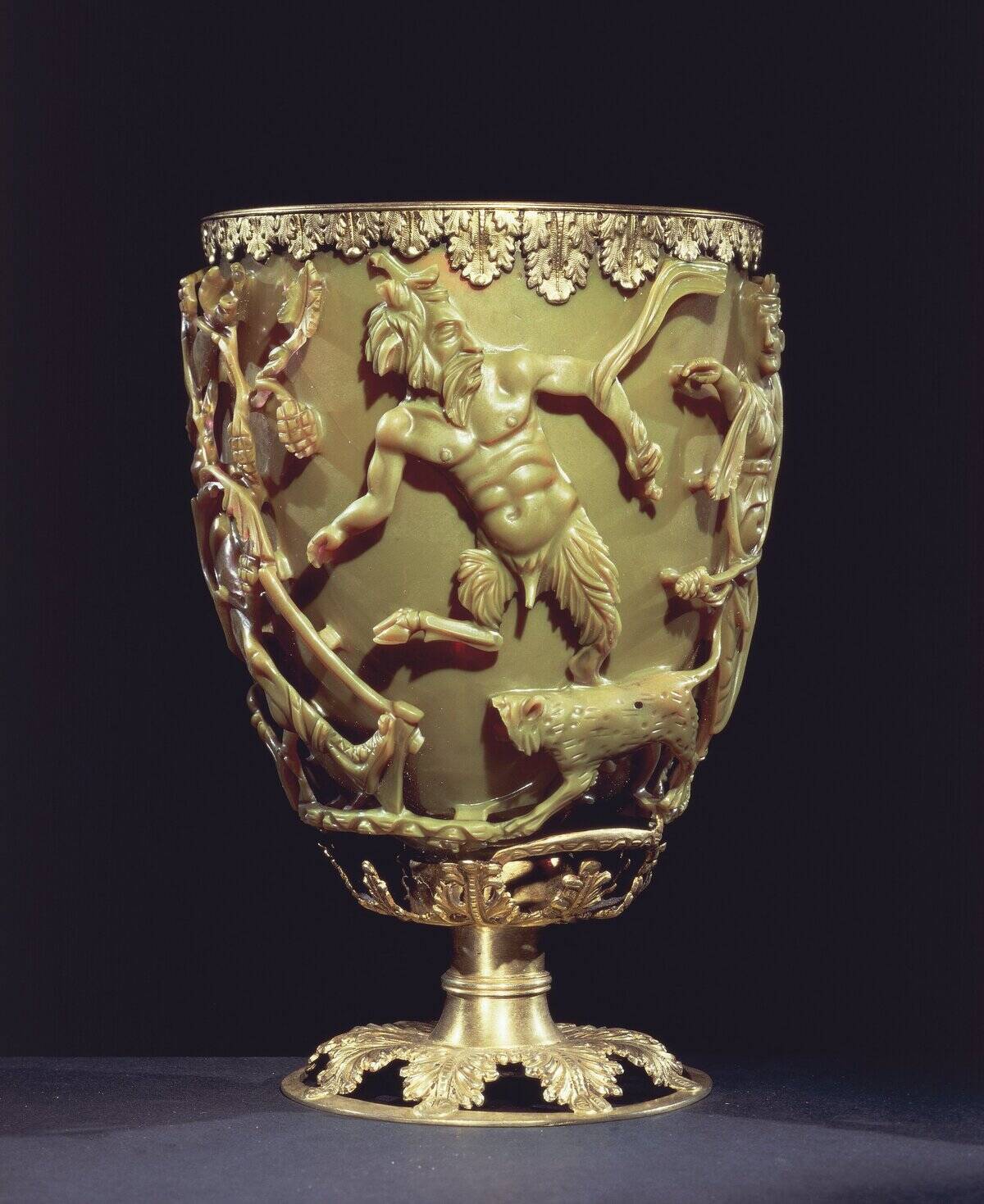
The Lycurgus Cup, a Roman glass goblet from the 4th century, is famous for its dichroic properties—changing color in different lighting conditions. This effect is due to the presence of nanoparticles of gold and silver within the glass, a technology not rediscovered until the 20th century.
The cup’s ability to shift from green to red has fascinated scientists, who are still unraveling the ancient techniques used to create such a delicate optical illusion.
Stradivarius Violins: The Unreproducible Sound of Perfection

The violins crafted by Antonio Stradivari in the 17th and 18th centuries are revered for their unparalleled sound quality. Despite advances in acoustics and materials science, replicating the rich tone of a Stradivarius remains elusive.
The secret may lie in the wood treatment or varnish used, which has never been precisely duplicated. These instruments continue to enchant musicians and scientists alike, symbolizing a pinnacle of musical craftsmanship.
The Lost Wax Method of the Indus Valley Civilization

The Indus Valley Civilization, flourishing around 2500 BCE, utilized the lost wax method for metal casting. This technique involved creating a wax model, encasing it in clay, and then melting the wax to leave a mold for metal.
Artifacts like the famous ‘Dancing Girl’ statuette exemplify their skill. Although the method is understood today, the sophistication and scale at which it was employed by this ancient civilization remain impressive.
Flexible Glass of Ancient Rome: Myth or Misplaced Invention?
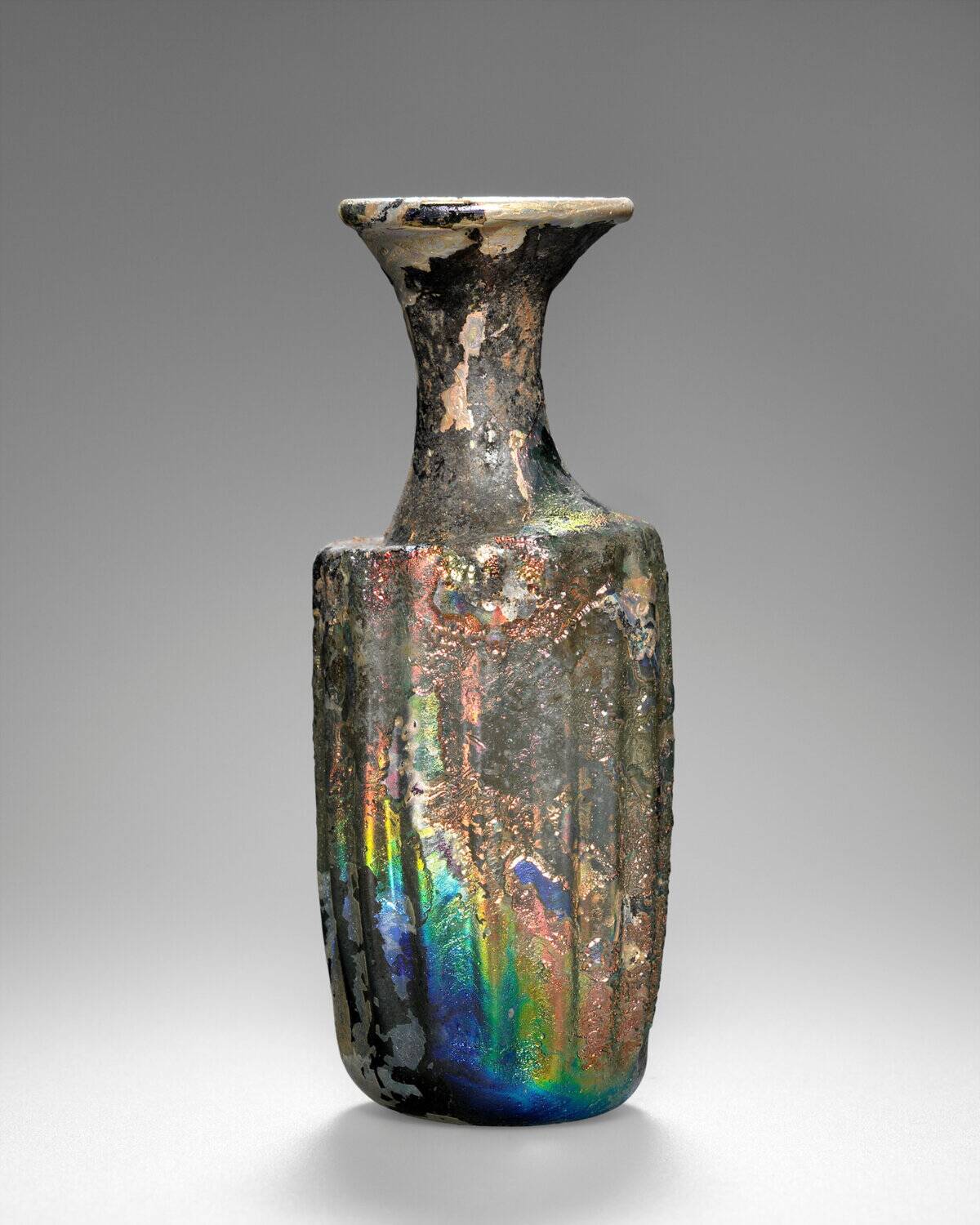
Flexible glass, or ‘vitrum flexile,’ is a substance said to have been invented during the reign of Tiberius Caesar. Legends tell of a glassmaker who presented a cup that wouldn’t shatter when dropped.
While no physical evidence of this material exists, the tale persists as a fascinating mix of myth and possible technological breakthrough. Whether real or imagined, flexible glass captivates the imagination as a symbol of lost innovation.
The Great Pyramid of Giza: Construction Mysteries of the Ancient World

The Great Pyramid of Giza, built over 4,500 years ago, is a marvel of ancient engineering. The precision with which the stones were cut and placed continues to puzzle archaeologists and engineers. Various theories, from ramps to counterweights, attempt to explain how this monumental structure was erected.
Despite extensive study, the exact methods remain a mystery, illustrating the incredible ingenuity of the ancient Egyptians.
Byzantine Mosaics: The Shimmering Art We Can’t Replicate

Byzantine mosaics, with their vibrant colors and intricate designs, adorned churches and palaces from the 4th to the 15th century. The secret to their shimmering beauty lies in the glass tesserae, often infused with gold leaf.
While modern techniques can imitate the look, the precise methods and materials used in ancient times elude us. These mosaics capture the spiritual and artistic aspirations of a bygone era, drawing admiration from all who behold them.
The Library of Alexandria: A Treasure Trove of Lost Knowledge
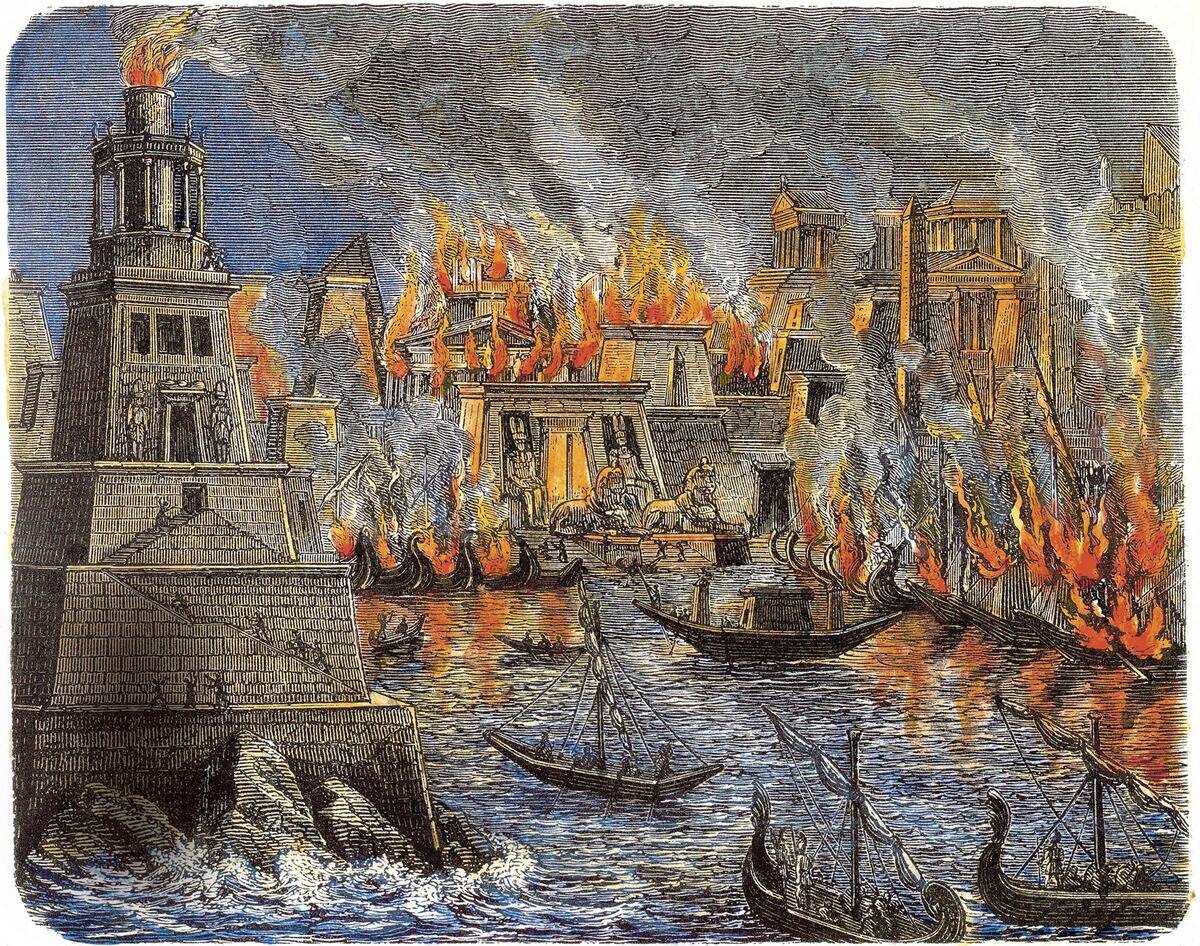
The Library of Alexandria, founded in the 3rd century BCE, was a beacon of knowledge in the ancient world. Housing countless scrolls and texts, it attracted scholars from across the globe.
Tragically, much of its collection was lost to history, leaving us to wonder about the knowledge and ideas that vanished with it. The library’s legacy endures as a symbol of the fragility of human knowledge and the enduring quest for wisdom.
The Baghdad Battery: Ancient Power Source or Mere Curiosity?
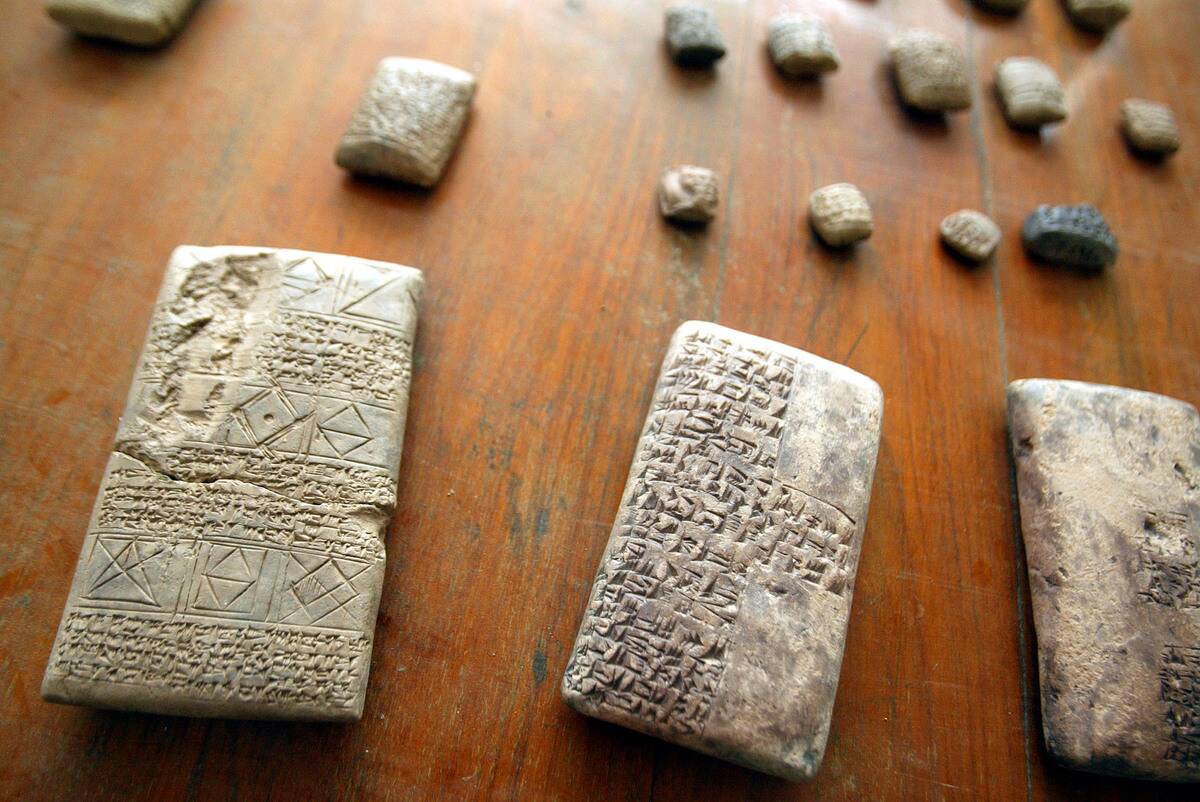
The Baghdad Battery, discovered in Iraq, consists of clay jars with metal rods, dating back to around 200 BCE. Some suggest it could have been used as a galvanic cell, predating modern batteries by millennia.
However, its true purpose remains debated, with theories ranging from electroplating to religious rituals. Whether an ancient battery or a misunderstood artifact, it continues to intrigue scientists and historians alike.
Viking Sunstones: Navigating the High Seas with Crystal Clarity
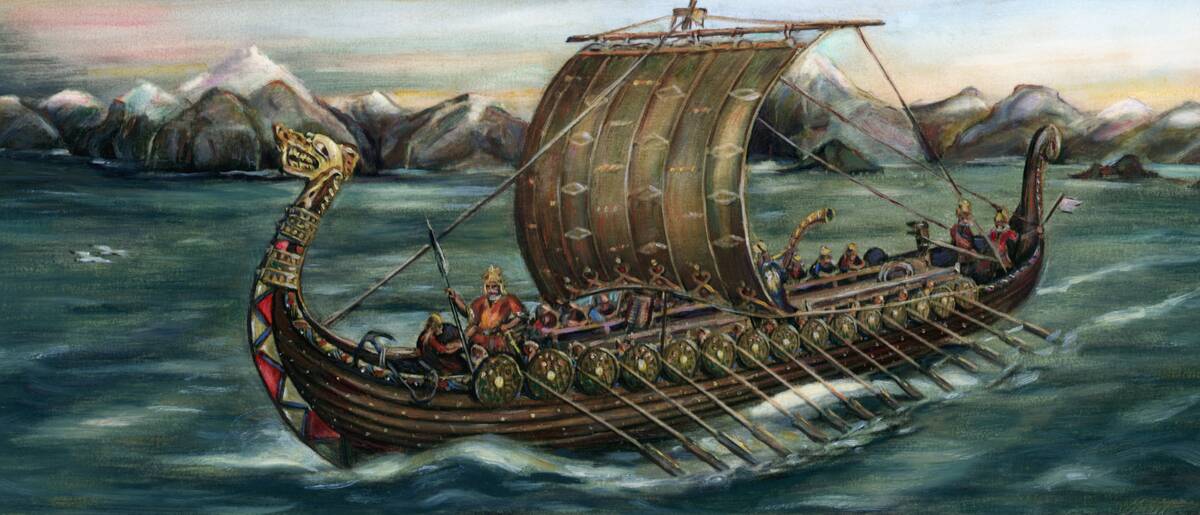
Viking sunstones, mentioned in Norse sagas, were used to navigate the seas under cloudy skies. These crystals, believed to be calcite or cordierite, can polarize light, allowing sailors to locate the sun’s position.
While no definitive archaeological evidence has been found, experiments confirm their potential utility. The idea of Viking navigators using such sophisticated tools adds a layer of depth to our understanding of their seafaring prowess.
The Mysterious Iron Pillar of Delhi: Rust-Resistant Marvel

The Iron Pillar of Delhi, standing for over 1,600 years, is a testament to ancient Indian metallurgy. Despite being exposed to the elements, it shows minimal rusting, attributed to a unique composition of iron with phosphorus.
This rust-resistant property has intrigued scientists seeking to understand the methods used. The pillar not only reflects the metallurgical skill of its creators but also challenges modern material science.
Roman Roads: Engineering Feats That Connected an Empire
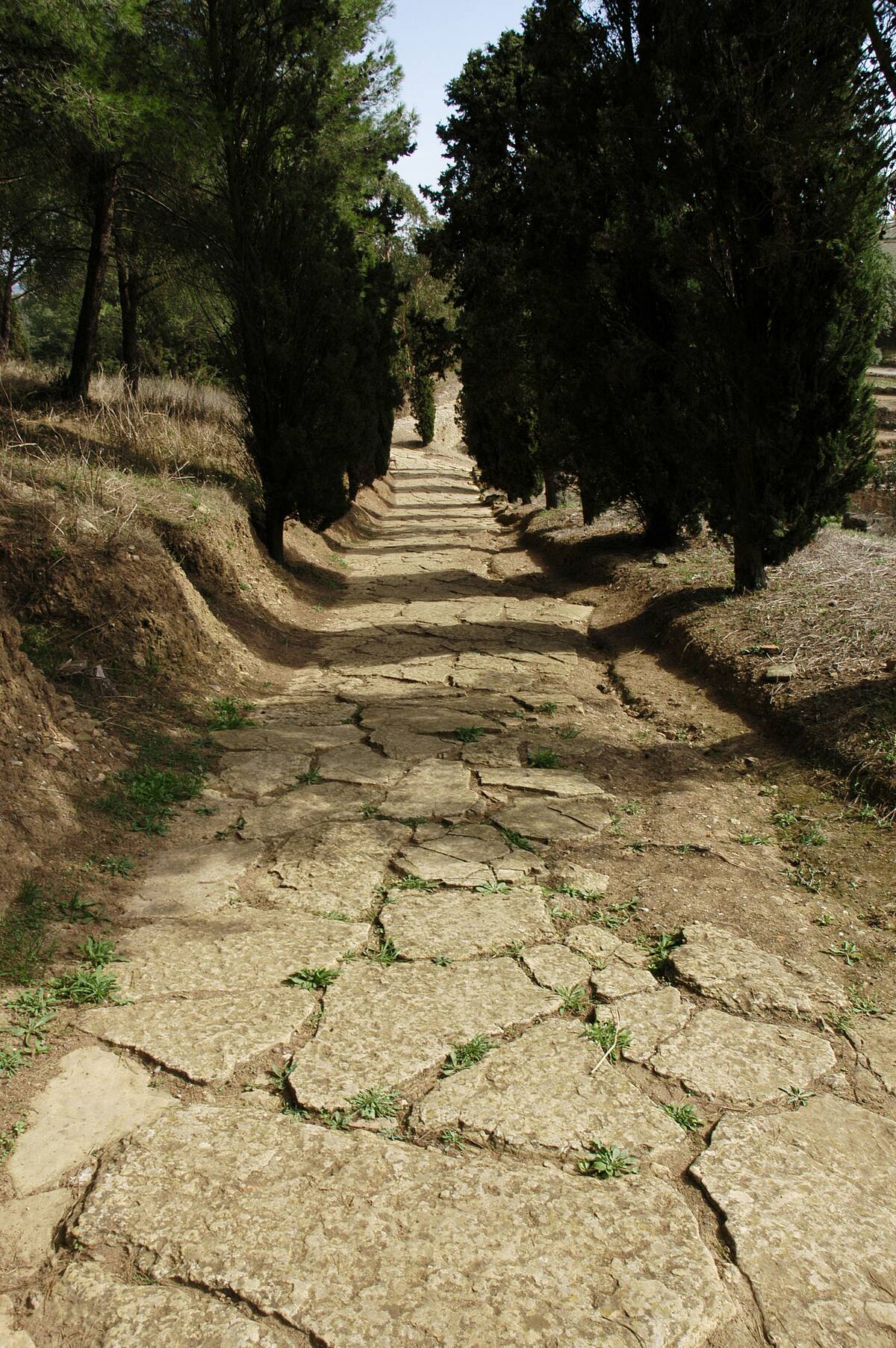
Roman roads, stretching over 250,000 miles, were crucial to the empire’s expansion and administration. Built with layers of stone, sand, and gravel, they facilitated the movement of armies, trade, and communication.
The precision and durability of these roads are remarkable, with some still in use today. Roman engineering set a standard for infrastructure that influences modern road construction, exemplifying the empire’s lasting impact on the world.




