Devices invented far ahead of their time
Throughout history, human beings have displayed an incredible knack for innovation, often crafting inventions that seem far ahead of their time. These ancient creations not only solved everyday problems but also laid the groundwork for future technological advances.
As we journey through the annals of time, let’s explore some of these fascinating inventions that have captivated historians and scientists alike.
The Ancient Greek Alarm Clock
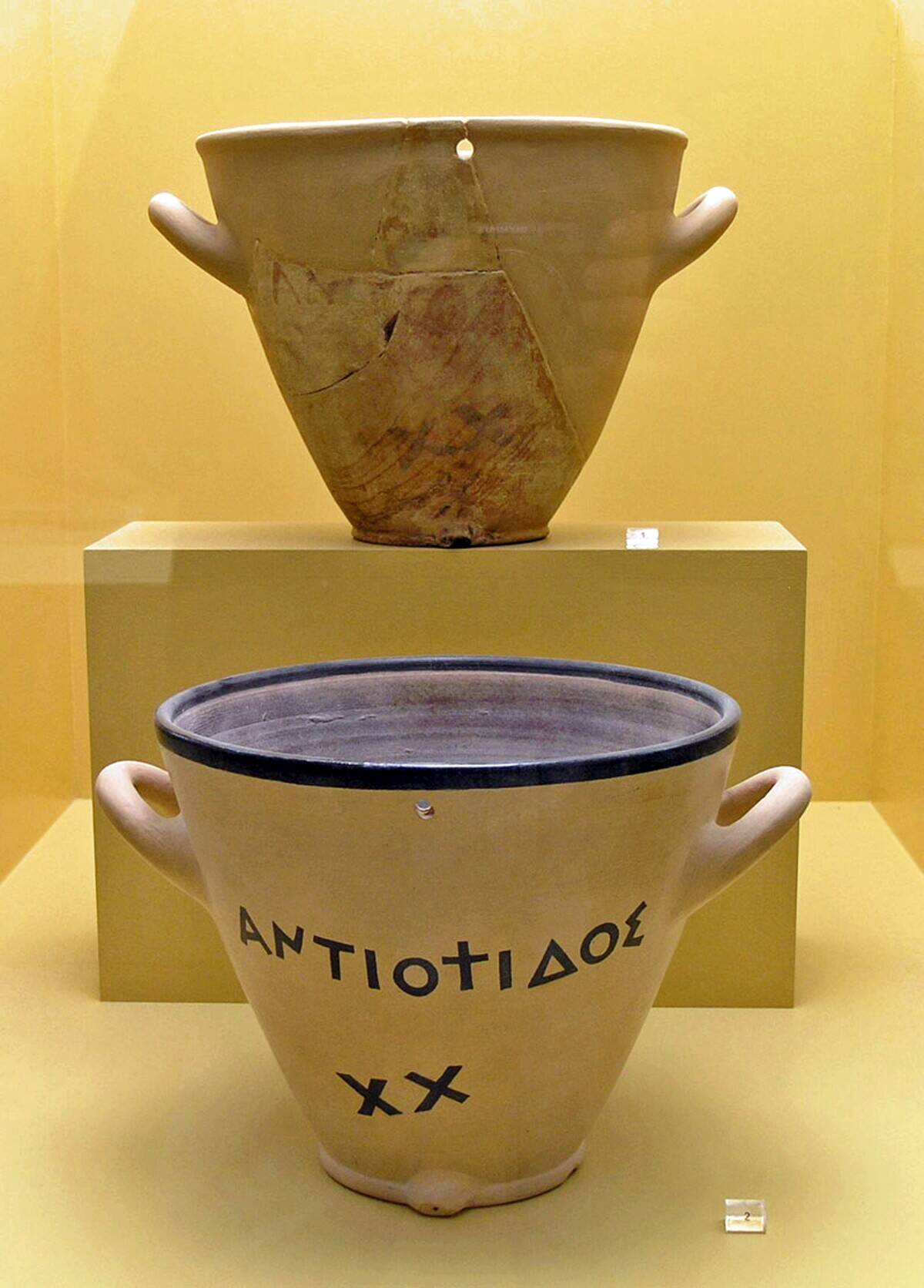
The Ancient Greeks were not only philosophers but also innovators. They devised an early version of the alarm clock using water. Known as the ‘water clock,’ it involved water dripping at a steady rate to eventually make a sound, waking its user. Ingenious, right?
This early timekeeping method showed the Greeks’ understanding of mechanics and their desire to regulate time, which was crucial for daily life and civic duties.
Heron’s Automatic Door: Magic or Mechanics?
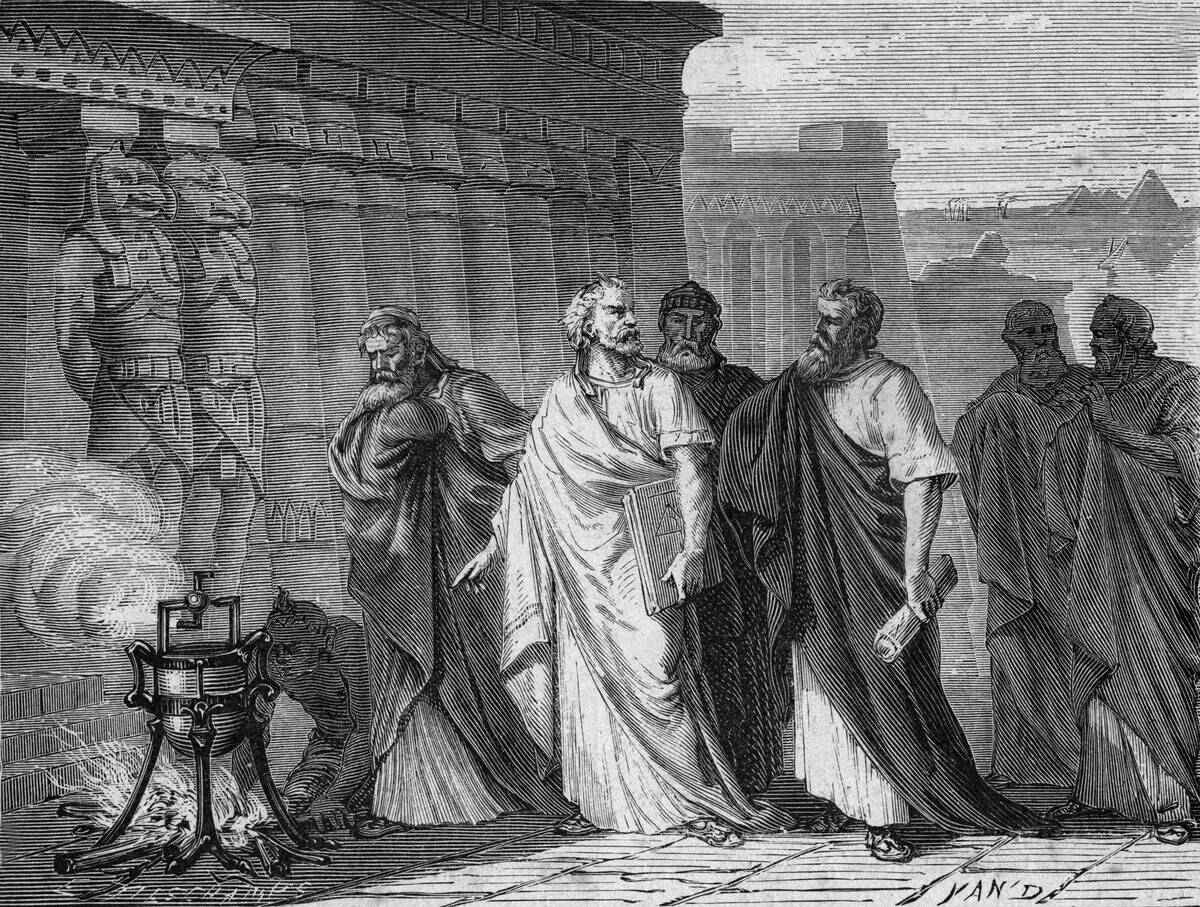
Heron of Alexandria, a Greek engineer, created what might have seemed like magic: the automatic door. Using heat from a fire, he generated pressure in a vessel, which opened temple doors.
This was an early example of using steam to perform tasks, long before steam engines became mainstream. Heron’s work exemplifies how ancient inventors used basic principles to create what we now consider modern conveniences.
The Mysterious Antikythera Mechanism
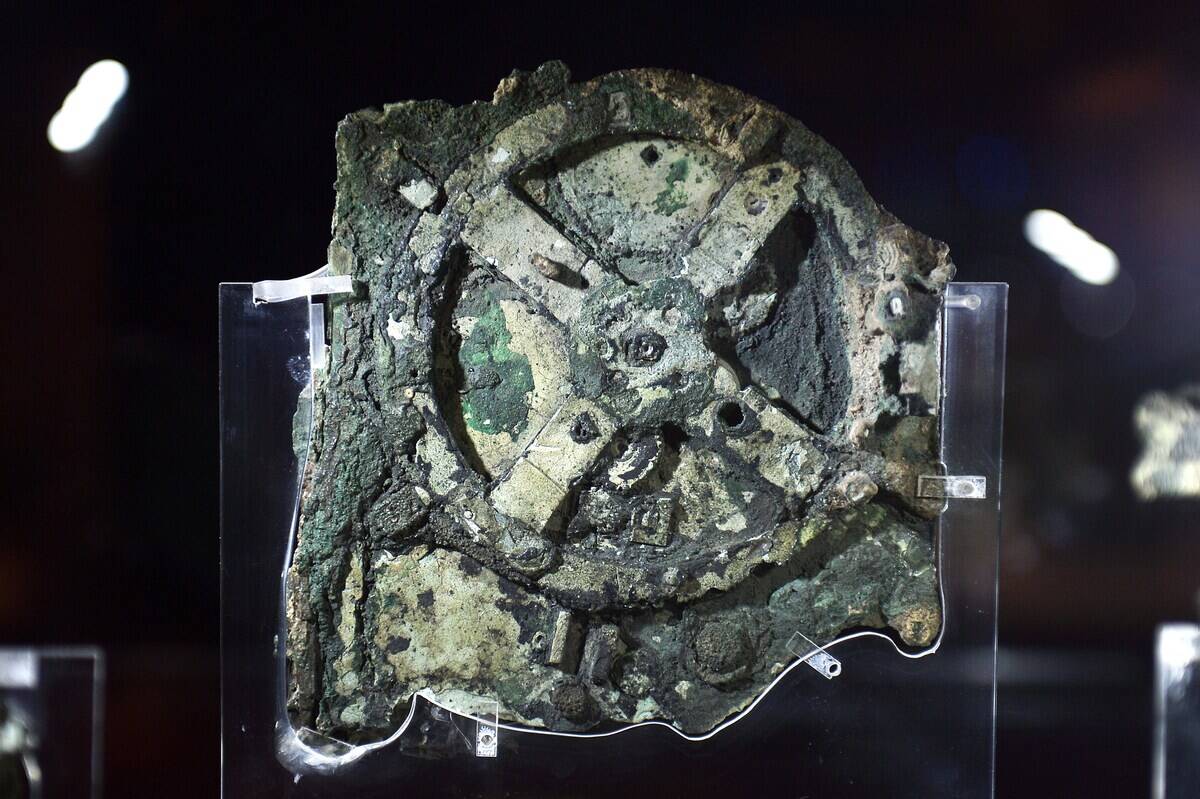
Discovered in a shipwreck off the coast of Greece, the Antikythera Mechanism is often dubbed the world’s first analog computer. Dating back over 2,000 years, it was used to predict astronomical positions and eclipses.
This complex clockwork device amazed scholars with its intricate design and sophisticated understanding of celestial movements. The Antikythera Mechanism reminds us of the ancient world’s profound grasp of astronomy and engineering.
Early Robotics: The Wonders of the Automata
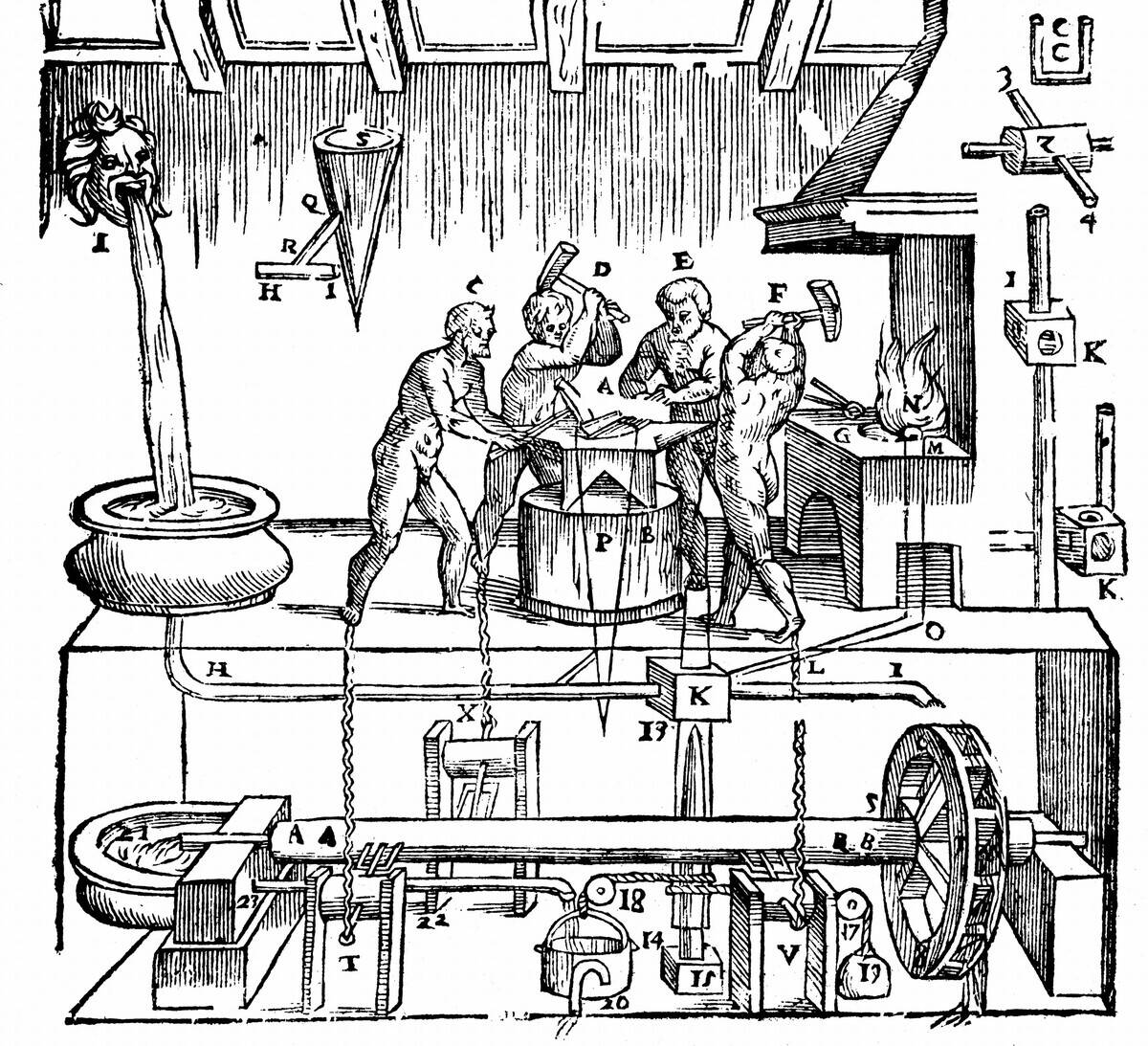
In ancient times, inventors like Heron and Philo of Byzantium crafted automata, or self-operating machines, that mimicked life. These early robots, often powered by water or steam, were used in temples to create awe-inspiring religious experiences.
These mechanical wonders entertained and amazed, proving that the quest to replicate life with machines isn’t just a modern-day pursuit. Their existence highlights the creativity and ambition of ancient engineers.
The Aeolipile: The World’s First Steam Engine
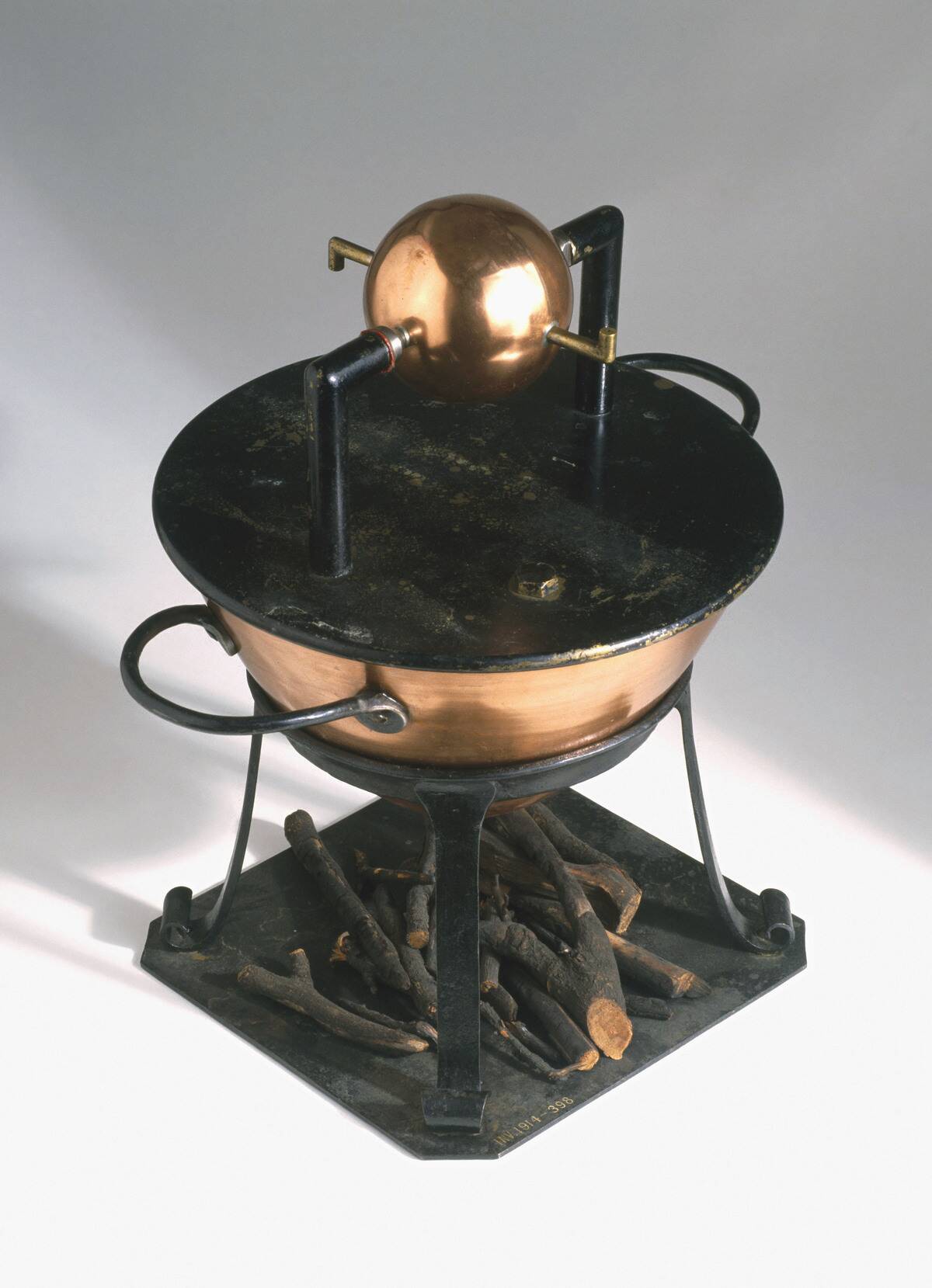
The aeolipile, or Hero’s engine, is credited as the world’s first steam engine. Created by Heron of Alexandria, it consisted of a spherical vessel that spun when heated, thanks to steam escaping from bent tubes.
This device was more of a novelty than a practical tool at the time, yet it demonstrated the basic principles of steam propulsion. It’s fascinating to imagine how this early invention laid groundwork for the industrial revolution centuries later.
The Baghdad Battery: An Ancient Electric Device?
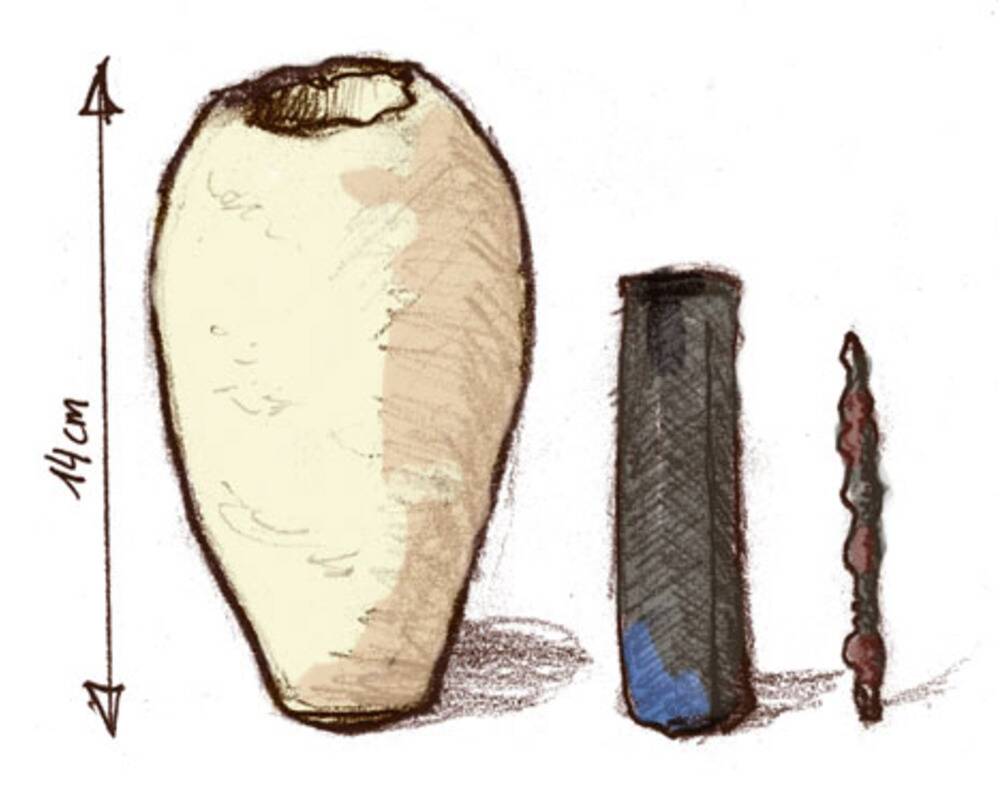
The so-called Baghdad Battery is a curious artifact, believed by some to be an early form of a galvanic cell. Found in Iraq and dating back to the Parthian period, it consists of a clay jar with a copper cylinder and an iron rod.
While its exact purpose remains debated, some suggest it could have been used for electroplating or simple electrotherapy. This intriguing artifact keeps sparking debates about the ancients’ understanding of electricity.
The Greek Water Mill: Powering the Past
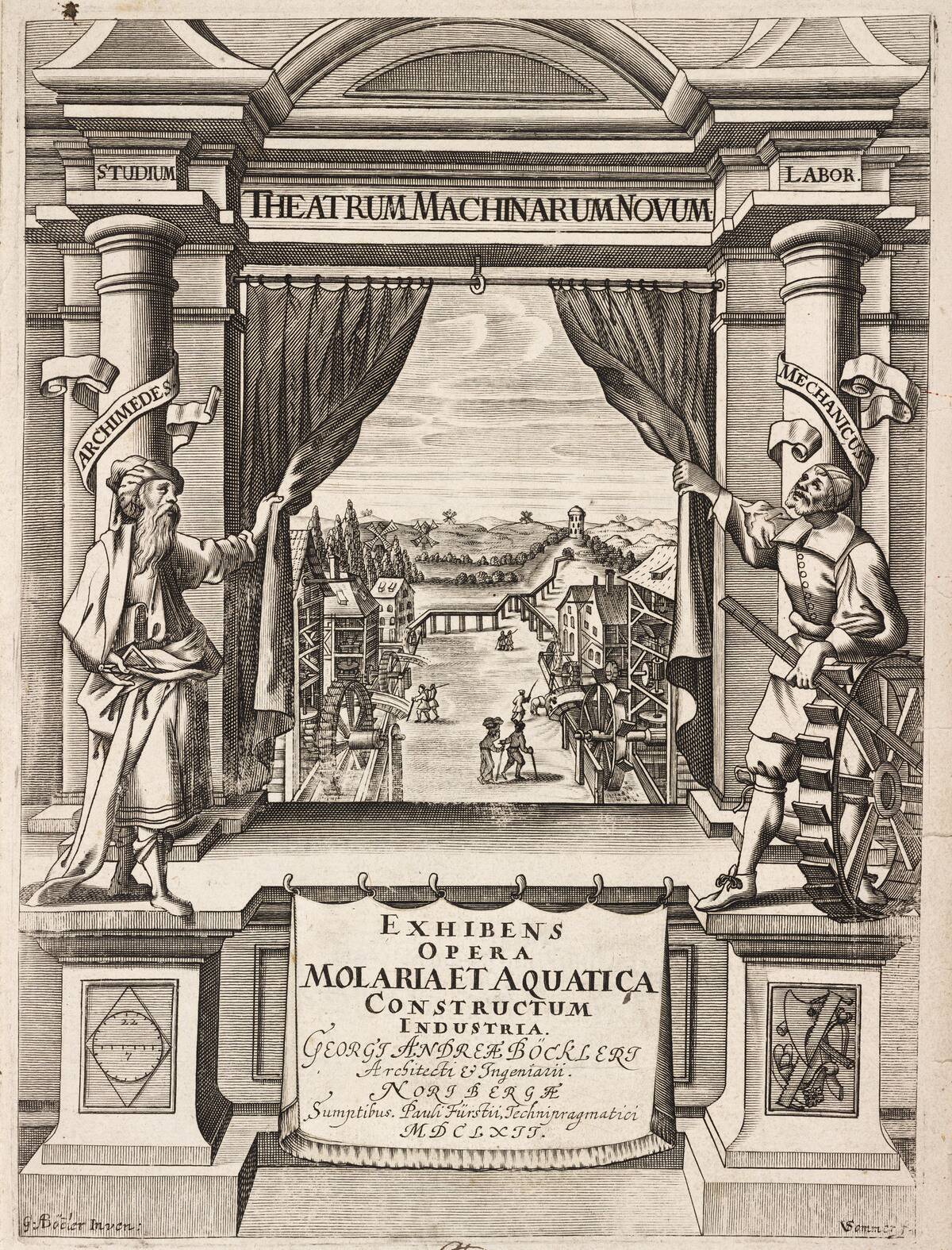
The water mill was a revolutionary invention by the Greeks, harnessing the power of flowing water to grind grain. This technology signified a major leap in agricultural productivity and influenced future mechanical developments.
The water mill’s basic principle of using water to perform work reflects the ancients’ ingenuity in utilizing natural resources efficiently. Its impact was profound, providing a template for future advancements in energy use.
The Roman Concrete: An Architectural Marvel

Roman concrete, or ‘opus caementicium,’ was a marvel of ancient engineering. Unlike modern concrete, it contained volcanic ash, which helped it set underwater and made it incredibly durable. Structures like the Pantheon and the aqueducts stand testament to its strength.
The secret to its longevity has been studied extensively, revealing insights into sustainable building practices. Roman concrete exemplifies the Romans’ forward-thinking approach to construction and material science.
The Etruscan Water Pump: Ahead of Its Time
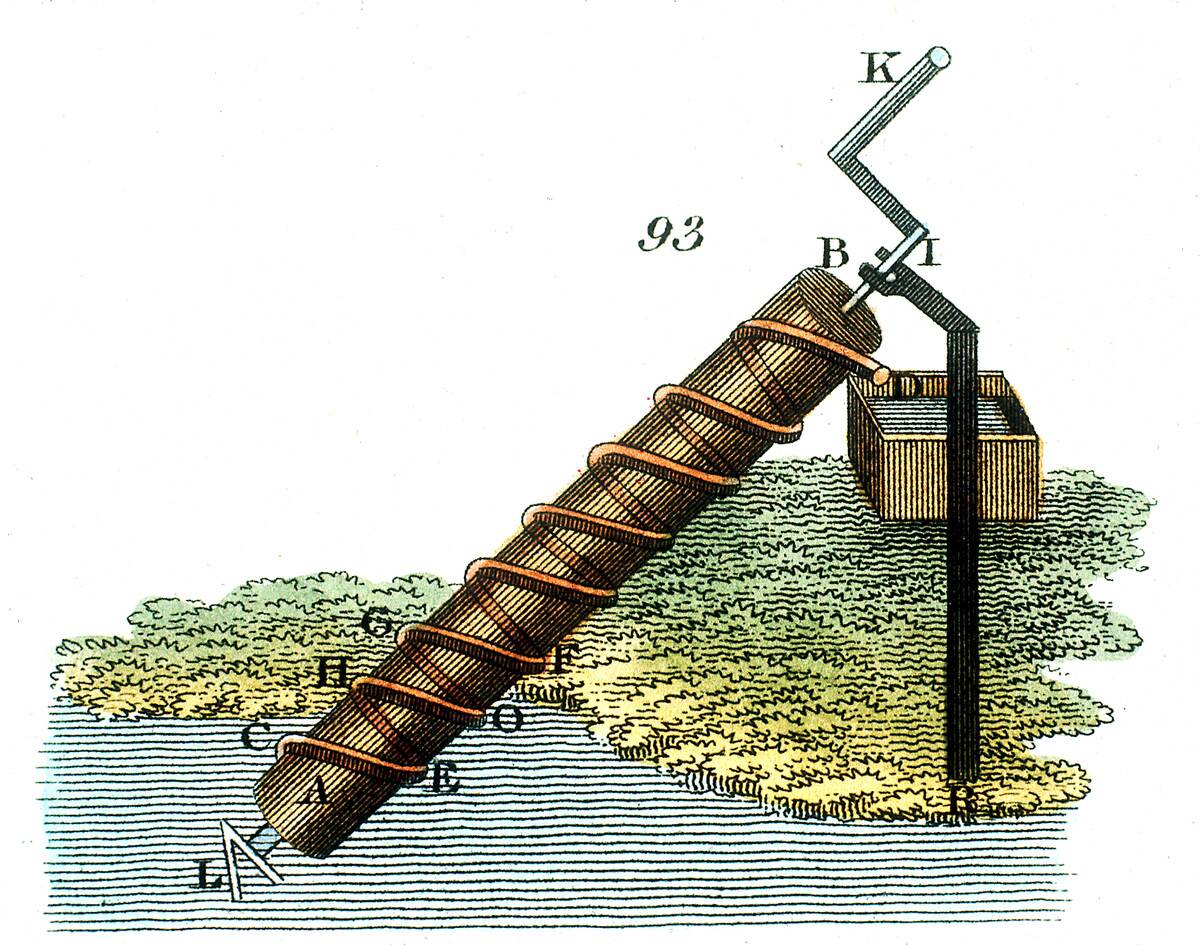
The ancient Mediterranean world demonstrated a strong understanding of hydraulics and mechanical engineering. One notable example is the Archimedean screw, a water-lifting device traditionally attributed to Archimedes in the 3rd century BCE.
Used for irrigation, drainage, and mining, the device consisted of a screw enclosed within a hollow tube that efficiently raised water when rotated. Its widespread adoption by later civilizations, including the Romans, highlights how early innovations in water management laid the foundation for major engineering achievements and long-term technological progress.
The Medieval Perpetual Motion Machines
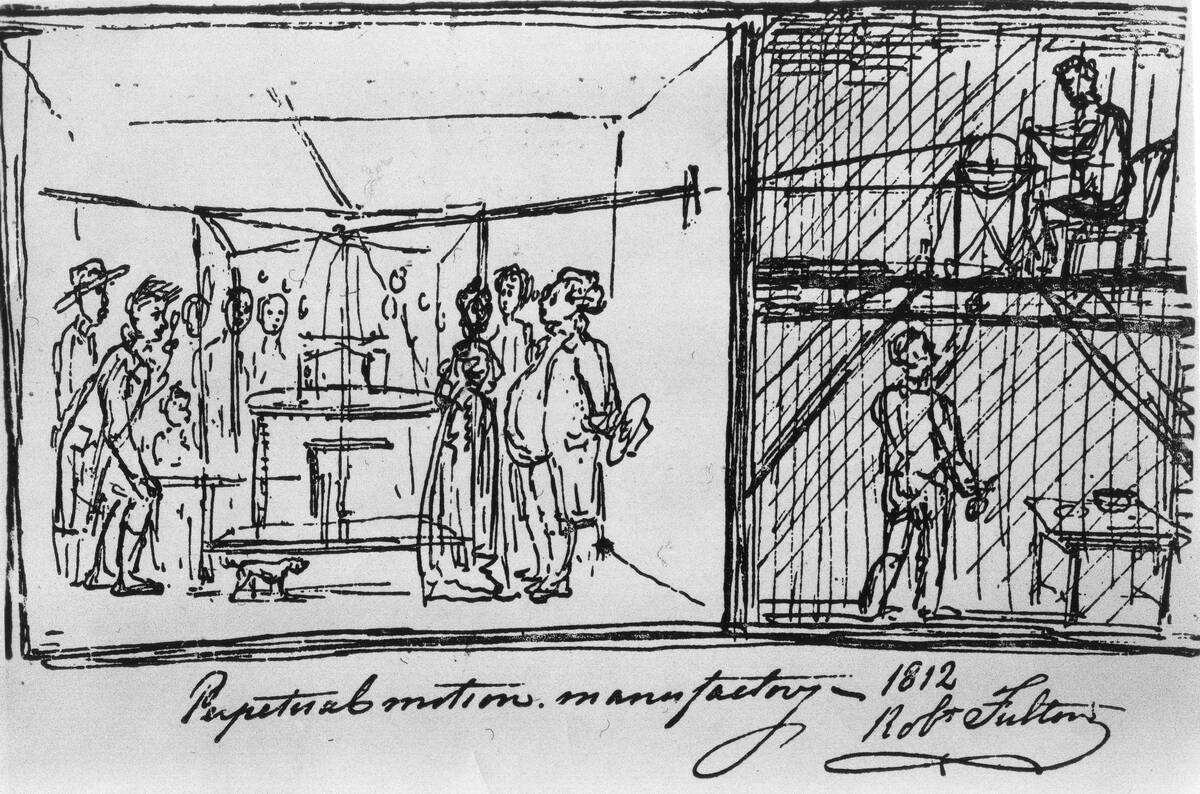
During the medieval period, inventors were captivated by the idea of perpetual motion machines—devices that could operate indefinitely without an energy source. While never successful, these attempts spurred numerous mechanical innovations.
Designs like Bhaskara’s wheel, though flawed, reveal the era’s curiosity and determination to defy the laws of physics. These machines highlight the human quest for perpetual energy solutions, a pursuit that continues to inspire modern engineers.
The Viking Sunstone: Navigating the Seas

Vikings were known for their seafaring prowess, and the sunstone was a crucial navigation tool. Thought to be a type of calcite crystal, it could locate the sun’s position even on cloudy days or during twilight.
This optical mineral allowed Vikings to traverse vast oceans with precision. The sunstone exemplifies the Vikings’ advanced understanding of natural phenomena and their innovative spirit in overcoming the challenges of maritime exploration.
Leonardo da Vinci’s Flying Machines
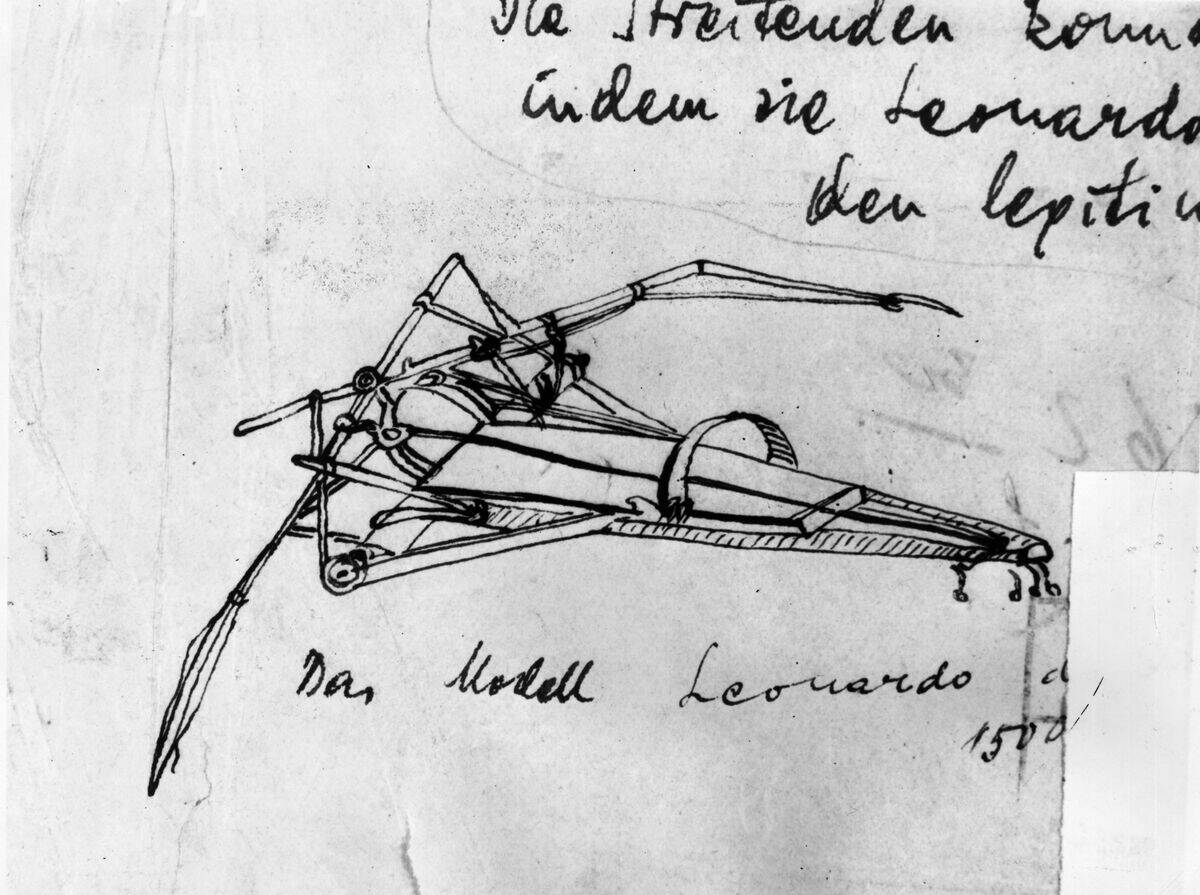
Leonardo da Vinci, the Renaissance polymath, sketched numerous flying machines, including the famous ornithopter and aerial screw. While they never took flight in his lifetime, these designs showcased Leonardo’s keen observational insights into nature and flight.
Leonardo’s visionary concepts inspired future generations, paving the way for modern aviation. His flying machines remain a testament to his imaginative genius and relentless pursuit of knowledge beyond the bounds of his time.
The Ancient Chinese Seismometer
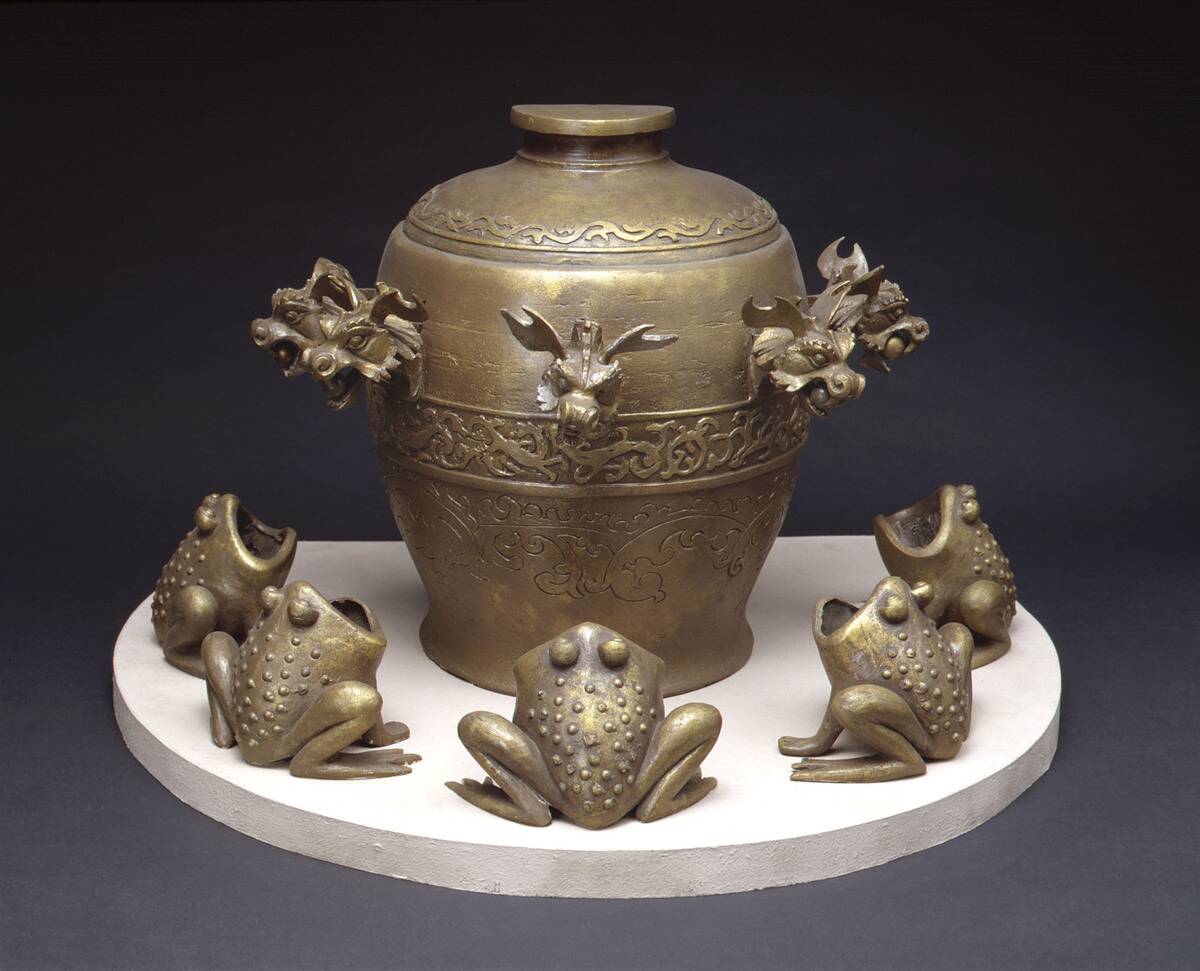
Invented in 132 AD by Zhang Heng, the ancient Chinese seismometer was a groundbreaking device for detecting earthquakes. It consisted of a large bronze vessel fitted with intricate mechanisms that could sense seismic activity and drop a ball in the direction of the tremor.
This early detection device was able to indicate the occurrence and approximate direction of distant earthquakes. Zhang Heng’s invention underscores ancient China’s advancements in scientific instrumentation.
The Incan Quipu: A Knotty Communication Tool
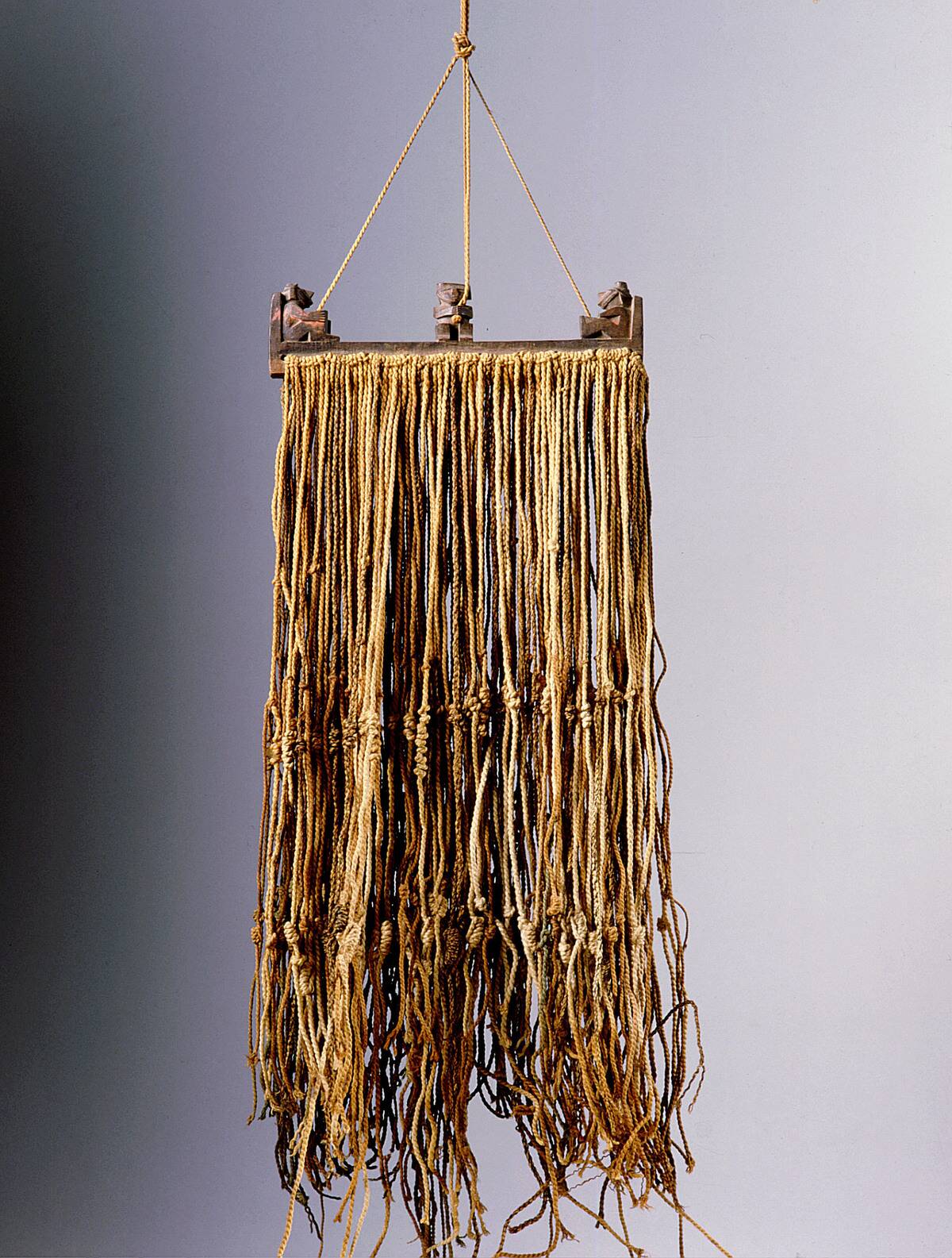
The Inca civilization developed a unique record-keeping system known as the quipu, which used knotted strings to convey information. Each knot and its position represented different data, from census records to astronomical events.
This non-written form of communication was crucial for managing their expansive empire. The quipu illustrates the Incan ability to innovate complex administrative tools without a written language, showcasing their adaptability and ingenuity in organization.
The Roman Surgical Tools: Precision in Medicine
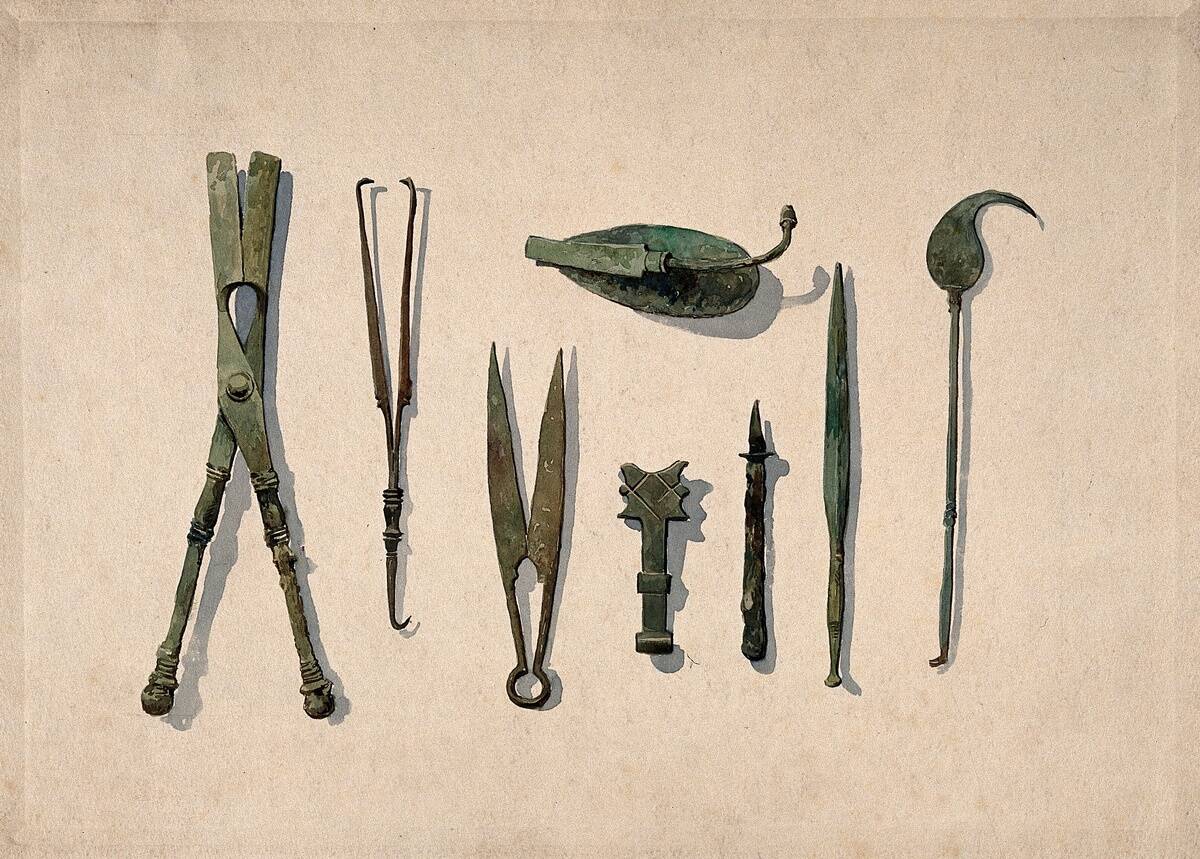
Roman surgical tools were remarkably advanced, reflecting a sophisticated understanding of medical procedures. Instruments such as scalpels, forceps, and catheters were crafted with precision, allowing surgeons to perform complex operations.
These tools, often made of bronze or iron, exhibit the Romans’ commitment to healthcare and surgical excellence. Their approach to medicine laid the foundation for future medical advancements, emphasizing the importance of precision in surgical practices.




