Hidden archives that safeguarded knowledge through chaos
Imagine a world where every piece of knowledge, every secret, is tucked away safely in hidden archives. These repositories are more than just dusty tomes and forgotten scrolls; they are treasure troves of history waiting to be explored.
From ancient civilizations to modern digital vaults, these archives hold the keys to mysteries that have intrigued scholars and adventurers alike. Join us as we delve into the fascinating world of hidden archives, where each document tells a story and each story holds a piece of the past.
Ancient Alexandria: The Library That Wasn’t Lost
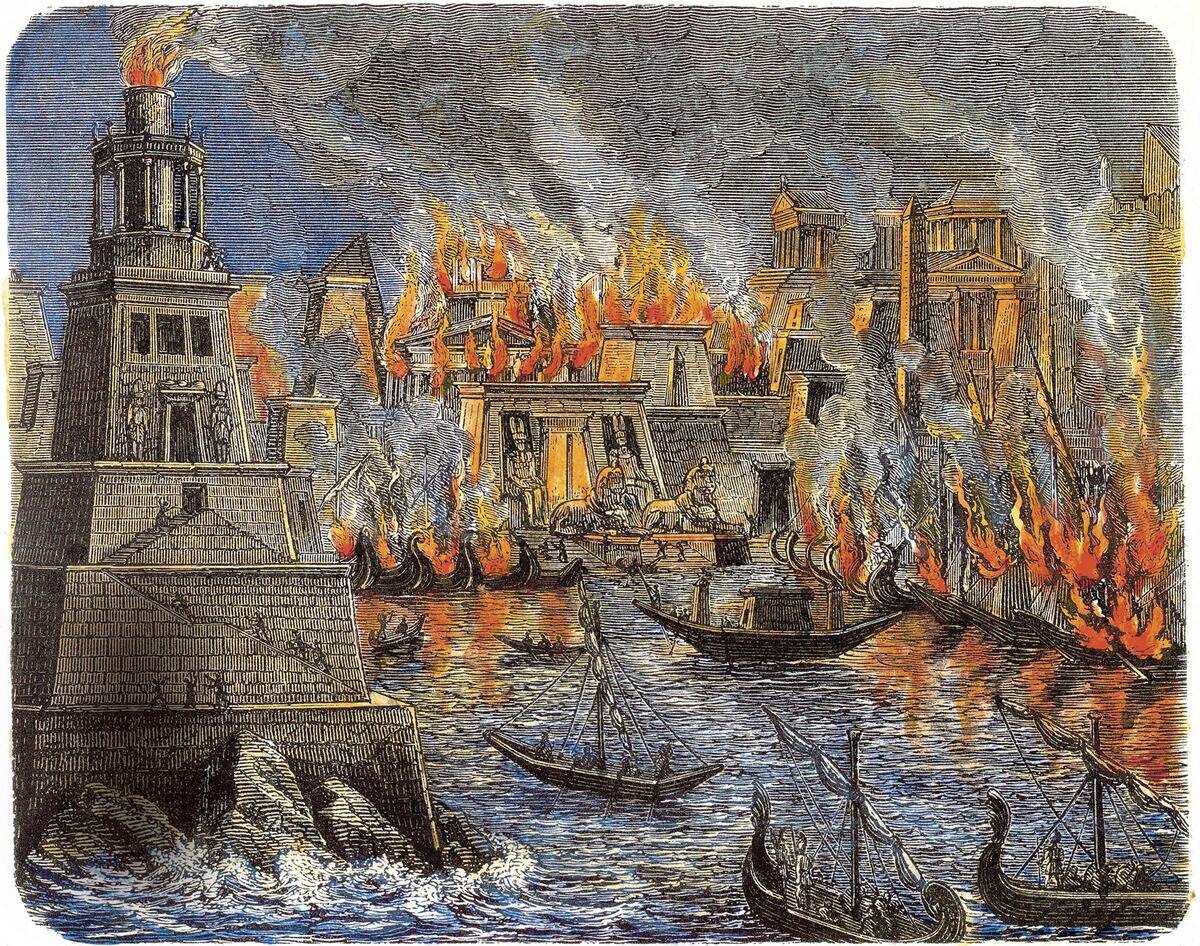
The Library of Alexandria is often thought to have been lost to the flames, but recent scholarship suggests it wasn’t a single catastrophic event. Instead, this iconic institution may have gradually declined over time, with many texts relocated or copied elsewhere.
Established in the 3rd century BCE, it was the intellectual hub of the ancient world, housing works by Homer, Plato, and other luminaries. While its physical structure may have vanished, its spirit lives on in the countless scholars it inspired.
Timbuktu’s Desert Archives: Preserving Wisdom in the Sands
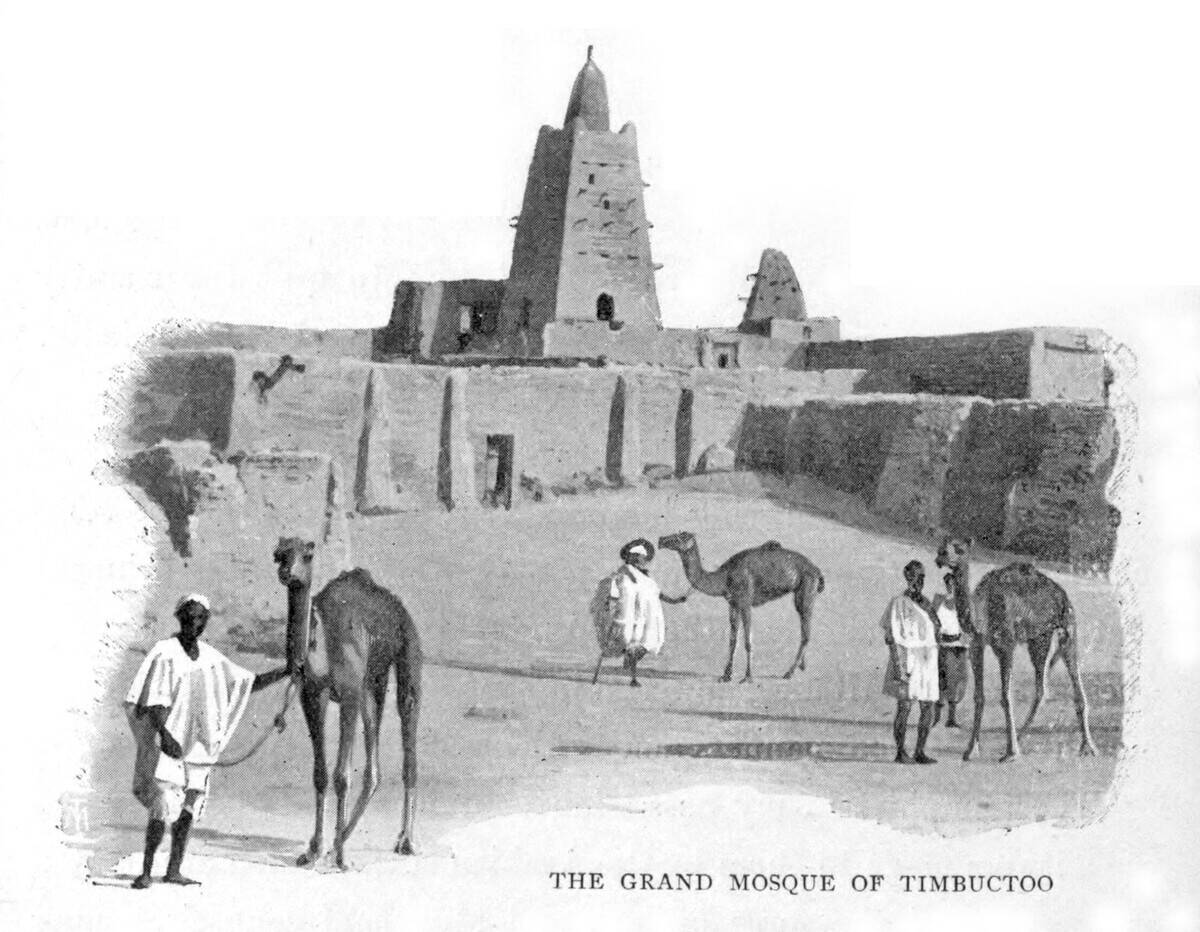
Nestled in the Sahara Desert, Timbuktu’s archives contain thousands of manuscripts that reveal a rich history of African scholarship. These documents, dating back to the 13th century, cover subjects from astronomy to medicine.
Residents of Timbuktu have long been custodians of this knowledge, protecting it from threats both natural and man-made. The resilient efforts to safeguard these treasures underscore the cultural importance of Timbuktu as a beacon of learning and intellectual exchange in West Africa.
The Vatican Secret Archives: Mysteries of the Holy See
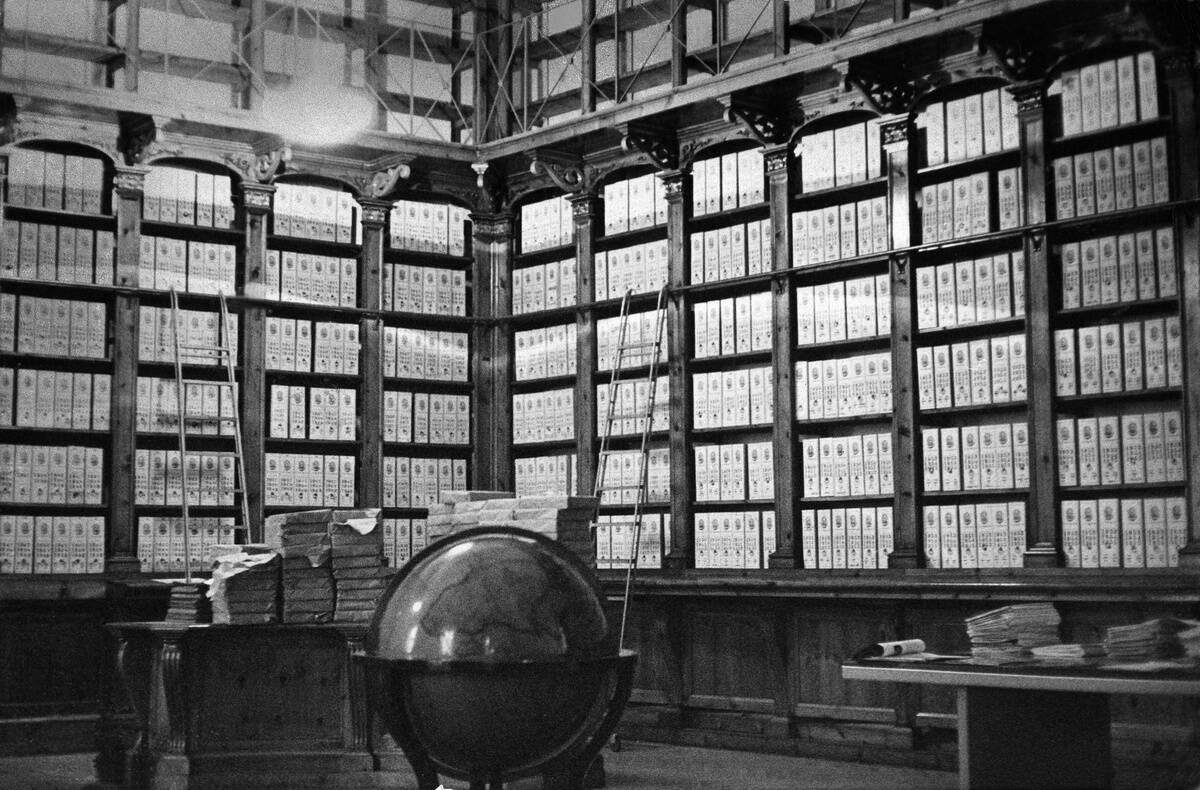
The Vatican Secret Archives hold miles of shelves filled with documents dating back to the 8th century. Despite its name, much of the archive is accessible to researchers, though the process is notoriously selective.
Among its treasures are the papal correspondence and documents relating to key historical events, such as the trial of Galileo. This archive is not just a collection of religious texts but a repository of history that offers insight into the Vatican’s role in global affairs over the centuries.
The Secret Archives of the British Monarchy: Royal Reserves
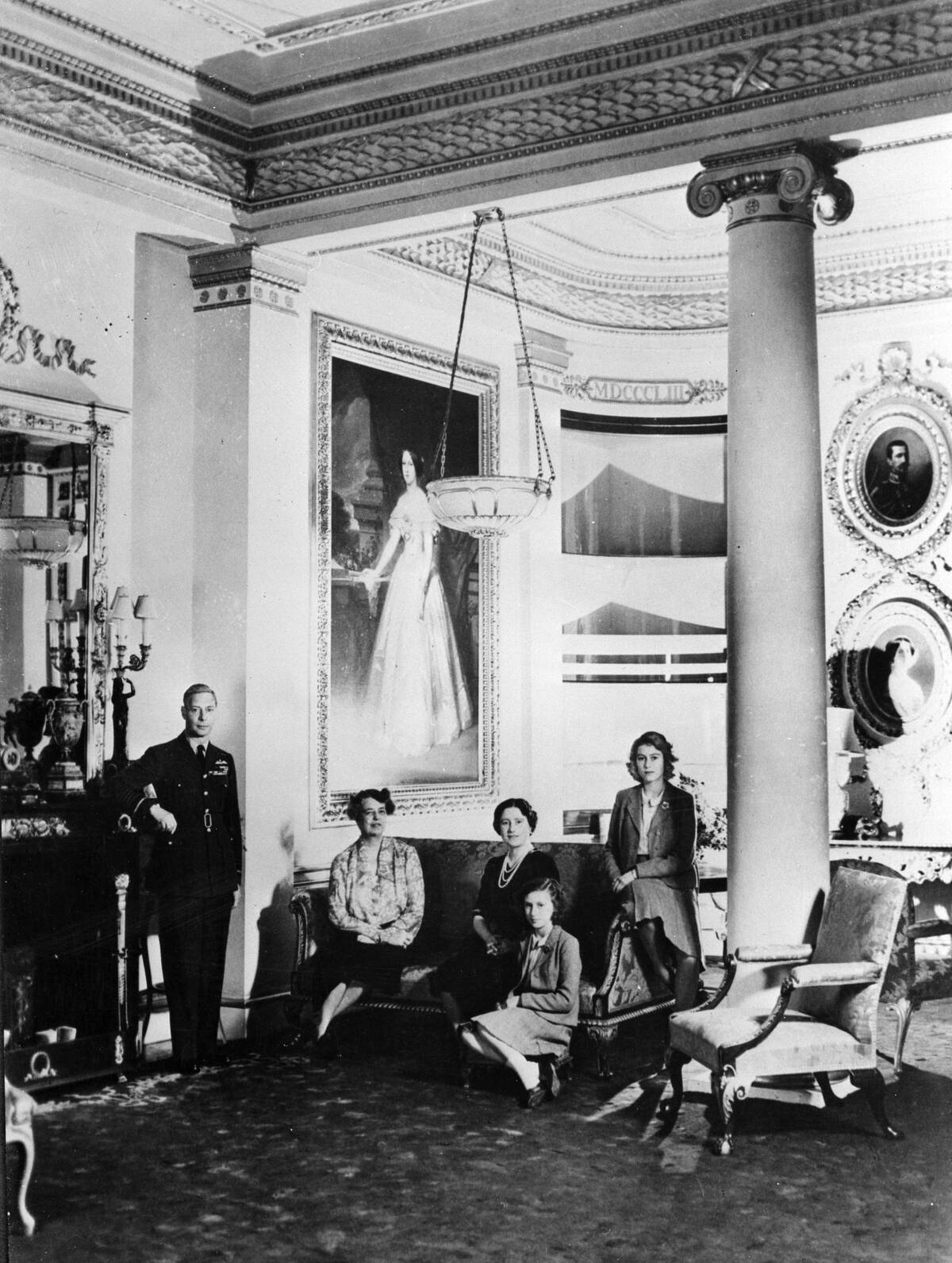
The British Monarchy’s archives are a well-guarded trove of royal documents, offering insights into the private lives and public duties of the royal family. These archives include everything from personal letters to state papers, providing a rich tapestry of the monarchy’s history.
A fascinating aspect is the way these documents reflect the evolution of the British political system and the monarchy’s role within it. For historians, the archives are a priceless resource for understanding the nuances of British history.
The National Security Archive: Keeping Government Secrets in Check
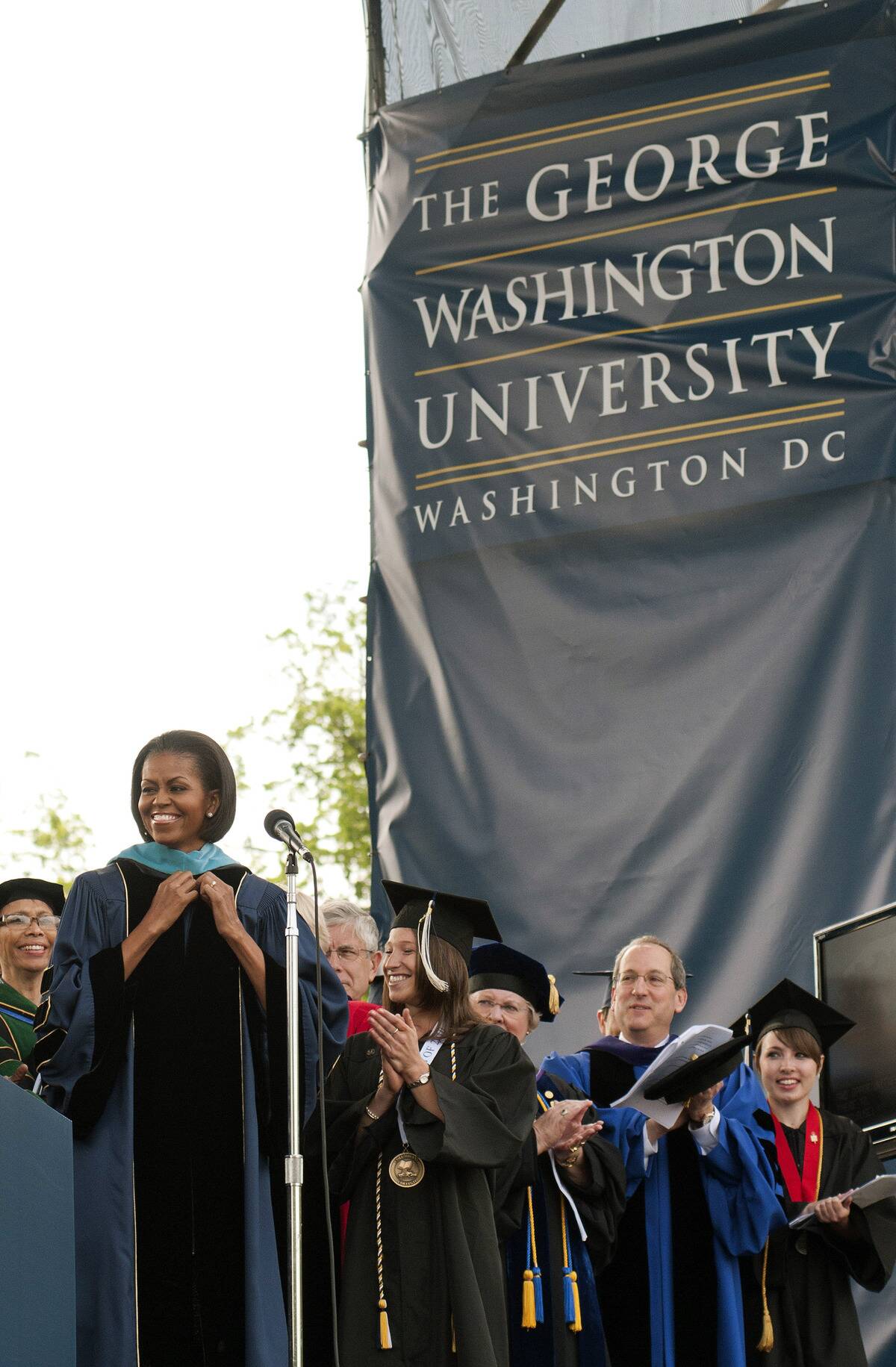
Housed at George Washington University, the National Security Archive is an independent, non-governmental organization dedicated to ensuring government transparency. It collects declassified documents through the Freedom of Information Act, providing the public with access to information on U.S. foreign and military policy.
This archive serves as a crucial tool for journalists and researchers, allowing them to piece together the complex puzzle of government operations and decisions that have shaped the modern world.
Lost and Found: The Nazi Art Archives Recovery
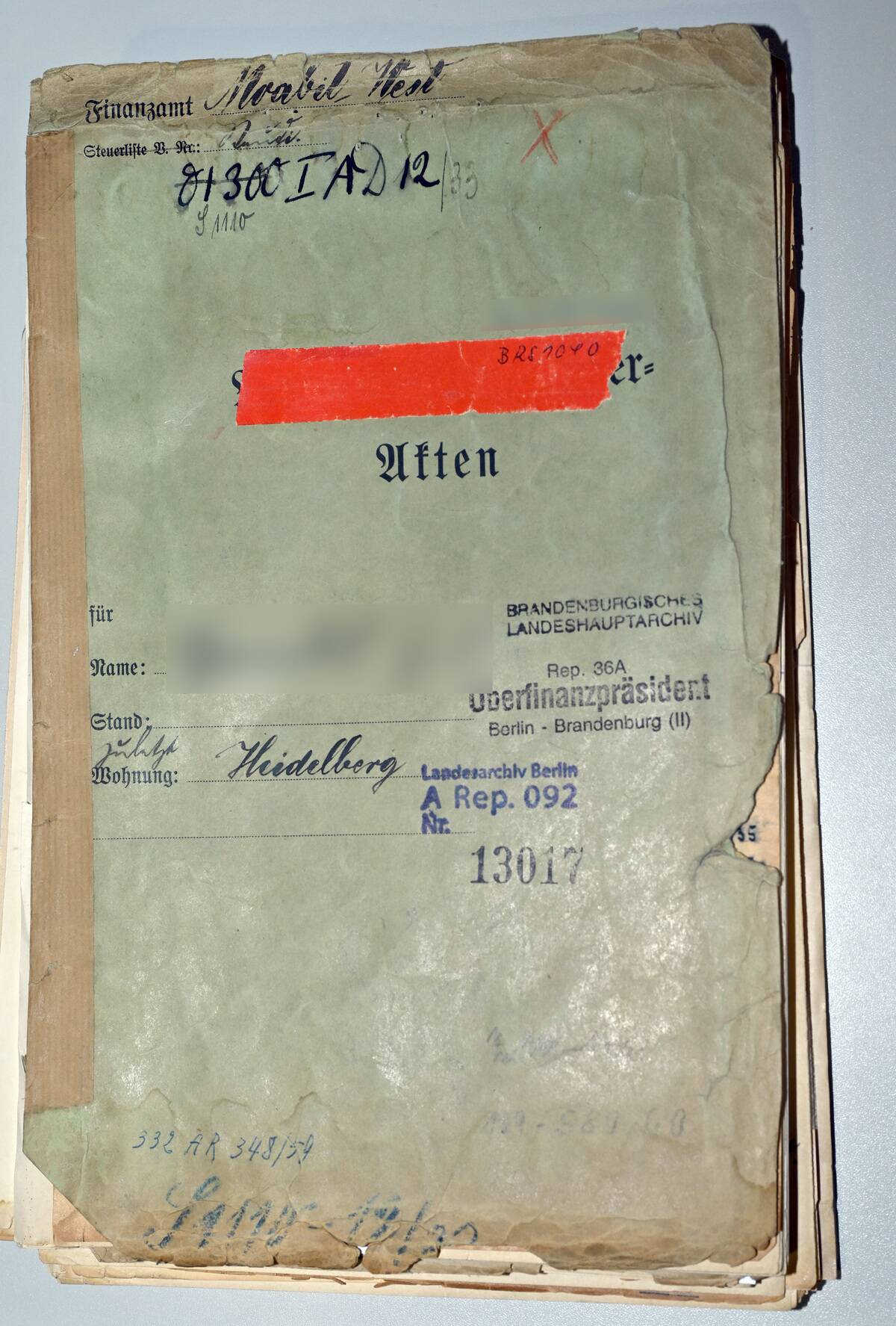
The aftermath of World War II saw a massive effort to recover art looted by the Nazis, leading to the creation of the Monuments Men and the establishment of archives to catalog these works. These archives have been instrumental in restoring stolen art to its rightful owners.
They contain detailed records of artworks, their provenance, and the efforts to track them down. This ongoing mission highlights the importance of archives in preserving cultural heritage and rectifying historical wrongs.
The Underground Libraries of WWII: Books in the Blitz
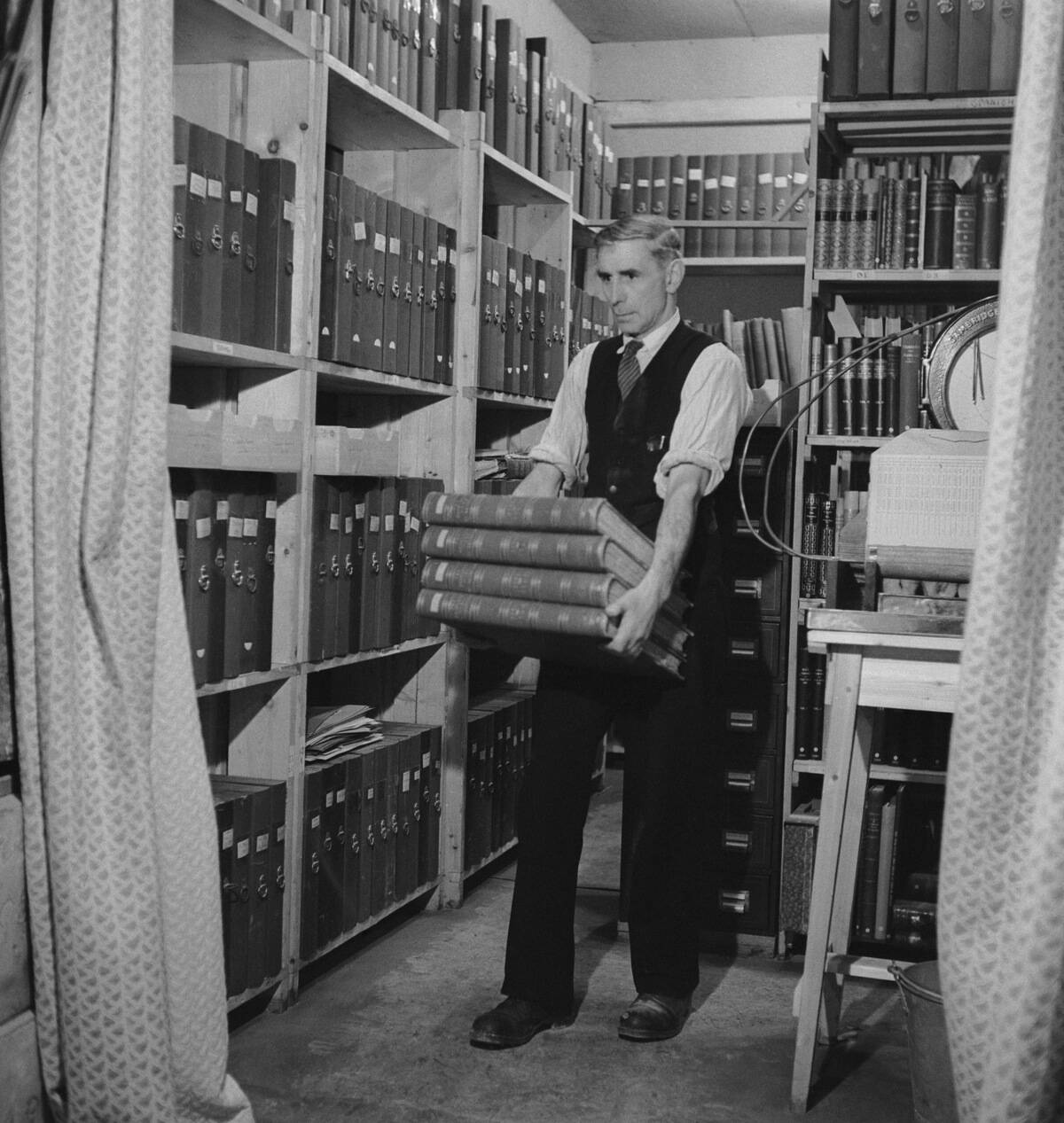
During World War II, underground libraries in London served as vital cultural sanctuaries amidst the chaos of the Blitz. These makeshift libraries, often tucked away in basements and shelters, provided solace and escape for civilians.
They housed a range of literature, from classic novels to newspapers, and were maintained by dedicated volunteers. This initiative underscores the power of literature to offer comfort and continuity even in the darkest of times, preserving a piece of normalcy for those affected by war.
The Maya Codices: Surviving the Spanish Conquests
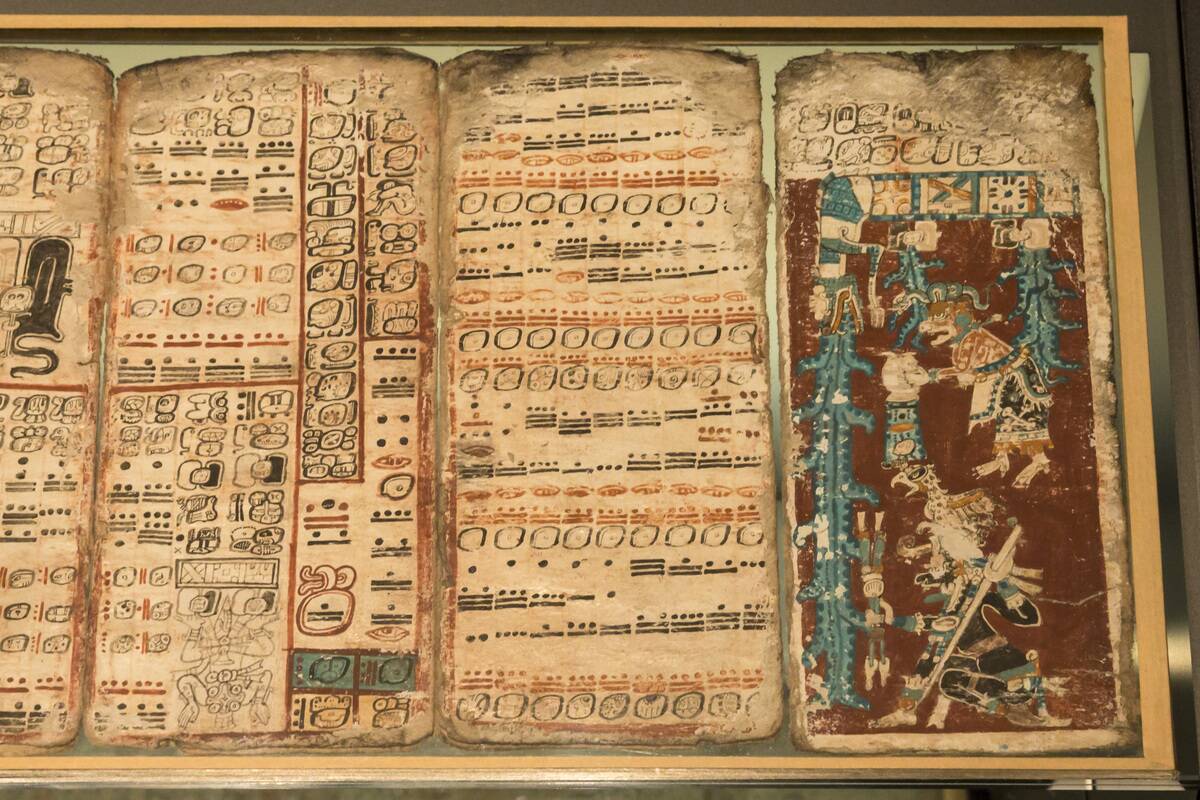
The Maya Codices are some of the few surviving documents from a civilization that once flourished in Mesoamerica. Created on bark paper, these codices contain intricate hieroglyphs detailing astronomy, rituals, and history. Many were destroyed during the Spanish conquest, seen as pagan works.
However, a few, like the Dresden Codex, survived and provide invaluable insights into Maya culture and knowledge. These codices are a testament to the resilience of cultural heritage in the face of colonization.
The Soviet Union’s Secret Archives: A Peek Behind the Iron Curtain
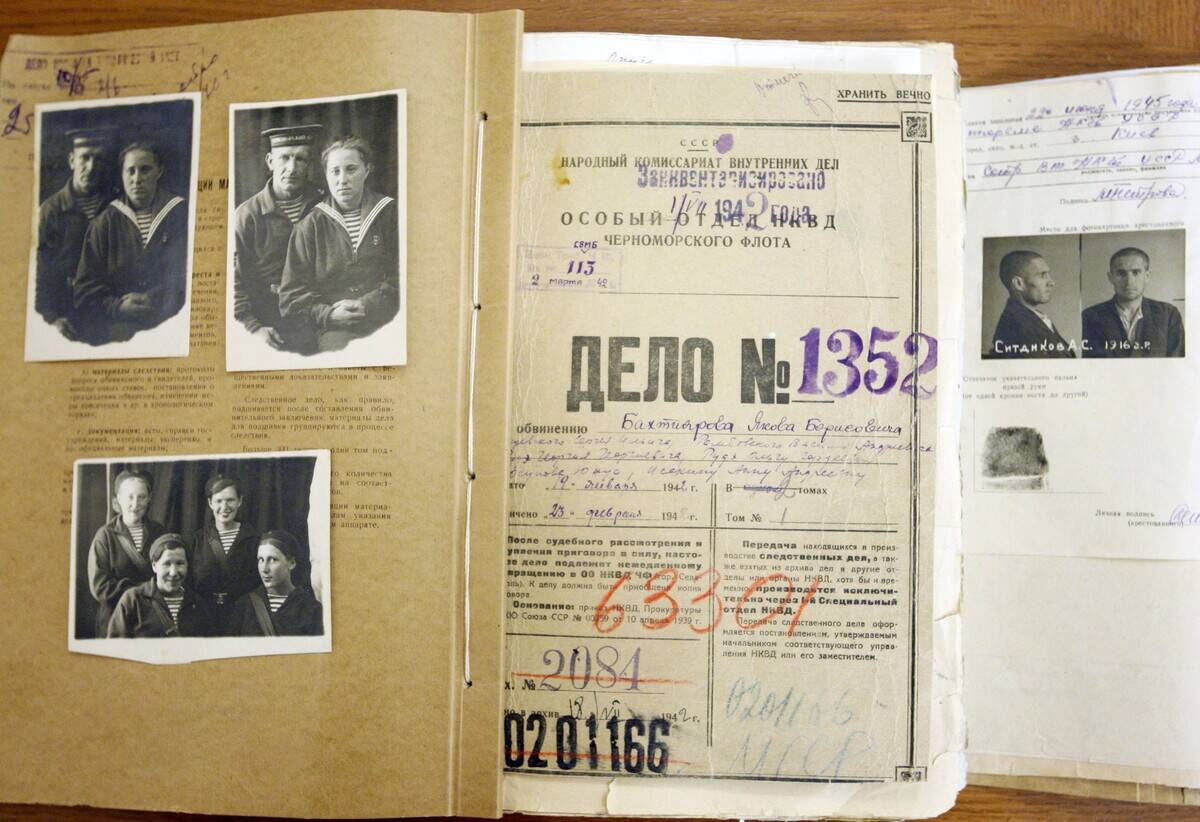
Following the collapse of the Soviet Union, many of its secret archives were opened to the public, shedding light on the inner workings of a once-closed society. These archives revealed the extent of surveillance, political repression, and censorship that characterized Soviet life.
Documents from these archives have been crucial in understanding the Cold War era and the Soviet regime’s impact on its citizens and neighboring countries. They offer a sobering glimpse into the complexity of power and governance.
The Great Library of Baghdad: Surviving the Mongol Invasion
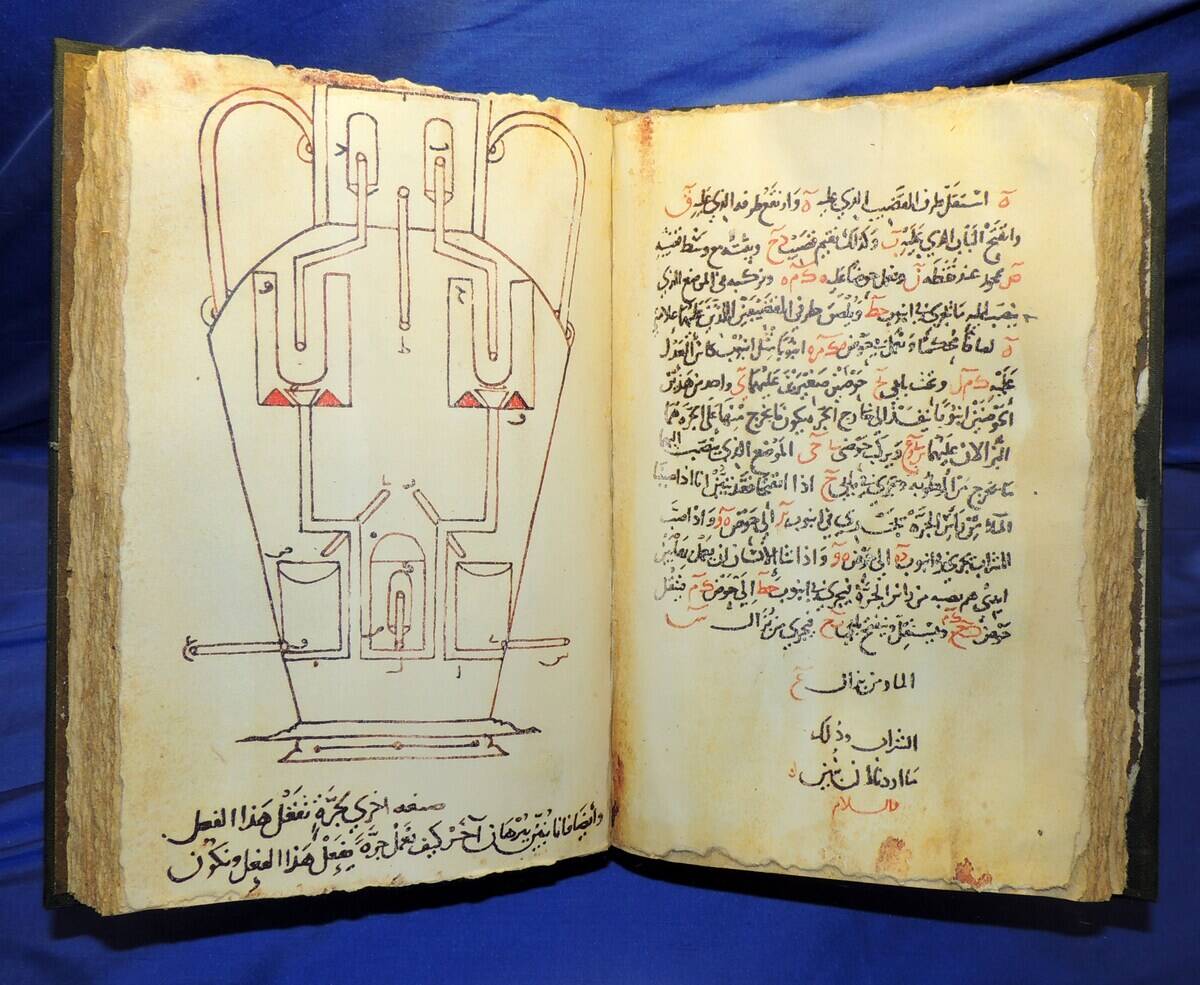
During the Islamic Golden Age, Baghdad was a major center of learning, most famously through institutions such as the House of Wisdom (Bayt al-Hikma). While the Mongol sack of Baghdad in 1258 caused immense destruction, scholars had already transmitted many scientific and philosophical texts to other regions of the Islamic world, helping preserve this knowledge beyond Baghdad itself.
Many texts were preserved by scholars who fled with them to safer regions. This narrative of survival highlights the enduring legacy of the library and its role in the advancement of science and philosophy.
The Hermetic Library of Alchemy: Secrets of the Philosopher’s Stone
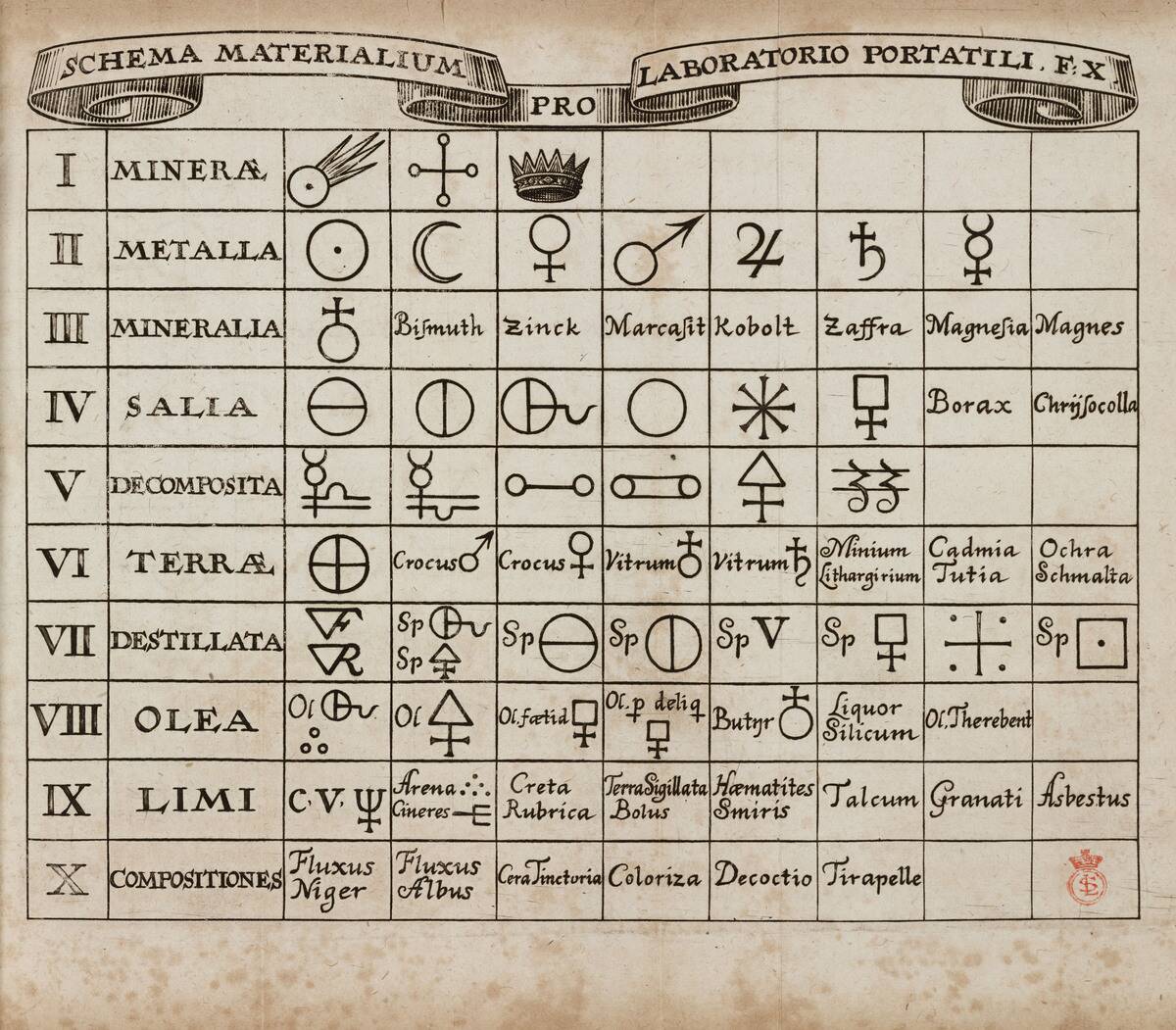
The Hermetic Library of Alchemy is shrouded in mystery, much like the elusive Philosopher’s Stone it seeks to explain. This collection of texts, attributed to Hermes Trismegistus, delves into the esoteric world of alchemy, blending science, mysticism, and philosophy.
The library includes treatises on transforming base metals into gold and achieving immortality. While alchemy is no longer practiced, these writings have influenced modern chemistry and continue to captivate those curious about the mystical and the unknown.
The Mysterious Library of Ashurbanipal: The First Systematic Archive
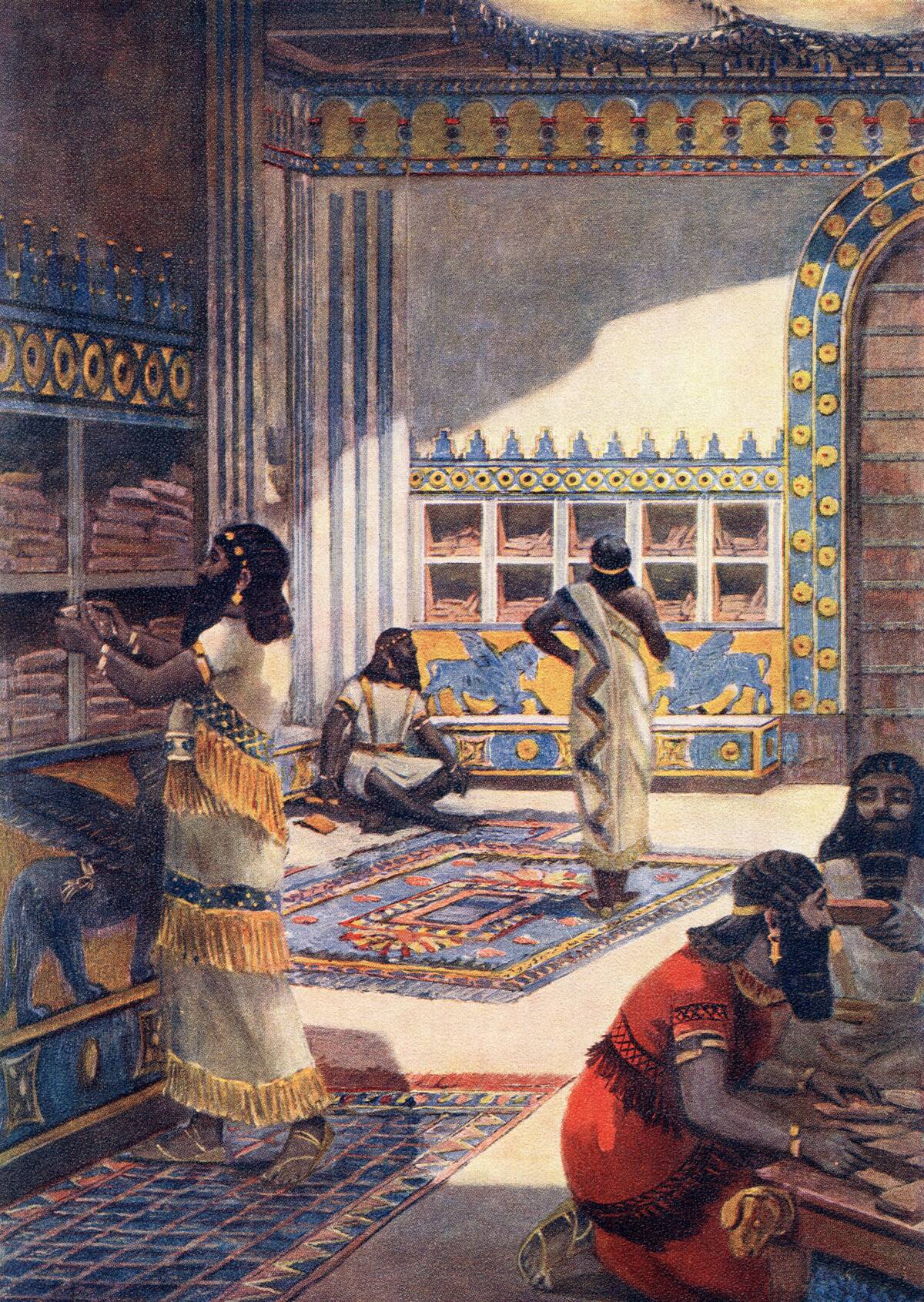
The Library of Ashurbanipal, located in the ancient city of Nineveh, is considered the first known systematically organized library. It housed thousands of clay tablets inscribed with cuneiform script, covering subjects from law to astronomy.
Discovered in the mid-19th century, these tablets have provided invaluable insights into Assyrian culture and governance. The library’s meticulous organization reflects the advanced state of learning and record-keeping in ancient Mesopotamia, serving as a precursor to modern libraries and archives.
Harvard’s Widener Library: A Treasure Trove of Hidden Collections
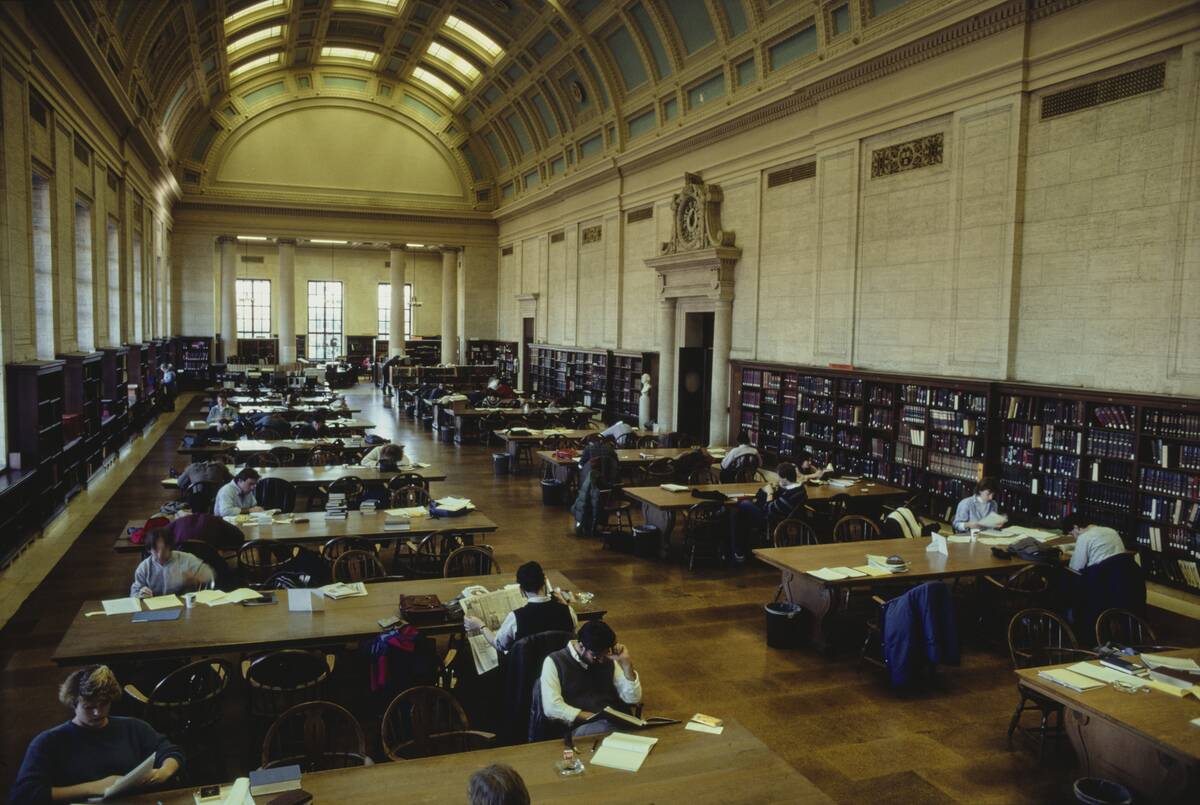
Harvard’s Widener Library is famous not just for its size but for its vast array of collections, many of which remain hidden gems for scholars. With over 3 million volumes, it houses rare books, manuscripts, and unique archives that span diverse fields.
The library is a testament to the power of academic institutions in preserving knowledge and fostering research. Its collections offer a window into the past and a resource for future discoveries, embodying the spirit of intellectual pursuit and curiosity.
The Secret Archives of the Freemasons: Unveiling the Brotherhood
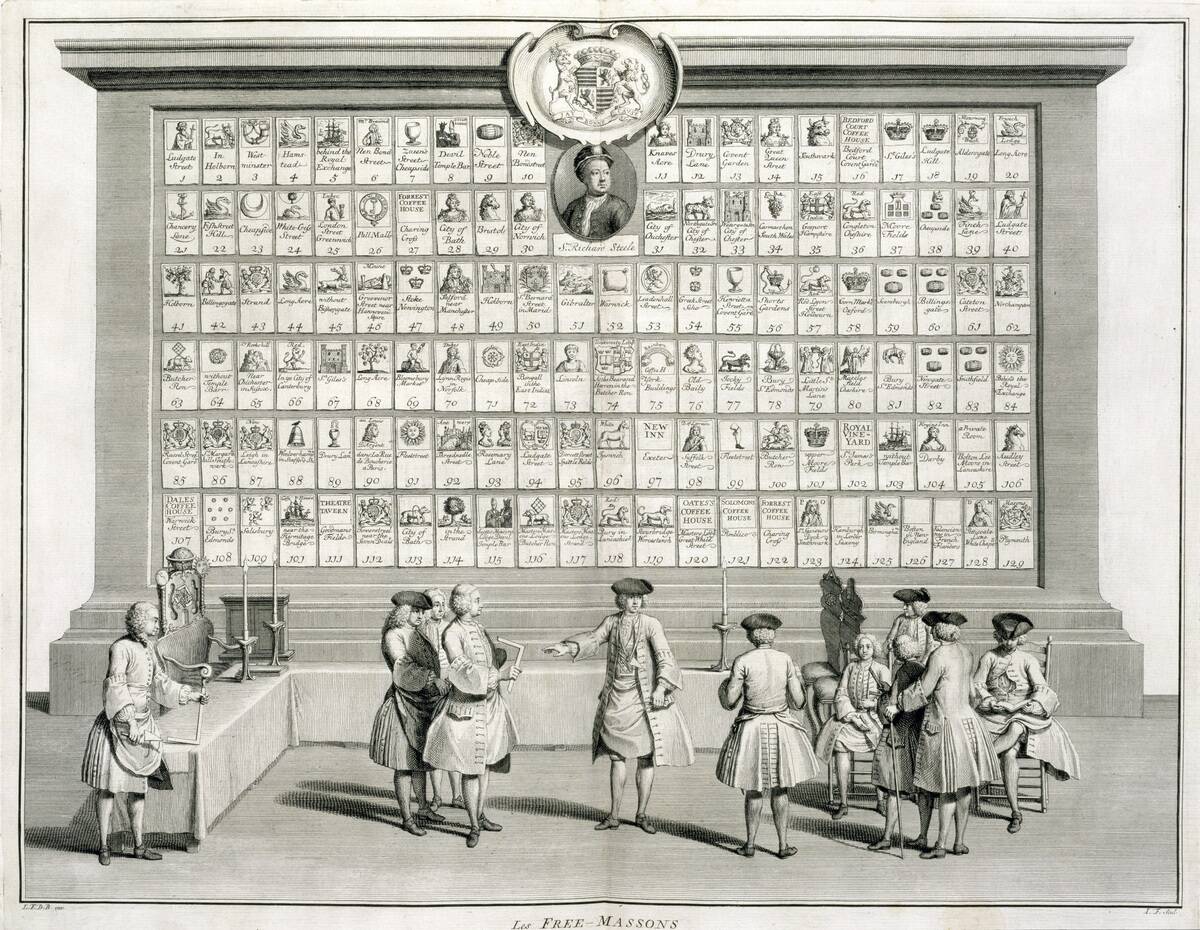
The Freemasons are often associated with secrecy, and their archives are no exception. These collections contain records of rituals, member lists, and correspondence that shed light on the inner workings of this enigmatic fraternity.
While much about the Freemasons remains shrouded in mystery, their archives reveal the organization’s influence on social and political spheres throughout history. For those intrigued by secret societies, these archives offer a rare glimpse into the traditions and values that have shaped the Freemasons’ enduring legacy.
The Digital Age: Virtual Archives and the Future of Knowledge Preservation

In the digital age, archives are no longer confined to physical spaces. Virtual archives have emerged as vital tools for preserving and disseminating knowledge. These digital repositories ensure that documents, images, and multimedia materials are accessible to a global audience.
With the advent of technology, institutions can safeguard fragile documents from the ravages of time while making them available for research and education. As we move forward, the challenge lies in ensuring the longevity and security of these digital archives for future generations.




