Inventors whose greatest achievements came late in life
In a world that often celebrates youthful innovation, it’s refreshing to highlight the successes achieved later in life. Many inventors and creators have proven that age is just a number when it comes to making significant contributions.
From art to literature, science to business, these individuals have shown that the golden years can be a time of rich creativity and groundbreaking achievements.
The Timeless Journey of James Dyson: From Frustration to Innovation
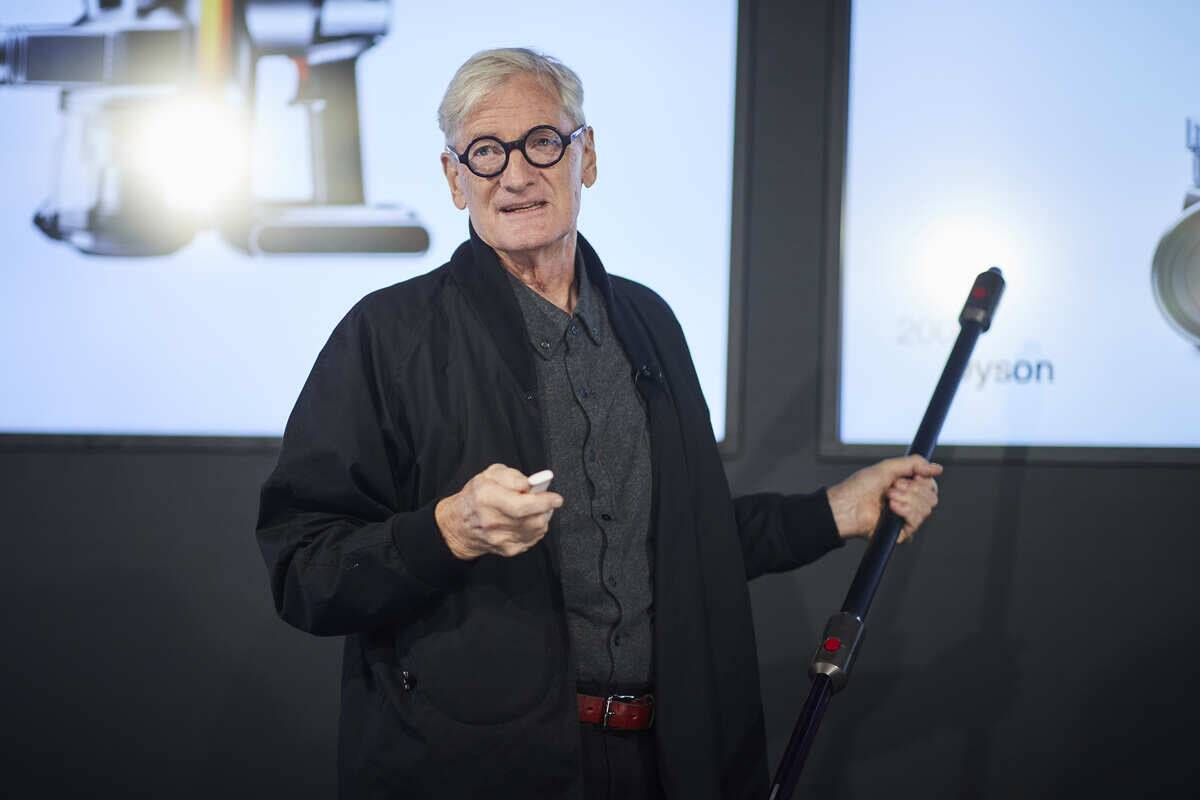
James Dyson’s journey was born out of frustration with his vacuum cleaner’s performance. In his 40s, he invented the first bagless vacuum cleaner, the Dyson Cyclone.
This invention revolutionized the industry, proving that persistence and age can lead to market-changing innovation. Despite facing over 5,000 prototypes and numerous rejections, Dyson’s perseverance has built a global brand synonymous with cutting-edge technology.
Stan Lee: Crafting Superheroes Well Into His Golden Years
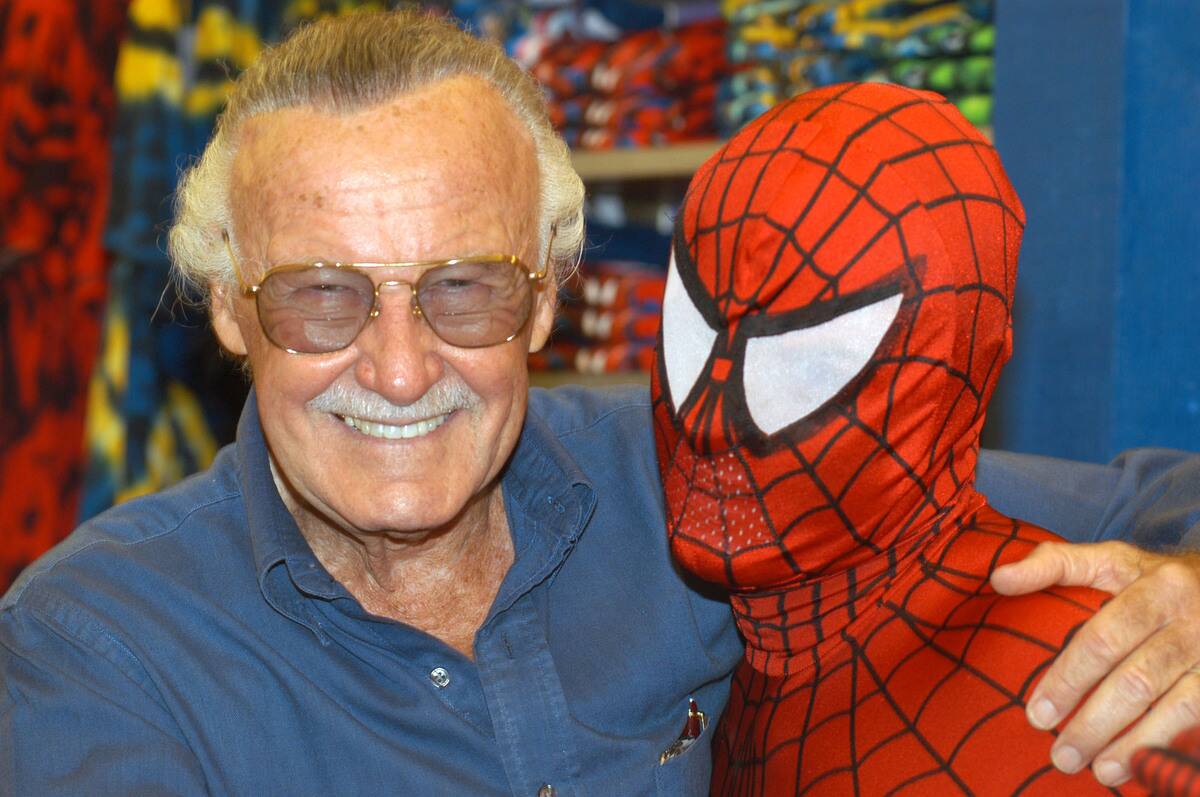
Stan Lee, the legendary comic book writer, co-created numerous iconic superheroes well into his later years. Even in his 70s and beyond, Lee continued to influence the comic book industry, making cameo appearances and contributing to Marvel’s cinematic universe.
His enduring creativity and enthusiasm for storytelling remain an inspiration to fans and creators alike.
Colonel Harland Sanders: Spicing Up the Fast Food Industry in His 60s
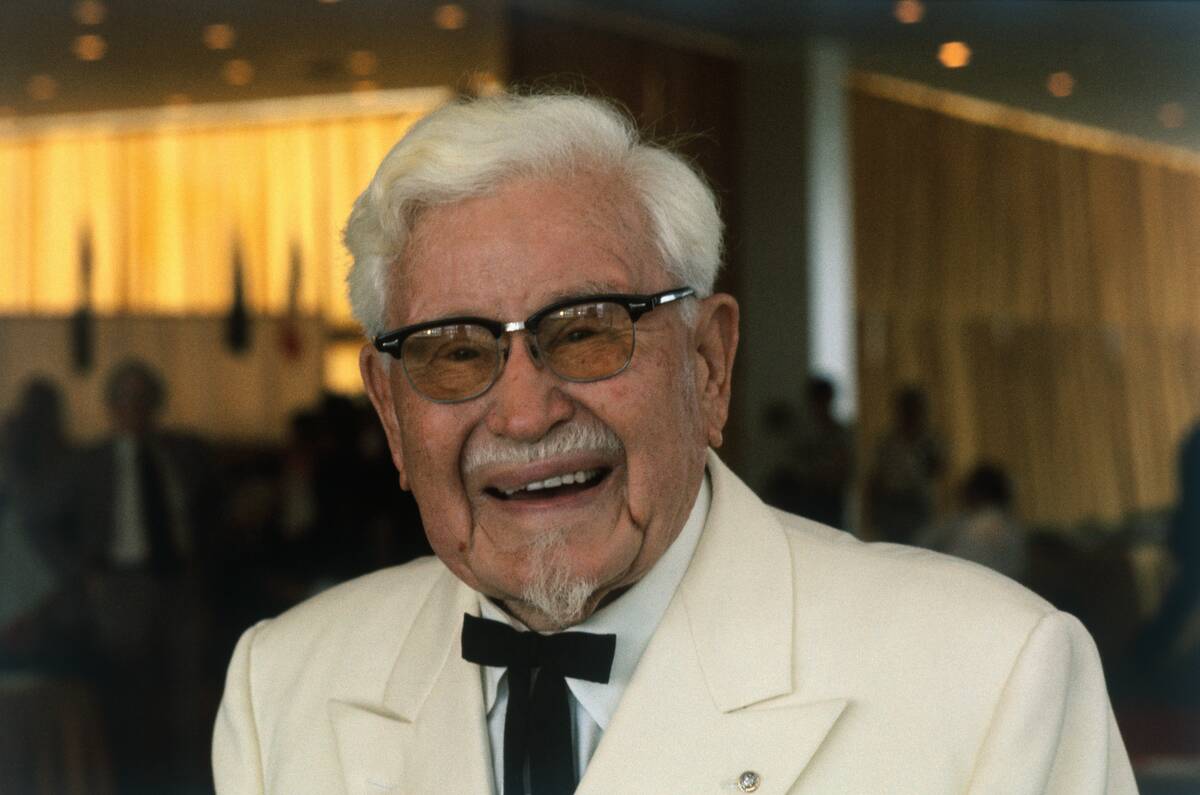
Colonel Harland Sanders founded Kentucky Fried Chicken at the age of 62, after a career in various jobs. His secret blend of 11 herbs and spices became a fast-food sensation, turning KFC into a global franchise.
Sanders’ story is a testament to the idea that it’s never too late to pursue a new venture and achieve monumental success.
Laura Ingalls Wilder: Publishing Prairie Tales Later in Life
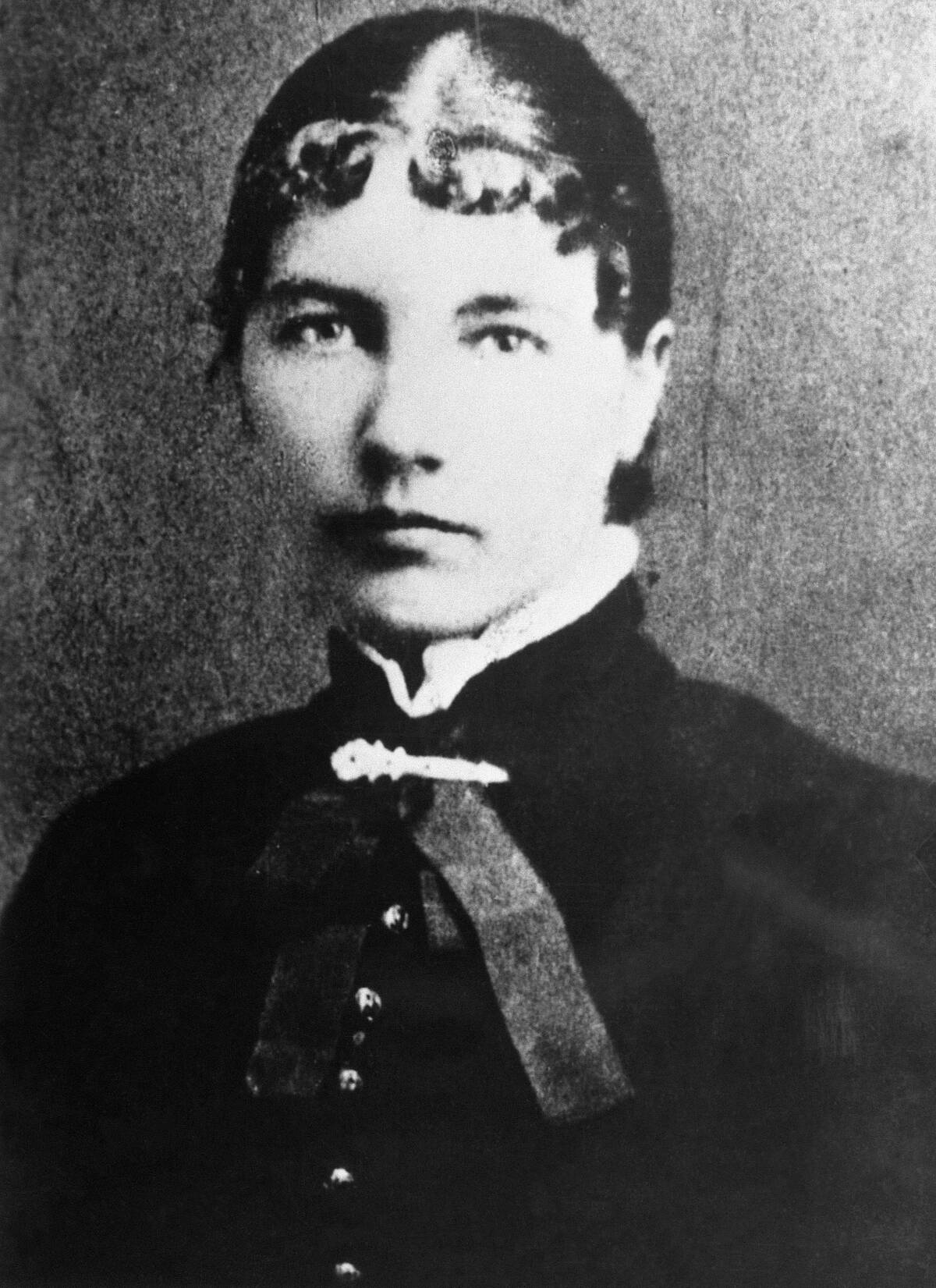
Laura Ingalls Wilder published her first book, Little House in the Big Woods, at the age of 65. Her series chronicled her pioneer childhood and became a staple of American literature.
Wilder’s books have captured the imaginations of generations, proving that rich life experiences can translate into beloved narratives, regardless of the author’s age.
Frank McCourt: Turning Memoirs into Literary Gold in His 60s
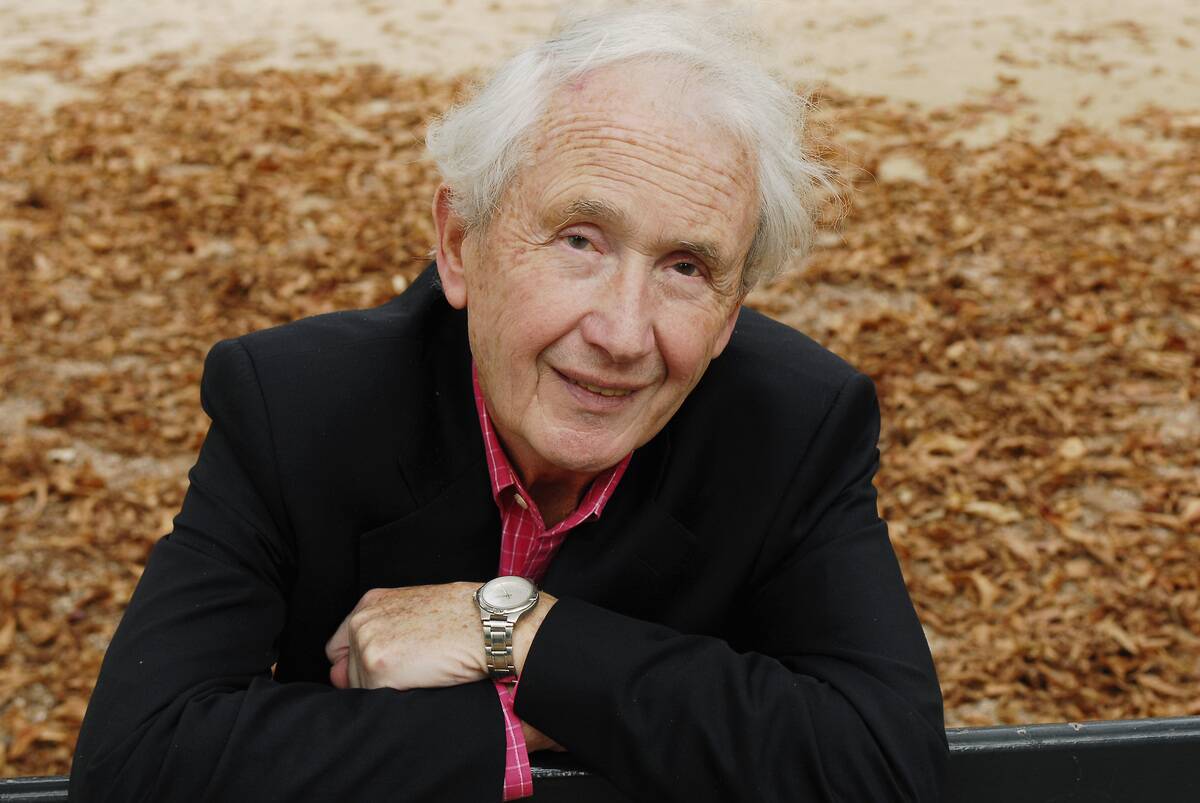
Frank McCourt published his first book, Angela’s Ashes, at the age of 66. The memoir won the Pulitzer Prize and was acclaimed for its poignant storytelling.
McCourt’s late-blooming literary career highlights the power of personal history and the potential for success in sharing one’s life experiences, regardless of when they are penned.
Anna Mary Robertson Moses: A Late Bloom in the Art World
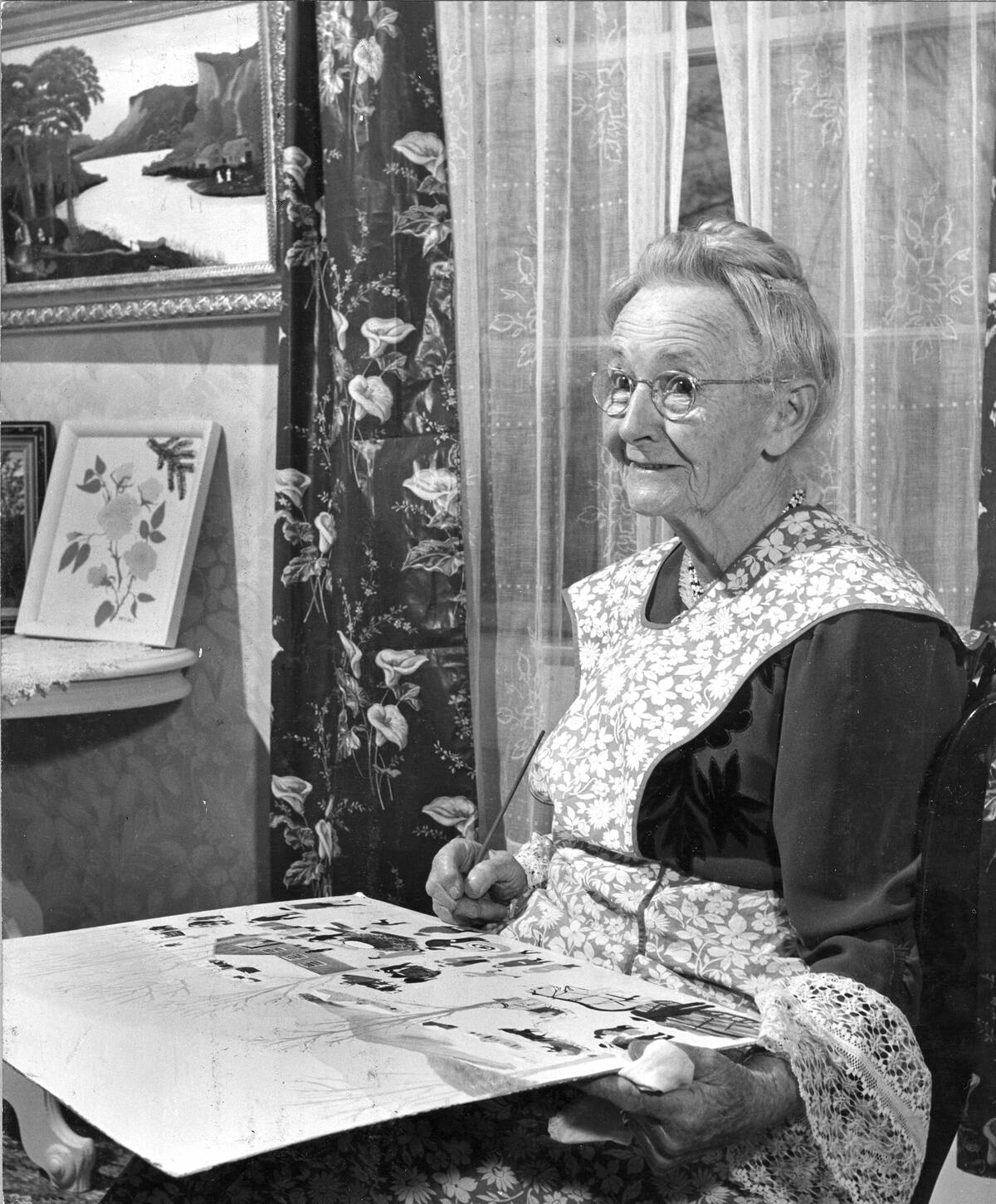
Grandma Moses, as she is fondly known, began her painting career in earnest in her late 70s. Her charming depictions of rural American life gained her fame and numerous exhibitions.
Her story encourages those who have yet to find their artistic voice, proving that creativity knows no age boundaries and can flourish at any stage of life.
Ray Kroc: Flipping the Script on Fast Food with McDonald’s
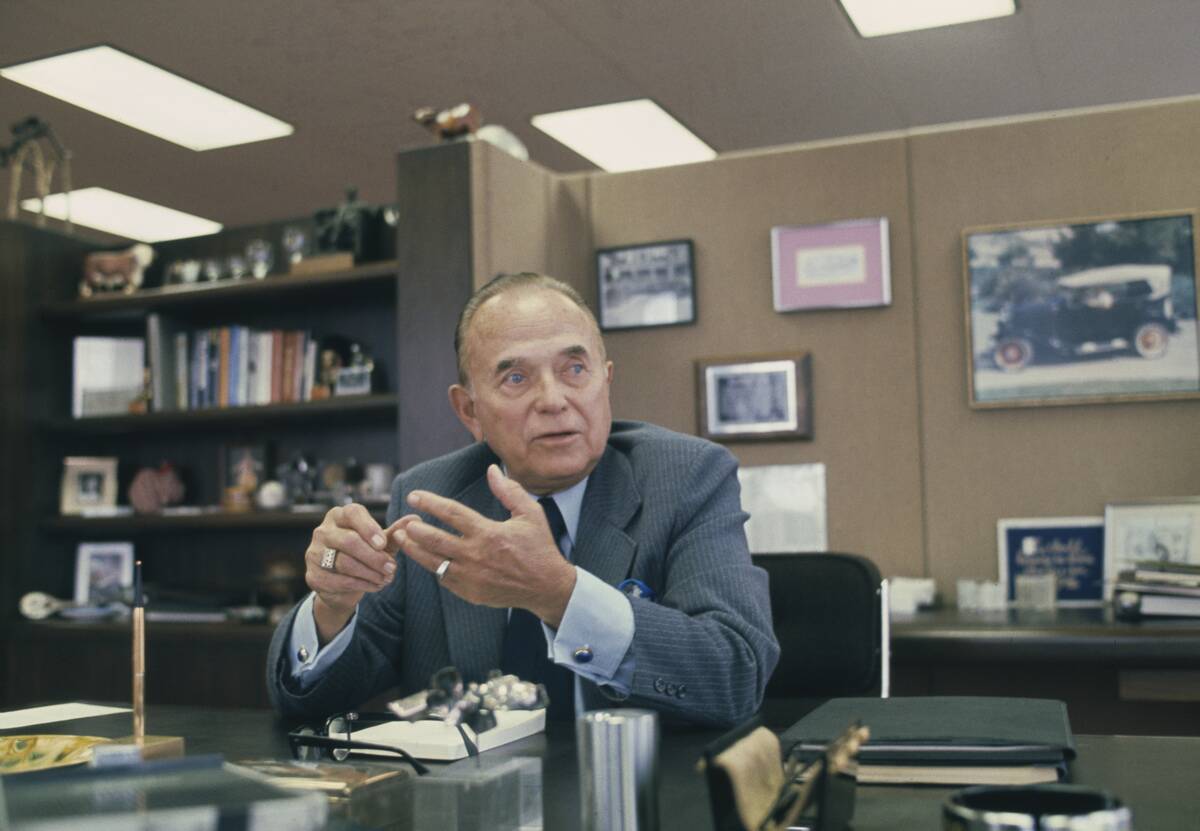
Ray Kroc was 52 when he joined McDonald’s, eventually transforming it into a global fast-food powerhouse.
Kroc’s savvy business acumen and vision for franchising revolutionized the industry. His story is a testament to the potential for reinvention and success that can occur later in life, reshaping how the world eats out.
Mary Somerville: Breaking Scientific Ground in Her Later Years
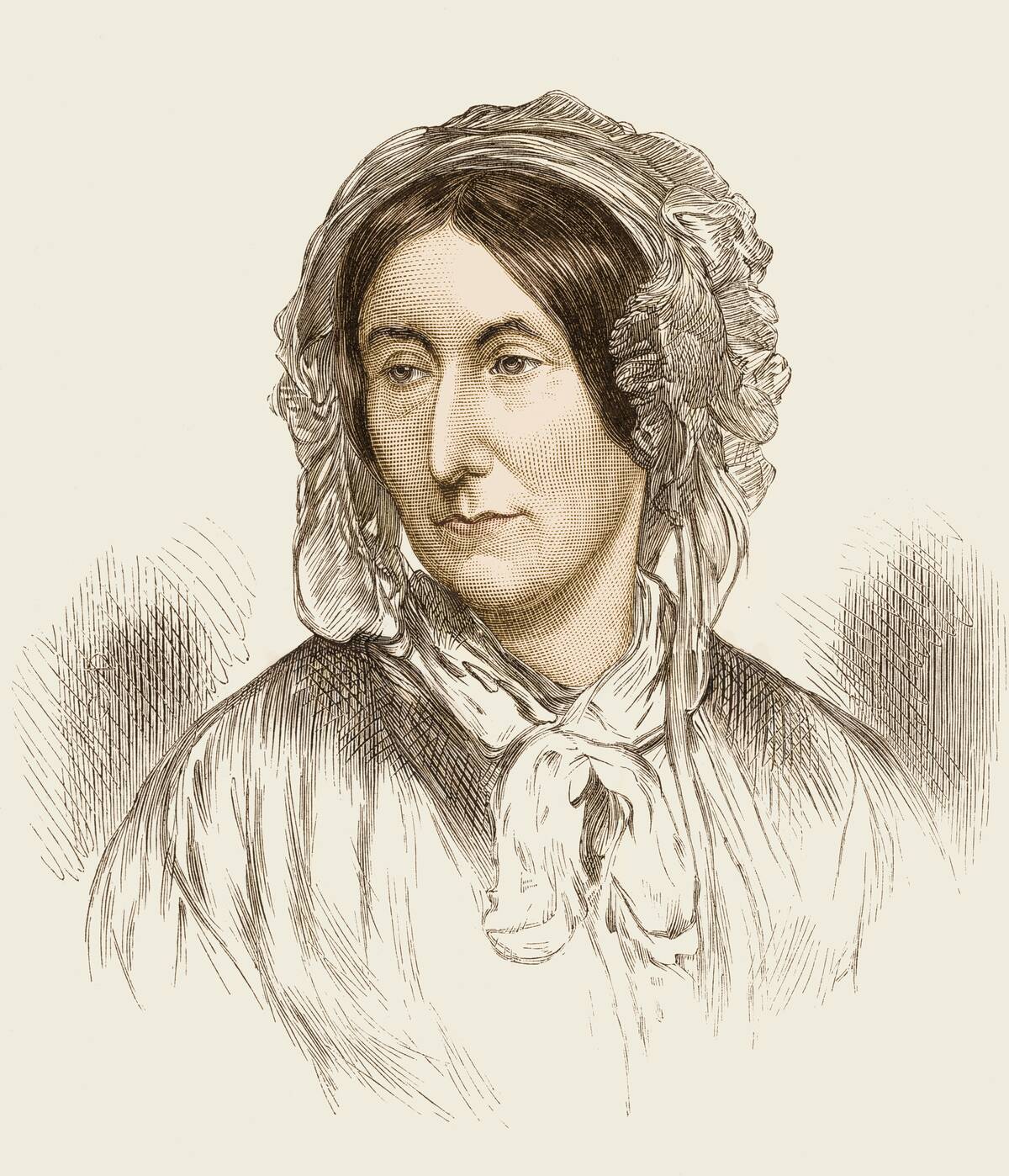
Mary Somerville, a pioneering scientific writer and mathematician, published her influential works in her 50s and 60s. Her contributions to mathematics and astronomy were groundbreaking, earning her recognition as a trailblazer for women in science.
Somerville’s work exemplifies that intellectual pursuits and achievements can thrive at any age, paving the way for future generations.
Peter Mark Roget: Cataloging Language in His 70s
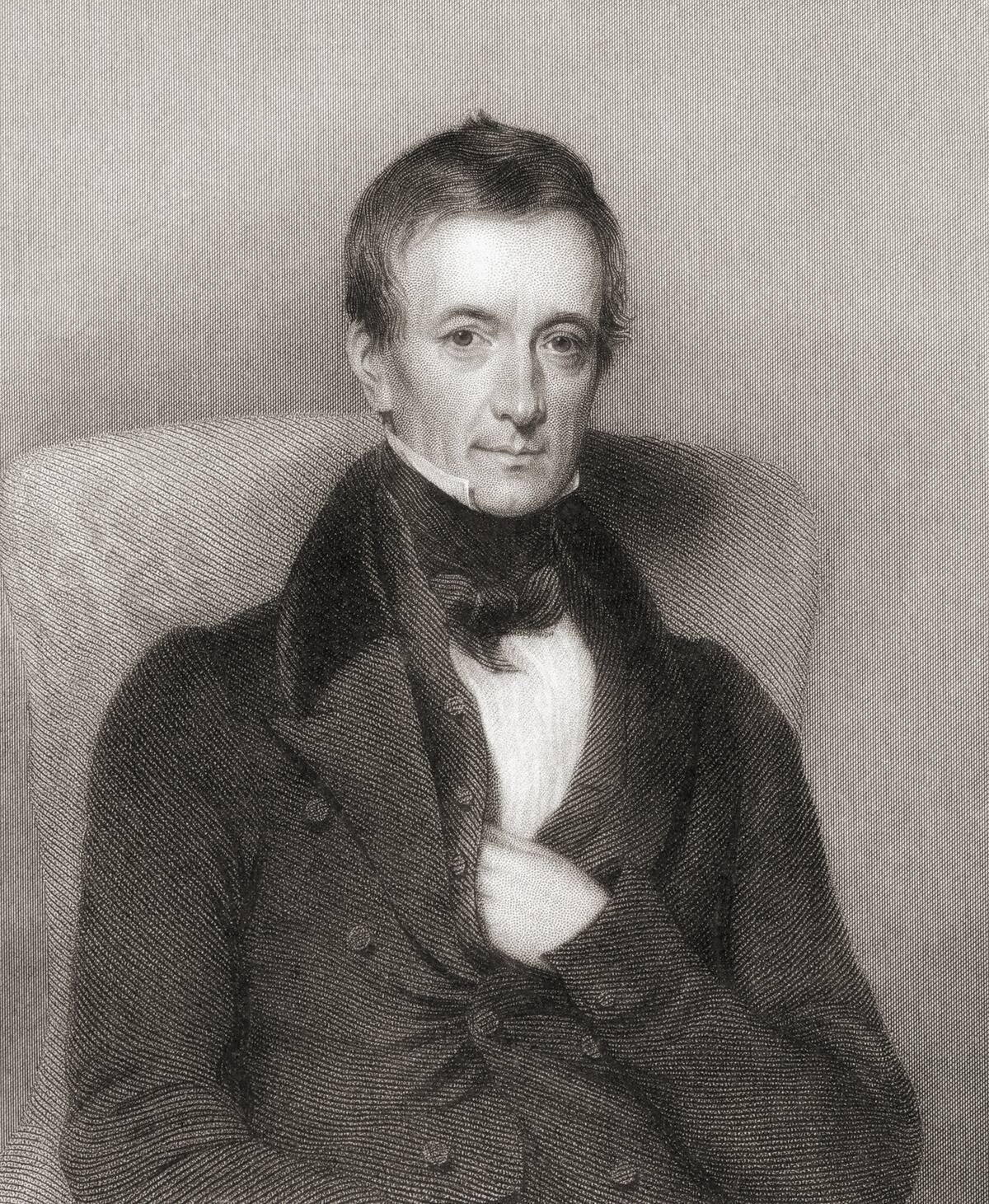
Peter Mark Roget published the first edition of Roget’s Thesaurus at the age of 73. His passion for words and systematic approach to cataloging language made the thesaurus a vital tool for writers.
Roget’s achievement underscores the idea that one’s later years can be a time for significant contributions to knowledge and literature.
L. Frank Baum: Creating the Wizard of Oz at Midlife
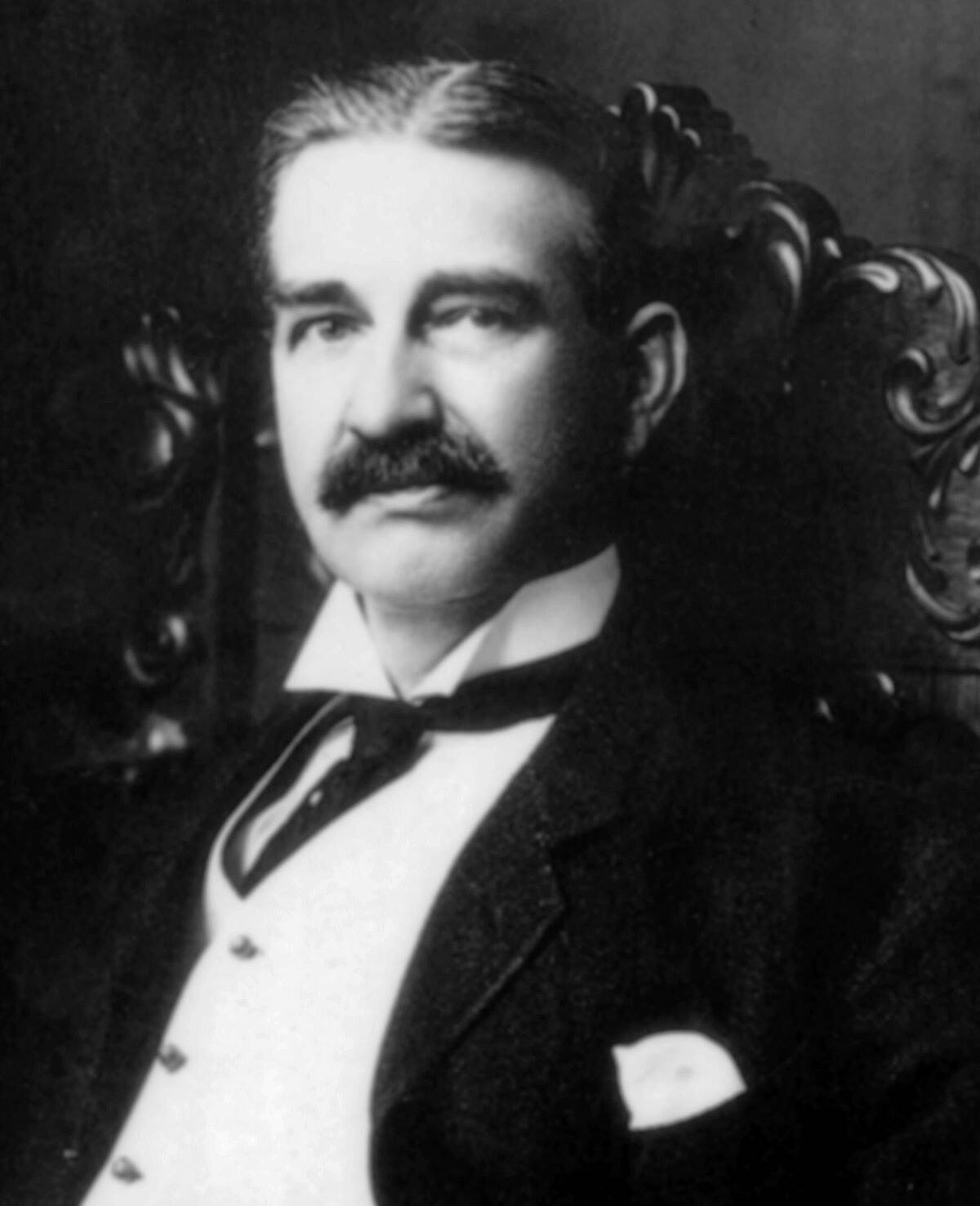
L. Frank Baum was 44 when he published The Wonderful Wizard of Oz, a book that would become a timeless classic. Baum’s imaginative world and memorable characters have captivated readers for generations.
His midlife literary success illustrates that creativity and storytelling have no expiration date, creating legacies that endure.
Samuel Morse: Inventing the Telegraph After 40
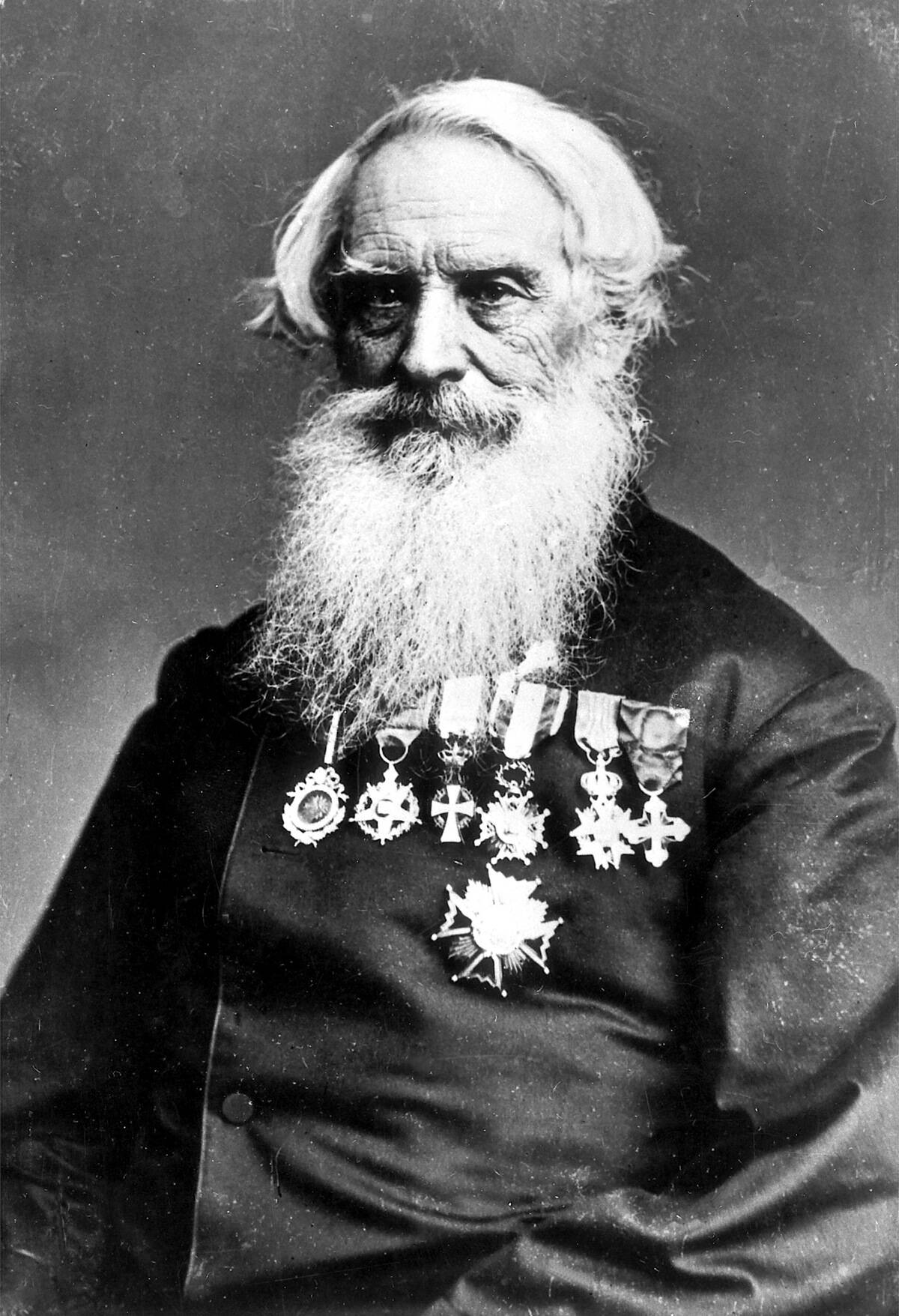
Samuel Morse, originally a painter, invented the telegraph and Morse code in his 40s. His invention transformed communication, laying the groundwork for modern telecommunications.
Morse’s shift from art to technology highlights how diverse experiences can culminate in groundbreaking achievements, regardless of when they occur in one’s life.




