How language evolution reflects cultural shifts over millennia
Language and culture are like dance partners, constantly influencing and reflecting each other. As societies evolve, so does their language, creating a vibrant tapestry of communication that mirrors our collective human experience.
From the words we choose to the way we structure sentences, language is a window into the soul of a culture, offering clues about values, history, and societal norms. This article explores the fascinating interchange between language and culture across time.
The Origins of Language: A Brief Historical Perspective

The origins of language are steeped in mystery, with theories ranging from innate ability to evolutionary necessity. Some linguists believe that language began as a series of gestures and sounds used by early humans to coordinate hunting and social activities.
As societies became more complex, so did their languages, evolving from simple grunts to intricate systems of communication. The earliest written records, like the Sumerian cuneiform, date back to around 3400 BC, marking a pivotal point in human history.
Language as a Mirror: Reflecting Societal Changes

Language is a dynamic entity that adapts to the times, often reflecting societal shifts. For instance, the feminist movement brought about changes in language to be more gender-neutral, replacing ‘fireman’ with ‘firefighter’.
Similarly, the digital age has introduced terms like ‘selfie’ and ‘hashtag’ into everyday vocabulary. As societies evolve, language serves as a living record of those changes, capturing the zeitgeist in words and phrases that resonate with the people of that era.
The Role of Migration in Language Evolution

Migration has been a powerful force in shaping languages, as people carry their linguistic traditions with them. The United States, a nation built on immigration, is a prime example where English has absorbed elements from German, Italian, Spanish, and many other languages.
This blending creates rich linguistic diversity and leads to the emergence of new dialects and pidgins. Migration not only preserves languages but also breathes new life into them, fostering innovation in communication.
Trade and Its Linguistic Influence Through the Ages
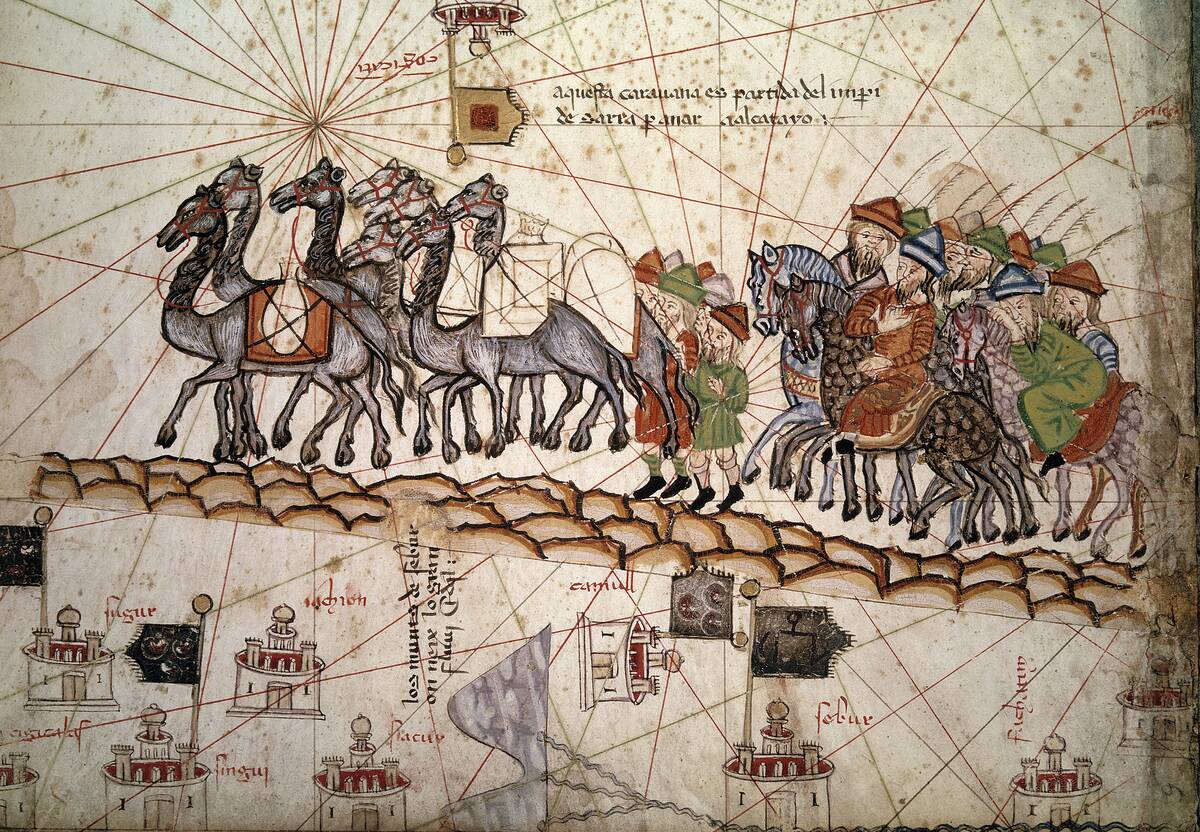
Trade has played a crucial role in the evolution of languages, as merchants and traders brought with them not just goods but also words. The Silk Road facilitated the exchange of languages between East and West, introducing words like ‘tea’ into European languages.
Similarly, during the Age of Exploration, the spice trade brought new culinary terms to the West. Such exchanges enriched languages, broadening vocabularies and introducing new concepts and ideas to different cultures.
How Conquests and Empires Shaped Language Landscapes

Throughout history, conquests and empires have significantly influenced the linguistic landscape. The Roman Empire spread Latin across Europe, which later evolved into the Romance languages like Italian, French, and Spanish.
Similarly, the British Empire’s global reach in the 19th century positioned English as a dominant world language. Conquerors often imposed their language on the subjugated, but over time, a fusion of languages would occur, leading to the creation of creoles and dialects.
The Impact of Religion on Language Development

Religion has a profound impact on language, often serving as a vehicle for the dissemination of sacred texts and teachings. The spread of Christianity saw Latin and Greek used widely in religious contexts, while Islam’s spread brought Arabic to prominence.
The translation of religious texts, like the Bible or the Quran, into local languages has been pivotal in the development and preservation of those languages. Such translations often lead to the standardization of languages and the creation of new dialects.
Renaissance to Enlightenment: Language in the Age of Ideas
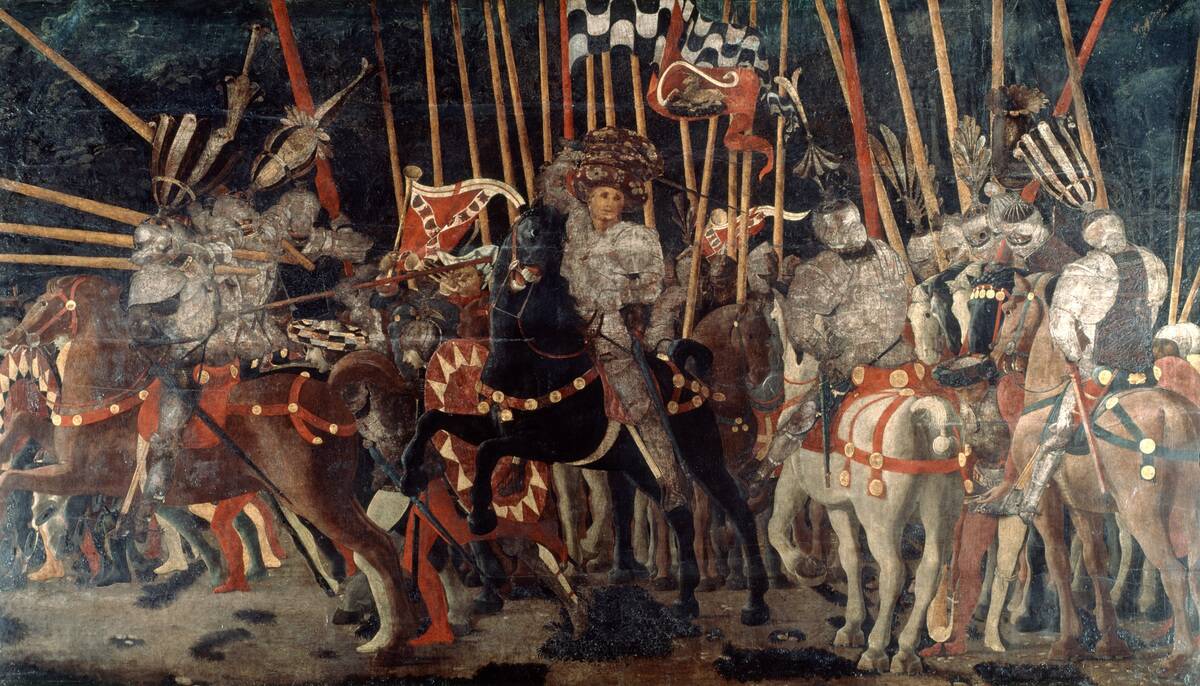
The Renaissance and Enlightenment were periods of intellectual awakening that greatly influenced language. During the Renaissance, Latin was the lingua franca of educated Europeans, but vernacular languages gained prominence as literature and science flourished.
The Enlightenment further propelled this shift, emphasizing clarity and reason in language to spread new ideas. This era saw the codification of languages, with dictionaries and grammar books ensuring that ideas could be communicated more effectively and widely.
The Industrial Revolution: Technology Meets Linguistics
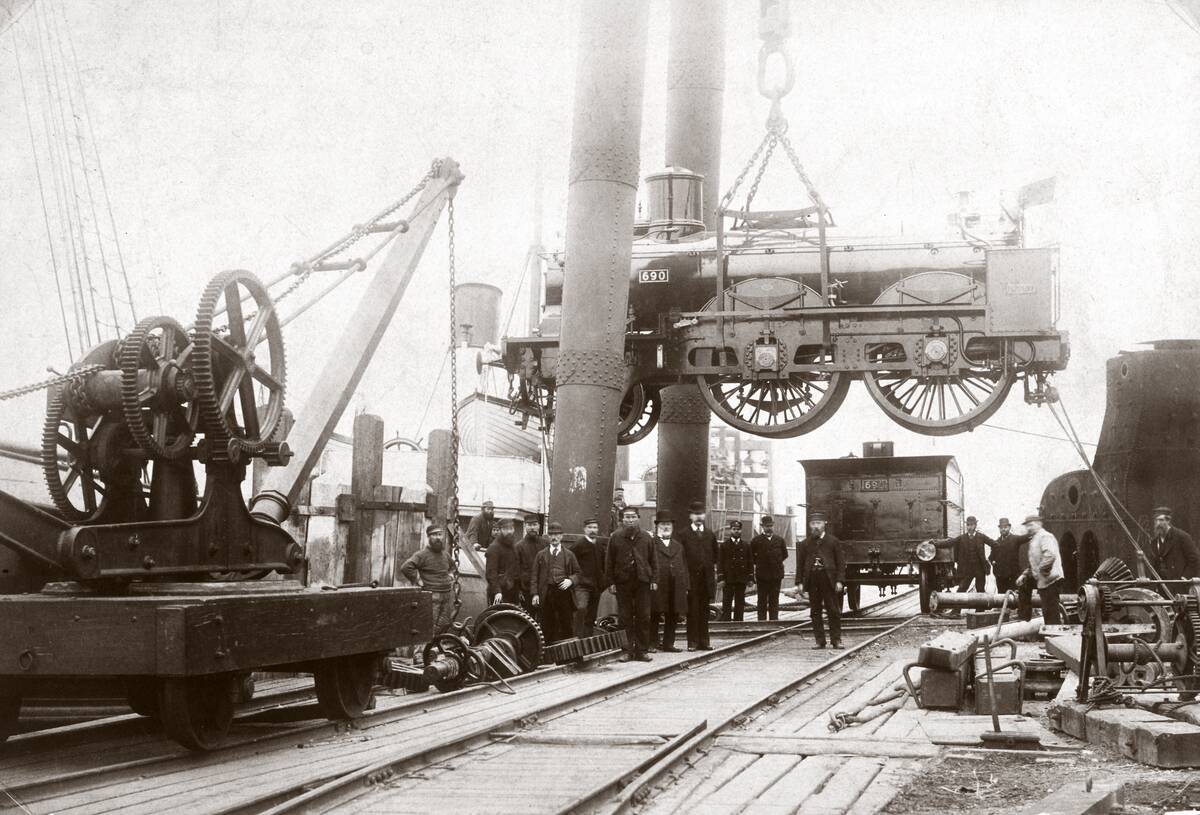
The Industrial Revolution brought about significant linguistic changes, as new inventions and concepts required new words. Terms like ‘locomotive’, ‘telegraph’, and ‘factory’ entered the lexicon as society adapted to technological advancements.
The rapid pace of change necessitated a flexible language capable of describing new realities. This period also saw the standardization of languages to facilitate mass communication and education, further cementing the role of language as a tool for progress and innovation.
Colonialism and Language: A Global Exchange
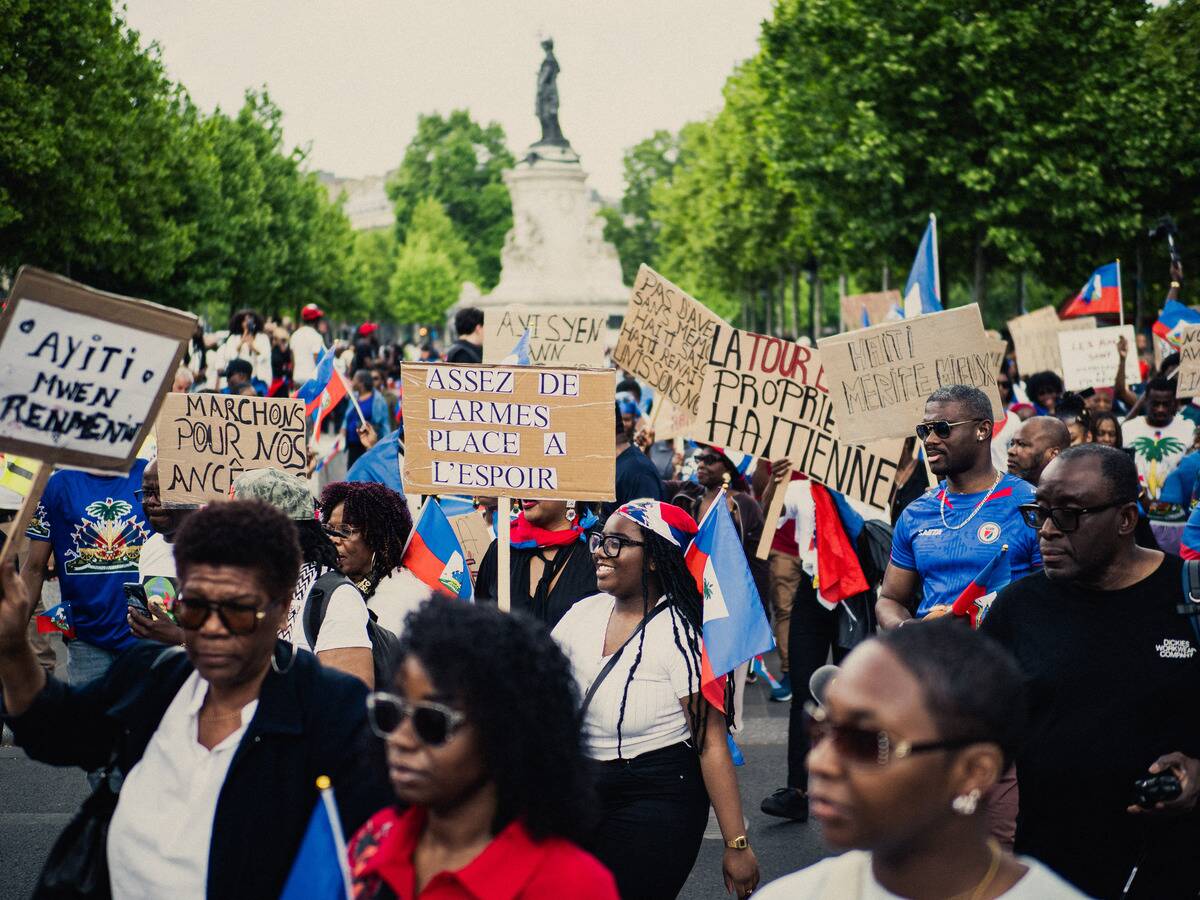
Colonialism was a catalyst for linguistic exchange, as colonizers imposed their languages on indigenous populations. English, Spanish, and French spread across continents, often at the expense of native languages.
However, this interaction also led to the creation of new languages, like pidgins and creoles, which blended elements of the colonizers’ languages with local tongues. These hybrid languages became vital tools for communication in multicultural societies and are a testament to the resilience and adaptability of human language.
The Rise of Slang: From Street Talk to Mainstream
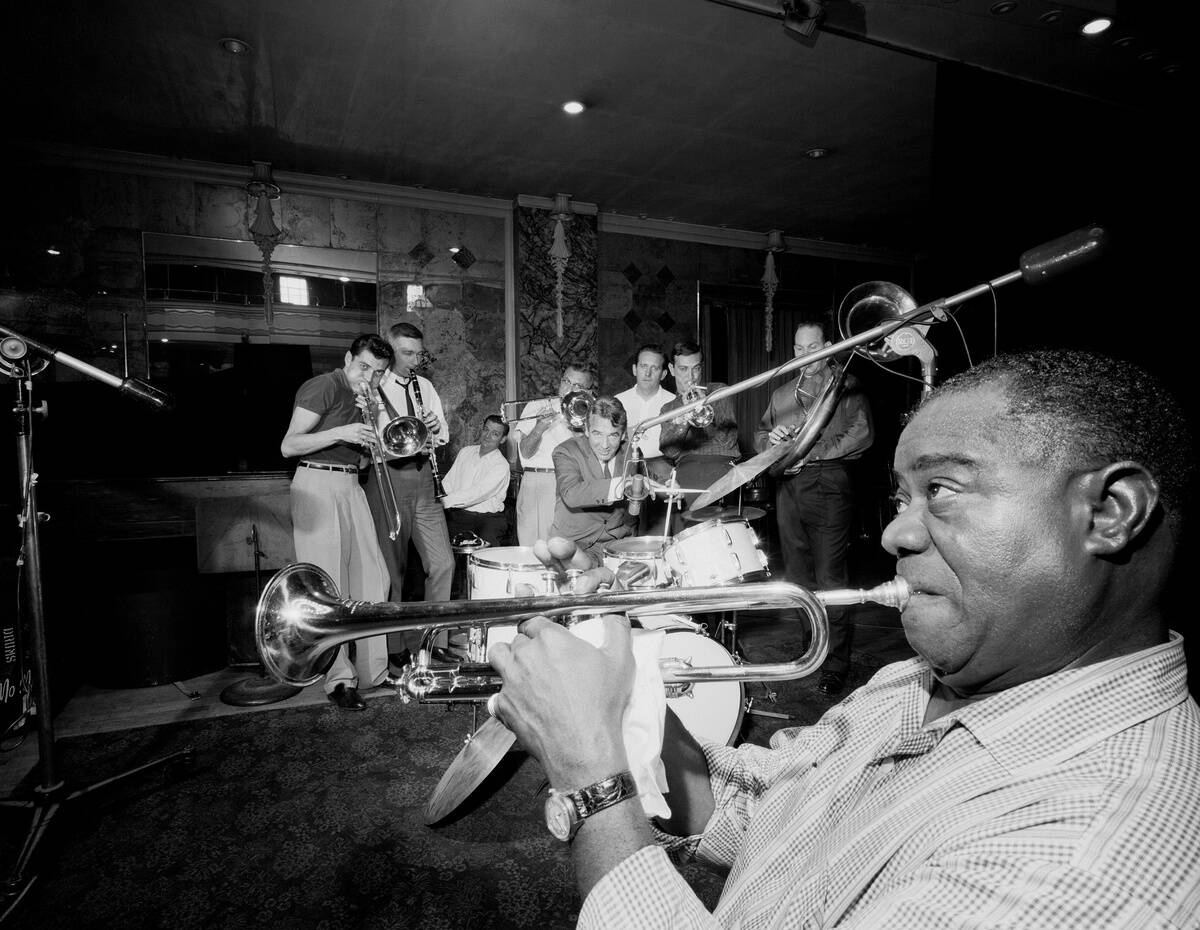
Slang has always been a vibrant part of language, originating from the streets and gradually making its way into mainstream usage. Words like ‘cool’, ‘jazz’, and ‘bling’ started as slang but have now become part of everyday vocabulary.
Slang reflects the creativity and innovation of language users, often capturing the spirit of a particular era or subculture. It challenges linguistic norms and keeps language dynamic and ever-evolving, offering a playful twist on traditional communication.
Globalization: The Melting Pot of Modern Language
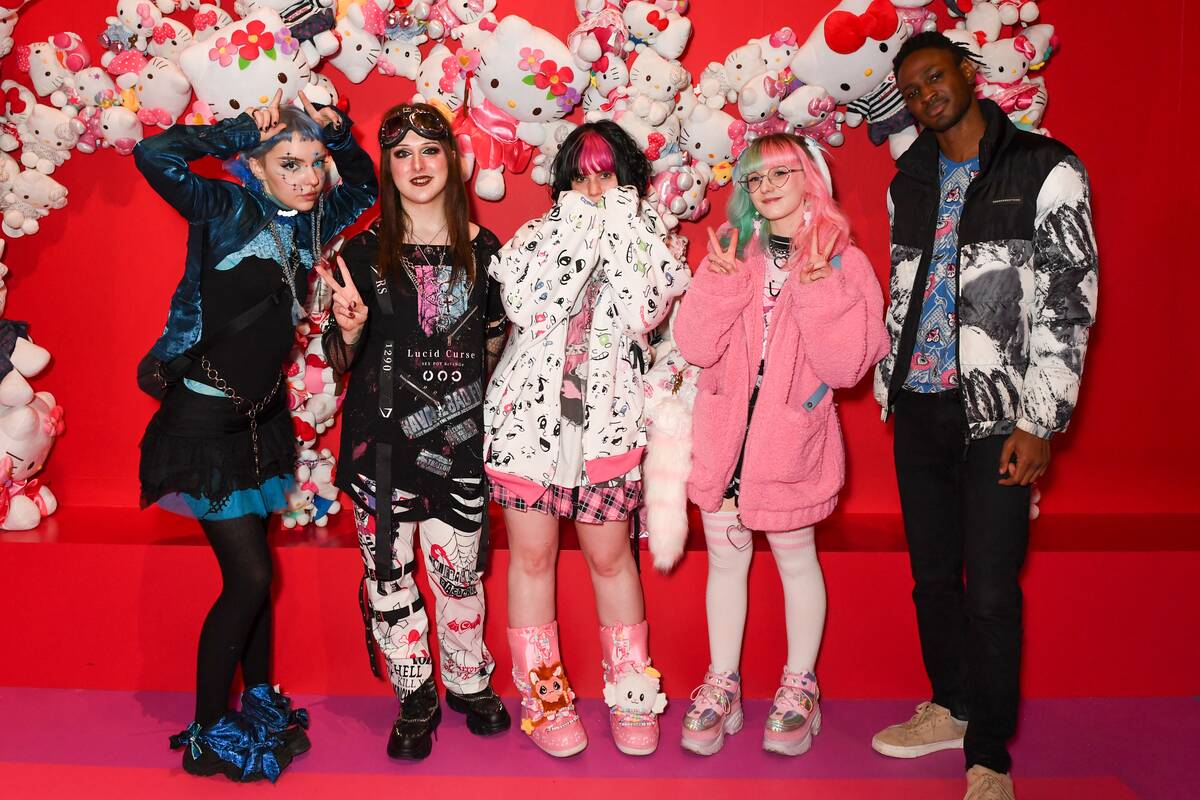
Globalization has turned the world into a linguistic melting pot, where languages interact and influence one another like never before. English, often seen as the global lingua franca, borrows words from languages worldwide, from ‘sushi’ to ’emoji’.
This cross-pollination enriches languages, making them more inclusive and expressive. As people and cultures blend, so too do their languages, creating a richer, more diverse linguistic landscape that reflects our interconnected world.
Technology Boom: Digital Communication and Linguistic Shifts

The technology boom has revolutionized the way we communicate, introducing new words and altering language usage. Emojis, abbreviations like ‘LOL’, and the informal tone of digital communication have redefined language norms.
This shift is not just about convenience; it reflects how language adapts to new media. Online platforms allow for instant communication across cultures, accelerating linguistic changes and creating a global dialogue that is as diverse as it is dynamic.
Social Media’s Role in Accelerating Language Change

Social media platforms have become catalysts for rapid language evolution, spreading new words and phrases at lightning speed. Hashtags, memes, and viral trends introduce and popularize slang and neologisms almost overnight.
Platforms like Twitter and TikTok allow users to experiment with language in creative ways, often leading to the widespread adoption of new linguistic trends. Social media’s global reach ensures that these changes are not confined to one region but have a worldwide impact.
The Influence of Pop Culture: Music, Movies, and New Words
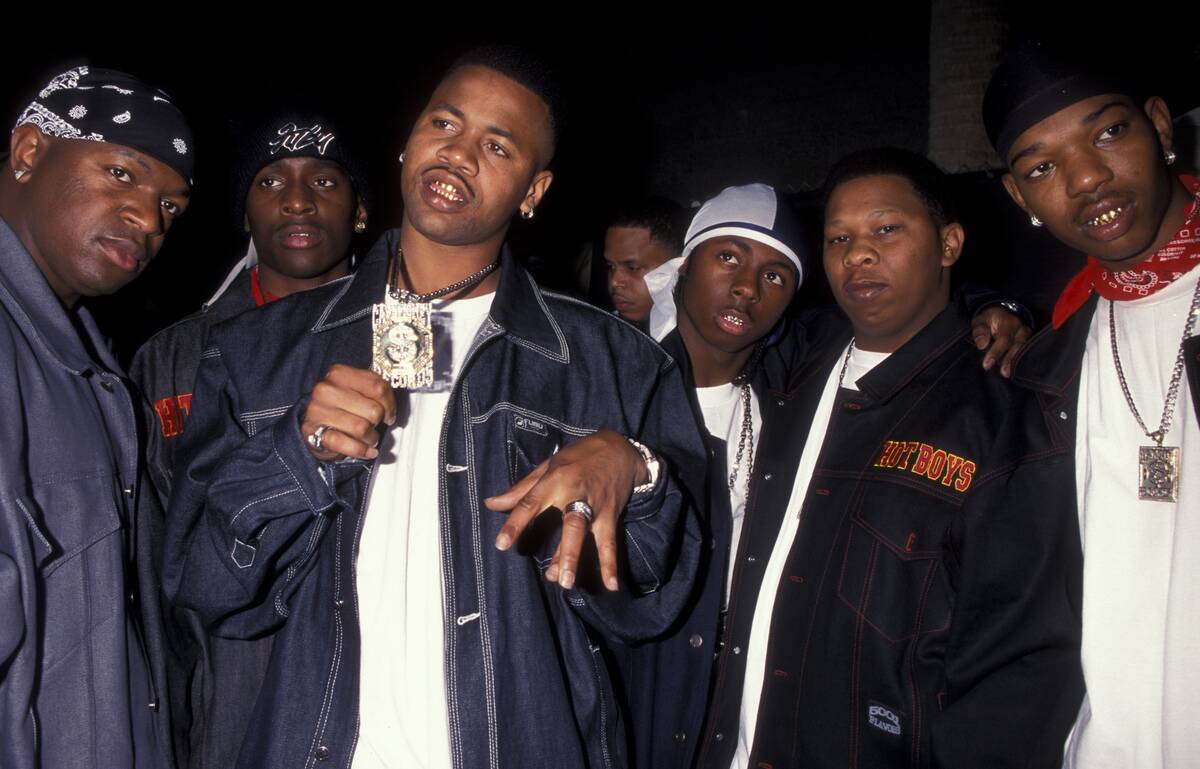
Pop culture is a powerful force in shaping language, as music, movies, and TV shows introduce new words and expressions. Lyrics from popular songs or catchphrases from hit movies often enter everyday language, illustrating how entertainment influences communication.
The global reach of pop culture means that these linguistic trends cross borders, introducing terms like ‘binge-watch’ and ‘stan’ into the lexicon. Pop culture keeps language fresh and relevant, constantly infusing it with new energy.
How Language Reflects Gender and Identity Evolution

Language plays a crucial role in reflecting and shaping gender and identity. As social awareness of gender diversity grows, language evolves to be more inclusive, introducing gender-neutral pronouns like ‘they’ for individuals.
The LGBTQ+ movement has also influenced language, with terms like ‘non-binary’ and ‘cisgender’ becoming more common. This linguistic evolution reflects society’s growing recognition and acceptance of diverse identities, highlighting language’s ability to adapt to social change.
Environmental Changes and the Language of Nature
Environmental changes have influenced language, particularly in how we discuss and understand nature. As climate change becomes a pressing issue, terms like ‘carbon footprint’ and ‘sustainability’ gain prominence in our vocabulary.
Indigenous languages often hold a wealth of knowledge about local ecosystems, offering unique perspectives on nature. Preserving these languages is crucial for maintaining a connection to the natural world and understanding the environmental challenges we face.
Language Preservation: Resisting Cultural Erasure

Language preservation is vital in resisting cultural erasure, as languages carry the histories and identities of the communities that speak them. Efforts to revitalize endangered languages, such as the Māori language revival in New Zealand, showcase the resilience of cultural identity.
Technology also plays a role, with digital archives and apps aiding in the preservation and teaching of minority languages. By valuing linguistic diversity, we help safeguard the cultural heritage of future generations.