Forgotten inventions from the renaissance that shaped today’s technology
The Renaissance era, often celebrated for its art and culture, was also a period of incredible technological advancements. While the works of Leonardo da Vinci and Michelangelo dominate discussions, the innovations of this era quietly laid the groundwork for modern technology.
From the printing press to the compass, each invention not only served its purpose but also sparked further advancements that shaped the future. Join us as we delve into these hidden gems of the Renaissance, where creativity and ingenuity knew no bounds.
The Advent of the Printing Press: More Than Just Books
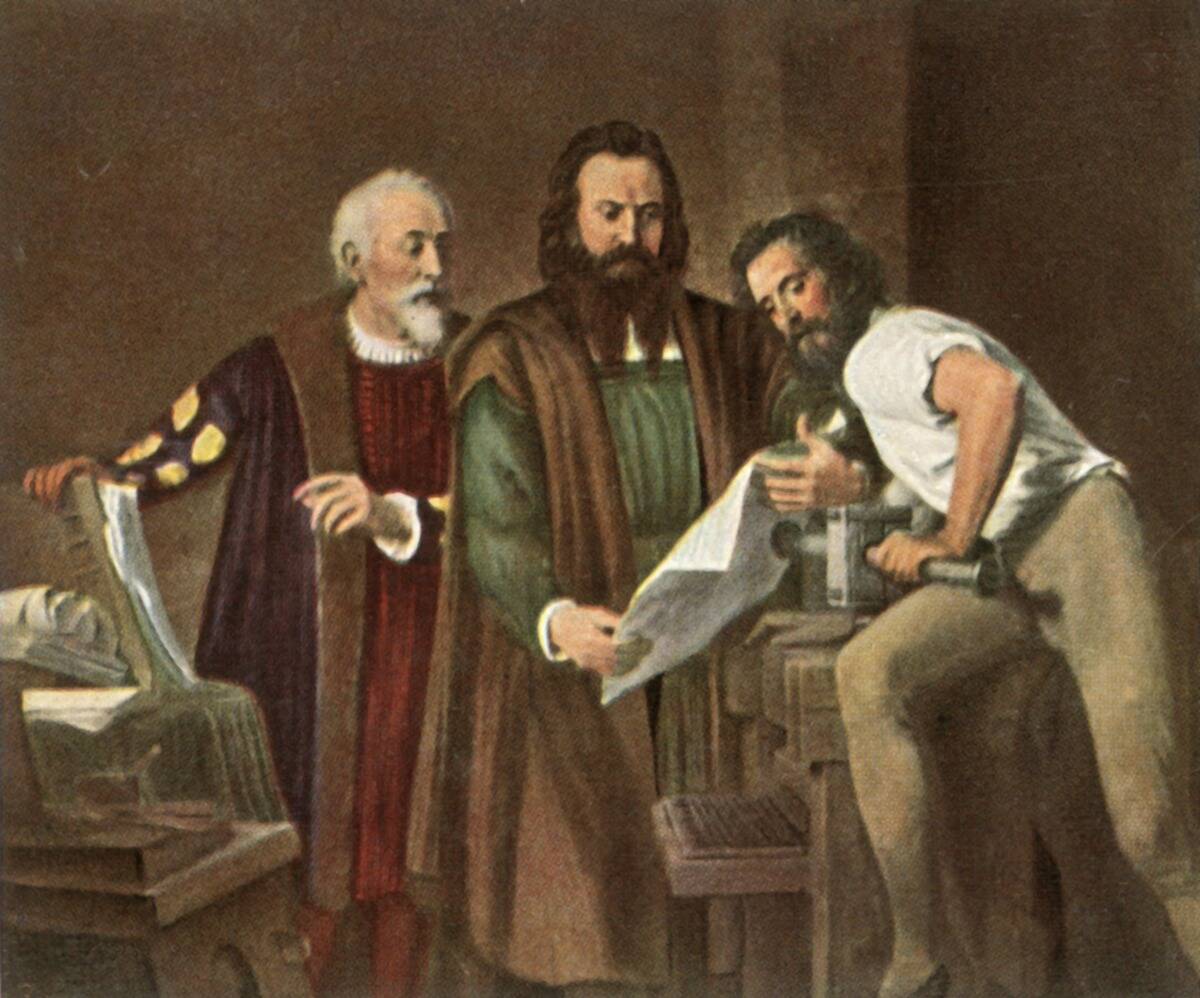
Johannes Gutenberg’s invention of the printing press around 1440 revolutionized the way information was disseminated. Before this, books were painstakingly hand-copied, making them a luxury few could afford.
The printing press democratized knowledge, making literature and scientific texts accessible to a wider audience. It’s interesting to note that the printing press also facilitated the spread of revolutionary ideas, contributing to significant societal shifts like the Reformation and the Enlightenment.
Spectacles and Vision: How Renaissance Eyewear Influences Today

The development of spectacles in the 13th century saw a renaissance of its own during the Renaissance. Early lenses were set into frames that rested on the nose, a design that has evolved but remains the foundation of modern eyewear.
With advancements during this period eyewear became an essential tool for scholars and artists. Today, the legacy of Renaissance spectacles lives on, as we continue to innovate with contact lenses and laser eye surgery.
The Parachute: Leonardo da Vinci’s Flight of Fancy Comes True
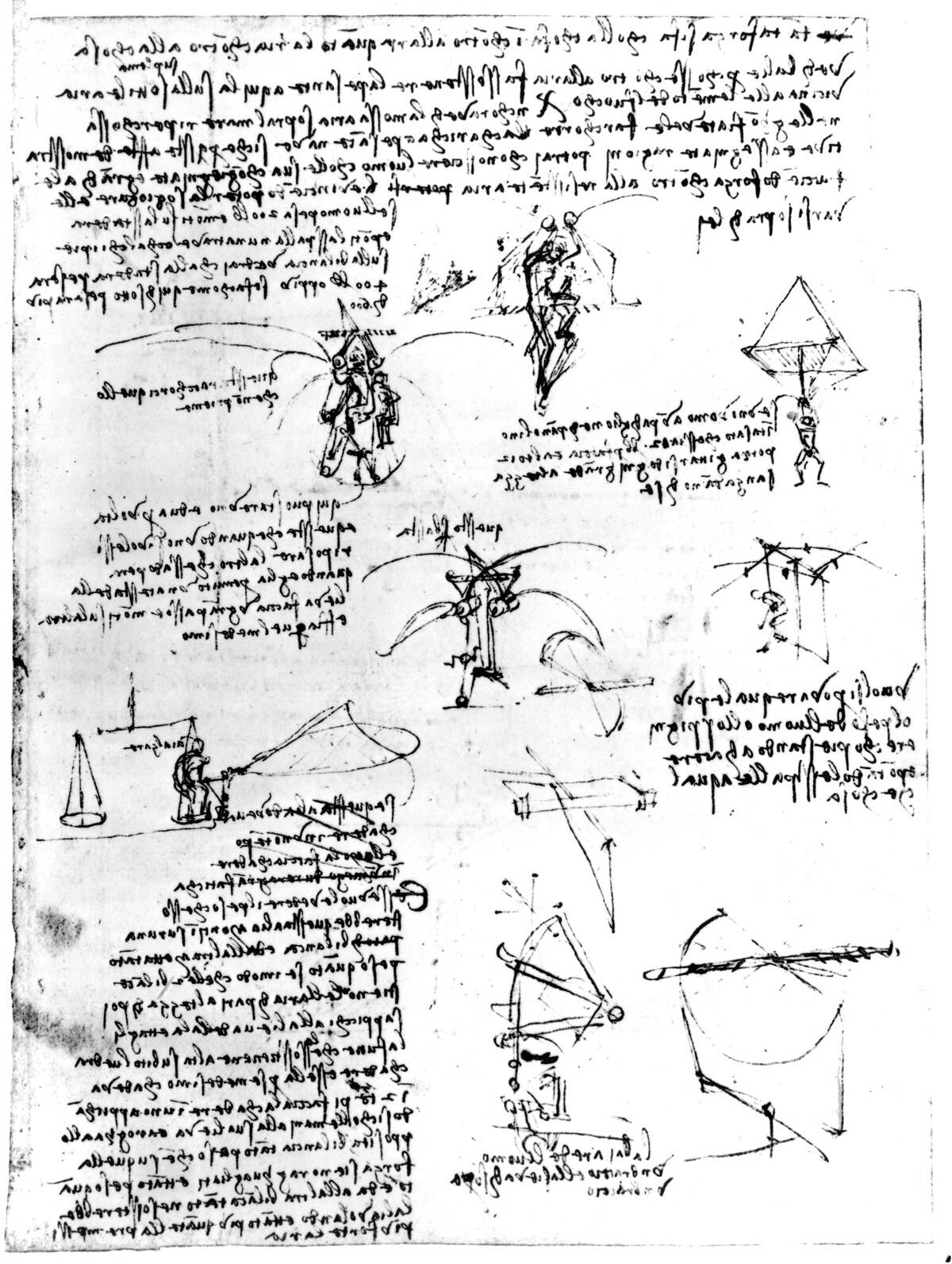
Leonardo da Vinci, the quintessential Renaissance man, sketched a design for a parachute in the late 15th century. His concept, a pyramid-shaped structure, was a precursor to modern parachutes. Though it wasn’t built during his lifetime, da Vinci’s design inspired future inventors.
In 2000, a parachute based on his sketches was successfully tested, proving that his forward-thinking ideas were not only visionary but also practical. This leap of imagination continues to influence aerodynamics today.
The Mechanical Clock: Timekeeping’s Evolutionary Leap
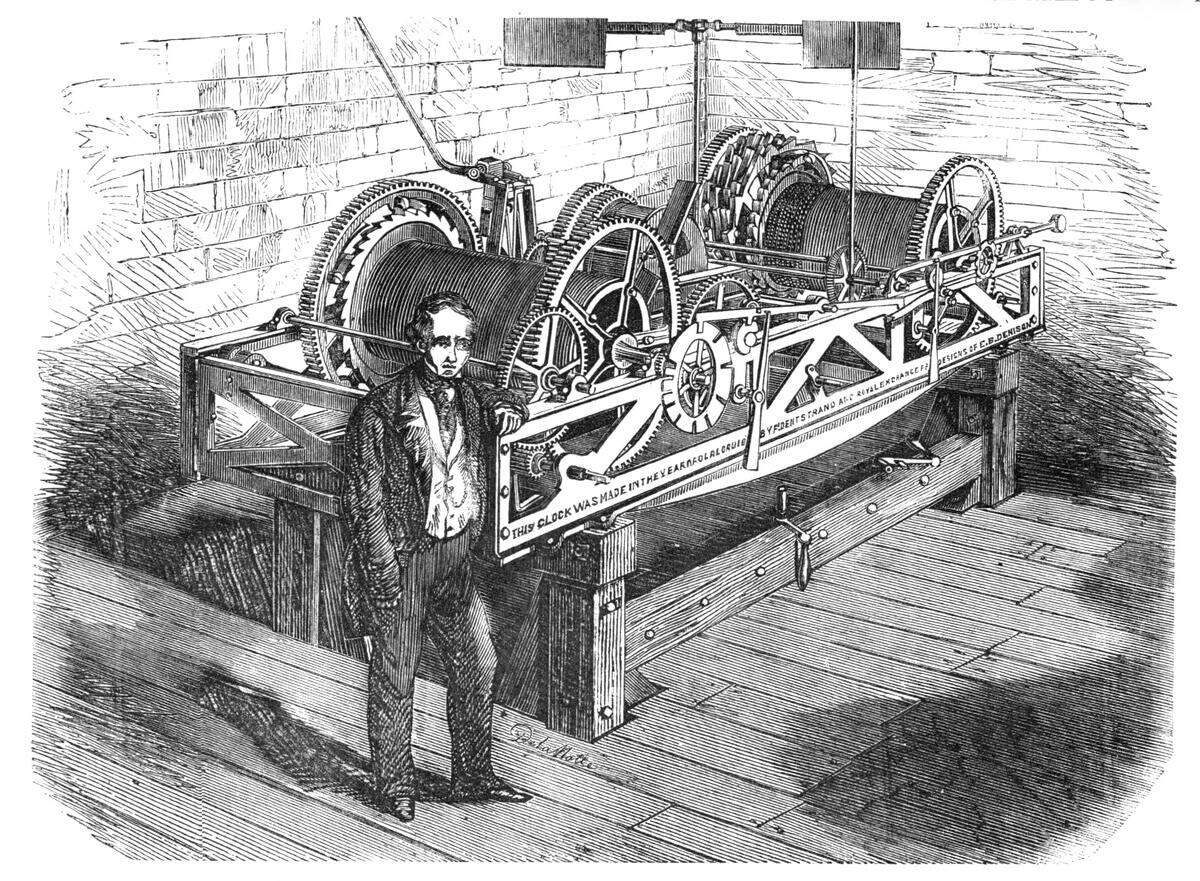
The mechanical clock emerged in the 14th century, bringing with it a new era of precision timekeeping. Unlike sundials or water clocks, mechanical clocks operated independently of natural cycles, allowing for more accurate time measurement.
This innovation was crucial for scheduling and organization in burgeoning cities. By the Renaissance, clocks had become a fixture in public spaces, symbolizing the growing importance of time in daily life—a legacy that persists in our clock-bound modern world.
The Microscope: Opening the Door to the Invisible World
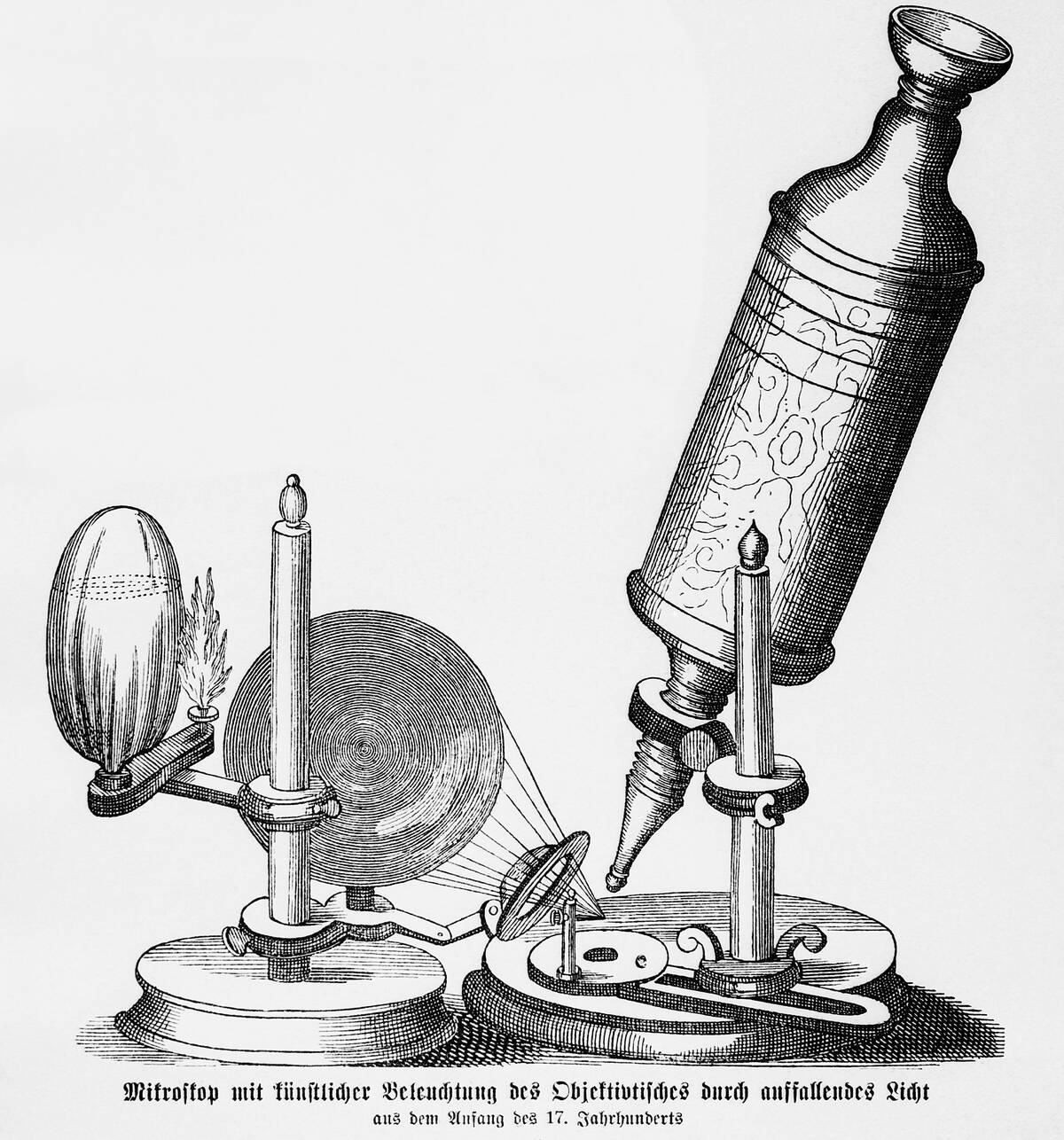
While the compound microscope was perfected in the 17th century, its roots can be traced back to the Renaissance. Early lenses and magnifying glasses were the stepping stones to this groundbreaking invention.
The microscope opened new frontiers in science, allowing for the discovery of microorganisms and advancing the study of biology. It’s fascinating to see how this humble invention from the Renaissance laid the foundation for modern medical and scientific research, continuing to reveal the hidden layers of our world.
The Flush Toilet: A Clean Break from the Past

Sir John Harington, a godson of Queen Elizabeth I, is credited with inventing the first flush toilet in 1596. Known as “Ajax,” this early design included a flush valve to release water and a wash-down system.
Although it took centuries for the flush toilet to become commonplace, Harington’s invention marked a significant step forward in sanitation and public health. Today, this essential amenity is a testament to the Renaissance’s forward-thinking approach to improving daily life.
The Concept of the Robot: Da Vinci’s Mechanical Knight
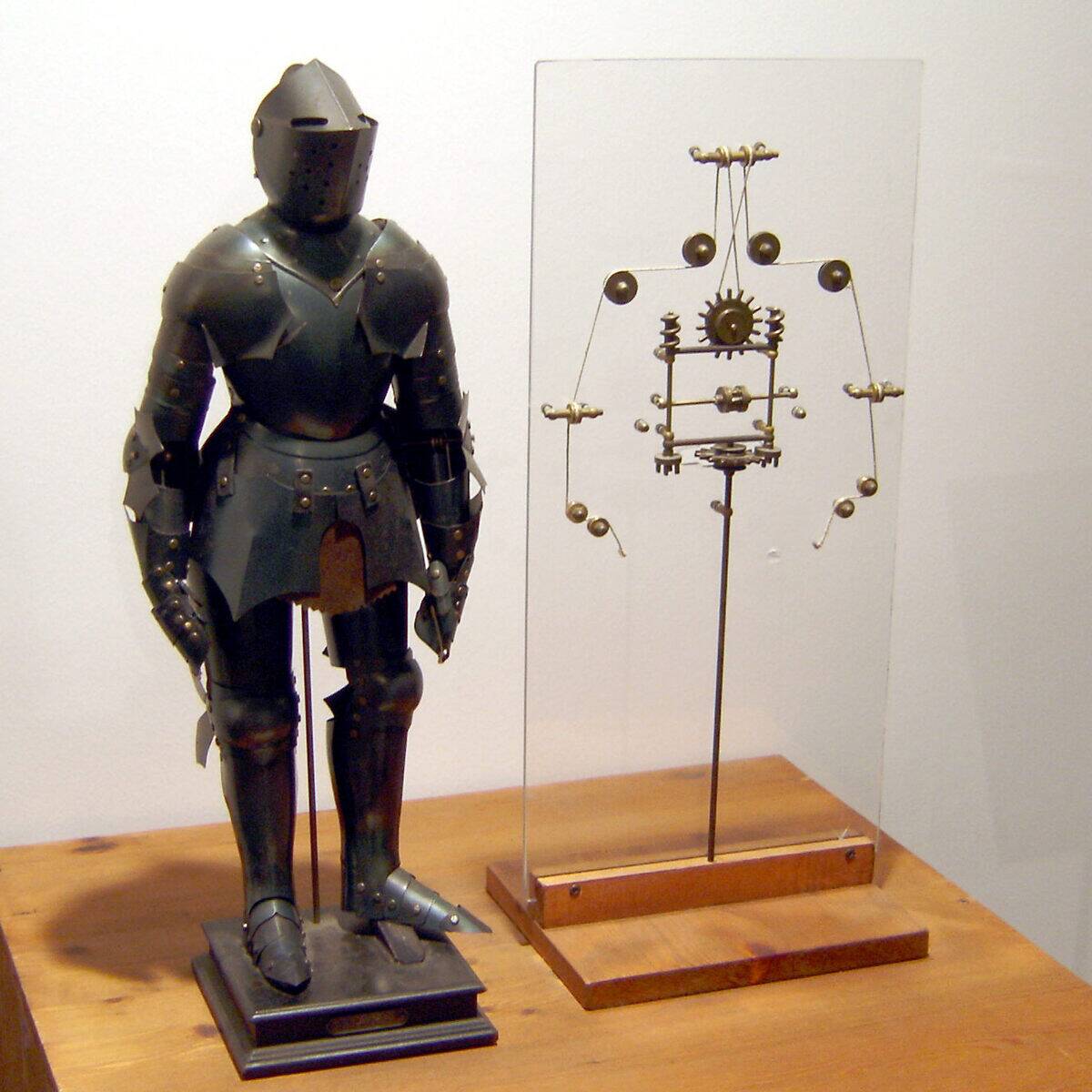
Leonardo da Vinci’s fascination with mechanics led him to design what is considered one of the earliest concepts of a robot. His mechanical knight, designed around 1495, was intended to sit, wave its arms, and even move its head.
While it was never built in his lifetime, modern reconstructions have shown that da Vinci’s plans were feasible. This early exploration of automation foreshadowed the complex robotics we see today, highlighting the timeless nature of da Vinci’s genius.
The Magnetic Compass: Steering the Course of Exploration and Beyond
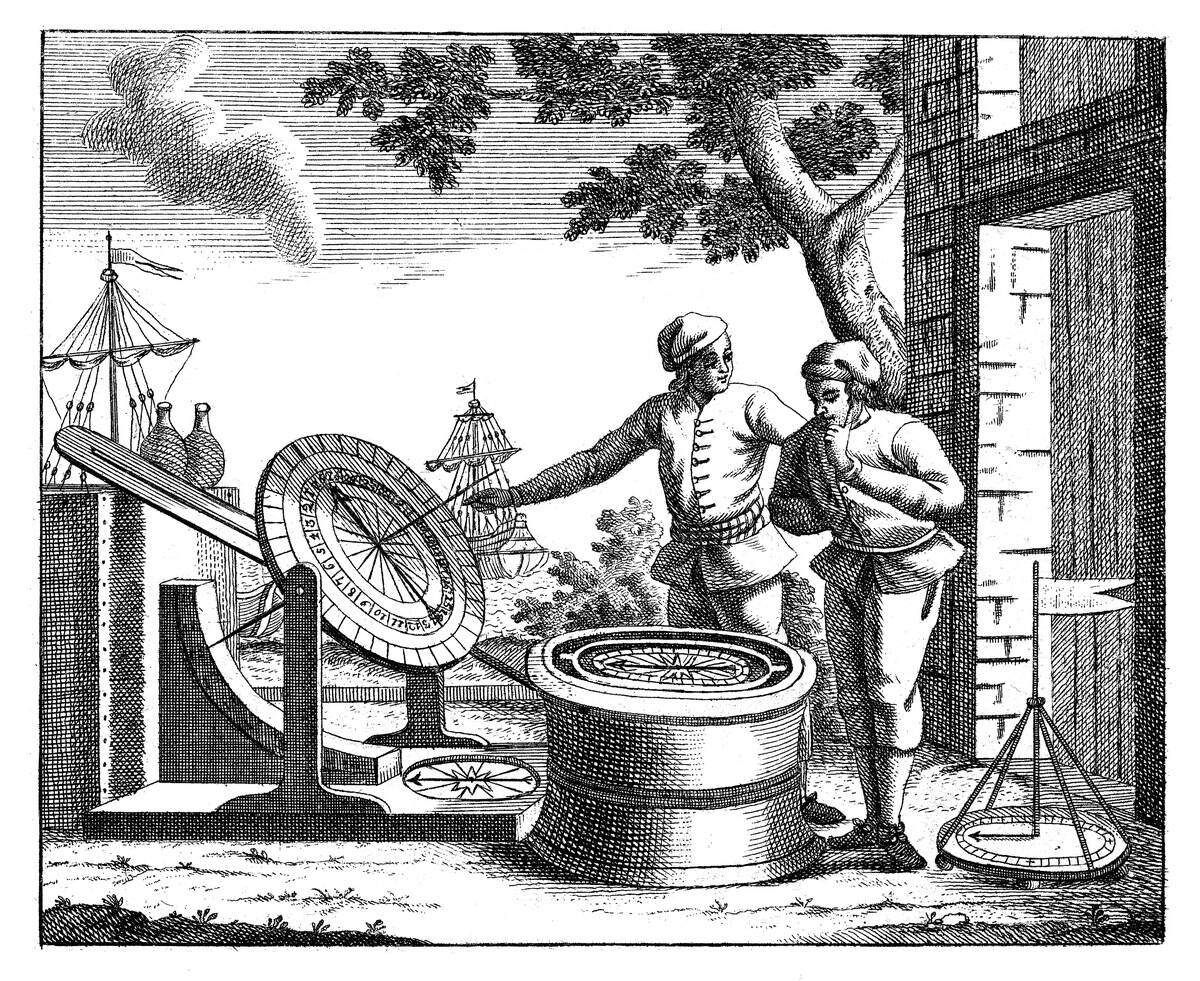
The magnetic compass, refined during the Renaissance, became an indispensable tool for navigators. By providing a reliable means to determine direction, it enabled the Age of Exploration and the discovery of new lands.
This innovation not only transformed maritime navigation but also had a profound impact on trade and cultural exchange. Today, while GPS technology dominates, the compass remains an enduring symbol of exploration and human curiosity, reminding us of its pivotal role in history.
The Violin: Strings of Innovation in Music and Acoustics
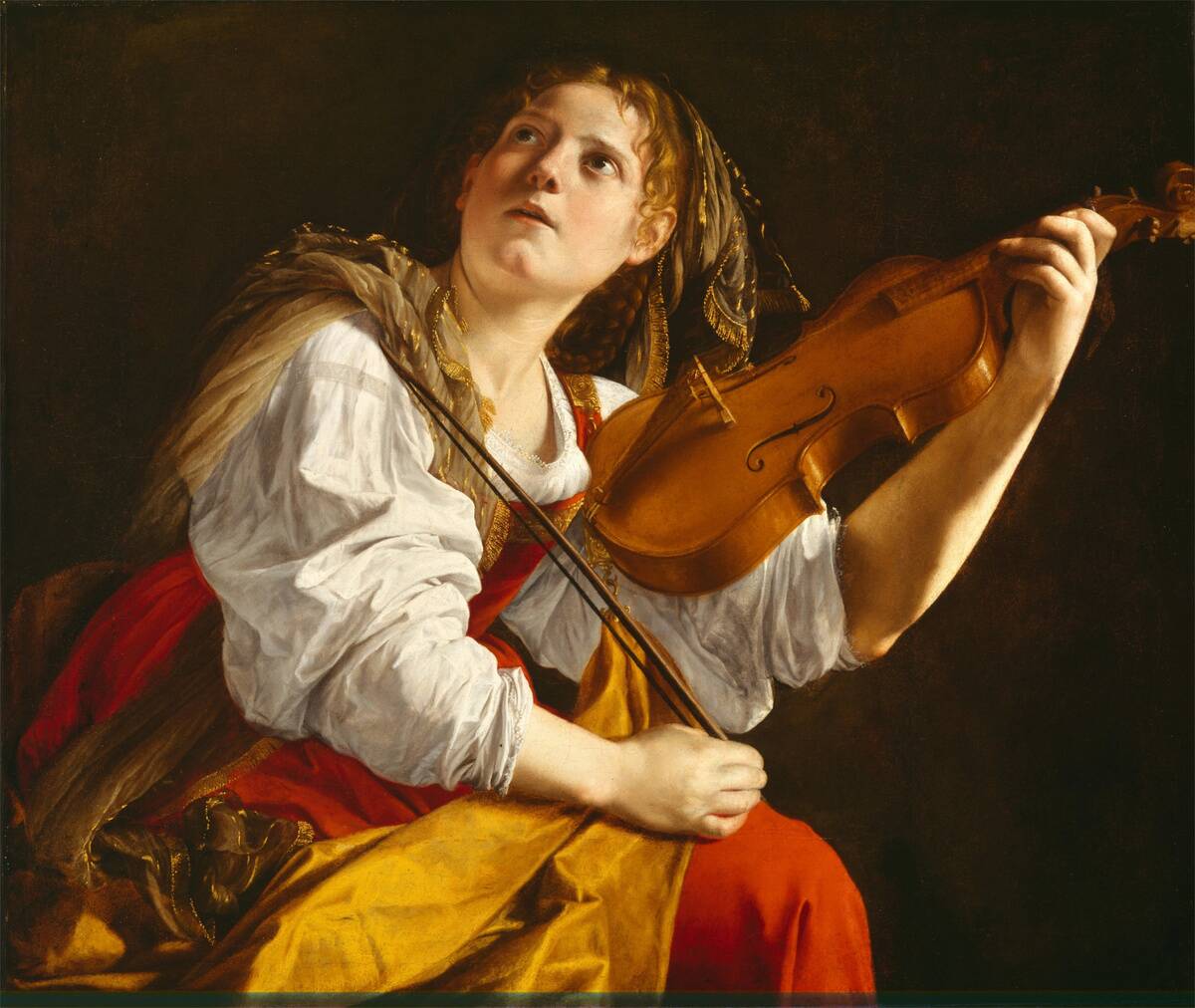
The violin, developed in the early 16th century, represents the Renaissance’s contribution to music and acoustics. Its design, credited to Italian craftsmen, allowed for unprecedented musical expression and versatility. The violin’s rich sound and dynamic range quickly made it a favorite among composers and musicians.
Even today, the violin holds a central place in both classical and contemporary music, its design largely unchanged, a testament to its timeless appeal and the enduring legacy of Renaissance craftsmanship.
The Diving Bell: Early Underwater Exploration Techniques
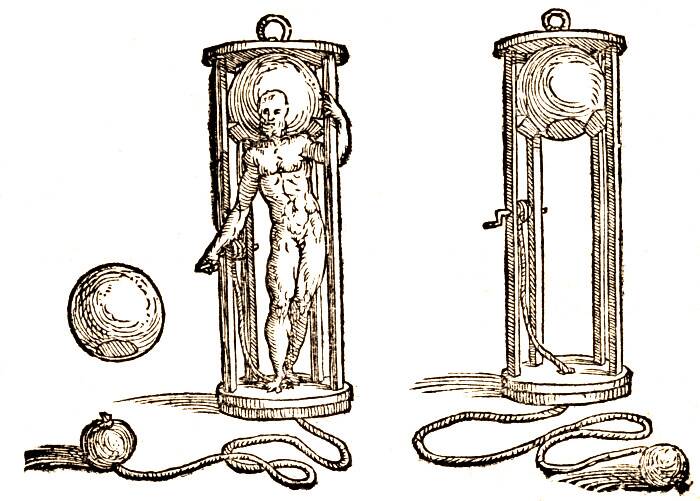
The diving bell, used for underwater exploration, saw significant advancements during the Renaissance. These early devices enabled humans to venture below the surface for extended periods, paving the way for modern diving technology.
The concept involved a large, open-bottomed chamber that trapped air, allowing divers to breathe while exploring underwater. While today’s diving equipment is far more sophisticated, the basic principles of the diving bell continue to inspire innovations in marine exploration and research.
The Cannon: Catalyzing Advancements in Weaponry and Engineering
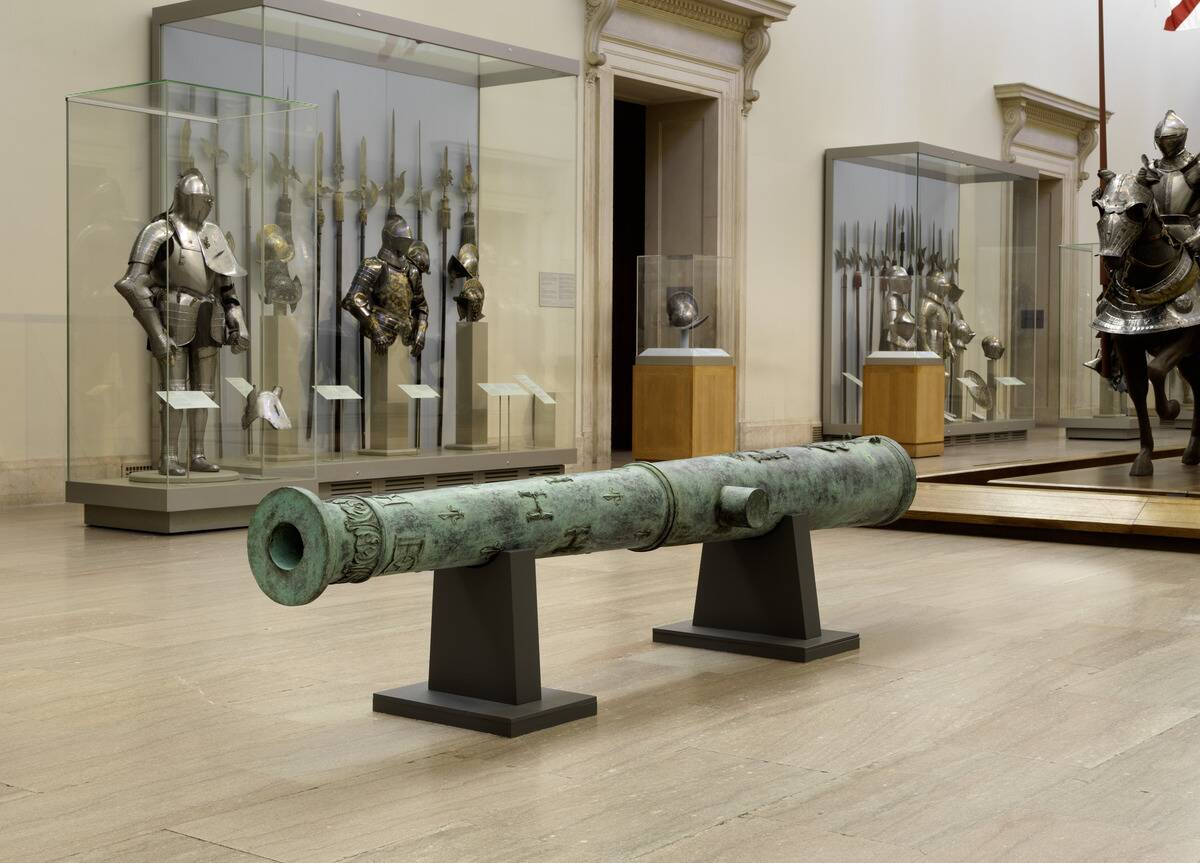
Cannons appeared before the Renaissance, but artillery greatly expanded and became strategically decisive in the 15th–16th centuries. Its ability to breach fortified walls changed the nature of warfare, leading to the development of new fortifications and tactics. The manufacturing and transport of cannons also spurred advancements in metallurgy and mechanical engineering.
Today, while weaponry has evolved, the cannon’s impact on military history and technology is undeniable, reflecting the Renaissance’s spirit of innovation in even the most destructive of inventions.
The Windmill: Harnessing Wind Power for Sustainable Solutions
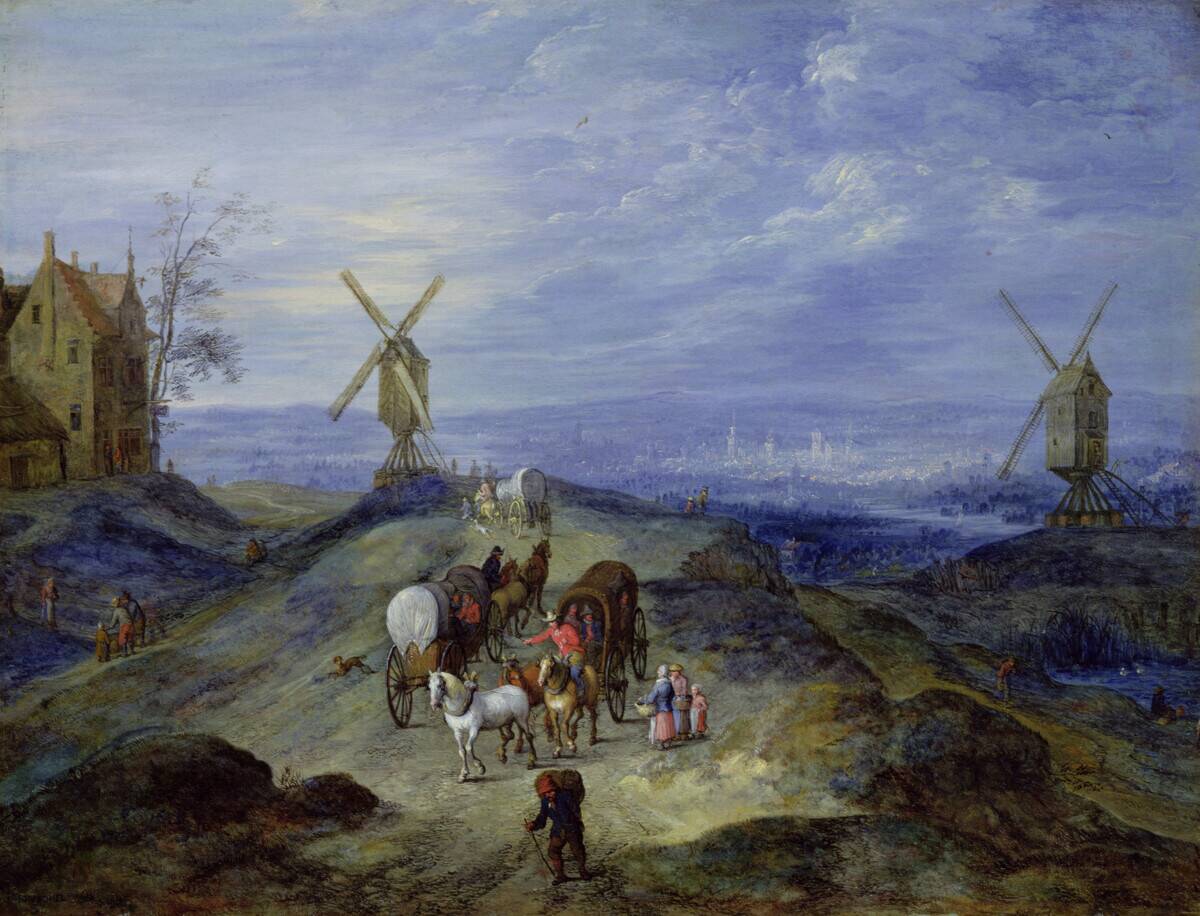
The windmill, refined during the Renaissance, served as a vital source of power for grinding grain and pumping water. Its design improvements during this period enhanced efficiency and adaptability. The principles of harnessing wind power laid the foundation for modern wind turbines, which are central to sustainable energy strategies.
As we face global energy challenges, the windmill stands as a symbol of the Renaissance’s innovative spirit, showing how historical ingenuity can guide future solutions.




