The exact ways radio changed news, music, and politics in the 1900s
The 1900s were a time of immense change, and radio was at the heart of it all. It transformed how people received news, enjoyed entertainment, and connected with the world around them.
Before radio, communication was limited to print, but this new medium brought information directly into homes, creating a more informed and connected society. It was the era where voices traveled through airwaves, captivating audiences and altering the landscape of media forever.
The Dawn of Radio: A New Era of Communication
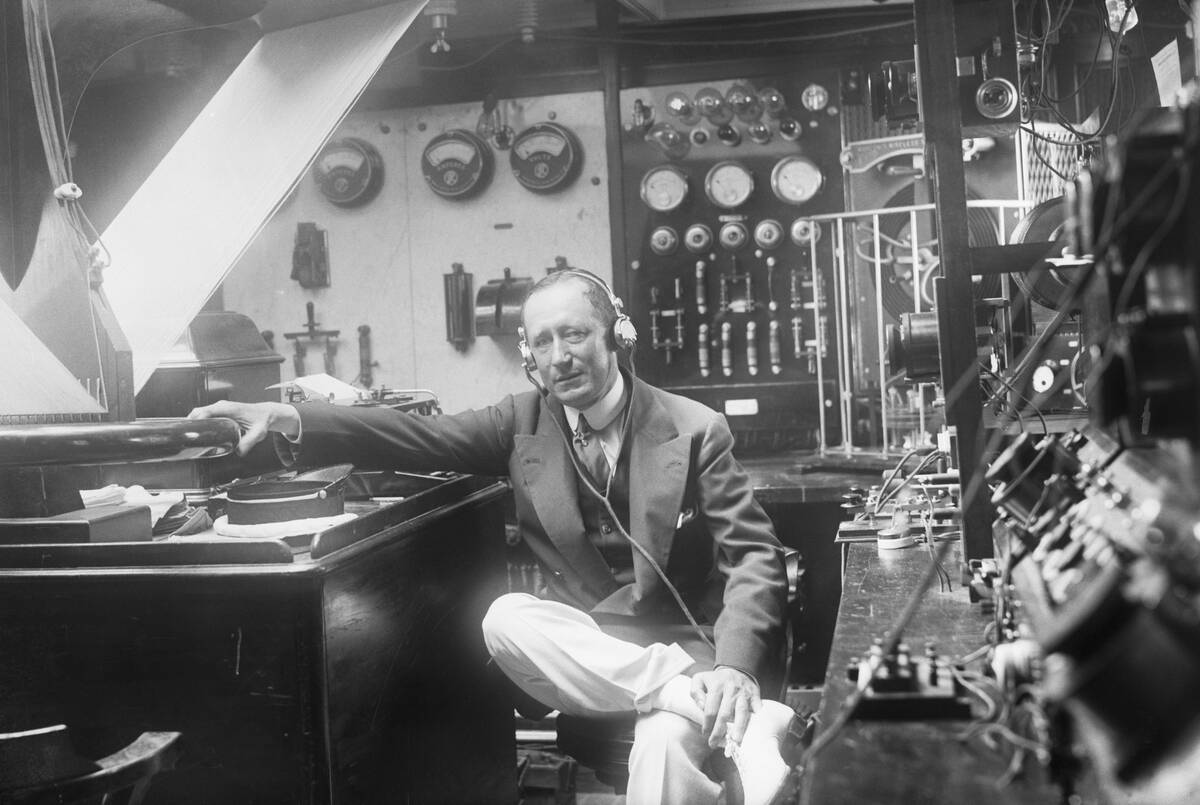
The birth of radio communication can be traced back to the late 19th century, but it was in the 1920s that radio truly began to flourish. Guglielmo Marconi, often credited as the inventor of radio, made significant strides in wireless technology.
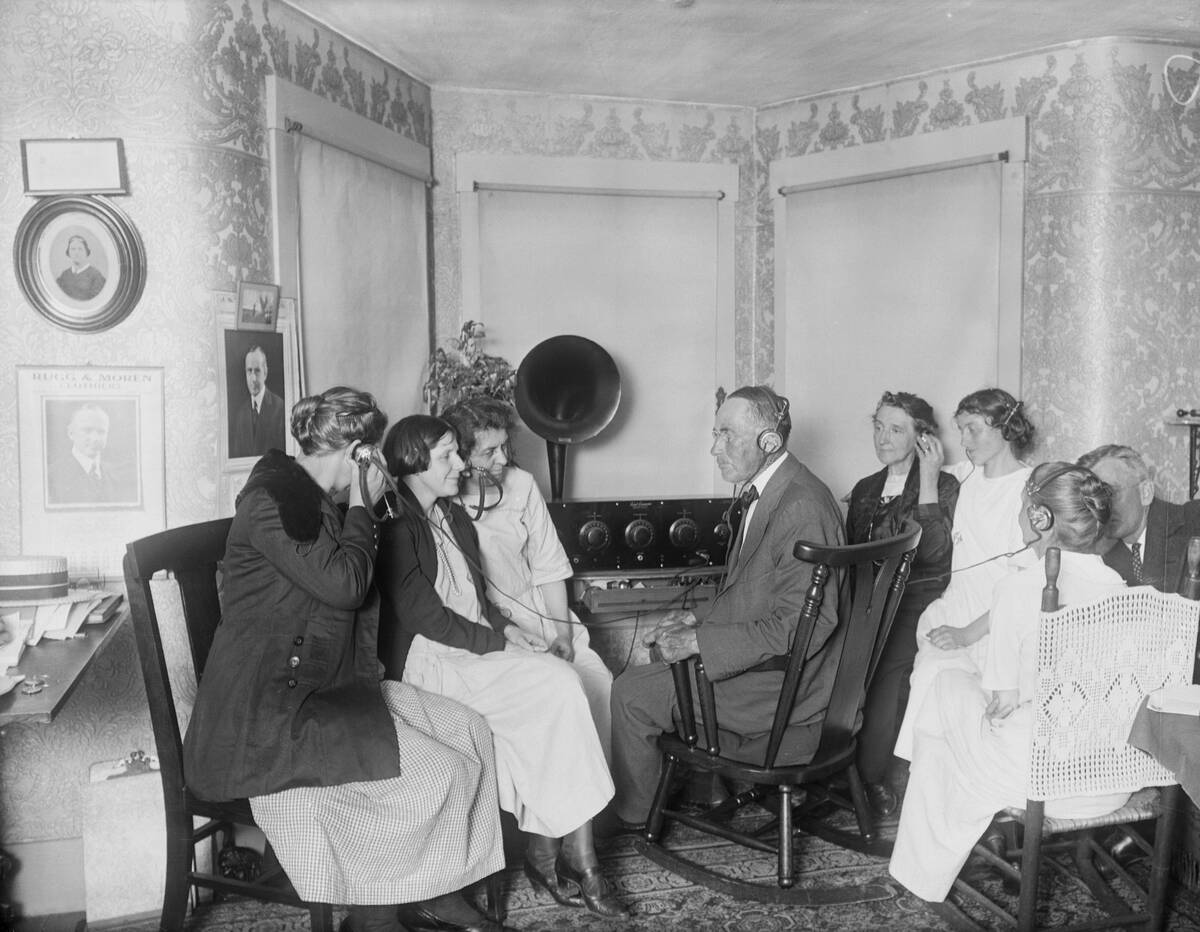
By the 1920s, radio stations began emerging, and families gathered around their sets to listen to broadcasts. This new technology revolutionized communication, making it possible to reach vast audiences instantaneously.
Radio’s Role in Democratizing Information

Radio played a critical role in democratizing information by making news and entertainment accessible to a broader audience. No longer confined to newspapers or books, information was now available to people of all literacy levels.
This accessibility helped bridge the gap between different socio-economic groups, providing everyone with the same news and cultural experiences. Radio became a powerful tool for education and awareness, leveling the playing field in the realm of information.
Breaking News: The Birth of Instant Updates
Before radio, news was often a day or more old by the time it reached the public. Radio changed this with its ability to broadcast live events as they happened.
The first significant instance of radio’s instant news capability was during the 1920 presidential election, when results were broadcast live for the first time. This immediacy transformed how the public engaged with current events, setting the stage for the 24-hour news cycle we know today.
Fireside Chats: FDR’s Radio Revolution in Politics
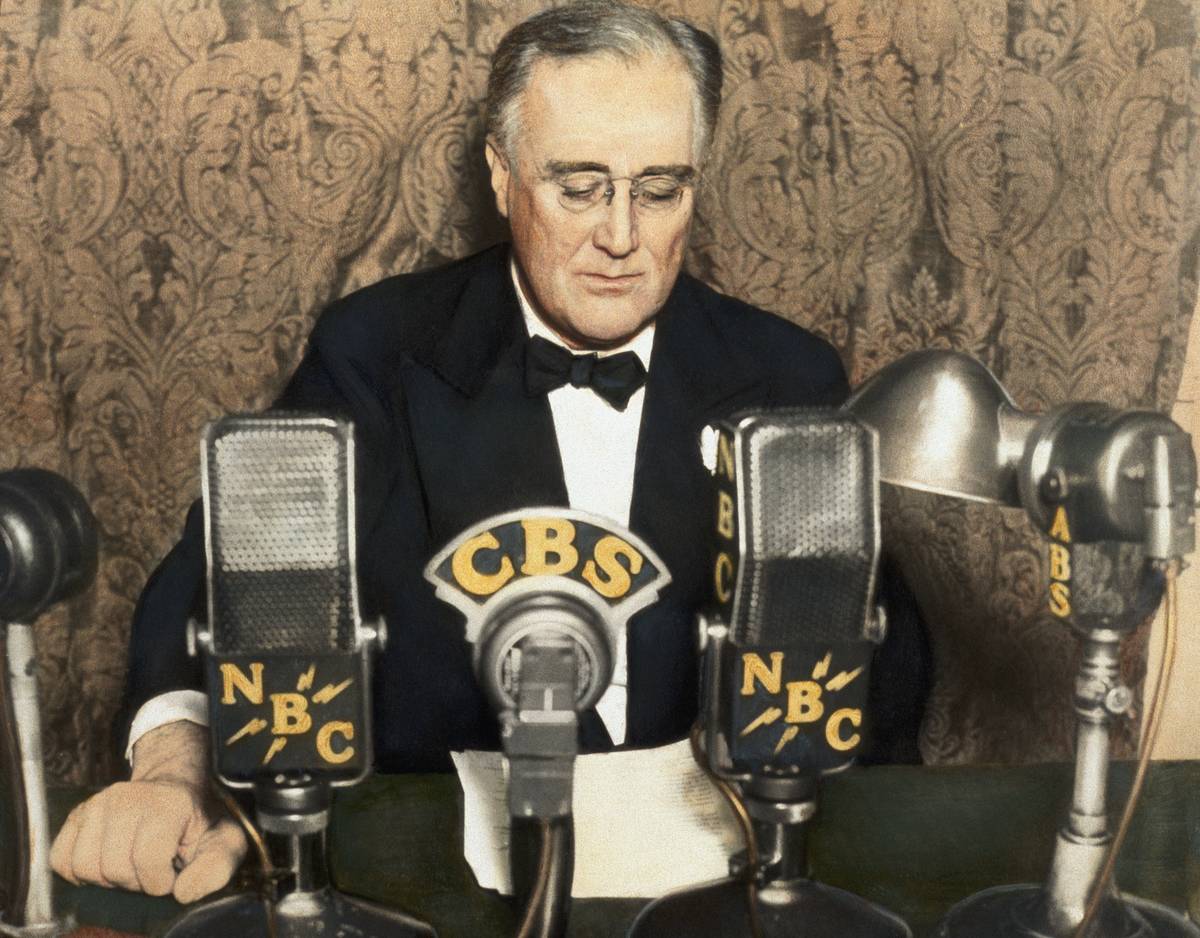
President Franklin D. Roosevelt’s Fireside Chats are a famous example of radio’s impact on politics. Beginning in 1933, FDR used these informal radio addresses to communicate directly with the American public.
His calm, reassuring voice helped restore confidence during the Great Depression and World War II. These chats were a masterclass in using radio to create a personal connection with listeners, showcasing the medium’s potential to influence public opinion and policy.
Radio’s Influence on Political Campaigns and Elections
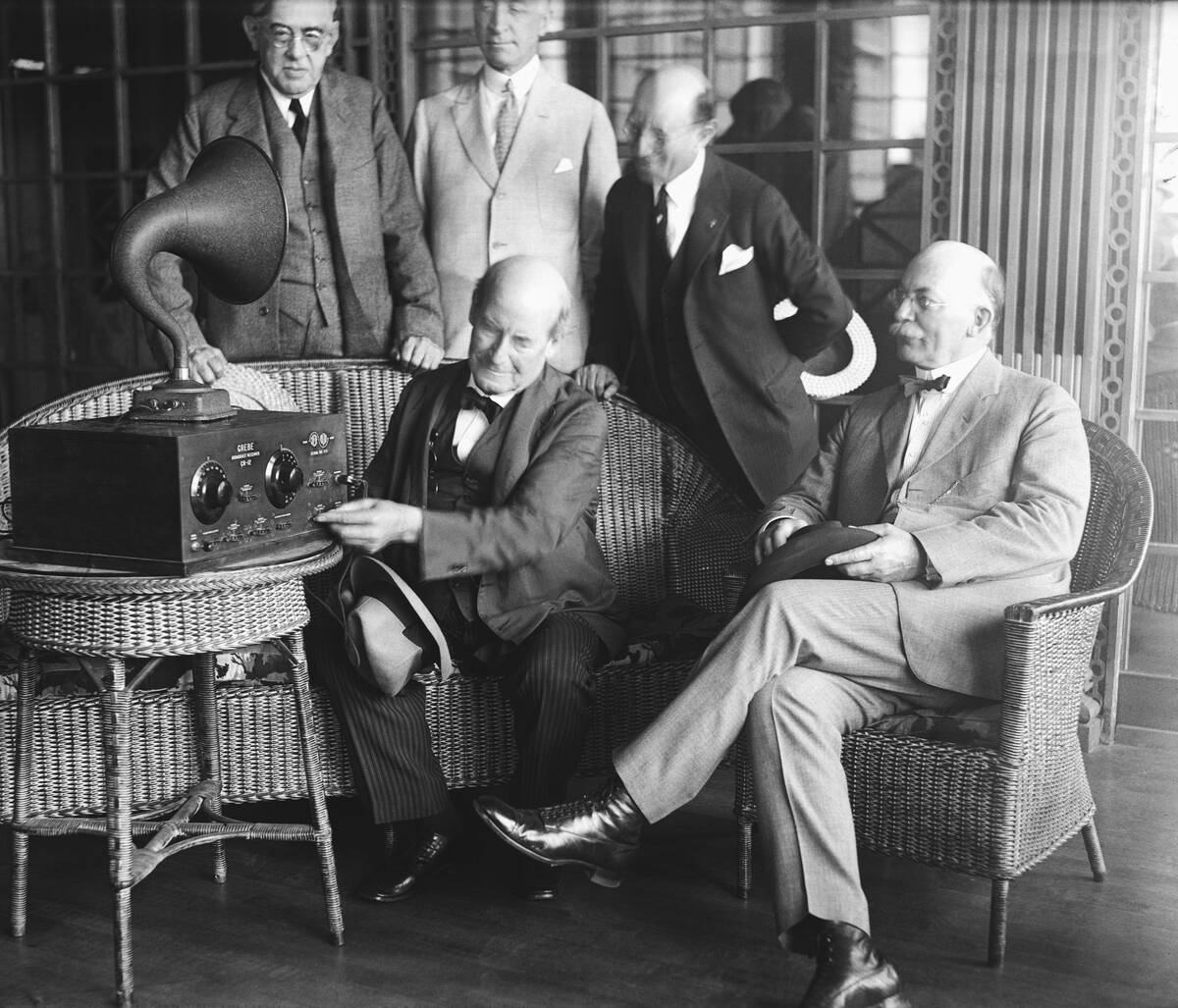
Radio transformed political campaigns by allowing candidates to reach millions of voters directly. It provided a platform for politicians to articulate their platforms and engage with the electorate in real-time.
The 1924 presidential election was the first to feature campaign speeches broadcast over radio, marking a shift in how candidates communicated with the public. This direct line to voters made radio an indispensable tool in the political arena, setting the stage for modern campaign strategies.
The Golden Age of Radio: Entertainment Takes Center Stage
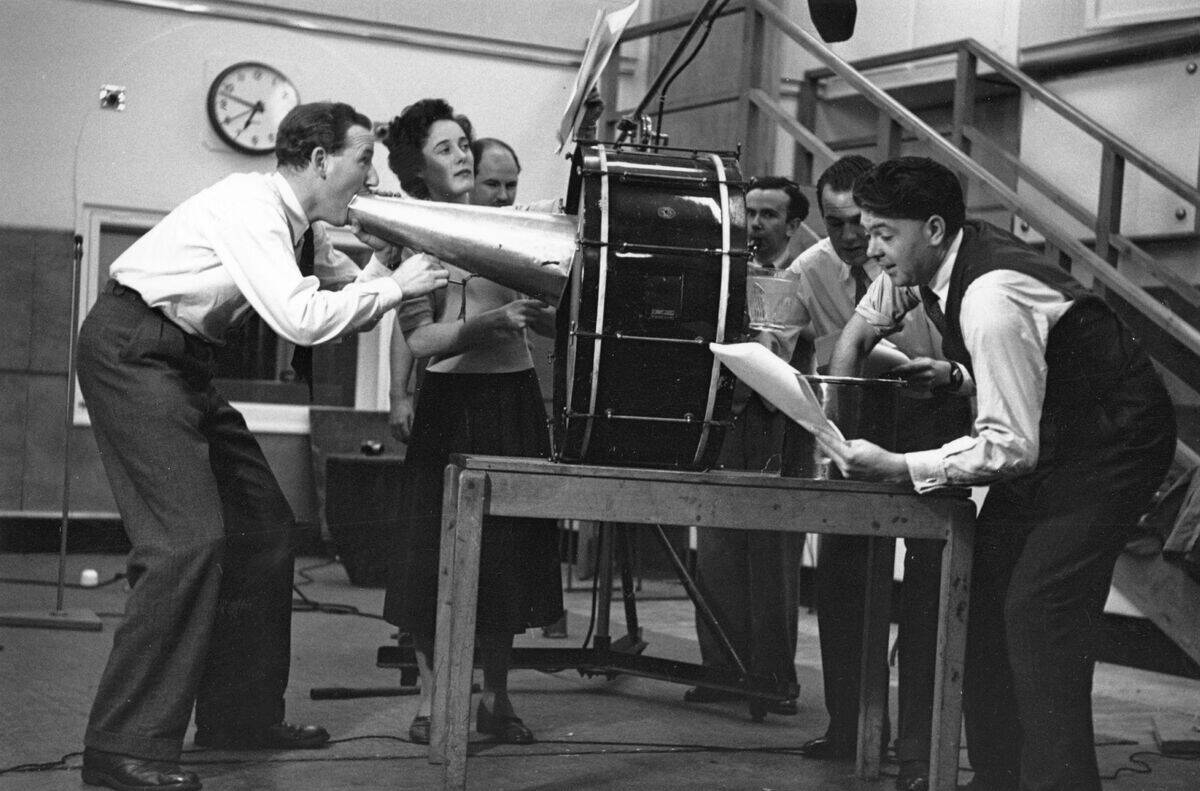
The 1930s and 1940s marked the Golden Age of Radio, a period when radio was the primary source of entertainment for many households. Families would gather around their radios to listen to a wide range of programming, from comedies and dramas to variety shows and live music.
This era saw the rise of iconic shows like The Shadow and The War of the Worlds, which captivated audiences with their storytelling prowess. Radio became a cultural staple, shaping the entertainment landscape for decades.
Music on the Airwaves: A New Platform for Artists
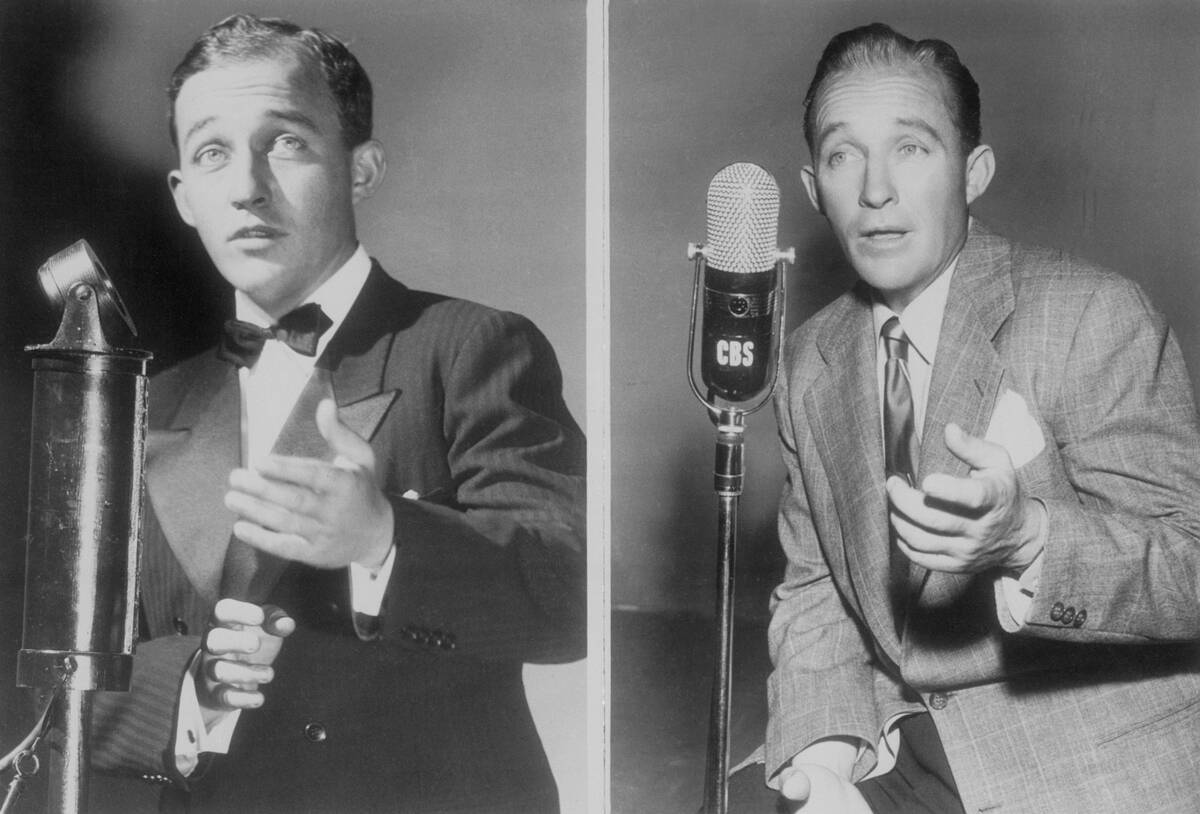
Radio provided musicians with a new platform to reach audiences far beyond their local venues. Artists like Bing Crosby and Frank Sinatra became household names thanks to their frequent radio appearances.
This era also saw the rise of musical genres like jazz and swing, which gained popularity through radio broadcasts. Radio stations played a crucial role in promoting new music and artists, influencing musical tastes and trends across the nation.
The Rise of Radio DJs: Curators of Sound
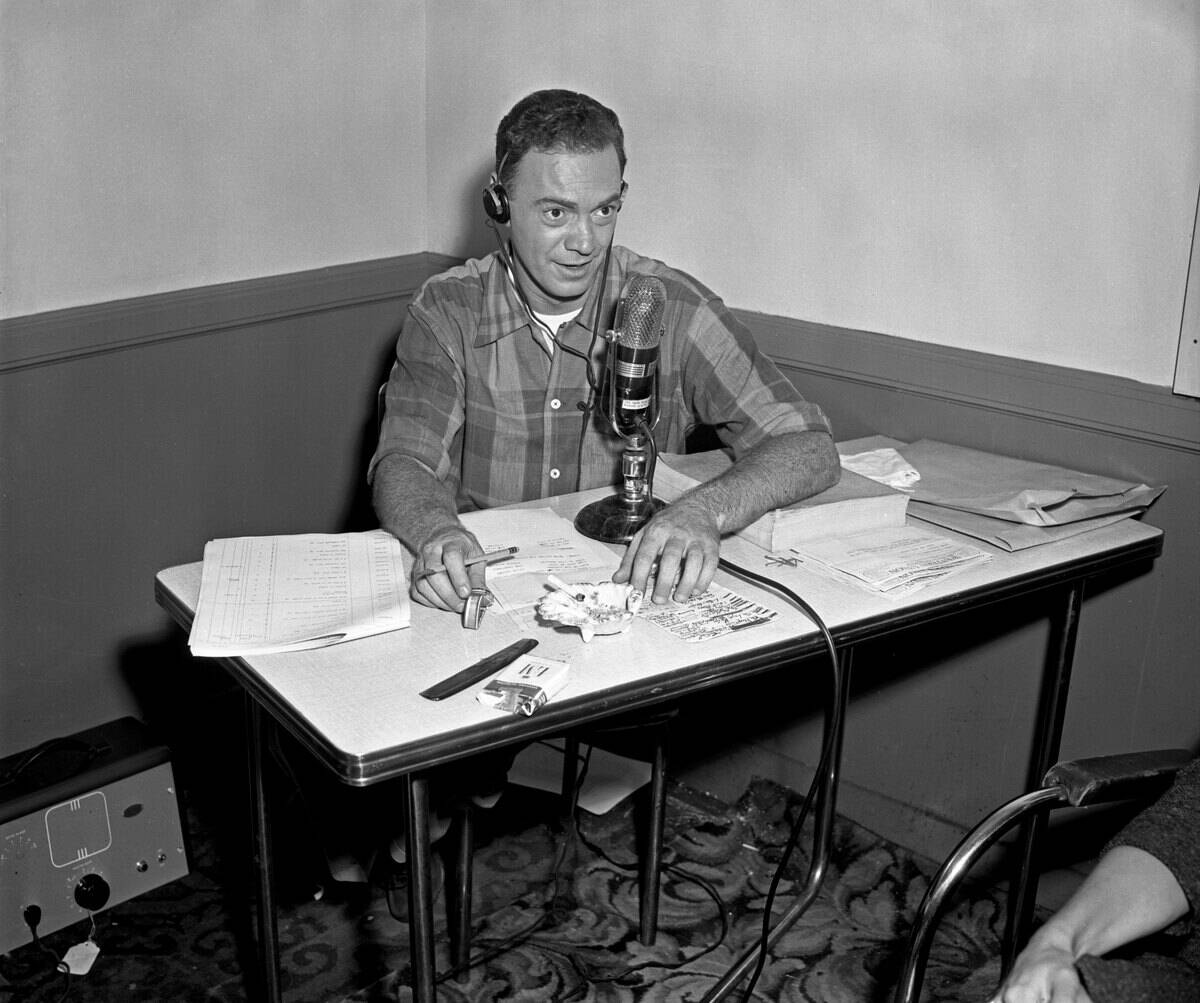
With the growth of music on the radio came the rise of the radio DJ, a new breed of personality who curated playlists and connected with listeners. DJs like Alan Freed helped popularize rock and roll, introducing audiences to new sounds and artists.
They became influential tastemakers, shaping musical preferences and trends. The charisma and personality of these DJs made them beloved figures, turning radio into a more personalized medium.
Radio and the Harlem Renaissance: A Cultural Exchange
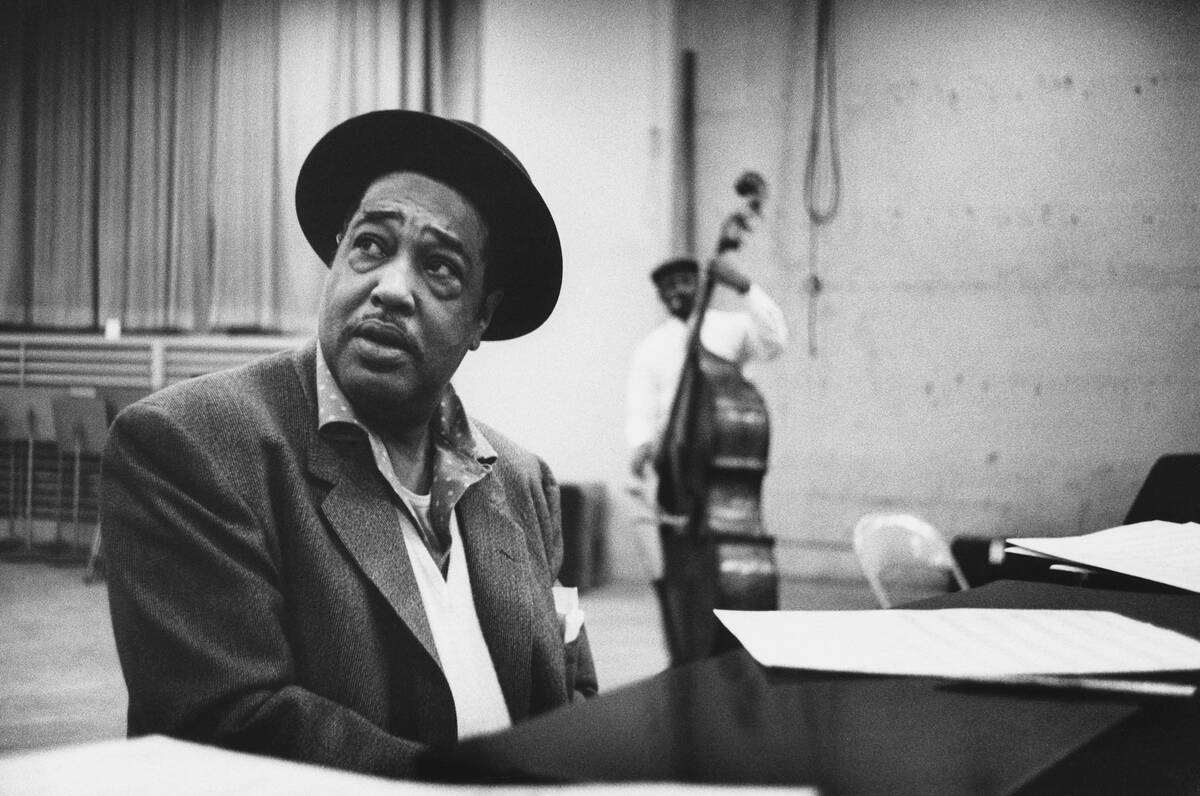
The radio played a pivotal role in the Harlem Renaissance by broadcasting jazz and blues to a wider audience. Artists like Duke Ellington and Louis Armstrong reached listeners nationwide through radio broadcasts, spreading African American culture and music.
This cultural exchange helped broaden exposure to African American music and culture and fostered greater appreciation for diverse art forms. Radio became a conduit for cultural dialogue, enriching the nation’s musical and cultural tapestry.
The Impact of Radio on World War II News Coverage
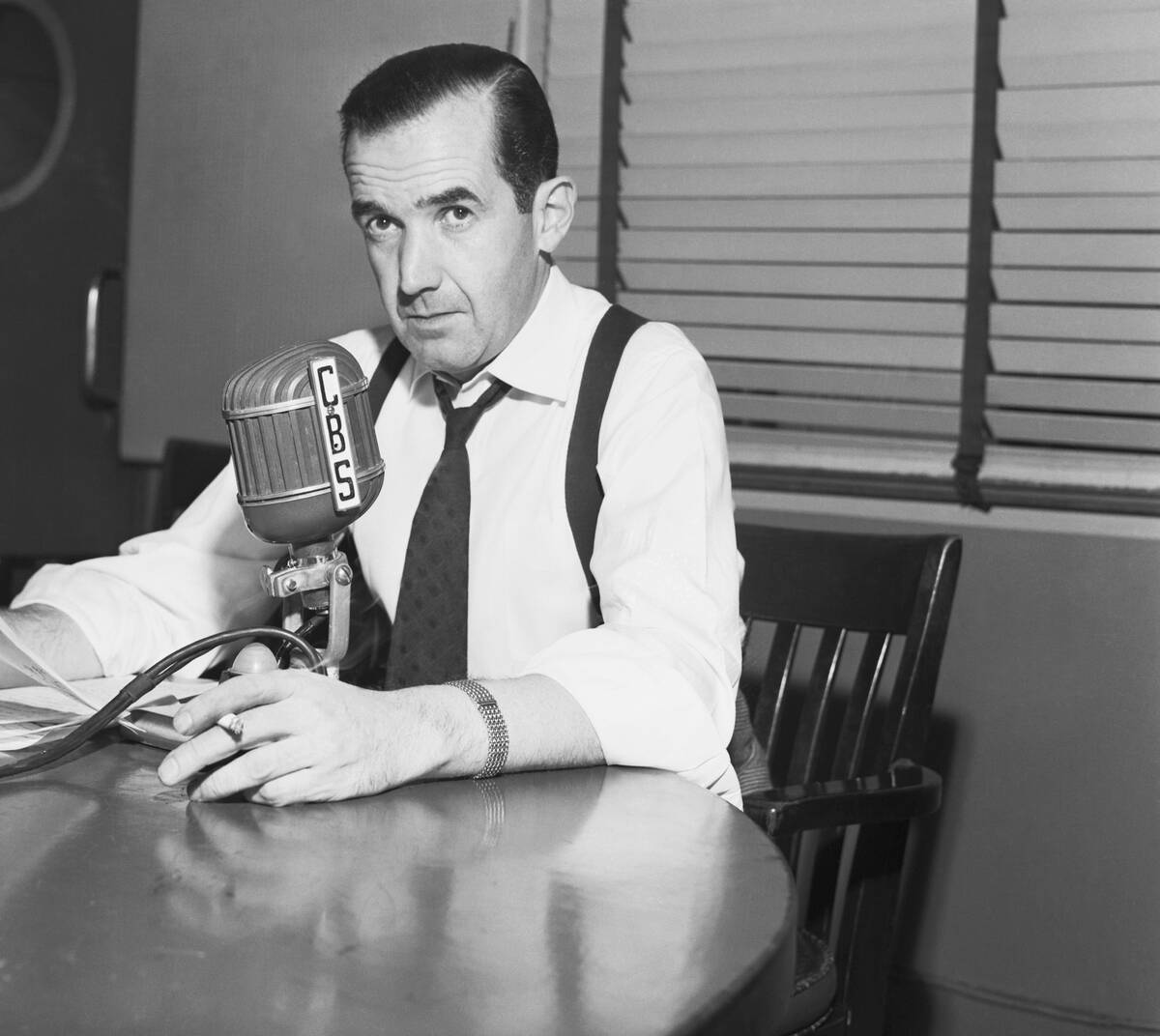
During World War II, radio was an essential tool for news coverage, bringing real-time updates from the front lines into people’s homes. Correspondents like Edward R. Murrow delivered reports from war zones, providing firsthand accounts of the conflict.
These broadcasts kept the public informed and engaged, fostering a sense of unity and shared purpose. Radio’s immediacy and reach made it an invaluable resource for wartime communication, shaping public perception of the war effort.
Radio’s Role in Shaping Public Opinion and Propaganda
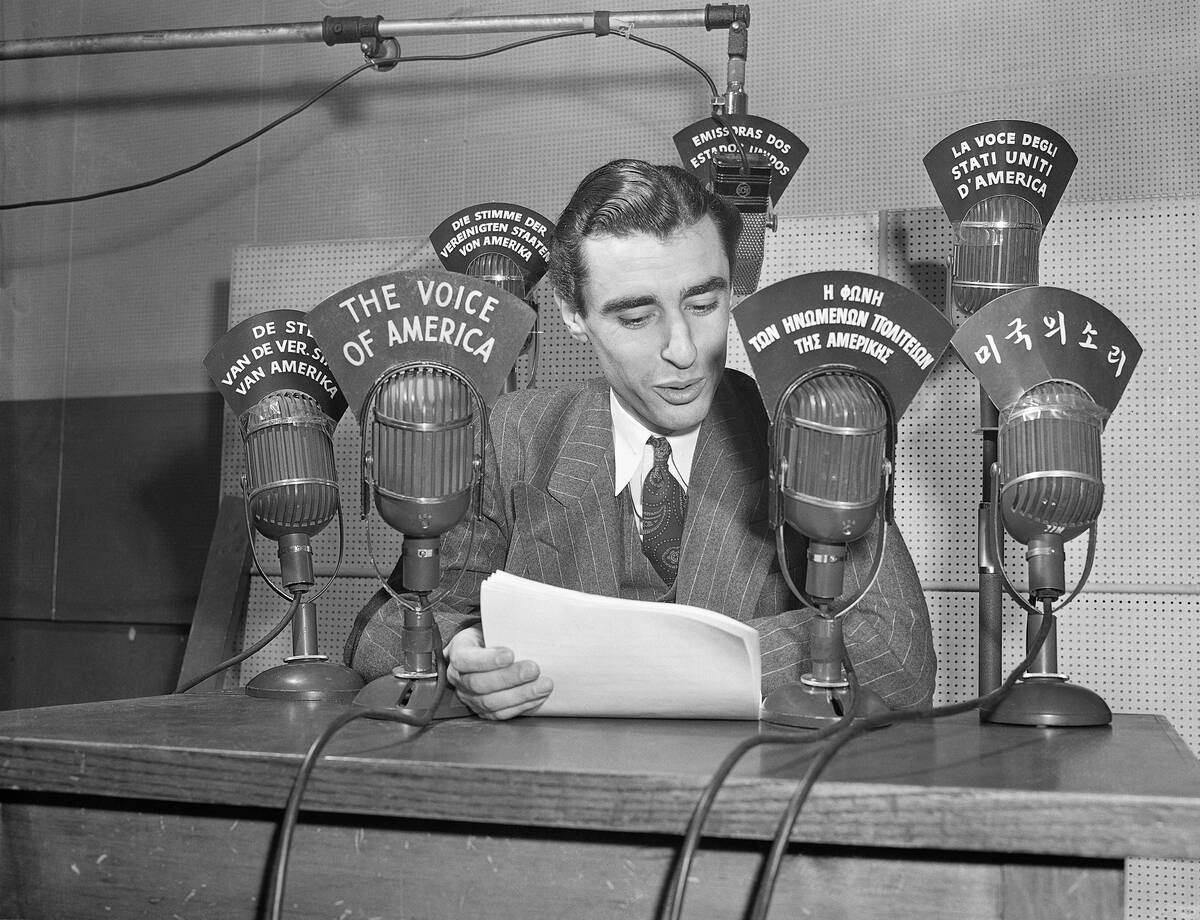
Radio was a powerful tool for shaping public opinion, with governments using it for propaganda during wartime. In the United States, programs like Voice of America broadcast news and cultural content primarily to foreign audiences to counter enemy propaganda and influence international opinion.
Meanwhile, Axis powers used radio to disseminate their own messages. The ability to reach mass audiences made radio an effective medium for persuasion and ideological influence, highlighting its significance in the battle for hearts and minds.
The Evolution of Radio Technology: AM to FM
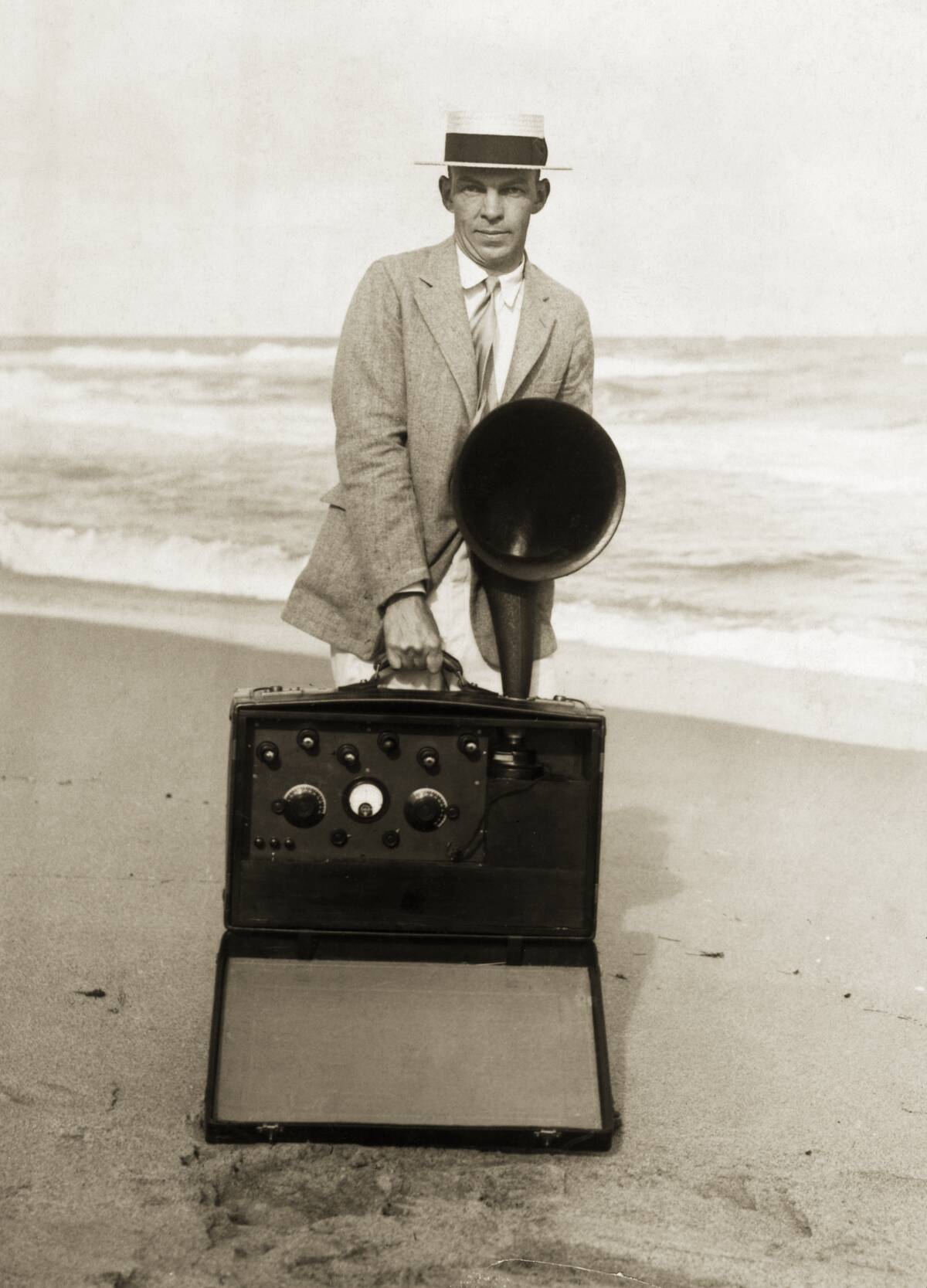
Radio technology evolved significantly from its early days, with the transition from AM to FM broadcasting being a key development. FM radio, introduced in the 1930s by inventor Edwin Armstrong, offered clearer sound and reduced interference compared to AM.
This innovation led to a surge in music programming, as FM’s superior audio quality enhanced the listening experience. The shift to FM marked a new chapter in radio broadcasting, expanding its appeal and reach.
The Birth of Radio Dramas and Comedies
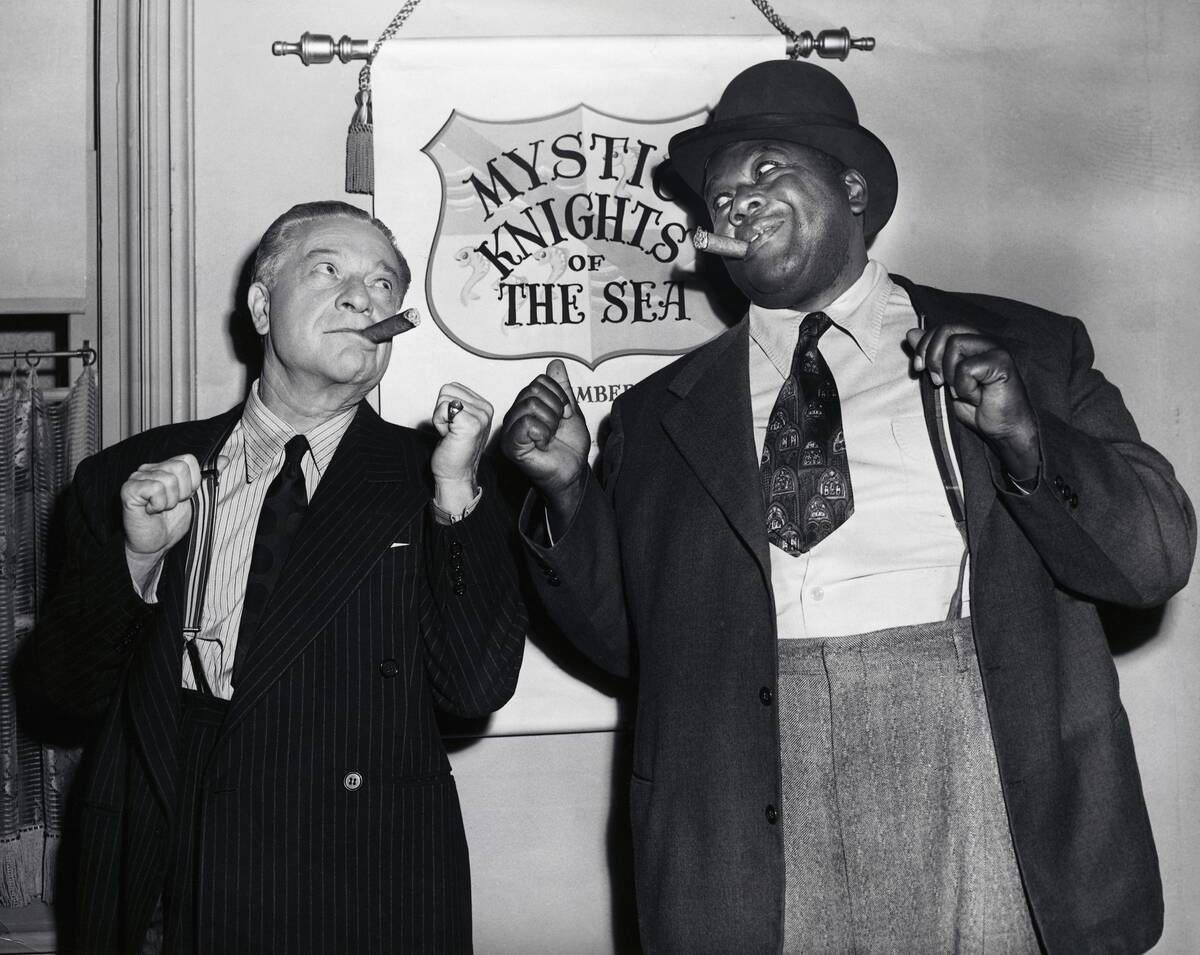
Radio became a theater of the mind with the advent of dramas and comedies, captivating audiences with imaginative storytelling. Shows like The Lone Ranger and Amos ‘n’ Andy brought characters and narratives to life, relying on sound effects and dialogue to engage listeners.
These programs became cultural phenomena, showcasing radio’s potential as an entertainment medium. The success of radio dramas and comedies laid the groundwork for future storytelling formats in television and film.
Radio’s Influence on the Civil Rights Movement
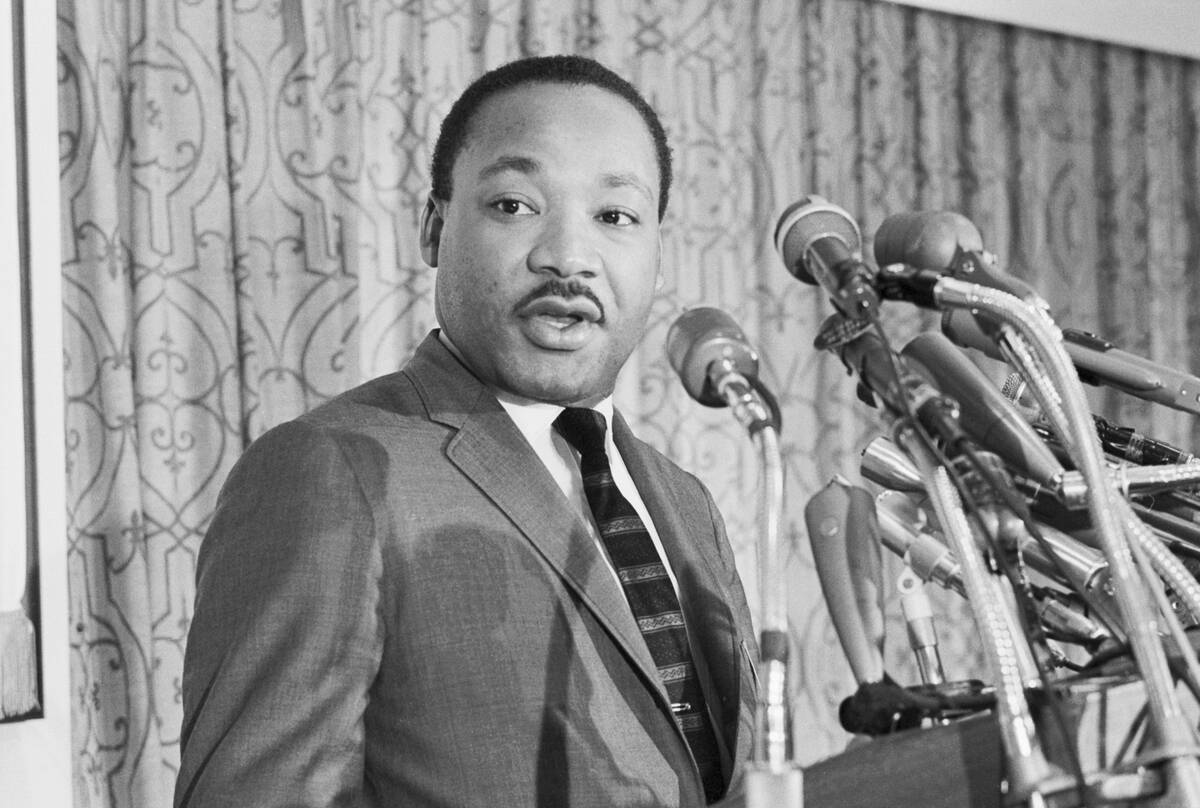
Radio played a significant role in the Civil Rights Movement, providing a platform for activists to share their message. Leaders like Martin Luther King Jr. utilized radio broadcasts to reach a broad audience, advocating for equality and justice.
Stations like WVON in Chicago became hubs for civil rights discourse, amplifying the voices of change. Radio’s reach and immediacy made it a powerful tool for mobilizing support and raising awareness during this pivotal time in history.
How Radio Fostered a Sense of Community and Connection
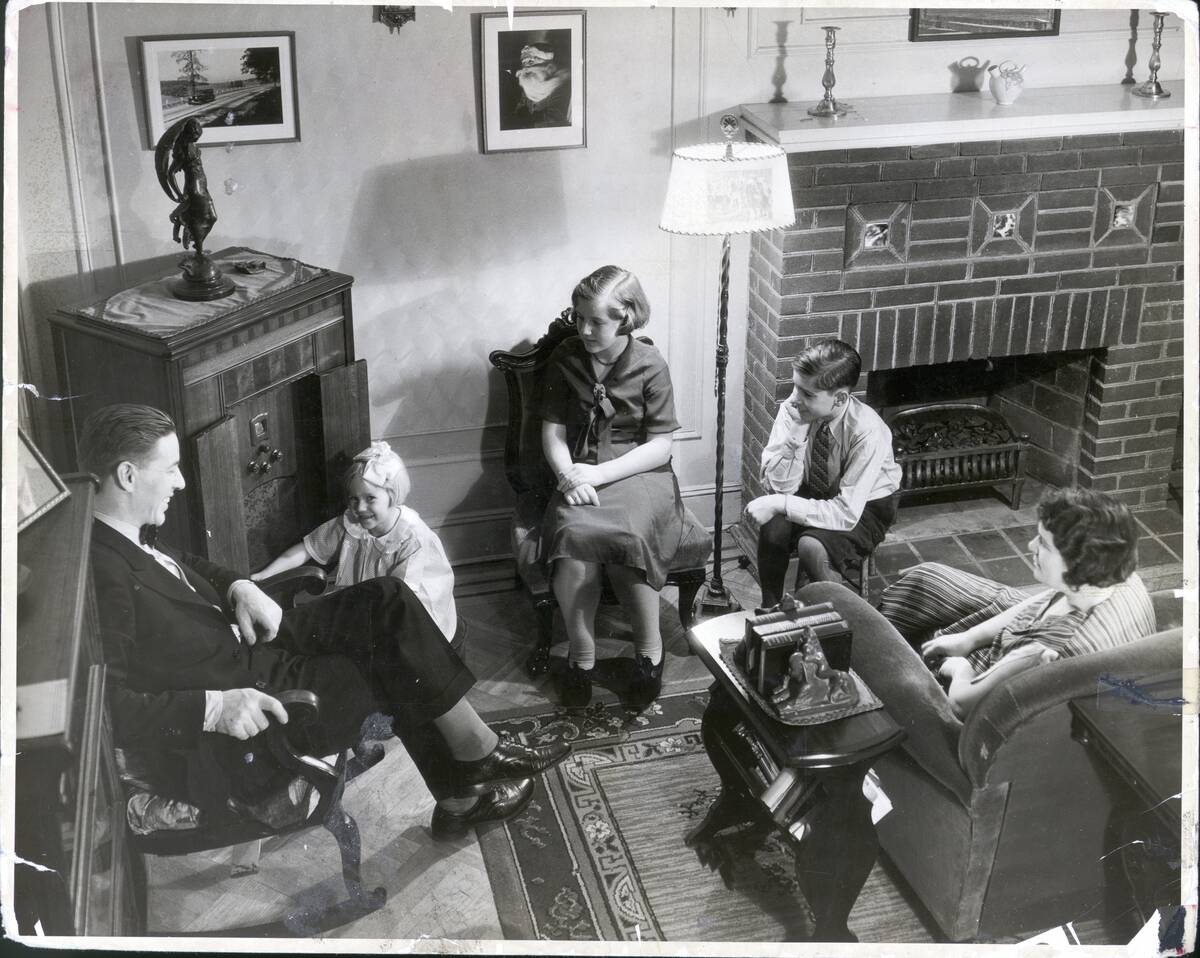
Radio brought people together, creating a shared experience that fostered a sense of community. Whether tuning in for news, entertainment, or sports, listeners felt connected to a larger world.
Local radio stations played a vital role in community engagement, broadcasting events, and providing a platform for local voices. This sense of connection helped build a collective identity, uniting people across distances and differences through shared listening experiences.
The Transition from Radio to Television: Shifts in Media Consumption
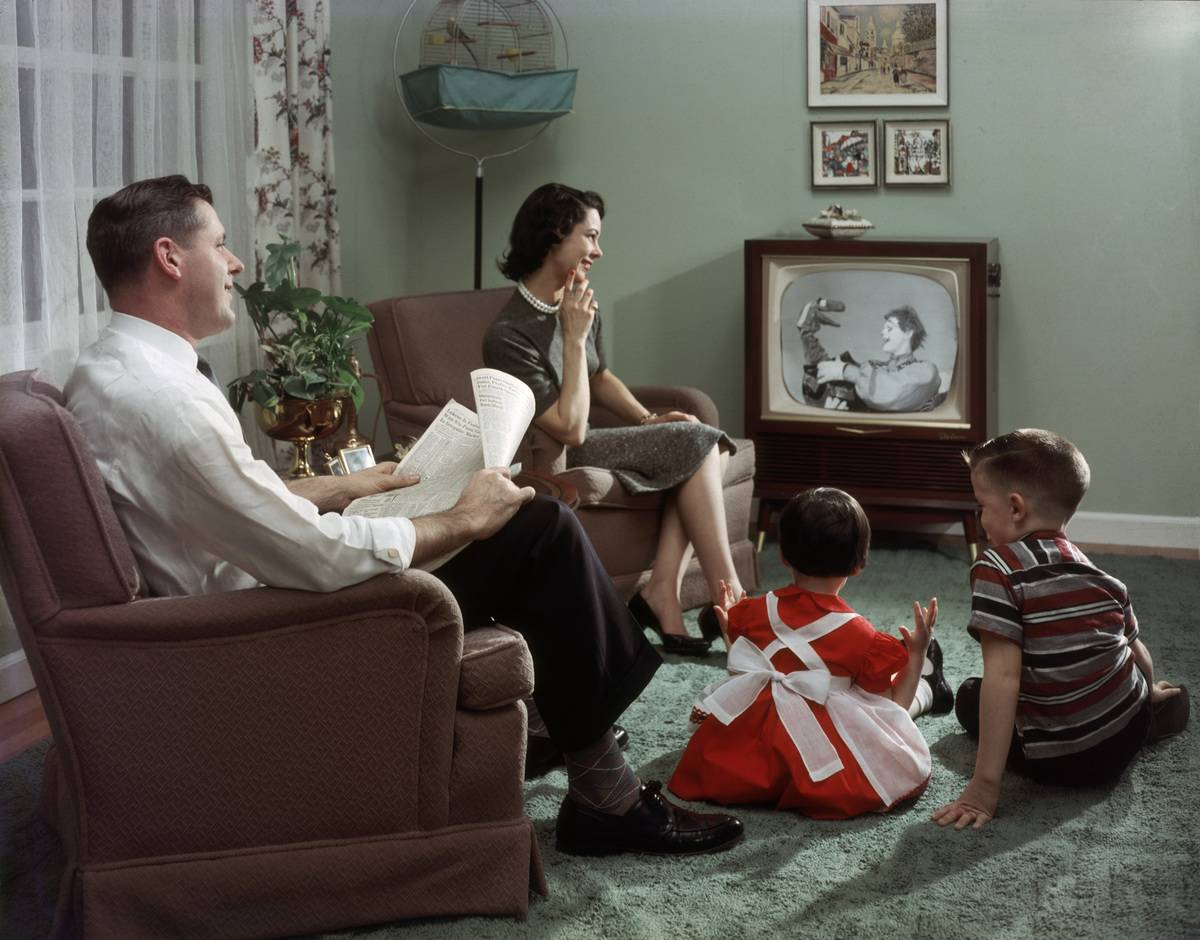
The rise of television in the 1950s marked a shift in media consumption, as audiences began to favor visual content over audio. Television offered a new dimension to storytelling, combining sound and imagery to create a more immersive experience.
While radio remained popular for music and news, many of its entertainment programs migrated to TV. This transition reshaped the media landscape, challenging radio to adapt and find new ways to engage audiences in a rapidly changing world.




