Here’s what family vacations looked like before GPS
Before the digital age, family vacations were a mix of excitement and mystery. With no GPS to guide the way, families relied on paper maps and intuition. This made road trips an adventure in themselves, filled with unexpected detours and discoveries.
Children in the backseat learned to read maps and spot landmarks. These trips were not just about the destination, but the journey itself, creating memories that lasted a lifetime.
The Art of Folding Paper Maps
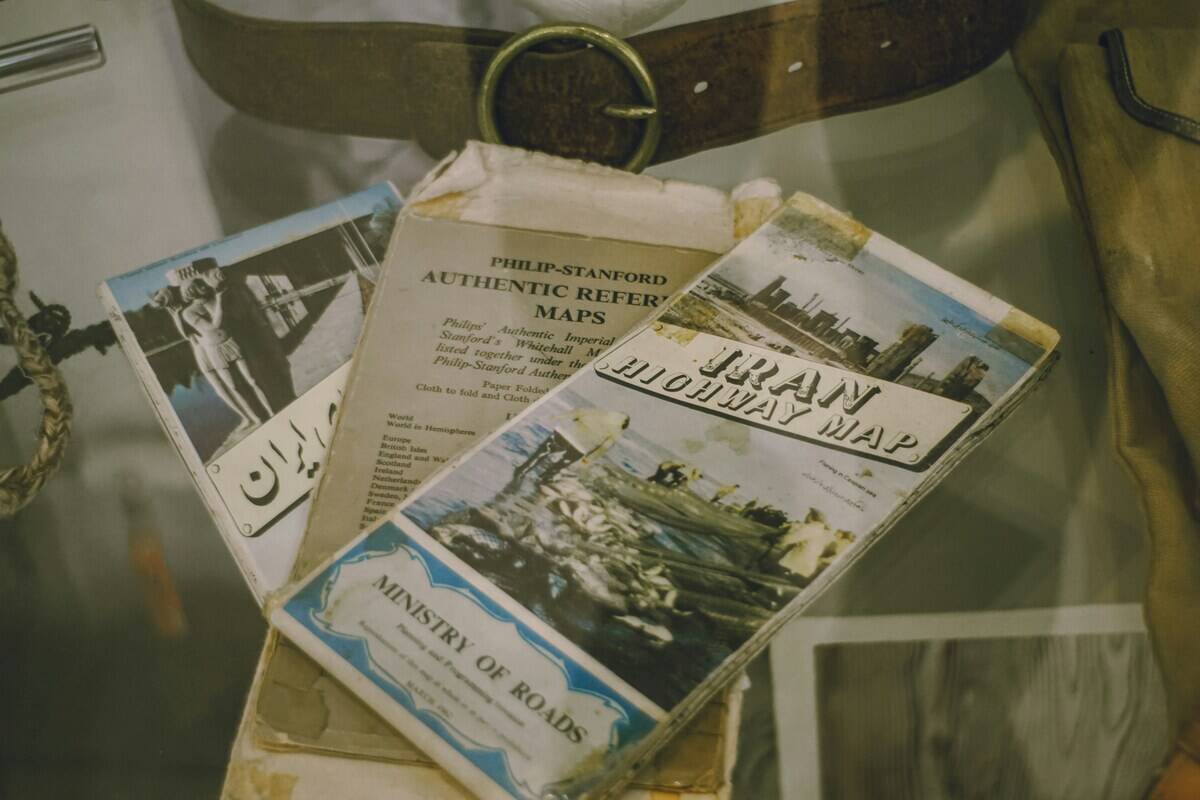
Mastering the art of folding a paper map was a rite of passage for many travelers. Maps were often large and unwieldy, requiring skill to refold them to their original state. These maps were essential navigational tools, detailing highways, byways, and scenic routes.
The folding technique was crucial to keep the maps intact and usable. A well-folded map could quickly be consulted at rest stops or during roadside breaks, adding to the charm of travel.
The Role of the Backseat Navigator
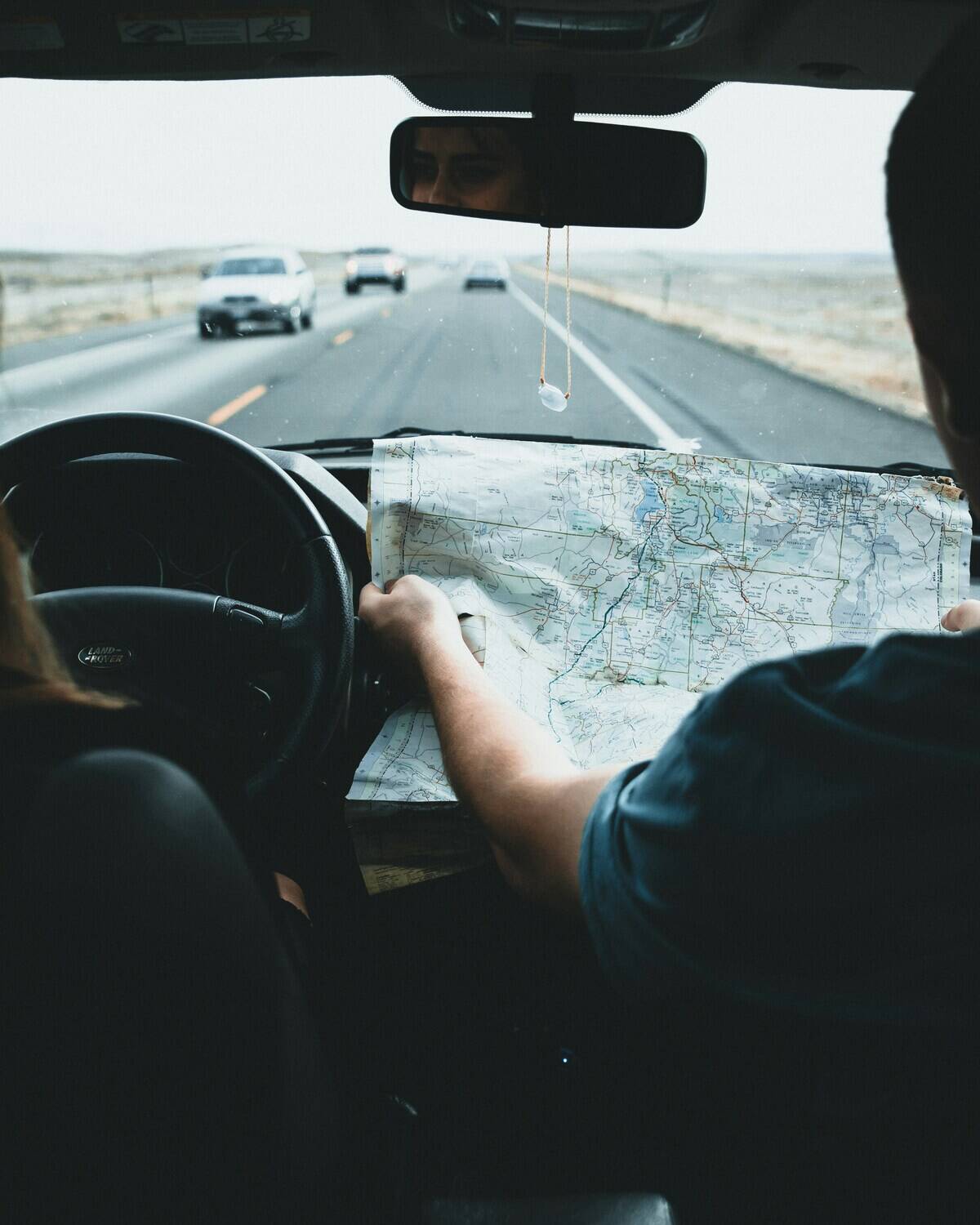
In the days before GPS, the backseat navigator was an indispensable part of any road trip. Often a sibling or a child, they were tasked with reading maps and providing directions.
This role fostered teamwork and communication skills, as navigators learned to interpret map symbols and calculate distances. It was a responsibility taken seriously, as the success of the journey often depended on their accuracy. This impromptu geography lesson made for a fun and educational experience.
Trip Planning with AAA Travel Guides
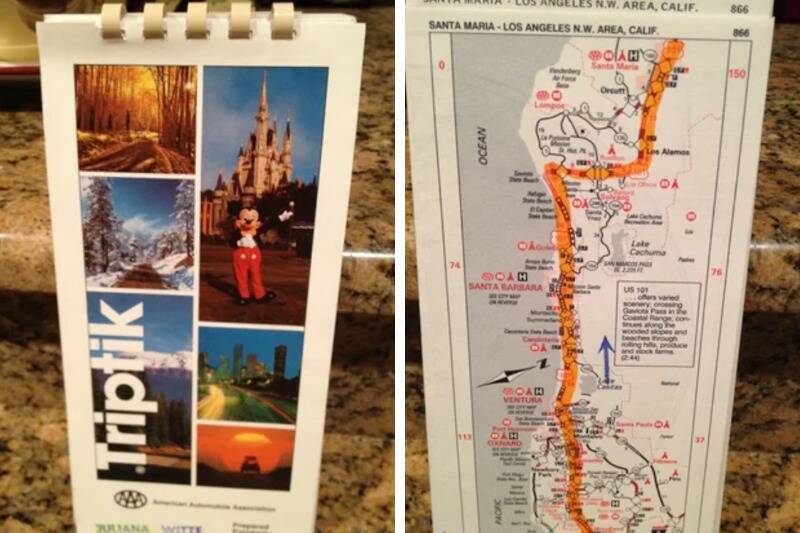
AAA travel guides were invaluable resources for planning family vacations. AAA members had access to a wealth of information, including hotel recommendations and scenic routes.
Their famous TripTiks were customized maps that highlighted the best paths and attractions. Travel guides offered insights into local culture and must-see sites. These tools helped families anticipate their journeys, adding a layer of excitement before even setting out on the road.
Asking Strangers for Directions

There was a certain charm in stopping to ask strangers for directions during a road trip. It provided an opportunity to interact with locals and sometimes led to discovering hidden gems.
These encounters were part of the adventure, adding an element of human connection to the journey. Travelers often received more than just directions; they gained local tips and stories, enriching their travel experience and creating lasting memories.
The Essential Road Atlas
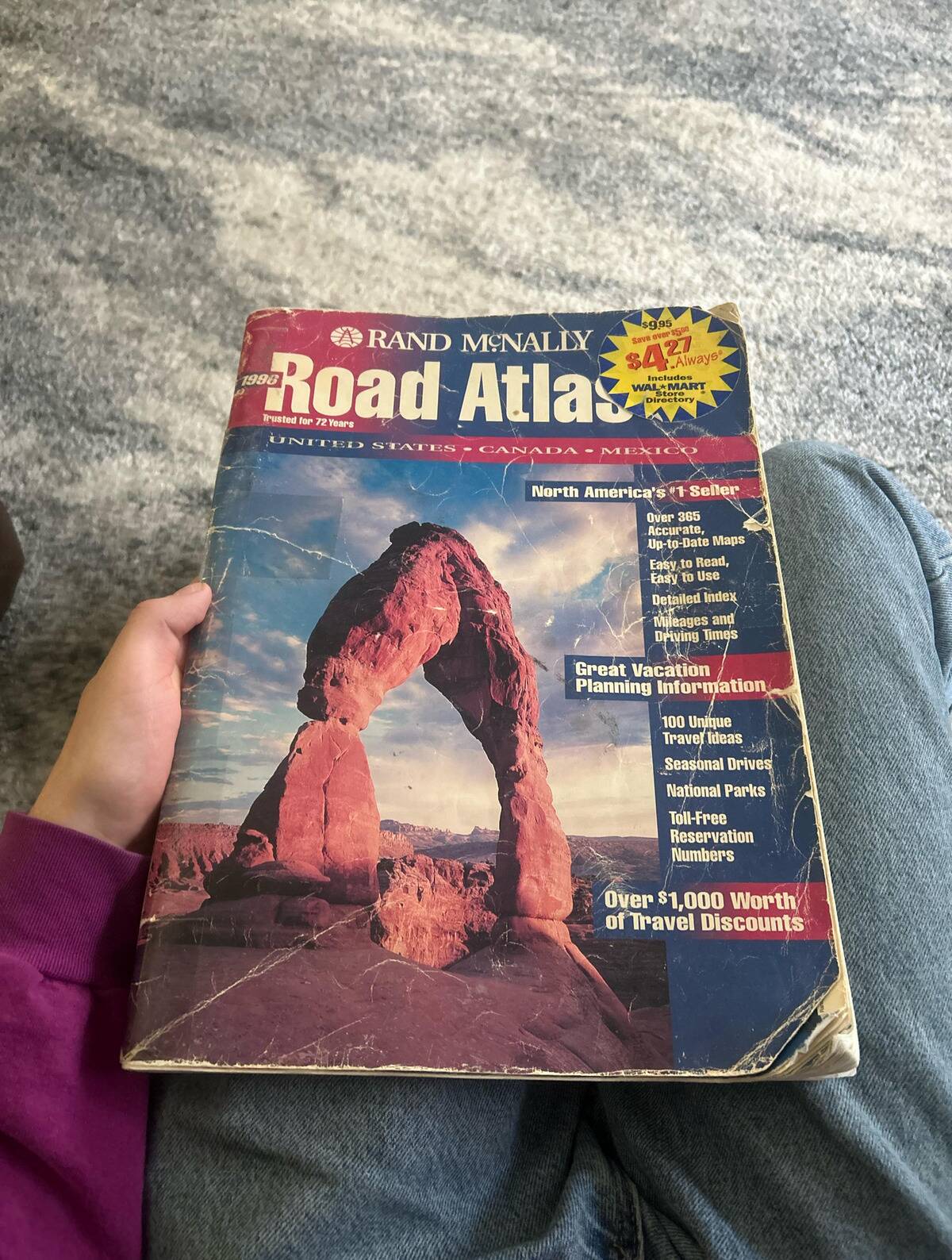
The road atlas was a staple in every traveler’s kit. These comprehensive books contained detailed maps of entire countries, allowing for meticulous planning. They included information on highways, cities, and points of interest.
Road atlases were often dog-eared and well-used, a testament to their importance. Having an atlas on hand ensured that travelers had a reliable backup for navigation, especially when venturing into unfamiliar territory.
The Importance of Landmarks
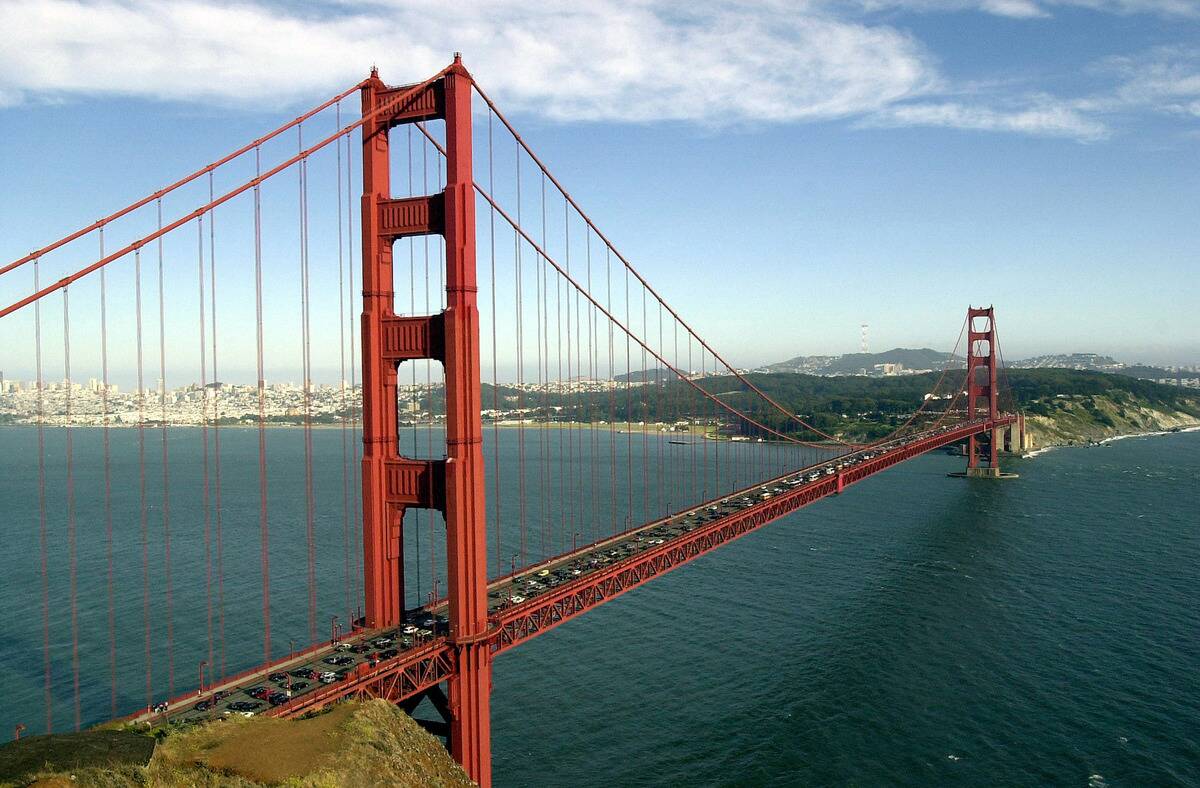
Landmarks were crucial navigational aids before the advent of digital maps. Recognizable structures like water towers, bridges, and unique buildings helped travelers confirm they were on the right path.
These landmarks were often mentioned in directions, serving as guideposts along the way. They were not just functional; they added character to the landscape. Spotting a familiar landmark was a comforting reassurance that the journey was on track.
Using the Sun and Stars for Guidance

Before digital navigation, travelers sometimes relied on the sun and stars for orientation. The sun’s position helped determine direction during the day, while constellations like the North Star provided guidance at night.
This method required a basic understanding of astronomy and was often used in rural areas without clear road signs. It was a skill passed down through generations, connecting travelers with ancient navigation traditions.
The Family Debate Over Which Route to Take

Choosing the best route was often a topic of lively family debate. Each member had their own opinion, preferring scenic routes or the fastest highways. These discussions were part of the trip’s adventure, with everyone contributing to the decision-making process.
Sometimes, these debates led to unexpected detours, but they also taught important lessons in compromise and collaboration. In the end, the chosen path was less important than the shared experience.
Keeping a Travel Journal
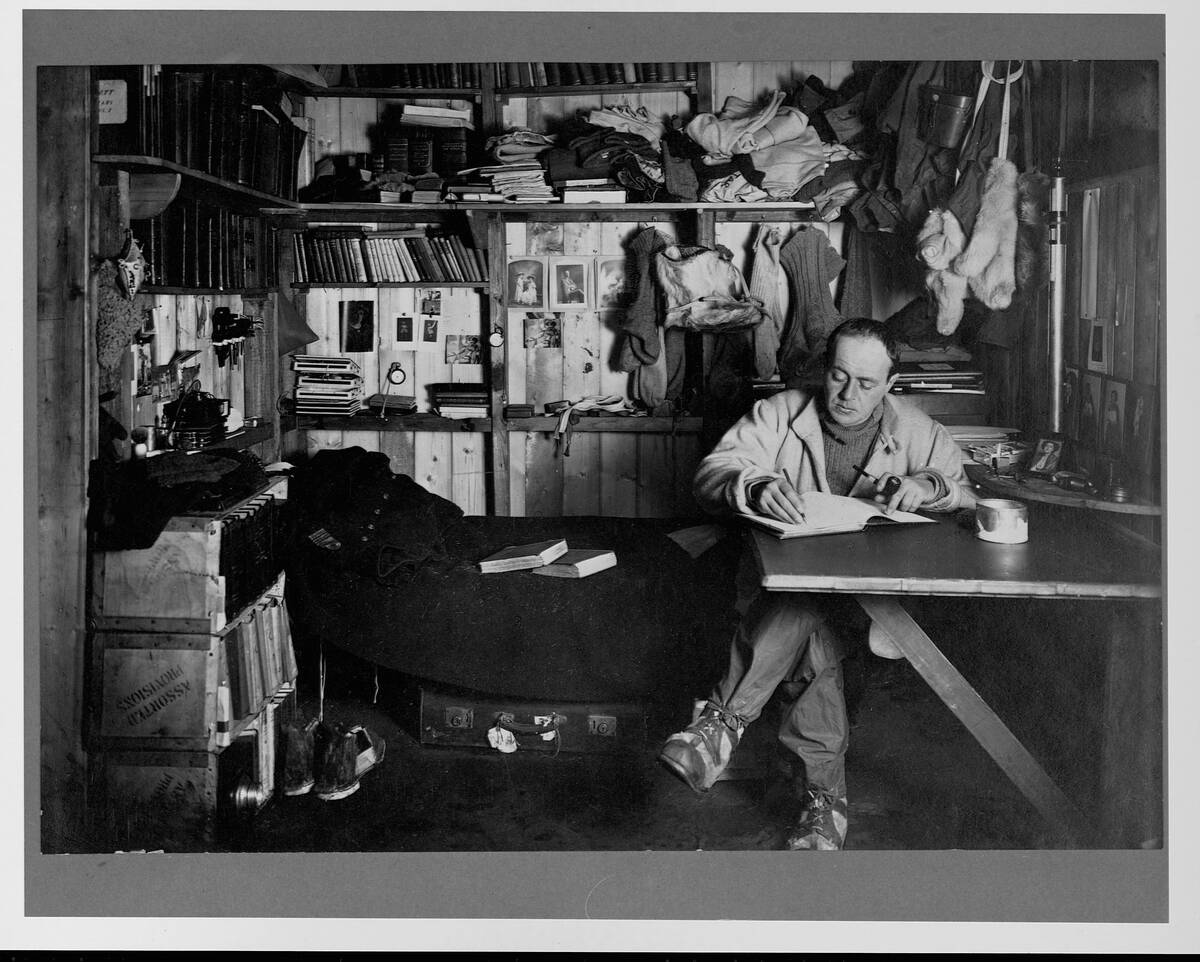
Travel journals were a popular way to document family vacations before digital cameras and smartphones. These handwritten accounts captured the essence of each day, detailing sights seen, meals enjoyed, and memorable moments.
Journals encouraged creativity and introspection, becoming cherished mementos of the journey. They provided a personal narrative of the trip, offering a glimpse into the thoughts and experiences of each traveler.
The Excitement of Roadside Attractions
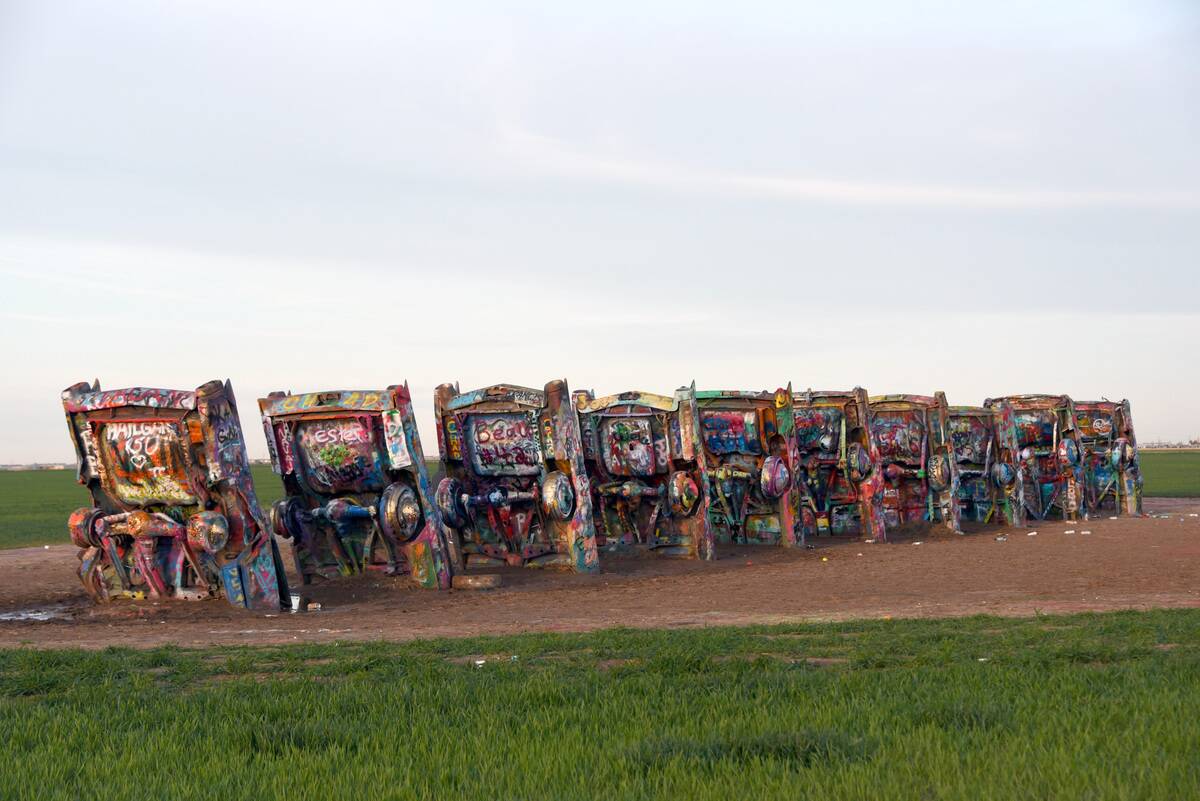
Roadside attractions added a sense of wonder and excitement to family vacations. From giant statues to quirky museums, these unique stops broke up the monotony of long drives. They were often spontaneous discoveries, not mentioned in any guidebook.
Visiting these attractions became adventures in their own right, sparking curiosity and laughter. These unexpected detours enriched the travel experience, creating stories that were shared and retold for years to come.
The Role of the Family CB Radio
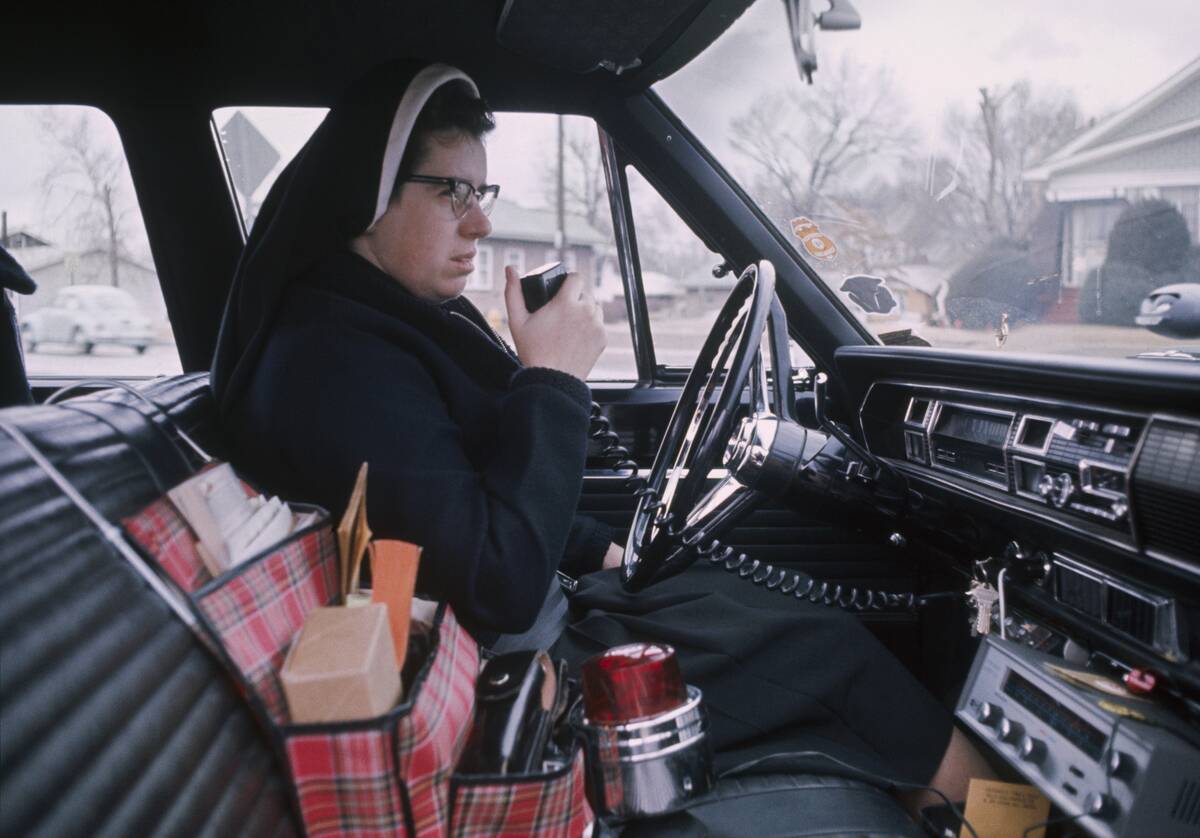
The CB radio was an essential communication tool for families who took RVs on the road. It allowed them to connect with other travelers, share traffic updates, and even make new friends.
CB radios offered entertainment as well, with parents and kids adopting fun handles and chatting with truckers. This interaction provided a sense of community and safety on the open road. The CB radio became a symbol of adventure, representing the camaraderie of the traveling family.
The Importance of Rest Stops and Welcome Centers
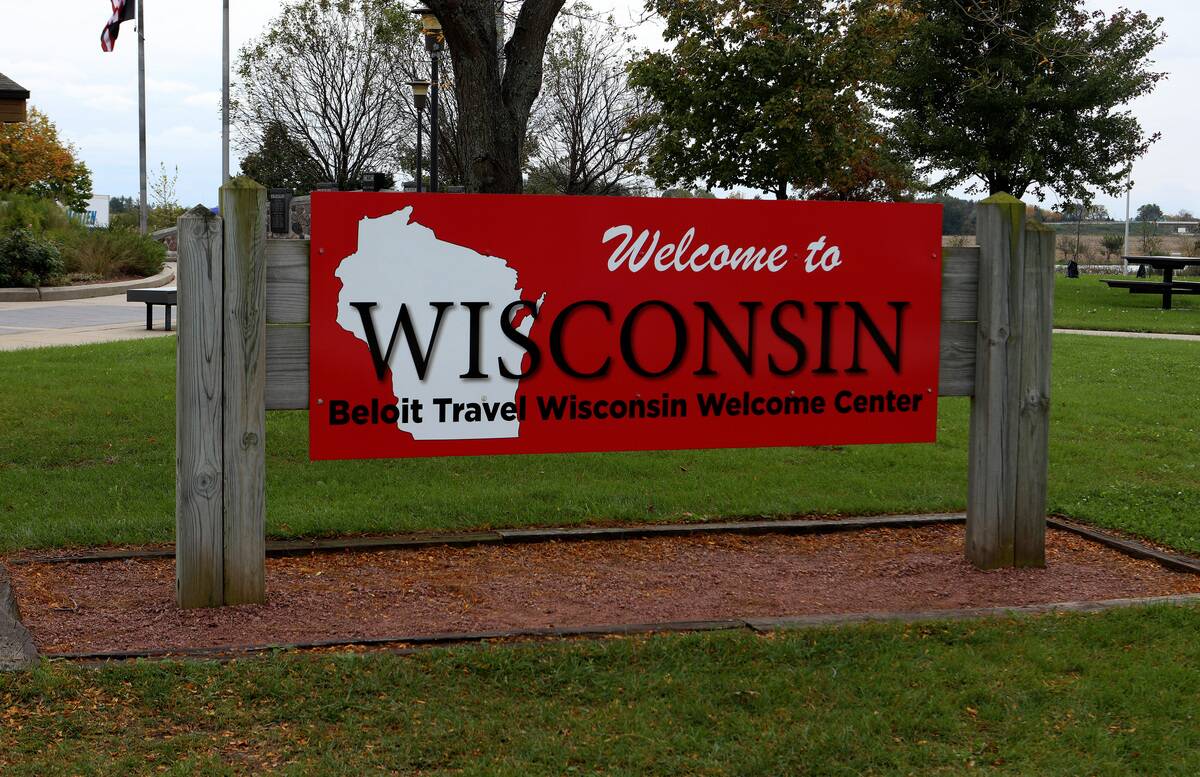
Rest stops and welcome centers were vital parts of any road trip, offering a chance to stretch and recharge. These stops provided clean facilities, picnic areas, and local information.
Welcome centers often showcased regional attractions, introducing travelers to the area’s highlights. They were also a place to pick up brochures, maps, and souvenirs. Rest stops were a welcome respite from long hours on the road, allowing families to relax and plan the next leg of their journey.
The Joy of Getting Lost and Discovering the Unexpected
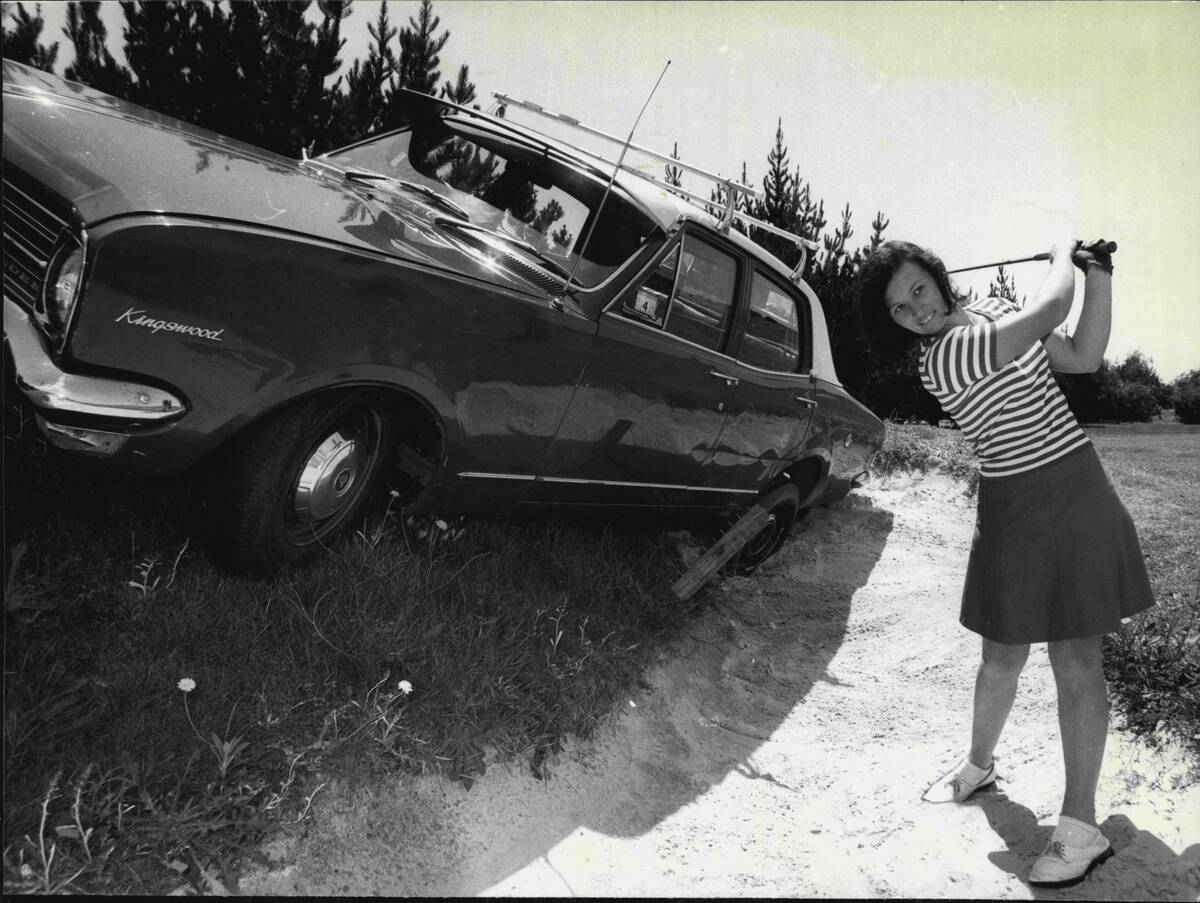
Getting lost was sometimes the best part of a road trip, leading to unexpected discoveries and adventures. Without GPS, wrong turns could result in delightful surprises, such as hidden cafes or stunning vistas.
These unplanned moments were opportunities for exploration and spontaneity, teaching adaptability and resilience. The stories born from these detours became cherished memories, reminding families that the journey’s unpredictability was part of its charm.
Analog Entertainment: Car Games and Mix Tapes

Before digital entertainment, families relied on car games and mix tapes to pass the time on long drives. Games like “I Spy” and “20 Questions” engaged everyone, sparking laughter and competition.
Homemade mix tapes with favorite songs provided the soundtrack for the journey, creating an auditory memory of the trip. These simple pleasures brought families closer, making the journey as memorable as the destination. They were a testament to creativity and togetherness.
Unpacking the Suitcase of Memories
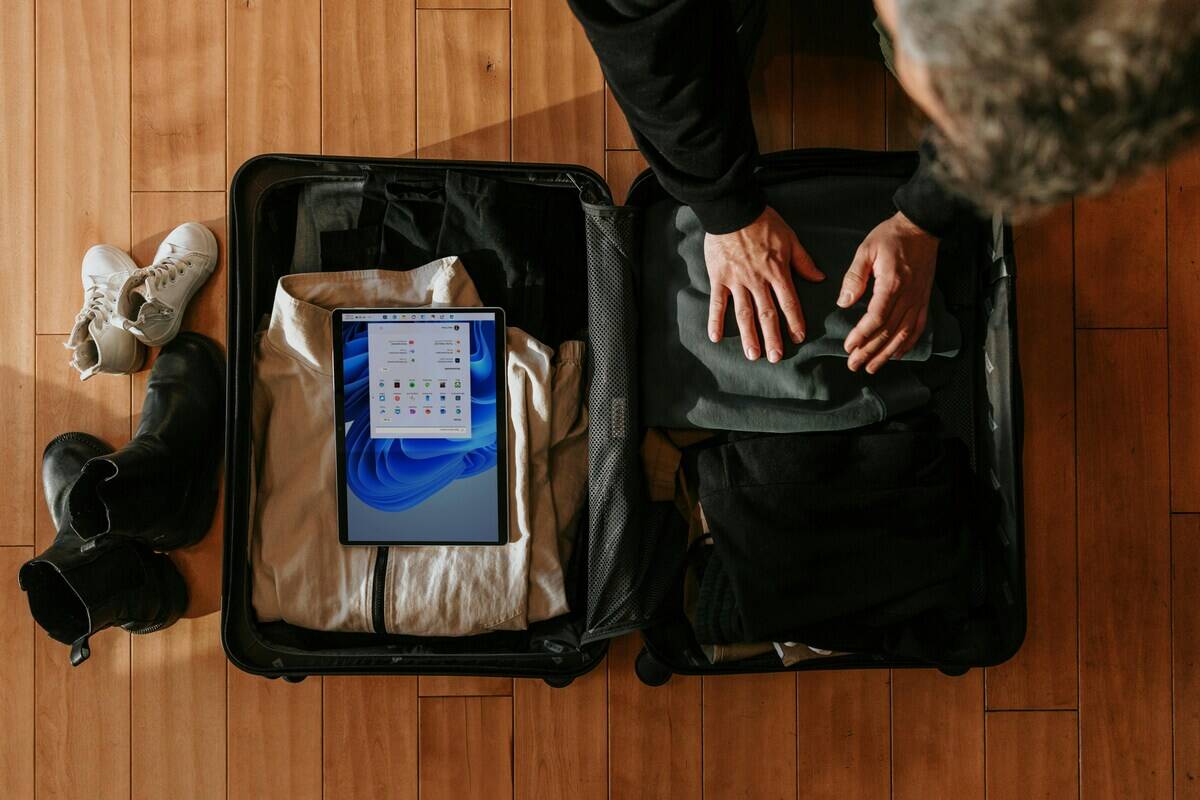
Returning home from a road trip meant unpacking not just bags, but also a suitcase of memories. Souvenirs collected along the way, such as postcards and trinkets, became tangible reminders of the adventure.
Photographs and travel journals were revisited, sparking stories and laughter. These memories were shared with friends and family, keeping the spirit of the journey alive. Unpacking was a chance to reflect on the experiences and bonds strengthened along the way.