Some major mob bosses who built incredible secret empires
The origin of the American mob boss hails from Sicily, Italy, during the time of prohibition in the 1920s. During this time, organized crime families began to flourish in major cities such as Chicago and New York, particularly in “businesses” such as betting, trafficking, bootlegging, and even loan sharking.
Throughout history, major players such as Al Capone, Frank Lucas, and Tony Accardo became known as some of the most notorious mob bosses, evading the law and building organized crime in their respective cities. During their time, these men lived anything but ordinary lives.
Lucky Luciano Is The Mastermind Behind Organized Crime
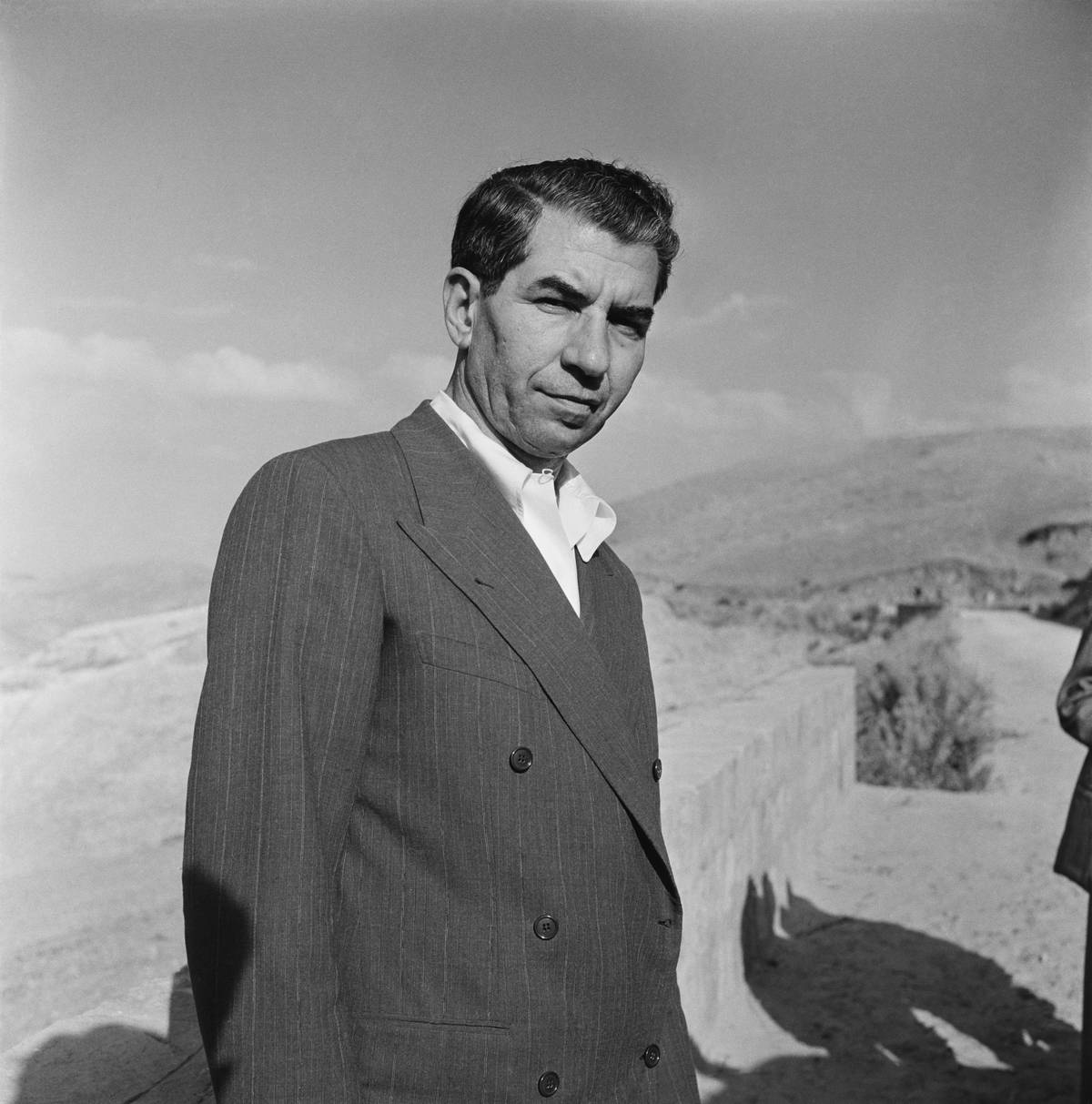
Although Charles “Lucky” Luciano was born in Sicily, Italy, in 1897, he was raised in New York. During his time, the mobster played a role in creating the National Crime Syndicate and, thanks to his establishment of the governing body of the Commission in 1931, he is considered to be the mastermind behind modern-day organized crime in the United States.
As head of the Genovese crime family, Luciano became one of the most powerful mob bosses of the ’30s. It wasn’t until 1936 that the authorities were finally able to nail Luciano with illegal dealings.
Vincent Gigante Acted Crazy
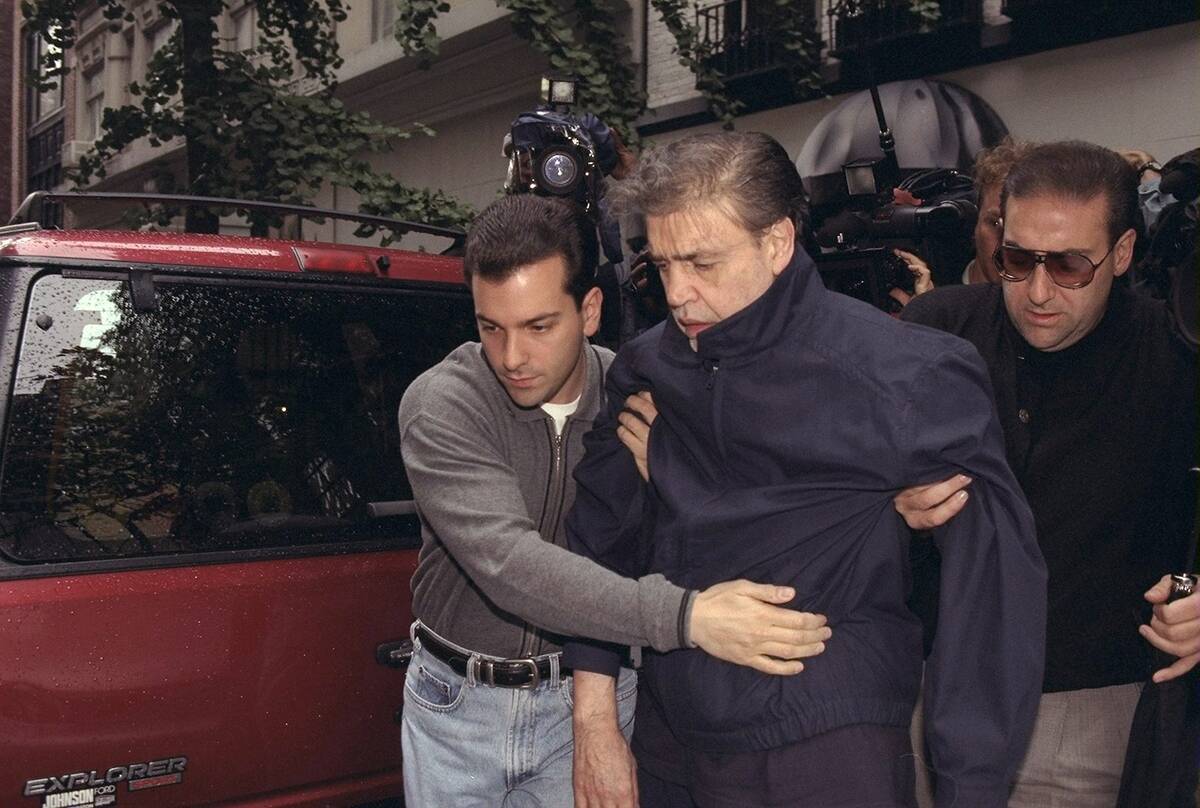
Known as “Chin” for his distinctive jawline, Vincent Gigante rose through the ranks of New York’s Genovese crime family for decades. He started as an enforcer for the Luciano family, which formed the genesis of the Genovese family, and served as boss between 1981 and 2005.
Gigante employed an interesting tactic in an effort to evade police: he acted mentally unwell, leading to the nicknames “the Oddfather” and “enigma in the bathrobe.” While he was indicted on racketeering charges in 1990, he was deemed mentally unfit to stand trial. Later, in 1997, he was convicted and admitted that he had feigned insanity the whole time.
Carmine Galante Had A Long Rap Sheet
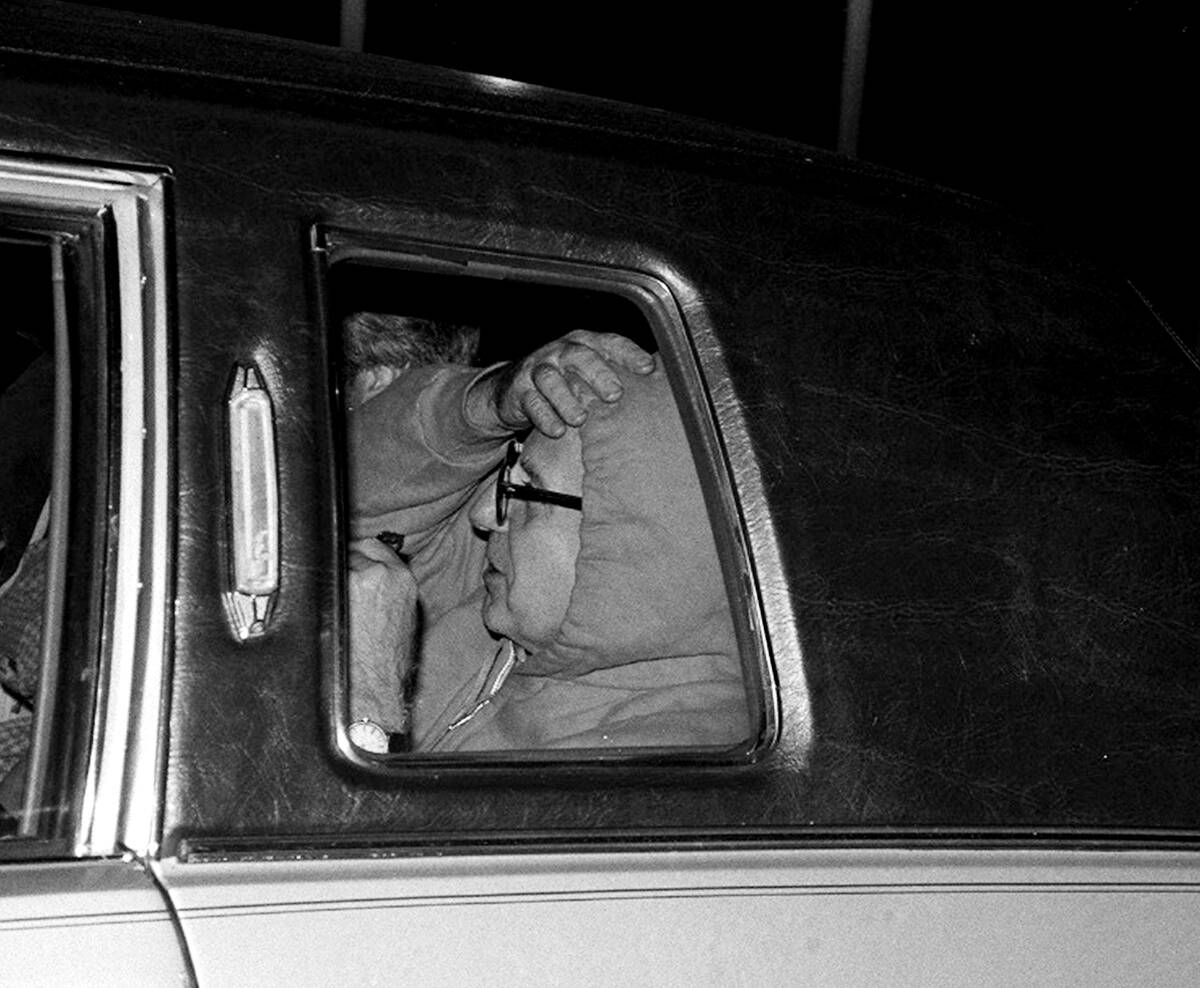
Mob bosses can vary wildly in terms of the level of violence they’re willing to inflict, and one of the most violent bosses in history was Carmine Galante, de facto head of New York’s Bonanno crime family. During his long criminal career, it’s estimated that Galante participated in upwards of 100 murders.
After serving a prison sentence for trafficking, Galante was a free man in the 1970s. His past caught up to him in 1979, when he was assassinated on the orders of the American Mafia’s governing body while dining at a restaurant.
Vito Genovese’s Enemy Became One Of The First Government Informants
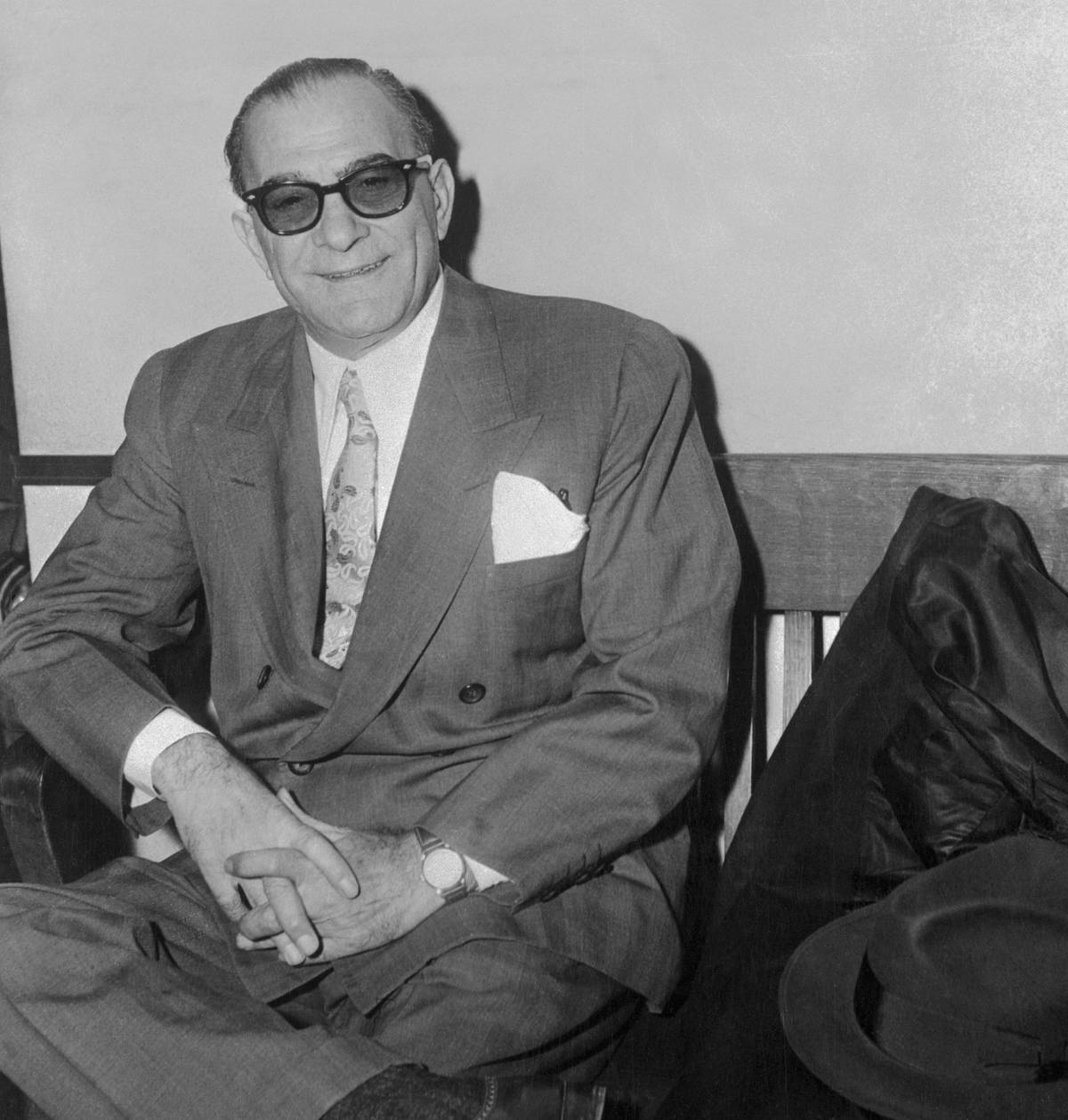
Born in a province in Naples, Italy, in 1897, Vito Genovese moved to Manhattan, New York, as a teen, quickly finding his appetite for money and power. But it was that greed that would compromise the entire mafia organization by the end of his reign. Before everything went downhill, though, he empowered the mob, helping Luciano build the Commission.
After Genovese “cleaned house” of his enemies, one of his associates, Joe Valachi, became intimidated, relaying mafia secrets to the government as their first-ever informant. Ultimately, in 1958, Genovese was sentenced to a Missouri prison for the distribution of narcotics. Eleven years later, he died of a heart attack.
Frank Lucas Claimed To Regret His Time As A Boss
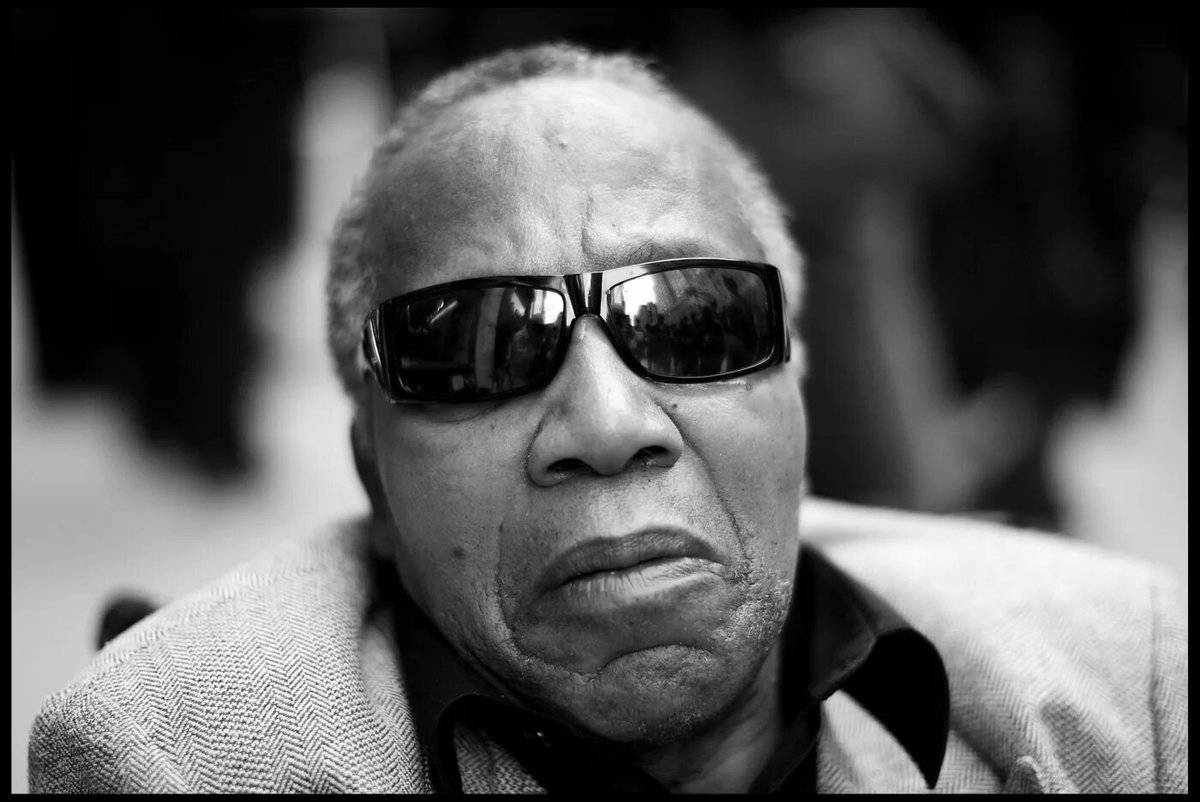
Born in 1930 in North Carolina, Frank Lucas made his way to Harlem, New York, eventually finding a mentor in “Bumpy” Johnson. Under his tutelage, Lucas rose in the ranks, becoming a powerful narcotic kingpin through the ’60s and ’70s. His strategy was successful because he cut out the use of a middleman, buying his supply straight from South East Asia.
His income of one million dollars per day gained the attention of the authorities. Lucas was arrested in 1975 and sentenced to 70 years in prison. Later, he claimed to feel remorse for living a life of crime. He died in 2019, at the age of 88, from natural causes.
Santo Trafficante Jr. Was Linked To JFK’s Assassination
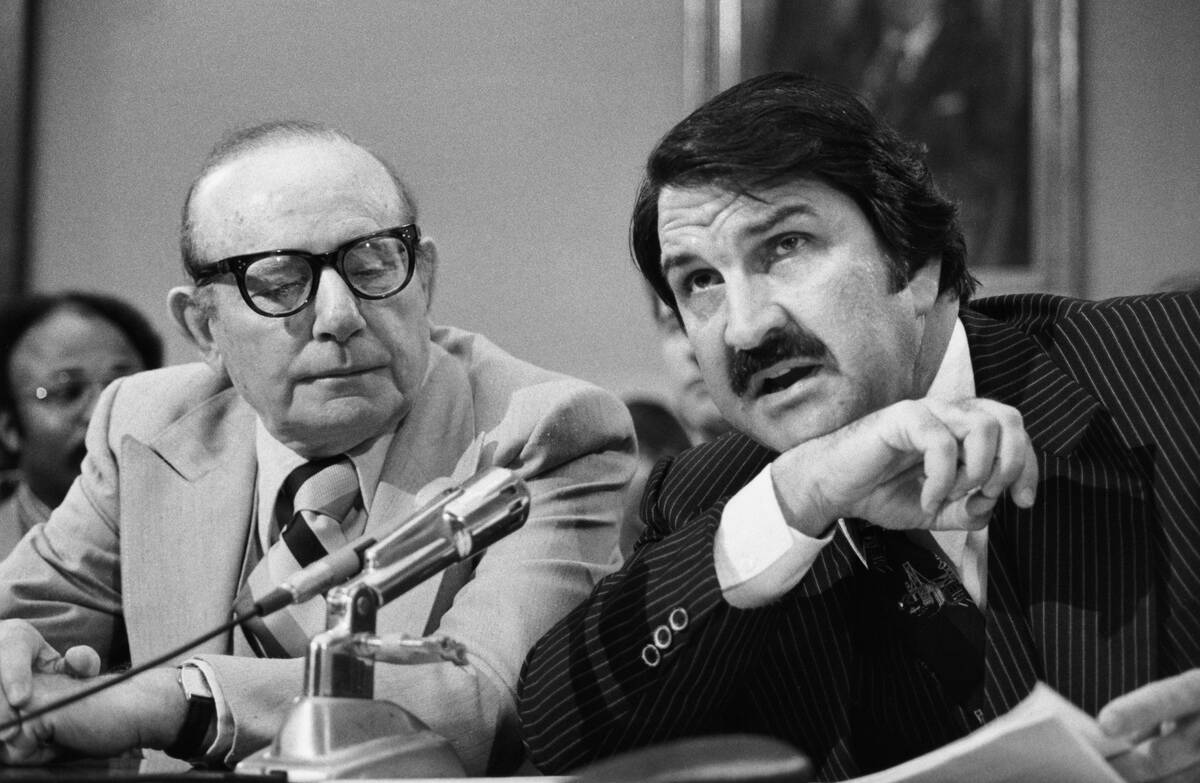
Santo Trafficante Sr. was able to consolidate rival criminal families in the midcentury years, forming a powerful criminal organization that operated between Florida and Cuba. Later, his son Santo Jr. took over the family business, with the younger Trafficante expanding operations by forging alliances with Chicago and New York’s crime families.
Trafficante died in 1986, shortly after federal investigators moved to charge him with racketeering. Intriguingly, his name has frequently surfaced in connection to the assassination of John F. Kennedy in 1963 — charges that Trafficante always denied.
Carlos Marcello Was Also Linked To The Assassination
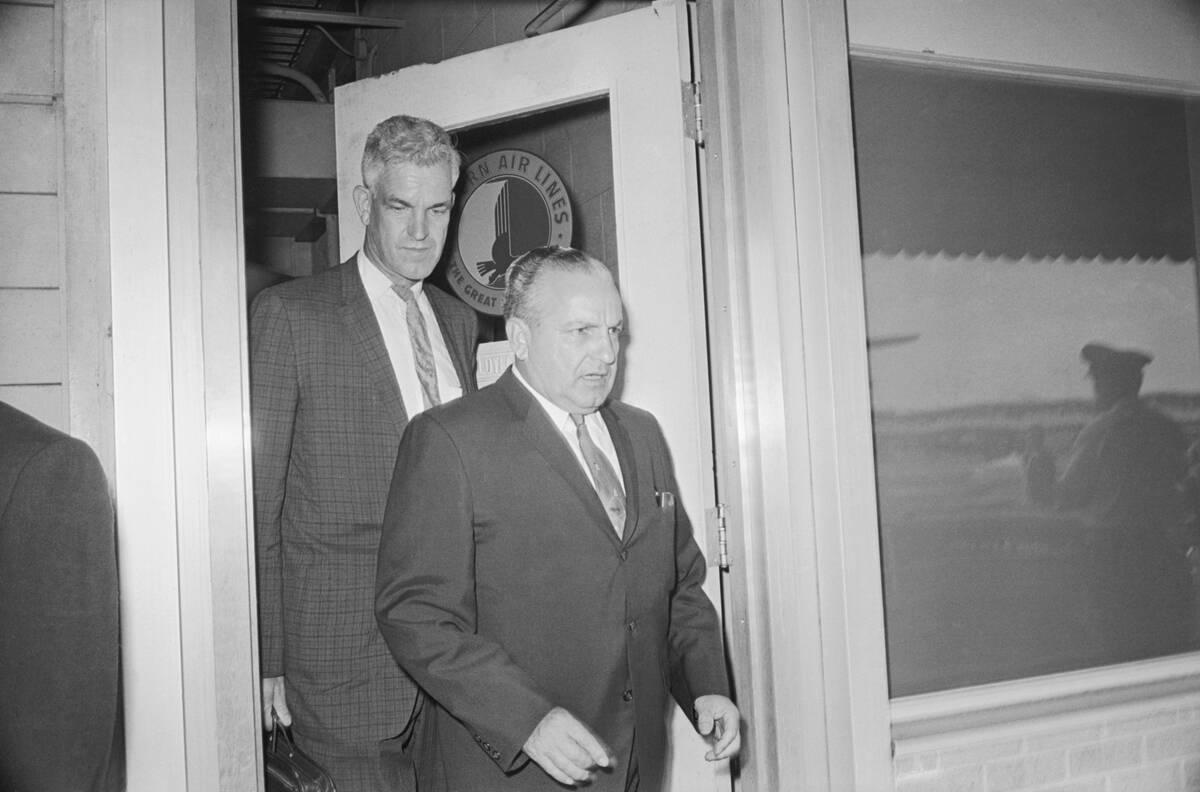
Carlos Marcello, who headed the New Orleans crime family for more than four decades, between 1947 and 1990, was officially linked to the JFK assassination by the House Select Committee on Assassinations.
While the committee didn’t name Marcello as a suspect, it did identify tenuous connections between Marcello and both Lee Harvey Oswald and Oswald’s assassin, Jack Ruby. Their report read, “The committee found that Marcello had the motive, means and opportunity to have President John F. Kennedy assassinated, though it was unable to establish direct evidence of Marcello’s complicity.”
Paul Castellano Was The Howard Hughes Of The Mob
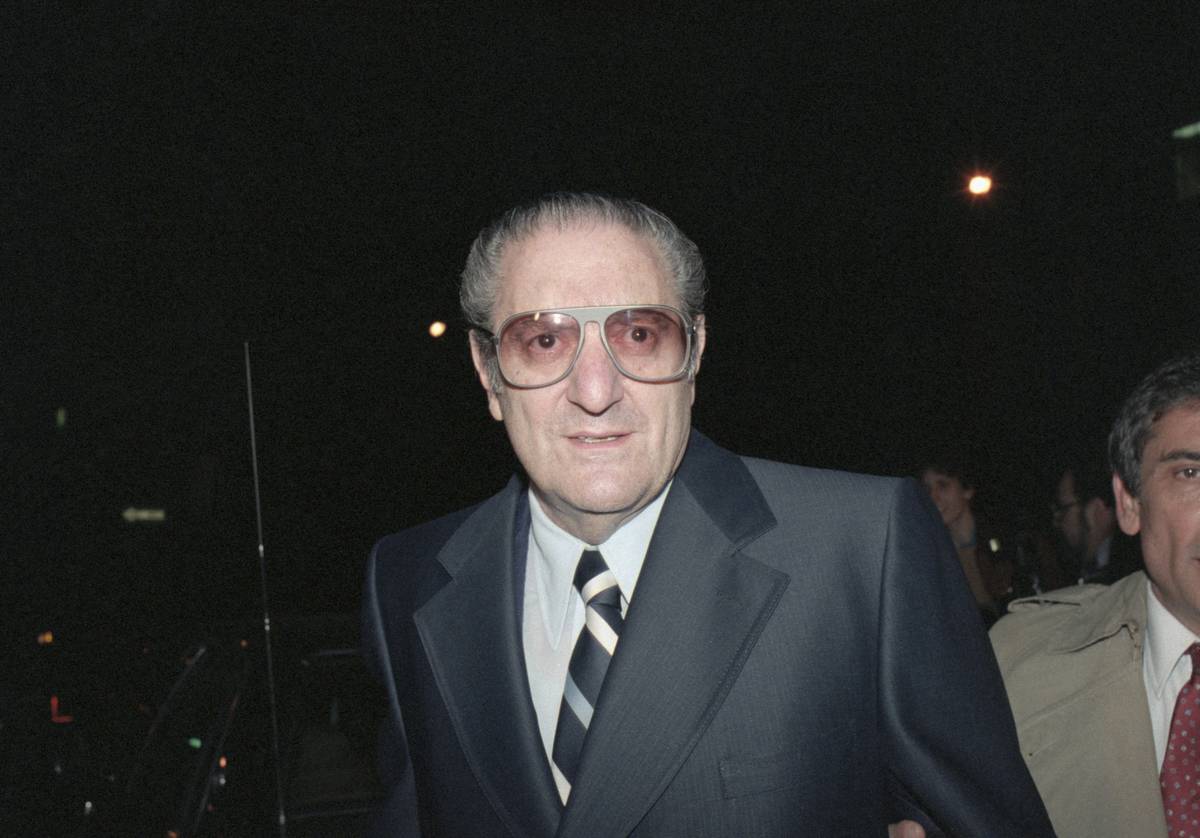
Known as the godfather of the Gambino crime family, the most powerful crime family in New York, Paul Castellano is what one would call a businessman, or “The Howard Hughes of the Mob,” as his nickname states. Born in 1915 in Brooklyn, New York, Castellano quickly learned the ways of the mob, climbing up the ranks and eventually becoming head of the family.
He was known for turning non-legitimate white-collar businesses into huge enterprises, using his people to infiltrate the food and construction side of things. Then, in 1985, he was slain by a testy John Gotti. Many blame Gotti for weakening the strong Gambino family, as the death was unauthorized.
Frank Costello
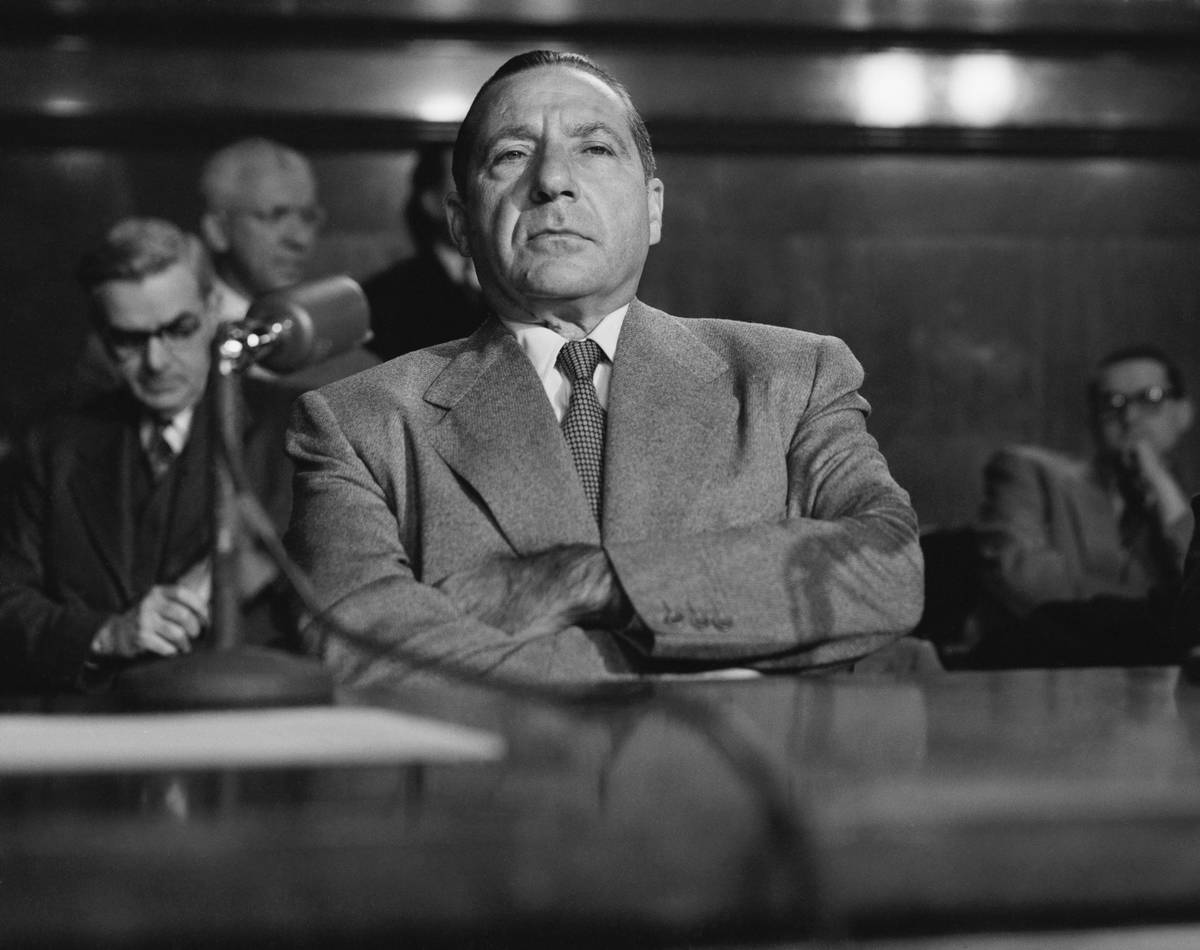
While he was born in Cosenza, Italy, back in 1891, Frank Costello was raised in East Harlem, New York. Eventually, Costello moved up the ranks, becoming the head of the 104th Street Gang. During the ’20s, Costello was in close allegiance with Luciano, operating betting rings, bootlegging, and building up their operations in New York as well as further down south.
Eventually, Costello became the syndicate boss after Luciano was arrested. But the law wasn’t far behind Costello, arresting him multiple times for contempt and tax evasion throughout the ’50s. Costello died at the age of 82, due to a heart attack.
Nicodemo Scarfo Had A Dangerous Reputation
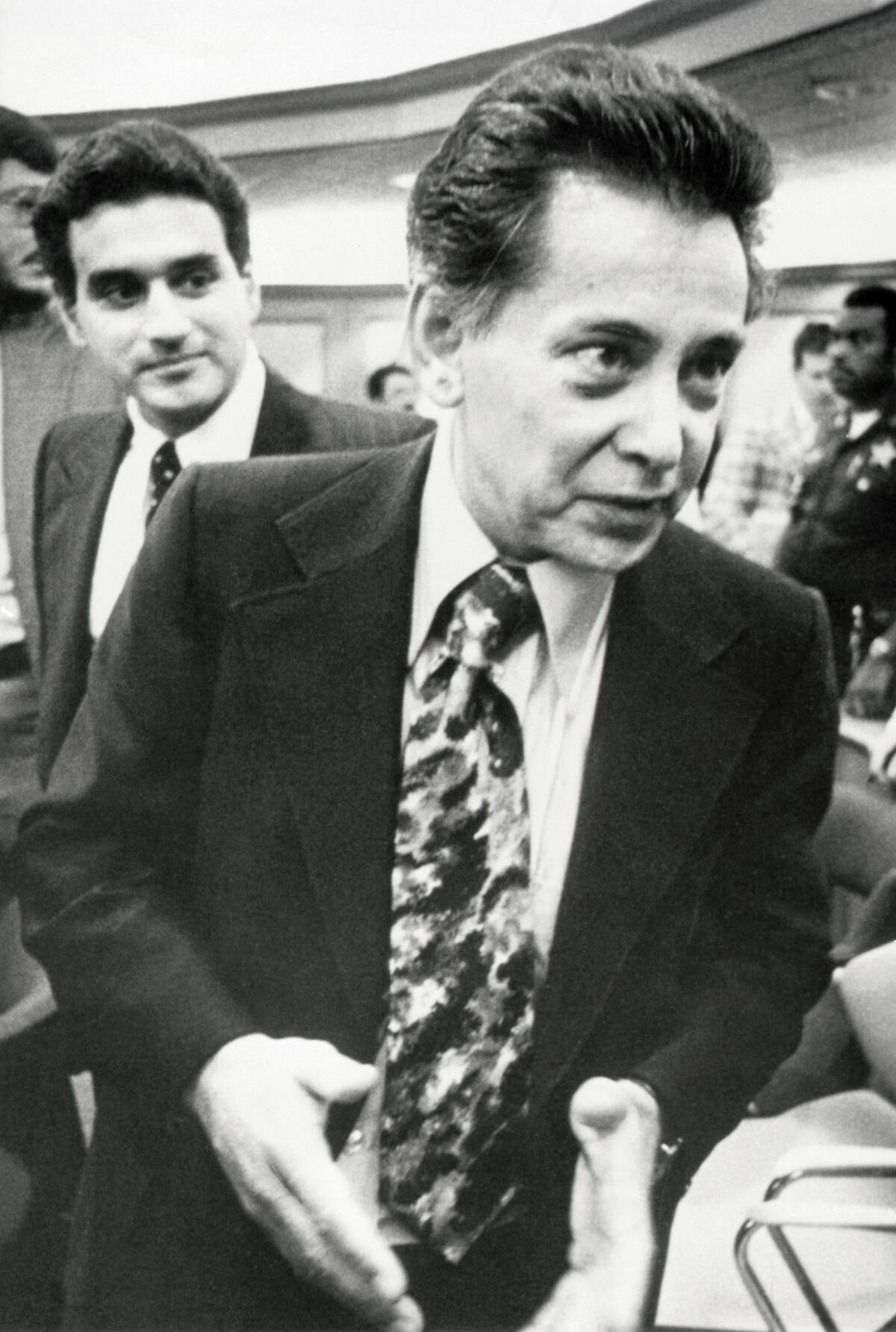
Philadelphia’s crime family, which underwent many name changes and nicknames, endured a particularly bloody and violent period in the 1980s, and Nicodemo Scarfo — who was in charge between 1981 and 1990 — was at the center of it all.
Known as “Little Nicky,” Scarfo had a ruthless and bloody reputation. He took over the family in the midst of a violent power struggle in 1980 in which several high-ranking figures were murdered. Scarfo managed to avoid being killed and took over the family, but his eventual downfall came in 1988 when he was convicted of various charges.
Joe Profaci Established The Last Of The Five Families
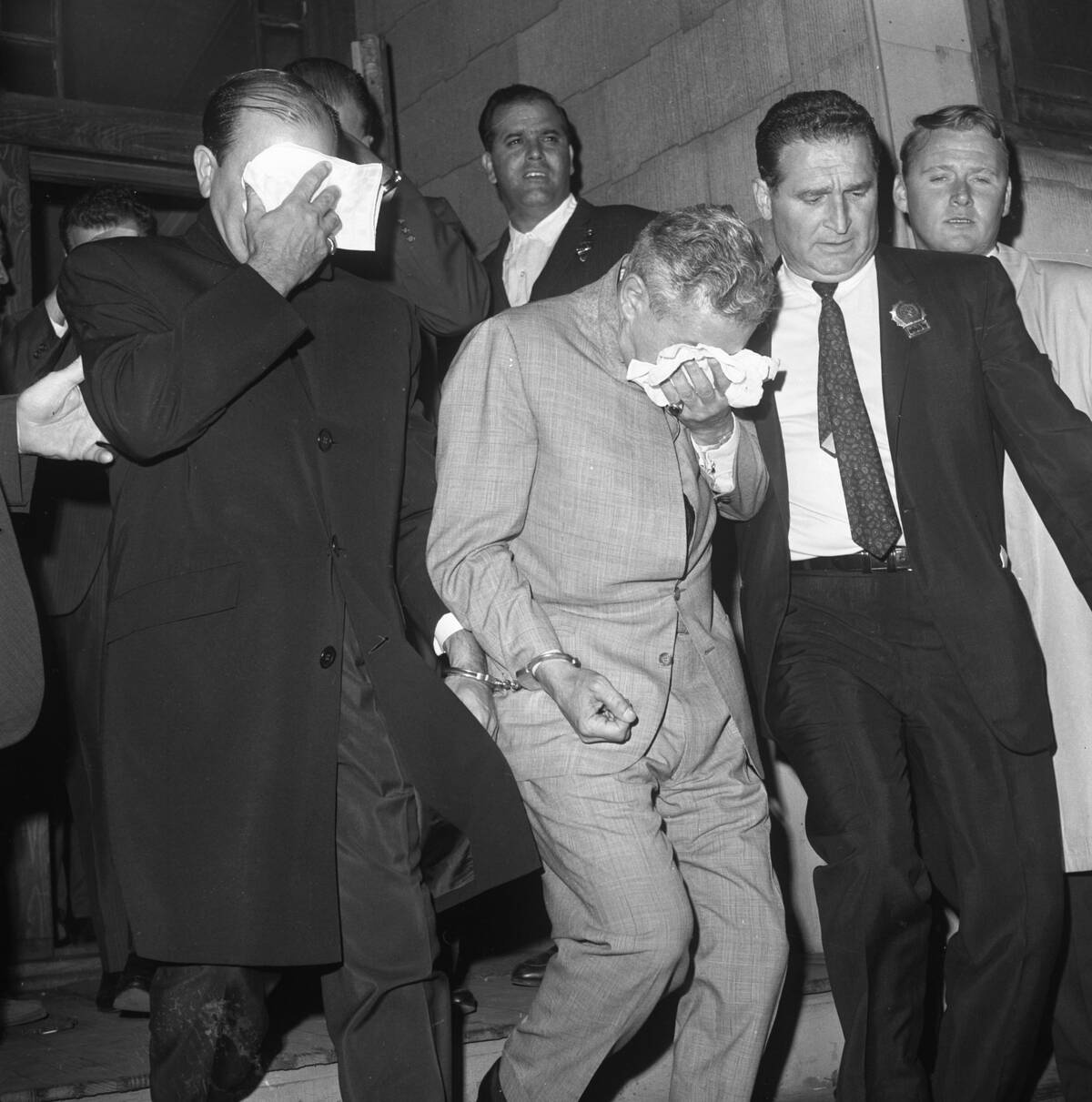
New York was famously home to five organized crime families for much of the 20th century, with the Colombo crime family being the last of the five to be established. Joe Profaci, who went on to serve as the Colombo family’s boss for more than three decades, was the man who founded the family in 1928.
The Sicilian-born Profaci was approved by New York’s other families to lead a new family based in Brooklyn, and he went on to hold a seat on Lucky Luciano’s governing board. While he was investigated by the IRS and the Department of Justice, he was largely able to avoid prison time throughout his criminal career.
John Gotti Was “The Dapper Don” Who Was Betrayed
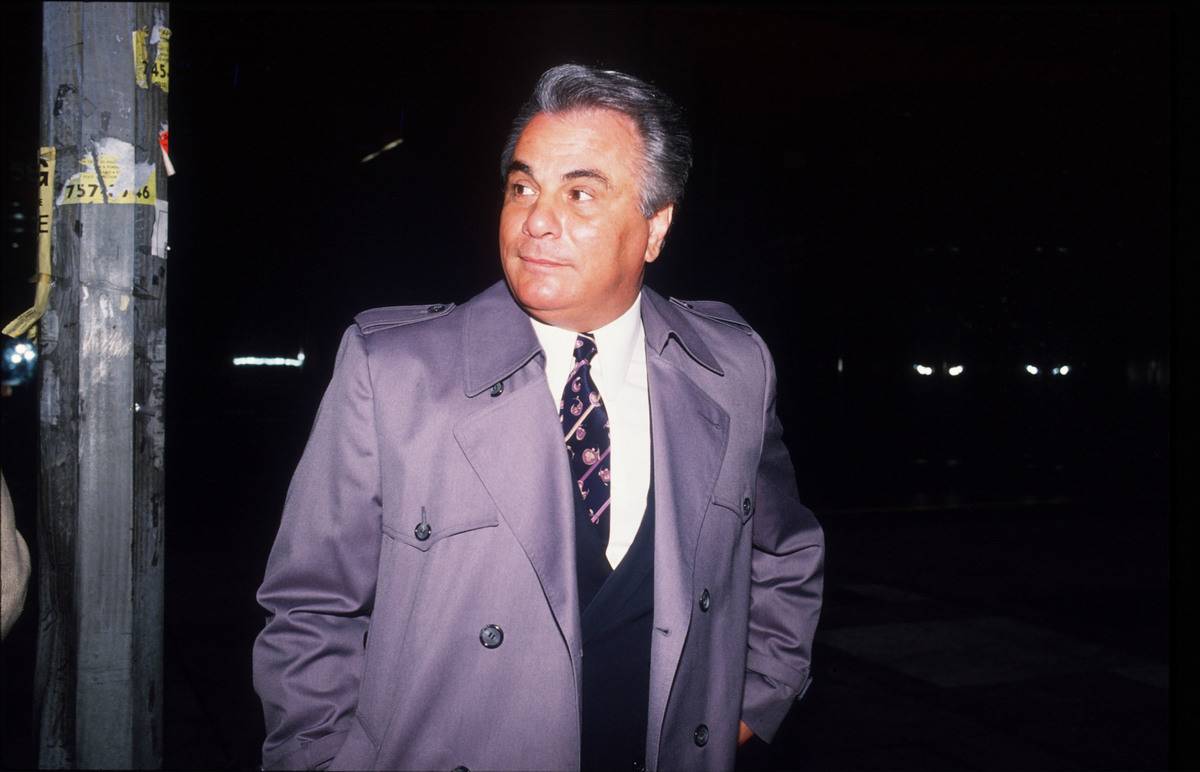
John Gotti, aka “The Dapper Don” for his love of dressing well, was one of the most powerful mob bosses in the United States during the 1980s. Born in 1940s New York, Gotti was known for his quick temper, a trait that was shown in 1985 when he ordered a hit on Paul Castellano, the Gambino crime boss.
After the hit, Gotti took over, making millions in organized criminal activity, including betting, loan sharking, and the illegal distribution of narcotics. Authorities were finally able to put Gotti behind bars in 1992, with the help of his second-in-command Salvatore “Sammy the Bull” Gravano. In 2002, Gotti passed from throat cancer while serving in Missouri federal prison.
Authorities Never Found Meyer Lansky’s $300 Million
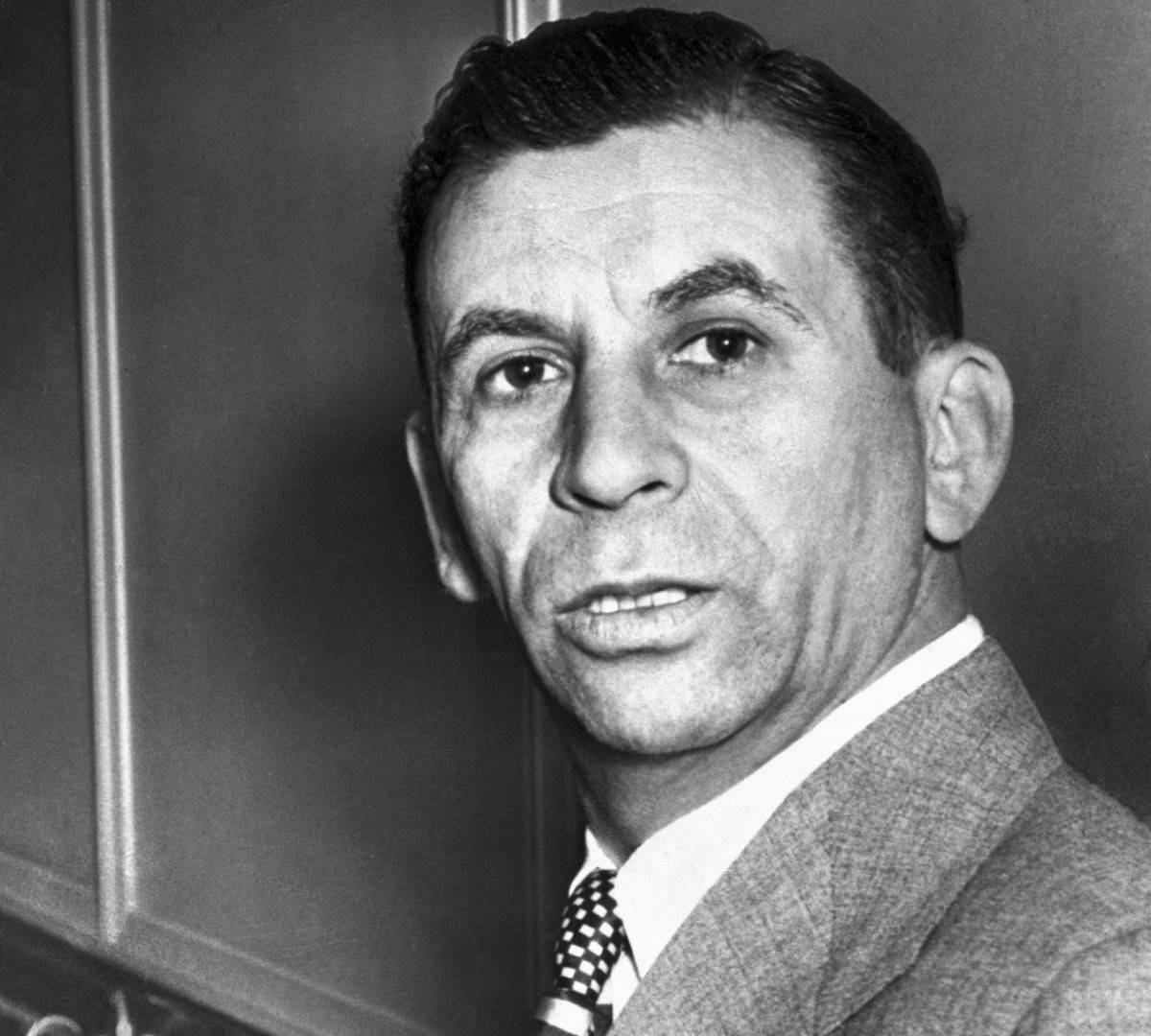
Although he’s not a mob boss or the head of a major family, Meyer Lansky is probably one of the most financially successful gangsters in American history. Known as the “Mob’s Accountant,” Lansky helped his associate Lucky Luciano develop the National Crime Syndicate.
He also developed a worldwide betting empire, something organized with the help of the Jewish mob. And while he had many ties with various families, Lansky was never arrested on anything but illegal betting charges. In 1983, he died of lung cancer at the age of he was 80. At the time of his death, he was suspected to be worth $300 million! But the authorities never found the money.
Whitey Bulger Was In Hiding For Years
![[redcted] Walks Along Castle Island](https://media.tellmebest.com/wp-content/uploads/2024/05/whitey-bulger-walks-along-castle-island-64285.jpeg)
James “Whitey” Bulger was involved in criminal activities from his earliest years, and he went on to lead Boston’s Winter Hill Gang, a powerful Irish-American organized crime group, for decades.
In 1994, Bulger felt the dragnet closing in, as he was set to be indicted on racketeering charges, and also feared mob reprisal as he’d been serving as an FBI informant. He fled Boston and went into hiding. Impressively, he managed to stay on the run for well over a decade before he was finally captured in 2011.
Salvatore Riina Was The Boss Of Bosses
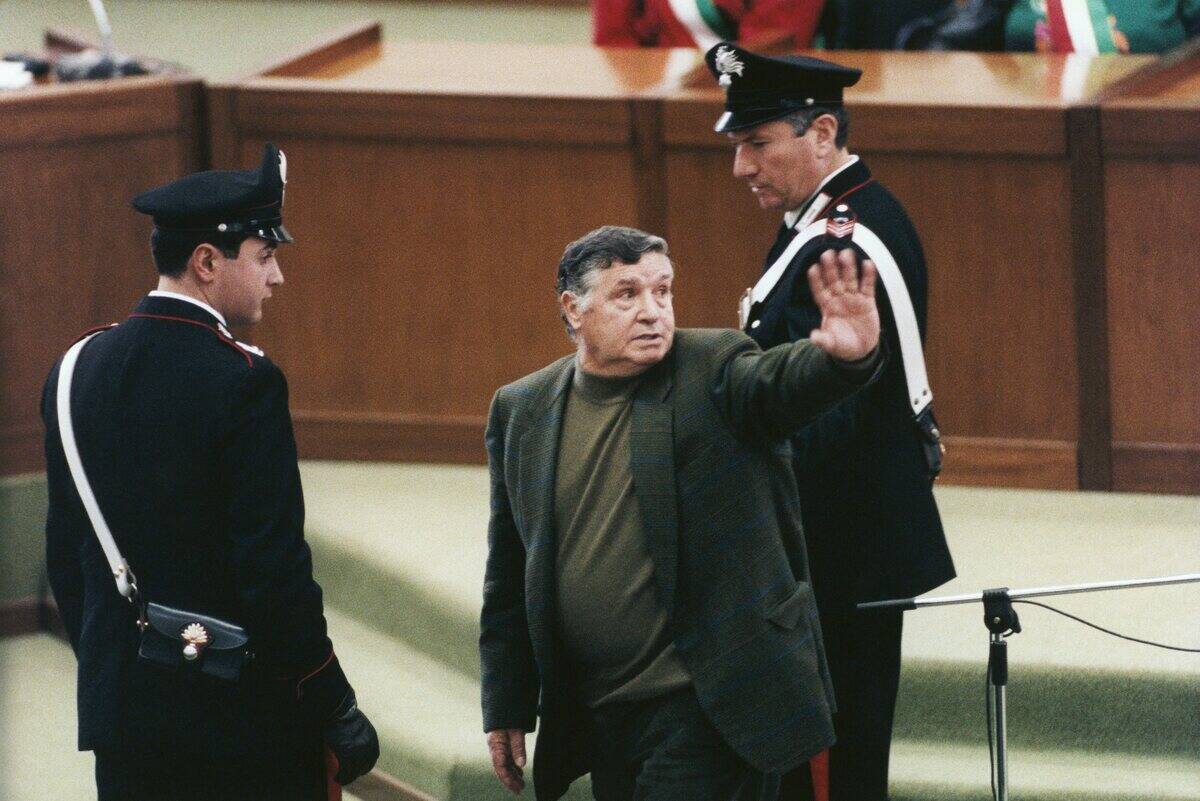
Known as capo dei capi, or “the boss of bosses,” Italian mobster Salvatore Riina ordered several high-profile assassinations in the early 1990s. Unlike traditional mafia hits, Riina ordered the deaths of two anti-mafia prosecutors — a move that attracted condemnation throughout Italy and only served to increase police scrutiny.
Riina had been a shadowy and seldom-seen figure for decades, but Italians were finally able to put a face to the name when he was arrested in 1993. His organization responded by attacking art galleries and churches, but it didn’t lessen his sentence, and Riina died in prison in 2017.
Joe Bonanno Was One Of The Youngest-Ever Mob Bosses
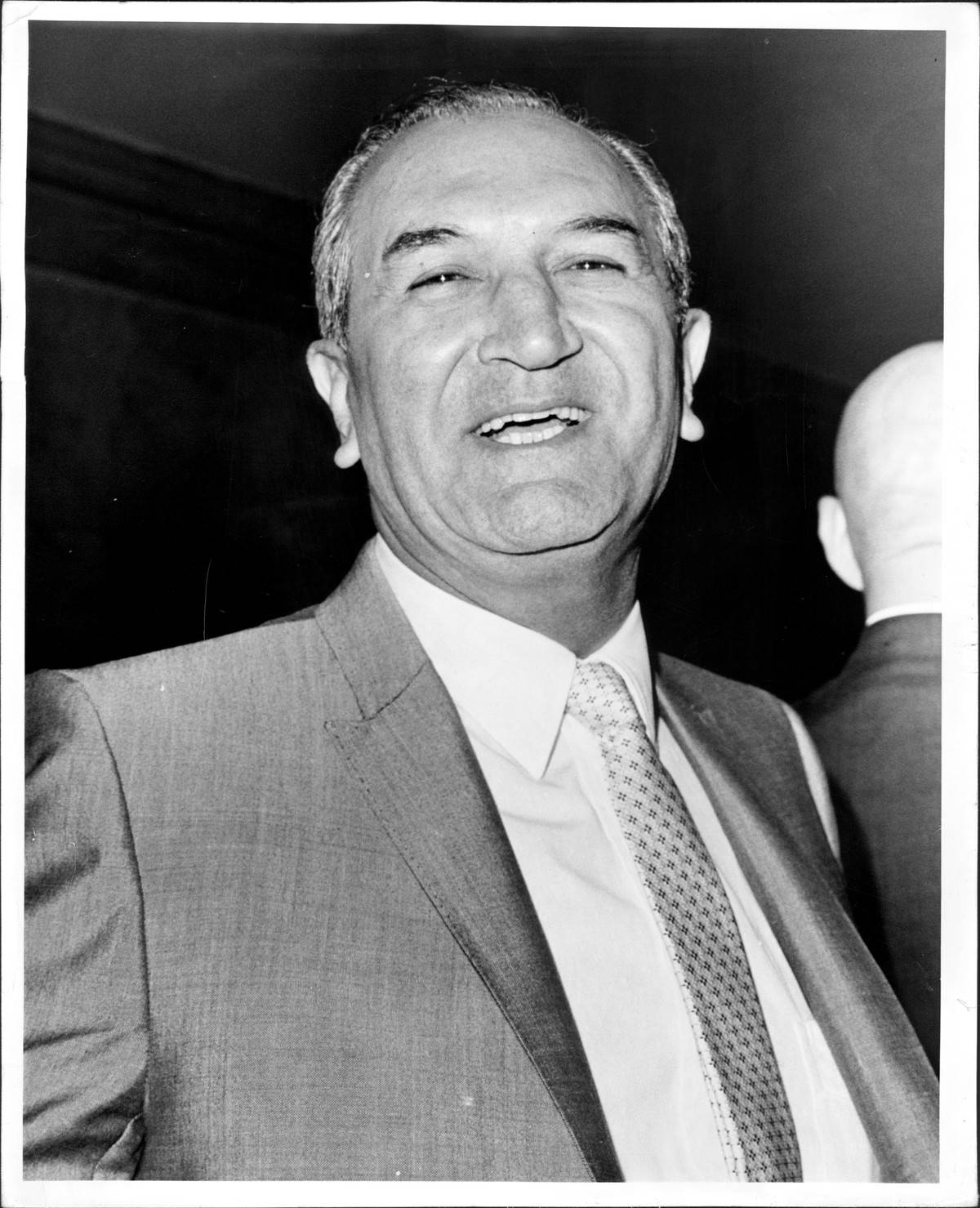
Born in 1905, Joe Bonanno, also known as Joe Bananas, was the Italian-American crime boss of the Bonanno family. It was one of the “Five Families” of New York from 1931 to 1968. Growing up in Sicily with a father involved in organized crime, it was almost as if Bonanno’s future was laid out before him.
By the time he was 26, Bonanno was one of the youngest-ever bosses of a major crime family. After a failed hit attempt, he fled to Canada, only returning to the United States years later. In 2002, Bonanno died of heart failure; he was 97 years old.
Al Capone Is Still Known For The 1929 Massacre
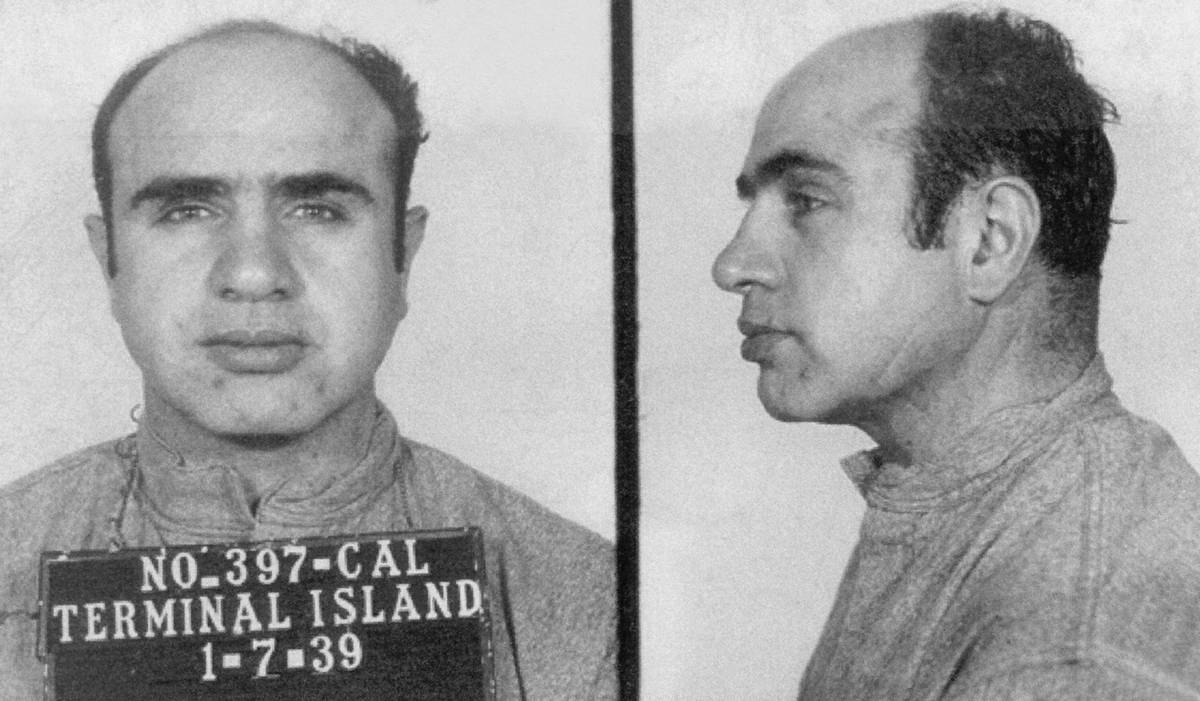
In 1899, one of the most notorious mob bosses of the Chicago area was born, Al Capone. Joining the James Street Boys gang when he was growing up in New York, Capone eventually met his mentor Johnny Torrio. Together, they journeyed to Chicago.
Known for his use of extreme violence and the 1929 Saint Valentine’s Day Massacre of public executions, Capone became public enemy number one. Of course, the authorities couldn’t pin any of the slaughter on Capone, having to arrest him for tax evasion instead. He was sentenced to 11 years, only serving eight before dying of a heart attack in 1947.
Bernardo Provenzano Was A Subtle Boss
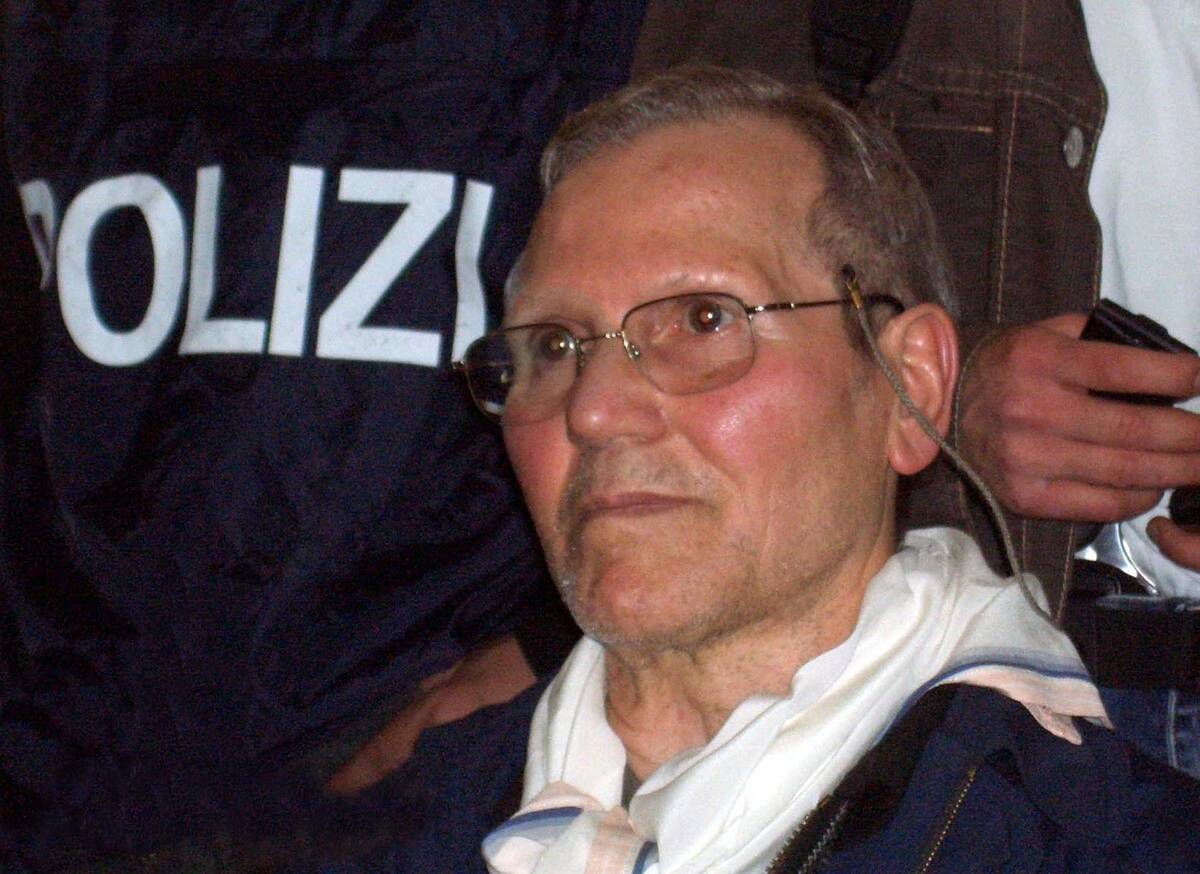
Bernardo Provenzano, the man who ran the Corleonesi faction of the Sicilian mafia throughout the 1950s and early ’60s, was involved in typical mob activities such as murder and extortion. But unlike other mob bosses, Provenzano cultivated a low-key, mild-mannered reputation, leading to the nickname “il ragioniere,” or “the accountant.”
Provenzano was forced to go into hiding after a failed hit, and ran into further trouble in the late ’80s after his organization was tied to several bombings. In all, he spent 43 years as a fugitive before he was captured and imprisoned in 2006.
Bugsy Siegel: The Hitman Who Became A Target
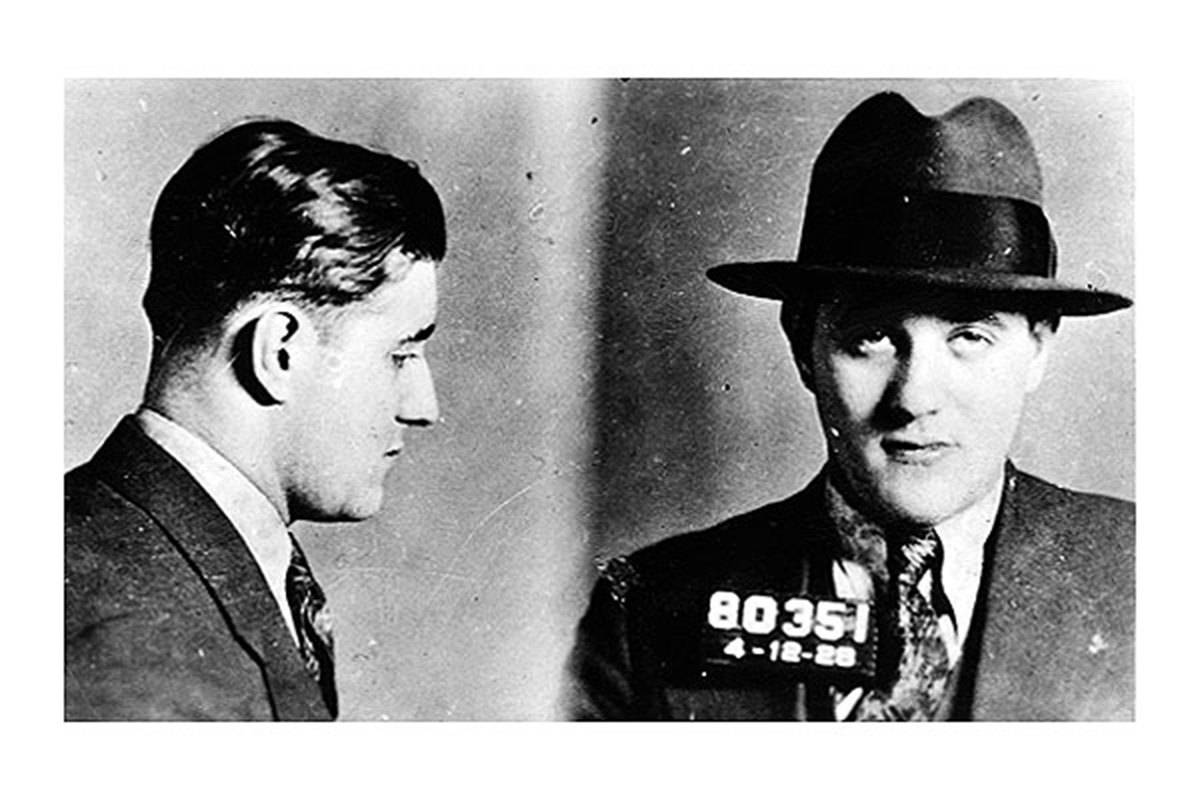
Bugsy Siegel was born in Brooklyn, New York, in 1906. Known for being a mafia enforcer and hitman, Siegel was a close associate of boss Meyer Lansky. As such, the enforcer was involved in betting, bootlegging, and eventually, the co-founding of the enforcement arm of the mob, called Murder, Inc.
In 1936, Siegel left New York behind moving to California to grow “businesses” out west for the east coast mob bosses. He began building casinos with his girlfriend, Virginia Hill. But the hitman became a target when Lansky learned he was pocketing mob money for his own gain. Siegel died in 1947, at the age of 41.
Tony Accardo Learned The Ways Of The Underground From Capone
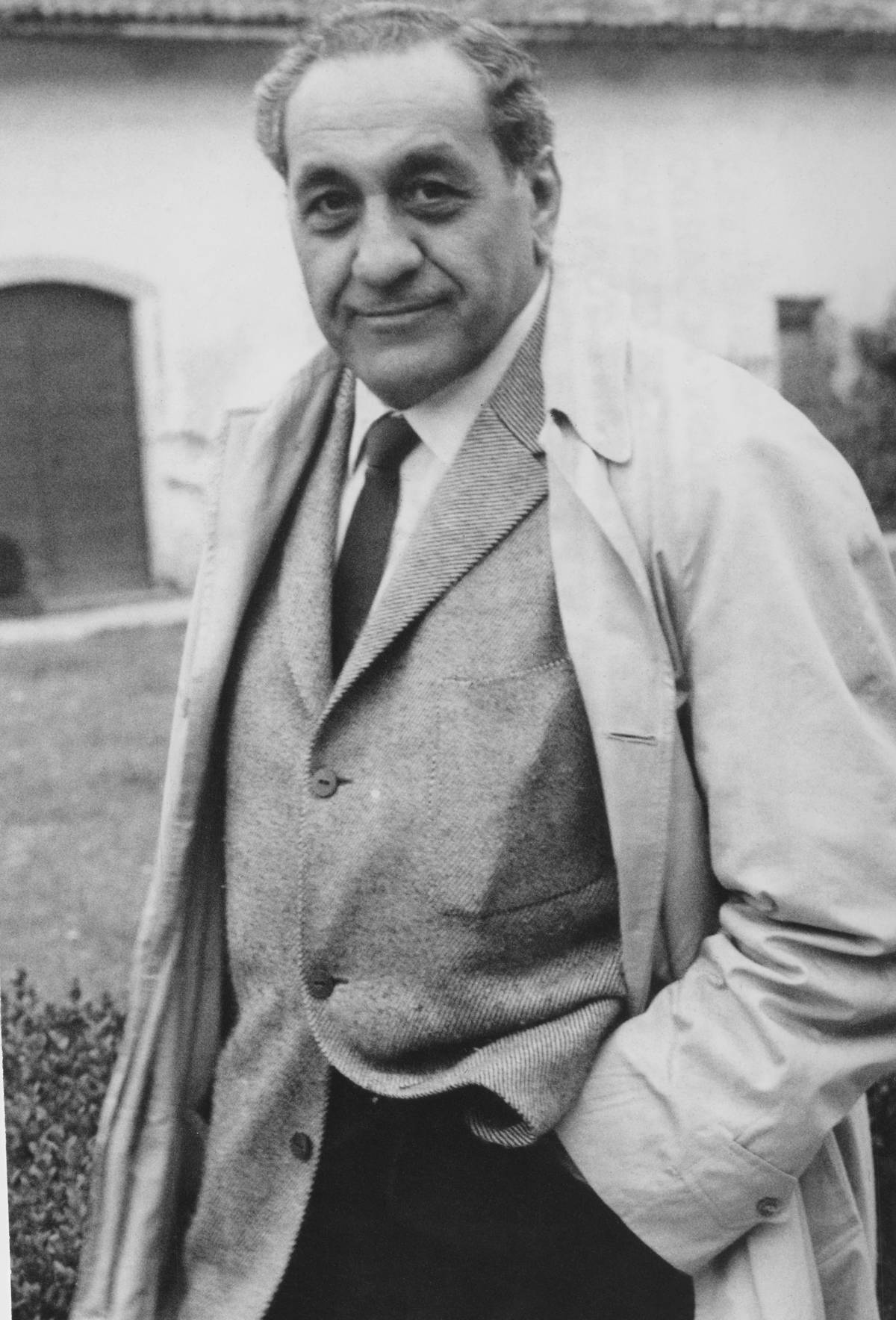
Tony Accardo is best-known for being the protege of Al Capone. Born in 1906 in Chicago, Accardo was taken under Capone’s wing, learning the ropes and climbing his way to the top ranks of the Chicago Crime Syndicate. By 1947, Accardo was the head of the Chicago Outfit.
Under his leadership, Accardo moved the mob toward more profitable business ventures, including call girl services and smuggling narcotics. While the authorities could never tie Accardo to his illegal dealings, they were able to indict him for tax evasion in 1960. The ruling was overruled. Eventually, he retired from the mob, and, in 1992, died from lung and heart complications.
John “Sonny” Franzese’s Son Testified Against Him
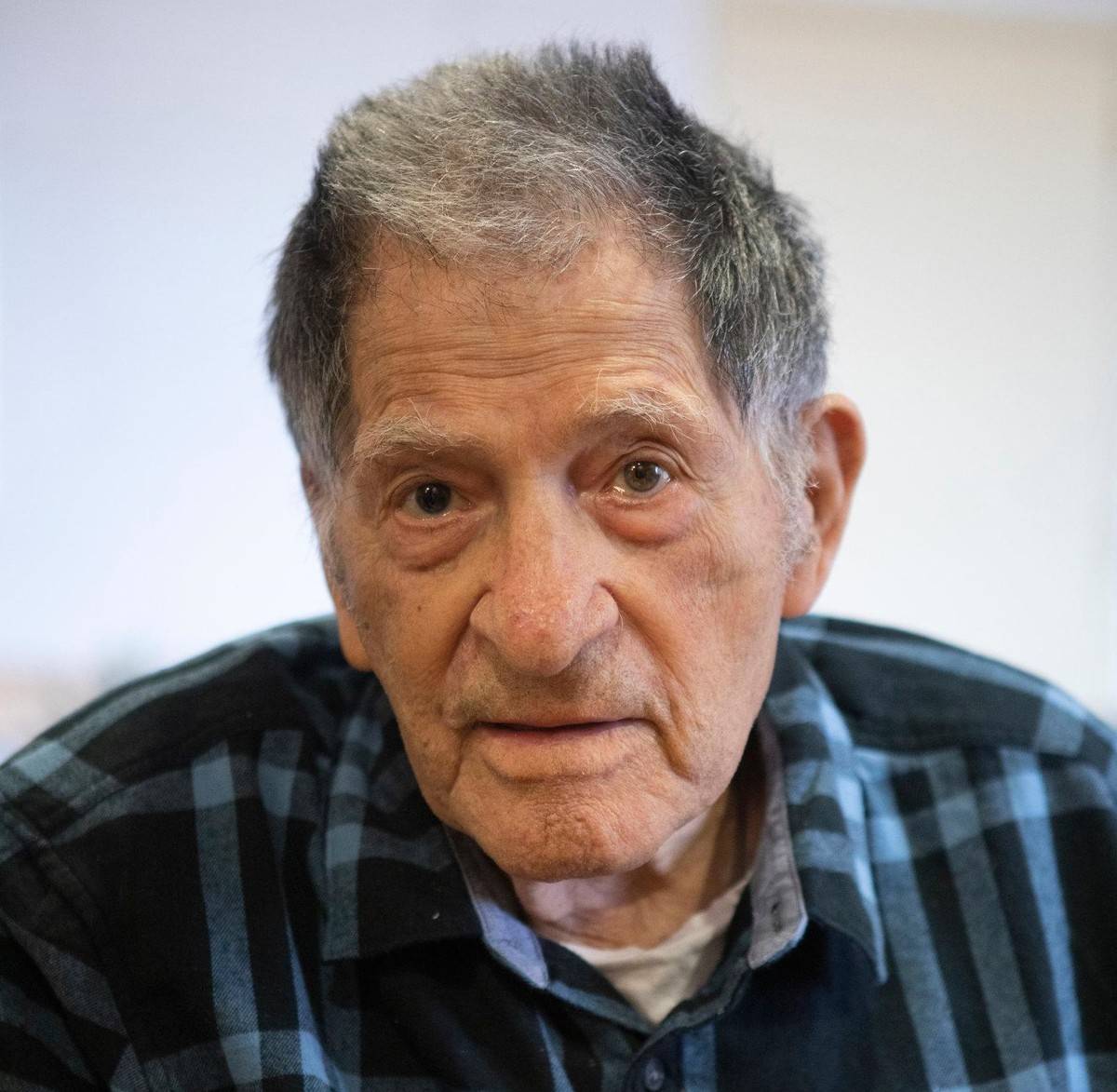
Born in 1917, John “Sonny” Franzese had a criminal career spanning over three decades. Starting in the ’30s, Sonny worked his way up the ranks until he gained the title of underboss to the infamous Colombo crime family in 1963. A few years later, he was sentenced to 50 years in prison for a bank robbery.
But the most interesting part about Sonny’s life is that in 2011 when he was convicted for extortion. Sonny’s son, John Franzese Jr., testified against him, making him the first New York mobster to testify against their father and turn over state’s evidence. In 2020, Sonny passed away at the age of 103.
Sam Giancana Started A Life Of Crime At A Young Age
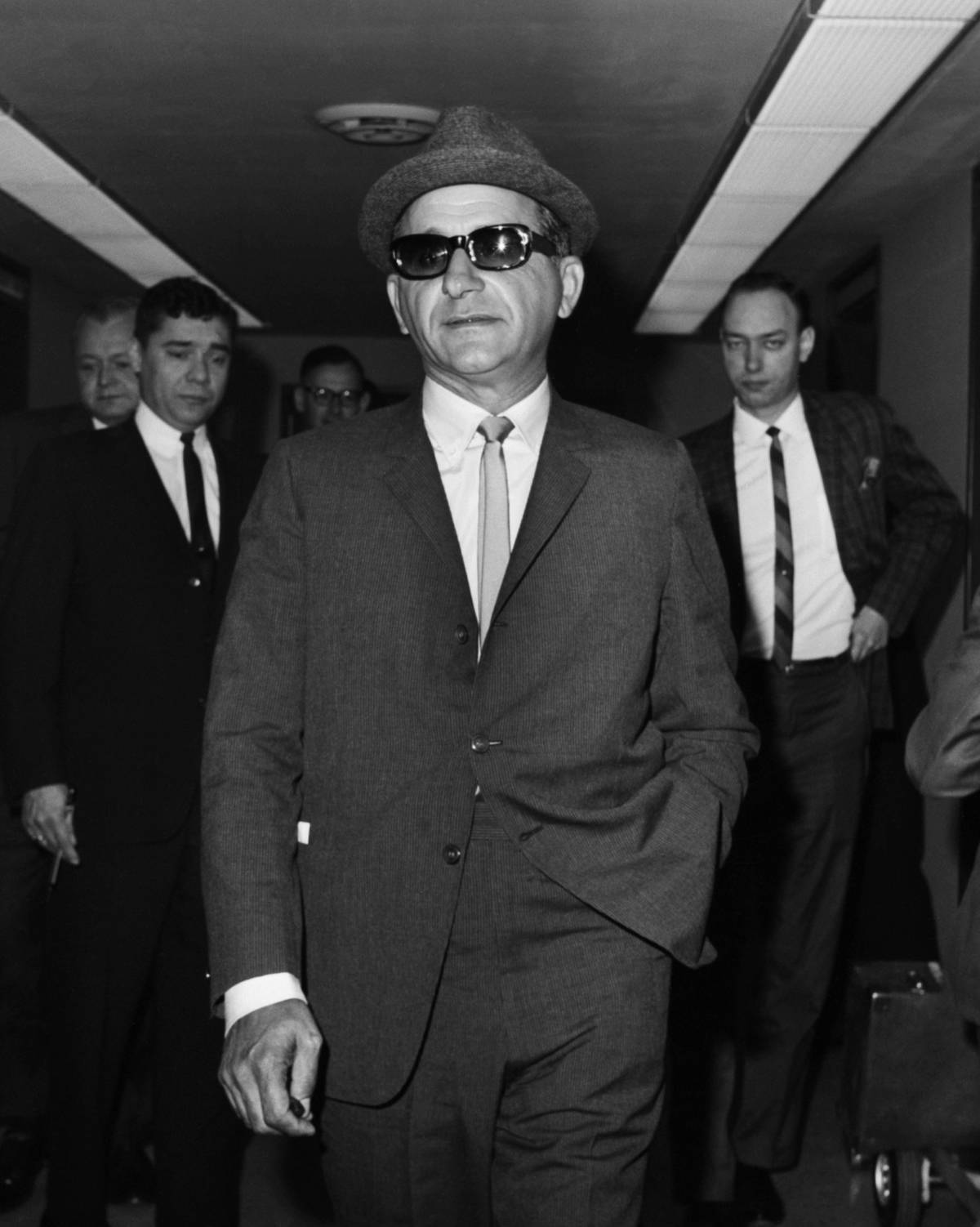
Sam Giancana’s mob legacy is a bit more political than most on this list. Born in Chicago in 1908, Giancana took over the Outfit from 1957 to 1966, after Tony Accardo announced his retirement. His obsessiveness with American politics made him of interest to government leaders while his ruthlessness was the thing of legend in the underworld.
It’s said that before the age of 20, he’d committed no less than three murders and had been arrested over 70 times. After spending some time in prison after refusing to testify against mob activities, Giancana left the country. He should have stayed in South America; in 1975, he was assassinated in Illinois.
Albert Anastasia Was A Ruthless Boss Known As The “Mad Hatter”
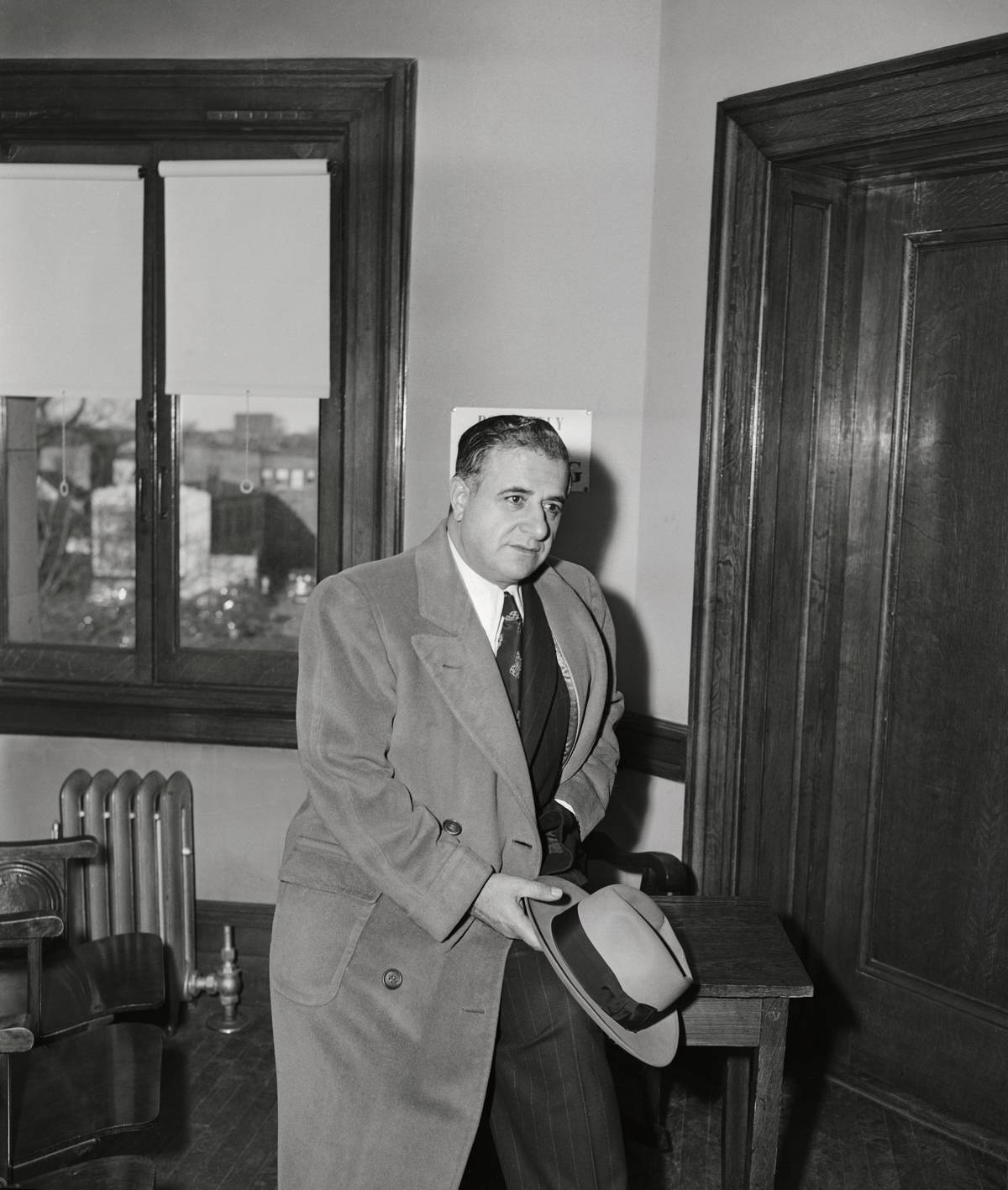
During his time in the mafia, Albert Anastasia was a man of many traits. He was a crime boss of what became the Gambino family, a hitman, and an outright Italian-American mobster. Born in 1902, Anastasia went on to become one of the founders of what we know to be the modern-day American mafia.
He was also co-founder and boss of the mafia enforcement agency Murder, Inc. Anastasia is considered to be one of the most feared and ruthless leaders in all of mafia history, traits that earned him the nicknames of “Mad Hatter” and “The One-Man Army.” He ultimately died in a 1957 assassination.
Raymond Patriarca Sr. Ruled In New England For Three Decades
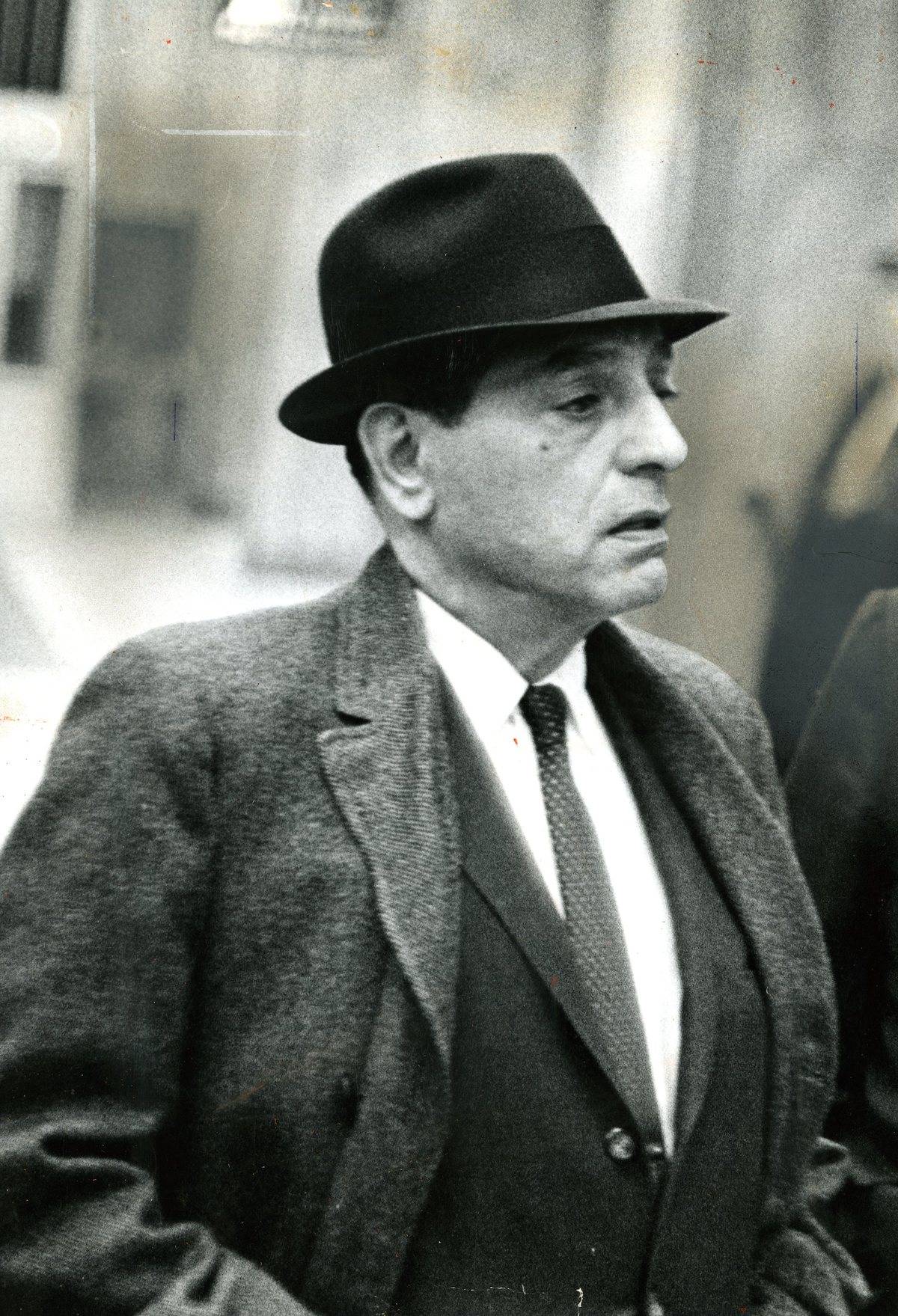
Raymond Patriarca Sr. was born in 1908, later becoming the long-time head of the Patriarca crime family. His control spread throughout the greater New England area for more than three decades, with each illegal business having to pay a kickback to the family.
It is said that Patriarca was a ruthless and brutal leader, once having allegedly ordered the murder of his own brother because he didn’t notice a recording device placed in his office. In 1970, he went on trial for conspiring to murder and was sentenced to 10 years in prison. But being the fearless leader he was, Patriarca continued to run the family from behind bars.
Lepke Buchalter Is The Only American Mob Boss To Get The Death Penalty
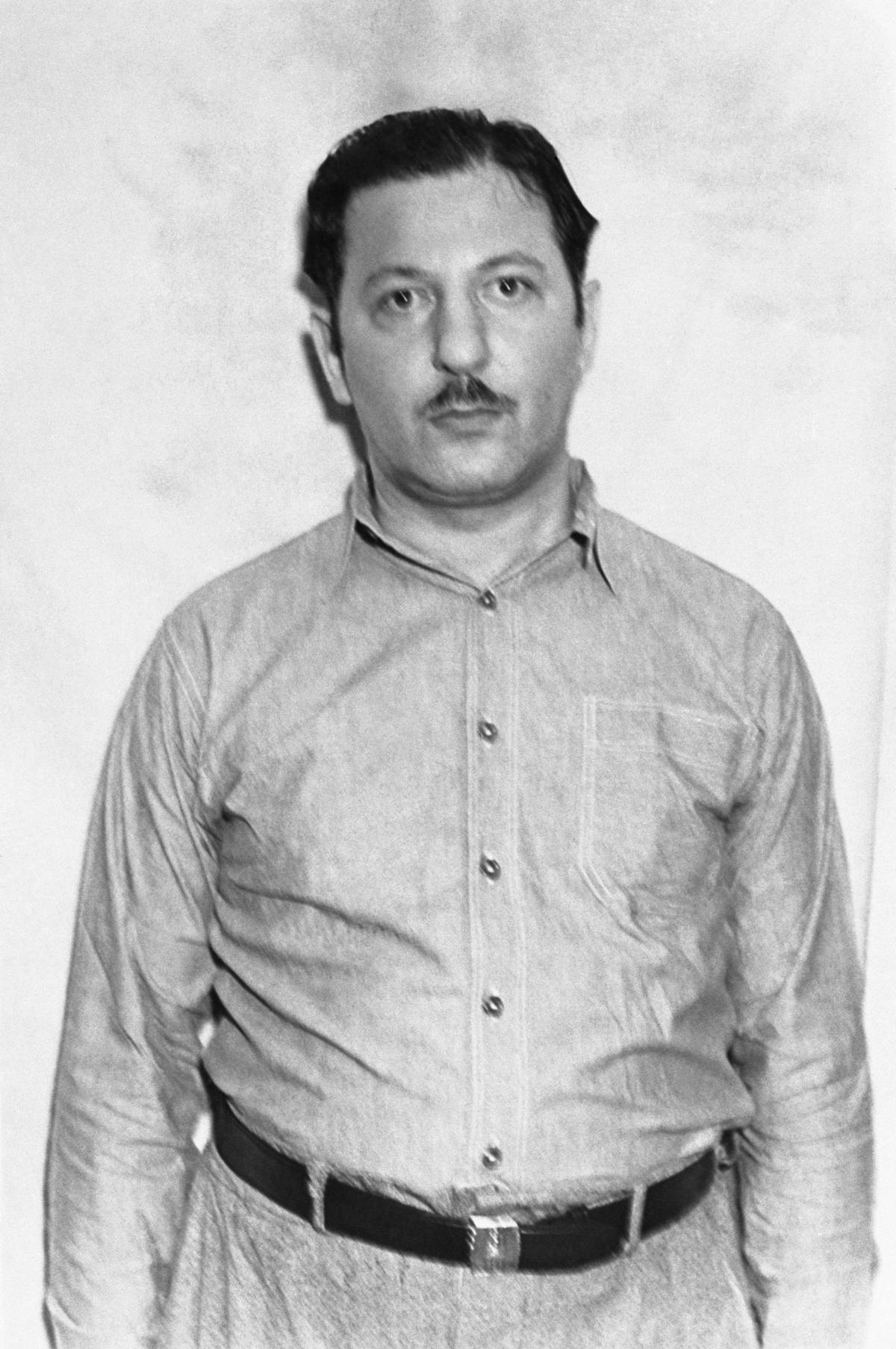
Born in 1897, Lepke Buchalter moved up the ranks of the American mafia after being released from prison in 1922. From there, he and his friend Jacob “Gurrah” Shapiro began inflicting fear in New York’s garment industry union, slowly but surely gaining control of it.
Then, in the ’30s, Buchalter helped create what would later be known as Murder, Inc., the enforcement “agency” of the mafia. But his success came to a crashing halt when he was convicted of killing in 1941. His sentence was the death penalty by means of the electric chair at Sing Sing. He is the only American mob boss to be given a death sentence.
Dutch Schultz Went Against The Commission’s Orders
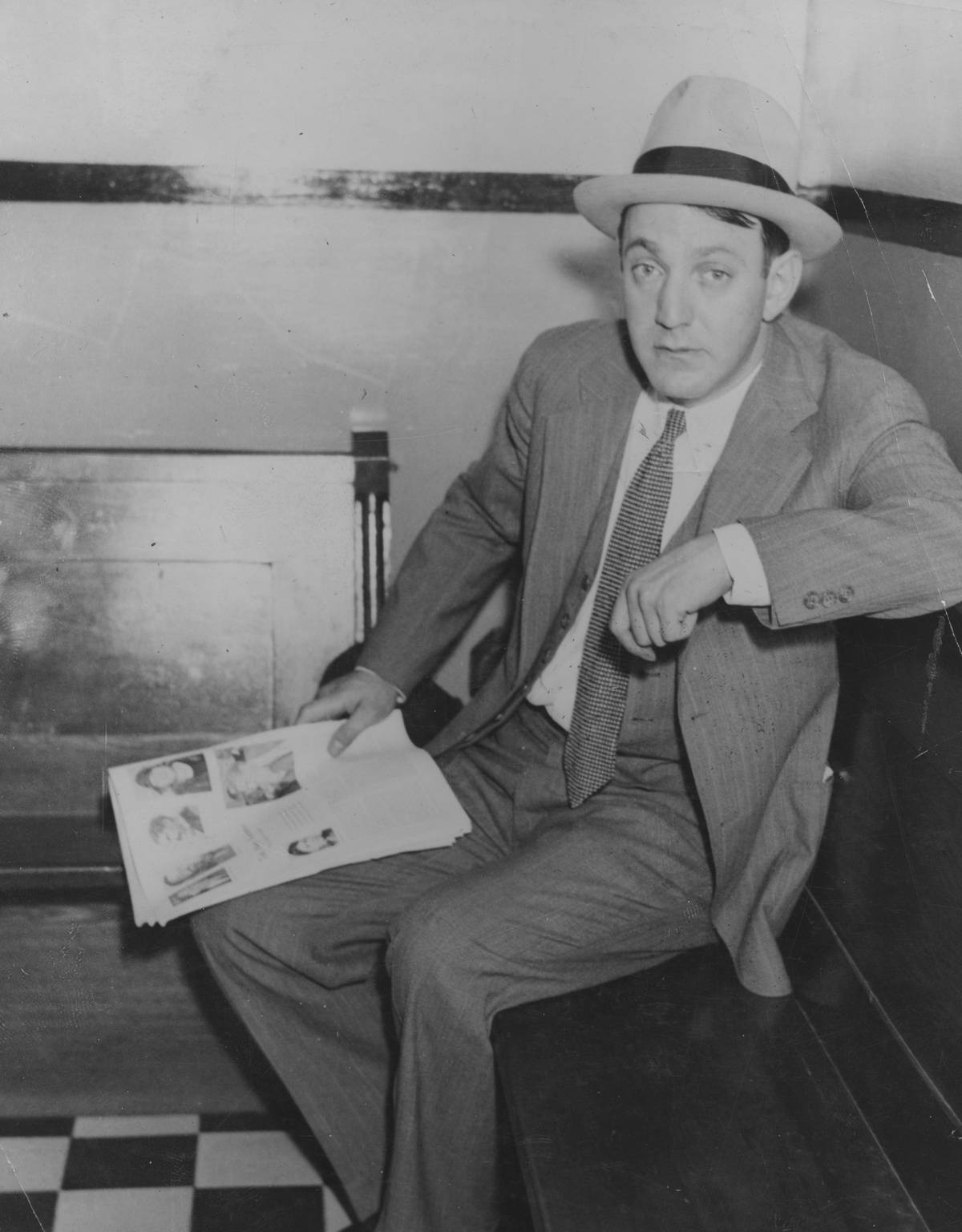
Born in 1902, Dutch Schultz was an American mobster based in New York throughout the ’20s and ’30s. Like many mob affiliated people, Schultz made his fortune in crime-related organizations, including bootlegging and taking bets for the lottery. And while his “business” was going well, it didn’t stop him from being prosecuted by Thomas Dewey not once, but twice for tax evasion.
In an attempt to overturn his conviction, Schultz asked the mob’s governing body, the Commission, if they’d assassinate Dewey. They refused. And Shultz took the job upon himself, ultimately failing. Because he disobeyed the Commission’s orders, they set a hit on him. Schultz died in 1935.
Vito Rizzuto’s Family Was In A Power Struggle
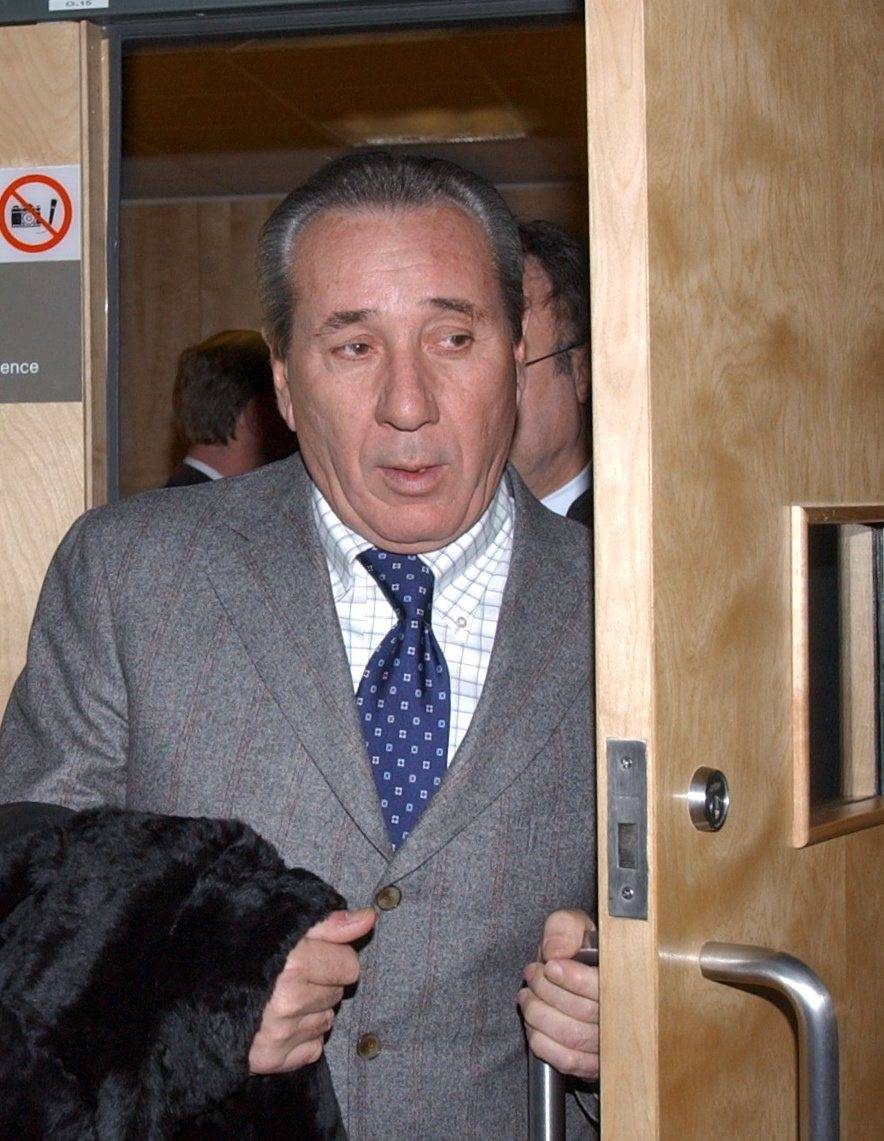
Born in Cattolica Eraclea, Sicily, Italy, in 1946, Vito Rizzuto immigrated to Montreal, Canada, with his family in 1954. His father, Nicolo, married into the mob and overtook the Cotroni crime family in the late ’70s. When he was old enough, Rizzuto took over as head of the family, becoming the alleged leader of the Sicilian mafia in Canada.
After pleading guilty to conspiring to murder and racketeering in 2007, Rizzuto was sentenced to ten years in prison. While behind bars, the Rizzuto family wound up in a power struggle, resulting in the death of his son and father. Rizzuto died from pneumonia in 2013, a result of lung cancer complications.
Stefano Magaddino Stashed $500K At His Legitimate Business
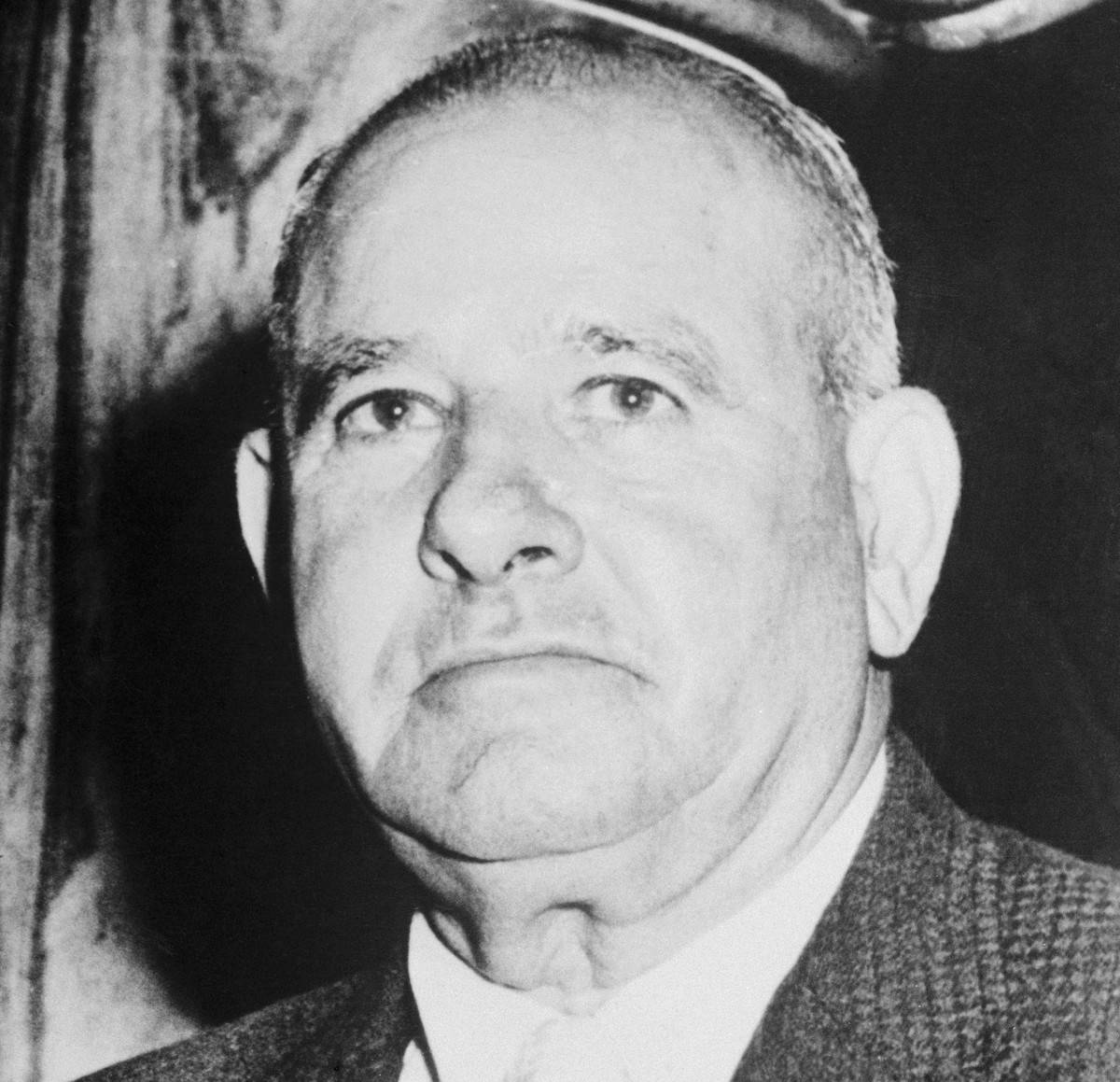
Born in 1891, Stefano Magaddino became the longest-tenured boss in the history of the American mafia. As head of the Buffalo crime family, it’s interesting to point out that Magaddino actually owned and operated a legitimate funeral parlor, but made his fortune bootlegging and smuggling wines and spirits across Niagara River and into New York State.
For fifty years, Magaddino, known as “Don Stefano” to friends and “The Undertaker” to everyone else, was a dominant presence in the underworld of Buffalo, New York. His reign began to crumble in 1968 when the authorities found $500,000 stored away in his funeral home as well as his son’s attic.
Carlo Gambino, The Original Godfather
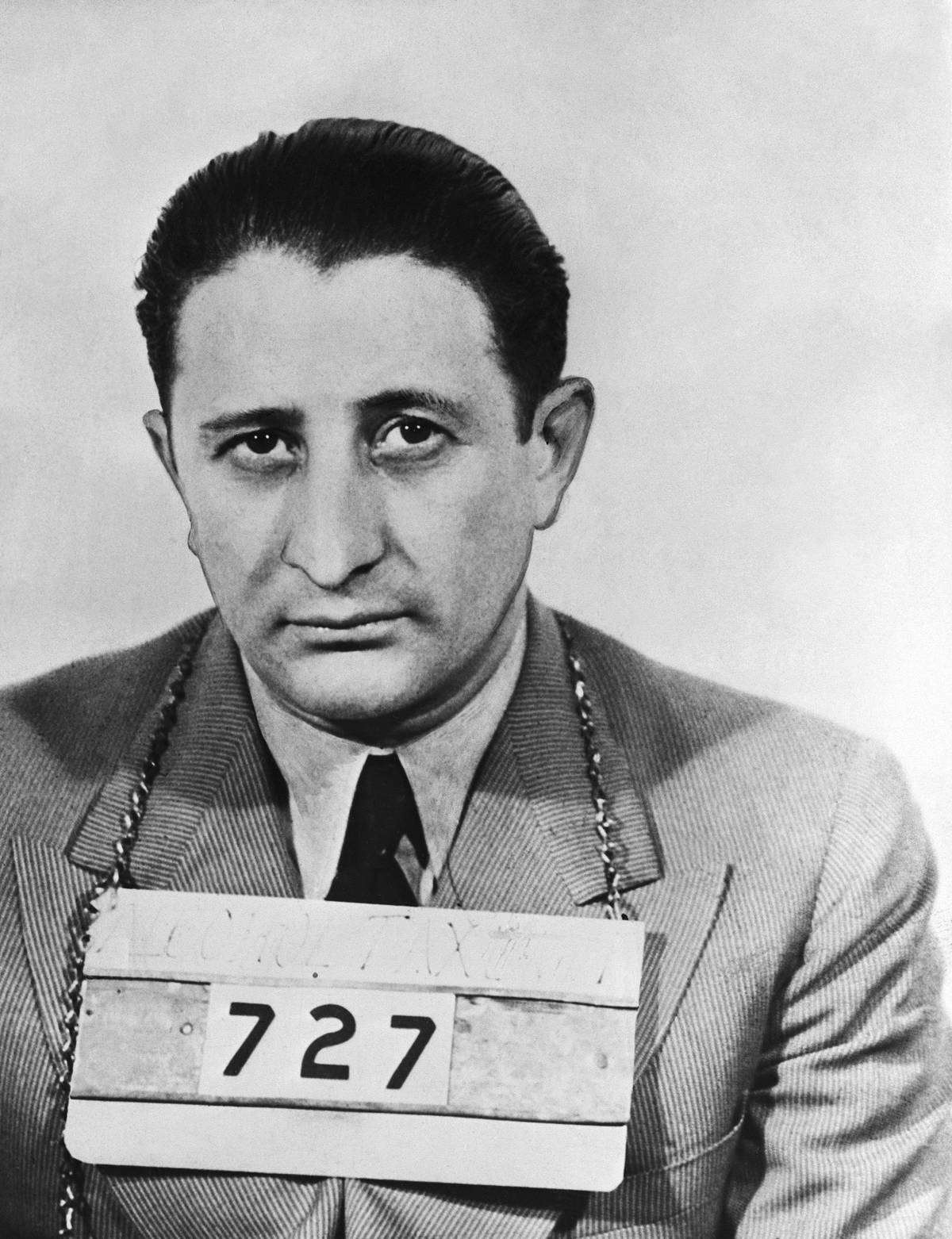
Italian-American crime boss Carlo Gambino, also known as The Godfather, was born in 1902, later becoming head of one of the “Five Families” of New York City, the Gambino crime family. Gambino ran the family for 20 years, a time in which he became the most dangerous and powerful mob boss in the country.
Ironically, the only time Gambino served time behind bars was in the ’30s, two years for running an illegal liquor still. And, while other families dabbled in narcotics, Gambino preferred “traditional businesses” such as loansharking, betting, as well as hijacking and extortion. He died of heart disease in 1976.
Pablo Escobar Was A Billionaire
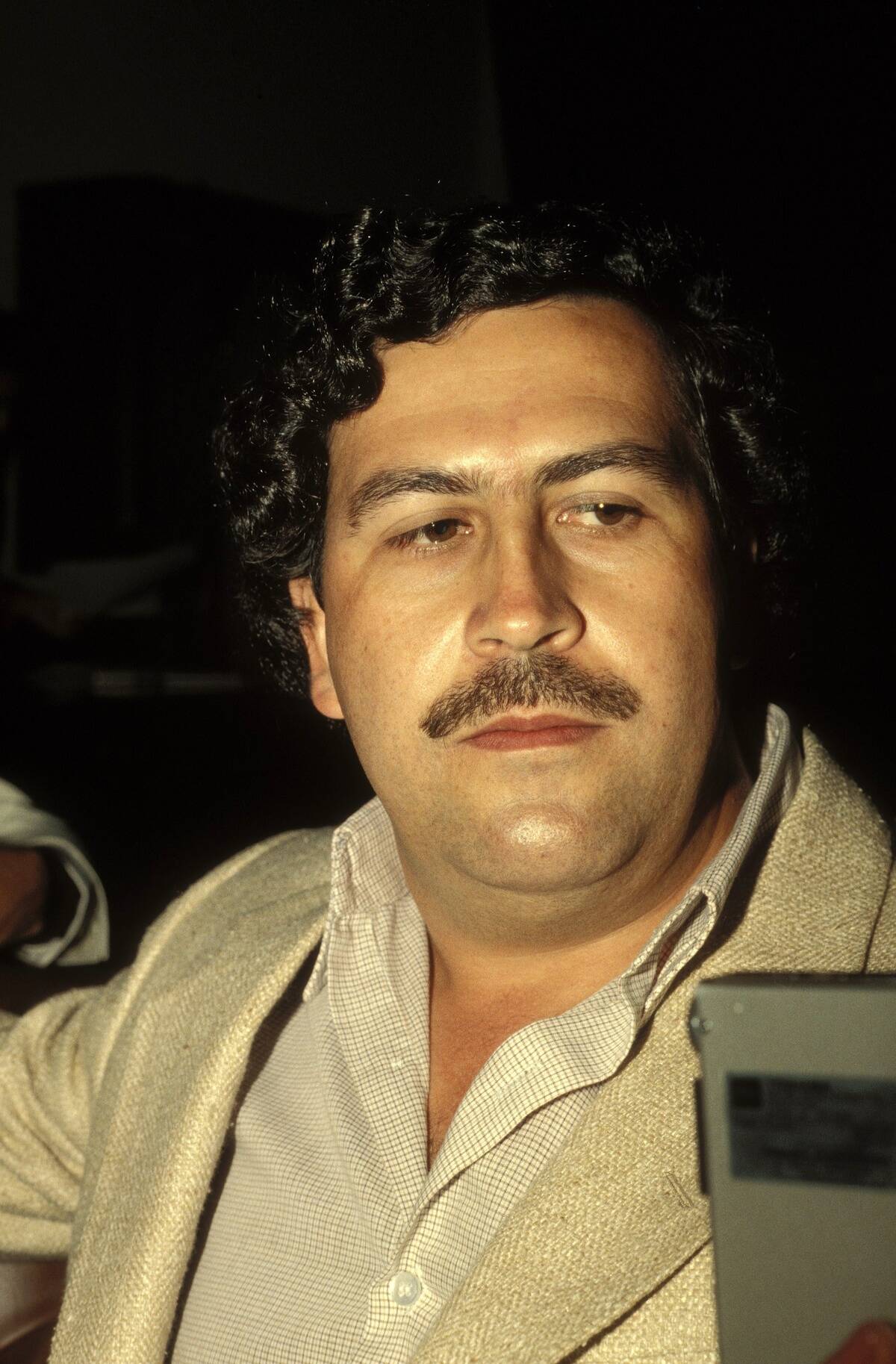
It’s no secret that mob bosses are able to get wealthy from the proceeds of their crimes, but Pablo Escobar is likely the richest boss of all time, amassing tens of billions of dollars of personal wealth during his career as Colombia’s drug kingpin.
Escobar’s Medellín cartel was able to capitalize off of the drug trade between Colombia and the United States, and Escobar himself was, by most accounts, the most powerful man in Colombia. He had a brief political career and was a polarizing figure, with some seeing him as a savior. However, his history of ordering kidnappings, ransoms, and murders, led to investigations. He was killed during a police raid in 1993.




