Here’s how the perfect female figure looked over the last century
Throughout history, the female body has gone through various trends and fads. From the flappers of the roaring ’20s to the pin-up girls of the ’40s and the “twigs” of the ’60s, the idea of beauty seems to change drastically depending on the era. Take a look back at what was considered the ideal female body type from decade to decade.
The “Gibson Girl” Of The 1910s
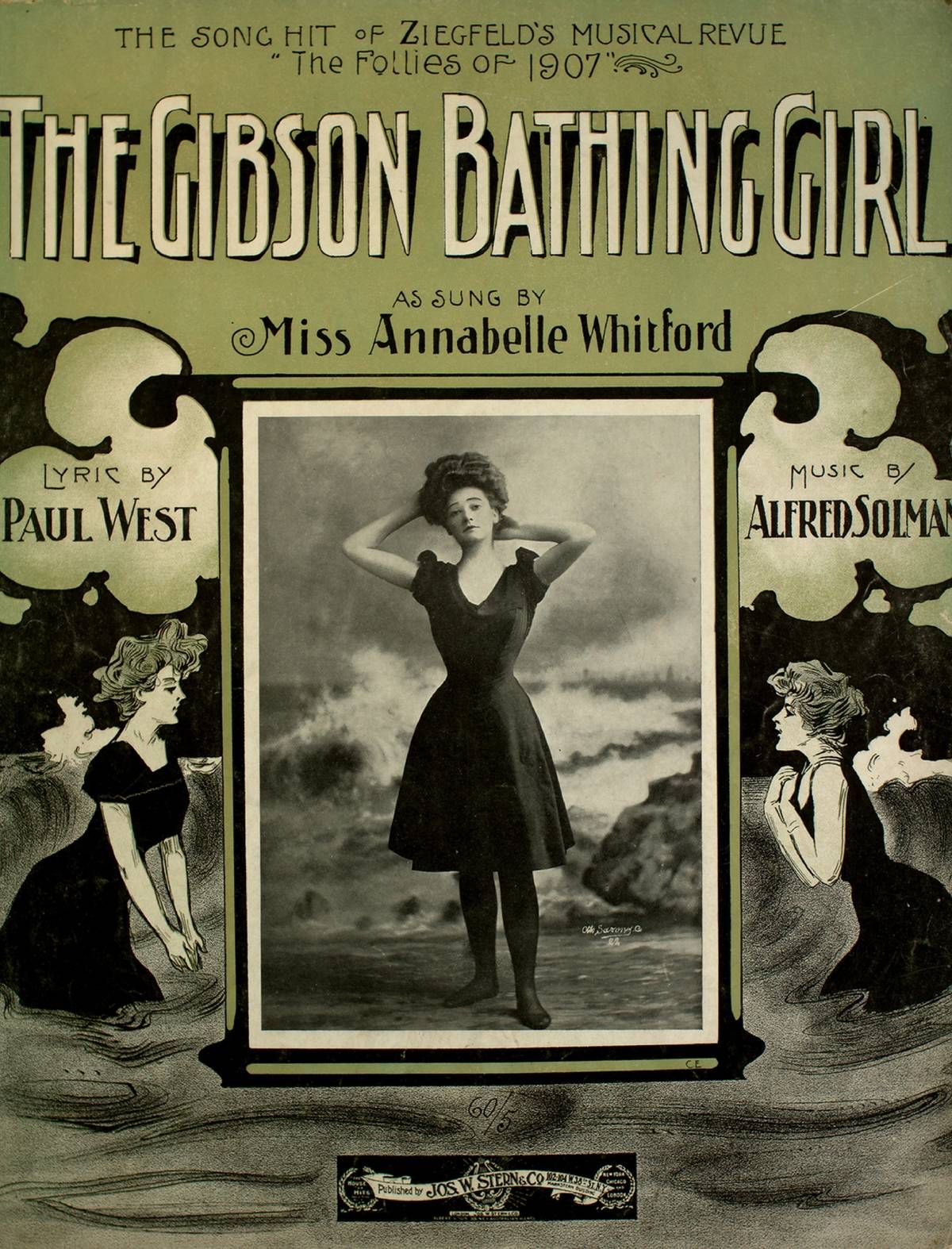
Starting in the 1910s, it was all about the hourglass figure. Made popular by magazine illustrator Charles Gibson, this body type was all about a tiny waist, large hips, and, strangely enough, perfect posture.
In his illustrations, Gibson portrayed women wearing tight corsets, giving them the absolute perfect hourglass figure without overdoing the chest. To him, the Gibson Girl represented the beauty of “thousands of American girls” and was the epitome of physical attractiveness in women.
The Ideal Gibson Girl Was Camille Clifford
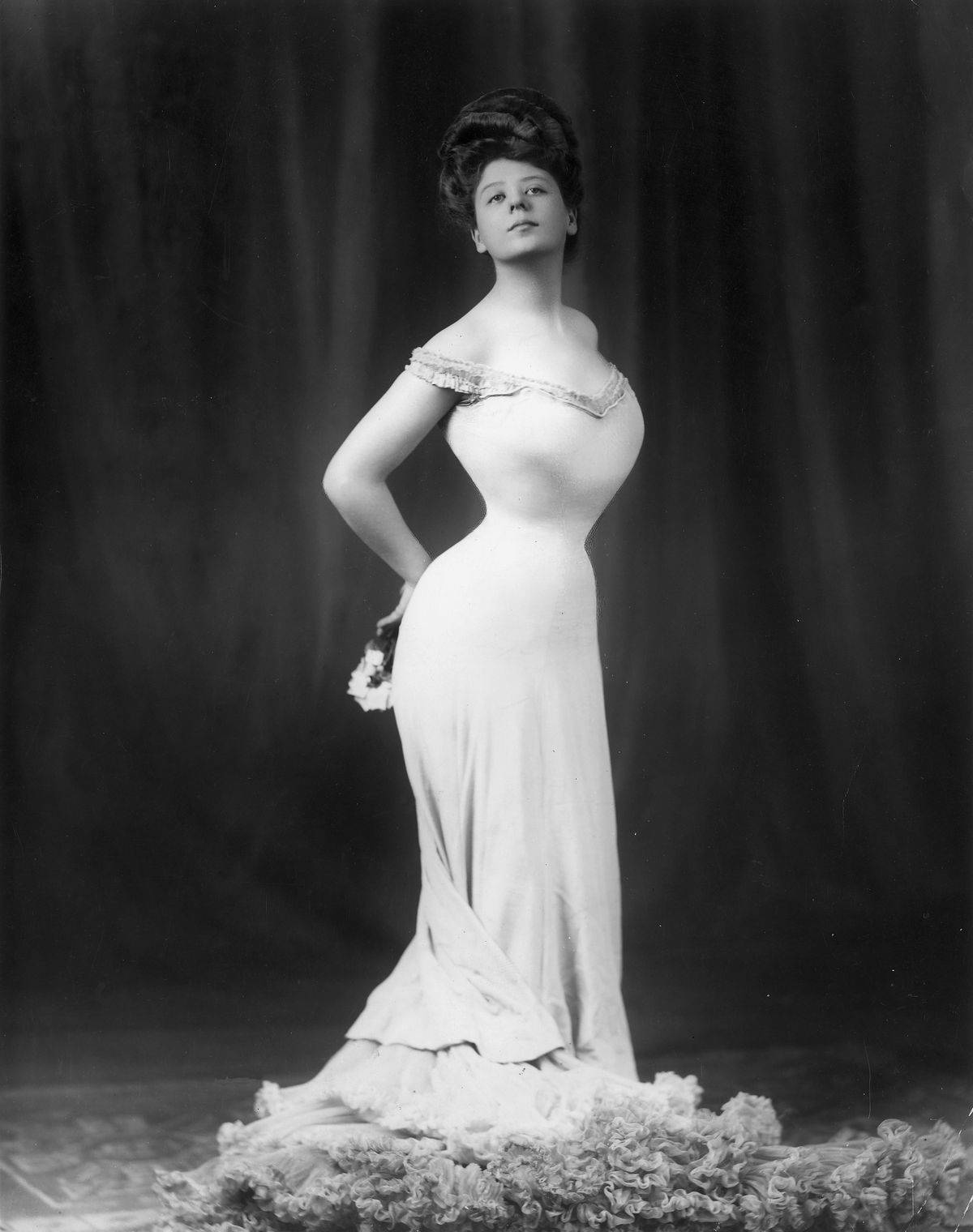
Camille Clifford was a well-known stage actress during the 1910s. But she was more popular for being one of the main models for Charles Gibson’s Gibson Girls. Between her perfect hourglass figure and the mile-high coiffure updo she typically sported, Clifford was considered to be the definition of what a Gibson Girl represented.
In the 1900s, she even won $2,000 in a magazine contest looking for a lady who accurately depicts Gibson’s “perfect woman.”
Even After Tastes Changed, The Legacy Prevailed
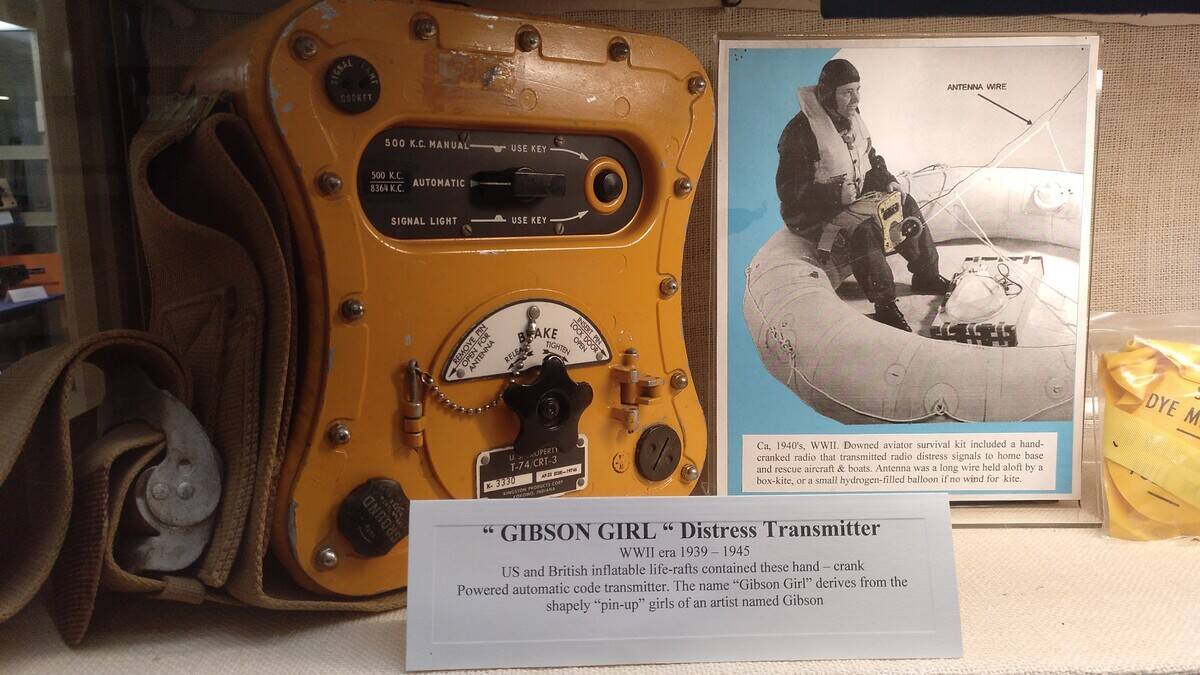
Although the “Gibson Girl” ideal fell by the wayside with the outbreak of World War I, memories for Gibson’s distinct preferences lived about as long as he did. That’s because a survival radio transmitter used by British and American forces during World War Ii was nicknamed the “Gibson Girl” due to its hourglass shape.
The design had practical reasons for looking that way, however, as it was intended to be held between the thighs as the generator handle is turned (as demonstrated at right).
World War I Brought Practicality
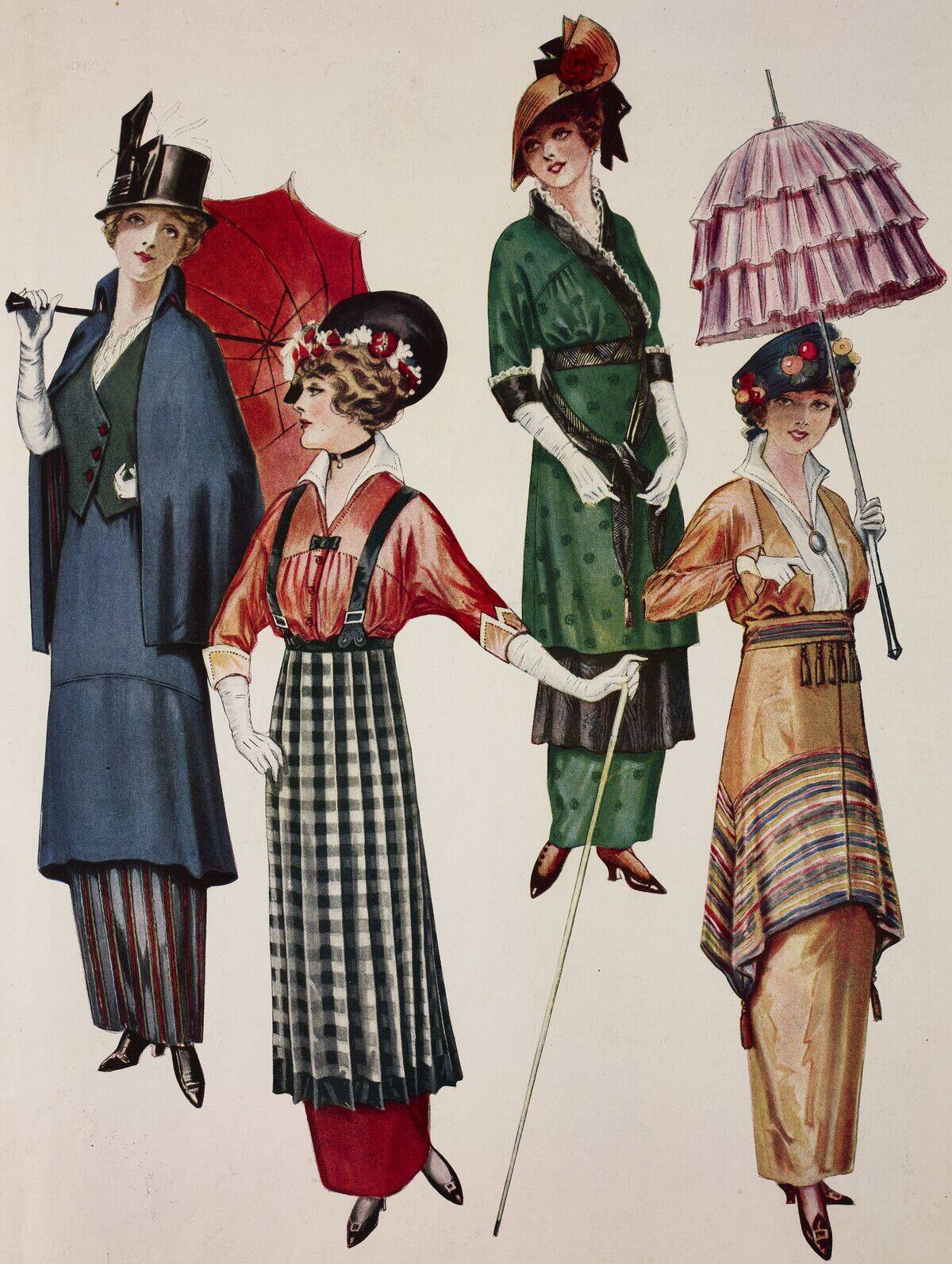
The emerging fashion trends of the 1910s took a backseat in the middle part of the decade after the outbreak of World War I. Skirts became shorter, wider, and simpler overall.
With more women entering the traditionally male-dominated workforce during the war years, practical men’s fashions made inroads into women’s wardrobes as well, with daywear often incorporating tailored suits.
Styles Were As Regimented As The Times Suggested
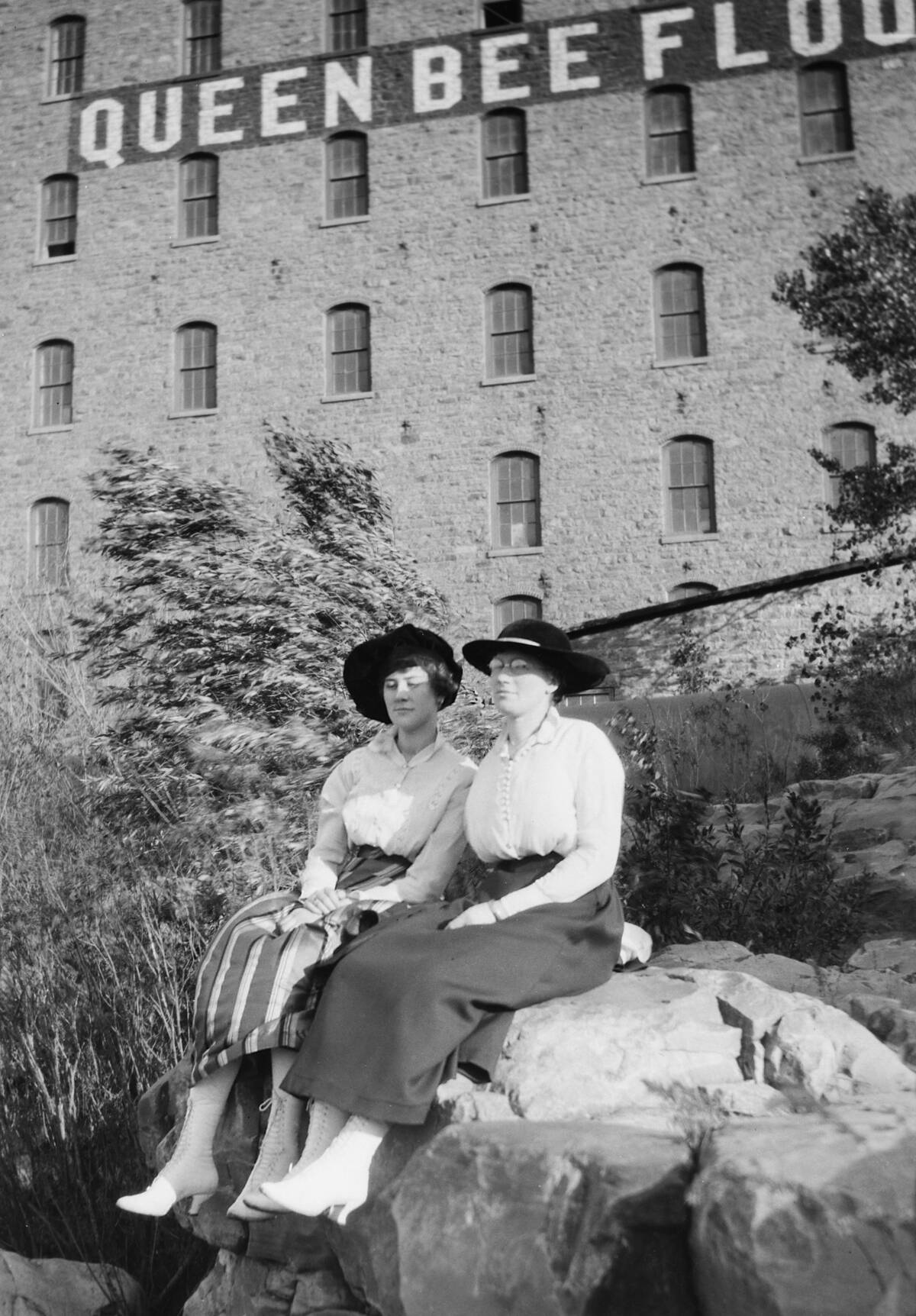
Since World War I was an unprecedented time for the world, it brought a shifting of priorities with it. While women may have worked to achieve a Gibson’s Girl’s figure before, the specter of death shrouding their families and the need for rationing likely made such concerns seem frivolous at the time.
Not only did this mean that fashions were simpler and more practical, but also that they tended to be influenced by the same military fervor that was ubiquitous elsewhere in society. Although skirts were shorter and colors were more muted, there was also a widespread incorporation of military tunic jackets and the epaulets officers would sometimes wear on their shoulders.
Flappers Of The ’20s Let Loose
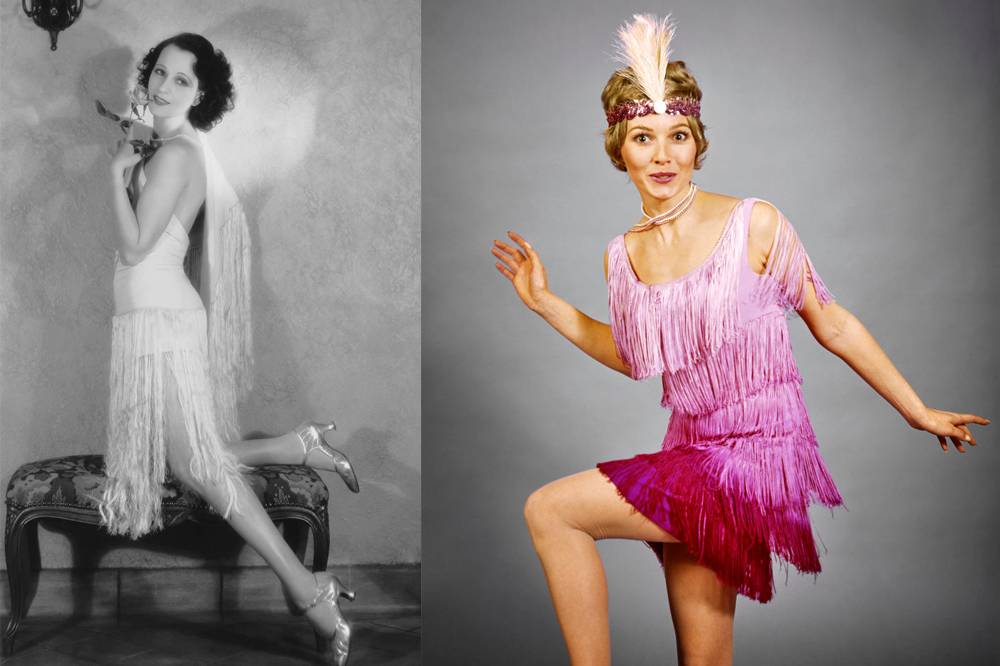
After years of wearing stuffy corsets, women finally let loose in the roaring ’20s. They said goodbye to long tight dresses and huge up-dos. Instead, ladies were rocking shorter hairstyles, boxy dresses, and athletic figures, thanks to the loss of the corset!
Flappers are widely considered the first generation of independent American women. Of course, not everyone was down for the change. At the time, these it-girls were seen as “dangerous, immoral, and outrageous.”
Margaret Gorman Was Considered The Epitome Of Beauty In The ’20s
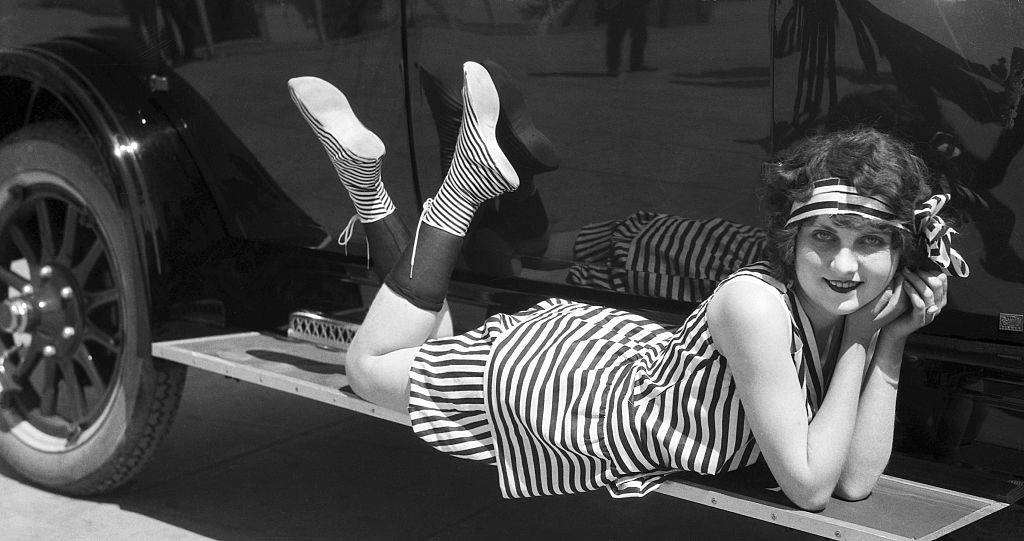
When it comes to the ladies of the roaring ’20s, Margaret Gorman is widely considered the woman who best depicts the ideal female body of the time. Tall and athletic, with some wild hair, Gorman was crowned “The Most Beautiful Bathing Girl in America” during the Bather’s Revue beauty pageant.
Her style and body type are a far cry from the 1910s Gibson Girl a decade prior. The ’20s were all about freedom and throwing away that corset!
Flattening Undergarments Came Into Vogue
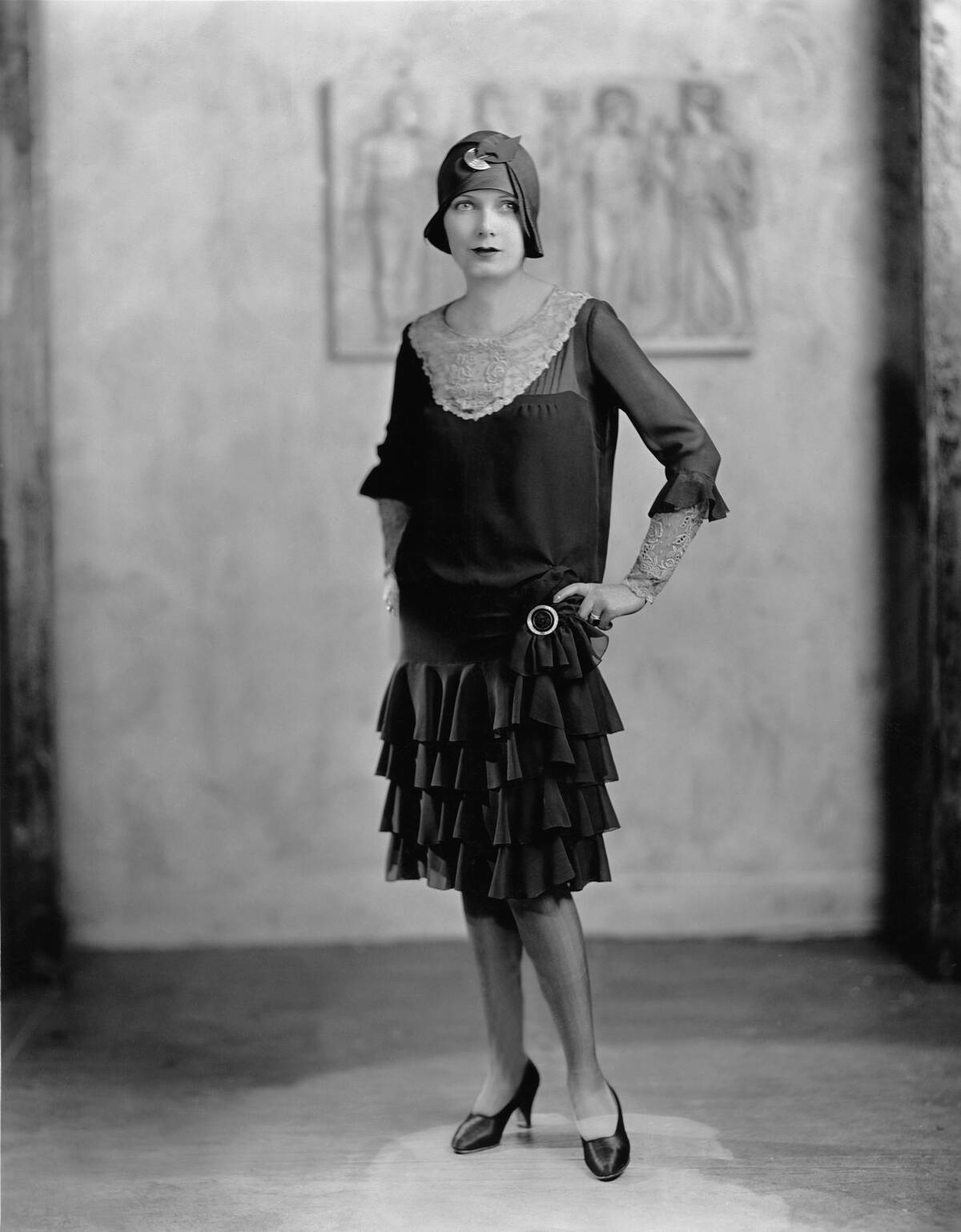
The flapper look of the 1920s brought with it more risqué, skin-baring outfits, and the quintessential flapper is often depicted with the decade’s most fashionable female body type: Flat chests, narrow hips, a straight silhouette with little waist definition, and often flattening undergarments to achieve this look.
Another trend of the decade was that women of a shorter stature, or those who had a petite frame, found that many popular fashions suited their smaller body types.
An Interesting Contradiction
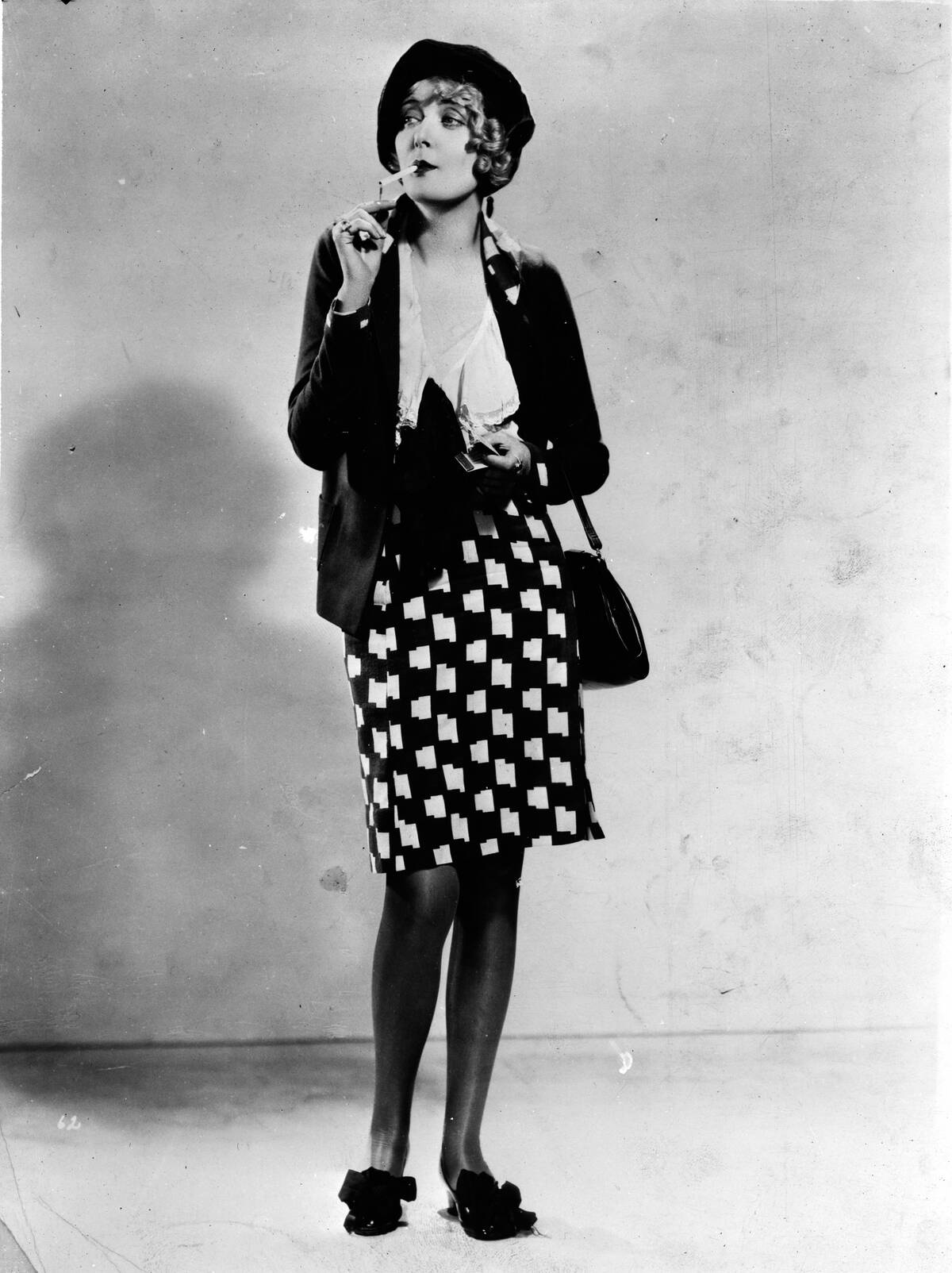
While we rarely know who makes the “rules” when it comes to fashion trends and shifts in society’s body ideals (Gibson being a notable exception), the agreed upon flapper style carried an interesting contradiction in what it emphasized. Namely, it was at once risqué and modest.
In other words, the style emphasized showing more of women’s bodies than ever before, which scandalized those with more old-fashioned attitudes. At the same time, the actual features of those bodies were supposed to be hidden and made to look flatter than they were with the right undergarments.
The Soft Curves Of The ’30s
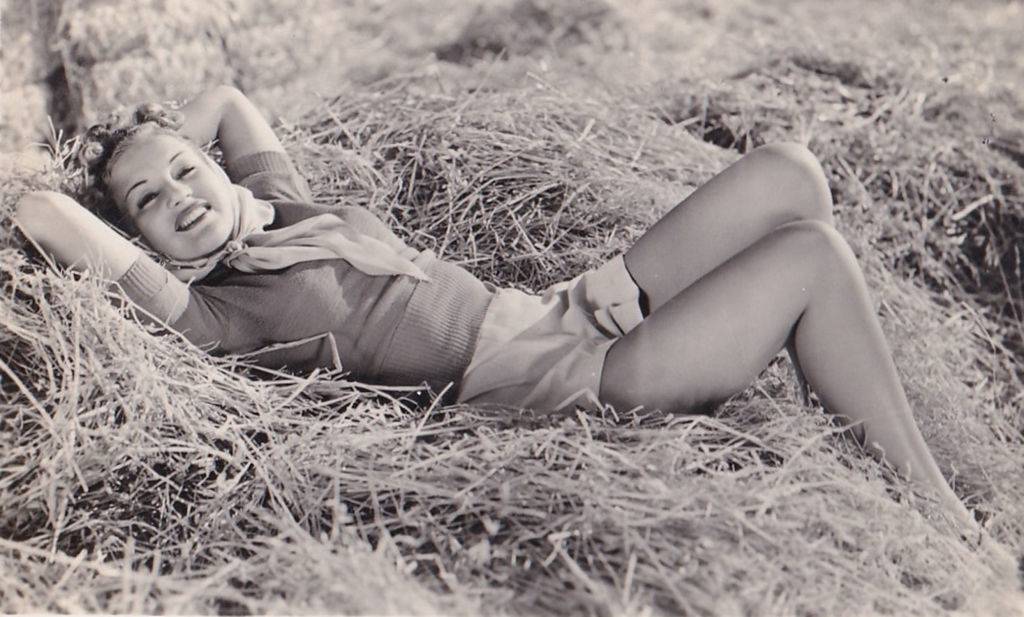
The idea of beauty once again changed when the 1930s rolled around. So long were the boxy dresses and athletic figures of the roaring 20s. Instead, ladies began doubling back to a more feminine style and look.
This was the decade that had women showing off their soft curves, opting for garments that hugged their bodies. It was a long cry from the boxy outfits worn just one decade before!
Dolores Del Rio Had The Ideal 1930s Body
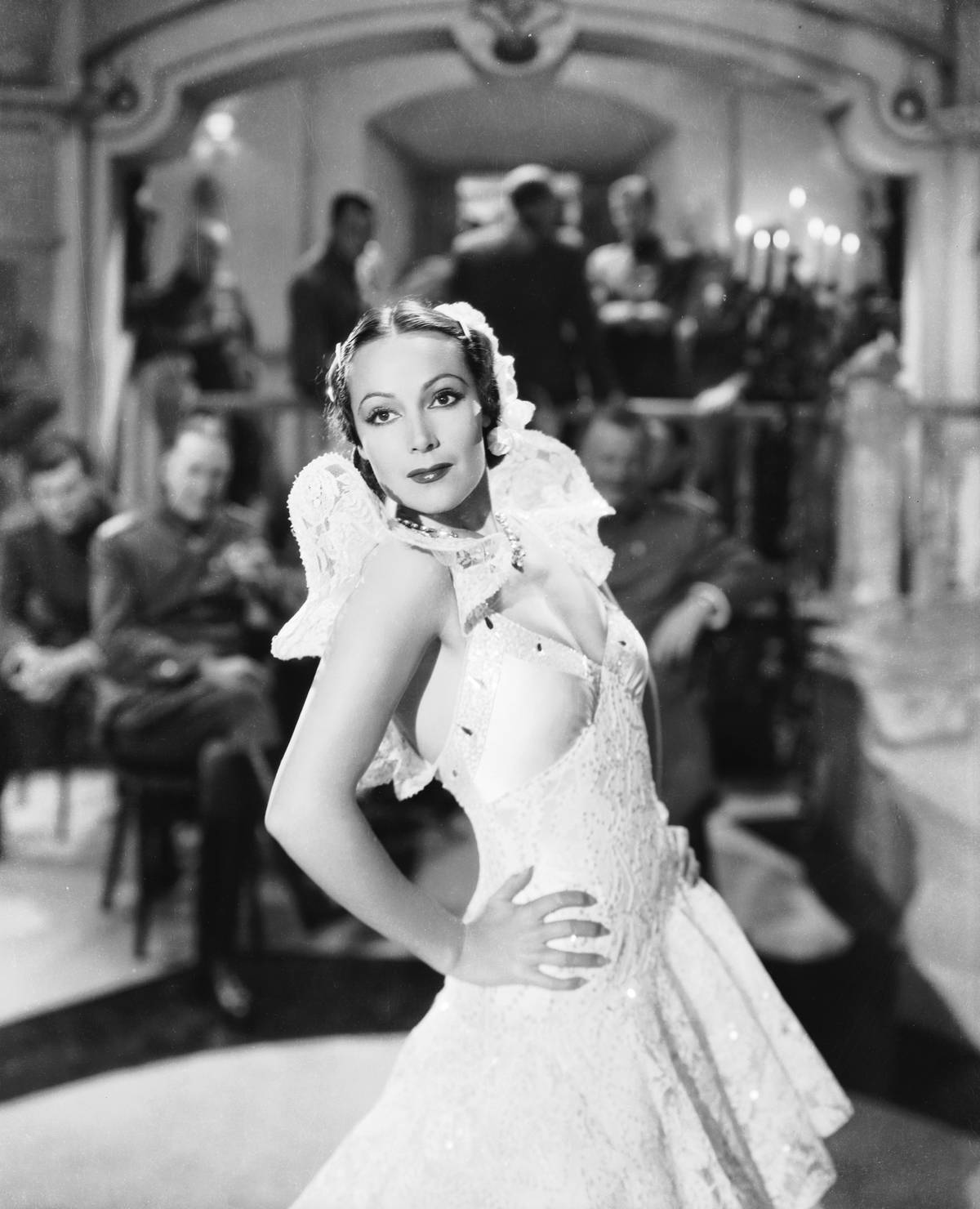
Actress Dolores Del Rio was the epitome of female beauty in the 1930s, having been used as a prototype for many studios in Hollywood. In fact, the film magazine Photoplay called Del Rio “the most perfect female figure in Hollywood.”
She was curvy yet healthy and wore the most stunning garments that hugged her body and showed just the right amount of skin. More Fabulous Faces author Larry Carr said the actress’s appearance greatly influenced the entertainment industry.
Life Magazine Got Very Specific About The ’30s Ideal
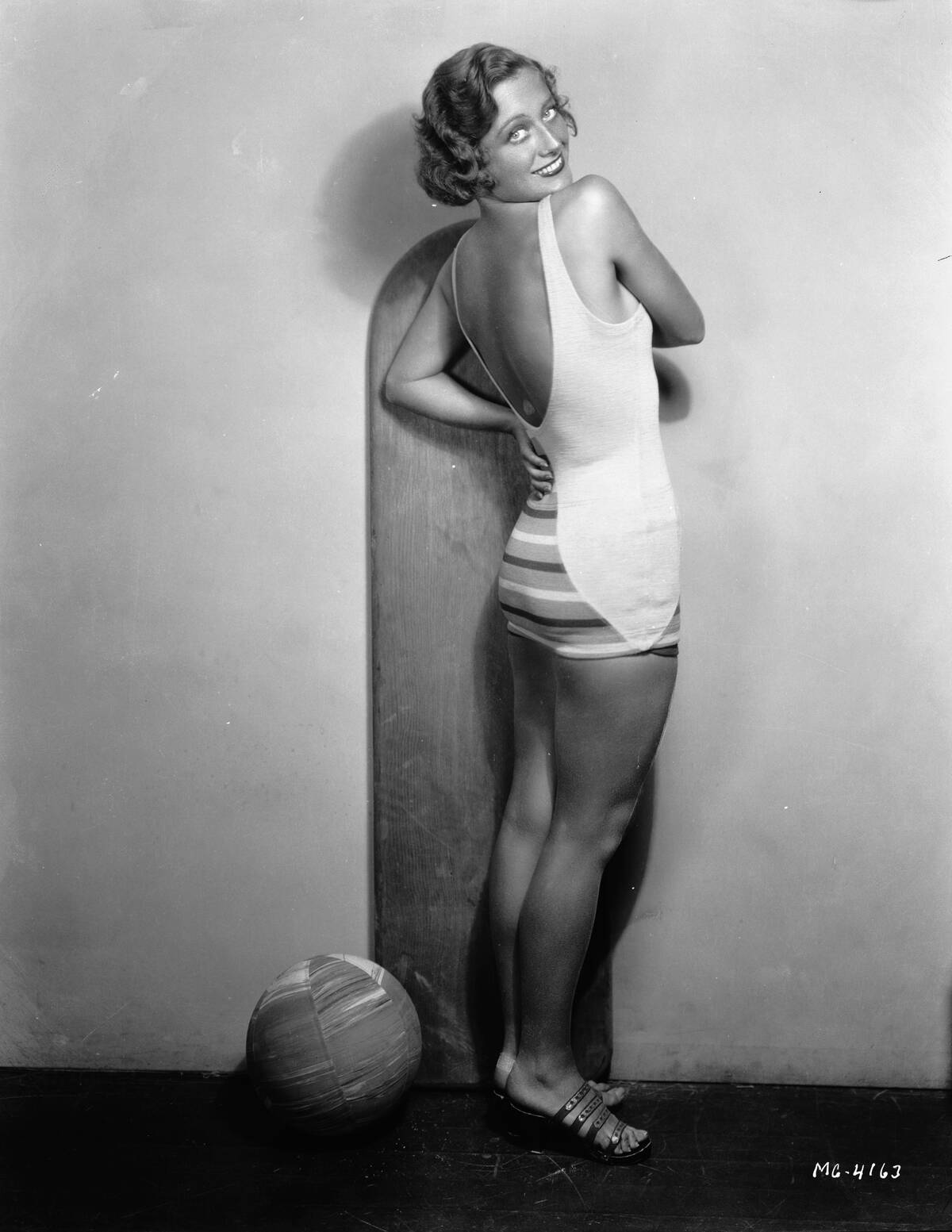
While the ideal body standards of a certain era can sometimes be reverse engineered by looking at symbols of beauty like this photo of Joan Crawford or the swimsuit she’s wearing, it’s also not unheard of for cultural commentators of the day to simply tell us what they were.
Indeed, a 1938 article from LIFE Magazine discussing a model named June Cox did precisely that and laid it out quite plainly: “Now, though, the ideal figure must have a round, high bosom, a slim but not wasp-like waist, and gently rounded hips.”
The Pin-Up Girl Of The ’40s
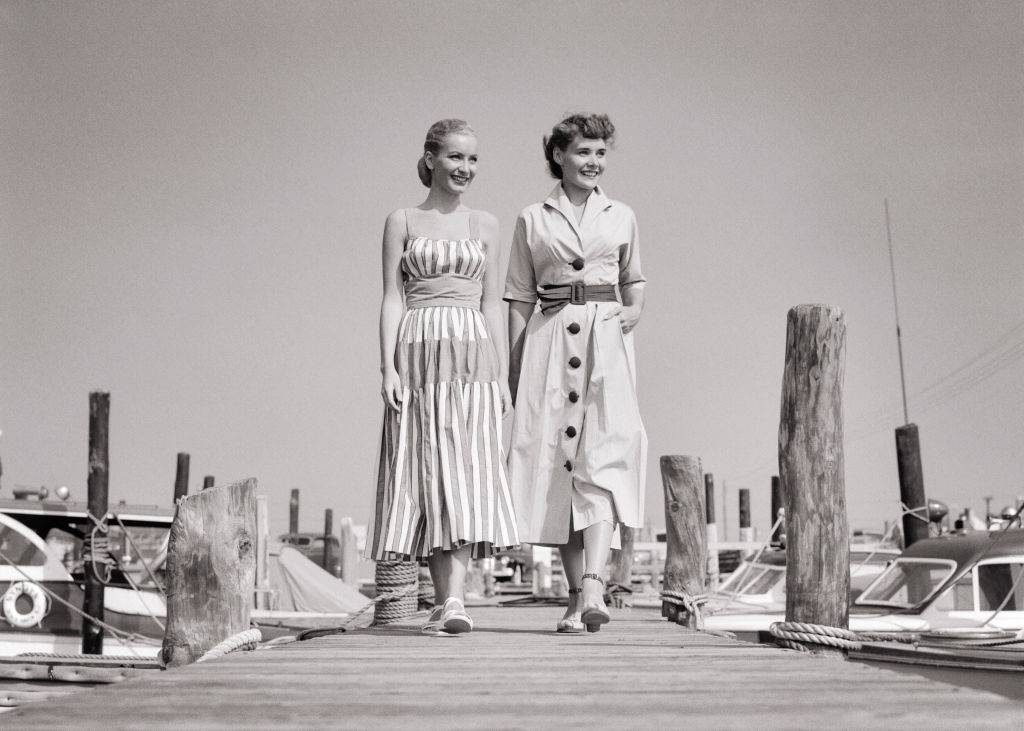
The curves of the 1930s made way for a fuller look in the 1940s. According to Dr. Amelia Serafine, a professor in the History Department of San Antonio College specializing in cultural history, “For women, cinched waists, soft bodies, and fuller, cone-shaped [chests] were in style, and new lingerie was marketed to meet this new task.”
“…The ideal body shape was plumper “sweater girl” or pin-up girl.” It was a body type that had never been popular before!
Betty Grable Was The Pin-Up Girl Of The ’40s
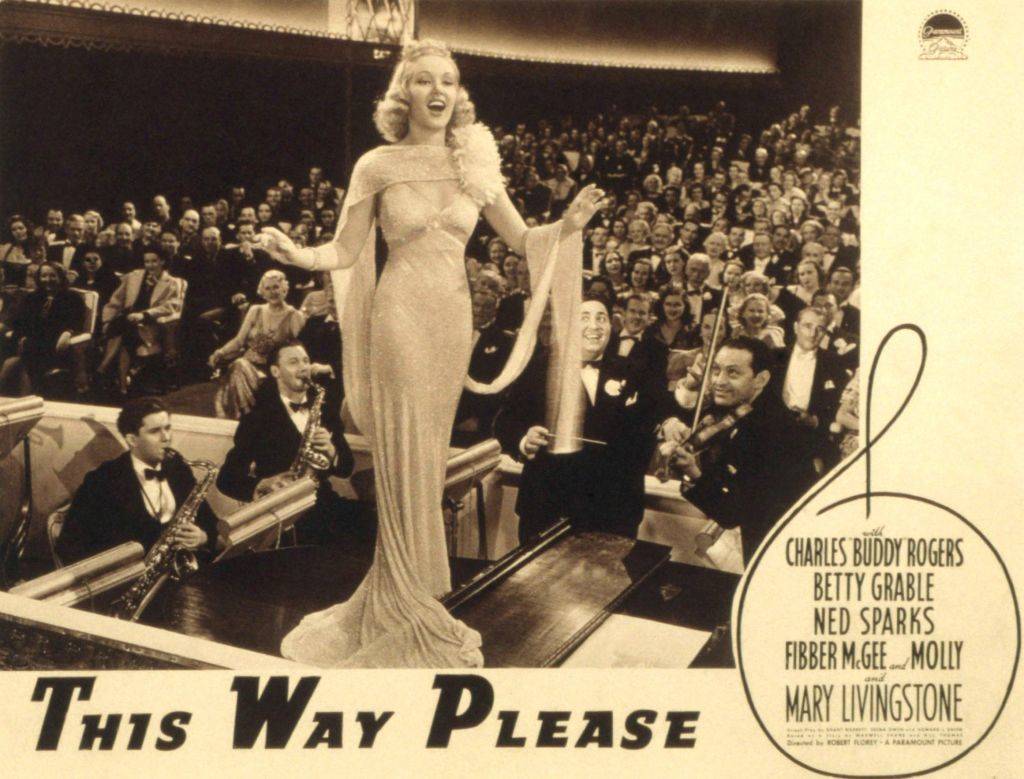
When it came to the ideal female body type of the 1940s, there was none other than Betty Grable. Known as the pin-up girl of the time, Garble’s iconic bathing suit poster was the number one most-pinned photo during World War II!
At the time, Grable had what was considered ideal leg proportions between her ankles, calves, and thighs. Speaking of her time in the entertainment industry, Garble said, “I became a star for two reasons, and I’m standing on them.”
The 1940s Emphasized Grace
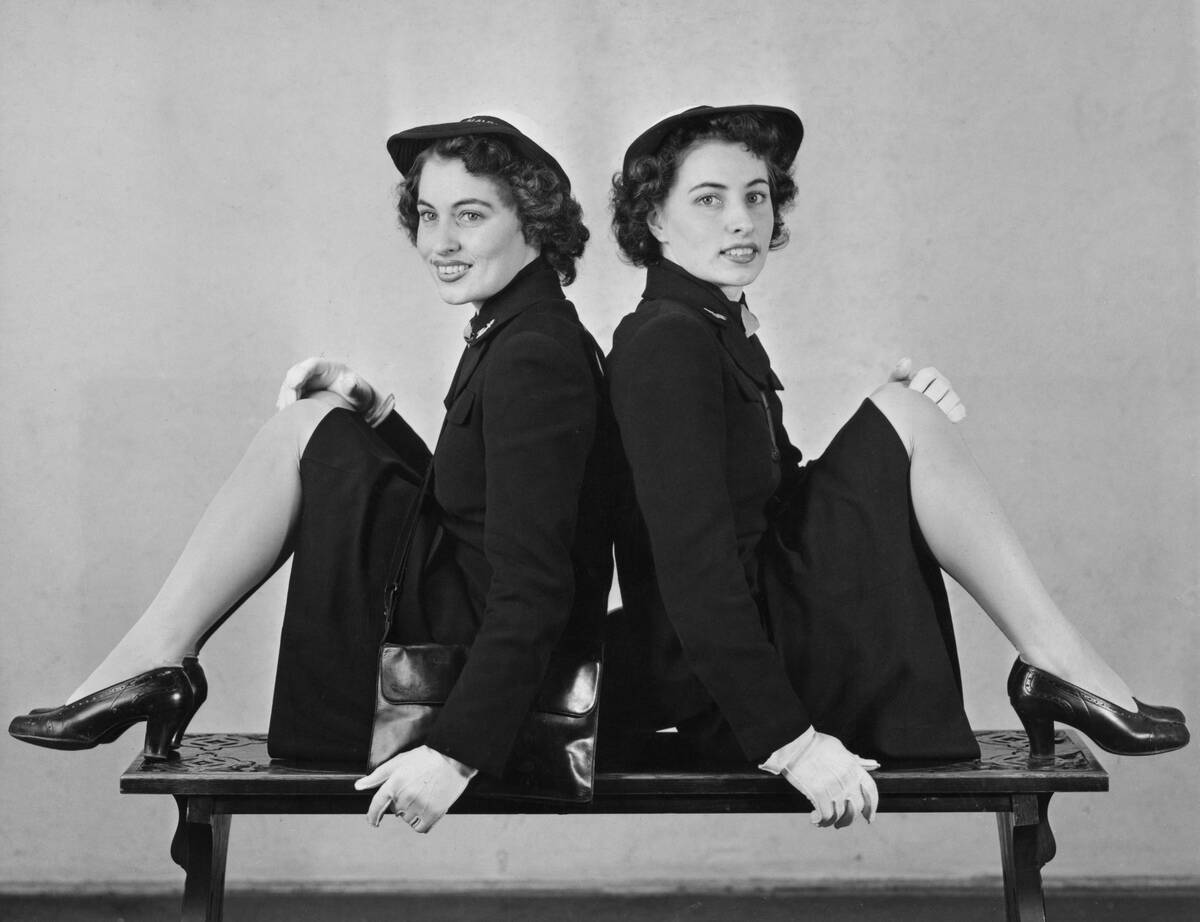
With the advent of the 1940s, the slender body type that was fashionable in the 1930s remained in vogue, but soft curves were once again fashionable. These factors combined for an elegant, slender profile to be popular throughout the early years of the decade.
However, as World War II raged on and material shortages became commonplace, women’s fashions started to take on a boxy, utilitarian look.
Height Was Also More Prized Than Before
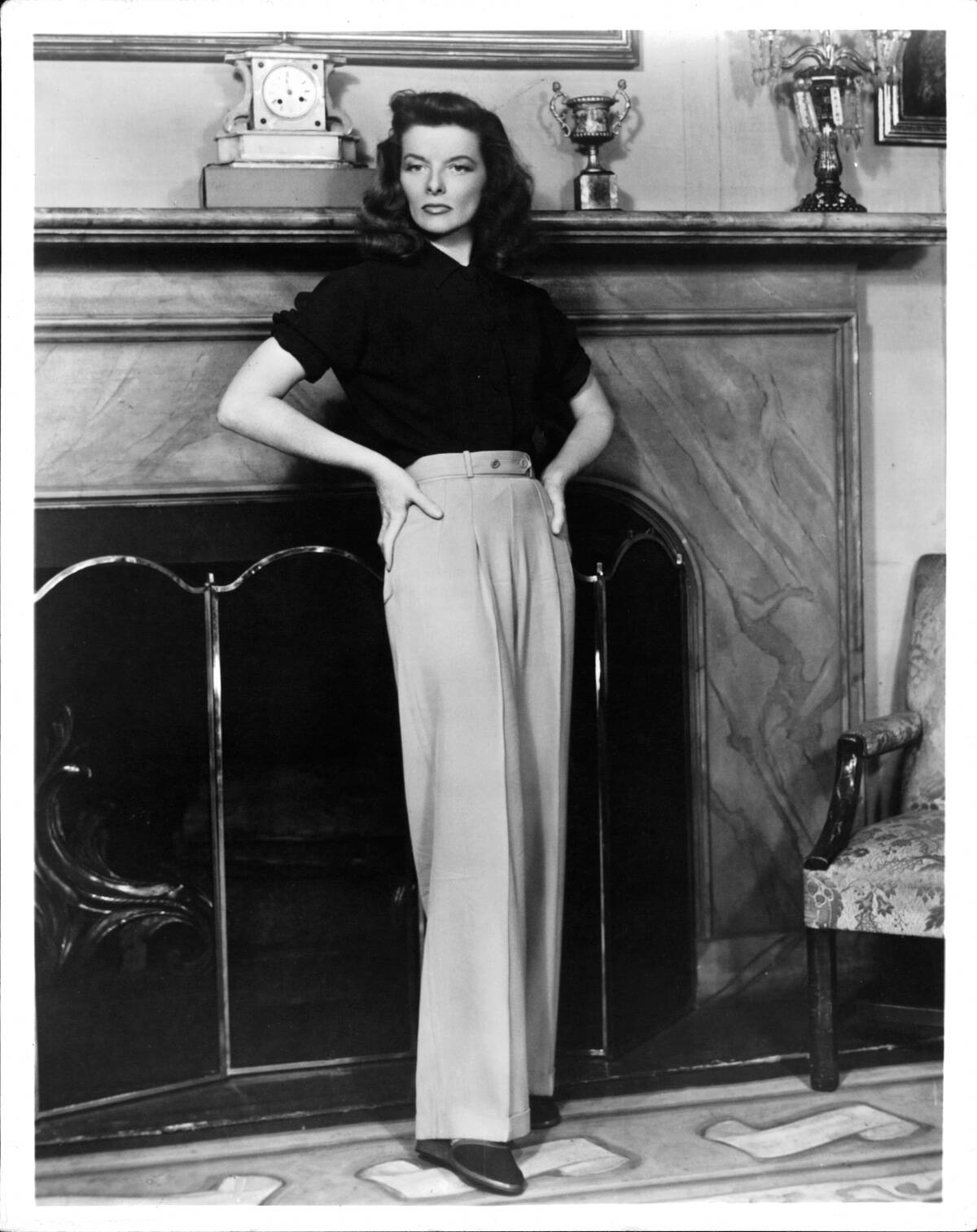
While shorter women found that the flapper style of the 1920s tended to suit their bodies more than previously prevailing styles, women in the ’40s were starting to find that the opposite was true. While the shape of legs mattered a great deal back then, the idea of a statuesque beauty with the height to match was also burrowing into the zeitgeist.
This aspect of the decade’s ideal standards was exemplified by Katherine Hepburn, who was considered taller than many movie stars had been up to that point. That said, she also noted that she was about 5’7” and a half, so progress in this area was relative because that’s hardly tall when compared to the average modern WNBA player.
The Hourglass Shape Made A Comeback In The ’50s
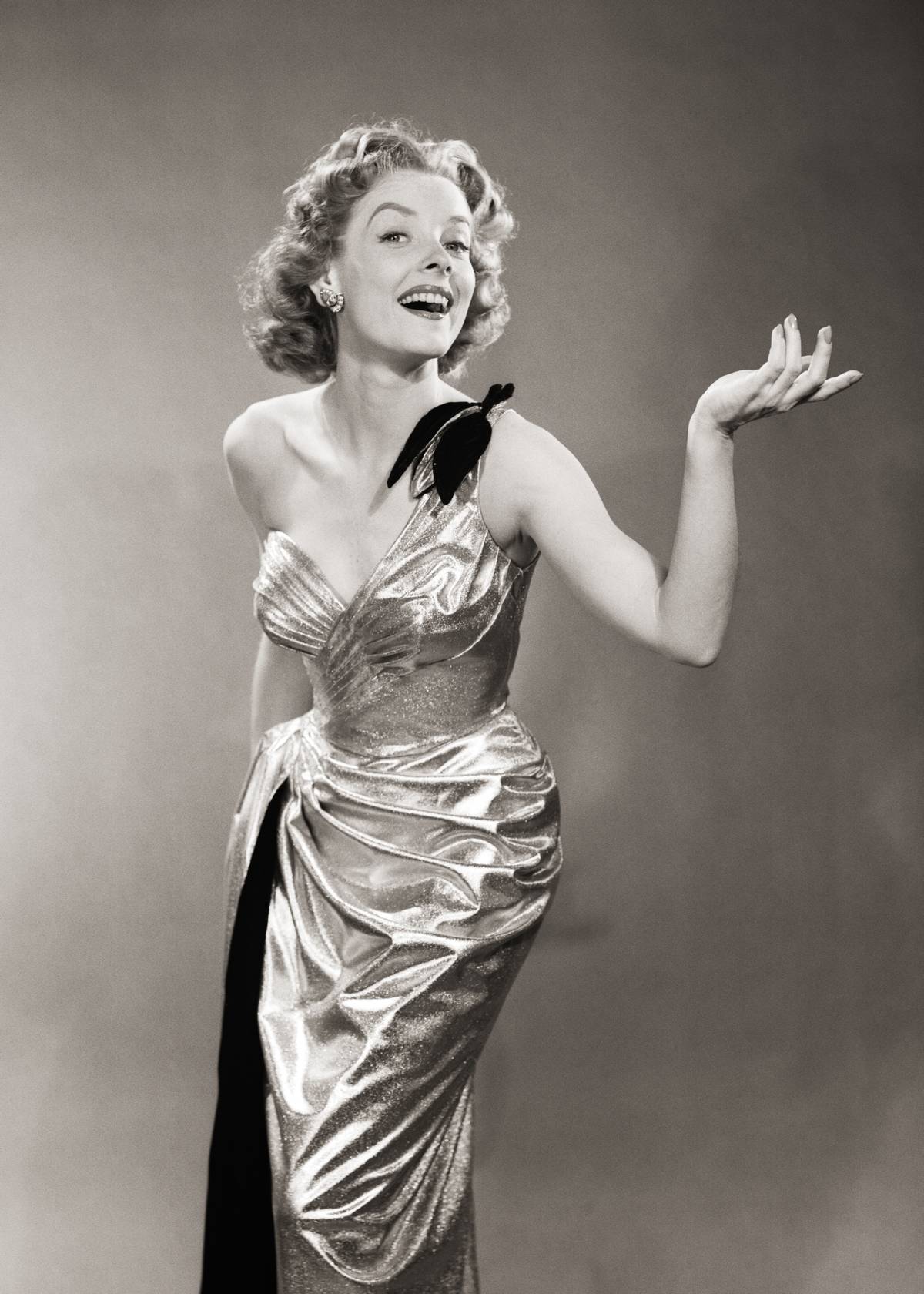
In the 1950s, the hourglass shape made a comeback, although it was different from what people saw in the 1910s. Instead of a super-cinched waist via corset, women began to gain weight to get their ideal shape.
Advertisements caught on to the fad, marketing towards weight-gain supplements that went straight to the hips! This decade was all about a softer and fuller hourglass shape, almost a mix between the pin-up girls of the ’40s and the Gibson Girls of the ’10s.
Marilyn Monroe Was The Figure Of The ’50s
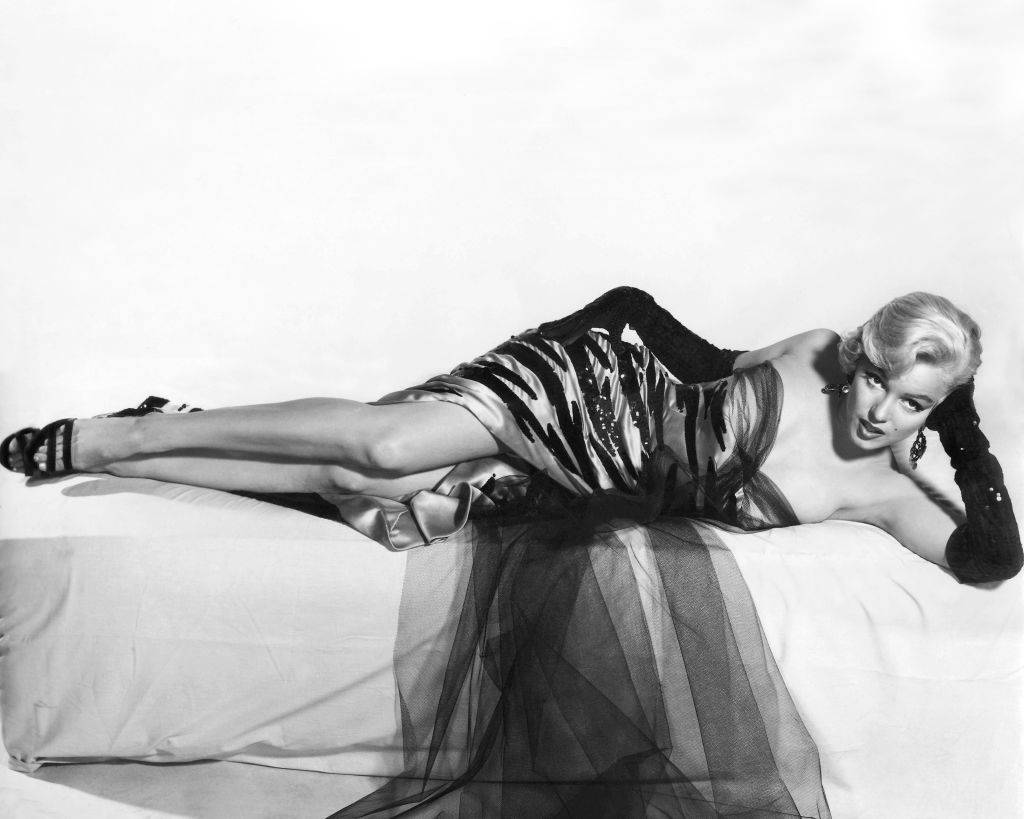
Actress Marilyn Monroe was without a doubt the envy of most women in the 1950s. She was pretty much the face of the ideal hourglass body type. Monroe threw out the idea of a skinny frame being ideal, completely owning her curves and body during her lifetime.
According to art historian Gail Levin, with her beauty and career in the entertainment industry, she became the most photographed person of the 20th century.
Ultra-Feminine Ideals Returned in the ’50s
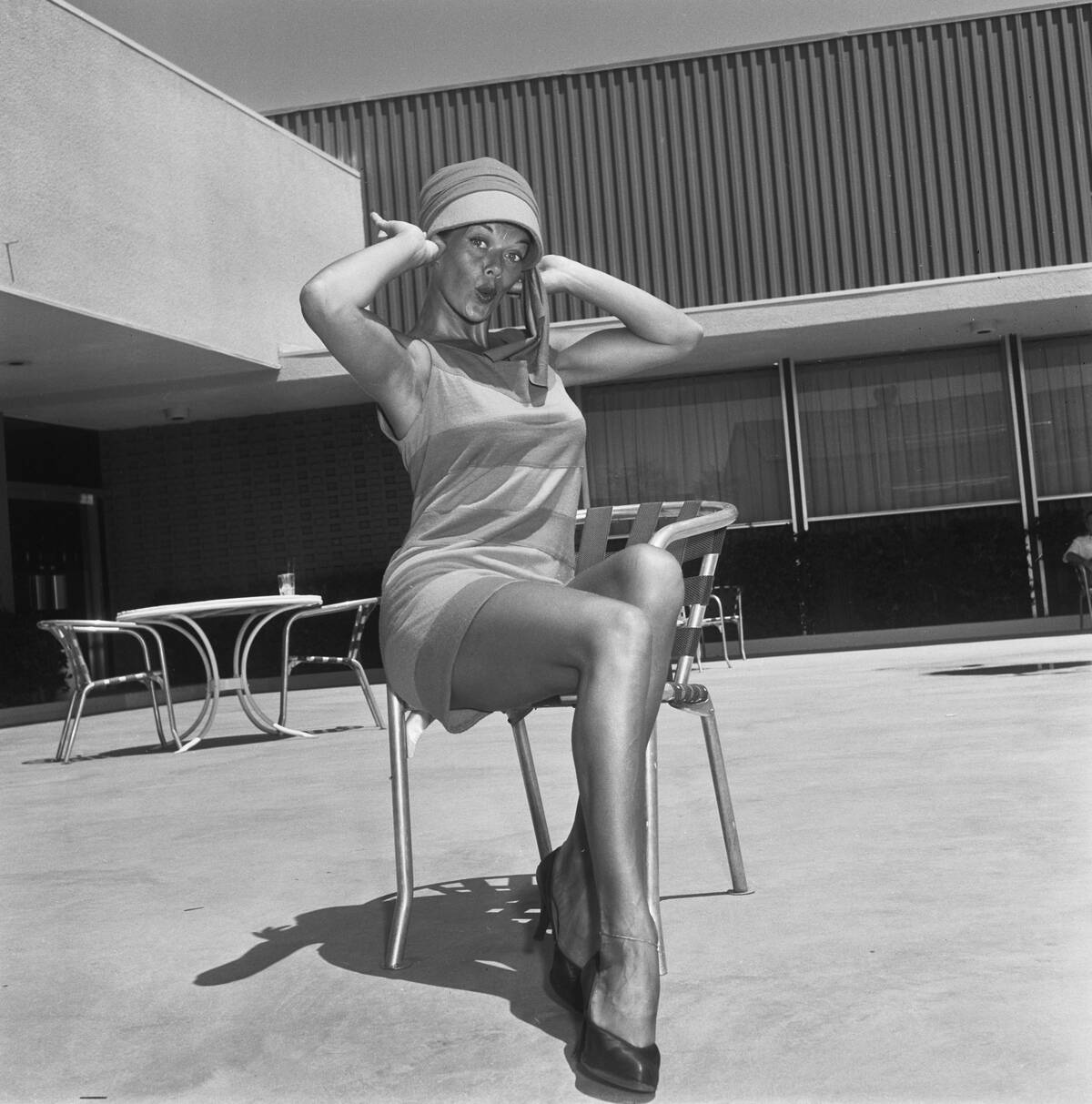
The idealized female body type had slowly evolved from a slender, straight silhouette earlier in the century to the zenith of curvy, busty, full-figured profiles in the 1950s.
The image of 1950s women as soft, feminine and shapely reflected gender roles of the time, as women returned to homemaking after the war years. These full-figured silhouettes were frequently helped along with waist-cinching devices like girdles.
This Type Of Beauty Had An Influence That Spanned Decades
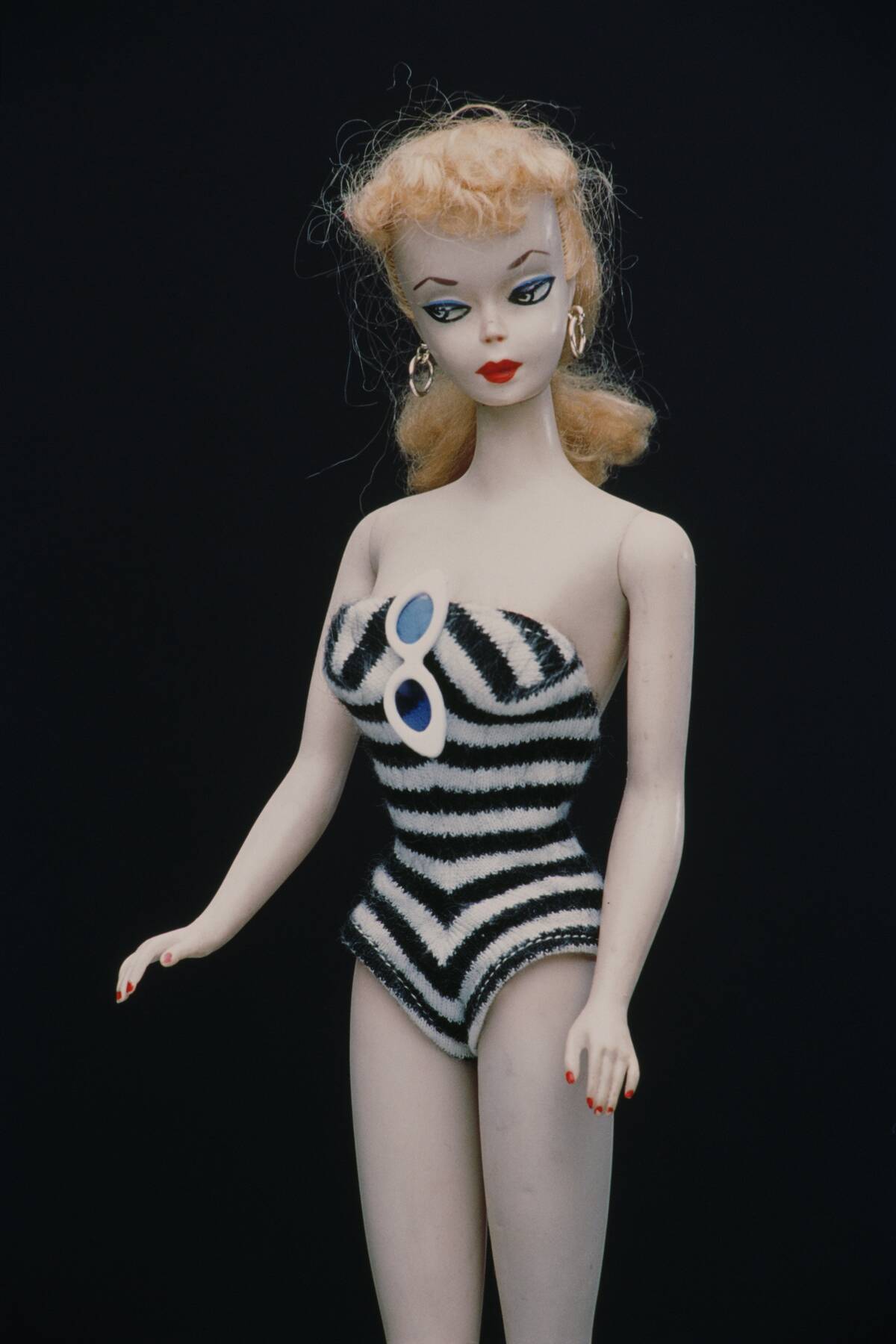
Considering how much emphasis society put on voluptuous femininity during the 1950s, it’s no surprise that the decade would birth beauty standards that would continue to influence the world long after they were supposed to have gone out of style.
That’s not just because Marilyn Monroe remains as aesthetically admired as ever, but also because this was the decade that saw the release of the world’s first Barbie doll. While it’s fair to say that Barbie hasn’t had an identical to this original incarnation in the decades since, it’s also fair to say that she was never too far removed from this design.
The Androgynous Twig Of The 1960s
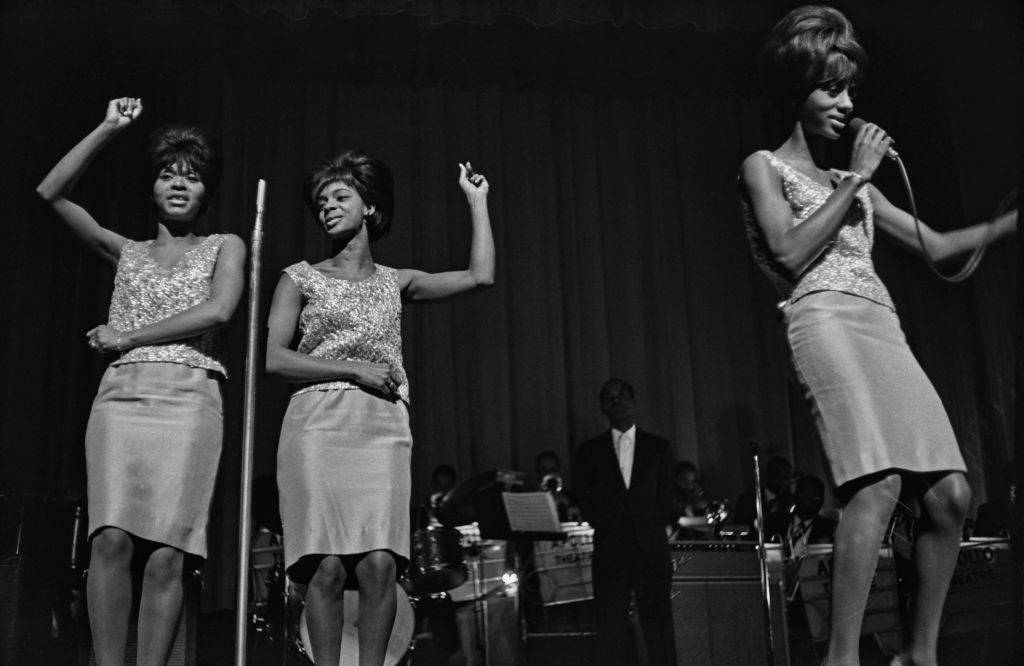
The ideal female body type did a major 180 shift in the 1960s. Women no longer wanted curves, favoring a stick-thin “twig” body image.
According to Dr. Amelia Serafine, a professor in the History Department of San Antonio College who specializes in cultural history, “In a prosperous post-war era, slim fashion models showcased a body ideal for women that was ultra-slender, with no waist definition and especially thin thighs, stomachs, and arms.” This change in image proved to be a massive spike in diet culture.
A Jarring Departure From The Previous Era
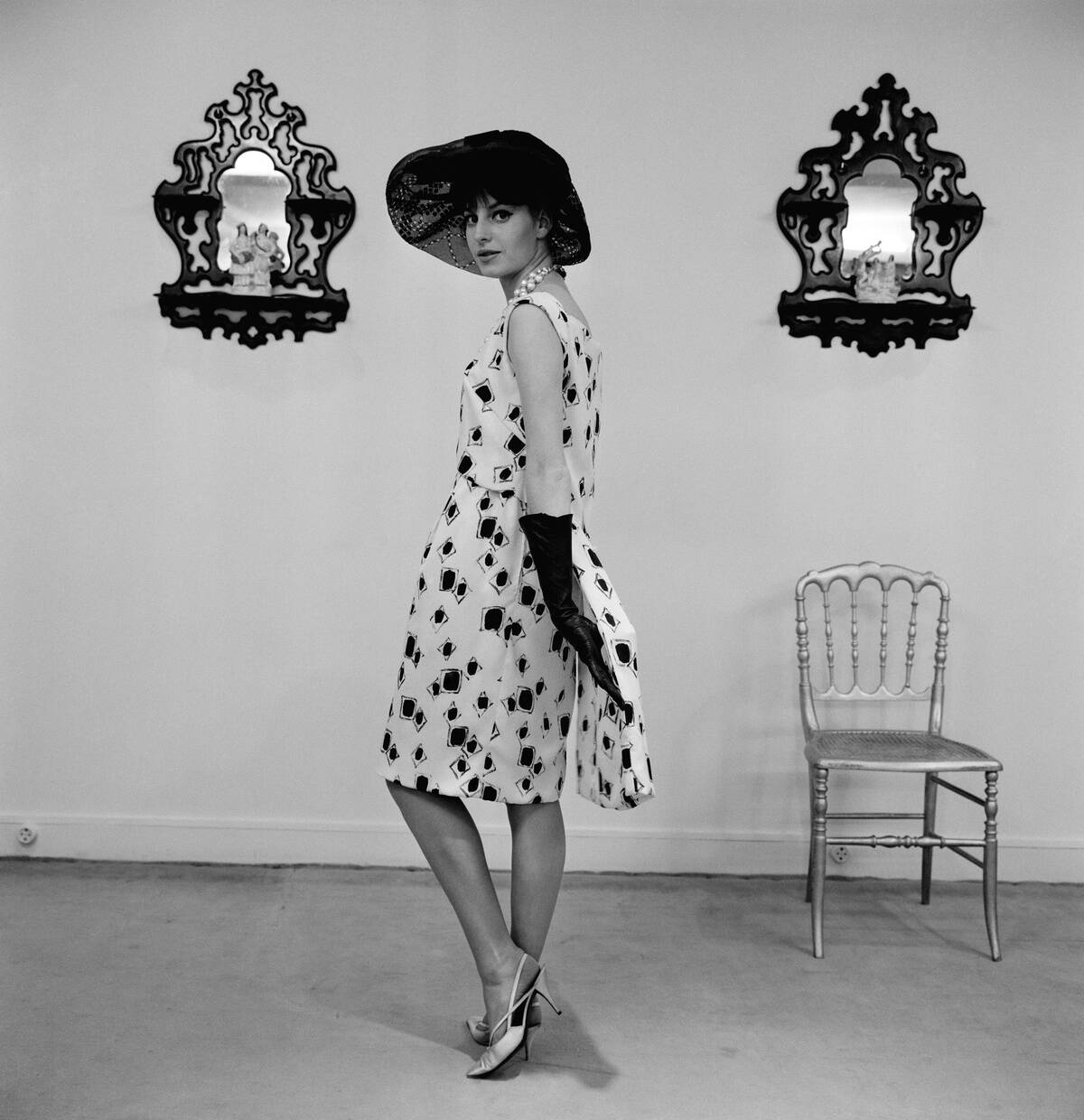
Whether it was a direct reaction to the beauty standards of the ’50s or a sign of the radical change that would come with the ’60s, it must have felt jarring for women who had weight gain supplements advertised to them a decade prior to suddenly get the complete opposite messaging.
Indeed, it’s hard to compare this shift to even the transition between Gibson Girls and Flappers, as there was a more body-neutral decade separating their respective eras.
Twiggy Was The Twig Of The ’60s
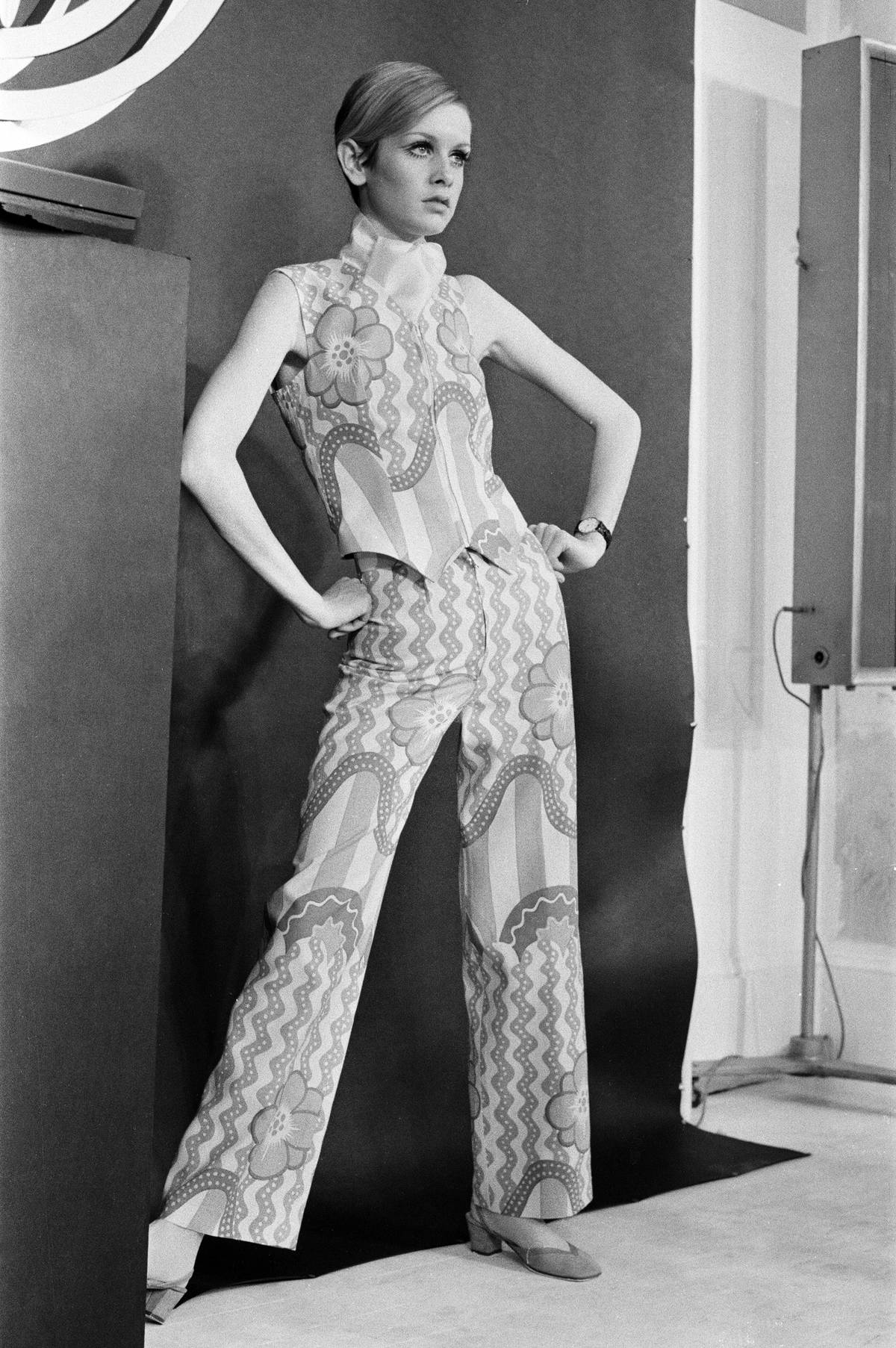
Dame Lesley Lawson, aka Twiggy, was the model women aspired to look like in the 1960s. Tall yet slim with a tiny waist and limbs, she was the epitome of beauty in the decade. Her long eyelashes, big eyes, and short hair mixed with her twig-like stature were unlike anything history had seen before.
Halfway through the decade, the Daily Express named the high-fashion model “The Face of 1966,” one year after starting her career.
Skinny Bodies Were Back
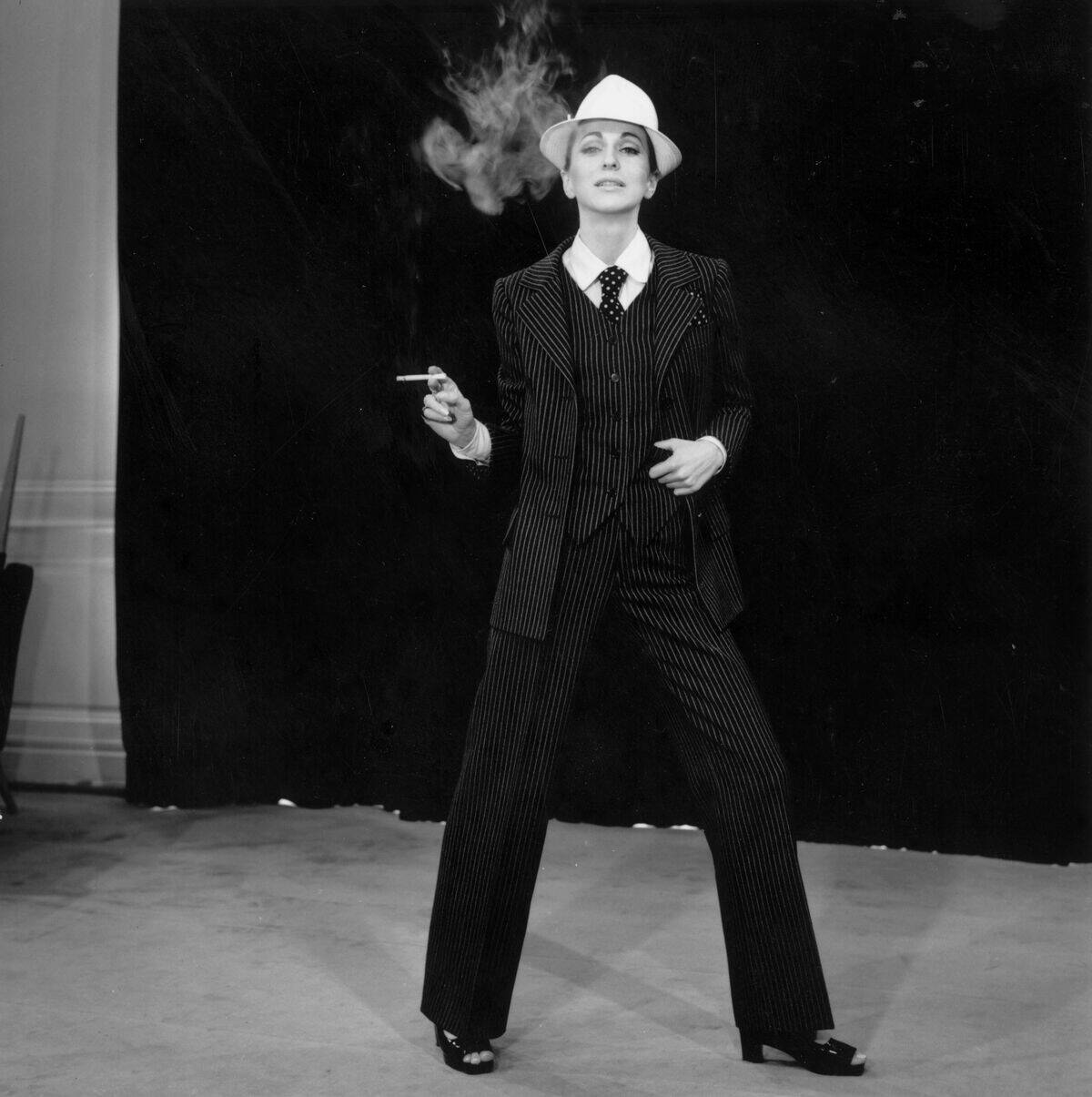
The rise of models like Twiggy, along with fashion trends of the time, ensured that the idealized female body type of the 1960s was decidedly skinnier than what had been seen in prior decades.
An additional layer was the fact that a more androgynous, boyish appearance became fashionable for women. In some ways, it was an echo of what had been popular in the ’20s.
The ’70s Saw A Rise In Tanned Bodies And Long, Flowing Hair
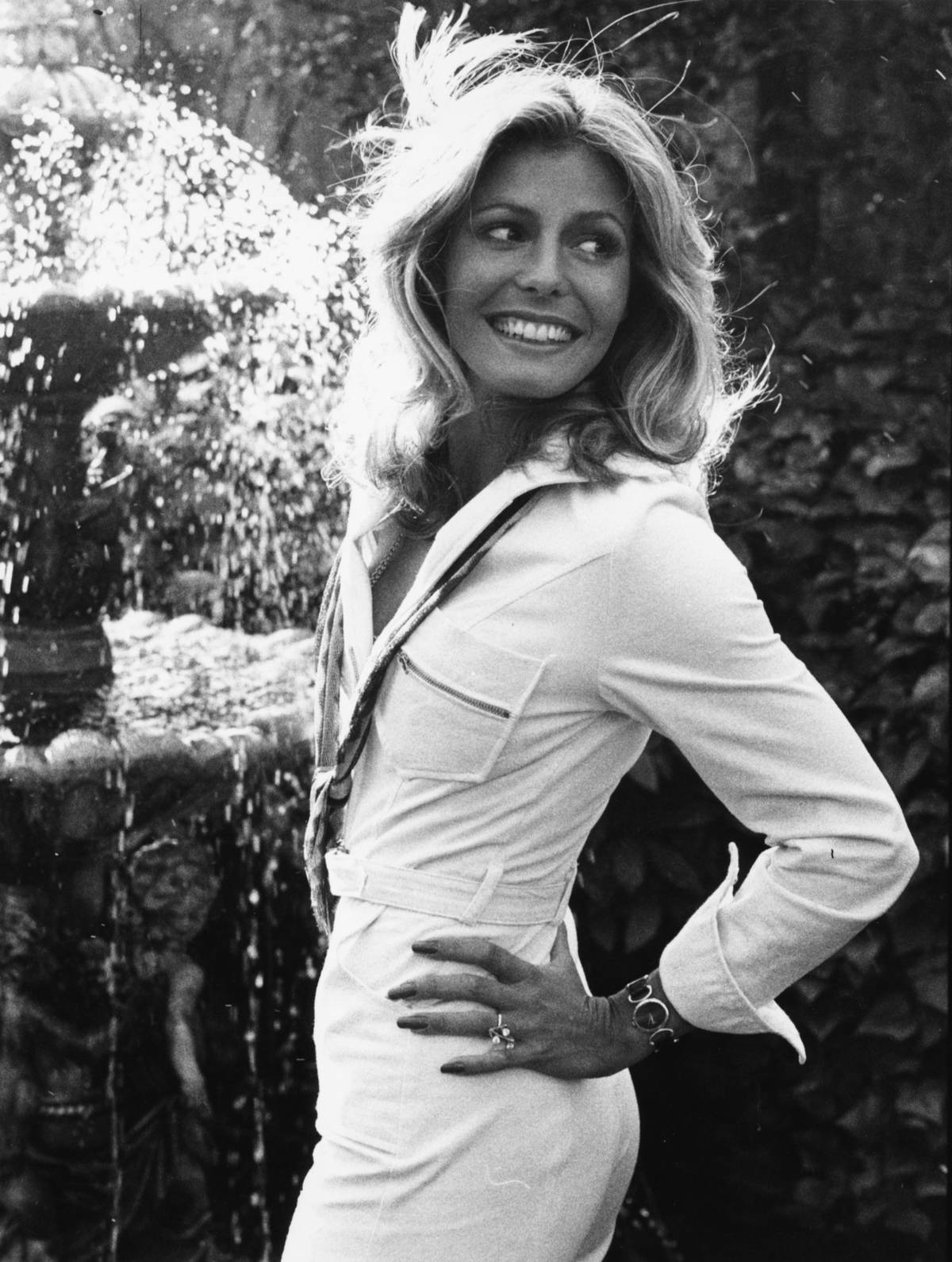
After a decade of overly skinny women attempting to look like Twiggy, the ’70s rolled around. Finally, women began to look towards a more healthy body type, with the ideal look being tanned and athletic.
This decade saw more and more women going outside, wanting to get a natural glow while letting their hair down to flow in the wind like one of the leading ladies on Charlie’s Angles — the actresses were the epitome of female beauty at the time.
Farrah Fawcett Was The Lady Of The ’70s
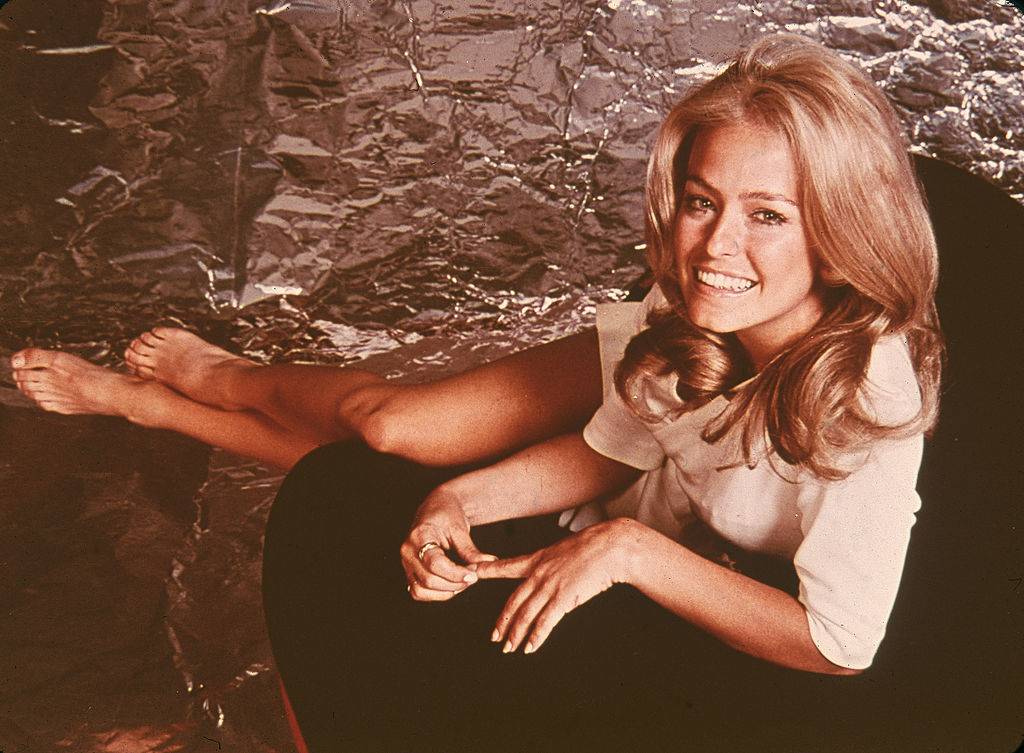
During her time on the popular series Charlie’s Angels, actress Farrah Fawcett was considered to be the most gorgeous woman around. Tall and athletic, she had golden skin and a head of hair most women dreamed of — full with just the right amount of volume, curl, and bounce.
During the ’70s, Fawcett’s body was considered ideal with women exercising a bit more than previous decades. This mentality rolled over into the following decade.
The ’70s Were About Natural Curves
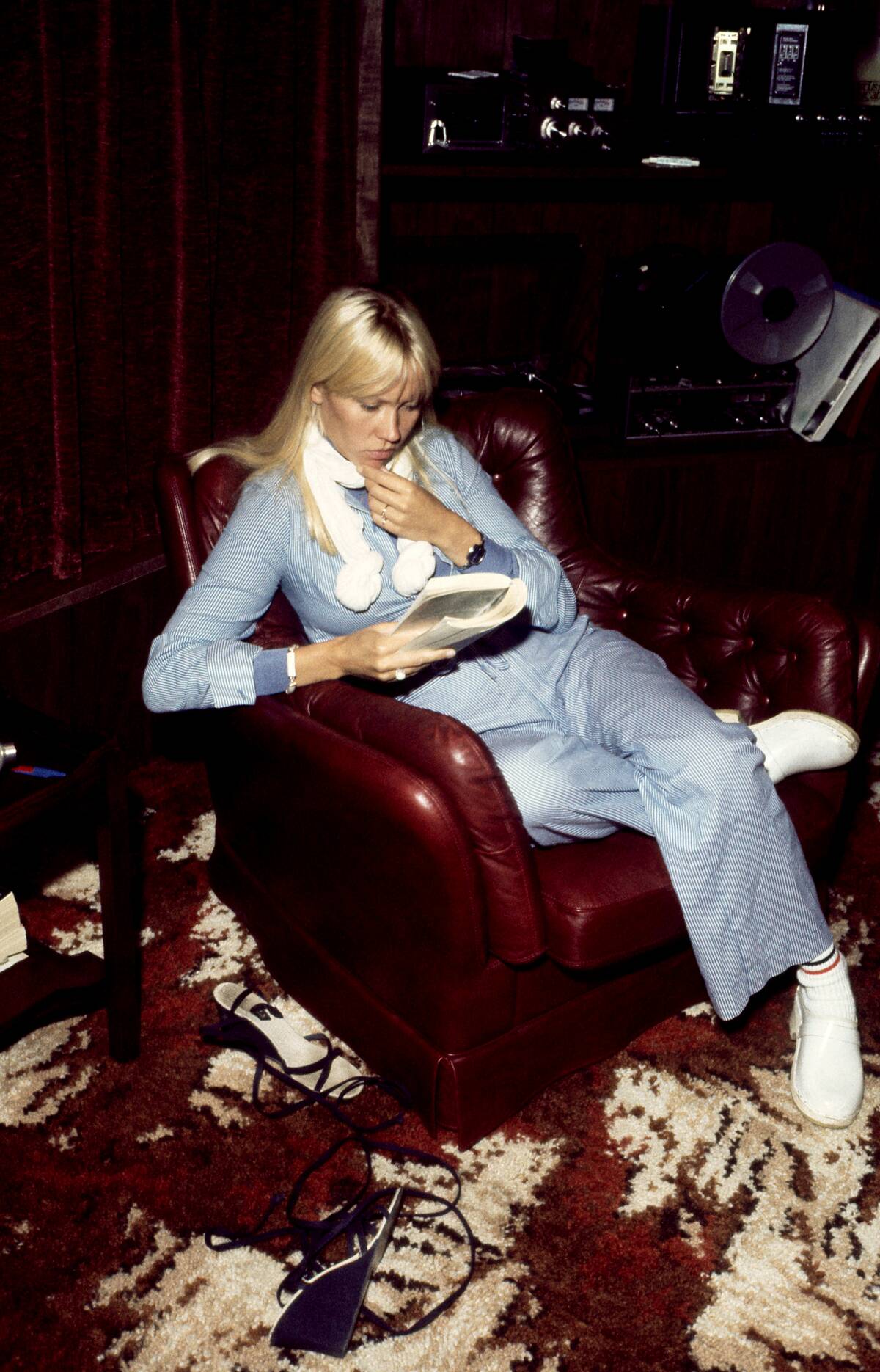
As a logical extension of the hippie era’s all-natural return to nature ideals, the 1970s brought an emphasis on a slim, but not overly thin frame with a natural bust and hips, with little to no exaggerated curves.
Long limbs were also admired, spurred on in part by the popularity of high-waisted jeans and swimsuits.
The Dark Side Of Idealizing Thin Bodies Begins To Emerge
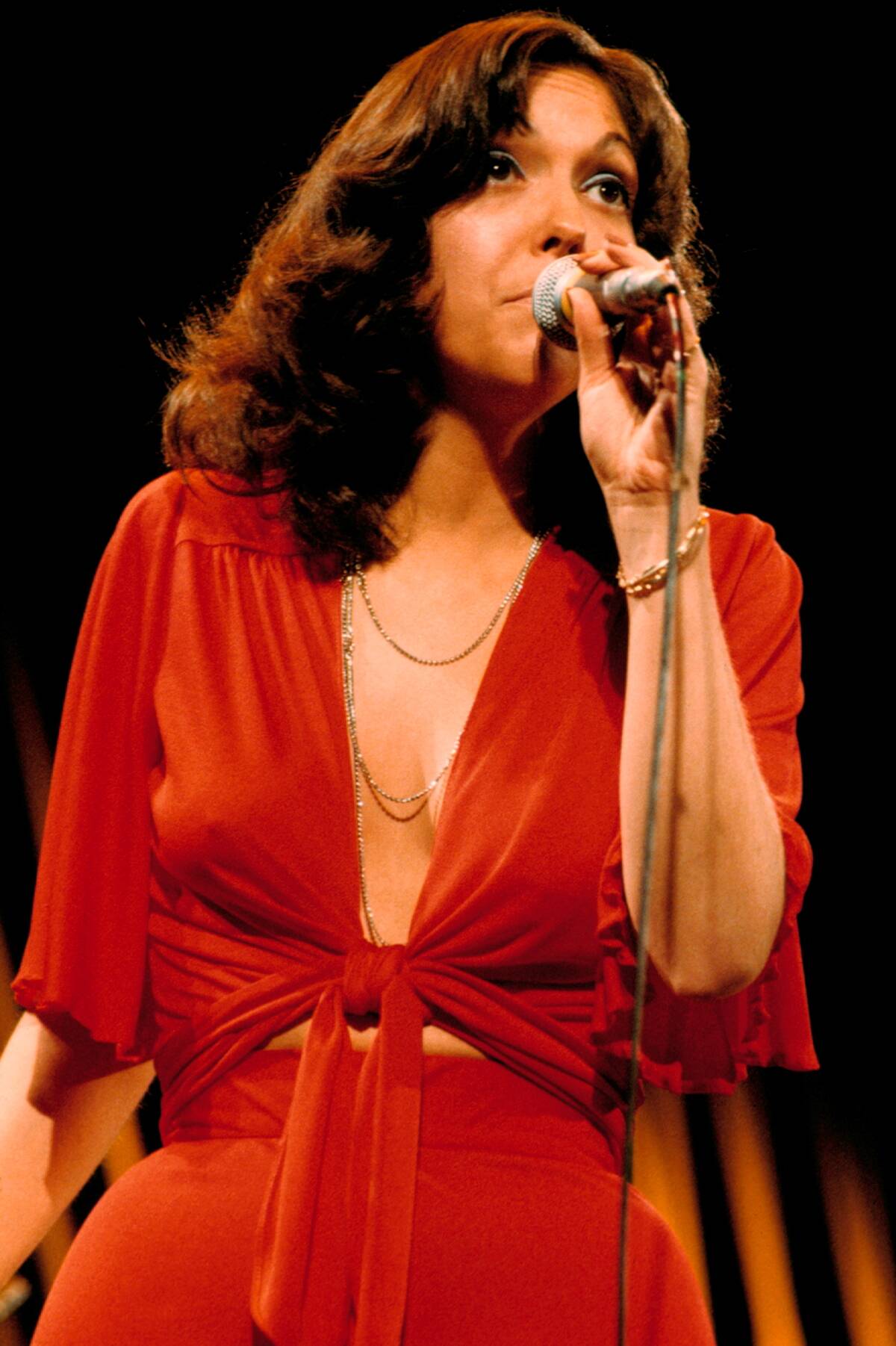
Although slim bodies were idealized in the 1920s, the fact that it happened again in the 1960s and that the trend continued into the 1970s began to show widespread consequences for the nation’s women. Reports of severe eating disorders spiked over that period but it wasn’t until the 1970s that this life-threatening consequence began to receive mainstream attention.
Sadly, it wasn’t long after that first high-profile tragedy of this nature became an international story. After her passing in 1983, the public became acutely aware that singer and drummer Karen Carpenter had excessively dieted to starvation levels throughout the ’70s and that her death was a direct consequence of her eating disorder.
The ’80s Saw Skinny, Toned, Tall, And Athletic Women
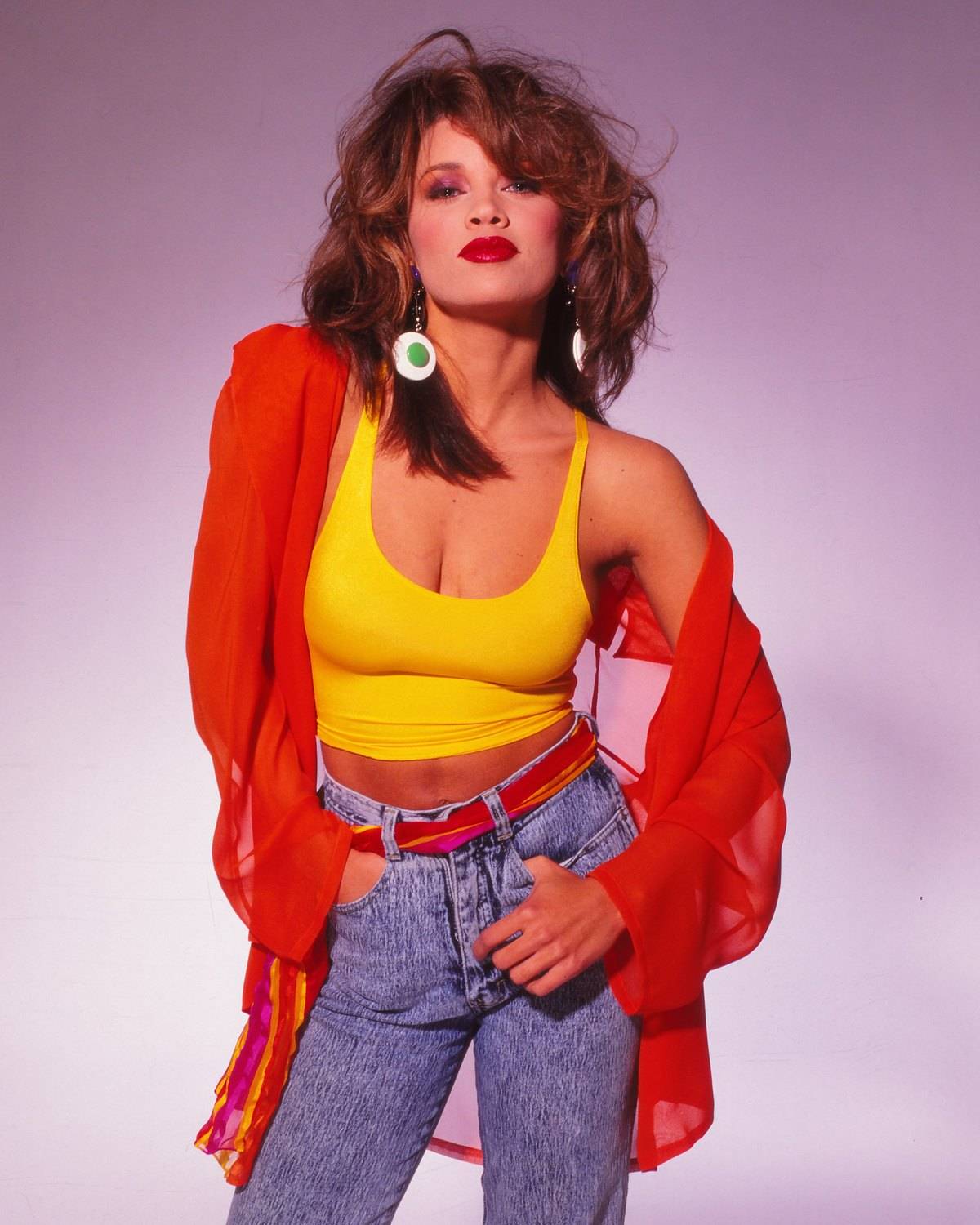
In a way, the ideal female body type of the ’70s rolled over into the ’80s. Women were still going for an athletic body, but in the ’80s, it wasn’t enough to have toned muscles.
Beauty in the ’80s was all about being toned while still maintaining a skinny frame, considered to be “hardbodies.” Not to mention the rise in supermodels during the decade had women striving for a tall, lean frame that was fit for the runway.
Jane Fonda Was The Face Of The ’80s Exercise Craze
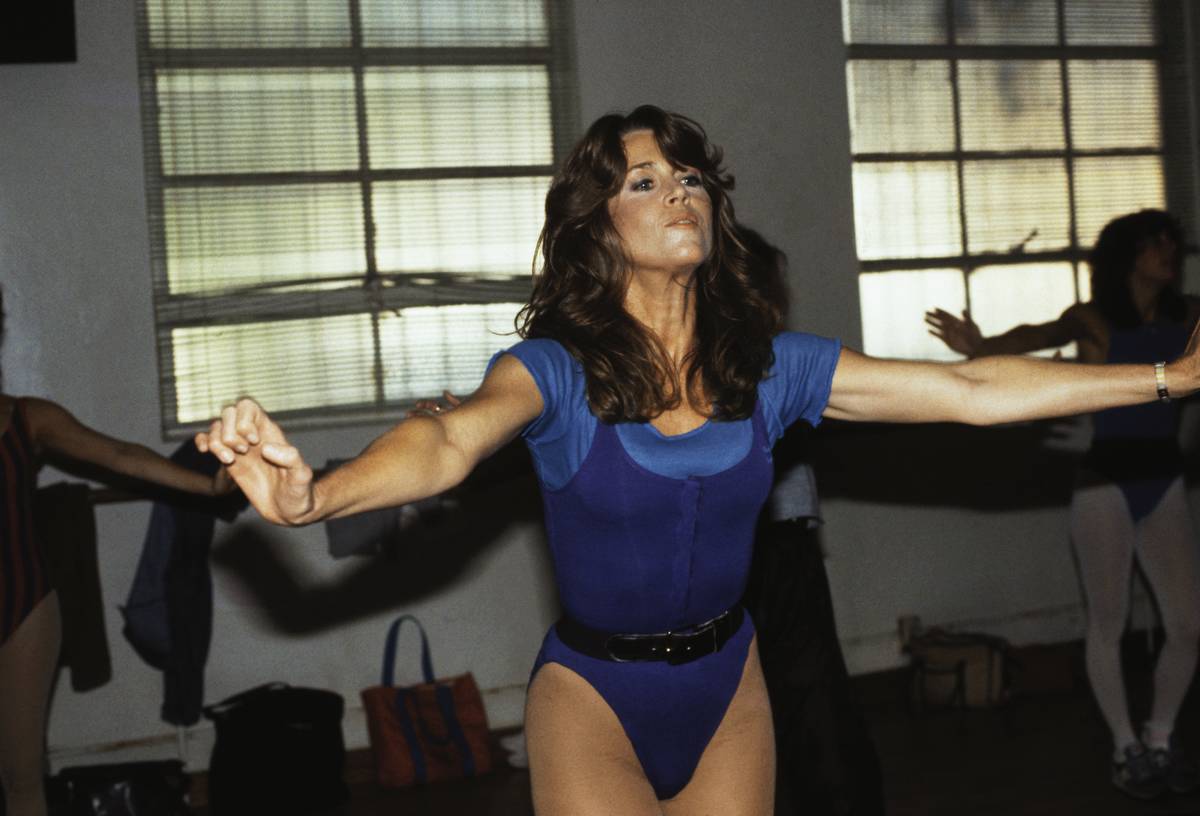
It’s almost impossible to talk about female bodies in the ’80s without bringing up the one and only Jane Fonda. In 1982, Fonda released her first workout video, Jane Fonda’s Workout. With so many women vying to get that “hardbody” image, the video became the highest-selling VHS ever.
Fonda was tall, lean, and had a toned body, aka the ideal body type for a solid majority of women during the decade.
Styles in the ’80s Conveyed Strength
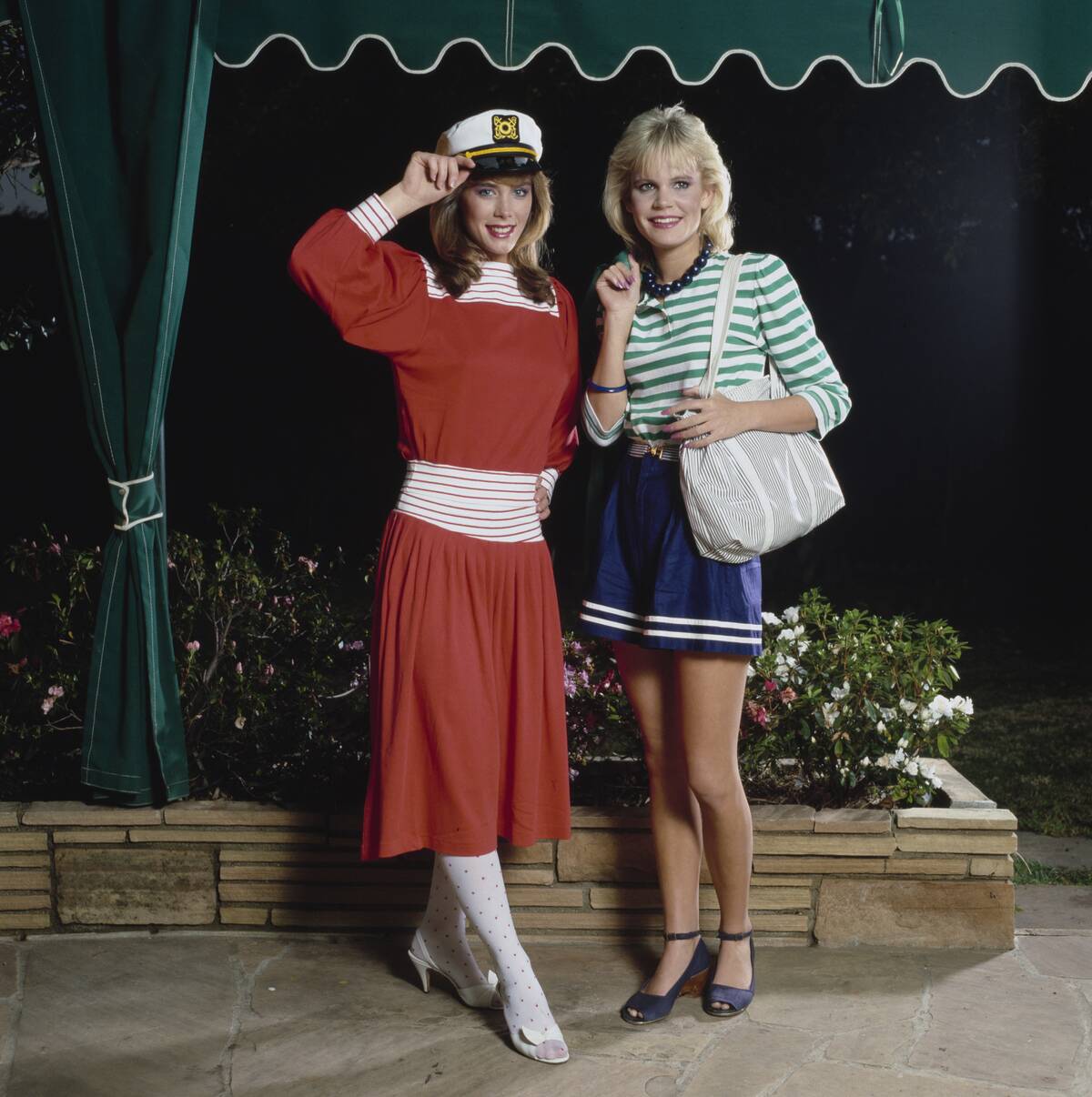
With women entering the workforce in unprecedented numbers during the ’80s, an athletic and strong body type became idealized, helped along by the power suits, padded shoulders, and cinched waists that were prevalent in women’s fashion.
Fashions showed plenty of skin, but conversely, plenty of cover-up, thanks to the rise of spandex and polyester. Many women’s fashions were daring, but also featured stretchy fabric covering much of the body.
“Heroin Chic” Was All The Rage In The ’90s
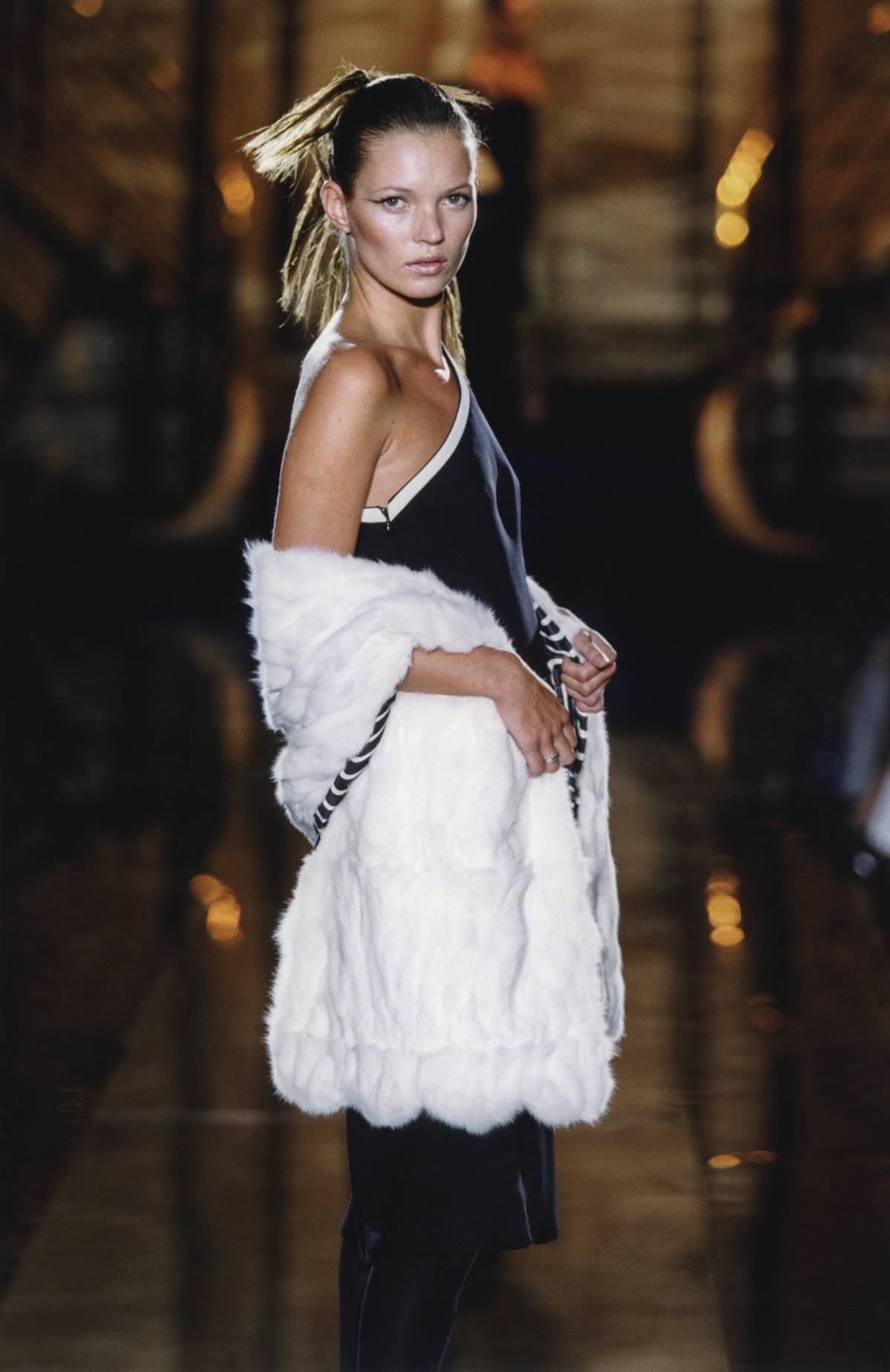
After two decades of the ideal female body type being fit, toned, and athletic, beauty standards took a bit of a side step. In the ’90s, it was all about a waif-like appearance that came to be known as “heroin chic.”
This meant a skinny body frame, protruding hip bones, and an overall skeletal appearance. Not to mention that tanned skin was out, and a paler complexion was in, thanks to models such as Kate Moss and actresses including Winona Ryder.
Winona Ryder Was The Epitome Of The ’90s Body Type

If there were ever a celebrity who fits the “waif-like bill’ during the 1990s, it is none other than Winona Ryder. As a teenager and young adult in Hollywood, Ryder was on the shorter side while rocking a “heroin chic” body type.
She was skinny with a skeletal-looking frame, had a very pale complexion, and had darker hair that gave her an edgy look. When it came to beauty standards of the decade, Ryder fit the bill.
The ’90s Got Very Thin
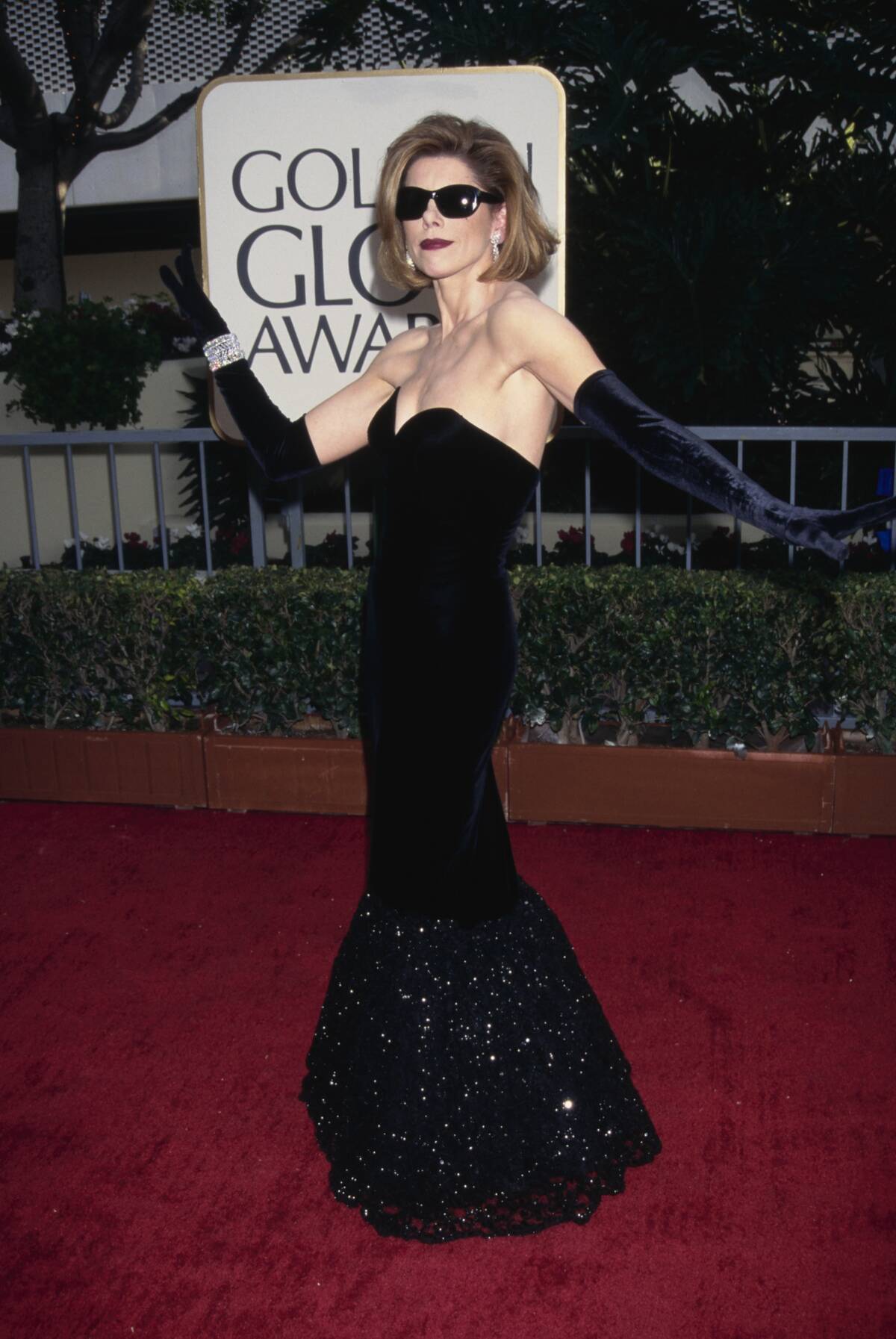
The ’90s was perhaps the thinnest decade of the twentieth century, at least when it came to female body types. Supermodels set the tone with an extremely thin, untoned look, usually with a flat chest, angular features, and an intentionally unpolished vibe.
At the same time, supermodels at the other end of the spectrum from Kate Moss — such as Cindy Crawford and Claudia Schiffer — had a more full-figured, if still quite thin, appearance.
Toned And Leggy Models Of The 2000s
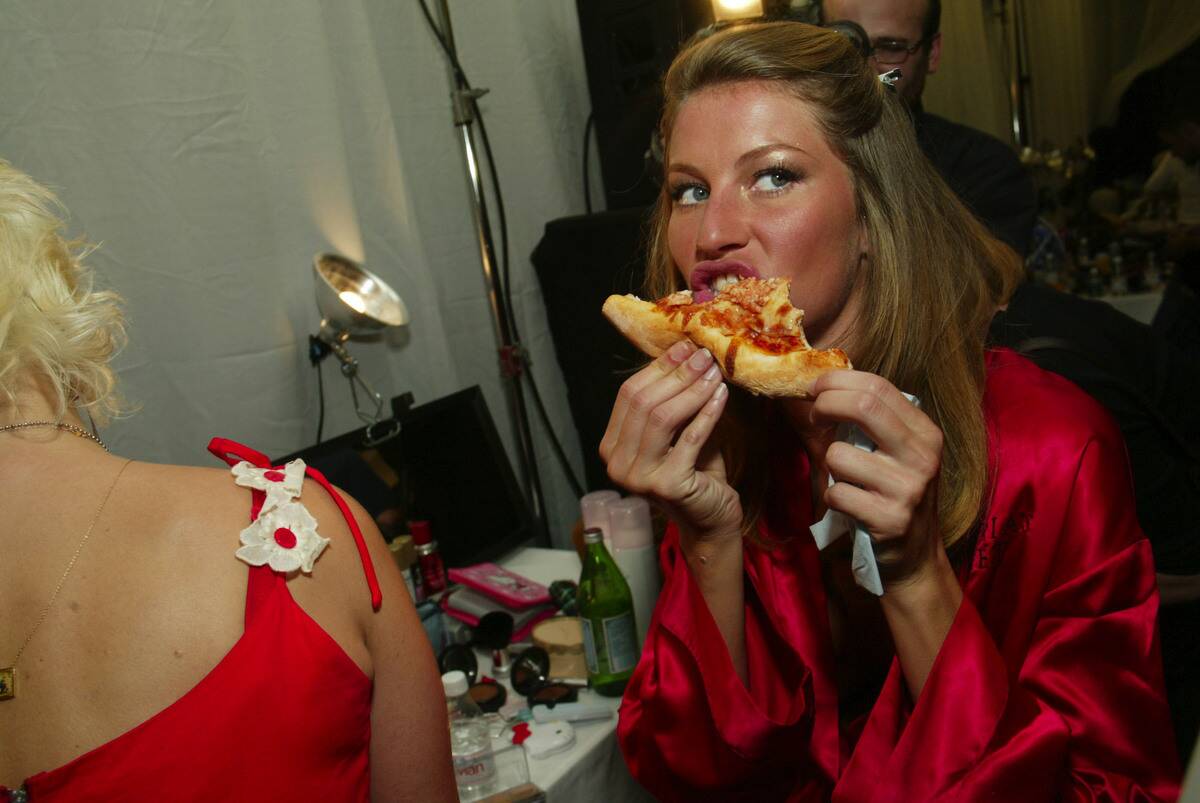
Thankfully, “heroin chic” didn’t last very long. Once the turn of the century came around, women began to backtrack. Instead of striving for an overall skinny appearance, athletic builds and toned bodies came back into style.
While there was less emphasis on curves, as seen in the ’50s and ’80s, women were finally starting to get back into healthy lifestyles, putting more meat on their bones and looking fuller and more athletic than they did in the ’90s.
In The 2000s, Gisele Bundchen Brought An End To “Heroin Chic”
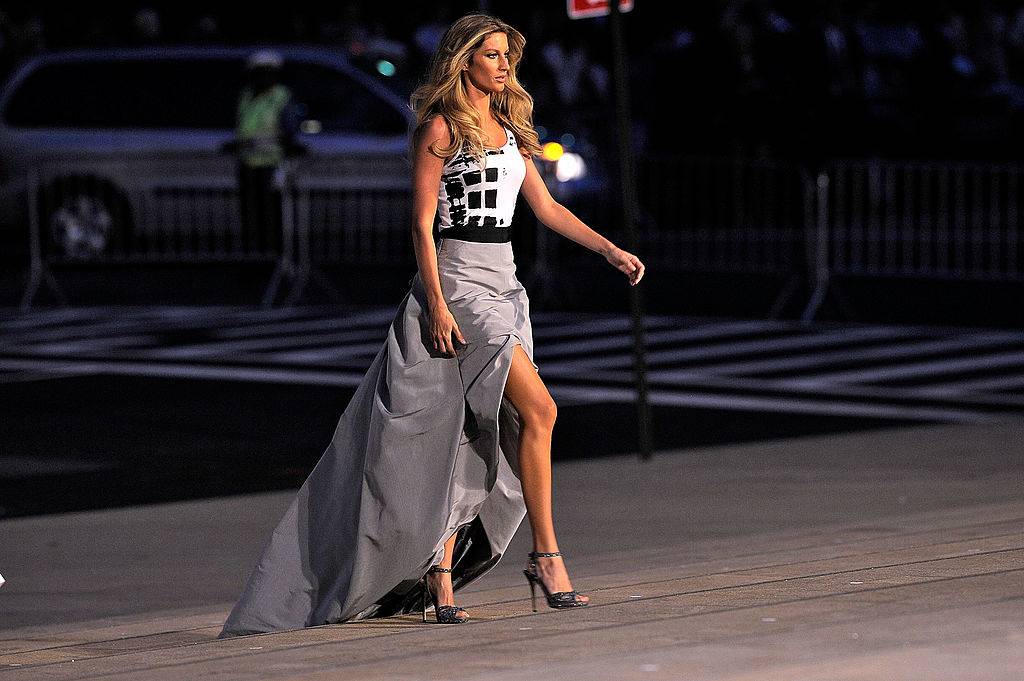
Supermodel Gisele Bundchen is credited with bringing an end to the idea of “heroin chic.” She was tall, toned, had an athletic build, and brought back the idea of golden and healthy-looking skin.
She’s been called “The Most Beautiful Woman In The World” by more than one magazine, including Vogue and Rolling Stone! With a credit like that, it’s no wonder women were striving to have an athletic and tanned body type instead of the skinny image of the previous decade.
The 2000s Were Somewhat Thin, But Toned

While the heyday of ultra-thin female body types had started to die down by the 2000s, that doesn’t mean that curves were necessarily in vogue.
The decade could be seen as a transitional time, one in which thinness was still idealized, but with a slightly toned, athletic edge — in other words, thin but healthy.
Curves Began To Make A Comeback In The 2010s
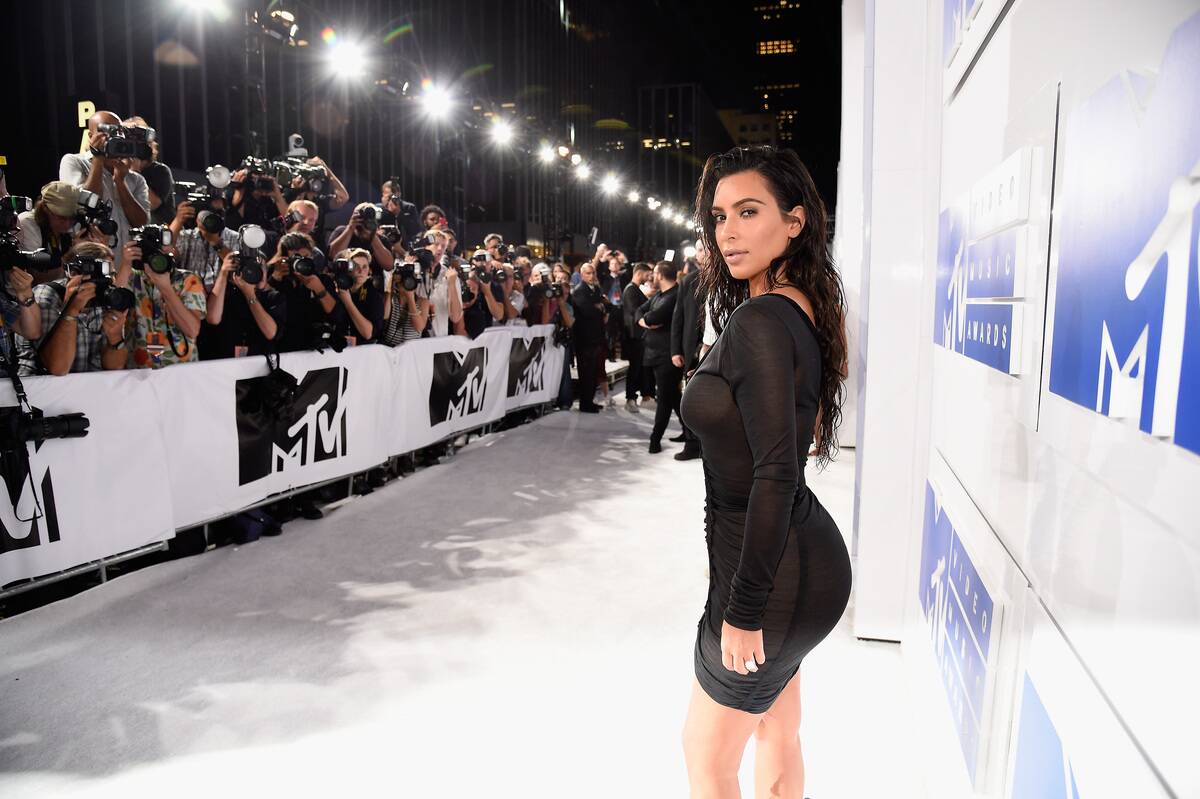
It seems as though throughout the decades’ certain trends around the perfect female body make their comeback. When it comes to the 2010s, it’s all about that hourglass figure that was seen as beautiful in the 1950s.
So long were the days of “heroin chic.” During the 2010s, it was all about the curves making a comeback, with specific emphasis on narrow waists and bigger behinds, thanks to a generous handful of celebrities.
Beyoncé And Kim K. Began The Curvy Revolution Of The 2010s
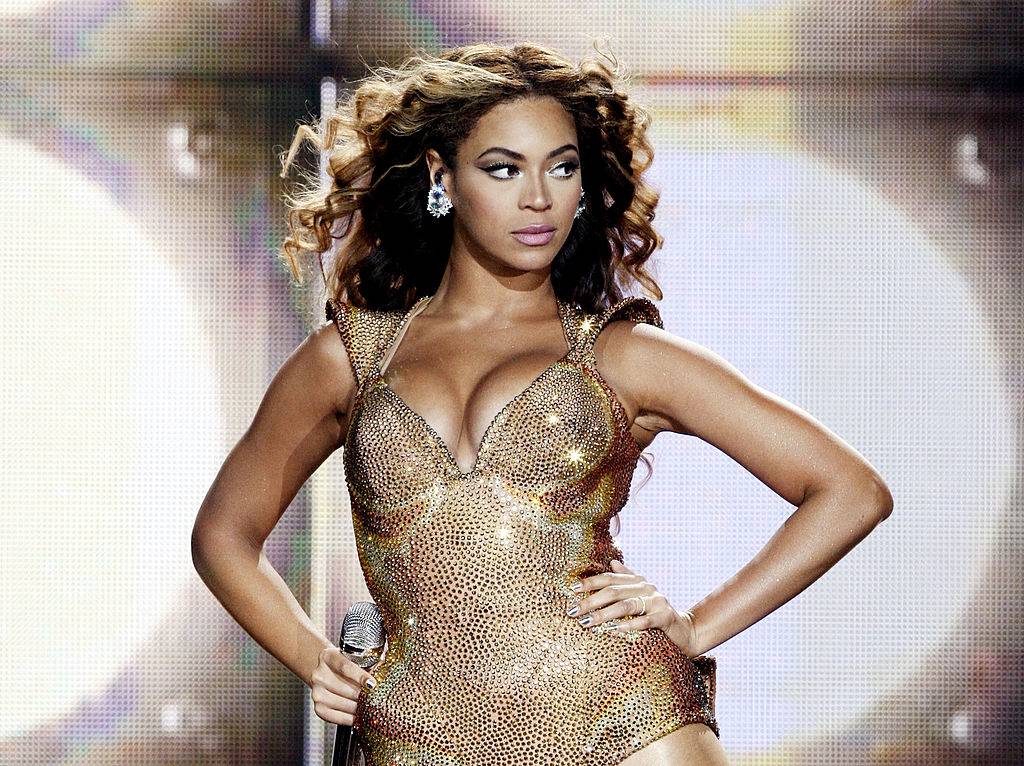
When the 2010s rolled around, women began to embrace their curves, thanks to celebrities including Beyoncé, Jennifer Lopez, and even reality stars like the Kardashians, particularly Kim.
While these women are all physically fit, they put major emphasis on their assets, namely their behind, shaping their thighs, and energizing their core for a flat stomach. It’s a new take on the 1950s hourglass figure that has now rolled over into the 2020s.
The 2010s Were All About Slim-Thick
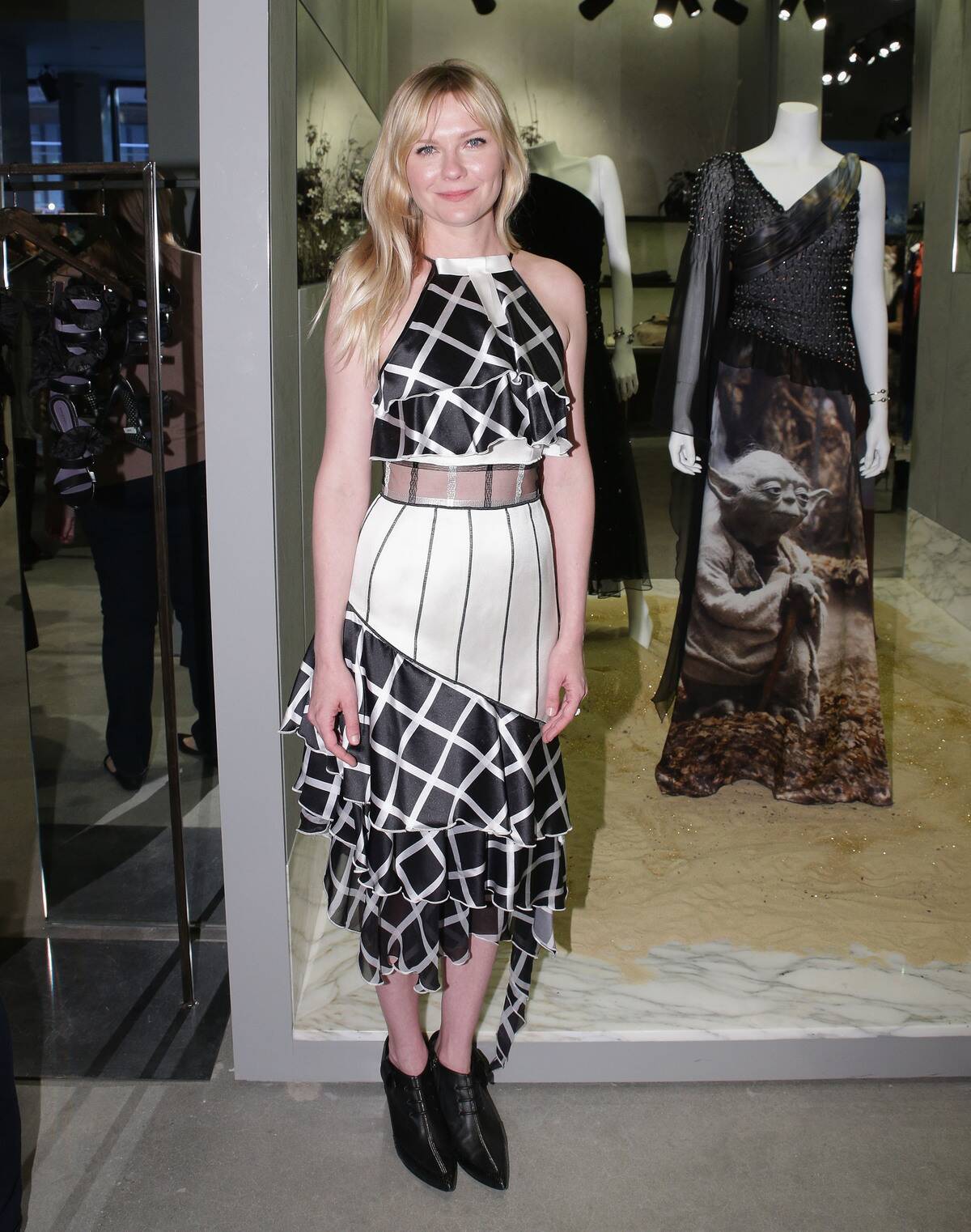
While it may sound counterintuitive, the 2010s idealized female body type was “slim-thick.” This generally meant a flat stomach and small waist, but paired with a curvy butt and full bust.
The rise of cosmetic surgeries meant that while curves were in, they were often artificially augmented, giving rise to a somewhat surreal form of hourglass proportions.
The 2020s = Fit Girl
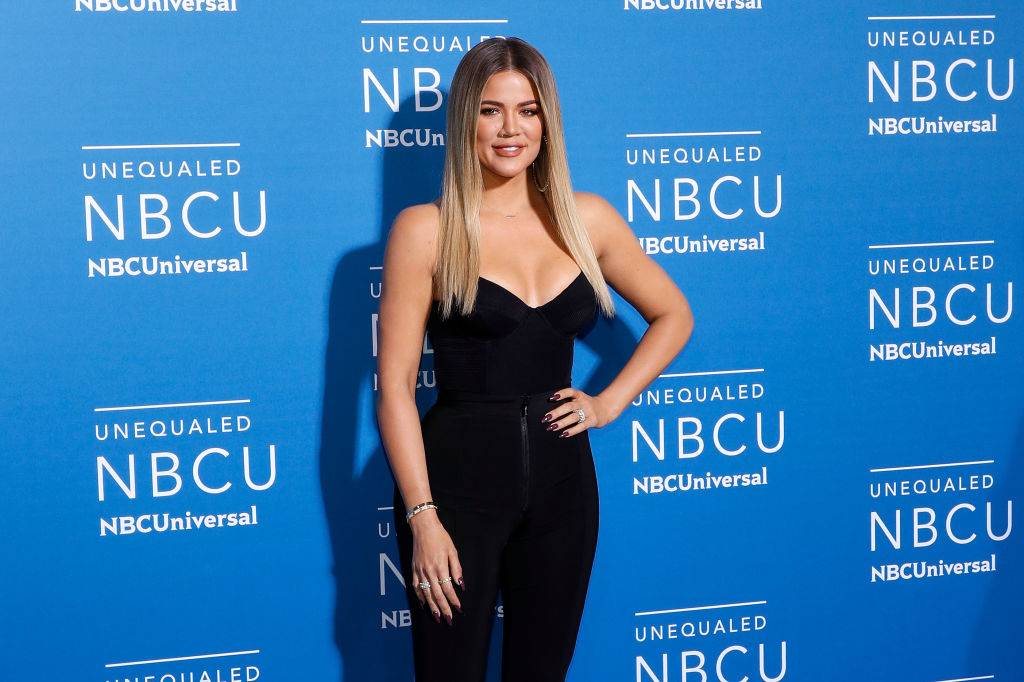
It might have started in the 2010s, but so far in the 2020s, it’s all about being a “fit girl.” This means daily exercise for the full body. No longer are women focusing on specific aspects of their bodies, but the entire thing for a strong and well-rounded image.
The ideal female body is primarily just that, fit, strong, and toned. This body type has allowed females to embrace casual legging outfits!
Social Media Influencers Are All About “Fit Girls” In The 2020s
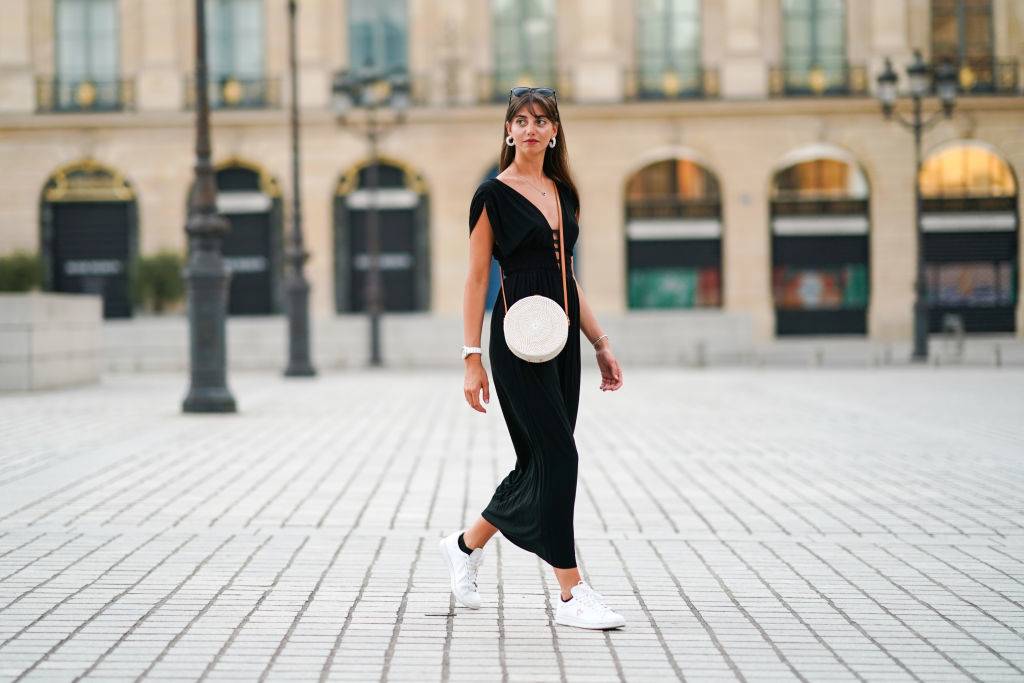
Interestingly, when it comes to the ideal female body type in the 2020s, there was a shift from celebrities to social media influencers. With platforms such as Instagram and Snapchat, women are able to pick up some key workout routines from actual trainers, including dieting tips and goals.
And while “fit girl” is all the rage in the 2020s, the decade is also about embracing body positivity, no matter the shape or size of a person.




