Writers who published under secret identities
In the literary world, authors often play a delightful game of hide and seek with their readers by using pen names. These pseudonyms can serve various purposes, from maintaining privacy to exploring different writing styles.
The use of pseudonyms is a time-honored tradition, adding an exciting layer of mystery and intrigue to the author’s work. Let’s dive into the fascinating stories of authors who have mastered the art of the pen name.
The Master of Disguise: Stephen King and His Alias
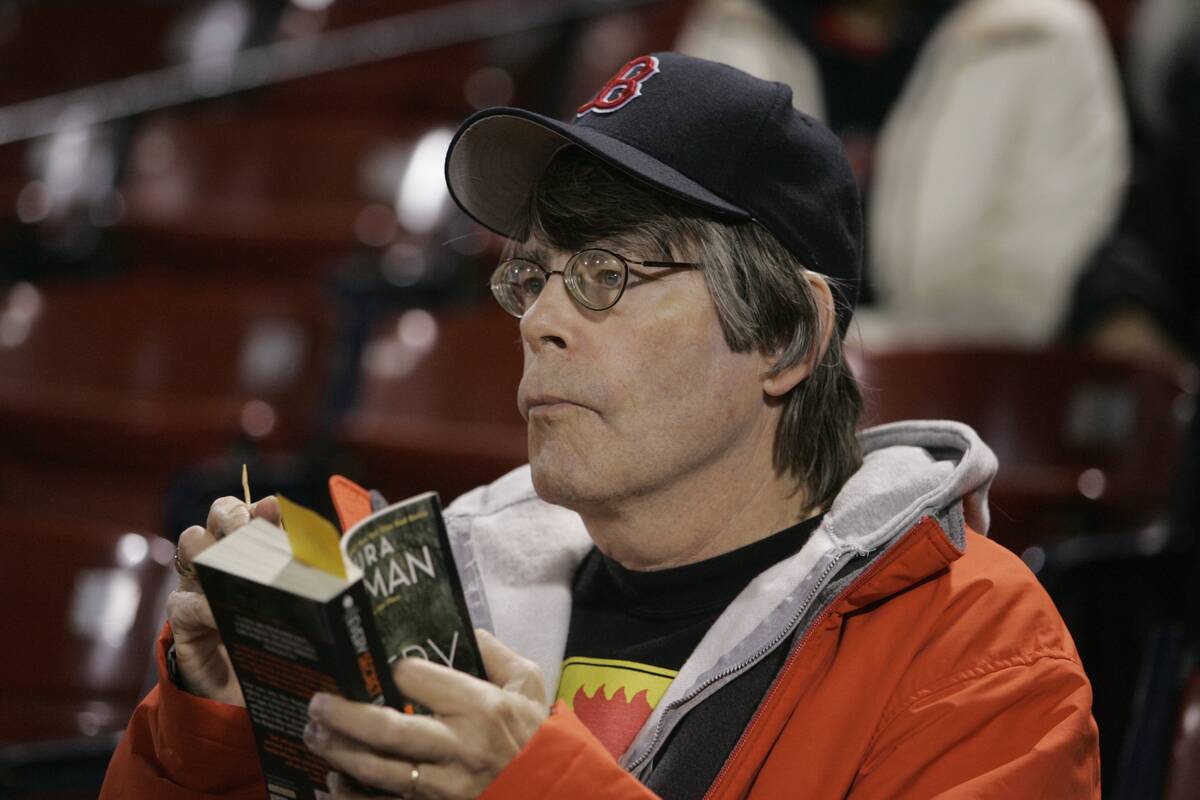
Stephen King, a titan of horror fiction, used the pen name Richard Bachman to test whether his success was due to talent or luck. He also wanted to write more than the one book a year that authors were typically advised to limit their production to at the time.
King’s experiment proved successful when Bachman’s Thinner was well-received, even before his true identity was revealed. This venture allowed King to publish more books than his contract permitted, showcasing his prolific nature and further cementing his legacy in the literary world.
J.K. Rowling: The Woman Behind Robert Galbraith
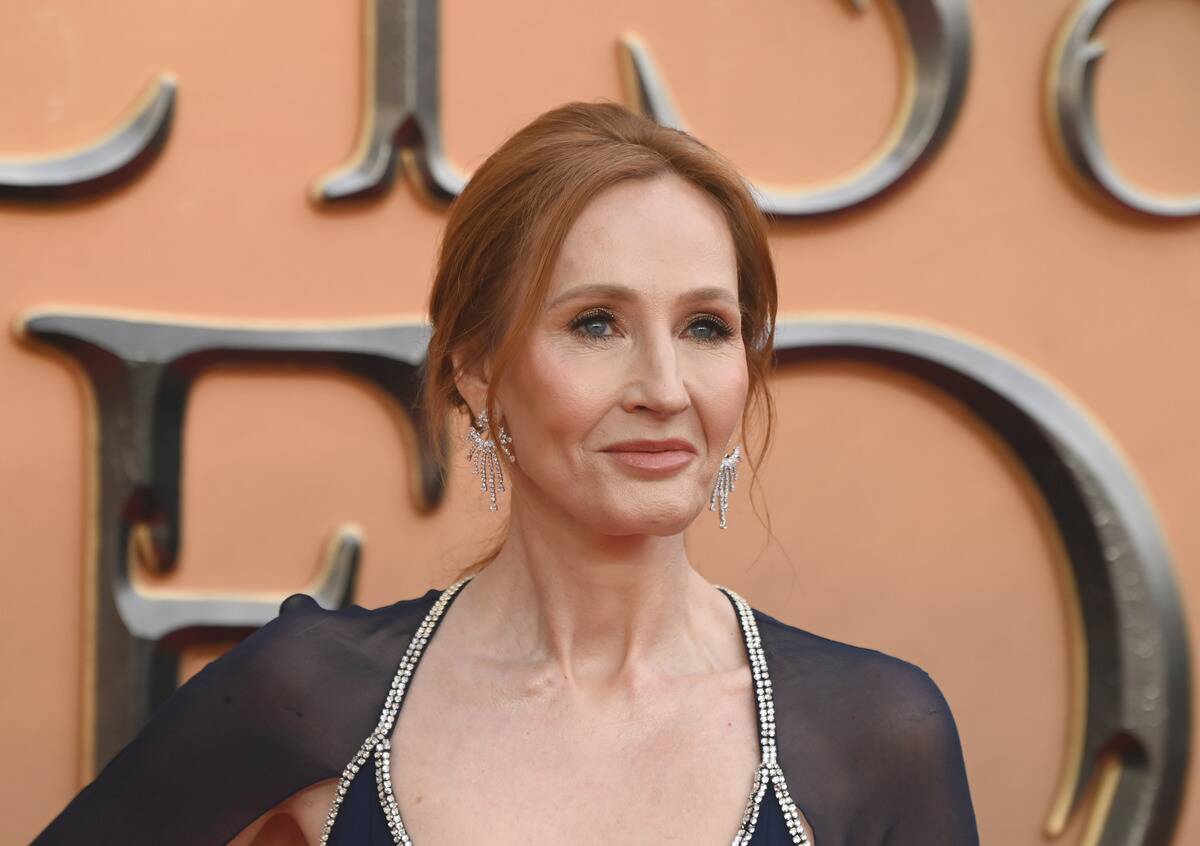
J.K. Rowling, renowned for the Harry Potter series, adopted the pseudonym Robert Galbraith to explore the crime genre. Her first novel as Galbraith, The Cuckoo’s Calling, received critical acclaim, proving her versatility as a writer.
Rowling’s decision to use a pen name allowed her to step away from her magical world and establish a new identity, demonstrating that her storytelling prowess extends beyond the wizarding world.
The Prolific Agatha Christie: Writing as Mary Westmacott
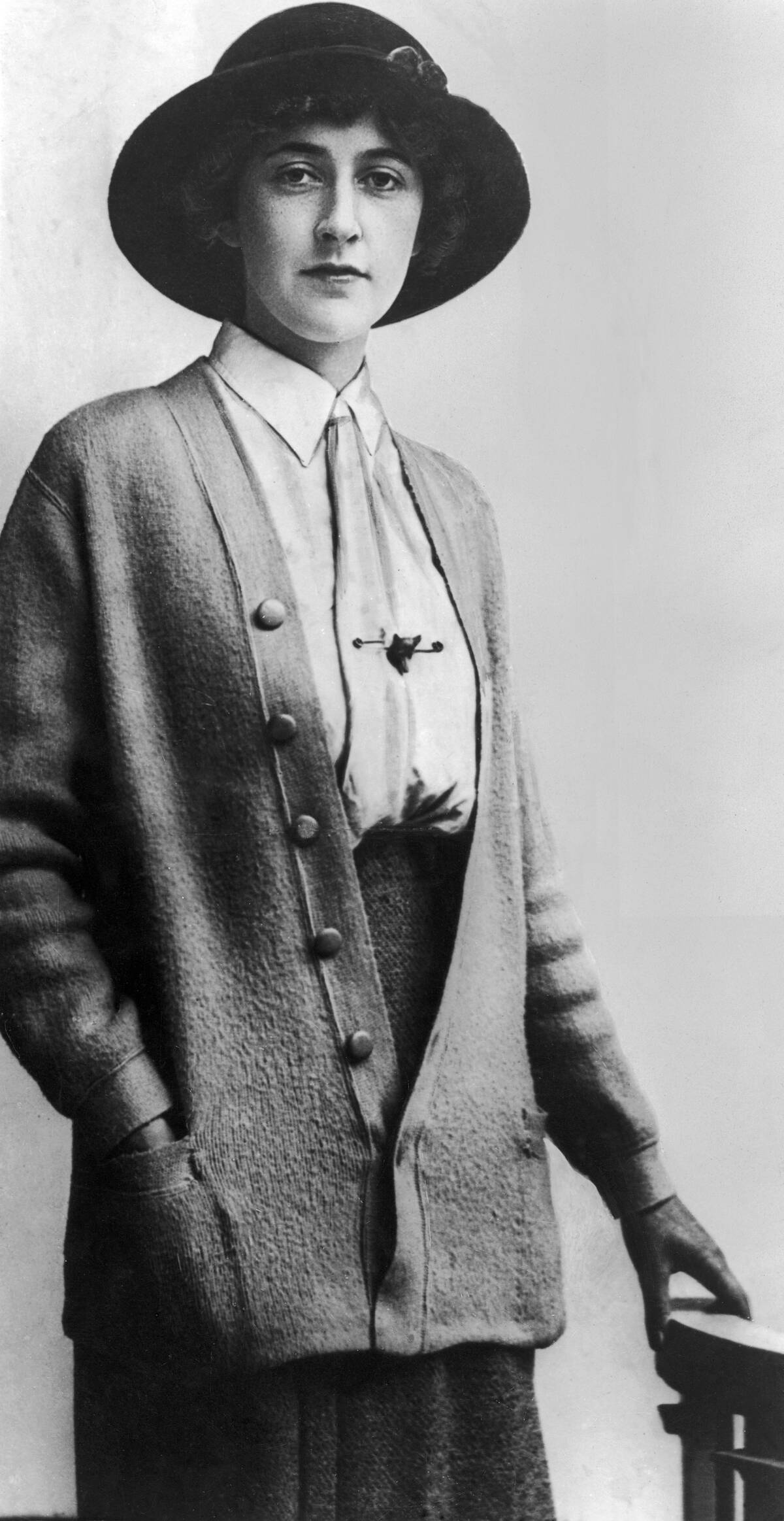
Agatha Christie is best known for her detective novels, but she also wrote psychological romantic novels under the name Mary Westmacott. This allowed her to explore themes of love and personal relationships without the expectations tied to her mystery writing.
The use of a pseudonym gave Christie the freedom to express different facets of her creativity, enriching her legacy and showcasing her talent in multiple genres.
Isaac Asimov’s Many Faces in Science Fiction
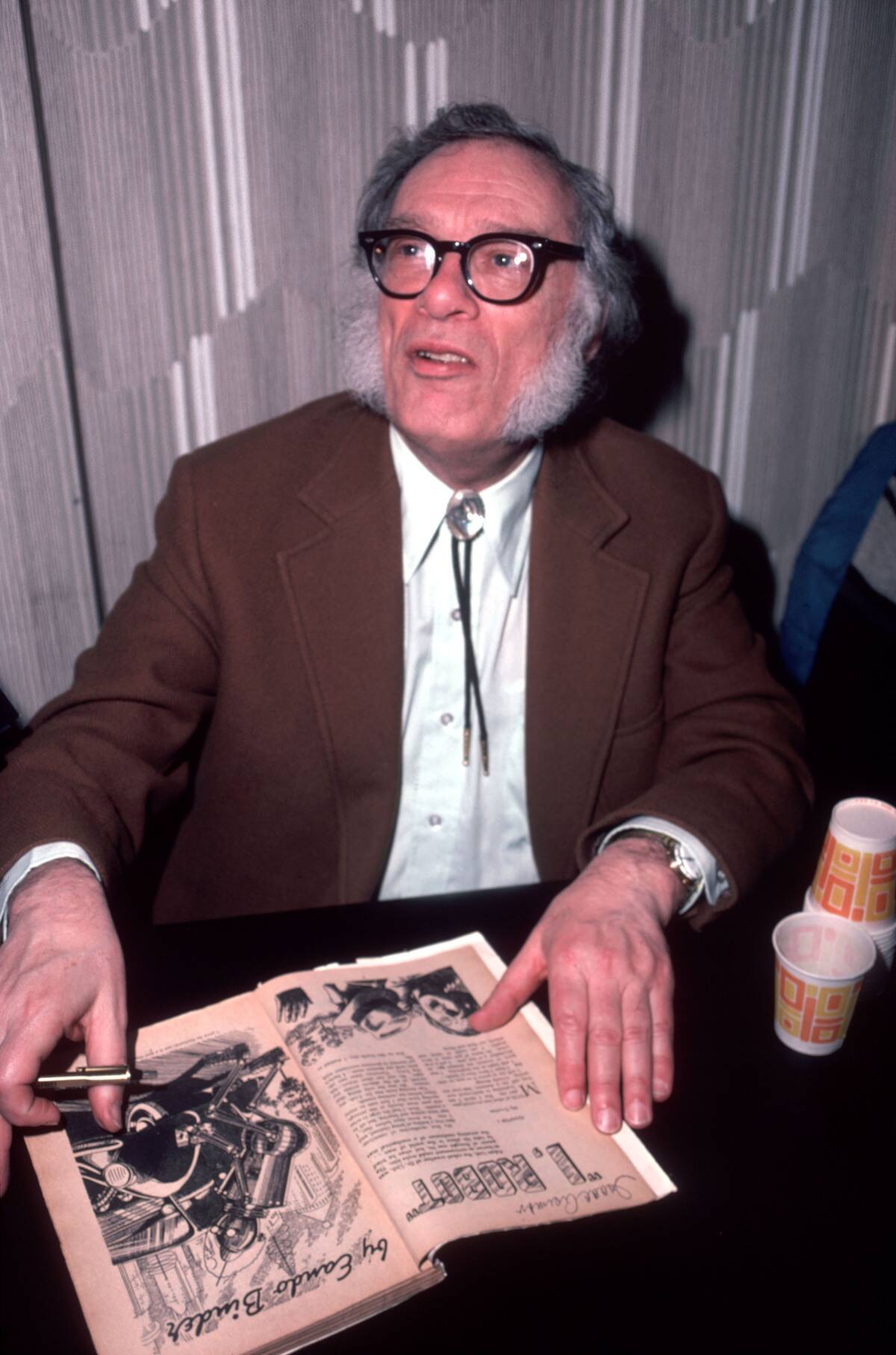
Isaac Asimov, a science fiction legend, occasionally wrote under the pseudonym Paul French to diversify his literary portfolio. Asimov’s ability to write across multiple genres and under different names highlights his versatility and immense talent.
His pen name allowed him to reach a different audience (specifically children), contributing to his status as one of the most influential science fiction authors of all time.
The Enigmatic Mark Twain: Exploring His Other Personas
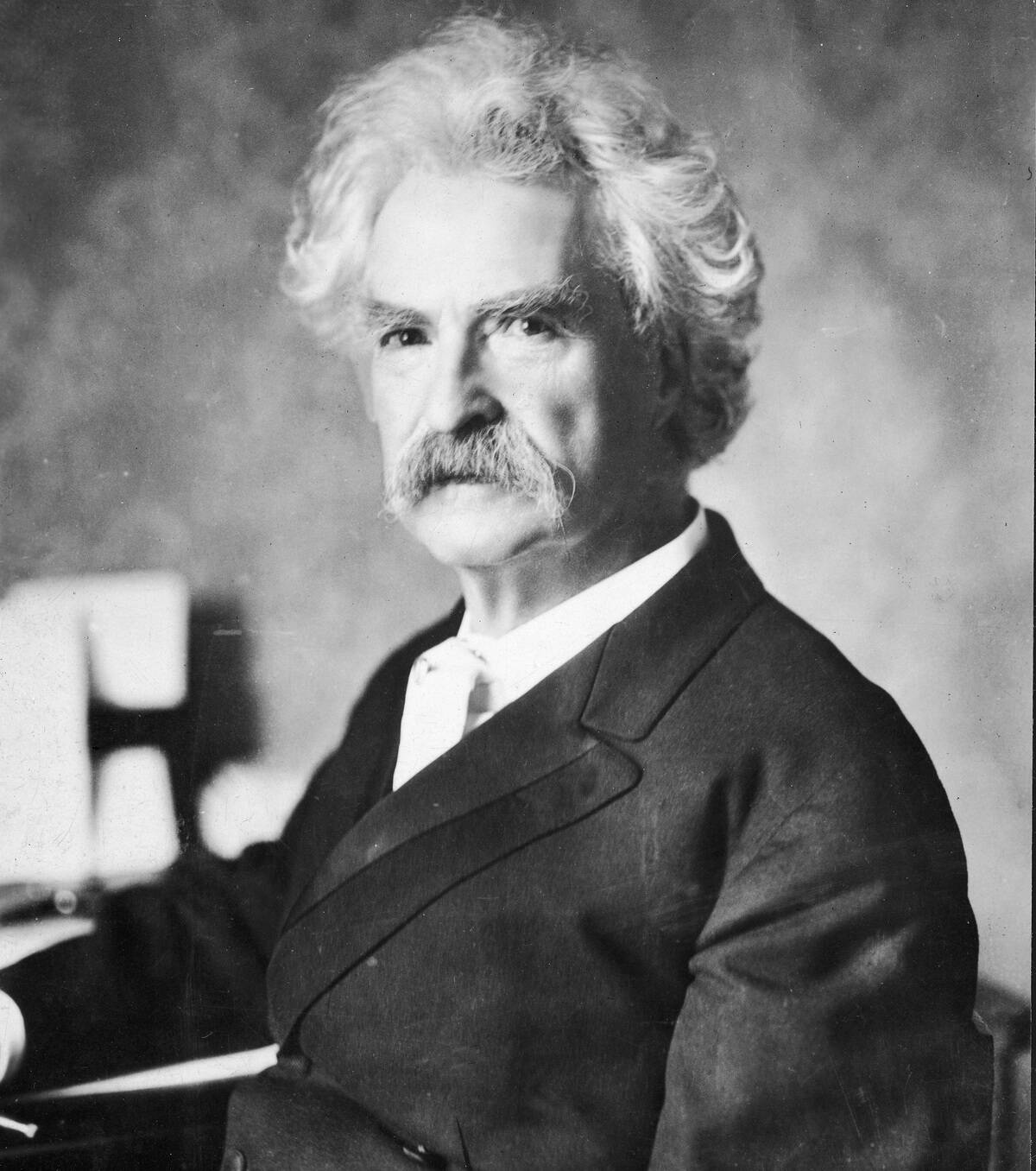
Samuel Clemens, known worldwide as Mark Twain, occasionally used other pseudonyms such as Thomas Jefferson Snodgrass.
Twain’s use of pen names reflected his playful nature and literary curiosity. By adopting different identities, he could explore various narrative styles and social commentary, enriching his storytelling and leaving an indelible mark on American literature.
Dean Koontz’s Web of Pseudonyms

Dean Koontz, a prolific author of suspense thrillers, has used numerous pen names like Leigh Nichols and Deanna Dwyer. These pseudonyms allowed him to publish multiple books concurrently and experiment with different writing styles.
Koontz’s use of aliases demonstrates his adaptability and desire to engage readers across various genres, making him a versatile and enduring figure in contemporary literature.
Nora Roberts: A Romance Queen with a Secret Identity
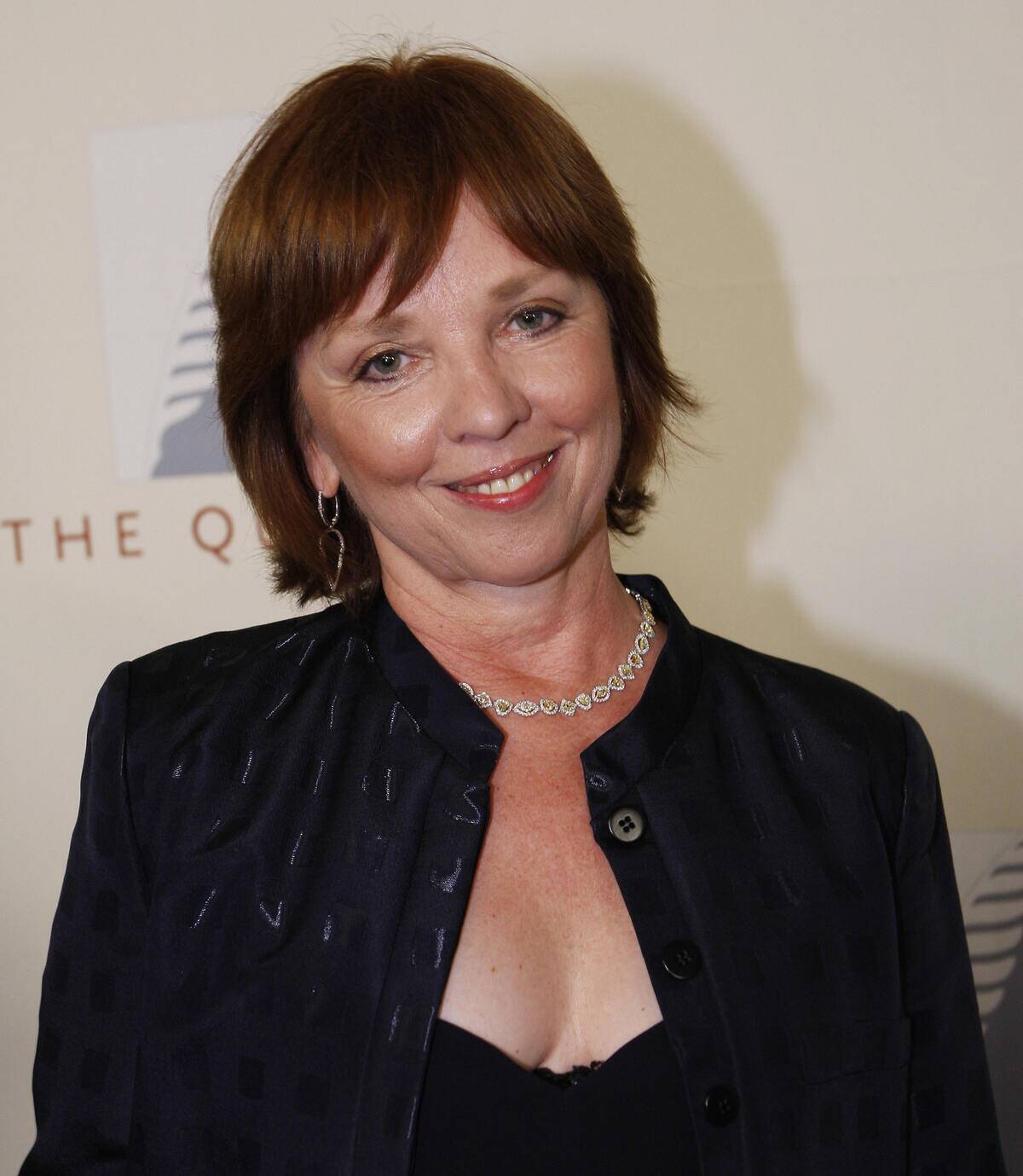
Nora Roberts, a dominant force in romance fiction, writes futuristic suspense novels under the name J.D. Robb. This pseudonym allows her to separate her romance novels from her thrilling detective series, appealing to diverse reader interests. She’s also written as Jill Marsh and specifically for U.K. publishers as Sarah Hardesty.
Roberts’s ability to successfully write across genres under different names showcases her narrative skill and adaptability, ensuring her work remains fresh and exciting.
The Dual Life of C.S. Lewis: Scholarly Works Under Different Names
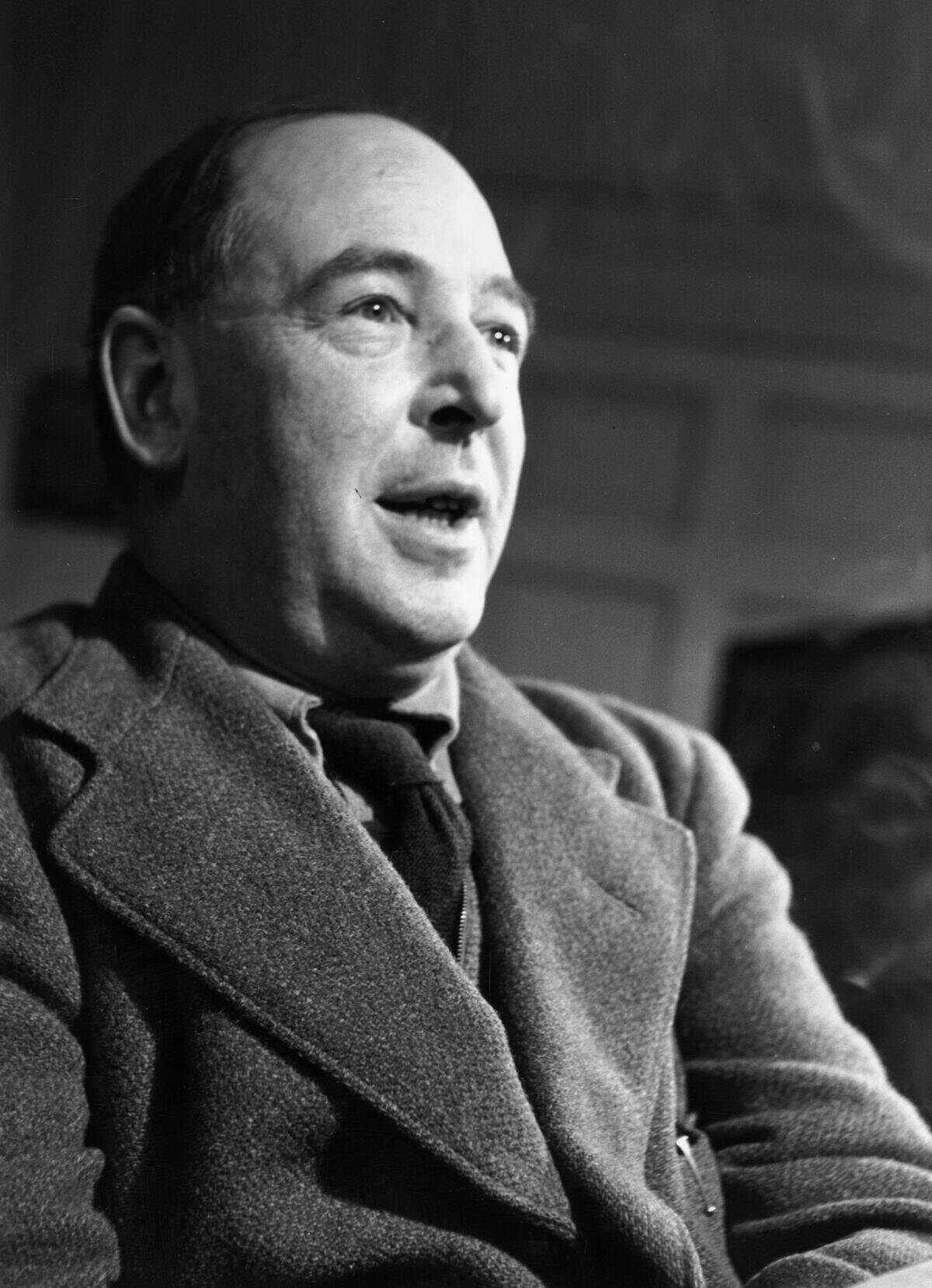
C.S. Lewis, known for The Chronicles of Narnia, also published poems under the name Clive Hamilton. He also used the pen name N. W. Clerk to write A Grief Observed, a raw and emotional expression of his grief after losing his wife to cancer that he didn’t feel comfortable associating with his name publicly.
Unfortunately, it seems the latter attempt at obfuscation worked a little too well, as well-meaning friends recommended A Grief Observed to him during his own struggles.
The Mysterious Charles Dickens and His Alternate Identities
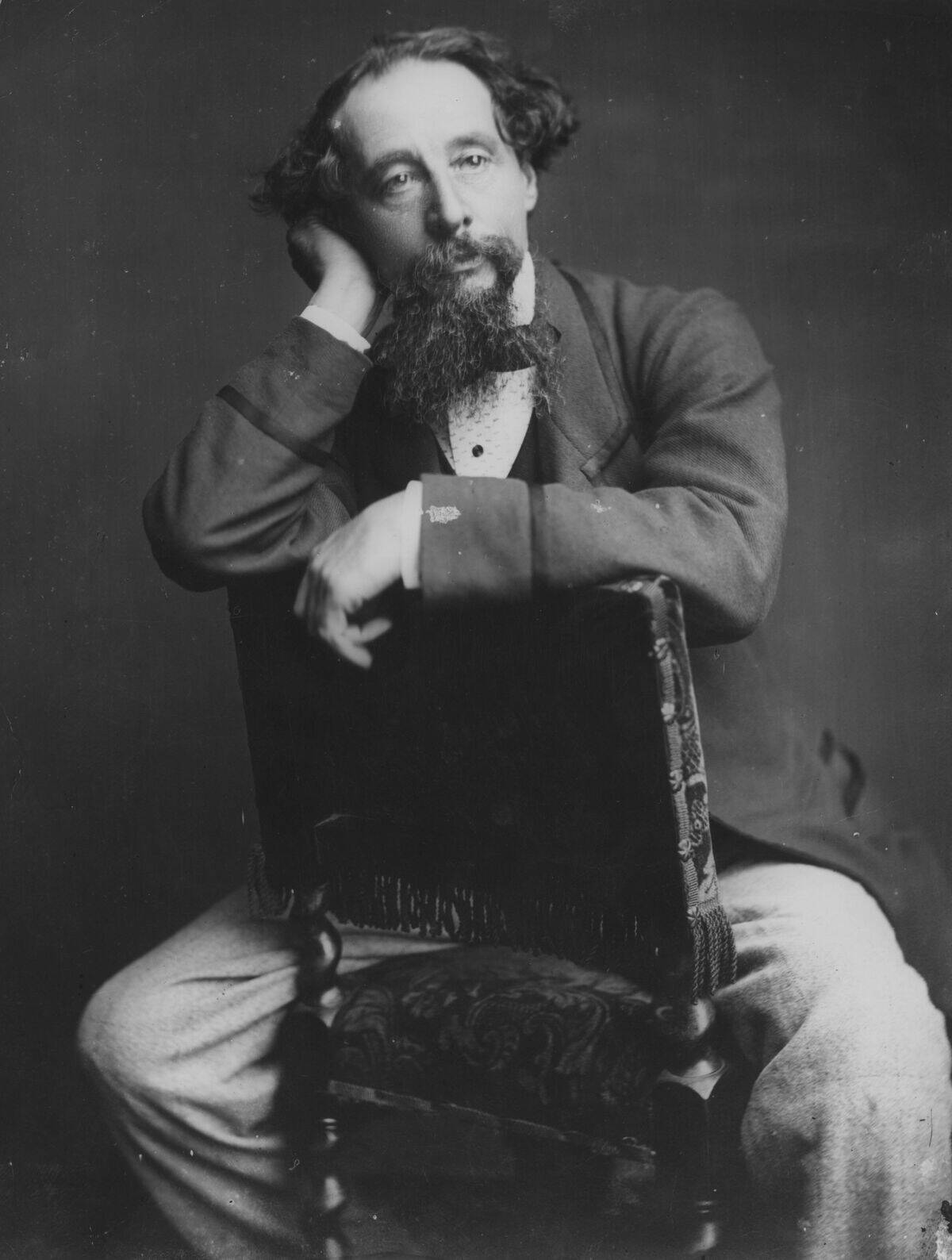
Charles Dickens, a literary giant, occasionally wrote under pseudonyms such as Boz. This early pen name helped him establish a reputation in journalism before his novels gained fame.
Dickens’s use of a pseudonym reflects his strategic approach to building his career, allowing him to experiment with different writing styles and subjects, ultimately shaping his path to becoming a celebrated author.
Anne Rice: Gothic Literature’s Secretive Side

Anne Rice, famed for her gothic novels, ventured into adult literature using the pen names A.N. Roquelaure and Anne Rampling. These pseudonyms allowed her to explore themes and narratives beyond the gothic genre without altering her established brand.
Rice’s use of pen names demonstrates her willingness to push boundaries and explore new creative territories, contributing to her reputation as a versatile and daring author.
Lemony Snicket’s Real Identity: Daniel Handler’s Clever Disguise

Daniel Handler, the mind behind Lemony Snicket, created a fictional author persona for A Series of Unfortunate Events. This unique approach allowed Handler to craft a mysterious narrative voice that captivated readers.
By separating himself from his creation, Handler added depth and intrigue to his storytelling, enhancing the series’ appeal and leaving an indelible mark on children’s literature.
The Versatile Joyce Carol Oates and Her Literary Alter Egos
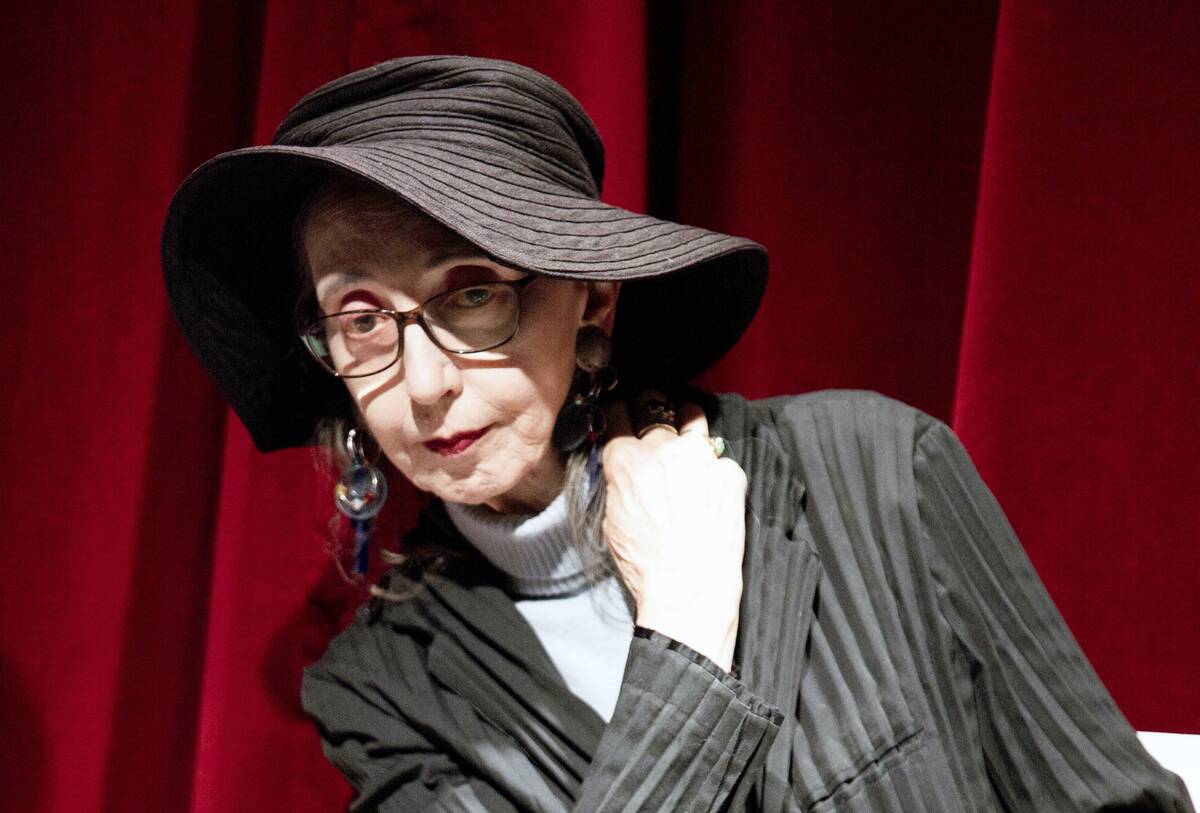
Joyce Carol Oates, a prolific author, writes under various pseudonyms like Rosamond Smith and Lauren Kelly. These aliases allow her to explore different themes and genres, from thrillers to gothic fiction.
Oates’s ability to write under multiple identities highlights her versatility and creativity, enabling her to continuously challenge herself and her readers with fresh and diverse narratives.
R.L. Stine’s Goosebumps and Other Secret Writing Ventures

R.L. Stine, renowned for the Goosebumps series, has written under pseudonyms such as Eric Affabee and Jovial Bob Stine. This allowed him to explore different writing styles and genres, including humor (hence “jovial”) and horror for younger audiences.
Stine’s use of pen names highlights his ability to engage various reader demographics, solidifying his status as a versatile and beloved author in children’s literature.
Enid Blyton: The Famous Five and Her Other Identities
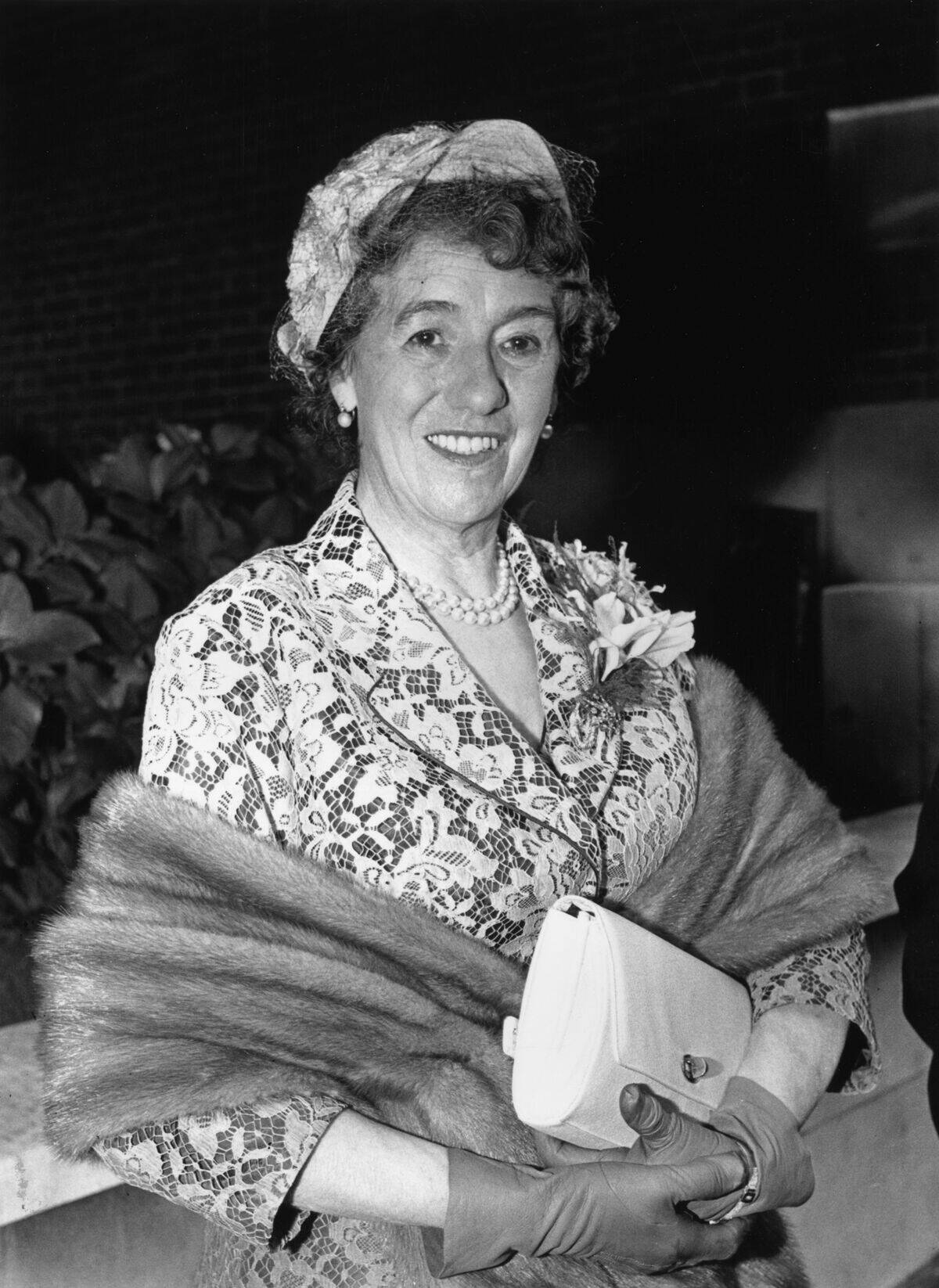
Enid Blyton, a beloved children’s author, occasionally used pseudonyms like Mary Pollock. This gave her the freedom to publish more extensively and explore different storytelling avenues. Not that it worked because her fans instantly recognized her style, even if critics amusingly warned that Blyton better watch out for competition from Pollock.
Blyton’s use of pen names allowed her to maintain a prolific output, ensuring her stories reached a wide audience and cementing her legacy as a cornerstone of children’s literature.
The Many Masks of Michael Crichton

Michael Crichton, famed for his techno-thrillers, sometimes used pen names like John Lange and Jeffery Hudson to publish early works. These pseudonyms allowed him to write in different genres and styles without impacting his primary brand.
Crichton’s use of aliases showcases his adaptability and willingness to experiment, contributing to his reputation as a master of crafting engaging and thought-provoking narratives.
The Hidden Brilliance of Louisa May Alcott’s Pseudonyms
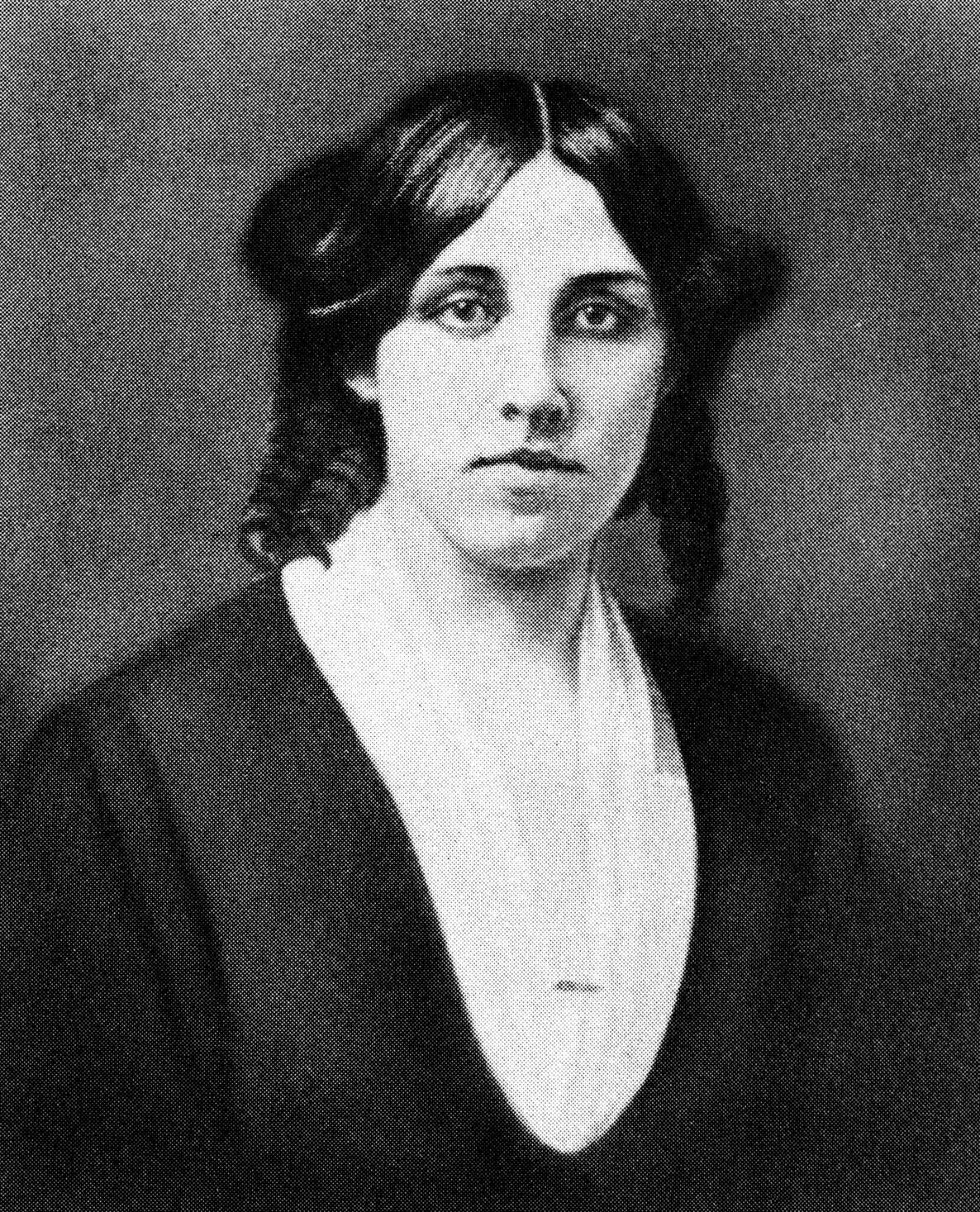
Louisa May Alcott, celebrated for Little Women, wrote sensational stories under pseudonyms like A.M. Barnard. This allowed her to explore darker themes and narratives without affecting her established reputation.
Alcott’s ability to craft stories under different identities highlights her literary range and courage, ensuring her work continues to resonate with readers across generations.
George Eliot: The Masculine Mask of Mary Ann Evans
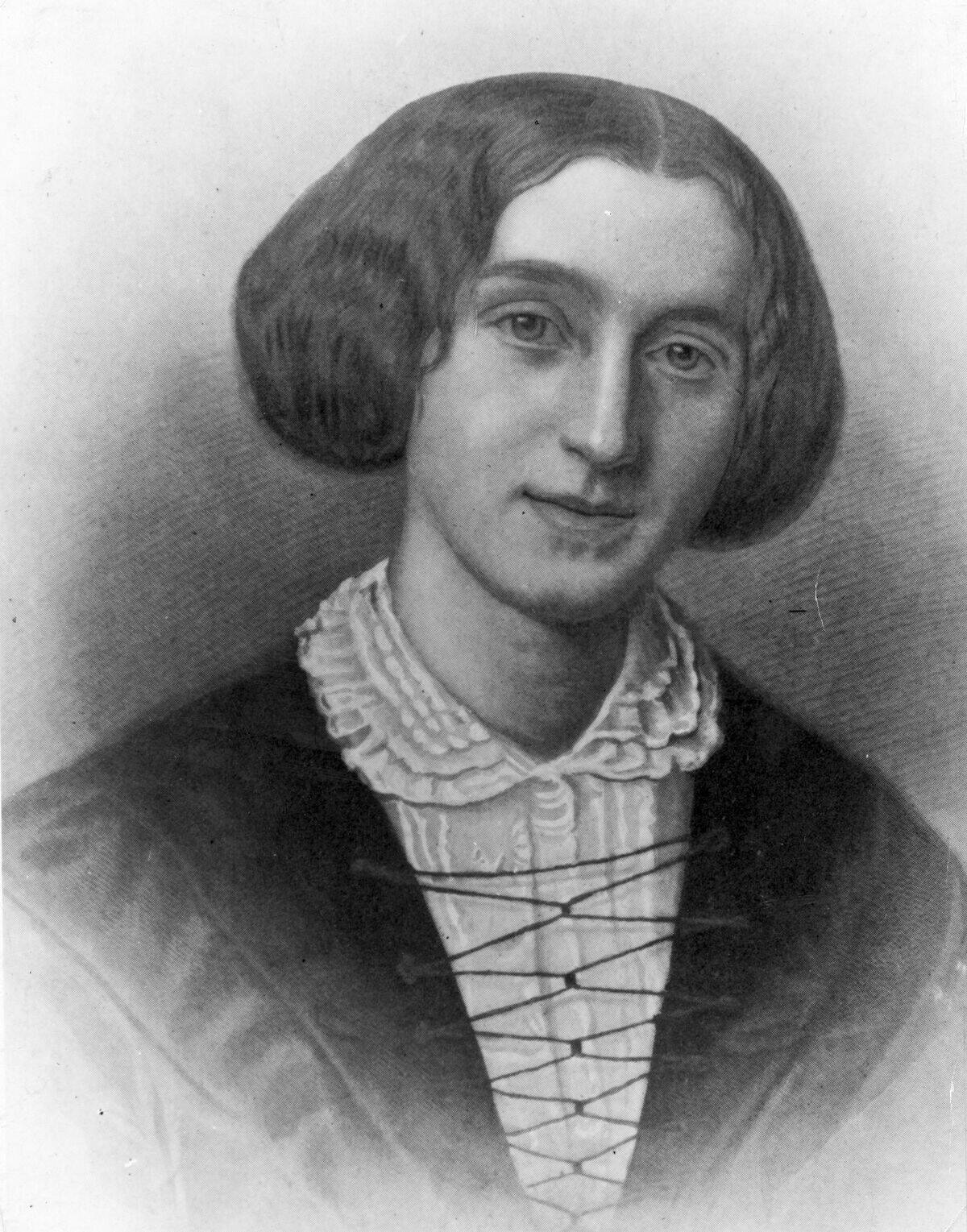
Mary Ann Evans adopted the pen name George Eliot to ensure her work was taken seriously in a male-dominated literary world. This choice allowed her to publish groundbreaking novels like Middlemarch without gender bias.
Eliot’s decision to use a male pseudonym reflects her determination to succeed as a novelist, paving the way for future generations of women writers.
The Whispering Shadows of Edith Wharton’s Pen Names
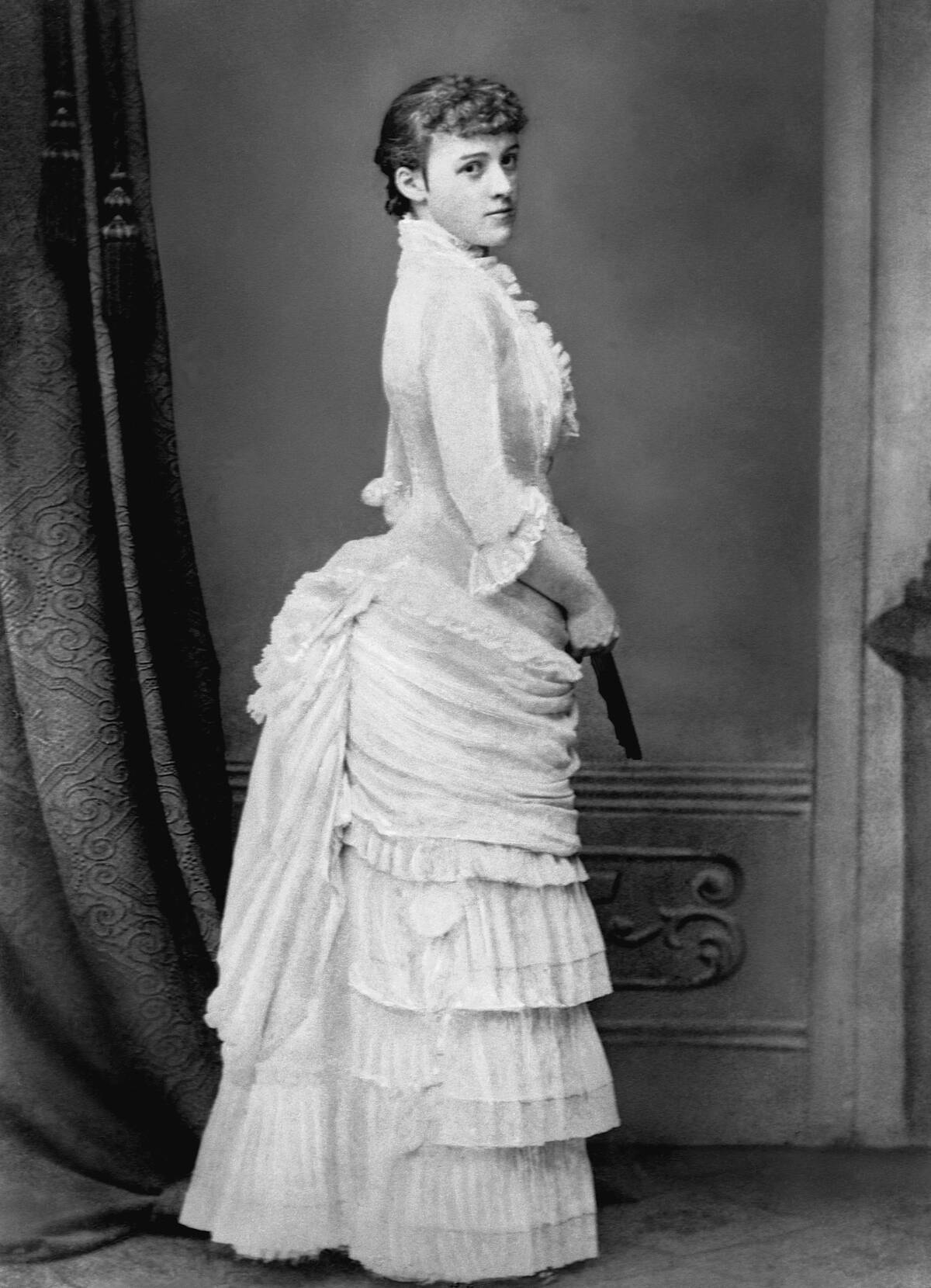
Edith Wharton, a Pulitzer Prize-winning author, occasionally used pen names like David Olivieri to write societal critiques with a lighter touch. While she didn’t frequently use pseudonyms, her decision to do so reflects a strategic approach to diversifying her narrative voice.
Wharton’s ability to weave different storytelling styles under various identities showcases her literary talent and enduring influence in American literature.




