The true tale behind the suffragette campaign
The suffragette campaign was a pivotal movement in history, pushing for women’s right to vote. It wasn’t just about casting ballots; it was about gaining recognition and equality.
From the late 19th to early 20th centuries, women across the globe fought tirelessly for their voices to be heard. Their struggle wasn’t easy, facing societal norms and legal barriers. But their perseverance paved the way for many democratic rights enjoyed today.
The Birth of the Women’s Suffrage Movement
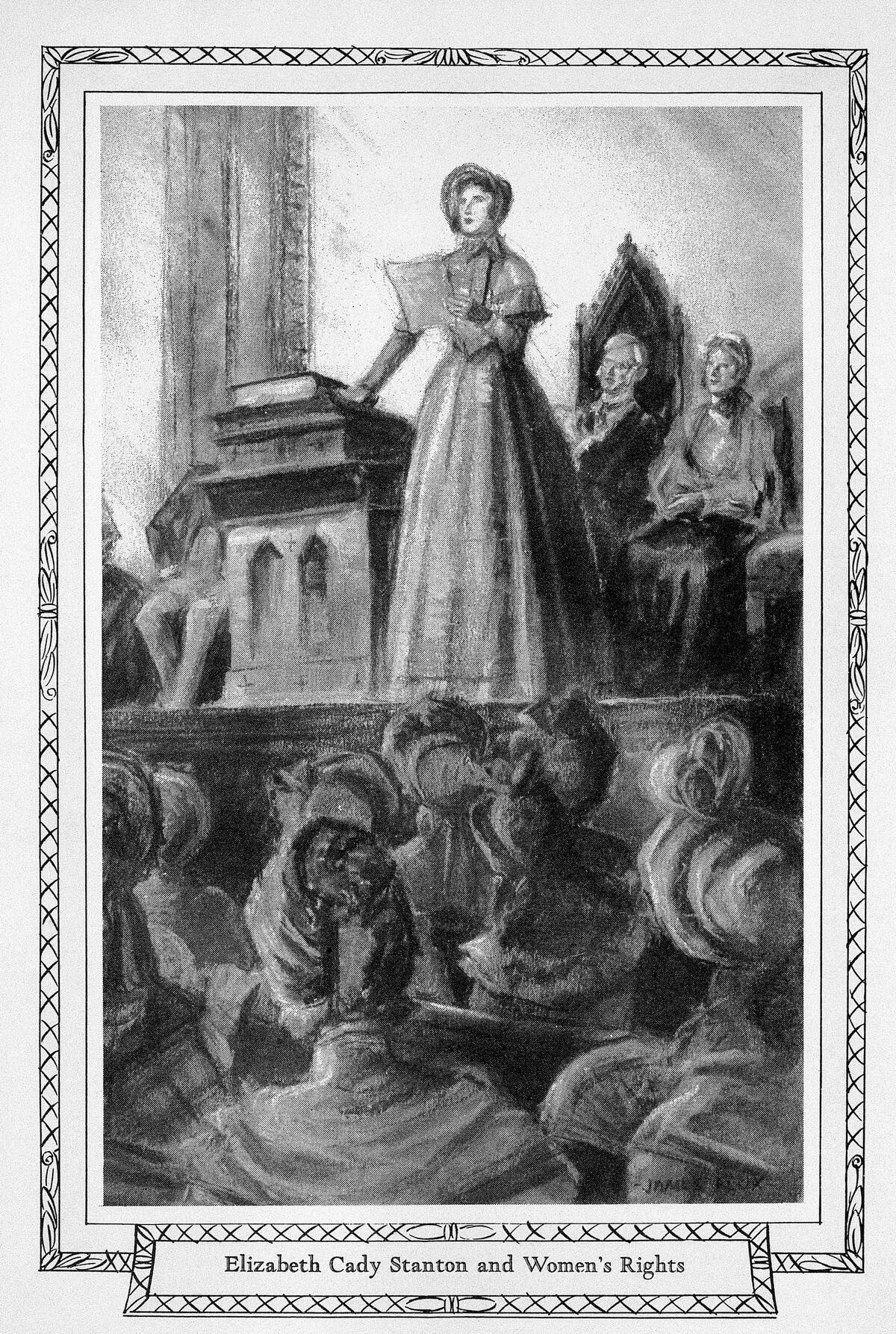
The roots of the women’s suffrage movement can be traced back to the mid-1800s. The Seneca Falls Convention in 1848 marked the beginning, with leaders like Elizabeth Cady Stanton advocating for women’s rights.
This event was pivotal, setting the stage for future activism. Women began organizing, discussing, and challenging the status quo. They sought to redefine their roles in society, demanding the right to vote as a fundamental change.
Early Trailblazers: The Pioneers of Women’s Rights
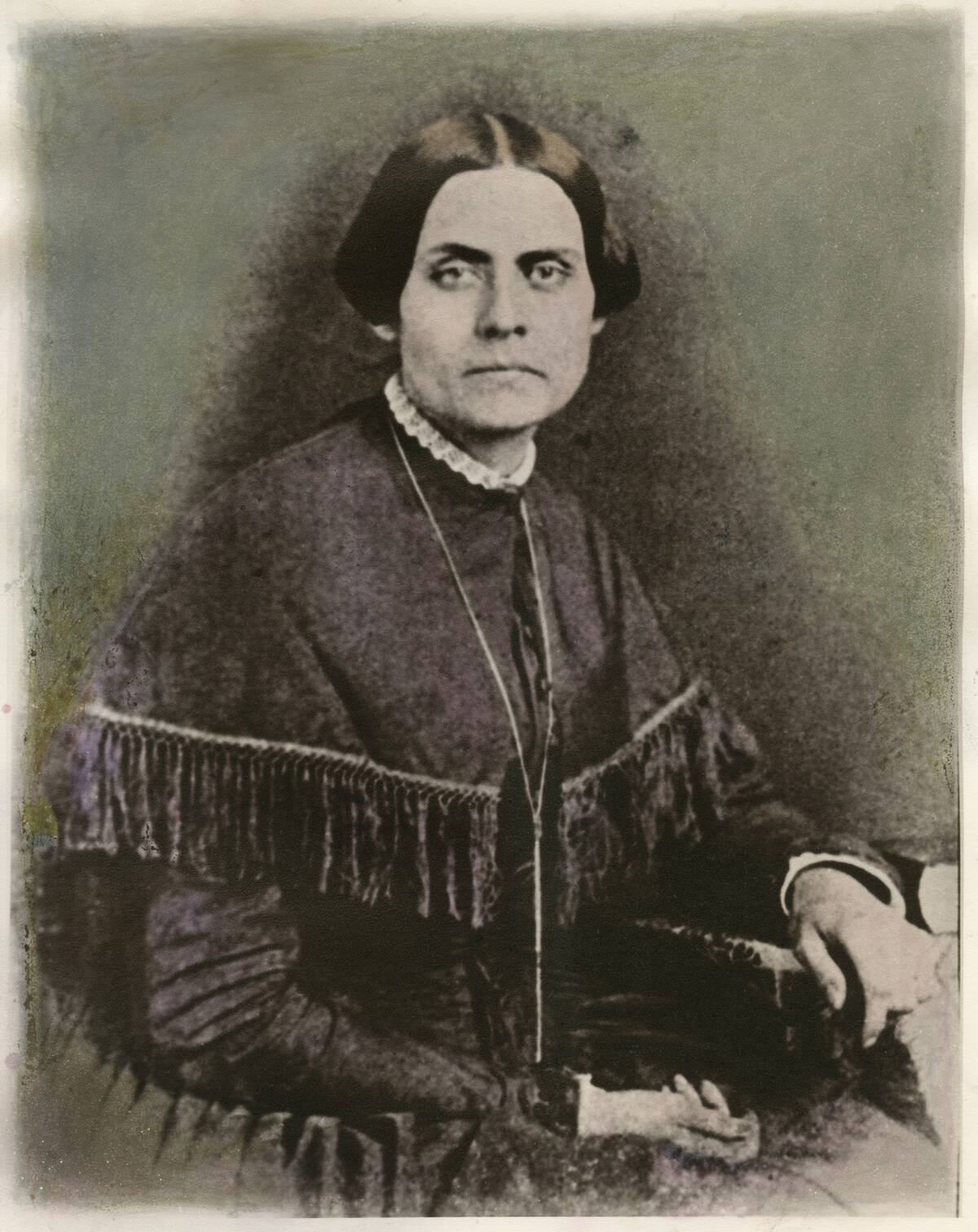
Before the suffragettes, there were pioneers who laid the groundwork for change. Figures like Mary Wollstonecraft and Susan B. Anthony (pictured) were at the forefront.
Wollstonecraft’s A Vindication of the Rights of Woman challenged societal norms, while Anthony played a crucial role in the American suffrage movement. Their efforts inspired a new generation of activists who would carry the torch forward, building on the foundations they set.
The Formation of the Suffragette Movement

The suffragette movement formally came into existence in the early 20th century. It was a response to the slow progress of the suffrage movement.
In 1903, the Women’s Social and Political Union (WSPU) was founded in the UK, known for its militant approach. This group, led by passionate women, sought to achieve voting rights through direct action and protests, distinguishing themselves from their predecessors’ more peaceful methods.
Key Leaders and Influential Figures
Several key figures emerged as leaders of the suffragette movement. Emmeline Pankhurst, a formidable force, played a central role in the WSPU. Alongside her were her daughters, Christabel and Sylvia, each contributing uniquely.
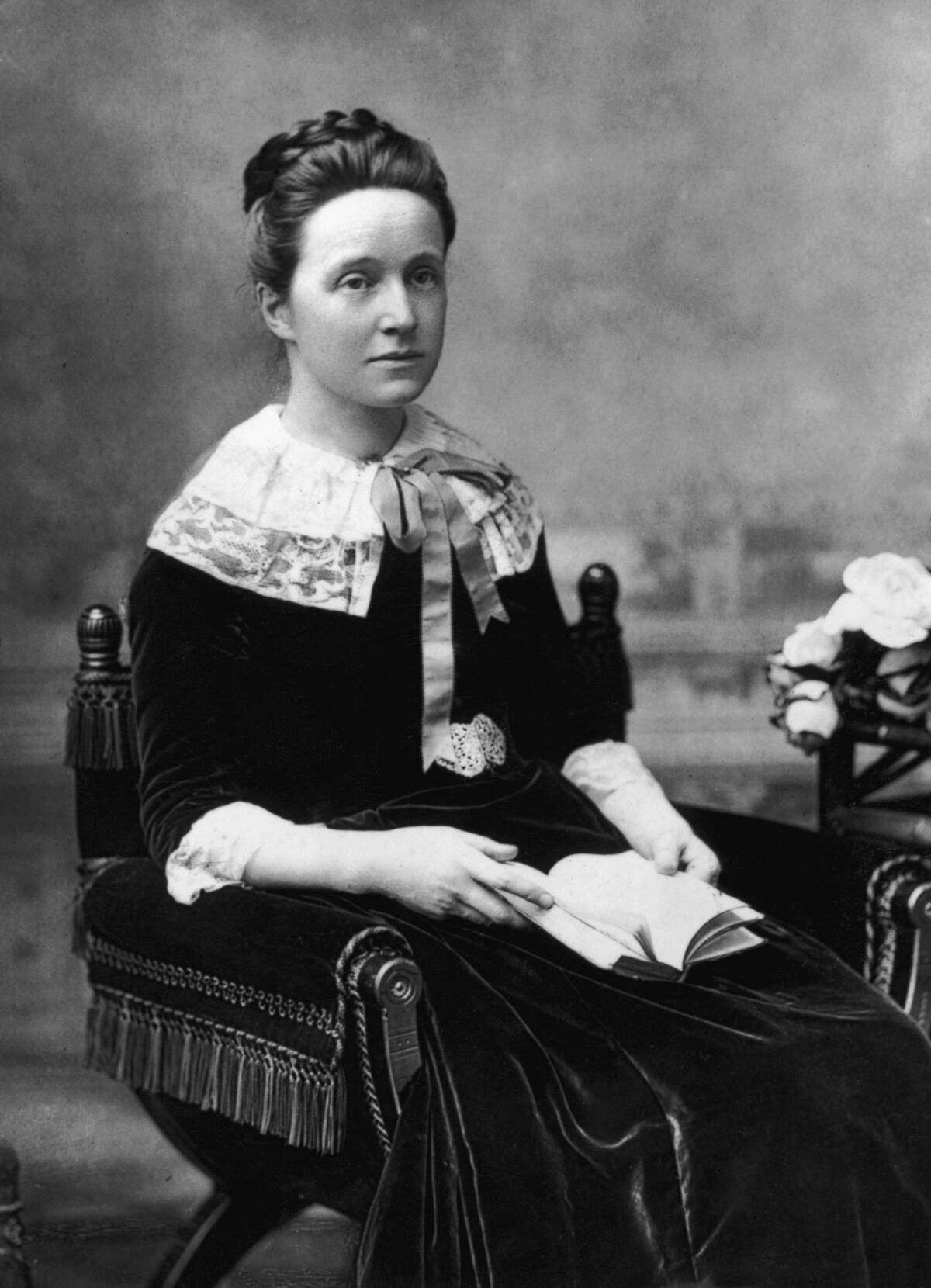
Other influential figures included Millicent Fawcett (pictured), who led the National Union of Women’s Suffrage Societies. These women, among others, became the face of the movement, inspiring countless others to join the cause.
The Role of Emmeline Pankhurst
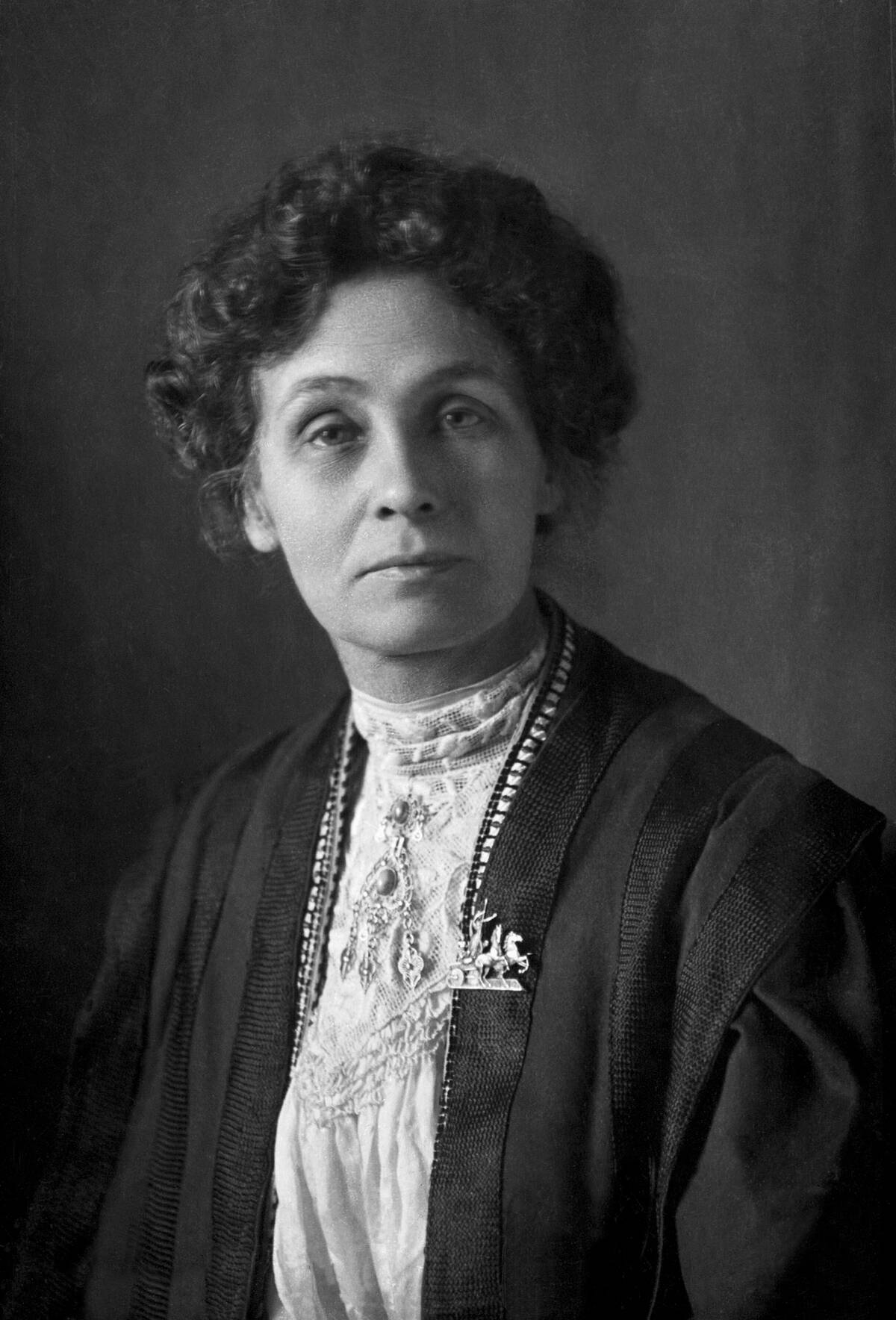
Emmeline Pankhurst was a powerhouse in the suffragette movement. As the founder of the WSPU, her leadership was instrumental. She advocated for “deeds, not words,” encouraging direct action to achieve women’s voting rights.
Pankhurst’s efforts were not without controversy, often leading to imprisonment. Yet, her unwavering dedication galvanized the movement, making her a symbol of courage and determination in the fight for equality.
The Symbolic Colors of the Suffragettes
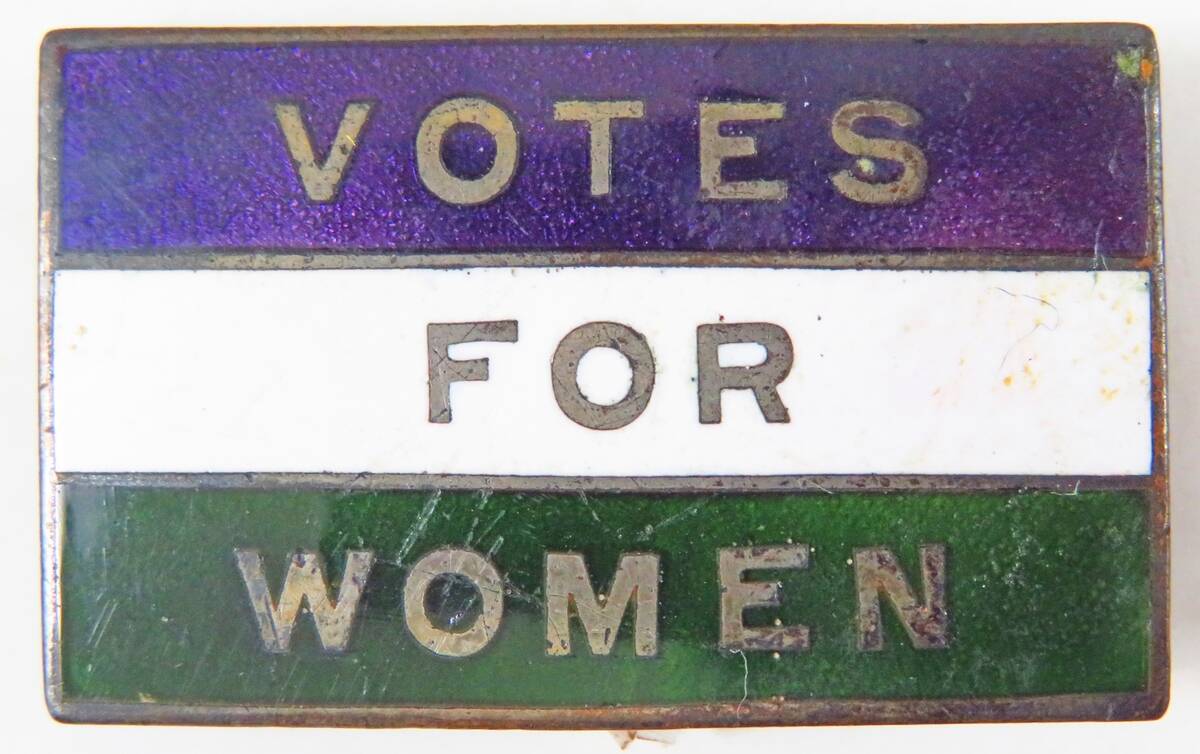
The suffragettes adopted the colors purple, white, and green as symbols of their cause. Purple represented dignity, white stood for purity, and green symbolized hope. These colors became a powerful tool for unity and identity.
They were prominently displayed in banners, badges, and clothing. This visual identity helped spread their message, making the suffragette movement recognizable and memorable across the nation.
Creative Tactics and Protests
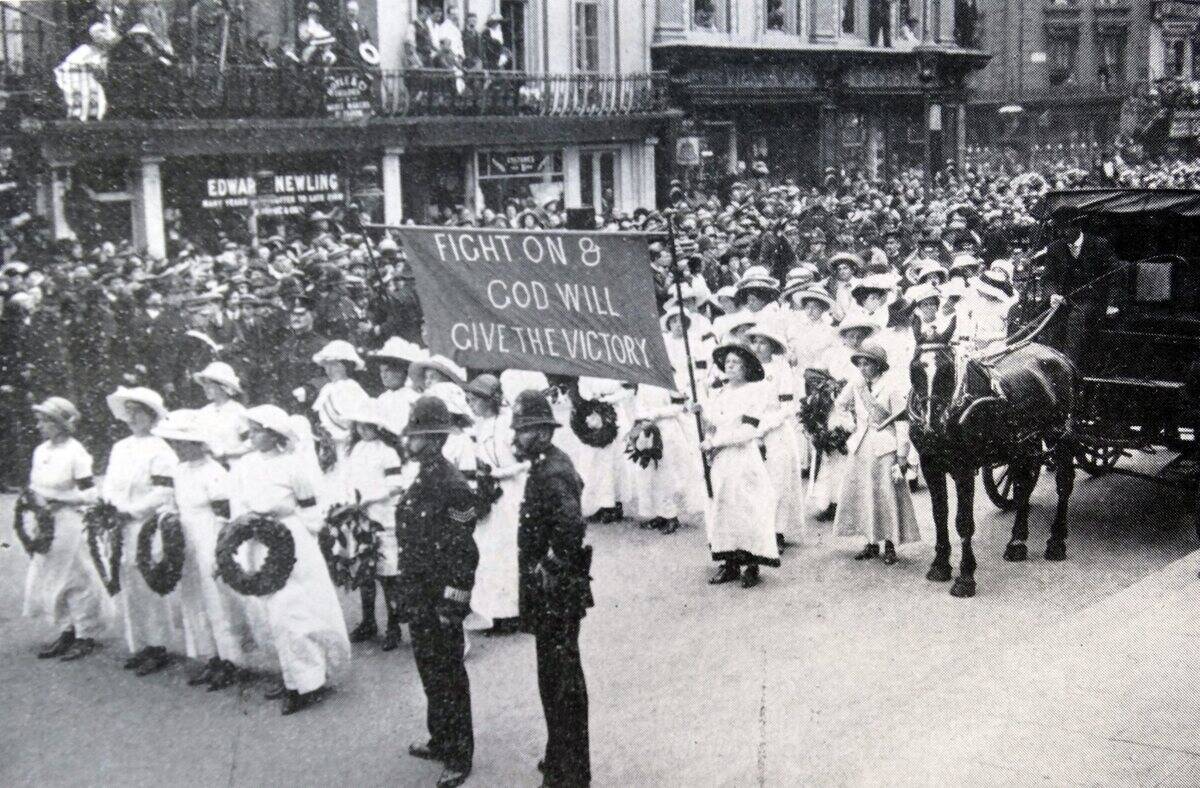
The suffragettes were known for their innovative tactics and protests. They organized demonstrations, parades, and even hunger strikes to draw attention to their cause.
One of their most famous acts was the 1913 Derby, where Emily Davison tragically stepped in front of the king’s horse. These bold actions were designed to capture public attention and highlight the urgency of their demands for voting rights.
The Impact of World War I on Women’s Suffrage
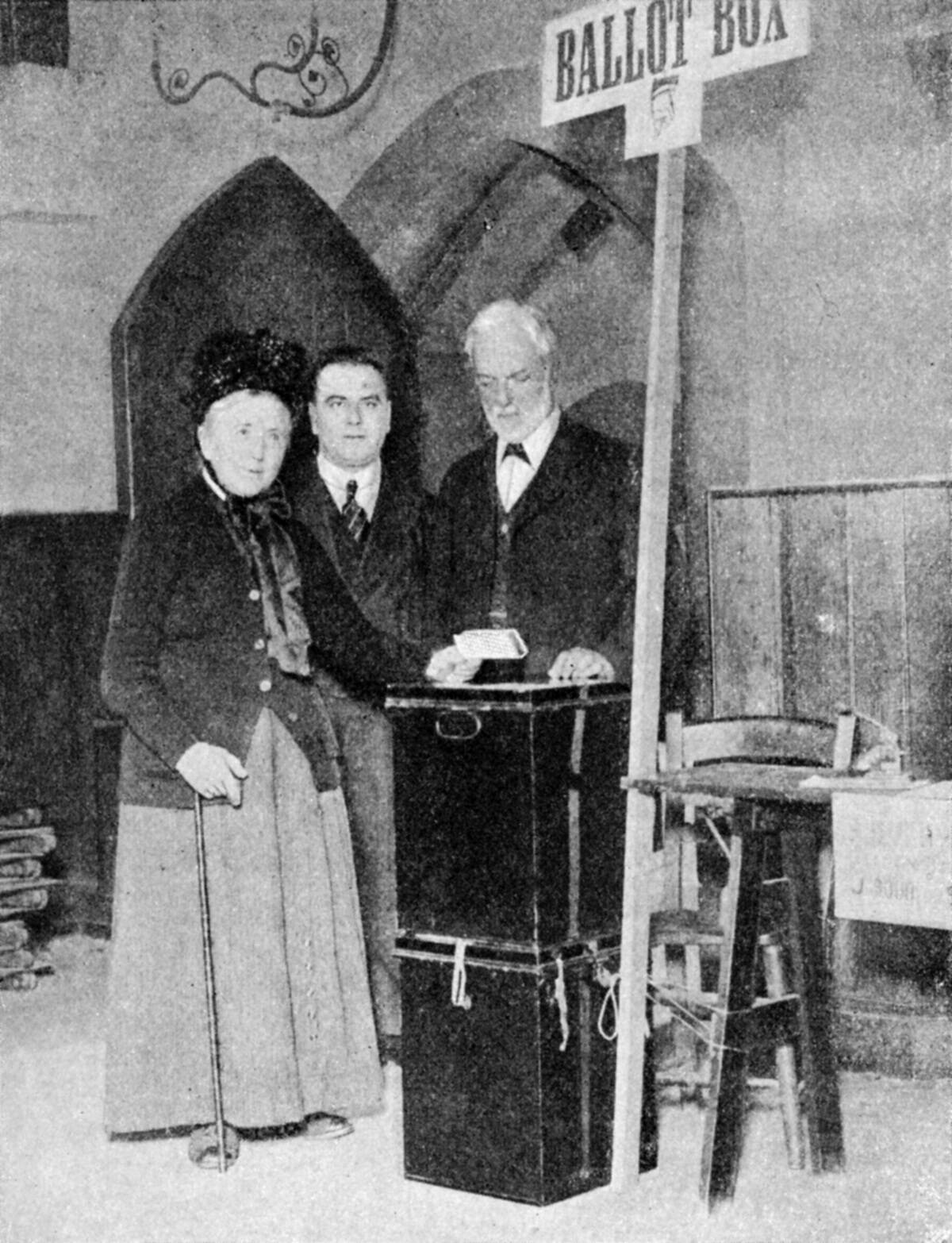
World War I had a profound impact on the suffrage movement. As men went to war, women stepped into roles traditionally held by men, proving their capability and resilience.
This shift in societal roles bolstered the argument for women’s suffrage. In 1918, the Representation of the People Act was passed in the UK, granting voting rights to women over 30 who met certain criteria, marking a significant victory for the movement.
The Role of Men in the Suffrage Movement

While primarily a women’s movement, men played supportive roles in the push for suffrage. Organizations like the Men’s League for Women’s Suffrage were formed in both the U.K. and the United States, advocating alongside women.
Prominent male allies, such as John Stuart Mill, championed the cause in political arenas. Their support helped legitimize the movement, demonstrating that the fight for equality was not just a women’s issue but a societal one.
The Intersection of Class and Suffrage
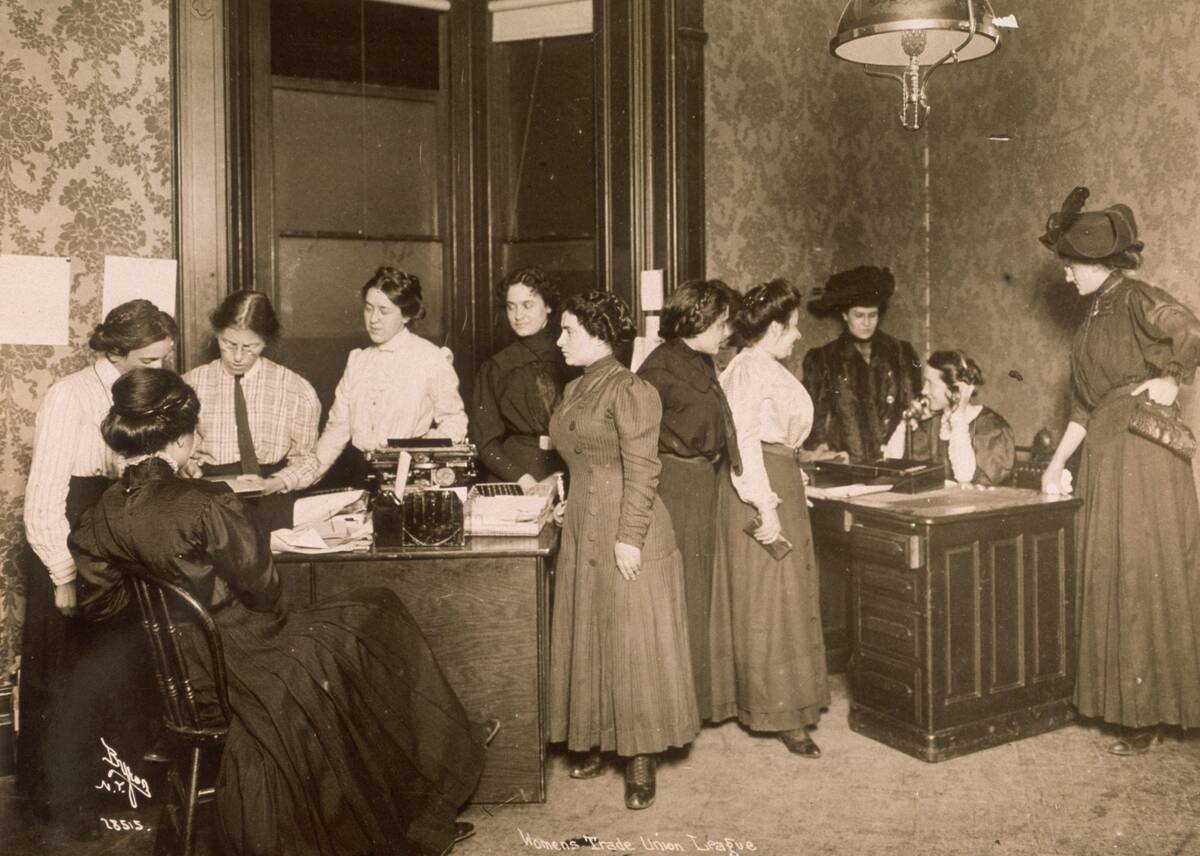
The suffrage movement was not monolithic; it intersected with class issues. Working-class women often faced different challenges compared to their middle and upper-class counterparts.
Organizations like the Women’s Labour League focused on these unique struggles, advocating for broader social reforms. This intersectionality highlighted that the fight for voting rights was intertwined with broader societal changes, encompassing issues of economic and social equality.
The Global Influence of the Suffragette Campaign
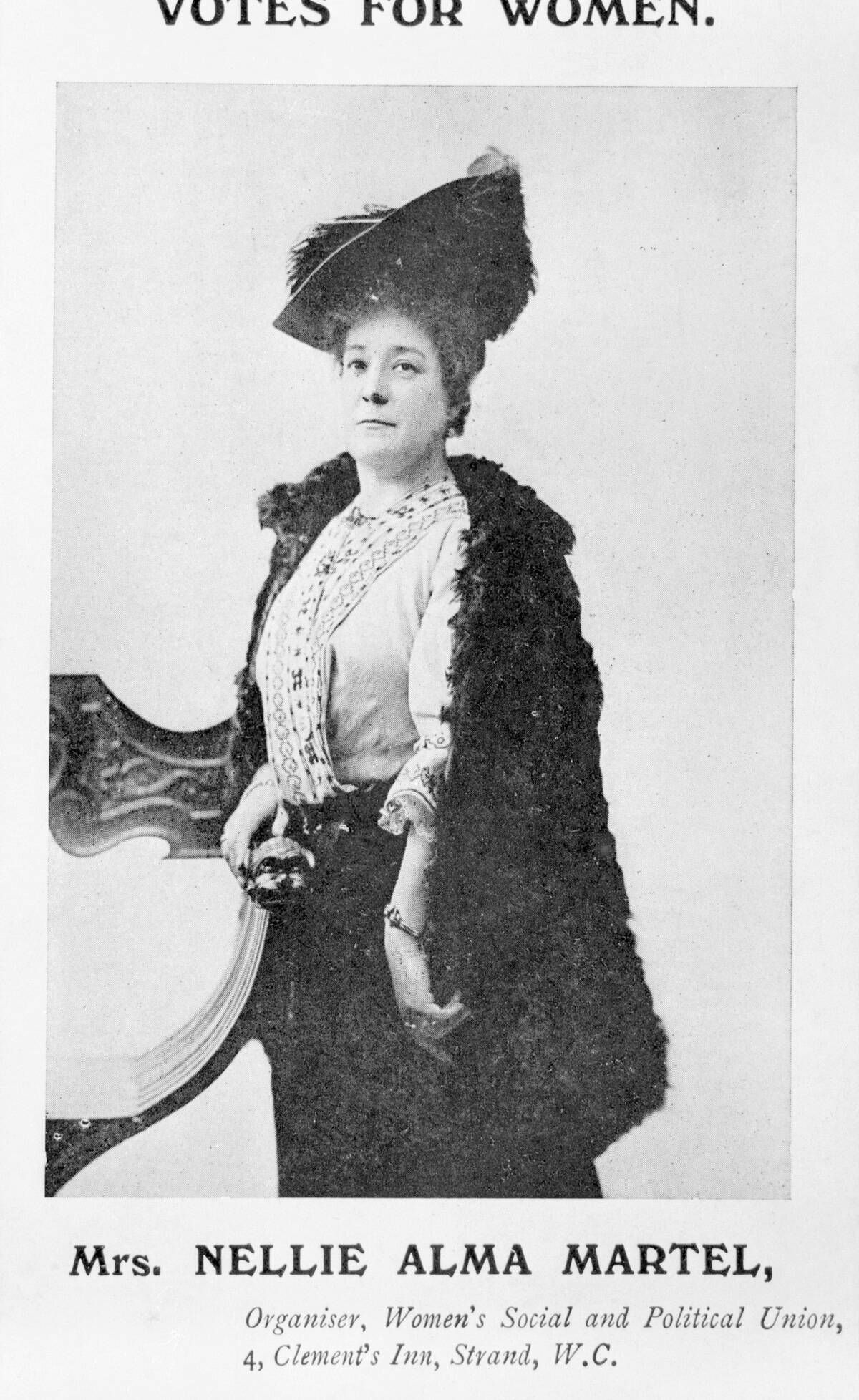
The suffragette campaign had a ripple effect worldwide. Countries like New Zealand and Australia were early adopters, granting women the vote before the UK and the US. The movement inspired similar campaigns across Europe and beyond.
This global push for women’s rights demonstrated the universal desire for equality and justice, showing how interconnected struggles for suffrage were, transcending national boundaries and cultural differences.
The Legacy of the Suffragette Movement
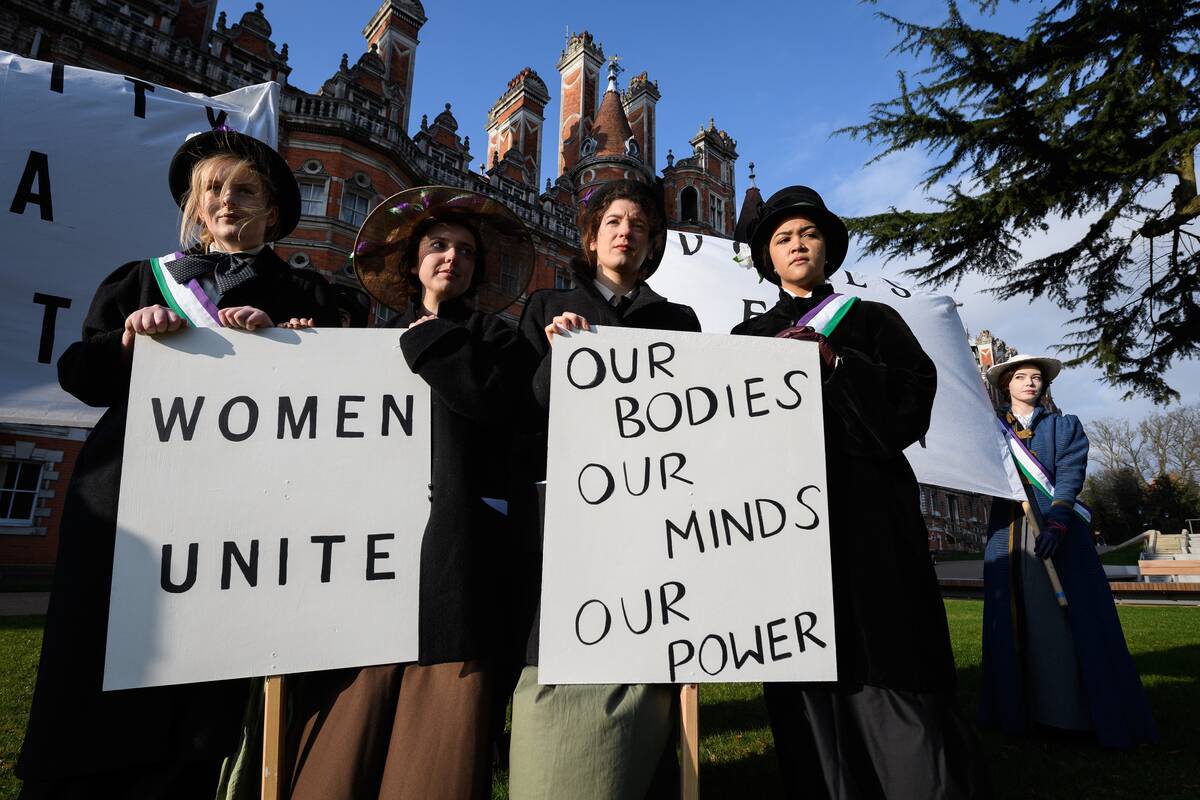
The legacy of the suffragette movement is profound and lasting. It paved the way for future advancements in women’s rights and gender equality. The courage and determination of those who fought for suffrage continue to inspire modern movements for social justice.
Today, their struggle serves as a reminder of the power of collective action and the importance of fighting for one’s rights, ensuring their efforts were not in vain.