Some of the most devastating volcano eruptions in human history
Volcanoes, with their fiery displays and unpredictable temperaments, have fascinated humans for centuries. These natural wonders can transform landscapes in seconds, leaving behind a mixture of awe and destruction.
While they are majestic and mesmerizing, they hold the power to reshape history and geography. Each eruption is a reminder of the Earth’s dynamic nature, showcasing the planet’s inner workings in a dramatic and often terrifying spectacle. Let’s journey through some of history’s most notable volcanic eruptions.
The Mysterious Power of Mount Vesuvius (79 AD)
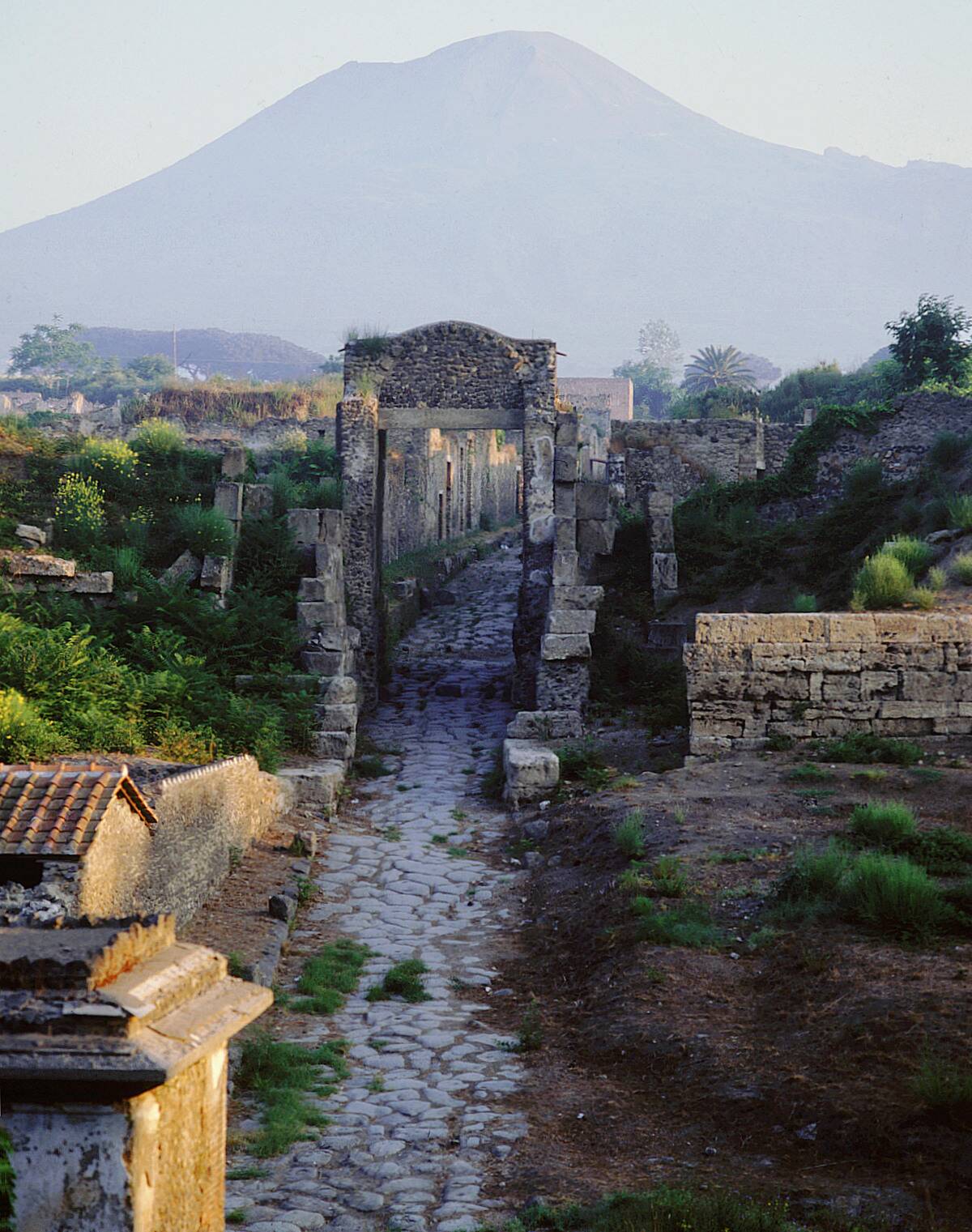
Mount Vesuvius is infamous for its catastrophic eruption in 79 AD, which led to the burial of the Roman cities of Pompeii and Herculaneum. The eruption released a cloud of stones, ashes, and fumes to a height of 33 kilometers (21 miles), spewing molten rock and pumice at the rate of 1.5 million tons per second.
This tragic event killed thousands, with remains perfectly preserved under layers of ash, providing a unique snapshot of Roman life frozen in time.
Krakatoa: The Loudest Eruption Ever Recorded (1883)
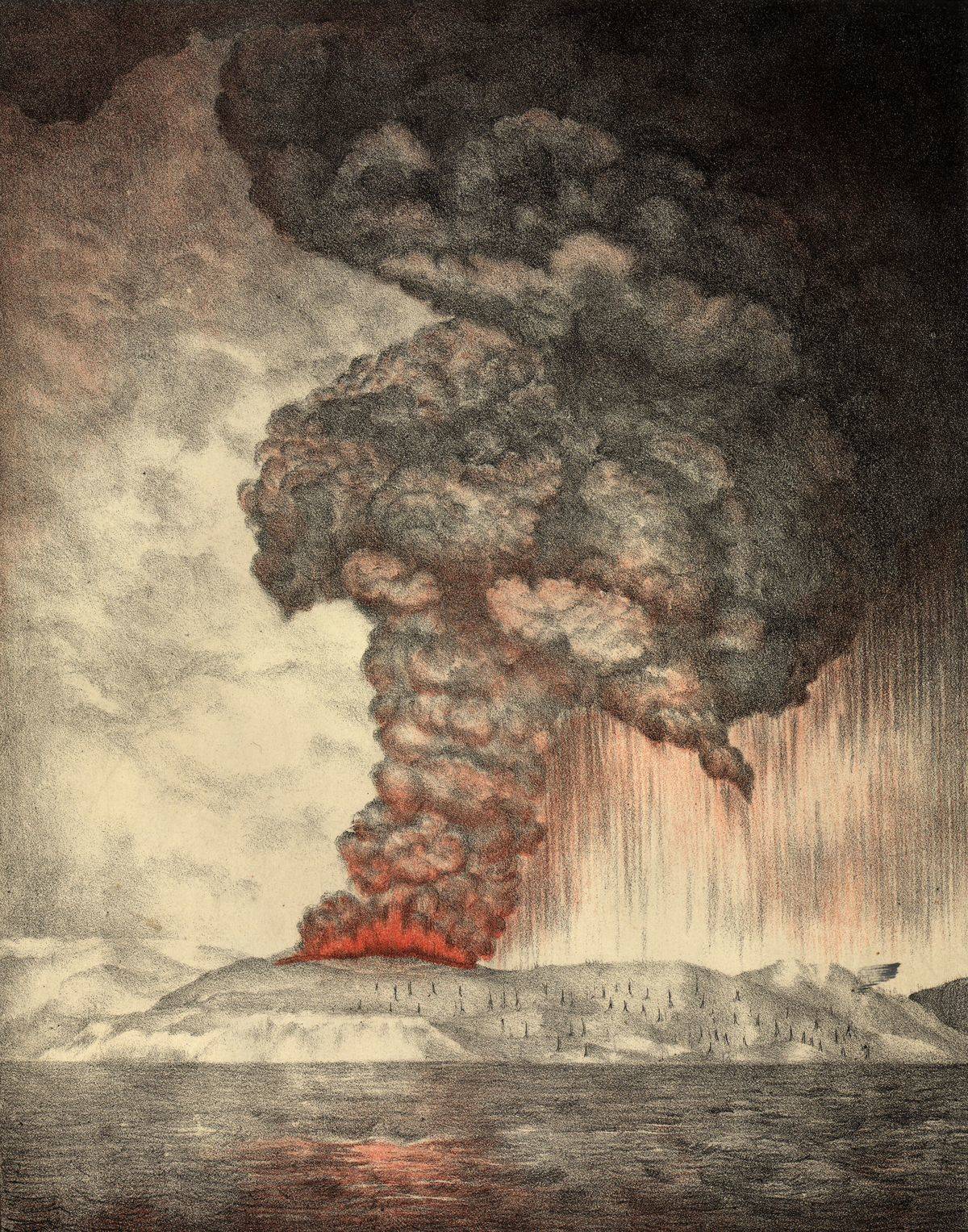
The eruption of Krakatoa in 1883 was so loud that it was heard as far away as Australia and Mauritius. It produced the loudest sound ever recorded in human history, and the explosion was equivalent to 200 megatons of TNT.
The eruption generated massive tsunamis, with waves reaching heights of over 30 meters (100 feet), devastating coastal towns and killing over 36,000 people. The atmospheric effects were felt worldwide, with stunning sunsets and a noticeable drop in global temperatures.
The Terrifying Tale of Mount Pelée (1902)
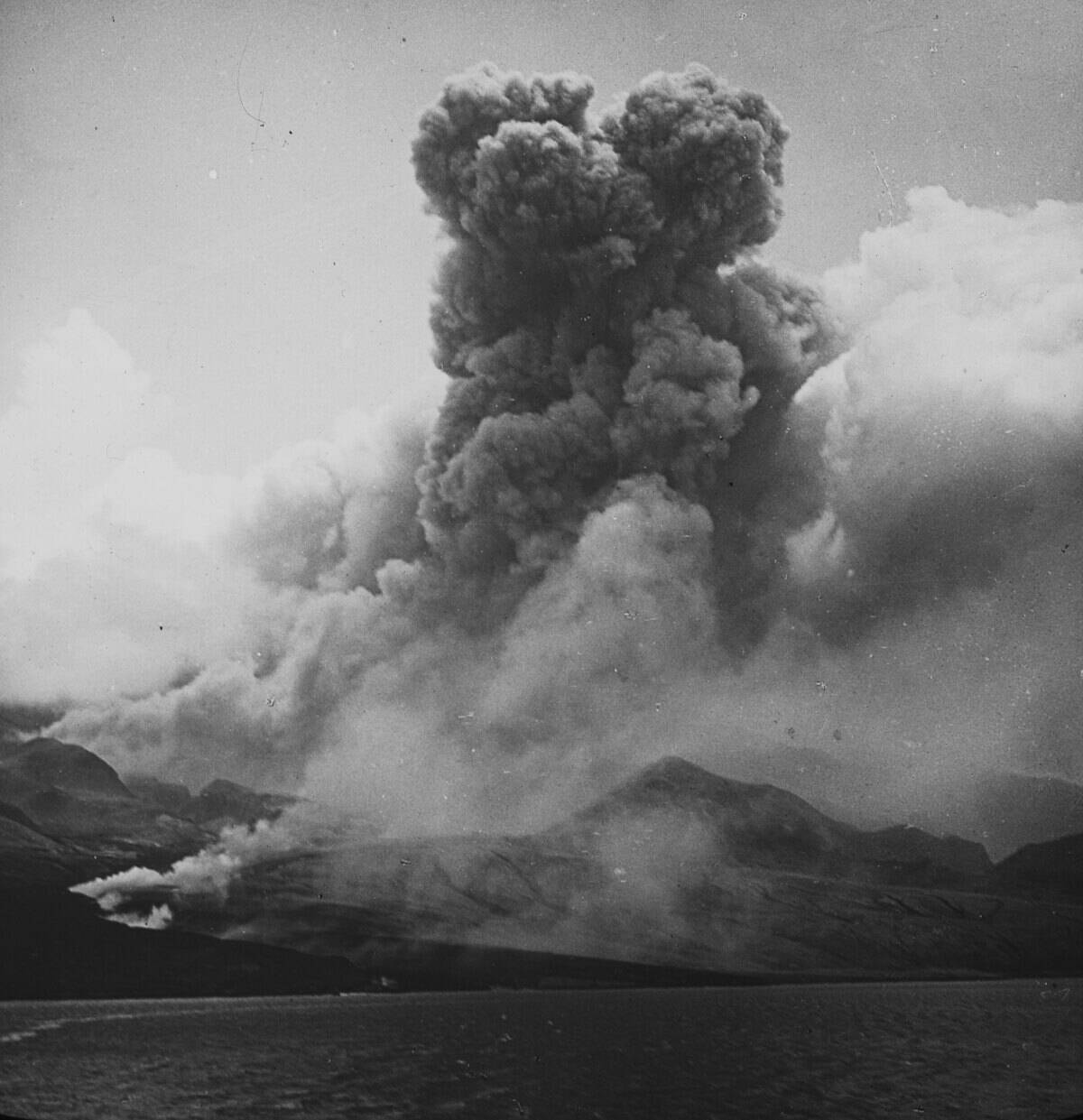
Mount Pelée erupted in 1902, unleashing a deadly pyroclastic flow that obliterated the city of Saint-Pierre on the island of Martinique. The eruption was swift and severe, with the flow reaching speeds eclipsing 100 miles per hour and temperatures exceeding 1,000 degrees Celsius.
This cataclysmic event resulted in the deaths of approximately 30,000 residents, leaving only a handful of survivors. The tragedy highlighted the dangers of pyroclastic flows, leading to significant advancements in volcanic monitoring.
The Cataclysmic Eruption of Mount Tambora (1815)
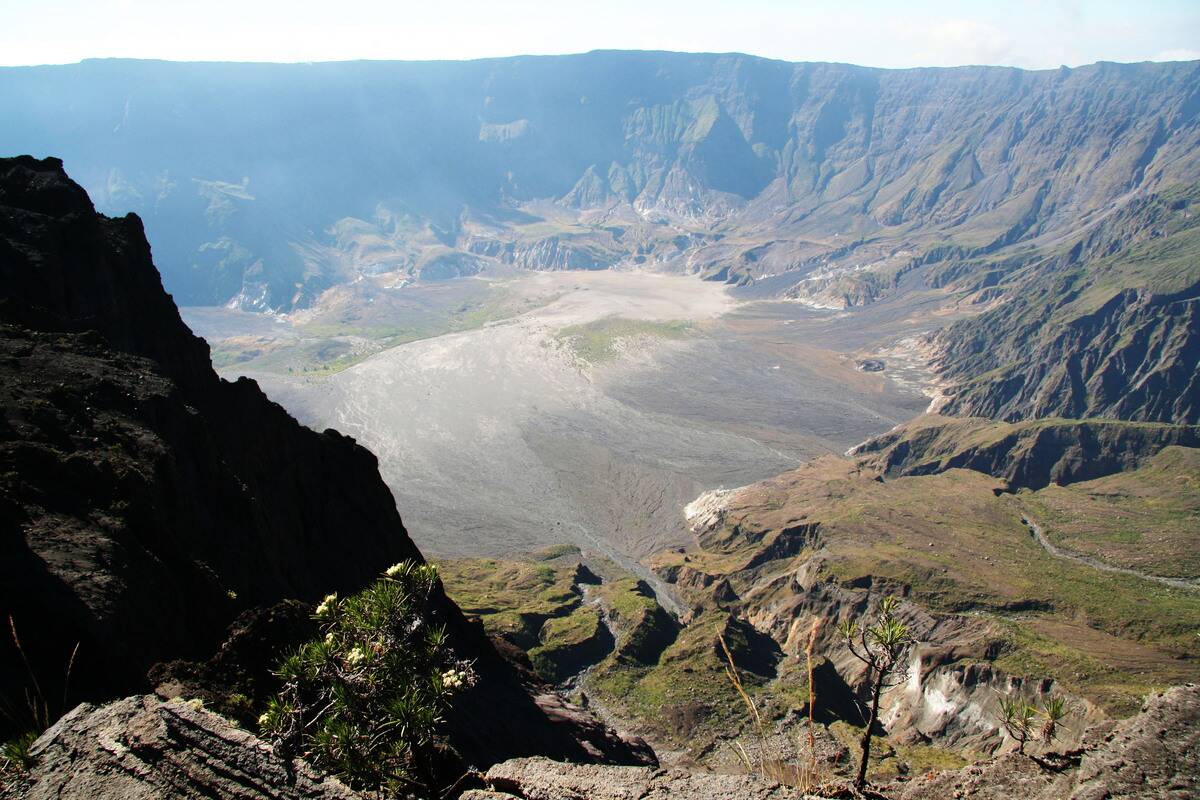
The eruption of Mount Tambora in 1815 was the most powerful in recorded history, with a Volcanic Explosivity Index (VEI) of 7. The eruption ejected an estimated 150 cubic kilometers (36 cubic miles) of material, causing a “volcanic winter” that led to the Year Without a Summer in 1816.
Global temperatures dropped, resulting in widespread crop failures and food shortages. The death toll from the eruption and its aftermath could have been as many as 101,000, making it one of the deadliest eruptions.
A Look Back at the Laki Eruption in Iceland (1783)
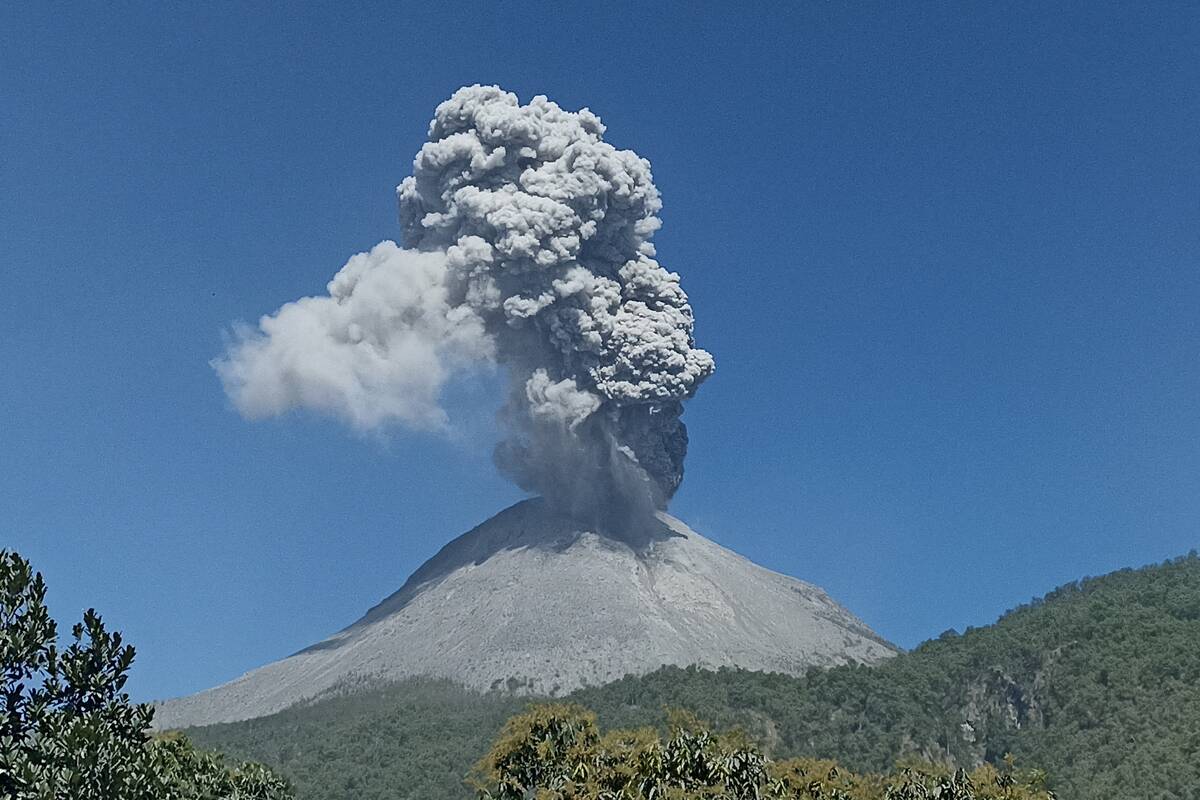
The Laki eruption in 1783 was a devastating event that lasted eight months, releasing vast amounts of lava and sulfur dioxide into the atmosphere. The eruption caused a haze that spread across Europe, leading to significant climate anomalies.
The resulting famine in Iceland killed about 20% of the population, while the sulfuric haze is believed to have contributed to thousands of deaths across Europe due to respiratory illnesses. This eruption had a profound impact on both local and global climates.
The Devastating Force of Mount St. Helens (1980)

Mount St. Helens erupted on May 18, 1980, in one of the most well-documented volcanic events in history. The eruption was preceded by a two-month series of earthquakes and steam-venting episodes.
A massive debris avalanche, triggered by an earthquake, caused the volcano’s north face to collapse, resulting in a lateral blast. This explosion flattened forests, destroyed homes, and claimed 57 lives. The eruption served as a stark reminder of the destructive power of volcanoes, leading to improved monitoring and emergency preparedness.
Pinatubo’s Explosive Impact on the Philippines (1991)
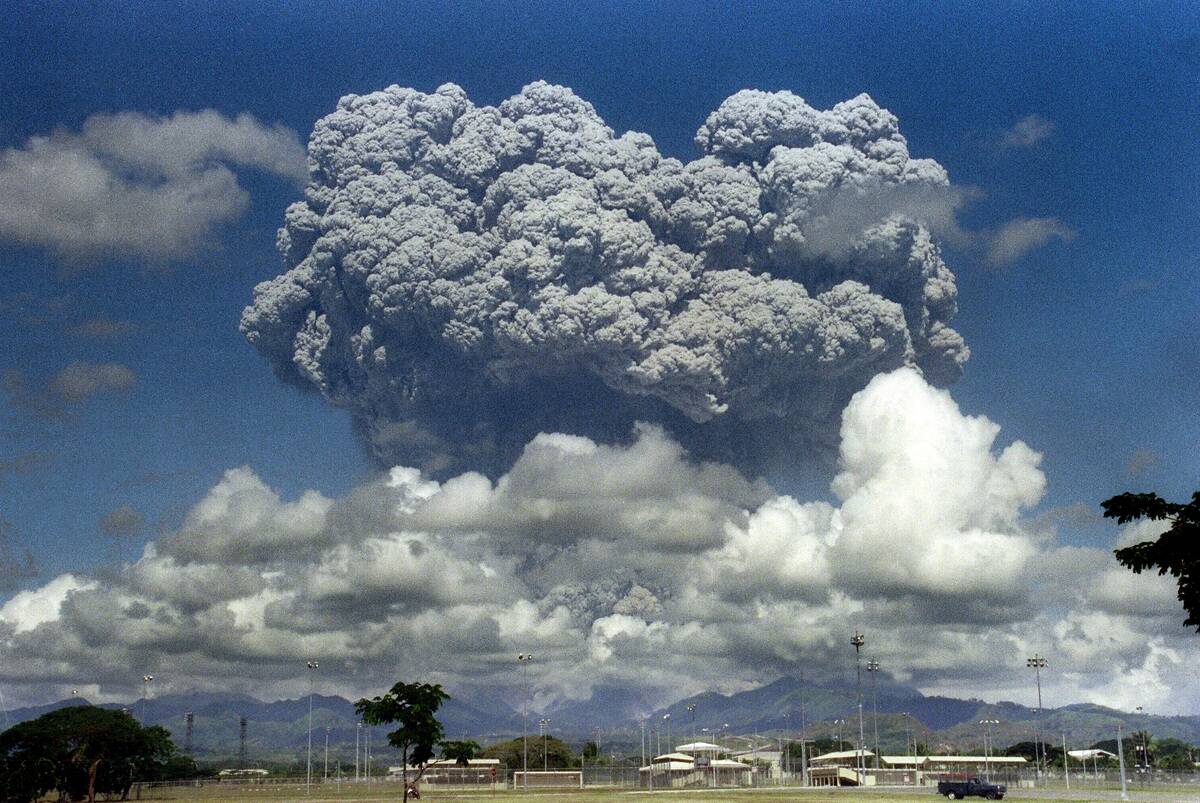
The eruption of Mount Pinatubo in 1991 was one of the largest eruptions of the 20th century. It ejected over 10 cubic kilometers (2.4 cubic miles) of magma, with ash clouds reaching heights of 35 kilometers (22 miles). The eruption caused severe destruction, displacing thousands and resulting in hundreds of casualties.
The global cooling effect of the eruption was significant, with a drop in global temperatures by about 0.5 degrees Celsius (0.9 degrees Fahrenheit). This event highlighted the importance of timely evacuations and accurate volcanic forecasting.
The Deadly Legacy of Nevado del Ruiz (1985)
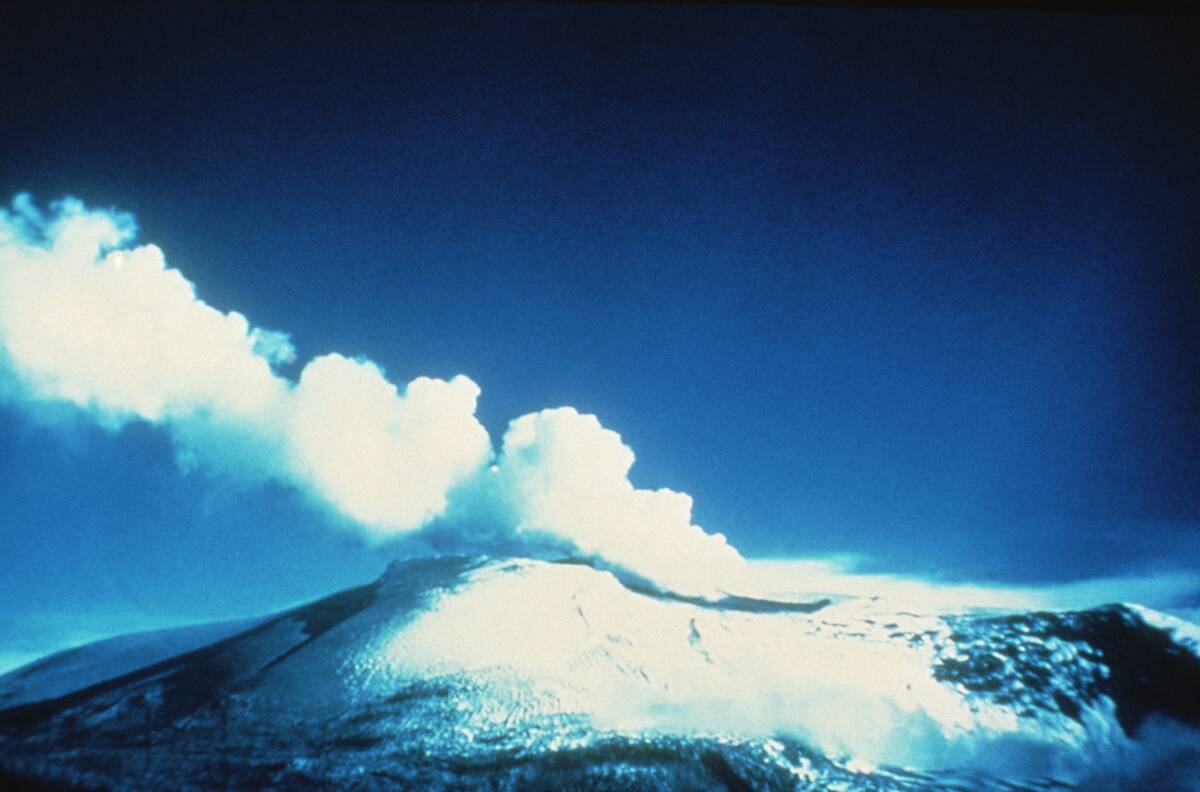
Nevado del Ruiz erupted in 1985, triggering a massive lahar that swept through the town of Armero in Colombia. The eruption itself was relatively small, but the melting of the summit’s ice cap unleashed a torrent of mud and debris.
The lahar traveled at speeds of 60 kilometers (37 miles) per hour, burying the town and killing over 23,000 people. This tragedy underscored the dangers posed by volcanic ice caps and the necessity for effective disaster management strategies.
The Enigmatic Eruption of Thera/Santorini (circa 1600 BC)
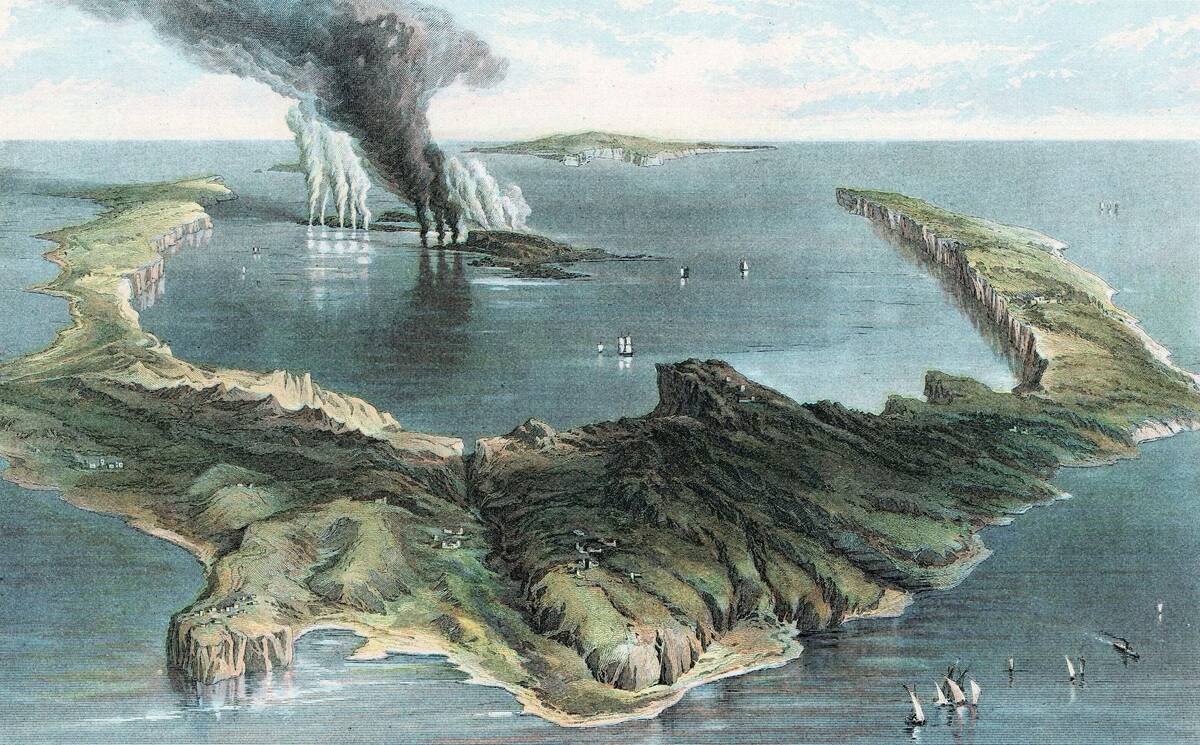
The eruption of Thera, also known as Santorini, is one of the most significant volcanic events in ancient history. Occurring around 1600 BC, it is believed to have contributed to the decline of the Minoan civilization.
The eruption generated massive tsunamis, which devastated coastal settlements across the Aegean Sea. The event’s scale and impact have fueled speculation about its connection to the legend of Atlantis, though this isn’t supported by any scholarly evidence. Despite its ancient occurrence, its effects continue to intrigue historians and geologists alike.
The Fiery Awakening of Mount Fuji (1707)
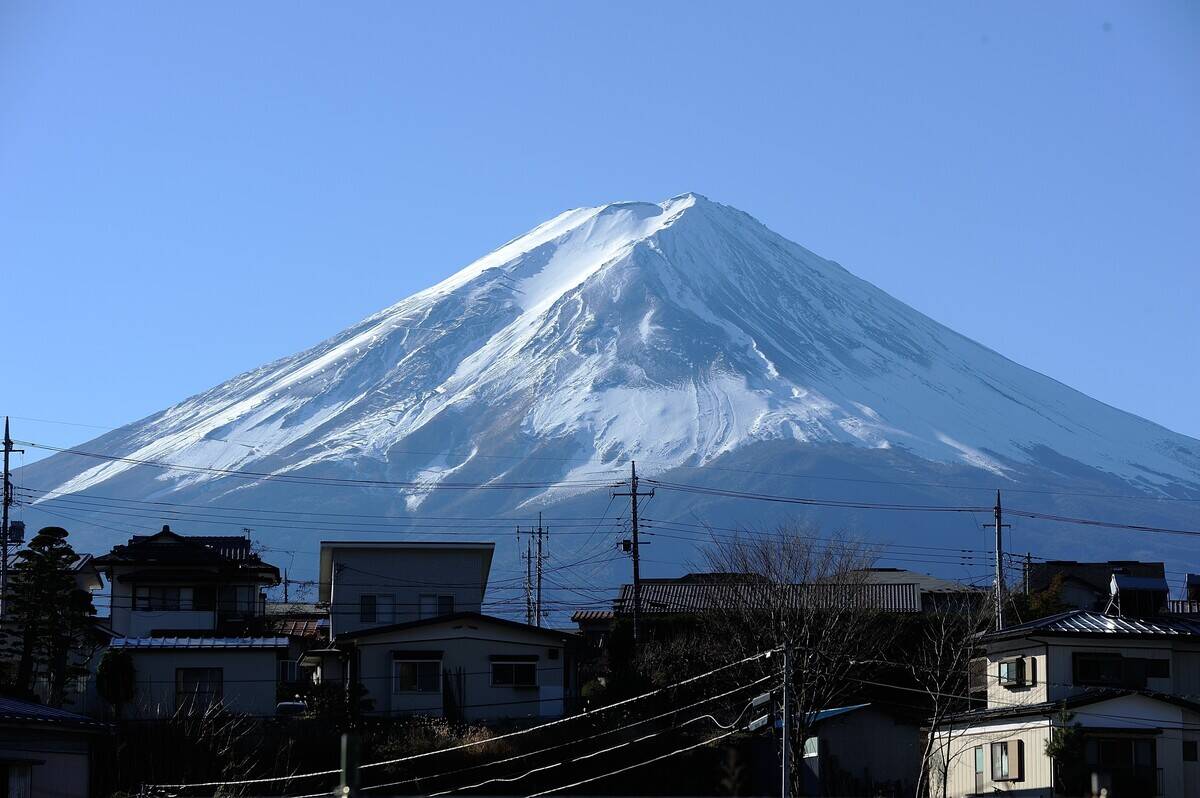
Mount Fuji last erupted in 1707 during the Hoei eruption, just 49 days after a major earthquake. This eruption produced a new crater and spewed ash over large areas, including the city of Edo (modern-day Tokyo), located 100 kilometers (60 miles) away.
The ashfall caused significant agricultural damage and economic disruption. Although dormant since then, Mount Fuji is closely watched for signs of activity. Its iconic shape and cultural significance make it a symbol of Japan, revered and respected by many.
The Destructive Power of the Unzen Eruption (1792)
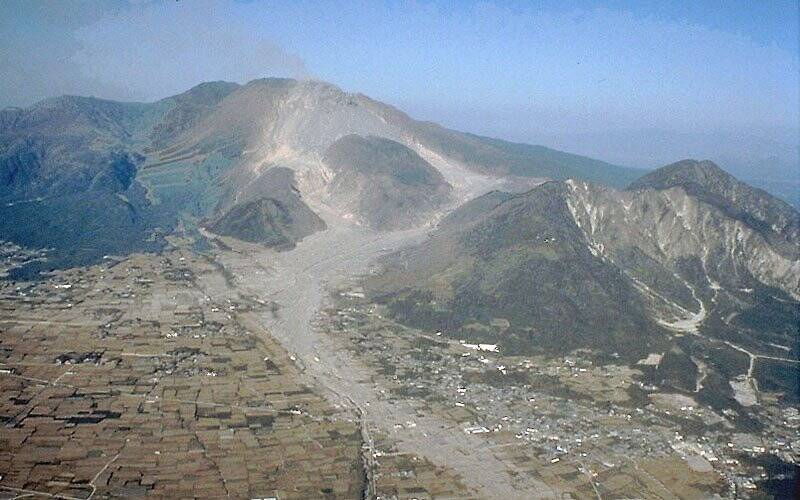
The eruption of Mount Unzen in 1792 is remembered for triggering Japan’s deadliest volcanic-related disaster. The eruption caused a megatsunami after a volcanic landslide plunged into the Ariake Sea, generating waves that reached heights of 100 meters (330 feet).
This natural disaster resulted in the deaths of about 15,000 people. The Unzen eruption emphasized the interconnectedness of volcanic and seismic activities and the potential for cascading natural disasters. Today, Unzen is monitored as part of Japan’s comprehensive volcanic surveillance network.
The Lethal Lahar of Mount Kelud (1919)
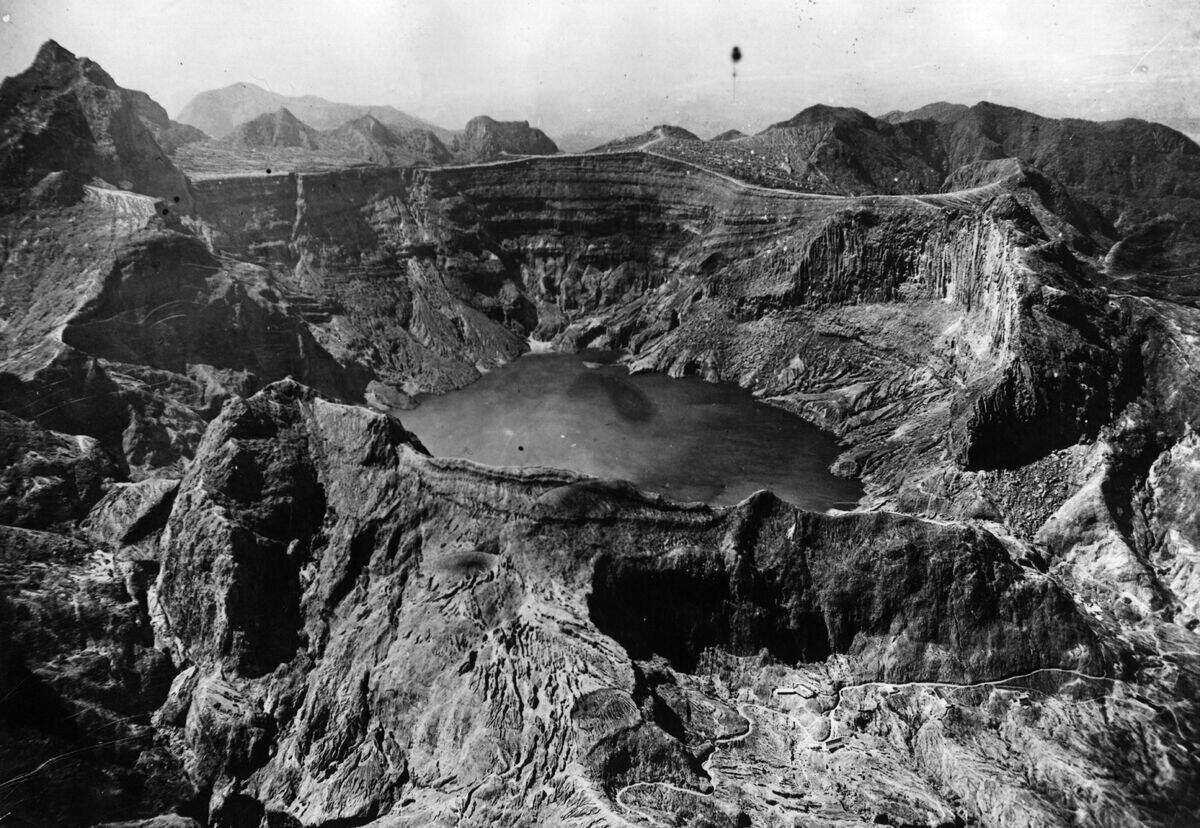
Mount Kelud, located on the Indonesian island of Java, erupted in 1919, producing a lethal lahar that devastated surrounding areas. The eruption’s intense rains triggered the lahar, which flowed down the slopes at incredible speeds, resulting in the deaths of approximately 5,000 people.
The Kelud eruption highlighted the deadly potential of lahars, which can occur even with relatively small eruptions. As a result, the Indonesian government has implemented extensive monitoring and early warning systems to mitigate future risks.
The Persistent Threat of Kilauea’s Lava Flows
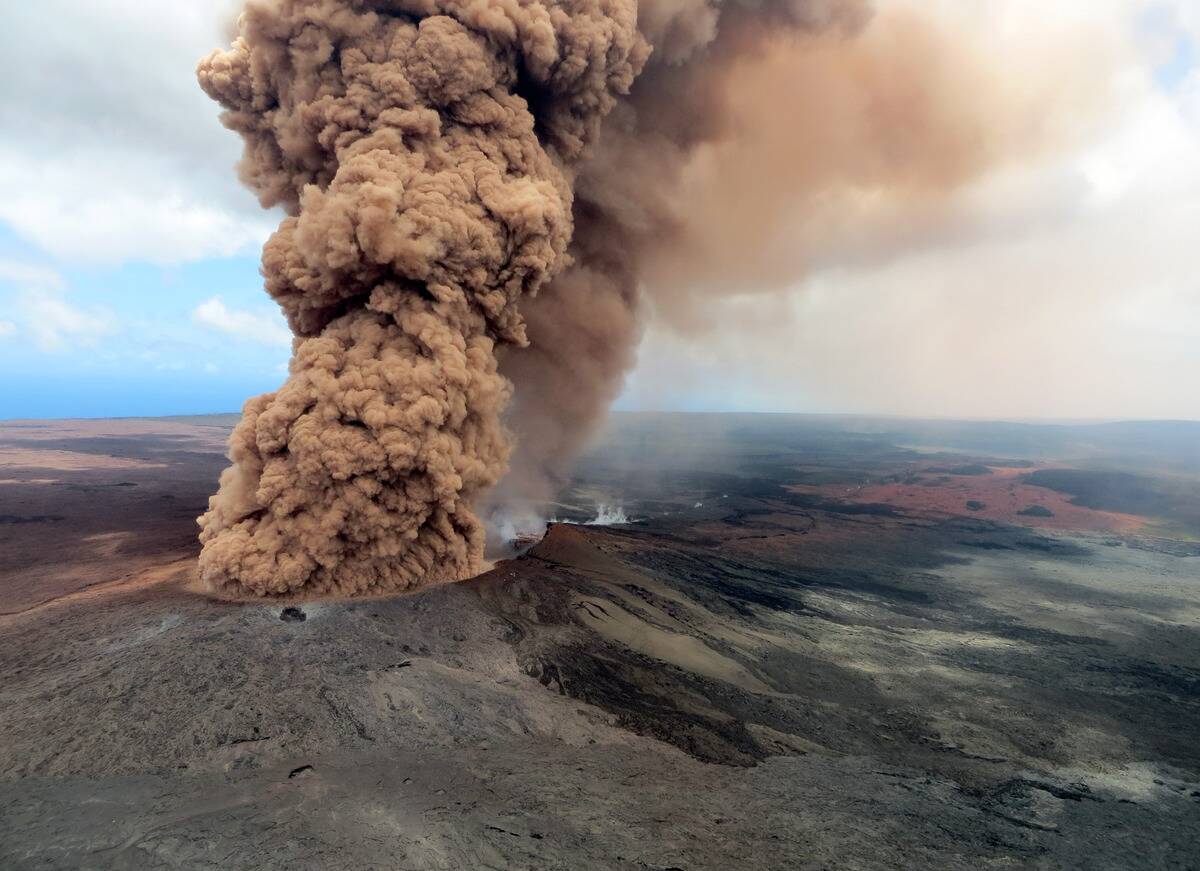
Kilauea, one of the most active volcanoes on Earth, is renowned for its persistent lava flows and eruptions. Located on Hawaii’s Big Island, it has been erupting continuously since 1983, with its latest significant eruption occurring in 2018.
Kilauea’s lava flows have destroyed homes and reshaped the island’s landscape, posing ongoing threats to communities. Despite the risks, Kilauea’s activity attracts tourists and scientists alike, eager to witness the raw power of volcanic activity. The volcano remains a vital part of Hawaii’s natural and cultural heritage.