The history of talk shows and how they’ve evolved
Talk shows have become a staple in the entertainment world, capturing the hearts of audiences with their engaging and dynamic content. From celebrity interviews to political debates, talk shows provide a platform for diverse voices and topics.
With their roots tracing back to radio and evolving through television to the digital age, talk shows continue to adapt and thrive. They offer a unique blend of information and entertainment, making them an essential component of popular media culture.
The Birth of the Talk Show: Radio Days
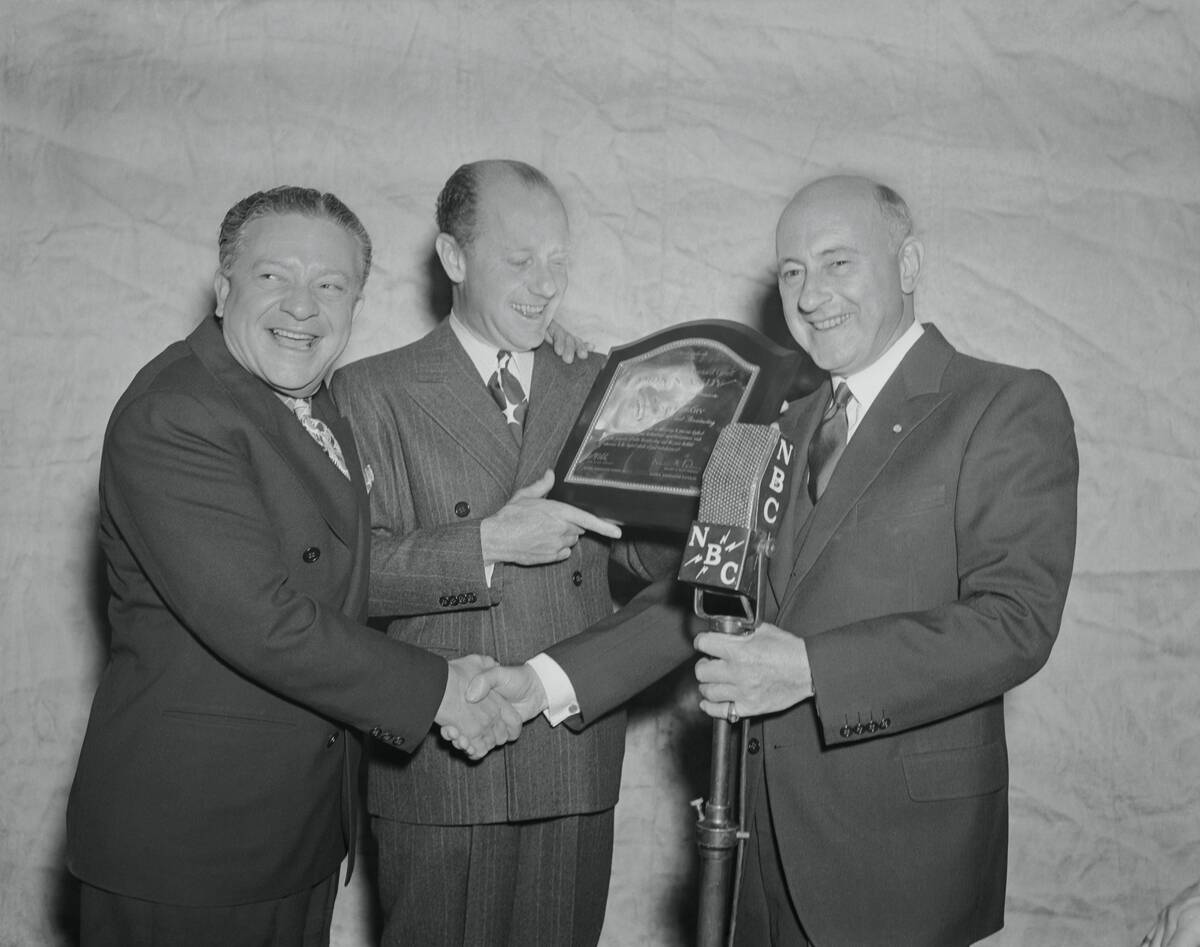
The humble beginnings of talk shows can be traced back to the golden age of radio in the 1920s and 1930s. Shows like The Eveready Hour (a variety show) and Amos ‘n’ Andy (a scripted comedy series) paved the way for conversational programming.
These early broadcasts introduced audiences to the concept of storytelling and dialogue-driven content. Radio hosts became household names, using their voices to captivate listeners and create a sense of community long before television took over the airwaves.
Transition to Television: The Dawn of TV Talk Shows
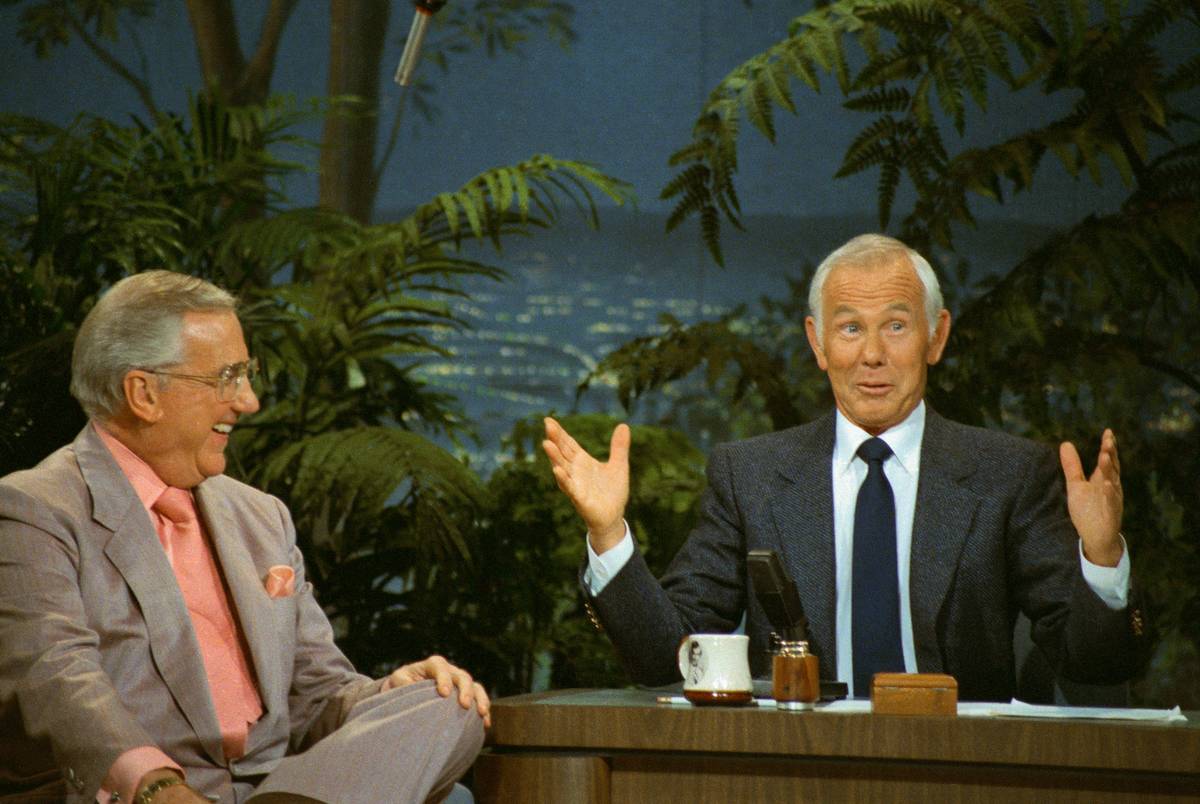
As television emerged in the 1940s and 1950s, talk shows made a seamless transition to the new medium. The Tonight Show, first hosted by Steve Allen, was one of the earliest successes in this genre.
The visual element of TV added a new dimension to talk shows, allowing audiences to connect with hosts and guests on a more personal level. The format of interviews, sketches, and live performances became a blueprint for future talk shows, setting the stage for the genre’s evolution.
The Pioneers: Early Influencers of the Genre
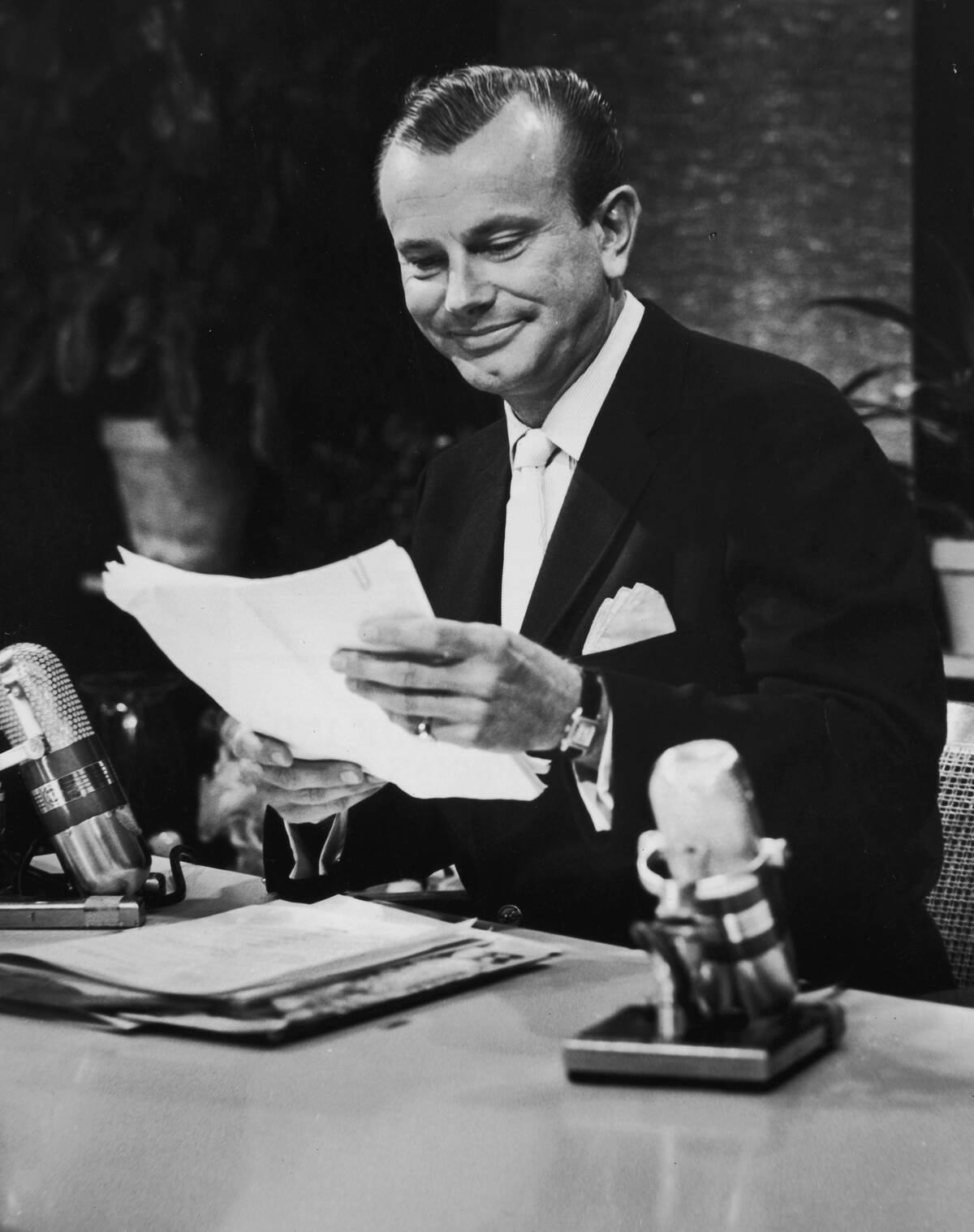
Trailblazers like Jack Paar and Ed Sullivan set the standard for what a talk show could be, each bringing their unique style to the screen. Jack Paar’s emotional openness and Ed Sullivan’s knack for showcasing diverse talent left a lasting impact.
These pioneers were instrumental in shaping the talk show format, blending interviews with entertainment. Their influence is still evident today, as modern hosts continue to draw inspiration from their innovative approaches.
Late Night vs. Daytime: A Tale of Two Formats

Talk shows have long been divided into two primary categories: late-night and daytime. Late-night shows, known for their comedic monologues and celebrity interviews, cater to night owls seeking entertainment.
In contrast, daytime talk shows often focus on lifestyle topics, community issues, and personal stories. This distinction allows the genre to reach a wide range of audiences, each with their own preferences and interests, making talk shows a versatile entertainment option.
The Impact of Johnny Carson and “The Tonight Show”

Johnny Carson’s tenure on “The Tonight Show” from 1962 to 1992 redefined the late-night talk show landscape. Known for his impeccable timing and charming wit, Carson became a cultural icon.
His ability to blend humor with insightful interviews set a high standard for future hosts. Carson’s influence is undeniable, as many comedians and talk show hosts credit him as a major inspiration for their own careers. His legacy continues to shape the genre to this day.
The Rise of the Celebrity Host
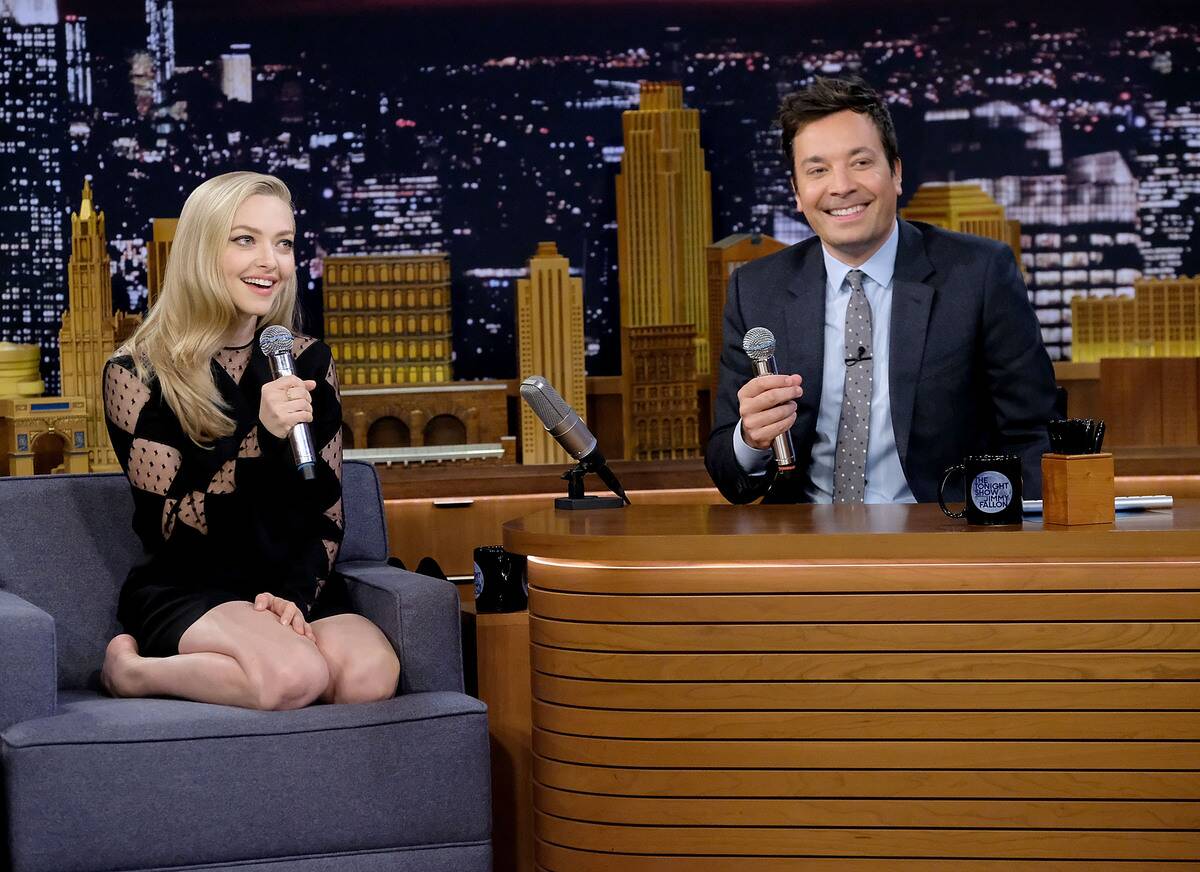
In the world of talk shows, celebrity hosts have become a significant draw for viewers. Figures like Ellen DeGeneres and Jimmy Fallon have leveraged their star power to bring a unique flair to their shows.
Their presence not only attracts high-profile guests but also adds a personal touch to the format. These hosts often use their platforms to engage in philanthropy, promote social causes, and connect with audiences on a deeper level, enhancing the show’s appeal.
Talk Shows Get Personal: The Era of Phil Donahue and Oprah Winfrey
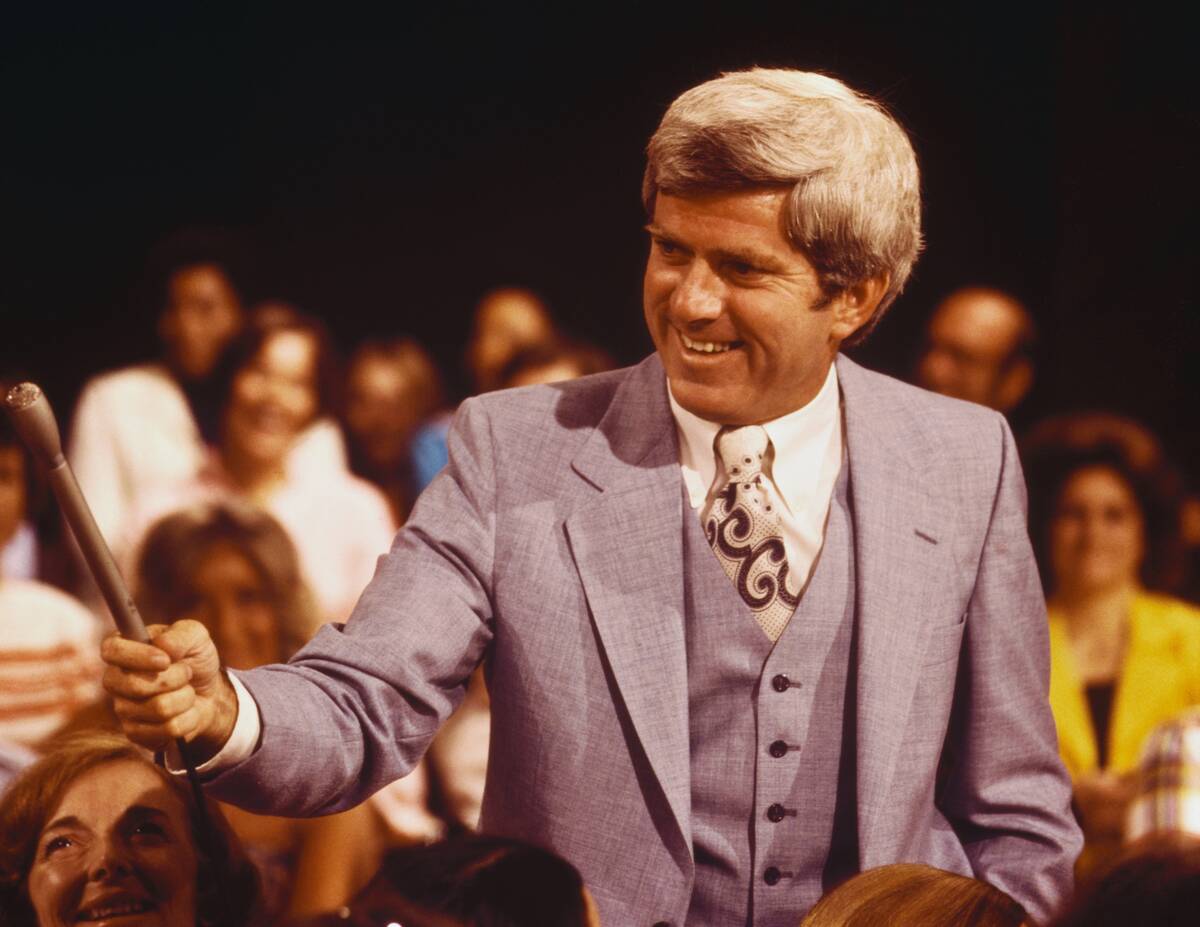
Phil Donahue and Oprah Winfrey revolutionized talk shows by introducing a more personal and empathetic approach. Donahue’s open discussions on social issues and Winfrey’s focus on personal stories brought a new depth to daytime television.
They created safe spaces for guests to share their experiences, often tackling taboo topics. This shift towards authenticity and vulnerability resonated with audiences, paving the way for a more inclusive and relatable talk show environment.
Comedy Takes the Stage: The Role of Humor in Talk Shows
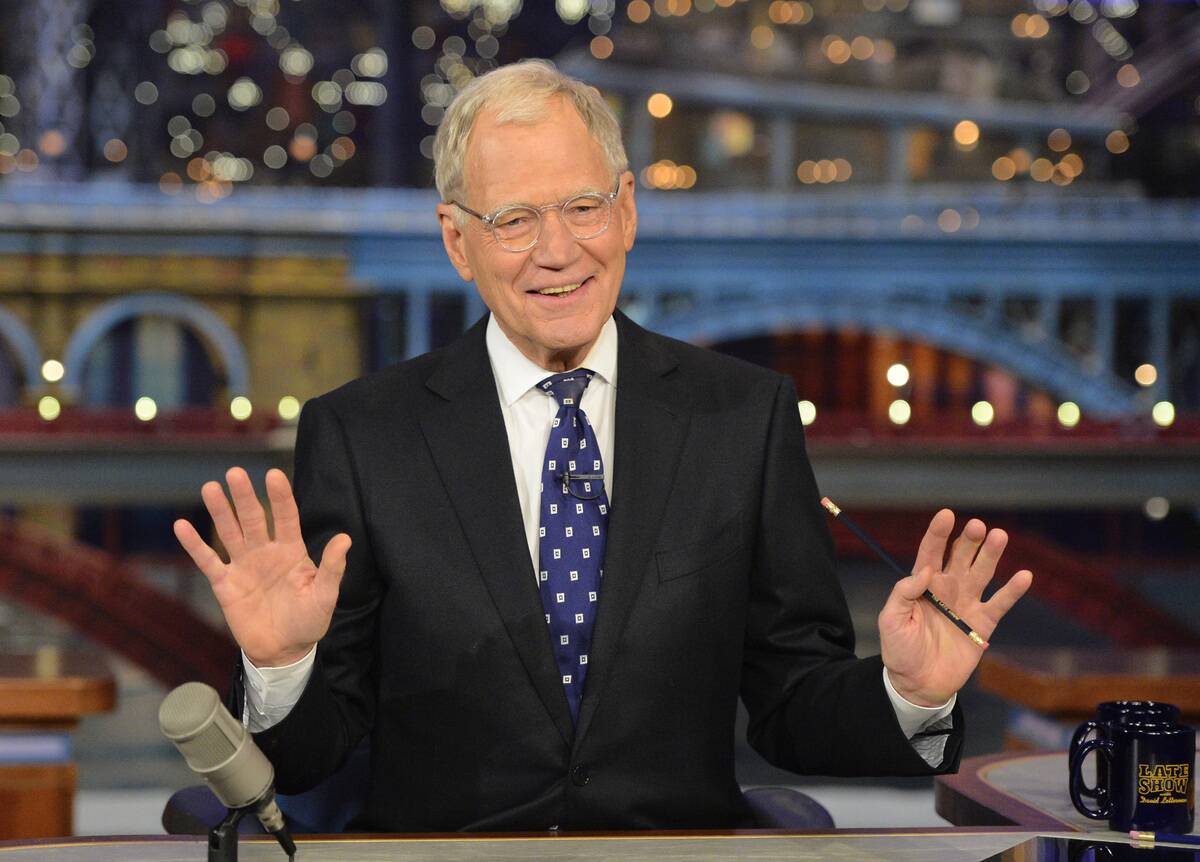
Humor has always been a cornerstone of successful talk shows, with hosts using comedy to engage and entertain. Late-night hosts like David Letterman and Conan O’Brien are renowned for their comedic styles, blending satire with celebrity banter.
This approach not only keeps audiences laughing but also provides a platform for social commentary. The use of humor allows talk shows to tackle serious subjects in an accessible way, making them both entertaining and thought-provoking.
The Political Talk Show Boom
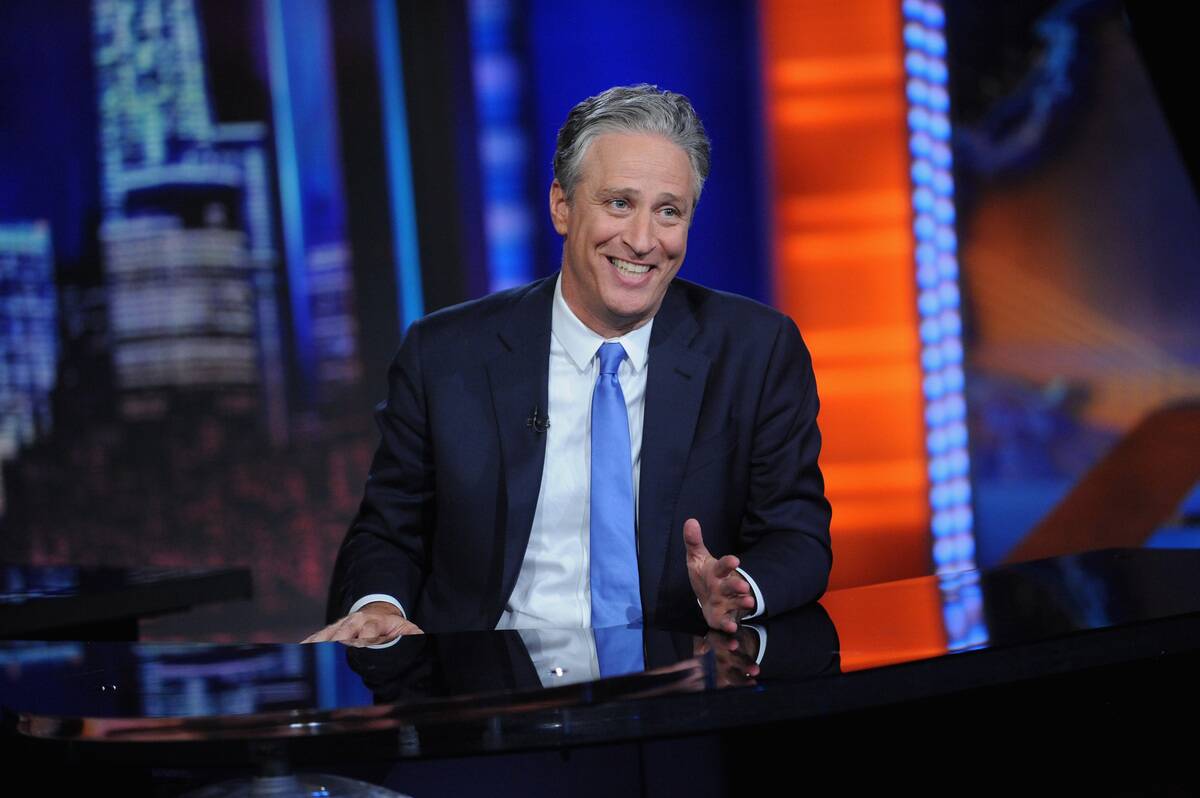
The rise of political talk shows has transformed the genre, offering viewers in-depth analysis and lively debates on current events. Programs like The Daily Show and Real Time with Bill Maher have become essential viewing for those seeking a mix of news and humor.
These shows provide a platform for political discourse, often inviting experts and politicians to share their perspectives. As politics continue to dominate headlines, political talk shows remain a relevant and influential part of media.
The Reality Talk Show Phenomenon
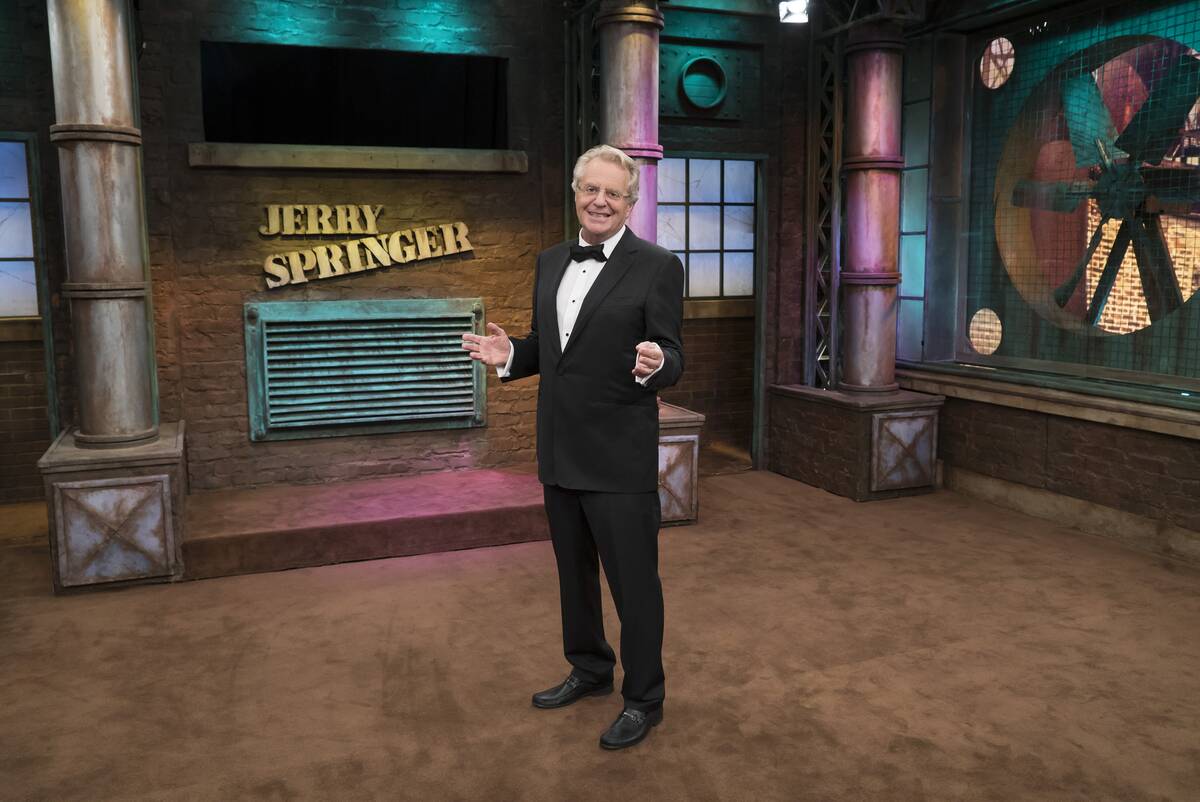
Reality talk shows have carved out their niche by blending traditional talk show elements with unscripted drama. Shows like The Jerry Springer Show and The View offer audiences a mix of real-life conflicts and lively discussions.
These programs cater to viewers’ curiosity about human behavior and relationships, often featuring unexpected twists and confrontations. The format’s unpredictability keeps audiences engaged, making reality talk shows a popular choice for viewers seeking entertainment and intrigue.
The Influence of Technology and Social Media
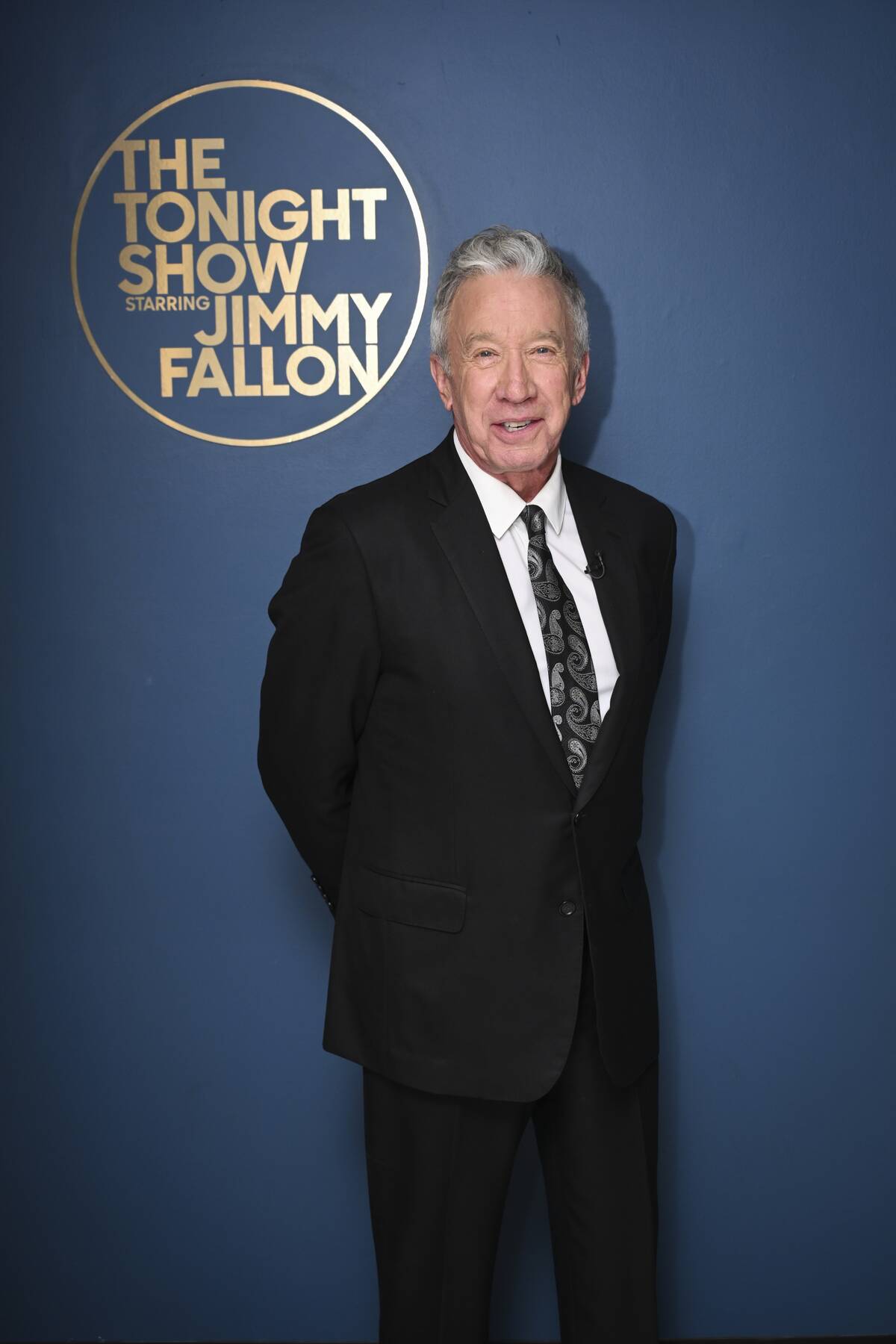
Technology and social media have revolutionized the talk show landscape, offering new ways to engage with audiences. Platforms like YouTube and Twitter allow hosts to reach viewers beyond traditional TV screens.
Shows can now incorporate real-time audience interaction and viral content, enhancing viewer engagement. Social media also provides a space for fans to discuss episodes and connect with hosts, creating a sense of community. This digital evolution ensures that talk shows remain relevant in an ever-changing media environment.
Streaming Services and the New Age of Talk Shows
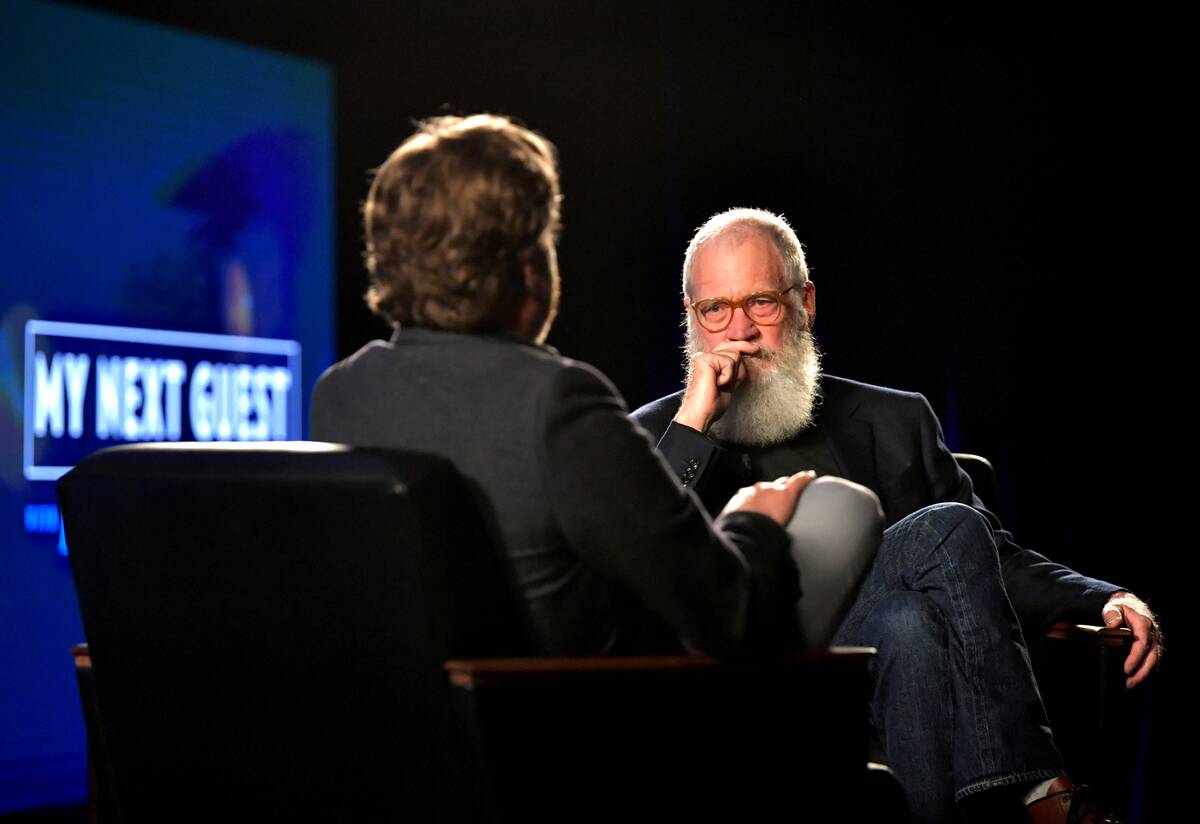
Streaming services like Netflix and Hulu have ushered in a new era for talk shows, offering greater flexibility and creative freedom. Shows like My Next Guest Needs No Introduction with David Letterman explore long-form interviews, breaking away from traditional time constraints.
This format allows for more in-depth conversations and a diverse range of topics. Streaming platforms also enable hosts to reach a global audience, further expanding the reach and impact of talk shows in the digital age.
Global Influence: Talk Shows Around the World

Talk shows are a global phenomenon, with each region adding its unique flavor to the genre. From the UK’s The Graham Norton Show to India’s Koffee with Karan, these programs reflect cultural nuances and local interests.
They often serve as platforms for celebrities and public figures to connect with audiences worldwide. The international appeal of talk shows highlights their universal ability to entertain and inform, transcending cultural and linguistic barriers.
The Future of Talk Shows: Trends and Innovations

The future of talk shows is poised to embrace new technologies and storytelling methods. Virtual reality and interactive elements could redefine viewer experiences, offering immersive shows. Hosts may experiment with formats, blending traditional interviews with innovative content.
The genre’s adaptability ensures its continued evolution, meeting the demands of younger, tech-savvy audiences. As talk shows explore new frontiers, they will remain a dynamic and influential part of the entertainment landscape.




