How the printing press changed history
The printing press, invented in the mid-15th century, was a groundbreaking innovation that transformed the way information was disseminated. Before its invention, books were painstakingly copied by hand, making them rare and expensive.
The printing press changed all of that, allowing for mass production and distribution. This shift not only democratized access to knowledge but also paved the way for major cultural and societal shifts worldwide.
The Pre-Printing Press Era: A World Without Easy Access to Books
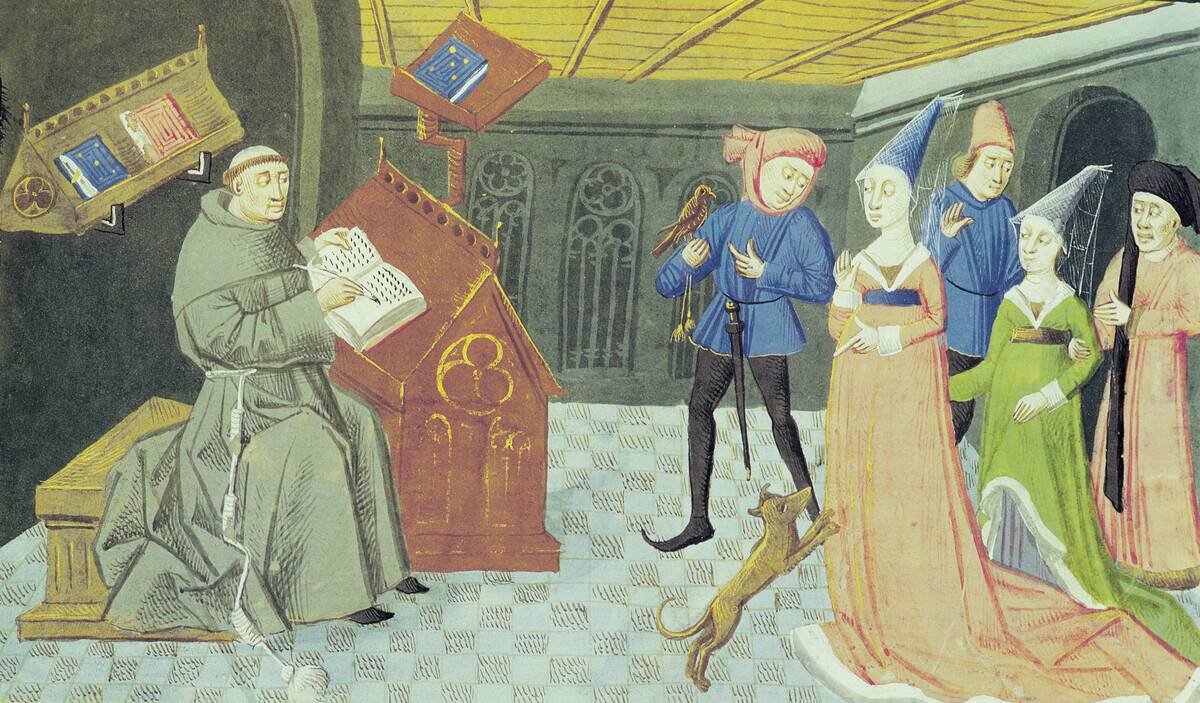
In the days before the printing press, books were a luxury reserved for the wealthy and the religious elite. Manuscripts were meticulously handwritten by scribes, often taking years to complete a single copy.
This labor-intensive process meant that libraries were scarce, and literacy was not widespread. The few who had access to books were typically monks or scholars, leaving the general populace largely illiterate and uninformed.
Johann Gutenberg: The Mind Behind the Machine
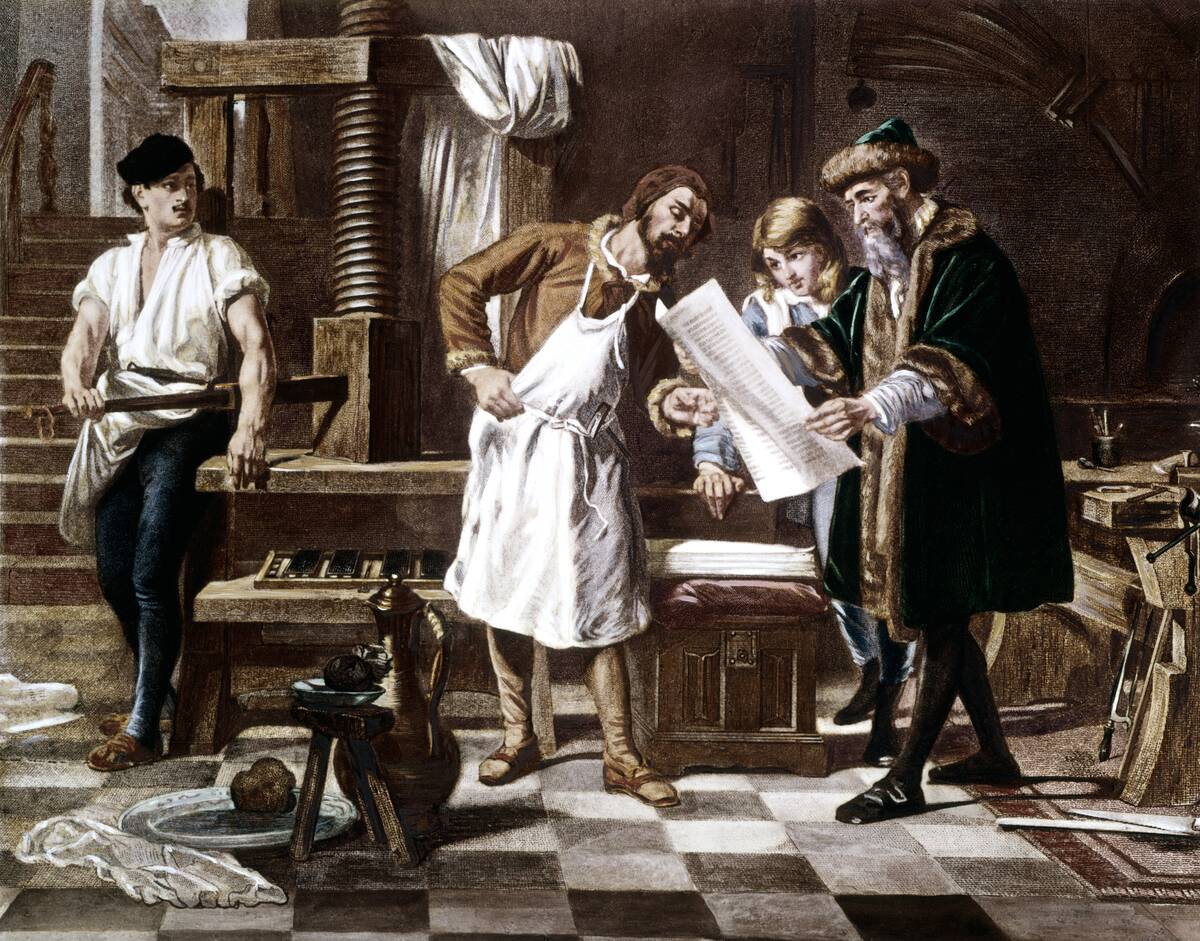
Johann Gutenberg, a German blacksmith, goldsmith, and printer, is credited with inventing the first mechanical movable type printing press around 1440. His innovation combined existing technologies like paper and ink with new ideas, such as movable type, to create a machine that could print books quickly and efficiently.
Gutenberg’s press was revolutionary, and his efforts laid the foundation for the mass production of texts, forever changing the landscape of communication.
The Mechanics: How Did the Printing Press Work?
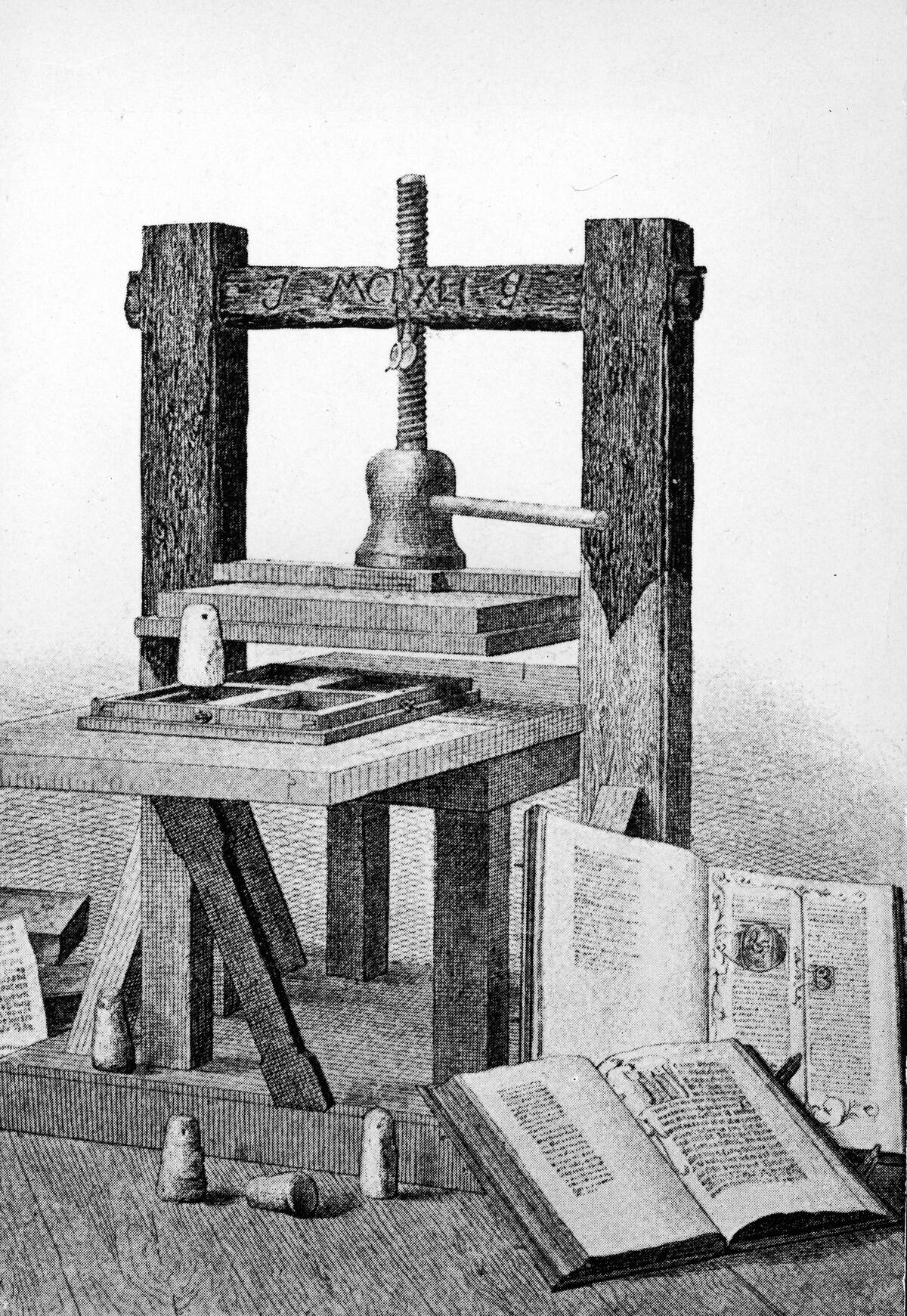
At the heart of Gutenberg’s printing press was the concept of movable type. Individual letters and characters made of metal could be arranged to form words and sentences, then inked and pressed onto paper.
This process allowed for the rapid and consistent reproduction of text. The press itself operated using a screw mechanism, similar to those used in wine presses, which applied pressure to transfer the ink evenly onto the pages.
The First Printed Book: The Gutenberg Bible
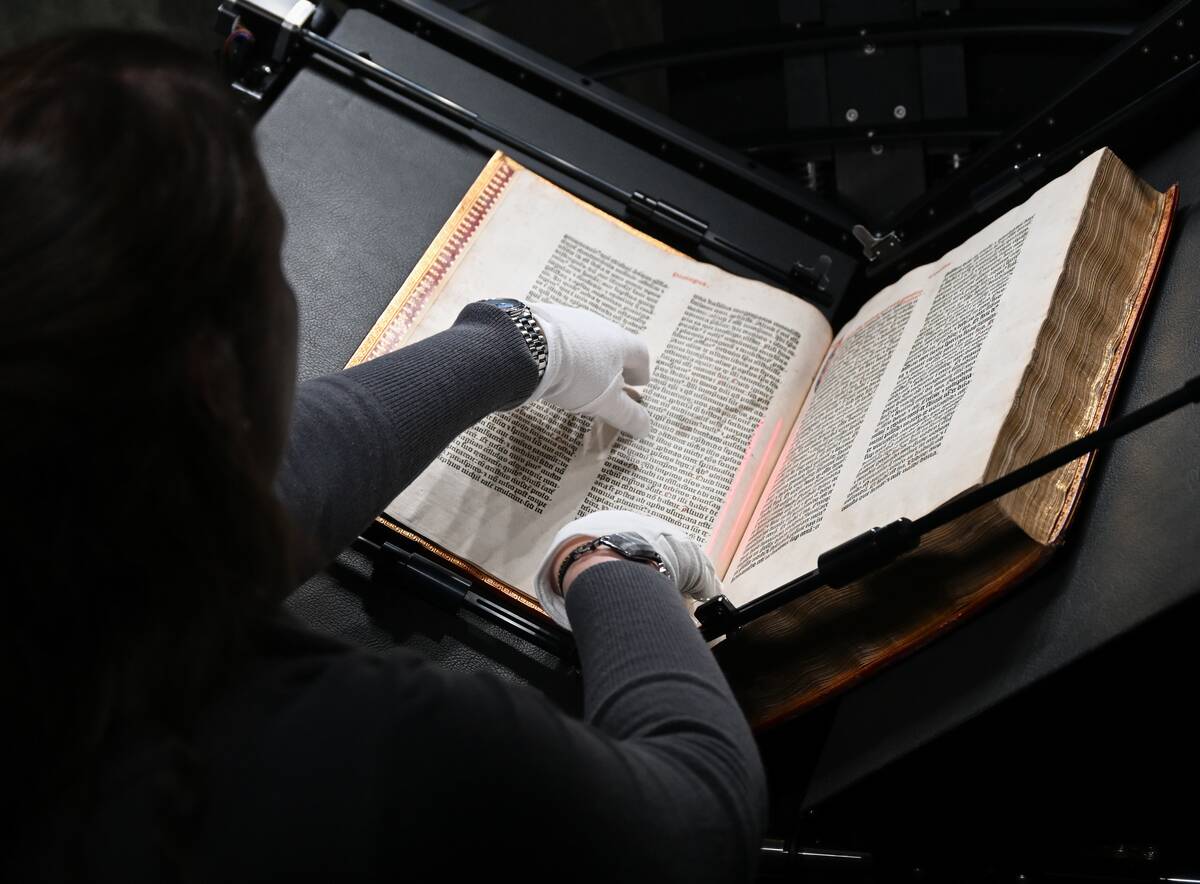
The Gutenberg Bible, printed in the 1450s, was the first major book produced using movable type. This Latin Bible, also known as the 42-line Bible, consisted of two volumes and was completed around 1455.
It is celebrated not only for its historical significance but also for its aesthetic beauty, with its clear type and decorative initials. Only 49 copies are known to exist today (and all but 21 of them aren’t complete), making it one of the most valuable books in the world.
Mass Production of Books: A Literary Boom
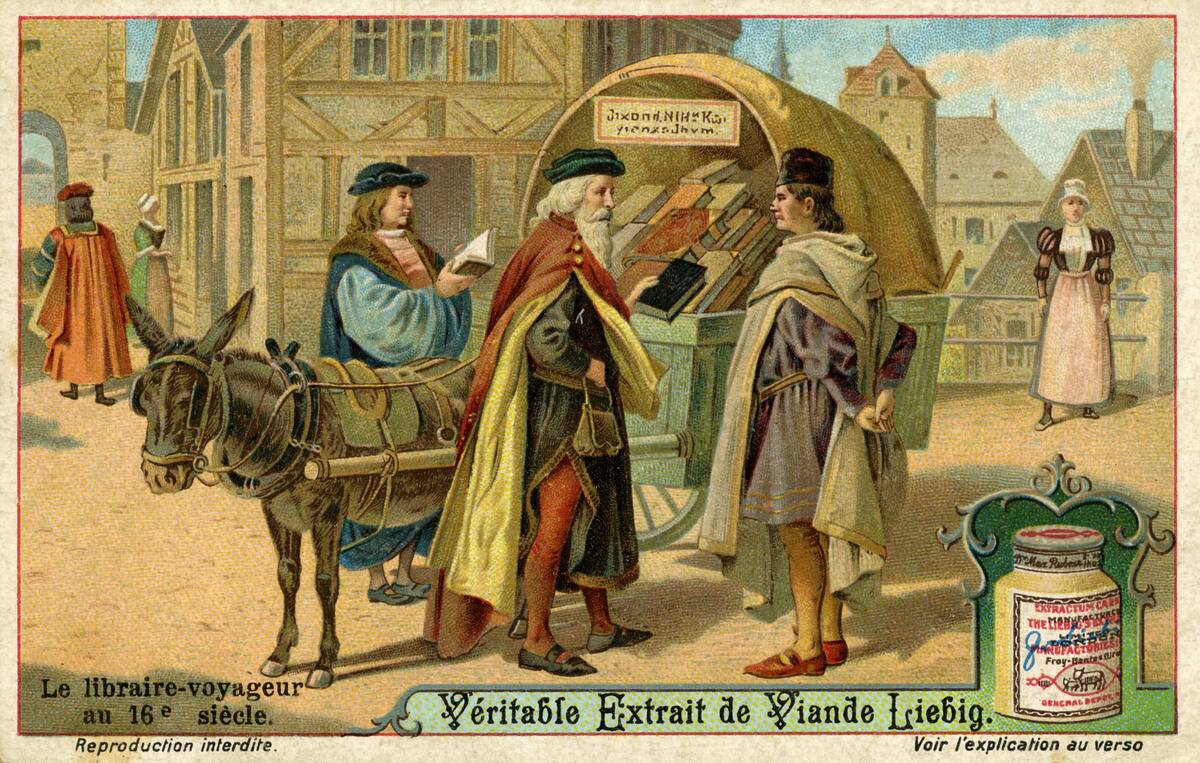
The advent of the printing press sparked a literary boom, as books could now be produced in large quantities at a fraction of the previous cost. This led to the proliferation of texts on a wide range of subjects, from religious works to scientific treatises.
The increased availability of books encouraged literacy and education, setting the stage for the intellectual flowering of the Renaissance and the spread of new ideas across Europe.
The Rise of Literacy: Making Reading Accessible to the Masses

With books becoming more affordable and widely available, literacy rates began to rise, albeit more gradually and over a longer period of time than it may seem. The printing press played a crucial role in making education accessible to a broader demographic, beyond the privileged few.
As more people learned to read, there was a greater demand for diverse reading material, which in turn inspired authors to produce new works. This democratization of reading material contributed to the spread of knowledge and ideas.
Printing Press and the Renaissance: Fueling a Cultural Rebirth
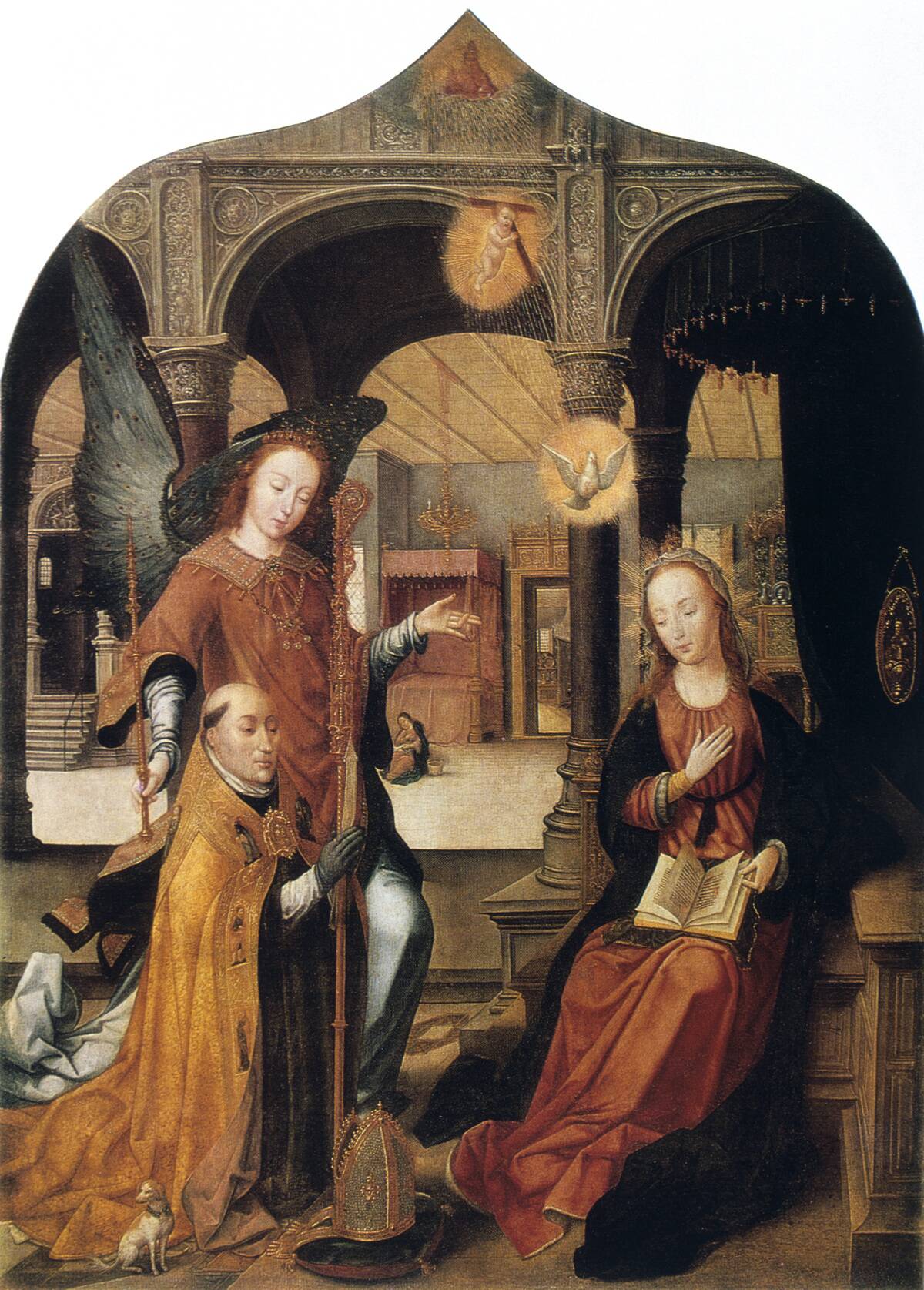
The printing press was instrumental in fueling the Renaissance, a period of renewed interest in art, science, and literature. As classical texts were rediscovered and distributed, they inspired a cultural rebirth across Europe.
The ease of printing and sharing new works allowed Renaissance thinkers to communicate and collaborate, furthering advancements in various fields. The press thus became a catalyst for the flourishing of creativity and intellectual exploration.
The Spread of Scientific Knowledge: Printing Press as a Catalyst
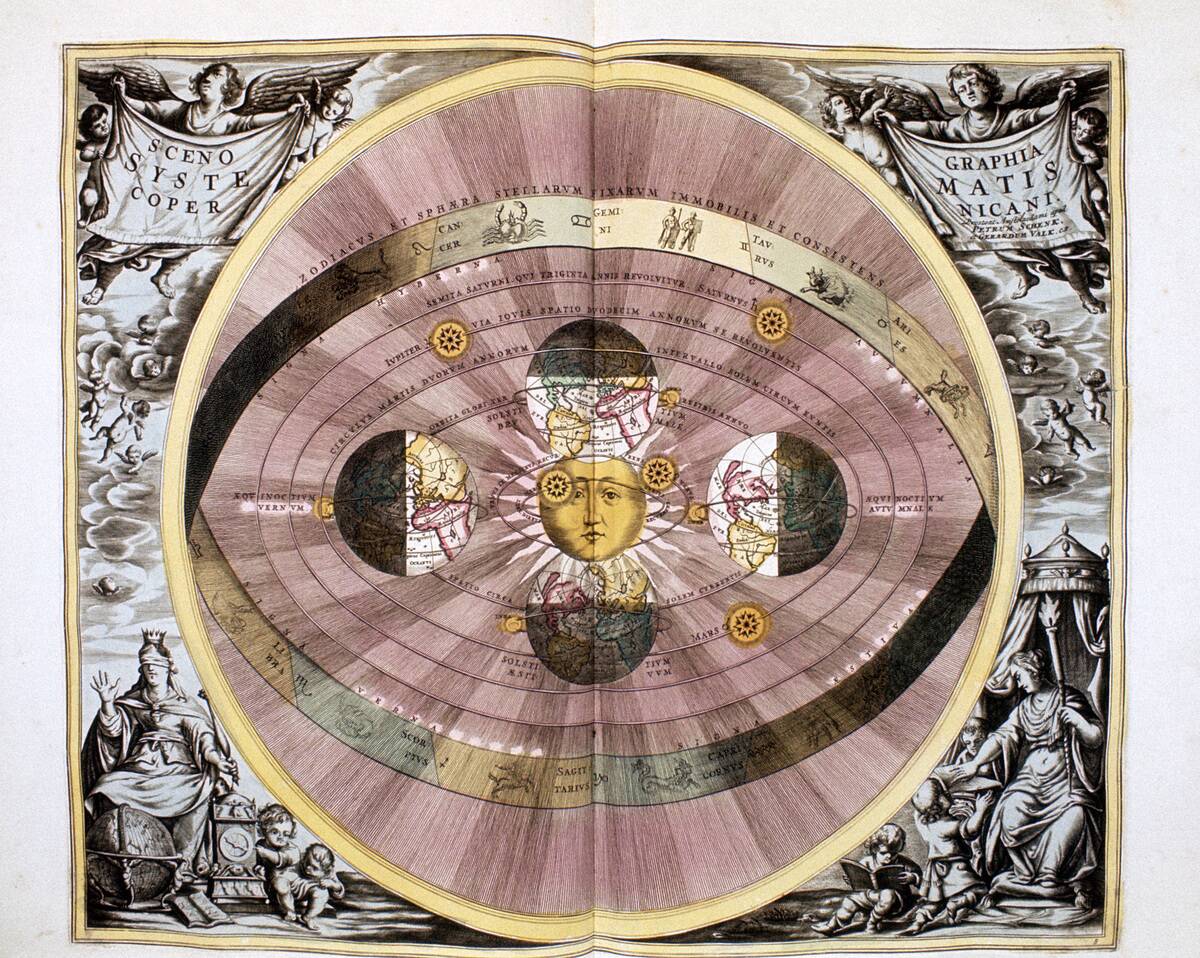
The printing press revolutionized the scientific community by making it easier to share and disseminate research findings. Scientists could now publish their works and reach a broad audience, leading to a more collaborative and dynamic exchange of ideas.
This was crucial during the Scientific Revolution, as works like Copernicus’ On the Revolutions of the Celestial Spheres could be widely distributed, challenging established beliefs and fostering scientific inquiry.
Political Movements and Propaganda: Information is Power
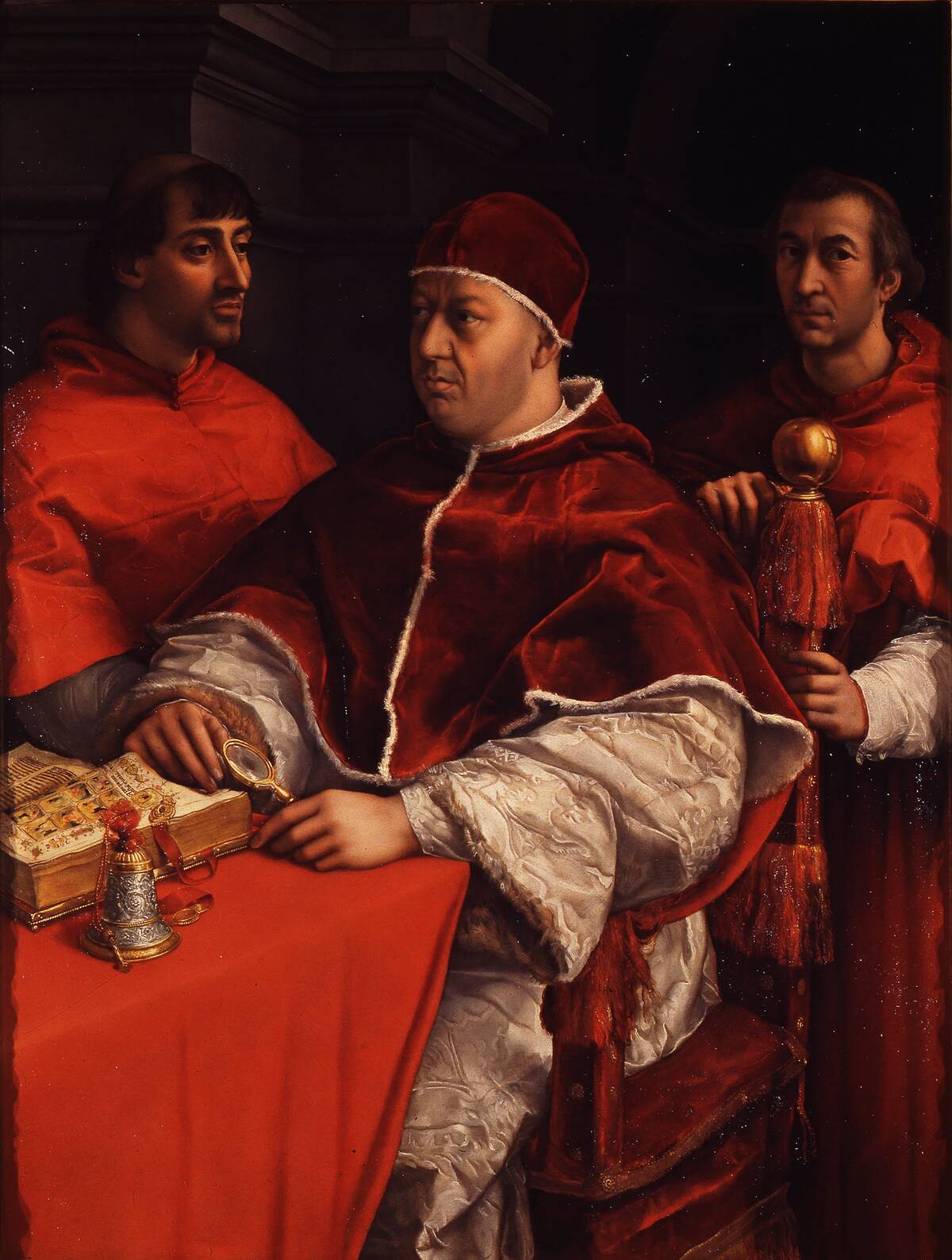
The printing press became a powerful tool for political movements and propaganda, allowing ideas to spread quickly and efficiently. Political pamphlets and manifestos could be mass-produced and distributed to influence public opinion and rally support.
The ability to reach a large audience quickly made the press a vital instrument for revolutionaries and reformers, such as during the Protestant Reformation and the Enlightenment.
Religious Reformation: How the Press Transformed Faith

The printing press played a pivotal role in the Protestant Reformation by enabling the rapid spread of Martin Luther’s 95 Theses and other reformist writings. This allowed for the dissemination of ideas challenging the Catholic Church’s authority and practices.
The press also facilitated the translation of the Bible into vernacular languages, empowering individuals to read and interpret religious texts independently, leading to a diversification of religious beliefs and practices.
The Printing Press and the Spread of Languages
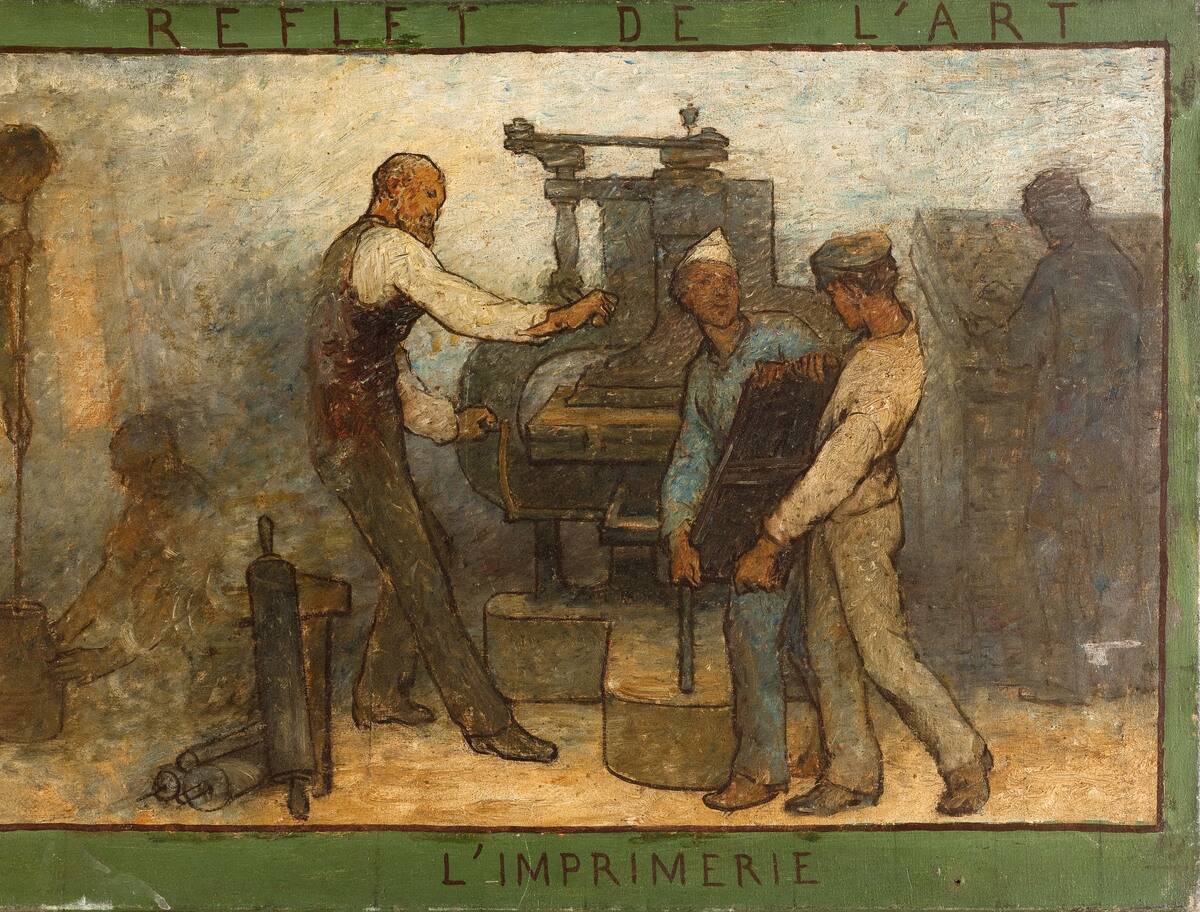
The printing press contributed to the standardization and spread of various languages by enabling the production of texts in the vernacular. As books were printed in regional languages rather than Latin, literacy and education became more accessible to the general population.
This not only helped preserve and promote local languages but also fostered a sense of cultural identity and unity among speakers, playing a crucial role in the formation of modern nation-states.
Newspapers: The Birth of Modern Journalism
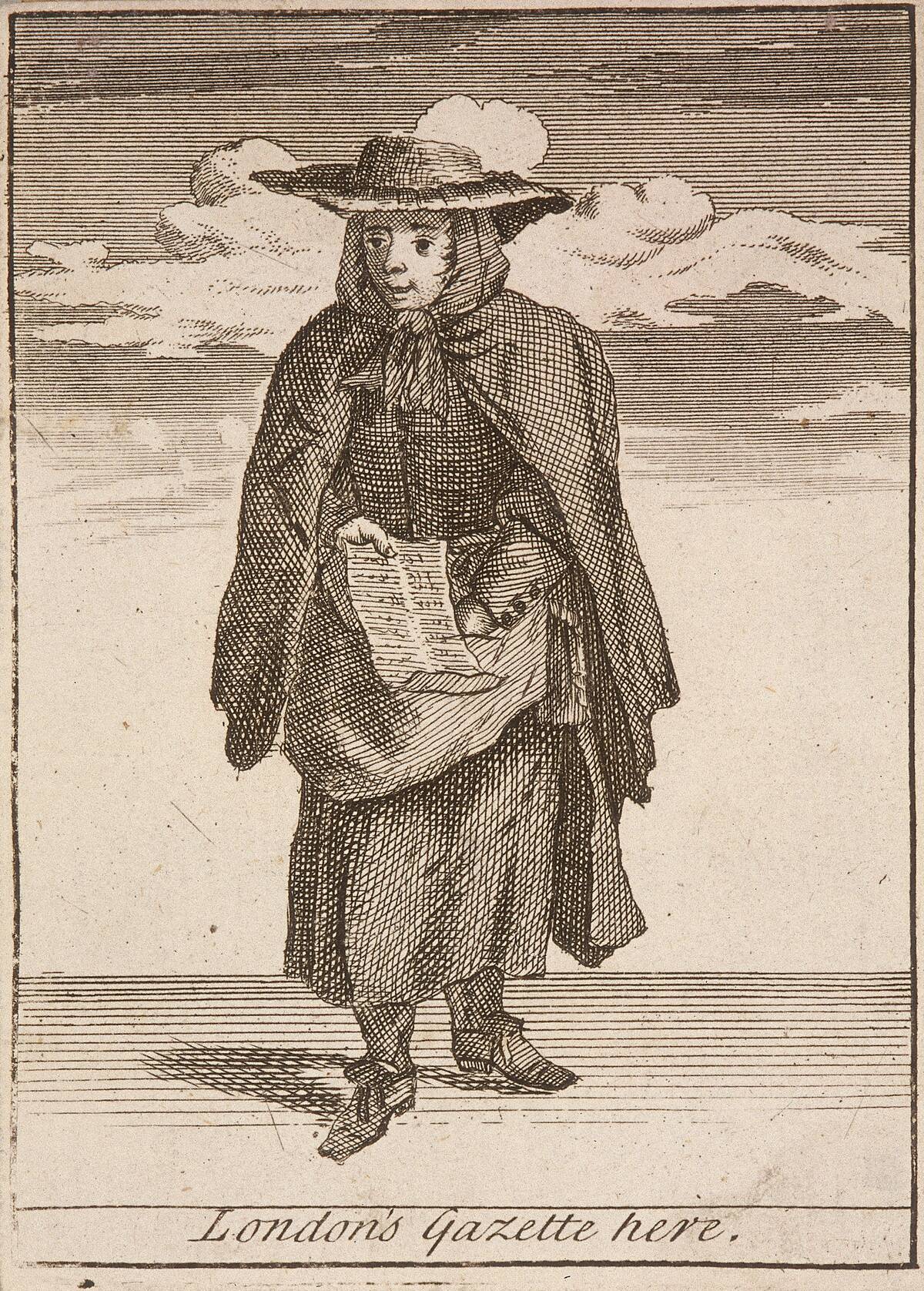
The invention of the printing press laid the groundwork for modern journalism by making it possible to produce newspapers — an entirely new medium for disseminating information. The first newspapers emerged in the 17th century, providing the public with news, opinions, and even advertisements in some places.
This new form of media quickly became a vital part of everyday life, informing citizens and shaping public discourse, and establishing journalism as an essential pillar of democratic societies.
Education and Textbooks: Revolutionizing Learning

The printing press revolutionized education by making textbooks widely available, thus standardizing learning materials across institutions. This accessibility allowed for a more uniform education system and facilitated the spread of new educational methods and ideas.
Students and educators could now access a broader range of subjects and resources, promoting a culture of learning and intellectual growth that was critical to the advancement of society.
The Global Spread: How the Technology Traveled the World
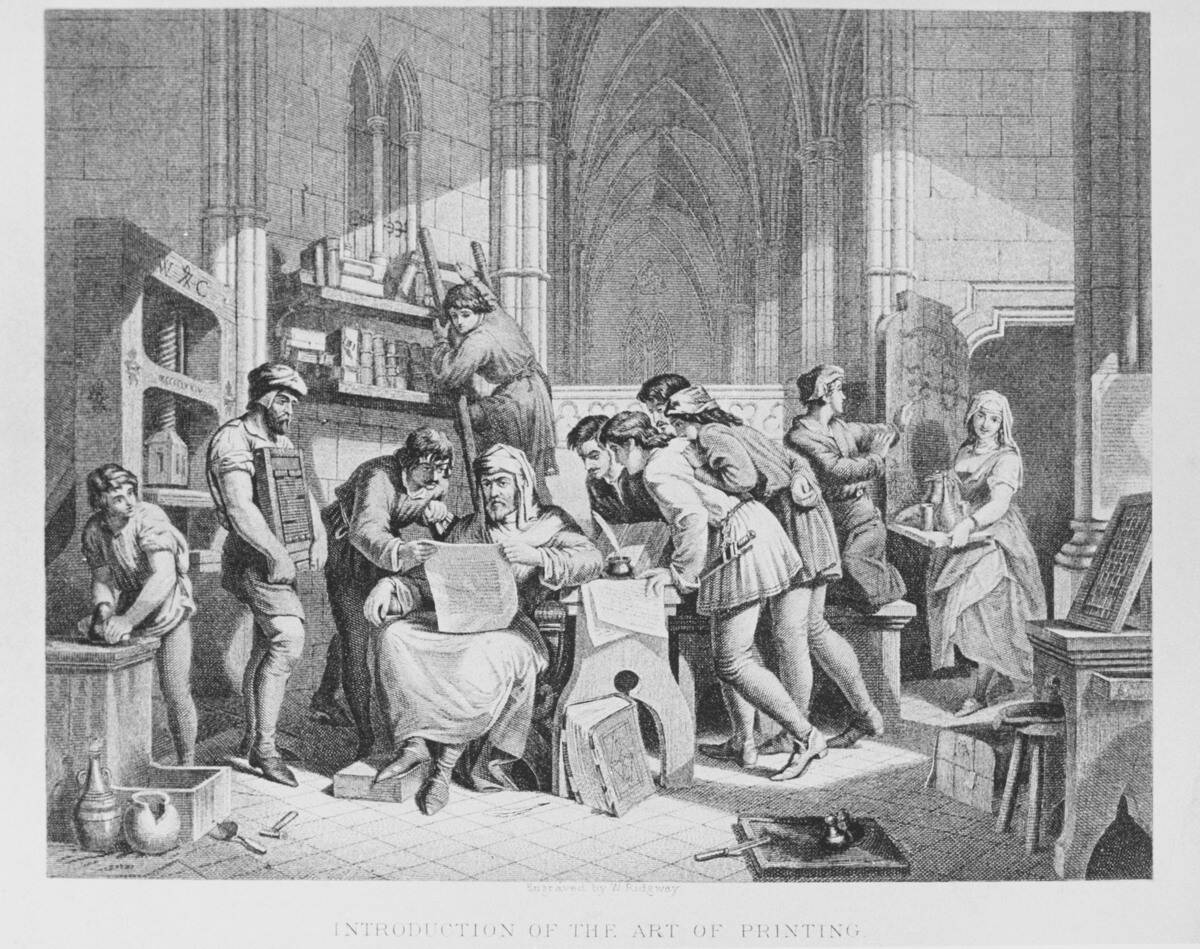
After its invention in Germany, the printing press technology quickly spread across Europe and beyond. By the end of the 15th century, printing presses were operating in over 200 cities throughout Europe.
The technology eventually reached the Americas and Asia, where it was adapted to accommodate different writing systems and languages. This global spread facilitated cultural exchange and the sharing of ideas, contributing to the interconnectedness of our modern world.
The Legacy of the Printing Press in Today’s Digital Age
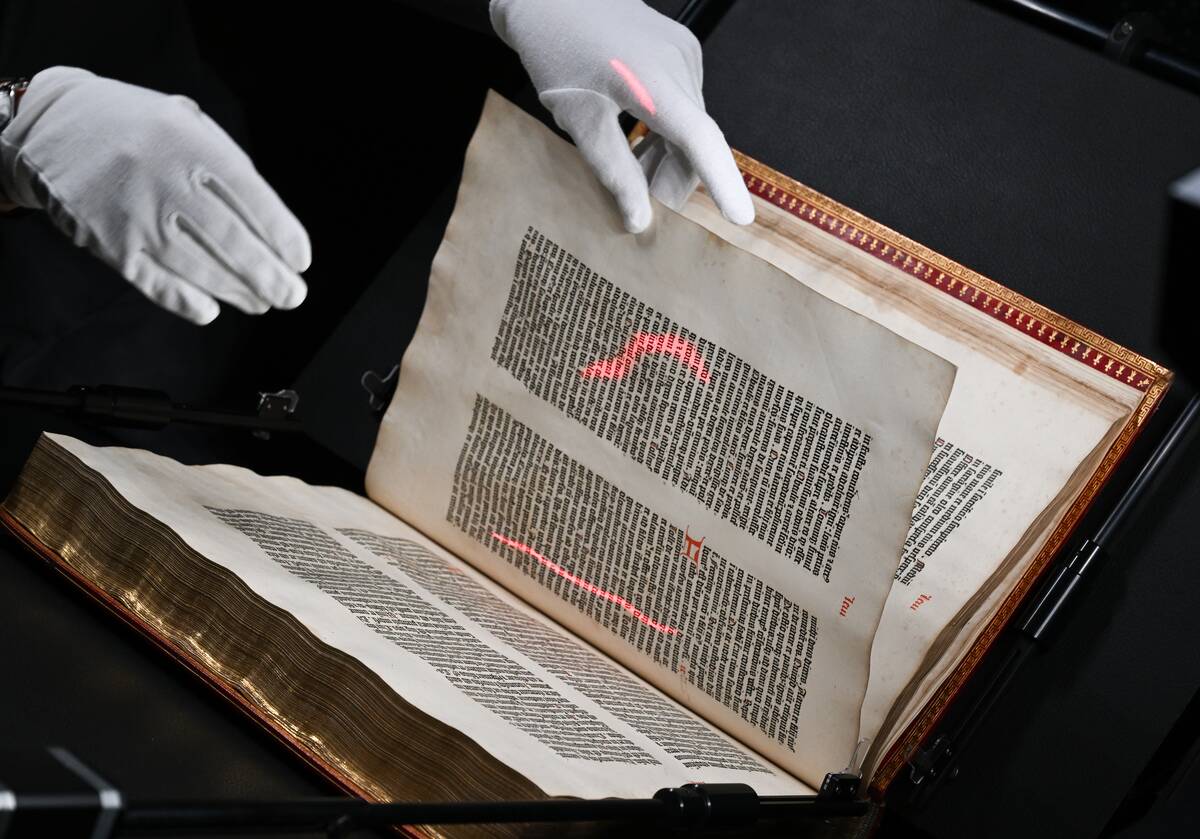
The legacy of the printing press is evident in today’s digital age, where the principles of mass communication and information dissemination continue to evolve.
While digital media has replaced print as the dominant form of information sharing, the fundamental impact of the printing press on literacy, education, and communication remains. The technology laid the groundwork for the rapid exchange of ideas that we experience today, shaping how we consume and interact with information.




