Facts About Lost Manuscripts That Could Rewrite History
Lost manuscripts have long captured the imagination of historians and the public alike. These elusive documents, often containing nuggets of ancient wisdom, seem to slip through the cracks of history, leaving behind tantalizing mysteries.
From the dusty archives of ancient libraries to the forgotten corners of private collections, lost manuscripts whisper stories of times long past. Their allure lies not only in their content but in the mysteries of their disappearance.
How Manuscripts Go Missing: A Brief Overview
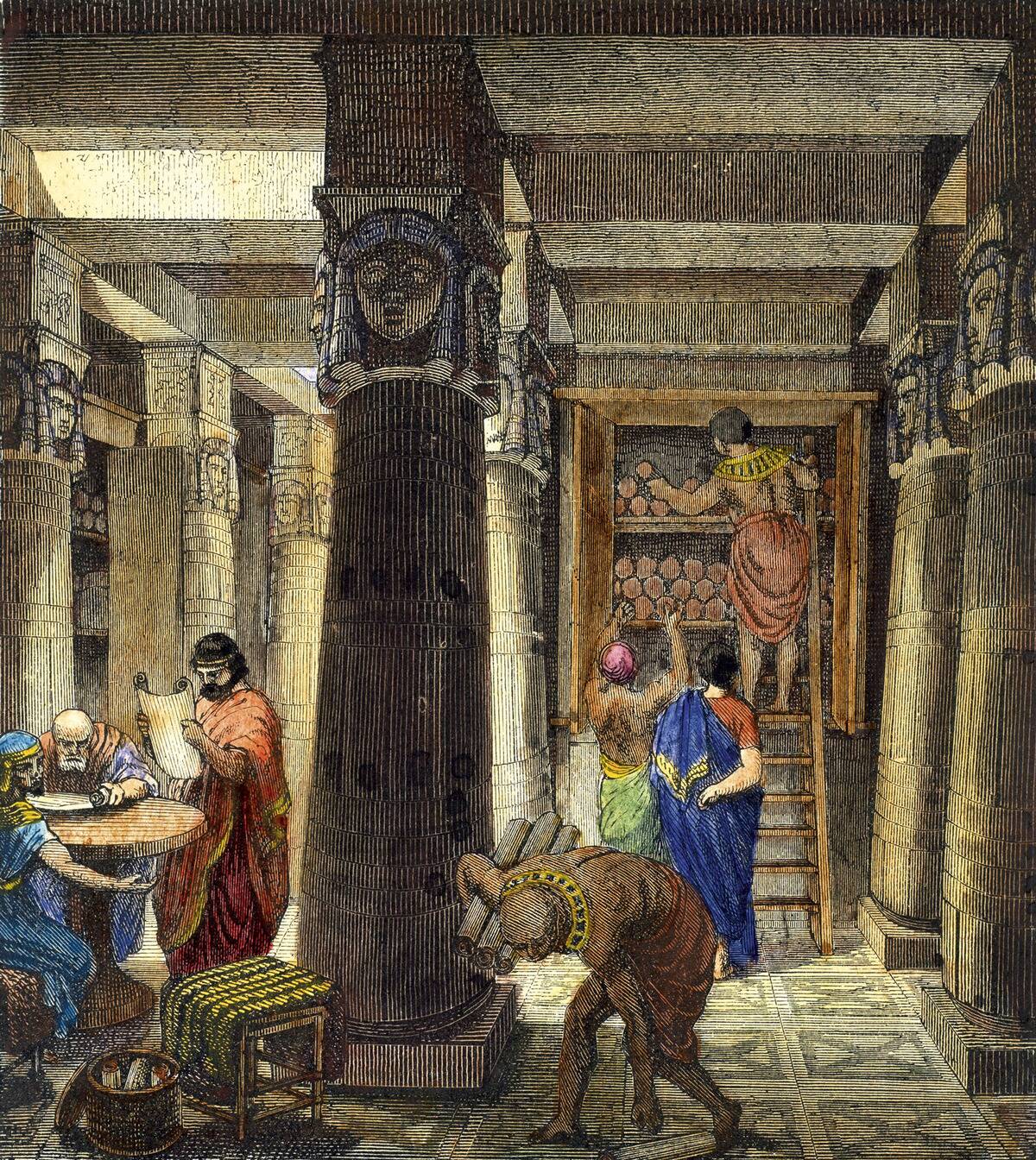
The disappearance of manuscripts can often be attributed to war, natural disasters, or simple human error. Wars have historically led to the destruction or looting of libraries, while floods and fires have erased entire collections.
Sometimes, manuscripts simply get lost in the shuffle of moving collections or are mislabeled and forgotten. It’s a wonder that so many have survived at all, given the odds stacked against them throughout history.
The Most Famous Lost Manuscripts in History
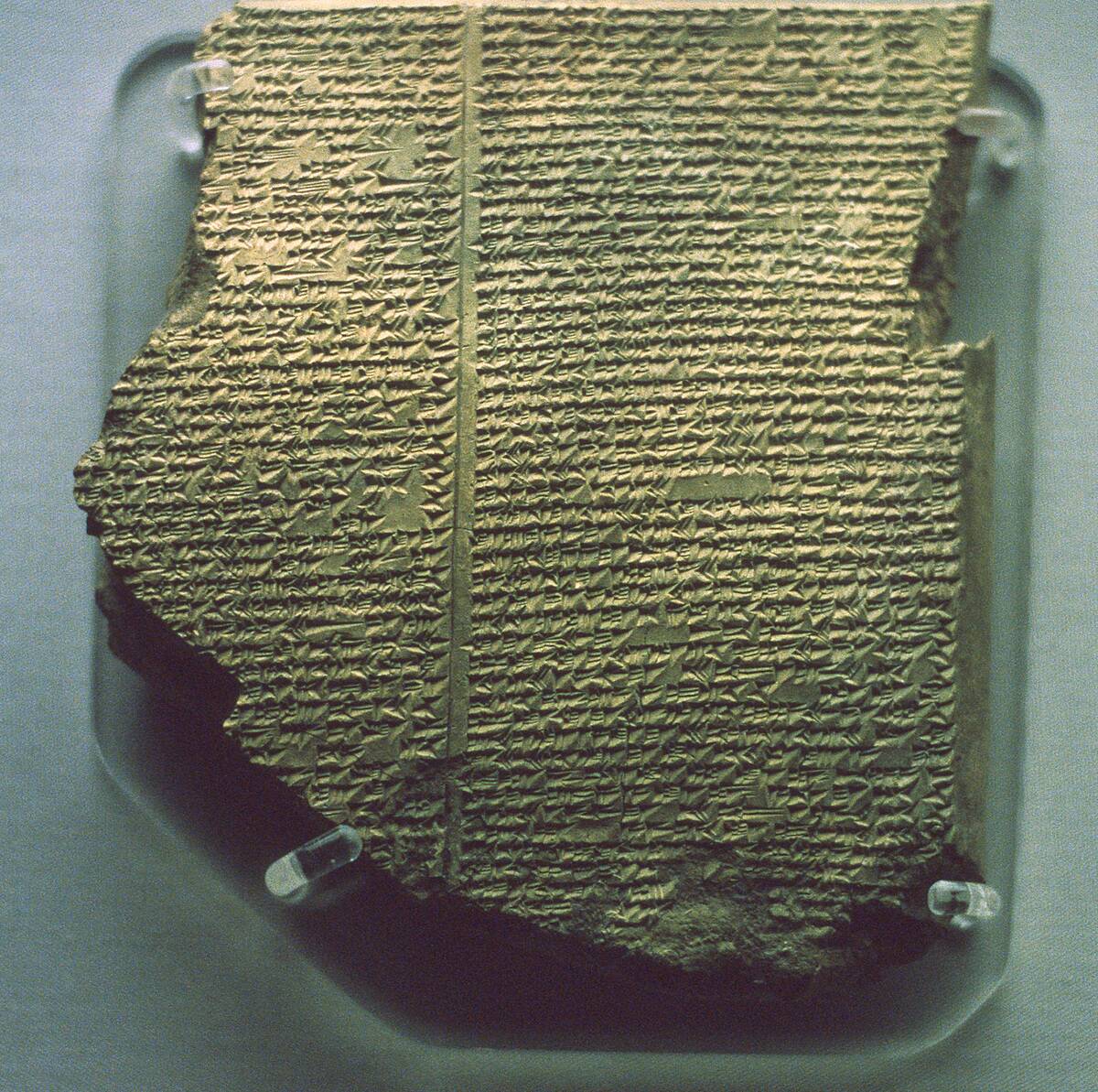
Among the most famous lost manuscripts is Aristotle’s second book of “Poetics,” which is often speculated to have focused on comedy. Another is the missing sections of “The Epic of Gilgamesh,” one of the oldest known surviving works of literature.
The lost works of these great minds continue to inspire scholars to search for clues and fragments. Each missing manuscript represents a gap in our historical and cultural understanding, fueling ongoing quests for discovery.
The Case of the Missing Works of Aristotle
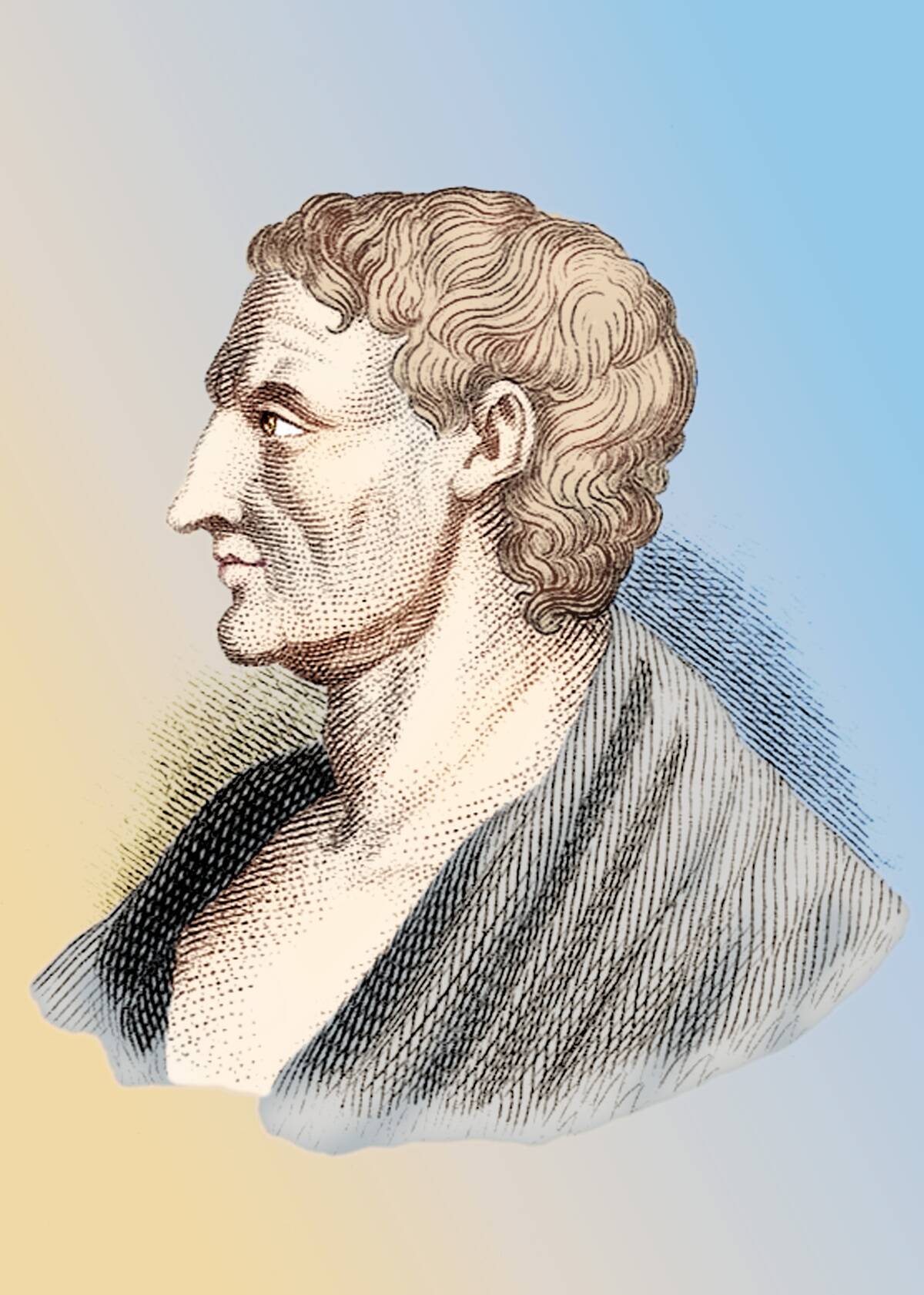
Aristotle’s works are foundational to Western philosophy, yet many of his writings are lost. His second book of Poetics is one such work, believed to have been dedicated to comedy and its impact on society.
The absence of this manuscript leaves an intriguing gap in Aristotle’s exploration of literary theory. Scholars have long speculated on its contents, piecing together insights from references in other works, hoping one day it might be rediscovered.
The Enigma of the Voynich Manuscript
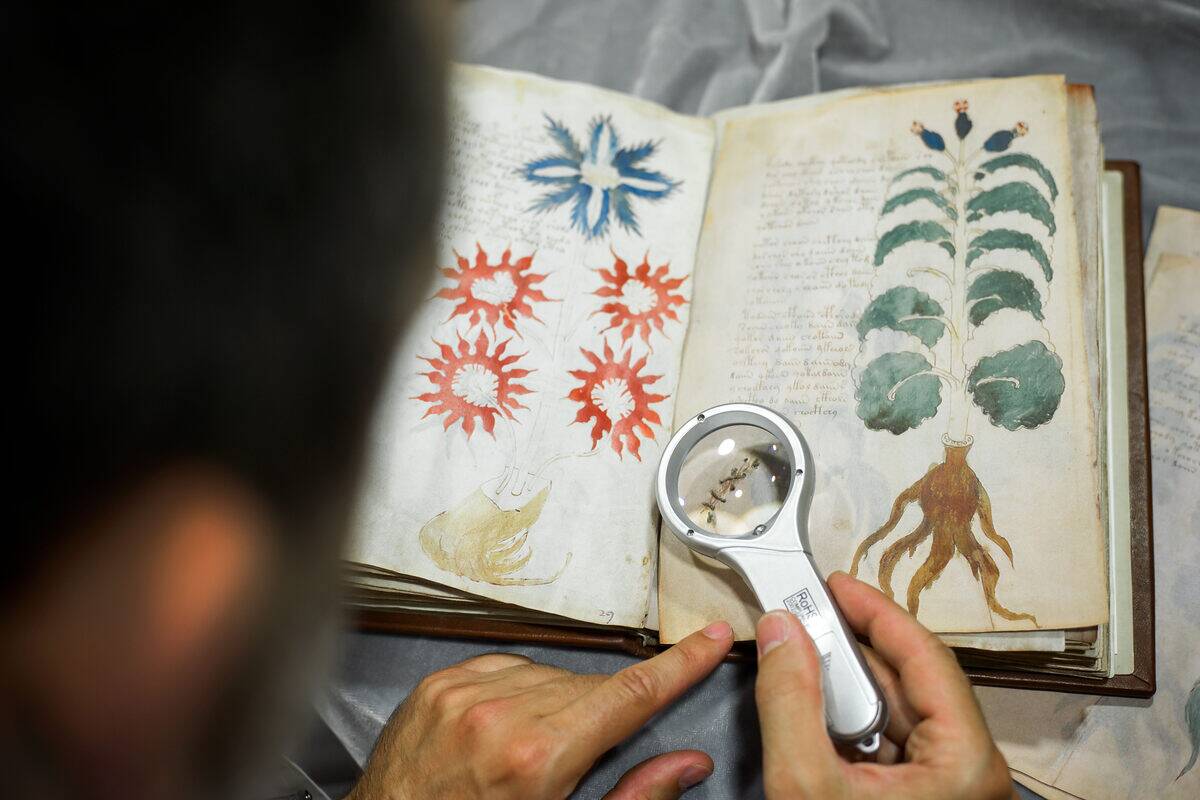
The Voynich manuscript, perhaps the most mysterious of all, is an illustrated codex hand-written in an unknown script. Carbon dating places its creation in the early 15th century, yet its purpose and meaning remain elusive.
The manuscript is filled with bizarre botanical illustrations and astronomical diagrams, which have baffled cryptographers and historians for decades. Despite numerous attempts to decipher its text, the Voynich manuscript retains its secrets, fascinating all who encounter it.
Ancient Egyptian Texts Lost to Time
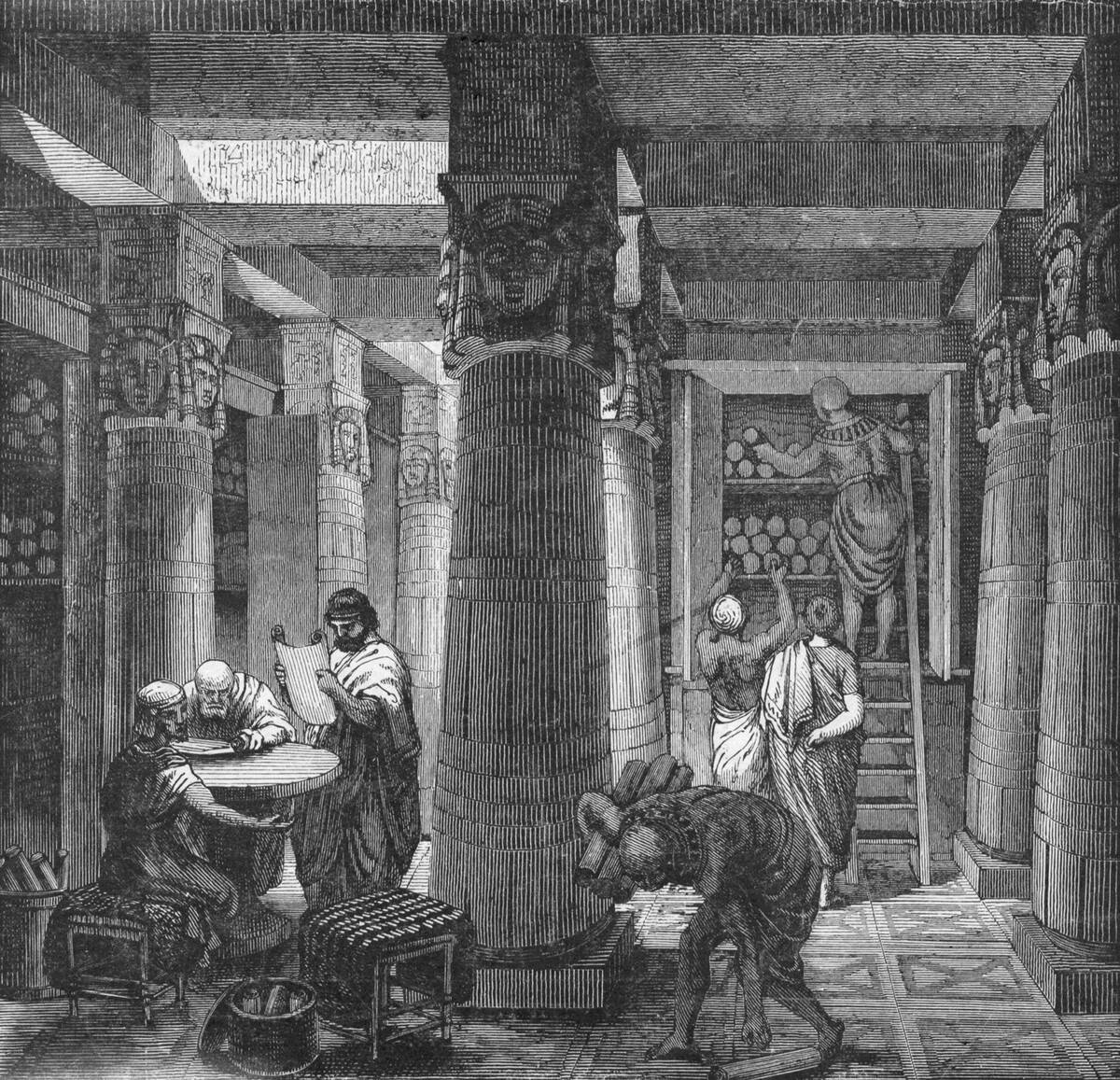
Ancient Egypt was a civilization rich in written records, yet many texts have been lost over millennia. Papyrus scrolls, once stored in the great Library of Alexandria, were vulnerable to decay and destruction.
The Book of Thoth, a legendary collection of magical knowledge, is one such manuscript believed to have vanished. These lost texts tantalize historians with the possibility of untold secrets about Egyptian religion, science, and daily life.
The Lost Books of the Bible: What If?
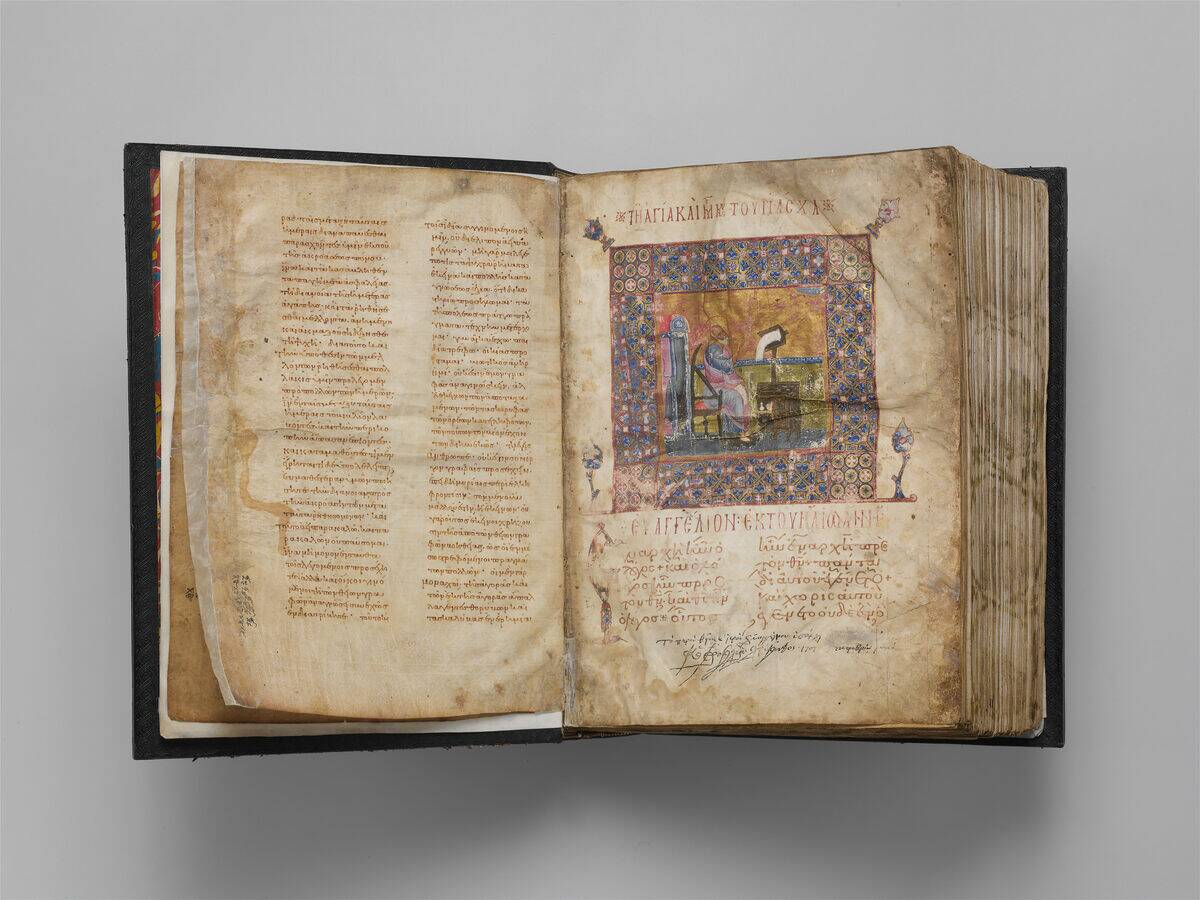
The Bible, as we know it, is a collection shaped by centuries of theological debate and historical circumstance. However, several other texts, such as the Gospel of Mary and the Book of Enoch, were excluded from the canonical Bible.
These lost books offer alternative perspectives on biblical events and figures, raising questions about how different the religious landscape might be if they had been included. Their absence continues to spark curiosity and theological discussions.
The Disappearance of Shakespeare’s Plays
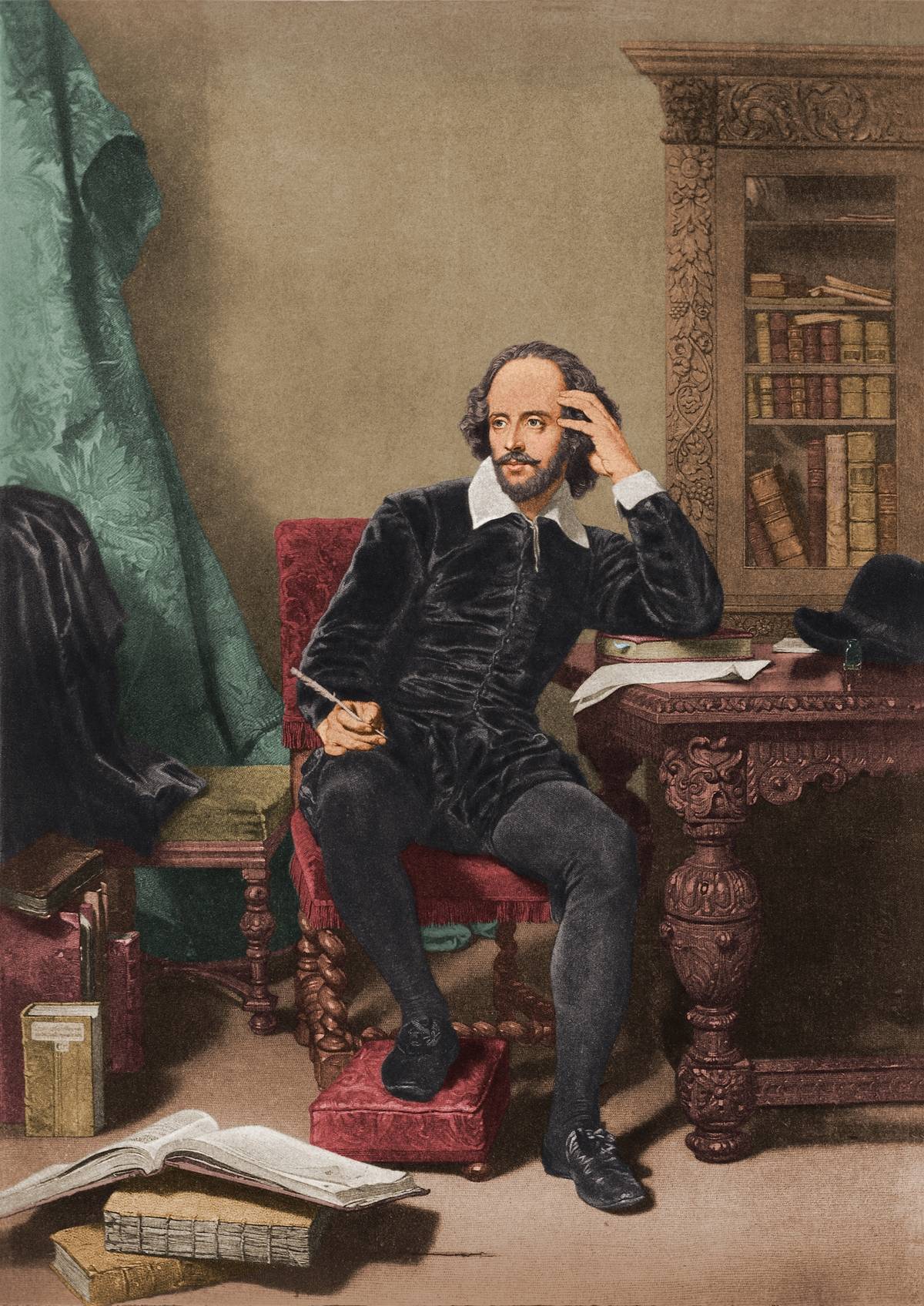
William Shakespeare, the Bard of Avon, is credited with writing 38 plays, but it’s believed he penned even more. Love’s Labour’s Won, for instance, is a lost play referenced in Elizabethan literature.
The disappearance of such works leaves us wondering what other tales and characters Shakespeare might have created. These missing plays tantalize scholars and enthusiasts alike, who yearn to fill the gaps in the Bard’s illustrious oeuvre.
The Untold Stories from the Library of Alexandria
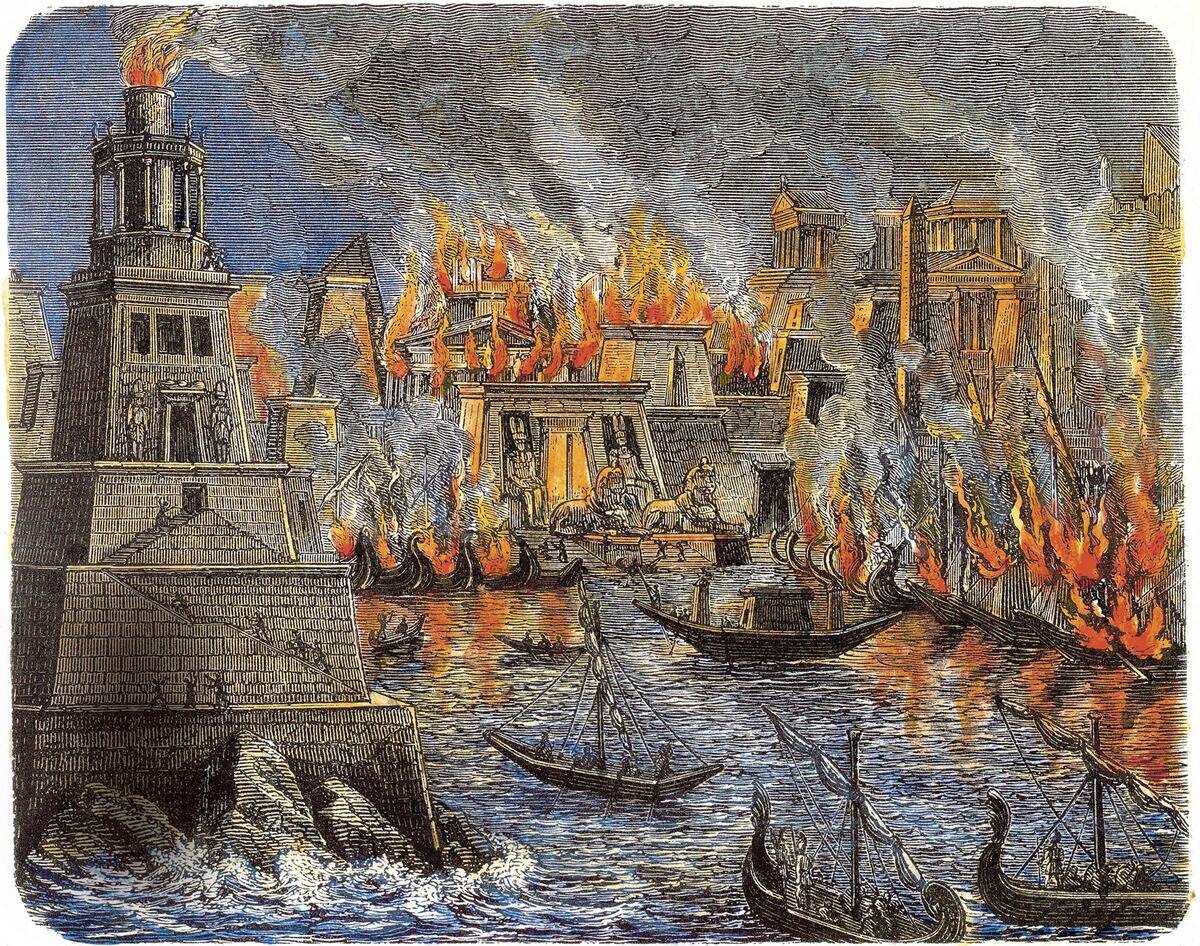
The Library of Alexandria was one of the ancient world’s largest and most significant libraries, housing countless scrolls and manuscripts. Its destruction remains one of history’s great tragedies, as untold knowledge was lost in its flames.
The library was a hub of learning, attracting scholars from across the Mediterranean. The texts it held could have provided invaluable insights into ancient civilizations, science, and philosophy, leaving us to wonder what wisdom was lost forever.
Ancient Maps that Could Change Our Understanding of Exploration
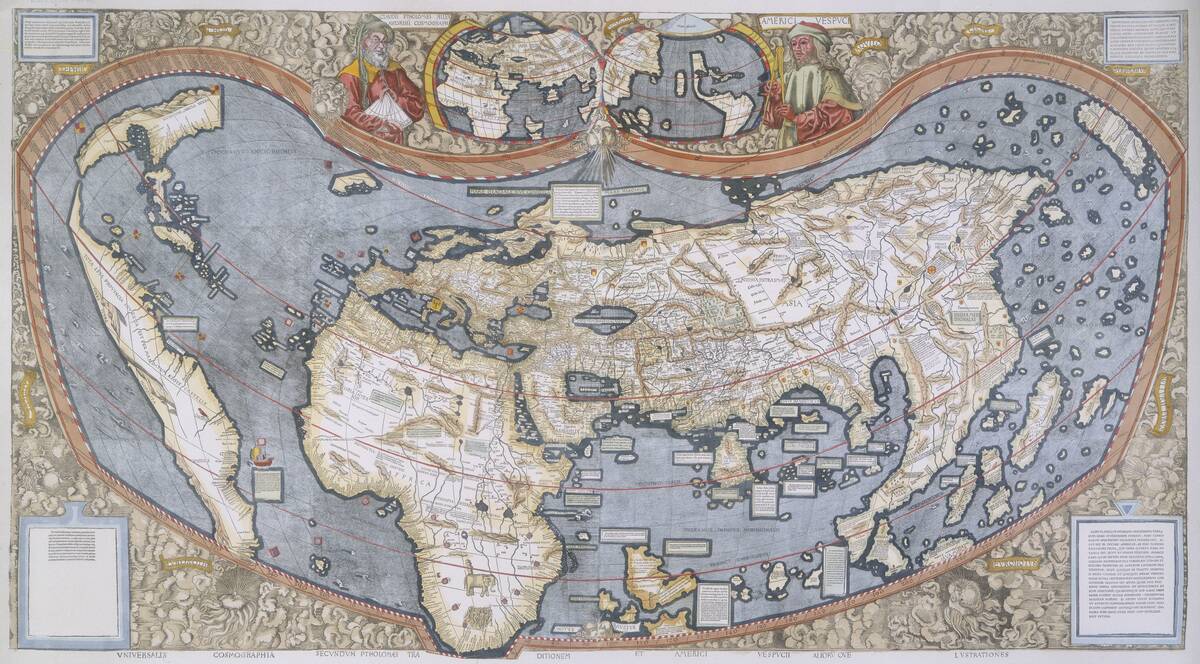
Maps from ancient times not only guided explorers but also shaped their understanding of the world. The lost maps of Ptolemy, for instance, could offer insights into ancient geography and navigation techniques.
These maps might reveal how early civilizations viewed the world and interacted with one another. The potential discovery of such maps could revolutionize our understanding of ancient exploration, challenging existing theories about the reach and knowledge of past civilizations.
The Missing Pages of the Dead Sea Scrolls
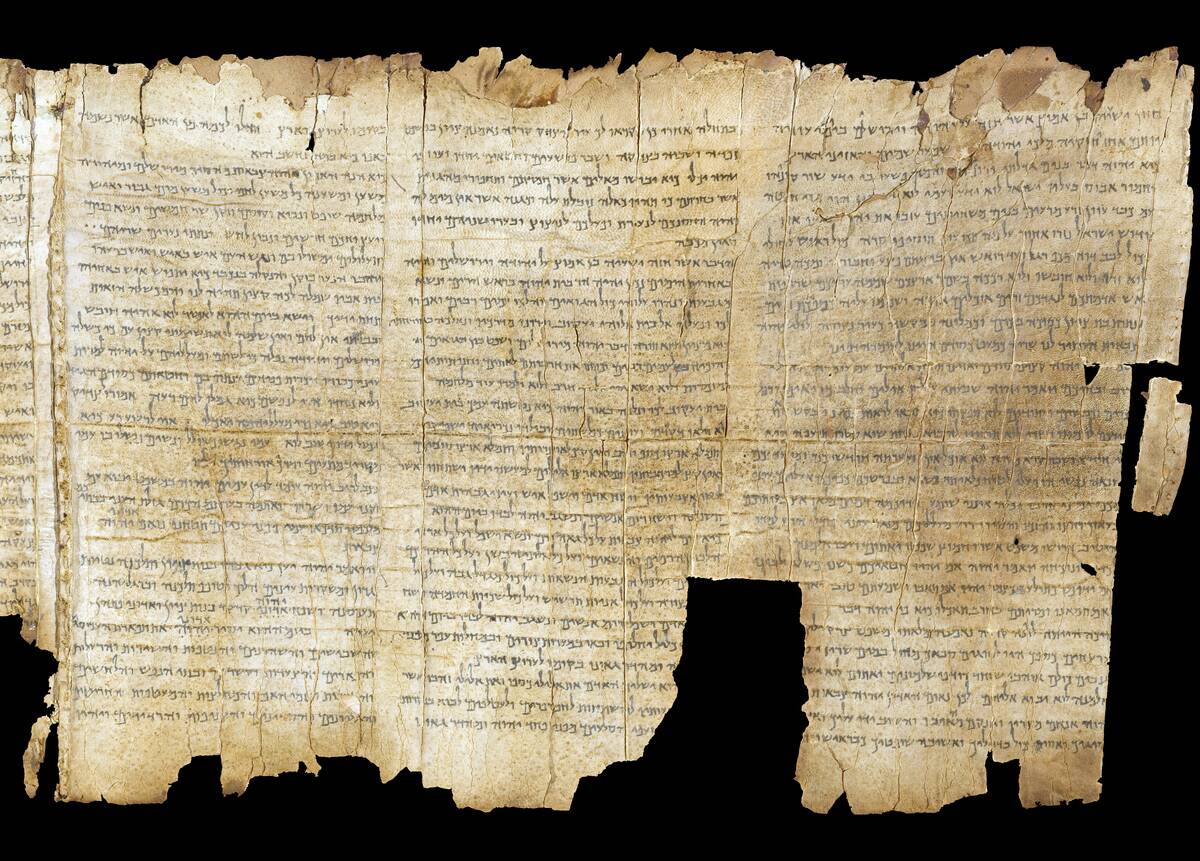
The Dead Sea Scrolls, discovered in the mid-20th century, are among the greatest archaeological finds of the 20th century. Yet, not all the scrolls were recovered intact. Missing fragments leave gaps in our understanding of these ancient texts, which include some of the earliest known copies of the Hebrew Bible.
Scholars continue to search for missing pieces, hoping to complete the puzzle and gain a fuller picture of religious and cultural practices of the time.
The Role of Technology in Uncovering Lost Manuscripts

Modern technology plays a crucial role in the search for lost manuscripts. Multispectral imaging can reveal text on faded or damaged documents, while digital archives make rare texts accessible to researchers worldwide.
Techniques like radiocarbon dating help establish the age of manuscripts, aiding in their authentication. With these tools, scholars can uncover details that were once invisible, bringing lost manuscripts back into the light and changing how we interpret historical texts.
Famous Manuscripts Found in Unlikely Places
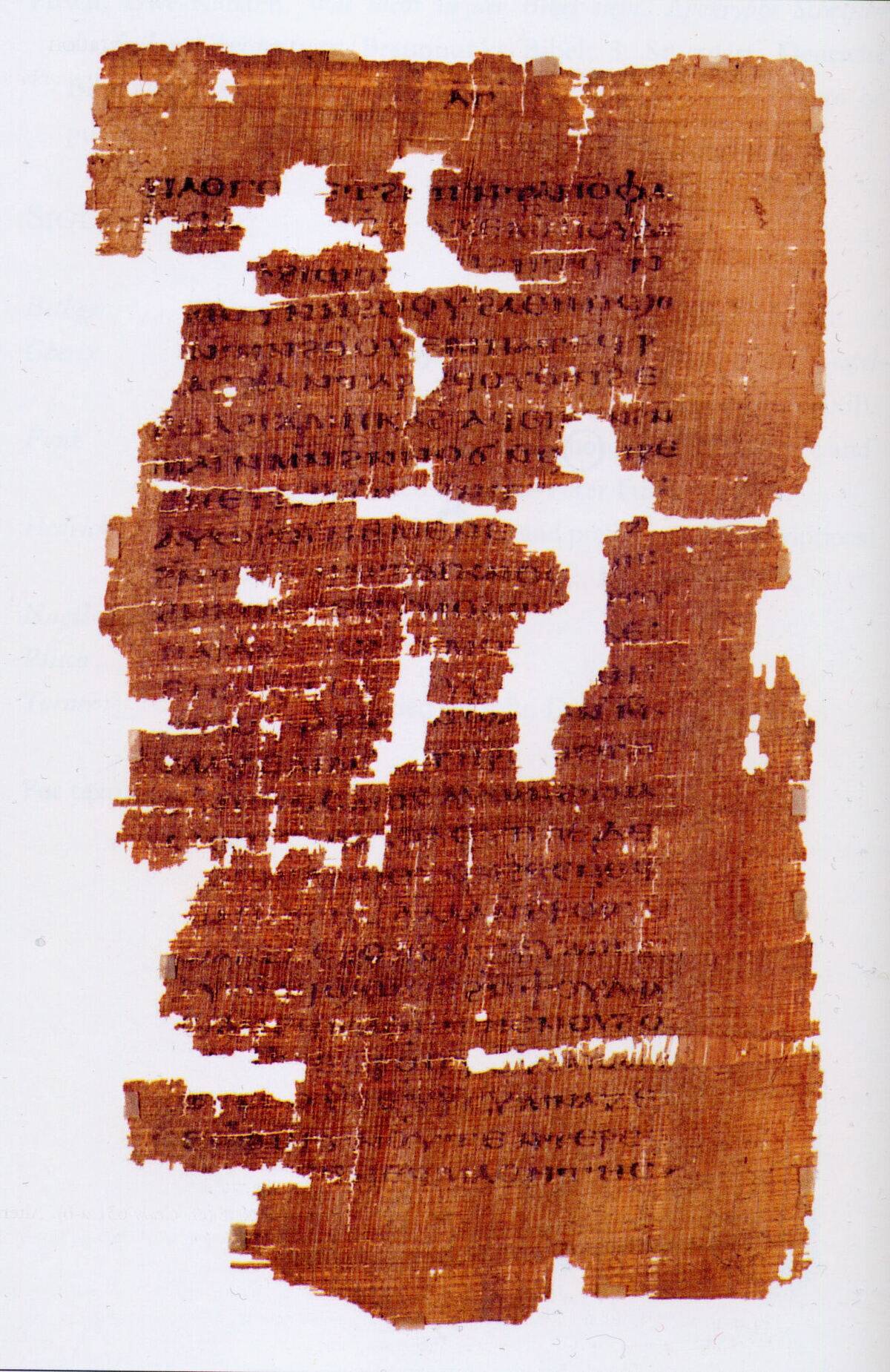
History is full of surprising discoveries of lost manuscripts in the most unexpected places. The Gospel of Judas was found in a cave in Egypt, while the Archimedes Palimpsest was discovered beneath a later text in a prayer book.
These serendipitous finds remind us that history is full of surprises, and that hidden treasures can lie where we least expect them. Such discoveries keep hope alive for the recovery of other lost works.




