Innovations accused of ruining the societies they were supposed to help
Technology has always promised to make our lives easier and more efficient, but sometimes, it comes with its own set of ironies. Innovators dream up these groundbreaking ideas, hoping to change the world for the better.
Yet, the very tools that are meant to connect and empower us can sometimes lead to unforeseen consequences. It’s worth exploring how these innovations have shaped our world, often in unexpected ways, and what that means for the future.
The Smartphone Evolution: From Marvel to Menace
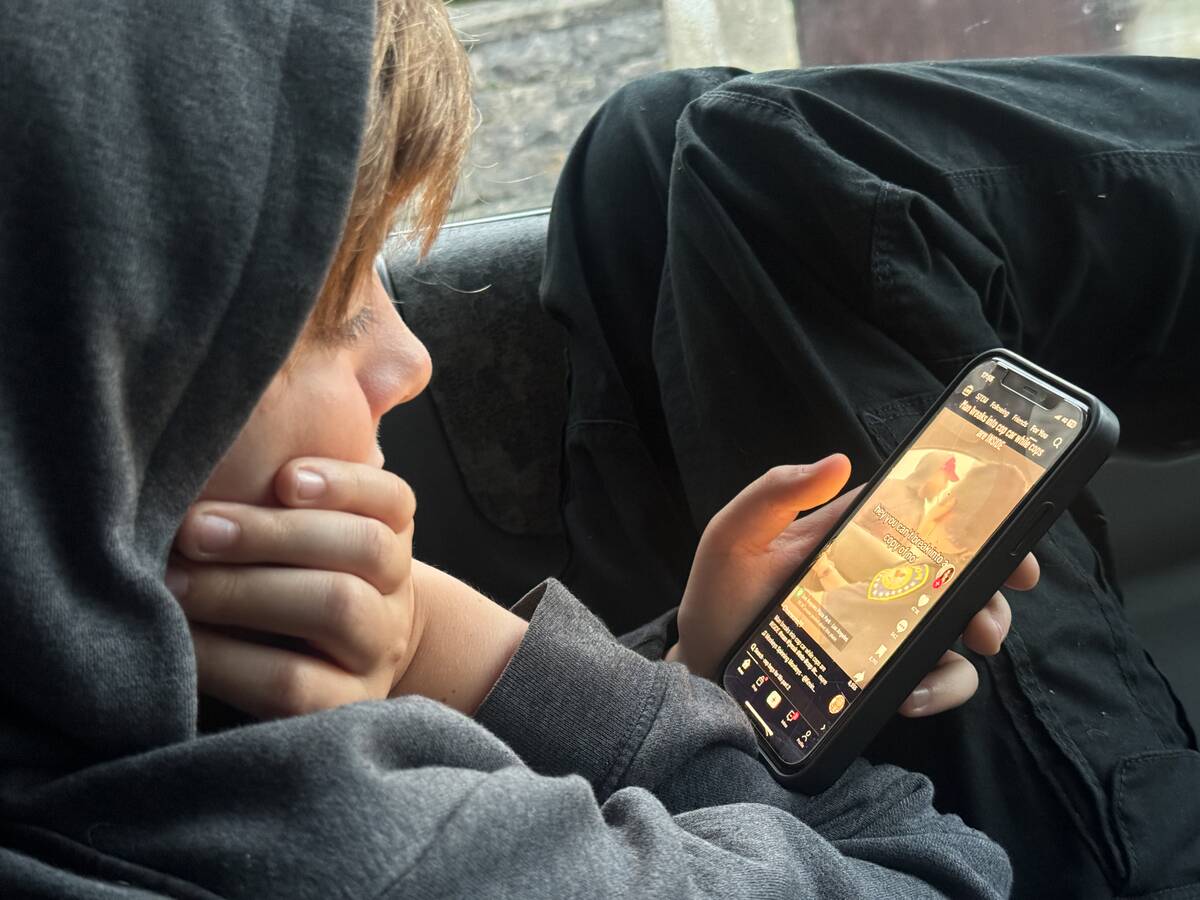
Smartphones have undeniably transformed our lives, providing instant access to information and communication. However, they’ve also been linked to decreased attention spans and increased screen time, raising concerns about mental health.
A study by The Indian Journal Of Comumnity Medicine found that 37% of teens feel addicted to their phones. This dichotomy illustrates the double-edged sword of smartphone technology, where convenience often comes at a cost.
Social Media: Connecting the World or Dividing It?
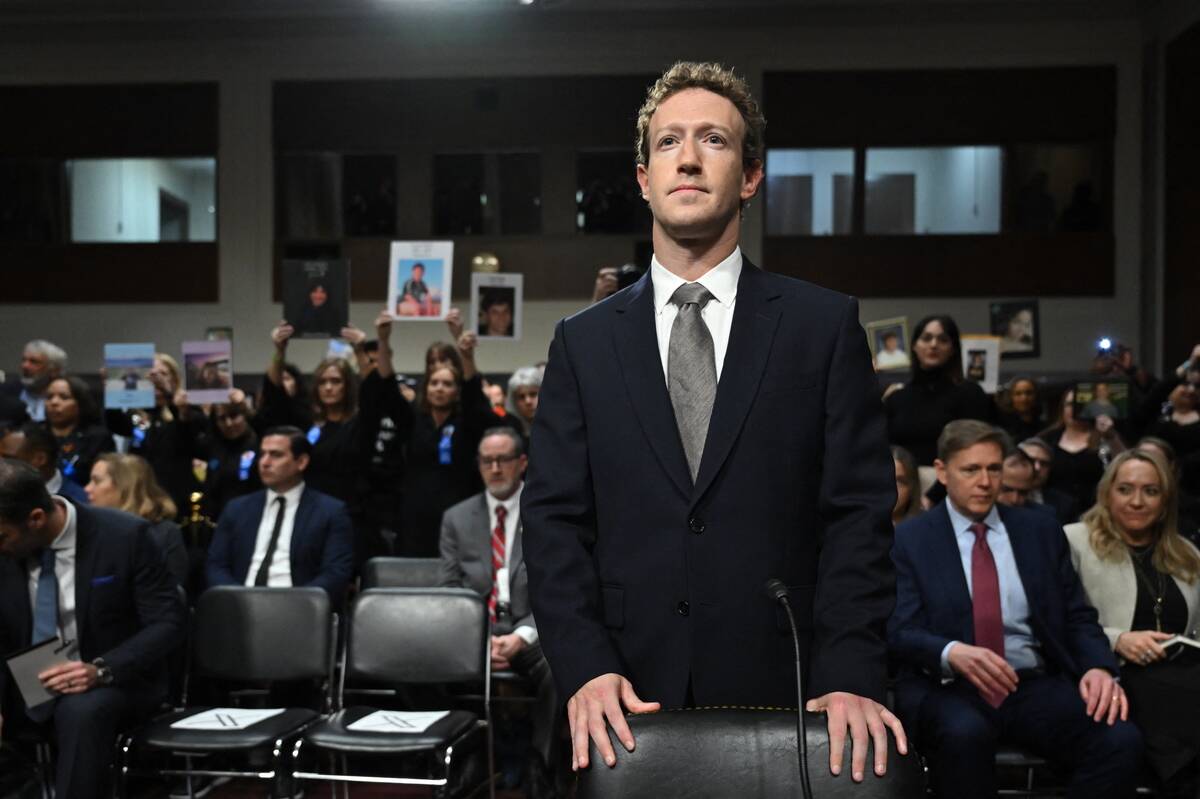
Social media platforms like Facebook and Twitter have made it easier than ever to stay in touch with friends and family around the globe. Yet, these platforms have also been criticized for contributing to political polarization and spreading misinformation.
A study by the Pew Research Center found that 64% of Americans believe social media has a mostly negative effect on the way things are going in the country today. This duality highlights the complex role social media plays in modern society.
Streaming Services: Entertainment Overload or Just Right?
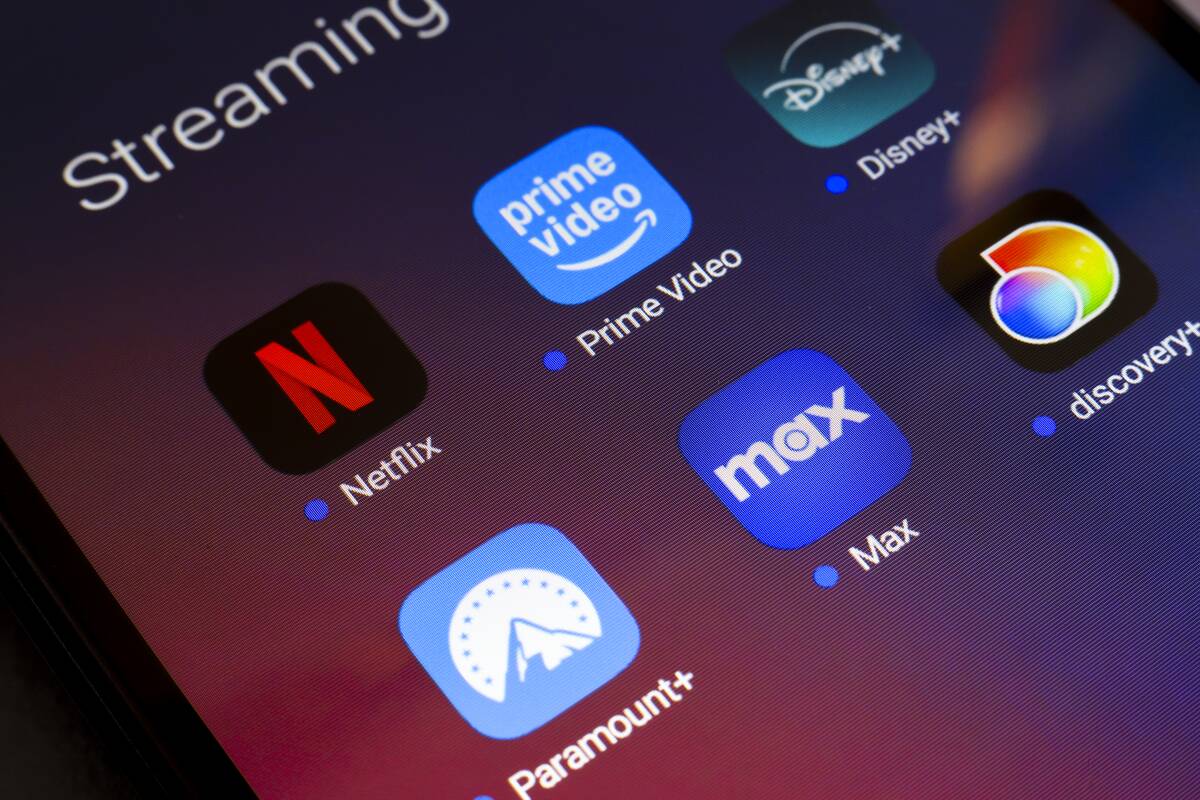
With the rise of streaming services like Netflix and Hulu, viewers have more entertainment options than ever before. This abundance of choice has led to the phenomenon of ‘binge-watching,’ where entire seasons of shows are consumed in a single sitting.
According to Nielsen, 46% of streaming users say they find it hard to choose what to watch because of too many options. Another issue is the proliferation of streaming services, making the landscape far more complex and expensive than consumers were initially promised with the rise of Netflix.
The Rise and Fall of Video Game Innovations

Video games have come a long way from the simple graphics of Pong to the immersive worlds of today’s titles. Innovations like virtual reality have pushed the boundaries of gaming experiences.
However, the industry also faces challenges like the backlash against loot boxes, which have been likened to betting. As gaming continues to evolve, it must balance innovation with ethical considerations to maintain its appeal and integrity.
AI and Automation: Creating Jobs or Replacing Them?
The rise of AI and automation has sparked a debate about their impact on the job market. While these technologies can increase efficiency and productivity, they also threaten to displace workers in many industries.
A report by the World Economic Forum predicts that automation could displace 85 million jobs by 2025. However, it also suggests that 97 million new roles may emerge, highlighting the potential for technology to both challenge and create opportunities.
Smart Home Devices: Convenience or Creepy?
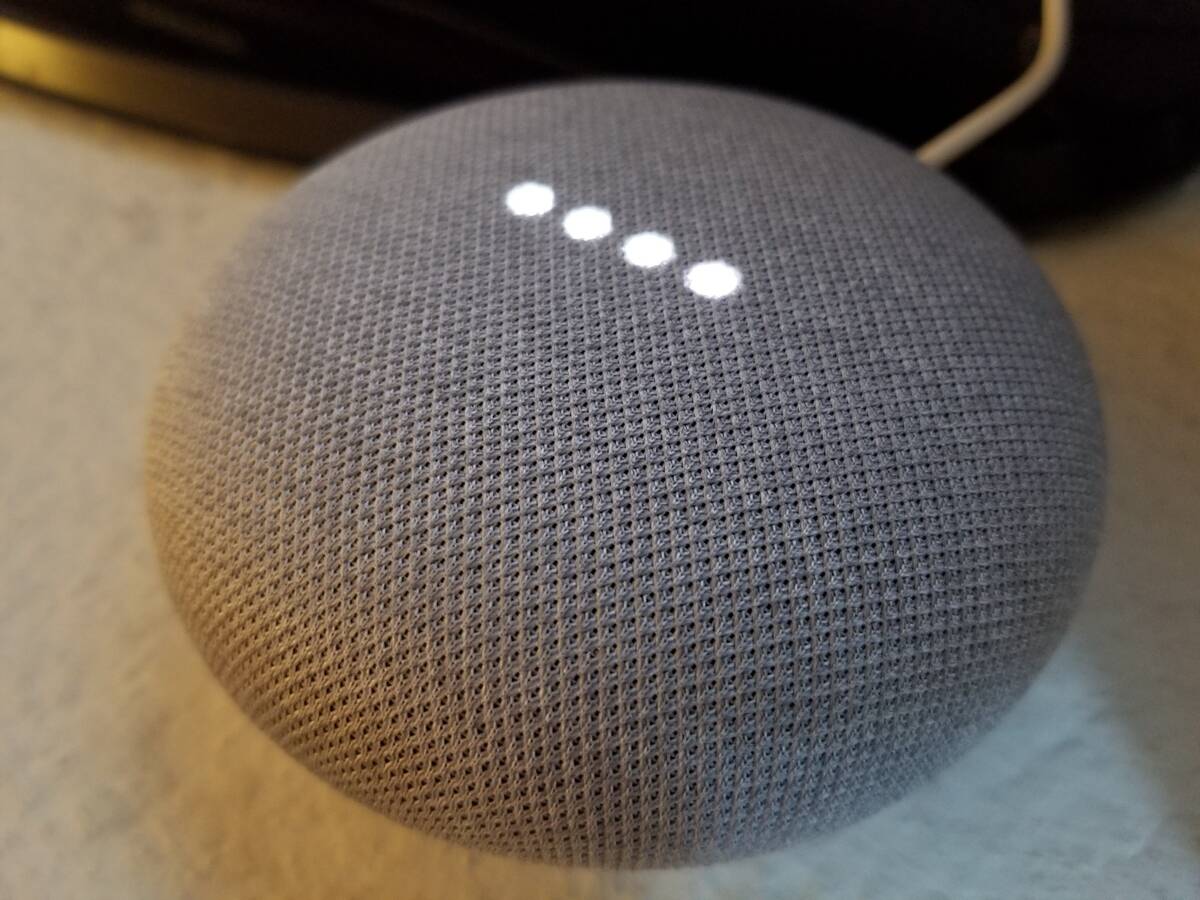
Smart home devices like Amazon’s Alexa and Google’s Nest have brought convenience to our daily lives, allowing us to control our environments with voice commands. However, concerns about privacy and data security persist, as these devices constantly listen for user commands.
A survey by Pew Research Center found that 54% of smart speaker users worry about how much of their data is collected. This highlights the ongoing tension between convenience and privacy.
The Environmental Cost of Tech Advancements

While technology often aims to improve our lives, it can also have significant environmental impacts. The production and disposal of electronic devices contribute to e-waste, with the Global E-Waste Monitor reporting 53.6 million metric tonnes generated in 2019 alone.
Additionally, data centers that power our digital lives consume vast amounts of energy. As we continue to innovate, it’s crucial to consider sustainable practices to mitigate these environmental costs.
The Privacy Paradox: Data Collection Dilemmas
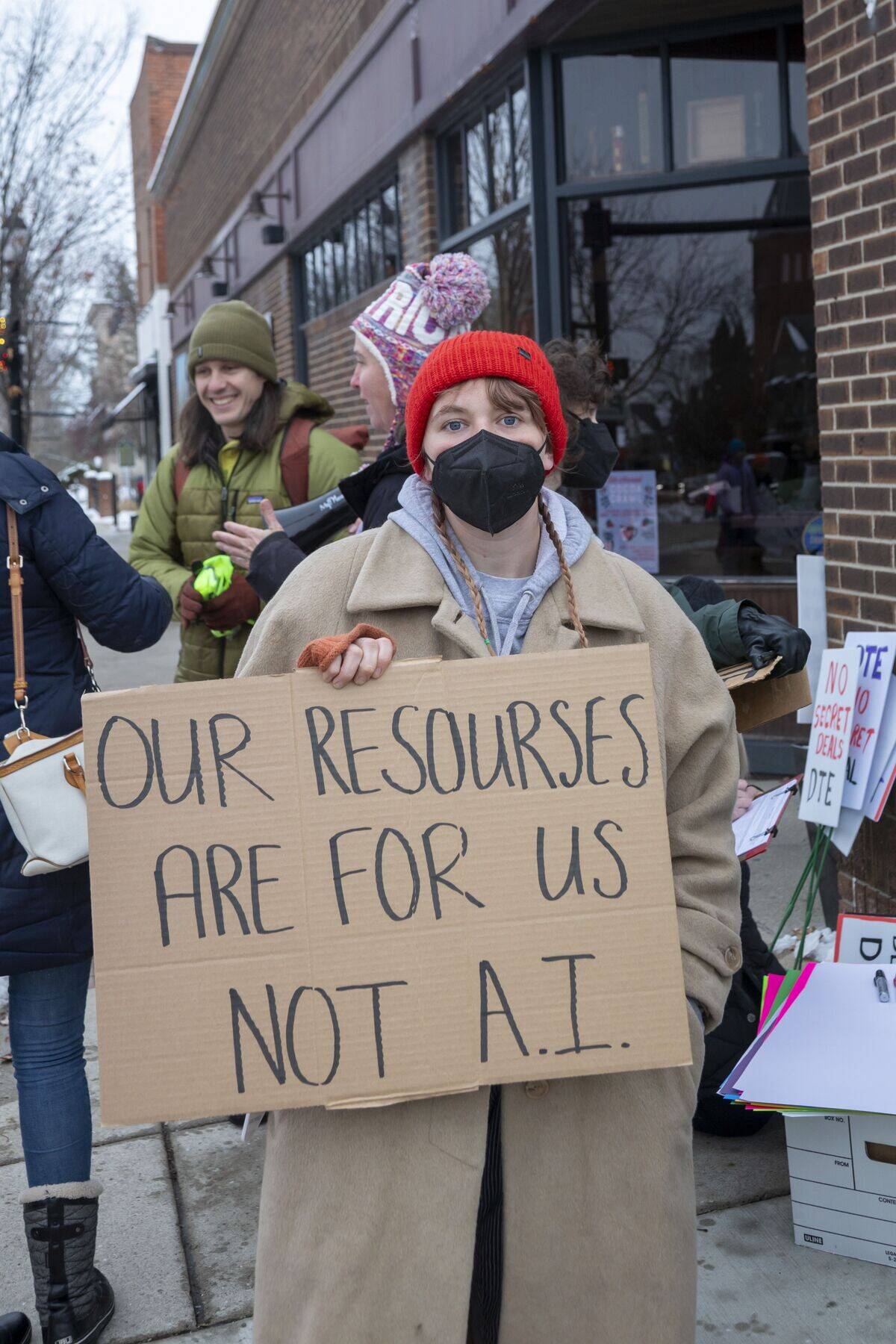
In today’s digital age, personal data is a valuable commodity, but its collection raises privacy concerns. Companies like Facebook and Google offer free services in exchange for user data, which is then used for targeted advertising.
A study by Cisco found that 32% of consumers are highly concerned about how companies use their personal data to the point of refusing their services. This paradox highlights the delicate balance between benefiting from personalized services and maintaining privacy.
E-commerce Giants: Revolutionizing Retail or Ruining It?
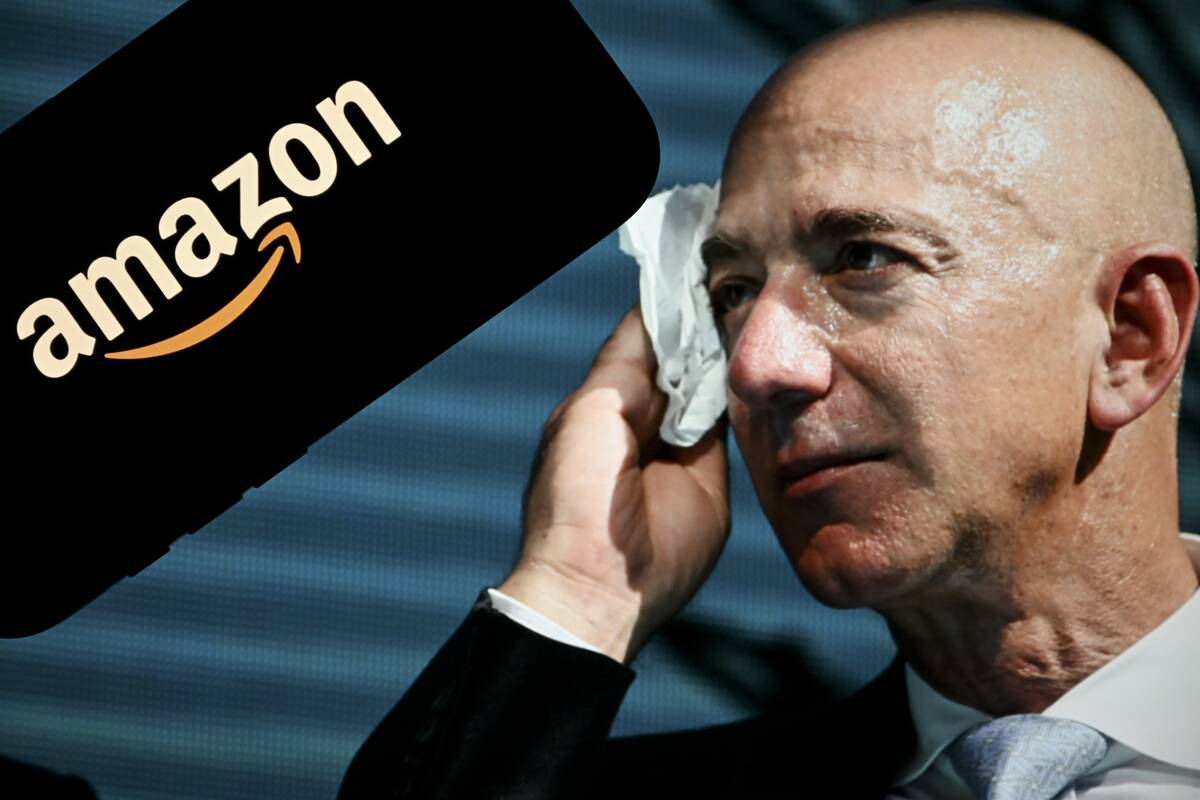
E-commerce giants like Amazon have transformed the retail landscape, offering unparalleled convenience and a vast selection of products. However, this shift has also led to the decline of brick-and-mortar stores and concerns about market monopolies.
A report by the Institute for Local Self-Reliance found that Amazon captures nearly half of U.S. online spending. While e-commerce has revolutionized shopping, it also poses challenges for traditional retail models.
Electric Vehicles: Driving Change or Charging Controversy?

Electric vehicles (EVs) are hailed as a cleaner alternative to traditional cars, reducing emissions and reliance on fossil fuels. However, the environmental benefits are sometimes questioned due to the sourcing of battery materials like lithium and cobalt.
A report by the International Energy Agency predicts that EVs could account for 40% of new vehicle sales by 2030. As the EV market grows, addressing these environmental and ethical concerns becomes increasingly important.
The Health Tech Debate: Beneficial or Burdensome?
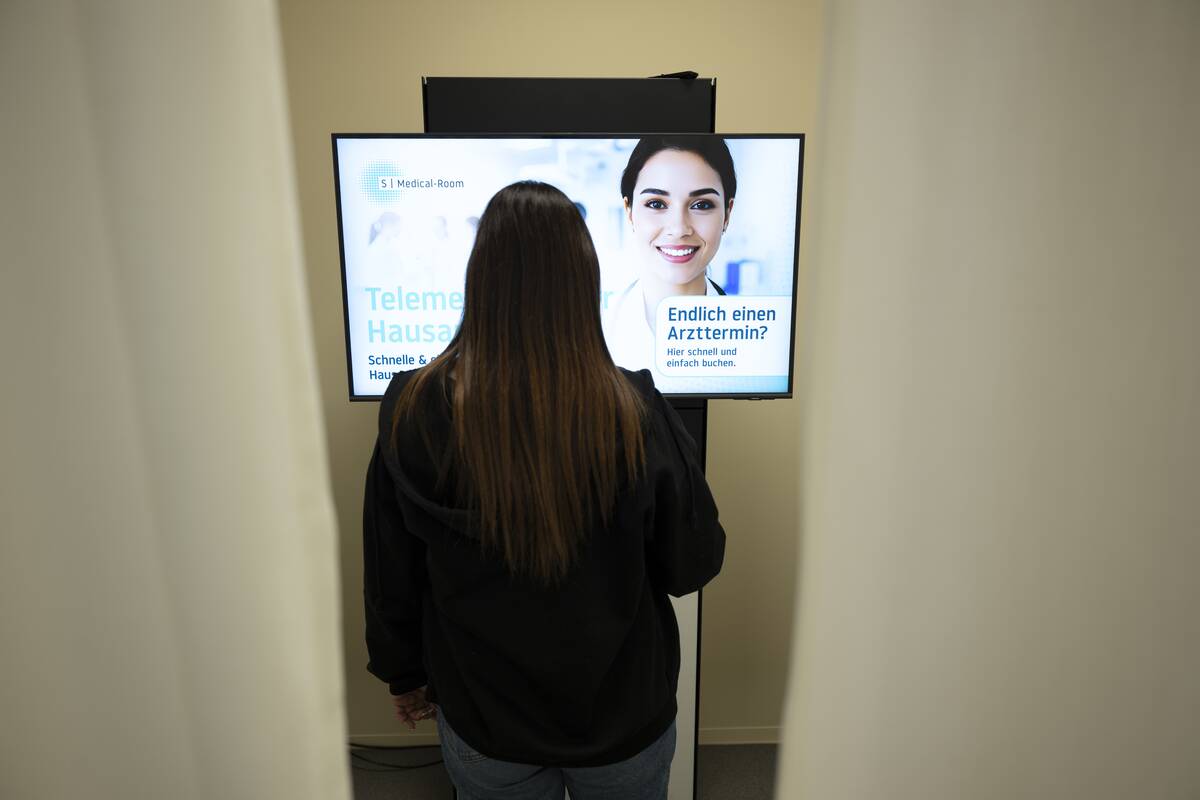
Health technology, from fitness trackers to telemedicine, has the potential to improve patient outcomes and increase access to care. However, the reliance on digital health tools can also lead to data breaches and privacy concerns.
According to a survey by Accenture, 26% of consumers have had their personal medical information stolen from technology systems. This debate underscores the need to balance the benefits of health tech with robust security measures.