How writing systems transformed human cooperation and memory
Words have a magical ability to transcend time and space, allowing us to connect with people from different eras and cultures. Whether etched on stone or typed on a screen, writing holds the power to educate, inspire, and entertain.
It’s the backbone of history, the tool of storytellers, and the means by which civilizations have thrived. Let’s embark on a journey through time to explore how writing has evolved and shaped our world.
From Cave Drawings to Cuneiform: The Dawn of Writing
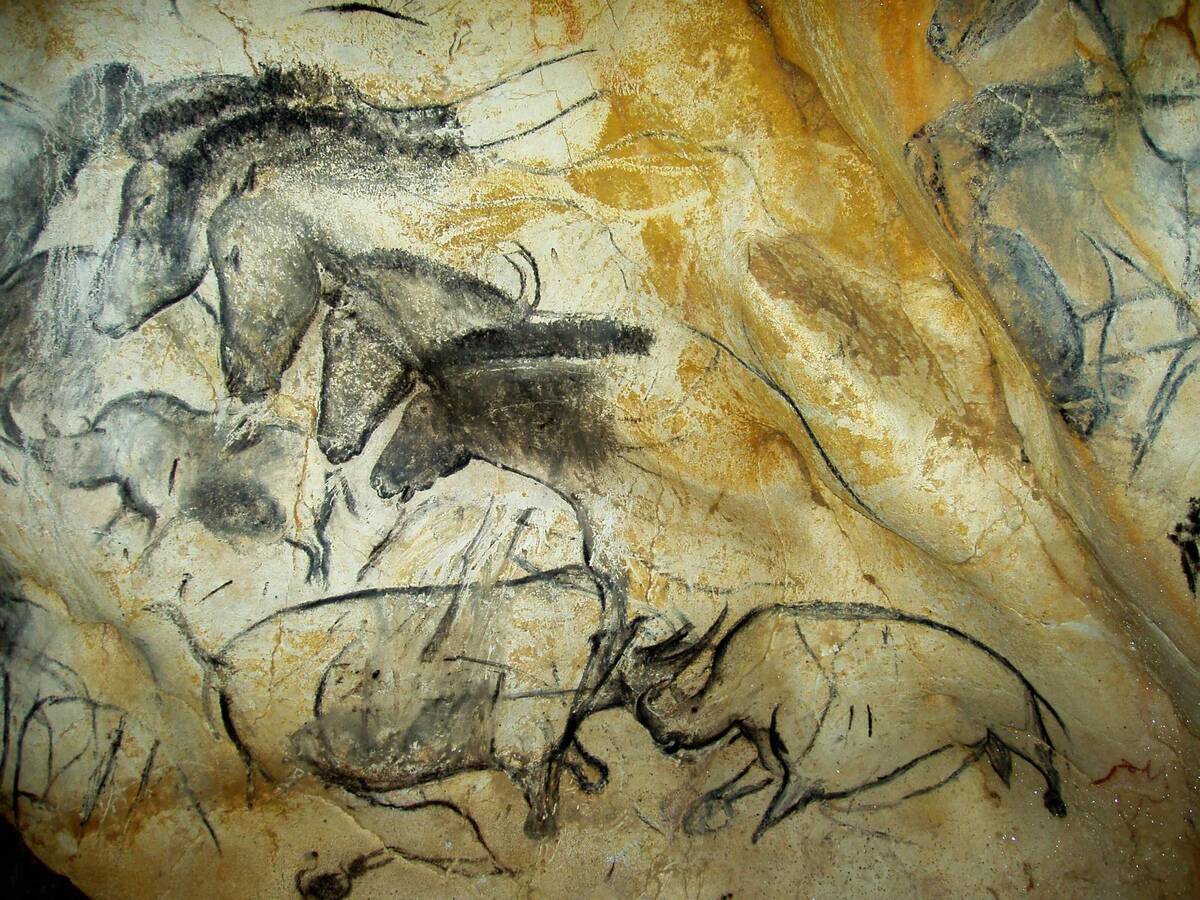
Our ancestors’ early attempts at communication started with cave drawings, such as those found in Lascaux, France, dating back around 17,000 years. These vibrant depictions of animals and hunting scenes served as precursors to more structured writing systems.
Cuneiform, developed by the Sumerians around 3200 BCE in Mesopotamia, is one of the earliest known writing systems. Using wedge-shaped marks on clay tablets, cuneiform allowed for the recording of transactions, stories, and laws, laying the groundwork for future written languages.
Hieroglyphs and Hieratics: Egypt’s Unique Scripts
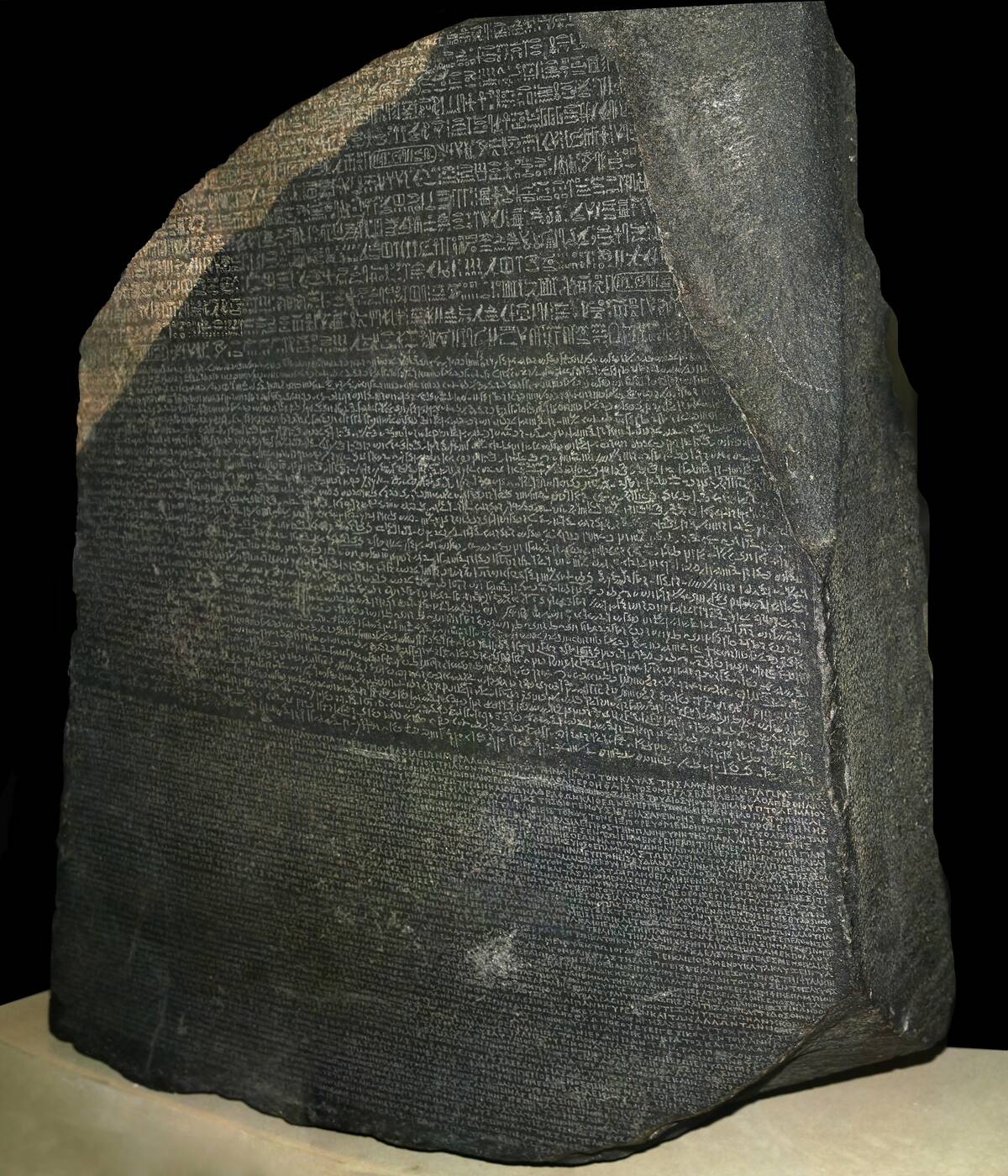
In Egypt, hieroglyphs adorned tombs and temples, serving both religious and administrative purposes. Unlike cuneiform, hieroglyphs were more pictorial, representing objects, sounds, and ideas.
Developed around 3100 BCE, this script was complemented by a more cursive form known as hieratic, used by priests and scribes for daily writing on papyrus. The Rosetta Stone, discovered in 1799, was crucial in deciphering hieroglyphs, thanks to its inscriptions in Greek and Demotic script, providing insights into ancient Egyptian civilization.
The Alphabetic Revolution: Phoenicians to Greeks
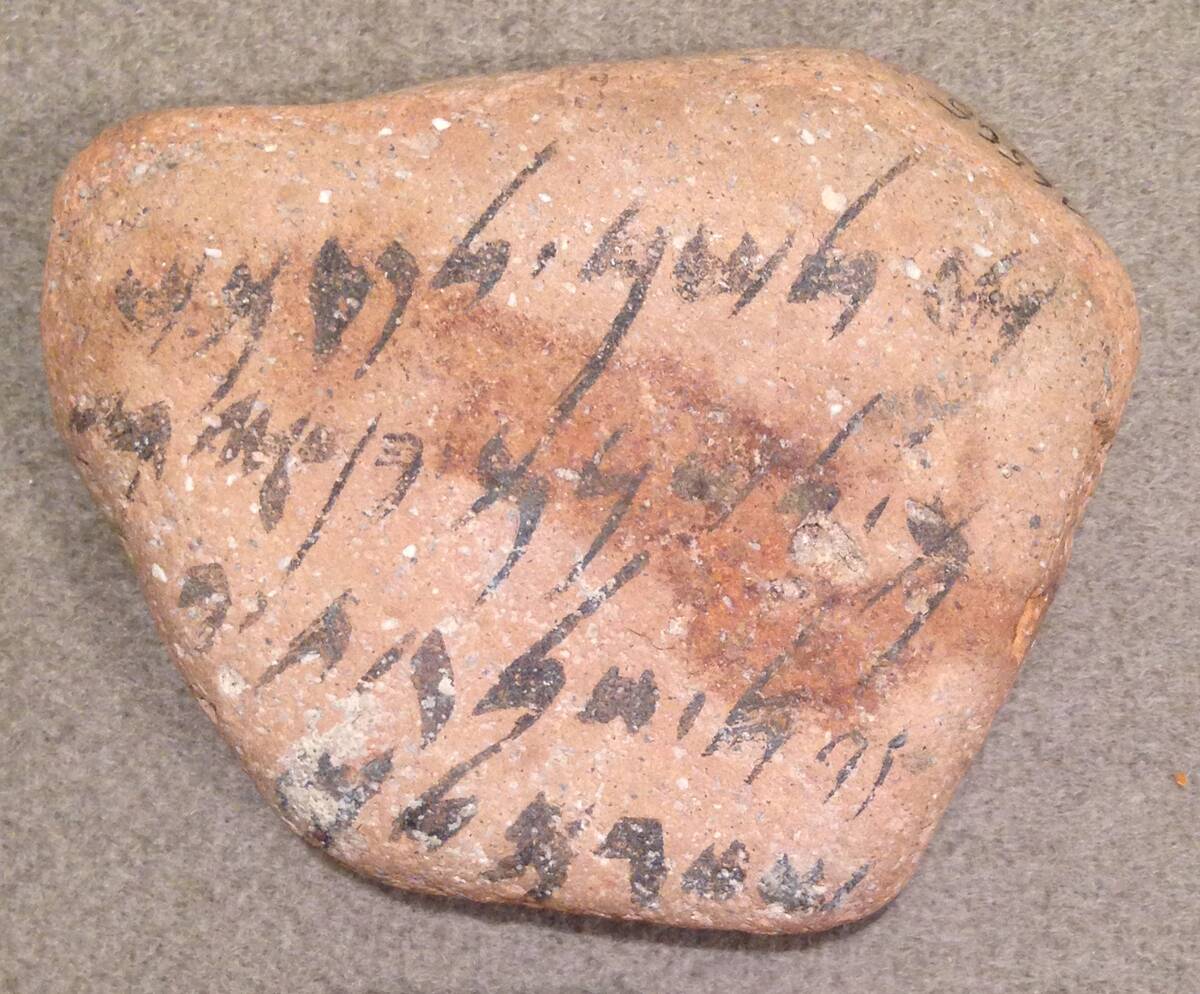
The Phoenicians, seafaring traders of the Mediterranean, developed an alphabet around 1050 BCE that greatly influenced future writing systems. Their alphabet consisted of 22 consonantal letters, which made writing more accessible and efficient compared to complex scripts like cuneiform or hieroglyphs.
The Greeks later adopted and adapted this system, adding vowels and creating the basis for the modern alphabet. This innovation democratized literacy and facilitated the spread of ideas across the ancient world, influencing countless cultures.
Papyrus, Parchment, and Paper: The Evolution of Writing Materials
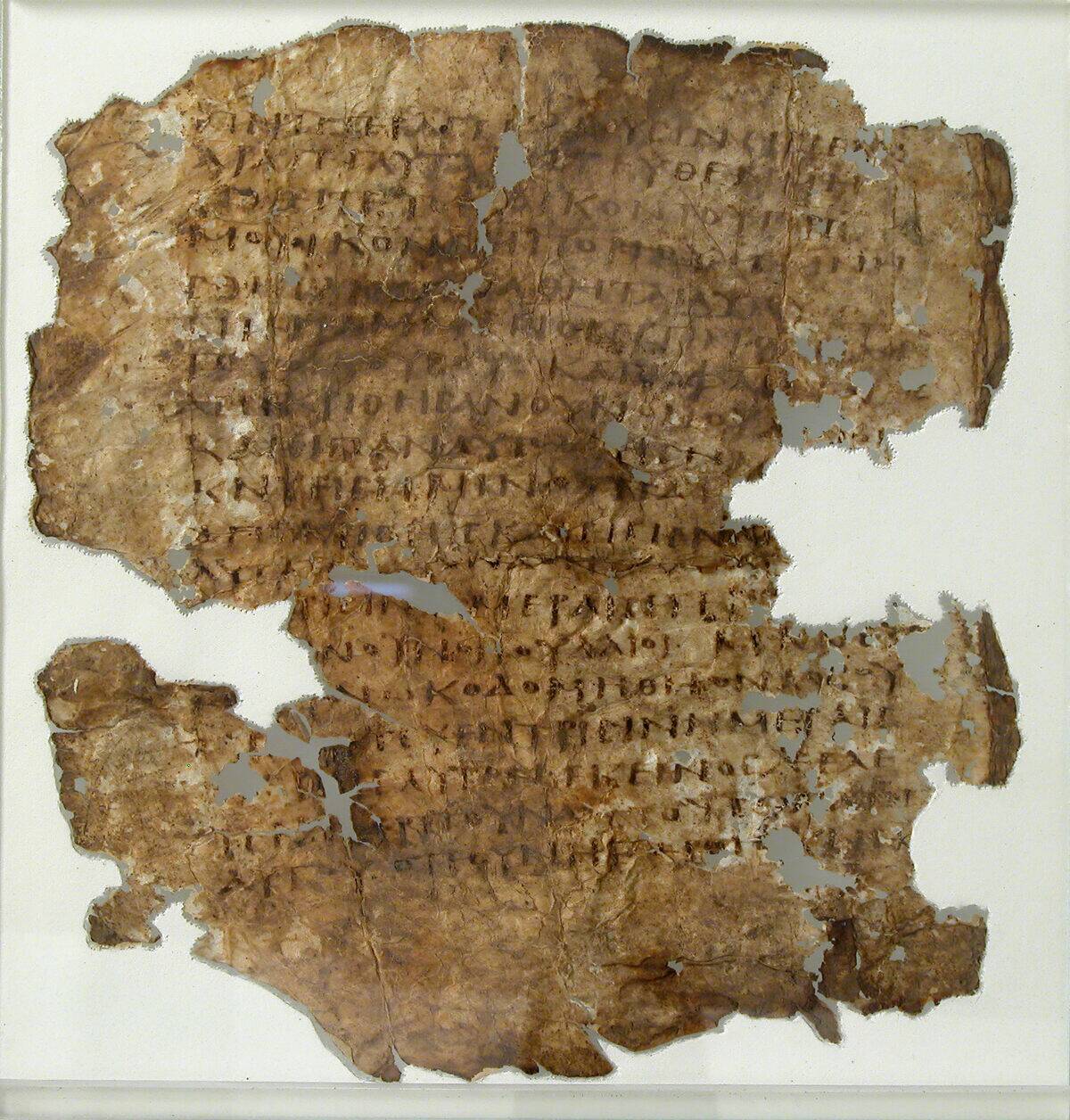
Writing materials have evolved significantly since the days of stone inscriptions. The ancient Egyptians used papyrus, a plant-based material, as early as 3000 BCE. This innovation made writing more portable and accessible.
Later, parchment made from animal skins became popular in Europe, offering durability and flexibility. The Chinese invention of paper around 105 CE revolutionized writing once again, eventually spreading to the Islamic world and later to Europe. These advancements paved the way for the mass production of books and documents.
Sumerian Tablets to Social Media: A Brief History of Written Communication
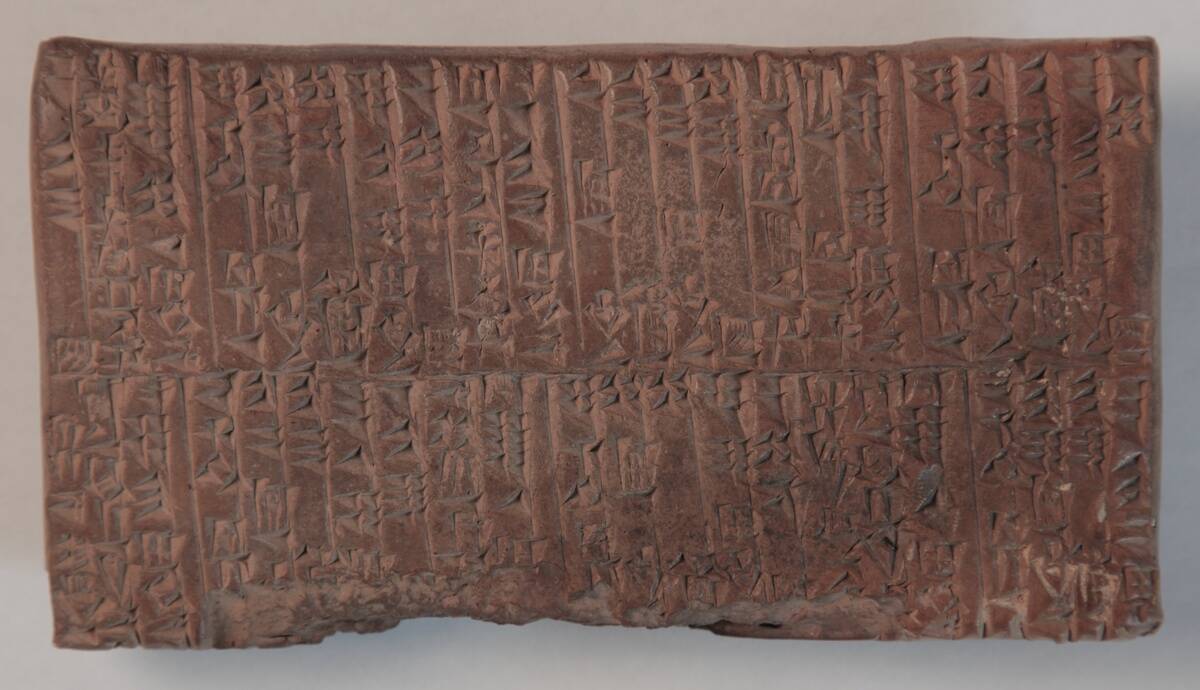
From the clay tablets of ancient Sumerians to today’s digital tweets, the way we communicate in writing has undergone a remarkable transformation. The invention of the telegraph in the 19th century marked a significant leap, allowing messages to travel instantaneously across great distances.
The 20th century brought the rise of the internet, and with it, social media platforms that enable global communication at the click of a button. Each leap in technology has expanded our ability to share information and connect with others.
Written Laws: The Foundation of Organized Societies
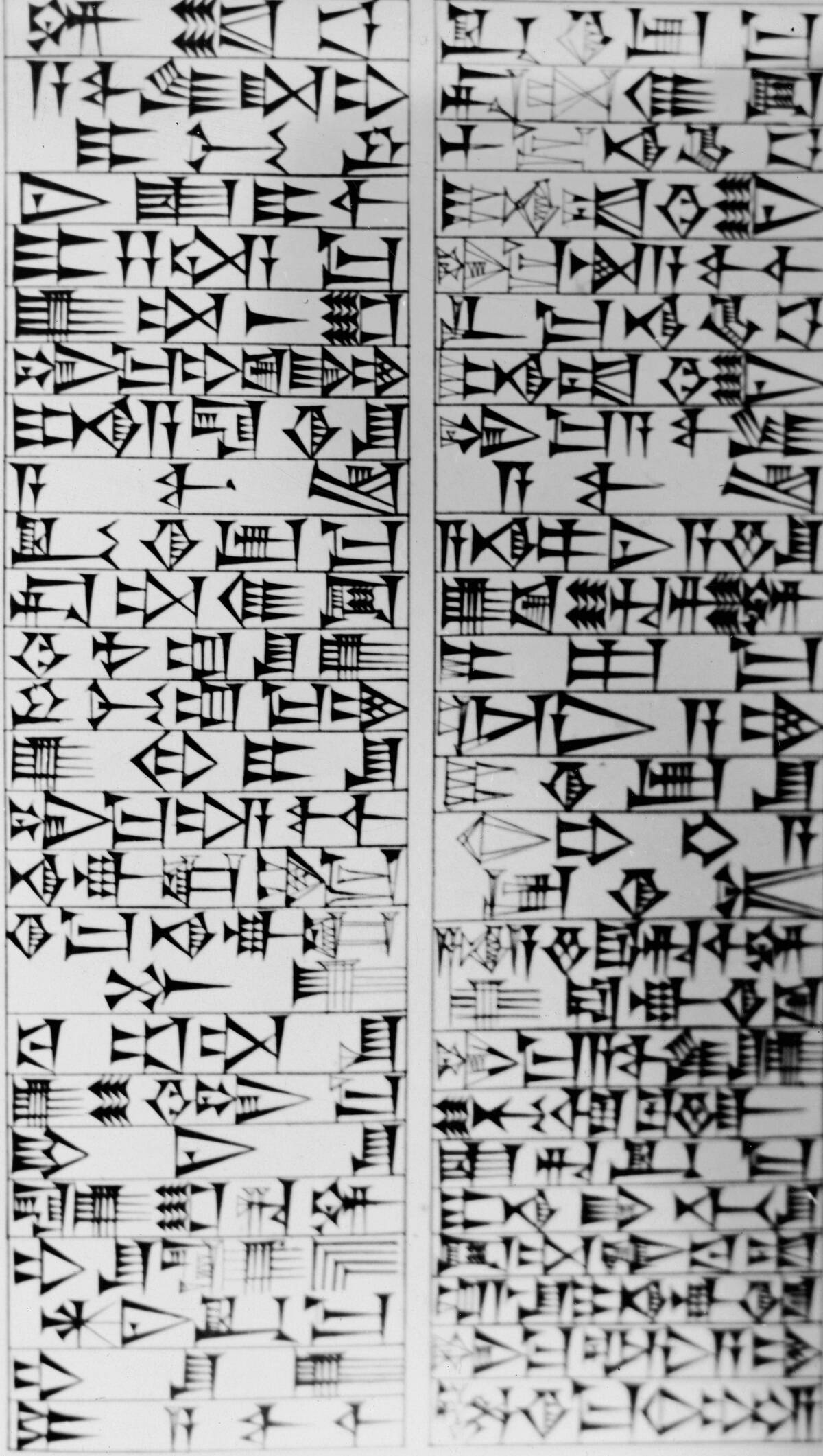
Written laws have been crucial in establishing order and governance in societies. One of the earliest examples is the Code of Hammurabi, dating back to around 1754 BCE in Babylon. This set of laws was inscribed on a stone stele for all to see, covering aspects of daily life and justice.
Such codifications provided clear guidelines and consequences, ensuring consistency and fairness. Written laws have evolved over time, forming the backbone of modern legal systems and promoting social stability.
Writing and Trade: Keeping Tabs on Ancient Transactions

The advent of writing revolutionized trade by allowing merchants to keep precise records of transactions. In Mesopotamia, clay tablets documented sales, debts, and inventories, offering a reliable method for managing business dealings.
Similarly, ancient Egyptians used writing to record the distribution of goods and resources. These records not only facilitated commerce but also contributed to the development of complex economies. Writing enabled traders to expand their networks, ensuring the smooth exchange of goods across vast distances.
The Role of Scribes in Ancient Civilizations
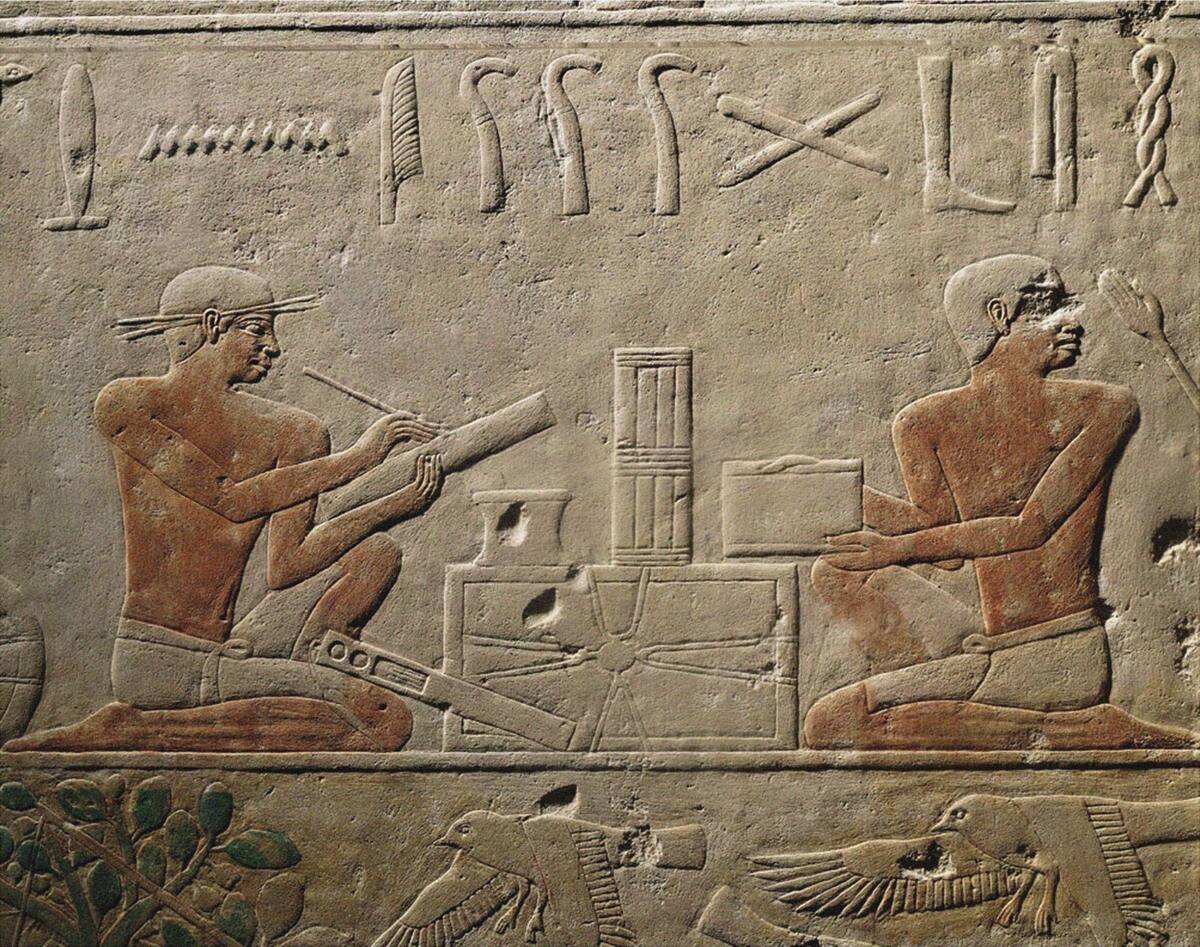
Scribes were the unsung heroes of ancient civilizations, responsible for recording events, transactions, and cultural narratives. In societies like Egypt and Mesopotamia, scribes held prestigious positions, often serving as advisors to rulers.
Their ability to read and write placed them in high demand, as they documented everything from taxes to religious texts. Training to become a scribe was rigorous, requiring years of education. These skilled individuals played a critical role in preserving the knowledge and heritage of their cultures.
Preserving Knowledge: Libraries and Archives
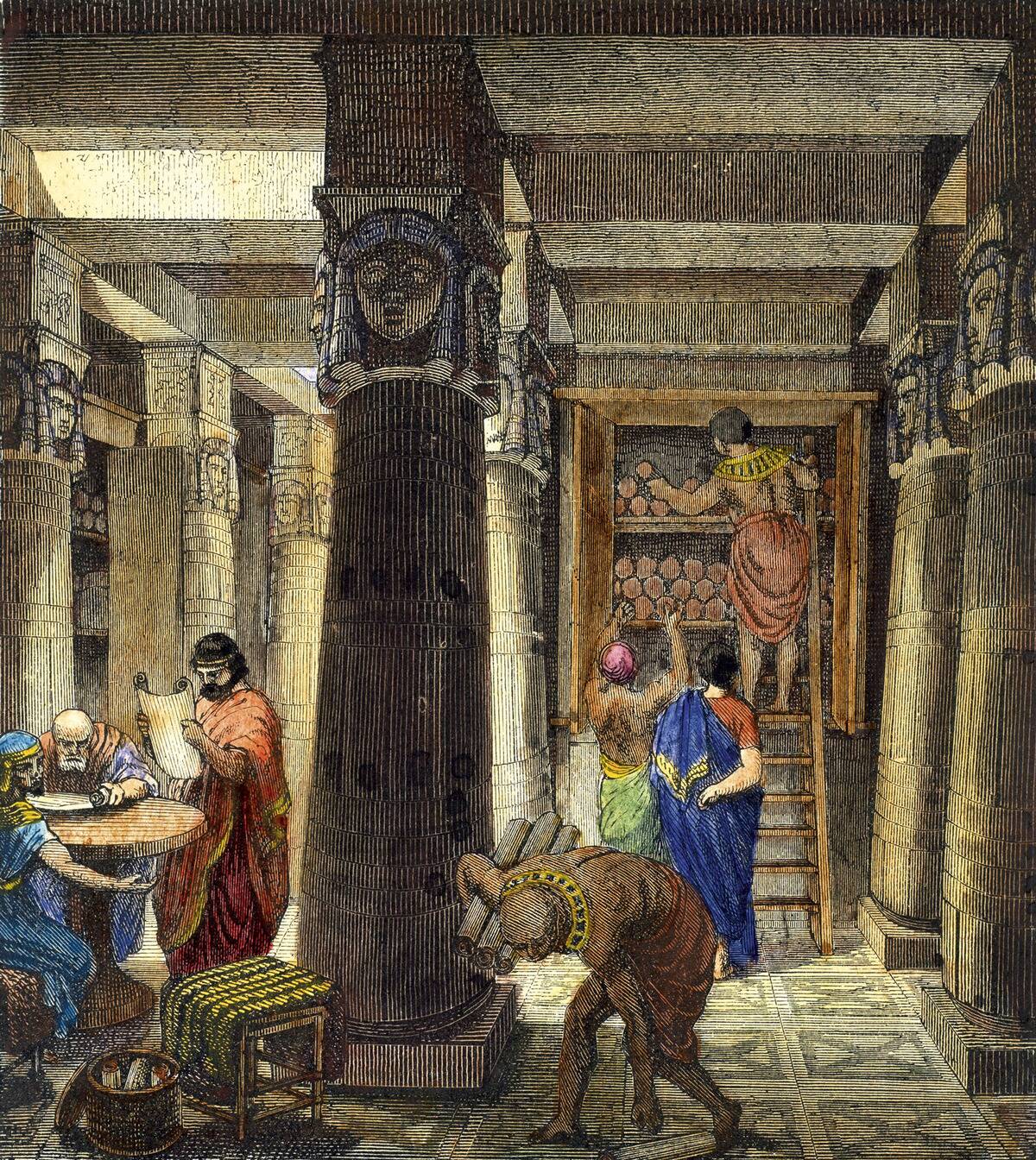
Libraries and archives have long been the guardians of written knowledge, safeguarding it for future generations. The Library of Alexandria, established in the 3rd century BCE, was one of the most famous ancient repositories, housing scrolls from across the known world.
Although it was eventually destroyed, its legacy underscores the importance of preserving information. Today, modern libraries continue this tradition, adapting to digital formats to ensure accessibility. Archives play a crucial role in maintaining historical records and supporting research.
Religious Texts: Spreading Faith Across Continents
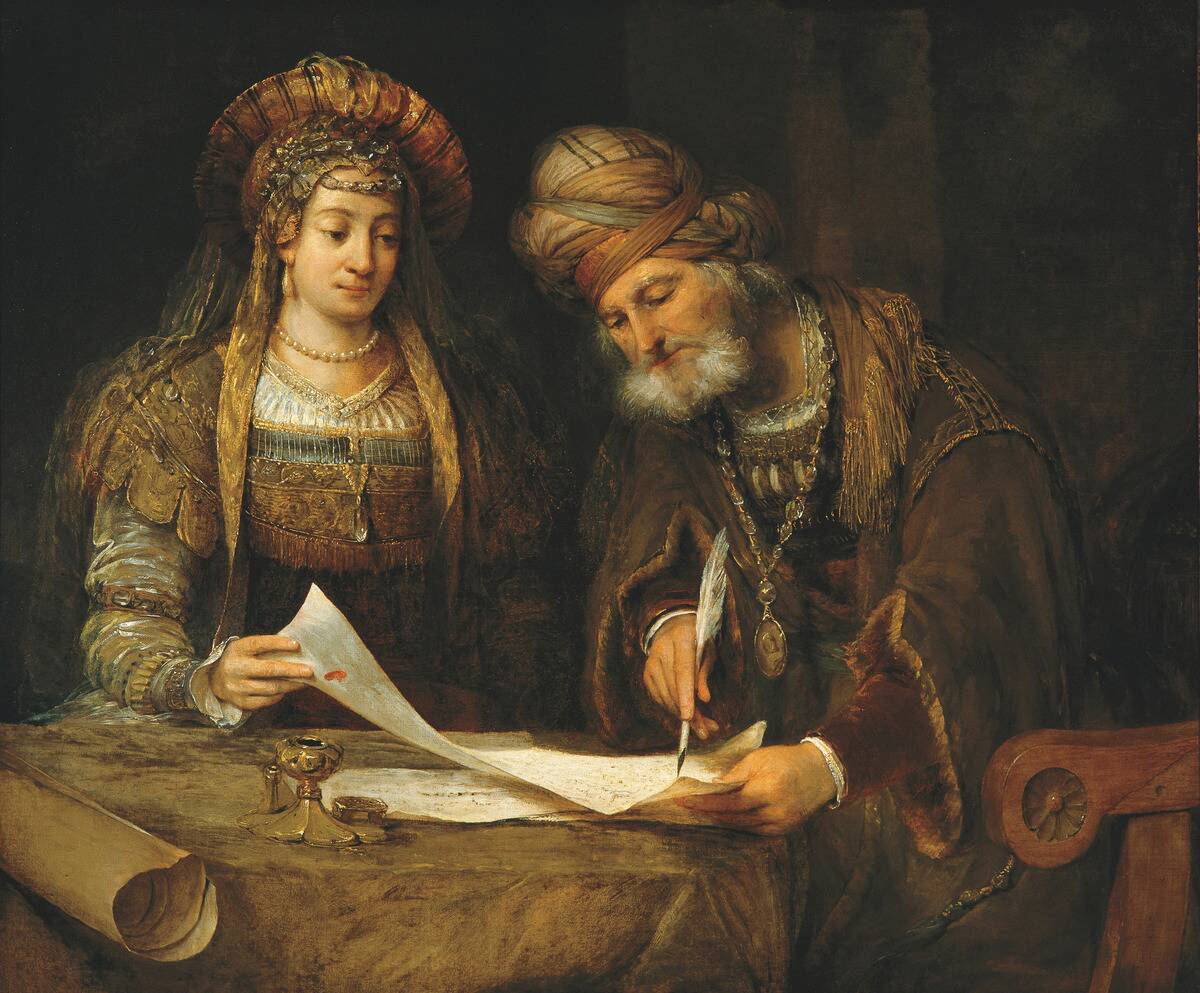
Religious texts have played a pivotal role in the spread of faith and cultural values across continents. The Bible, Qur’an, and Bhagavad Gita are among the most widely distributed and translated books in history, guiding billions of believers.
These sacred texts encapsulate the teachings and principles of their respective religions, serving as moral compasses. The translation and dissemination of religious writings have fostered intercultural dialogue, expanding the reach of spiritual teachings and forging connections among diverse communities.
Writing and Empires: Administration and Control
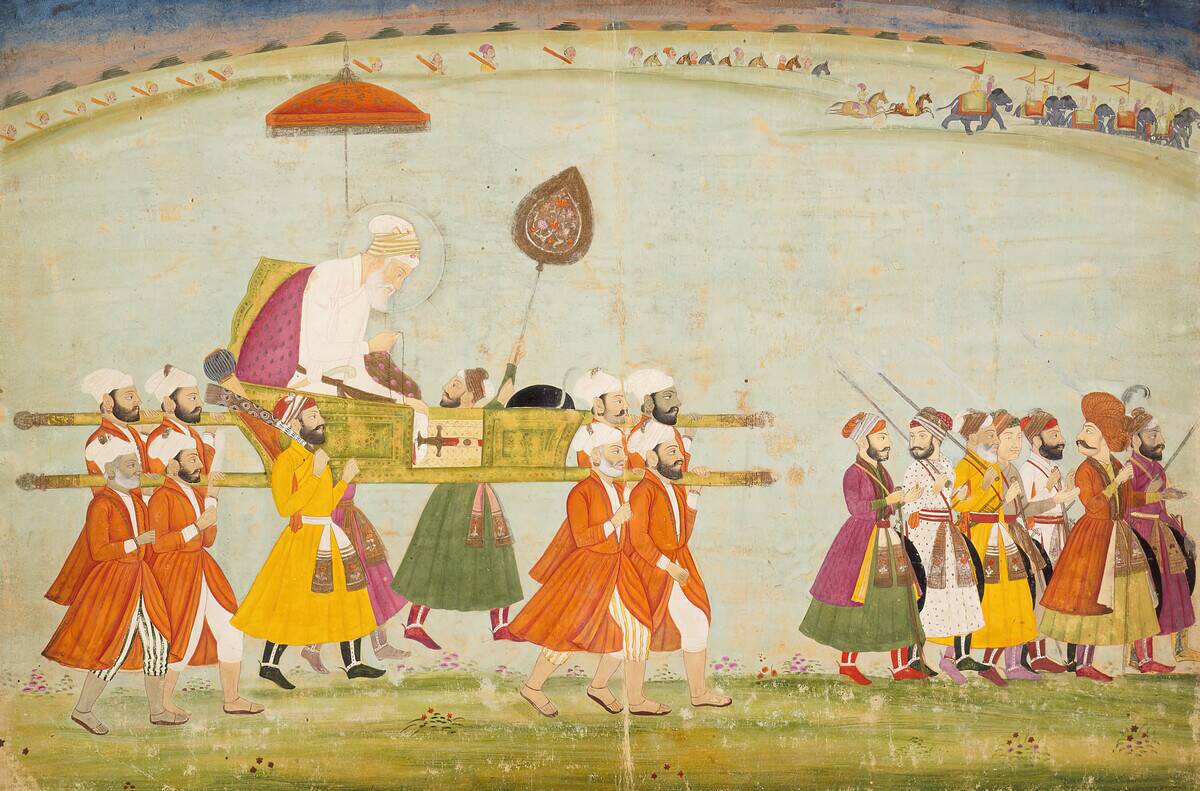
Empires have long relied on writing to administer vast territories and maintain control over diverse populations. The Roman Empire, for instance, used written decrees and correspondence to govern its provinces effectively. Similarly, the Persian Empire employed a sophisticated postal system to disseminate written orders swiftly across its expanse.
Writing enabled the standardization of laws, tax systems, and diplomatic communications. This administrative efficiency supported the growth and stability of empires, facilitating the integration of conquered lands and peoples.
The Printing Press: Democratizing the Written Word
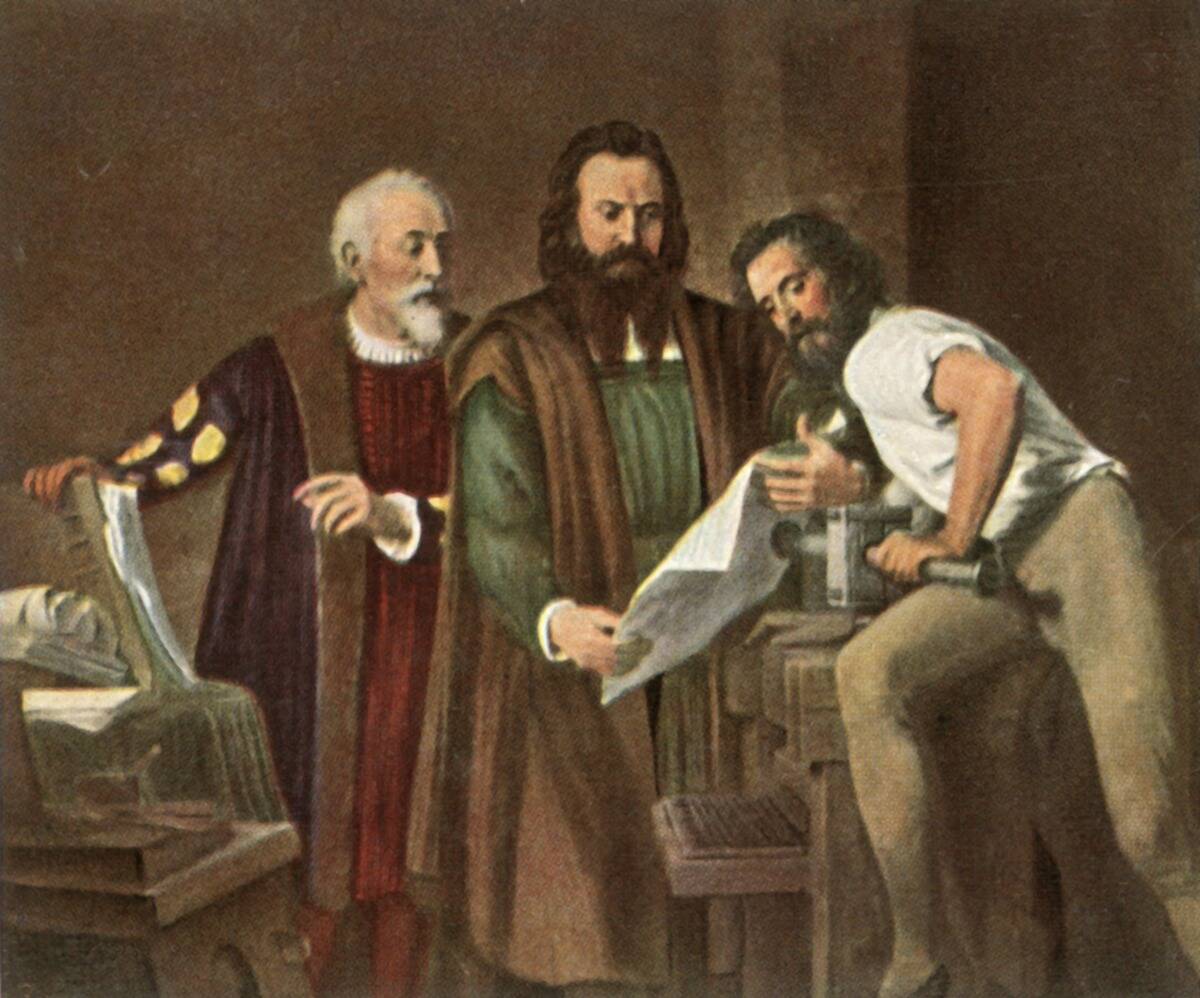
The invention of the printing press by Johannes Gutenberg in the mid-15th century revolutionized the production and distribution of written materials. This innovation made books more affordable and accessible, fueling the spread of knowledge and literacy.
It played a crucial role in the Reformation, the Renaissance, and the Scientific Revolution by disseminating new ideas and discoveries. The printing press broke the monopoly on information held by the elite, empowering individuals and paving the way for the modern world of literature and education.
The Digital Age: New Frontiers in Writing Systems

The digital age has ushered in new frontiers for writing systems, transforming how we create and share content. The rise of the internet and digital devices has made information more accessible than ever before. E-books, blogs, and social media platforms offer new avenues for expression and communication.
Digital tools like spell checkers and translation software have made writing more efficient, while online communities foster collaboration and creativity. As technology continues to evolve, so too will the ways in which we harness the power of the written word.




