Historical figures who predicted space travel long before rockets
Long before the era of rockets and lunar landings, visionaries imagined the mysteries of the cosmos. These dreamers, armed with only pen and paper, dared to traverse the vast expanses of space through their imagination.
Their works laid the foundation for what would eventually become real-life space exploration. These pioneers of thought not only inspired generations but also challenged humanity to look beyond the stars and dream of worlds yet unseen.
Leonardo da Vinci: Renaissance Genius and His Celestial Dreams
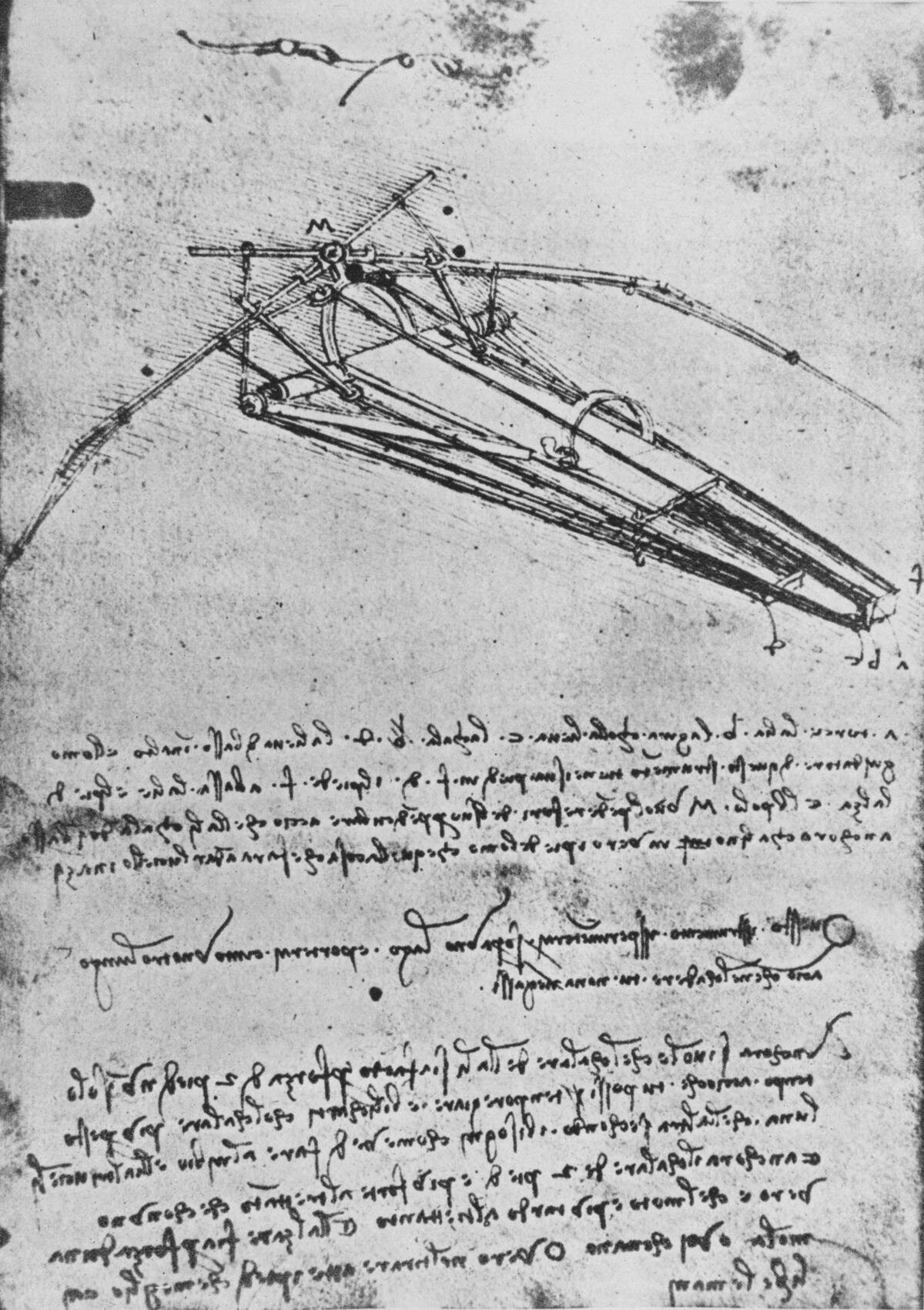
Leonardo da Vinci, the quintessential Renaissance man, had a mind constantly reaching for the heavens. His sketches included designs for flying machines that hinted at a desire to explore the skies.
Although he didn’t specifically design spaceships, da Vinci’s curiosity about the universe inspired future generations to contemplate celestial travel. His innovative spirit set the stage for others to follow, bridging the gap between art and science with his visionary ideas.
Cyrano de Bergerac: The 17th Century Space Explorer in Fiction
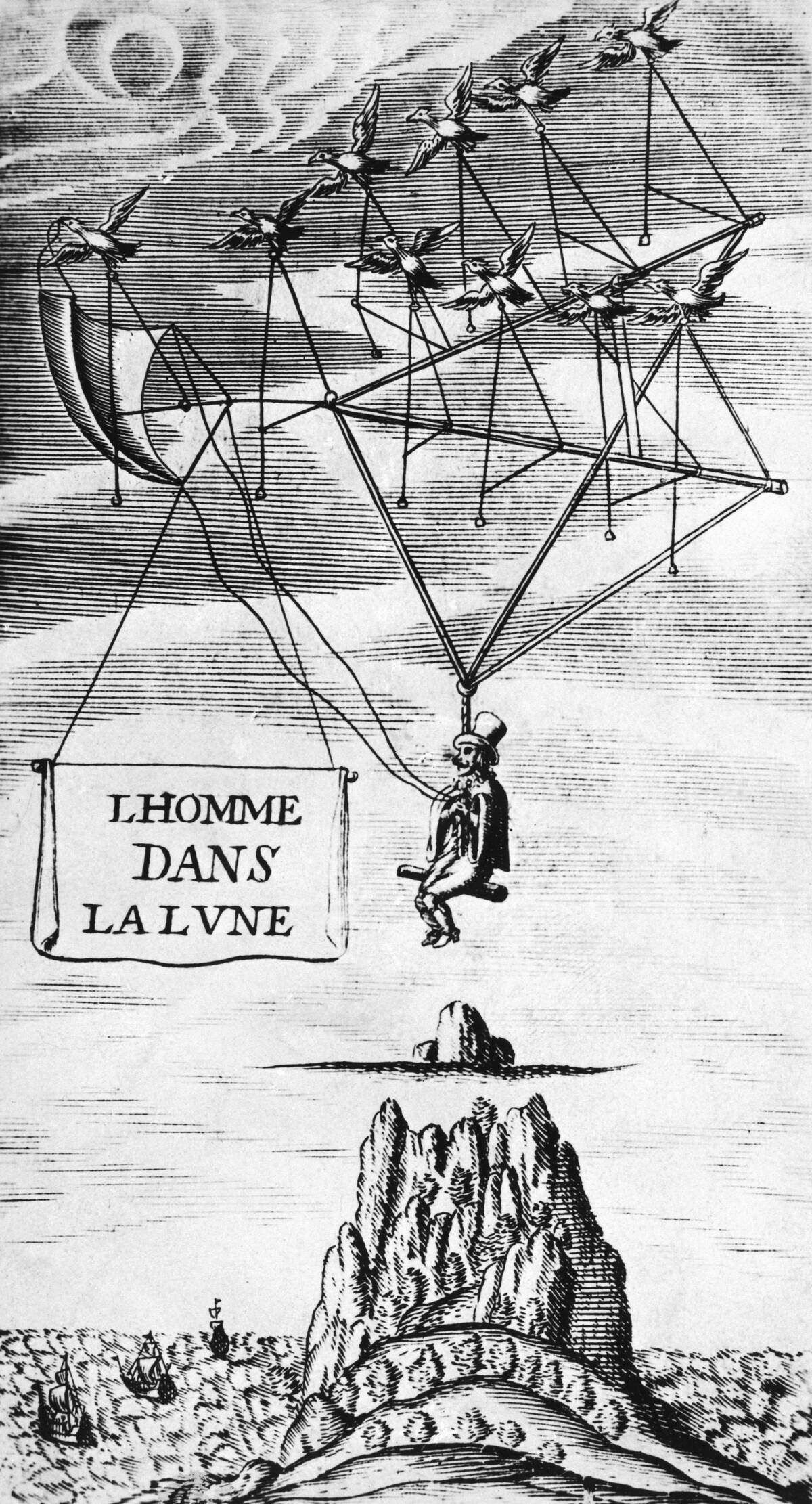
Cyrano de Bergerac, the famed French novelist, penned “The Other World: The States and Empires of the Moon” in the 17th century. This work described voyages to the moon using fantastical methods, including rockets powered by dew.
His tales, filled with whimsy and satire, captured the imagination of readers and were among the first to suggest the possibility of space travel in literature. Cyrano’s adventurous spirit continues to echo in the realm of science fiction.
Johannes Kepler: Astronomical Insights and Fictional Journeys
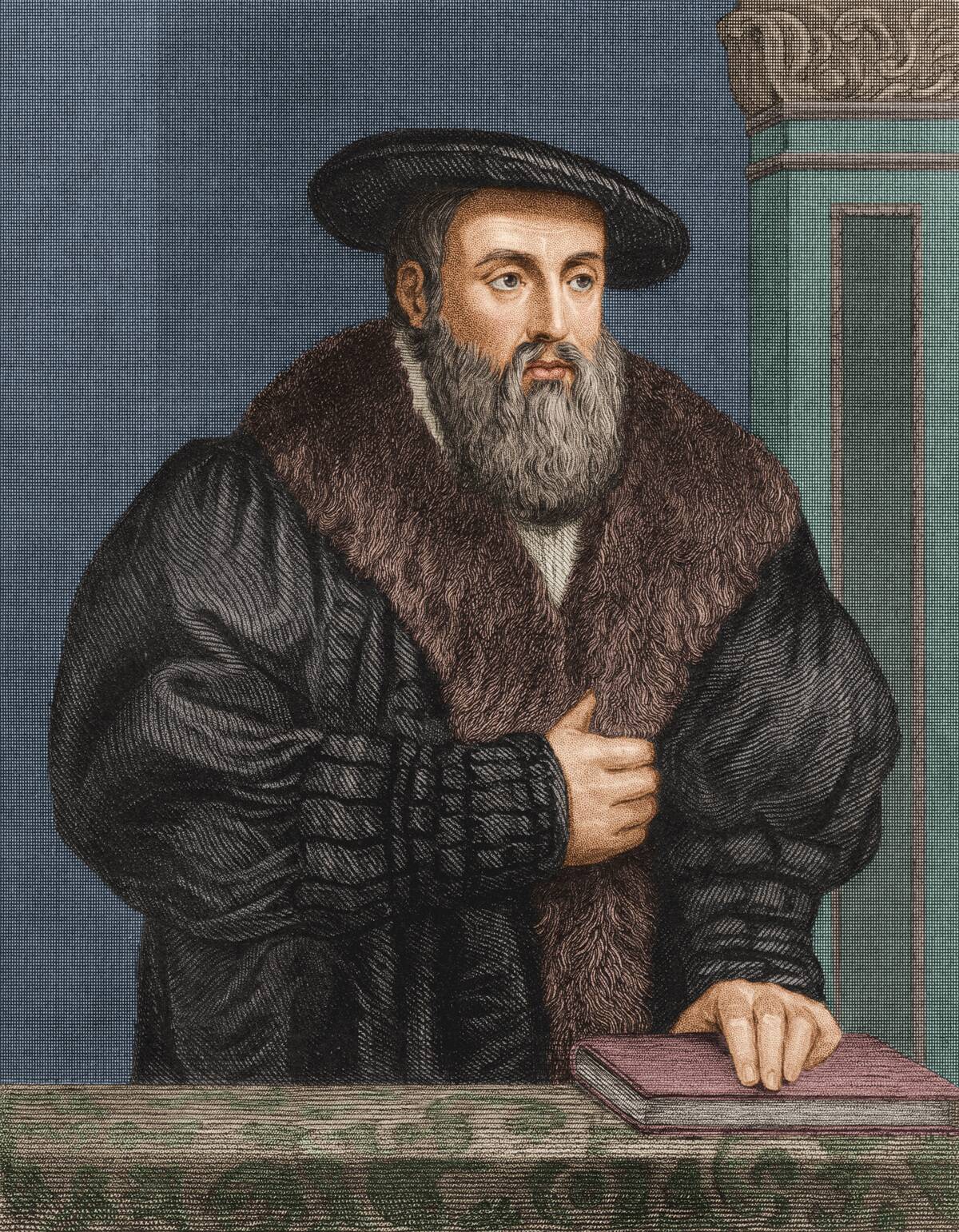
Renowned astronomer Johannes Kepler ventured into fiction with his work “Somnium,” which is considered one of the earliest science fiction stories. In it, a fictional character travels to the moon, where the movements of celestial bodies are described with scientific precision.
Kepler’s blend of astronomy and storytelling not only showcased his scientific acumen but also his ability to envision human journeys beyond Earth. His work set a precedent for science fiction grounded in scientific reality.
Jonathan Swift: Satirical Predictions and Moons of Mars
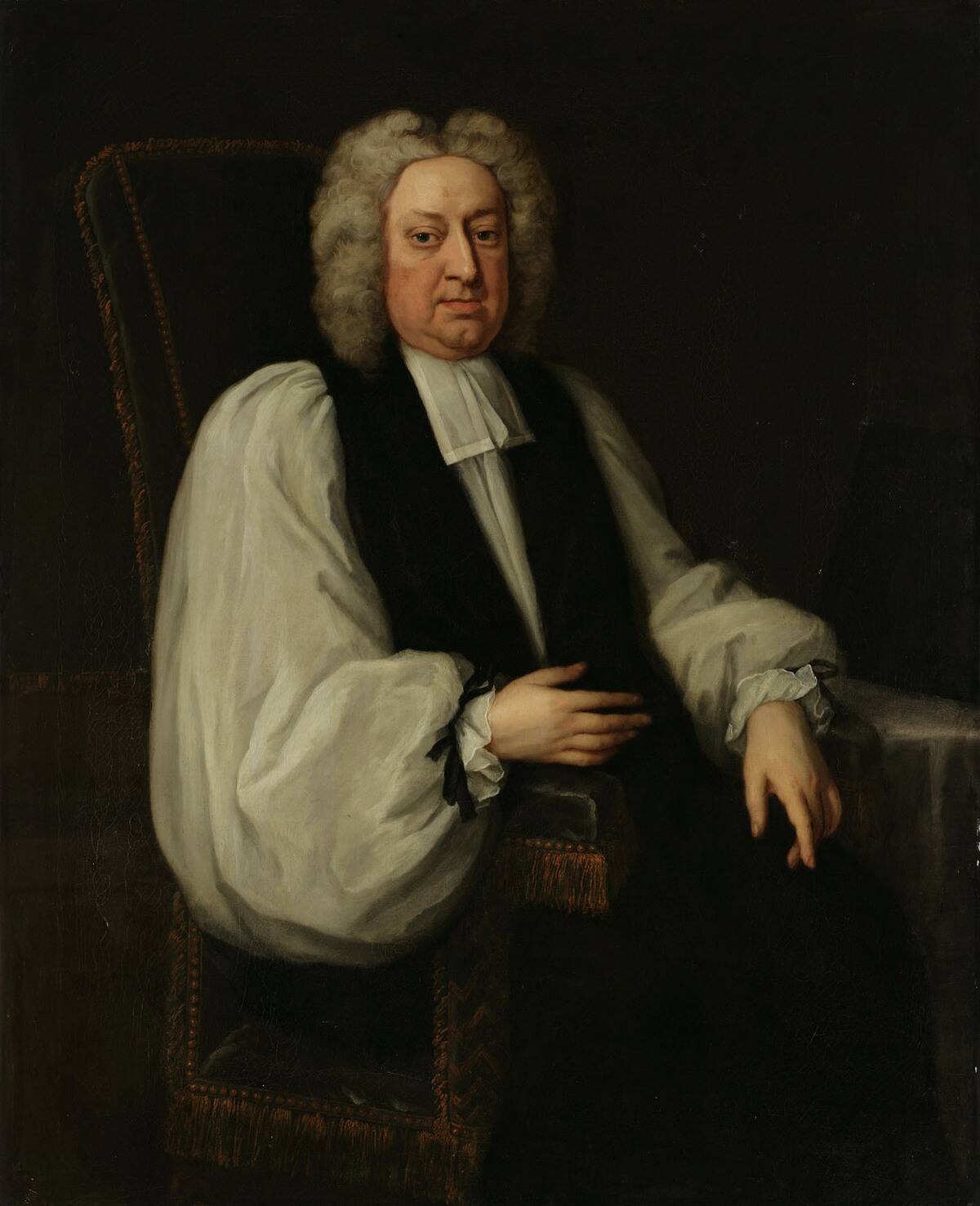
Jonathan Swift, the author of “Gulliver’s Travels,” made a curious prediction in his satire. In the story, he describes two moons orbiting Mars, a prediction made over a century before their actual discovery.
While Swift’s intention was satirical, his imaginative leap has intrigued both literary scholars and scientists. This remarkable coincidence highlights how fiction can sometimes presage scientific discovery, blurring the lines between fantasy and reality.
Bishop John Wilkins: A 17th Century Proposal for Lunar Travel
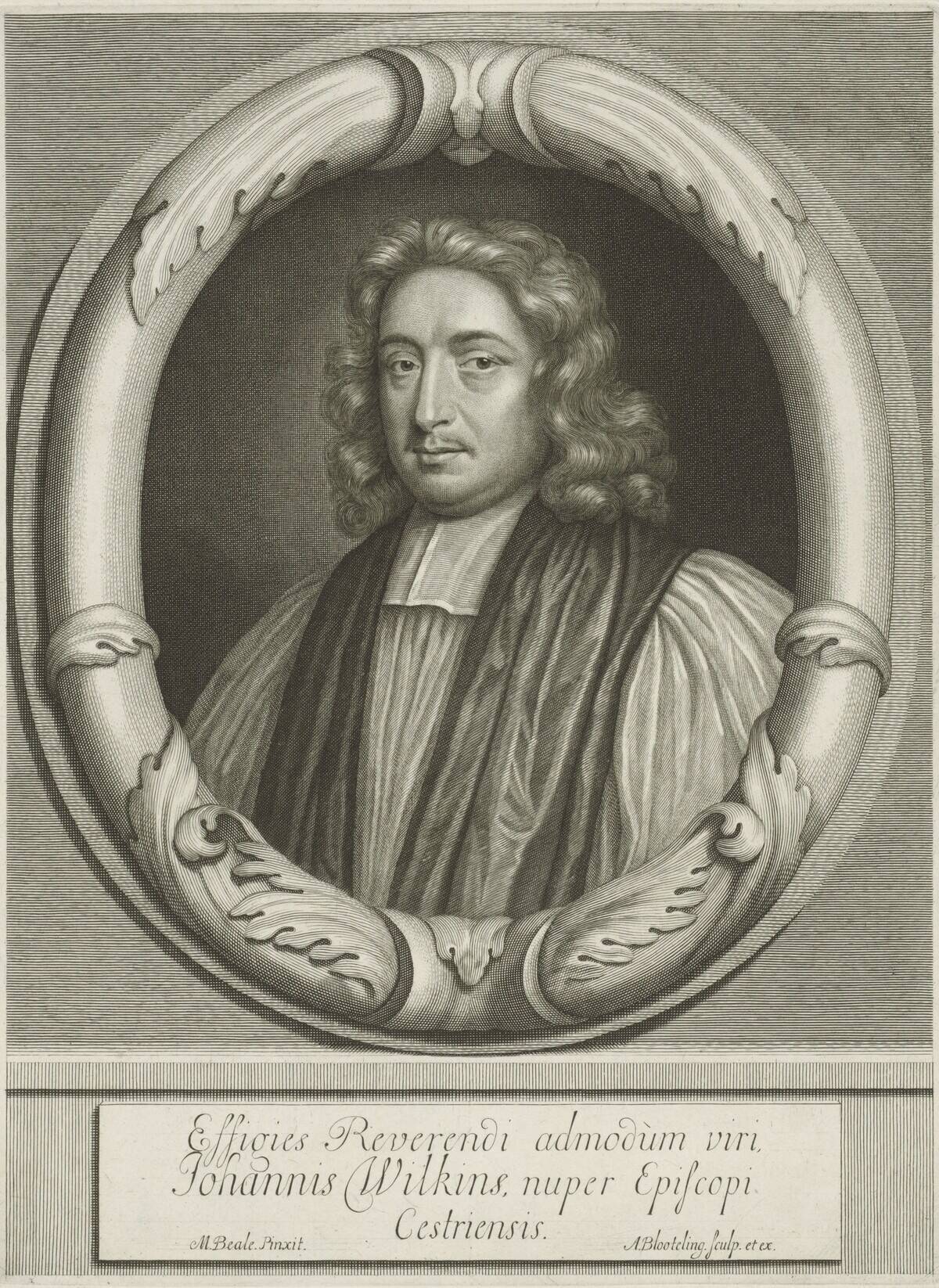
Bishop John Wilkins, an English clergyman, wrote “The Discovery of a World in the Moone” in 1638, proposing the idea of space travel. He speculated about a voyage to the moon using flying chariots and suggested that lunar inhabitants might exist.
Wilkins’s proposals, while fantastical, were rooted in the scientific curiosity of the age, reflecting an early attempt to grapple with the logistics of space travel. His work inspired discussions of extraterrestrial life long before it became mainstream.
Jules Verne: The Father of Science Fiction and His Lunar Voyage
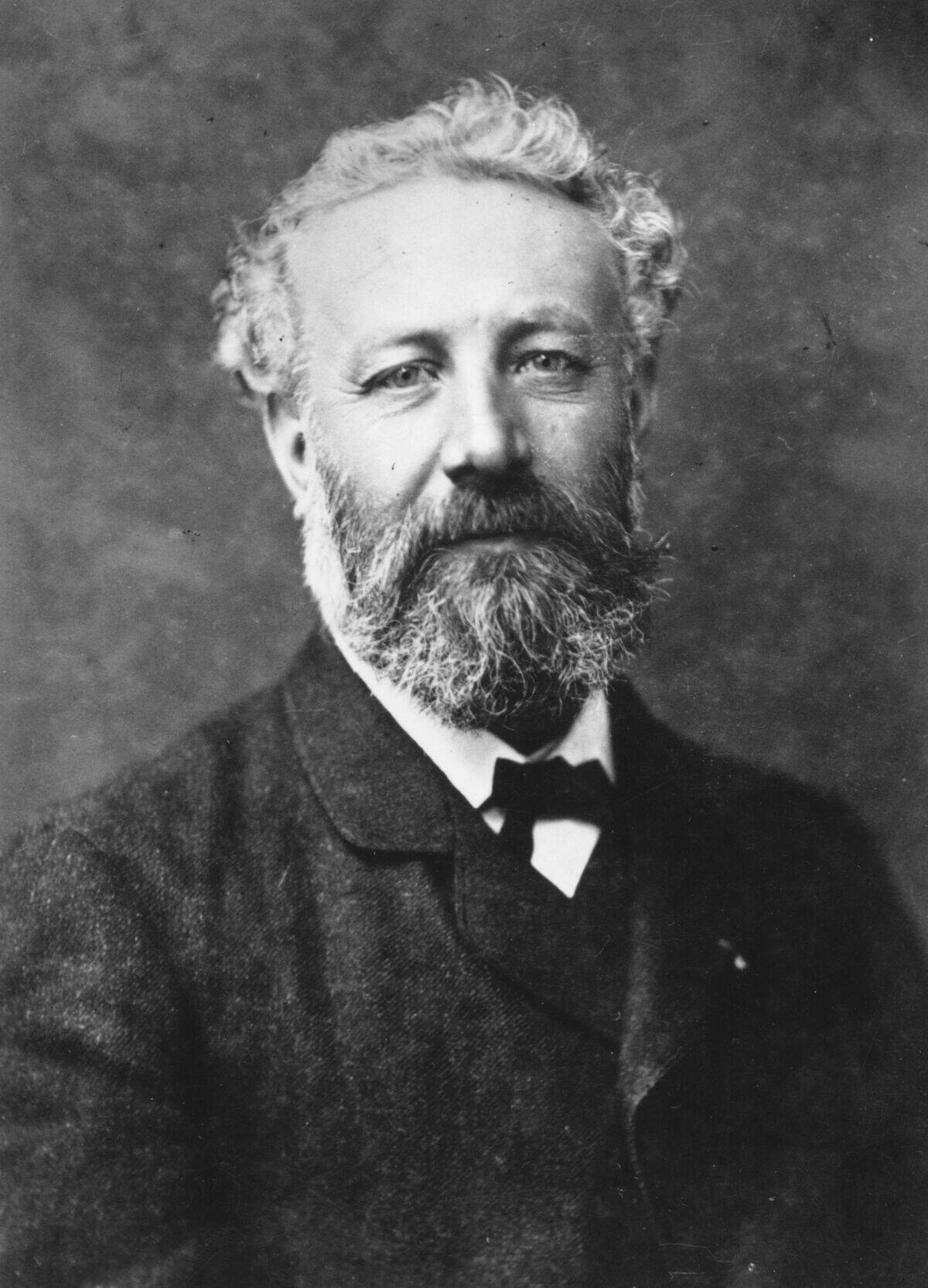
Jules Verne’s “From the Earth to the Moon” was a groundbreaking novel that envisioned a trip to the moon using a giant cannon. Published in 1865, Verne’s work astounded readers with its scientific detail and imaginative scope.
His vision of space travel was eerily prescient, predicting many aspects of spaceflight concepts. Verne’s influence on science fiction is immeasurable, as he combined adventure, technology, and exploration in a way that continues to inspire storytellers and scientists alike.
H.G. Wells: Pioneering Interplanetary Travel in Literature
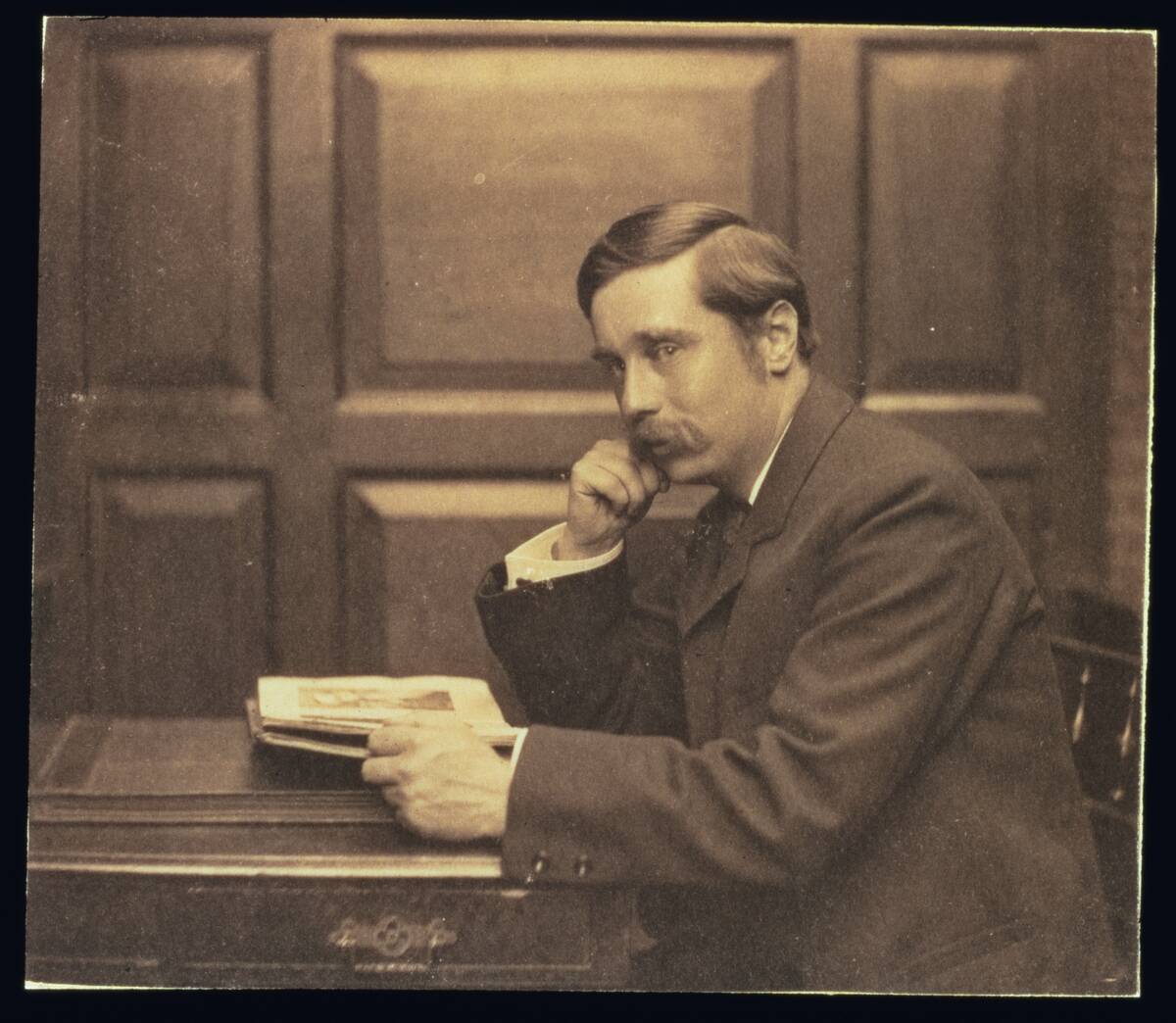
H.G. Wells, often hailed as a pioneer of science fiction, authored “The First Men in the Moon,” in which two men journey to the moon in a gravity-defying spacecraft. Wells’s depiction of lunar life and advanced technology showcased his ability to blend scientific ideas with imaginative storytelling.
His work raised philosophical questions about humanity’s place in the universe and inspired future generations to explore the possibilities of interplanetary travel in both fiction and reality.
Konstantin Tsiolkovsky: The Rocket Scientist with a Vision for Space
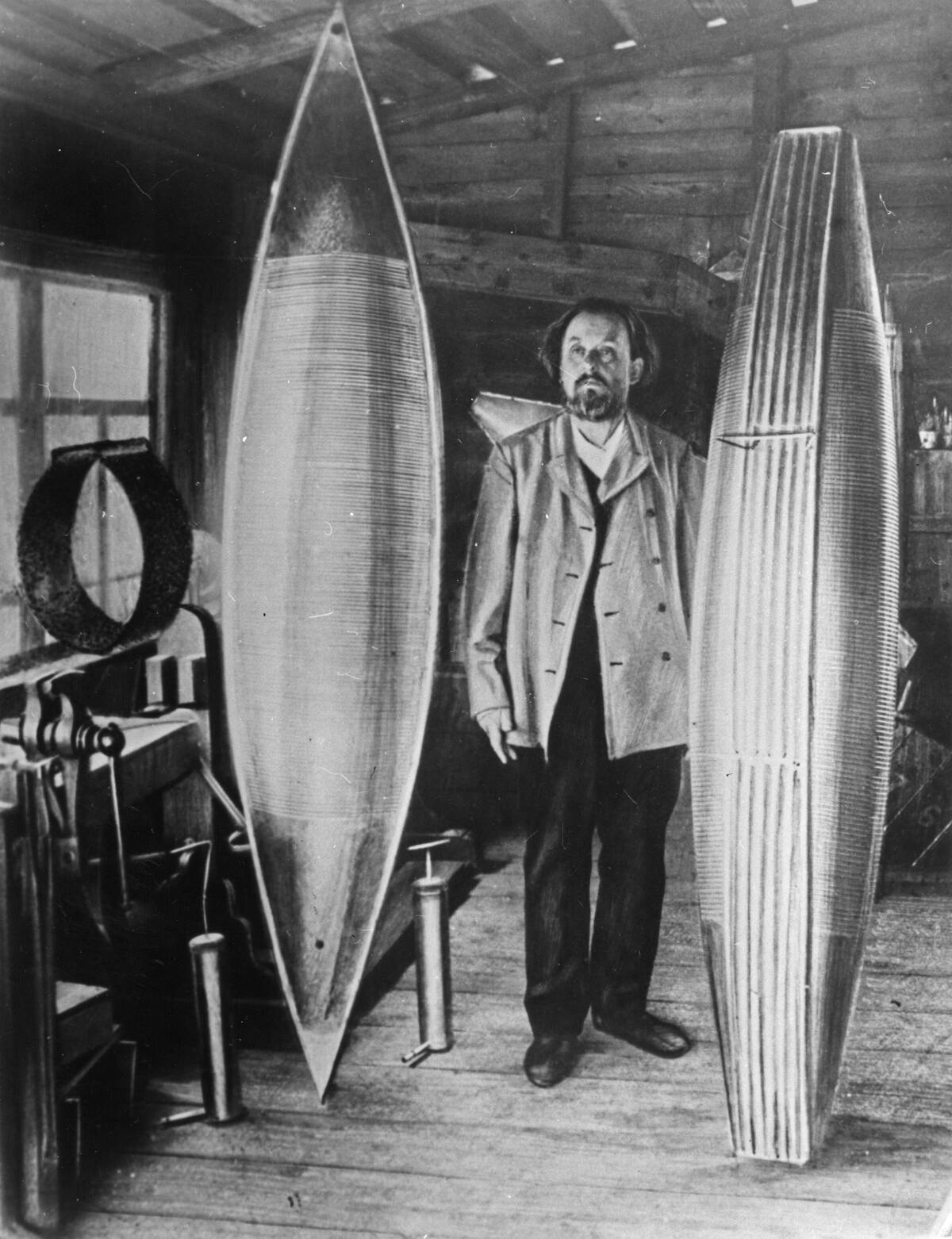
Konstantin Tsiolkovsky, a Russian scientist, is often regarded as one of the founding fathers of astronautics. He proposed the use of rockets for space exploration and envisioned space stations and interplanetary travel.
His work laid the groundwork for modern rocketry, with the famous Tsiolkovsky rocket equation being a cornerstone of space science. By merging scientific inquiry with visionary ideas, Tsiolkovsky inspired a generation of scientists to turn dreams of space travel into reality.
Camille Flammarion: Blurring the Line Between Science and Fiction
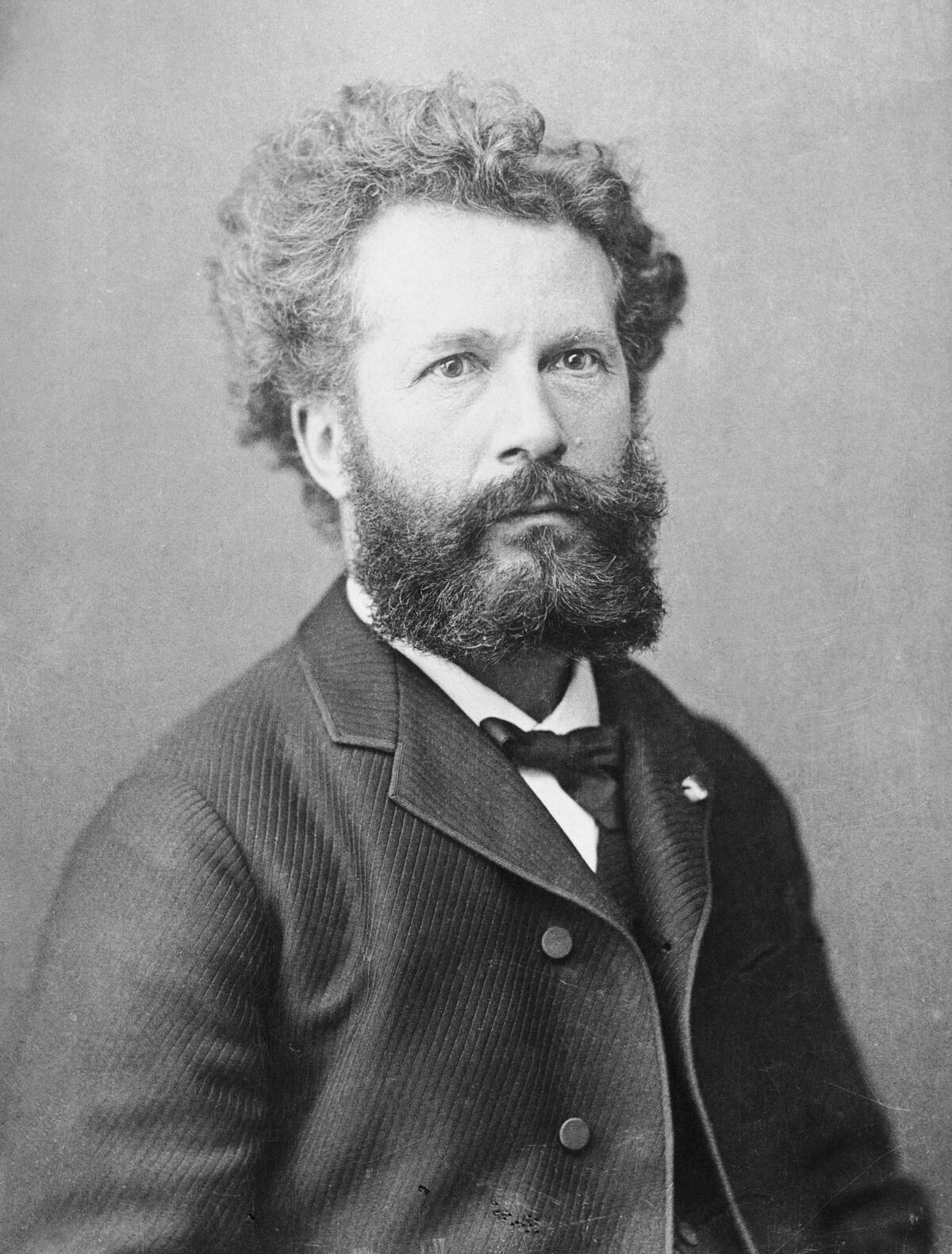
Camille Flammarion, a French astronomer and author, wrote extensively on the topics of astronomy and the possibilities of extraterrestrial life. His book “Lumen” explored the concept of reincarnation across different worlds, blurring the line between science and fiction.
Flammarion’s works captivated readers and sparked discussions about the nature of the cosmos and humanity’s place within it. His imaginative narratives continue to resonate, inspiring wonder and curiosity about the universe.
Edward Everett Hale: The Brick Moon and Early Space Station Concepts
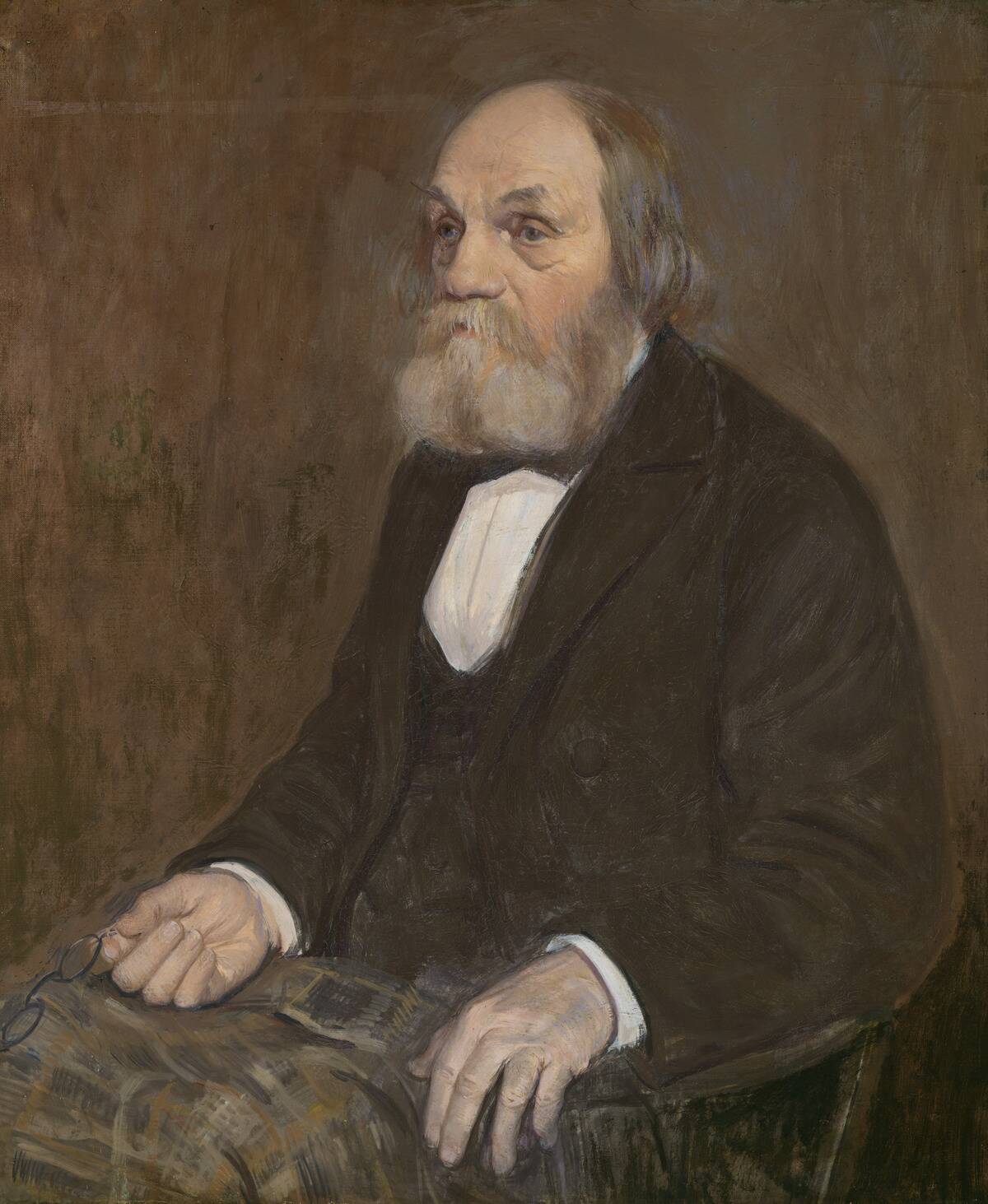
Edward Everett Hale’s story “The Brick Moon,” published in 1869, is one of the earliest concepts of an artificial satellite. The tale describes a massive, hollow sphere launched into orbit to serve as a navigational aid.
While intended as fiction, Hale’s idea eerily foreshadowed the development of space stations and satellites. His imaginative leap showcased the potential of human ingenuity and hinted at a future where humanity could live and work in space.
Garrett P. Serviss: Journalist and His Extraterrestrial Imaginings

Garrett P. Serviss was an American science writer and astronomer who wrote Edison’s Conquest of Mars as a sequel to Fighters from Mars—an unauthorized, heavily altered newspaper version of H.G. Wells’s The War of the Worlds.
The story follows a human expedition to Mars led by Thomas Edison and features imaginative advanced technology and Martian society. Though less widely read today, it contributed to early science fiction by pushing themes of interplanetary travel, invention, and human ambition.
Hannes Alfven: Plasma Physicist and Science Fiction Writer
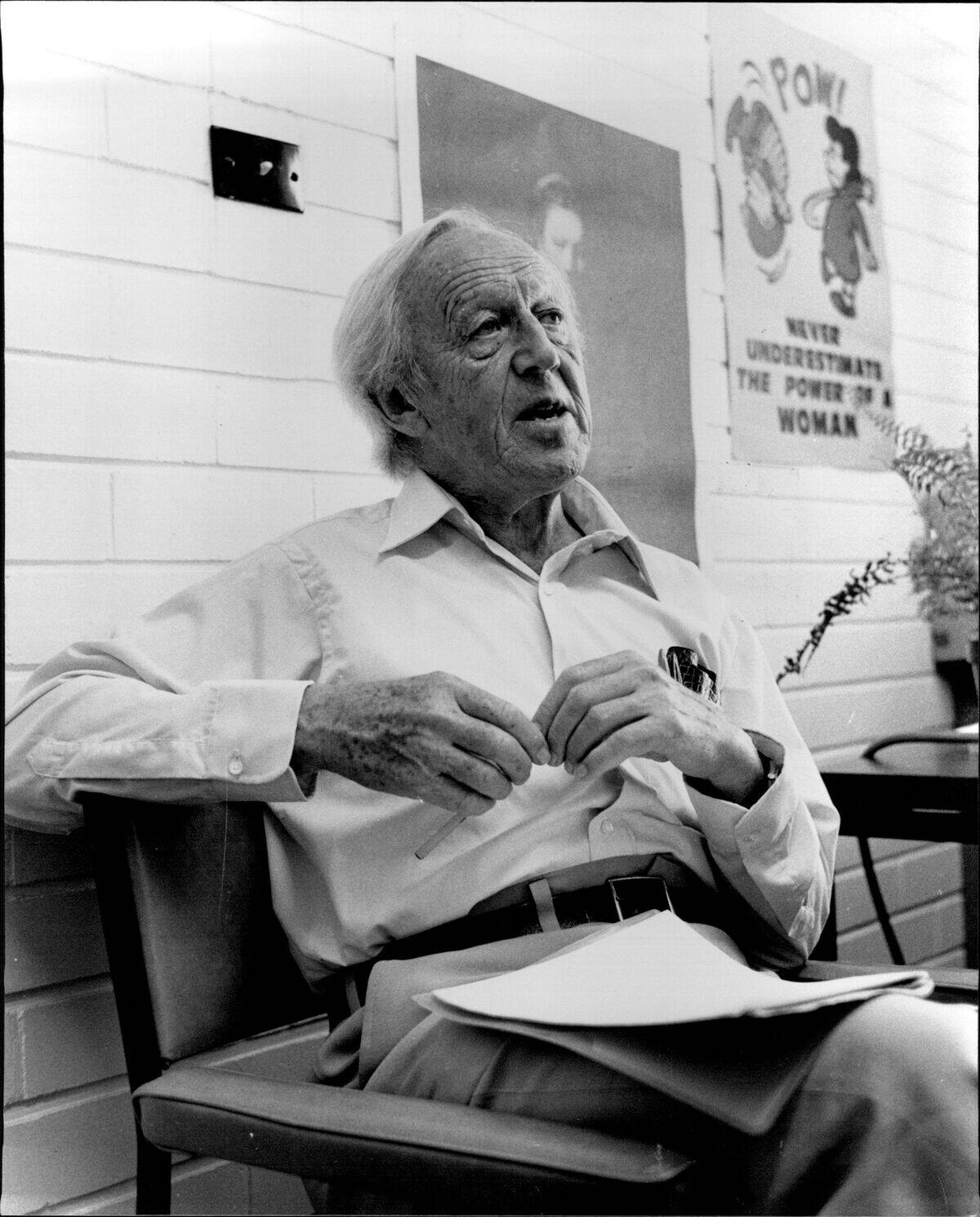
Hannes Alfven, a Nobel Prize-winning physicist, also dabbled in science fiction writing. His novel “The End of Man?” explored themes of technological advancement and its impact on humanity.
Alfven’s dual career as a scientist and writer allowed him to infuse his fiction with scientific authenticity, bridging the gap between theoretical science and imaginative storytelling. His work continues to influence both scientific thought and speculative fiction.
Arthur C. Clarke: From Geostationary Satellites to Space Elevators
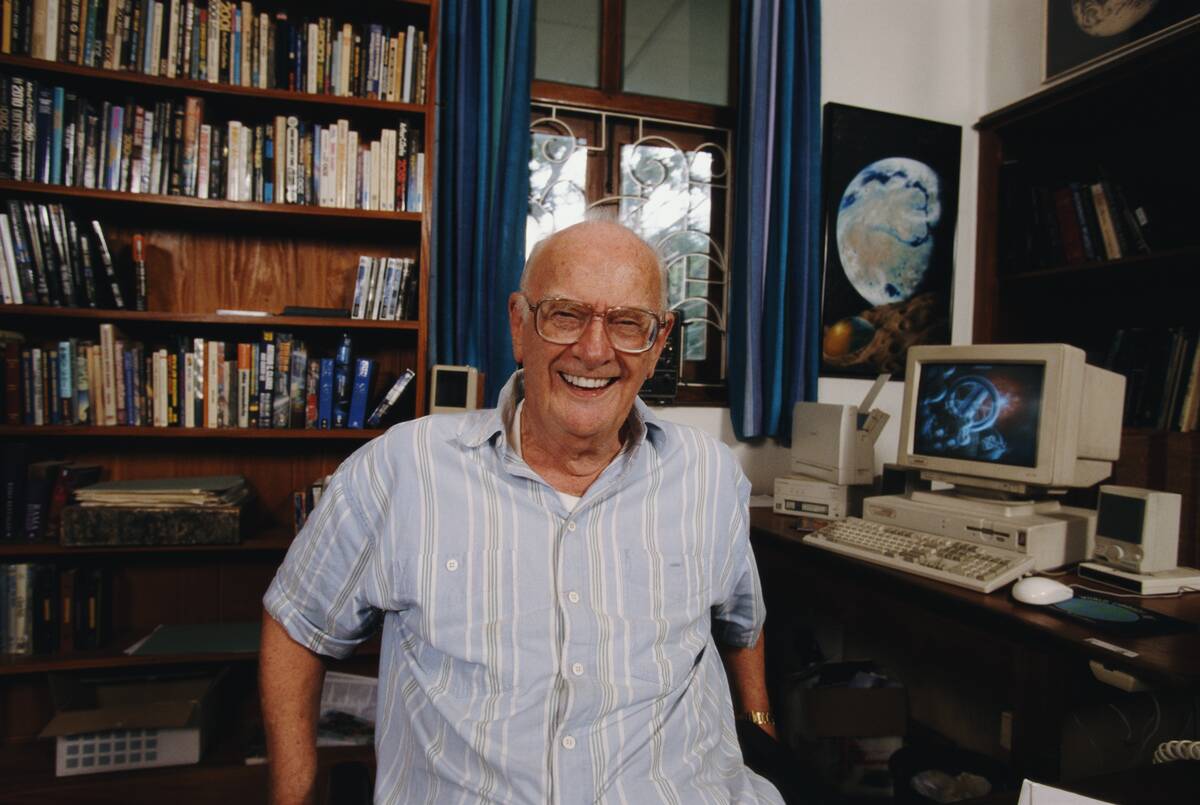
Arthur C. Clarke, a visionary author, and futurist, is credited with the concept of geostationary satellites, now a cornerstone of modern communication technology. In his fiction, Clarke explored themes of space exploration, including the idea of a space elevator in “The Fountains of Paradise.”
His works, such as “2001: A Space Odyssey,” have inspired generations of scientists and writers, leaving a lasting legacy on both science and literature. Clarke’s ideas continue to shape the future of space exploration.
Olaf Stapledon: Cosmic Histories and Deep Space Speculation
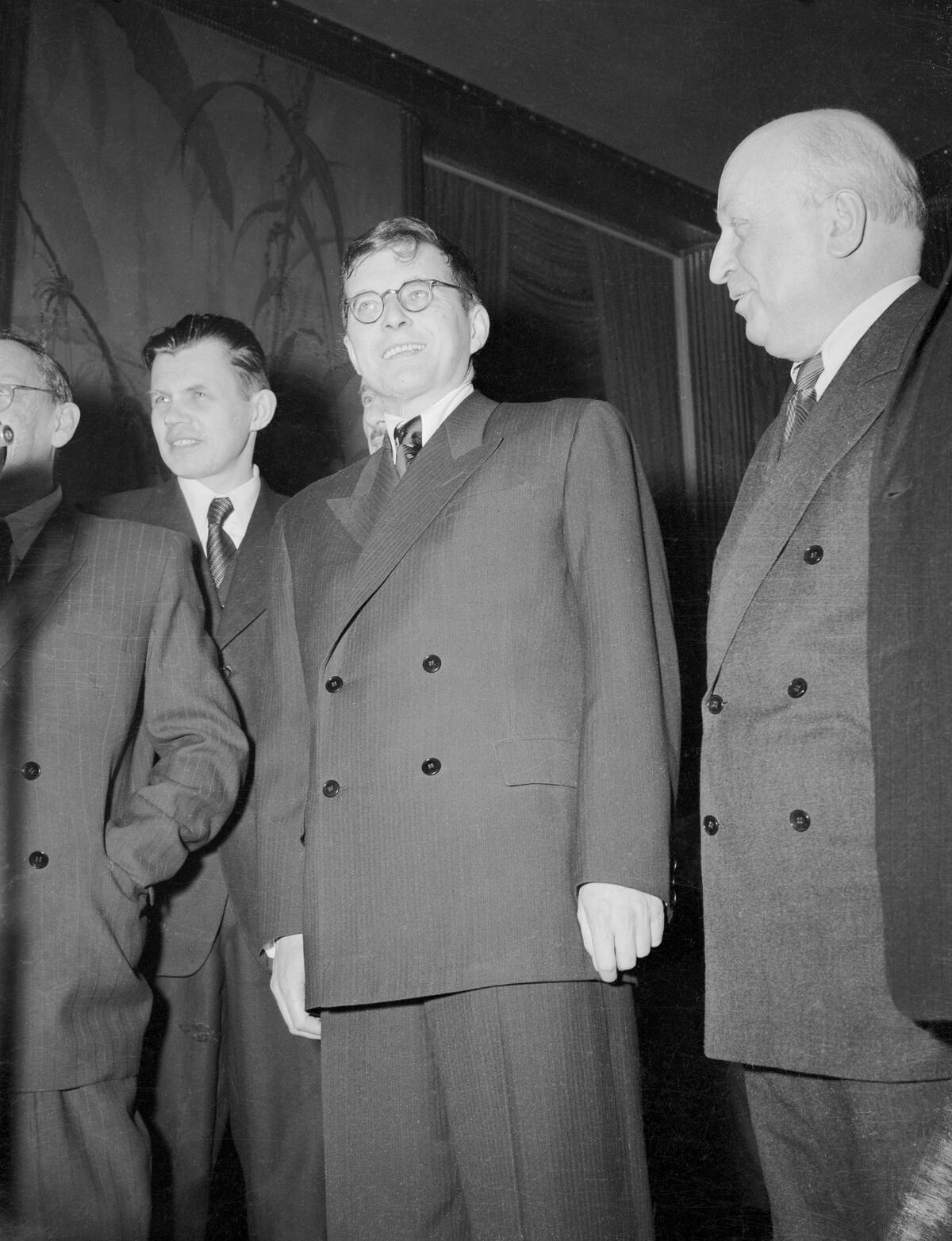
Olaf Stapledon, an English author, is renowned for his expansive and speculative works such as “Star Maker” and “Last and First Men.” These books delve into the future of humanity and the cosmos, exploring themes of evolution, consciousness, and the fate of civilizations.
Stapledon’s grand narratives challenged readers to contemplate the vastness of time and space, influencing both science fiction and philosophical thought. His legacy endures in the realm of cosmic literature.
Mary Proctor: Astronomical Lectures and Stories for the Stars
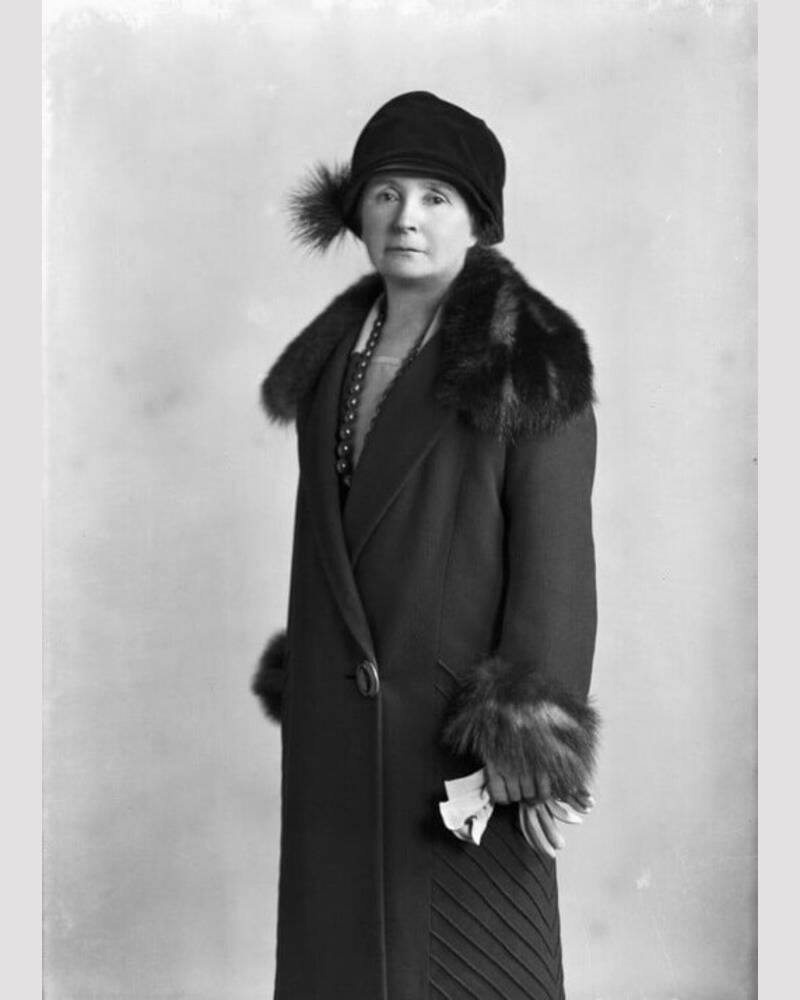
Mary Proctor, an author and popularizer of astronomy, was known for her engaging lectures and writings that popularized astronomy. Her stories often combined scientific facts with imaginative narratives, aiming to inspire a love for the stars in young readers.
Proctor’s work made complex astronomical concepts accessible and exciting, fostering a sense of wonder about the universe. Her dedication to education and storytelling left a lasting impact on the public’s appreciation of astronomy.




