Activists who used multiple names to outwit oppression
Names hold immense power, especially in the world of activism. They can conceal, reveal, and reshape identities. Activists throughout history have wielded names like weapons, choosing them to protect their true selves or to embody the spirit of their cause.
The choice of a name can rally supporters, disarm opponents, and inspire change. From historical figures to modern-day crusaders, the significance of a name in activism remains as potent as ever.
The Role of Pseudonyms in Social Movements
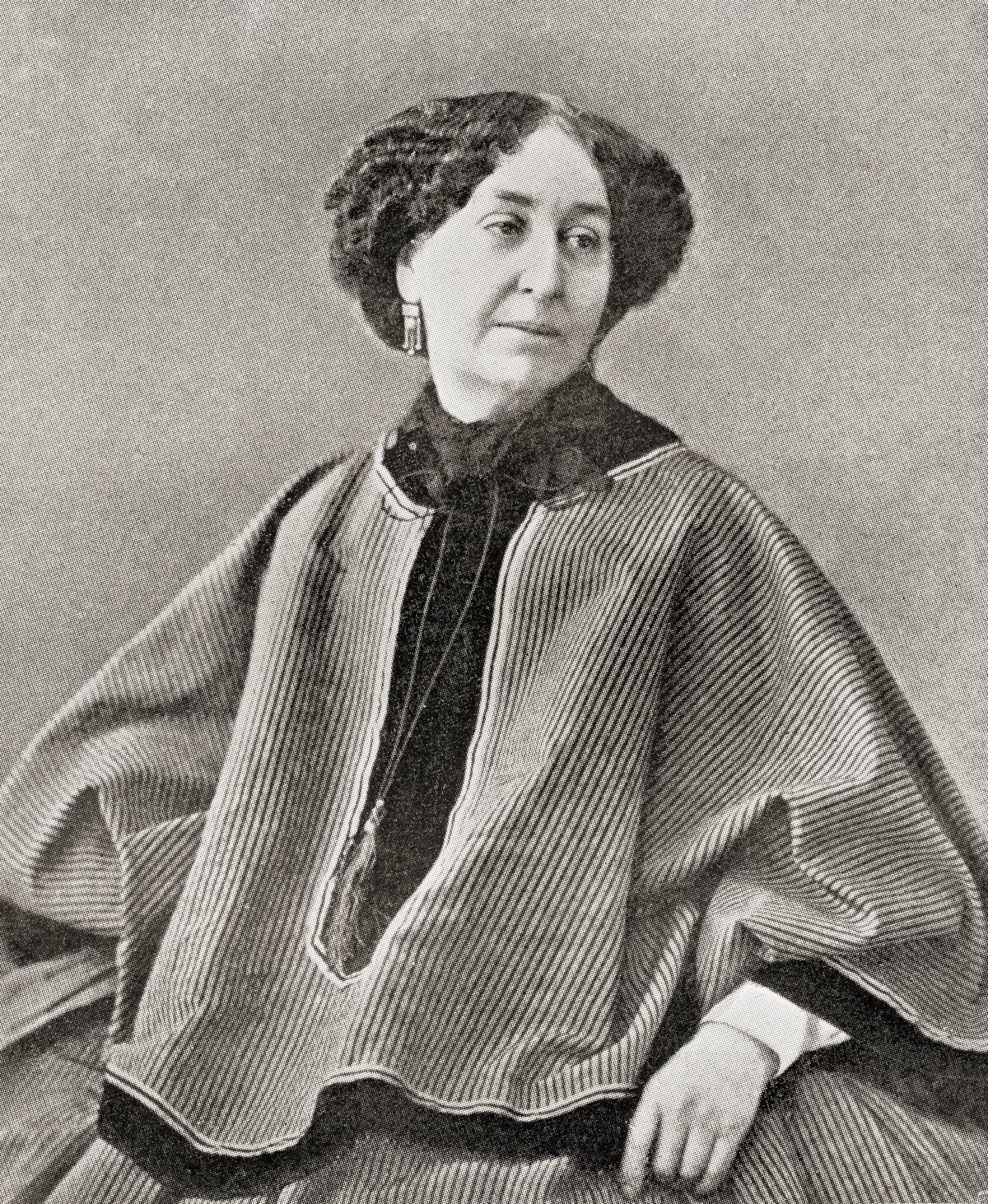
Pseudonyms have long been a tool for activists to navigate the treacherous waters of social change. They provide anonymity, allowing individuals to voice dissent without fear of retribution. During the suffragette movement, many women used pseudonyms to shield themselves from societal backlash.
Pseudonyms also serve to unify disparate groups under a common banner, as seen with figures like George Sand, a pen name used by French novelist and feminist Amantine Lucile Aurore Dupin.
Rosa Luxemburg: The Many Faces of a Revolutionary
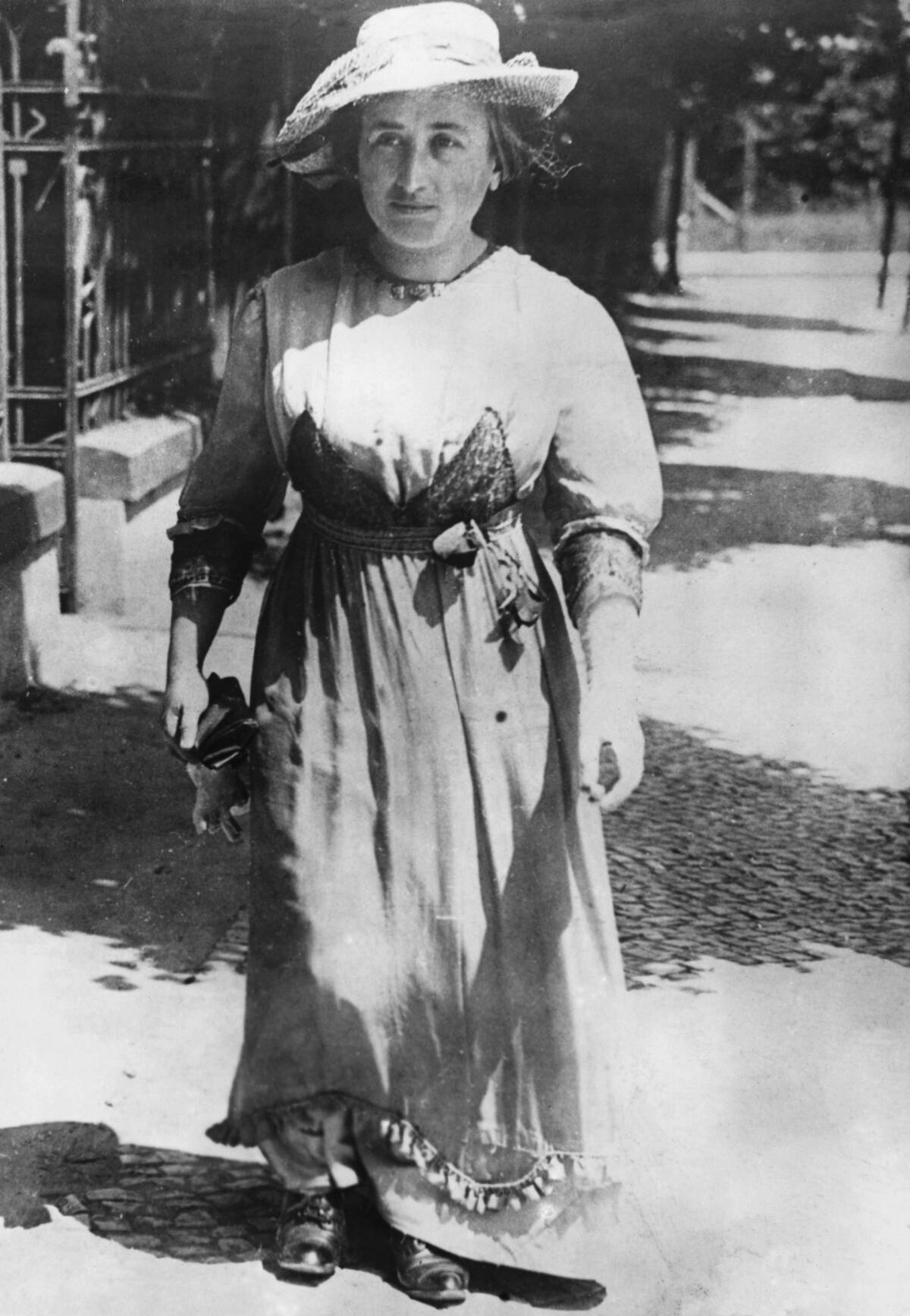
Rosa Luxemburg was a fierce advocate for social justice, known for her passionate speeches and writings. She often wrote under various pseudonyms to evade censorship and connect with different audiences.
Luxemburg’s aliases, such as “Junius” allowed her to critique the government and organize workers’ strikes. Through her pseudonyms, she could express radical ideas without compromising her safety or diluting her revolutionary message.
Sojourner Truth: From Isabella Baumfree to an Icon of Equality
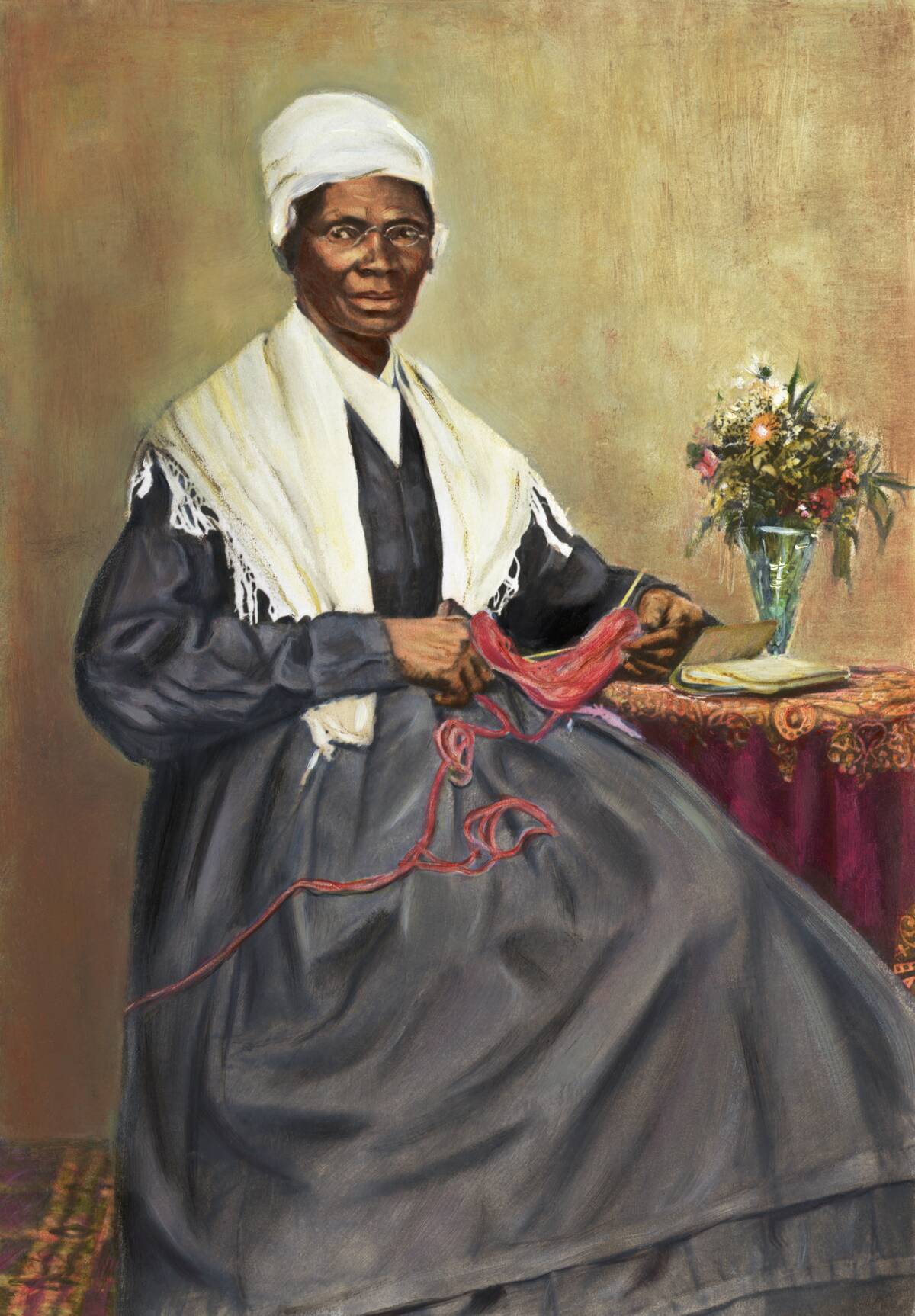
Born Isabella Baumfree, Sojourner Truth adopted her new name in 1843 to reflect her mission of spreading truth and justice. A former slave, Truth became a powerful voice in the abolitionist and women’s rights movements.
Her name change signified a break from her past and an embrace of her role as a speaker for equality. With her evocative speeches, she challenged the status quo and left an indelible mark on American history.
Malcolm X: A Journey Through Names and Ideologies
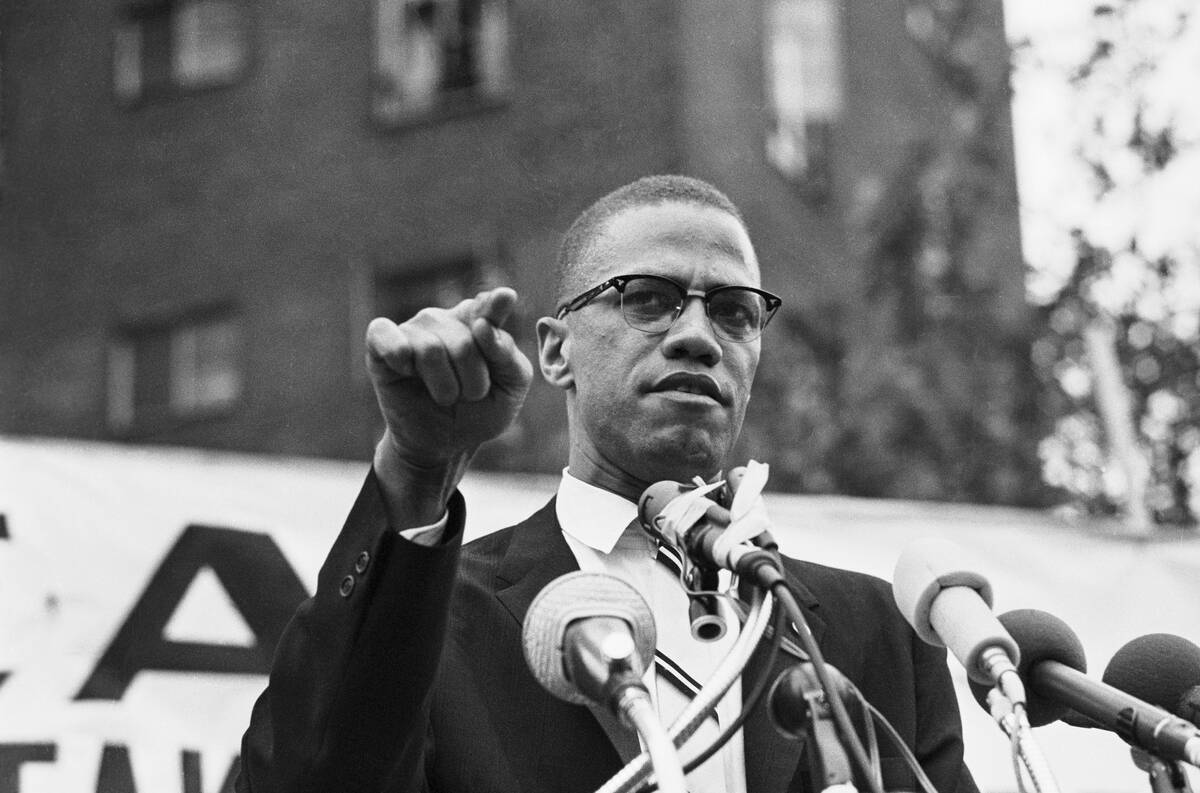
Malcolm X’s life was marked by a series of transformative name changes. Born Malcolm Little, he discarded his surname, which he considered a relic of slavery, in favor of “X” to signify his lost African identity.
Later, during his pilgrimage to Mecca, he adopted the name El-Hajj Malik El-Shabazz. Each name reflected his evolving beliefs and commitment to African American empowerment. Malcolm X’s journey through names mirrored his profound ideological transformation.
The Mysterious Persona of Che Guevara
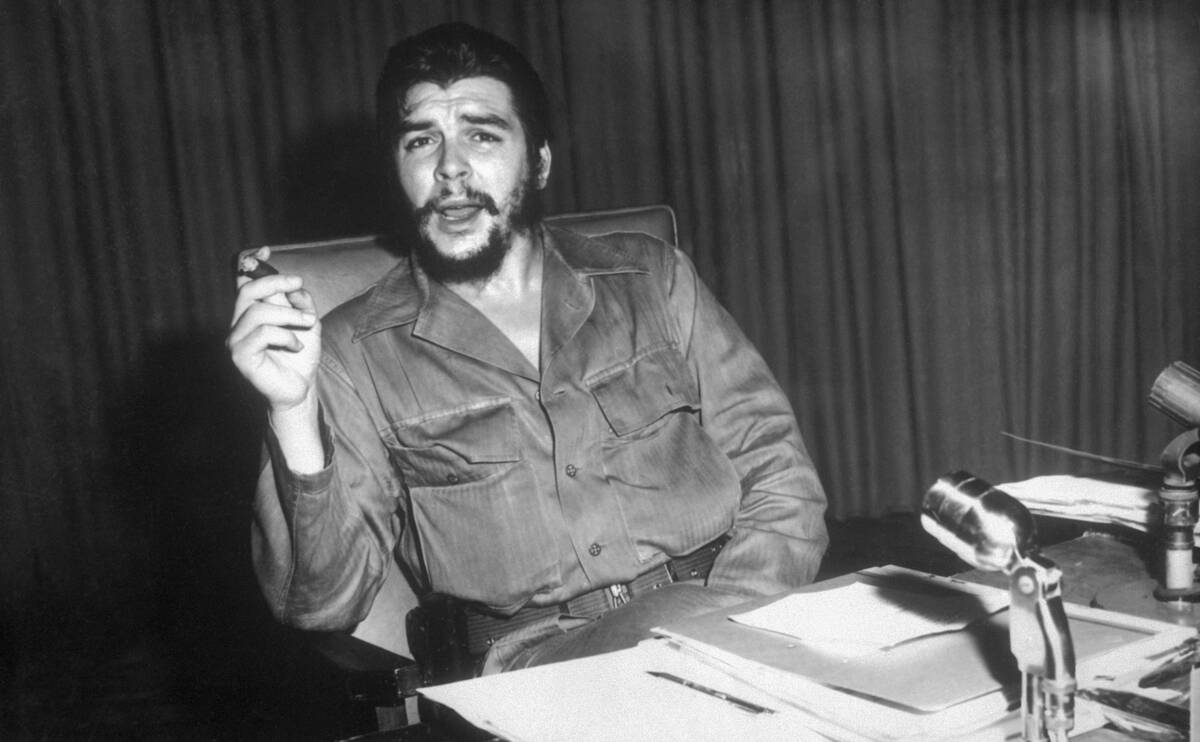
Che Guevara’s name is synonymous with revolution, yet his real name was Ernesto Guevara de la Serna. “Che,” a common Argentine colloquialism, became his moniker and symbol of his revolutionary identity.
Guevara’s name became a rallying cry for socialist movements worldwide. His legacy, immortalized through his iconic image, demonstrates the power of a name to inspire and mobilize generations. Che’s transformation from a medical student to a global revolutionary figure underscores the significance of his chosen name.
Harriet Tubman: Codenames and the Underground Railroad
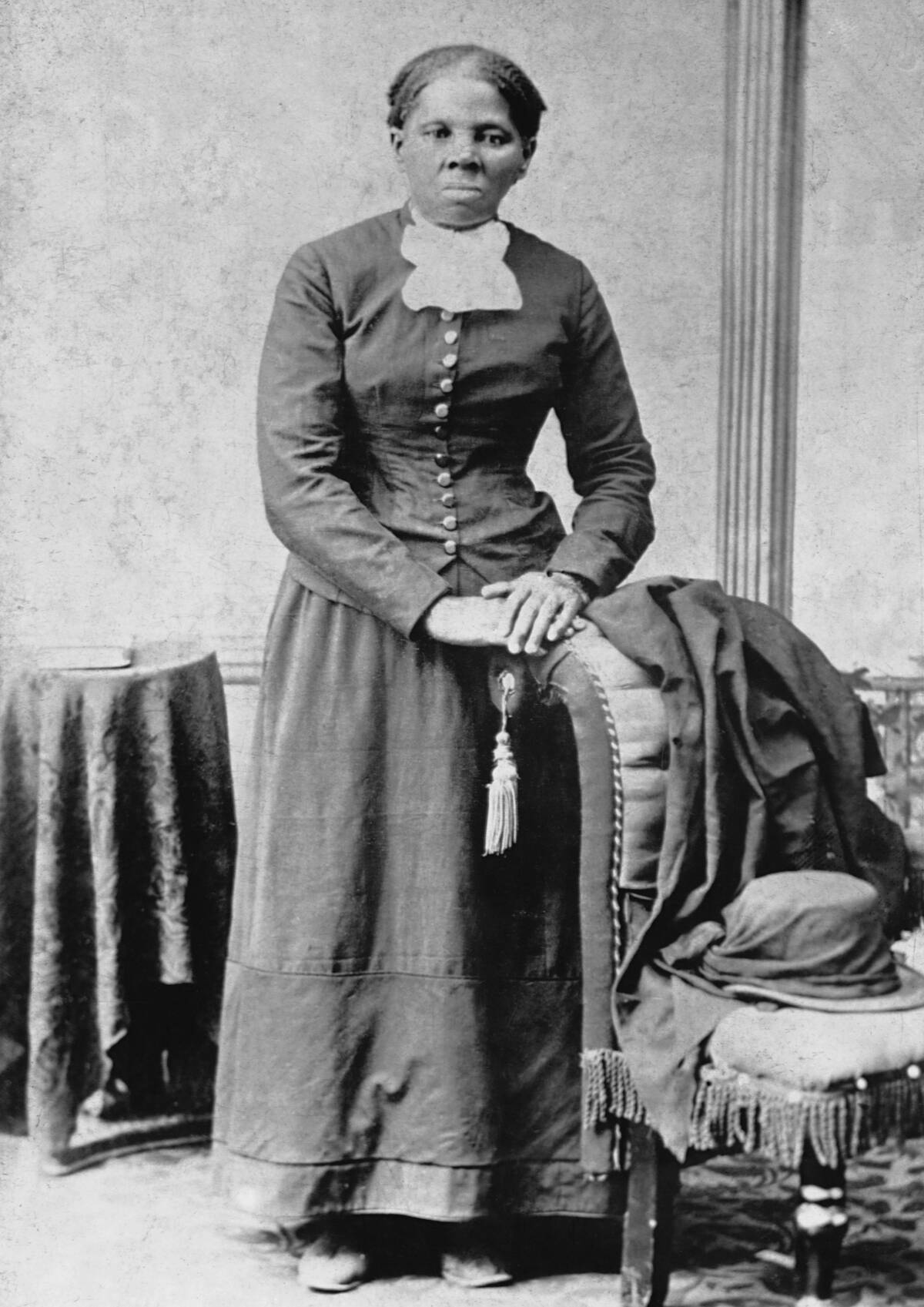
Harriet Tubman, born Araminta Ross, is celebrated for her role in the Underground Railroad. Known as “Moses” to those she guided to freedom, Tubman used this codename to operate discreetly.
Her ability to navigate the dangerous path to liberation was aided by the aliases she adopted. Tubman’s strategic use of names allowed her to evade capture and rescue countless enslaved individuals. Her legacy as “Moses” reflects her unwavering commitment to freedom.
Mark Twain: More Than Just a Pen Name

Samuel Clemens, known to the world as Mark Twain, used his pen name to craft tales that critiqued society while entertaining readers. “Mark Twain,” a term from the steamboat industry indicating safe water depth, became synonymous with literary brilliance.
Twain’s works, such as “The Adventures of Tom Sawyer” and “Adventures of Huckleberry Finn,” tackled issues of race and class. His pen name allowed him to explore controversial topics under the guise of fiction.
The Strategic Pseudonyms of James Baldwin
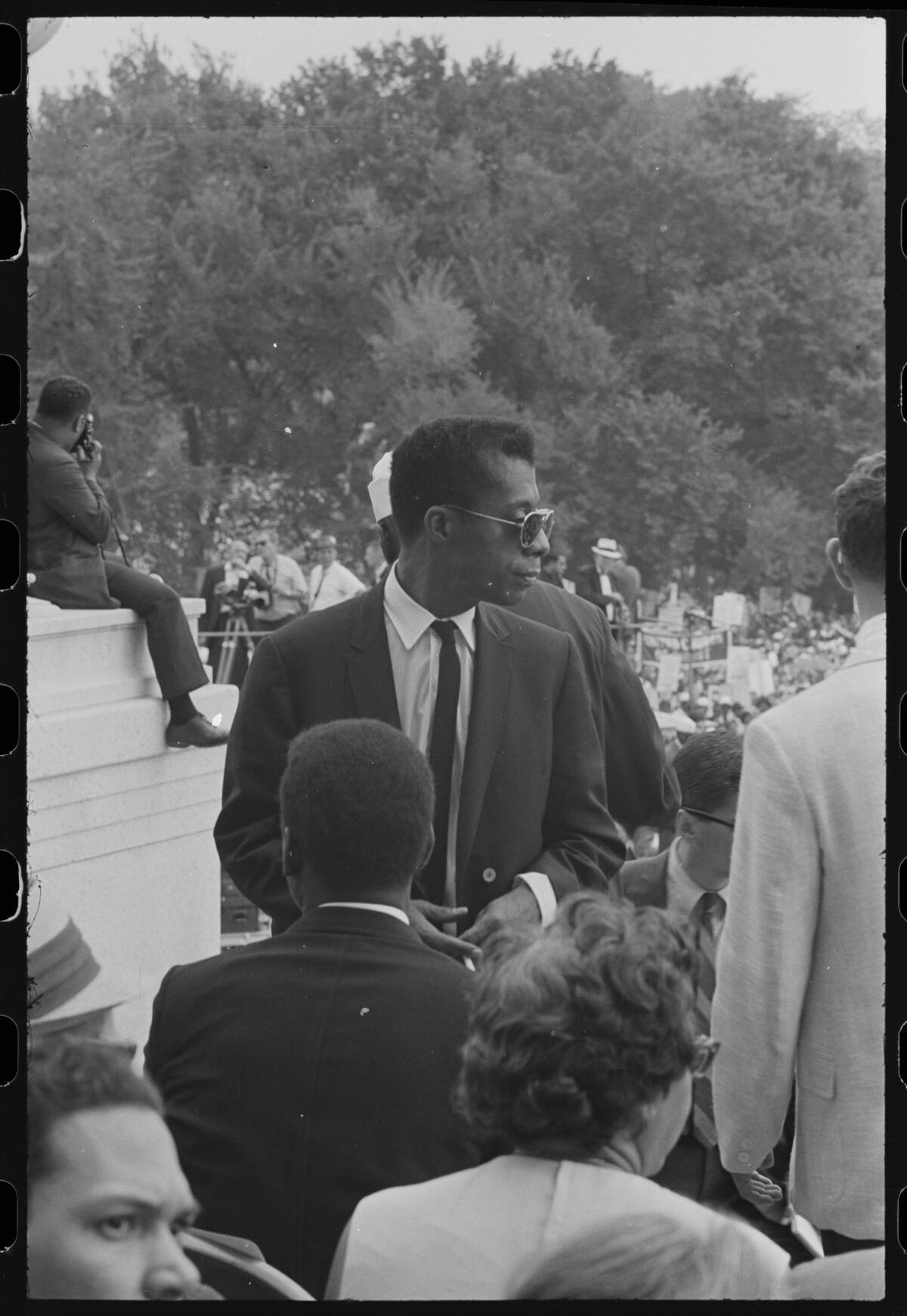
James Baldwin, an influential voice in the civil rights movement, occasionally used pseudonyms to navigate the literary world. His essays and novels addressed complex themes of race, sexuality, and identity.
Baldwin’s strategic use of pseudonyms allowed him to explore these subjects without facing immediate backlash. His incisive observations on American society challenged readers to confront uncomfortable truths, solidifying his place as a critical thinker and literary icon.
The Enigmatic Identities of Emma Goldman
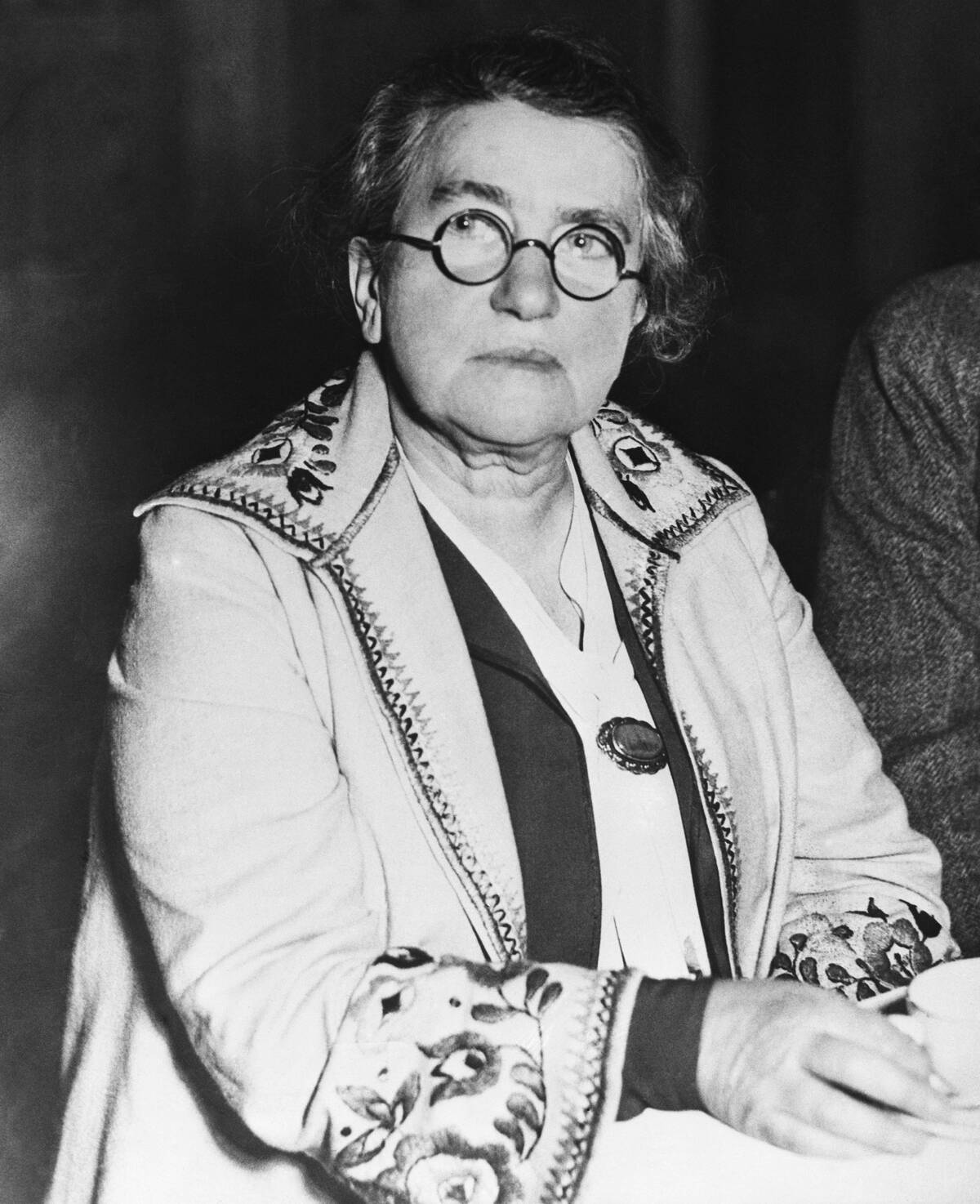
Emma Goldman, an anarchist and political activist, was known for her fiery speeches and writings. To avoid deportation and censorship, she used various pseudonyms throughout her career. Goldman’s aliases allowed her to publish controversial works and organize rallies without drawing government attention.
Her ability to adapt her identity to the needs of her activism demonstrated her resilience and dedication to her cause. Goldman’s enigmatic identities became a crucial part of her revolutionary strategy.
Dr. Seuss: Pen Names in Political Cartoons

Theodor Seuss Geisel, widely known as Dr. Seuss, used his pen name to create beloved children’s books. However, during World War II, he produced political cartoons under the pseudonym “Dr. Seuss” to critique fascism and support the war effort.
His cartoons, published in “PM” magazine, used humor and satire to convey serious messages. Dr. Seuss’s ability to balance whimsical storytelling with political commentary showcased the versatility of his pen name.
The Many Names of Assata Shakur
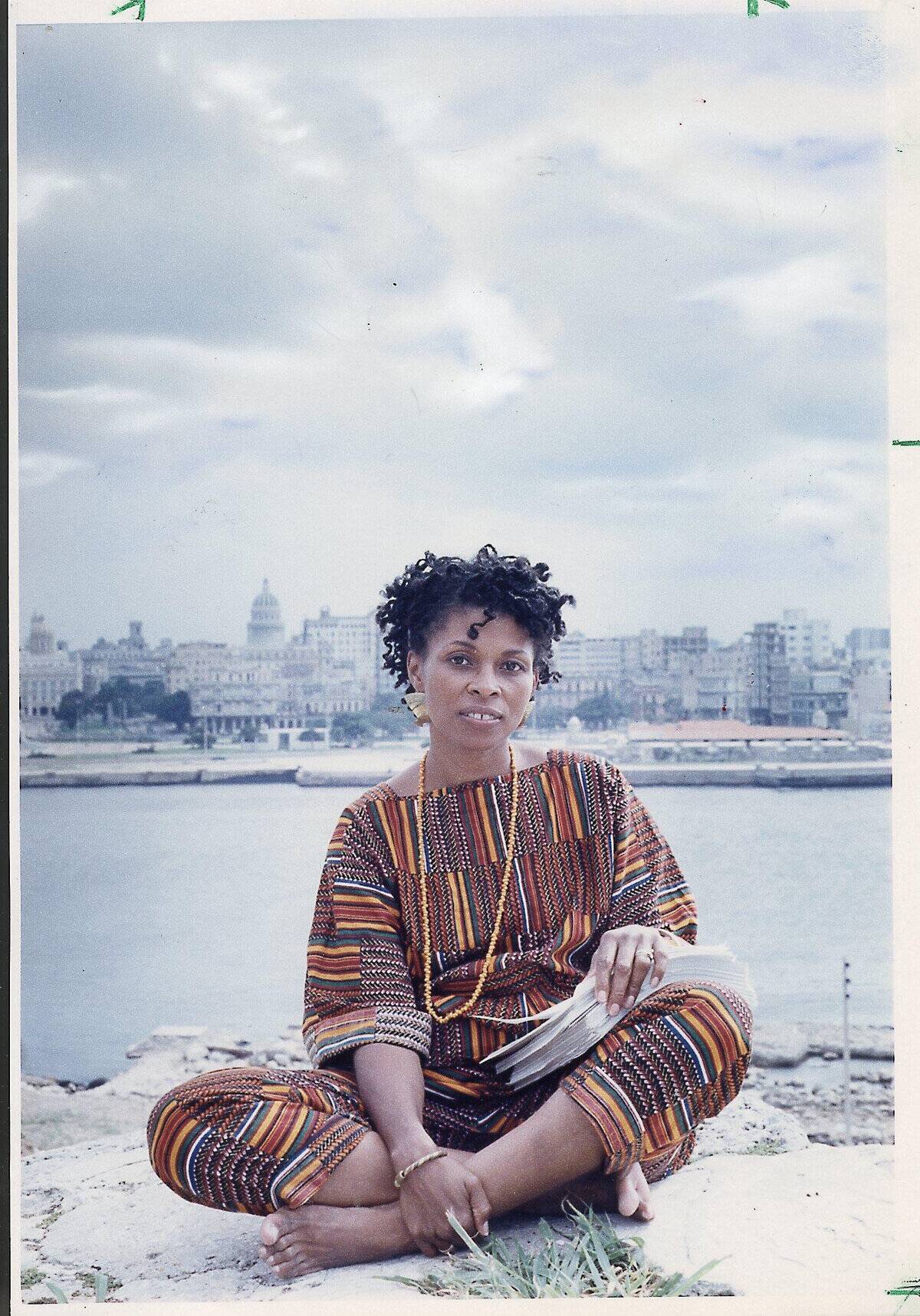
Assata Shakur, born JoAnne Chesimard, became a prominent figure in the Black Liberation Army. Her name change reflected her commitment to the struggle for racial justice. After escaping prison and seeking asylum in Cuba, Shakur continued to use her chosen name to advocate for human rights.
Her autobiographical work, “Assata: An Autobiography,” details her experiences and the significance of her transformation. Shakur’s name remains a symbol of resistance and courage.
Richard Wright: Writing Under Cover
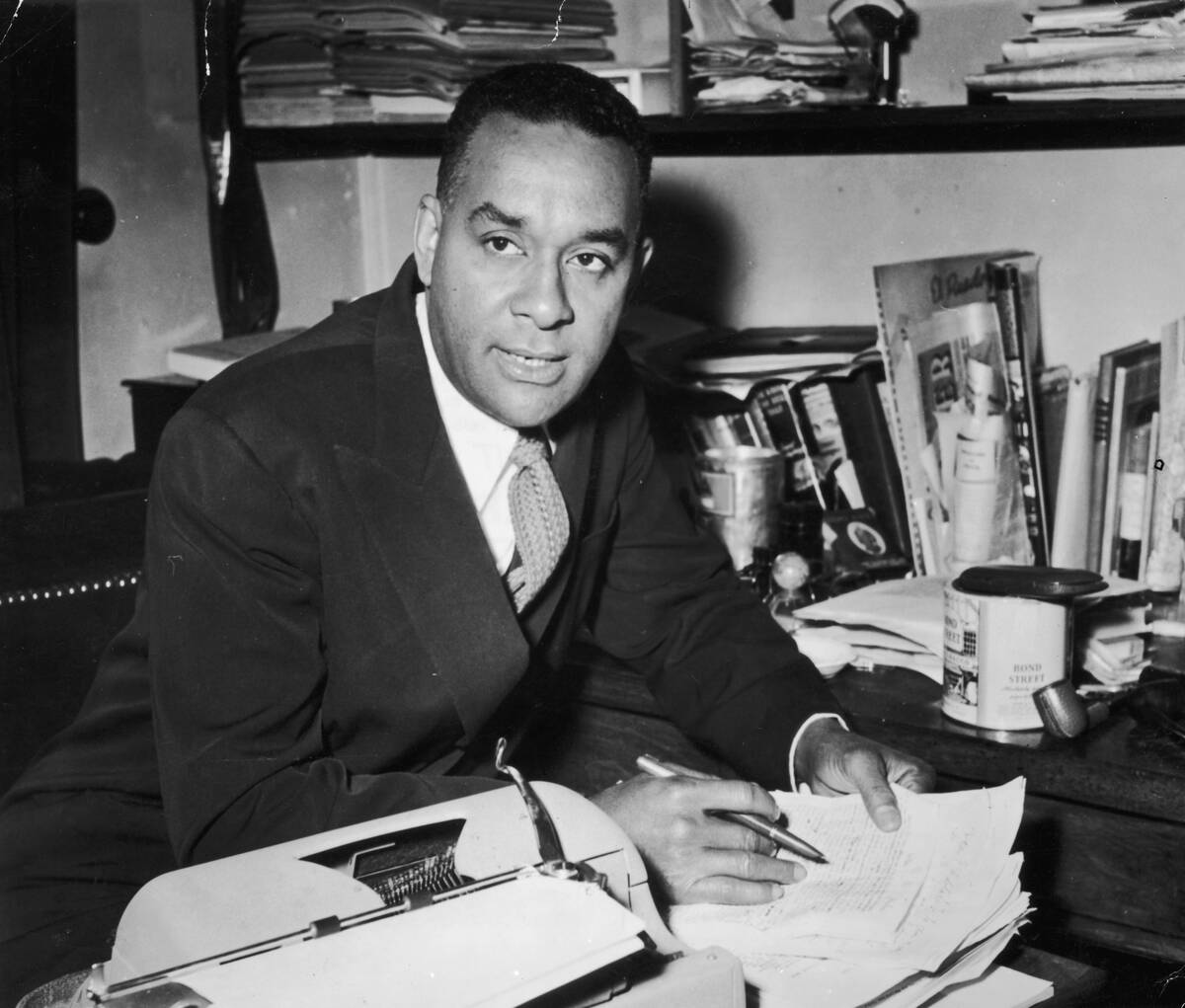
Richard Wright, a pioneering African American author, often used pseudonyms to publish his works in racially segregated America. His powerful novels, such as “Native Son” and “Black Boy,” explored themes of race and identity.
Wright’s use of pseudonyms allowed him to navigate the literary landscape and reach a wider audience. His writings provided a stark portrayal of African American life, challenging readers to confront systemic racism and inequality.
The Disguises of Thomas Paine
![[redacted]](https://media.tellmebest.com/wp-content/uploads/2023/09/thomas-paine-40688.jpeg)
Thomas Paine, a key figure in the American Revolution, used pseudonyms to spread his revolutionary ideas. His pamphlet “Common Sense,” published anonymously, inspired colonists to seek independence from Britain.
By writing under a pseudonym, Paine could criticize the monarchy without fear of persecution. His ability to articulate the case for independence through anonymous writings played a crucial role in mobilizing support for the revolution. Paine’s strategic use of anonymity highlights the power of pseudonyms in activism.
Contemporary Activists and Their Chosen Names

In the digital age, contemporary activists continue to adopt pseudonyms to protect their identities and advance their causes. Figures like the hacker collective “Anonymous” use masks and pseudonyms to challenge corporate and governmental power structures.
Online platforms provide a space for activists to voice dissent while remaining anonymous. The use of pseudonyms in modern activism demonstrates their enduring relevance in the fight for social justice and the protection of individual freedoms.
The Impact of Anonymity in Digital Activism

Anonymity in digital activism has revolutionized the way people engage with social issues. It allows individuals to participate in movements without revealing their identities, reducing the risk of retaliation. Platforms like Twitter and Reddit have become hubs for anonymous activism, enabling users to share information and organize protests.
However, anonymity also poses challenges, such as the spread of misinformation. Despite these challenges, the power of anonymity continues to be a vital tool in the modern activist’s toolkit.




