The real story of the ‘Rosie the Riveter’ movement
Rosie the Riveter is much more than just a poster girl; she symbolizes the strength and resilience of women during one of history’s most challenging periods.
Her iconic image, often depicted flexing her arm with the slogan ‘We Can Do It!’, has become a timeless representation of female empowerment and determination. But how did Rosie come to be, and what does she really stand for in the annals of history?
The Birth of a Symbol: Origins of ‘Rosie the Riveter’
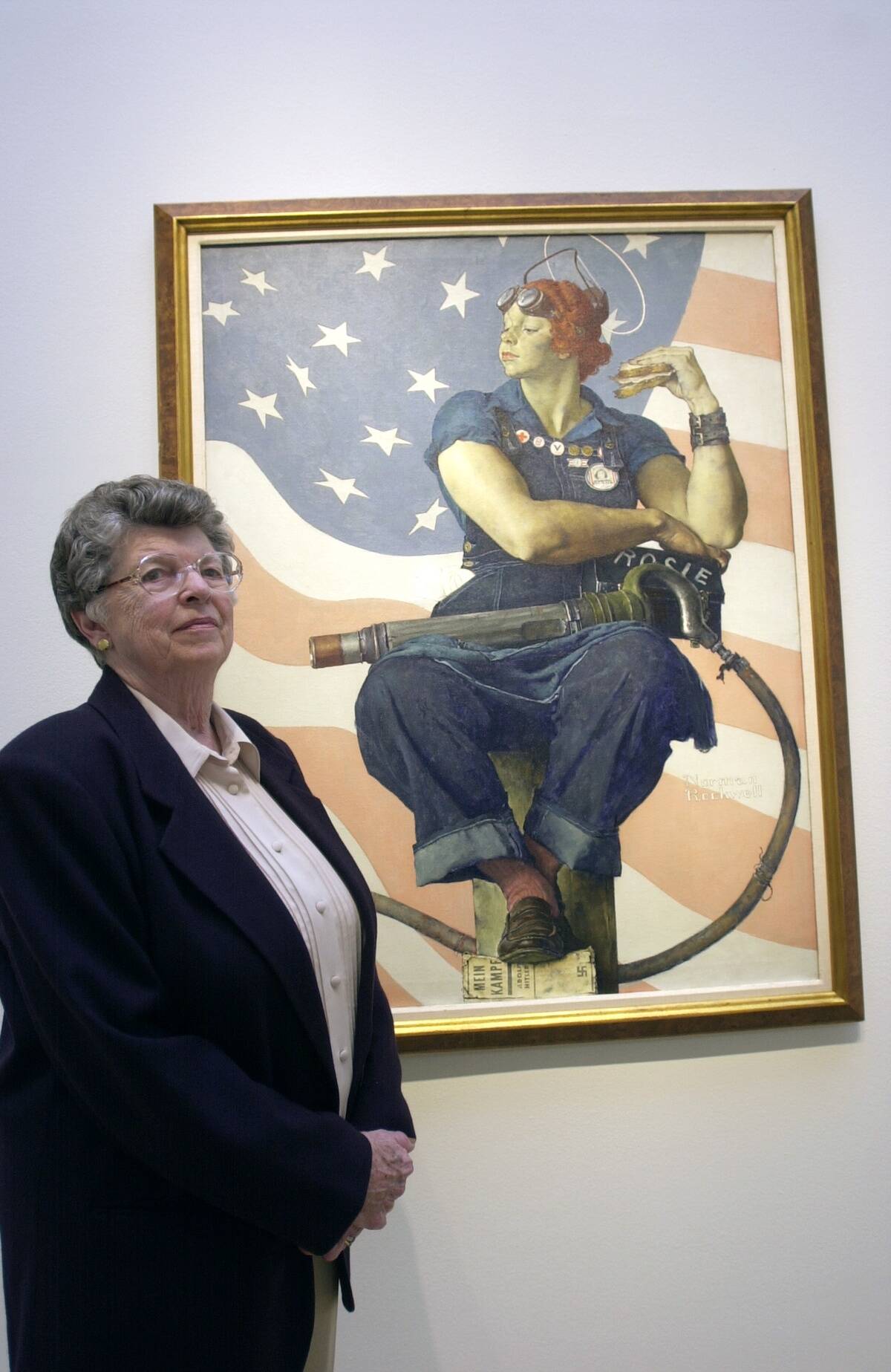
The origins of ‘Rosie the Riveter’ can be traced back to the early 1940s during World War II, when women were encouraged to enter the workforce to fill the gaps left by men who went to war.
The term ‘Rosie the Riveter’ was popularized by a song of the same name released in 1942. It was further cemented by Norman Rockwell’s painting on the cover of the Saturday Evening Post in 1943, which portrayed a strong, competent woman taking on traditionally male roles.
The Real Women Behind the Icon
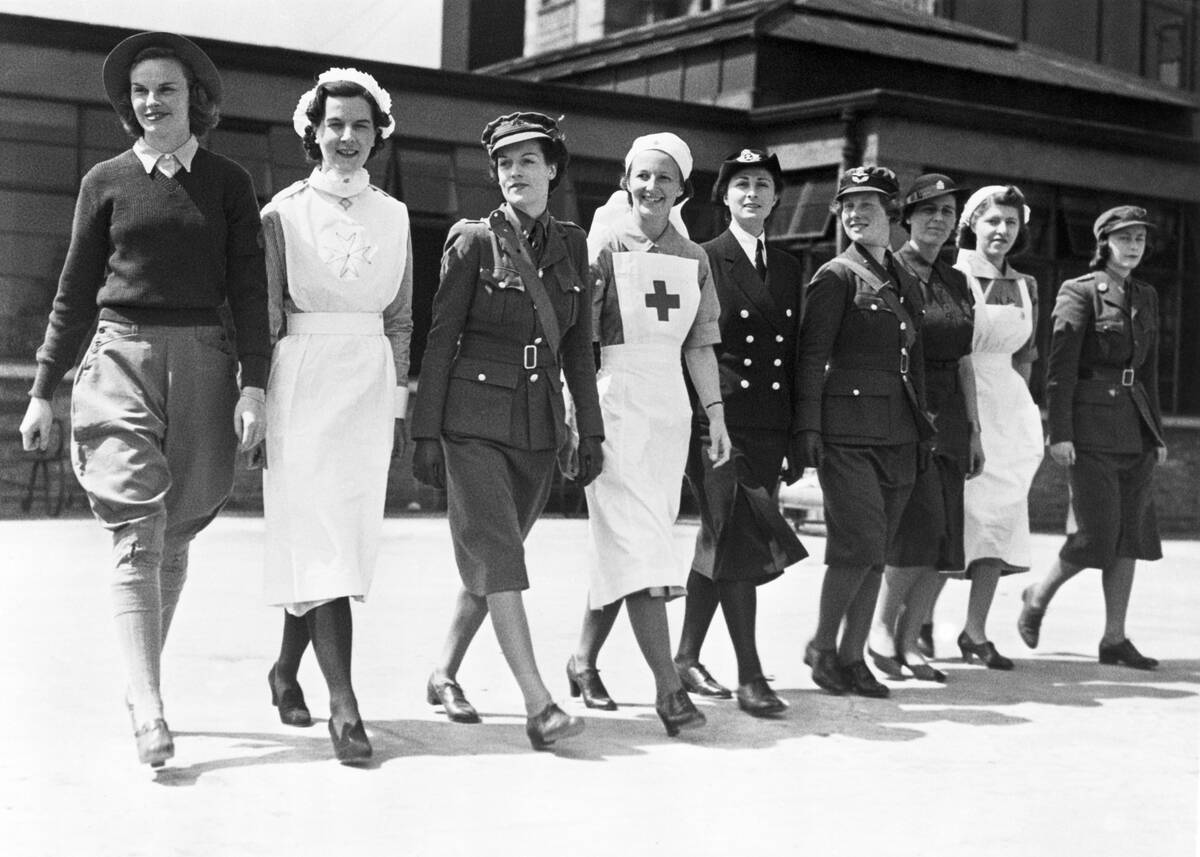
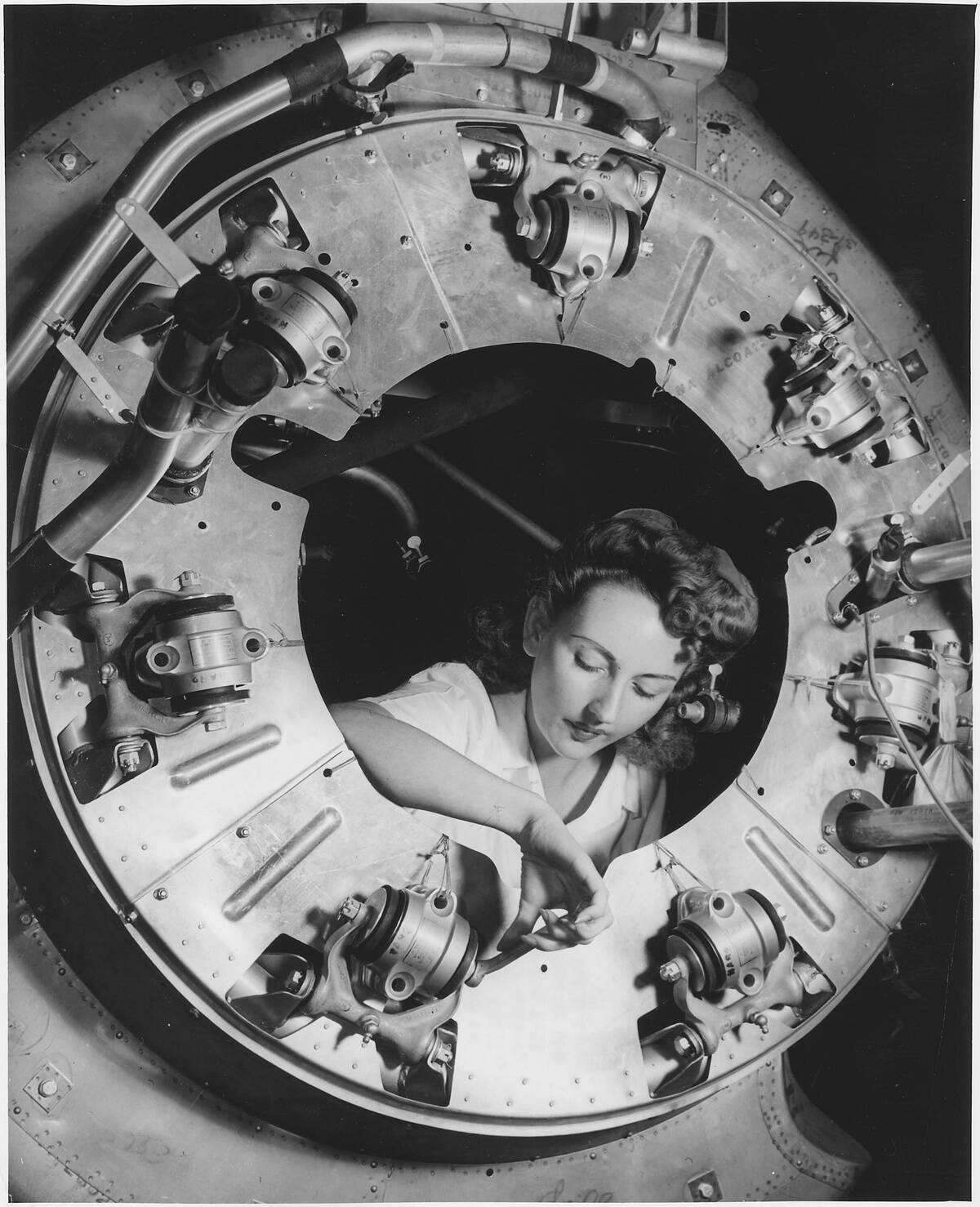
While the image of Rosie is often associated with a single person, it actually represents the millions of real women who worked in factories and shipyards during WWII. These women took on critical roles, producing munitions, airplanes, and other vital war materials.
Their contribution was crucial, yet many of their names and stories remain unknown, overshadowed by the collective image of Rosie herself.
The Role of Women in the Workforce During WWII
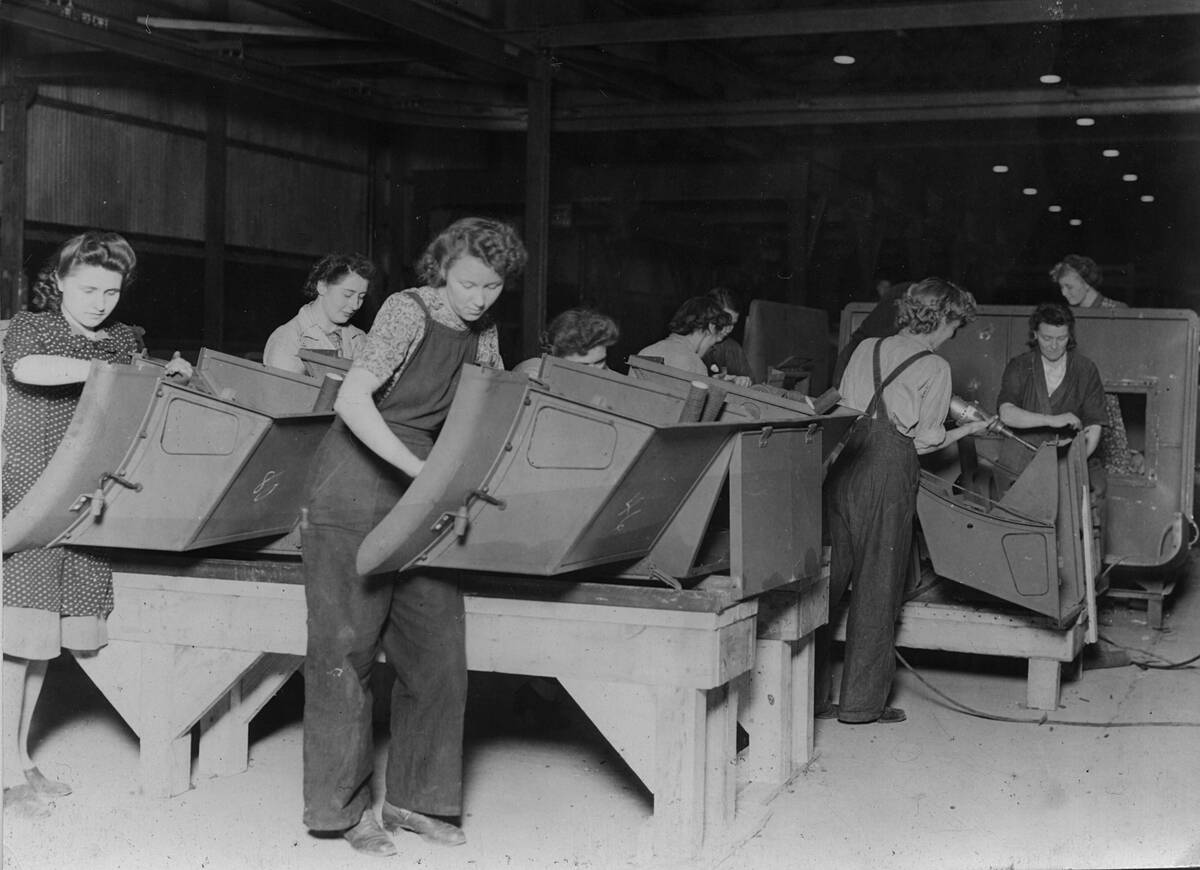
During WWII, women made up approximately 37% of the civilian workforce, a significant increase from pre-war numbers. They took on roles that were traditionally male-dominated, such as welding, riveting, and assembling aircraft.
This shift not only supported the war effort but also marked a pivotal change in gender roles, laying the groundwork for future generations of working women.
From Factory Floors to Popular Culture: How Rosie Became a Phenomenon
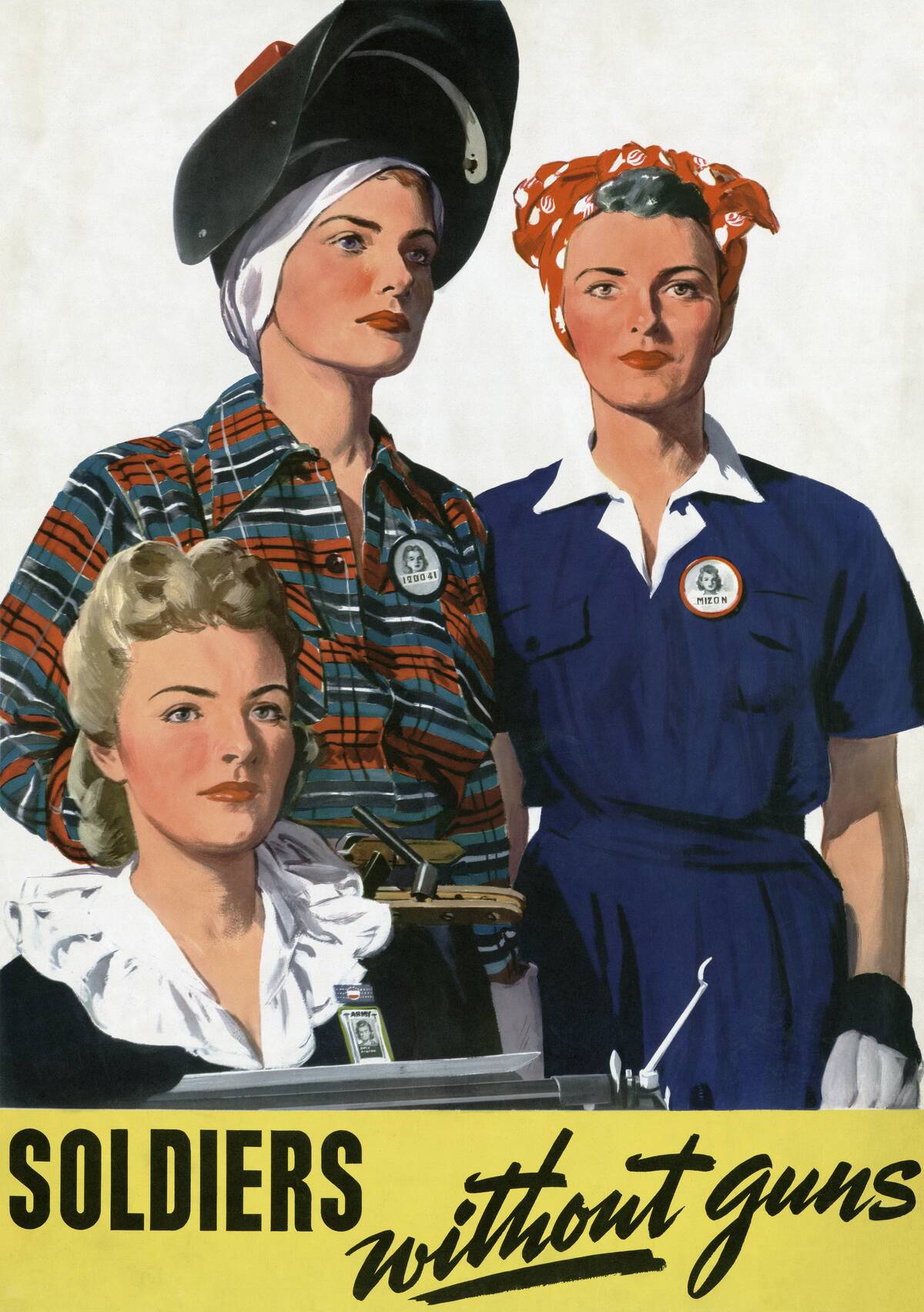
Rosie the Riveter quickly transcended her initial purpose as a wartime recruitment tool to become a cultural icon. Her image was used in various forms of media, including films, advertisements, and even comic books, to both motivate women and boost morale on the home front.
This widespread representation helped solidify her status as an enduring symbol of empowerment.
The Impact of ‘We Can Do It!’ Poster
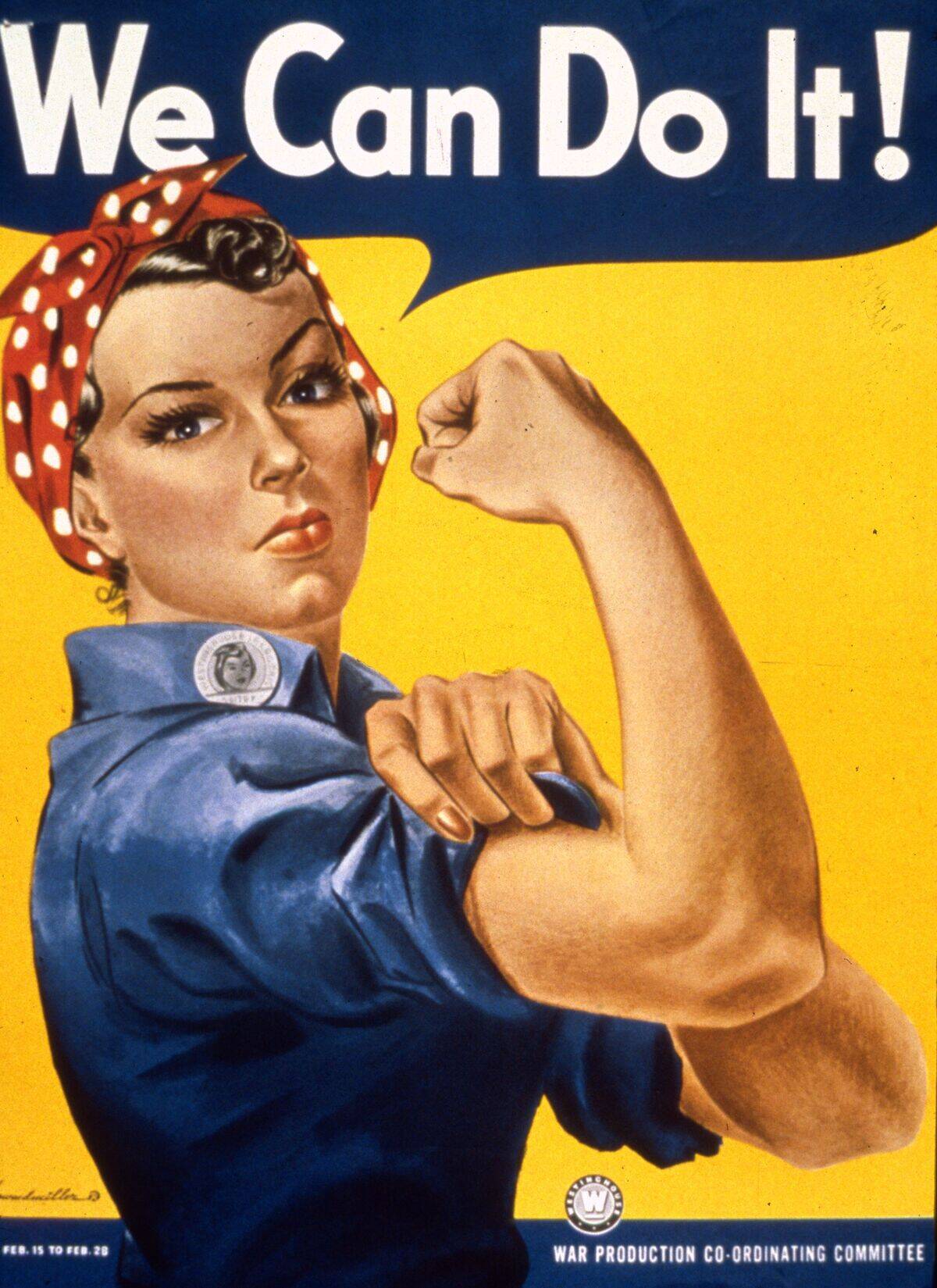
The ‘We Can Do It!’ poster, created by J. Howard Miller in 1943, was originally intended to boost worker morale at Westinghouse Electric. Interestingly, it wasn’t widely seen during the war but gained immense popularity in the 1980s as a feminist icon.
Its message of empowerment and strength continues to inspire movements advocating for gender equality and women’s rights.
A Look at the Original Rosie: Naomi Parker Fraley
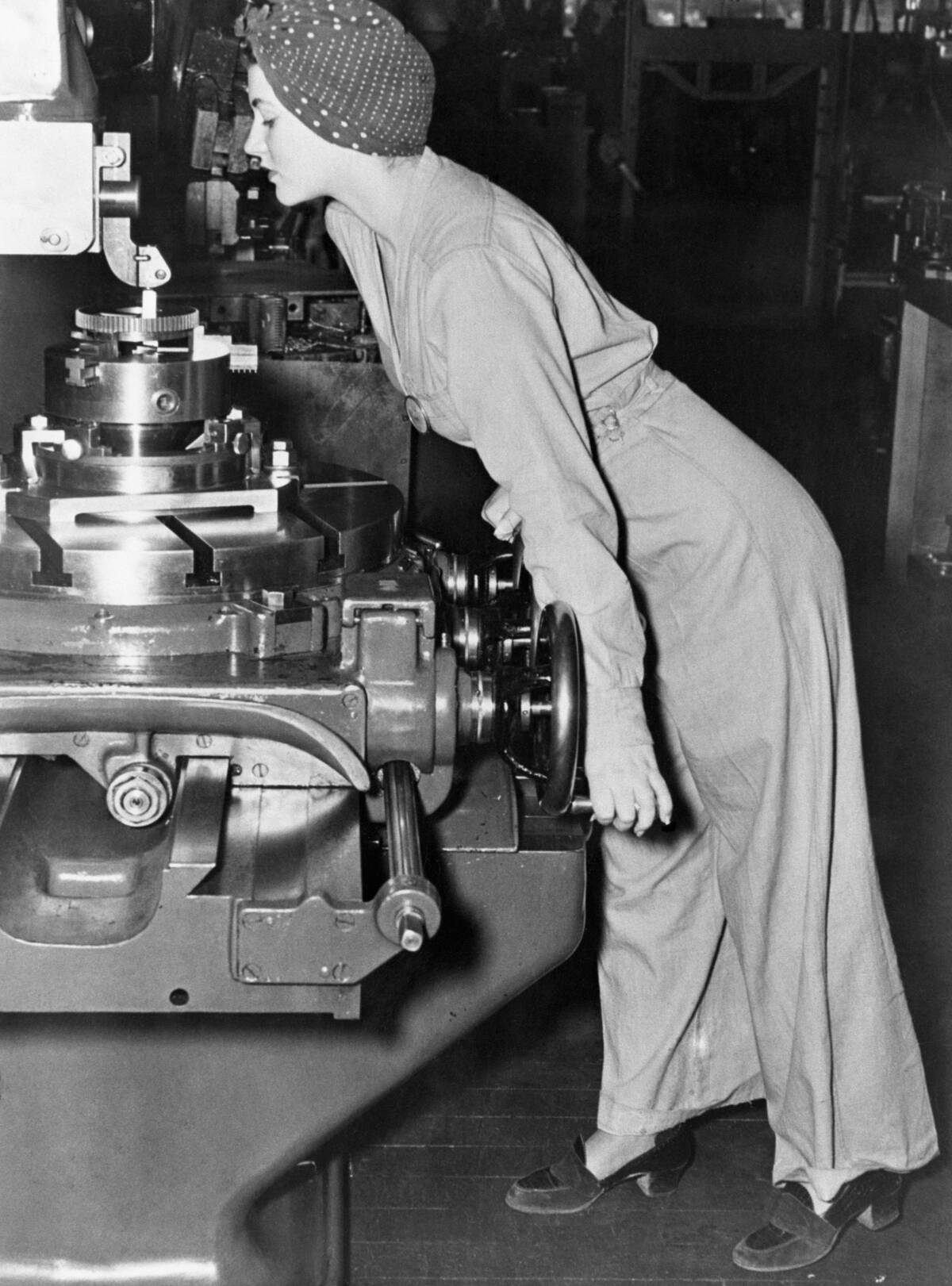
Naomi Parker Fraley was identified as one of the real-life inspirations for the iconic image. Fraley worked at the Naval Air Station in Alameda, California, where she was photographed wearing a polka-dotted bandana.
This image is believed to have inspired the famous ‘We Can Do It!’ poster. Despite her significant contribution, Fraley’s role was only acknowledged publicly in the later years of her life.
The Lesser-Known Rosies: Celebrating Unsung Heroines
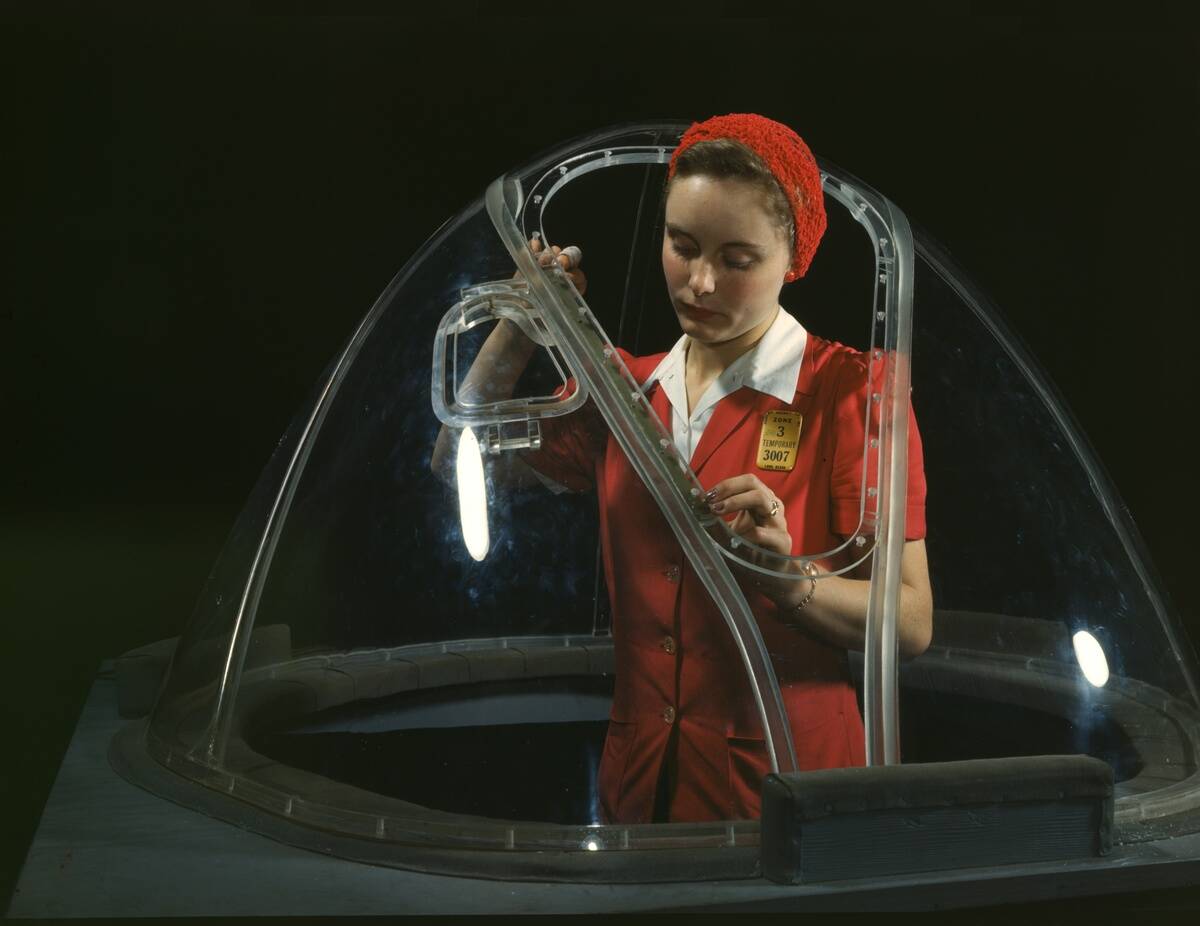
Beyond Naomi Parker Fraley, countless other women embodied the spirit of Rosie the Riveter. These unsung heroines, whose names often remain unrecorded, worked tirelessly in factories, shipyards, and military installations.
Women like Rose Will Monroe, who worked as a riveter in a Michigan factory, represent the countless individuals who played a pivotal role in the war effort, often without recognition.
How ‘Rosie the Riveter’ Changed Perceptions of Women
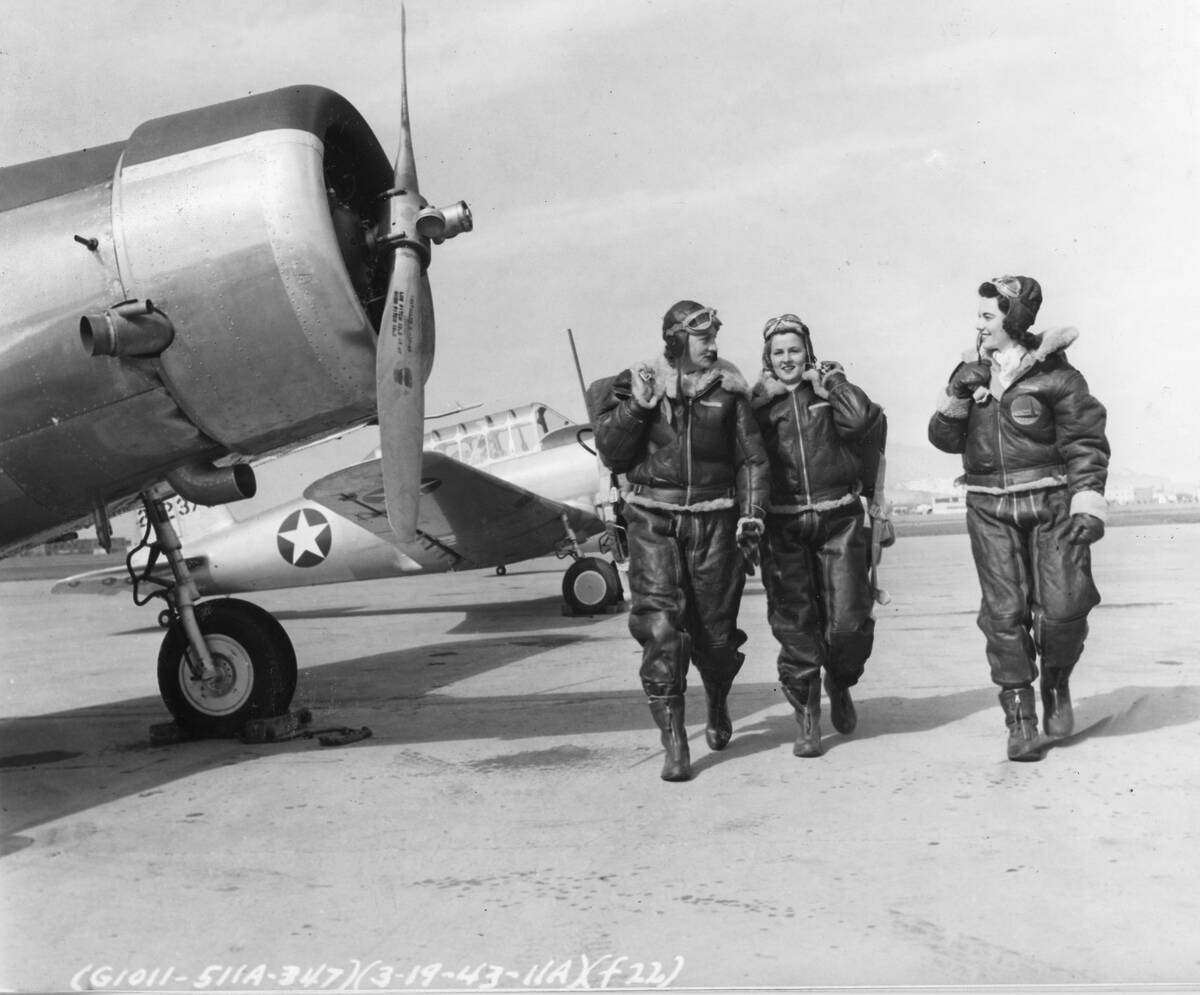
Rosie the Riveter played a crucial role in shifting societal perceptions of women’s capabilities. By taking on jobs that were traditionally reserved for men, women demonstrated their ability to perform skilled labor and contribute to the economy.
This change paved the way for future discussions on gender equality and opened new opportunities for women in various professional fields.
Music and Media: Rosie’s Influence in Entertainment
Rosie’s influence extended into the entertainment industry, with the ‘Rosie the Riveter’ song becoming a wartime hit. Her image appeared in movies and comic strips, reinforcing her status as a cultural icon.
This portrayal in media not only entertained but also educated the public on the essential role women played during the war, further cementing Rosie’s place in history.
The Legacy of ‘Rosie the Riveter’ in Modern Times
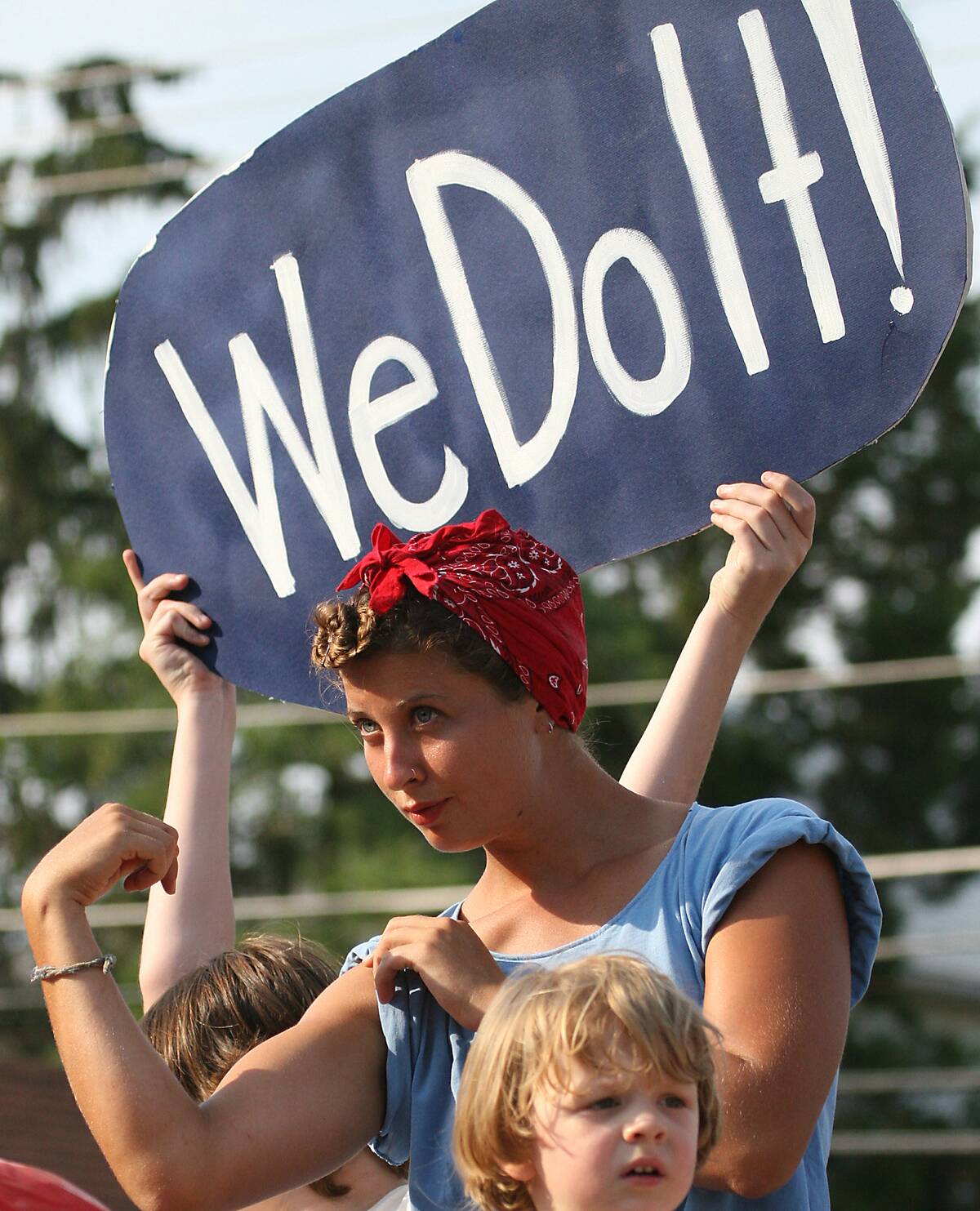
Today, Rosie the Riveter remains a powerful symbol of female empowerment and resilience. Her legacy continues to inspire women to pursue careers in fields once dominated by men.
Initiatives like the annual Rosie the Riveter Day and various educational programs ensure that her story and the stories of countless women who worked during WWII are not forgotten.
Rosie’s Role in Women’s Rights Movements

Rosie the Riveter has become an emblematic figure in women’s rights movements, representing the fight for equality and empowerment. Her image is frequently used in rallies and campaigns advocating for gender equality.
The spirit of Rosie, with her can-do attitude, resonates with those pushing for better working conditions, equal pay, and other fundamental rights for women worldwide.
Revisiting Rosie: How the Movement is Remembered Today
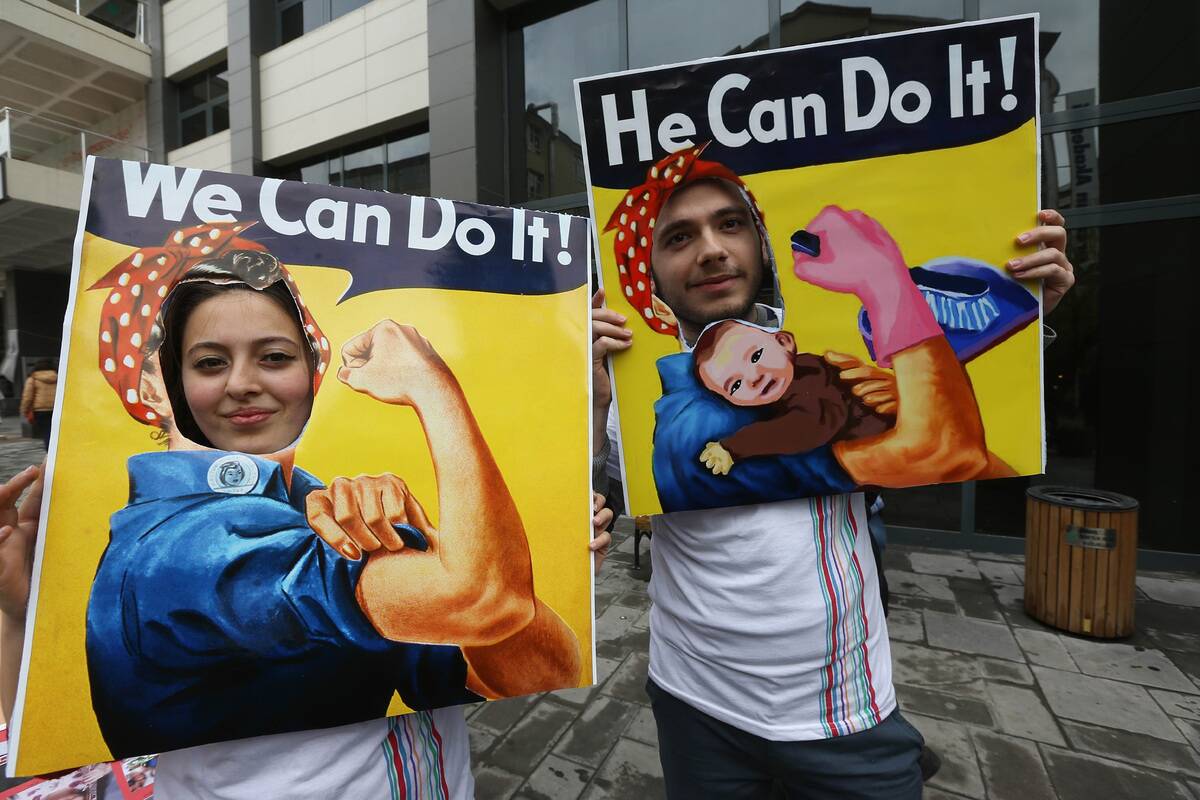
The Rosie the Riveter movement is remembered today through various commemorations and educational efforts. Museums, documentaries, and public art installations celebrate the contributions of these pioneering women.
Events like the annual Rosie Rally bring together individuals of all ages to honor the legacy of the original Rosies and emphasize the ongoing fight for gender equality.




