27 glimpses of the early internet in the 1990s
Before broadband and apps, the 1990s internet meant a beige PC, a phone jack, and patience. You dialed a local access number, listened to your modem sing, and hoped no one picked up the receiver. By 1999, roughly four-in-ten U.S. adults were online, according to Pew, but the vibe still felt like a frontier: homepages were hand-built, email was magical, and the web changed month to month as browsers, search engines, and services raced ahead.
Costs and quirks shaped habits. Many services charged by the hour early on, so people drafted emails offline and pasted them in. When AOL switched to flat-rate access in late 1996, usage spiked so hard it clogged dial-in lines nationwide. Start pages loaded headlines in a handful of images and text. Your bookmarks were gold, and the internet felt small enough that you could actually “visit” it all—at least until the next wave of links arrived.
The Dial-Up Symphony: Modem Screeches and Handshakes
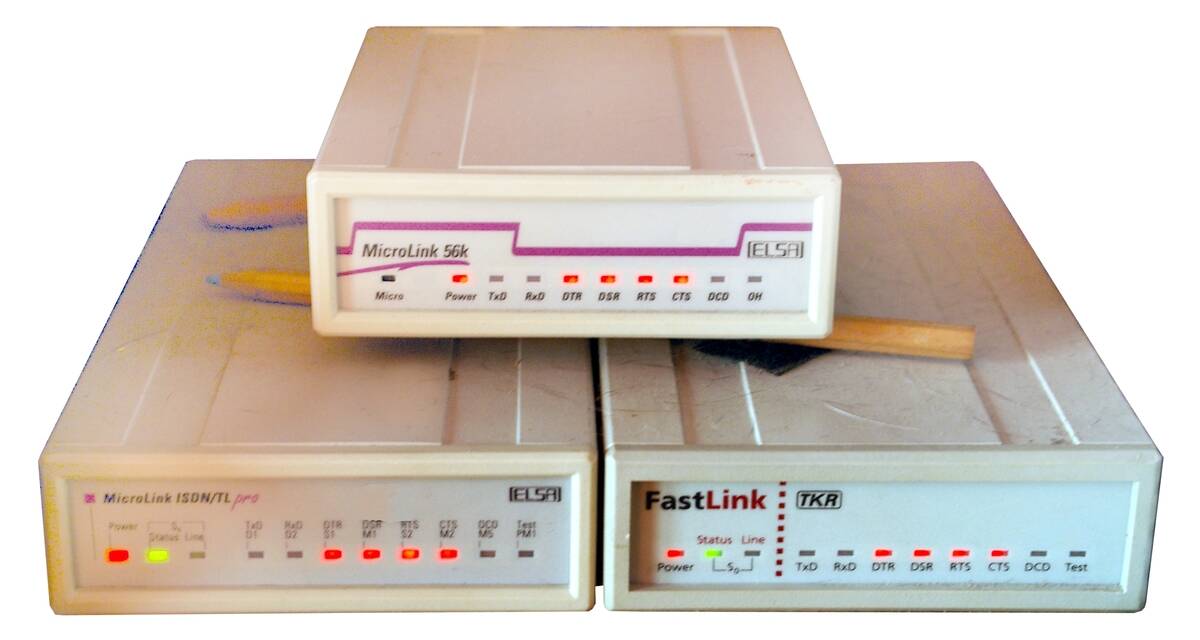
That iconic screech wasn’t random noise. A handshake began with a carrier tone, then negotiation: your modem and the provider’s agreed on speed and error correction before settling into a data stream. Standards marched fast—V.32bis (14.4 kbps), V.34 (28.8), then 33.6—each improving line training and compression. By the late decade, V.90 ushered in “56k” downstream over analog lines, though real-world throughput rarely matched the sticker number.
You could even choreograph the ritual with Hayes AT commands: ATDT to tone-dial, ATH to hang up, and init strings to tame flaky lines. A successful session rewarded you with a triumphant “CONNECT 28800” or similar, then PPP took over to authenticate and route traffic. That squeal became a soundtrack to late-night homework, fan-site updates, and the endlessly hopeful refresh of a busy server.
Choosing an ISP: AOL, CompuServe, and Prodigy Starter Packs
America Online, CompuServe, and Prodigy each offered a walled-garden take on the net. AOL, evolving from 1980s dial-up services, emphasized ease—chat rooms, email, and “AOL Keywords” for quick navigation. CompuServe, with roots back to the 1960s, hosted deep forums and file libraries. Prodigy, launched by IBM and Sears in 1988, pushed a graphics-friendly interface early on. Starter kits were stacked at electronics stores, promising painless setup and a friendly path onto the wider web.
Pricing shaped loyalties. Early hourly fees favored quick check-ins, but AOL’s 1996 move to a flat monthly rate made marathon sessions mainstream, even if it swamped access lines at first. CompuServe’s Special Interest Groups had experts and vendors answering questions. Prodigy’s ad-backed approach foreshadowed today’s model. Choosing an ISP was equal parts software fit, local number availability, and which free trial disk landed in your mailbox first.
Free Trial CDs Everywhere: The Era of “1000 Hours”
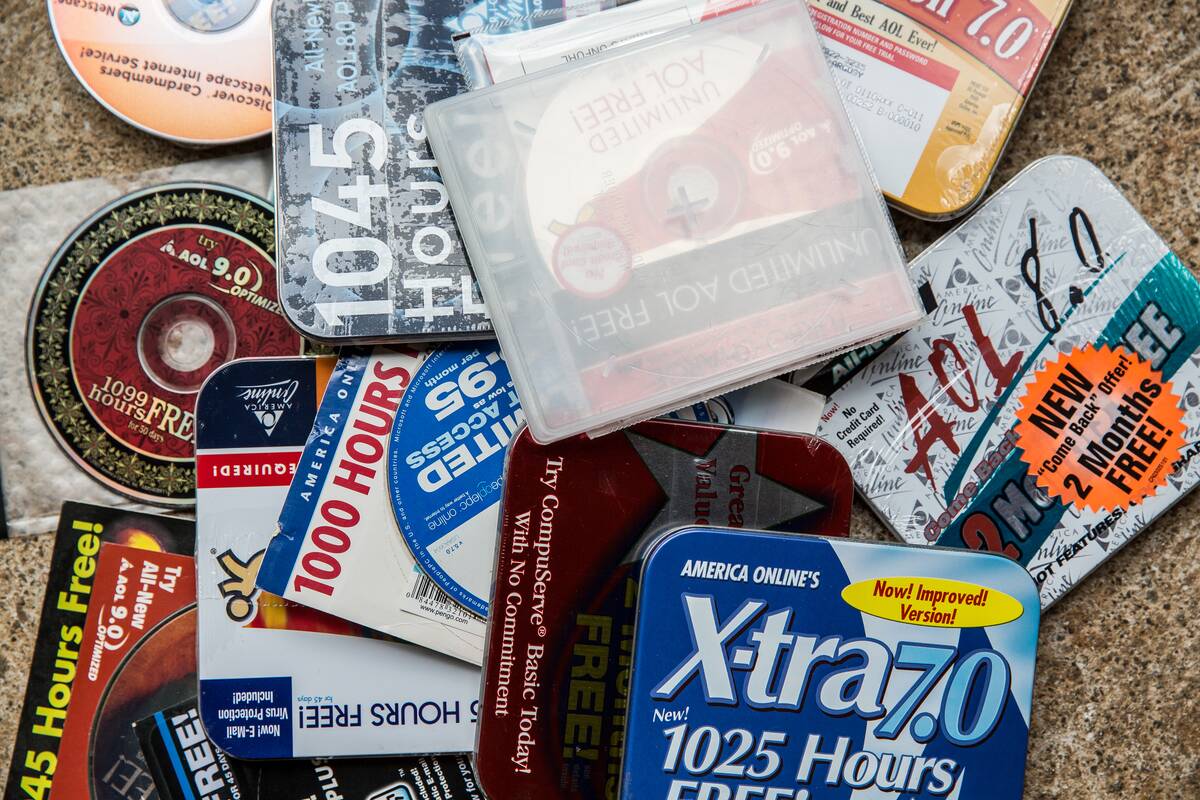
Those shiny AOL, CompuServe, and MSN CDs were inescapable—stuffed in magazines, stacked by registers, and bundled with new PCs. Offers began modestly (50 free hours) and escalated into eye-popping promos like “1000 hours free for 45 days.” The software auto-configured your modem, created a dial-up entry, and walked you through sign-up, sparing many from the mysteries of TCP/IP settings.
The campaign scale was staggering. By the late 1990s, providers had mailed hundreds of millions of discs globally. Households re-purposed them as coasters and mobiles, while thrifty users rotated trials to eke out a few more months. Those discs were physical avatars of the era: the web was something you installed, sampled, and—if you liked it—kept paying for one dial-up session at a time.
First Browsers: Mosaic, Netscape Navigator, and Early Internet Explorer
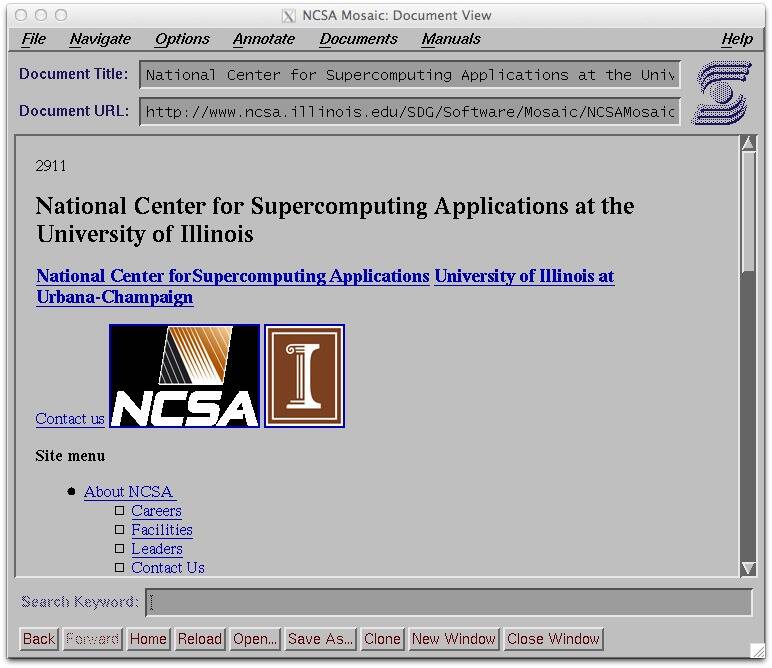
NCSA Mosaic (1993) made the web feel human by displaying inline images with text, inspiring a generation to click. Its alumni founded Netscape, and Navigator 1.0 arrived in 1994 with speed, bookmarks, and a hunger to turn the web into a polished medium. Pages still loaded line by line, but it felt like magic when a banner appeared without saving a file first.
Microsoft joined with Internet Explorer 1.0 in 1995, licensed from Spyglass Mosaic, and rapidly iterated. By 1997–1998, the “browser wars” were on: Netscape added frames and JavaScript, IE integrated with Windows and pushed CSS and the DOM. Standards were a moving target, but each release made the web more capable—and gave designers new toys to break or bend.
Before Google: Yahoo Directories, AltaVista, Lycos, and Ask Jeeves
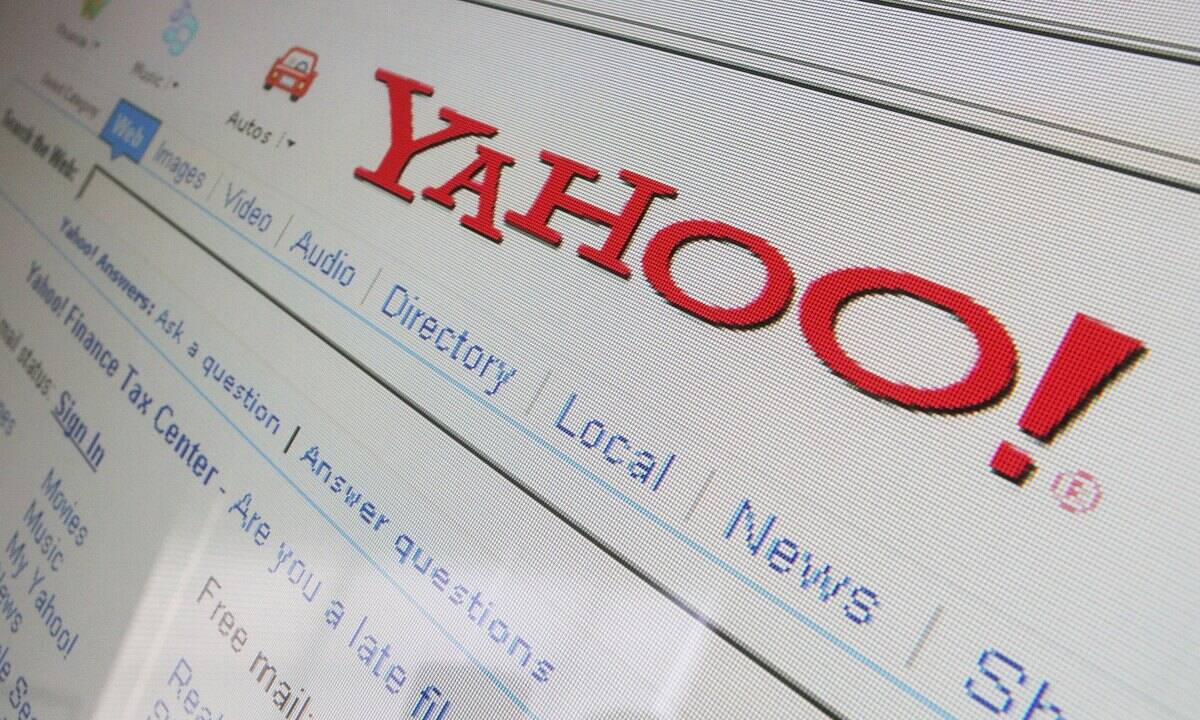
Finding things meant browsing curated lists or betting on early crawlers. Yahoo began in 1994 as a human-edited directory, carving the web into tidy categories you could drill down. AltaVista (1995) brought fast, full-text search and tolerated advanced tricks—Boolean operators, quoted phrases, and language filters—while Lycos (born at Carnegie Mellon in 1994) emphasized breadth and speed.
Ask Jeeves (1996) leaned on natural-language queries like “Where can I find a lasagna recipe?” It worked…sometimes. Google would land in 1998, but until PageRank reshaped expectations, people mixed methods: poke a directory, try a crawler, and, if all else failed, ask in a forum. The journey often revealed as much as the destination.
Personal Homepages: GeoCities, Angelfire, and “Under Construction” GIFs

GeoCities (1994) invited you to pick a themed “neighborhood”—SoHo for arts, SiliconValley for tech—and plant a flag. Angelfire (mid-90s) made it equally easy to snag a free address and upload a few HTML files via FTP or a rudimentary web form. A bio, a few images, and a webring badge later, you had a little homestead on the frontier.
Every corner crackled with exuberant DIY. The “Under Construction” GIF became shorthand for ambition outpacing time. Hit counters tallied visitors one by one. Guestbooks captured shout-outs and advice. Backgrounds tiled, text blinked, and sites wore their personality proudly—no templates, just enthusiasm and whatever you could puzzle out from a “View Source.”
Web Design Vibes: Frames, Blink Tags, Tiled Backgrounds, and MIDI Music
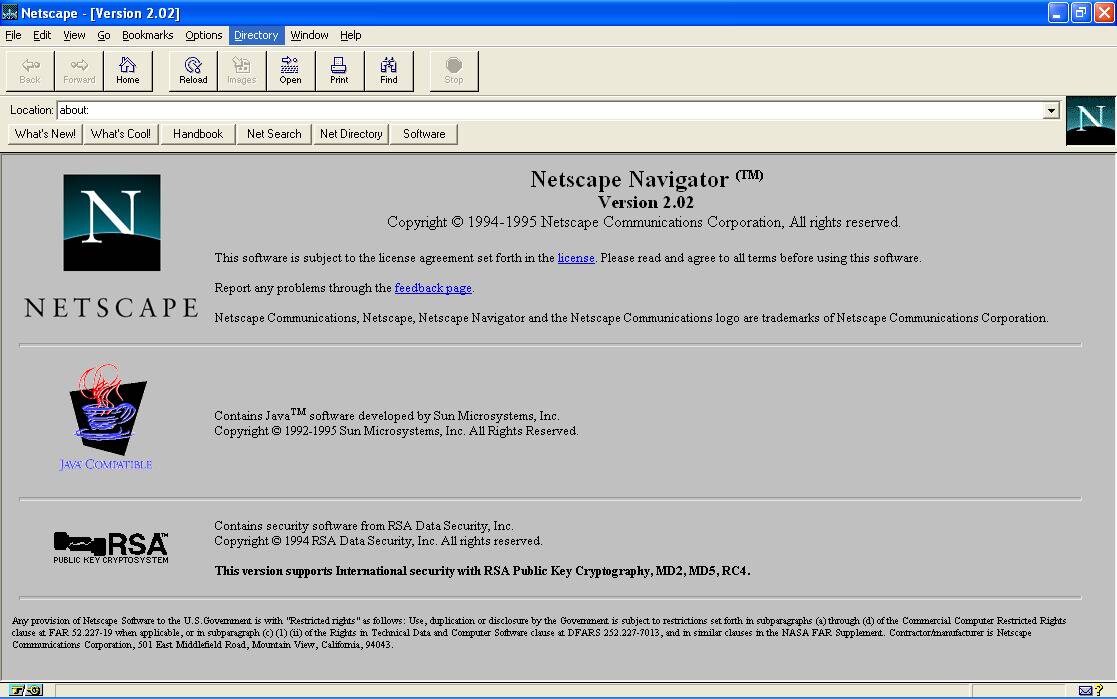
Netscape popularized frames in the mid-90s, letting sites freeze a navigation column while swapping content on the right. It felt advanced—and broke bookmarking. The infamous tag, supported by early Netscape, pulsed warnings and punchlines. Internet Explorer’s scrolled headlines and egos. Designers juggled the 216-color “web-safe” palette, trying to keep images from dithering on 8-bit displays.
Texture reigned. Repeating marble or starfield tiles set a mood, often at the expense of legibility. Embedded MIDI files auto-played theme songs at a few kilobytes each, charming or alarming your speakers. Tables did heavy layout duty. Accessibility was an afterthought, but so was perfection; the goal was to make something unmistakably yours—and make it load over 28.8
Email Magic: “You’ve Got Mail,” Eudora, Pine, and Listservs
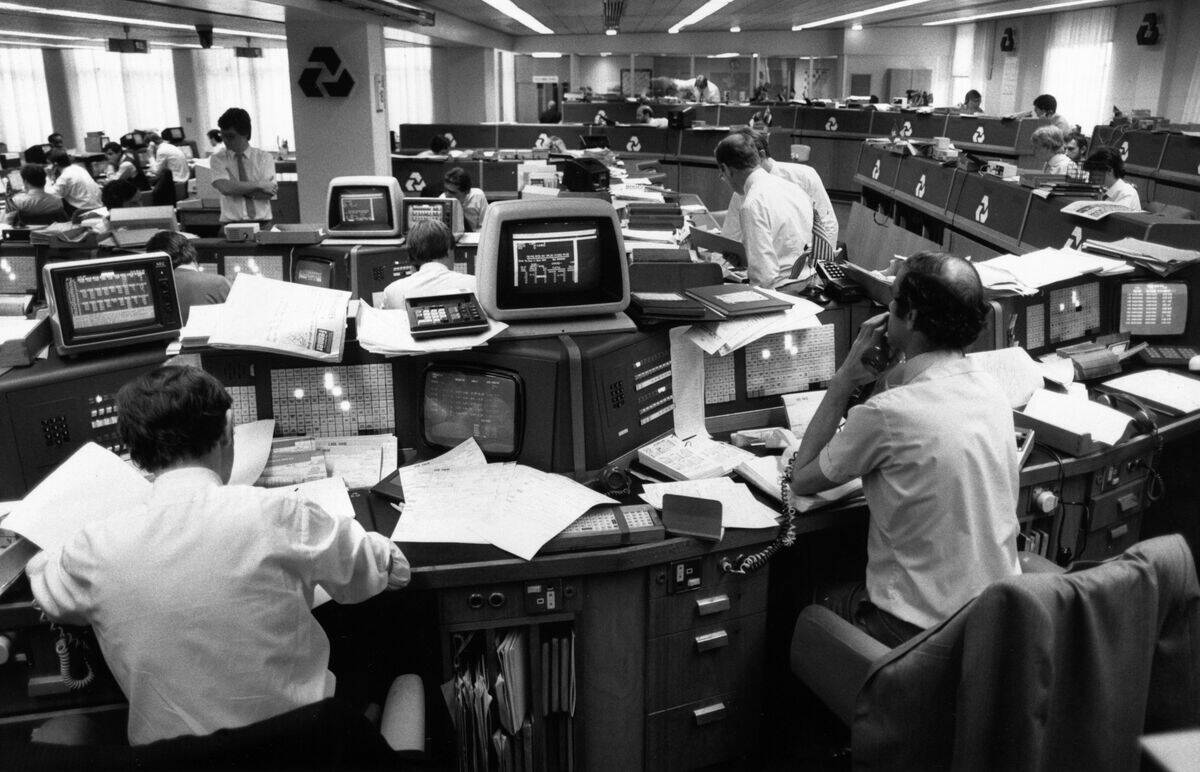
AOL’s “You’ve got mail,” voiced by Elwood Edwards, turned new messages into a small celebration. Power users preferred Eudora, a popular Qualcomm client that handled POP3 and SMTP with aplomb. On campus and Unix shells, Pine kept things keyboard-driven and fast. Attachments were fragile until MIME became common, and inbox quotas forced ruthless pruning—especially on university accounts.
Listservs, powered by software first created by Eric Thomas in 1986, stitched communities together via email. You’d subscribe, receive a steady drip (or a daily digest), and reply-all your way into a conversation. Quoting with > characters kept threads readable. Rules emerged organically: change subjects when you drift, snip replies, and be patient—some people only checked mail once a day.
Chat Culture: AOL Chat Rooms, IRC Channels, ICQ and AIM Screen Names
AOL chat rooms were bustling town squares divided by interests—music, homework help, late-night insomniacs. Moderators tried to keep order, parental controls added training wheels, and whispers carried private asides. Screen names were identities: punny, cryptic, or aspirational, and always a little revealing.
Elsewhere, IRC (born 1988) hosted channels on networks like EFnet and Undernet, with ops, bots, and etiquette all its own. ICQ (1996) assigned you a numeric UIN and introduced presence: online, away, do-not-disturb. AIM (1997) brought buddy lists and away messages, the perfect spot for cryptic lyrics or “brb dinner.” Emoticons bridged tone before emoji arrived.
Newsgroups 101: Usenet, FAQs, and Flame Wars
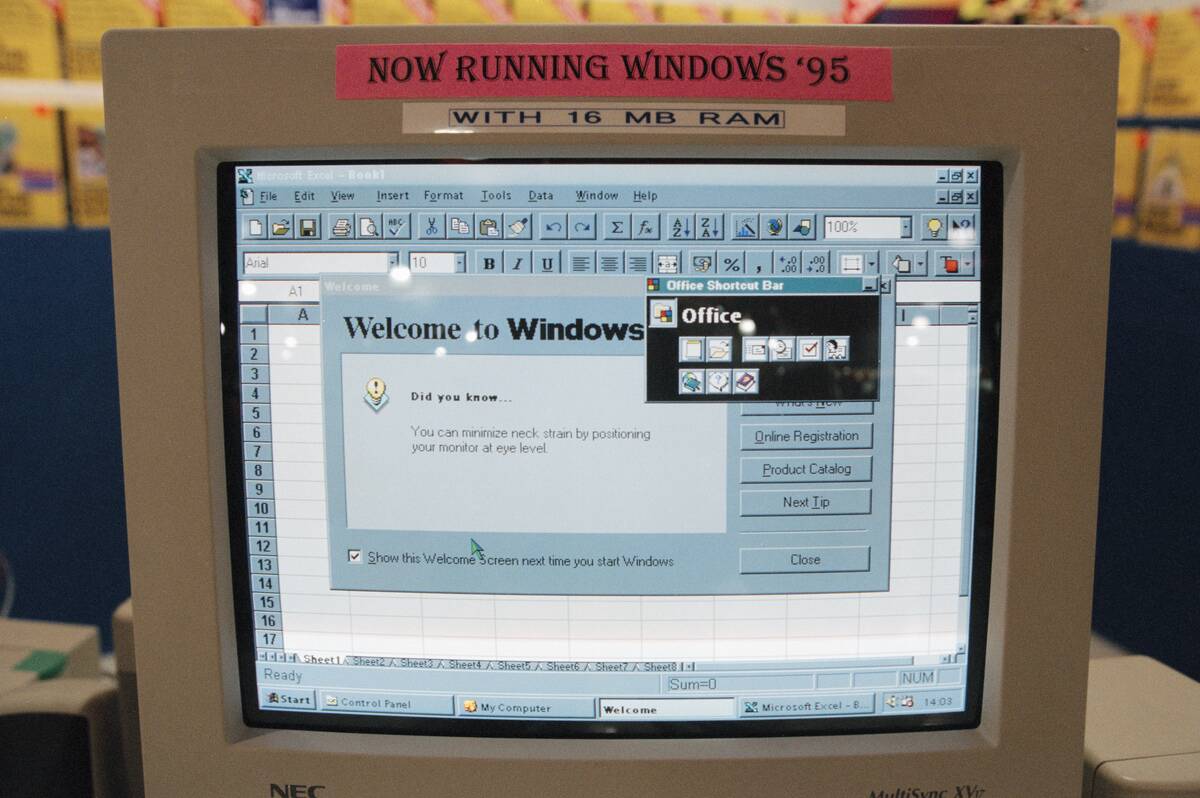
Usenet, launched in 1980, spread discussions across hierarchies like comp.*, rec.*, and the famously unruly alt.*. You accessed it with newsreaders such as tin, trn, or Forte Agent, pulling headers from a local server and fetching articles on demand. It felt decentralized because it was—servers exchanged posts peer-to-peer worldwide.
Culture formed early. FAQs pinned to regular posts answered the same questions kindly, at least the first time.
Killfiles filtered chronic irritants. “Eternal September” began in 1993 when an influx of newbies (sparked in part by big providers offering Usenet access) overwhelmed norms. Debates got heated fast—flame wars—yet expertise pooled there long before blogs or Stack Overflow.
Downloading at a Snail’s Pace: Shareware, WinZip, and Mirrors
Speeds were measured in patience. A solid 28.8 kbps connection typically delivered about 3–3.5 KB/s, while a 56 kbps modem could often reach roughly 4–6 KB/s under real-world conditions. A 10 MB file could take an hour, longer if your mom made a phone call. Big downloads ran overnight with fingers crossed, praying for no disconnects at 98%.
Shareware powered the ecosystem: try first, pay if you liked it.
WinZip and PKZIP compressed archives to save precious seconds. Sites offered “mirrors” around the world to balance load and reduce hops. Resume tools like GetRight (late 1990s) salvaged partial downloads, a revelation when one blip no longer meant starting from zero.
Early Multimedia: RealPlayer Buffering, Low-Res Webcams, and QuickTime
RealAudio debuted in 1995 aiming to stream at dial-up rates, often 20 kbps or less. “Buffering…” became a status mantra, and drops were common. RealPlayer soon handled video, too, though postage-stamp windows and blocky motion were the tradeoff for being first. It was enough to follow a radio station across the globe from your desk.
Apple’s QuickTime, introduced in 1991, turned the Mac into a multimedia lab and later crossed to Windows. Webcams were charmingly primitive: the University of Cambridge’s Trojan Room coffee pot and JenniCam (1996) proved people would watch almost anything refresh every few seconds. It wasn’t smooth—but it was live.
Online Gaming Begins: MUDs, Doom over Dial-Up, QuakeWorld Lag
Before polygons, there were words. MUDs and MUSHes piped adventures over telnet: type “north,” see a description; type “attack,” hope the dice favored you. Social layers flourished—guilds, emotes, and lore spun entirely in text—making latency a footnote rather than a killer.
Then id Software’s Doom (1993) let friends play multiplayer deathmatches using LAN connections over IPX, direct serial cables, or modem-to-modem links, with services like DWANGO (1994) later enabling wider dial-up competition. Quake’s QuakeWorld (1996) retooled netcode for the open internet, but dial-up meant pings in the hundreds of milliseconds. “Lag” entered the lexicon, rocket jumps became rites of passage, and Kali tunneled IPX games over TCP/IP to keep older titles alive.
Shopping Goes Online: Amazon’s Books, eBay Auctions, and SSL Padlocks
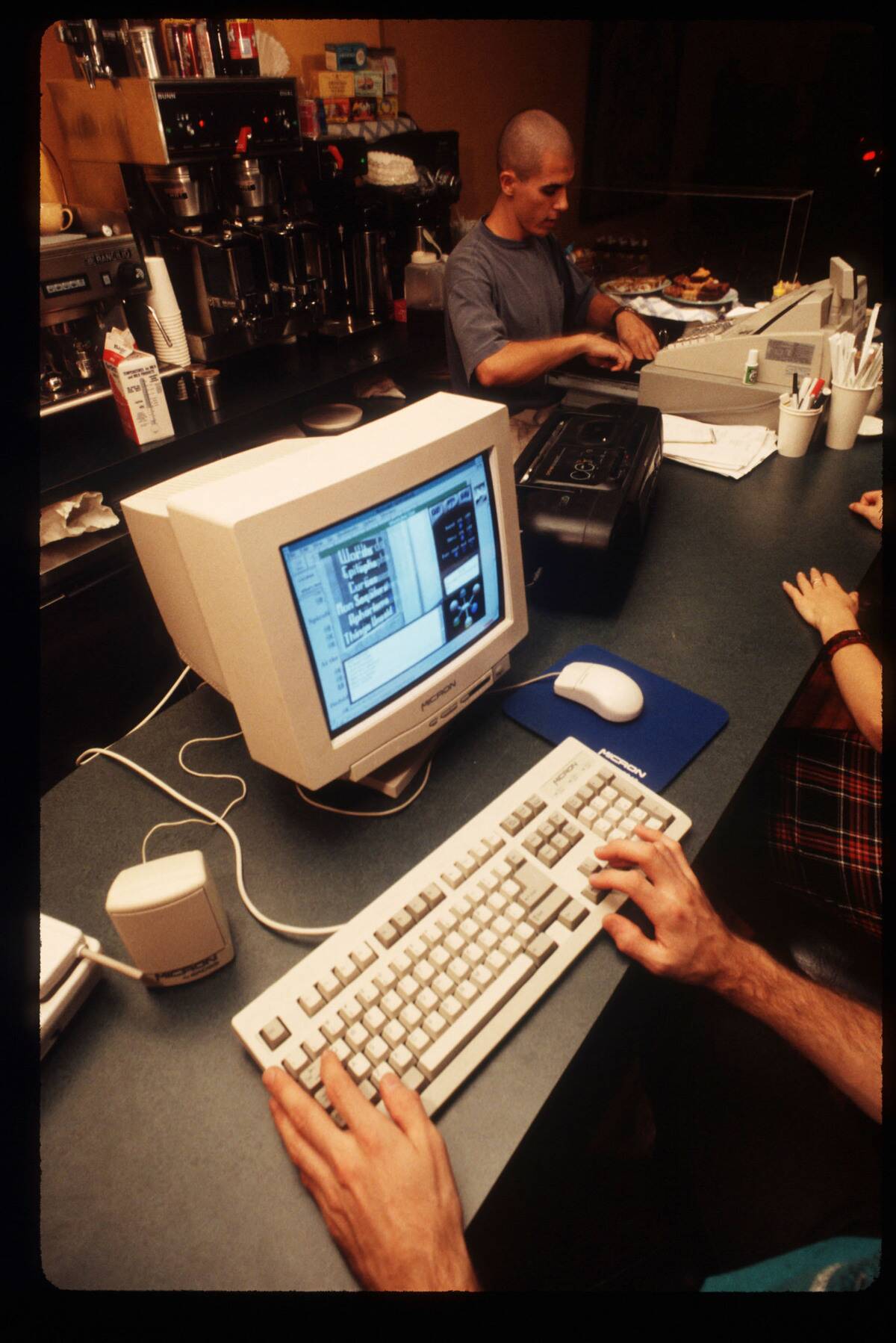
Amazon opened in 1995 selling books, leaning on vast catalogs and user reviews to offer what local stores couldn’t. Clicking “Place Order” felt futuristic, doubly so when a package appeared days later. Selection and search beat shelf-browsing, and confirmation emails became receipts you actually saved.
eBay, launched as AuctionWeb in 1995, turned the thrill of the hunt into a daily habit. The site’s first sale was famously a broken laser pointer, proving there’s a buyer for everything. Browsers signaled secure checkout with a lock or key icon as SSL encrypted transactions. Trust marks and feedback scores did the rest, one deal at a time.
WeBrings and Fan Sites: Finding Communities Before Algorithms
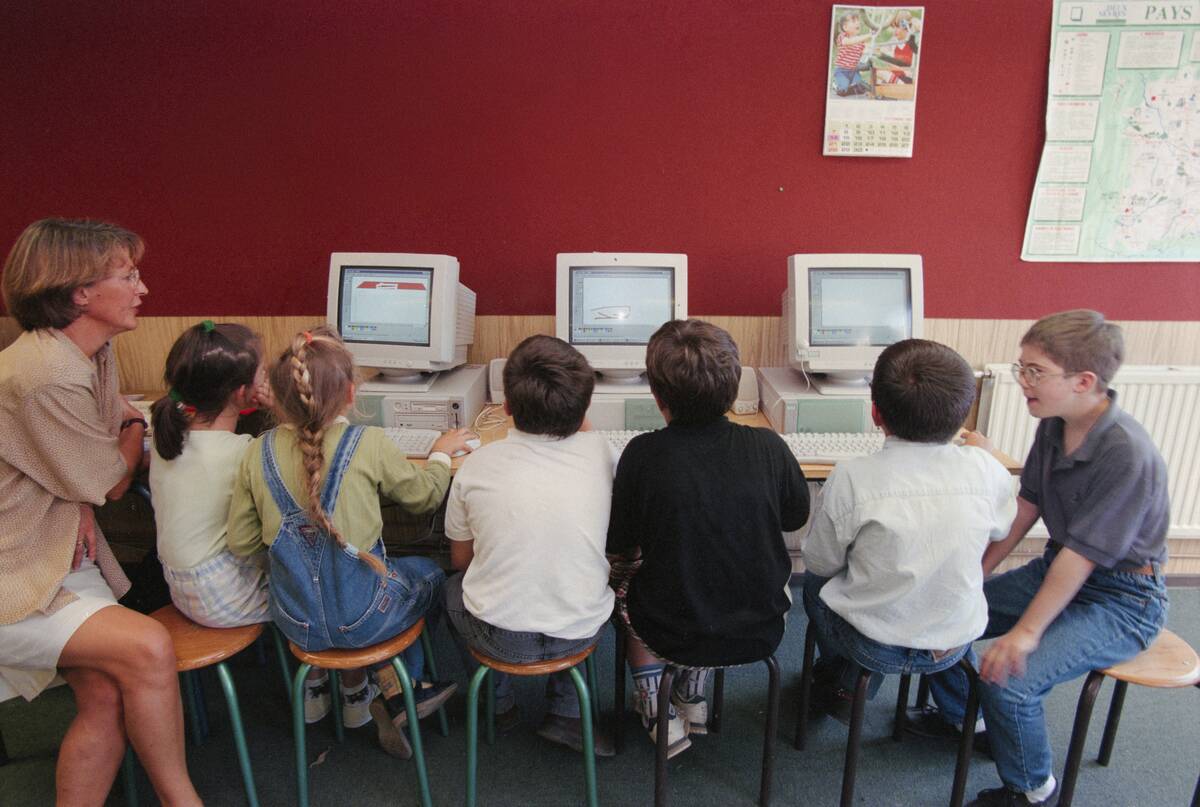
WeBRings stitched small sites into big adventures. Created in 1994, the system let fans link pages in circles around topics—sci-fi shows, indie bands, programming languages. A navigation bar offered Prev, Next, and Random, so you could follow a thread across dozens of personal pages without hitting a search engine once.
Fan sites thrived on passion and curation. Ring managers set entry rules; members submitted pages for review. You’d find episode guides, MIDI themes, and lovingly scanned zines. No trending tab, no algorithmic boost—just word of mouth, webring hops, and maybe a link from a bigger fan site sending you a welcome wave of traffic.
Cybercafés and Computer Labs: The Social Web Before Social Media
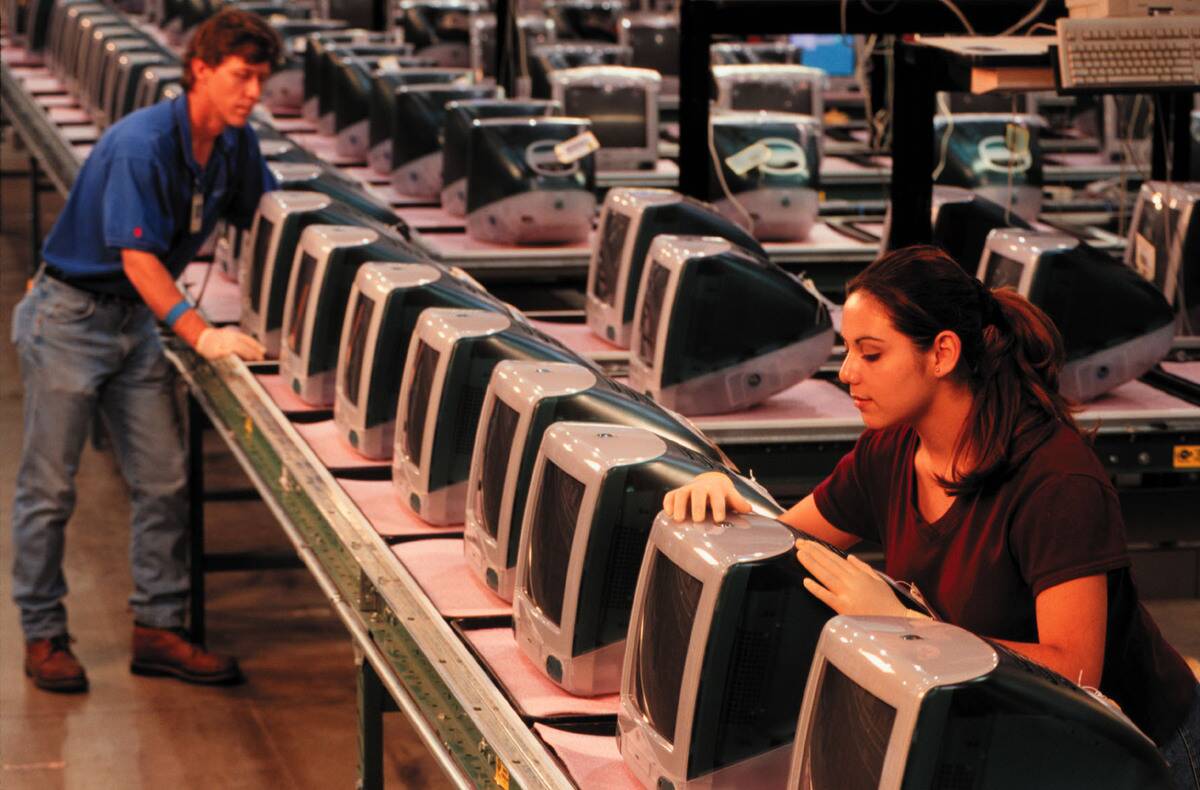
Internet cafés made the net a destination. Cyberia opened in London in 1994; The Binary Café followed in Toronto the same year. You paid by the hour, sipped espresso, and split time between email, chat, and a new browser someone insisted you try. For travelers, it was a lifeline; for teens, a clubhouse with faster connections than home.
On campuses, computer labs pulsed with 10Base-T Ethernet and the soft click of mechanical keyboards. Netscape launched with a shared homepage; laser printers hummed as MapQuest directions piled up. Sign-up sheets rationed time at peak hours. Labs were where you learned a new trick by glancing at a neighbor’s screen, then passed it along.
Portals and Start Pages: AOL Keywords, Netscape Home, and MSN
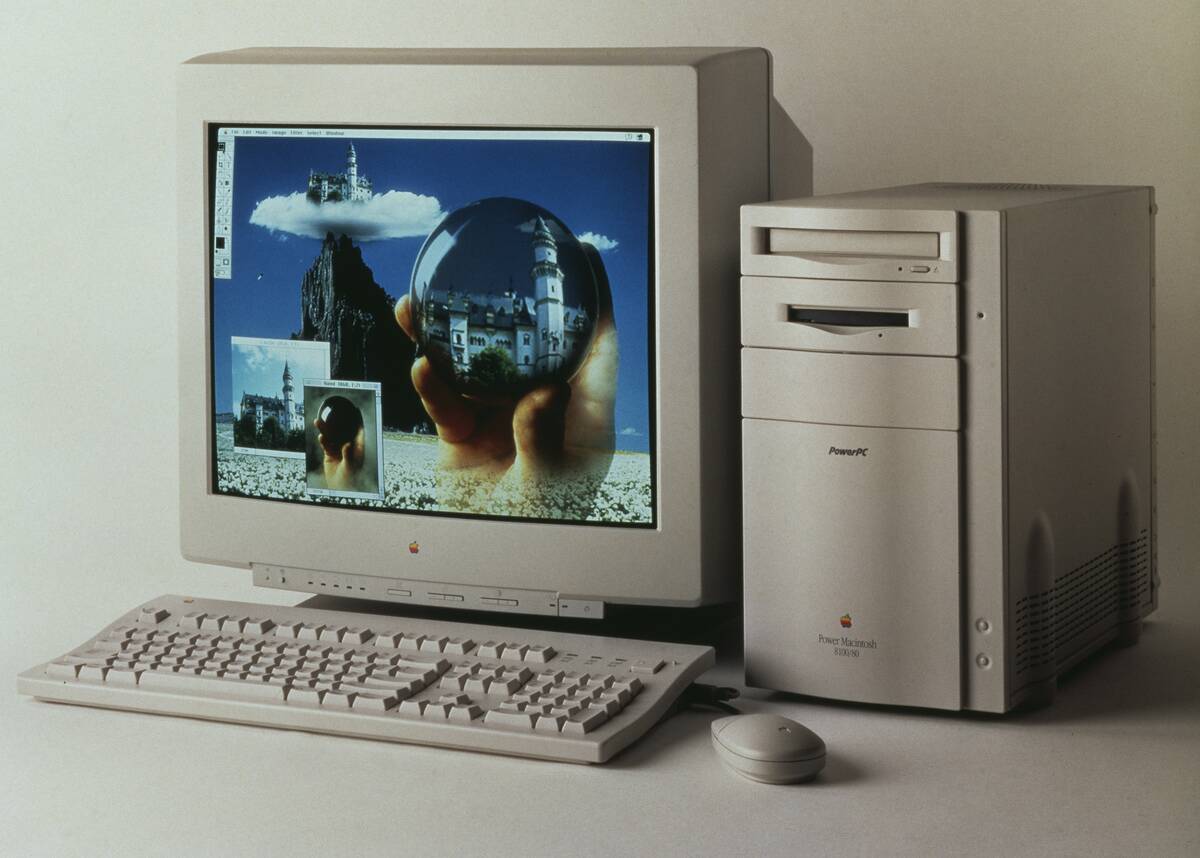
Portals were the front doors. AOL’s “Keyword: News” or “Keyword: Sports” jumped you straight into curated hubs—fast, familiar, and ad-supported. Those hubs blended proprietary content with links out to the wider web, easing newcomers into surfing without feeling lost.
Elsewhere, Netscape.com and Yahoo’s portal anchored many default homepages; My Yahoo (1996) let you personalize weather, stocks, and headlines. Microsoft’s MSN launched in 1995 and knitted news, email, and chat under one roof. Changing your browser’s default start page was an act of self-expression—practical, too, if you wanted to shave seconds off loading over dial-up.
Viruses and Vigilance: Macro Infections, Melissa, and Early Antivirus
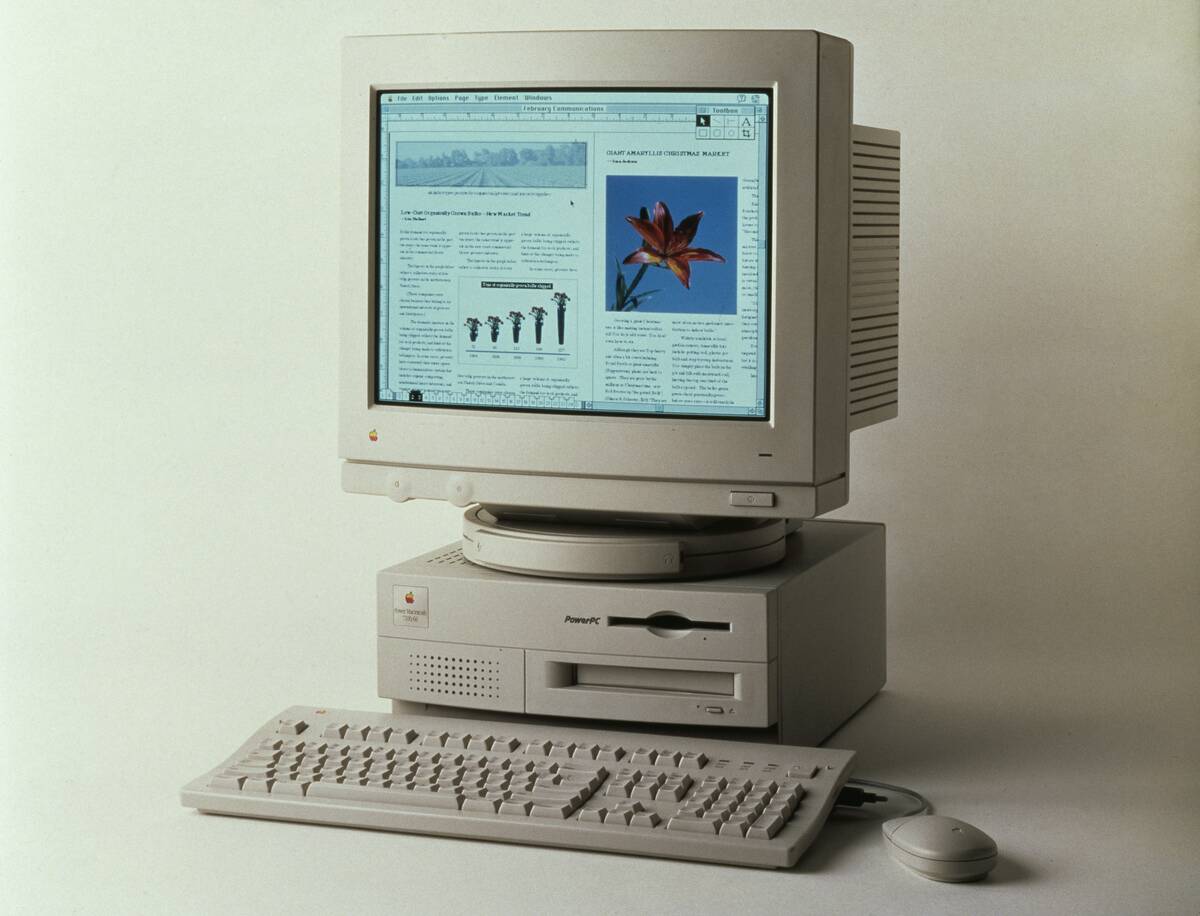
Security anxieties grew with popularity. Macro viruses like Concept (1995) spread through Microsoft Word documents, firing when you opened a file, not an executable. In 1999, the Melissa virus emailed itself to the first 50 contacts in Outlook, swamping corporate servers and prompting emergency filters. Lessons spread: disable macros, don’t open unknown attachments, and keep backups.
Antivirus tools—McAfee VirusScan, Norton AntiVirus—updated via dial-up, sometimes weekly, sometimes only when disaster struck. Admins taught users to look for odd file extensions and to patch Office. The early web also traded removal tips in forums and on Usenet; a good FAQ could be the difference between a bad night and a wiped drive.
Configuring It All: TCP/IP Stacks, COM Ports, and Driver Disks
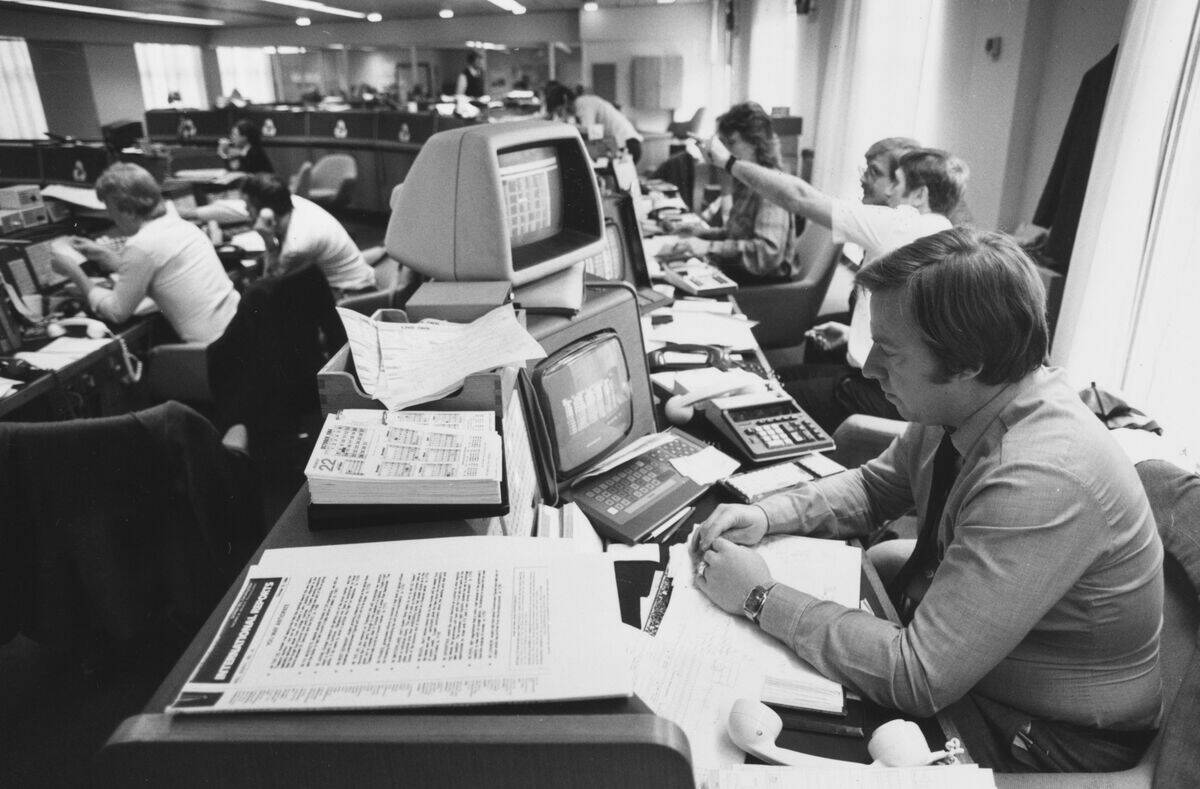
Before Windows 95, many relied on Trumpet Winsock to bolt a TCP/IP stack onto Windows 3.1. You typed in DNS, IP, and gateway numbers by hand from an ISP handout. Windows 95’s Dial-Up Networking made things friendlier but still taught a generation about PPP, DNS, and why a missing default gateway could ruin your night.
Hardware had personality. External modems blinked like Christmas lights on COM1 or COM2; internal ones sparred with serial mice over IRQs. Driver disks arrived on 3.5-inch floppies, and “AT” init strings in modem properties could calm temperamental lines. When it finally worked, you wrote everything down—because you knew you’d be back.
Early Webmail and Messages: Hotmail, Yahoo! Mail, and Away Messages
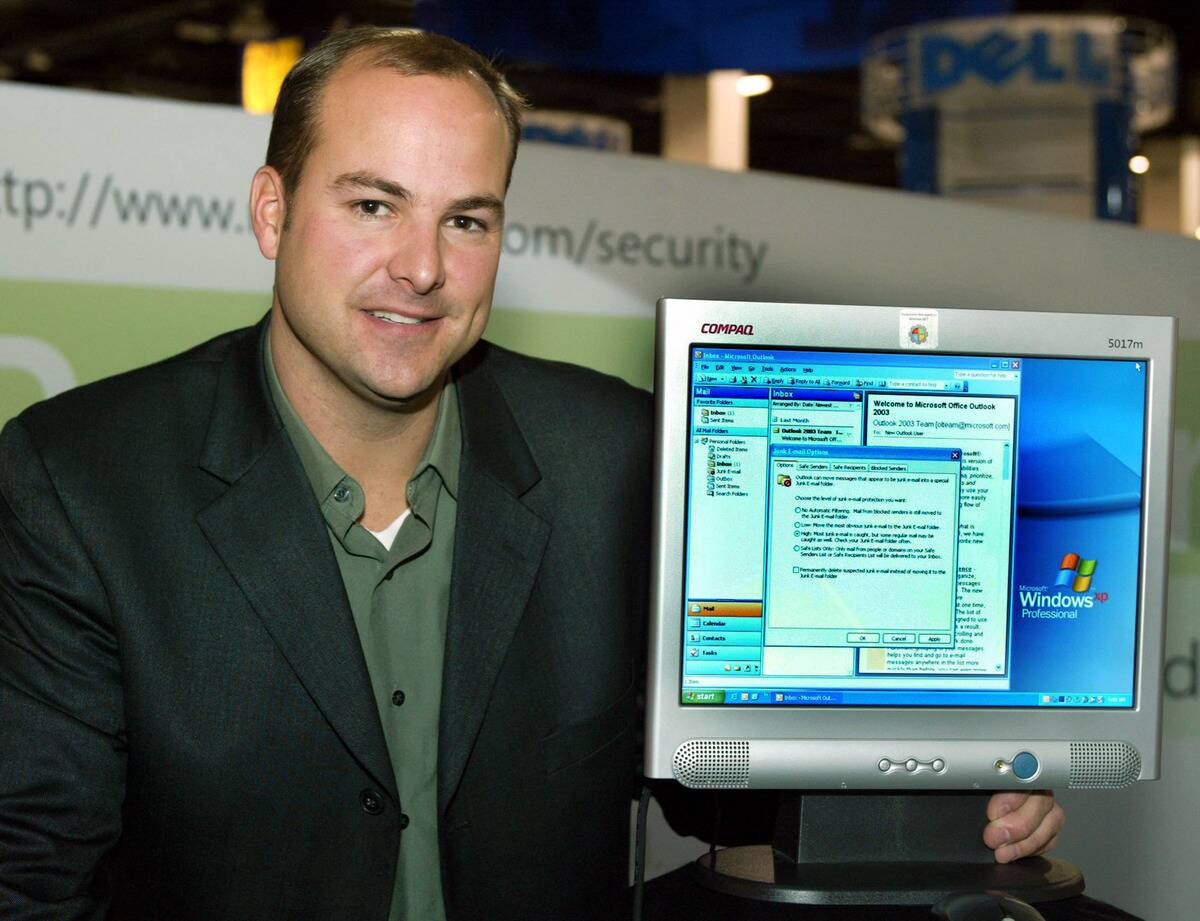
HoTMaiL launched in 1996 with a promise: email from any browser, not just your home PC. Microsoft acquired it in 1997 and integrated it with MSN. Yahoo! Mail followed in 1997 after the company acquired Four11’s RocketMail service. Early inboxes were tiny by today’s standards—often a few megabytes—so pruning attachments and emptying trash became a weekly ritual.
Presence reshaped expectations. AIM’s away messages told friends you were at class or “gone fishing,” doubling as status updates and personality quizzes. Vacation auto-responders on ISP accounts and corporate systems set expectations: reply in a week, not a minute. Communication was crossing from asynchronous to ambient, one buddy list at a time.
Ads Arrive: Banner Bling, Pop-Ups, and the First Ad Blockers
The first clickable banner ad ran on HotWired in 1994—an AT&T buy that teased, “Have you ever clicked your mouse right here? You will,” and reportedly drew a staggering click-through rate by today’s standards. The 468×60 banner became an early staple, perched atop pages like neon marquees. CPMs were guesswork; success was measurable, which felt revolutionary.
Then came pop-ups and interstitials, courtesy of creative scripts and enthusiastic ad networks. Users learned to swat windows and tweak browser settings. Tools like WebWasher (late 1990s) emerged to filter ads, and some people simply turned off image loading to save bandwidth—an accidental ad block that also doubled page speed on 28.8.
Privacy by Default: Handles, Anonymity, and Netiquette
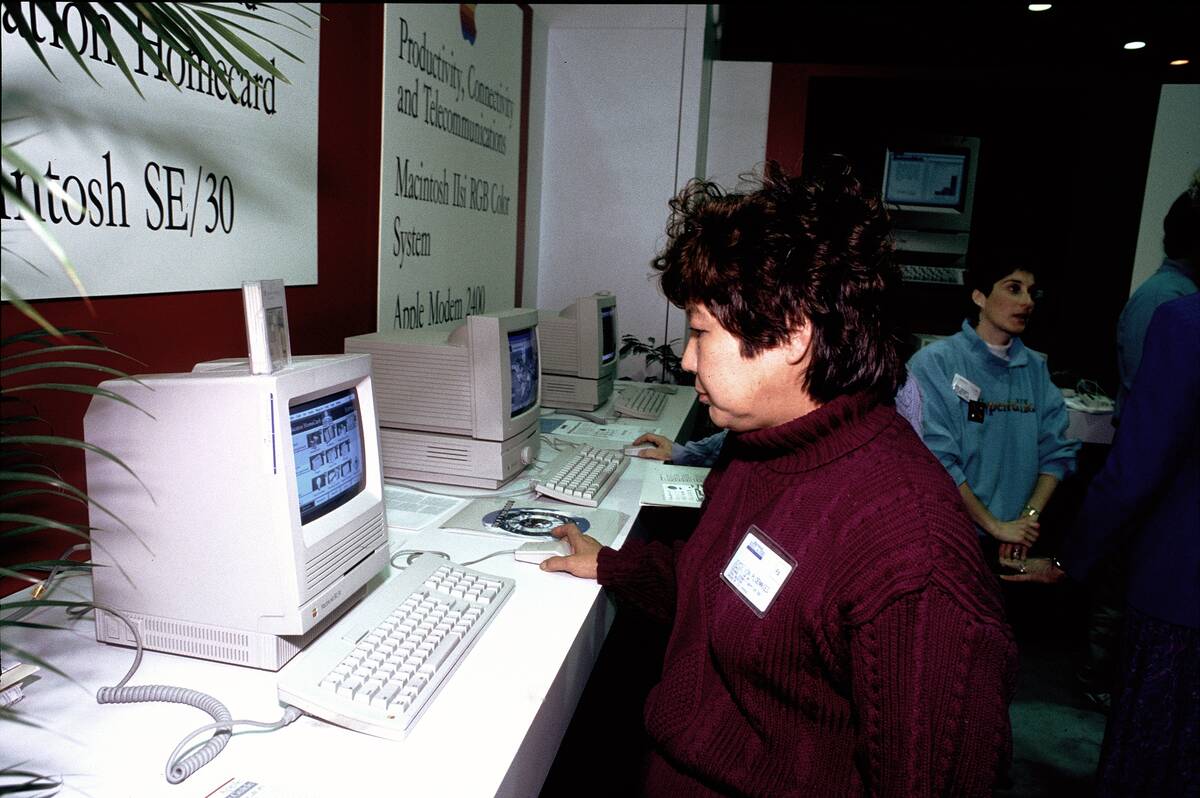
Most people didn’t post real names; they picked handles that traveled from chat to forums. Email addresses lived behind ISP or campus domains, but public profiles were sparse. Anonymity wasn’t a political statement so much as a default setting that let experimentation happen without a permanent search trail.
Netiquette tried to keep the peace.
RFC 1855 (1995) distilled common-sense rules: don’t shout in caps, trim replies, and remember there’s a human on the other side. Signature blocks stayed short—four lines was the norm. Anonymous remailers existed for those who needed them, while the rest learned to separate public posts from private DMs before those were even called DMs.
Multimedia Toys: Shockwave, Flash Beginnings, and Animated Cursors
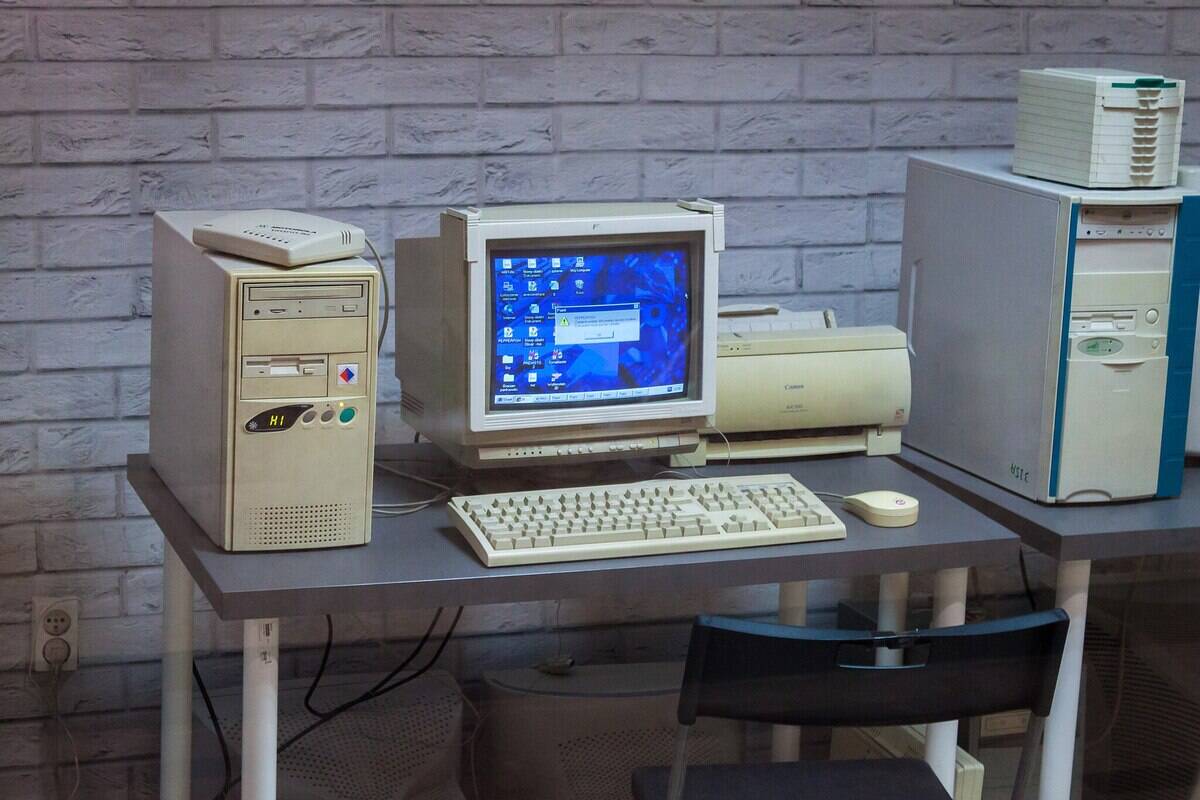
Macromedia Shockwave arrived in 1995 to bring Director-made games and interactive stories to the browser via a plug-in. It was heavier than simple GIFs but worth it for quizzes, puzzles, and early point-and-click adventures that preloaded their scenes and coaxed dial-up into playing along.
FutureSplash Animator (1996) was acquired and reborn as Macromedia Flash, making lightweight vector animations mainstream by the late ’90s. Flash intros, skip buttons, and dancing logos multiplied overnight. On the desktop, the Windows 95 Plus! Pack introduced animated cursors (.ani), a tiny flourish that made even moving your mouse feel like customization—preferably with sparkles.
Music Goes Digital: MP3s, Winamp, and Napster’s Big Bang
MPEG-1 Layer III—MP3—was standardized in the early ’90s, but by 1997–1999 it exploded into the mainstream. Ripping a CD and shrinking a track to ~128 kbps felt like sorcery. Winamp launched in 1997 with fast decoding, skins, and that unforgettable startup sample, and suddenly your PC was a jukebox with visualizers pulsing to the beat.
Napster (1999) turned music discovery into a global swap meet. Searches filled with rare live cuts and radio singles; college networks lit up with traffic. Legal storms followed—Metallica and the RIAA filed suits in 2000—but the model proved the appetite. Portable players like the Diamond Rio (1998) hinted that the library in your pocket was inevitable.
Directions and Downloads: MapQuest Printouts and Tucows/Download.com
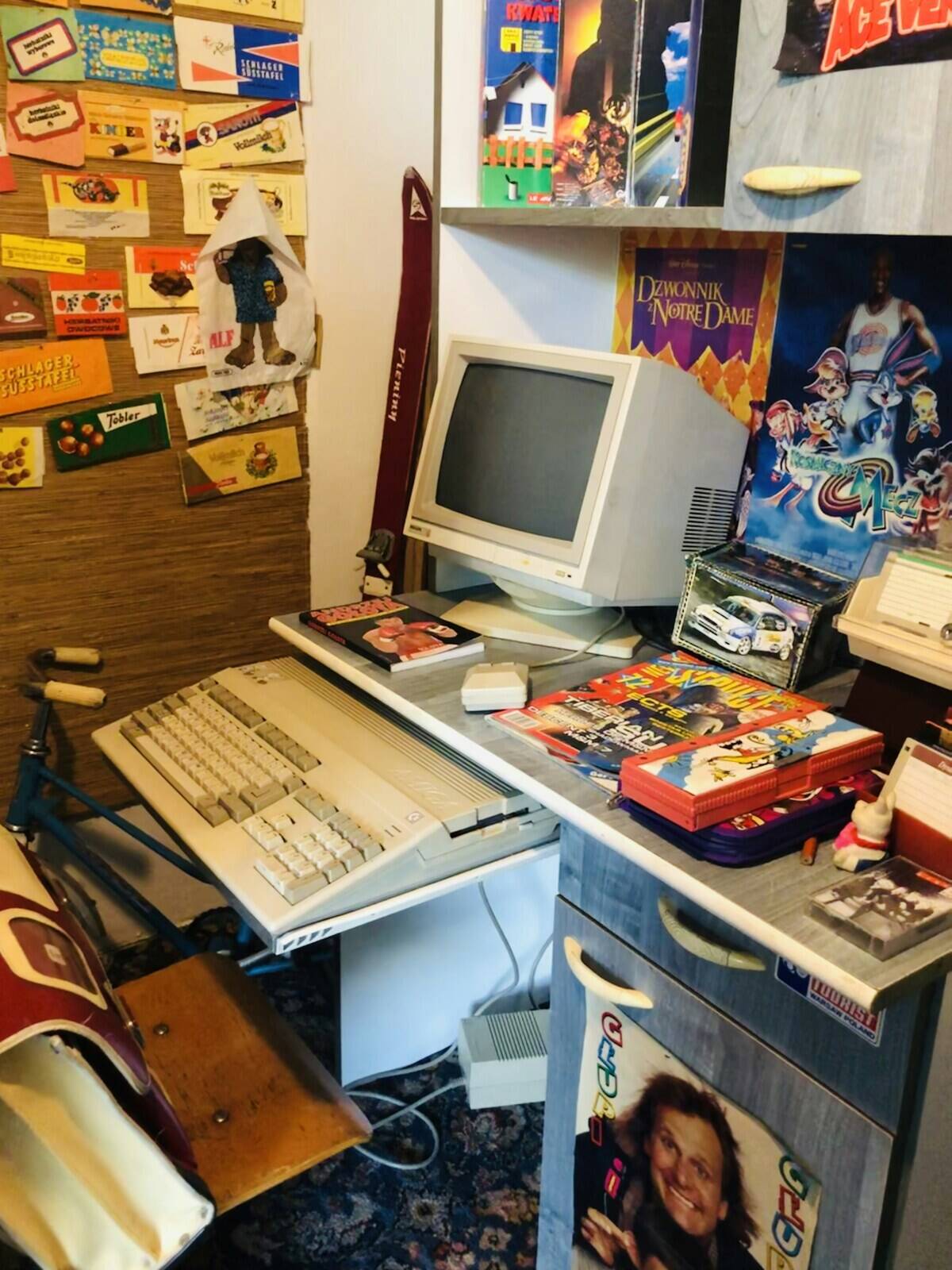
MapQuest, launched in 1996, was the co-pilot of glove boxes everywhere. You typed an address, got turn-by-turn text and a few small maps, then hit Print. Without GPS or smartphones, those pages were gospel, complete with “If you reach Main St., you’ve gone too far” hints that spared many U-turns.
Software hunting had its own hubs. Tucows—“The Ultimate Collection of Winsock Software”—curated dial-up essentials, while CNET’s Download.com (1996) offered reviews and mirrors for shareware and freeware. You learned to check file sizes, version numbers, and publisher names to avoid duds—and to start big grabs before dinner so they’d (maybe) finish by bedtime.
One Computer, Many Users: Family Desktops and Rotating Turns
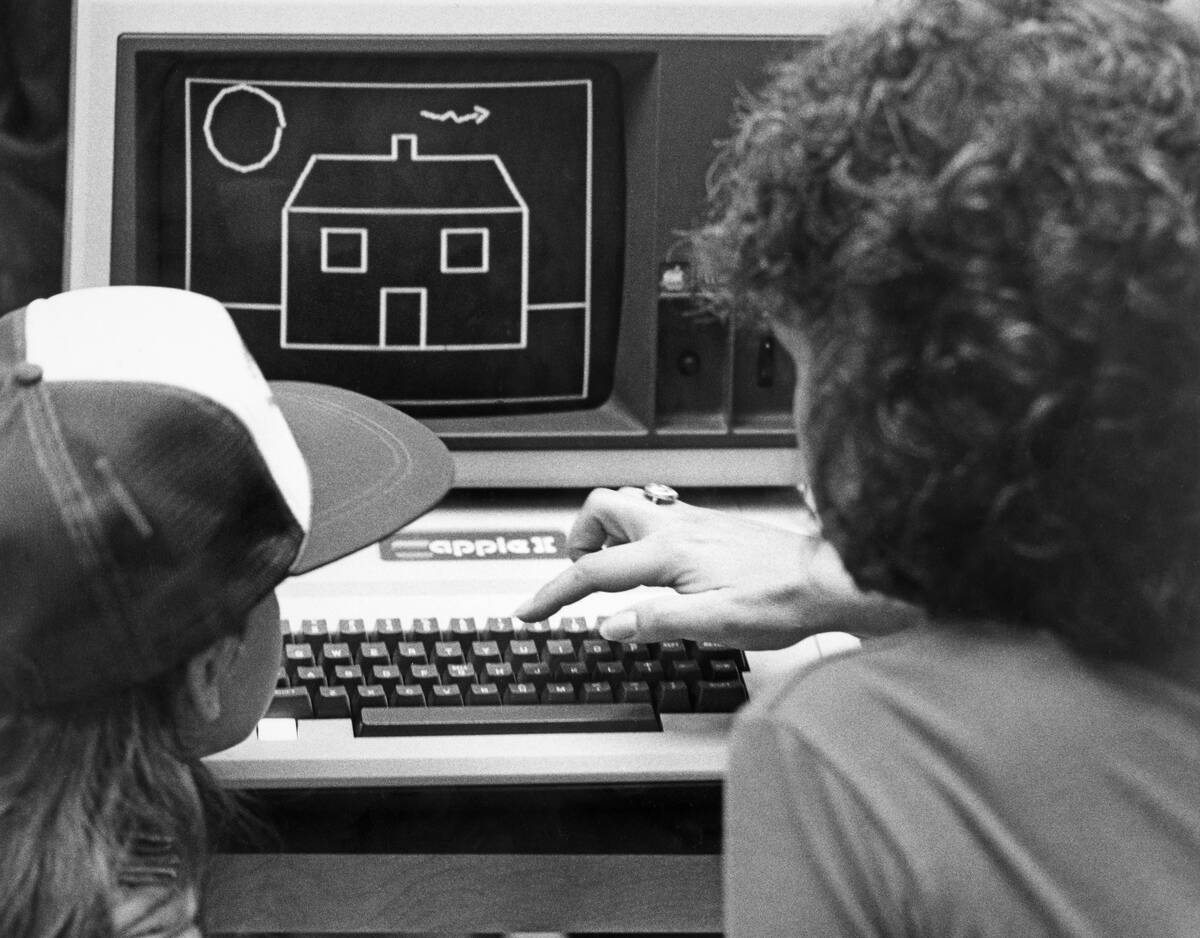
The family PC lived in the den or near the kitchen, where both curiosity and supervision ran high. Siblings rotated through homework, chat, and games. Windows 95 offered basic user profiles, but the real governance was a kitchen timer and a parent with veto power. Screen savers locked with passwords; Post-it notes tracked whose turn was next.
Schedules bent around cheaper night and weekend phone rates, and long downloads earned a “Do Not Touch” sign. Multiplayer meant hot-seat gaming or yelling from the hallway. In a pre-personal-device world, that single box was a shared resource, a common stage—and the reason everyone learned to bookmark fast.
Dot-Com Energy: Hype, Pets.com, and the Promise of a Wired Future
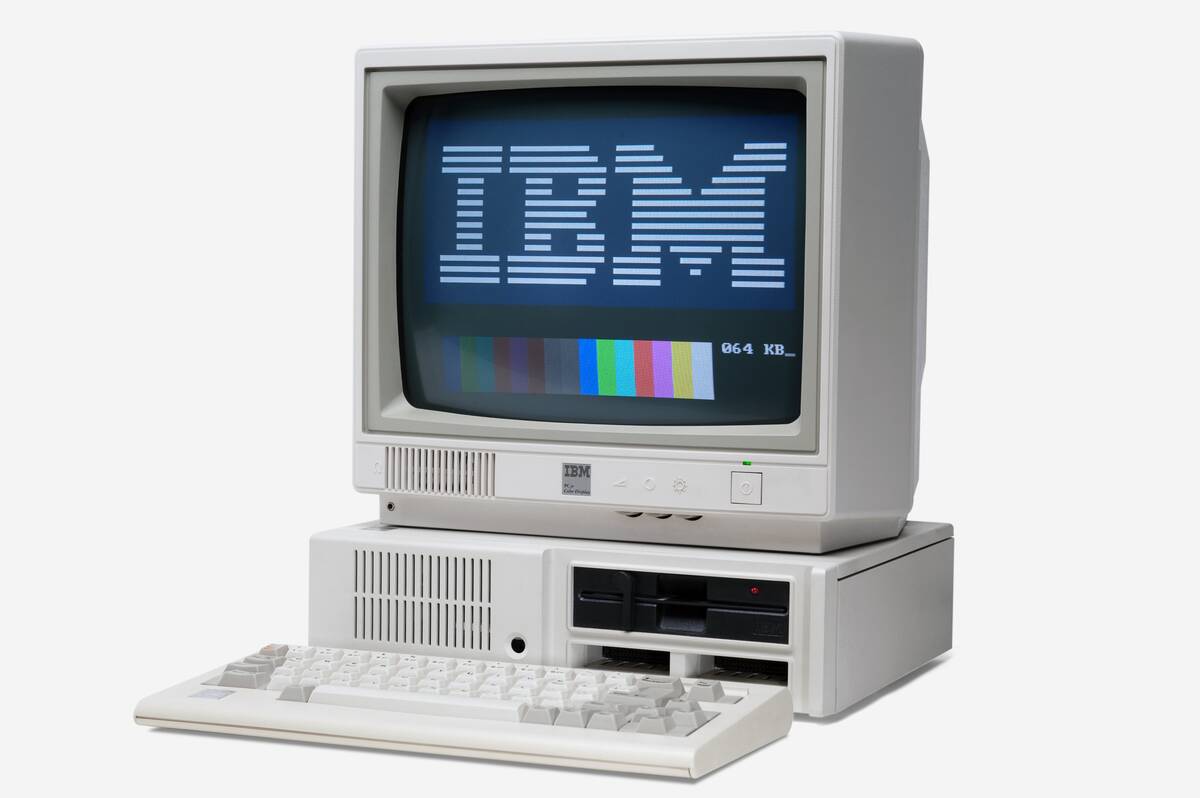
The late ’90s went neon with possibility. IPOs popped, Super Bowl XXXIV (January 2000) featured a parade of dot-com ads, and the Pets.com sock puppet grinned from billboards. Startups promised one-hour delivery (Kozmo.com), groceries to your door (Webvan), and free everything funded by banner ads. Offices had foosball; pitch decks had hockey sticks.
The bubble peaked in March 2000 and deflated hard, but the scaffolding stayed. Data centers expanded, fiber spread, and standards like 802.11b (1999) kicked off Wi‑Fi at home. The dial-up decade ended not with a whimper but a handoff—to broadband, to mobile, and to a web that would soon be everyone’s daily habit.




