21 photos of middle-class life 100 years ago
Picture 1925: Calvin Coolidge in the White House, Prohibition in full swing, and the hum of new radios threading through evening air. The 1920 census had just confirmed the big shift—more Americans lived in cities than on farms. With World War I behind them and wages generally rising, middle-class families leaned into convenience, novelty, and a dash of optimism. Department stores dazzled with elevators and window displays, while chain stores like A&P spread familiar prices and brands across growing neighborhoods.
Daily life ticked along at a brisker pace, yet felt orderly—time kept by wristwatches and factory whistles. Consumer credit was expanding, advertising was clever, and millions were discovering national culture through syndicated columns and coast-to-coast sports coverage. The Scopes Trial (1925) captured headlines, jazz spilled from dance halls, and mass-produced goods—cars, appliances, ready-to-wear—turned yesterday’s luxuries into today’s decisions. It was modernity, but with parlor curtains, Sunday roasts, and neighbors who still knew your name.
2. Where they lived: Tree-lined streets, porches, and the rise of the bungalow

Middle-class dreams often came with a front porch and a hydrangea or two. Subdivisions spilled outward along streetcar lines, giving families leafy streets and modest lots. The star was the bungalow—low, wide, and cozy—popularized by plan books and mail-order kits from Sears, Roebuck and Montgomery Ward. Craftsman details—tapered columns, built-ins, exposed rafters—promised style without extravagance. Many houses went up fast thanks to standardized lumber, precut parts, and simple roofs that a local crew could assemble in weeks.
Developers pitched fresh air and light as selling points, positioning porches as outdoor living rooms. Corner groceries and a school within walking distance sweetened the deal. City utilities made these neighborhoods practical: electric wires strung above alleys, gas lines for cooking, and, in many areas, paved streets and concrete sidewalks. Even renters found charm in two-flats and duplexes that echoed bungalow lines. The vibe was comfortable, neighborly, and only a fare or two from downtown.
3. What home felt like: Floor plans, parlors, and the all-important dining room
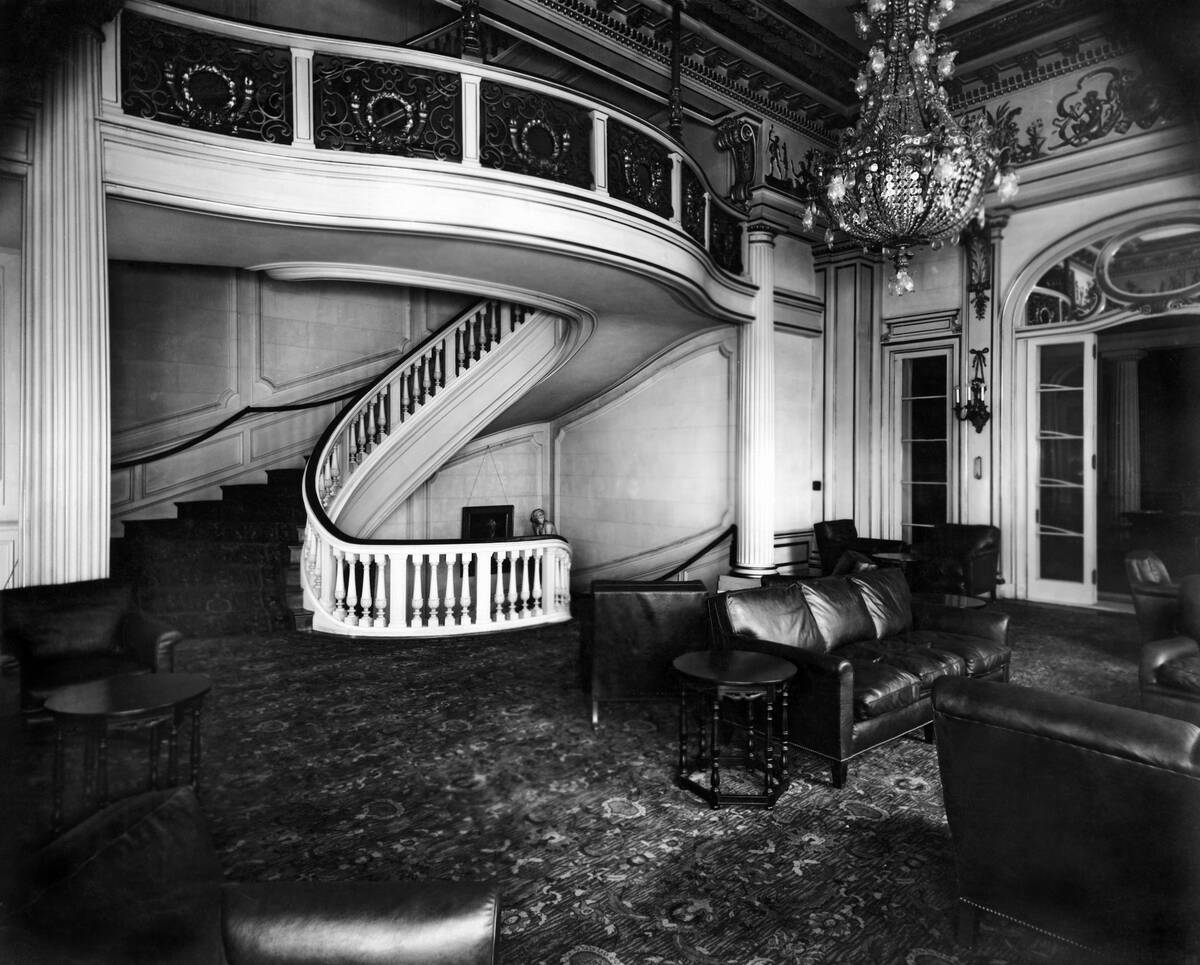
Inside, layout mattered. Families gravitated to efficient floor plans—entry into a living room, a dining room centered by a sturdy table, and a compact kitchen tucked at the back. Built-in bookcases framed fireplaces, and colonnades subtly divided spaces without walls. The parlor, once a formality, softened into a multipurpose living room for newspapers, needlework, and radio listening. Wood floors wore patterned rugs; lace curtains met roller shades; and picture rails kept plaster intact during enthusiastic redecorations.
The dining room anchored routine. Sunday roasts, report cards, and birthday cakes all passed across its polished surface. A sideboard stored linen and the good china—wedding gifts that came out for company. Lighting often hung as a central fixture with a pull chain, while chairs scraped across thick rugs to muffle sound. Bedrooms were smaller but practical, with iron or brass beds, a chiffonier, and a cedar hope chest. Closet space felt precious; suit brushes and hat stands did their part.
4. Heating, lighting, and the miracle of indoor plumbing (mostly)
Winter warmth usually meant coal. Gravity furnaces puffed through floor grates, while many homes still relied on coal stoves in the kitchen or parlor. Ash cans waited in alleys for collection, and soot meant regular cleaning. Gas remained common for cooking and some lighting, but electricity raced ahead in cities; by the mid-1920s, urban homes widely enjoyed electric lamps, while rural areas lagged until New Deal electrification. Hot-water radiators—hissing politely—felt downright luxurious on icy mornings.
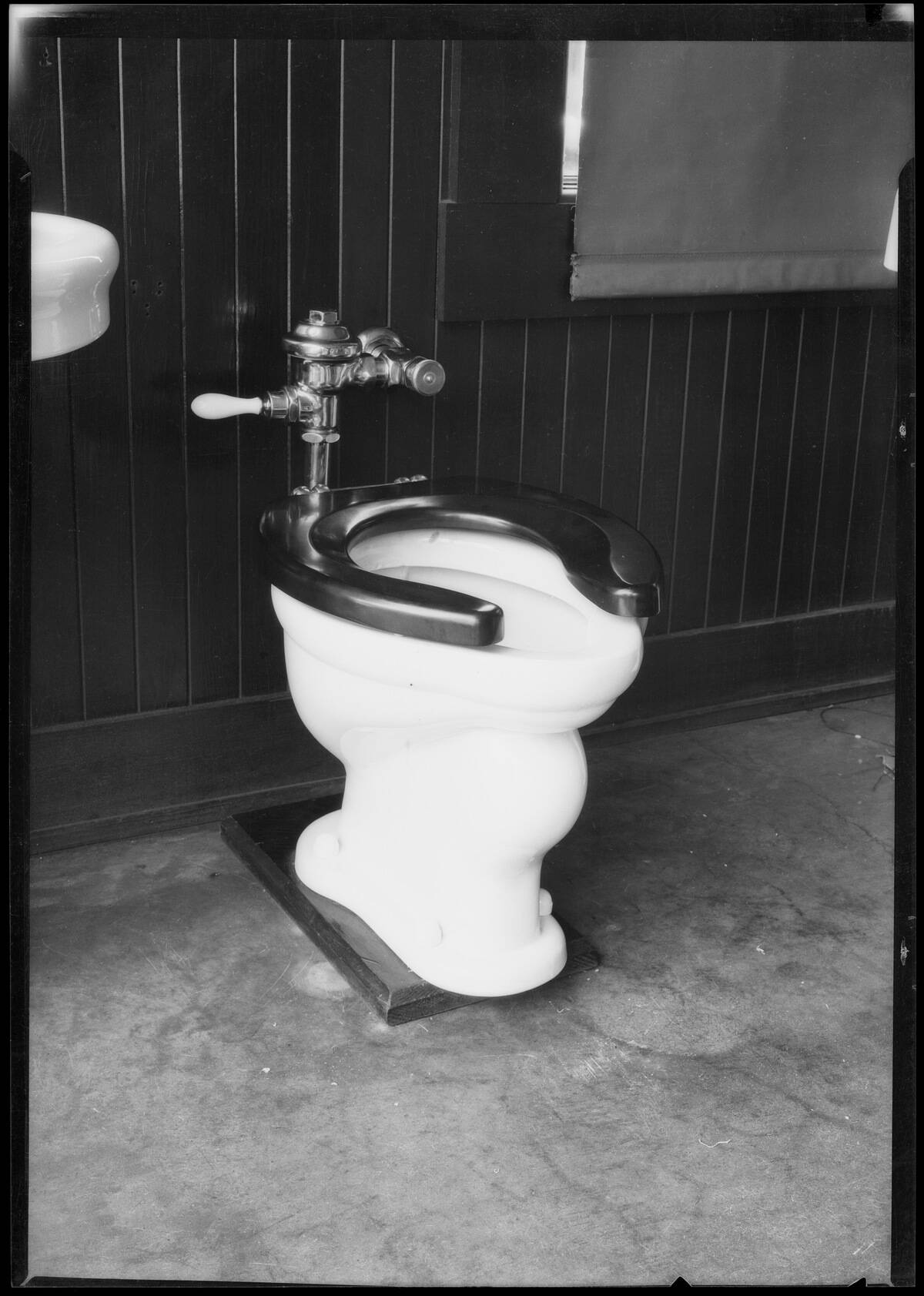
Indoor plumbing was becoming normal in towns and cities, though not universal nationwide. A claw-foot tub and pedestal sink signaled modern comfort, and the weekly bath became a family ritual. Tank toilets creaked reassuringly, and hot water came from a basement heater or a stove-side reservoir. In smaller towns and on farms, wells, hand pumps, and outhouses persisted. Soap was bar, towels were cotton, and everyone appreciated a towel warmer when one could be afforded.
5. Kitchens on the cusp: Iceboxes, early electric gadgets, and weekly baking days
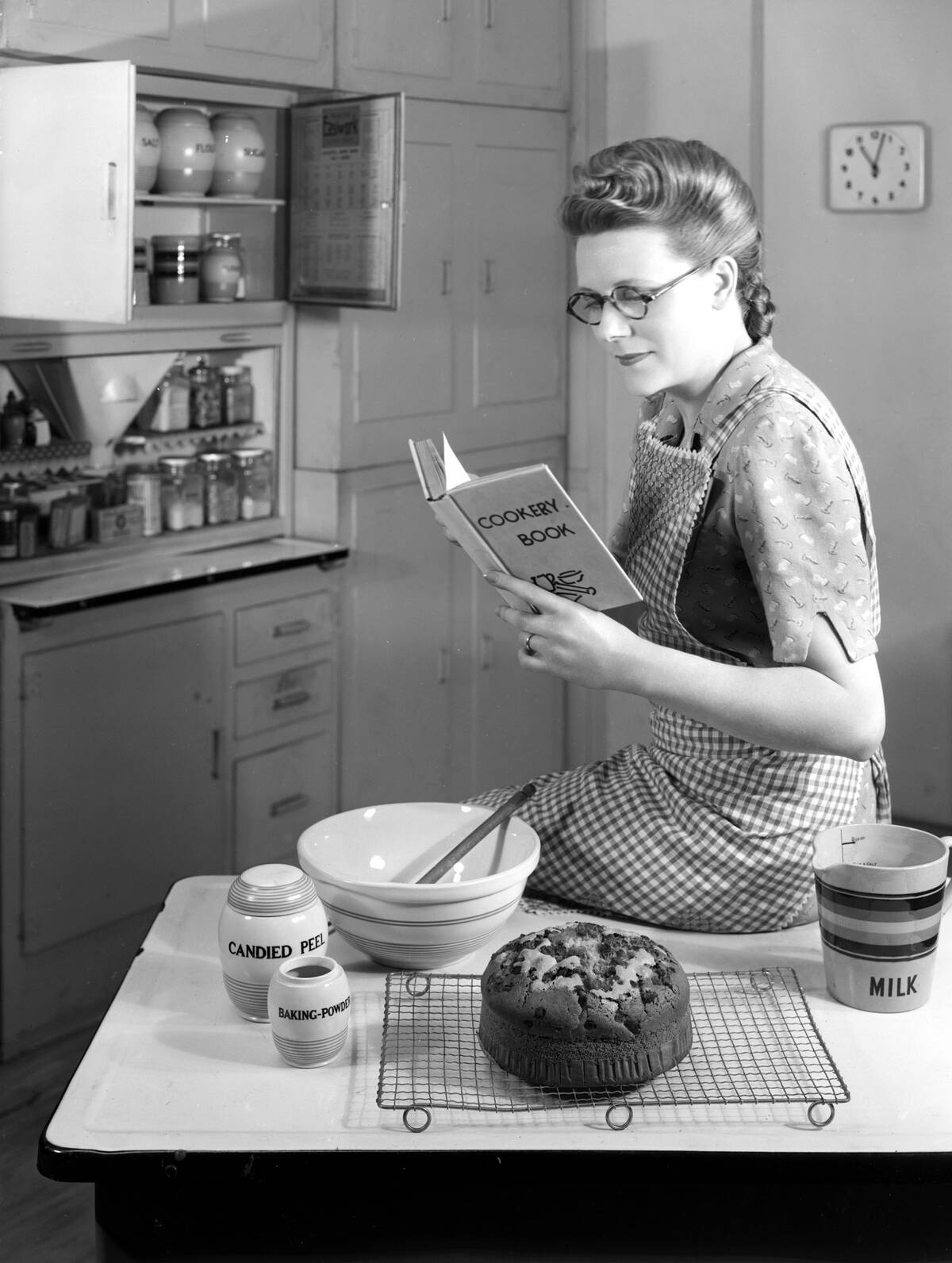
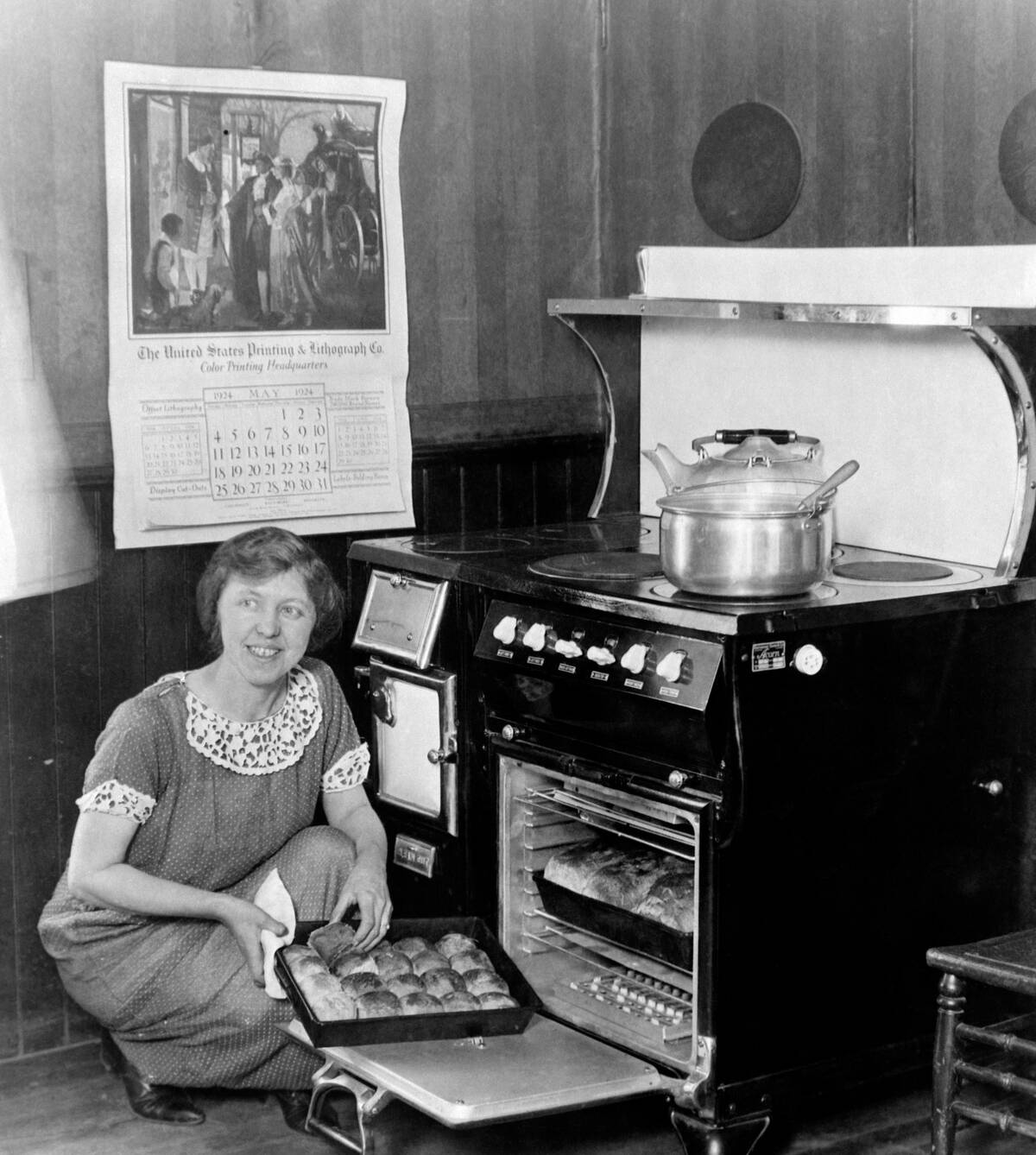
Kitchens straddled eras—cast-iron ranges alongside newly plugged-in helpers. The icebox reigned, fed by regular deliveries from icemen hauling tongs and burlap. General Electric and others were flirting with electric refrigerators, but the famous Monitor Top would not arrive until 1927. Meanwhile, toasters, percolators, and waffle irons tiptoed into outlets, usually sharing space with enamel-topped Hoosier cabinets that corralled flour, spices, and the much-applauded sugar bin on a graceful gliding rack.
Menus were practical. Many households kept a weekly baking day, turning out sandwich loaves, pies, and batches of biscuits while the oven ran hot. Pressure canning safeguarded summer produce, while brands like Campbell’s soups, Crisco, and Jell-O simplified recipes without sacrificing pride. Cookbooks from church circles and home economists promoted balanced meals and time-saving techniques. Linoleum floors, easy to mop, brightened the room, and a wall clock kept roasts honest and school lunches on schedule.
6. The family budget: Pay envelopes, layaway, and buying on installment
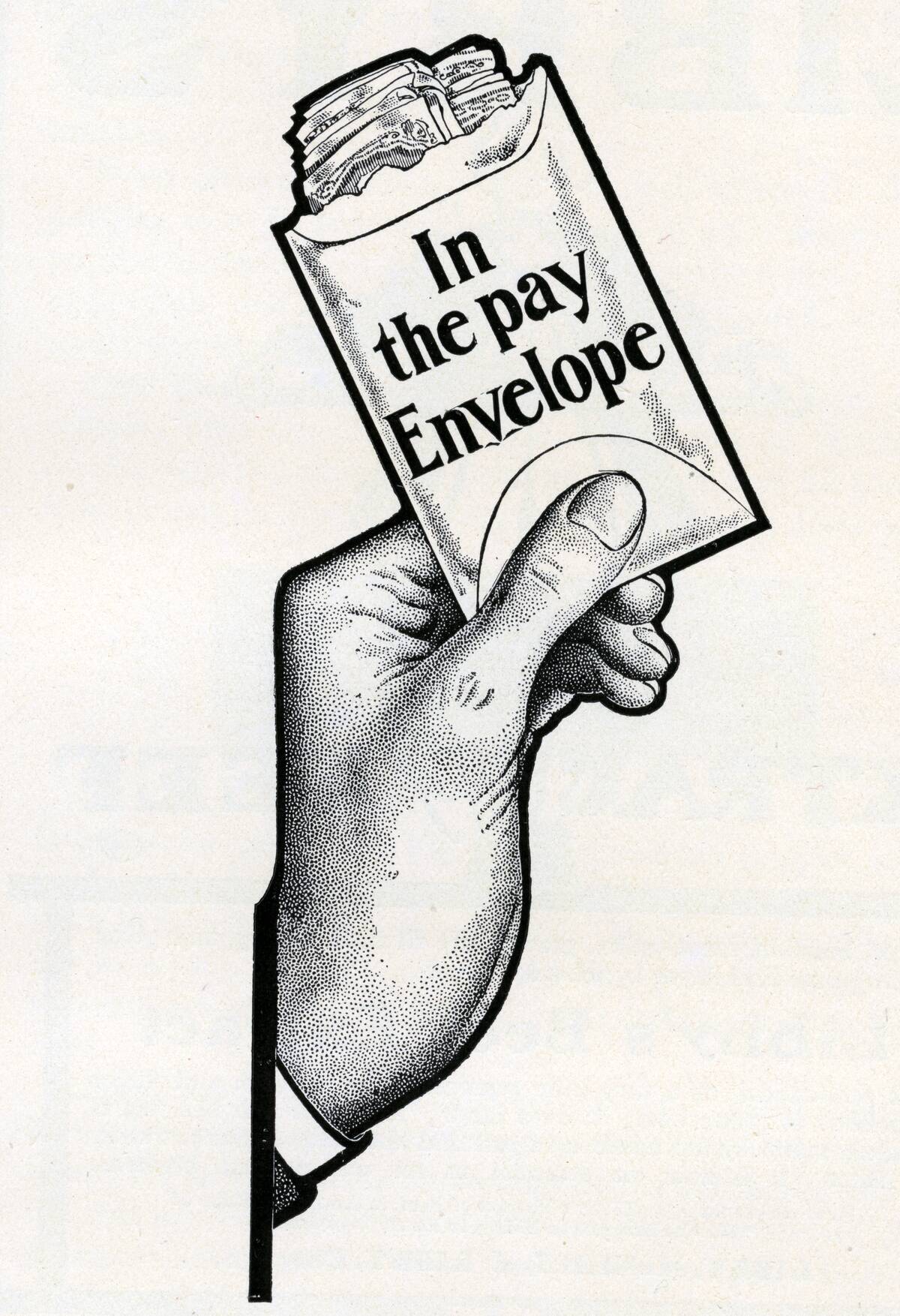
Most households still felt the week in cash. Pay envelopes—wages counted out in bills and coins—arrived on Fridays, and kitchen tables doubled as budget offices. Rent or mortgage came first, then coal, groceries, and carfare. Bank accounts were growing more common, but many families tracked spending in ledgers and tucked savings into postal accounts or Christmas Clubs. A typical manufacturing worker’s annual earnings hovered around the low four figures, enough to manage comfort with care.
Stores made stretching easier. Layaway reserved a coat or rug with small payments, while installment plans brought big-ticket dreams within reach. By the late 1920s, radios and phonographs were famously bought on time, and furniture suites often followed. Mail-order houses and department stores advertised easy terms, with phrases like a dollar down and so much a week. The Federal Trade Commission, created in 1914, kept a wary eye on deceptive practices, but temptation still sparkled in bold type.
7. Getting to work: Streetcars, commuter rails, and sputtering Model Ts
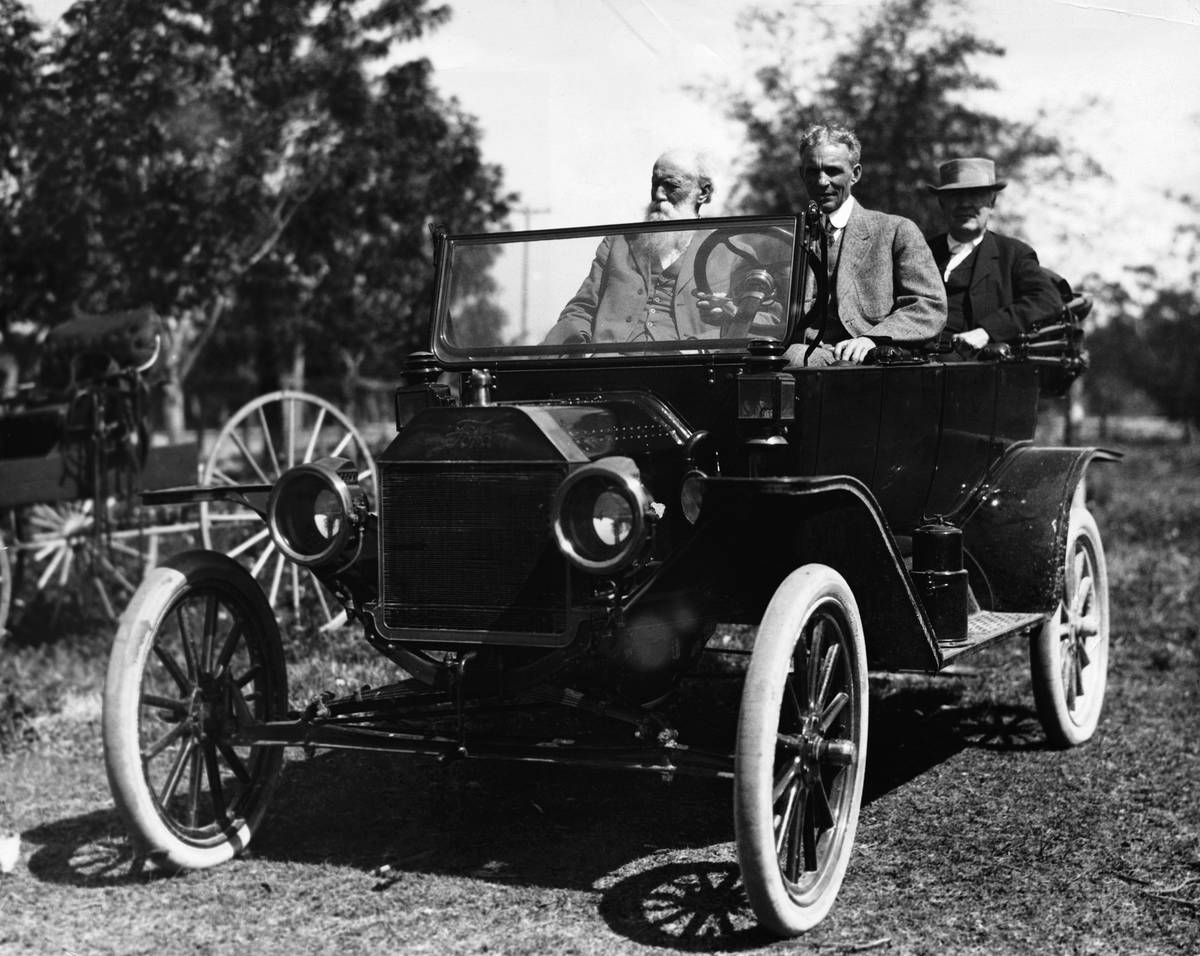
Commuting was a mix-and-match affair. Streetcars stitched cities together with frequent service and fares that, while no longer a strict nickel everywhere, still felt affordable. Elevated lines in places like Chicago and subways in New York moved crowds with mechanical grace. Commuter rails funneled office workers from new suburbs, timetables tucked inside vest pockets. Schedules ran early and often; a missed car meant a chilly wait with a newspaper and the comfort of fellow regulars.
The personal alternative was the automobile—above all, the Ford Model T. By the mid-1920s, a new T could cost under $300 in some body styles, and used ones lined curbs. They coughed awake with a choke and spark lever, and their top speeds made patience a virtue. Roads improved year by year; concrete replaced mud on major routes, and filling stations standardized service. Bicycles and sturdy shoes still played roles, especially for short hops and frugal souls.
8. 9-to-5 vibes: Office clerks, shopkeepers, and the new world of typists
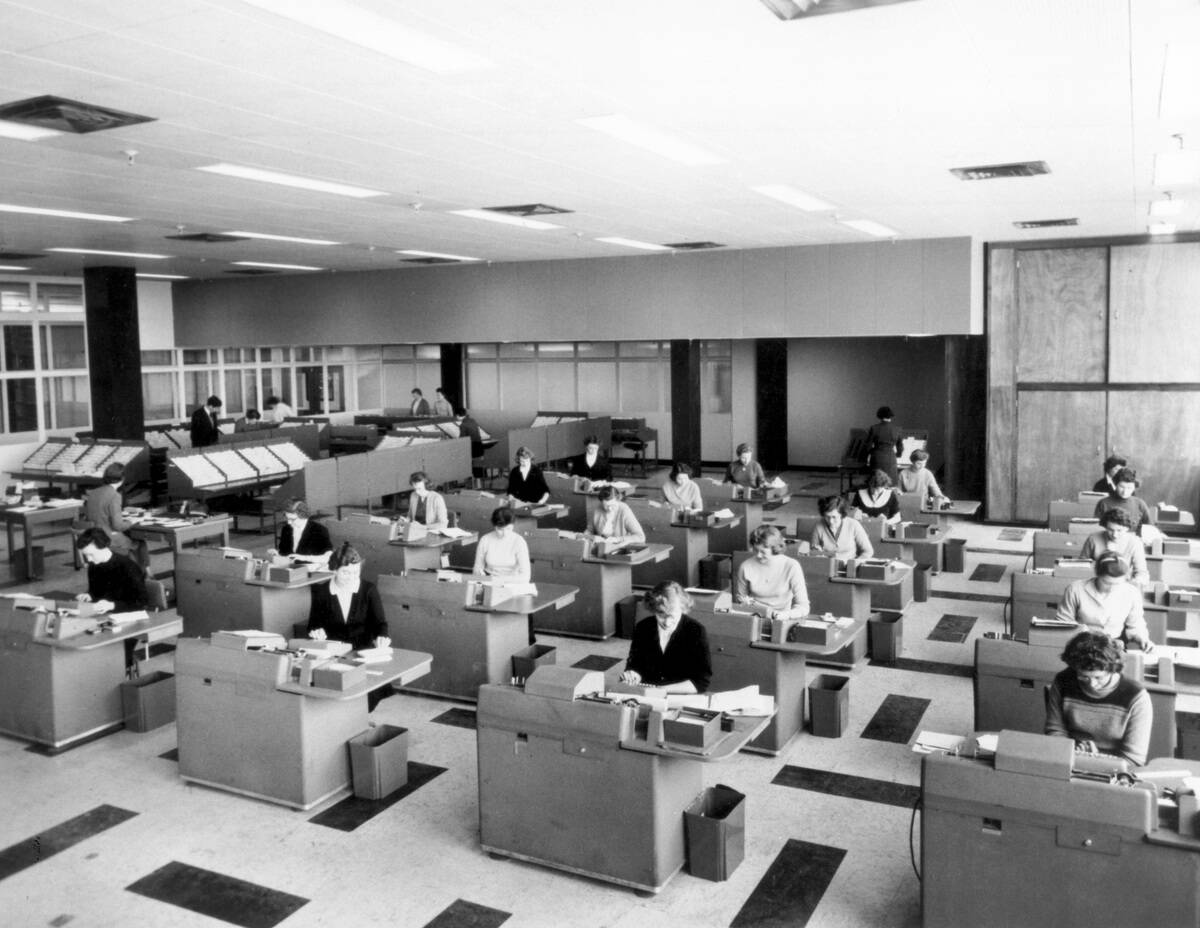
White-collar work was multiplying. Offices hummed with Underwood typewriters, carbon paper, and dictation cylinders, later giving way to machines like the Dictaphone. Women made major inroads as typists and stenographers, their skills taught in commercial high schools and business colleges. Adding machines clicked through ledgers, while filing systems—alphabetical and card-based—brought order to swelling records. The office clock defined rhythm: morning mail, noon errands, afternoon postings, and the final bell that sent carloads back home.
On the retail floor, shopkeepers balanced display and math. Window dressers studied color, clerks learned courtesy scripts, and cash ran through pneumatic tubes in larger stores. Saturday meant crowds; Monday might mean inventory. Lunch counters served quick sandwiches to workers on a thirty-minute clock. Labor laws were evolving—more states enforced limits on child labor and set maximum hours for certain jobs—yet the week still usually spanned five and a half days, with a shorter Saturday a welcome trend.
9. Wardrobes of the day: Flapper flair, sensible suits, and Sunday best
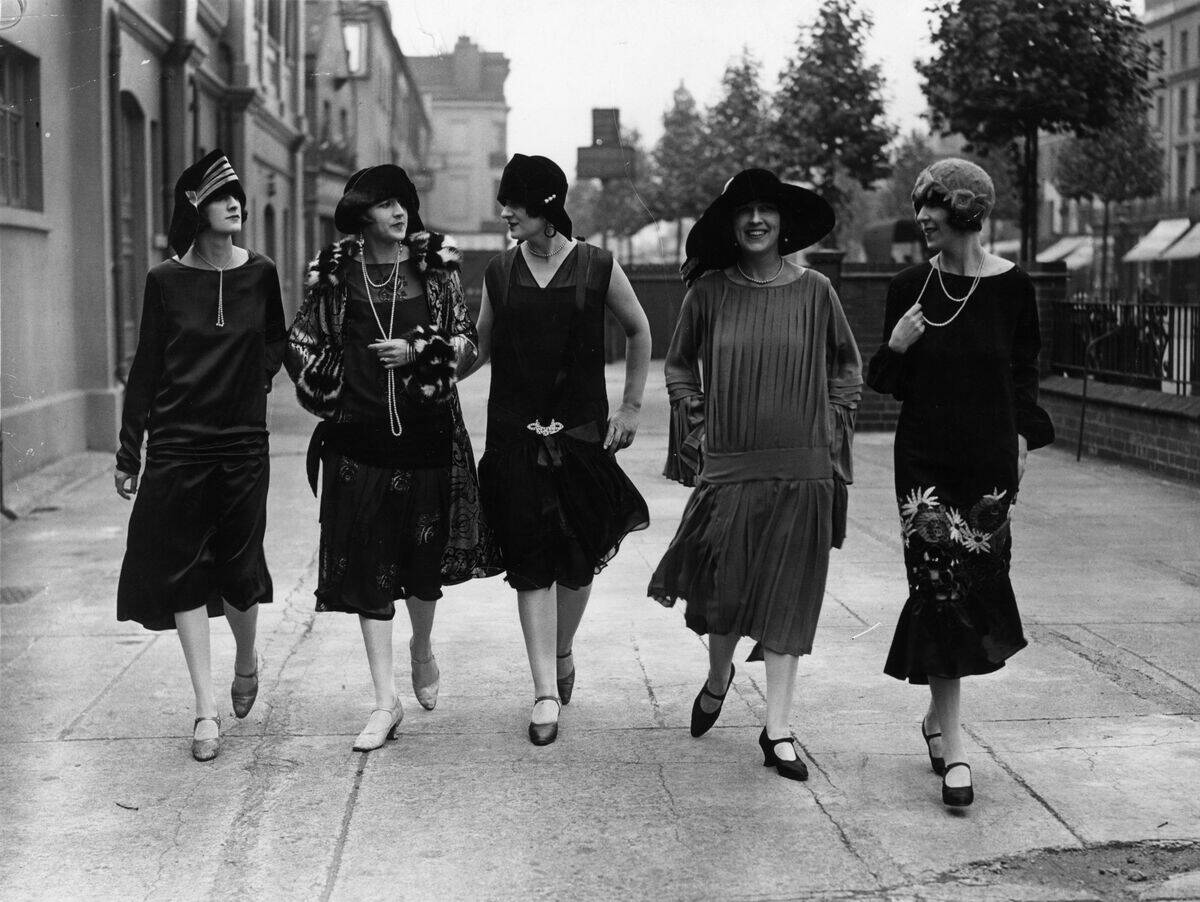
Closets spoke of both fashion and function. By 1926, hemlines had climbed toward the knee, and drop-waist dresses hung straight for dancing and daytime alike. Fabrics favored movement—silk for evenings, rayon emerging for budgets, and sturdy wool for winter. Men’s wardrobes settled on three-piece suits, often in tweeds or worsteds, with soft-collared shirts and ties. Knickers and golf sweaters signaled leisure, while sturdy oxfords and sensible heels kept city feet moving without complaint.
Accessories sealed the look. Women’s cloche hats hugged bobbed hair; beaded bags and long strands of pearls appeared at parties. Men chose felt fedoras or snap-brim hats and carried pocket squares for polish. Ready-to-wear delivered consistent sizing, and mail-order catalogs offered a parade of options to distant customers. For Sunday, families upgraded—maidens in pale dresses and gloves, little boys in short pants and caps, and fathers in their better suits—church and photographs in mind.
10. Hair, hats, and grooming rituals you’d recognize (and some you wouldn’t)

The bob made headlines—and barbers busier. Marcel waves sculpted evening glamour, while hairnets saved styles during chores. Combs and celluloid hairpins were everyday armor. Men kept close cuts and used pomades for shine. Safety razors from Gillette turned daily shaving into a manageable ritual, and barbers still offered hot towels and straight-razor finesse. Toothpaste came in tubes, toothbrushes had celluloid handles, and mouthwash brands like Listerine turned halitosis into a marketing phenomenon.
Hats were near-compulsory outdoors. Women’s cloches framed eyes and demanded slim hairstyles; summertime brought straw boaters and wide brims. Men favored fedoras, bowlers, and caps depending on station and weather. Cold cream—think Pond’s—cleaned faces every night, and talc kept shine at bay. Manicures existed, though subtle at the office. Cologne leaned light; barbershop tonics scented sidewalks. Bathing frequency rose with indoor plumbing access, and laundered collars kept shirts fresh between washes.
11. What was for dinner: Grocers, butcher blocks, and casserole culture
Evening meals were hearty and sensibly priced. Neighborhood grocers knew customers by name, tallied sums in pencil, and sometimes extended credit. The butcher’s wooden block seasoned under cleavers, with roasts trussed and sausages twisted on the spot. Milk arrived at the doorstep in glass bottles. Pantries balanced canned goods—tomatoes, salmon, evaporated milk—with sacks of flour and potatoes. Seasonal produce rotated predictably; apples in barrels, cabbages stacked, and berries cherished while they lasted.
Casseroles and one-dish bakes earned devotion.
Leftover chicken met noodles and a can of soup; ham bones stretched into navy bean pots. Gelatin salads—citrus or savory—earned proud spots at socials. Sunday dinners might feature pot roast with carrots, and gravy rich enough to linger. Coffee perked on the stove, while pies cooled near screens. Recipe cards passed between neighbors, and meatless Fridays—whether for economy or observance—were common enough that cookbooks leaned in with ideas.
12. Cleaning the house: Chore charts, coal dust, and the vacuum revolution
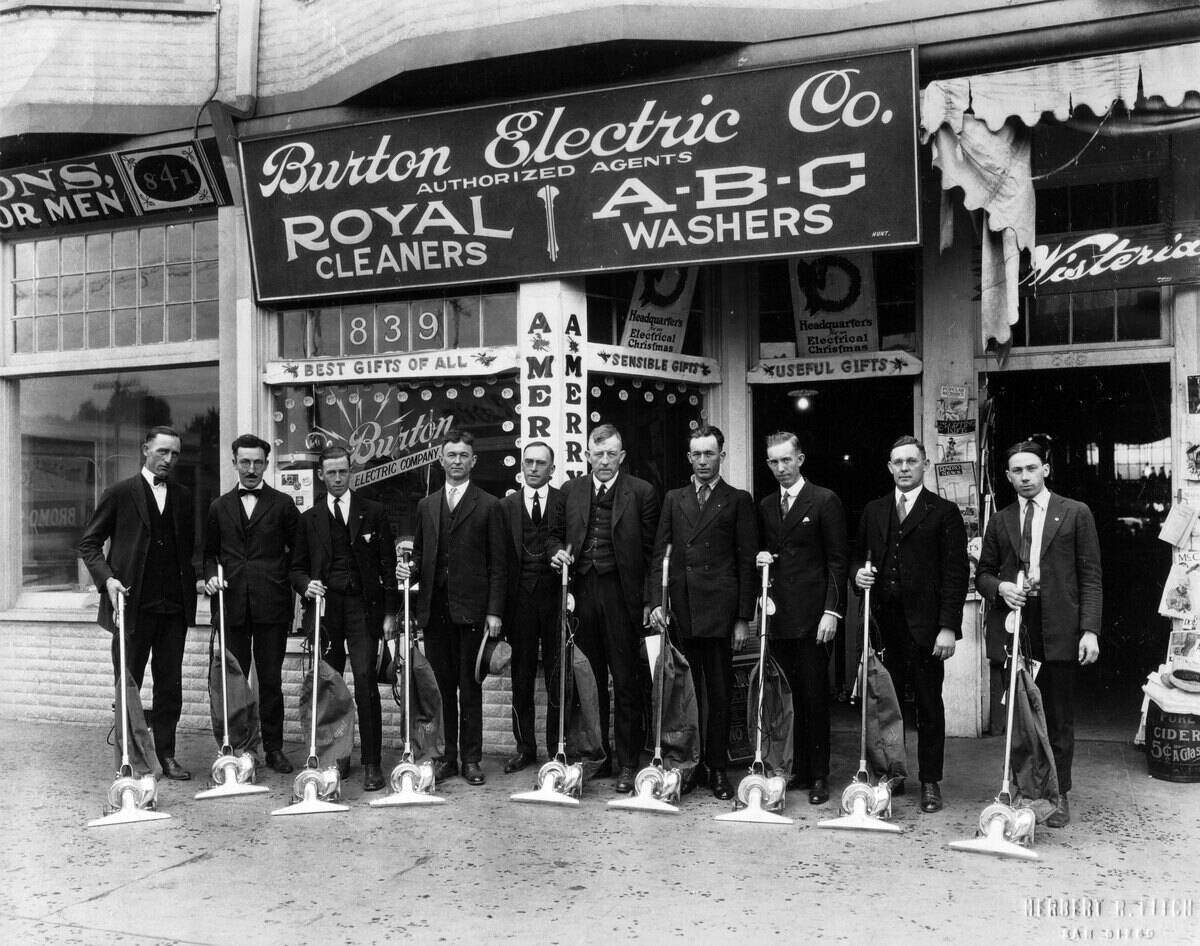
Keeping dust at bay was a weekly sport, especially where coal was burned. Rugs were beaten outdoors over a line; mops swabbed linoleum with suds from Fels-Naptha or Ivory flakes. Feather dusters swept mantels, and bluing brightened laundry rinses. Wringer washers—electric or hand-cranked—saved backs, while clotheslines turned yards into flags of cotton. Starch gave collars snap, and flatirons, later electric irons, tamed pleats. Spring cleaning meant windows, curtains boiled or sent out, and paint touched up.
Vacuum cleaners transformed the grind.
Hoover popularized the beater-bar principle mid-decade, and upright models became must-haves for those who could afford them. Magazines extolled germ-fighting and dust control, and Underwriters Laboratories tags reassured buyers about electrical safety. Furniture polish revived oak and mahogany, and metal pastes brightened nickel trim on stoves. Household management guides suggested chore charts, assigning Tuesday for ironing and Thursday for baking, nudging order into what could otherwise become a sooty free-for-all.
13. Kids and school: Chalkboards, penmanship, and after-school errands
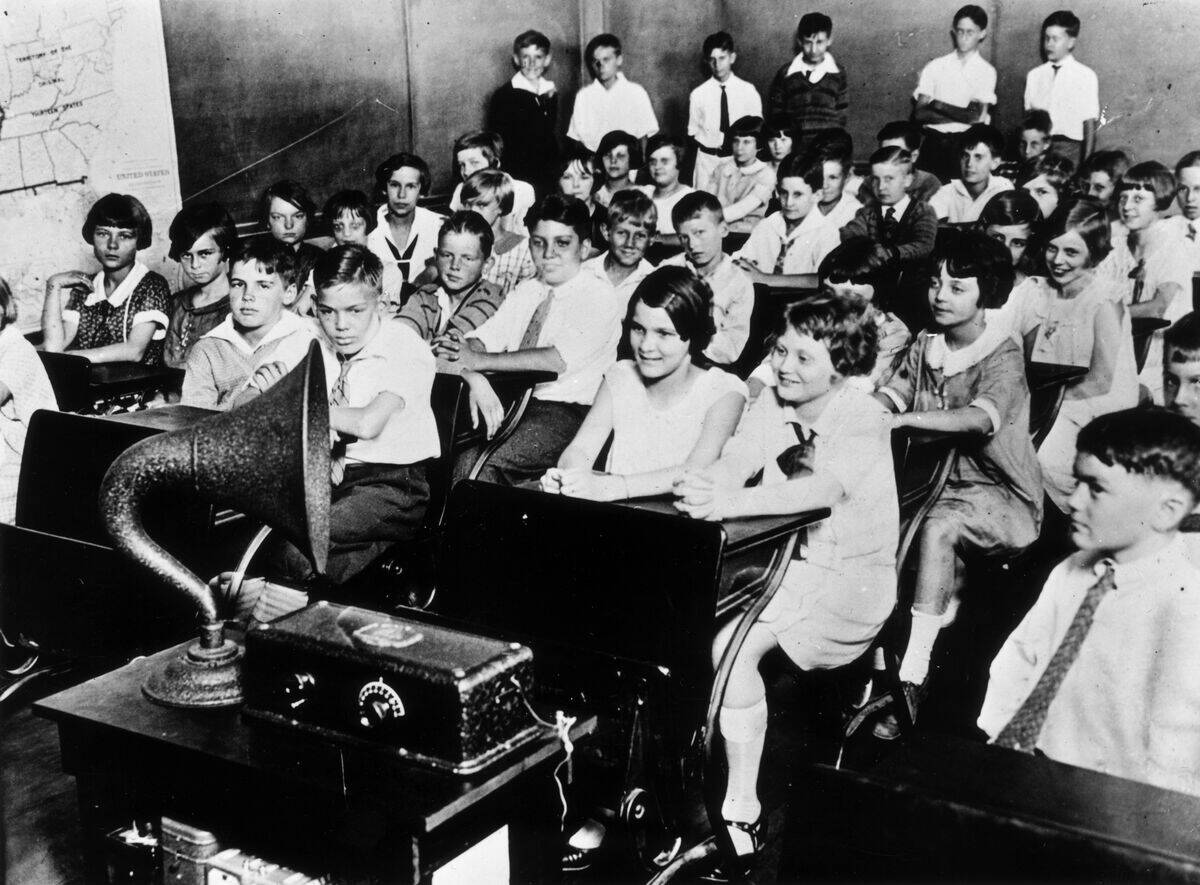
Classrooms had a familiar smell—chalk dust and oiled floors. Desks were bolted in rows, inkwells at the ready, and the Palmer Method drilled smooth loops into young wrists. Recitations, spelling bees, and arithmetic drills paced the day. Urban schools tracked grades by age; rural children might learn in one-room schoolhouses, older students helping younger ones. Geography maps rolled down with a clatter, and report cards carried teacherly script that families scrutinized at the dinner table.
After the bell, kids ran errands and contributed at home. Delivering groceries, tending younger siblings, or taking shoes to be mended fit neatly between homework and supper. Scouting, YMCAs, and playground leagues offered structure and play. Library cards were prized; summer reading contests fueled imaginations. Compulsory schooling laws kept attendance high, and school nurses began routine checks. Lunch pails carried sandwiches and fruit, with a cookie slipped in when budgets and mothers allowed.
14. Entertainment at home: Radio nights, piano sing-alongs, parlor games
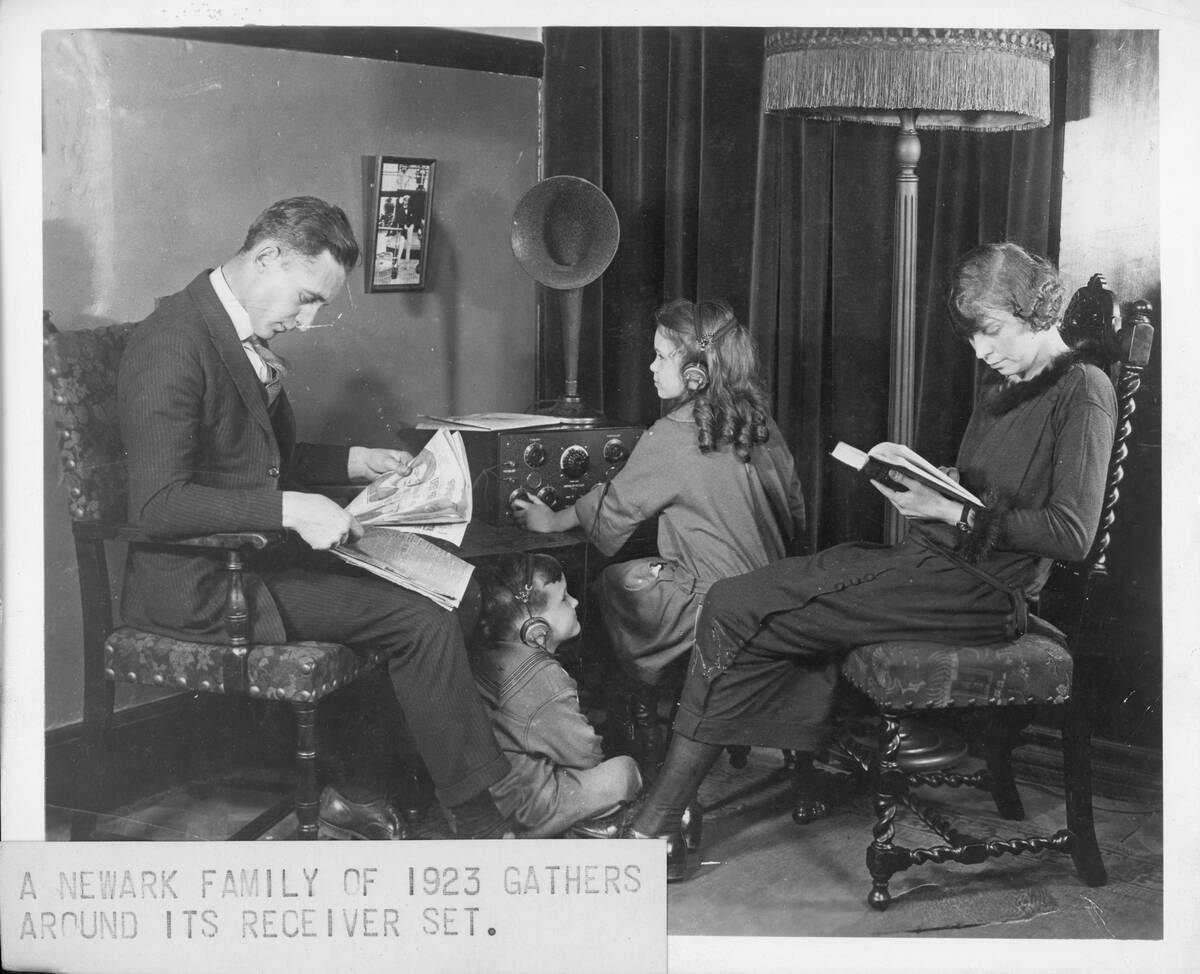
Evenings often formed around a radio set, its warm glow and wool-wrapped antenna beckoning. By the mid-1920s, millions of sets crackled to life, and 1926 saw NBC organize network programming across cities. Families tuned to dance orchestras, election night coverage, and live sports updates. Tinkers bragged about homemade crystal sets; others sprung for cabinet consoles with ornate grills. Schedules ran in the newspaper, and volume was policed gently for neighbors through thin walls.
Where a piano dwelt, so did songbooks. Parlor sing-alongs worked through favorites while card tables hosted bridge and whist. Charades, checkers, and word games filled gaps between cookies and cocoa. Phonographs spun shellac discs—foxtrots, marches, and sentimental ballads. Electric lights extended evenings, but many houses kept a sensible bedtime; morning came early for commuters and coal deliveries. Company meant a plate of something and a quiet pride in a tidy room.
15. A night on the town: Picture palaces, jazz clubs, soda fountains, and dances
Moviegoing was almost universal. Nickelodeons had given way to ornate picture palaces with velvet seats and live organists. Ticket prices were modest—often a few dimes—buying an escape into comedies, melodramas, and newsreels. Silent films still reigned mid-decade, though synchronized sound experiments hinted at change. Theaters like Grauman’s Egyptian in Los Angeles (opened 1922) embodied the spectacle, while small-town houses offered double bills and a familiar usher who knew everyone by sight.
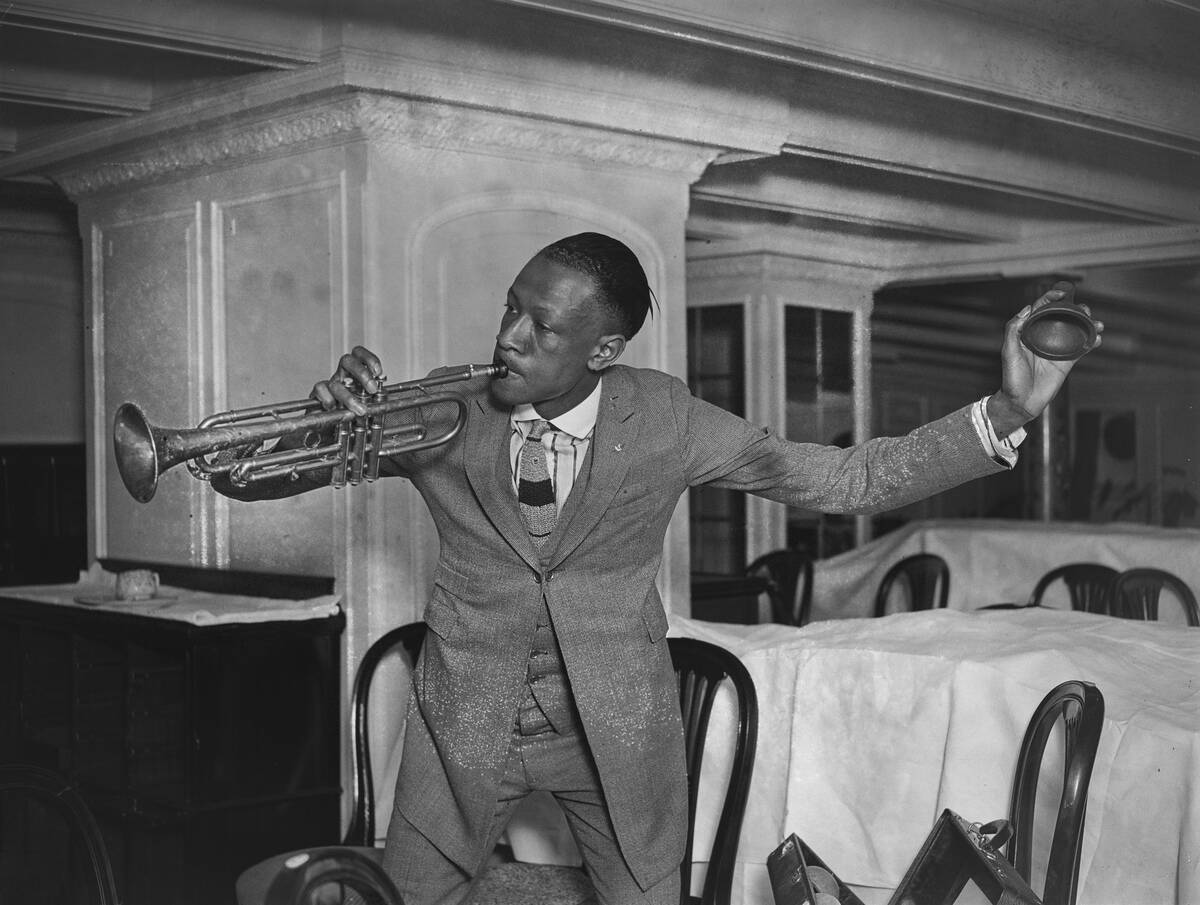
Elsewhere, jazz drew crowds to dance halls and clubs in cities like Chicago and New York. The Charleston burned through shoe leather around 1925–1926, with dance cards filled at lodge halls and hotel ballrooms. Soda fountains dispensed phosphates, sundaes, and egg creams to daters on a budget. Streetcars made late shows possible; so did watchful parents and sensible curfews. For many, Saturday nights mixed a matinee, a plate at an automat, and a last dance before the final car home.
16. Community life: Churches, lodges, PTA meetings, and charity drives
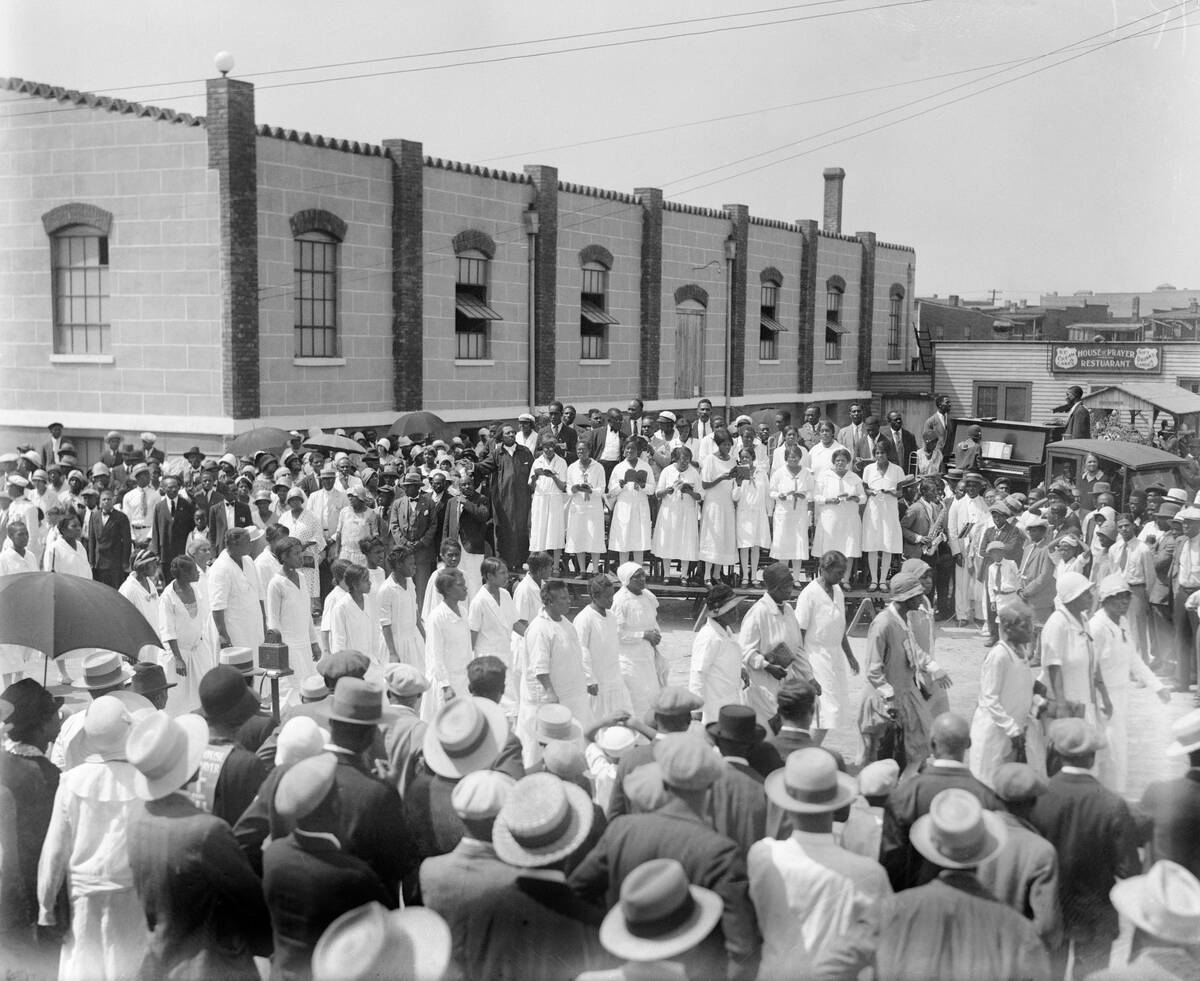
Community calendars brimmed. Churches scheduled potlucks, choirs, and youth groups, anchoring weeks with both worship and social life. Fraternal orders—the Elks, Masons, Odd Fellows—hosted dinners, raffles, and service projects. The Parent-Teacher Association, building on a national movement dating to the late 19th century, met to discuss curricula and playgrounds. Quilting bees and garden clubs fostered friendships, while town bands rehearsed marches for parades and summer gazebo concerts.
Charity became organized and visible. Community Chest campaigns, which began in earlier decades and spread widely in the 1920s, consolidated local giving for efficiency. Food baskets circulated at holidays, and church groups sewed layettes for new mothers. Civic pride ran through clean-up days and school fundraisers. Immigrant societies supported newcomers with language classes and job leads. A bulletin board at the post office or corner store could set a whole neighborhood in motion by sundown.
17. News and ads: Newspapers galore, catalogs, and the magic of mail-order
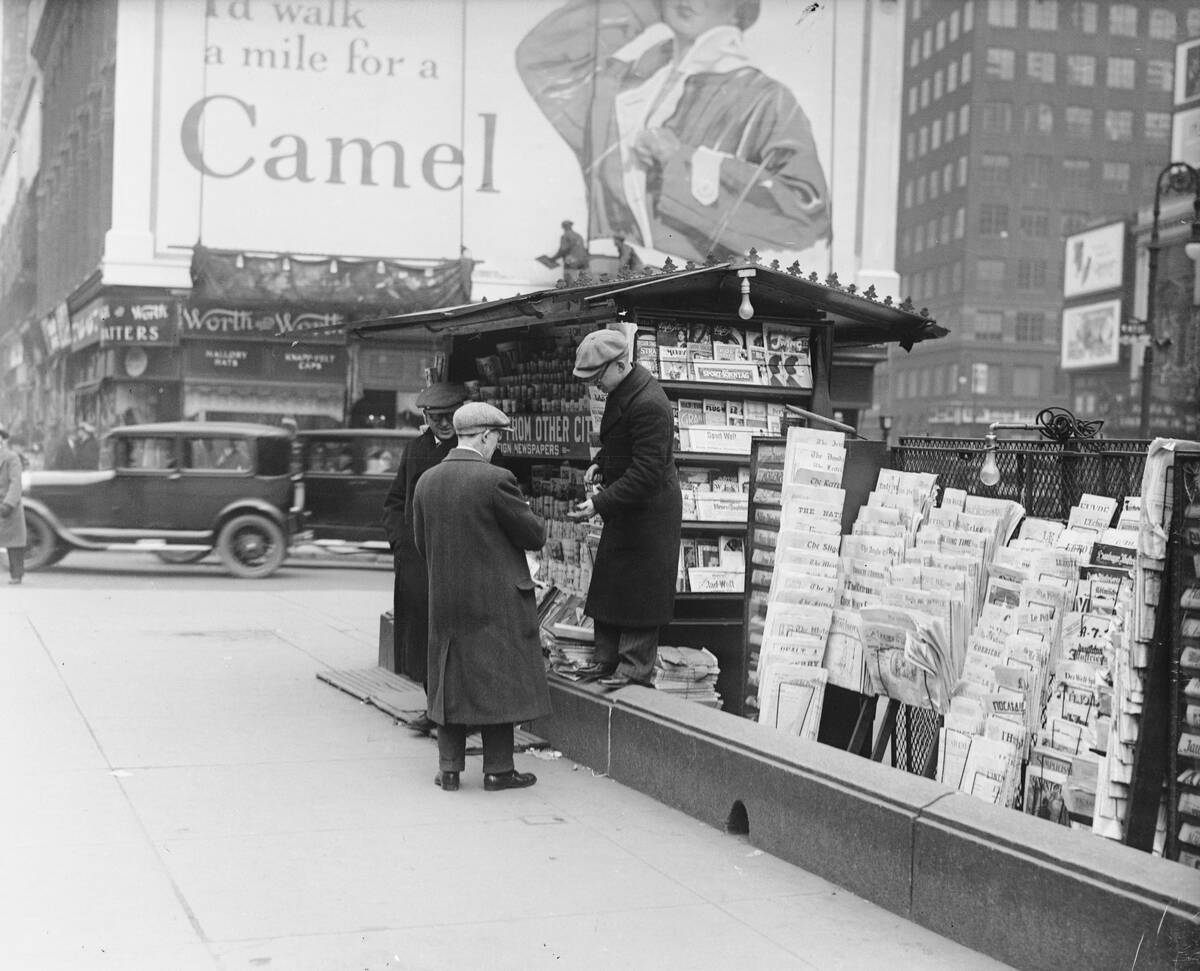
Newspapers were everywhere—morning and evening editions, city dailies and weeklies, and Sunday monsters fat with rotogravure photo sections. Syndicated columnists built national followings, and box scores kept baseball fans fluent. Department stores bought full-page ads; so did patent remedies and touring shows. Radio listings shared space with serialized fiction. Editorial cartoons shaped opinion with a single frame, while want ads stitched together jobs, flats, and slightly used baby carriages.
Mail-order felt like wizardry. Sears and Montgomery Ward catalogs arrived thick enough to press wildflowers, offering clothes, tools, garden seeds, and entire house kits. Rural Free Delivery and parcel post, established earlier, made ordering practical across the countryside. Payment by money order, delivery by rail and truck, and a promise of satisfaction bound distant customers to Chicago warehouses. The language of modern advertising—bold claims, testimonials, and crisp illustrations—made the future feel printable and shippable.
18. Health and wellness: House calls, patent tonics, and the gymnasium craze
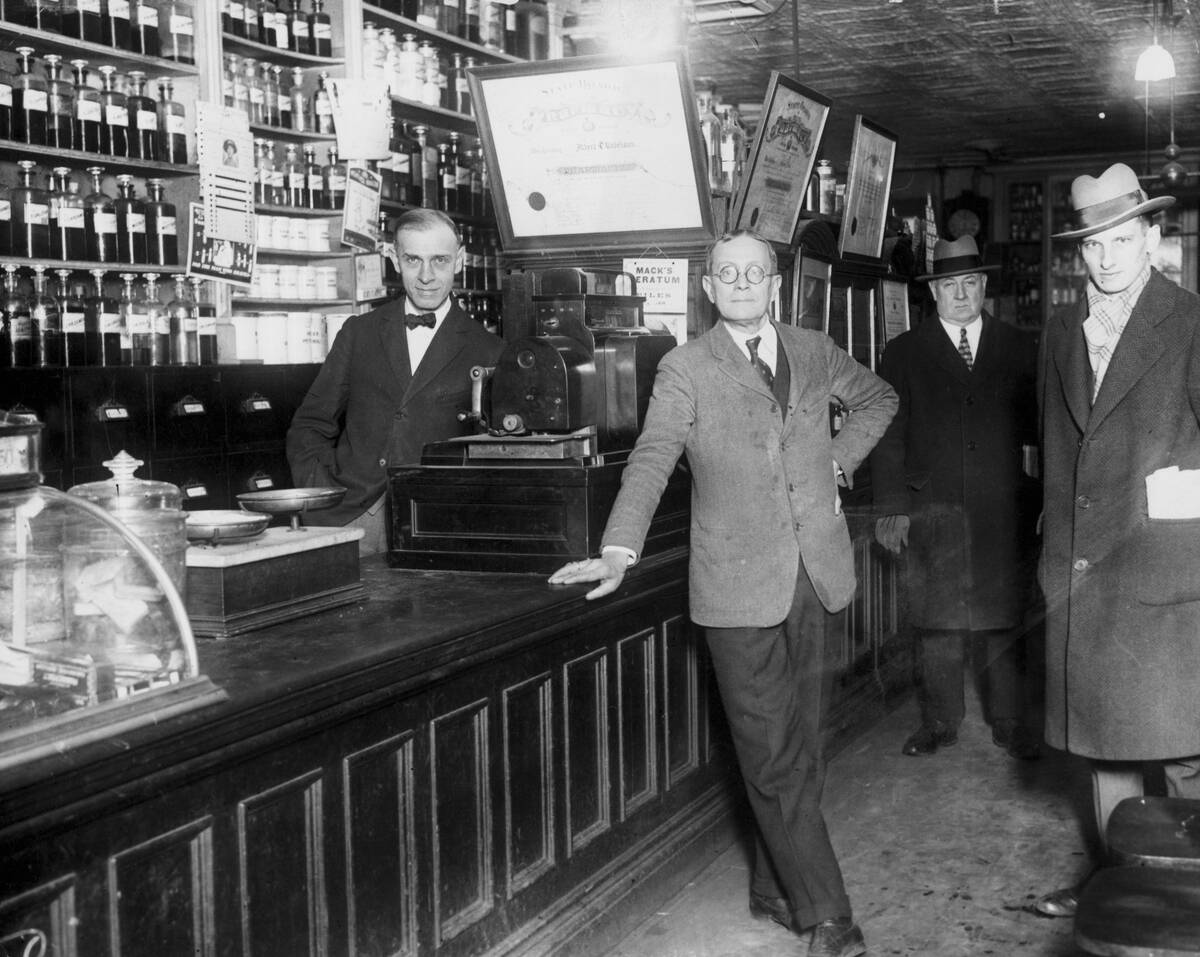
Medicine still made house calls. A black bag, a thermometer, and calm bedside manner handled countless fevers. Pharmacies compounded prescriptions and sold over-the-counter remedies. After the 1906 Pure Food and Drugs Act, labels told more truth, but patent tonics still lined shelves—iron pills, liver tablets, and cod-liver oil endorsed by generations of grimacing children. Public health campaigns pushed vaccinations and hygiene, and school nurses checked teeth, vision, and posture with maternal firmness.
Physical culture had momentum. YMCAs offered gymnasiums, swimming pools, and calisthenics classes, while city parks filled with tennis and handball. Bernarr Macfadden’s fitness movement and magazines promoted strength and fresh air. Sunbathing earned a wholesome reputation; vitamin talk crept into meal planning. Workplace leagues bowled and played baseball. Advice columns extolled eight hours of sleep, daily walks, and moderation long before wearables made reminders chirp. The goal was vigor, not vanity, though mirrors noticed the difference.
19. Manners and morals: Calling cards, thank-you notes, and Prohibition’s shadow
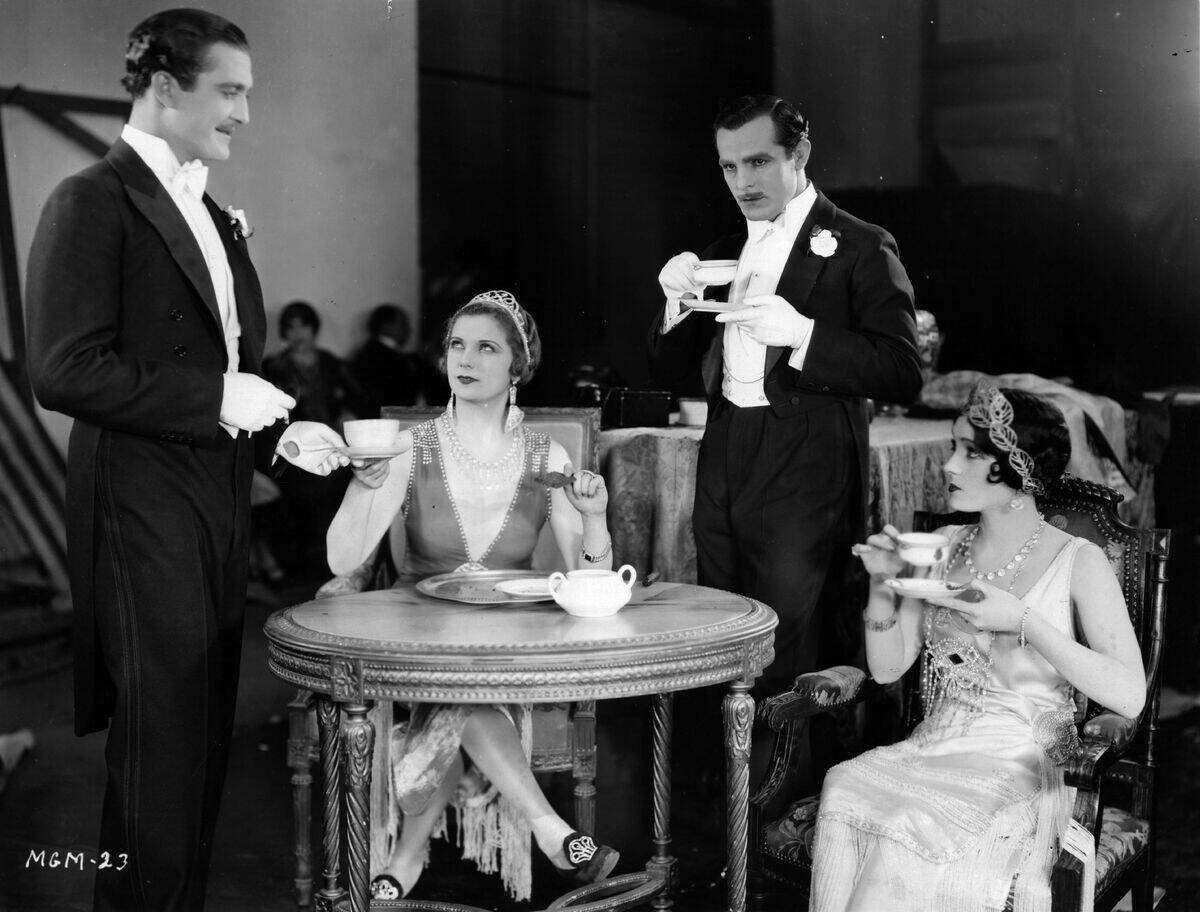
Etiquette mattered, and Emily Post’s 1922 Etiquette sat on many shelves. Calling cards still circulated among the genteel, and thank-you notes followed dinners and gifts with punctuality. Gentlemen tipped hats; ladies wrote invitations in a careful hand. Courting rules varied by town and household, but chaperones had not disappeared. Neighbors noticed, and reputations traveled faster than streetcars. Table manners—no elbows, pass to the right—were drilled as carefully as multiplication.
All of it unfolded under the dry canopy of Prohibition, in force from 1920 to 1933. The Volstead Act defined enforcement; speakeasies defined loopholes. Most middle-class homes stayed squarely legal, serving coffee and tea without a wink, but stories of hidden flasks and raided nightspots filled conversation. Temperance sentiment remained strong in many churches, while others quietly deplored the rise of bootlegging and organized crime. Politeness helped everyone navigate a time of clashing values.
20. Vacations and day trips: Boarding houses, national parks, and seaside swims
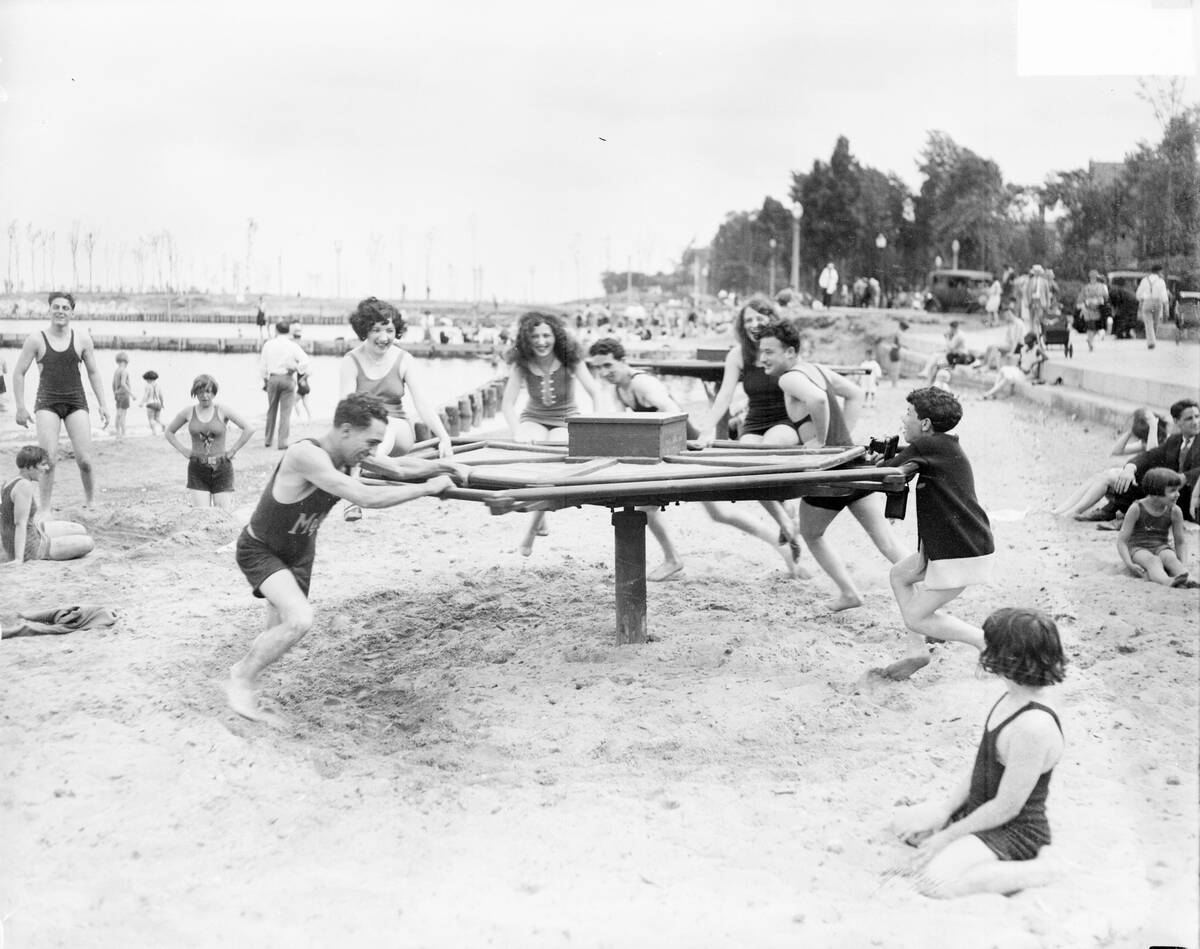
Summer escape was modest and memorable. Boarding houses at lakes or beaches rented by the week, with shared porches and family-style breakfasts. Trains whisked travelers to mountain air, while new auto camps invited motorists to pitch tents beside touring cars. The National Park Service, founded in 1916, promoted wonders like Yellowstone and Yosemite, and visitation swelled as roads improved. Postcards—linen-textured and bright—flew home with views of waterfalls, boardwalks, and sunset piers.
Bathing suits were wool and courage. Bathhouses rented lockers and towels; lifeguards’ whistles pierced gull chatter. Picnics traveled in woven hampers, with fried chicken, deviled eggs, and lemonade. Ferris wheels and roller coasters made boardwalks thrum, while fishing piers tempted early risers. The 1926 U.S. Numbered Highway System began connecting cities with familiar shields, turning day trips into practical loops. Cameras like the Kodak Brownie snapped proof that even dad relaxed, tie off, sleeves rolled.
21. Safety, risks, and regulations: Traffic rules, food safety, and new consumer laws
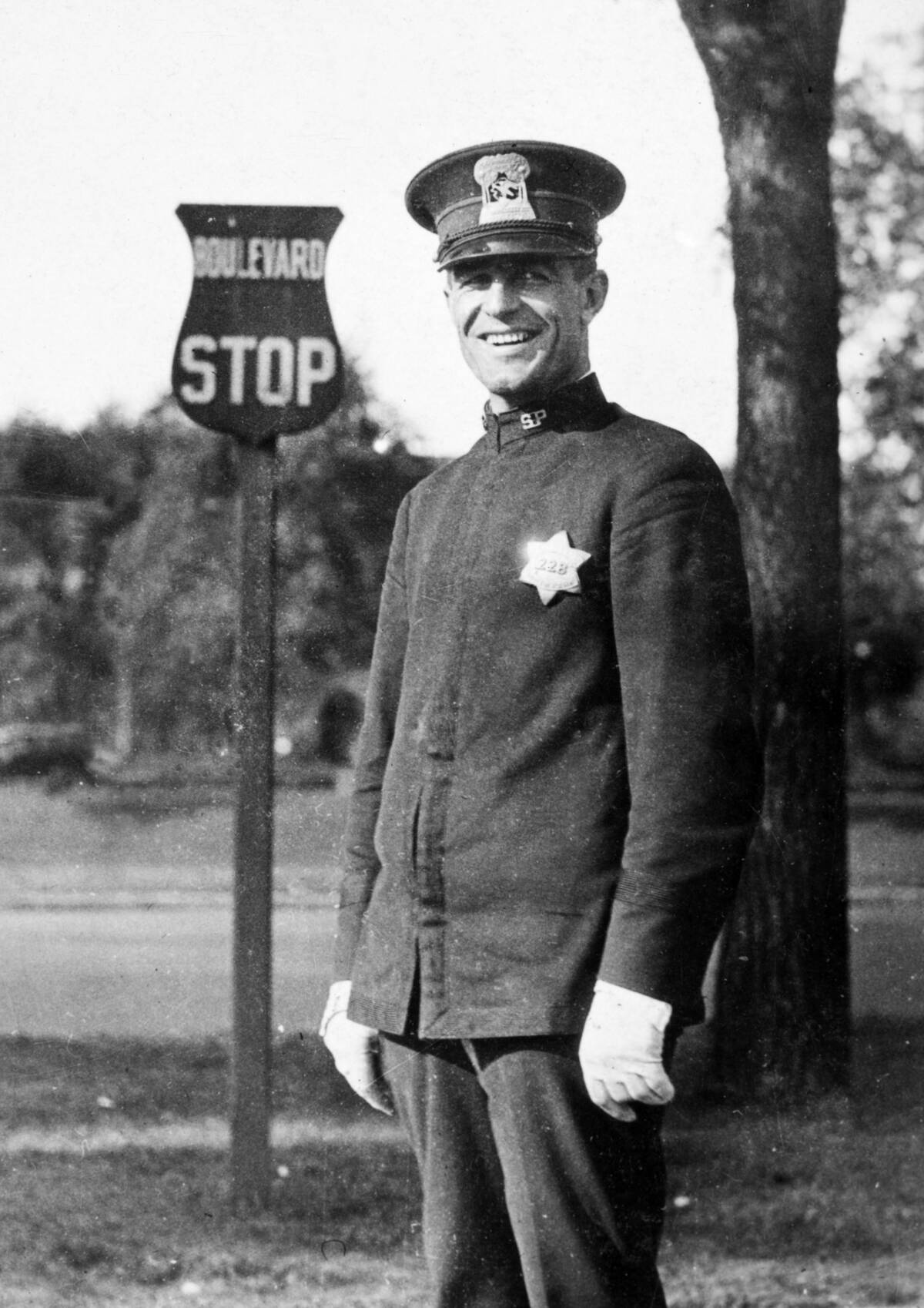
Modern life brought rules to match. Cities installed standardized stop signs—octagonal shapes appeared in the early 1920s—and lane lines slowly tamed intersections. Driver’s licensing regimes expanded state by state. Speed limits in towns stayed low, and traffic officers learned whistle choreography. Streetcar safety campaigns urged riders to look both ways. Fire codes tightened after earlier disasters, and tenement reforms in big cities improved ventilation, light, and emergency exits for crowded buildings.
Food and goods faced growing scrutiny.
The 1906 Meat Inspection Act and Pure Food and Drugs Act set important baselines, while the U.S. Department of Agriculture and Public Health Service kept inspectors busy. Underwriters Laboratories tested electrical appliances, stamping confidence on lamps and toasters. The Federal Trade Commission watched for unfair business practices. Labeling improved, dating systems were sporadic, and consumer magazines began comparative testing. People still used common sense—sniff the milk, eye the wiring, mind the matches.
22. The tech horizon: Telephones, fountain pens, and the thrill of “modern”
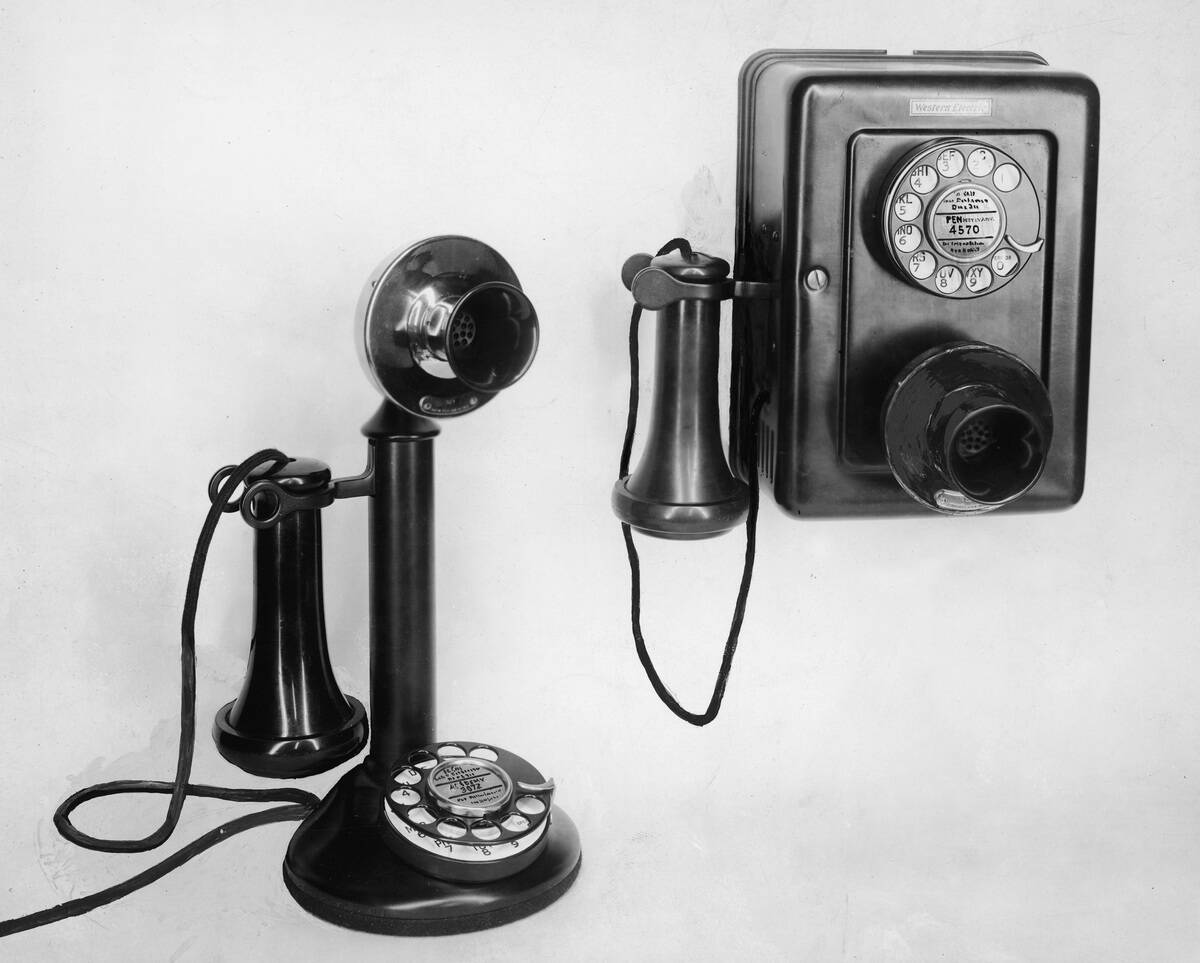
Technology threaded through daily life without quite taking over. Telephones were fixtures in many urban homes, often on party lines where neighbors quietly learned to wait their turn. AT&T had completed transcontinental service in 1915, and by the late 1920s even transatlantic calls via radio were possible. Dial service spread city by city, nudging out operators for local calls. Long-distance remained special-occasion expensive, but the habit of calling ahead to say on my way was born.
On desks, fountain pens like the Parker Duofold and Sheaffer lever-fillers made correspondence smooth, while carbon copies and blotters kept offices tidy. Typewriters sped letters, but pens still signed checks, filled ledgers, and wrote birthday notes. Electric appliances promised tomorrow—washers whirred, vacuums roared, and, by decade’s end, refrigerators would hum. The word modern carried a real charge, whether in art deco lamp bases, streamlined toasters, or the simple joy of flipping a switch and watching a room obey.




