21 photos of life in American mining towns
Picture streets thrown up almost overnight, with tents giving way to rough boardwalks and false-front stores. From the 1848 discovery at Sutter’s Mill to the coal patches of Appalachia by 1900, mining towns mixed hard work with high hopes. Wages could outpace farm pay, yet prices climbed with distance and risk. Churches rose beside saloons, and a schoolhouse might double as a dance hall. Through booms and busts, the clang of drills and the rumble of ore carts set the daily rhythm.
You didn’t have to be a miner to feel the mine’s pull. Company whistles marked shift changes; blowing one long blast could signal trouble underground. Mutual aid societies organized picnics after funerals. Even the skyline told the story: headframes and smokestacks loomed above rows of simple houses. And when a vein gave out or prices crashed, the same streets that once teemed with wagons could empty almost as fast as they filled.
From Gold Rush Fever to Coal Camp Reality: How Boomtowns Began
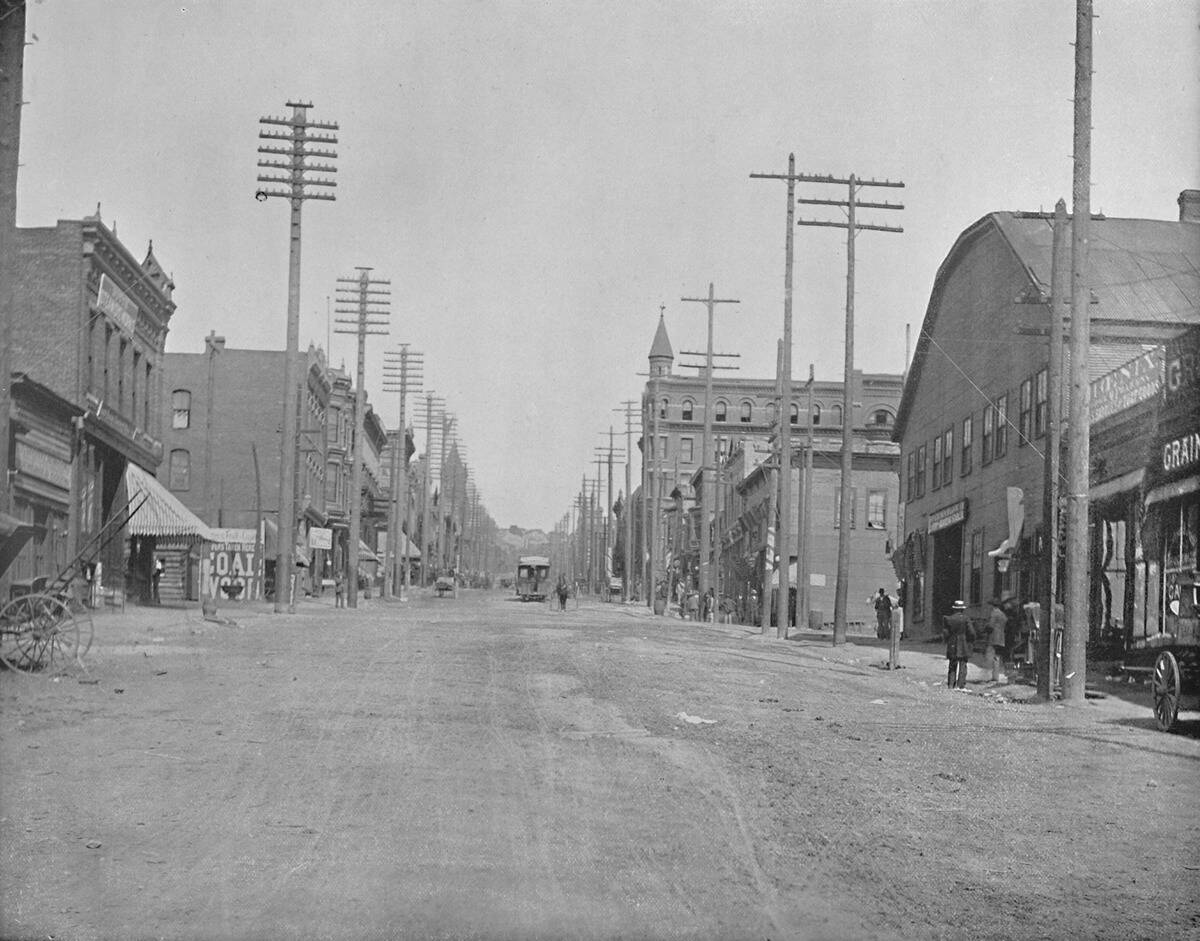
American boomtowns flashed into being wherever ore turned up. After gold washed from the American River in 1848, San Francisco rocketed from a few hundred residents to over 25,000 by 1850, while inland camps like Coloma, California swelled with tents and shacks. The 1859 Comstock Lode in Nevada created Virginia City, and silver strikes rippled into Leadville, Colorado by the late 1870s. Not all booms glittered: rich coal seams fueled new towns across Pennsylvania and West Virginia in the same era.
Railroads fanned the flames. Narrow-gauge spurs and wagon roads delivered boilers, stamp mills, and hope to remote gulches. Companies platted streets, sold lots, and hurried to erect hoists before winter. In the 1890s, copper in Butte, Montana turned a hill into the “Richest Hill on Earth,” while the 1896 Klondike discovery lured stampeders north. Each place shared a similar arc—tent city to bustling grid—then faced the test of staying power when easy ore ran out.
Who Showed Up: Prospectors, Immigrants, Families, and Fortune-Seekers
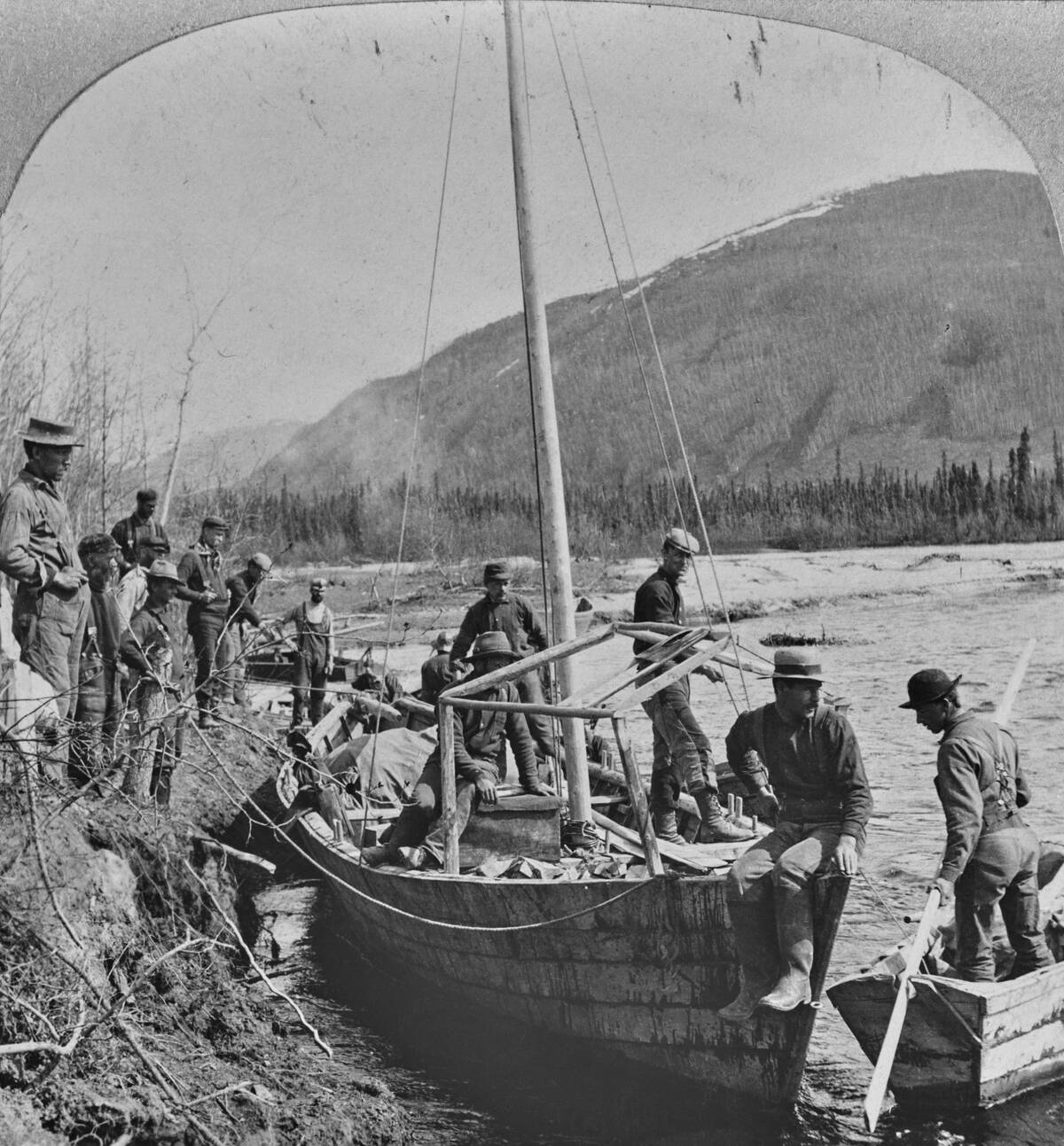
Boomtown crowds were a mosaic. Forty-Niners trekked to California, soon joined by experienced Mexican, Chilean, and Chinese miners; California enacted a Foreign Miners’ Tax in 1850 (revised in 1852) that hit many of them hard. Later, Welsh and English coal men headed for Pennsylvania and West Virginia, while Cornish “Cousin Jacks” brought hard-rock know-how to Michigan’s Copper Country and Butte. Slavic, Italian, and Greek immigrants followed jobs into coal and copper districts from the 1880s onward.
Families came, too. Boardinghouses filled with single men, but many camps quickly sprouted schools and churches as women and children arrived. African American miners worked in coalfields from Alabama to West Virginia, and Mexican American families dug in the Southwest. Some newcomers held college degrees; others arrived with only a pick and a bedroll. Whatever their path, they shared a gamble: trading certainty for the chance that one claim—or a steady wage underground—might change everything.
A Day Down the Shaft: The Gritty Work Behind the Glimmer
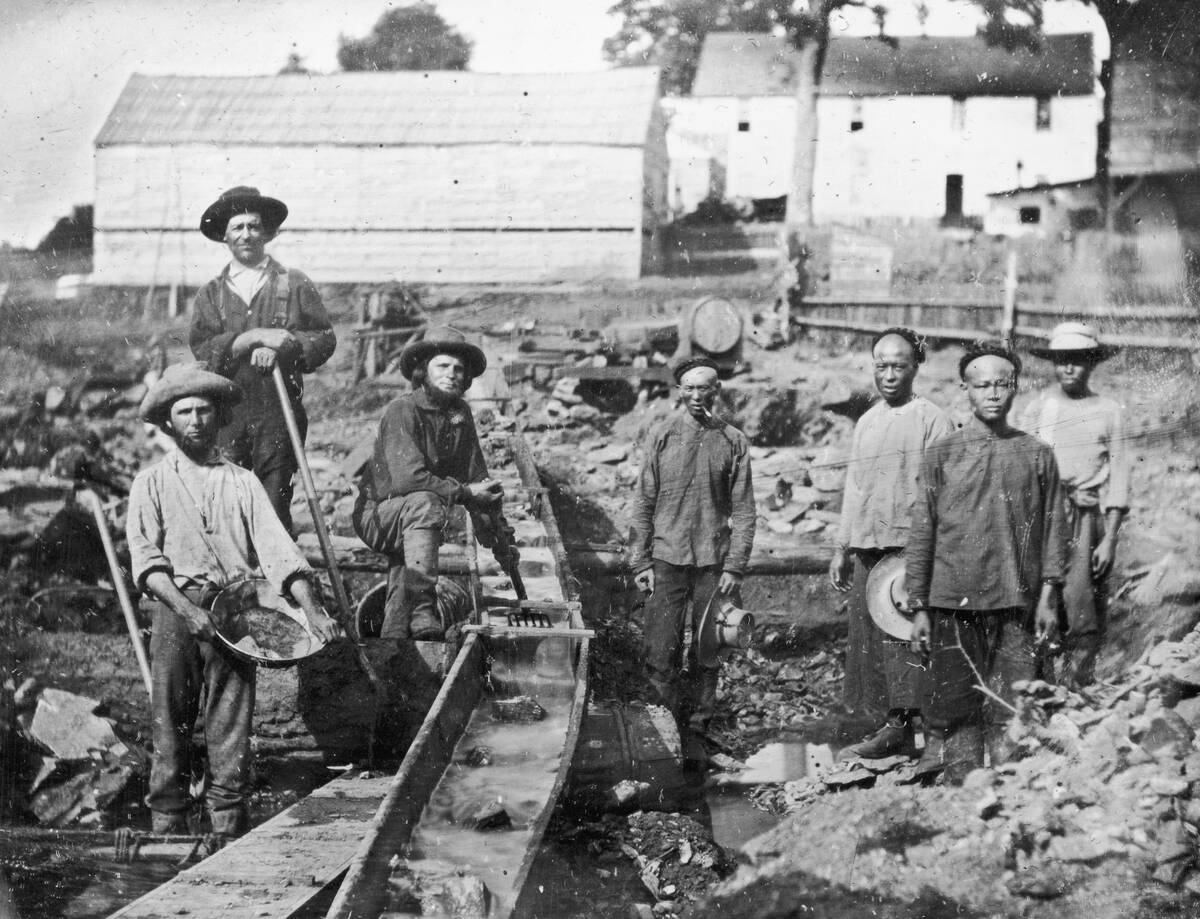
A miner’s shift often ran 10 to 12 hours, six days a week. In hard-rock camps, crews drilled blast holes by hand—single-jacking with one hammer and steel, or double-jacking with a partner—until compressed-air drills like the Burleigh (1860s) and Ingersoll (1870s) sped things up. After firing black powder or dynamite, they mucked broken rock into ore cars. Timbermen braced stopes, engineers tended hoists, and trammers pushed heavy loads toward daylight.
Coal miners faced different grime but similar grit. They undercut seams, set charges, and loaded by shovel, often paid by the ton. Underground “room and pillar” work left stout walls to hold the roof, while ventilation doors and fans fought foul air. Light was precious: candles and oil lamps gave way to carbide cap lamps around 1900. Whether in quartz or coal, the job blended skill and danger, with a constant soundtrack of drilling steel, creaking timber, and clanking rails.
Company Towns 101: Scrip, Rules, and the All-Seeing Boss
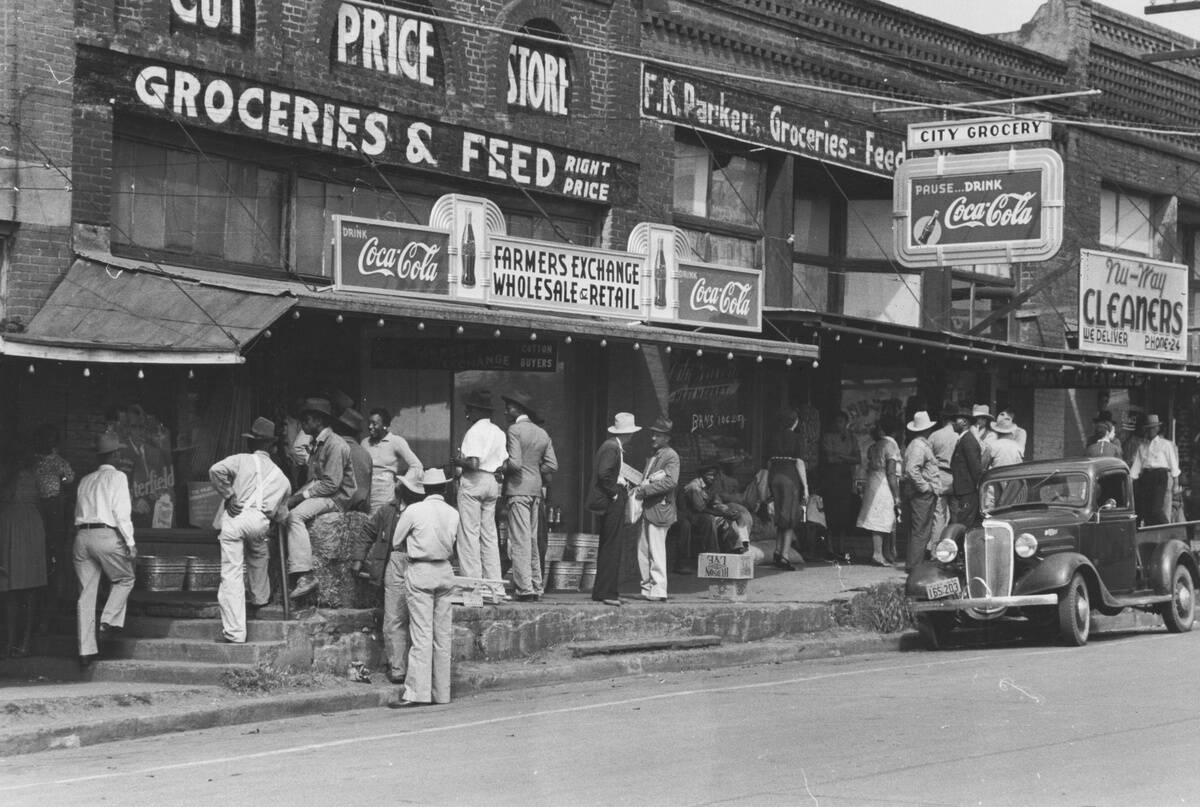
In many coal patches and copper camps, the company owned the houses, the store, and even the school. Pay could come partly in scrip—tokens or paper good only at the company store—used by firms such as Colorado Fuel & Iron in the early 1900s. Deductions for rent, lamp oil, and powder trimmed pay envelopes. The setup inspired the 1946 song “Sixteen Tons,” with its bitter line about owing your soul to the company store.
Rules ran tight. Company police or hired detectives—Baldwin-Felts in West Virginia are notorious—patrolled gates and kept an eye on organizing. Curfews weren’t unusual, and strikes could mean eviction on short notice. To be fair, not every firm leaned hard; some built libraries and bathhouses to lure stable families. But when ownership signed your pay, housed your kids, and sold your groceries, most folks knew exactly who watched from the top of the hill.
Home Sweet Shack: Housing, Boardinghouses, and Company Rows
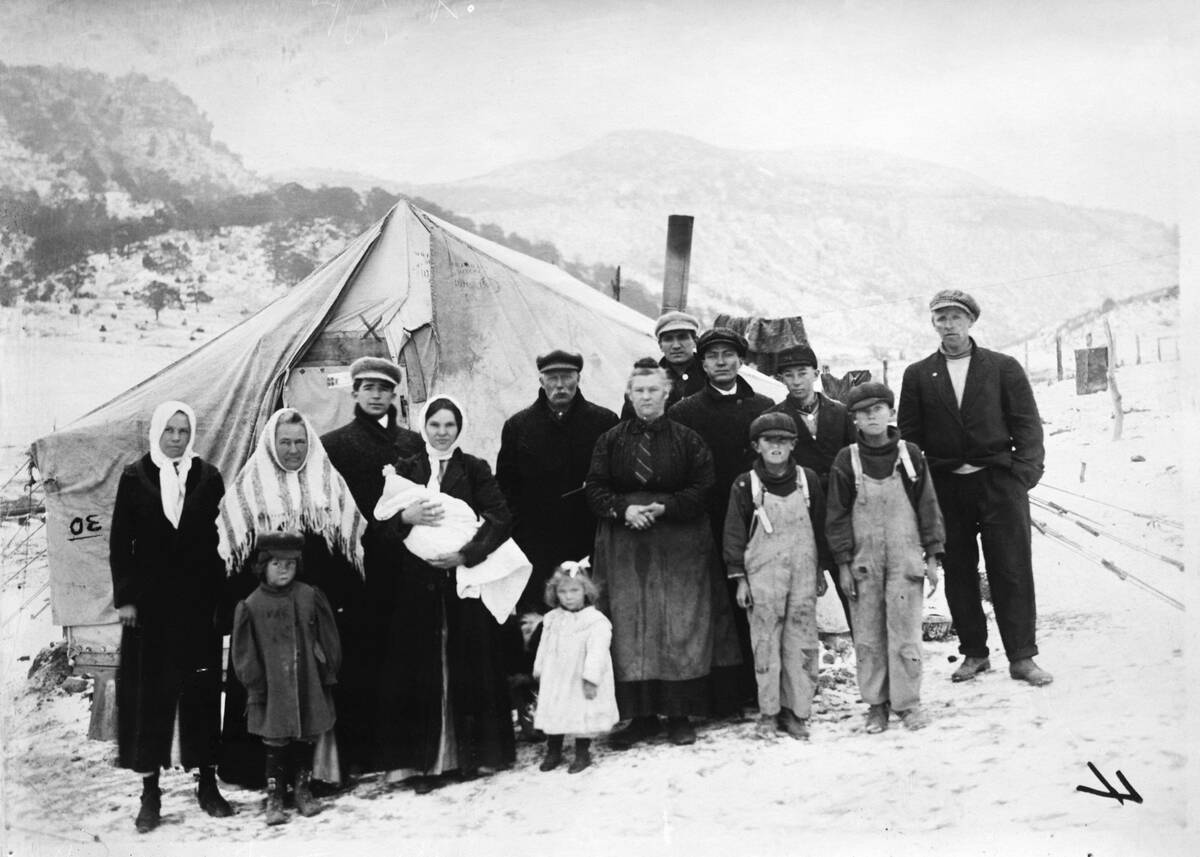
Housing tended to be fast, functional, and uniform. Company rows—identical wood-frame houses set on muddy lanes—sprouted near tipples and shafts. Shotgun houses appeared in Southern coalfields, while rough-hewn cabins dotted Western gulches. Boardwalks kept feet out of the muck where they existed; otherwise, residents navigated ruts and dust. Boardinghouses, often run by widows or enterprising couples, took in single miners by the bunk and served big, simple meals at long tables.
In boom peaks, roofs were scarce. Families doubled up; some lived in tents or dugouts until lumber caught up. During Colorado’s 1913–14 coal strike, thousands of evicted miners lived in tent colonies like Ludlow. As towns matured, porches gained railings, picket fences went up, and a few managers’ houses sprouted fancy trim. But most homes stayed practical: a stove in the kitchen, washbasin on a stand, and a coal pile out back to brave the winter.
What’s for Dinner: Chuckwagons, Pasties, and Potluck Suppers
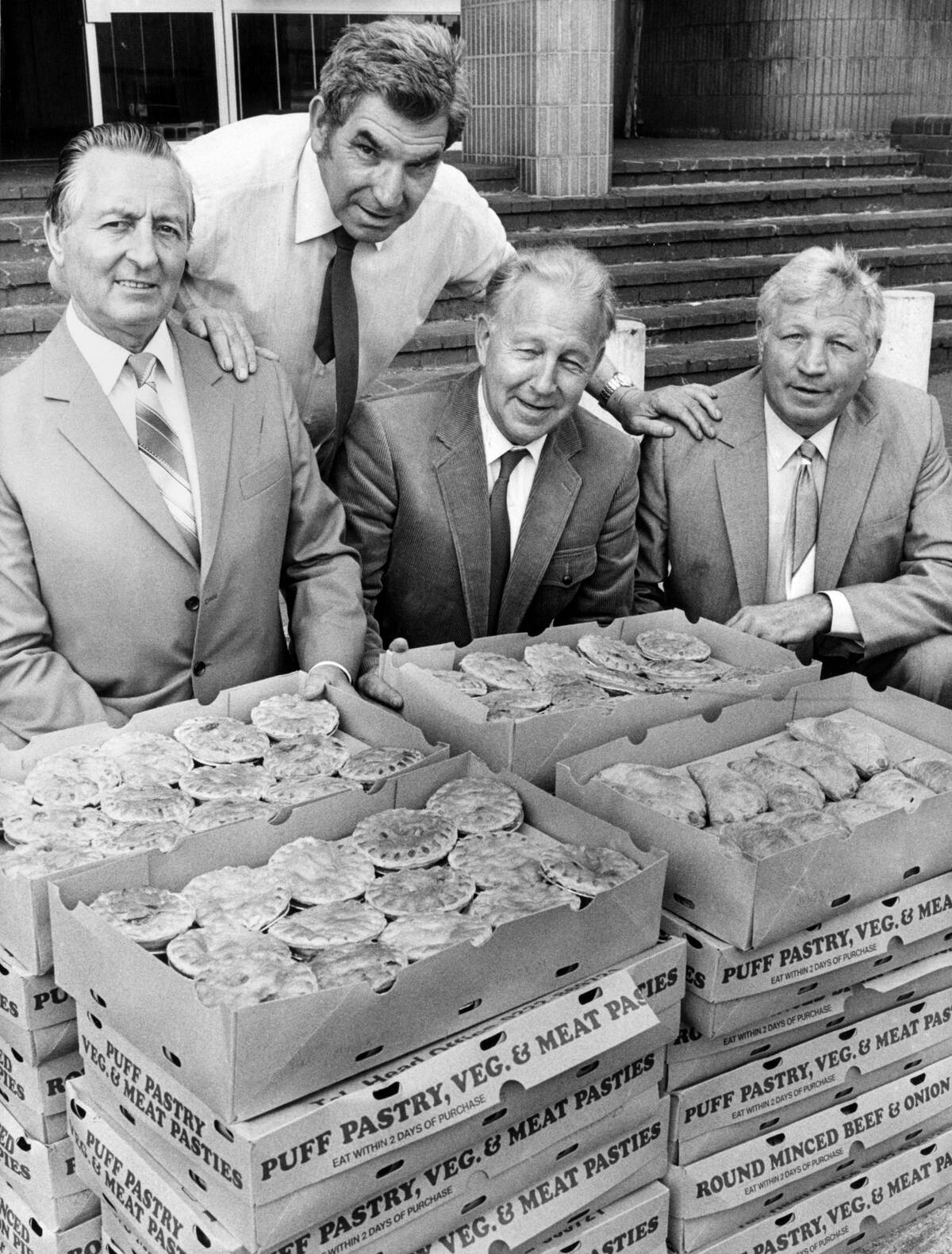
Menus mixed necessity and heritage. In the Upper Peninsula and Butte, Cornish pasties—meat-and-potato hand pies—were packed into lunch pails because they stayed warm and portable. In the Yukon and Alaska, “sourdough” became a nickname and a staple, with starters guarded like treasure. Canned peaches, tomatoes, and condensed milk lined store shelves; beans and salt pork did heavy lifting everywhere. In the Southwest, tamale vendors worked mining streets, while Basque boardinghouses in Nevada served hearty family-style feasts.
At home, meals stretched to fit paydays. Garden plots and chicken coops helped, and church basements turned leftovers into legendary potlucks. Coffee boiled strong on woodstoves; miners toted water-filled “metal lunch cans” with a lamp-warmed top compartment. Chuckwagons show up more in cattle lore, but in early camps, itinerant cooks set up simple kitchens near diggings. Food was fuel, culture, and comfort at once—something you could count on after a long, loud shift.
Saturday Night Saloons: Whiskey, Music, and a Little Mayhem
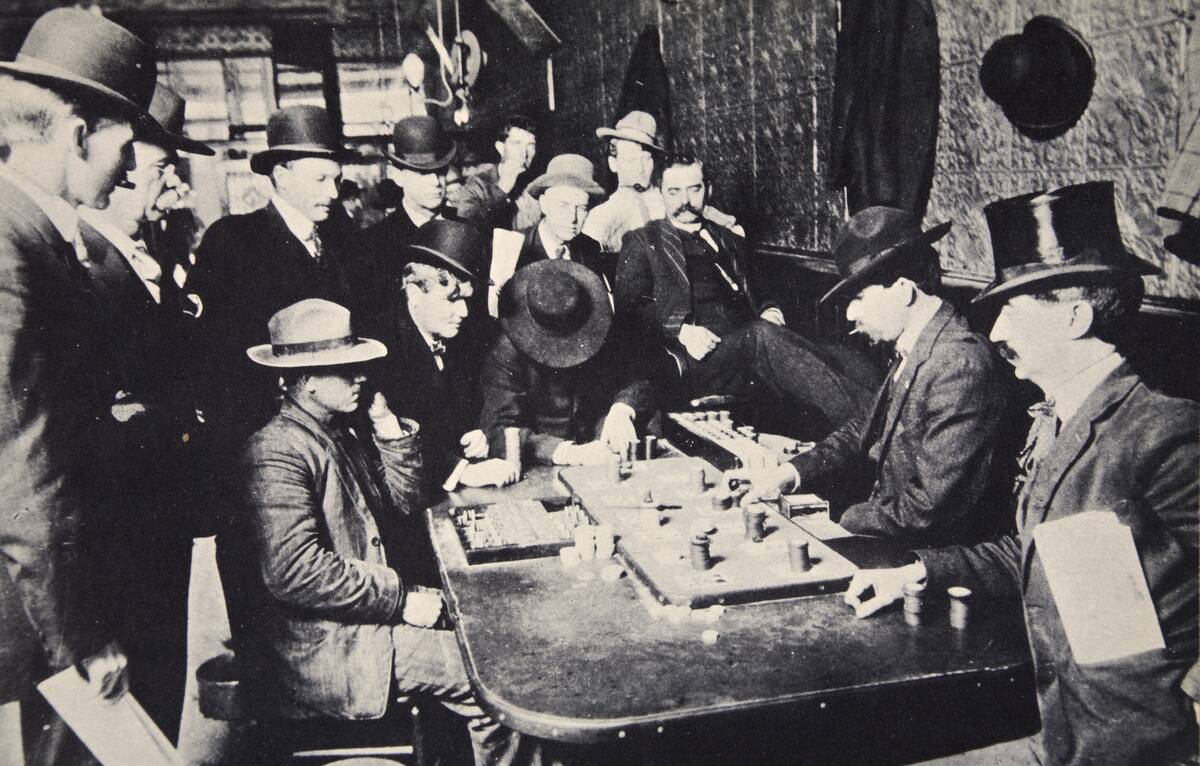
If work set the week’s tempo, saloons set Saturday’s. In Virginia City during the Comstock boom, drinking spots lined the main drag, offering whiskey, beer, and gambling games like faro and poker. Deadwood’s Gem Theater mixed saloon, variety show, and brothel in the late 1870s. Music was live and loud: fiddles, pianos, and brass bands worked the room while barkeeps kept the glasses spinning and the spittoons—mostly—emptied.
Not every night ended in a ballad. Fights flared, card sharks hustled, and sheriffs made their rounds. Yet saloons doubled as job boards and newsrooms; a miner might scan handbills for a new shift or find a partner for a claim. As towns settled, temperance halls and fraternal lodges offered alternatives, and some cities pushed red-light districts to the margins. Still, the swinging doors remained a symbol of cash-in-hand weekends and brief relief from the dark below.
Lawmen, Vigilantes, and Legends: Keeping (Some) Order
Mining booms outpaced courthouses, so law sometimes came on a sash or a scrap of paper. In 1863–64, the Montana Vigilantes in Bannack and Virginia City hanged suspected road agents, including Sheriff Henry Plummer, amid disputes over authority. A bit farther south in the silver boomtown of Tombstone, the 1881 gunfight near the O.K. Corral stamped Wyatt Earp and Doc Holliday into lore, reminding everyone that boom money attracted both crooks and would-be heroes.
As towns matured, formal order caught up. Elected sheriffs, circuit judges, and city marshals replaced ad hoc committees. Mining companies hired private detectives to guard payrolls and track union activity; Baldwin-Felts agents figured prominently in West Virginia coal wars. Jails appeared, ordinances multiplied, and newspapers argued over each step. Legend never quite left—every camp had a tale too good to fact-check—but the daily grind of warrants and fines usually kept the peace passable.
Faith and Fellowship: Churches, Mutual Aid, and Community Bonds
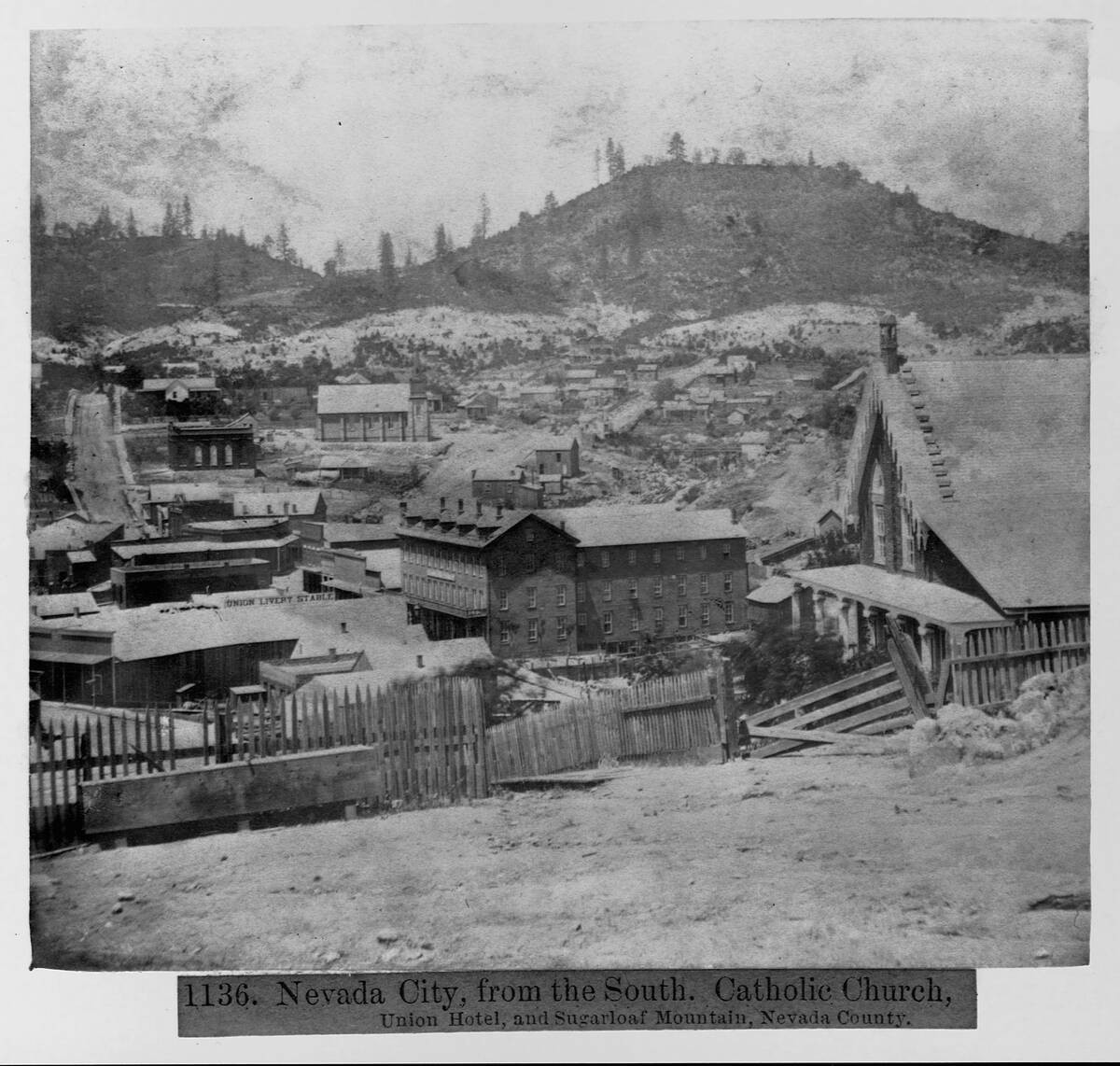
Miners built sanctuaries as quickly as saloons. Catholic parishes flourished in immigrant-heavy camps—Butte’s Irish-founded churches are a prime example—while Methodist and Baptist congregations anchored coal towns across the East. Services shared space with socials and sewing circles, and basements hosted spaghetti dinners one week and pierogi the next. When tragedy struck underground, churches organized collections and meals within hours, knitting together a community that knew risk by name.
Mutual aid societies filled gaps no employer covered. The Ancient Order of Hibernians supported Irish families in places like Butte; Croatian and Slovenian fraternal groups provided sick benefits and funeral insurance; and Italian Società di Mutuo Soccorso halls dotted mining regions. These groups fielded bands and baseball nines, paid doctors’ bills, and taught English classes. In an era before broad social insurance, they were a safety net, a social calendar, and a cultural anchor rolled into one.
School Days on the Frontier: Classrooms, Chalk, and Chores
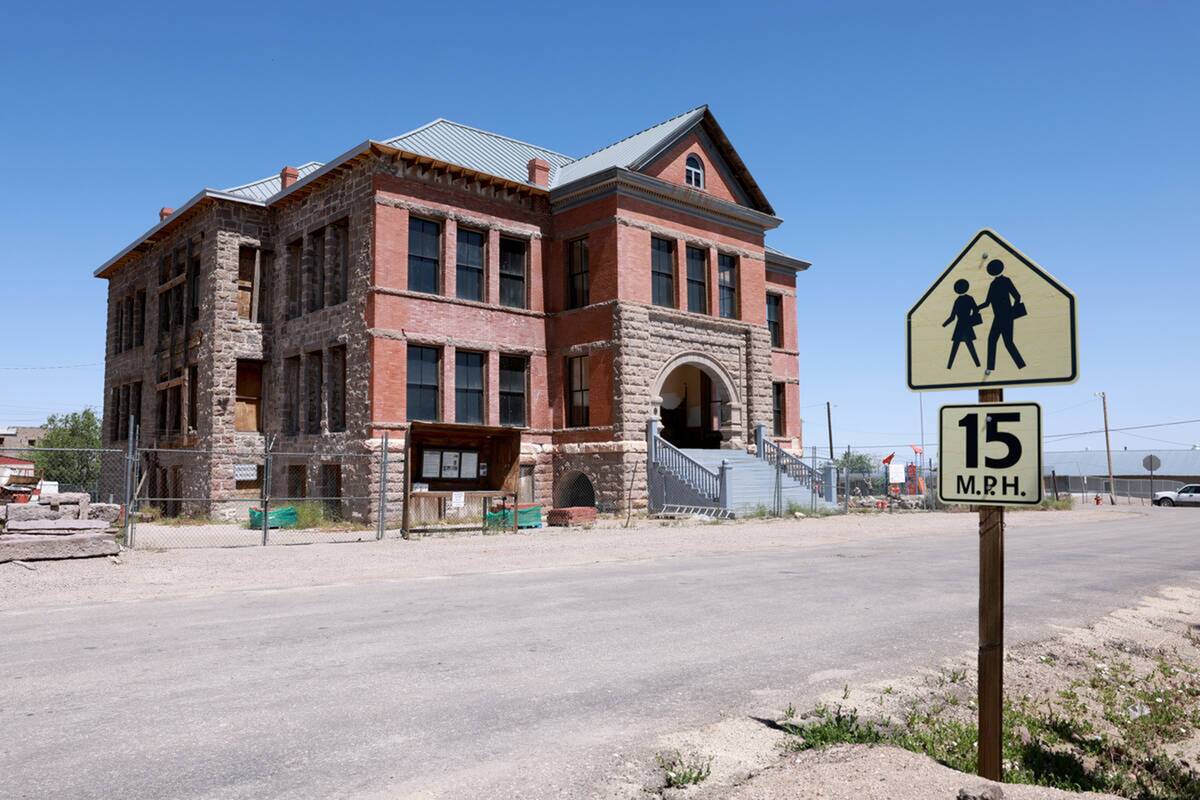
A schoolhouse often followed the first few paydays. Early classrooms might be a log room with slate boards and potbellied stove; as tax bases grew, frame buildings rose with a bell to call kids from alleys and tailings piles. Attendance could dip during winter storms or when families moved between camps. Compulsory schooling spread state by state in the late 19th century, but in rough economies, an 8th-grade diploma was still a proud finish.
Teachers juggled multigrade lessons and rowdy energy.
Students memorized arithmetic tables, diagrammed sentences, and read McGuffey Readers beside classmates practicing penmanship. Coal dust and mud tracked under desks; buckets held drinking water hauled from pumps. Schools doubled as stages for recitals and lectures, and graduation ceremonies filled to the rafters. The promise—however modest—was clear: literacy and numbers could lift a child beyond the mine, or at least make life aboveground a little wider.
Women of the Boomtown: Cooks, Keepers, Entrepreneurs, and Activists
Women stitched the social fabric and ran plenty of the business, too. Boardinghouse keepers managed payrolls, supply lists, and menus that fed a dozen hungry men at a sitting. Laundries, bakeries, and millinery shops sprang from kitchen tables. In red-light districts, madams operated their own enterprises within the era’s harsh confines. Churches, schools, and charity drives leaned heavily on women’s committees that could outfit a parade and a picnic in the same week.
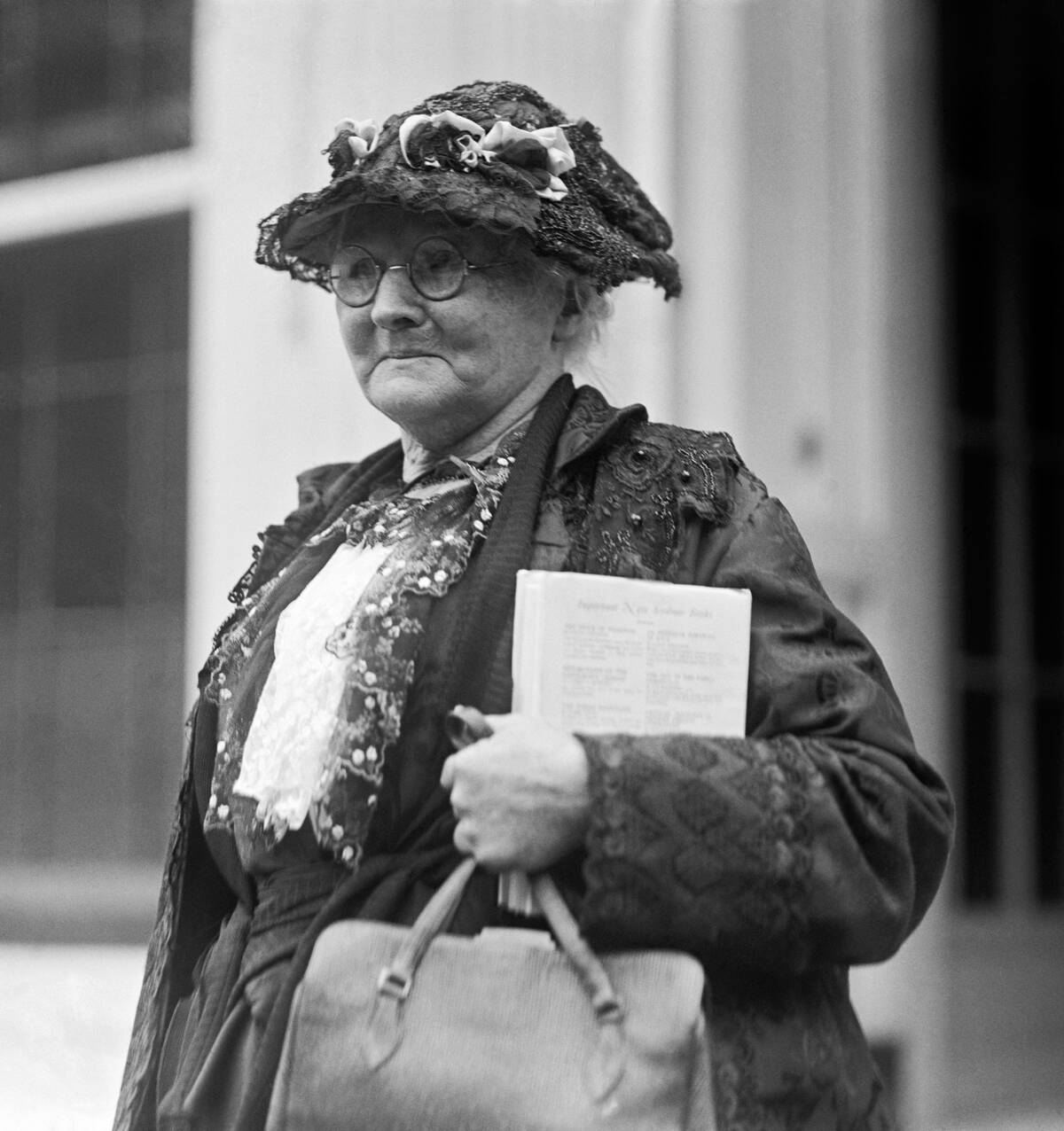
They organized beyond the domestic sphere as well. Labor activist Mary “Mother” Jones championed miners and their families in West Virginia and Colorado in the early 1900s, speaking at tent colonies and urging solidarity. Women’s auxiliaries raised strike funds, sewed banners, and kept soup kitchens going through long lockouts. When company men arrived to evict families, women often faced them first on the porch steps—voices that reminded everyone the mine’s story wasn’t only a man’s.
Kids at Work and Play: Chores, Child Labor, and Marble Games
Children’s days swung between help and hope. They hauled water, tended gardens, and minded younger siblings while parents worked shifts. Play invaded every vacant lot: marble games, hoop rolling, and pick-up baseball sprung up beside company rows. Winter brought sleds on slag piles—dangerous fun adults tried, not always successfully, to police. The school bell set the weekday cadence; Saturday meant errands to the company store and a nickel to spend if luck and budgets allowed.
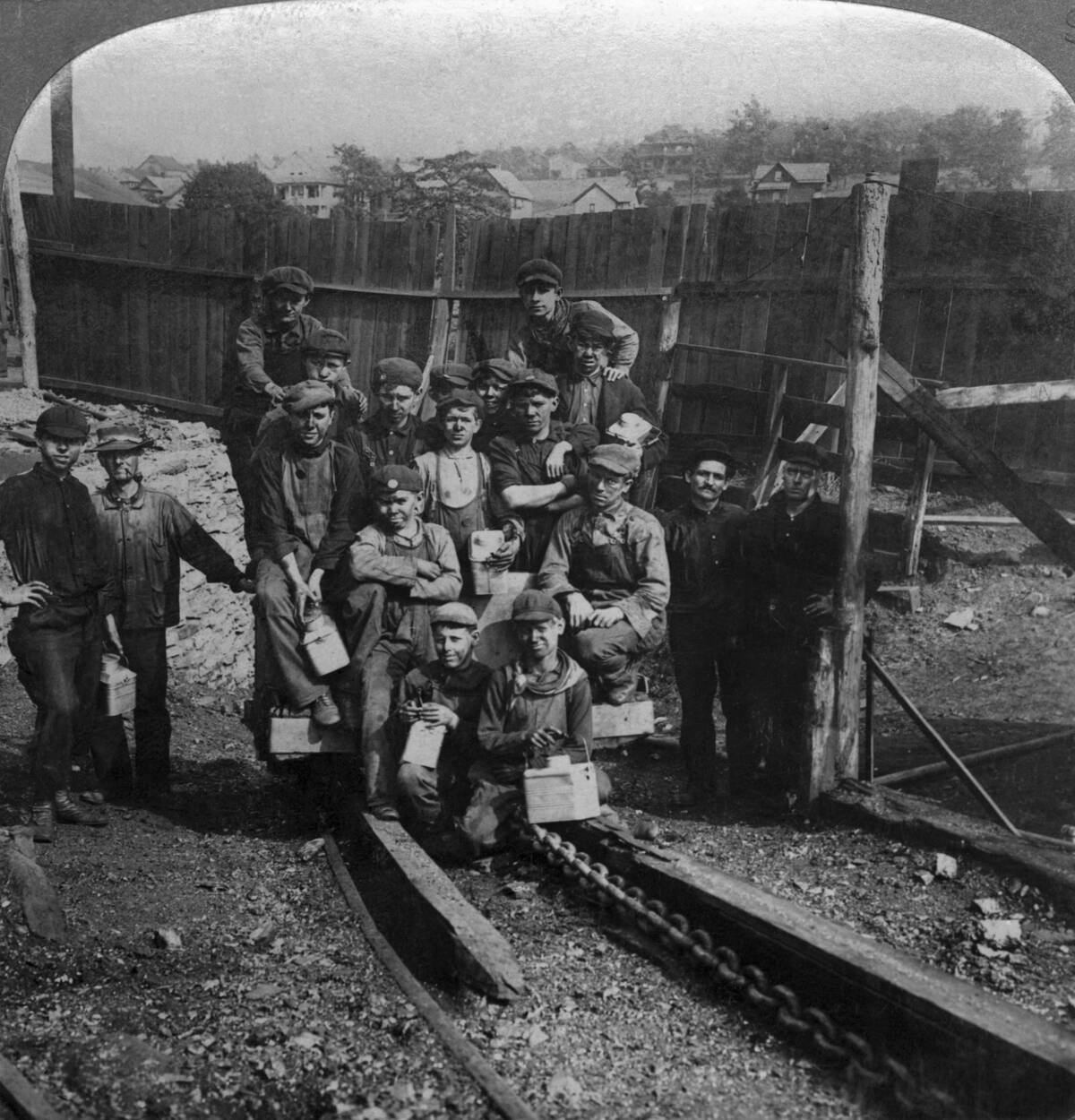
In coal regions, child labor shadowed childhood. “Breaker boys” as young as eight once picked slate from moving coal at Pennsylvania anthracite breakers, a reality documented by photographer Lewis Hine in the early 1900s. Reform followed fitfully—the Keating-Owen Act of 1916 was struck down—but state laws tightened over time, and the 1938 Fair Labor Standards Act set federal limits. The marble bag didn’t disappear, but more kids eventually traded the breaker floor for a classroom bench.
Melting Pot on the Mine Dump: Languages, Traditions, and Tensions
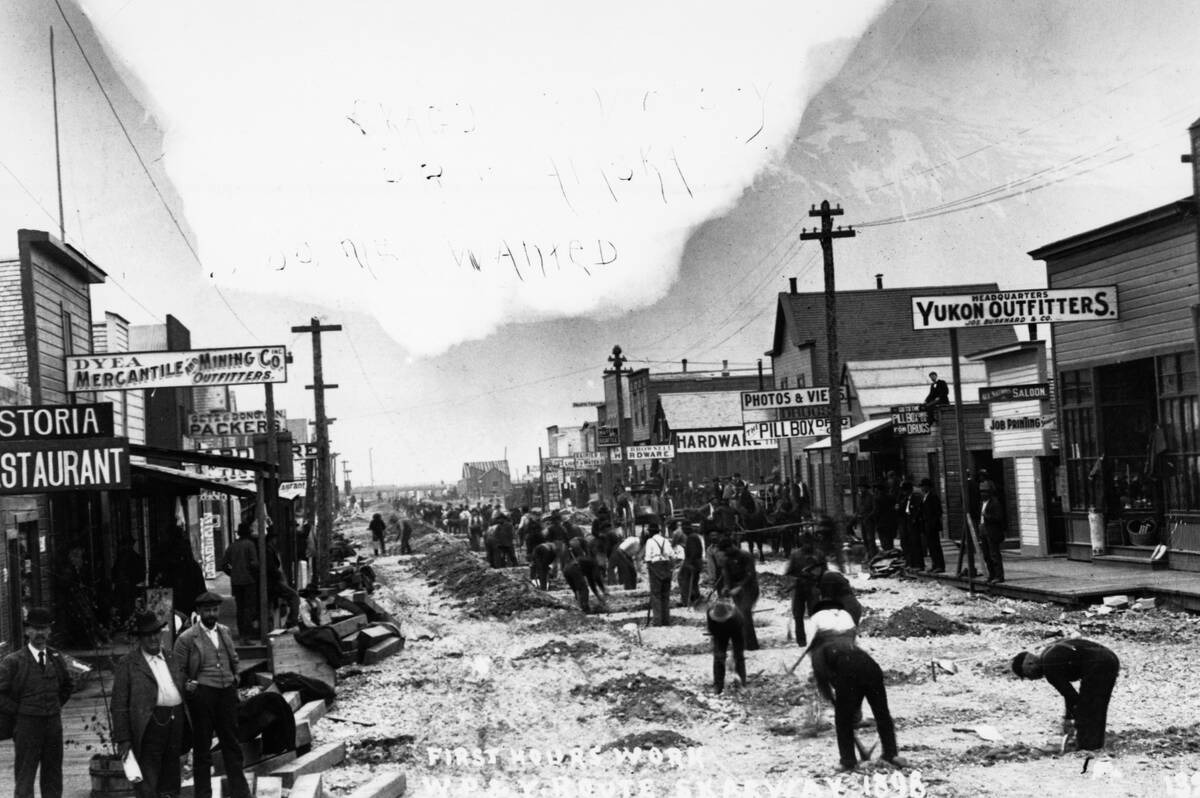
Mining towns sounded like a map. Irish accents mingled with Cornish sing-song in Butte; Italian, Croatian, and Slovenian filled company rows in Colorado and Pennsylvania; Chinese dialects rang across Western placer camps in the 1850s. Choirs practiced hymns in Welsh, while feast days paraded saints through dusty streets. St. Patrick’s Day loomed large wherever Irish miners worked, and polka bands energized Slavic lodge halls on long winter nights.
Diversity brought friction, too. The 1882 Chinese Exclusion Act followed years of harassment in Western camps, and the 1885 Rock Springs massacre in Wyoming’s coalfields killed dozens of Chinese miners. Hiring often sorted by ethnicity, and some companies played groups against each other. Over time, work, schoolyards, and unions knit uneasy neighbors into colleagues and friends. Potluck suppers—pierogi beside pasties, tamales next to stew—hinted at a common table that slowly, stubbornly, kept growing.
Tools of the Trade: Picks, Dynamite, Headlamps, and Mules
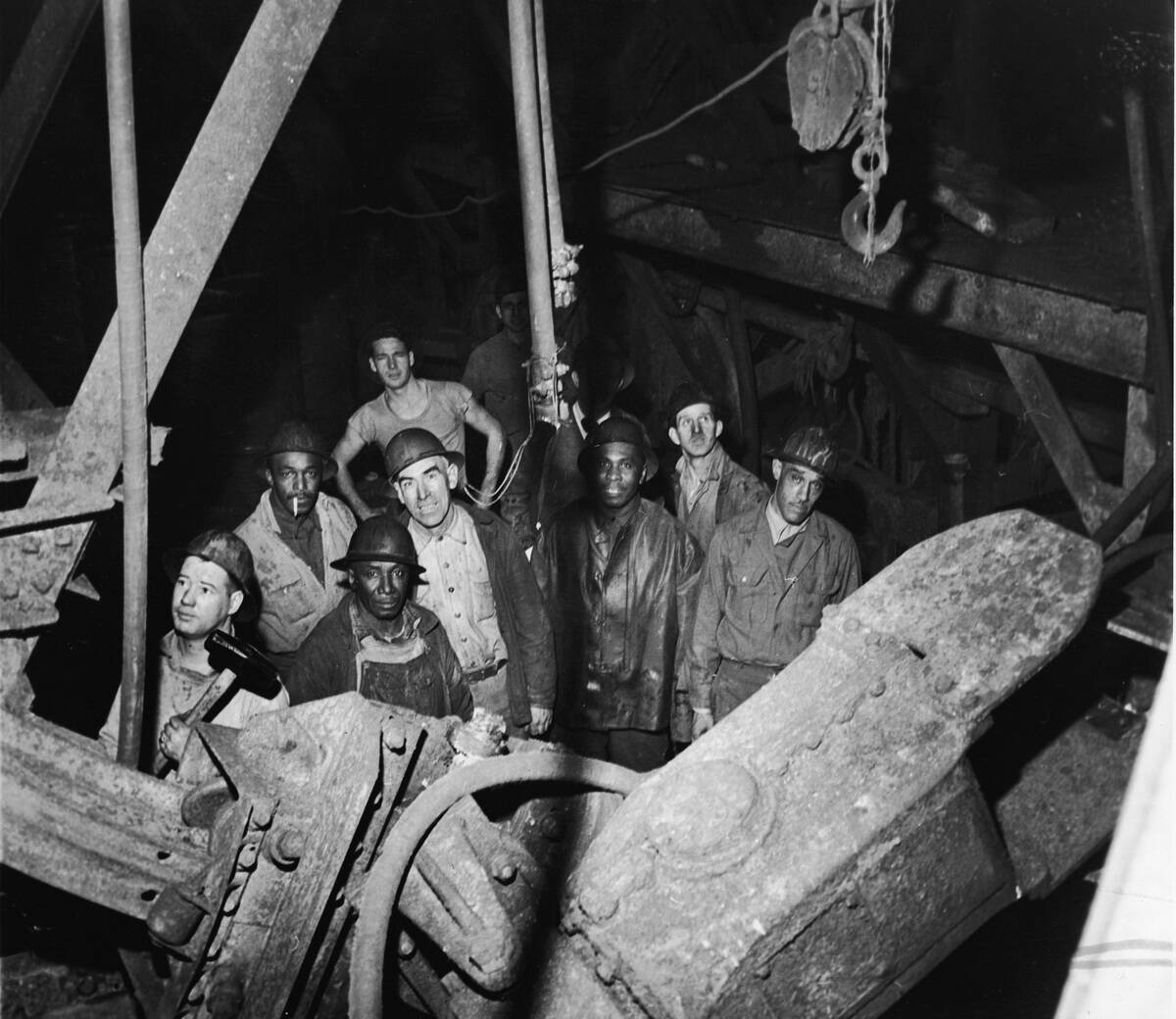
A miner’s toolkit evolved with technology. Early hard-rock work relied on hand drills, hammers, black powder, and stout timbers. Alfred Nobel’s dynamite (patented in 1867) made blasting more controlled and powerful, while pneumatic rock drills turned muscle jobs into machine rhythms. In coal, picks, shovels, and wedge bars dominated until cutting machines crept in. Steel-toed boots, oilers, and lunch pails rounded out the kit, with every dent telling a story.
Lighting leapt forward, too. Tallow candles gave way to oil lamps, then to carbide cap lamps around the turn of the 20th century, burning acetylene made from calcium carbide and water. By the 1910s, electric cap lamps with battery packs began to spread, boosted by safety campaigns. Underground haulage mixed muscle and horsepower: mules and “pit ponies” pulled strings of cars, their stalls underground as tidy as any barn. Above, aerial tramways and hoists carried ore skyward.
Danger Everywhere: Cave-Ins, Gas, Dust, and the Doctor’s Bag
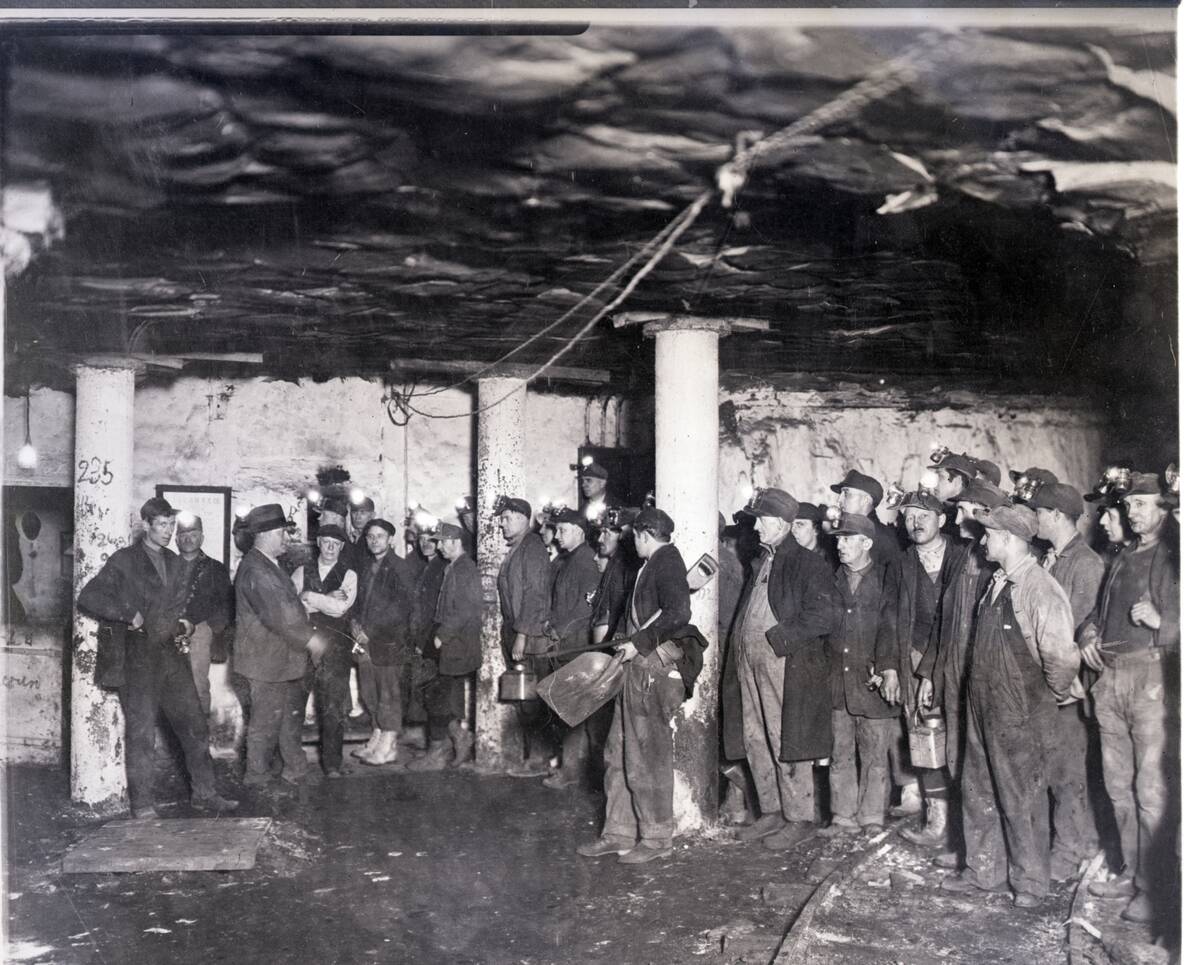
The hazards were real and relentless. Methane (“firedamp”) could explode; afterdamp—deadly gases after a blast—silently suffocated. Coal dust, if not controlled, turned sparks into chain reactions. Roof falls crushed without warning. In 1907, the Monongah disaster in West Virginia killed at least 362 miners, the deadliest accident in U.S. mining. In 1917, a fire at Butte’s Speculator Mine cost 168 lives, prompting new emphasis on escape routes and firefighting gear.
Even without catastrophe, the body paid a price. Silicosis scarred lungs in hard-rock districts; black lung shadowed coal miners. The U.S. Bureau of Mines, created in 1910, researched ventilation, explosives, and training to cut risks. Company doctors stitched gashes, set bones, and fought infection with limited tools, making house calls with satchels of bandages and carbolic. Safety lamps, better supports, and rescue crews saved lives, but no miner ignored the creak of timber overhead.
Unions, Strikes, and Stand-Offs: Fighting for a Fair Shake
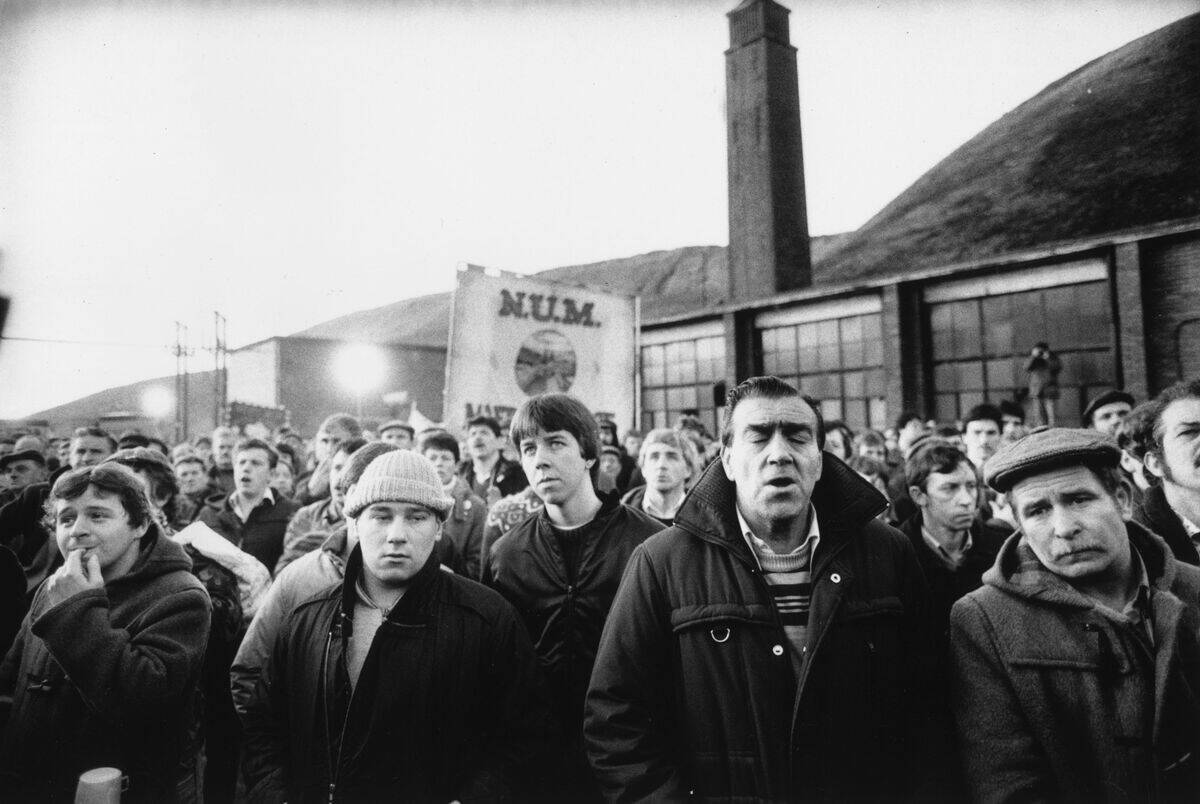
Organizing rolled through the camps like thunder. The United Mine Workers of America formed in 1890 to unite coal labor, while the Western Federation of Miners began in 1893 in Butte’s hard-rock country. Confrontations flared: Coeur d’Alene, Idaho saw strikes and martial law in 1892 and 1899; Cripple Creek, Colorado’s 1894 standoff birthed a rare union victory. Demands were basic—better pay, safer work, and the right to a union card without reprisal.
The battles could turn bloody. The 1913–14 Colorado coal strike included the Ludlow tent colony, where a deadly April 1914 assault left women and children among the dead. In West Virginia, the 1920 Matewan shootout and the 1921 Battle of Blair Mountain pitted miners against mine guards and state forces in the largest labor uprising in U.S. history. Out of the turmoil came contracts, checkweighmen, and improved safety standards—wins etched in hard lessons and headstones.
Paydays and Panics: Wages, Scrip, and the Cost of Living
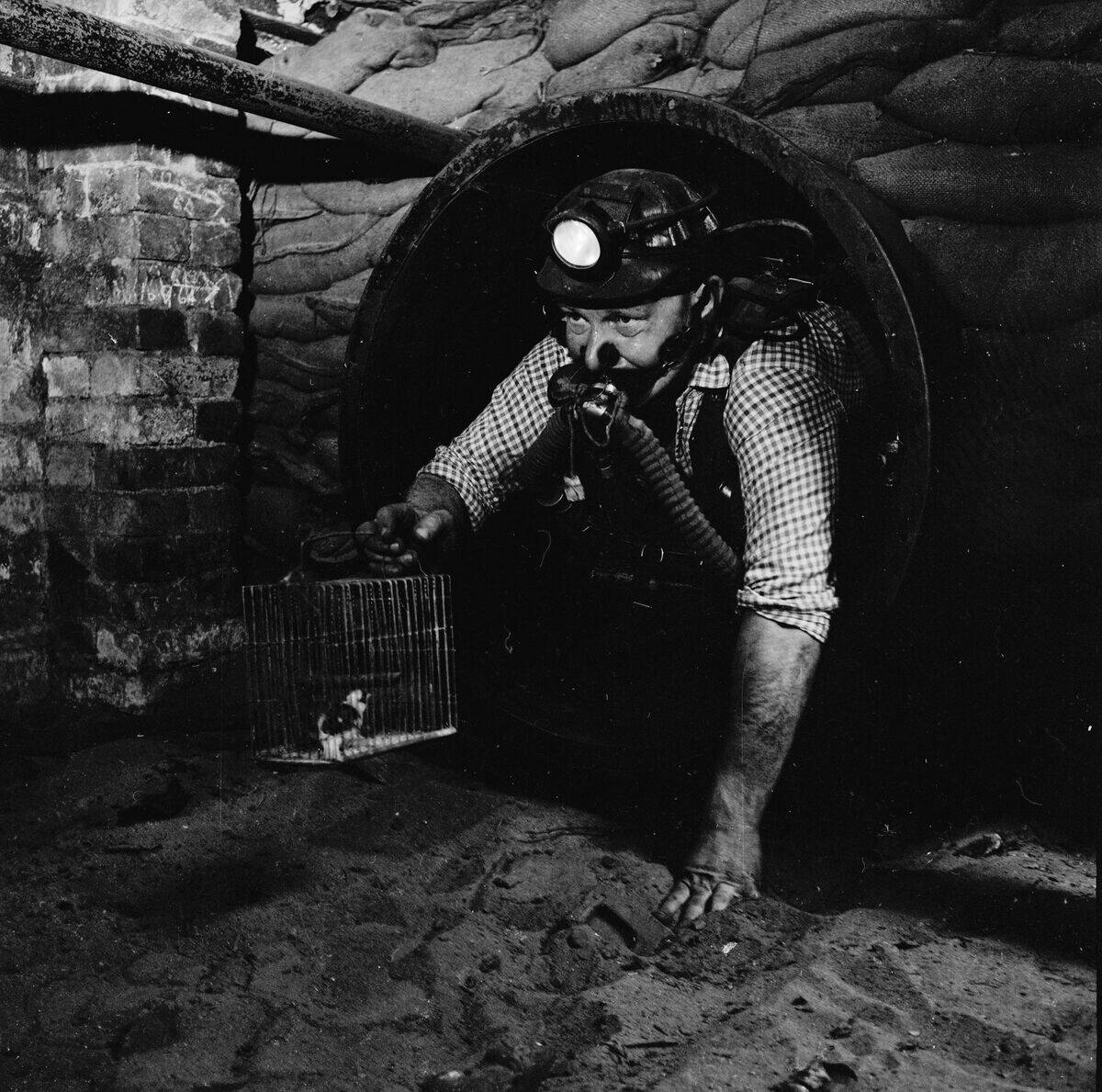
Money came in envelopes, sometimes with scrip tucked alongside. Western hard-rock miners around the 1890s often earned roughly $3 to $4 a day; coal pay more commonly hinged on tons loaded, with disputes over scales and “dockage” for debris. Before direct deposit was a dream, men lined up at pay windows while clerks ticked off deductions—for rent, powder, blasting caps, even doctor fees. That first stop at the company store could shrink a week in minutes.
Prices rose with distance and risk. Freight sent staples toward the steep end, and isolated camps paid premiums for everything from nails to eggs. Families pinched: gardens, canning, and mending stretched budgets, and second jobs—washing, taking in boarders—added a few dollars. When metal prices crashed, layoffs and wage cuts followed fast; when they soared, overtime returned. The rhythm of feast and lean taught a lesson every miner learned early: cash flows downhill faster than water.
Getting Around: Ore Carts, Narrow-Gauge Rails, and Wagon Ruts
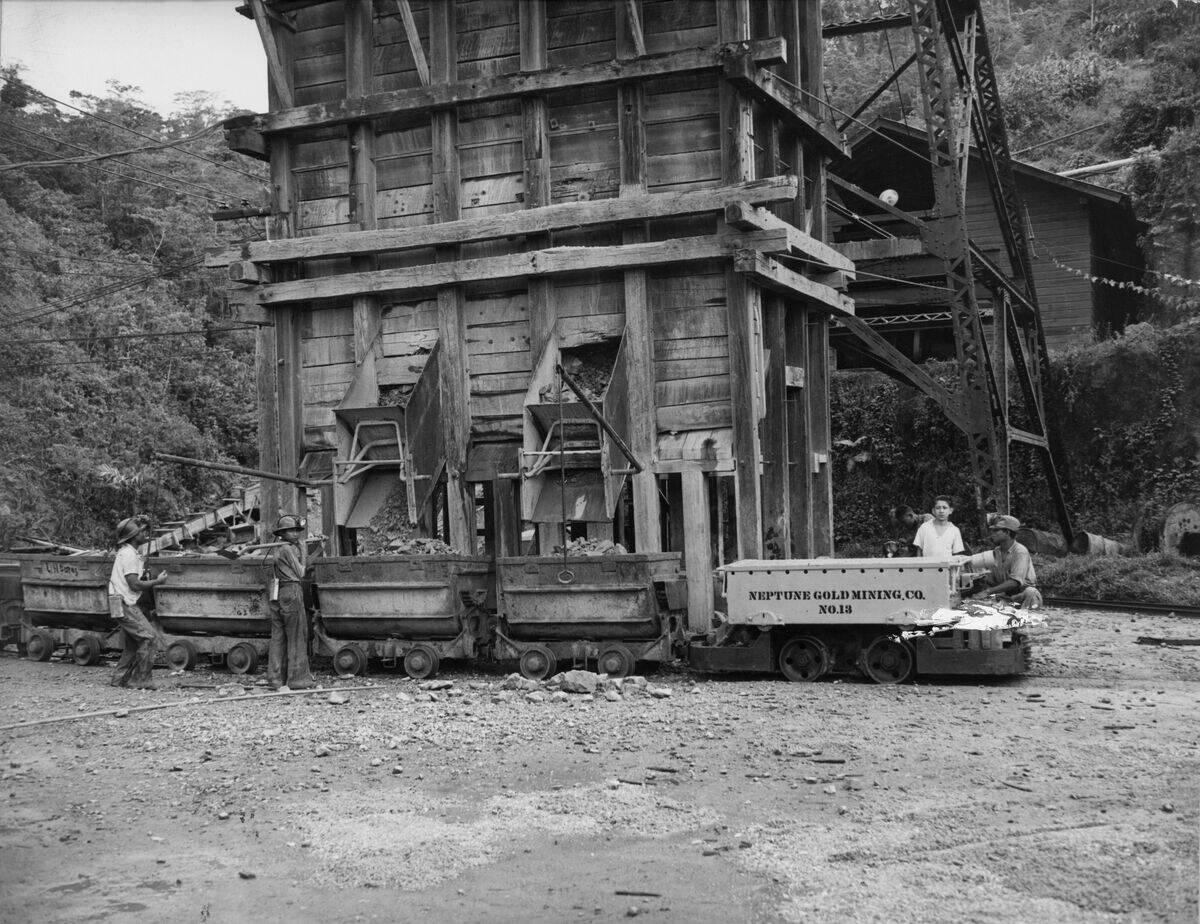
Transportation defined what a camp could become. Underground, ore moved by hand-pushed cars, mule trains, and cage lifts. On the surface, aerial tramways skimmed across ravines in places too steep for roads. Narrow-gauge railroads, cheaper to build on tight curves, laced the Rockies—the Denver & Rio Grande’s three-foot-gauge network opened remote valleys, and Colorado’s two-foot-gauge Gilpin Tram hauled ore down to Central City mills by the late 1880s.
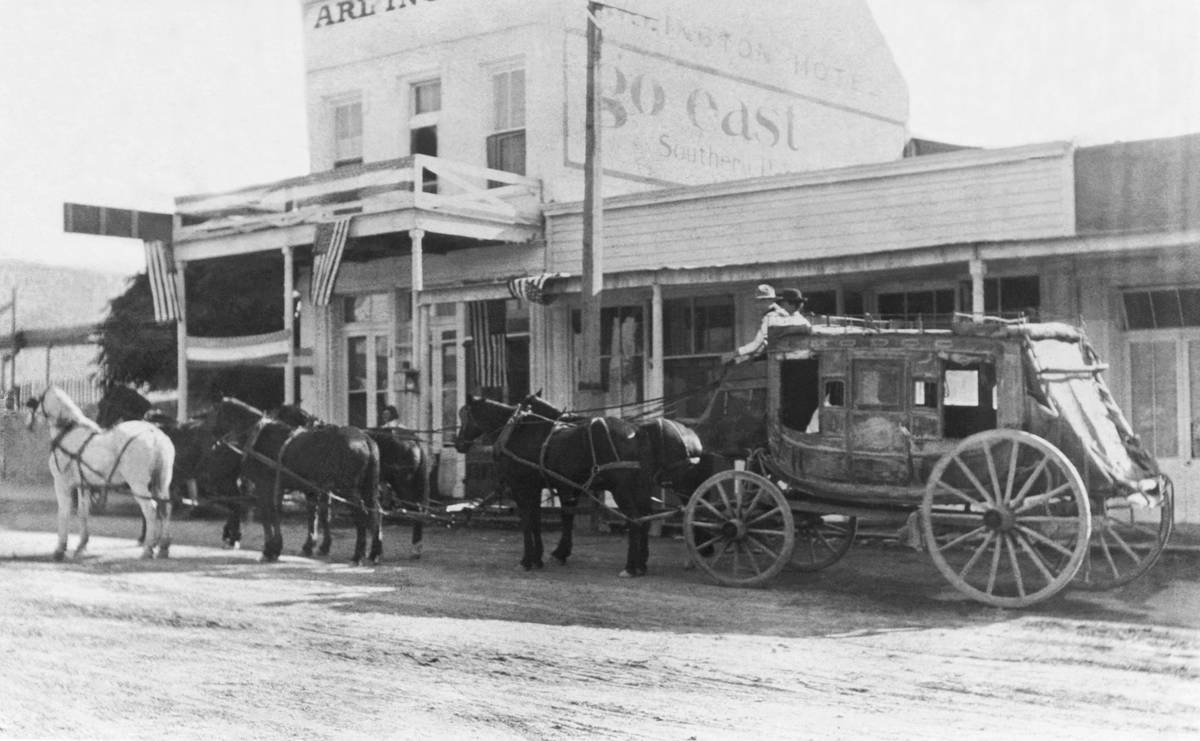
Before rails arrived, wagon ruts told the tale. Stagecoaches carried mail, passengers, and payrolls guarded by shotguns. In Nevada, the Virginia & Truckee linked the Comstock to mills and the transcontinental line, while in the high country, winter snows stalled everything but sleds. Company towns sprouted near tipples to shave hauling costs, and when highways and trucks took over in the 20th century, some spurs rusted into weeds—silent proof that logistics built, and unbuilt, many a boomtown.
Holidays and Homecomings: Parades, Picnics, and Miners’ Day
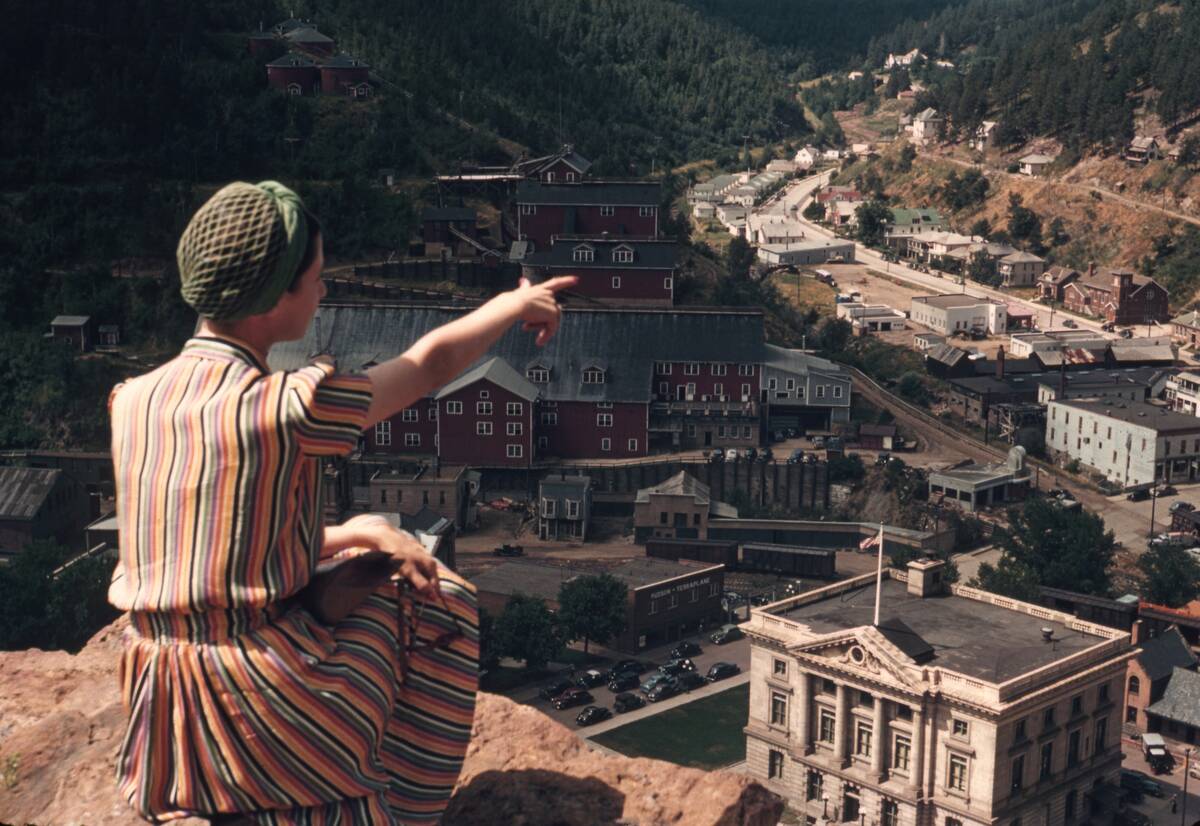
Holidays in mining towns mixed patriotism, labor pride, and old-country customs. Fourth of July parades wove between headframes, floats built on ore wagons and brass bands booming under bunting. Labor Day belonged to unions: banners, speeches, and community picnics under cottonwoods. Where Catholic miners gathered, St. Barbara—patron of miners—was honored on December 4 with blessings for those who went below. In Irish strongholds, St. Patrick’s Day was a civic event as much as a religious one.
Some celebrations outlasted the mines.
Park City, Utah still marks Miners’ Day each Labor Day weekend, a tradition dating back to the 1890s, complete with running-of-the-bulls-style “muckers and drillers” contests in earlier years. Homecomings drew former residents to ghosting streets for class reunions and cemetery cleanups. Tables groaned with potluck dishes spanning continents, and stories flowed—half history, half legend—reminding everyone why the town’s name mattered long after the last shift ended.
Myths, Ghost Stories, and Tall Tales from the Campfire
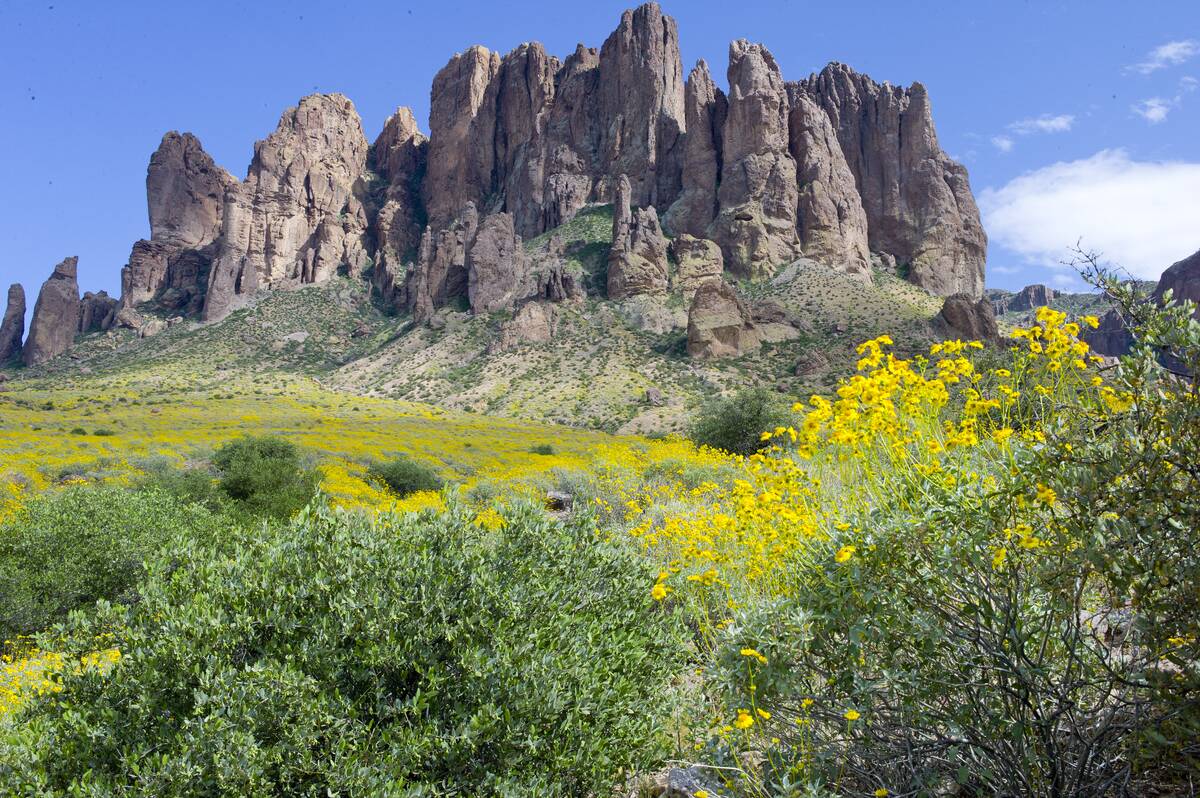
Every camp had a yarn-spinner. Lost-mine legends multiplied with maps that never quite lined up: Arizona’s Lost Dutchman in the Superstition Mountains may be the most famous. In Cornish lore carried to America, “tommyknockers” tapped on rock to warn—or tease—miners, a superstition that made eerie noises underground feel a little less lonely. Poker tables birthed kings, cheats, and miracles in equal measure, at least after a few rounds.
Ghost stories favored dim streets and shuttered shafts. A headframe creak became a specter’s sigh; lantern lights across a dump were definitely not just night watchmen. Some tales hid hard truths—cave-in tragedies recast as restless spirits—while others were pure entertainment. The best survived because they fit the place: a missing payroll, a prospector with the wrong map, or a miner who swore a knocker saved his life the night timbers gave way.
From Bust to Dust: Ghost Towns and What Got Left Behind
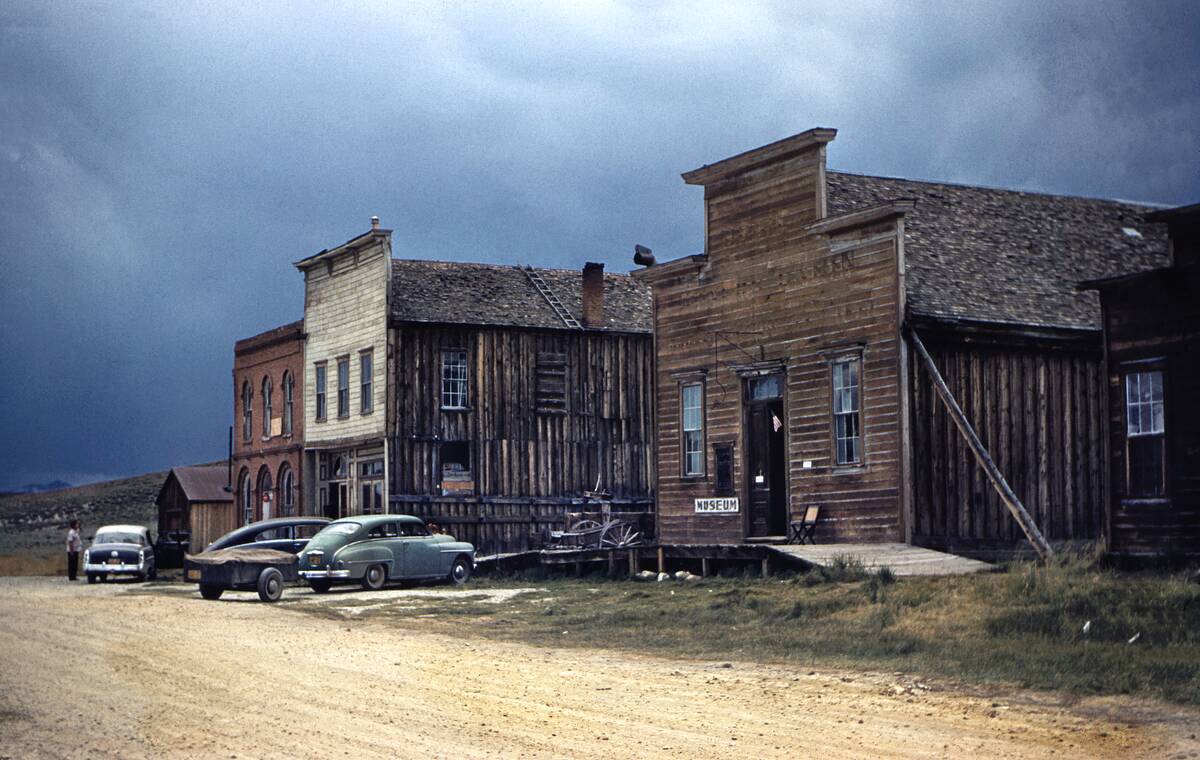
When ore played out or prices crashed, towns thinned fast. Bodie, California roared in the late 1870s, then faded by the 1880s; today it’s preserved in “arrested decay” as a state historic park, with goods still on store shelves. Nevada’s Rhyolite boomed after 1905 and was nearly empty a decade later, leaving a famous bottle house and a crumbling bank. Coal towns shrank slower, but tipples and rows emptied as mechanization and new fields shifted jobs.
Not everything vanished. Cemeteries, schoolhouses, and jails endure with names scratched in wood and stone. Garnet, Montana, sits quiet but intact; Thurmond, West Virginia, lies mostly empty along the New River with its brick depot and main street still standing. Sometimes a single business kept lights on; sometimes artists or history buffs moved in. Ghost towns became time capsules—bits of wallpaper, a rusted lunch pail—whispering what pay stubs and ledgers can’t quite say.