28 things people once paid for that are free today
Remember when long-distance calls, encyclopedias, and navigation gadgets ate into the budget? Today, the same 29 everyday essentials feel practically built-in to life online, and most cost nothing upfront. The shift is visible everywhere: a single smartphone replaces a stack of tools, and a browser tab opens more reference material than a whole bookshelf. It’s not magic; it’s a mix of new business models, open data, and an internet that stitched the world together.
Free often means ad-supported, subsidized by premium tiers, or underwritten by organizations that publish public-domain or open-licensed data. Broadband got faster and cheaper per megabit, cloud storage scaled, and open-source software matured. Wikipedia launched in 2001 and now hosts millions of articles; Google Maps debuted in 2005 and added turn‑by‑turn in 2009. With those shifts, the price tag on many once-costly basics quietly slid to zero for everyday users.
Long-distance and international phone calls

In the 1990s, U.S. long-distance often ran 10–25 cents a minute, and international was far pricier; families watched the clock. Services like AT&T, MCI Friends & Family, and calling cards tried to soften the blow. Then VoIP arrived: Skype launched in 2003, and carriers began bundling unlimited domestic calling into mobile plans. Today, Google Voice offers free calls to most U.S. and Canada numbers, and many home internet plans include Wi‑Fi calling at no extra cost.
App-to-app internet calling made country codes feel optional. WhatsApp added voice calls in 2015 and video in 2016; FaceTime has been around since 2010, with FaceTime Audio arriving in 2013. Facebook Messenger and Signal do it, too. You still pay for data or Wi‑Fi, but the per‑minute meter is gone for billions. It’s a classic case of software routing around old tollbooths.
Texting and picture messages
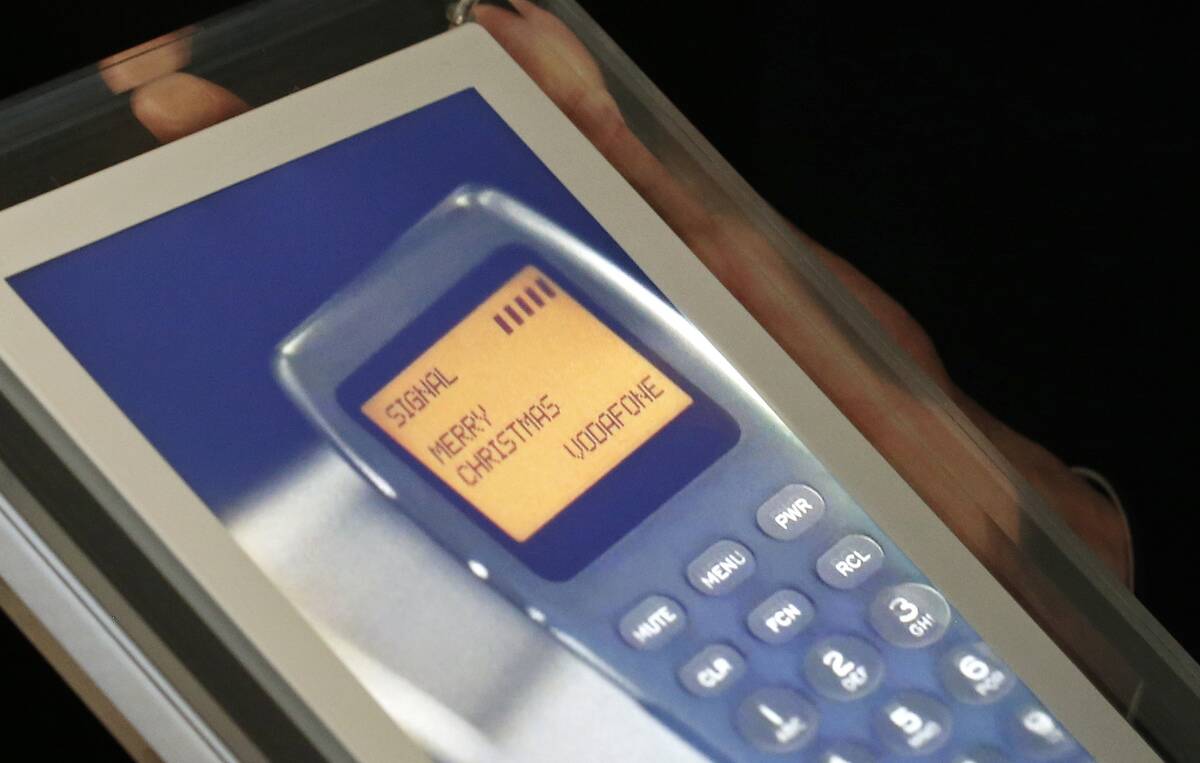
The first SMS pinged out in 1992; by the 2000s, carriers charged per text (often 10–25 cents) or sold bundles, with MMS costing extra. Then OTT messengers took over. Apple rolled out iMessage in 2011, auto‑switching to data when both users are on Apple devices. WhatsApp, launched in 2009, now counts over 2 billion users worldwide, and Telegram and Signal followed with encryption-forward approaches.
The upgrade wasn’t just price. Group chats, read receipts, high‑resolution photos, and stickers piggyback on data connections. RCS, Google’s modern take on carrier messaging, brings typing indicators, better media, and Wi‑Fi messaging to Android, and it’s increasingly supported by major carriers. The result: richer messages without a separate bill for every picture of your dog in a sweater.
Maps, atlases, and turn-by-turn GPS navigation
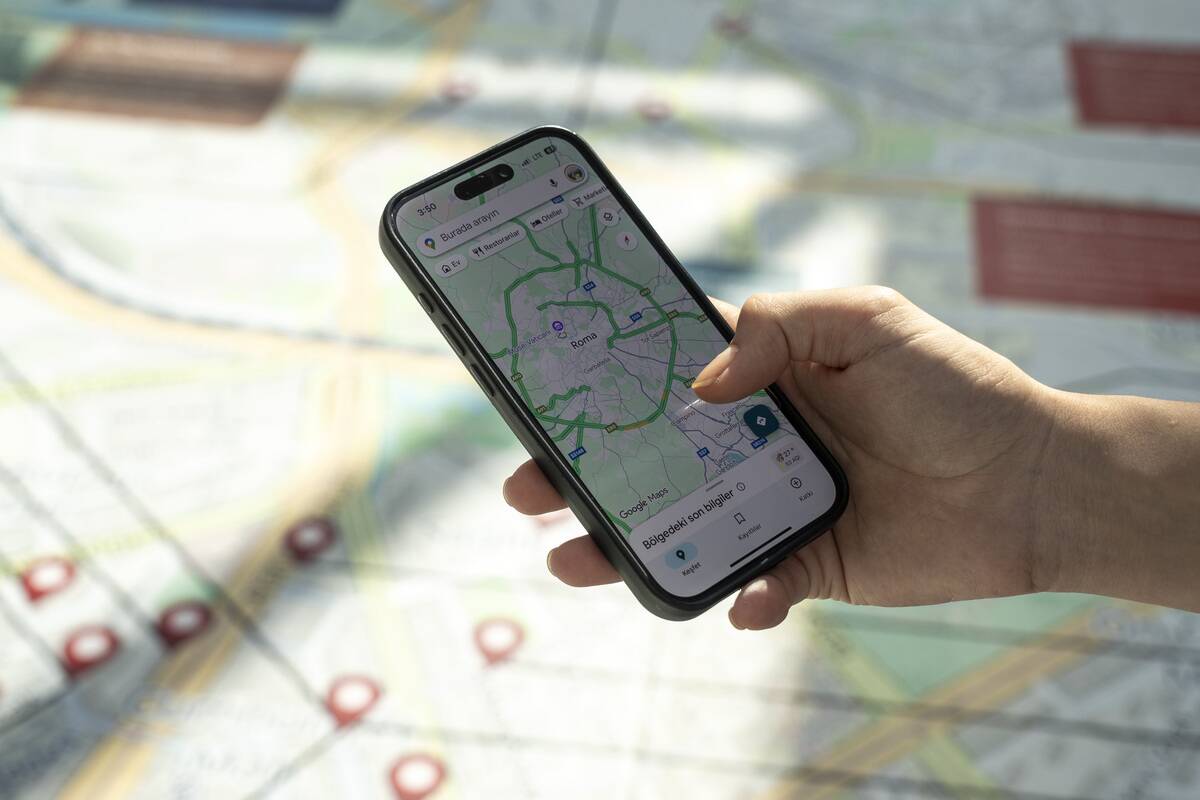
Paper atlases were staples in glove compartments, and standalone GPS units from Garmin or TomTom commonly cost $100–$300. Google Maps launched in 2005 and added free turn‑by‑turn navigation on Android in 2009, a watershed moment that erased pricey navigation apps for many. Apple Maps arrived in 2012, Waze crowdsources incidents, and OpenStreetMap (founded 2004) powers countless apps with community‑edited data.
Now phones offer live traffic, lane guidance, and offline downloads at no charge. Street View debuted in 2007, making virtual recon as easy as a drag. Transit directions draw on public GTFS feeds that agencies publish, and bike/scooter layers keep expanding. The old atlas still has charm, but free routing updates beat buying a new edition every year.
Encyclopedias, dictionaries, and reference lookups
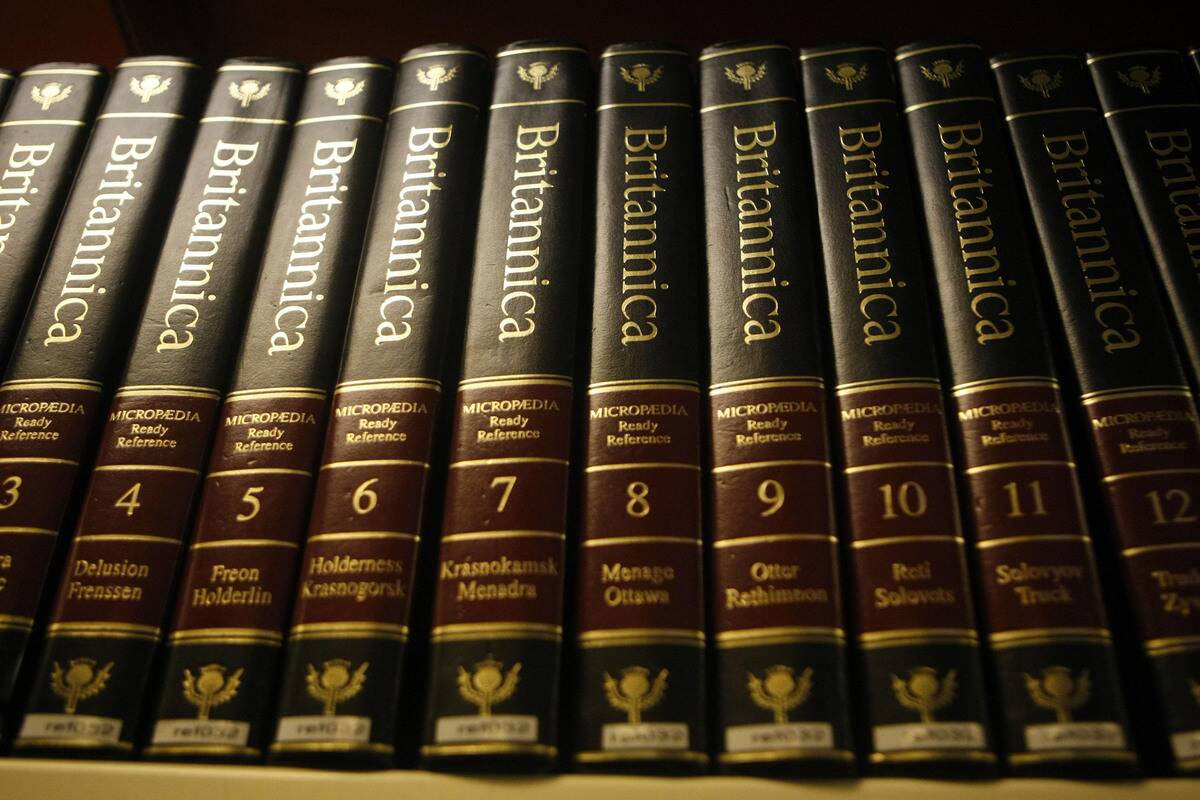
A full print set of Encyclopaedia Britannica could cost over a thousand dollars; the company ended its print edition in 2012 after 244 years. Wikipedia, launched in 2001, grew to millions of English articles and is still free to read and edit. Merriam‑Webster and Dictionary.com offer comprehensive dictionaries at no charge, and the Stanford Encyclopedia of Philosophy publishes peer‑reviewed entries openly.
Research tools that once hid behind subscriptions open wide: PubMed indexes 35‑plus million citations, with many articles free via PubMed Central. Google Scholar helps surface open versions. Even style guides and grammar checkers have free tiers. You can still pay for premium databases, but for everyday questions, the biggest compendiums sit a click away.
Weather forecasts, radar, and severe alerts
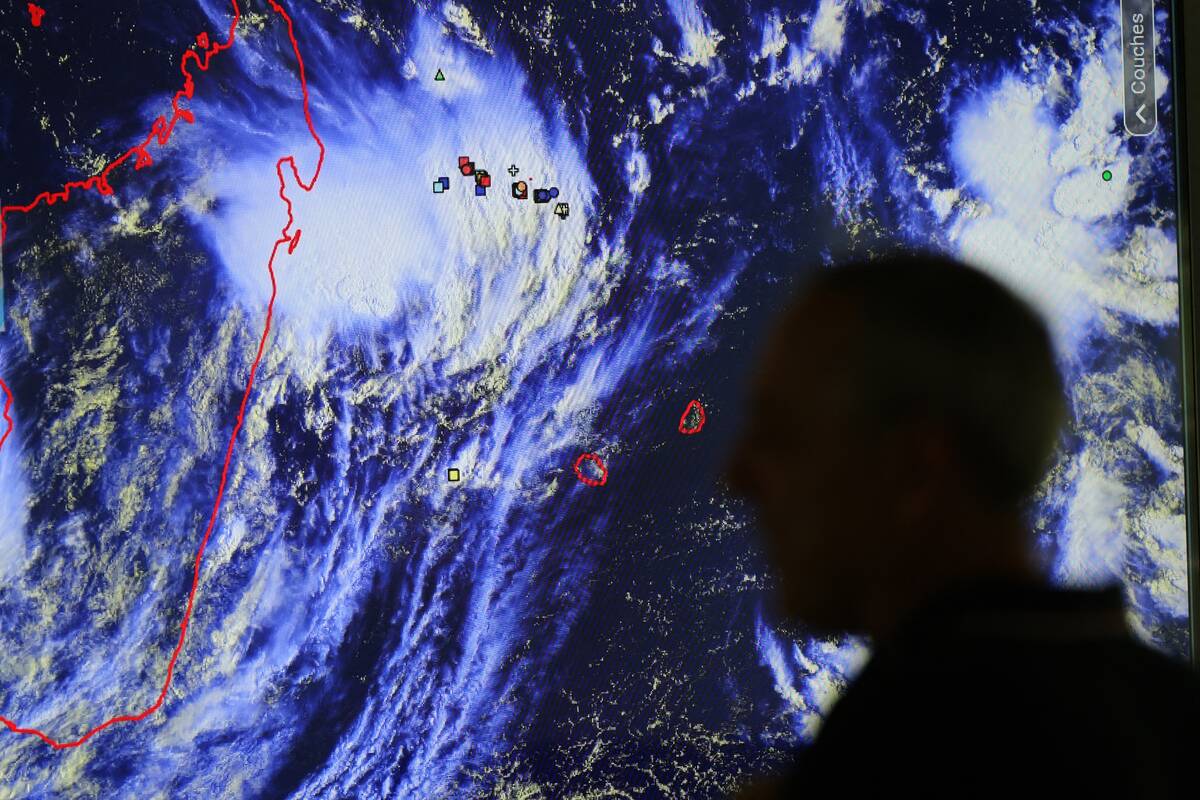
Radar loops and hour‑by‑hour forecasts were once the domain of TV and paid services. Today, NOAA and the U.S. National Weather Service publish data as public domain, powering countless free apps and sites. Wireless Emergency Alerts (WEA), introduced in 2012, push AMBER and severe weather warnings to compatible phones without any app or subscription.
Interactive radar and storm tracks are now standard on The Weather Channel’s app, Weather.gov, and many local TV station apps. In Europe, national services like the UK Met Office offer free apps and data feeds, while global models (ECMWF, GFS) inform forecasts you see for free. Turn on push alerts, and your phone becomes a weather radio in your pocket.
Video calls, conferencing, and group chat
Skype made free internet video calls mainstream in the mid‑2000s, and FaceTime arrived in 2010 for Apple users. Zoom launched in 2013 and exploded in 2020; its free tier supports group meetings with a 40‑minute limit. Google Meet and Microsoft Teams both offer no‑charge options, and WhatsApp and Messenger add encrypted one‑to‑one and group video as part of their chat suites.
The bonus is collaboration: screen sharing, virtual backgrounds, and chat are now baseline. During the pandemic, Zoom reported hundreds of millions of daily meeting participants, and Meet temporarily opened premium features to all in 2020. Today, a tablet and an email address can host a family reunion or a small webinar with nothing but a link.
Email accounts and basic cloud storage
Gmail’s 2004 debut shocked with 1 GB of free storage; now Google offers 15 GB shared across Gmail, Drive, and Photos. Microsoft’s Outlook.com includes free email with 15 GB of mailbox space, and iCloud gives Apple users 5 GB at no cost. Yahoo Mail advertises a hefty 1 TB for inboxes, and privacy‑minded providers like Proton offer a limited free plan to get started.
Cloud drives that once cost extra now come baked in. Dropbox’s free tier starts at 2 GB, Google Drive and OneDrive include web editors, and mobile apps back up photos automatically over Wi‑Fi. Two‑factor authentication is standard across major providers, so you can protect that free inbox like a vault.
Document editing and office suites
Google Docs, Sheets, and Slides brought real‑time co‑editing to the browser in the late 2000s, with version history and comments at no charge. Microsoft Office on the web lets you create and edit Word, Excel, and PowerPoint files free with a Microsoft account. Apple’s iWork (Pages, Numbers, Keynote) is free on Apple devices and syncs via iCloud.
If you prefer desktop, LibreOffice is a robust open‑source suite compatible with common formats. Templates, mail‑merge, and export to PDF are table stakes now. Collaboration that once demanded an Exchange server or expensive licenses lives in your URL bar, and the price tag for basic productivity is effectively zero.
Photo editing, filters, and design tools
What was once a Photoshop-only world now has a buffet of free options. GIMP, an open‑source editor, has been around since 1996. Canva’s free tier (launched 2013) offers thousands of templates for social posts, posters, and presentations. On phones, Snapseed (by Google) and Photoshop Express deliver powerful edits, RAW support, and healing tools at no cost.
Need a browser-based editor? Pixlr and Photopea open PSDs and layer files right in a tab. Instagram, launched in 2010, normalized one‑tap filters and non‑destructive tweaks. And if you’re making thumbnails or quick composites, many free tools now handle background removal and magic erase, tasks that used to demand pricey plug‑ins.
Smartphone utilities: alarm, flashlight, calculator, and scanner apps

An alarm clock on the nightstand, a $100 graphing calculator, and a pocket flashlight used to be separate buys. Now they’re default tiles on your phone. Apple added a built‑in flashlight to Control Center in iOS 7 (2013), and Android phones long let you toggle the camera LED. Calculators handle scientific functions, unit conversions, and tip splits without an extra purchase.
Scanning went from hardware to tap‑and‑snap. Google Drive for Android added document scanning years ago, Adobe Scan launched free in 2017, and Apple’s Notes app gained a scanner with auto‑edge detection in iOS 11 (2017). OCR turns receipts and forms into searchable PDFs, and sharing to email or cloud storage is instant.
Classified ads, personals, and community listings
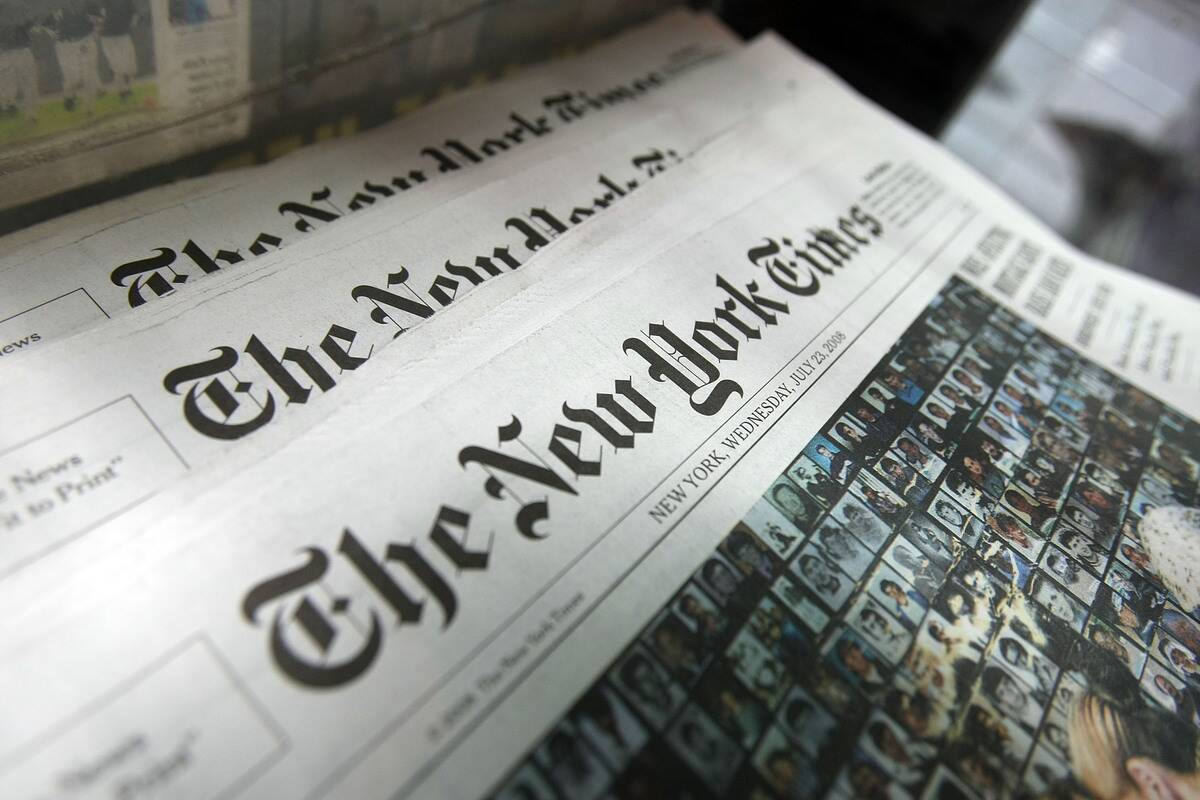
Local newspapers once charged by the line for classifieds and ran entire sections on Sunday. Craigslist, started in 1995, made most categories free to post, with modest fees for some jobs, rentals in select cities, and car dealers. Facebook Marketplace (launched 2016) put buy‑sell groups into a single tab, and Nextdoor made neighborhood notices as easy as a post.
Personals as a newspaper staple faded; many publishers exited after U.S. legal changes in 2018. In their place, niche interest groups, local forums, and general marketplaces do the heavy lifting for free. Garage sales, lost‑and‑found, and furniture hand‑me‑downs thrive without a classified bill attached.
Job hunting and resume templates
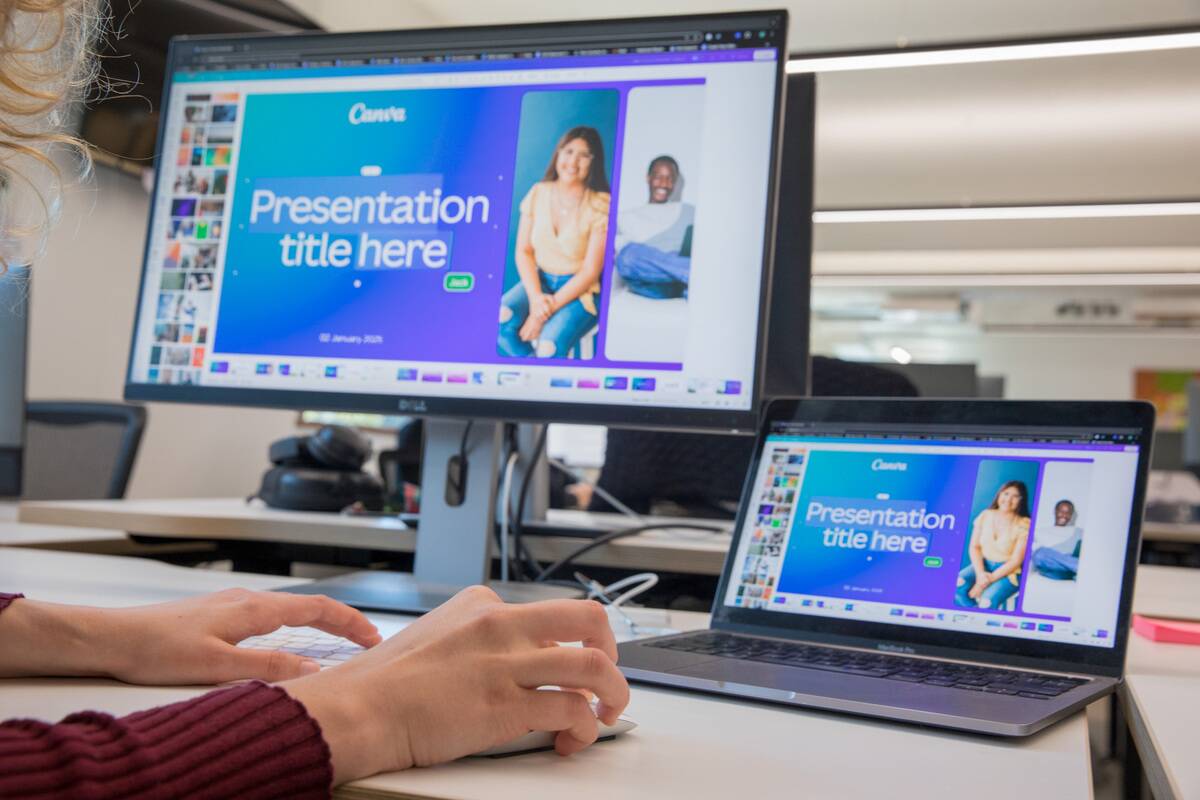
Job boards that once hid behind paywalls flipped models. Indeed aggregates listings at no cost to seekers, LinkedIn’s basic account lets you search and apply, and USAJOBS centralizes U.S. federal openings. Google’s job search (launched 2017) pulls from multiple sites and adds filters like salary, location, and posting age.
Building a resume got easier, too. Canva’s free tier includes modern templates, Microsoft Office on the web offers resume layouts, and the EU’s Europass standardizes CVs with a free builder. Many universities host open career resources and interview guides, and applicant tracking systems accept PDFs you export without paying a dime.
Stock trading commissions and brokerage fees
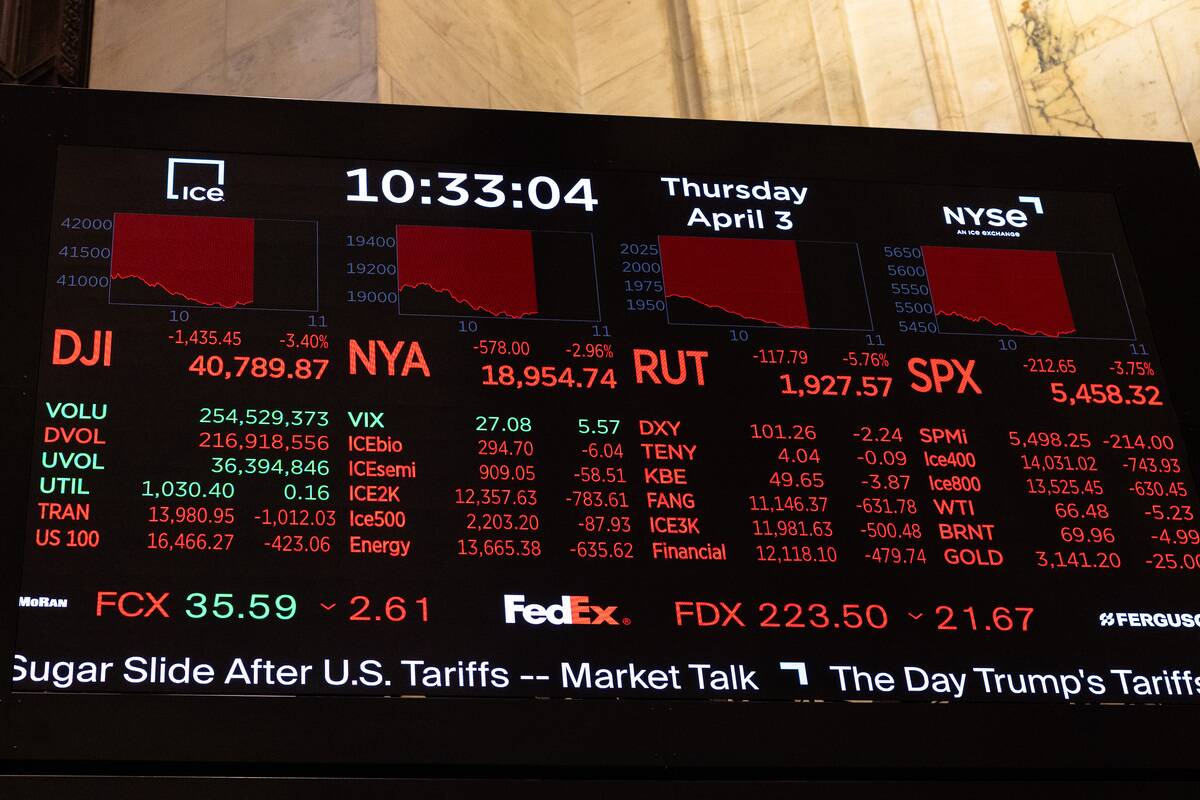
Commissions used to be standard: $4.95–$9.95 per online stock trade was common through the 2010s. After Robinhood popularized $0 stock and ETF trades, Charles Schwab cut commissions to $0 in October 2019, and TD Ameritrade, E*TRADE, and Fidelity quickly matched. Most still charge per‑contract fees for options (often around 65 cents) and certain wire or broker‑assisted services.
The fine print matters, but the headline price collapsed. SIPC coverage remains standard, and many platforms offer fractional shares for free. Payment for order flow, margin, and premium data now carry more of the revenue load, but for buy‑and‑hold investors, a basic stock trade no longer carries a ticket fee.
Language translation tools
Machine translation moved from novelty to daily helper. Google Translate, launched 2006, supports over 130 languages and offers typed, spoken, and camera translation free, with offline packs for travel. Microsoft Translator and Apple’s Translate app do similar tricks, and DeepL’s web translator is widely praised for quality in European languages.
Beyond quick phrases, browsers translate entire pages automatically. Voice features let two people speak into one phone for near‑real‑time conversation, and camera modes overlay translated text on signs and menus. It’s not perfect for nuance, but for directions, ingredients, or a hotel check‑in, the price and speed are unbeatable.
How-to guides, courses, and tutorials
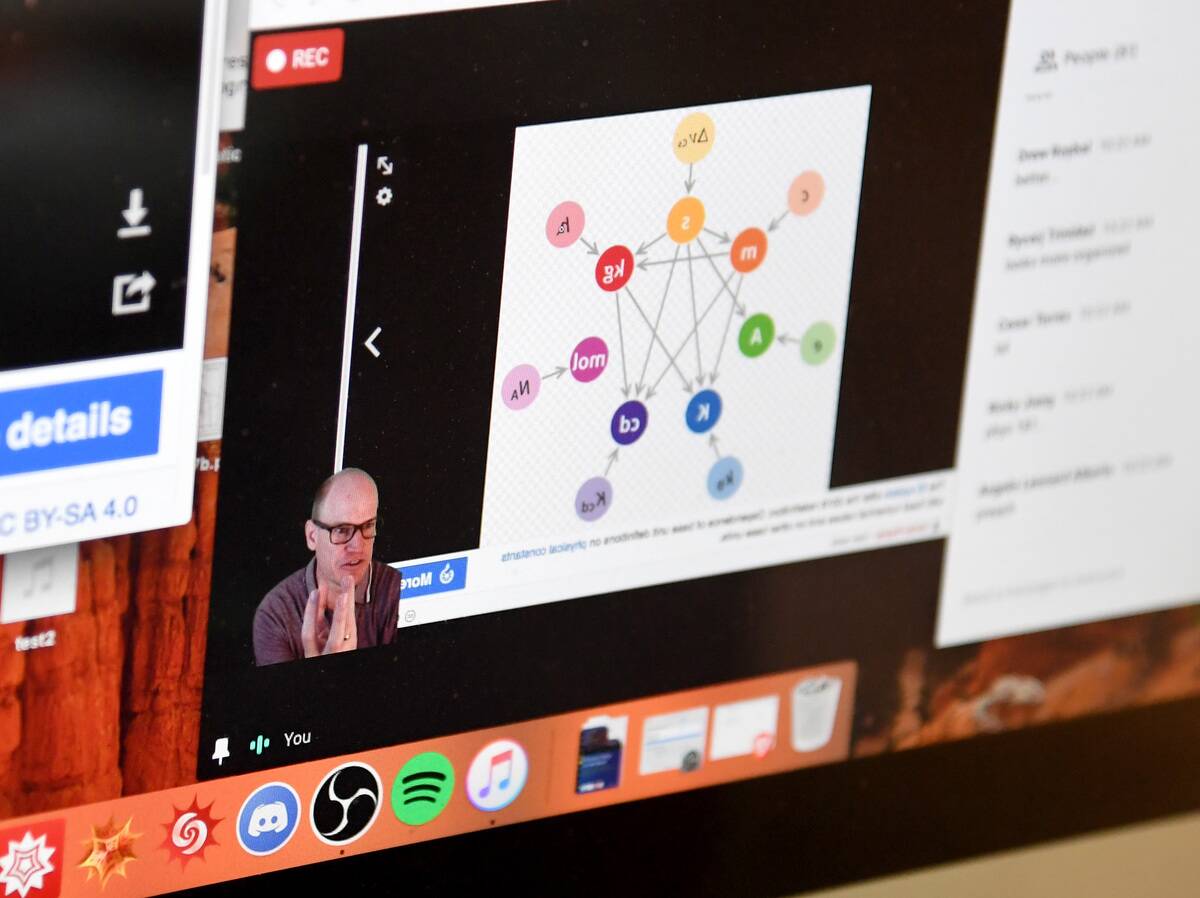
Self‑education went global. Khan Academy (founded 2008) hosts thousands of free lessons in math, science, and more. MIT OpenCourseWare began in 2001 and publishes materials from hundreds of courses. Coursera and edX let you audit many university classes at no charge, with optional certificates if you need proof.
For practical fixes, YouTube is a how‑to engine, from bike repair to SQL. Instructables offers step‑by‑step DIY guides, and Stack Overflow answers coding questions for free (with a sharp eye from moderators). You may pay for deep dives, but kicking off a new skill rarely requires opening your wallet.
Ringtones, wallpapers, and customization packs
In the early 2000s, carriers sold monophonic and real‑tone ringtones for $1–$3, and there were even Billboard ringtone charts. Now, most phones let you turn any audio file into a ringtone for free—GarageBand on iOS can export one, and Android accepts MP3s natively. Unsplash and Pexels supply high‑resolution wallpapers under generous licenses.
Theme packs and icon swaps exploded on mobile. Android launchers have long supported custom icons, and iOS 14 opened the door to Shortcuts‑based icon customization. Zedge hosts millions of community‑shared ringtones and wallpapers with an ad‑supported model. You can still buy premium packs, but you no longer have to.
Public-domain ebooks, audiobooks, and digital libraries
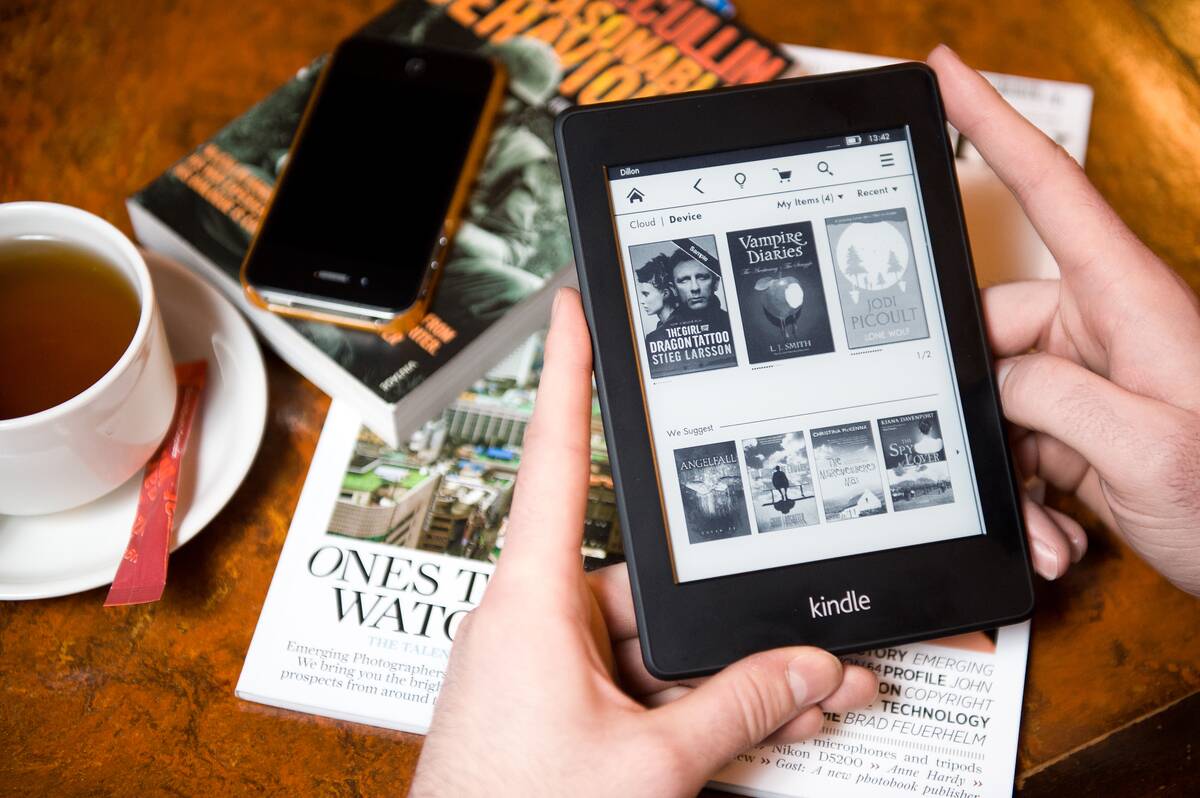
Project Gutenberg, founded in 1971, offers over 70,000 public‑domain ebooks for free, from Austen to Twain. LibriVox coordinates volunteers to record audiobooks of public‑domain works you can download without charge. The Internet Archive’s Open Library lends millions of digitized books, and many classics are available in EPUB, Kindle, and HTML formats.
Public libraries supercharge access. With a library card, apps like Libby (OverDrive) and Hoopla lend ebooks, audiobooks, comics, and even movies free. University presses and government publications add more open titles, and Google Books surfaces full‑view scans for out‑of‑copyright works. Your virtual bookshelf can overflow without a checkout receipt.
Stock photos, icons, and fonts

Designers used to buy pricey stock CDs; now huge libraries are a click away. Unsplash, Pexels, and Pixabay host millions of free photos under permissive licenses. The Noun Project offers a massive icon catalog with free use if you credit the creator, and Flaticon and Heroicons add stylistic sets for interfaces.
Typography got the same treatment. Google Fonts serves 1,500‑plus open‑licensed families for web and print, and Font Squirrel curates free commercial‑use typefaces. These resources power blogs, slides, and startups without a stock photo bill, provided you follow each site’s simple attribution or license rules.
Live traffic, transit times, and toll price estimates
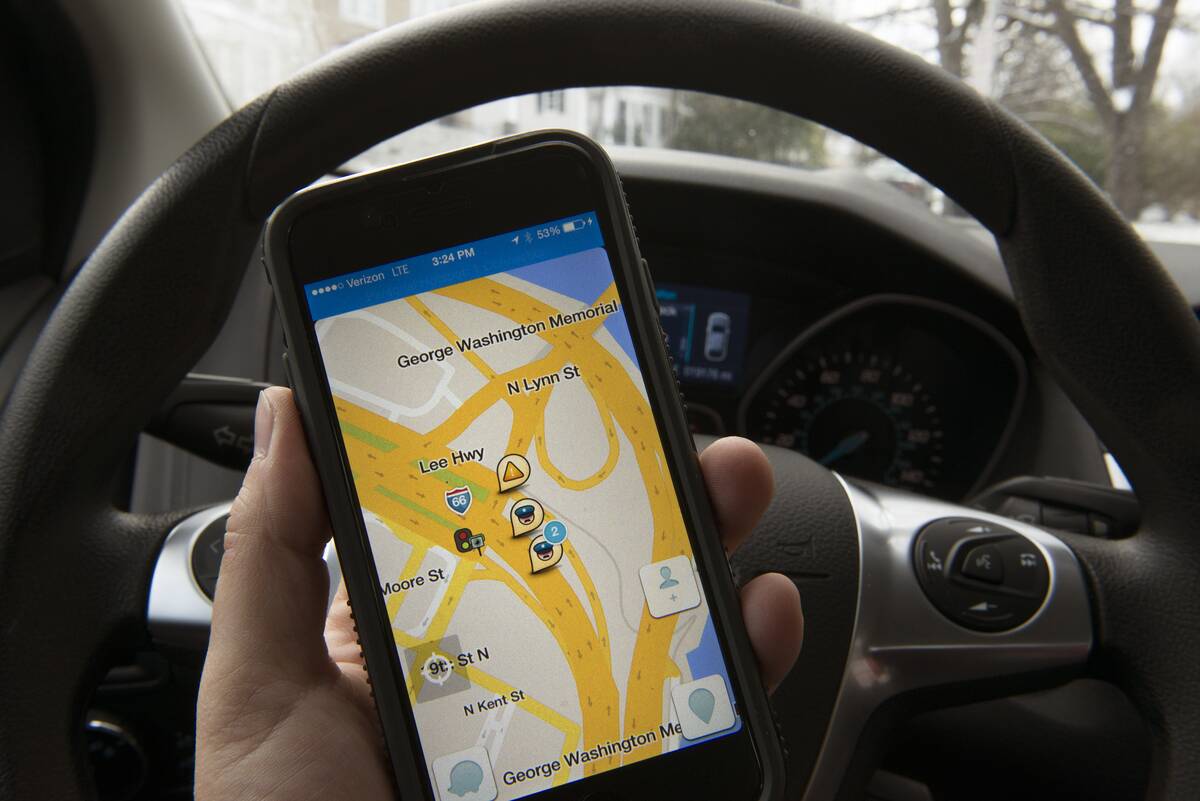
Traffic overlays once came from expensive in‑car services; now phones crowdsource it in real time. Google Maps and Apple Maps infer conditions from anonymous location data, and Waze layers in user reports for hazards and police sightings. Many transit agencies publish GTFS and GTFS‑realtime feeds, so apps show live bus locations and arrival times.
In 2022, Google Maps began displaying estimated toll prices on some routes in the U.S., India, Japan, and Indonesia, based on public agency data. City transit cards and schedules integrate into routing, and bike/scooter availability pops up live. The result: fewer surprises at 5 p.m., and better ETAs without a subscription.
Directory assistance (411) and reverse lookups
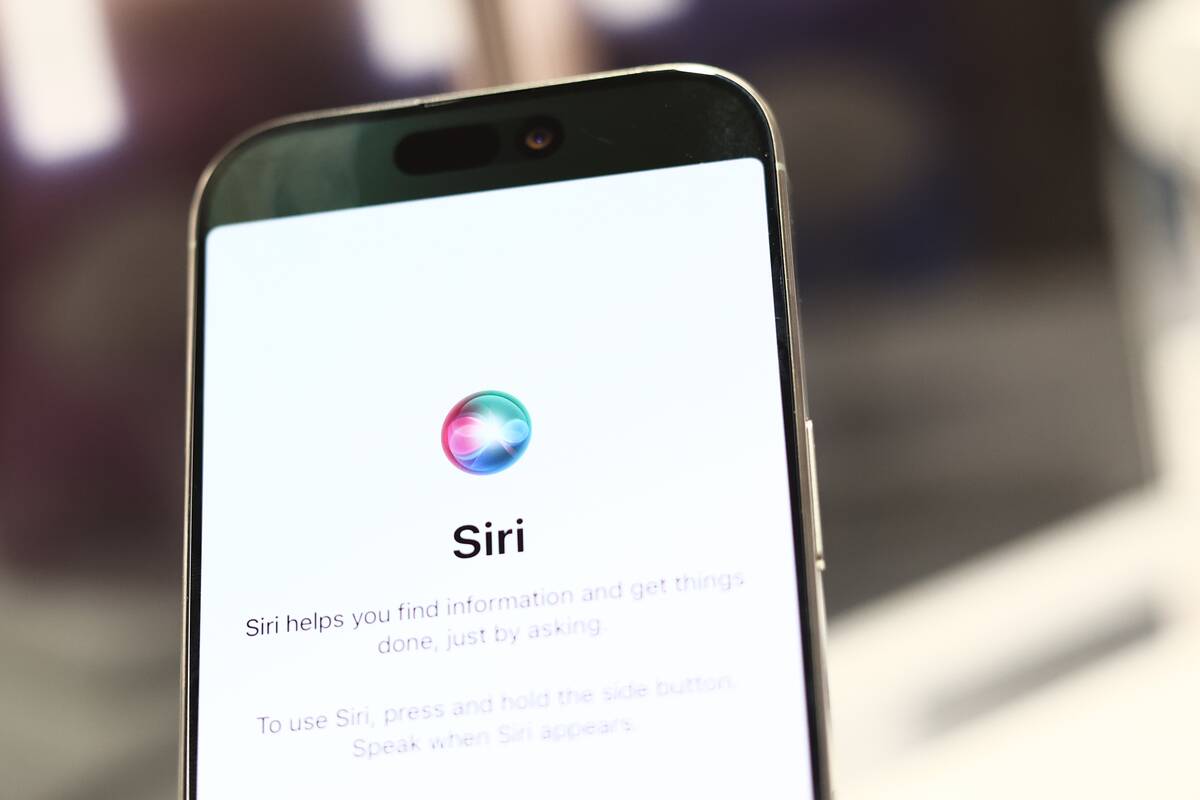
Calling 411 once meant fees that could top a dollar per query. Now, typing a business name into Google, Apple Maps, or Yelp yields the number, hours, and directions free. Voice assistants like Siri and Google Assistant answer who’s open nearby without a per‑call charge.
For people searches and reverse lookups, basic tools are widely available.
Whitepages and FastPeopleSearch show limited info at no cost, and many businesses publish direct lines on their sites. Area‑code guides from NANPA explain those three digits, and domain WHOIS data is accessible through registrars for organizations and many businesses.
Event invitations and RSVPs
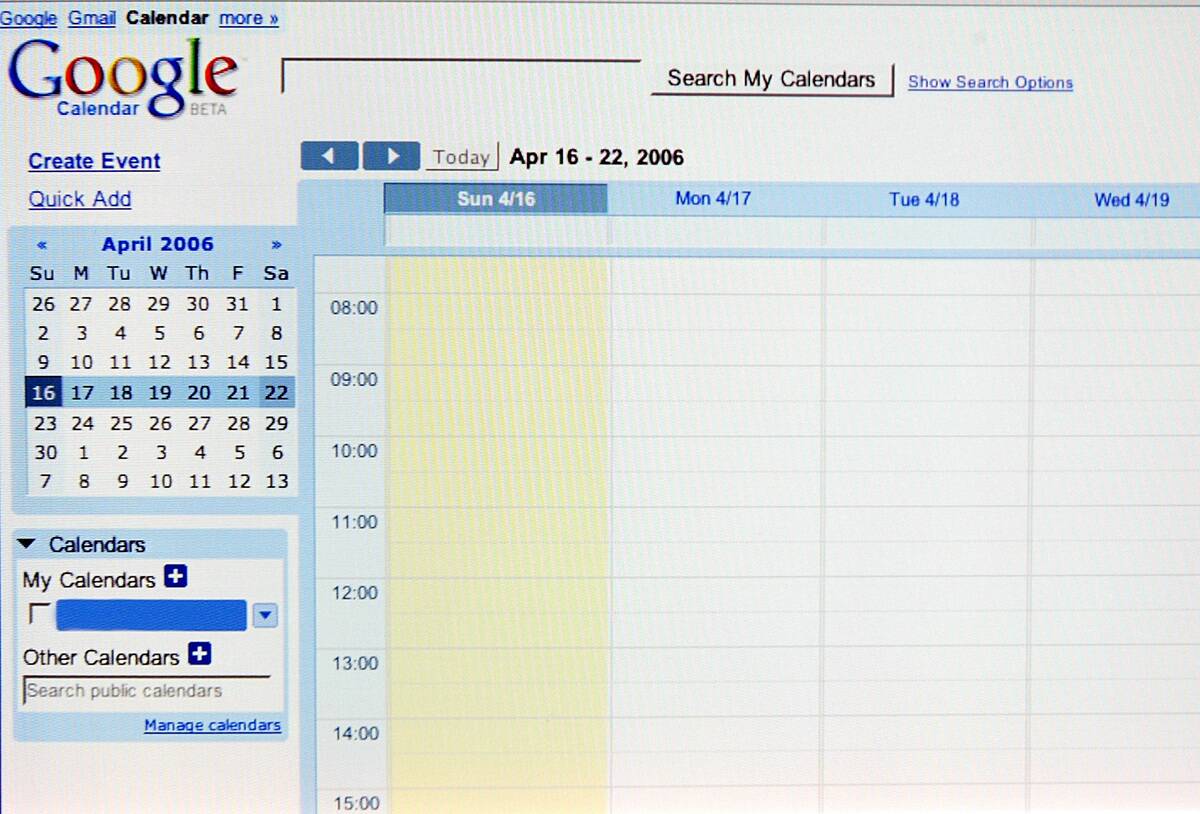
Evite (founded 1998) popularized email invites; its free tier still handles headcounts and reminders. Facebook Events lets organizers post details, collect RSVPs, and message attendees, while Google Calendar sends invites with a click and tracks responses automatically across devices.
For scheduling, Doodle and When2meet offer free polls to find a time that works, and Paperless Post maintains a no‑cost tier for digital cards. Many city parks and community centers now take online reservations, replacing phone trees with links. Your pen‑and‑paper RSVP card just got retired.
Public Wi‑Fi hotspots
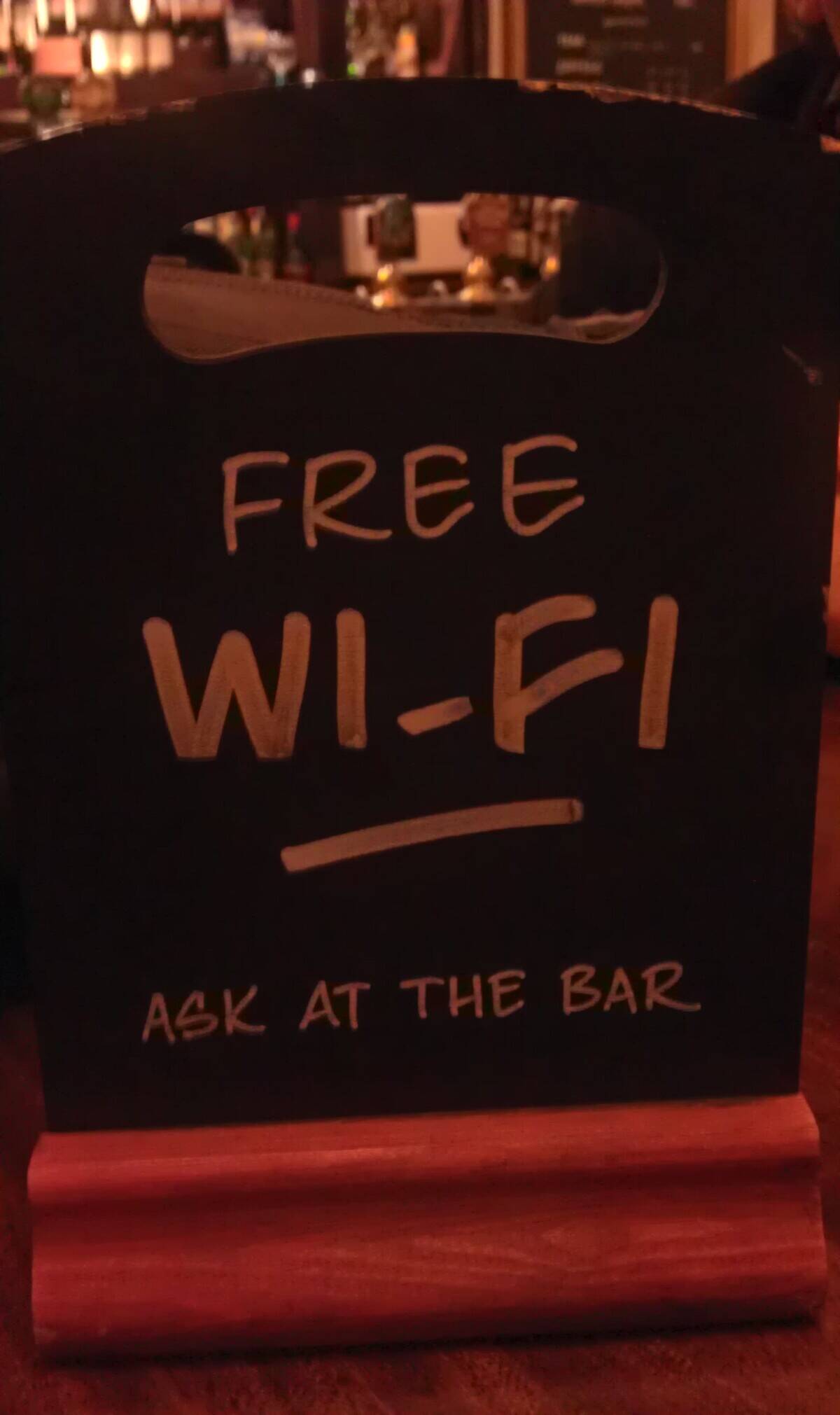
Connectivity spilled into public spaces. Libraries and cafes routinely offer free Wi‑Fi, and many cities sponsor hotspots in parks and downtown corridors. New York’s LinkNYC kiosks have provided high‑speed, no‑password Wi‑Fi since 2016, replacing pay phones with USB charging and 911 buttons.
Transit systems and airports increasingly provide complimentary access, sometimes ad‑supported. The FCC’s E‑Rate program helps schools and libraries fund broadband, and during emergencies, providers often open guest networks for free. Speeds and caps vary, but checking email or maps no longer demands burning mobile data everywhere you go.
Credit scores and credit monitoring alerts
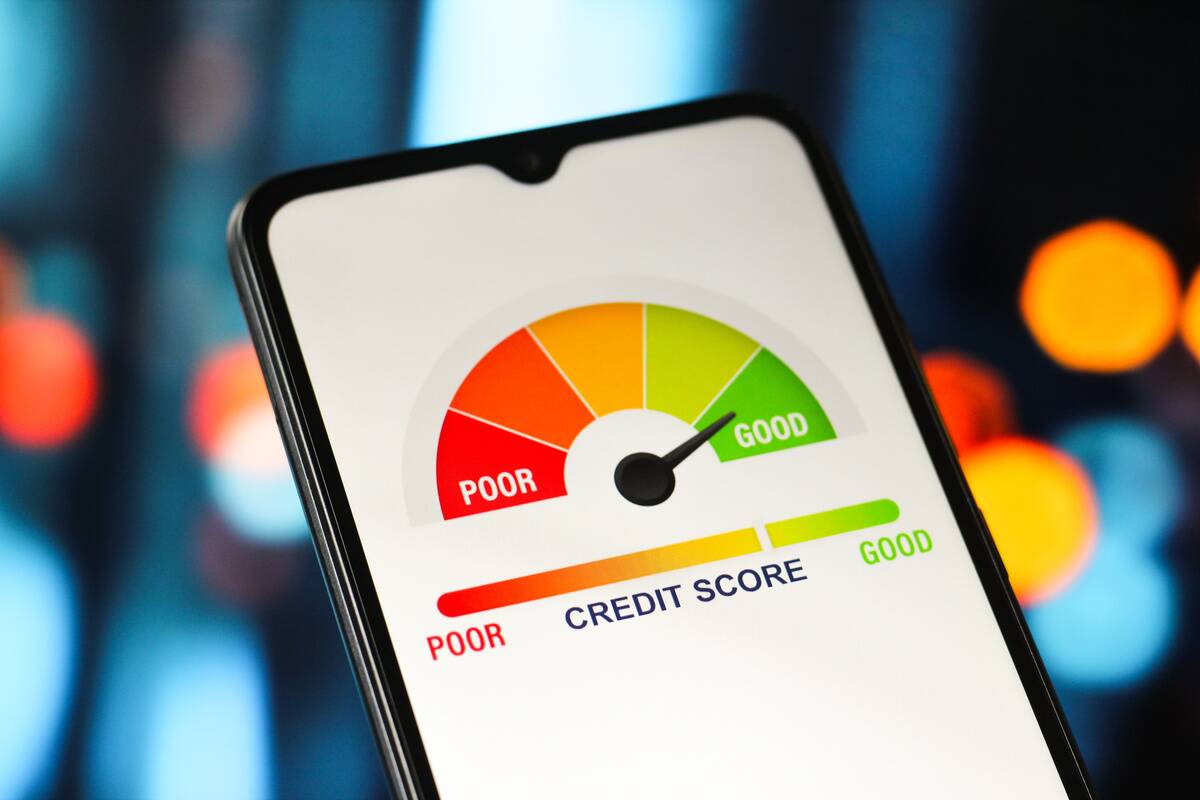
Paying to see your credit score used to be standard. Credit Karma, founded 2007, popularized free VantageScore reports from TransUnion and Equifax, funded by targeted offers. Many banks now show scores inside their apps—Discover, American Express, Capital One’s CreditWise (free to everyone) and others provide monthly updates and tips at no charge.
In 2023, the three major U.S. bureaus made free weekly credit reports permanent at AnnualCreditReport.com. Experian, Equifax, and TransUnion all participate. You can set fraud alerts for free after identity theft, and many services send breach notifications or new‑account alerts without a subscription. The information is finally democratized.
Antivirus and security tools
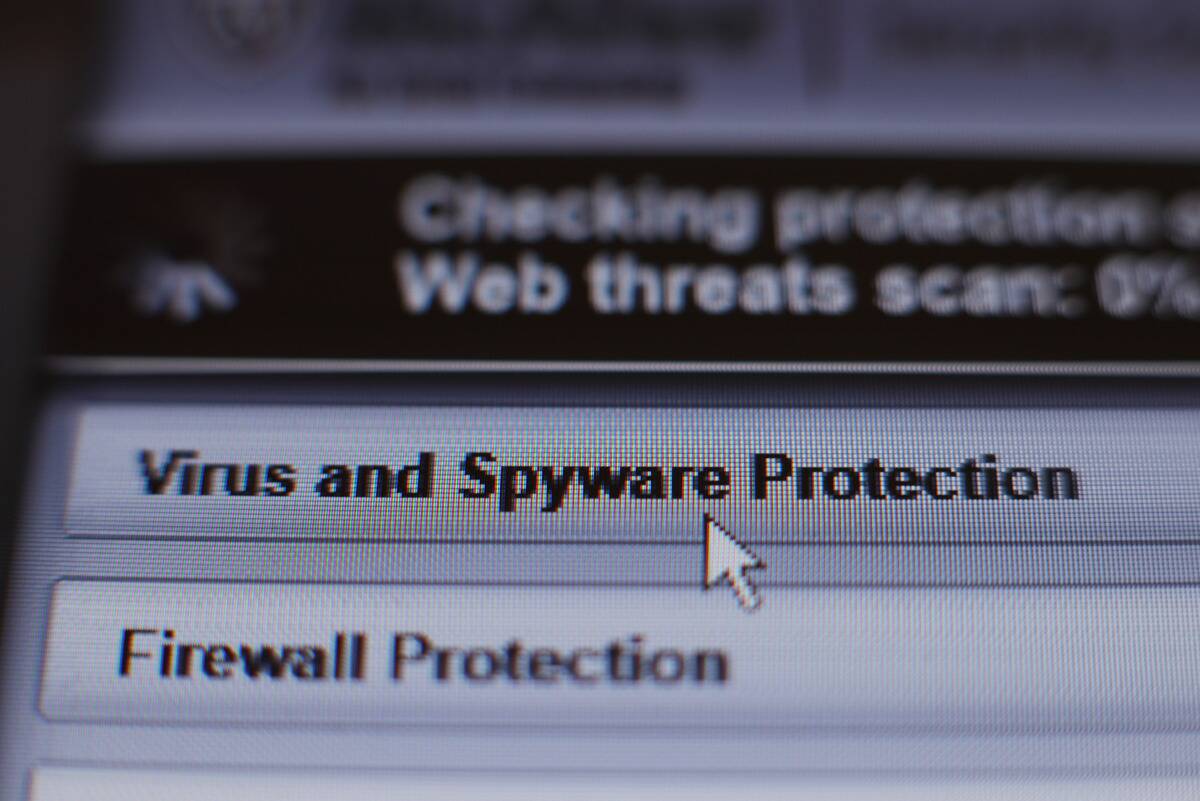
Windows includes Microsoft Defender Antivirus by default, providing real‑time protection without a separate purchase. Malwarebytes offers a free on‑demand scanner, and browsers like Chrome, Safari, and Edge block known malicious sites and warn about risky downloads. Password managers have free tiers, and Google and Apple bundle breach checks and passkey support.
On the web, Let’s Encrypt has issued billions of free TLS certificates since its launch, moving sites from http to https at no cost. Have I Been Pwned, created in 2013, lets you check if an email appeared in known breaches. Add free authenticator apps (Google Authenticator, Authy) and built‑in OS firewalls, and baseline security no longer requires writing a check.
Music streaming radio and discovery (ad-supported)
Pandora set the tone in 2005 with the Music Genome Project and free, ad‑supported radio. Spotify’s free tier, which came to the U.S. in 2011, serves playlists, Discover Weekly (launched 2015), and algorithmic radios with ads and some skip limits. YouTube Music and iHeartRadio add live stations and vast catalogs without a subscription.
Artists still get paid, but the meters moved to the background. Free tiers typically cap audio quality, offline downloads, or on‑demand control on mobile, nudging heavy listeners to premium. For casual discovery at home, the price of infinite mixtapes is a few ads between tracks.
Free-to-play games and demos

From Fortnite (2017) to Apex Legends (2019) and Genshin Impact (2020), flagship titles launched free and monetized via cosmetics or battle passes. On PC, Steam highlights thousands of F2P games and time‑limited demos for major releases. Mobile app stores normalized free downloads with optional in‑app purchases instead of upfront costs.
Consoles followed suit. As of 2021, Xbox no longer requires Xbox Live Gold for free‑to‑play multiplayer titles, and PlayStation doesn’t require PS Plus for F2P online play. Seasonal events, cross‑platform accounts, and cloud saves come along for the ride. You can sample widely before deciding if a battle pass is worth it.
Currency conversion and real-time exchange rates

XE.com has provided free currency tools since the 1990s, and OANDA’s historical converter is a mainstay for accountants and travelers. Type “20 EUR in USD” into Google or Spotlight, and you’ll get instant math based on recent market data without a special app. The European Central Bank publishes daily euro reference rates for public use.
Mobile apps cache recent rates for offline trips, and fintech cards show real‑time exchange at interbank or close‑to‑interbank rates. Some banks now push travel alerts and dynamic conversion warnings right in the app. The conversion table that once hid in guidebooks now lives in your search bar.
Travel booking and price comparisons
Meta‑search made fare hunting free. Kayak (2004) and Skyscanner (2003) scan airlines and agencies, and Google Flights (launched 2011) adds calendar views, price graphs, and alerts. ITA Software’s Matrix, which underpins Google Flights, still lets power users explore routing logic at no charge.
Hotels and car rentals get the same treatment, with map‑based filters and flexible date tools. Some airlines don’t list on every site—Southwest, for example, sells direct—but comparison is frictionless. Apps like Hopper send free price‑drop alerts, and many sites now flag carbon estimates, bag fees, and self‑transfer risks up front so you can book smart without a booking fee.