The rise and downfall of department stores
Imagine walking through the bustling aisles of a department store in the early 20th century. These grand buildings were not just places to shop but social hubs where people gathered to see the latest fashions and innovations.
Department stores have evolved over time, reflecting the cultural, economic, and technological changes of society. They have been a window into the past, showing us how consumer habits and retail landscapes have shifted. Let’s embark on a journey to explore their fascinating history.
The Golden Era: How Department Stores Became a Cultural Phenomenon
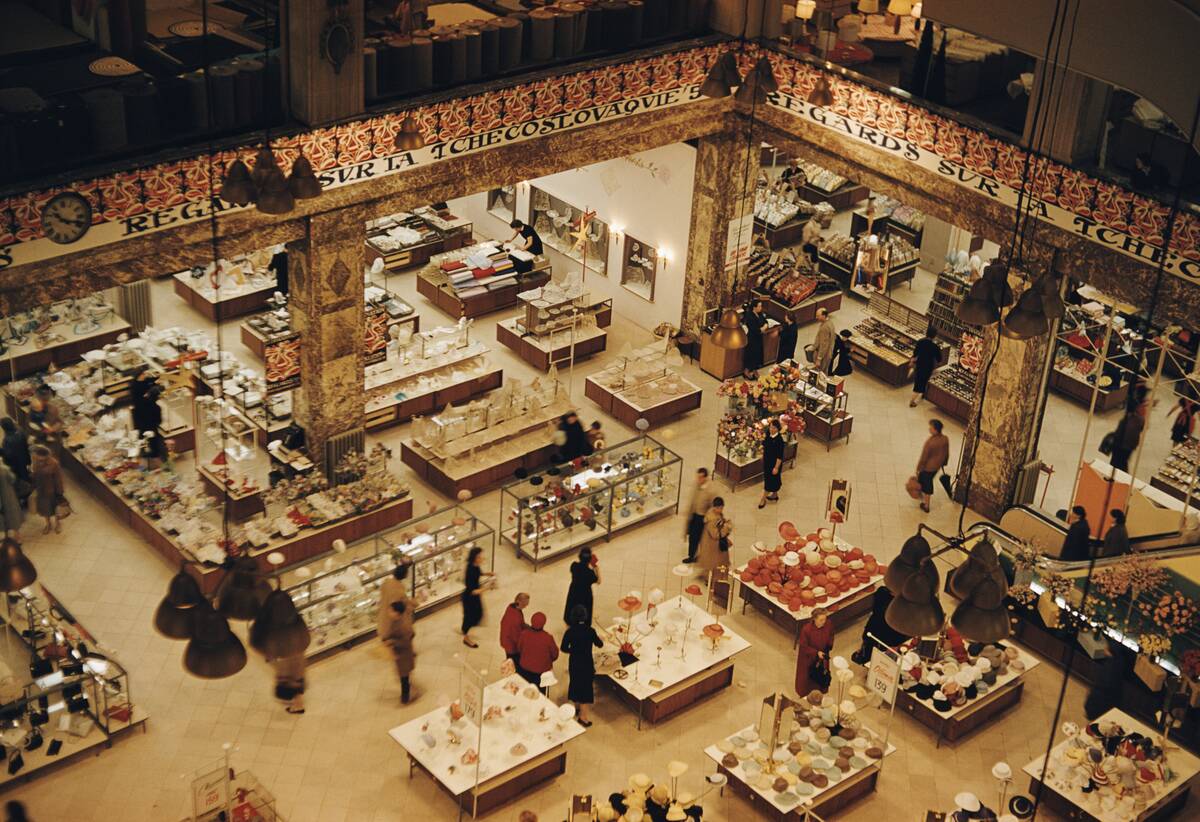
The late 19th and early 20th centuries marked the golden era of department stores. These establishments became cultural landmarks, offering everything from groceries to luxury goods under one roof. In cities like New York and London, stores like Macy’s and Harrods became household names.
They not only revolutionized shopping but also became symbols of prosperity and progress. People flocked to these grand spaces not just for shopping but also to be part of a vibrant social scene.
The Magic of Window Displays: A Visual Feast
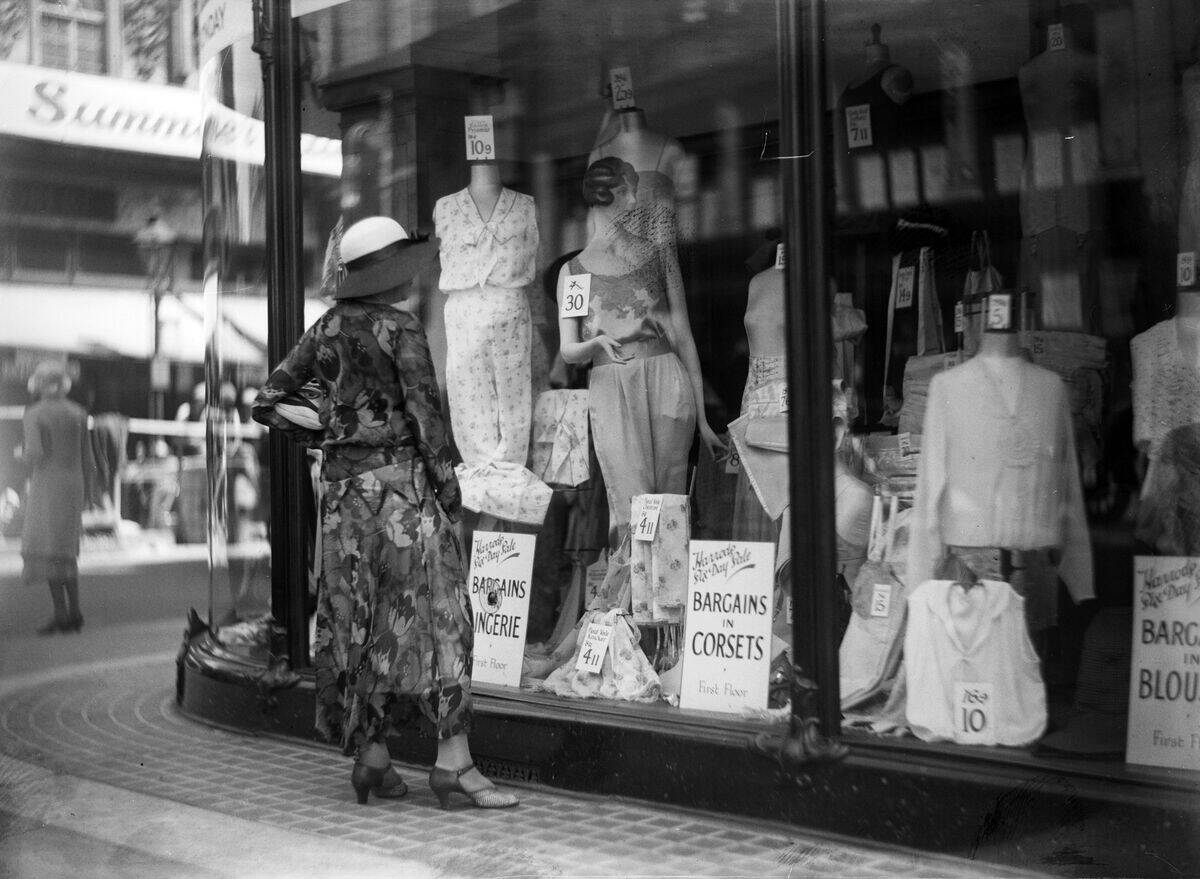
Window displays were an art form in themselves, designed to captivate and entice passersby. Department stores employed talented artists and designers to create elaborate scenes that changed with the seasons.
During the holidays, these displays became even more spectacular, drawing crowds who admired the creativity and detail. In fact, in the early 20th century, window shopping became a popular pastime, with stores competing for the most eye-catching and imaginative displays.
The Role of Department Stores in Urban Development
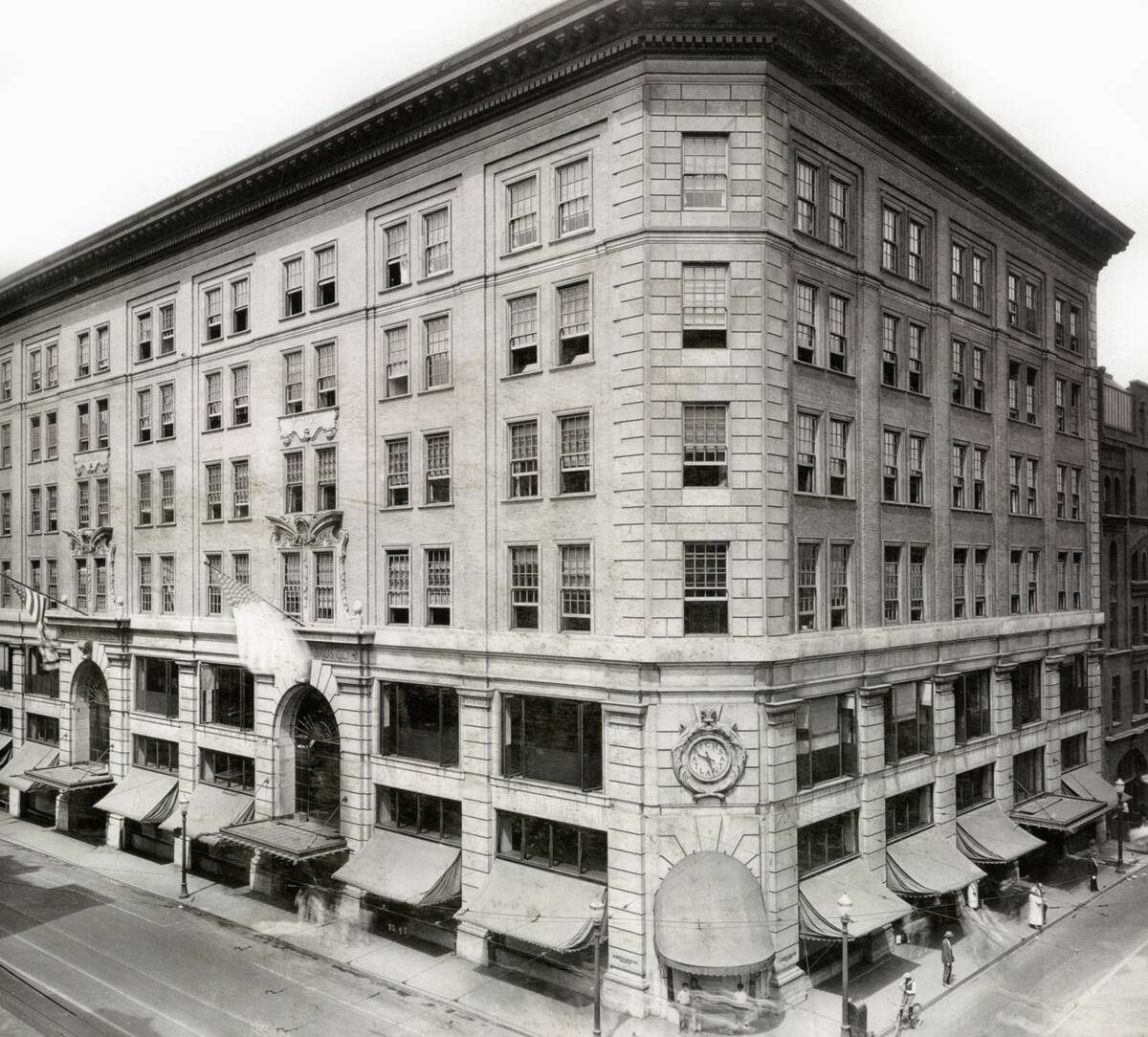
Department stores played a crucial role in shaping urban landscapes. Their presence often spurred the development of surrounding areas, attracting other businesses and increasing property values.
Cities like Chicago and Paris saw entire districts transform thanks to the influence of major department stores. These stores were often centrally located, making them accessible and integral to the urban experience. They became anchors in the city’s fabric, contributing to both economic growth and community life.
Shopping as an Experience: More Than Just Buying Goods
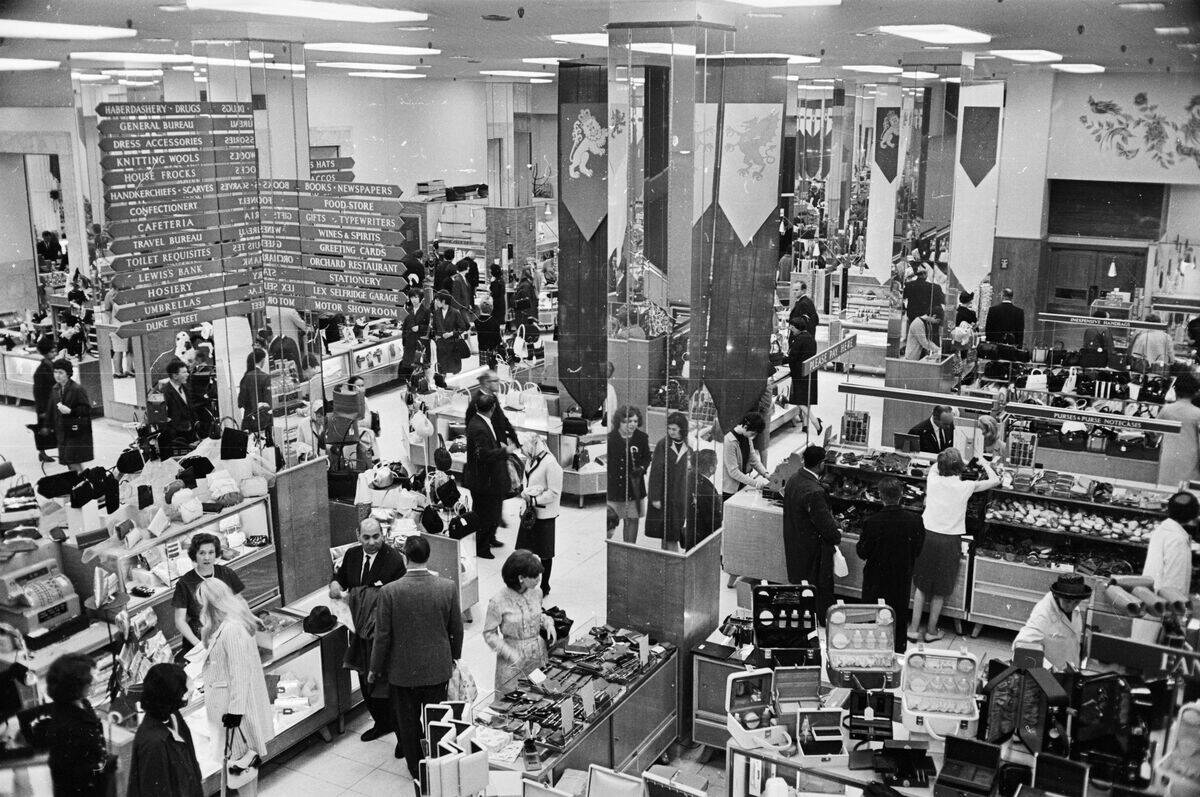
Shopping in a department store was about more than just purchasing items; it was an experience. These stores offered amenities like tea rooms, beauty salons, and live music, providing a full day of entertainment.
Families would spend hours exploring different departments, sampling products, and enjoying the atmosphere. This experiential aspect set department stores apart from other retailers, making them a destination rather than just a place to buy necessities.
The Evolution of Customer Service in Department Stores
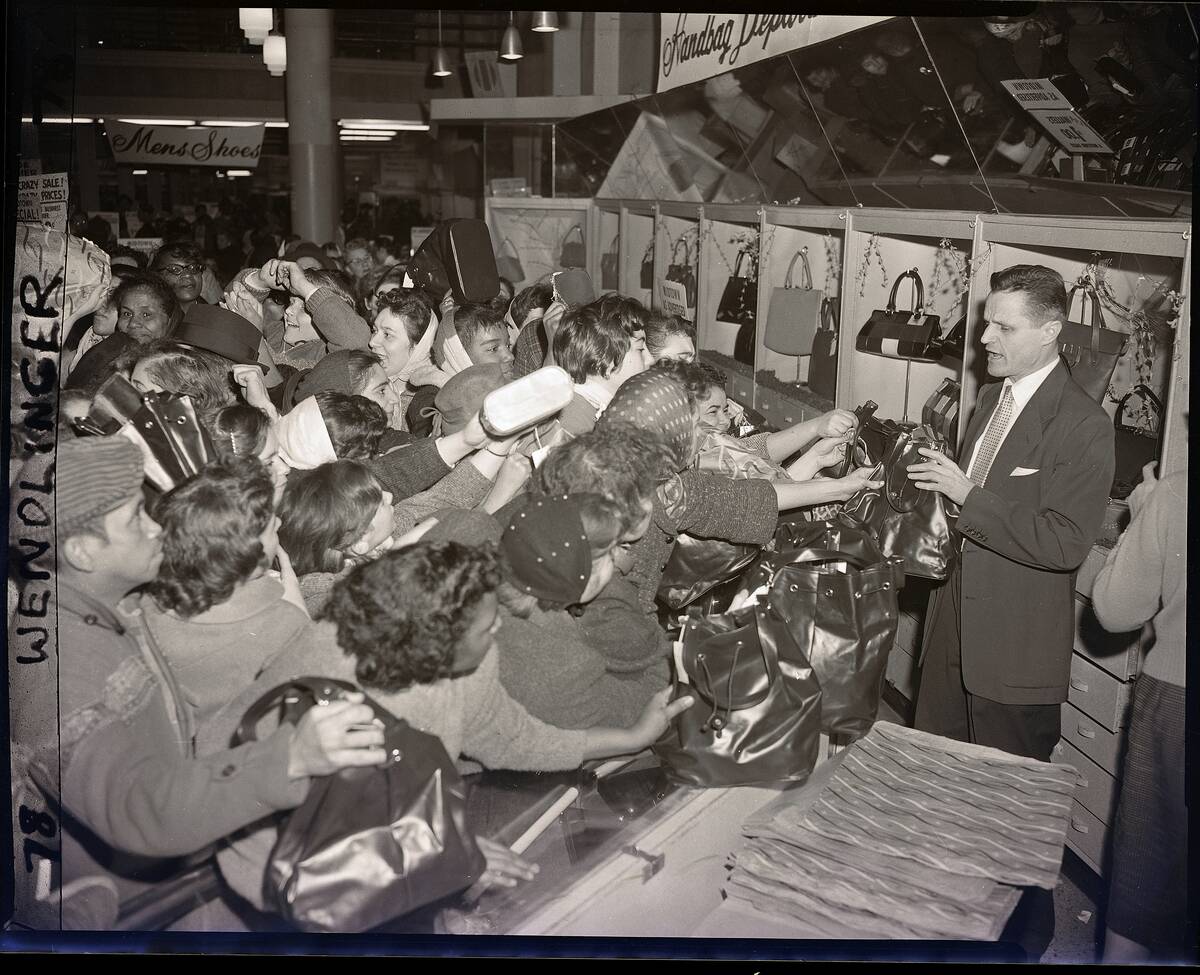
Customer service has always been a cornerstone of the department store experience. In the early days, stores offered personalized services like home delivery and alterations, adding a personal touch to shopping.
As the industry evolved, so did the approaches to customer service, with the introduction of loyalty programs and customer feedback initiatives. Stores like Nordstrom became renowned for their exceptional service, setting industry standards that many others aspired to follow.
Fashion Shows and Events: Bringing Glamour to the Everyday Shopper
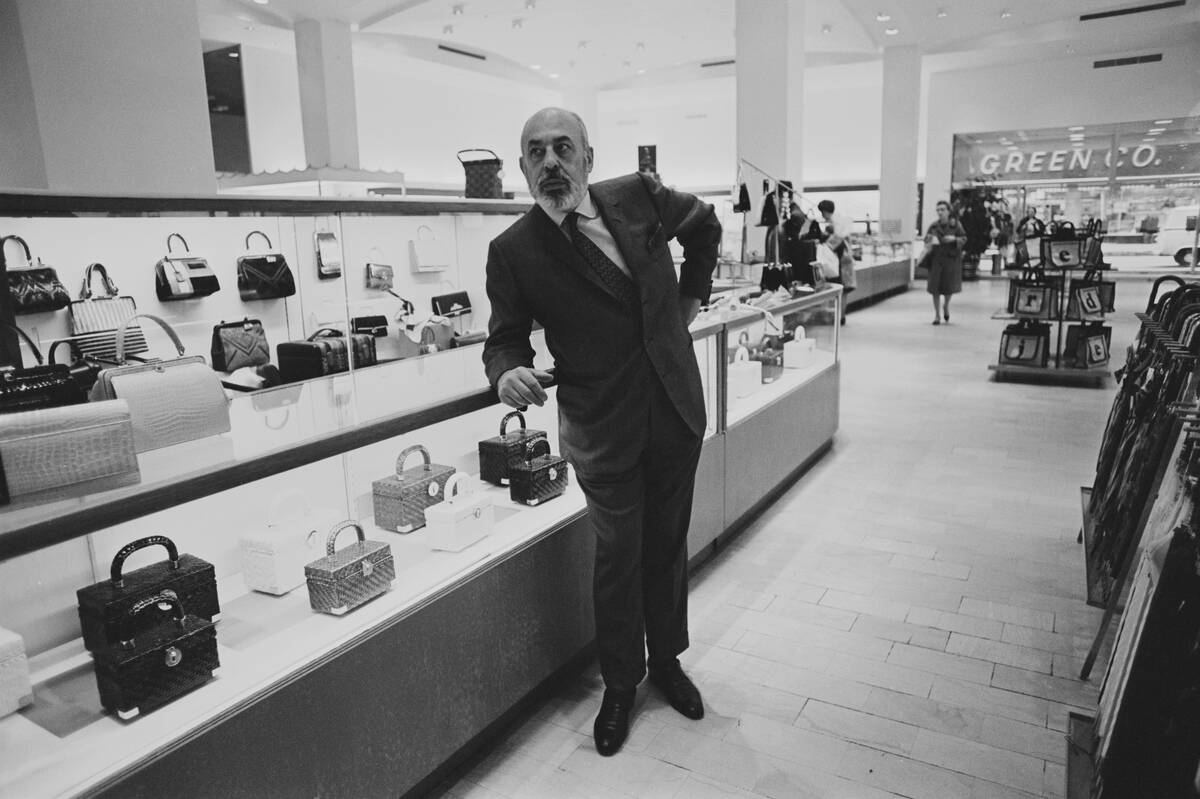
Department stores have long been associated with glamour and style, thanks in part to the fashion shows and events they hosted. These events brought high fashion to the everyday shopper, offering a taste of the latest trends.
Stores like Bloomingdale’s and Saks Fifth Avenue became known for their extravagant runway shows, drawing fashion enthusiasts and media attention. Such events not only showcased new collections but also reinforced the store’s reputation as a fashion leader.
The Holiday Rush: Department Stores as Festive Destinations
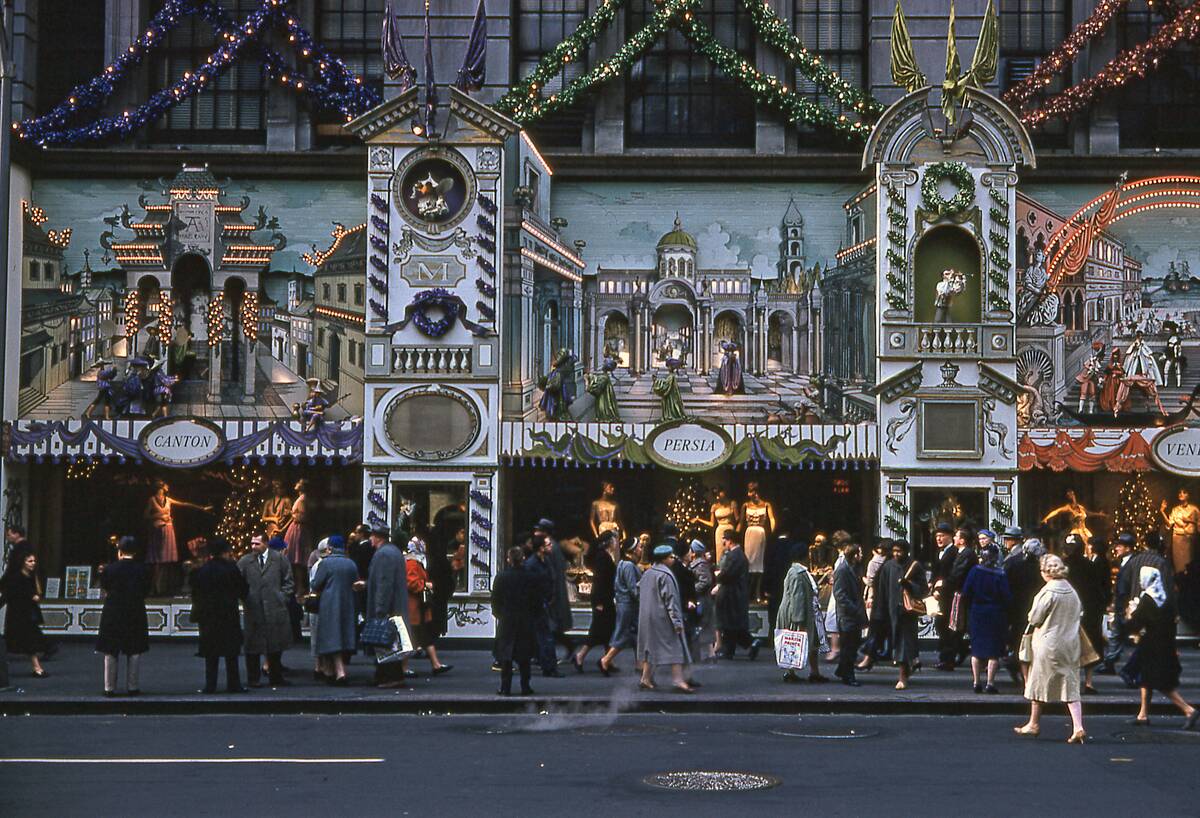
The holiday season has always been a magical time for department stores. They transform into festive wonderlands, adorned with lights, decorations, and themed displays. The famous Macy’s Thanksgiving Day Parade in New York City is just one example of how these stores embrace the holiday spirit.
This annual event draws millions of viewers, signaling the start of the holiday shopping season. For many, visiting department stores during this time is a cherished tradition.
The Rise of Iconic Department Store Chains
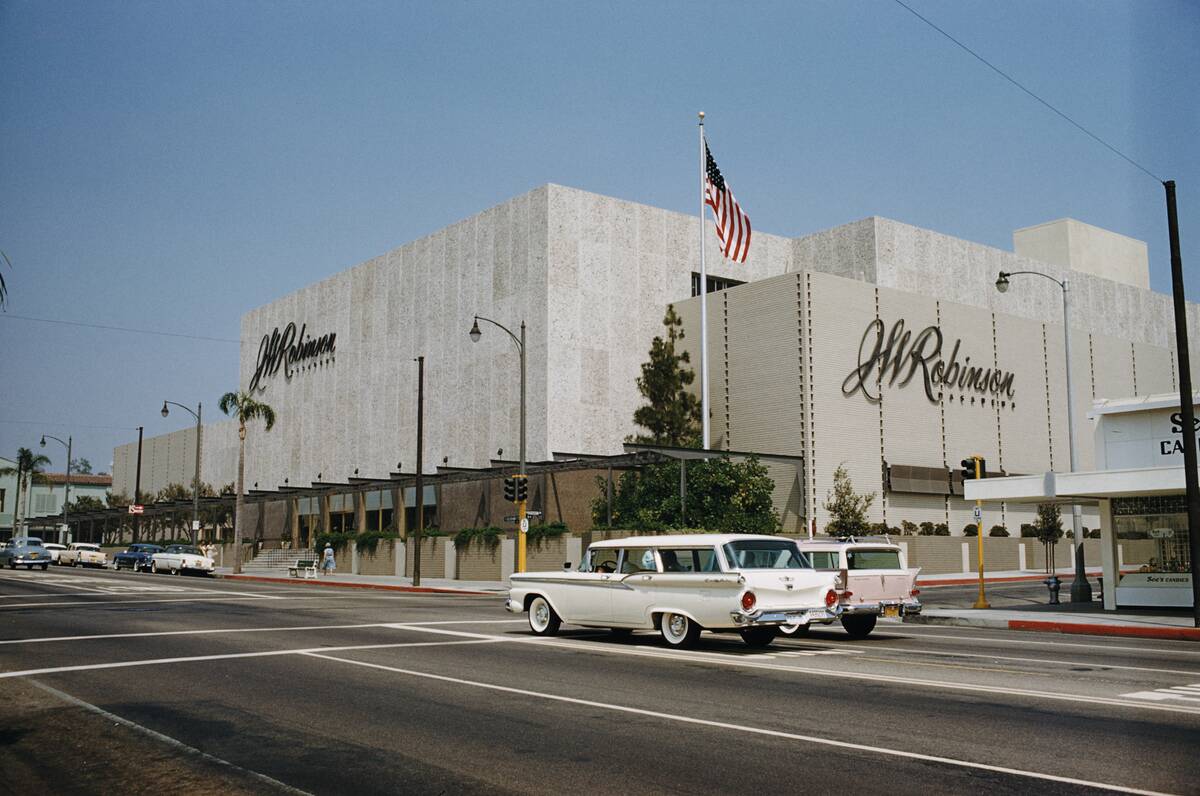
As department stores gained popularity, several chains emerged, expanding their reach across cities and countries. Iconic names like J.C. Penney, Sears, and Dillard’s became synonymous with American retail.
These chains offered consistent quality and a wide range of products, appealing to a broad customer base. Their expansion mirrored the growth of suburban areas, with many stores opening in shopping malls to cater to the changing demographics and shopping habits.
Department Stores and the Birth of the Shopping Mall
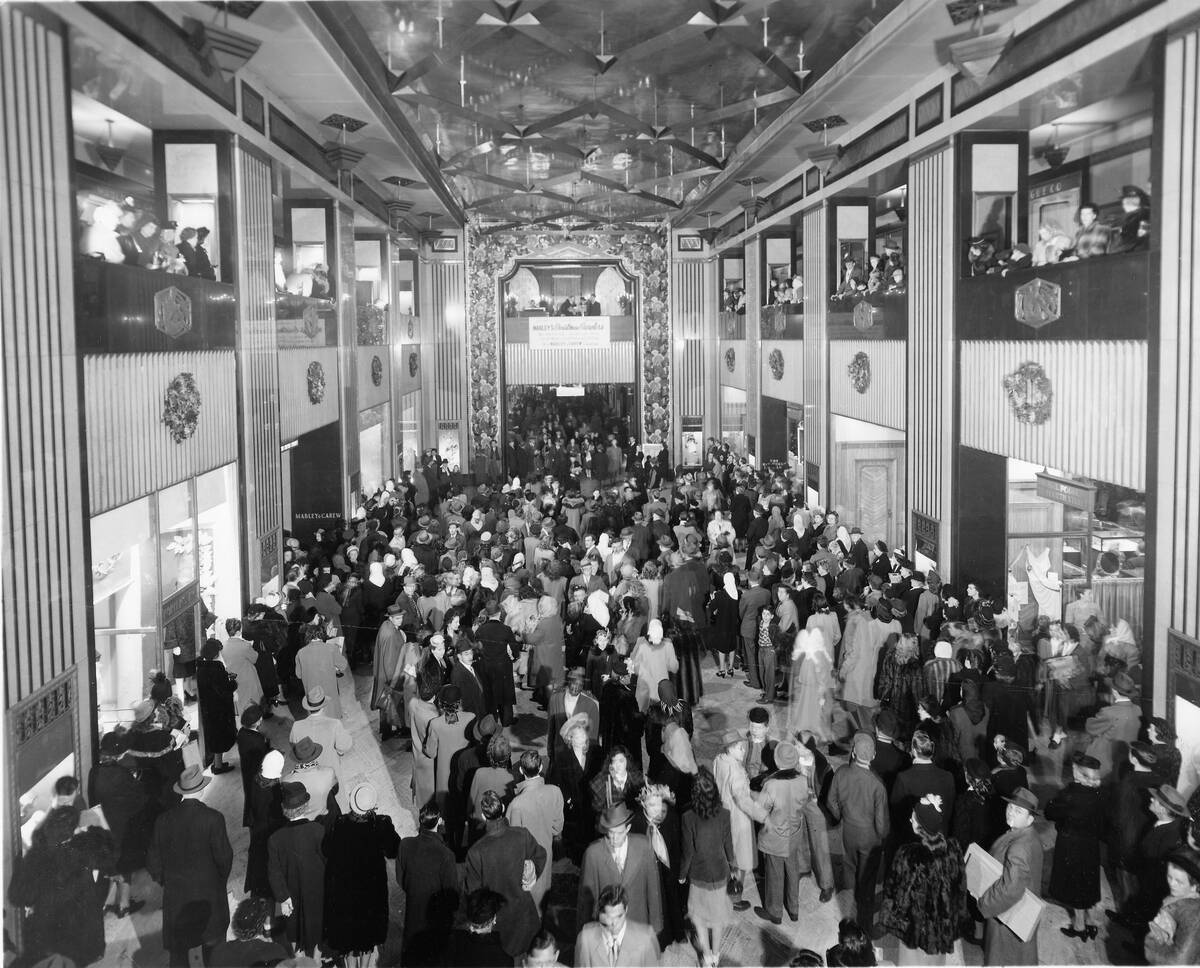
The concept of the shopping mall was heavily influenced by the success of department stores. Malls offered a centralized location where multiple department stores could coexist, providing convenience and variety to shoppers.
This development changed the retail landscape, making shopping an all-day affair. The first fully enclosed, climate-controlled shopping mall in the U.S., Southdale Center, opened in 1956 in Edina, Minnesota, marking a new era in retail history.
Adapting to Change: Department Stores vs. Discount Retailers
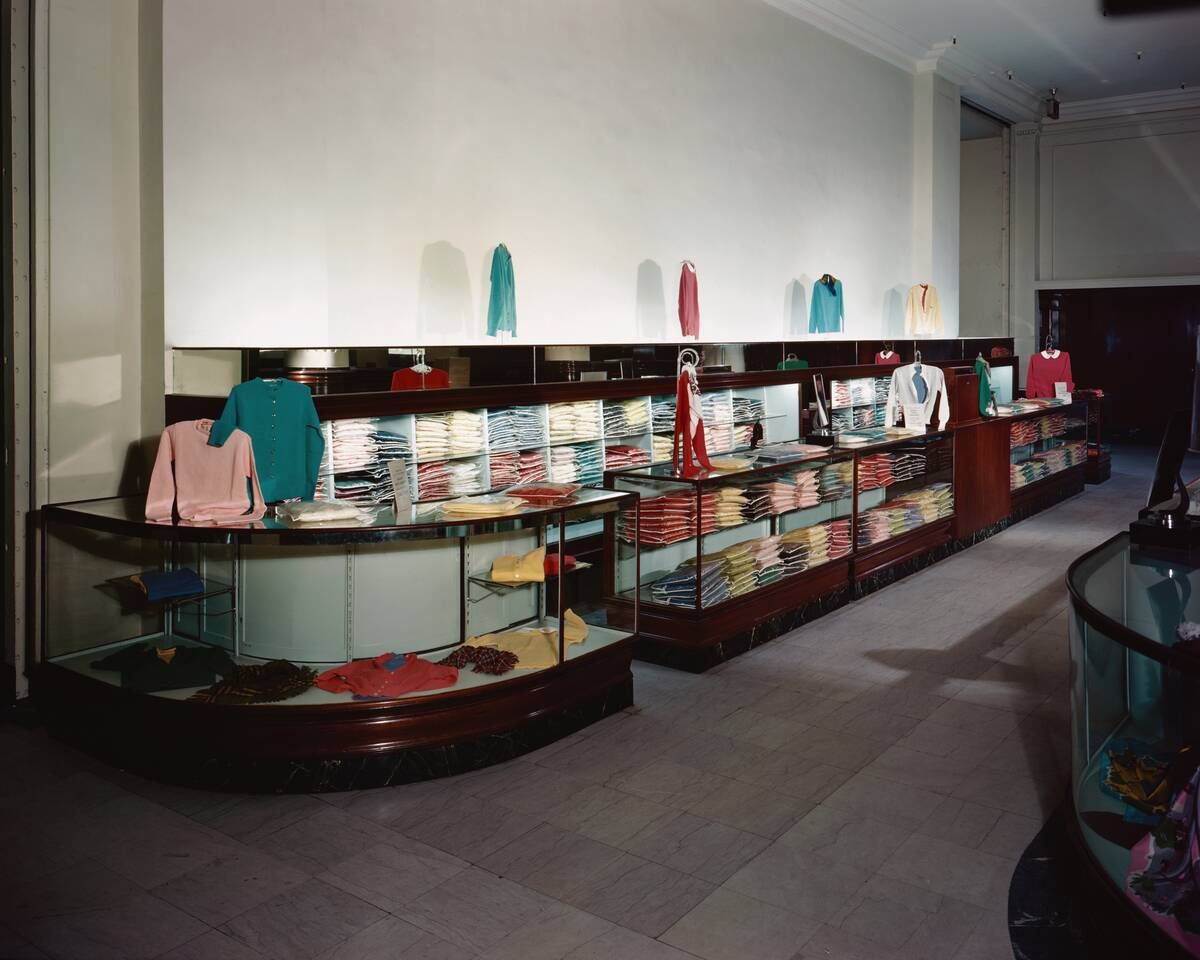
The rise of discount retailers like Walmart and Target posed a significant challenge to traditional department stores. These stores offered lower prices and a wide variety of products, appealing to cost-conscious consumers.
Department stores had to adapt, often by reevaluating their pricing strategies and product offerings. Some introduced private labels and exclusive brands to differentiate themselves, while others focused on enhancing the in-store experience to retain customer loyalty.
The Technological Shift: Online Shopping Enters the Scene

The advent of online shopping in the late 20th century brought another wave of change to the retail industry. E-commerce giants like Amazon offered unprecedented convenience and competitive pricing, challenging department stores to innovate.
Many traditional retailers launched their own online platforms, merging digital and physical shopping experiences. This shift required significant investment in technology and logistics, as stores sought to provide seamless service both in-store and online.
The Impact of Economic Downturns on Department Stores

Economic downturns have historically affected department stores, leading to shifts in consumer spending and store strategies. During recessions, customers tend to prioritize essentials, impacting sales of luxury and non-essential goods.
Stores have responded by offering discounts, promotions, and value-driven products to attract shoppers. The Great Recession of 2008, for instance, forced many retailers to close underperforming locations and streamline operations to survive the challenging economic climate.
The Role of Branding and Marketing in the Department Store Era
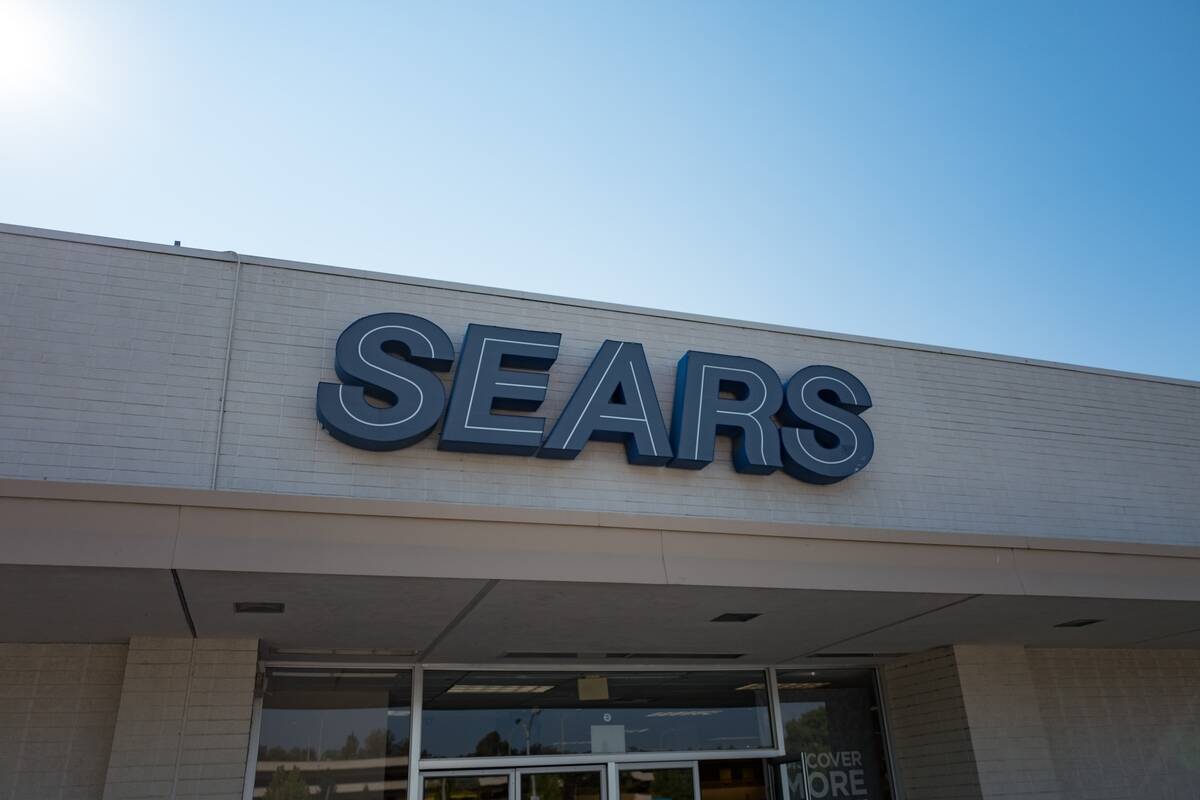
Branding and marketing have been vital in establishing department stores’ identities and customer loyalty. Creative advertising campaigns and memorable slogans helped distinguish one store from another.
Macy’s, with its iconic star logo, is a prime example of effective branding. In-store events, catalogs, and celebrity endorsements further bolstered marketing efforts, drawing in crowds and creating a strong brand presence. These strategies were crucial in maintaining relevance in a competitive market.
Attempts at Reinvention: Pop-Ups and Experiential Shopping
In recent years, department stores have explored new concepts like pop-up shops and experiential shopping to stay relevant. Pop-ups allow stores to test new products and engage with customers in unique ways, often creating a sense of urgency and exclusivity.
Experiential shopping, meanwhile, focuses on creating memorable in-store experiences through interactive displays, workshops, and personalized services. These strategies aim to attract a younger, experience-driven demographic increasingly drawn to online shopping.
The Nostalgia Factor: Department Stores in Popular Culture
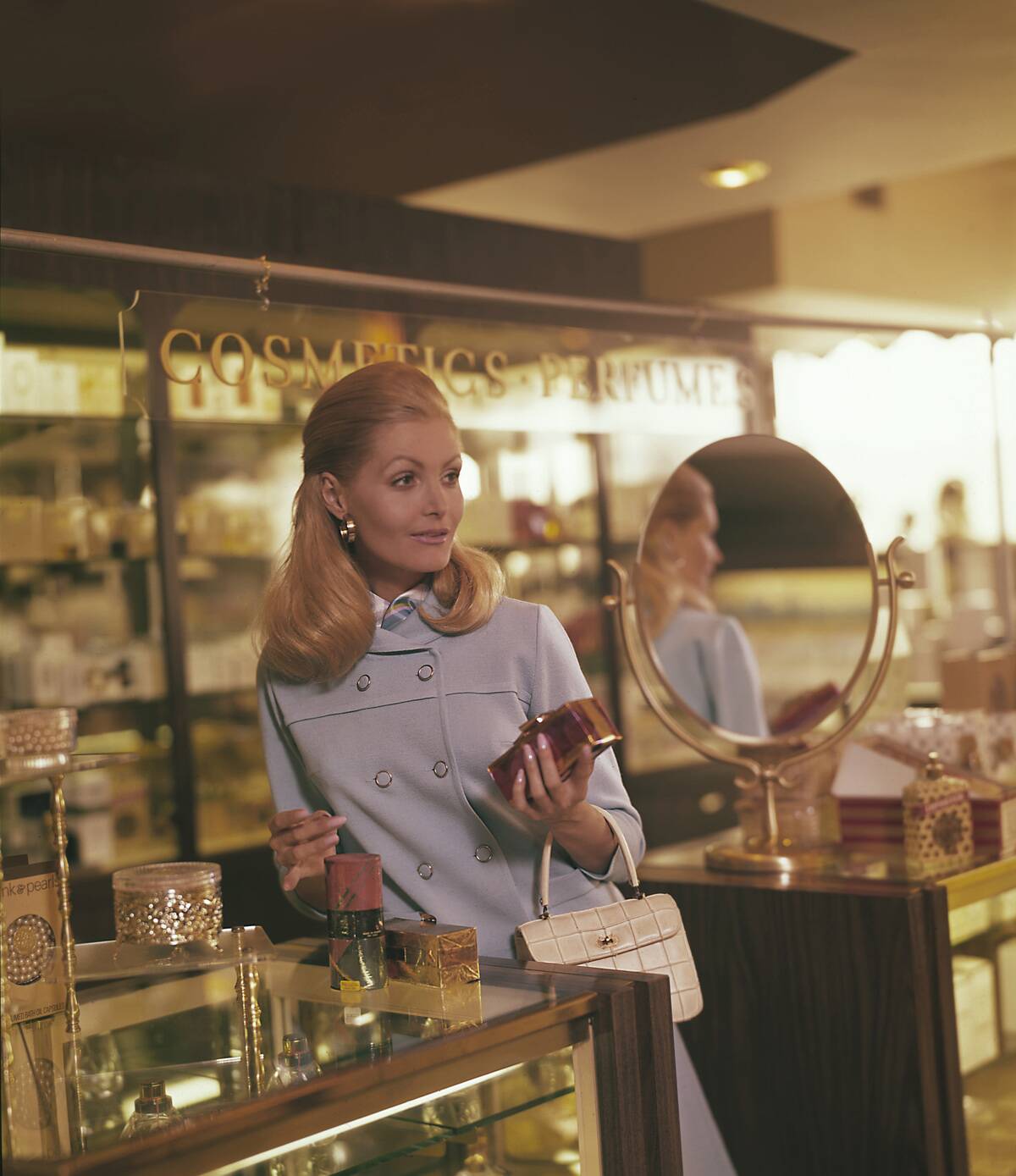
Department stores have long held a place in popular culture, inspiring films, literature, and art. Movies like “Miracle on 34th Street” and TV shows like “Mr. Selfridge” celebrate the grandeur and romance of these retail giants.
They evoke nostalgia and remind audiences of the unique role department stores played in society. This cultural significance has helped preserve their legacy, even as the retail landscape continues to evolve.
The Role of Social Media in the Department Store Decline
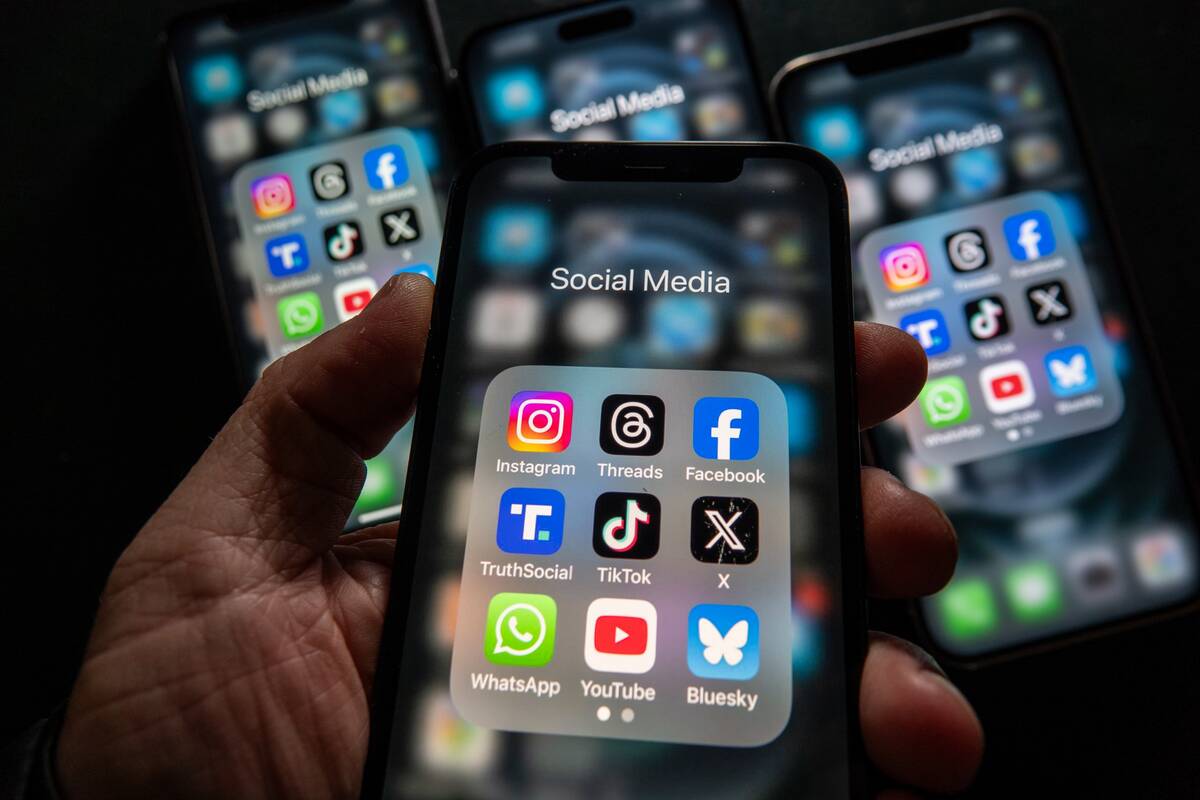
Social media has transformed how consumers interact with brands and shop, contributing to the decline of traditional department stores. Platforms like Instagram and Pinterest allow consumers to discover and purchase products directly, bypassing physical stores.
Influencer marketing and online reviews have also shifted trust and attention away from established retailers. Department stores have had to adapt by enhancing their online presence and engaging with customers through social media to remain competitive.
Global Perspectives: How Department Stores Fared Worldwide
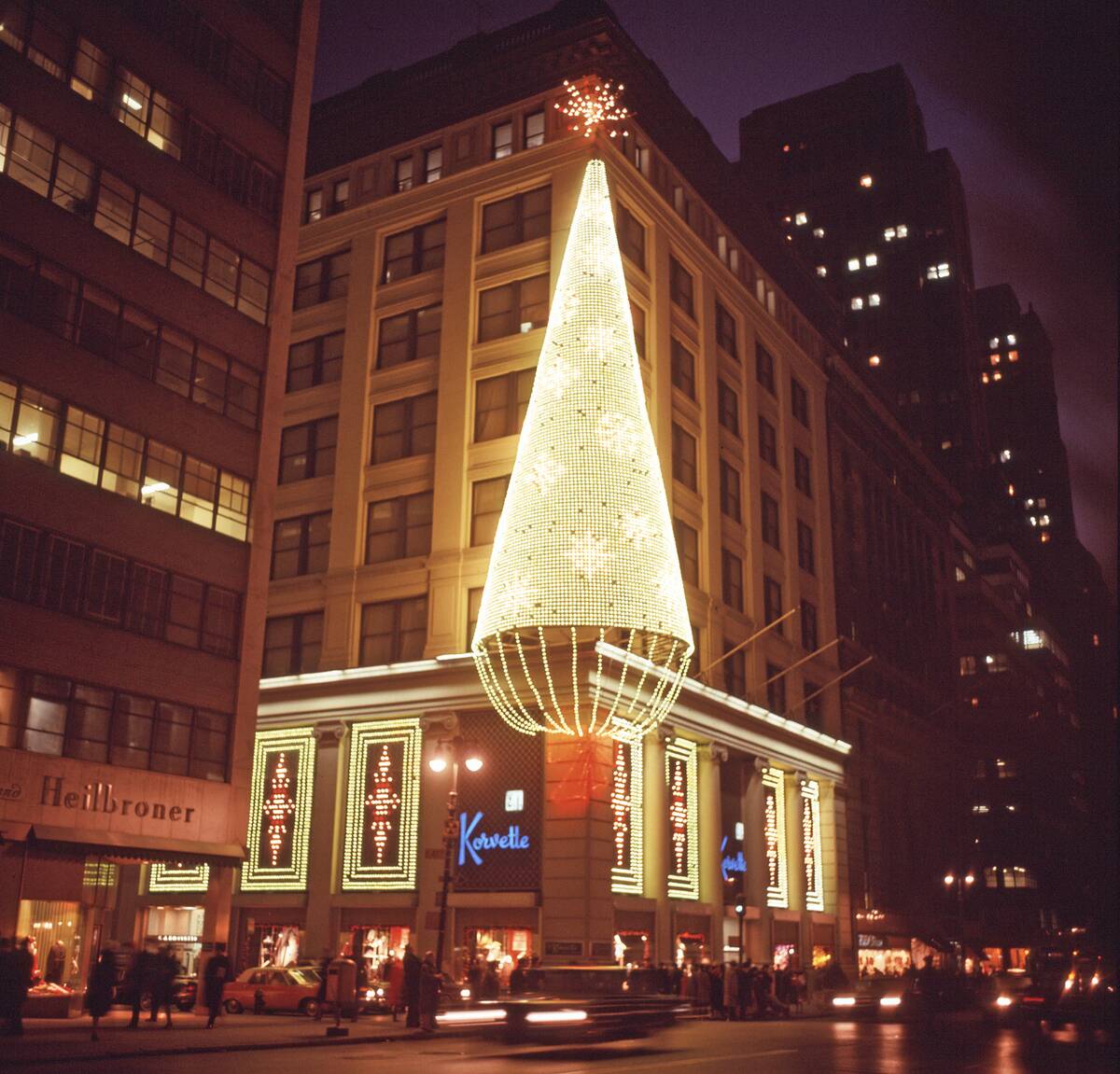
Department stores around the world have experienced varying degrees of success. In Asia, for example, stores like Japan’s Isetan and China’s Intime have thrived by embracing digital integration and luxury offerings. In contrast, many European and American stores have struggled with declining foot traffic and sales.
Globalization and cultural differences have influenced consumer preferences, forcing stores to adapt their strategies to remain relevant in diverse markets.
Stories of Survival: Department Stores That Beat the Odds
Despite the challenges facing the industry, some department stores have managed to survive and even thrive. Stores like Selfridges in the UK and Nordstrom in the US have adapted by focusing on customer experience, innovation, and exclusive offerings.
These stores have embraced change and invested in technology, setting themselves apart from competitors. Their resilience serves as a testament to the enduring appeal of the department store model when combined with modern strategies.
The Future of Retail: Lessons Learned from Department Store History
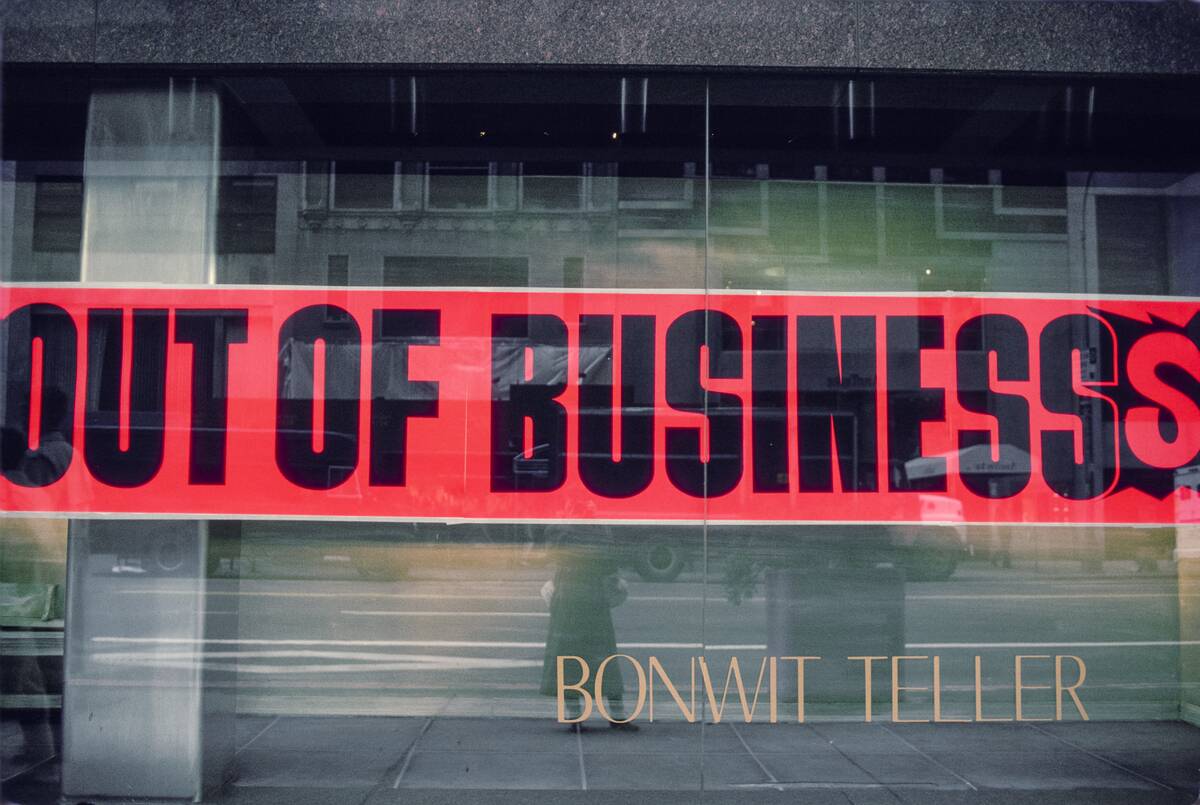
The history of department stores offers valuable lessons for the future of retail. Flexibility, innovation, and a focus on customer experience are key to thriving in a rapidly changing market. As online shopping continues to grow, retailers must find ways to blend digital and physical experiences.
By learning from the successes and failures of department stores, the retail industry can adapt to meet the evolving needs of consumers and remain relevant in the years to come.




