Lost radio programs that shaped national morale
The Golden Age of Radio, spanning from the 1920s to the 1950s, was a pivotal era in American culture. At a time when the nation faced the Great Depression and World War II, radio became a beacon of hope and a source of connection for millions.
This wondrous medium brought entertainment and news right into the living rooms of families, helping to uplift spirits and unify the nation during troubled times. Its impact on national morale was profound, offering solace and a sense of community to listeners across the country.
The Beginnings: How Radio Became a Household Staple
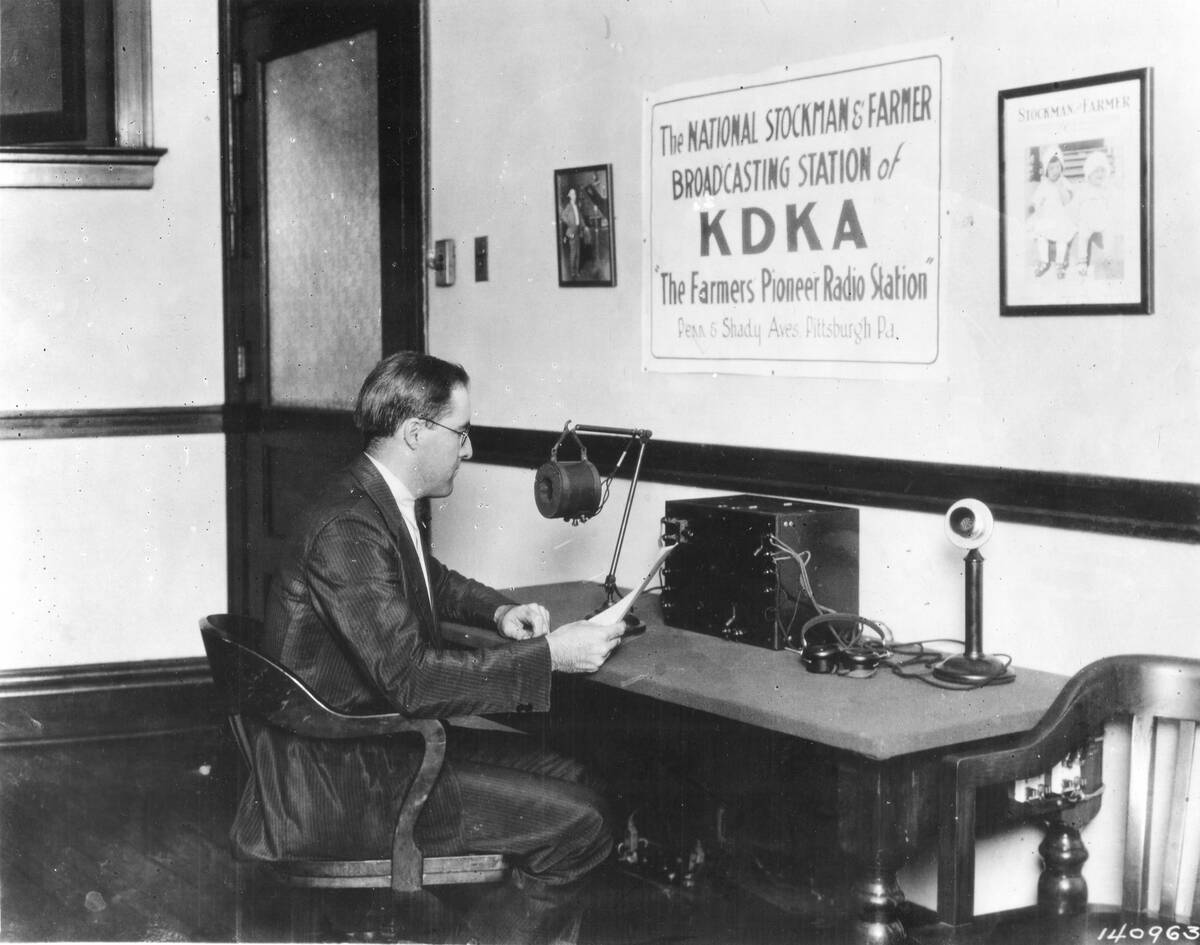
Radio’s journey to becoming a household staple began in the early 1920s with the establishment of the first commercial radio station, KDKA, in Pittsburgh. By the mid-1930s, nearly 28 million American homes had a radio, thanks to the affordable pricing and the captivating content that stations offered.
It was more than just a technological marvel; it was a new way for families to gather and enjoy shared experiences, from thrilling dramas to live music performances. The radio quickly transformed into an essential part of daily life, offering a sense of companionship and entertainment.
Fireside Chats: FDR’s Comforting Words to a Nation
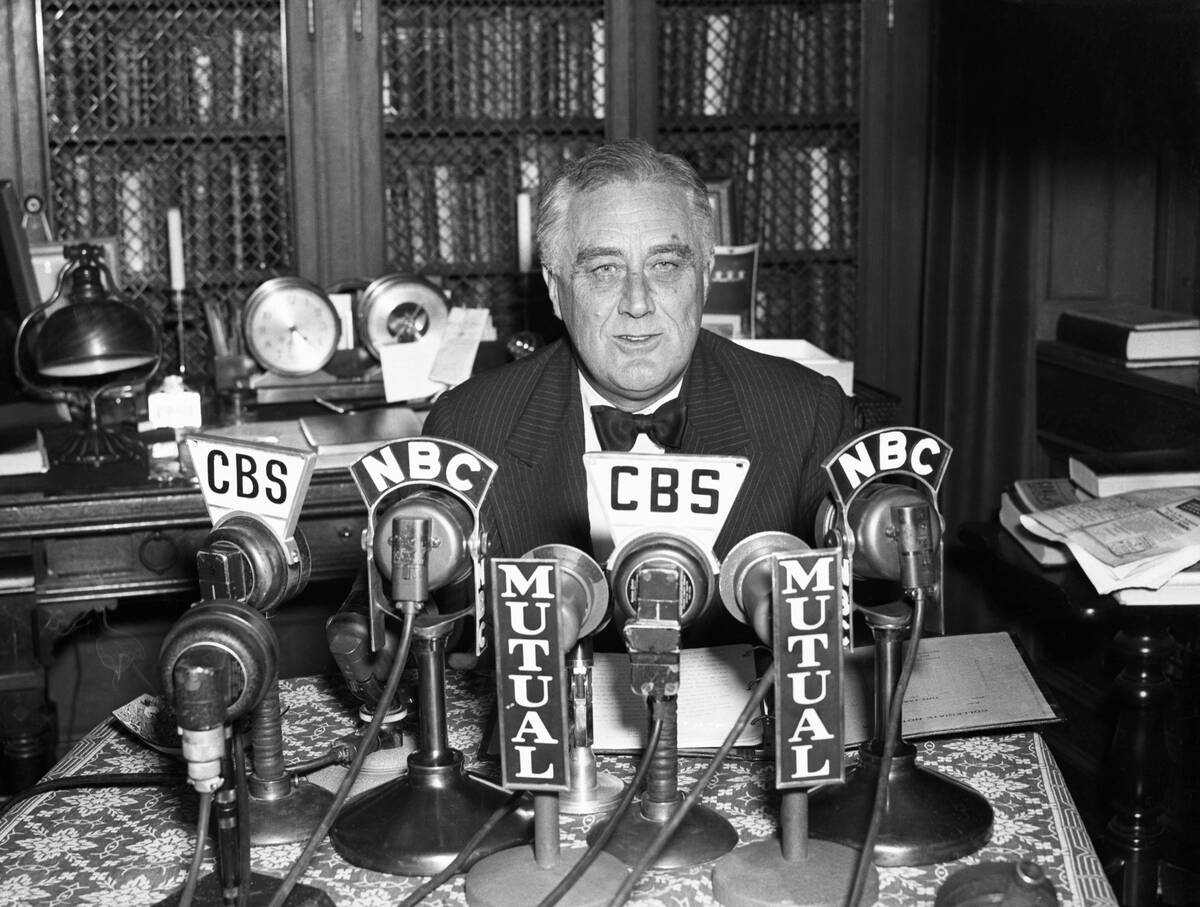
President Franklin D. Roosevelt’s Fireside Chats were a series of 30 evening radio addresses given between 1933 and 1944. These talks were designed to communicate directly with the American public, explaining his policies in a simple and reassuring manner.
Roosevelt’s calm and confident voice helped allay fears during the Great Depression and World War II. His ability to connect personally with listeners was unprecedented, making these broadcasts a significant tool in bolstering public confidence and national morale during challenging times.
The Shadow: Mysteries That Captivated the Imagination
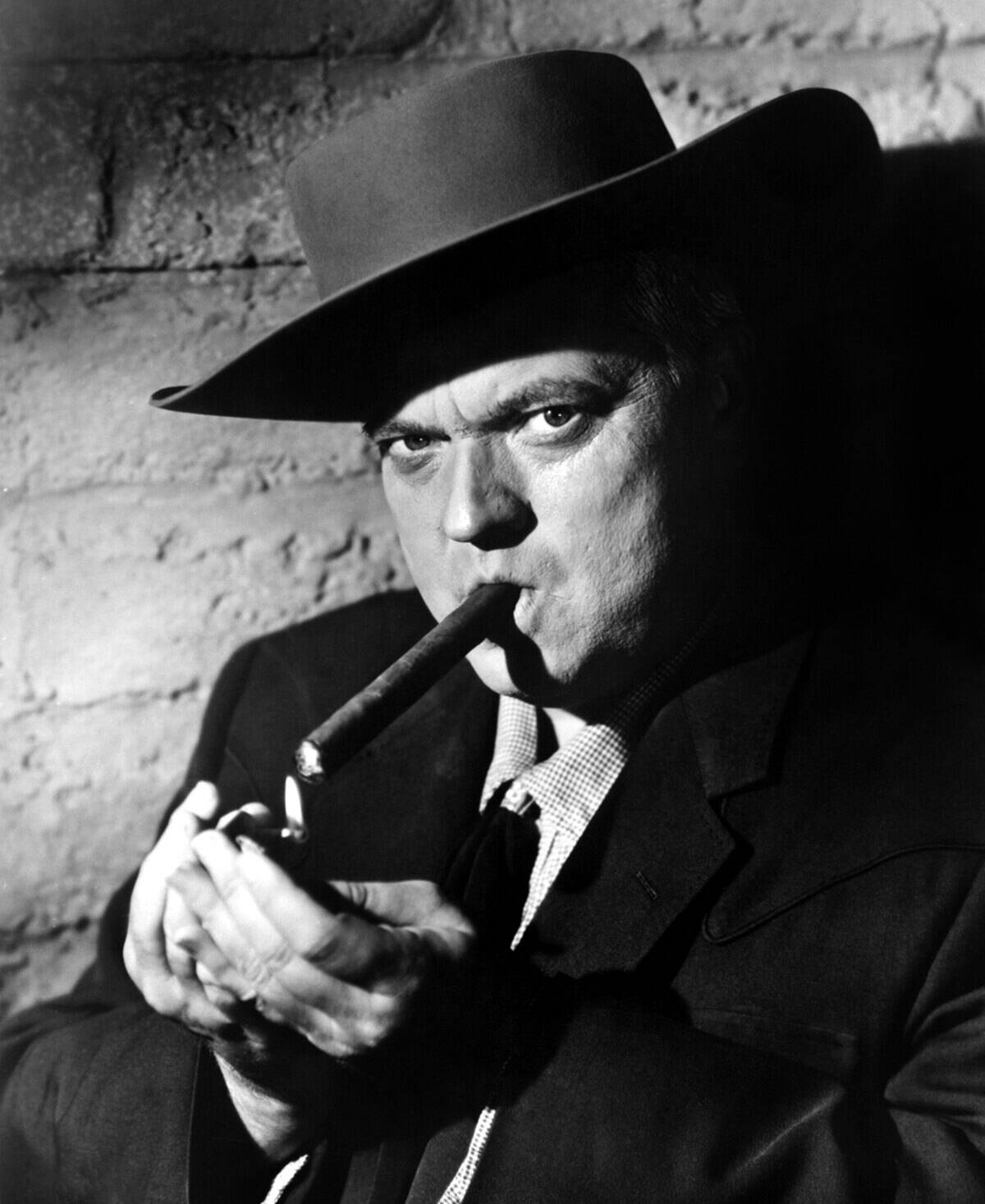
“Who knows what evil lurks in the hearts of men? The Shadow knows!” This iconic introduction set the stage for one of radio’s most thrilling series. Premiering in 1930, The Shadow combined mystery and adventure, captivating audiences with tales of a crime-fighting vigilante with the power to cloud men’s minds.
Voiced by Orson Welles in its early years, The Shadow kept listeners on the edge of their seats with its dark plots and unexpected twists. It became a blueprint for many future superhero stories, influencing generations of crime and mystery narratives.
Little Orphan Annie: Adventures That Brought Families Together
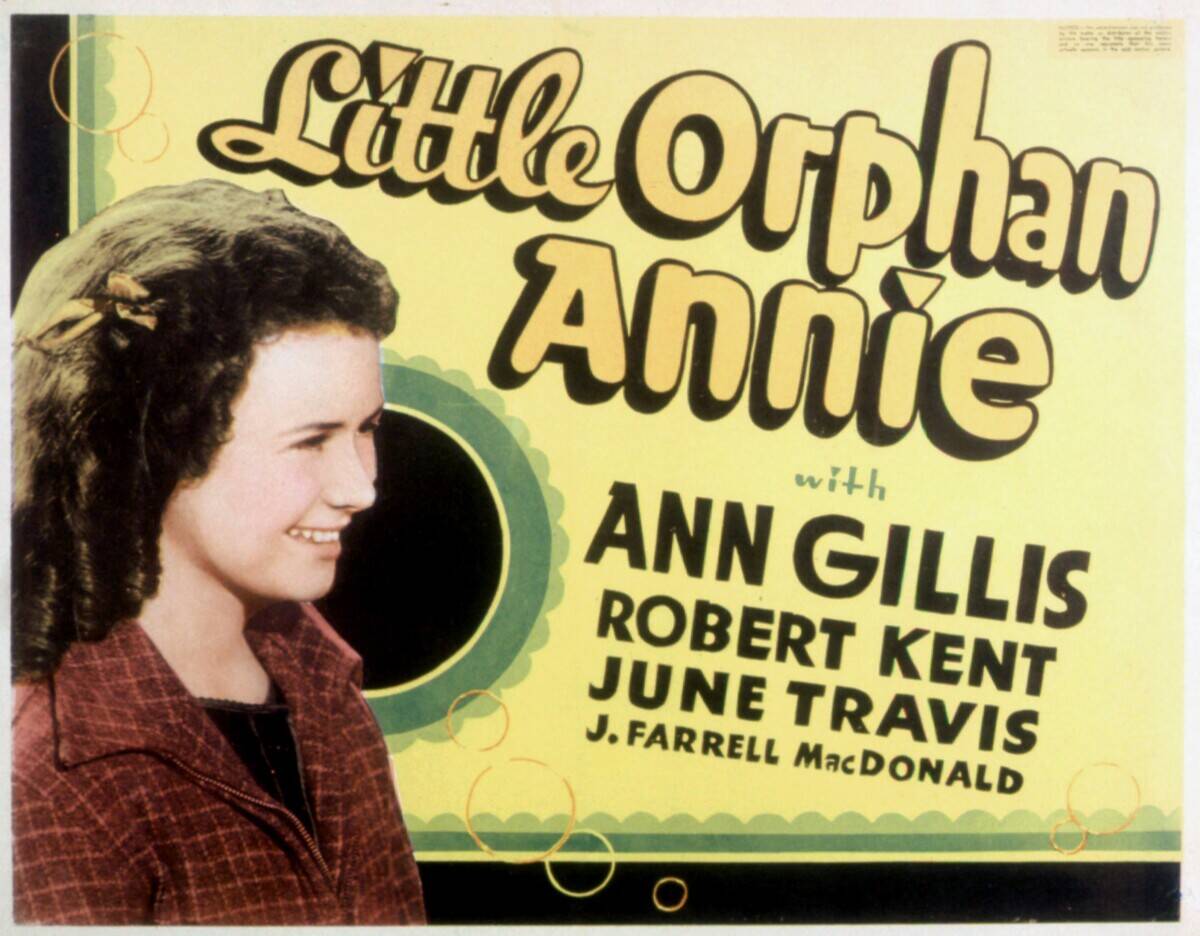
Debuting as a radio show in 1930, Little Orphan Annie quickly became a favorite for families. Based on the popular comic strip, the show chronicled the adventures of the spunky orphan and her dog, Sandy.
With its engaging plots and relatable characters, it inspired a sense of adventure and imagination in children while providing wholesome entertainment for the whole family. The show also pioneered interactive marketing techniques, encouraging children to send away for decoder rings and other premiums, making it a unique experience that extended beyond the airwaves.
The Jack Benny Program: Humor as a National Antidote
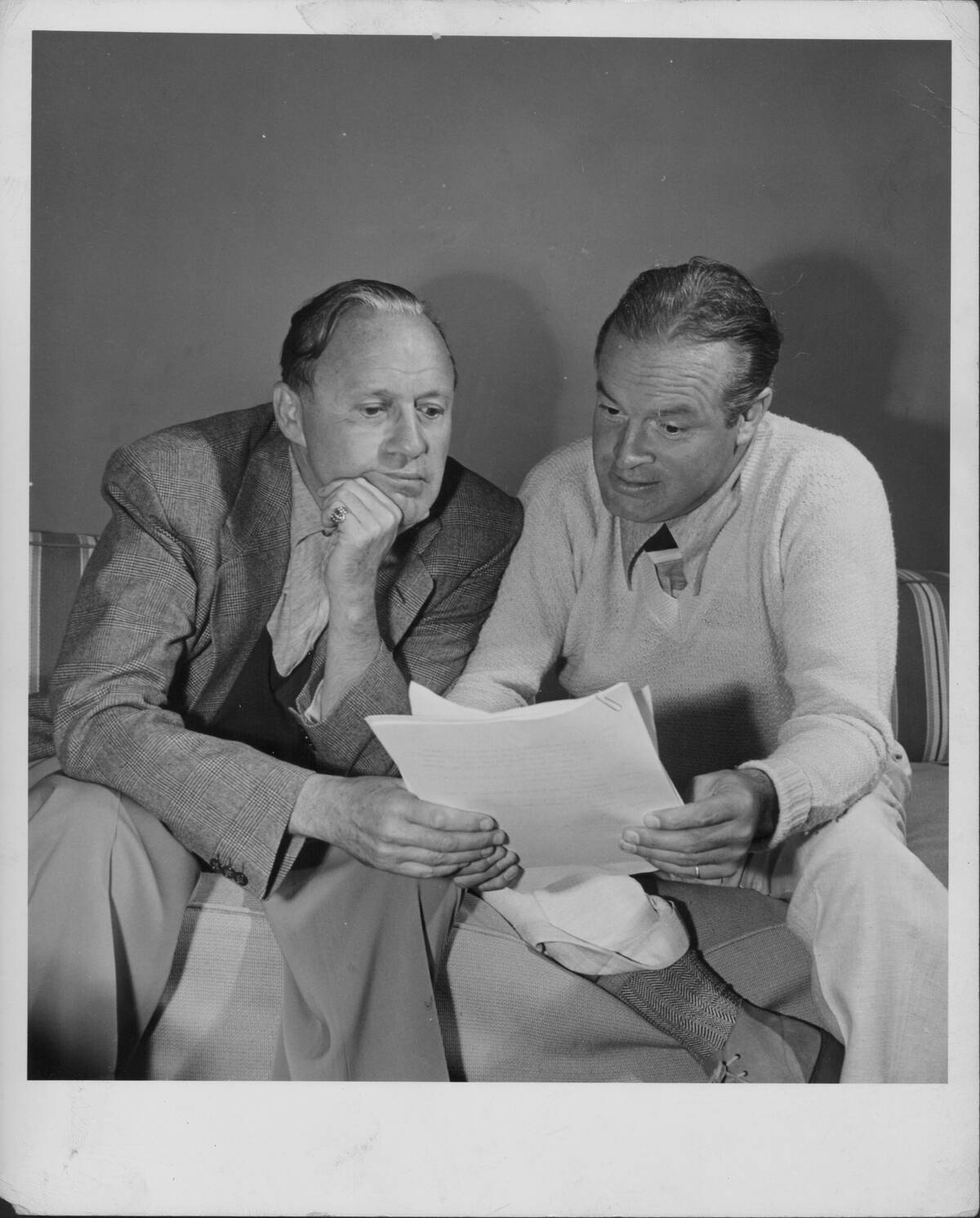
The Jack Benny Program, running from 1932 to 1955, was a comedic staple that brought laughter to millions. Jack Benny’s character—a miserly, vain version of himself—was the perfect foil for the show’s clever writing and hilarious supporting cast.
Benny’s impeccable timing and willingness to be the butt of jokes made him a beloved figure. At a time when America needed a good laugh, the program provided a humorous escape from daily struggles, turning Benny into one of the most enduring icons of radio comedy.
War of the Worlds: The Broadcast That Shocked America
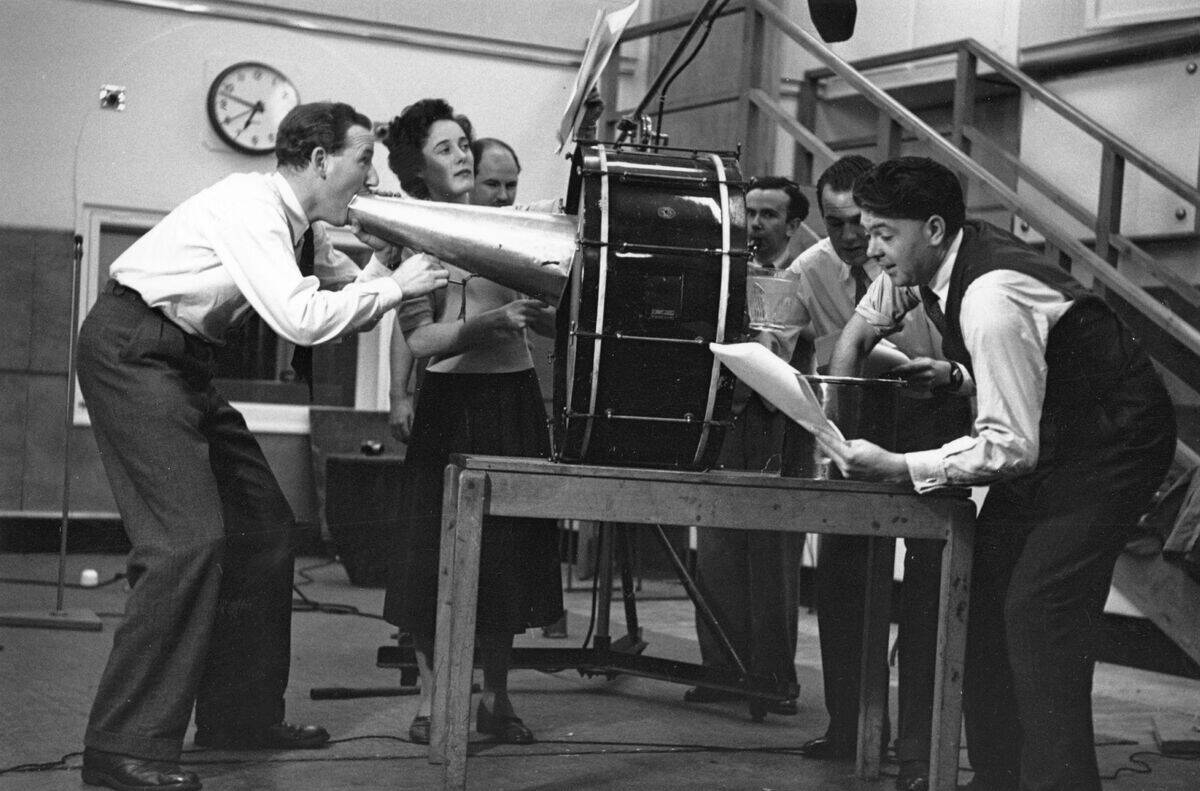
On October 30, 1938, Orson Welles and the Mercury Theatre on the Air broadcast an adaptation of H.G. Wells’ “The War of the Worlds.” Presented as a series of news bulletins, the broadcast caused widespread panic among listeners who believed it was a real alien invasion.
Despite disclaimers, the realistic presentation led to a national uproar and highlighted the power of radio as a medium. This infamous broadcast not only thrust Welles into the spotlight but also sparked discussions about media responsibility and the influence of mass communication.
The Lone Ranger: A Hero for Troubled Times
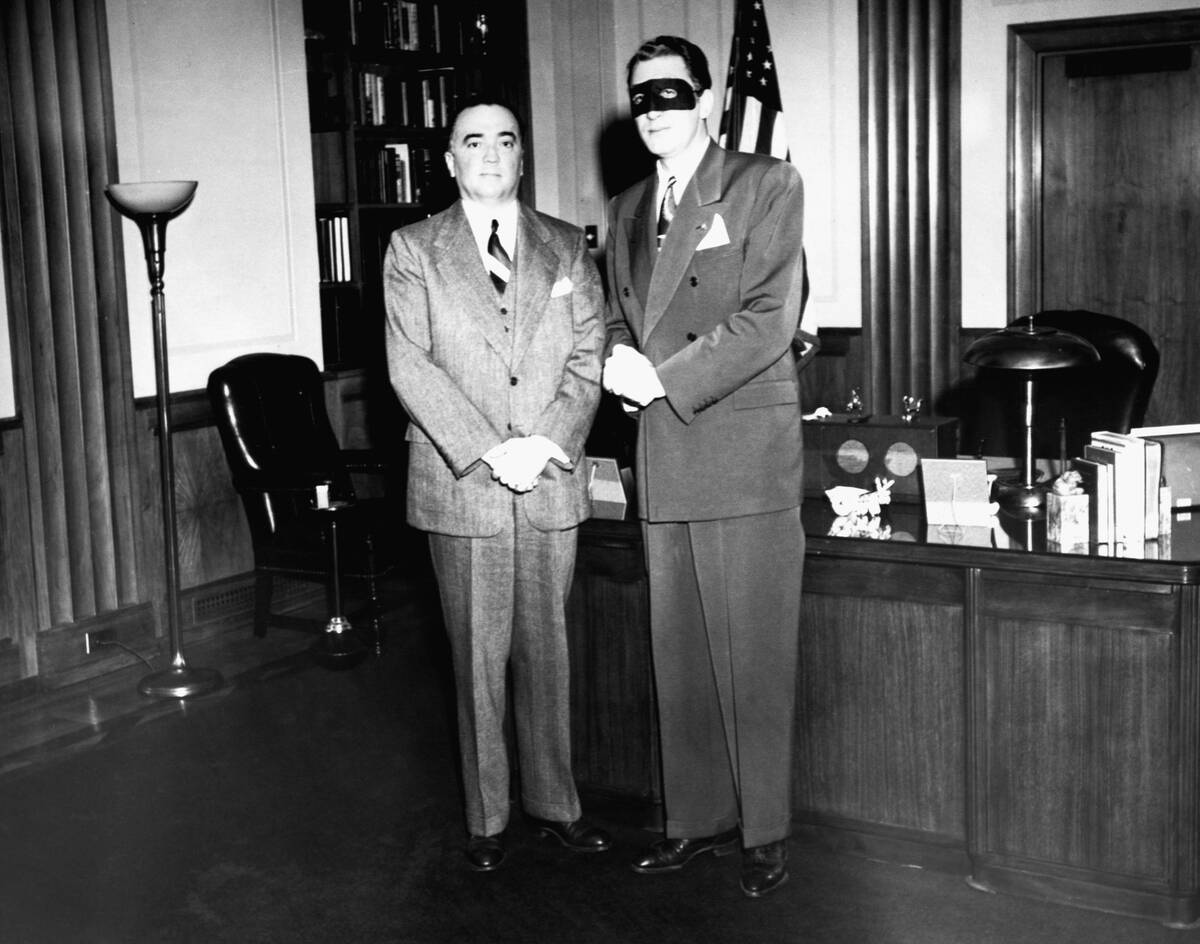
The Lone Ranger galloped into the hearts of listeners with his trusty steed Silver and faithful companion Tonto. Debuting in 1933, this Western adventure series offered tales of justice and heroism, providing listeners with an escape and a role model during difficult times.
The show’s catchphrase, “Hi-Yo Silver, away!” became a cultural touchstone, representing bravery and integrity. The Lone Ranger’s blend of action and moral lessons made it a beloved program, enduring in popularity through radio, television, and beyond.
Amos ‘n’ Andy: Controversial Yet Influential
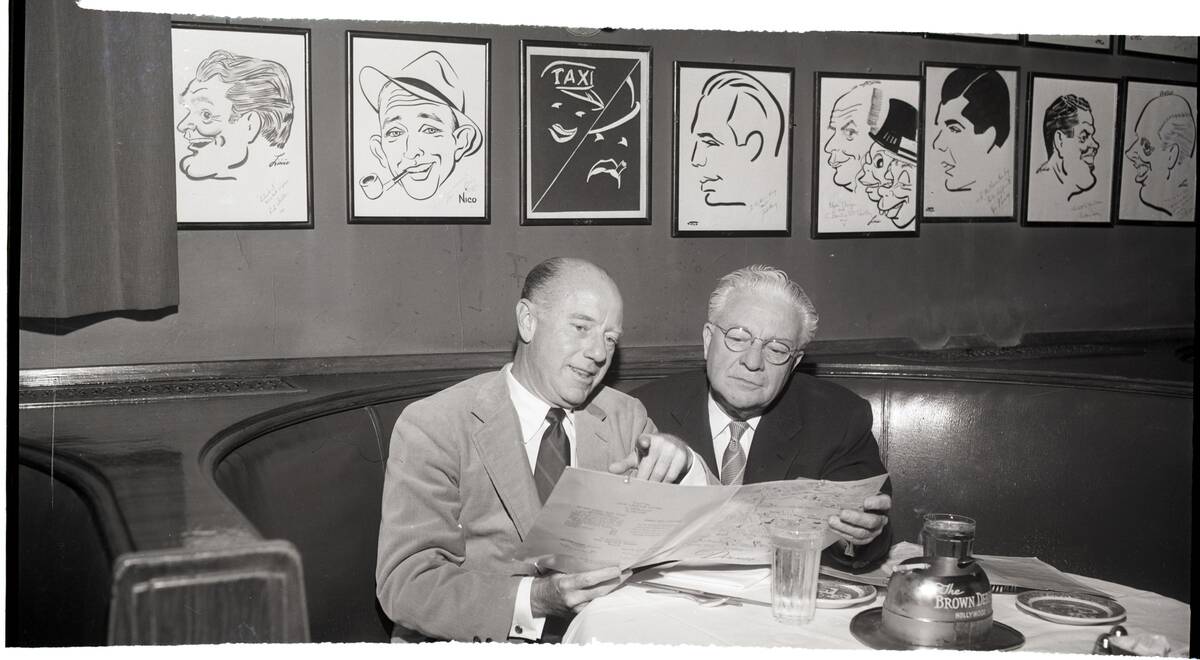
Amos ‘n’ Andy, which began in 1928, was both a groundbreaking and controversial radio show. Created by and voiced by two white actors, Freeman Gosden and Charles Correll, the show featured African American characters and was initially praised for bringing African American culture into the mainstream.
However, it also relied on racial stereotypes, which later sparked criticism and debate. Despite the controversy, Amos ‘n’ Andy was one of the most popular radio programs of its time, influencing future sitcoms and highlighting the complexities of racial representation in media.
Lux Radio Theatre: Bringing Hollywood to the Airwaves
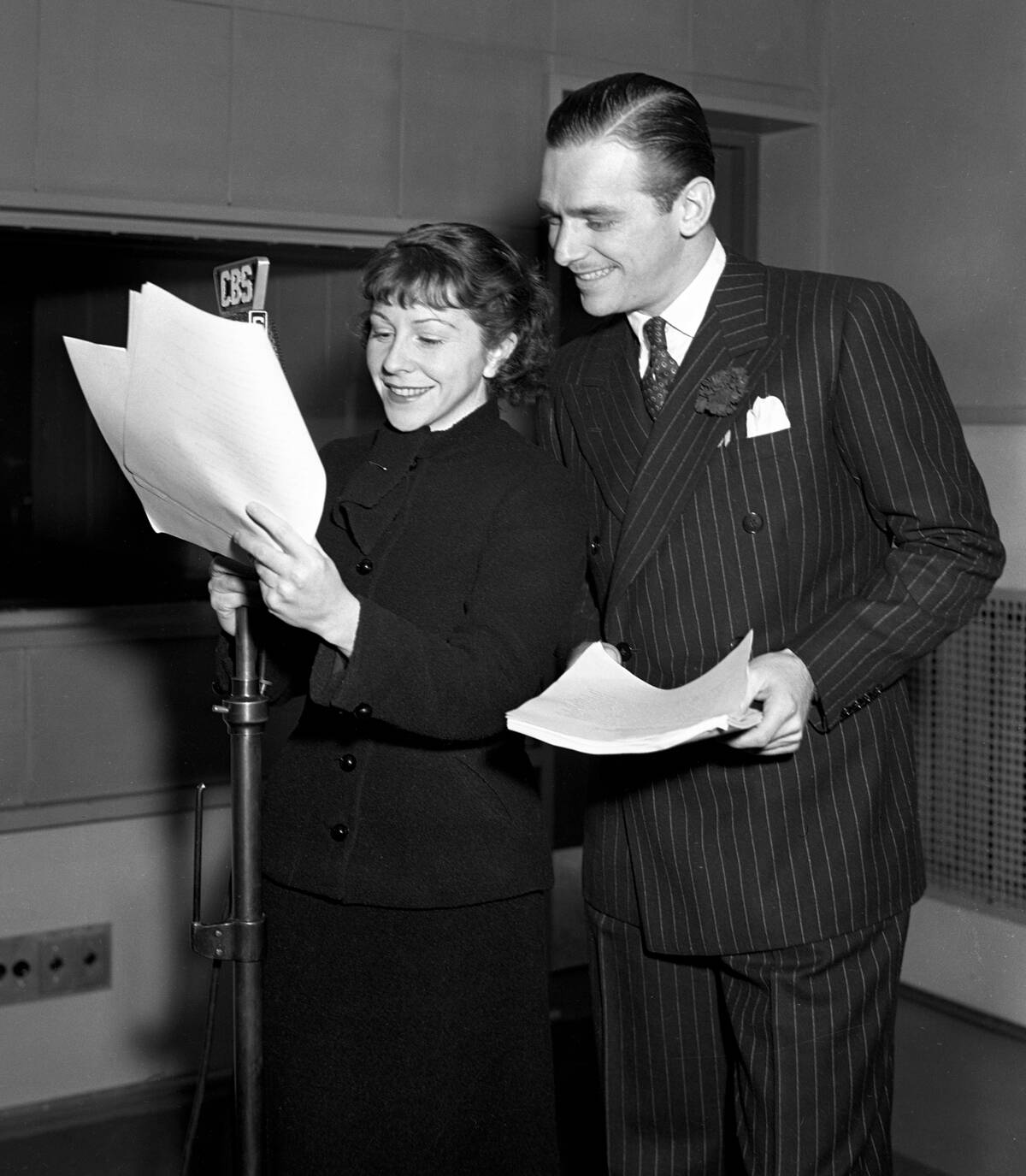
Lux Radio Theatre brought the glamour of Hollywood to the ears of America from 1934 to 1955. This anthology series adapted popular films for radio, often featuring the original movie stars in their roles.
Cecil B. DeMille, a legendary filmmaker, hosted the show for many years, adding to its prestige. Lux Radio Theatre allowed listeners to experience the magic of cinema from the comfort of their homes, bridging the gap between the silver screen and the airwaves, and cementing radio’s role as a major entertainment force.
The Green Hornet: Vigilante Justice in the Air
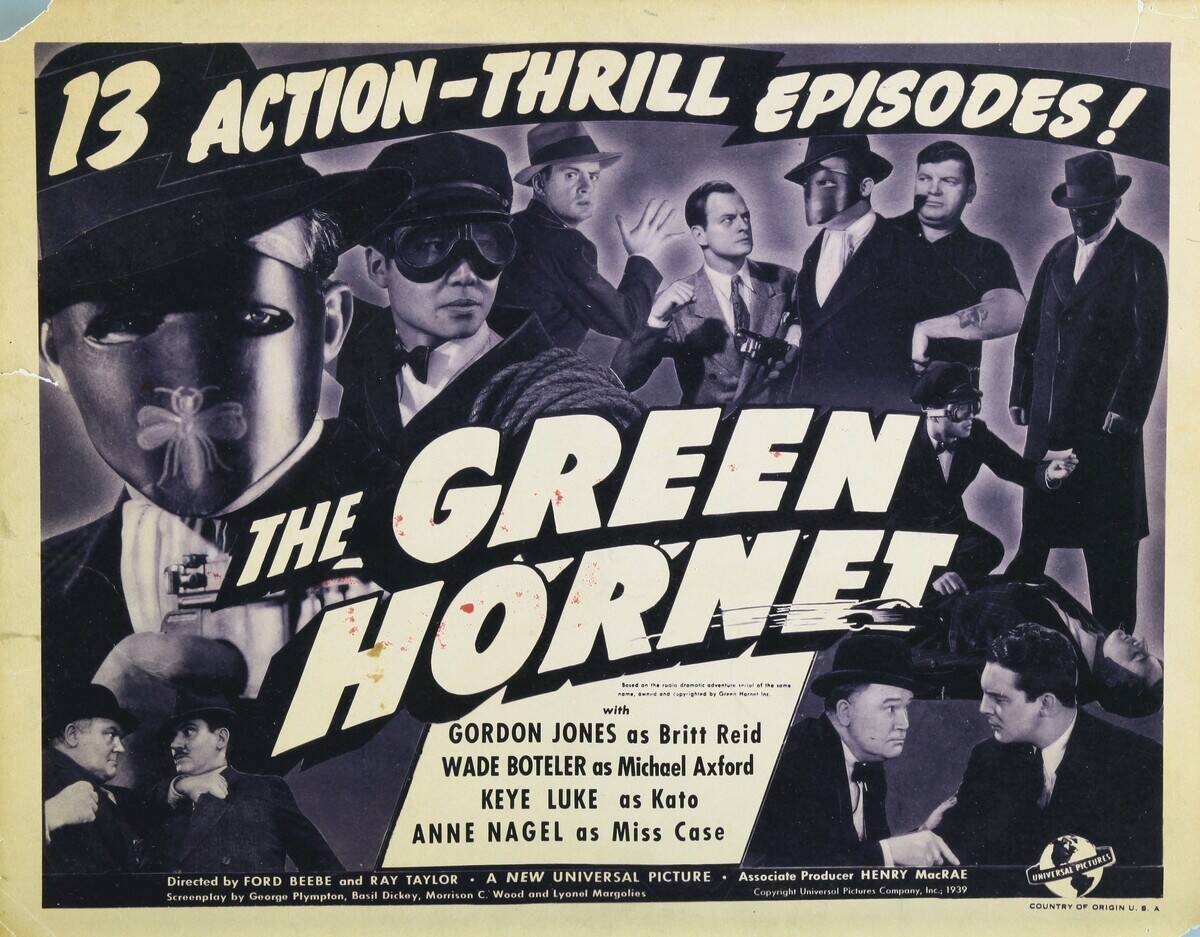
The Green Hornet buzzed onto the radio scene in 1936, offering listeners a mix of crime-fighting and intrigue. Britt Reid, the masked hero, fought corruption alongside his loyal sidekick, Kato.
Known for its thrilling plots and the iconic “Flight of the Bumblebee” theme, The Green Hornet captivated audiences with its tales of vigilante justice. The show was unique in its portrayal of an Asian sidekick as a competent and equal partner, a progressive move for its time. The Green Hornet’s legacy continued through comic books, television, and film adaptations.
Fibber McGee and Molly: Laughter Through the Great Depression
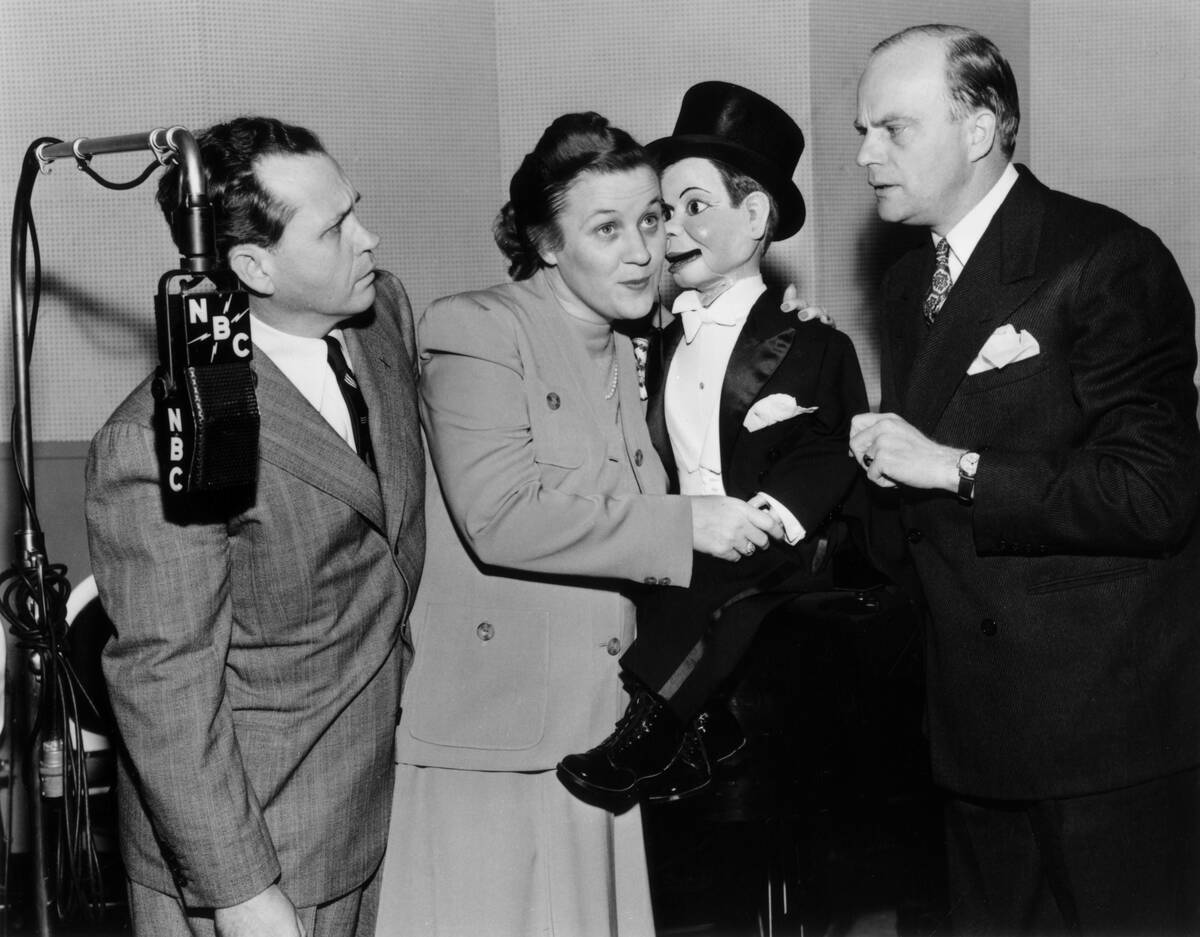
Fibber McGee and Molly, airing from 1935 to 1959, was a comedic balm during the Great Depression. With their humorous escapades in the fictional town of Wistful Vista, the show’s characters provided much-needed levity.
Jim and Marian Jordan, the real-life couple behind the voices, brought warmth and wit to their performances. The show is remembered for its recurring gags, notably Fibber’s cluttered closet, which became a beloved comedic motif. It exemplified how laughter could uplift spirits in even the toughest times.
The Adventures of Superman: Hope and Heroics in Dark Times
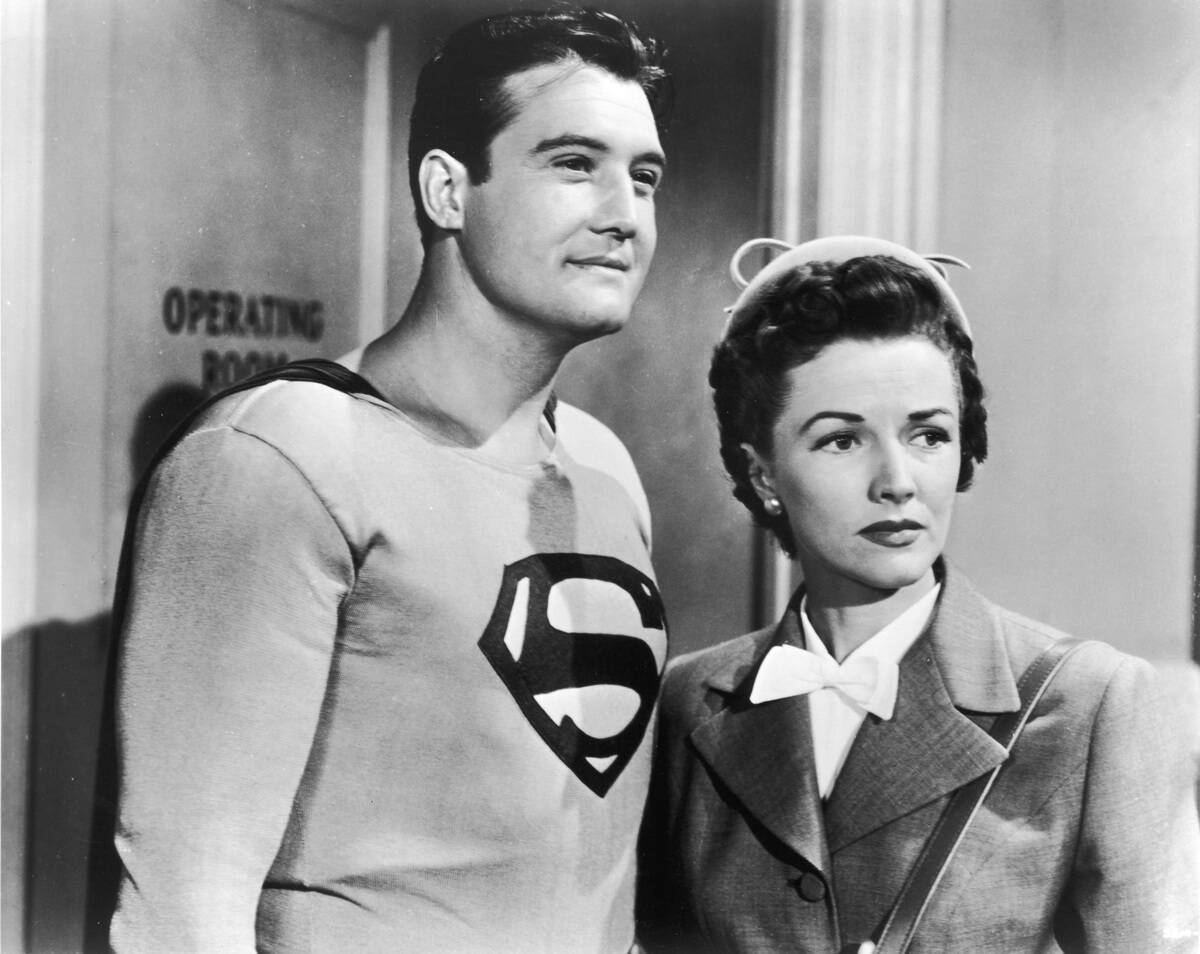
The Adventures of Superman leapt onto the radio waves in 1940, introducing listeners to the Man of Steel’s fight for “truth, justice, and the American way.” With its thrilling storylines and dynamic characters, the show inspired a generation during World War II.
Superman’s battles against villains, both human and superhuman, offered hope and heroics when the world needed them most. The radio series was so influential that it introduced elements like kryptonite, which later became staples in the Superman mythos.
Suspense: Thrilling Stories That Kept Listeners on Edge
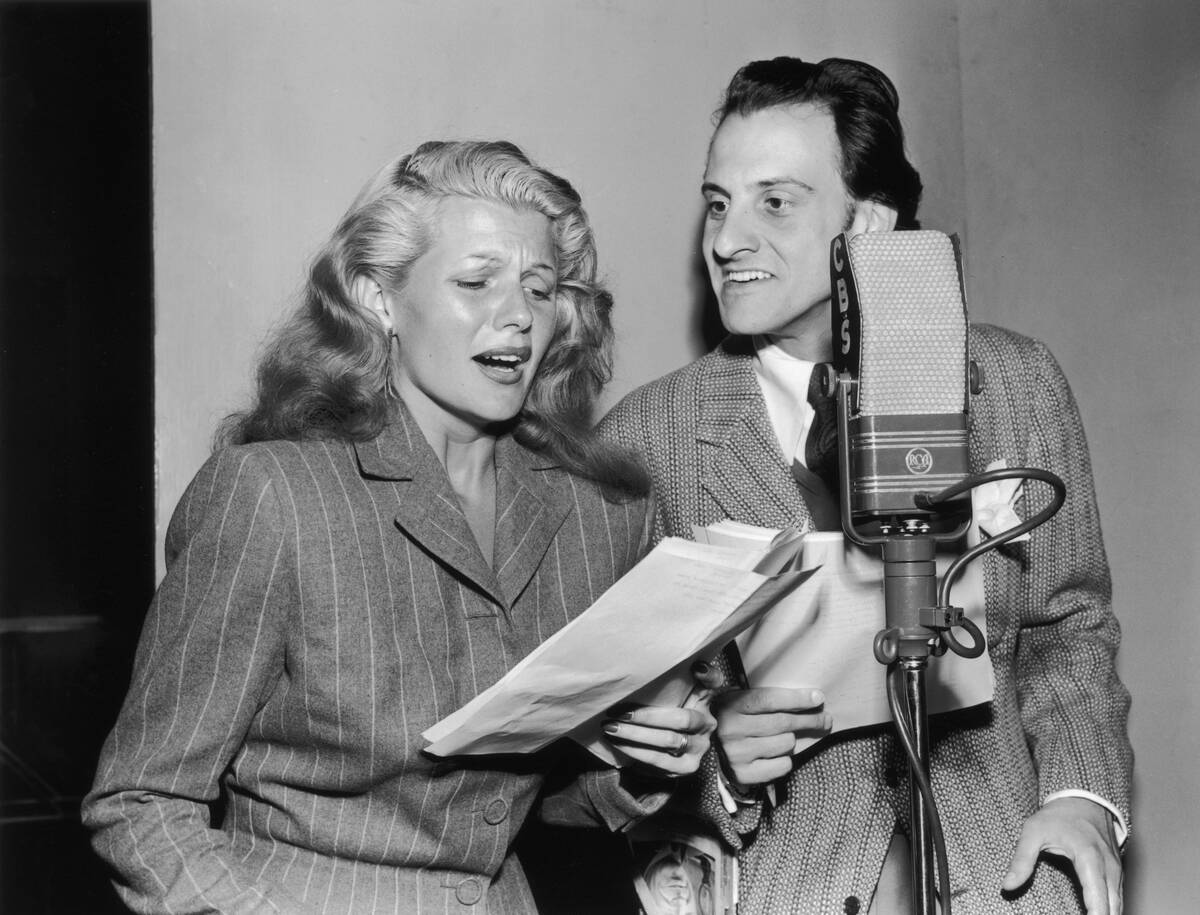
Suspense, airing from 1942 to 1962, was aptly named for its ability to keep listeners on the edge of their seats. This anthology series featured gripping tales of mystery and the macabre, often starring prominent Hollywood actors.
Known for its twist endings and eerie atmosphere, Suspense became a staple for thrill-seekers. The show’s high production values and compelling scripts set a standard for radio dramas, influencing the thriller genre for years to come. Its legacy is evident in today’s popular suspense narratives.
The Great Gildersleeve: Spinoffs and Their Surprising Success
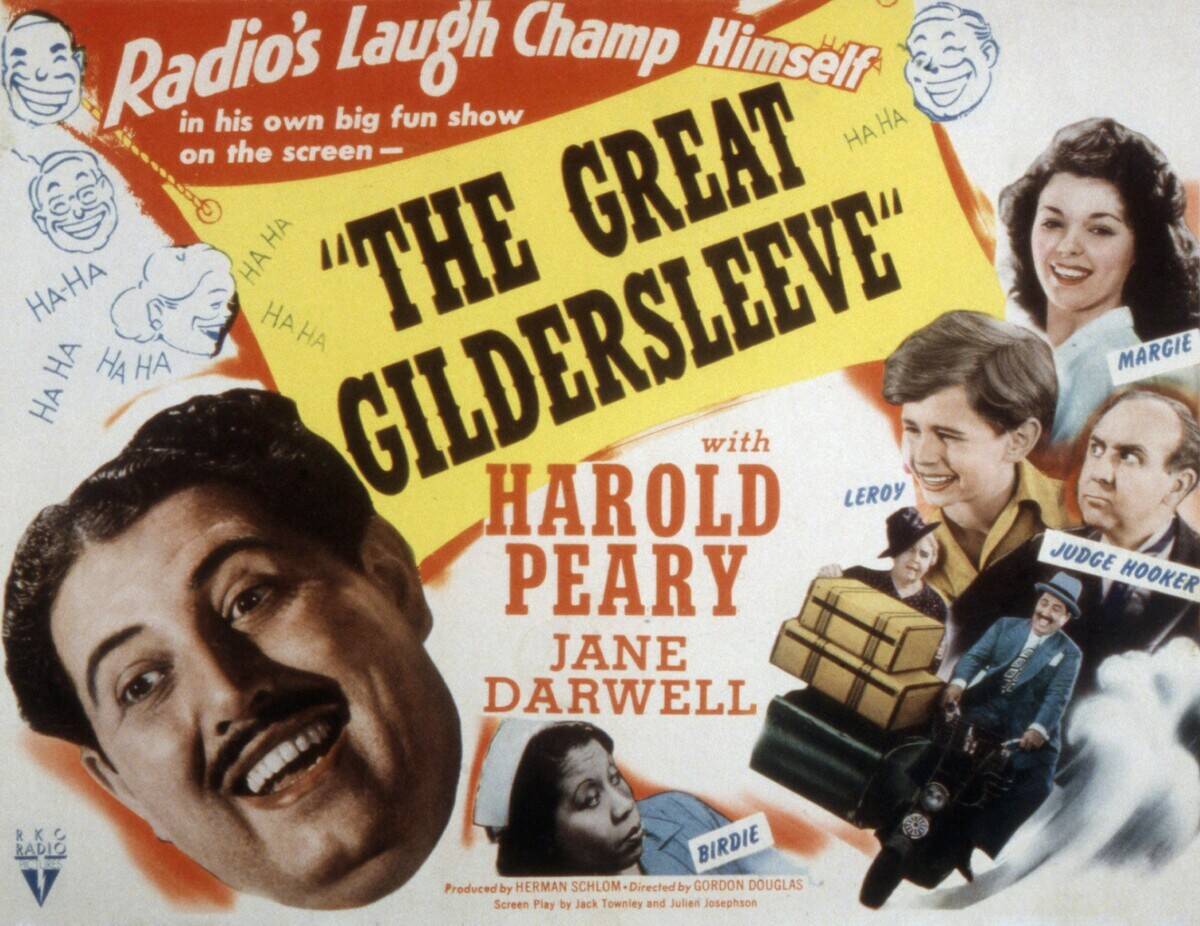
The Great Gildersleeve, a spinoff from Fibber McGee and Molly, premiered in 1941 and became one of radio’s first successful spinoffs. Focusing on the bumbling yet lovable Throckmorton P. Gildersleeve, the show was a hit thanks to its humorous take on small-town life and family dynamics.
Harold Peary, who portrayed Gildersleeve, brought a unique charm to the character, endearing him to audiences. The show’s success demonstrated the potential for spinoffs to carve out their own niche and sustain popularity independent of their origins.
The Rise of Quiz Shows: Knowledge as Entertainment
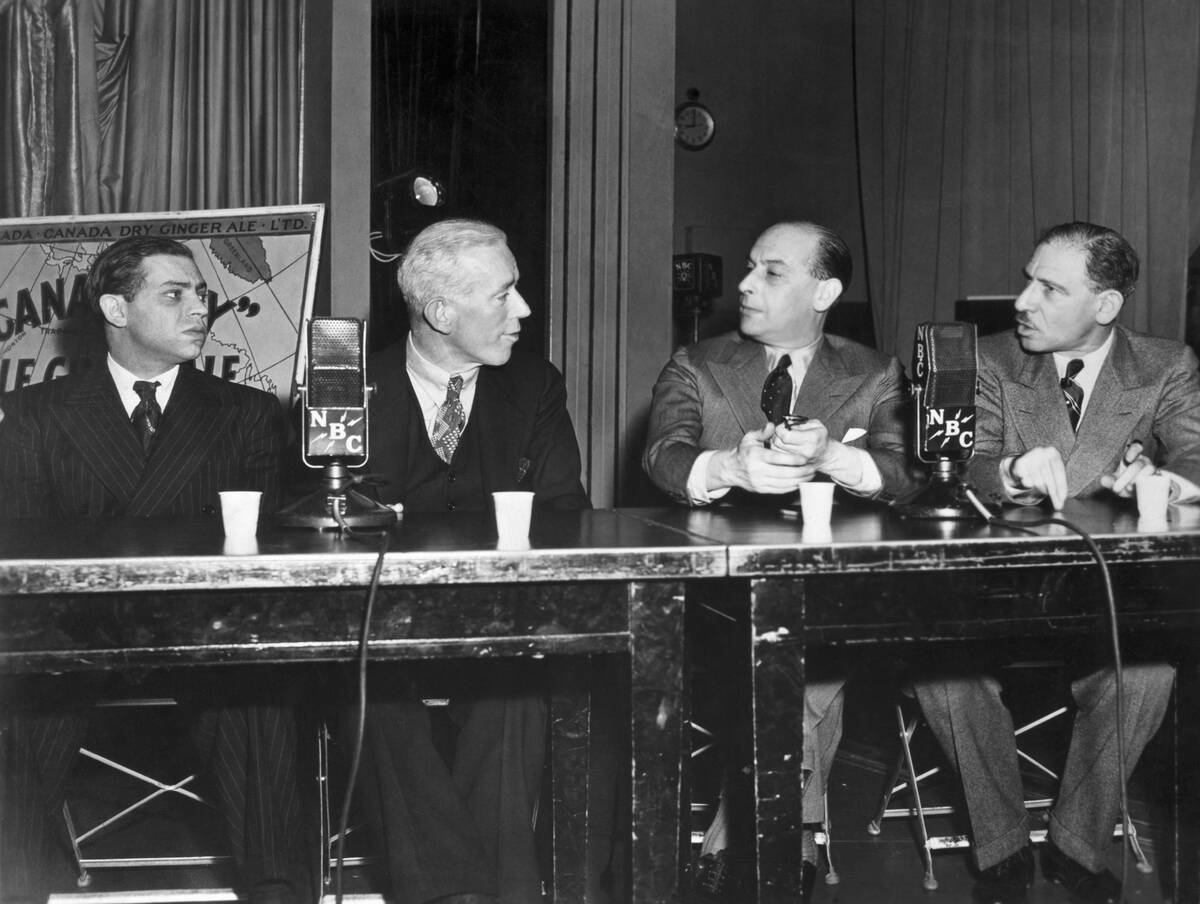
Quiz shows became a radio sensation in the late 1930s, offering listeners a chance to test their knowledge while being entertained. Programs like “Information Please” and “The Quiz Kids” captivated audiences with their challenging questions and engaging formats.
These shows not only provided fun and intellectual stimulation but also paved the way for the television quiz shows that followed. They demonstrated how a simple format could engage and educate, making knowledge an exciting form of entertainment accessible to all.
The Impact of Radio Dramas on Future Generations
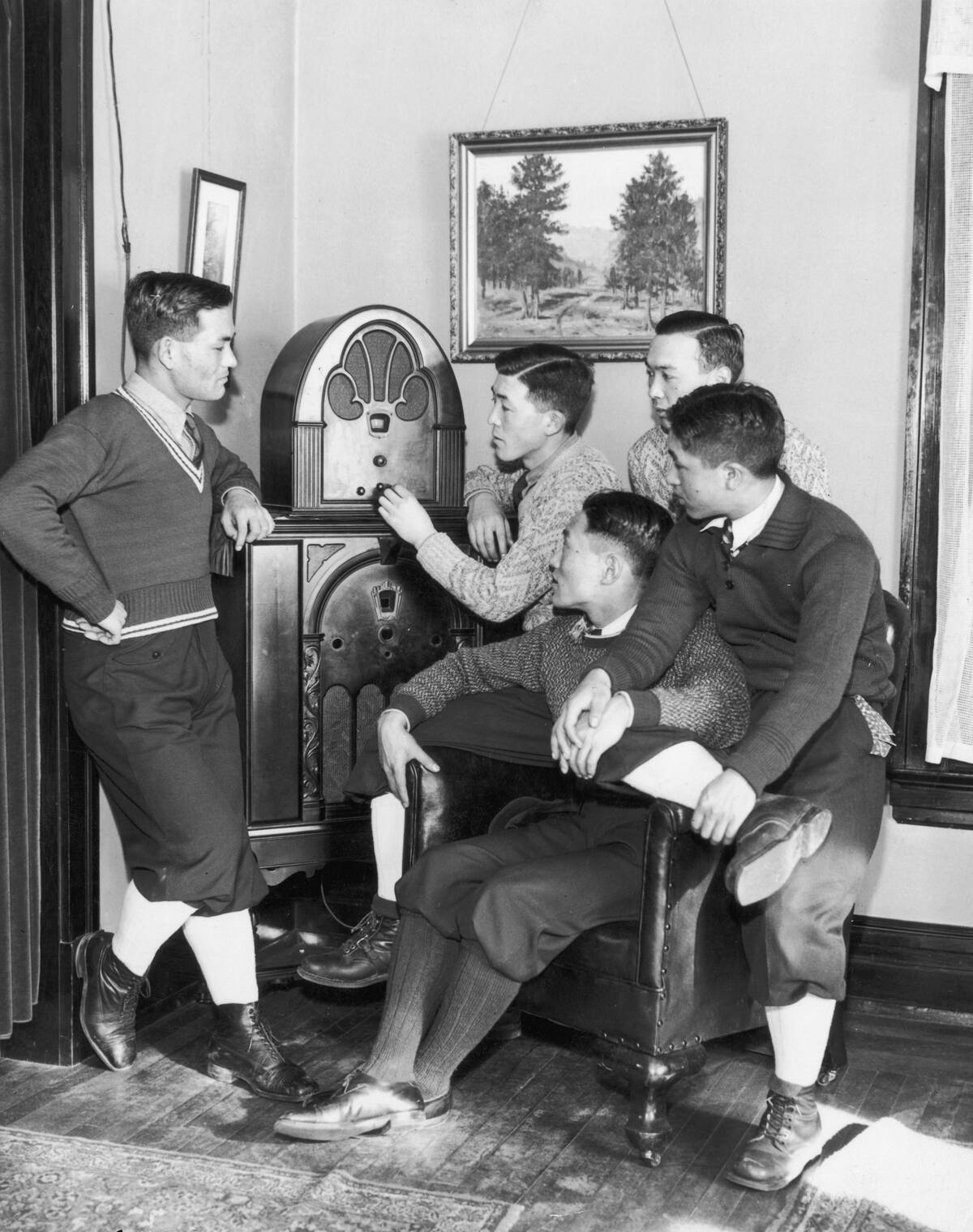
Radio dramas left an indelible mark on storytelling, influencing generations of creators across various media. The immersive audio experience fostered imagination, allowing listeners to craft vivid mental images and narratives.
Radio’s storytelling techniques laid the groundwork for television and film, with many iconic shows transitioning to the screen. Additionally, the golden age of radio inspired future generations of writers, directors, and performers who seek to evoke the same magic and emotional connection in their work.




