The story behind Nintendo’s first American console
Nintendo didn’t storm America with fireworks; it tiptoed in with a gray box that looked more like a living‑room appliance than a toy. The Nintendo Entertainment System arrived in late 1985 not as a “video game console” but as an “entertainment system,” a subtle sleight of hand designed to win back wary parents and retailers after the industry’s meltdown. By recasting the category—and backing it with a robot, a light gun, and can’t‑put‑down games—Nintendo rewired how the country thought about home play.
The transformation wasn’t accidental.
Nintendo of America built a plan that felt part Madison Avenue, part door‑to‑door hustle: test one city, guarantee retailers won’t get stuck with inventory, and spotlight a single instant‑classic hero named Mario. Within a few holiday seasons, the NES went from cautious experiment to cultural furniture. It revived a market many believed dead, and it drew a new map for how consoles would be designed, sold, and supported in the United States.
Before the gray box: Japan’s Famicom dreams meet America’s game-over mood
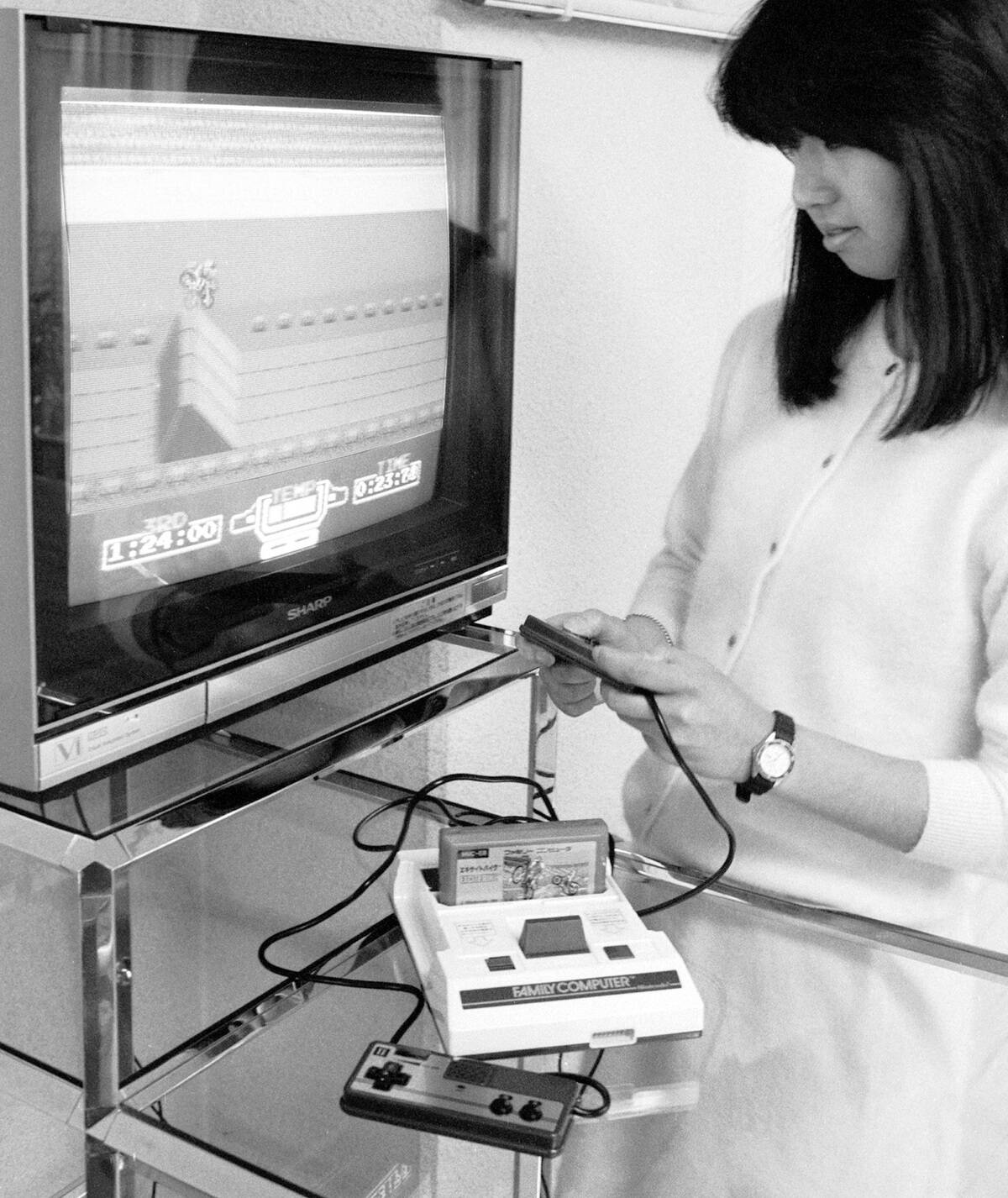
In Japan, Nintendo launched the Family Computer—Famicom—on July 15, 1983. The red‑and‑white machine quickly found its stride after an initial recall fix, buoyed by fast, colorful versions of Donkey Kong, Mario Bros., and balloon‑popping and racing hits that showed off its custom PPU graphics chip. The Famicom’s success told Nintendo it had lightning in a cartridge. The question was whether that spark could jump an ocean to a country where “video game” had become a dirty word.
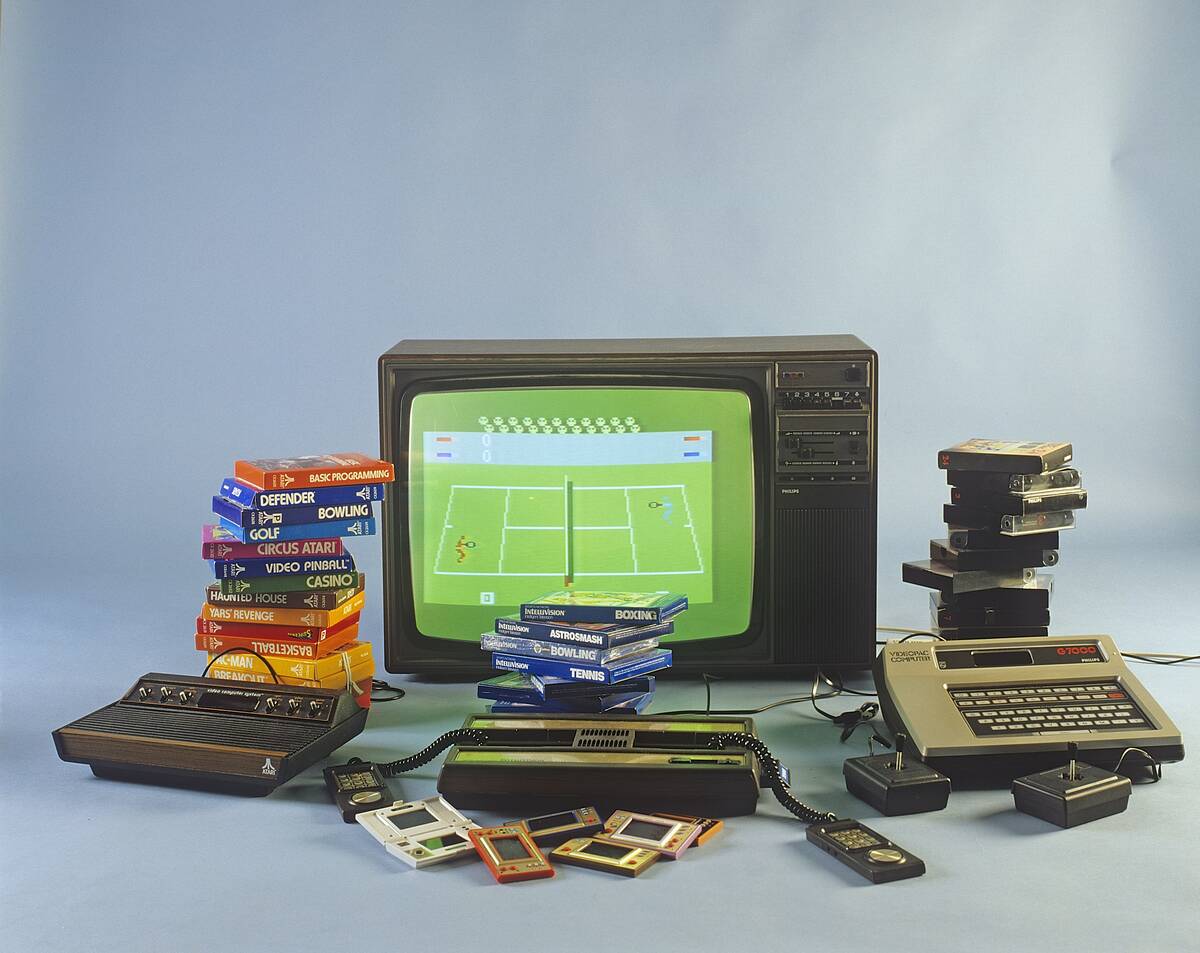
America, meanwhile, was licking its wounds. By 1983–84, retail shelves sagged with unsold cartridges and cut‑rate consoles, and consumers felt burned by broken promises and rushed, low‑effort ports. Home computers pitched themselves as smarter buys: learn to type and play games, too. So when Nintendo eyed the United States, it confronted a paradox—Japan’s hottest entertainment gadget had to enter a market that had just declared “game over.”
Crash course in 1983: why retailers didn’t want another video game on their shelves
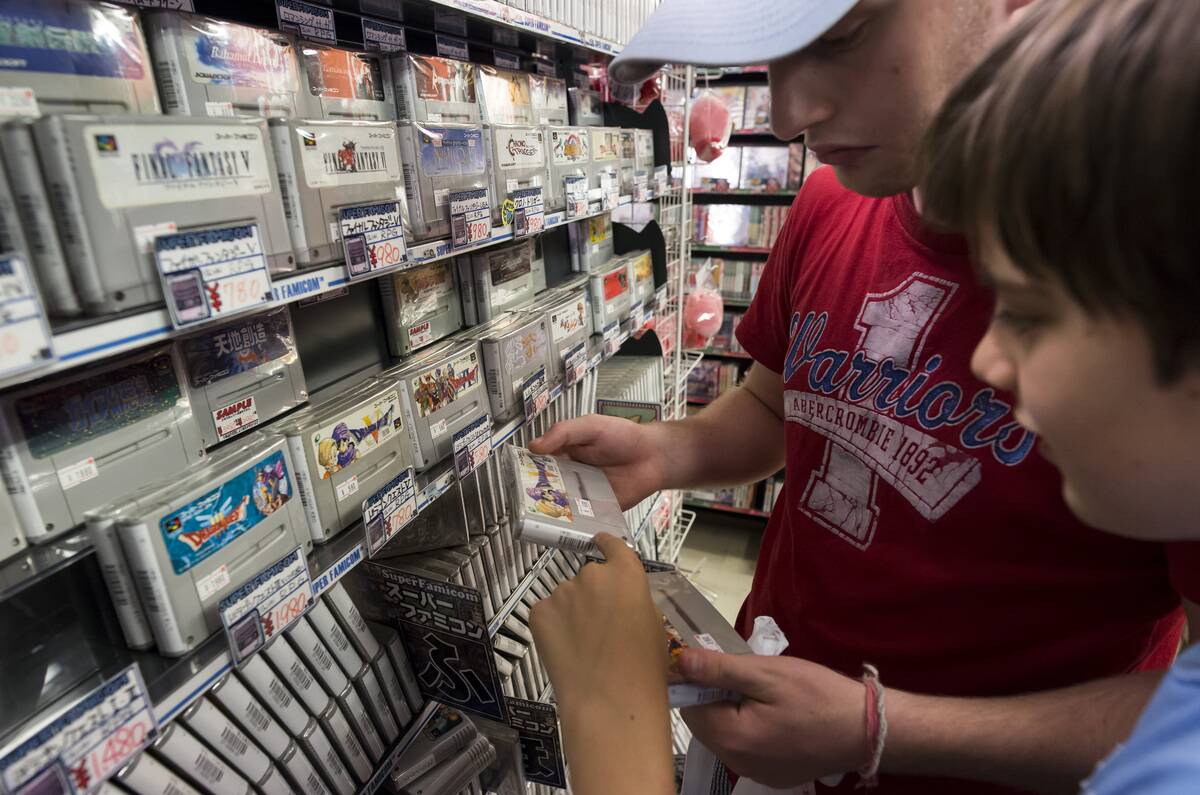
The North American crash wasn’t one culprit so much as a dogpile. Too many consoles, too much shovelware, and too little quality control left chains holding the bag. Atari’s high‑profile misfires—most infamously E.T. the Extra‑Terrestrial and a weak home Pac‑Man—became shorthand for a bust that cratered confidence. The cautionary tale literally hit dirt when a New Mexico landfill became the grave for unsold games, an urban legend confirmed decades later when the cartridges were unearthed.
Retailers reacted by slamming the door. Buyers at toy and electronics chains didn’t want “another console,” and some had sworn off video games altogether. They’d spent years marking down mountains of inventory and taking returns. To get a hearing, Nintendo would have to promise this was not the same business as before—different presentation, different rules, and a demonstrable plan to prevent aisles from turning into bargain‑bin graveyards again.
Rebranding the future: from Family Computer to “Nintendo Entertainment System”
Nintendo’s first U.S. prototype leaned into home‑computer vibes: the Advanced Video System—a keyboard, a tape drive, and game pads—shown at CES in 1985. Retailers yawned. It looked like more of the same category that had just imploded, plus a few peripherals no one asked for. So Nintendo pivoted. Ditch the keyboard. Keep the fun. Wrap the whole thing in a new name that didn’t scream “video game”: the Nintendo Entertainment System.
Renaming was only the start. Cartridges became “Game Paks.” The console morphs into a “Control Deck.” Language, box art, and accessories all worked to frame the product as a family‑room appliance—reliable, premium, and curated. That linguistic reframing, paired with strict curation of software and a toy‑shelf strategy, helped retailers and parents see it as something new, not a sequel to 1983’s mistakes.
A console that dressed like a VCR: the front-loading “toaster” design strategy
The NES’s most disarming trick was physical. Instead of a top‑loader like Japan’s Famicom, the U.S. model front‑loaded like a VCR. You slid in the 72‑pin Game Pak, pressed it down with a satisfying thunk, and closed the door. It felt familiar to anyone who’d used a tape deck, a smart way to signal “consumer electronics,” not “toy.” The gray shell, squared lines, and muted palette were chosen to blend with stereos and TVs, not compete with them.
That design won the showroom but came with quirks. Over time, the spring‑down carriage and connector wore, and oxidation on pins sparked the infamous blinking power light. What looked like a dead system was often the lockout chip repeatedly resetting over a bad connection. Cleaning kits, replacement 72‑pin connectors, and gentler insertion rituals became part of NES lore—a small trade‑off for a case that got the console through the front door.
Meet the unlikely heroes: Arakawa, Lincoln, and the small Seattle team that could
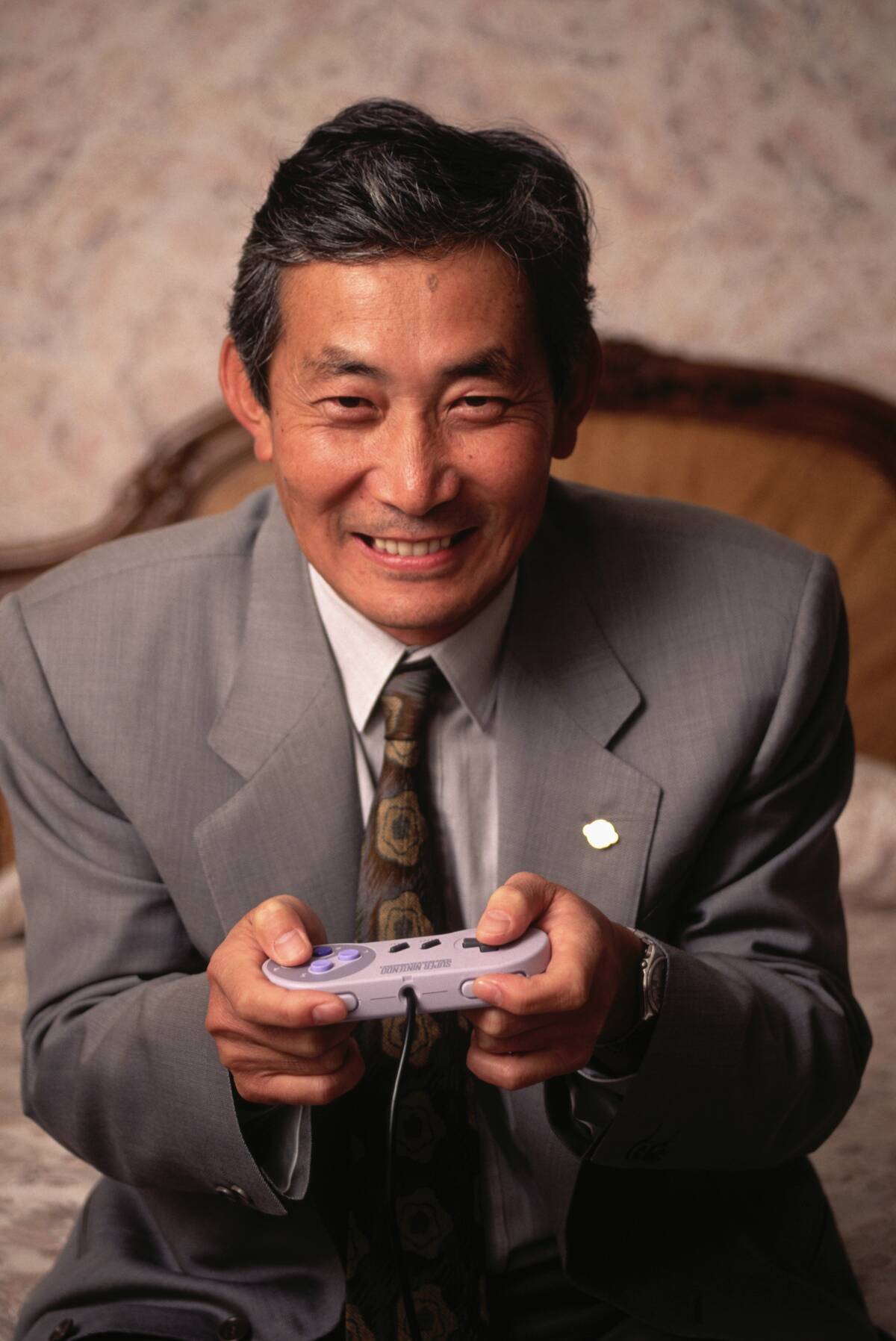
Minoru Arakawa, Nintendo of America’s president and son‑in‑law of Nintendo’s Hiroshi Yamauchi, steered the U.S. effort from a modest Seattle‑area office. He was joined by attorney Howard Lincoln, who became the company’s sharp‑elbowed dealmaker and, later, chairman. Around them grew a lean crew: Gail Tilden crafted marketing and brand voice; Howard Phillips, a warehouse manager turned gameplay guru, became an internal compass for fun—and later the smiling face of Nintendo tips in print and on phones.
This small team fought up every hill. They courted skeptical chains, built a repair and testing pipeline, and mapped an ad plan that targeted kids and reassured parents. They even packed boxes and drove demo units when needed. Their fingerprints are everywhere: from the decision to test New York first to the insistence on strict quality control that would define the NES era and win back retail trust.
New York, 1985: the bold holiday test that gambled on the Big Apple
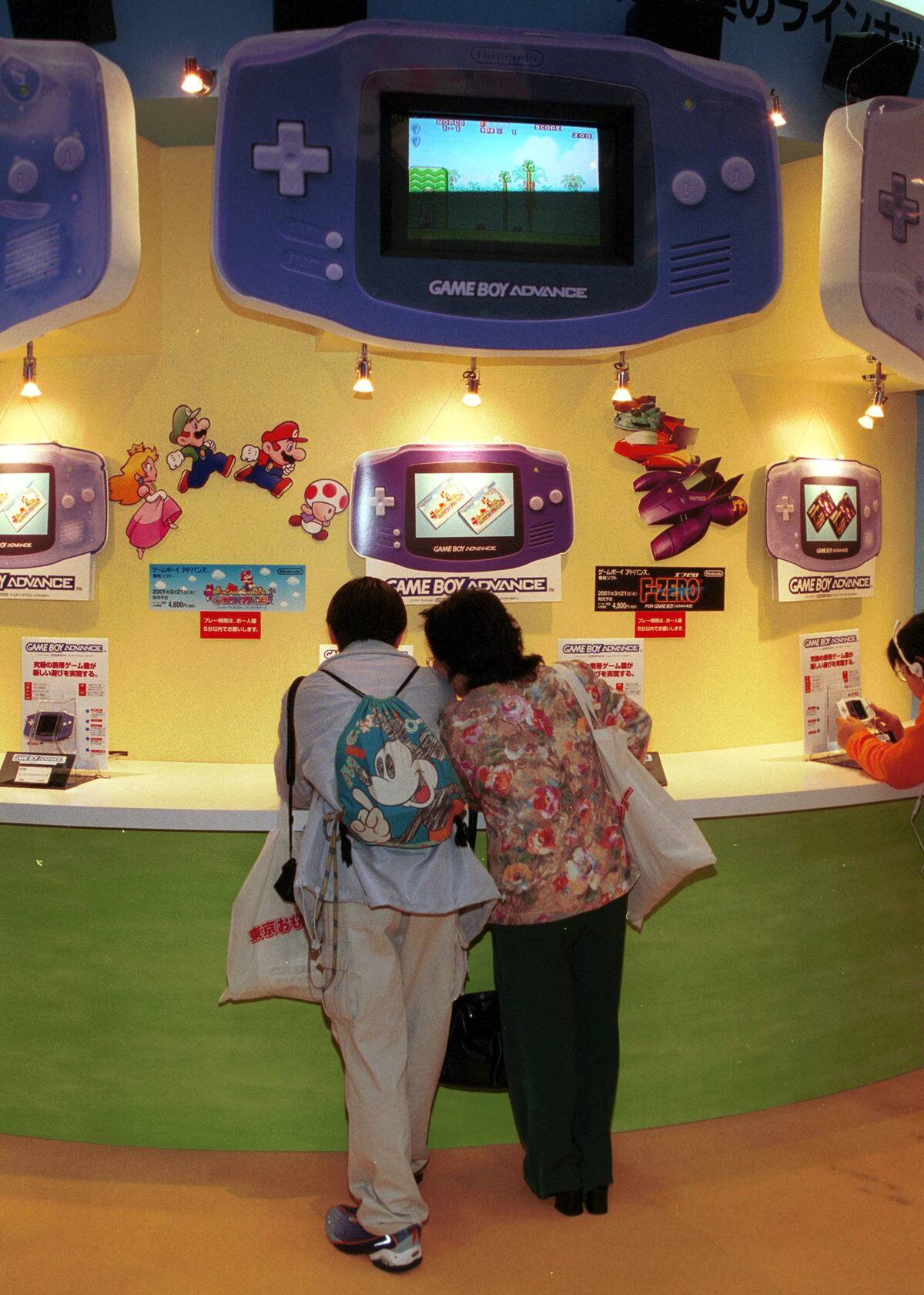
Nintendo chose the toughest classroom for its pop quiz: the New York City metro area in October 1985. The plan was simple but gutsy—place the NES in a limited number of toy and electronics stores, flood the zone with demos and ads, and see if skeptical shoppers would bite during the holiday crush. Nintendo dressed aisles with kiosks, trained store staff, and promised retailers they wouldn’t be stuck with unsold stock.
The bet paid off. Strong word of mouth, hands‑on displays, and one runaway plumber moved systems. Encouraged, Nintendo ran a second major test in early 1986 in Los Angeles and surrounding markets, then rolled out to more cities. By the 1986 holiday season, the NES was visible nationwide, and by 1987 it had become the de facto choice for families ready to return to game nights in the living room.
R.O.B., the Robot: Nintendo’s toy-aisle Trojan horse
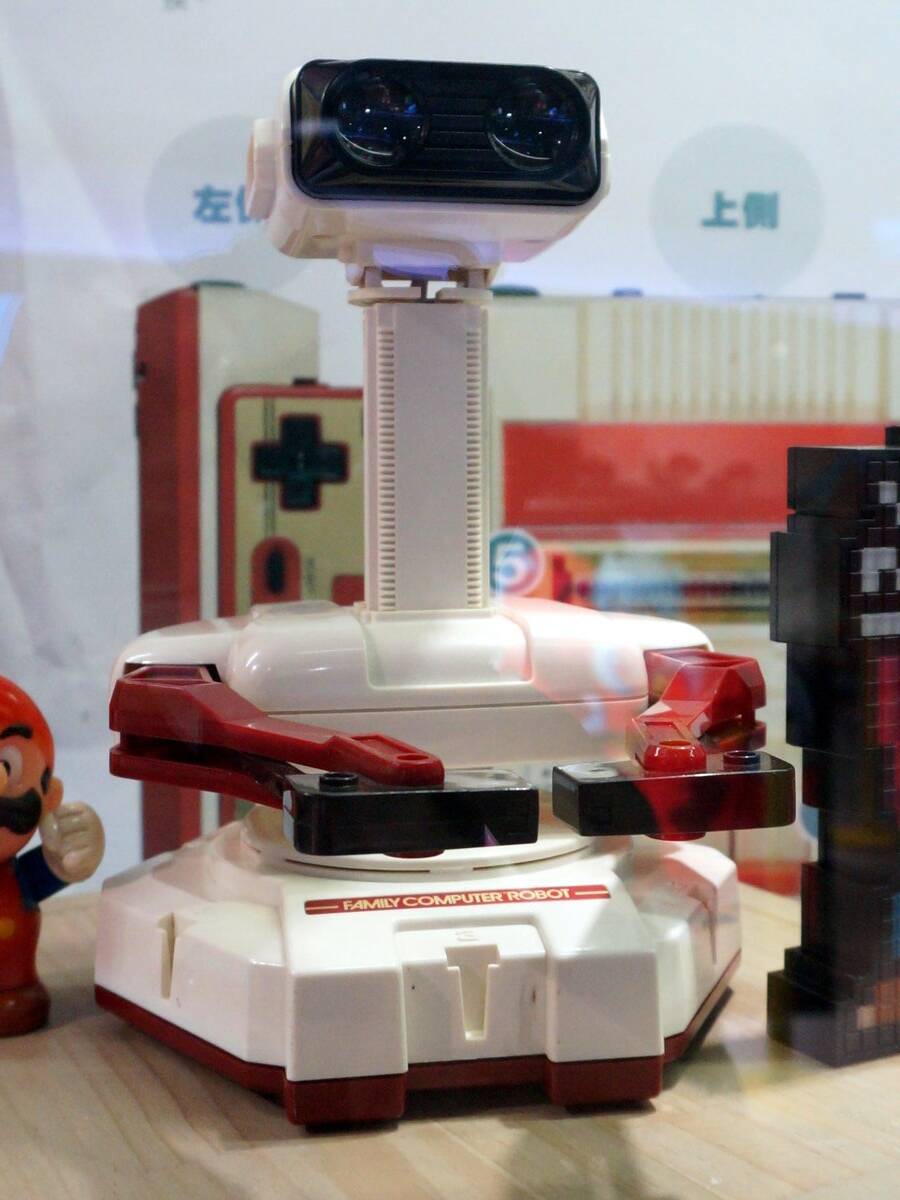
Meet R.O.B.—the Robotic Operating Buddy—a squat, gray robot that watched your TV and responded to on‑screen flashes. To a wary toy buyer, R.O.B. made the NES look less like a console and more like the season’s coolest gadget. He wasn’t just an accessory; he was a headline that got the system into toy catalogs, storefront windows, and skeptical meetings where “robot” sounded safer than “video game.”
As a game device, R.O.B. was brief but memorable. He officially supported two titles: Gyromite and Stack‑Up, both built around his slow, hypnotic arm movements triggered by CRT light cues. The novelty faded, but the strategy worked. R.O.B. earned the NES shelf space it needed, then politely stepped aside while Mario and friends carried the catalog. Today, he’s an icon of Nintendo’s clever entry strategy—and a cherished oddity for collectors.
Boxes that told a story: Deluxe, Control Deck, and Action Set explained
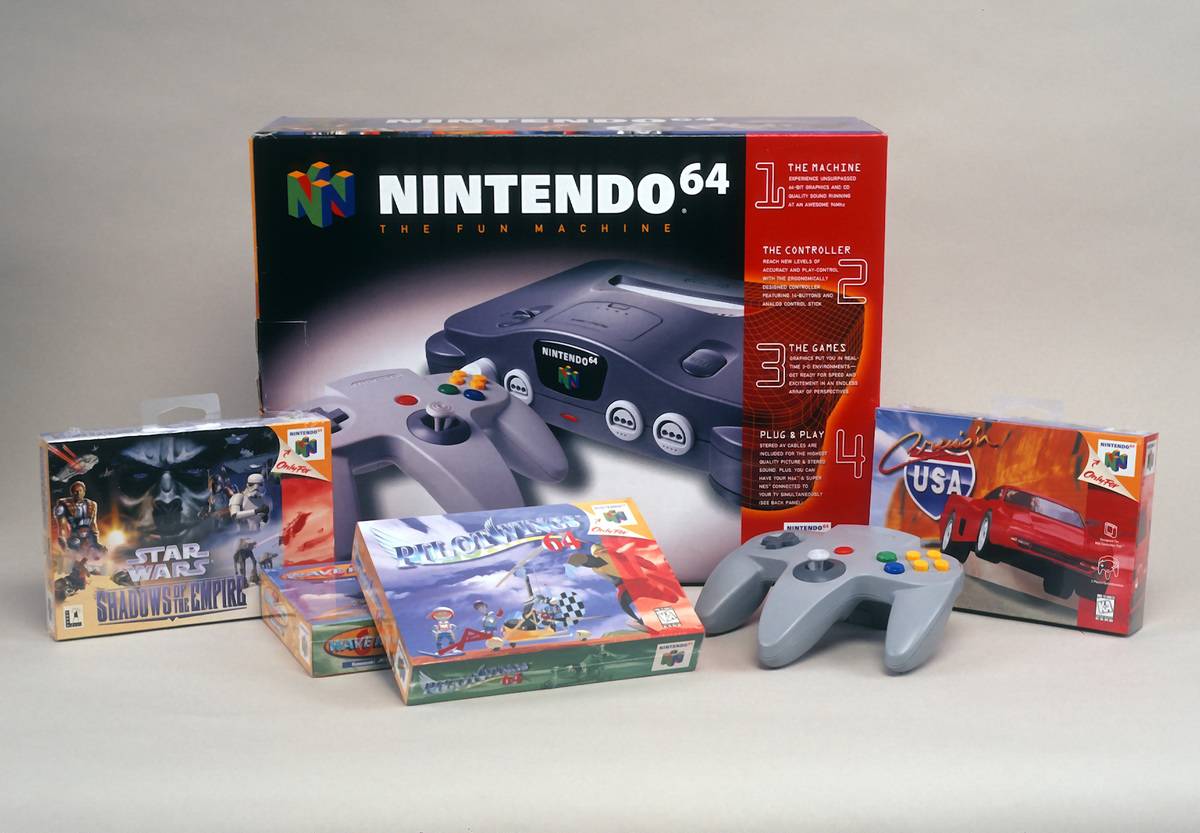
Nintendo turned bundles into narratives. The Deluxe Set was the “wow” package: NES console, two controllers, the Zapper light gun, R.O.B., and two games—Gyromite and Duck Hunt—packed into one big box. It screamed value, spectacle, and variety, the perfect pitch for gatekeeper parents and toy buyers. The big robot on the front didn’t hurt. This set defined the New York test era and made the NES feel like a complete ecosystem on day one.
The Control Deck was the no‑frills option: console and two controllers, initially without a game, later commonly bundled with Super Mario Bros. for a tighter price. The Action Set nailed the sweet spot as the market matured: console, two controllers, a Zapper, and the Super Mario Bros./Duck Hunt combo cartridge. Early Zappers were gray; later runs turned a high‑visibility orange to align with toy‑safety aesthetics and reduce confusion with real firearms.
Click, zap, wow: the Light Gun, Duck Hunt, and the art of living-room theatrics
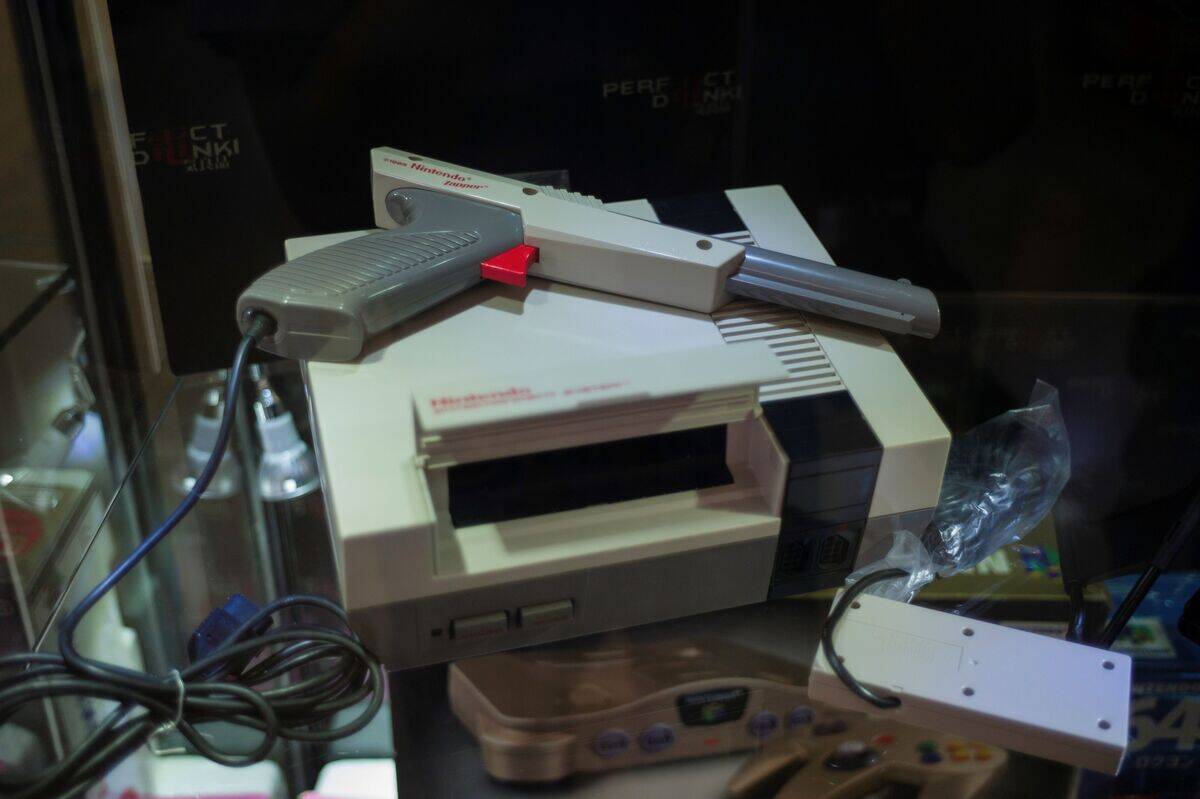
The NES Zapper was a clever piece of optics. When you pulled the trigger in Duck Hunt, the screen flashed black, then drew bright boxes where ducks (or targets) sat. A sensor in the Zapper checked for that sudden blast of light at the right moment; a hit meant quacking doom. Because it relied on the rapid scan of CRTs, the Zapper doesn’t play nicely with most modern LCDs—an artifact of a very specific era of television technology.
Nintendo leaned into showmanship.
Duck Hunt’s cackling dog became a household celebrity, and Hogan’s Alley turned the TV into a police‑training gallery with cardboard‑cutout flair. Families passed the Zapper around between Thanksgiving leftovers and Saturday‑morning cartoons, turning the living room into a carnival booth. As the years rolled on, the Zapper’s shell went from gray to orange for clarity and caution—visual proof that Nintendo was watching details beyond the screen.
The secret chip with a big job: 10NES lockout and the birth of “approved” games
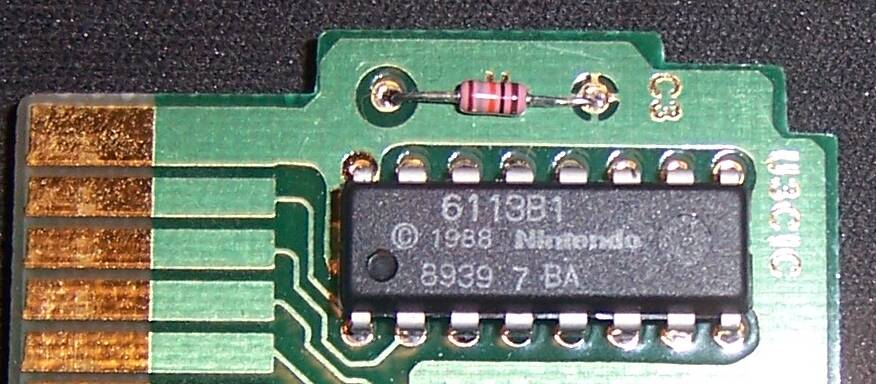
Hidden inside the NES was a security handshake called 10NES: a lockout chip in the console chatted with its counterpart in every licensed cartridge. If the greeting failed, the system reset repeatedly—the blinking‑light purgatory many players remember. The goal wasn’t to annoy; it was to prevent unlicensed, low‑quality games from flooding stores again, and to give Nintendo control over manufacturing and supply.
Not everyone played along. Unlicensed publishers tried voltage tricks to stun the lockout or reverse‑engineered their own chips. Atari Games’ Tengen label famously decapped and cloned the security to publish without Nintendo’s approval, sparking lawsuits that defined the legal battleground of the late ’80s and early ’90s. The fights underscored a new reality: consoles would henceforth be gated ecosystems, with “approved” stamps and platform rules.
That shiny seal you remember: rebuilding trust with the Nintendo Seal of Quality
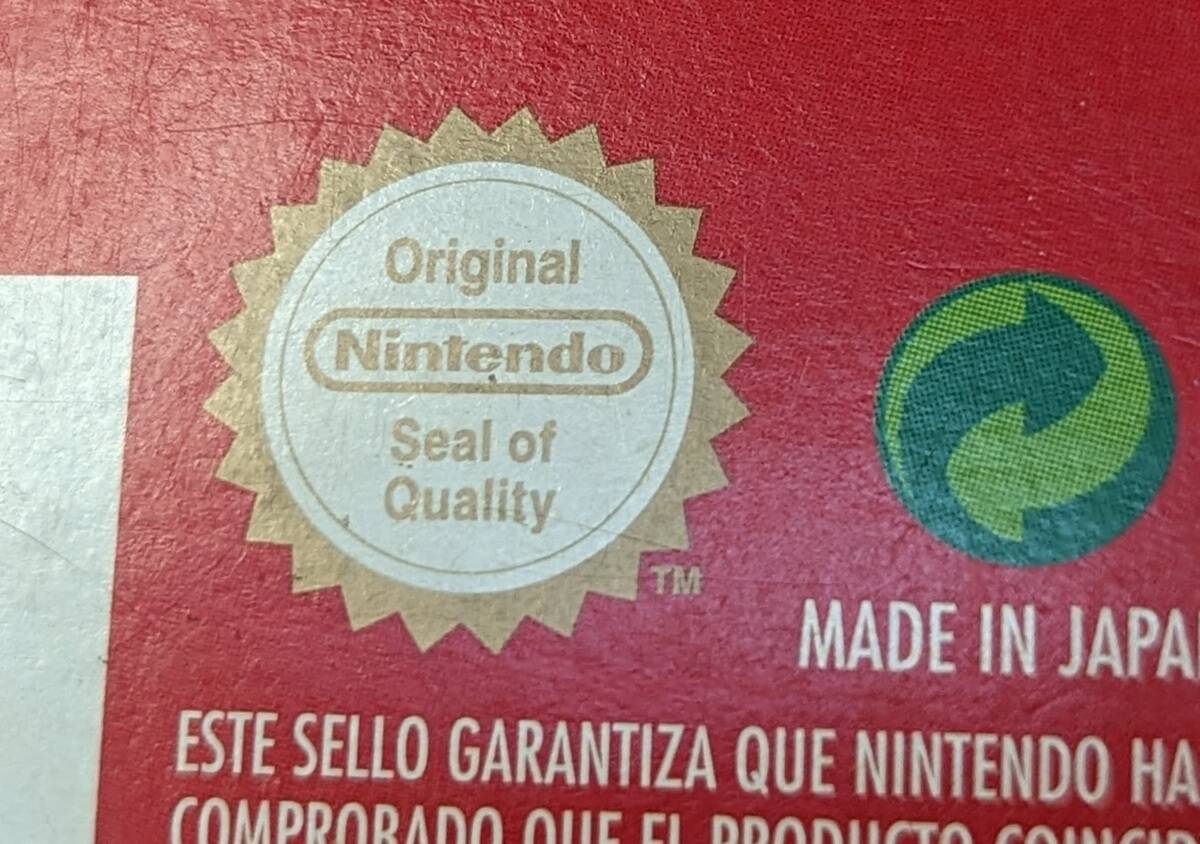
Flip any NES box and you’ll see it: a gold oval—the Nintendo Seal of Quality. In 1985 America, that emblem wasn’t just decoration; it was a promise that the cartridge inside met Nintendo’s standards for compatibility and basic reliability. After years of glitchy ports and broken peripherals, the seal turned into a simple, effective signal: this won’t waste your allowance or your weekend.
Crucially, the seal wasn’t a review score or guarantee that every game was a masterpiece. It meant the product was officially licensed, tested to work properly with the hardware, and compliant with content and technical guidelines. The symbolism mattered. Parents learned to look for it. Retailers leaned on it to decide what to stock. The seal helped stitch trust back together, one shrink‑wrapped rectangle at a time.
We’ll take the risk: guarantees, store demos, and Nintendo’s hands-on retail hustle
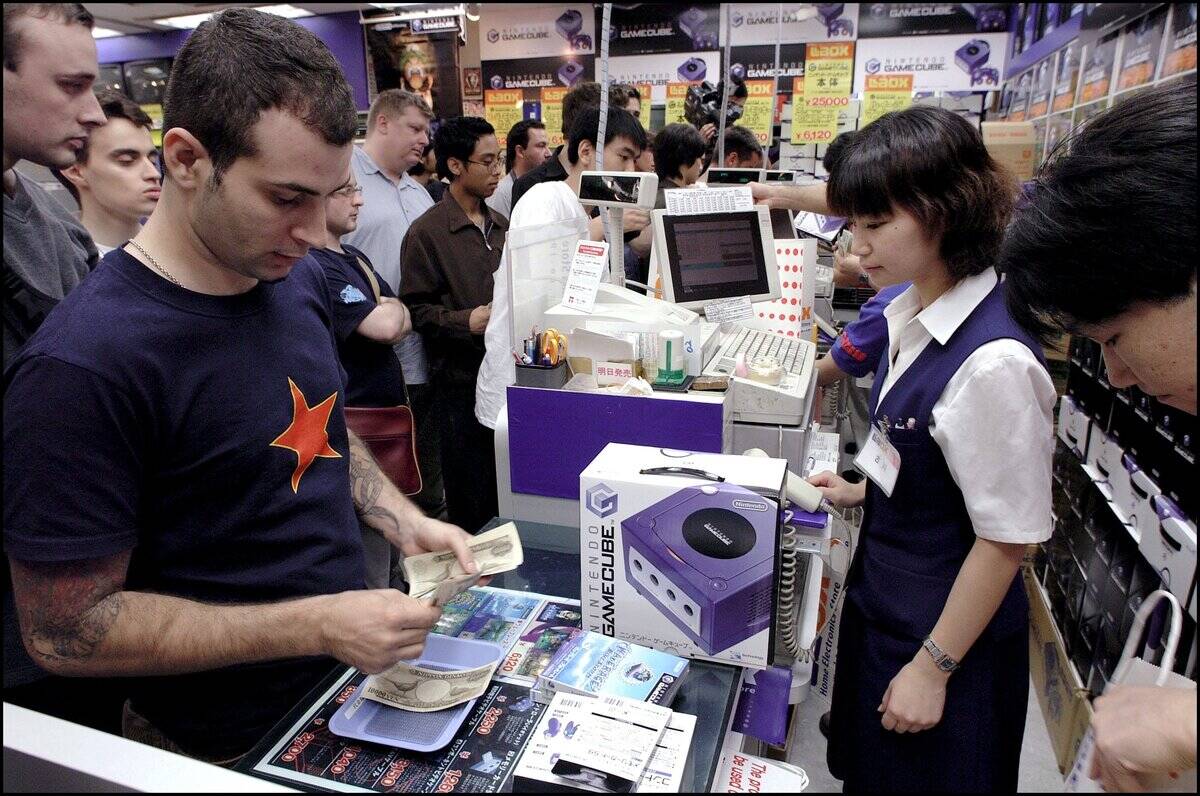
To get on shelves, Nintendo flipped the script: it offered to take back unsold systems from the New York test and funded in‑store displays and advertising. Those guarantees made weary buyers listen. Demo kiosks let kids try before pleading, and point‑of‑purchase materials turned aisles into mini‑arcades. Nintendo didn’t just ask for space; it dressed the stage and stayed to run the show.
The hustle extended beyond rollout. Field reps visited stores, trained staff, and refreshed endcaps. Nintendo seeded review units with newspapers, set up mall tours, and built a service network that repaired consoles quickly so goodwill didn’t evaporate in shipping delays. It was hands‑on, unglamorous work—precisely the kind that turned a tentative test into a trusted brand.
Launch-day vibes: early game lineup and the moment Super Mario leapt stateside
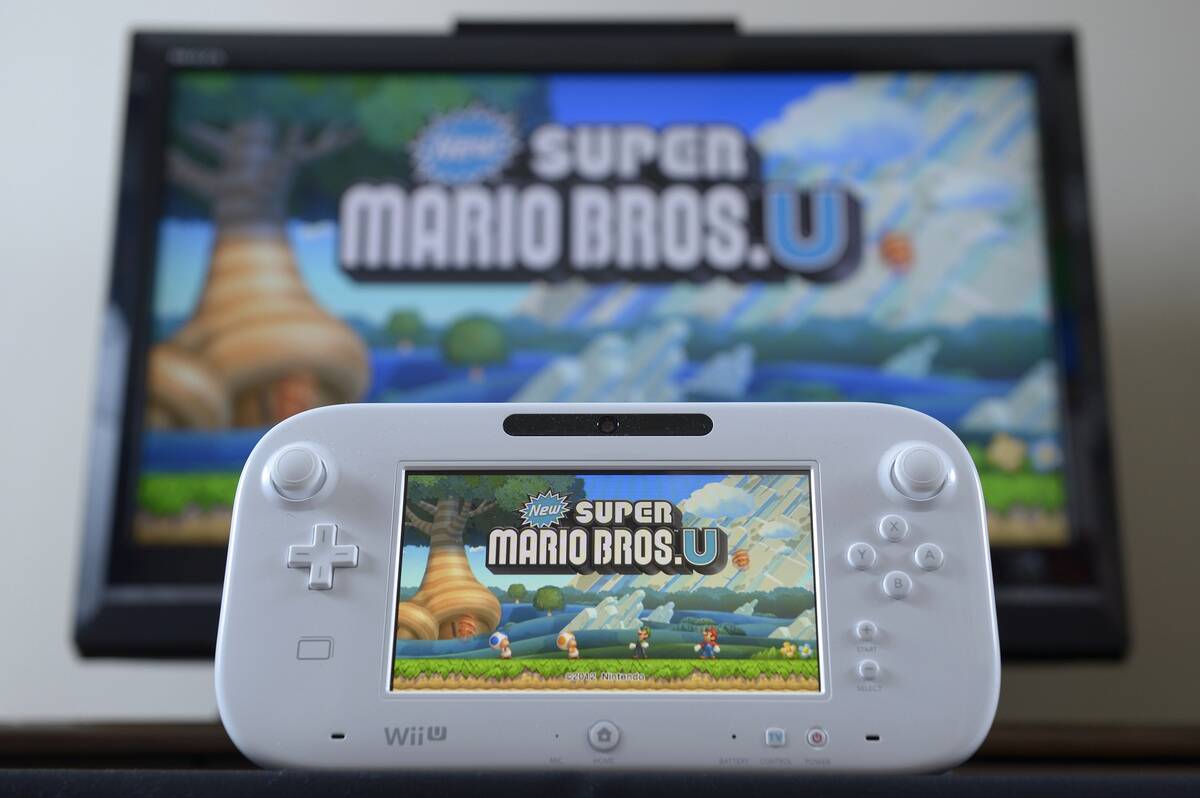
The New York test launched with roughly 17 titles that showed range: sports like Baseball and Tennis, arcade‑style blasts such as Excitebike and Ice Climber, light‑gun trials like Hogan’s Alley and Duck Hunt, and curios including Gyromite and Stack‑Up for R.O.B. But the gravitational center was Super Mario Bros., whose side‑scrolling playground felt massive compared with most home games of the time. Its physics, secrets, and music made the controller hard to put down.
That first impression mattered. Super Mario Bros. arrived in the U.S. in 1985 and quickly became the NES’s calling card, bundled in sets and headlining store kiosks. As rollout expanded in 1986 and the catalog grew with Kung Fu, 10‑Yard Fight, Clu Clu Land, Wrecking Crew, and more, one fact crystallized: the NES wasn’t a one‑trick pony. It had a library with legs—and a mustachioed ambassador America adored.
The carpenter becomes a superstar: how Miyamoto’s worlds won American hearts

Before he was a plumber, Mario was a carpenter named Jumpman in 1981’s Donkey Kong. His new name reportedly came from Mario Segale, the landlord of Nintendo’s early U.S. warehouse—one of gaming’s great bits of office folklore. Under designer Shigeru Miyamoto, Mario evolved into a nimble, joyful avatar for discovery. Super Mario Bros. distilled that philosophy: teach through play, surprise around corners, and reward curiosity with fireworks and warp pipes.
Miyamoto’s touch didn’t end there. The Legend of Zelda reached the U.S. in 1987 with a gold cartridge and a battery‑backed save, a revelation for console adventuring. Exploratory, non‑linear, and secret‑stuffed, it invited maps on graph paper and sibling strategy summits on the couch. Between Mario’s kinetic runs and Zelda’s open‑ended quests, Miyamoto’s worlds gave American players something they hadn’t had at home: enduring, authored adventures.
Strict but savvy: licensing rules that shaped Capcom, Konami, and friends on NES
Nintendo’s third‑party program was tight by design. Licensees agreed to a yearly game cap—commonly remembered as five titles—to prevent floods. They manufactured cartridges through Nintendo, buying minimum orders, which gave Nintendo control of supply and quality. Ports to rival systems were delayed by exclusivity windows. Content and technical guidelines aimed to keep bugs and objectionable material off shelves and to preserve a consistent standard for parents and retailers.
The rules pushed publishers to focus. Konami even created a U.S. imprint, Ultra Games, to release more titles under the cap. Within the framework, studios flourished: Capcom’s Mega Man, Konami’s Castlevania and Contra, Tecmo’s Ninja Gaiden, and Square’s Final Fantasy (via a U.S. localization) built loyal followings. The system wasn’t universally loved, but it produced a remarkably strong, steady pipeline of hits—and far fewer duds.
Hotlines, newsletters, and power: from Fun Club to Nintendo Power’s rise
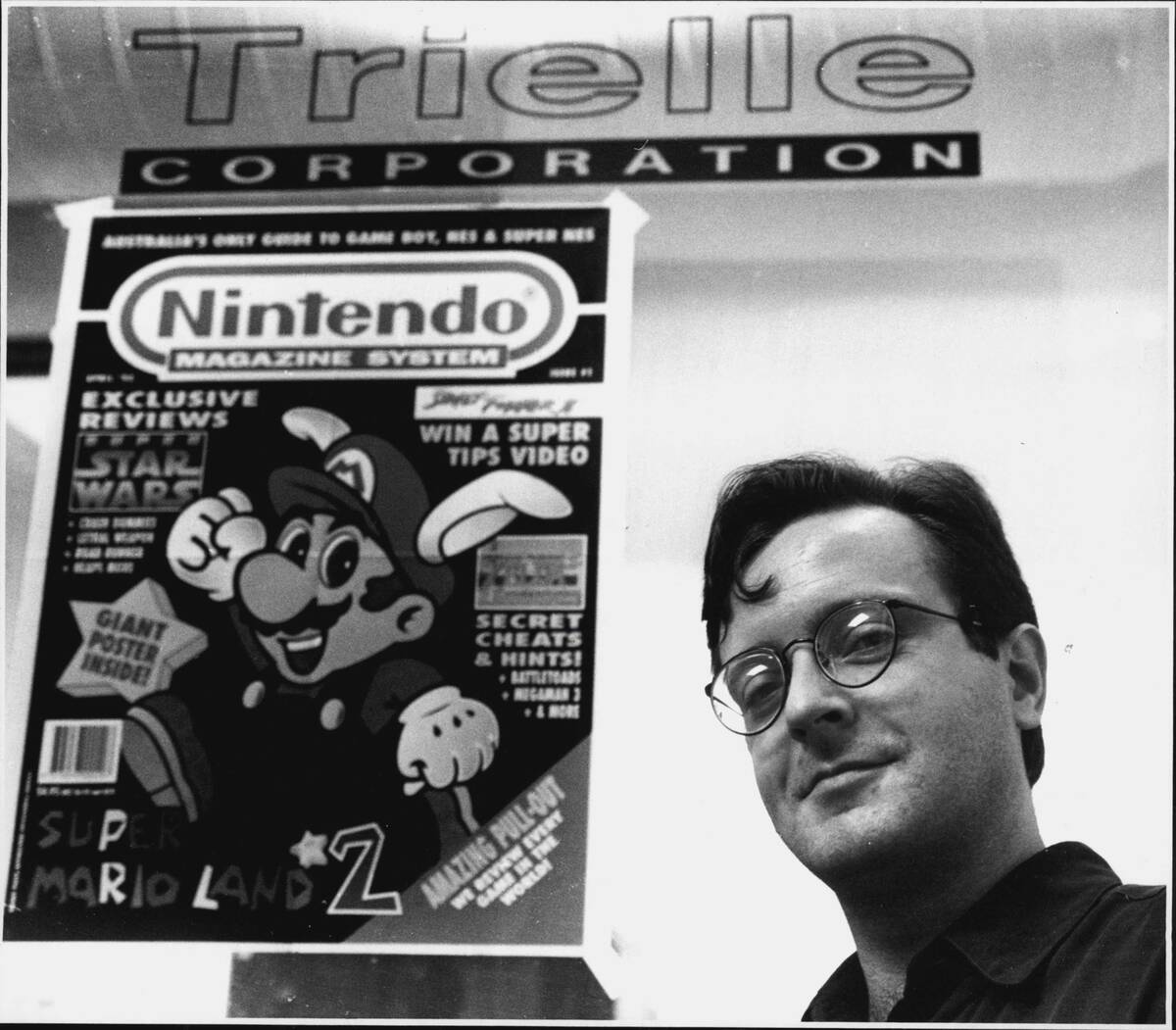
Before magazines piled up on bedroom floors, the Nintendo Fun Club arrived in 1987 as a free newsletter. It mailed tips, maps, cheat codes, and interviews to hundreds of thousands of members, with Howard Phillips cheerfully steering players toward secrets. Alongside it, Nintendo staffed a phone hotline with Game Counselors in Redmond, Washington—real humans who played the games and could walk you through Death Mountain or Dr. Wily on a lunch break.
The Fun Club evolved into Nintendo Power in mid‑1988, a full‑color magazine whose debut issue famously featured a clay‑model Mario from Super Mario Bros. 2. Packed with fold‑out maps, classified information, and rankings, it turned strategy into spectacle and sealed loyalty between releases. For many kids, the counselor’s number on the fridge and a fresh issue in the mailbox were as essential as a second controller.
What didn’t cross the ocean: Disk System dreams and other Japan-only ideas
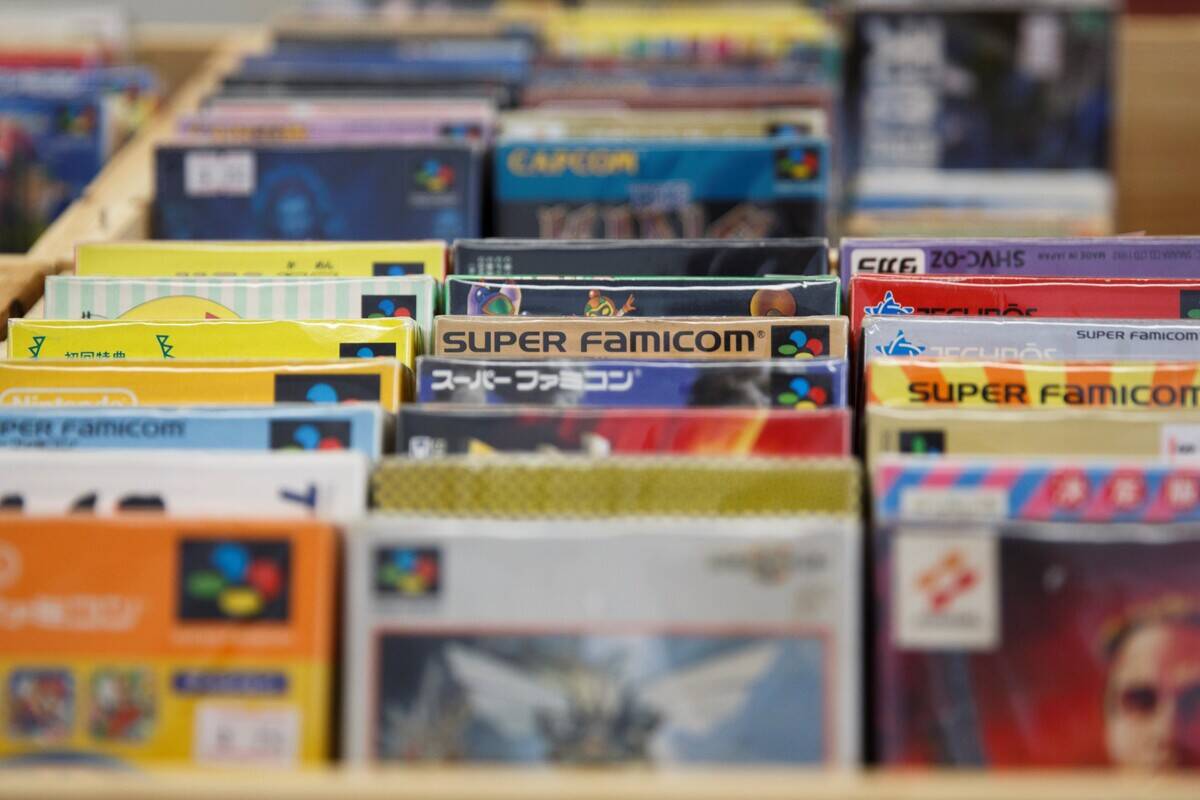
Japan’s Famicom Disk System, released in 1986, used rewritable floppy disks and a RAM add‑on to deliver bigger games and save files cheaply. Titles like the original versions of The Legend of Zelda and Metroid debuted there on disk. But the U.S. never saw the add‑on. Disk wear, piracy risks, and rapidly falling ROM costs for cartridges made the format less attractive by the time the NES took off stateside.
Plenty of other curios stayed in Japan: a second Famicom controller with a built‑in microphone, a Famicom Modem for dial‑up services, the Family BASIC keyboard with a tape data recorder, and stereoscopic 3D shutter glasses for select games. The NES did get many of the same adventures—but with battery saves, mapper chips, and bigger cartridges instead of the disk‑drive detour.
Lasting impact: how NES rewired retail, revived an industry, and set the playbook
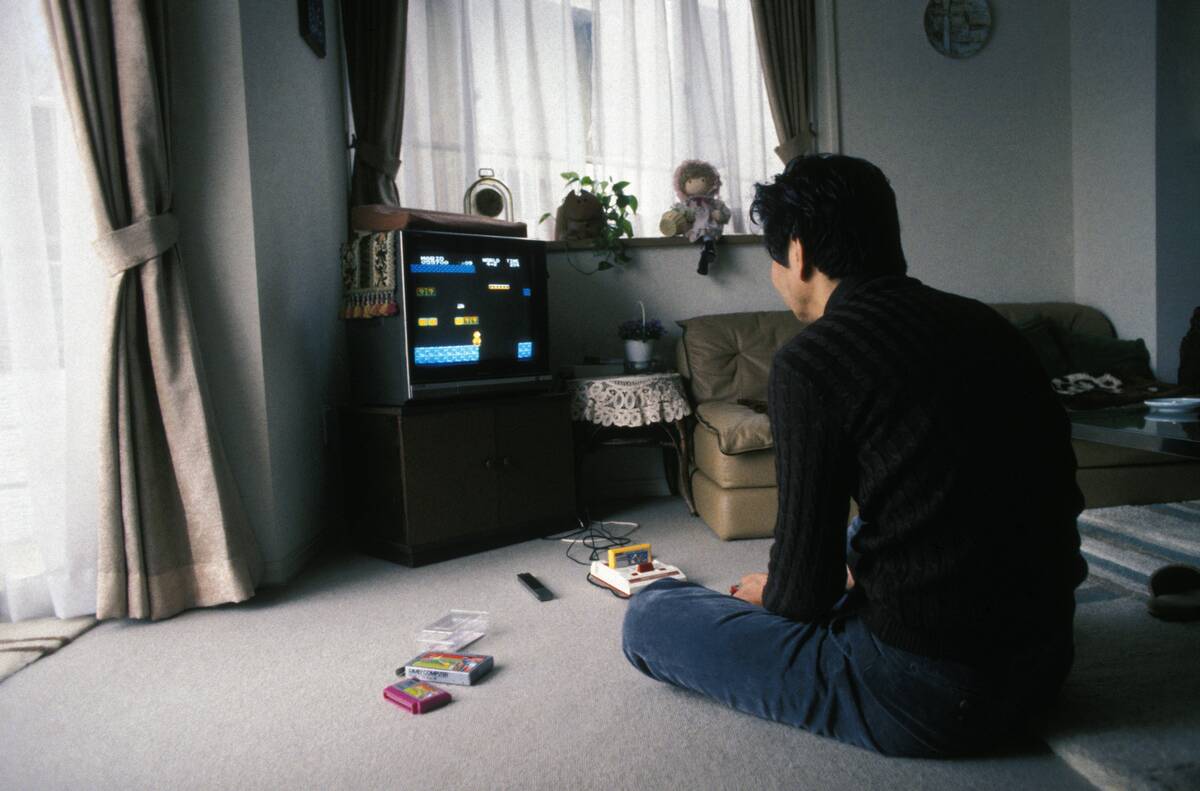
By 1989, the NES commanded the lion’s share of the U.S. home console market—often cited around 80–90%—and helped lift video game revenues back into the billions by decade’s end. It didn’t just sell hardware; it restored faith. Retailers embraced curated shelves, parents found a brand they could trust, and developers discovered that disciplined platforms could still feel wildly creative.
The template stuck. Front‑of‑store demos, strong pack‑ins, clear branding, rigorous licensing, and a visible approval seal became industry norms. The NES era proved that hardware is only half the story; the rest is relationships, rules, and the kind of software that makes you forget the clock. Quietly—then all at once—the gray box taught everyone how to play again.