Rituals that served practical, not spiritual purposes
Rituals are often associated with religious or spiritual practices, but their roots stretch far beyond the sacred. These structured activities have evolved to serve practical purposes in everyday life, binding communities and guiding societal norms.
From ancient times to the present, rituals have been integral to human interaction and cultural development. By examining the diverse roles they play, we can appreciate how they shape our daily routines and social interactions.
The Ancient Art of Bread Breaking: A Practical Gesture of Sharing

Breaking bread together is one of humanity’s oldest rituals, symbolizing unity and trust. In ancient Rome, bread was not just sustenance; it was a tool for diplomacy and community building. Sharing bread solidified alliances and fostered camaraderie among people.
Today, this simple act continues to bring people together, whether at family dinners or community gatherings, highlighting its enduring significance in social cohesion.
Tea Time Traditions: More Than Just a Sip
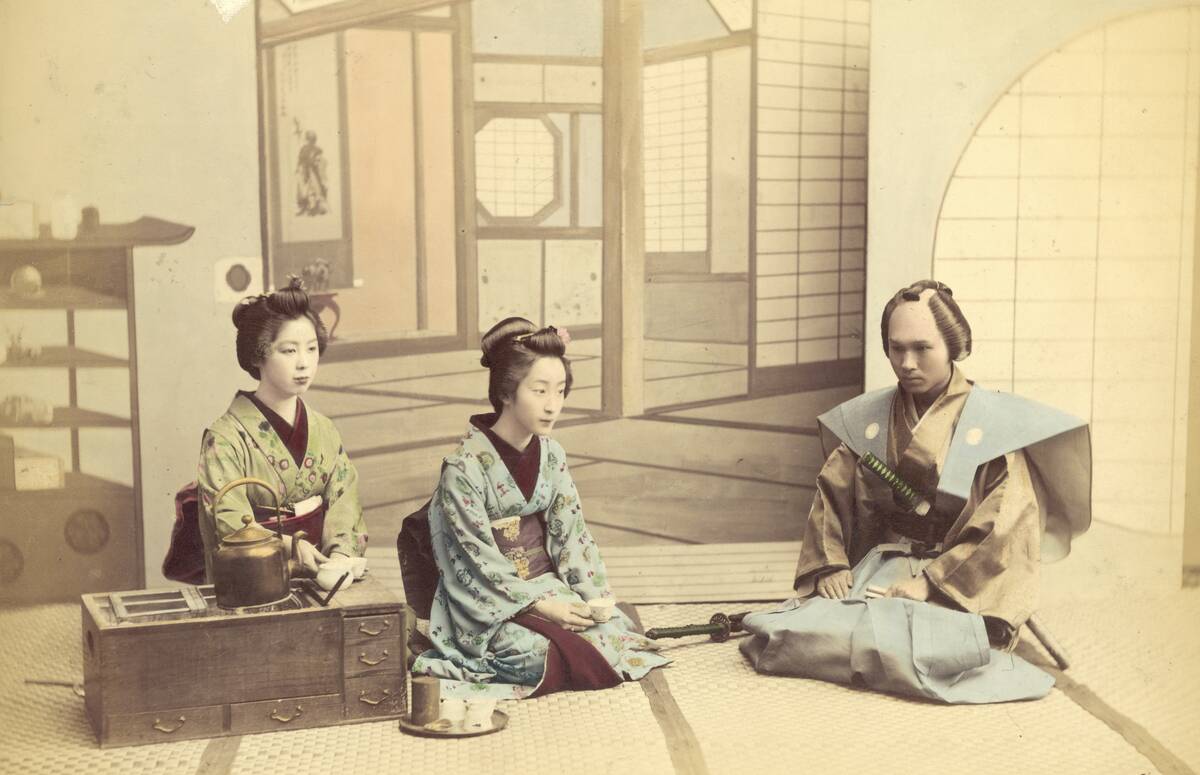
Tea ceremonies, from Japan’s intricate rituals to Britain’s afternoon tea, reflect cultural values and social etiquette. In the 17th century, tea became a symbol of sophistication in England, expanding from the elite to the masses.
These gatherings weren’t just about drinking tea; they were opportunities for conversation and connection. The tradition of tea time persists as a moment to pause, reflect, and engage with others, proving its timeless relevance.
The Handshake: A Historical Pact of Peace and Trust

The handshake is a gesture steeped in history, originally signifying peace by showing neither party held a weapon. Ancient Greeks and Romans used it as a public display of trust and agreement.
Over time, this simple clasp of hands evolved into a universal symbol of greeting and parting. Despite its formal roots, the handshake remains a personal and professional staple, embodying mutual respect and understanding in diverse cultures.
Harvest Festivals: Celebrating Agricultural Success

Harvest festivals are joyous occasions marking the end of the growing season, celebrating abundance and community. In North America, Thanksgiving traces back to the Pilgrims’ 1621 harvest feast, while Europe’s Lammas Day involves baking bread from the first wheat.
These celebrations acknowledge the hard work of farming, offering thanks and reinforcing communal bonds. By honoring the earth’s bounty, harvest festivals emphasize gratitude and shared prosperity.
Knocking on Wood: A Tangible Reminder of Caution and Care

The ritual of knocking on wood to ward off bad luck is believed to have ancient origins. Some attribute it to pagan beliefs where spirits resided in trees, while others link it to Christianity’s wooden cross.
Despite its mysterious beginnings, this practice endures as a simple, reassuring gesture of protection. By knocking on wood, people express hope and caution, merging superstition with a touch of practicality in everyday life.
Grooming Habits: From Hygiene to Social Rituals
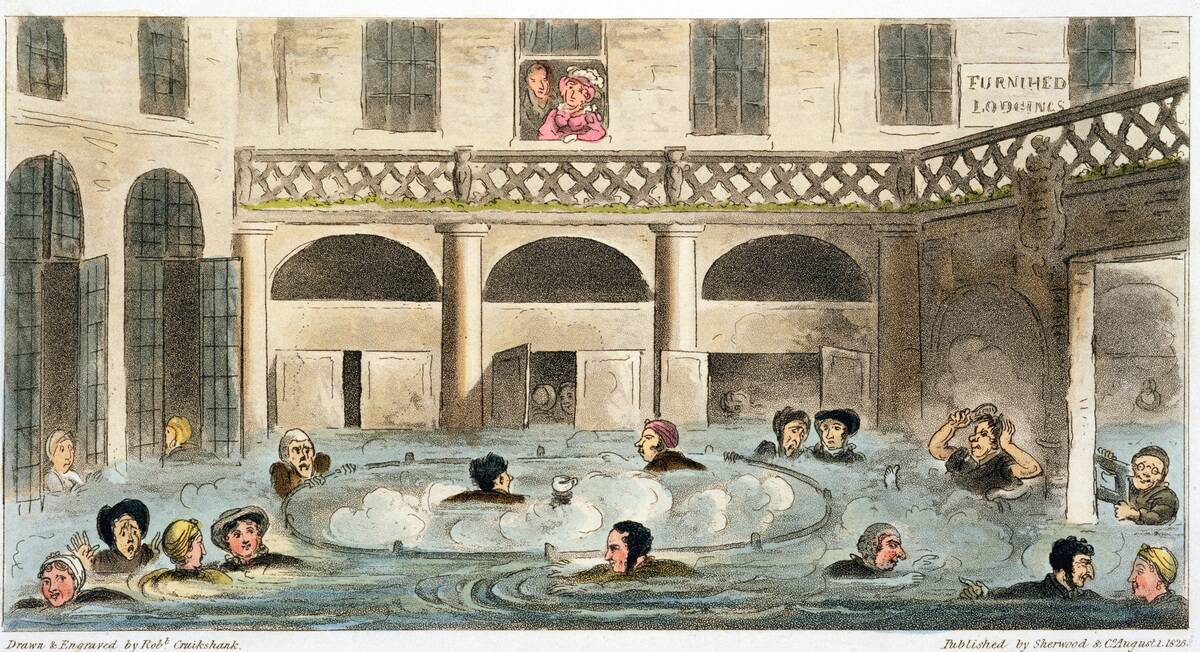
Grooming rituals have evolved from basic hygiene practices to complex social customs. Ancient Egyptians used scented oils and cosmetics for cleanliness and status, while the Romans popularized public baths as social hubs.
Today, grooming extends beyond personal care, influencing fashion and self-expression. These routines not only maintain health but also reflect cultural standards and personal identity, illustrating the intricate interplay between practicality and social dynamics.
Ringing Bells: Signaling Time and Community Gatherings

Bells have long been used to mark time and gather communities, from church bells calling to worship to town criers announcing news. In medieval Europe, bells regulated daily life, signaling work hours and curfews.
Their resonant tones unified people, creating a shared sense of order and purpose. Today, bells continue to serve as reminders of tradition and community, ringing in celebrations and solemn occasions alike.
The Practice of Gift Giving: Cementing Bonds and Alliances

Gift-giving is a universal ritual that transcends cultures and time, symbolizing goodwill and reciprocity. In ancient times, gifts were exchanged to forge alliances and demonstrate loyalty.
The tradition persists in modern society, with gifts marking holidays, milestones, and expressions of gratitude. By giving and receiving gifts, people strengthen relationships and affirm social ties, highlighting the enduring power of generosity and connection.
The Communal Meal: Building Community and Cooperation

Communal meals have been central to human interaction, fostering a sense of belonging and cooperation. In ancient Greece, symposiums combined dining with intellectual discourse, while medieval feasts celebrated victories and alliances.
By sharing food, people create bonds and promote equality, breaking down social barriers. Today’s potlucks and family dinners continue this tradition, emphasizing the importance of gathering around a table to share not just food, but also experiences.
Seasonal Cleaning: Practical Preparations for Change

Seasonal cleaning rituals have roots in various cultural traditions, marking transitions and renewal. Spring cleaning, for example, is believed to originate from Jewish Passover preparations, where homes are thoroughly cleaned of leavened bread.
In Iran, Nowruz includes ‘khaneh tekani,’ or house shaking, to welcome the new year. These practices reflect a desire for fresh starts and order, preparing both spaces and minds for the changing seasons.
The Art of Tattooing: Marking Identity and Belonging

Tattooing is an ancient art form that serves as a powerful expression of identity and belonging. Indigenous cultures have used tattoos for centuries to signify rites of passage, status, and spiritual beliefs.
In Polynesia, intricate tattoos tell stories of ancestry and achievements. Today, tattoos continue to be a popular means of self-expression, with modern designs reflecting personal narratives and cultural heritage, bridging past traditions with contemporary aesthetics.
Sports Rituals: Team Building and Strategy in Action

Sports rituals, from pre-game huddles to victory celebrations, are integral to team dynamics and performance. These practices foster unity, focus, and motivation, creating a shared sense of purpose.
In rugby, the haka performed by New Zealand’s All Blacks is a fierce display of heritage and camaraderie. Rituals like these strengthen team bonds, enhance strategic thinking, and inspire athletes to achieve their best, highlighting the synergy between tradition and athleticism.
The Ritual of Storytelling: Passing Down Knowledge and Experience

Storytelling has been a vital ritual for preserving history and culture, connecting generations through shared narratives. Oral traditions in African and Native American cultures convey wisdom, values, and lessons, ensuring continuity and identity.
In today’s digital age, storytelling remains a powerful tool, with books, films, and podcasts capturing and disseminating stories worldwide. This enduring ritual underscores the human need for connection and understanding through the power of words.
Morning Routines: Creating Productivity and Focus

Morning routines are personal rituals that set the tone for the day, enhancing productivity and focus. From Benjamin Franklin’s structured plans to modern practices like meditation and exercise, these routines prioritize mental and physical well-being.
Establishing a consistent morning routine can improve mood and efficiency, providing a sense of control and purpose. By starting the day with intention, individuals can better navigate the challenges and opportunities that lie ahead.
The Ceremony of Graduation: Marking Educational Achievement

Graduation ceremonies are significant milestones that celebrate educational achievements and new beginnings. Originating in medieval Europe, these rituals have evolved to include caps, gowns, and diplomas, symbolizing academic accomplishments.
With speeches and processions, graduations honor hard work and perseverance, offering a moment of reflection and anticipation. As graduates transition into new chapters, the ceremony provides a sense of closure and encouragement, reinforcing the value of learning and growth.
Courting Rituals: Practical Steps Toward Partnership

Courting rituals have been essential in navigating romantic relationships, balancing tradition and individuality. In Victorian England, courtship was a formal process involving chaperoned visits and exchanged letters. Today, dating customs vary globally, influenced by cultural norms and technology.
Despite these changes, the core purpose remains: to build understanding and compatibility. Courting rituals highlight the importance of communication and connection in forming lasting partnerships, adapting to contemporary values while honoring timeless principles.




