24 prices that reveal how much life has changed
Open your receipt drawer and you’ll see a history lesson. After decades of mild inflation, prices sprinted in 2021–2022, with U.S. inflation peaking at 9.1% year over year in June 2022 before easing to roughly 3% territory in 2023–2024. Some categories cooled fast (like used cars), while services—think rent, travel, and eating out—stayed stubborn. That unevenness is why your grocery bill feels different from your streaming bill, and why a night out can cost more than your 2010 weekend getaway.
Wages moved, too, but not always in sync. Entry-level jobs now advertise $15–$20 an hour in many cities, yet the federal minimum wage remains $7.25, unchanged since 2009. Meanwhile, big-ticket items became gatekeepers: mortgages whipsawed as rates jumped from around 3% in 2021 to above 7% in 2023, and concert tickets added tiers, fees, and VIP everything. With that stage set, let’s trace the price tags that nudged daily life into a new budget reality.
Rent, roommates, and the vanishing $500 apartment
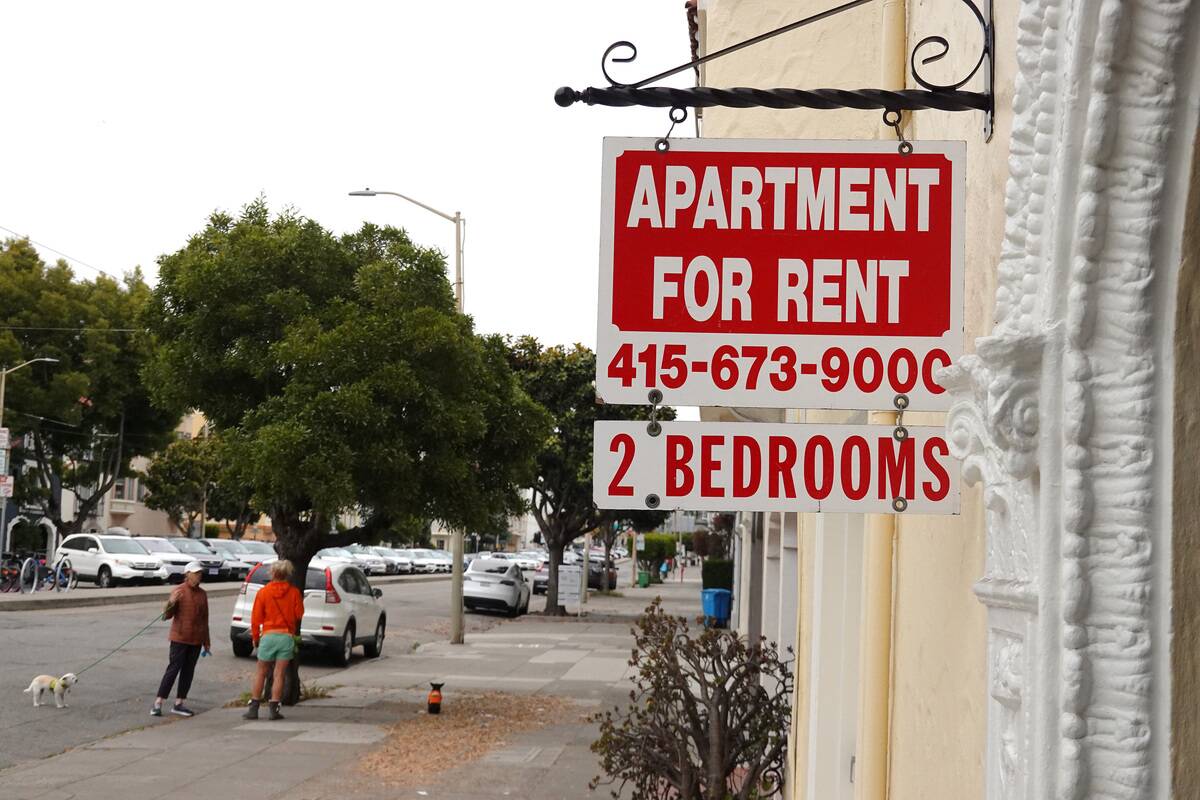
If you once split a $500 apartment, congrats—you’ve unlocked a relic. Typical U.S. asking rents broke $2,000 in 2022 on national indexes, then cooled slightly but remained elevated in 2023–2024. Sun Belt metros that lured remote workers—Austin, Phoenix, Tampa—saw double-digit jumps in 2021–2022 before supply finally caught up. Even small studios under $1,000 became rarer in many urban cores, and application fees, deposits, and pet rent quietly stacked onto the monthly line.
That sticker shock reshaped living arrangements. Census data show multigenerational and roommate households rising over the past decade, cushioning rent but testing privacy. Build-to-rent single-family neighborhoods exploded, giving apartment-weary tenants a yard—with HOA rules. Landlords leaned into algorithmic pricing and renewal offers that bounced up mid-lease cycles. Meanwhile, concessions returned in pockets—free months, gift cards—proof that when enough units hit the market, even today’s rent math will blink first.
Movie nights: when tickets and popcorn didn’t cost blockbuster money
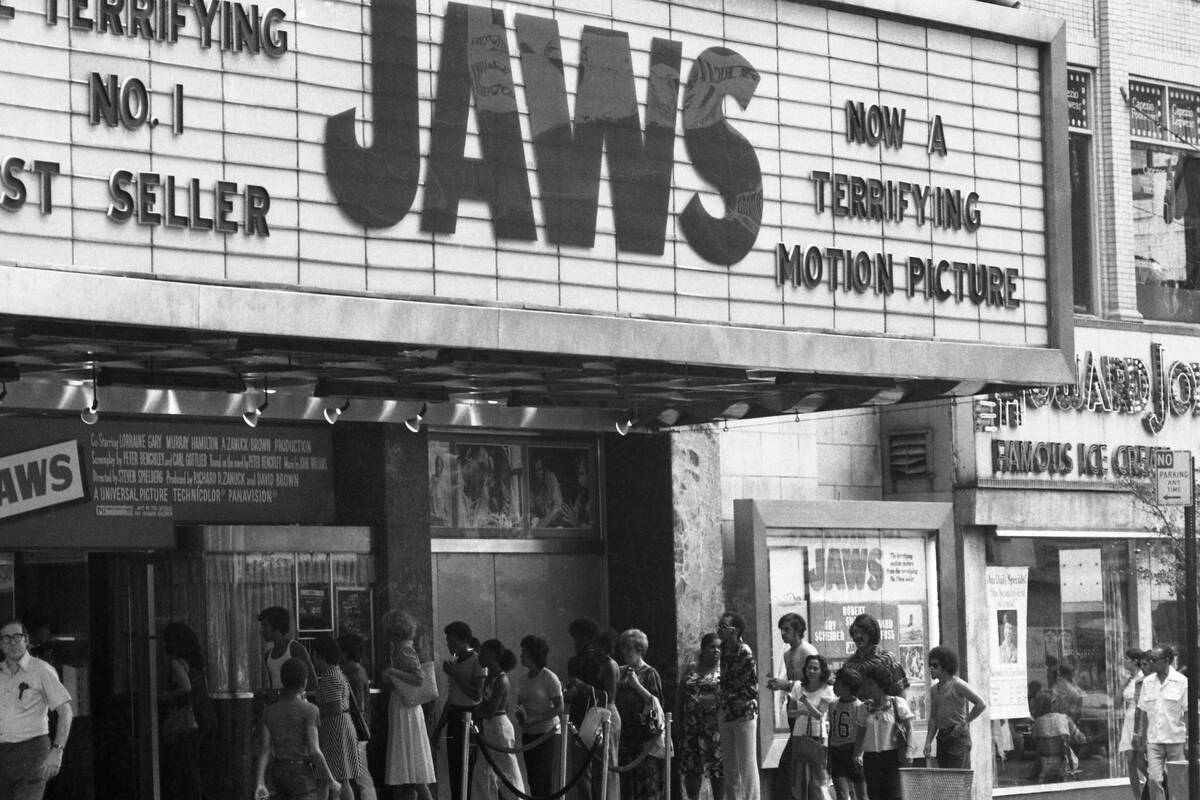
Remember matinees that felt like cheating the system? The average U.S. movie ticket hovered around $9–$11 in the late 2010s and early 2020s, rising after the pandemic as premium formats took center stage. IMAX and Dolby screenings can nudge prices into the high teens or $20+ in big cities. Concessions, long the theater’s profit engine, followed suit—many chains charge roughly $7–$10 for a large popcorn and $5–$7 for a soda, with refills often another upsell.
The model evolved to memberships: AMC Stubs A-List, Regal Unlimited, and Cinemark’s plans bundle multiple movies for a flat monthly fee, with blackout rules and surcharges for premium screens. Dynamic pricing trials—slightly costlier center seats—popped up, then softened after pushback. The twist? Streaming shortened theatrical windows for some titles, then swung back as studios realized big-screen box office still anchors franchises. Movie night lives on; it just has tier lists now.
Coffee: from pocket change to specialty splurge

Your everyday drip didn’t just wake up—it leveled up. Coffee commodity prices spiked in 2021–2022 on weather shocks and supply snags, while labor and rent pressed cafes from the other side. A basic 12–16 oz brewed coffee that was $1–$2 decades ago often lands near $2.50–$5 today in U.S. cities; espresso drinks push $4–$7 depending on milk, syrups, and size. Oat milk surcharges? Common, though some shops quietly dropped add-on fees to keep lines moving.
Specialty coffee made transparency a feature: single-origin beans, roast dates, and $18–$24 retail bags are standard at third-wave roasters. Subscription beans arrive at your door for $15–$25 per 12 oz, with seasonal blends selling out like streetwear drops. Meanwhile, national chains leaned into rewards apps, limited-time flavors, and order-ahead convenience—great for speed, tough on impulse control. It’s still caffeine, but now it’s also provenance, points, and personal preference.
Gas prices: the roller coaster that never ends
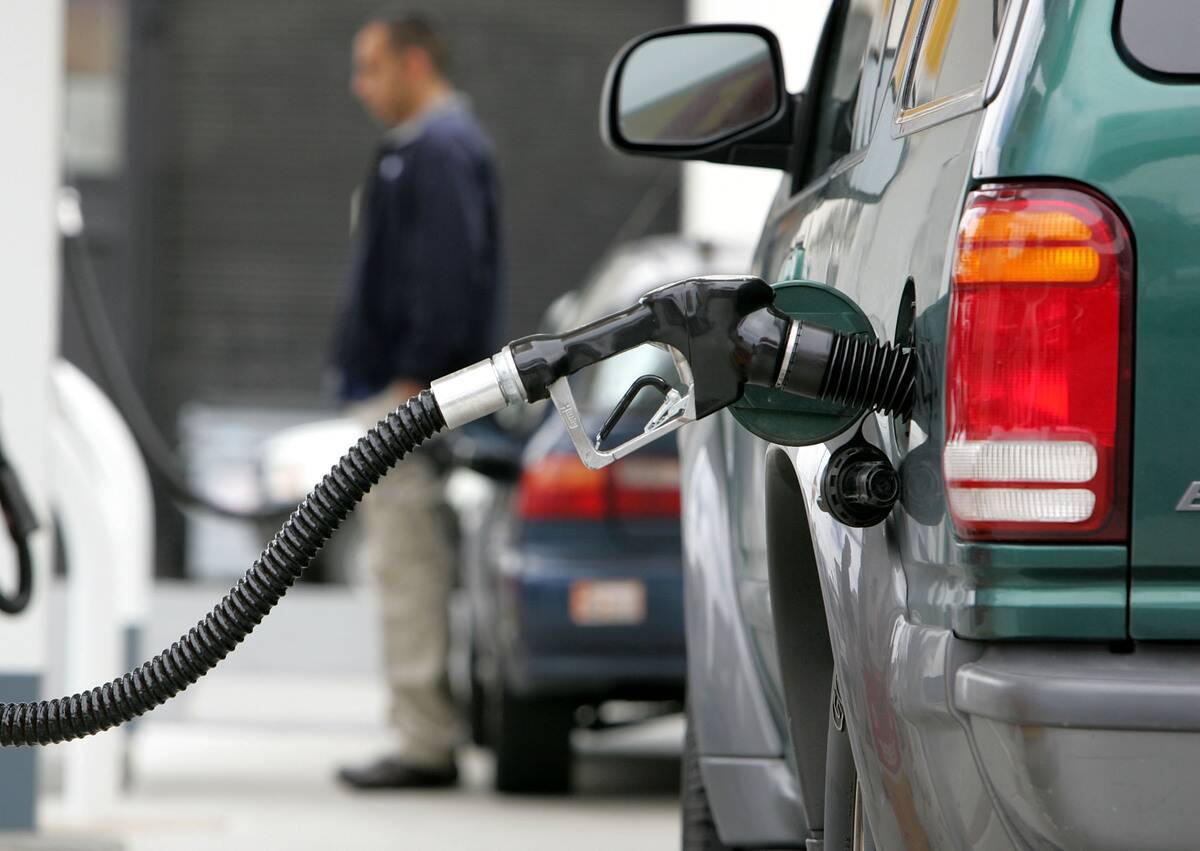
Gasoline turned volatility into a personality. U.S. average regular hit a record above $5 per gallon in June 2022 before retreating; in 2023–2024 it largely hovered between the mid-$3s and low-$4s, with regional quirks. West Coast drivers pay more due to taxes, formulations, and refinery dynamics; Gulf Coast prices regularly undercut the national average. Seasonal blends, hurricane season, and refinery outages still move the needle faster than your driving habits ever could.
EVs complicated the math in a good way. Electricity rates vary, but many drivers pay the equivalent of $1–$2 per “gallon” at home, then face pricier—and occasionally congested—fast chargers on road trips. Gas cards, warehouse clubs, and station loyalty trims a few cents per fill-up; tire pressure and slower acceleration trim a few more. But make peace with this truth: the station sign is a scoreboard for global events you can’t control.
Airfare: budget flights, extra fees, and the price of legroom

Airfare has a split personality. Base fares, adjusted for inflation, trended lower over the long run, but the à la carte era flipped the experience: checked bags, seat selection, and even carry-ons on ultra-low-cost carriers add up. U.S. airlines collected over $6 billion in baggage fees in 2022 alone, a post-2008 reality that stuck. Basic economy teased cheap, then fenced in flexibility; premium economy sold inches of mercy to anyone with knees.
Post-pandemic demand roared back in 2022–2023, especially to Europe, pushing shoulder-season deals into peak-ish pricing.
Award charts “devalued” quietly as dynamic pricing spread. Savvy travelers still find value: midweek departures, secondary airports, and 5 a.m. alarms. But the baseline’s changed—budget carriers can be unbeatable with a personal item and zen-like patience; legacy airlines reward status, co-branded cards, and early booking. The free checked bag now lives behind a logo on your credit card.
Groceries: milk, eggs, and the disappearing cheap cart

The grocery aisle became a masterclass in whiplash. Egg prices spiked to eye-watering highs in early 2023 after avian flu hammered flocks, and continued into 2024 and 2025. Milk drifted around the $3.50–$4.50 per gallon range in many regions in 2023–2024, while staples like bread, cereal, and cooking oil stayed elevated after 2022’s surge. Store brands stole share as shoppers traded down; shrinkflation snuck in with stealthy package-size trims.
Price clubs and discount grocers earned loyalty with pallets and no-frills shelving, and digital coupons turned weekly shops into micro-missions. Fresh produce rode seasonality—berries and avocados swung wildly—while canned and frozen offered stable backups. Delivery fees and tips kept online convenience from being the cheapest option, and fuel points made old-school in-store runs feel strategic. The cheap cart didn’t vanish; it just requires planning, patience, and a calculator app open by the tomatoes.
Fast food: whatever happened to the dollar menu?
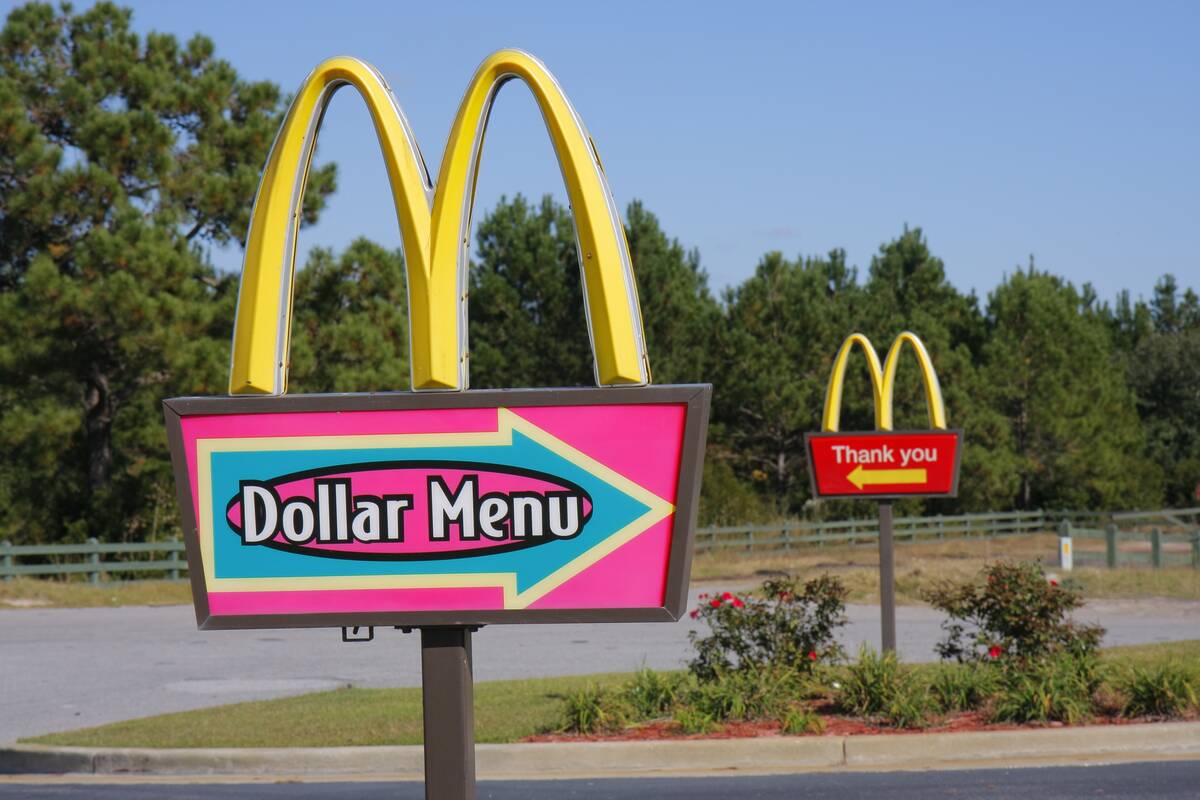
Value menus graduated. The iconic $1 lineup gave way to $1–$3 tiers, $5 boxes, and app-only deals as food, labor, and rent climbed. A la carte prices rose across the board—think sandwiches that were $3–$4 in the 2010s landing closer to $5–$7 by the early 2020s. Chains leaned hard on dynamic promotions: bundled meals, limited-time sauces, and loyalty points. Breakfast stayed a relative bargain, but even hash browns and coffee nudged upward with the rest.
The app is the new counter. Mobile-exclusive offers, rewards multipliers, and curbside pickup nudge you to pre-plan (and upsell yourself). Combo meals hide inflation by tweaking portion sizes or sides, while premium lines—spicy, deluxe, plant-based—add a couple bucks to the receipt. Inflation hit independents harder; your neighborhood burger spot raised prices or shuttered hours to keep staff sane. The spirit of the dollar menu lives on—in rotating promos and push notifications.
Concerts and festivals: from club cover charges to VIP pricing

Live music discovered spreadsheets. Average ticket prices for major tours climbed throughout the 2010s and surged again post-pandemic as demand outpaced supply. Dynamic pricing, platinum seats, and layered fees turned onsale day into a roller coaster. Festivals followed suit: general admission passes that were a few hundred dollars a decade ago now often hover near $400–$500 before fees, with VIP tiers stacking shade, lounges, and express lanes for triple the cost.
Clubs and smaller venues still deliver value—$10–$30 covers for rising acts—though drink minimums and fees crept up. Ticket transfer rules shifted as platforms tried to curb scalping, while verified-fan queues and presales became the new normal. Touring costs—fuel, crews, insurance—rose, and artists offset with merch drops priced like streetwear. Want to save? Watch weekday shows, late adds, and balcony seats; skip the VIP wristband unless you truly value the lounge selfies.
Streaming vs. cable: cutting the cord and stacking subscriptions

Cord-cutting started as a math problem and turned into a content puzzle. Netflix’s standard plan that was under $10 in the 2010s climbed into the mid-teens by 2023–2024, while ad-supported tiers reappeared across platforms. Add Disney+, Hulu, Max, Peacock, Paramount+, and a sports service, and monthly spend can quietly mirror the old cable bill—especially once you include internet. Annual price bumps and password-sharing crackdowns sealed the sense that the streaming honeymoon ended.
Cable didn’t sit still. Live-TV streamers—YouTube TV, Hulu + Live TV, Sling—replaced set-top boxes with cloud DVRs, but channel bundles and RSN fees kept inching upward. Sports rights fractured, pushing one playoff to a streamer and the next to cable. Savvy viewers rotate: binge, cancel, repeat. The best deals live in promo stacks, annual prepaids, and student bundles. The worst bill is paying for five services you forgot you had.
Cell phone bills: minutes and texts to data everything
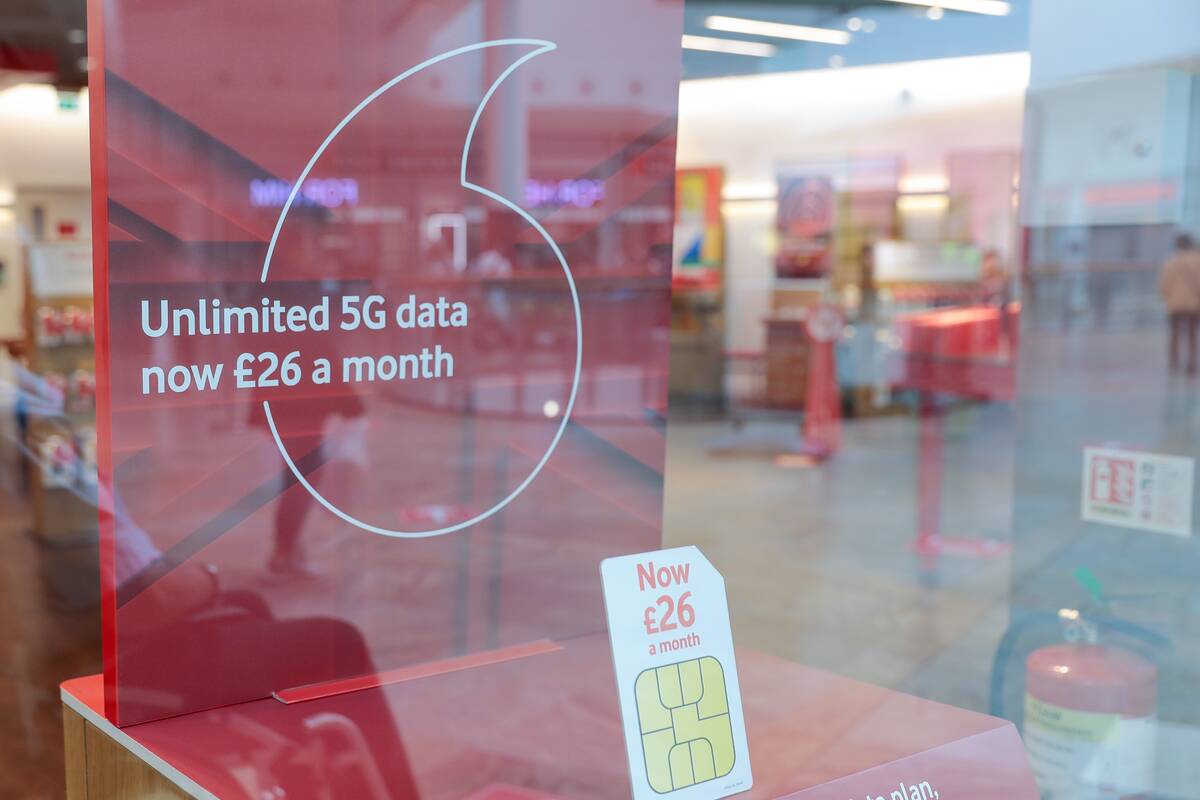
Once upon a time, you rationed minutes and prayed nobody sent a photo. Now unlimited talk and text are table stakes, and the real game is data speed and deprioritization. Major-carrier unlimited plans commonly run $60–$90 per line before autopay and multi-line discounts, with taxes and surcharges adding another $5–$15. Hotspot buckets, international day passes, and device insurance inflate totals; family plans and MVNOs (think Visible, Mint, Cricket) trim them back.
5G made coverage maps prettier, but performance depends on band mix and your city’s towers. Device financing turned thousand-dollar phones into $25–$40 monthly add-ons, sweetened by trade-in credits that gently lock you in. eSIM simplified switching, while Wi‑Fi calling made basement apartments livable. Tip: audit your extras—tablet lines, smartwatch fees, forgotten protection plans—and consider prepaid or MVNOs if you’re mostly on Wi‑Fi. Your future self will thank your present spreadsheet.
Internet at home: dial-up beeps to fiber speed (and fees)

We went from 56 kbps dial-up serenades to gigabit fiber that downloads games in minutes. Cable internet still dominates many suburbs, often advertising 300–1200 Mbps with data caps around 1 TB unless you pay more. Fiber builds expanded in 2020–2024, bringing symmetrical speeds and lower latency. Typical standalone bills land roughly $50–$90 a month, but promo rates expire, equipment rentals add $10–$15, and whole-home Wi‑Fi pods sneak onto invoices like extra condiments.
Fixed wireless—home 5G and LTE—arrived as a budget disruptor, offering flat $50–$60 plans with built-in equipment and no data caps in many markets. The Affordable Connectivity Program briefly offset costs for eligible households before funding waned, nudging bills back up. Watch the fine print: activation fees, early termination, and “speed up to” disclaimers. The best upgrade? Putting your modem where the cables aren’t kinked and your router where your binge actually happens.
Video games: cartridges, microtransactions, and battle passes

Game prices learned new levels. Big-budget console titles sat at $59.99 for years, then many publishers shifted $69.99 as the new standard in 2020–2023. The sticker isn’t the whole story: free-to-play exploded, powered by skins, loot boxes, and $10–$20 battle passes. In-game spending now accounts for the majority of revenue in mobile and a hefty share on PC/console, funding live-service updates that keep the same title installed for seasons, not weekends.
Hardware inflation was softer: digital storefront sales, Game Pass and PlayStation Plus libraries, and deep seasonal discounts made backlogs bigger than attention spans. Storage is the new cartridge—games eat 50–150 GB without blinking—nudging SSD upgrades. PC parts prices surged during chip shortages, then cooled in 2023–2024. The budget playbook: wishlists, regional pricing checks, and resisting the “cosmetic” that somehow completes your soul. Your wallet’s final boss remains impulse control.
Clothes and sneakers: basics, brands, and resale hype
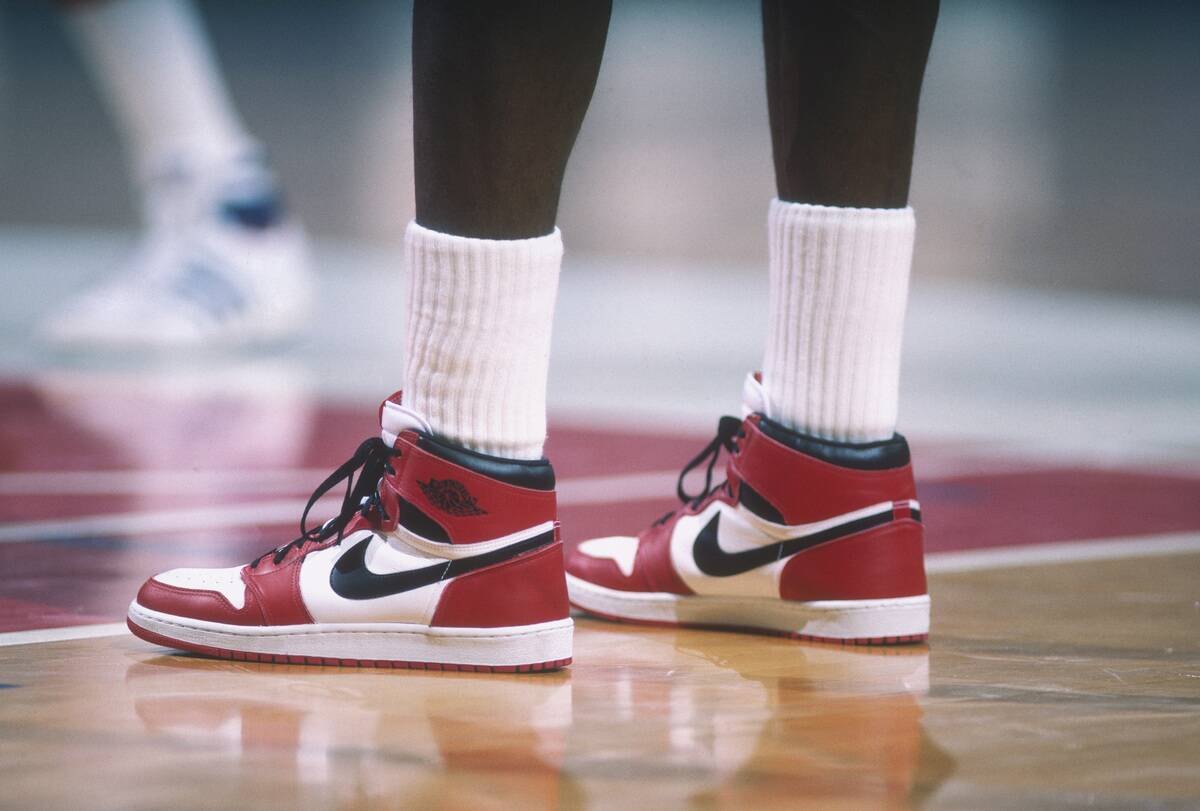
Apparel had a weird decade: prices were tame for years, then post-2021 supply snarls and higher cotton and shipping costs nudged tags up. Basics that once anchored fast-fashion runs crept a few dollars higher, while mid-tier brands leaned into “better materials” stories to justify jumps. Off-season sales still bite hard, but full-price seasons feel longer. Tailoring—once an afterthought—now rescues online sizing roulette for $10–$30 a tweak.
Sneakers got their own stock market.
Limited drops and collabs fuel a resale scene where popular pairs leap above retail on platforms like StockX and GOAT, with seller fees around 8–12% plus payment processing. Retail prices for staple models climbed—Air-based flagships often sit $150–$200—while budget lines deliver surprising value under $100. Vintage and thrifting circled back from necessity to hobby, proving the most sustainable flex is wearing something great twice.
College tuition: then vs. now on the cost of a diploma

Sticker shock turned campus tours into financial aid briefings. For 2023–24, average published in-state tuition and fees at U.S. public four-year universities hovered around $11,000; private nonprofit averages sat north of $41,000—before housing, meals, and books. In the early 1990s, those figures were a fraction of today’s in nominal dollars, and even inflation-adjusted, the trend points up. State funding cycles and campus amenities quietly shape those numbers as much as lecture halls do.
Aid helps, but it’s a maze. Grants and scholarships reduce net price, while federal loans fill gaps up to annual caps; Parent PLUS loans bridge the rest at higher rates. Work-study offers campus jobs; community college transfers shave costs. Student loan balances in the U.S. top $1.6 trillion, and repayment rules keep evolving—income-driven plans, interest waivers, and forgiveness programs with fine print. The smartest major? Reading every aid letter twice.
Childcare and babysitting: hourly rates that grew up fast

Parents didn’t imagine it—childcare really is that expensive. National averages from nonprofit trackers place center-based infant care around $10,000–$15,000 per year, often more than in-state college tuition in certain states. Cities like Boston, San Francisco, and Washington, D.C. routinely run higher. Waitlists start before due dates, ratios are regulated, and closures for illnesses or holidays test backup plans. Home-based providers can be more flexible, but availability swings block to block.
Babysitting rates rose with everything else. Surveys in 2023 pegged national averages around $18–$20 per hour for one child, with premiums for infants, extra kids, and late nights. Payment apps replaced envelopes; background checks and reference calls are standard. Nanny shares stretch dollars, though coordination becomes its own job. Tax-advantaged dependent care FSAs help some families; state subsidies help others. The only universal truth: Venmo-ing a sitter at midnight is the easiest money you’ll ever send.
Health care and insurance: co-pays, deductibles, and sticker shock

Employer health coverage remains the norm, but the bill climbed. In 2023, average annual premiums for employer family plans sat near $24,000, with workers contributing roughly a quarter and employers the rest. Single deductibles commonly land around $1,500–$2,000 on high-deductible plans, with out-of-pocket maximums several times higher. Preventive care is usually covered, but imaging, specialty drugs, and ER visits produce the infamous “this is not a bill” letters that ruin perfectly good Tuesdays.
Marketplace plans filled gaps with metal tiers and income-based subsidies; benchmark premiums ticked up again for 2024 in many states. Pharmacy costs pushed patients toward generics, manufacturer copay cards, and mail-order. Urgent care became the cost-conscious alternative to ERs; telehealth moved from emergency measure to mainstay for routine issues. Pro tip: ask for the CPT code and a cash quote before non-urgent procedures. The cheapest health care is often an informed calendar.
Housing interest rates: cheap money, pricey mortgages

Mortgage math rewrote house-hunting. Thirty-year fixed rates that flirted with 3% in 2020–2021 jumped above 7% in 2023, turning the same listing into a very different monthly. On a $400,000 loan, principal and interest at 3% is roughly $1,686 a month; at 7%, it’s about $2,661—nearly $1,000 more before taxes and insurance. That lock-in effect kept many owners from selling, crimping supply and propping up prices despite softer demand.
Buyers got creative: rate buydowns, adjustable-rate mortgages, and seller credits returned to conversations. Builders offered incentives and rate locks; points reappeared on closing disclosures. Refinancing fantasies paused, but HELOCs resurfaced for renovations. The old advice—date the rate, marry the house—sounds good, but math wins: know your break-even on points and the payment delta at every quarter-point change. The real estate agent you ghosted is still posting charts reminding you of this.
Used cars: depreciation—remember that?

Used cars forgot how to be cheap. Supply chain chaos and chip shortages flipped the market in 2021–2022; used vehicle price indexes jumped more than 40% year over year at the peak. The average used car that hovered around $20,000 in 2019 pushed toward $28,000–$30,000 by 2022. Prices eased in 2023–2024, but many models remained well above pre-pandemic norms, especially fuel-efficient SUVs and trucks with the right badges.
Financing costs piled on as auto loan rates climbed with everything else.
Certified pre-owned offered warranties at a premium; private-party deals offered savings at the cost of due diligence. Online retailers normalized at-home delivery and seven-day returns, while auctions and rental fleets refilled inventories. The comeback of depreciation is real but selective—high-mileage sedans softened first, while late-model hybrids held court. The best add-on remains a pre-purchase inspection, not underglow lights.
Ride-hailing vs. taxis: convenience at surge-pricing cost

Ride-hailing put a map in your pocket and a clock on your fare. Outside peak times, Uber and Lyft undercut many taxi rides, especially for short hops. But surge pricing flips the script during concerts, rainstorms, and last calls—multiplying fares well past metered rates. Booking fees, airport pickups, and tip prompts complete the total. Shared rides returned in some cities, shaving dollars if you don’t mind detours and playlists you didn’t choose.
Taxis evolved, too. Many fleets adopted apps, flat airport rates, and card readers without side-eye. Regulated meter rates create predictability, though fuel surcharges and bridge tolls still apply. Safety and recourse improved on both sides—driver ratings, license checks, and trip logs. For savings, compare both apps and the cab stand, walk a block off the venue, and avoid 2 a.m. exits when everyone else leaves. Convenience wins; timing decides the price.
Postage and shipping: two-day delivery isn’t free after all
Stamps quietly climbed. A U.S. First-Class Forever stamp that cost 34¢ in 2001 rose to 73¢ after mid-2024 increases—still a bargain to move a letter across the country, just not pocket change anymore. Postage updates now come several times a year under USPS’s new cadence. Priority Mail rates rose with fuel and labor, and dimensional-weight rules made shipping a puffy jacket pricier than shipping a cast-iron pan of the same pounds.
“Free shipping” moved to the marketing budget, often gated by order minimums or memberships. Amazon Prime’s annual fee rose from $79 a decade ago to $139 in 2022; competing retailers countered with $35–$50 free-ship thresholds and slower speeds. Carriers added peak season surcharges and residential delivery fees. The pro move: consolidate orders, use ship-to-store, and keep a stash of poly mailers for returns. Two-day delivery exists; you’ve just paid for it somewhere.
Theme parks and vacations: the price of making memories

Theme parks turned lines into line items. Single-day tickets at major U.S. parks use date-based pricing—weekday shoulder seasons near the low end, holidays and summers at the high. At Walt Disney World and Disneyland, many one-day tickets landed roughly in the $109–$189 range in 2023–2024, before tax. FastPass gave way to paid skip-the-line services like Genie+ and Lightning Lane, with per-day and per-ride fees that can add tens of dollars per guest.
Hotels added resort fees; airlines added luggage math; car rentals added “you booked during a convention” vibes. Package deals ease planning but not always budgets. Off-property stays, rope-drop mornings, and midweek travel help, as do refillable water bottles and mobile food orders. Big trip strategies now look like spreadsheets: park reservations, dining windows, and break days. The magic remains; it just shares a turnstile with dynamic pricing and comfortable shoes.
Gyms and wellness: memberships, classes, and boutique prices

Fitness bifurcated. Traditional gyms often run $10–$60 a month depending on amenities, with initiation fees and annual “maintenance” charges tucked in. Boutique studios—cycling, Pilates reformer, HIIT—price by the class, typically $20–$40 per session, with packs and intro offers smoothing the sting. ClassPass and similar services arbitrage unused capacity, while apps deliver guided workouts for $10–$30 a month that pair nicely with a borrowed park bench.
At-home gear had a moment. Connected bikes, rowers, and mirrors charge hardware upfront and $39–$59 monthly content fees after, with resale markets softening prices for the patient. Trainers embraced hybrid models: in-person assessments, virtual follow-ups. Wellness expanded beyond reps: saunas, cold plunges, recovery studios, and supplements turned errands into rituals. Insurance sometimes reimburses part of the tab—check your plan. The best ROI is still consistency, not the fancier water bottle.
Pets: vet bills, kibble, and the cost of cuddles

Pet budgets grew fangs. National estimates put average annual routine costs around $1,000–$1,500 for dogs and slightly less for cats—food, vaccines, preventatives, and a checkup or two. A single emergency visit can cross $1,000 fast with diagnostics, while dental cleanings often land in the $300–$800 range depending on anesthesia and extractions. Spay/neuter clinics and low-cost vaccine events help, but specialty care mirrors human medicine in both tech and totals.
Pet insurance went mainstream. Average monthly premiums commonly sit around $40–$60 for dogs and $20–$40 for cats, varying with breed, age, and deductible. Policies reimburse after you pay, so an emergency fund still matters. Food inflation hit pet aisles, too; many owners traded to larger bags, subscription deliveries, or vet-recommended generics. Microchips, updated ID tags, and a leash that isn’t chewed through are the cheapest investments you’ll ever make.
Minimum wage vs. cost of living: the gap that drives the story
Here’s the drumbeat under every receipt. The U.S. federal minimum wage has sat at $7.25 since 2009, while prices rose year after year—especially fast after 2021. Many states and cities moved higher—$12, $15, even $17+—but coverage varies and tips complicate take-home pay. In inflation-adjusted terms, the high-water mark for the federal minimum was the late 1960s; that $1.60 then would be roughly in the low-to-mid teens today, depending on the index used.
That spread shows up in choices: roommates, second jobs, gig stacking, and trading brands at checkout. It also shows up in wins—tight labor markets lifted entry wages at many employers, and the Earned Income Tax Credit boosts take-home for qualifying families. Cost-of-living calculators and living wage estimates routinely land above the federal floor, reminding us why the $500 apartment and $1 burger feel like artifacts. The story isn’t prices alone—it’s paychecks versus everything else.




