Common tools used before electricity
Imagine a world where the hum of electricity is absent, and daily life revolves around manual effort and natural rhythms. Before the advent of electricity, people relied on simple yet ingenious tools and methods to navigate their days.
These practices, though seemingly archaic now, were pivotal in shaping human civilizations. From lighting homes to cooking meals, every task required a hands-on approach. Let’s delve into how our ancestors managed their daily lives with clever pre-electricity innovations.
The Ubiquity of Candles for Illumination

In the days before light bulbs illuminated our nights, candles were the go-to solution for lighting up homes. Made from tallow or beeswax, these flickering lights were both practical and atmospheric.
They were used for everything from reading to evening gatherings, casting a warm glow that was both comforting and essential. With the advent of cheaper, mass-produced candles in the 19th century, their use became even more widespread, illuminating the way for countless generations.
Oil Lamps: A Flicker of Innovation
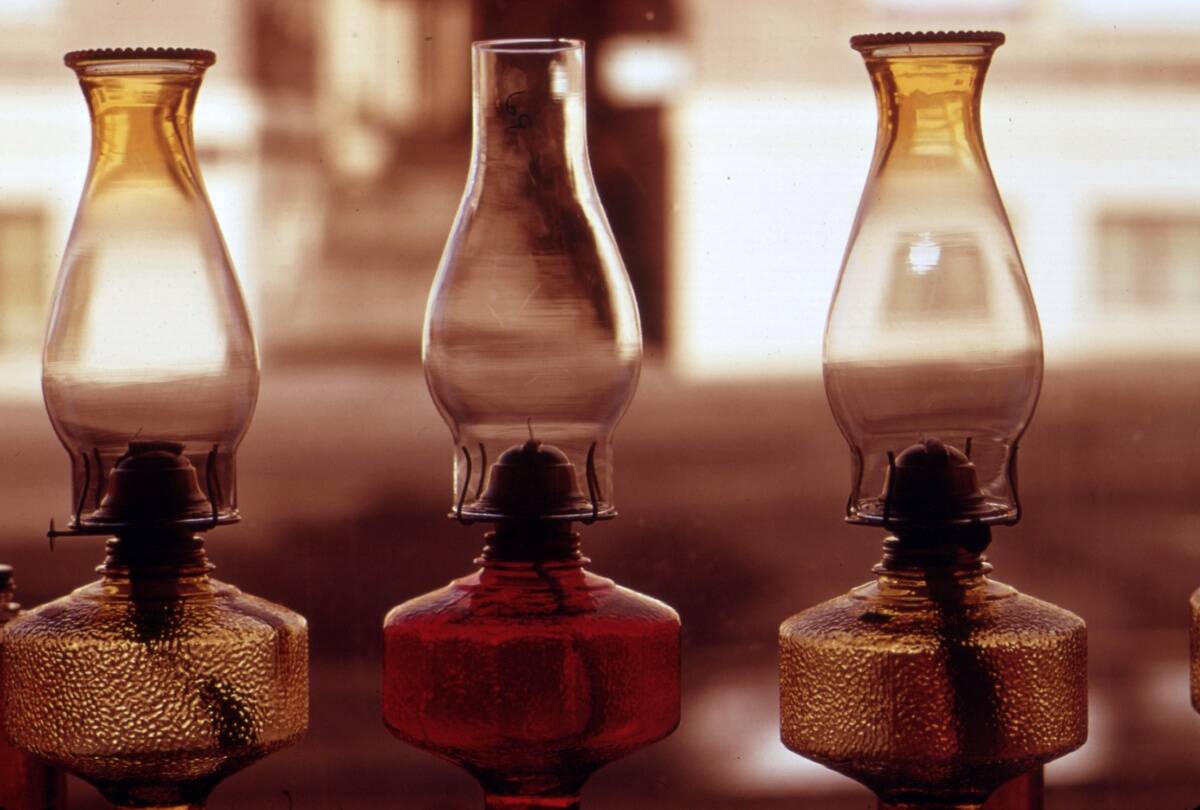
Oil lamps were another lighting innovation, offering a brighter and longer-lasting light than candles. Fueled by whale oil or kerosene, these lamps became popular in the 18th and 19th centuries, especially in urban areas where brighter light was necessary.
The glass chimney and adjustable wick allowed for better control over the flame, making them a staple in many households. They were not just practical but also a symbol of progress, as they represented a step toward more efficient lighting solutions.
The Role of Fireplaces in Heating Homes
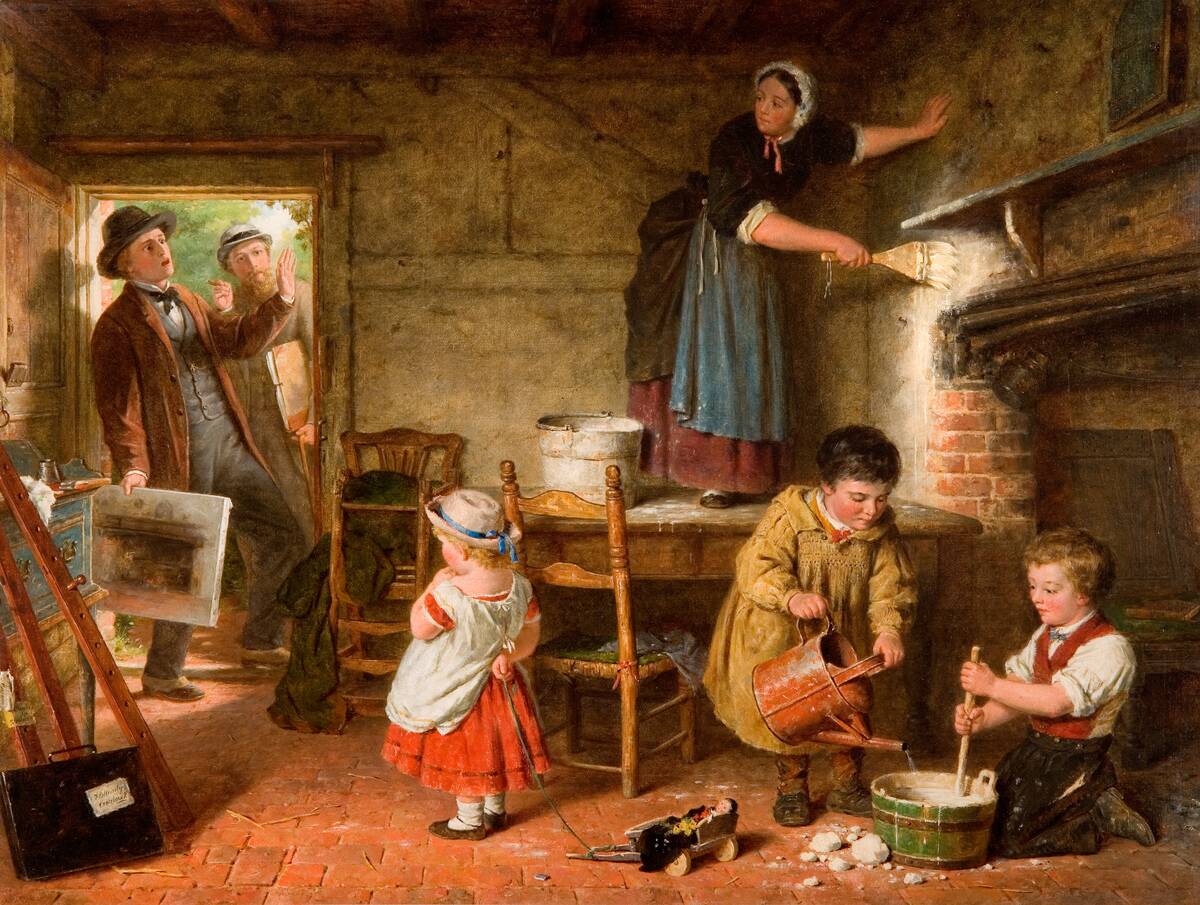
Fireplaces were the heart of the home, providing warmth and a place for families to gather. In the absence of central heating, these hearths were essential for surviving cold winters. They were often ingeniously designed to maximize heat retention, with chimneys that allowed smoke to escape while keeping the warmth inside.
Beyond just heating, fireplaces were a hub of activity—many homes used them for cooking, drying clothes, and even as a light source during the evenings.
Cooking with Open Hearths and Wood Stoves
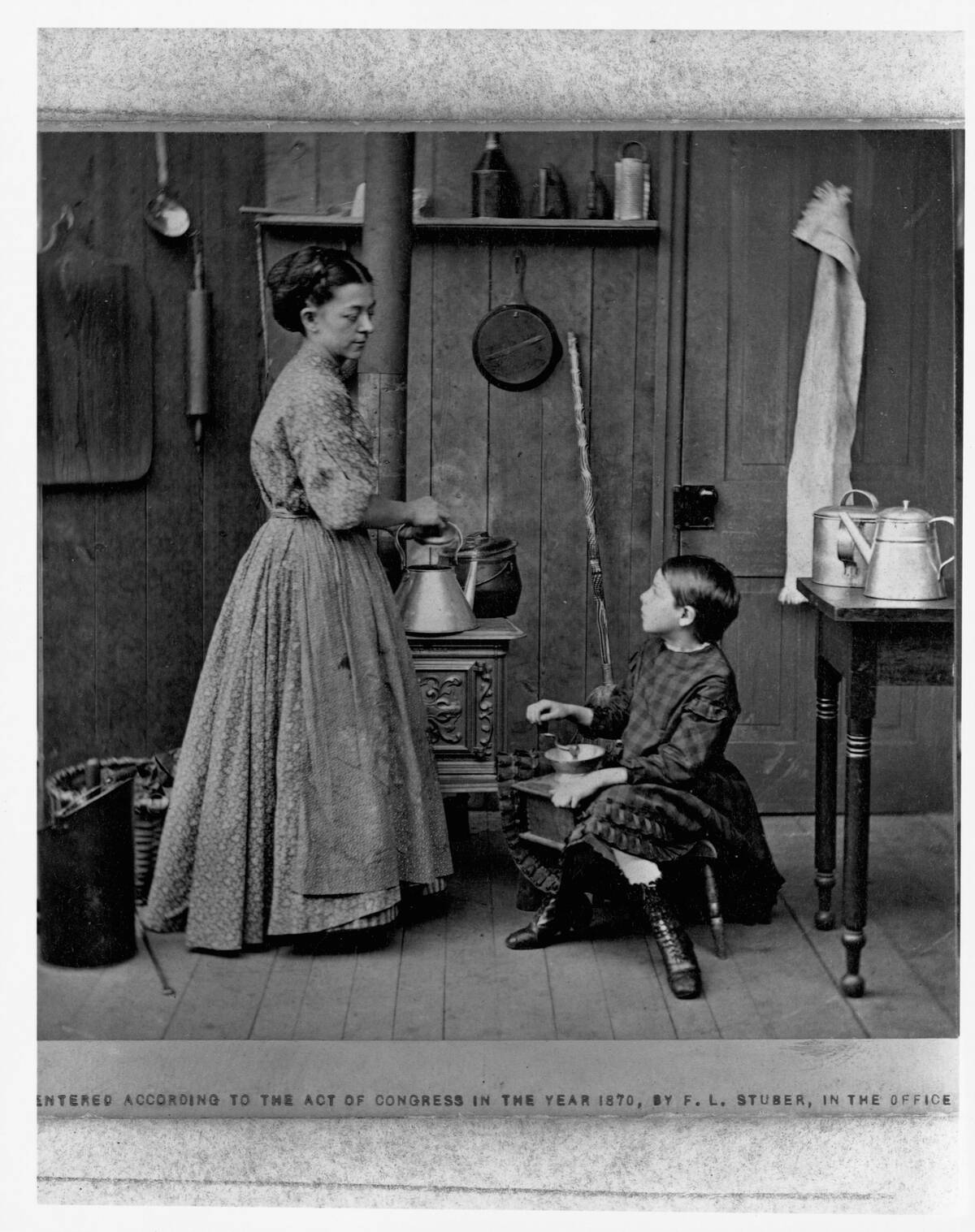
Cooking was a labor-intensive process that relied heavily on open hearths and wood stoves. Open hearths were used for both heating and cooking, with pots and pans hung over the fire or placed on trivets.
As technology progressed, wood stoves became popular, offering a more controlled cooking environment and efficient heat distribution. These stoves were a significant advancement, allowing for more precise cooking and contributing to the development of more complex recipes.
The Evolution of the Hand-Cranked Coffee Grinder
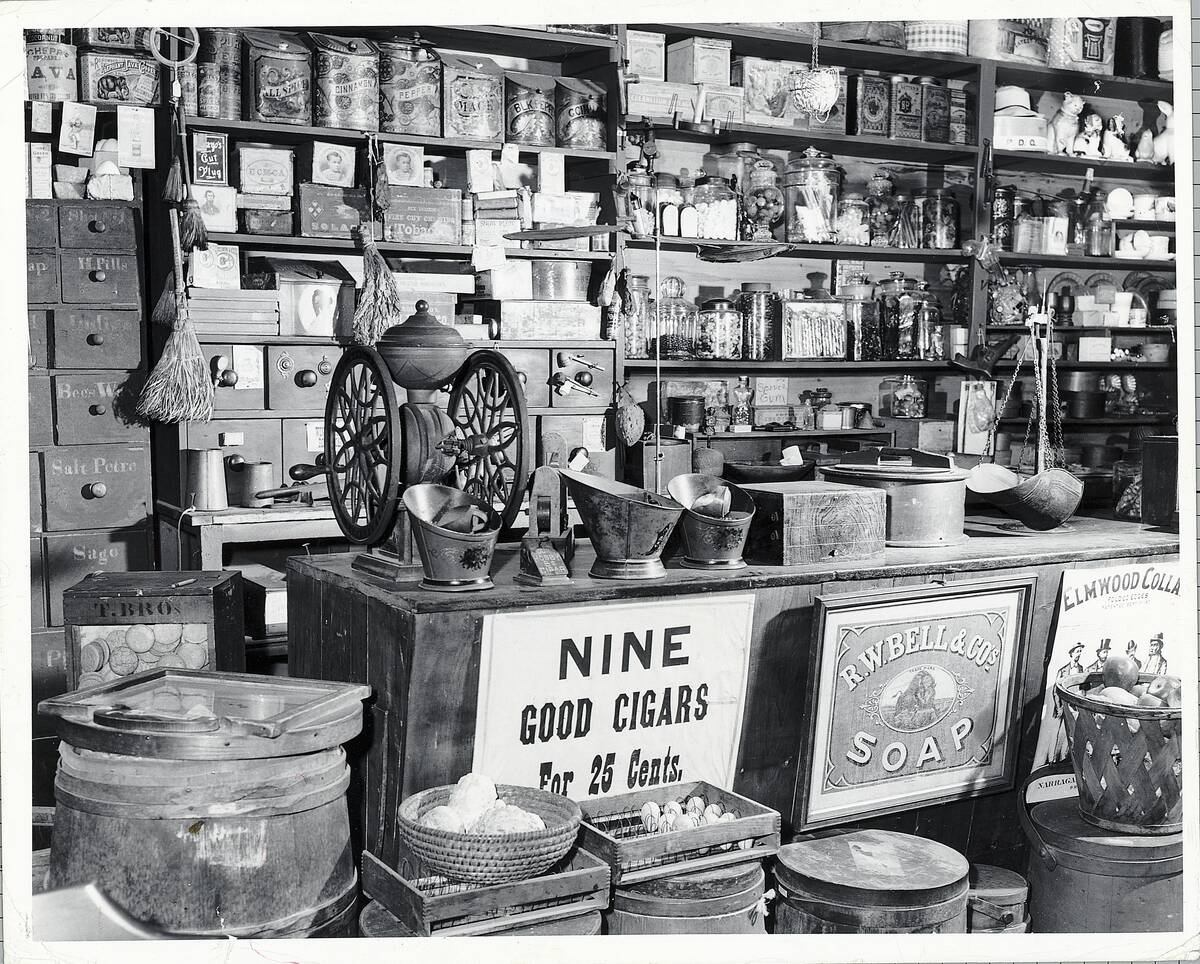
The morning ritual of coffee was no less cherished in the pre-electricity era, albeit more labor-intensive. Hand-cranked coffee grinders were a kitchen staple, allowing coffee lovers to enjoy freshly ground beans.
These grinders varied in size and design, from ornate table models to smaller, portable versions. The process of manually grinding coffee was a satisfying task, rewarding users with the aroma of freshly ground coffee and the anticipation of a comforting brew.
Manual Sewing Machines: Crafting Without Power
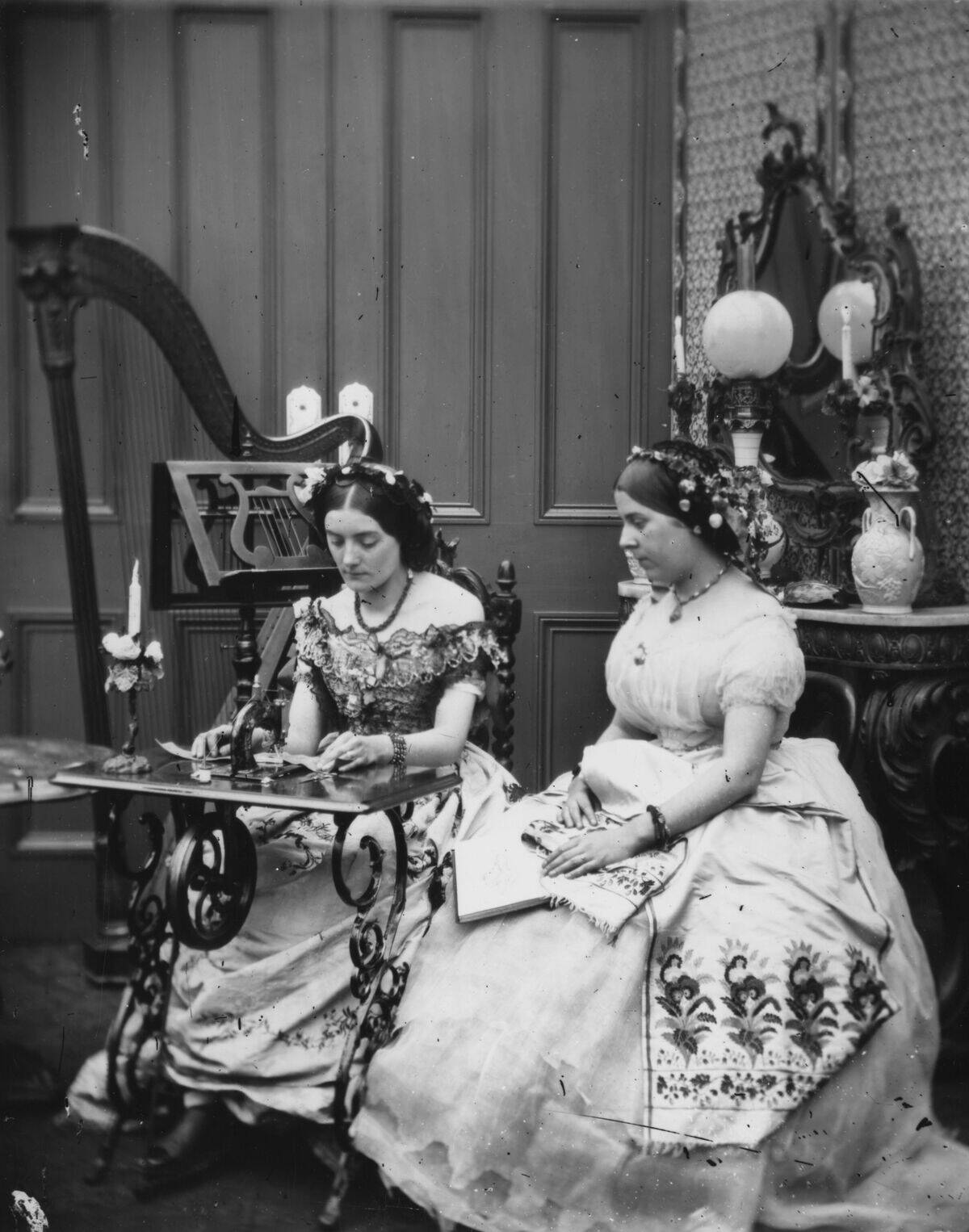
Before the days of electric sewing machines, manual models were the norm, requiring the user to pump a foot pedal to operate. Introduced in the mid-19th century, these machines revolutionized garment making, allowing for faster and more consistent stitching.
They were a boon for home seamstresses and professional tailors alike. The craftsmanship of these machines, often adorned with intricate designs, made them both a functional tool and a decorative piece in households.
The Pre-Electricity Alarm Clock: Roosters and Wind-Up Clocks
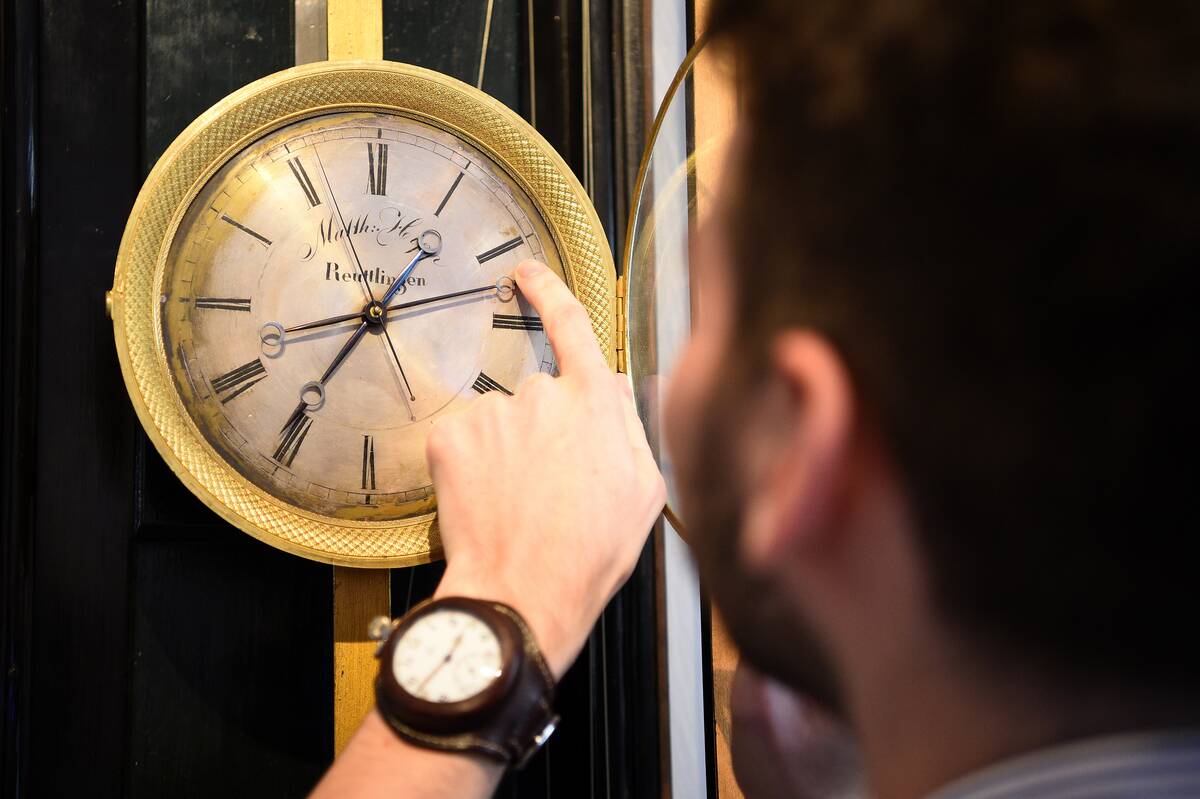
Waking up on time was a necessity long before digital alarms, and people relied on nature and mechanics to start their day. Roosters were the natural alarm clocks for many, crowing at dawn to signal the start of a new day.
For those in urban settings, wind-up clocks became popular in the 19th century. These mechanical devices, powered by a winding mechanism, were a marvel of engineering and provided a reliable way to keep track of time.
Iceboxes: The Predecessor to the Modern Refrigerator
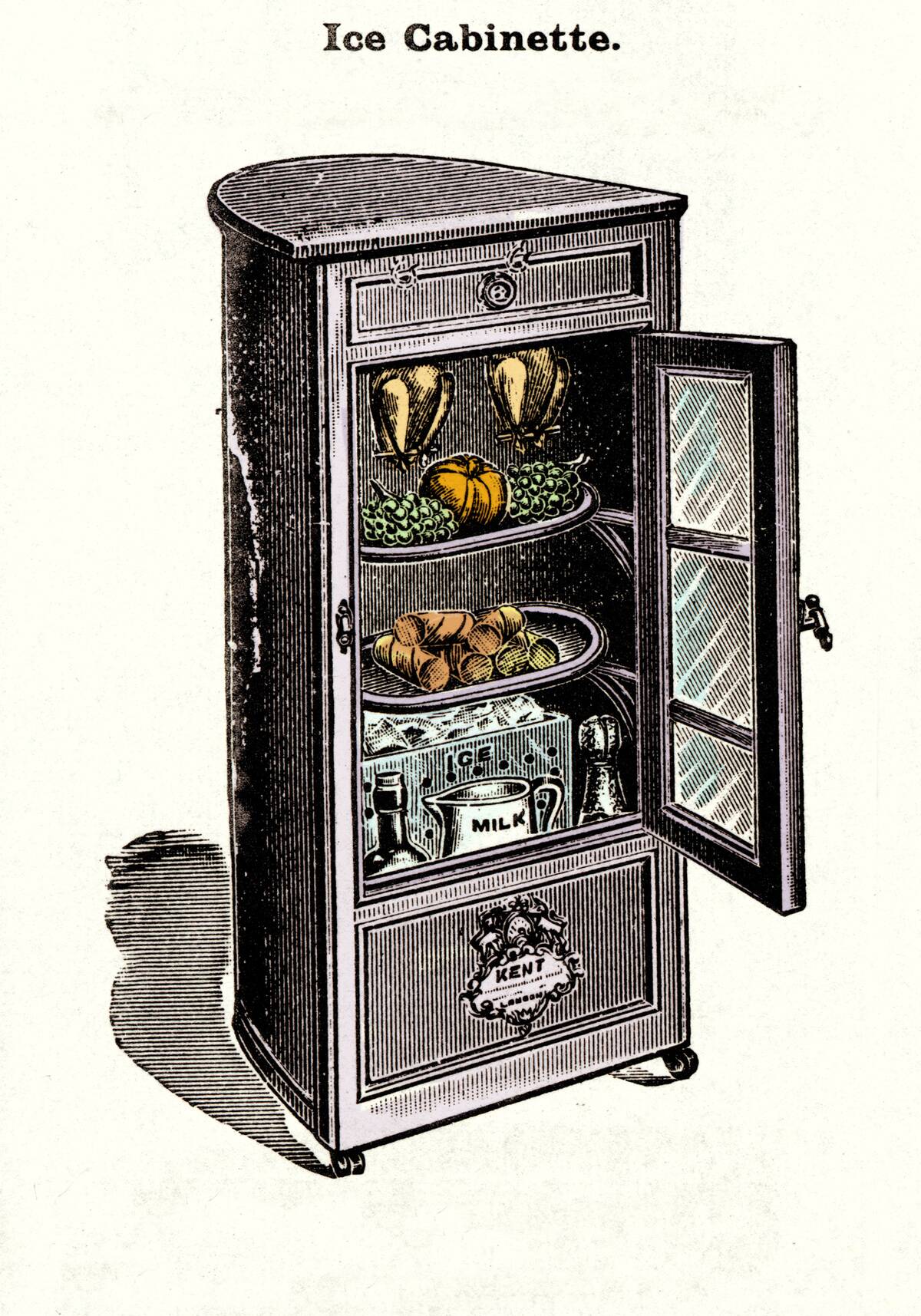
Keeping food fresh before refrigeration was a challenge met by the ingenious icebox. These insulated cabinets used large blocks of ice to maintain a cool environment, preserving perishables for longer periods. Ice delivery was a common service, with ice harvested from frozen lakes in winter and stored for use year-round.
While not as convenient as the modern fridge, iceboxes were a crucial step in the evolution of food preservation techniques.
The Washboard and Scrub Brush: Laundry Day Essentials
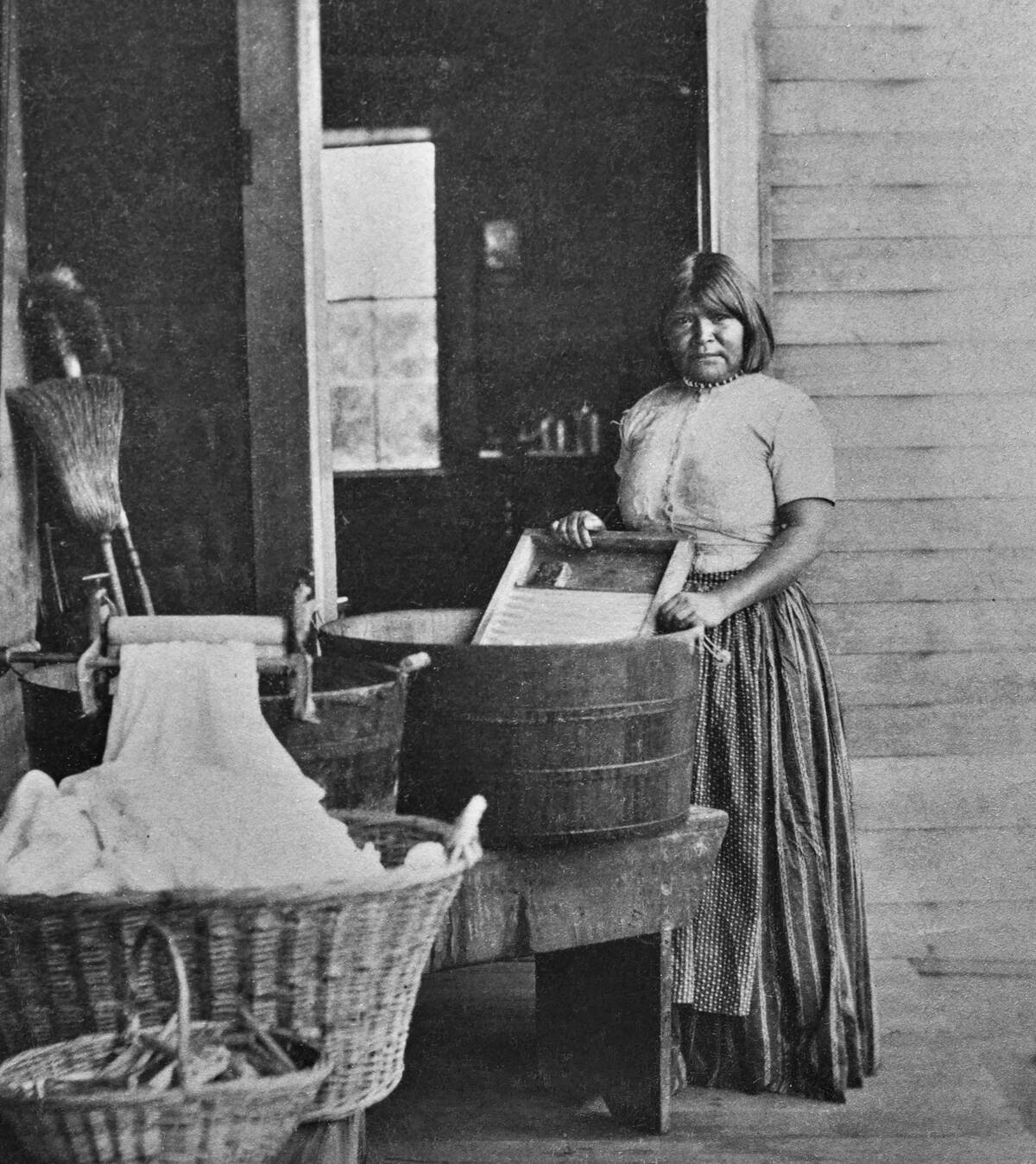
Laundry day was a workout in itself, with washboards and scrub brushes as the primary tools for cleaning clothes. The washboard, with its corrugated surface, allowed for effective scrubbing, while the scrub brush aided in tackling stubborn stains.
This manual process required significant elbow grease and was often a communal activity, with families gathering by the river or washroom to tackle the task together. Despite the effort involved, it was an essential part of maintaining hygiene.
Entertainment Before Electricity: Books, Cards, and Board Games
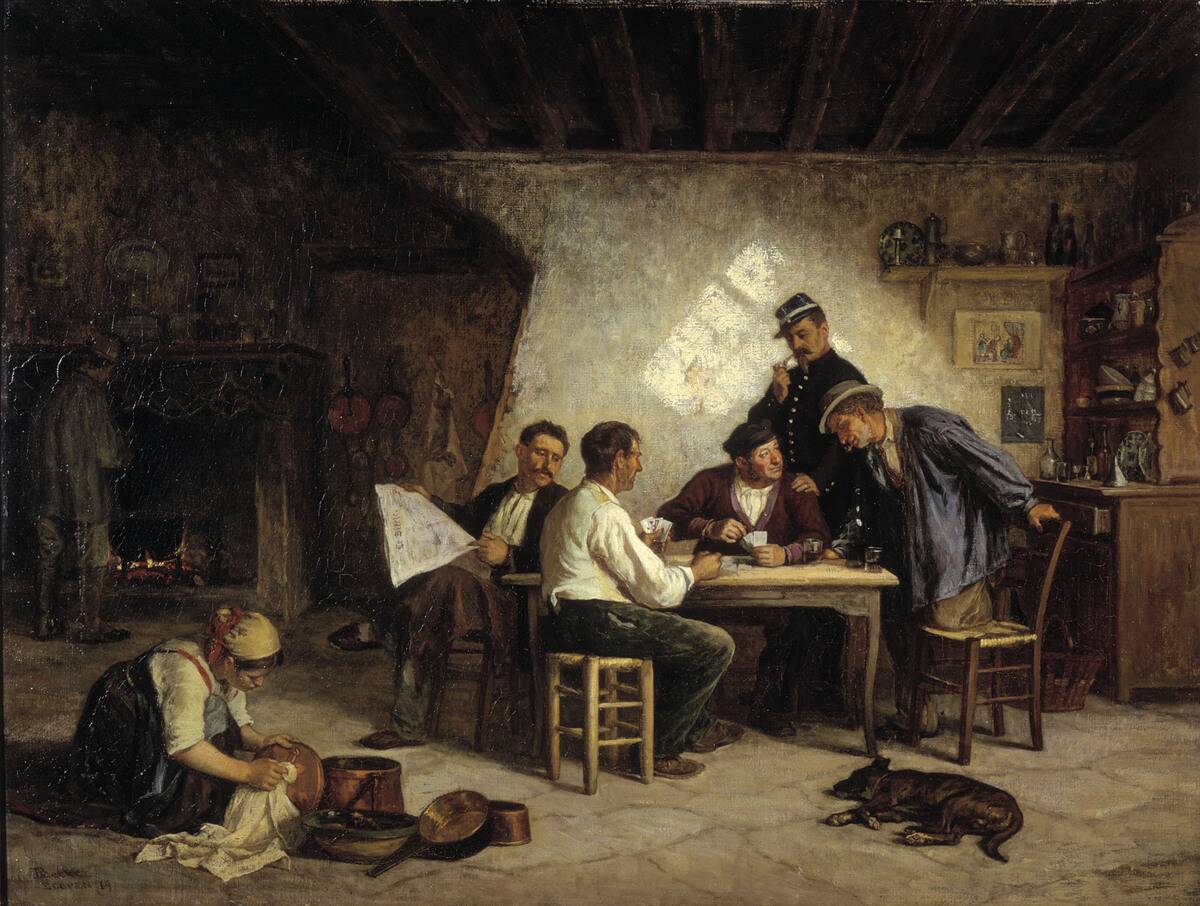
Without screens to occupy their time, people turned to books, cards, and board games for entertainment. Reading was a popular pastime, providing both education and escape. Card games like whist and poker, along with board games such as chess and checkers, were enjoyed by people of all ages.
These activities not only entertained but also fostered social interaction, bringing families and friends together in a way that modern digital entertainment sometimes lacks.
The Importance of Handwritten Letters and the Fountain Pen
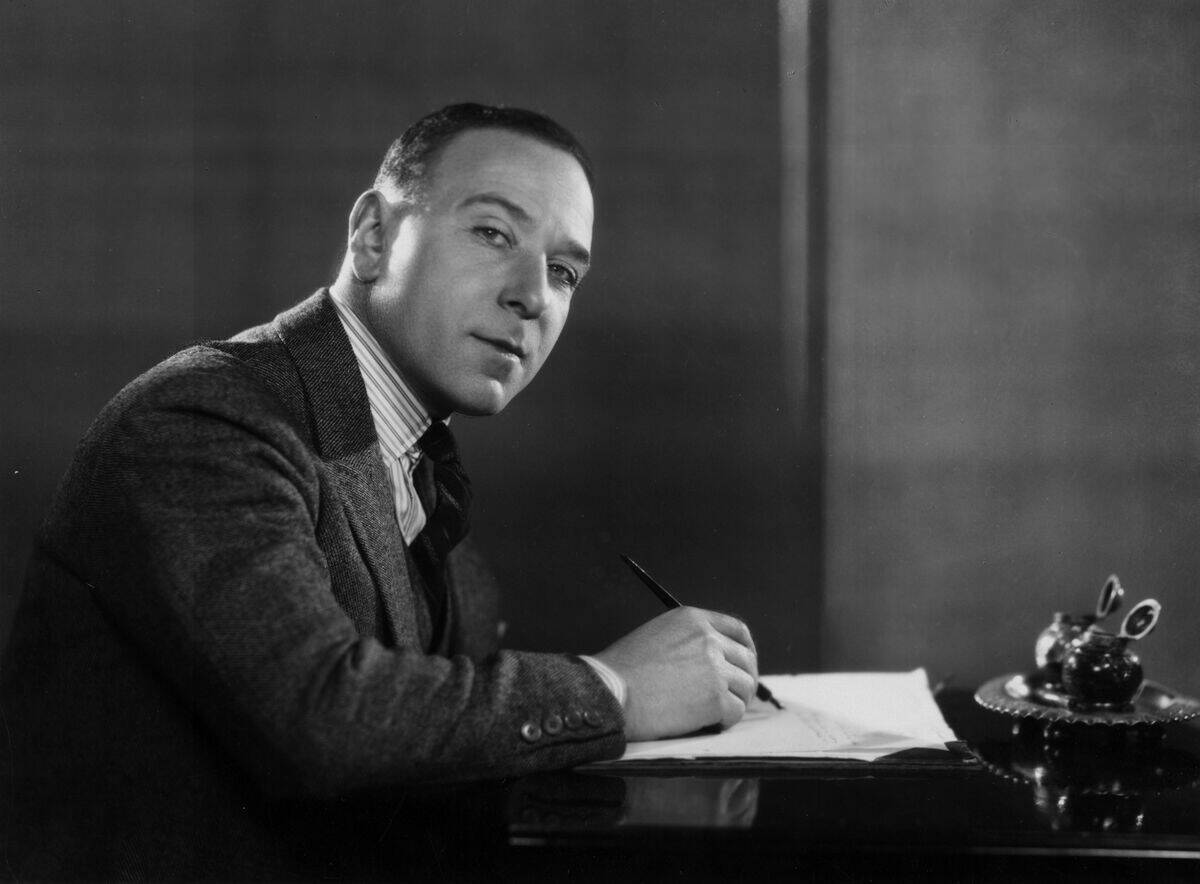
In an era before instant messaging, handwritten letters were the primary means of long-distance communication. The fountain pen, introduced in the 19th century, made letter writing more convenient and elegant.
It allowed for smoother writing without the constant need to dip in ink. Letters were cherished, often kept as mementos, and the anticipation of receiving a reply was a unique experience. This form of communication fostered deep connections and preserved personal histories.
Horse-Drawn Carriages: The Original Commute
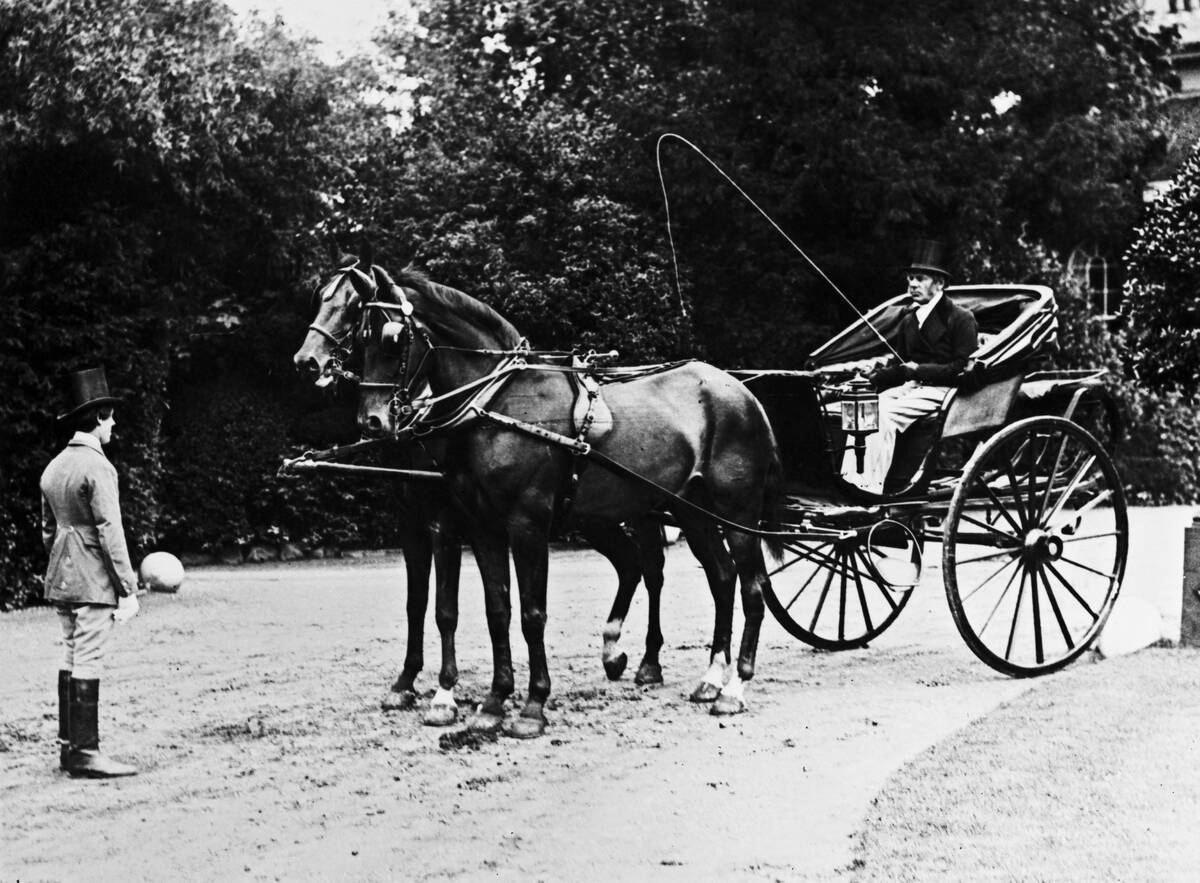
Traveling before the automobile revolution relied on horse-drawn carriages, offering a practical means of transport. These carriages varied from simple carts to luxurious coaches, catering to different needs and social statuses.
They were a common sight on cobblestone streets, with distinct sounds of hooves and wheels marking the rhythm of city life. While slower than modern vehicles, they provided a charming, albeit bumpy, way to traverse distances and connect communities.
The Art of Hand-Pumping Water
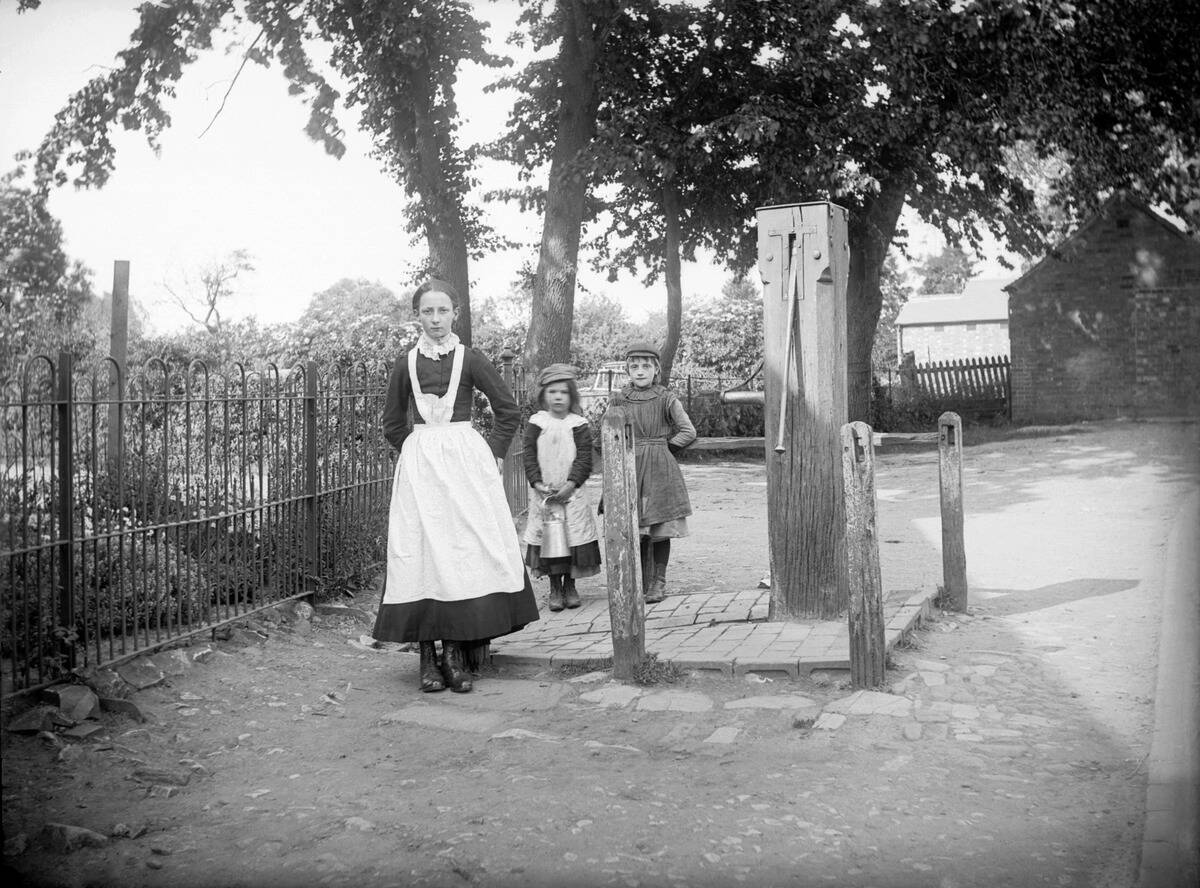
Accessing water before the electric pump required the use of hand pumps, a vital tool for rural and urban homes alike. These pumps, often located in kitchens or yards, drew water from wells, providing a reliable source of water for daily needs.
The act of pumping water was a rhythmic and physical task, and it made people keenly aware of the value of water. It was both a necessity and a skill, reflecting a time when every drop had to be earned.
Navigating Time with Sun Dials and Hourglasses
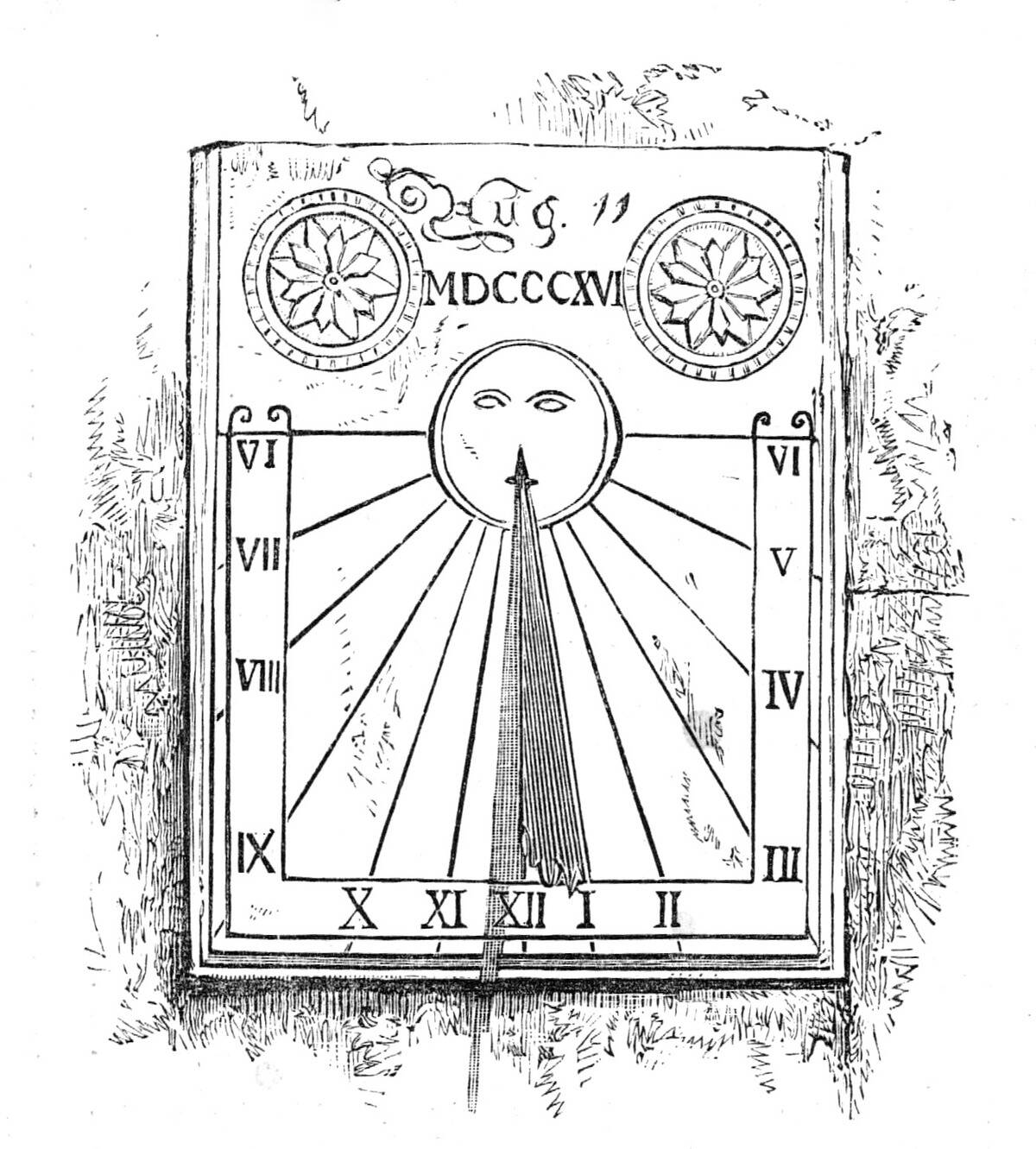
Before the convenience of digital clocks, people relied on sun dials and hourglasses to keep track of time. Sun dials used the position of the sun to cast a shadow on a marked surface, indicating the time of day. Hourglasses, on the other hand, measured time intervals with flowing sand, commonly used for tasks like cooking or games.
These methods required a connection with the natural world and an appreciation for the passage of time in its purest form.
The Original Flashlight: Lanterns and Torches
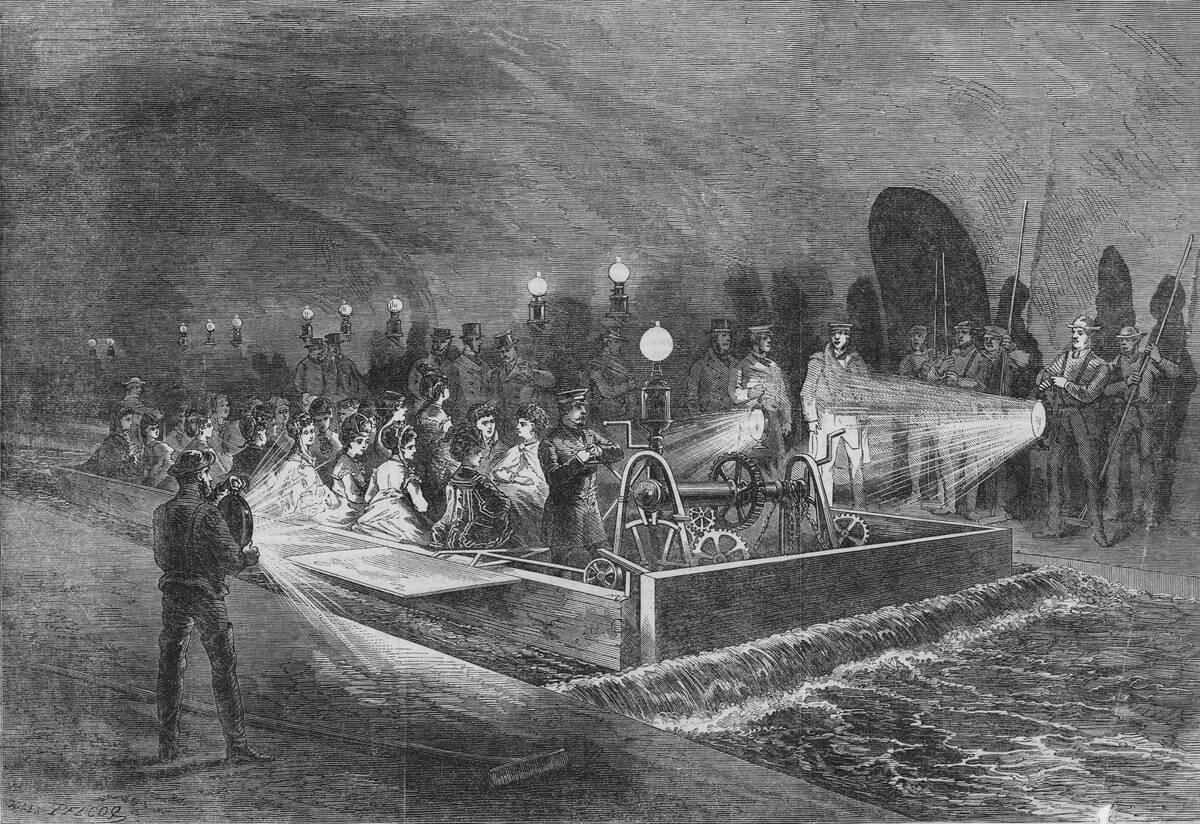
Illuminating the night required portable light sources like lanterns and torches. Lanterns, often fueled by oil or candles, provided a steady light that could be carried or hung. Torches, made from resinous wood, offered a bright, albeit short-lived, flame.
These tools were essential for nighttime travel and outdoor activities, allowing people to extend their day beyond sunset. They were simple yet effective solutions, reflecting the ingenuity of those who lived without electric lights.