21 ways people had fun before television
Before the glow of the living-room screen, evenings leaned on lamplight, company, and imagination. Television didn’t take off in the United States until after World War II—about 9% of U.S. households had a TV in 1950, jumping to roughly 65% by 1955—so most families spent leisure hours reading, making music, or heading out. Urban theaters and neighborhood halls were busy, and newspapers and magazines filled in the cultural chatter that a TV would later provide with a remote click.
The home was a stage: pianos doubled as gathering hubs, parlors turned into mini game rooms, and kitchen tables hosted craft projects and letter writing. Electricity spread unevenly—city dwellers often got it first—so many places still relied on candles and kerosene well into the early 20th century. Yet whether under gaslight or a single bulb, entertainment was participatory: you didn’t just watch—you hosted, played, read aloud, argued, and applauded.
Fireside Storytelling and Tall Tales
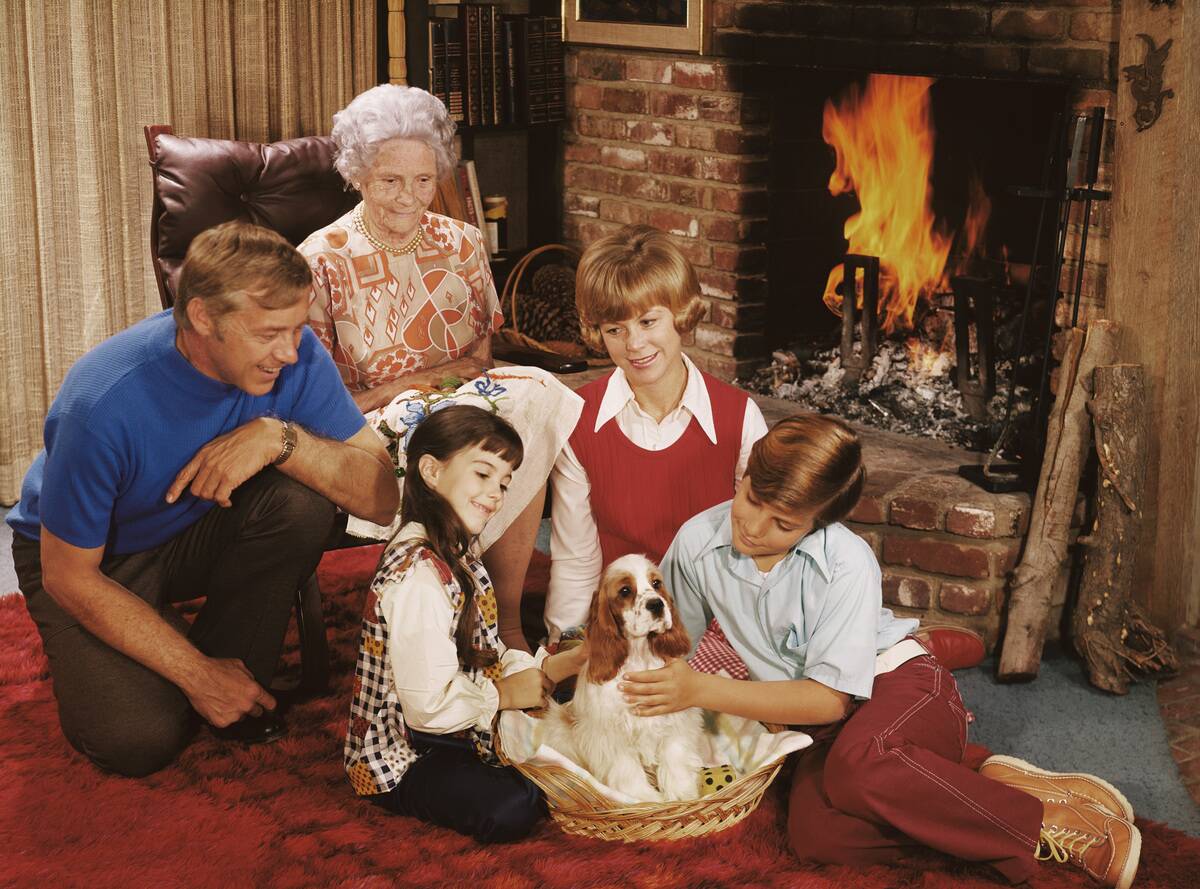
Story circles long predate print—epics were once memorized and performed, and that spirit lingered around hearths and campfires. Folklore from Paul Bunyan’s giant lumberjack feats to Br’er Rabbit’s outwitting antics circulated in oral form before anthologies captured them. In the 19th century, local newspapers loved reprinting yarns, and frontier travelers recorded tall tales in diaries. It was entertainment on demand, no subscription required—just someone willing to start, “Once, when the river ran backward…”
In many communities, elders held prized status as living libraries, recalling family histories and cautionary fables. Storytellers used stock formulas—three trials, surprise reversals—that made long narratives easy to follow. Ghost stories were standard winter fare, too; Charles Dickens popularized Christmas ghost tales in the 1840s, helping cement the season’s spooky streak. With each retelling, details ballooned like a fishing story’s prize catch, and that was half the fun: exaggeration as a communal sport.
Reading Novels, Penny Dreadfuls, and Serial Cliffhangers
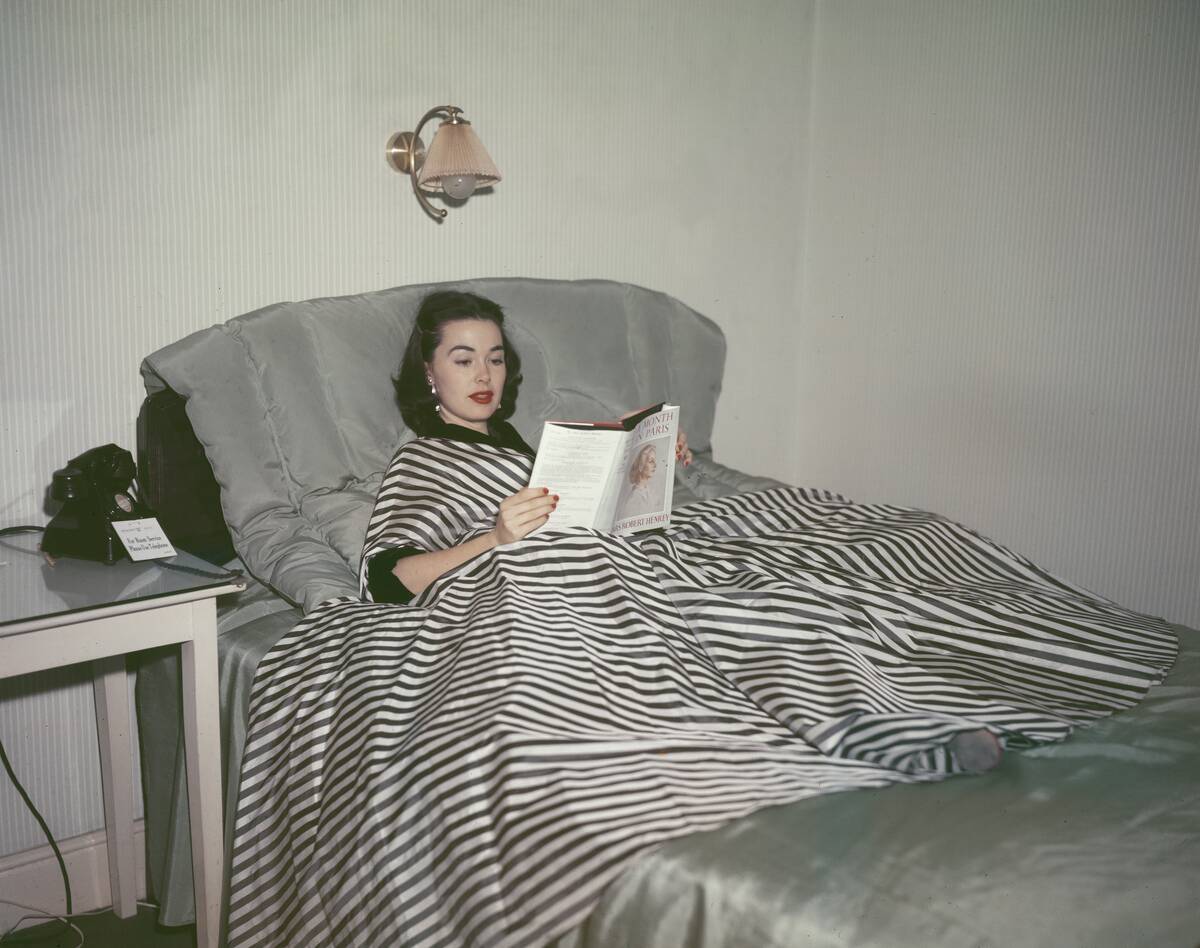
Cheap print fueled thrills. In Britain, “penny dreadfuls” sold for a penny from the 1830s to late 19th century, dishing out gothic shocks like Varney the Vampire (1845–47). In the United States, dime novels surged in the 1860s, churning out frontier exploits and detective capers. Respectable or lurid, serial formats hooked readers, each installment ending just when the hero dangled over doom, ensuring newsstands saw you again next week.
Household names rode the serial wave.
Charles Dickens issued The Pickwick Papers (1836–37) and Bleak House (1852–53) in parts that readers discussed aloud over tea. Arthur Conan Doyle’s Sherlock Holmes first appeared in 1887, with cases like The Adventure of the Speckled Band setting armchairs abuzz. Illustrated weeklies helped new readers climb aboard, and lending libraries—Mudie’s in London was a powerhouse—kept Victorian hands turning pages without emptying purses.
Parlor Games: Charades, Consequences, and Shenanigans
Victorian parlors were playgrounds in disguise. Charades—adapted from 18th-century French wordplay—morphed into a miming game where titles were silently acted in syllables before guests guessed the whole. The fold-and-pass game Consequences created hilariously mismatched mini-stories: who met whom, where, and what they said. Even the refined developed a taste for ridiculousness when the coal fire crackled and someone produced a pencil and scraps of paper.
“Shenanigans” covered a whole menu of mischief. The Minister’s Cat, a popular alphabetical word game, stretched vocabularies under pressure. Blind Man’s Buff turned living rooms into obstacle courses, while Sardines inverted hide-and-seek so everyone squeezed into one hiding place. Etiquette manuals—yes, the same ones scolding elbows on tables—often included instructions for party games, proof that society endorsed a little chaos before the cocoa cooled.
Board and Card Games: From Chess to Whist
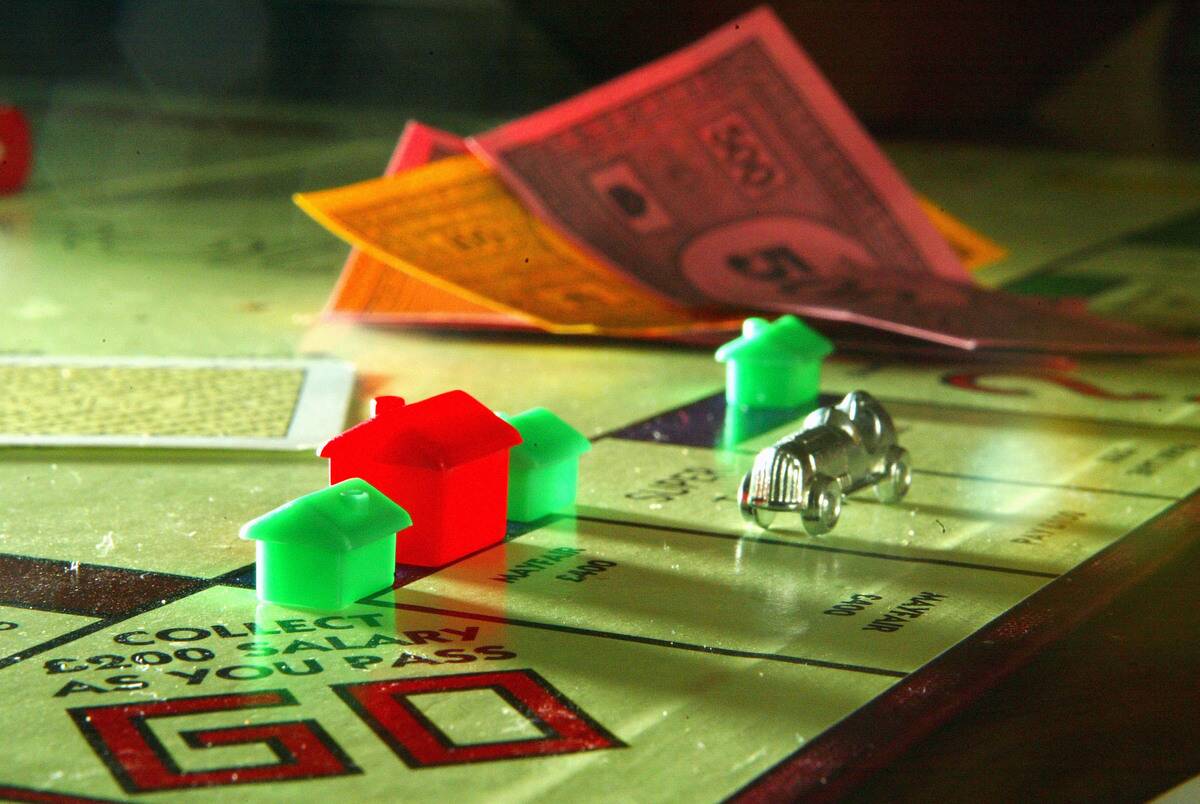
Boards and decks invited friendly (and not-so-friendly) rivalry. Chess, centuries old, sat alongside draughts (checkers) and backgammon on many a sideboard. Card play, though, ruled social evenings: whist commanded attention in the 18th and 19th centuries, its reputation boosted by Edmond Hoyle’s rules in the 1740s. Players learned signaling conventions—via legally played cards, not winks—and a tidy trick-taking rhythm made it the perfect low-murmur, high-focus pastime.
By the late 19th century, whist’s descendants took over. Bridge whist gave way to auction bridge and then contract bridge by the 1920s, thanks in part to standardization efforts and club tournaments. Hoyle’s name became shorthand for play-by-the-book guidance across many games. Meanwhile, family staples like dominoes and parchesi (a Western take on India’s pachisi) rounded out cupboards, waiting for rainy days to justify “one more round.”
Making Music at Home: Pianos, Fiddles, and Sing-Alongs
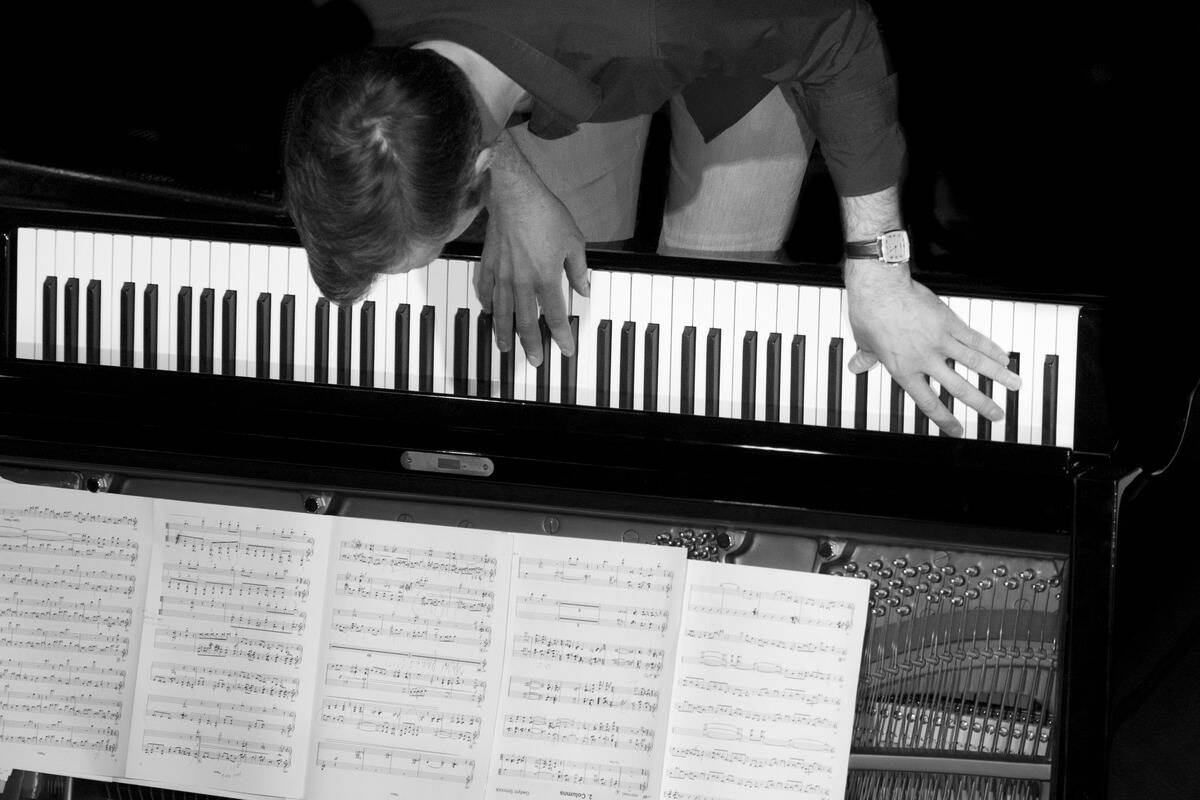
Before recorded music was ubiquitous, households were their own bands. Upright pianos flourished in middle-class homes in the late 19th and early 20th centuries; sheet music sales were a major industry, with Tin Pan Alley publishers (New York, 1890s onward) feeding parlor repertoires. Stephen Foster’s songs—like Beautiful Dreamer (published posthumously in 1864)—and later hits circulated widely, while church hymnals bridged sacred and domestic singing.
Not every home had a piano, but fiddles, harmonicas, and mandolins traveled easily. Player pianos, fitted with perforated rolls by the 1890s, brought “automatic” concerts to living rooms. Community songbooks offered parts for group harmonies, and local teachers gave lessons by the half hour. When the phonograph and gramophone arrived in the late 19th century, they complemented, not replaced, the ritual of drawing breath, counting in, and filling the room with your own sound.
Dance Nights: Barn Dances, Ballrooms, and Social Steps
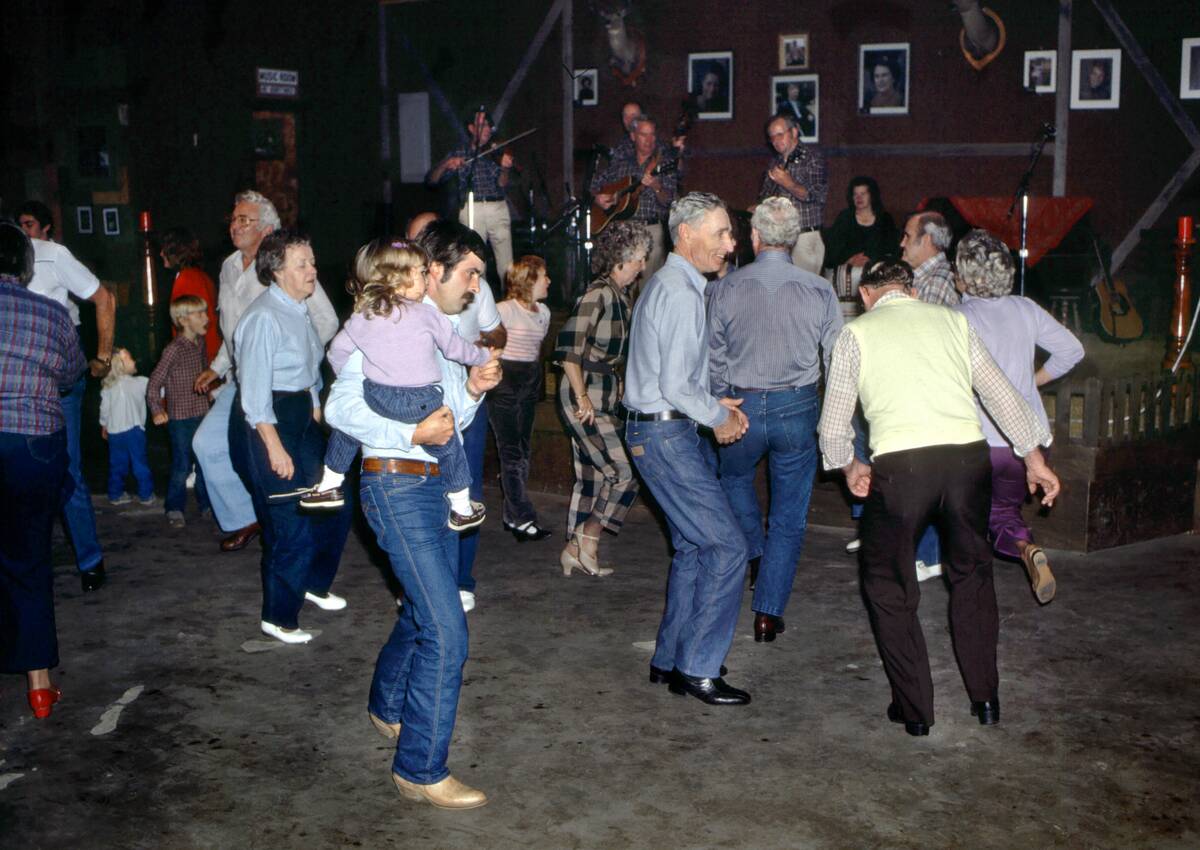
Every era had a step to learn. Barn dances mixed square dancing and contra traditions, with a caller cueing moves so newcomers felt welcome. Ballrooms introduced the waltz to mass popularity in the 19th century—controversial at first because of its close hold—followed by crazes like the polka (1840s) and the lively schottische. Dance etiquette columns in newspapers ensured you knew when to bow and when to simply not step on toes.
By the 1910s and 1920s, social dance modernized.
Foxtrots and tangos swept floors, and the Charleston, born in Black American communities and propelled by Broadway’s Runnin’ Wild (1923), made ankles work overtime. Civic halls and grange lodges hosted weekly dances, while portable gramophones or live bands kept the beat. Dance cards—literal cards to record partners—turned introductions into souvenirs for scrapbooks and future reminiscing.
Theater Nights: Plays, Pantomime, and Vaudeville
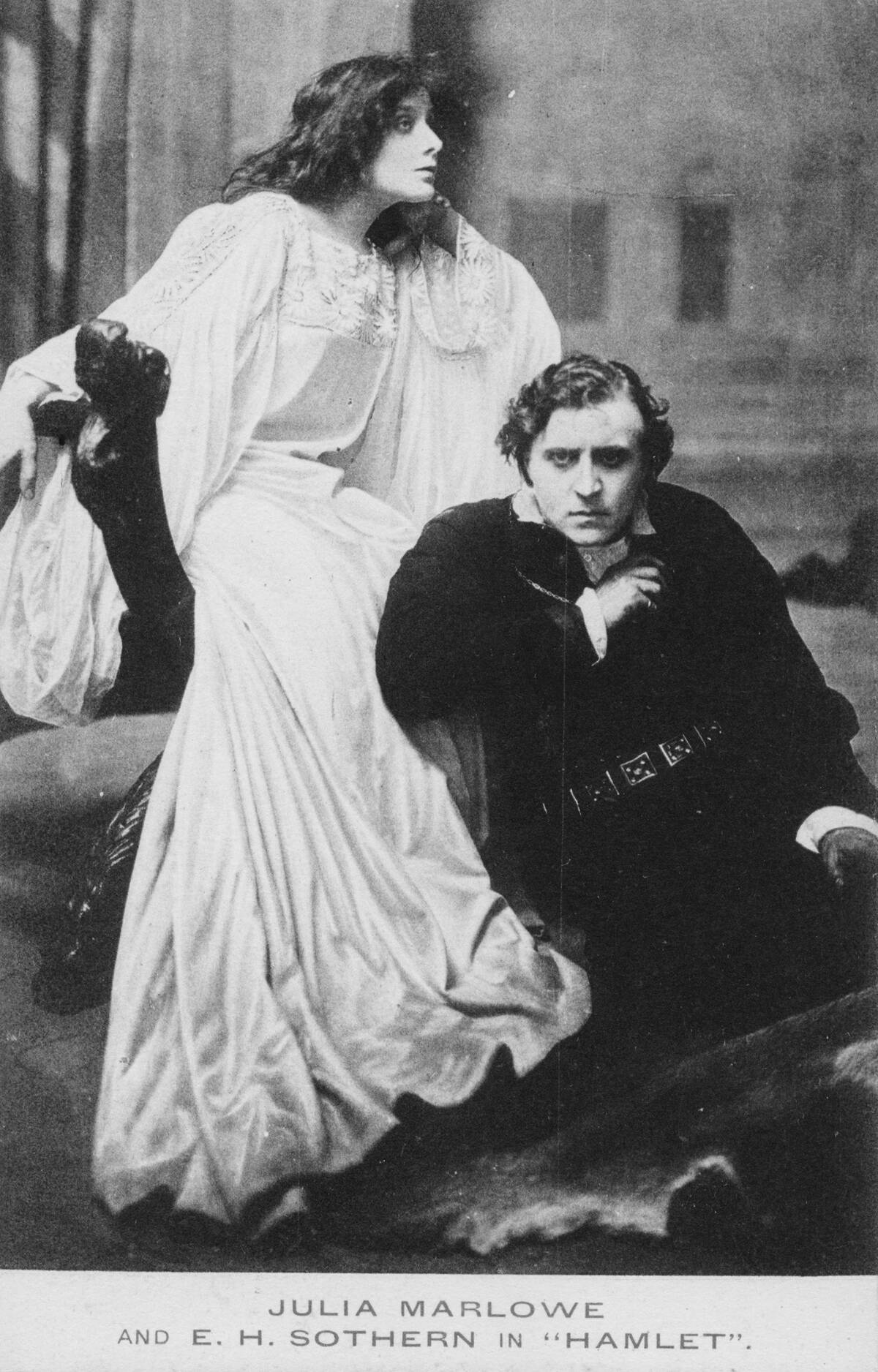
Theater was the original binge night. Gaslight and then electric footlights set the stage for Shakespeare revivals, melodramas, and touring stars. British pantomime—comic, musical, and family-friendly—became a winter holiday staple by the 19th century, with London’s Theatre Royal, Drury Lane mounting lavish productions that cheerfully mixed fairy tales, slapstick, and topical jokes.
Across towns big and small, a ticket bought laughs, tears, and a reason to dress up.
Vaudeville, booming from the 1880s to the 1930s, was a variety buffet: comedians, acrobats, magicians, jugglers, and song-and-dance acts shared bills on circuits like Keith-Albee and Orpheum. Many future film stars—Buster Keaton, W.C. Fields—honed timing here. The programming aimed to be “polite” and family-friendly, in contrast to rougher minstrel or burlesque venues, and quick turnarounds kept audiences guessing what marvel would walk out next.
The Magic of Early Movies: Nickelodeons to Picture Palaces
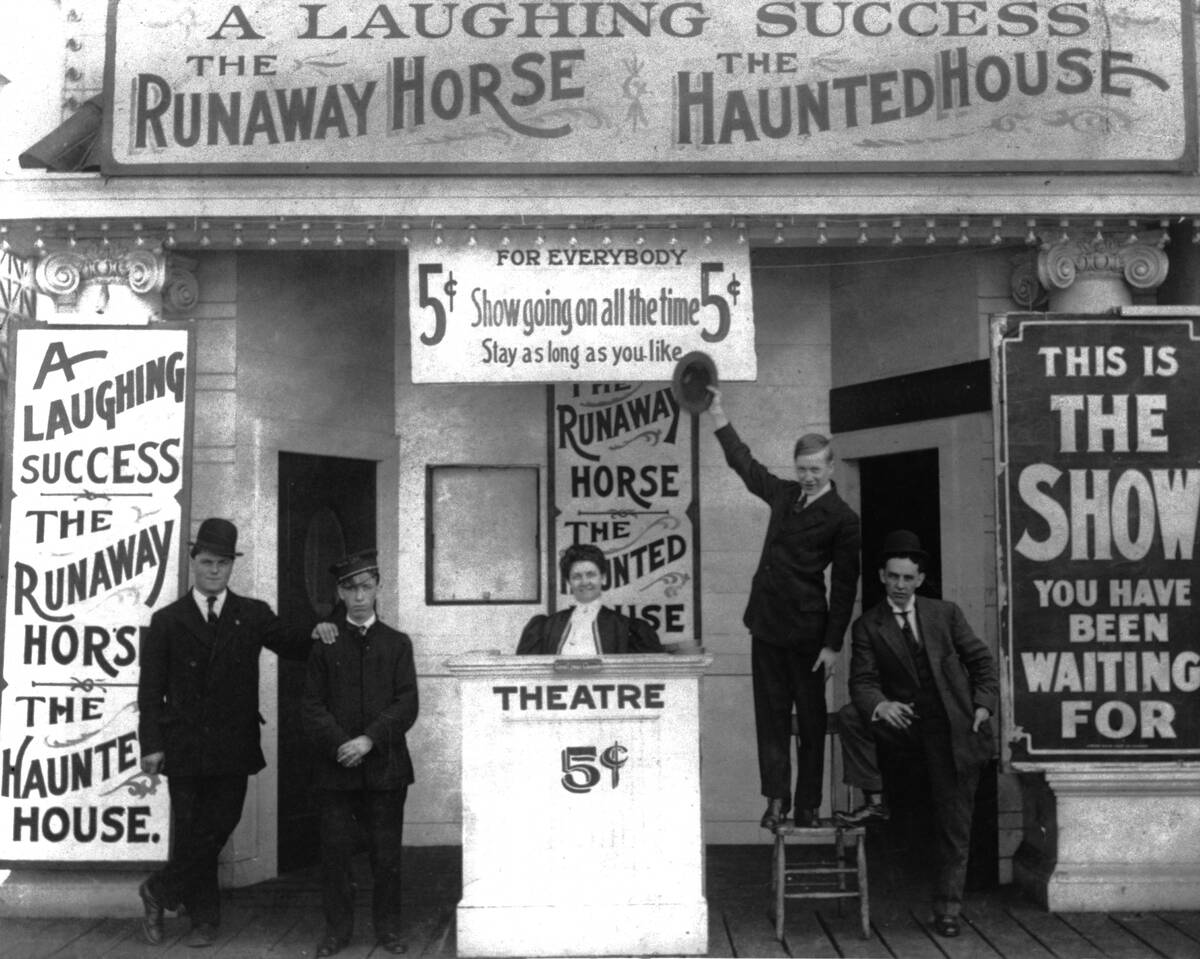
Moving pictures cast a new spell at a nickel a seat. Nickelodeons—small storefront theaters charging five cents—sprang up in the United States between about 1905 and 1915, showing one- and two-reelers with live musical accompaniment. Spectacles like The Great Train Robbery (1903) thrilled early crowds, while the Lumière brothers had already demonstrated projected films to paying audiences in Paris in 1895. Silent didn’t mean quiet: pianos, organs, and audiences supplied the soundtrack.
By the 1910s and 1920s, picture palaces arrived, gilded and grand. The Roxy Theatre in New York opened in 1927 with nearly 6,000 seats, while Grauman’s Chinese Theatre premiered the same year in Hollywood, fusing film with ceremony. Feature-length storytelling matured, and in 1927 The Jazz Singer ushered in synchronized sound. Newsreels and cartoons rounded out programs, turning weekends into double-feature rituals with popcorn as a supporting star.
Radio Rules the Room: Dramas, Comedies, and Crackling News
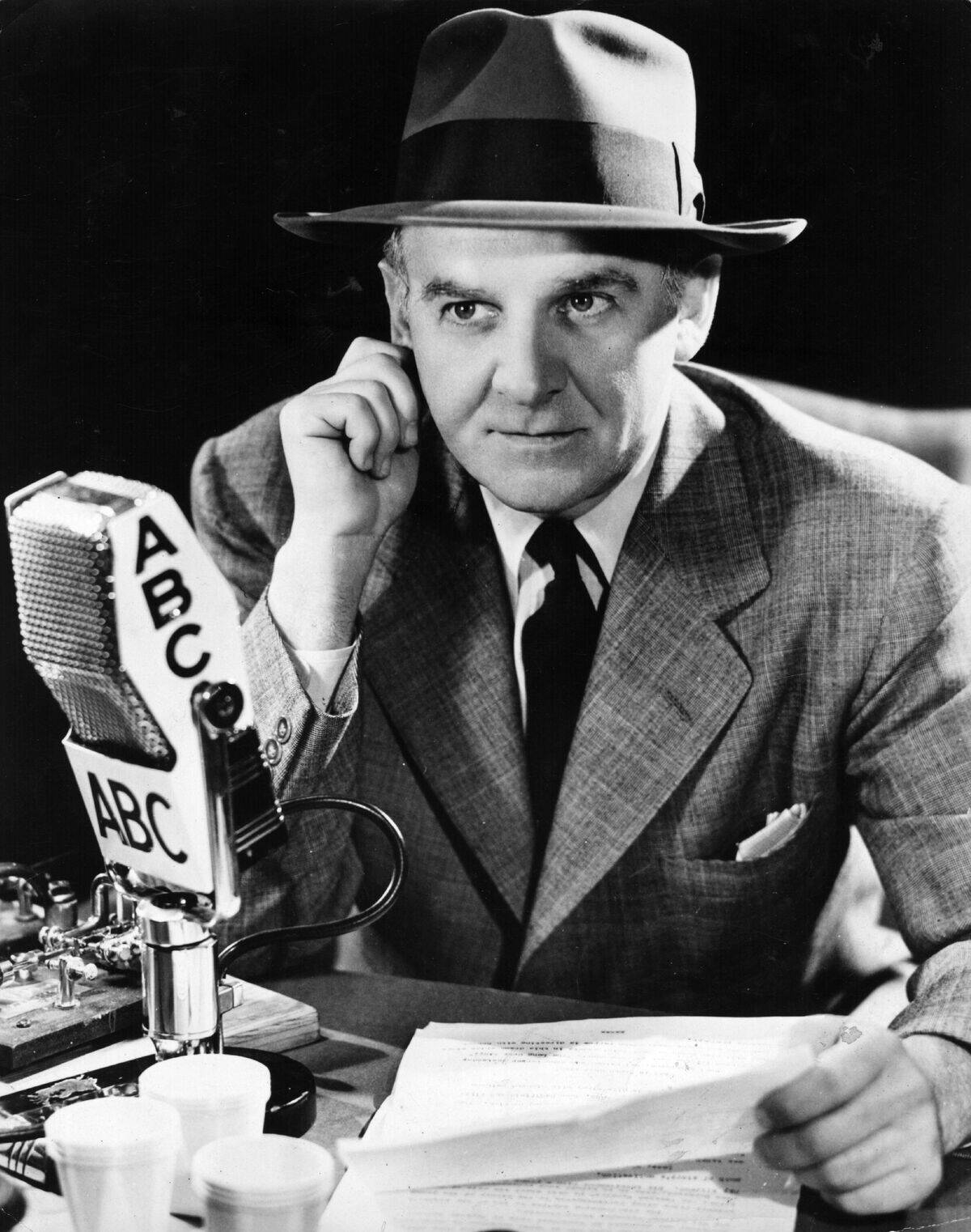
When radio sets landed on sideboards, families pulled chairs closer. KDKA in Pittsburgh broadcast U.S. election returns on November 2, 1920, often cited as a milestone in scheduled broadcasting. Networks soon formed—NBC in 1926, CBS in 1927—and living rooms gained appointment listening: comedies like Amos ’n’ Andy (debuting 1928), mystery voices such as The Shadow (1930s), and serialized adventures that prompted, “Don’t touch that dial!”
Radio also brought leaders and headlines into homes. Franklin D. Roosevelt’s “Fireside Chats” (1933–44) explained policy in plain language, while the BBC (founded 1922) became a global news touchstone. Major events carried immediacy: the Hindenburg disaster report aired in 1937, and wartime bulletins riveted listeners. Sponsorships turned brands into household words, and sound effects crews—door slams, thunder sheets, coconut hooves—made the invisible vividly real.
Traveling Shows: Circuses, Fairs, and Medicine Shows
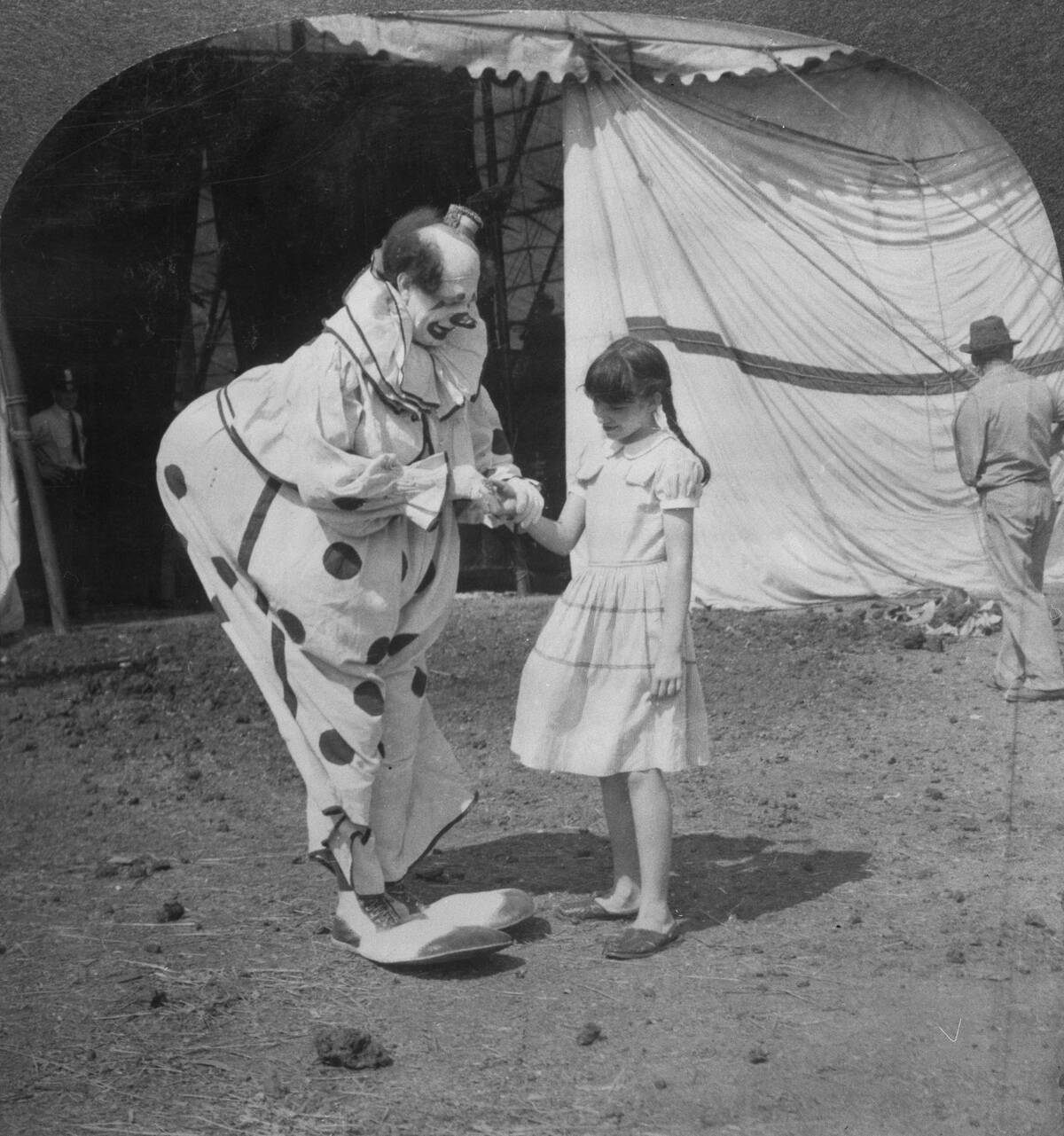
Some entertainment arrived by rail. Circuses like P.T. Barnum’s (founded 1871) and, later, Ringling Bros. and Barnum & Bailey toured with tents, menageries, and a knack for ballyhoo. Parades through town announced opening day, and daring acts—high-wire, trapeze, big-cat trainers—made afternoons gasp-worthy. County and state fairs mixed livestock competitions with midway games, food booths, and bandstands, making them annual calendars’ brightest pins.
Medicine shows blended sales pitch and spectacle, hawking patent “cures” alongside music, comedy, and magic.
The term “snake oil” survives from these pitches, which often dodged medical proof while promising vigor. Buffalo Bill’s Wild West (touring from 1883) added a different flavor of traveling entertainment, staging sharpshooting, riding, and frontier tableaus with performers like Annie Oakley. If you couldn’t go to the city for a show, the show came to you.
Public Lectures and Lyceums: Brains Meet Buzz
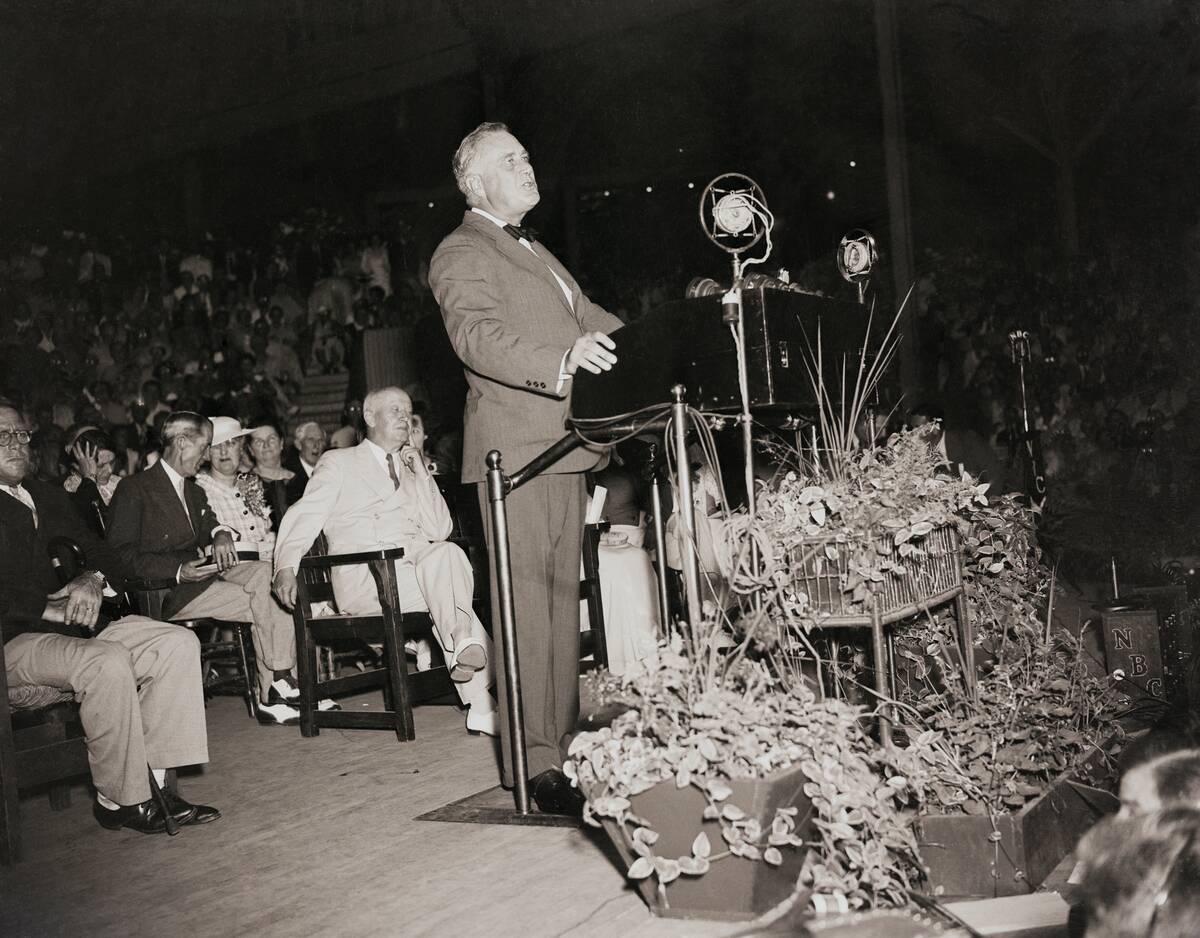
Learning as leisure wasn’t a contradiction. The Lyceum movement, launched in 1826 by educator Josiah Holbrook, organized talks and debates across American towns on science, literature, and reform. Speakers like Frederick Douglass and, later, Mark Twain drew large audiences, proving that a great orator could command attention as surely as any headliner. Admission was affordable, and circuits ensured small communities heard big ideas.
The Chautauqua movement, starting in the 1870s on New York’s Chautauqua Lake, expanded the formula with summer assemblies combining lectures, music, and adult education. The Lowell Institute in Boston (founded 1839) offered free public lectures that still continue. Topics ranged from astronomy to anthropology, and traveling “illustrated talks” used lantern slides to dazzle with images—an early hint of the multimedia presentation, minus the projector hum.
Salons, Coffeehouses, and Tavern Talk
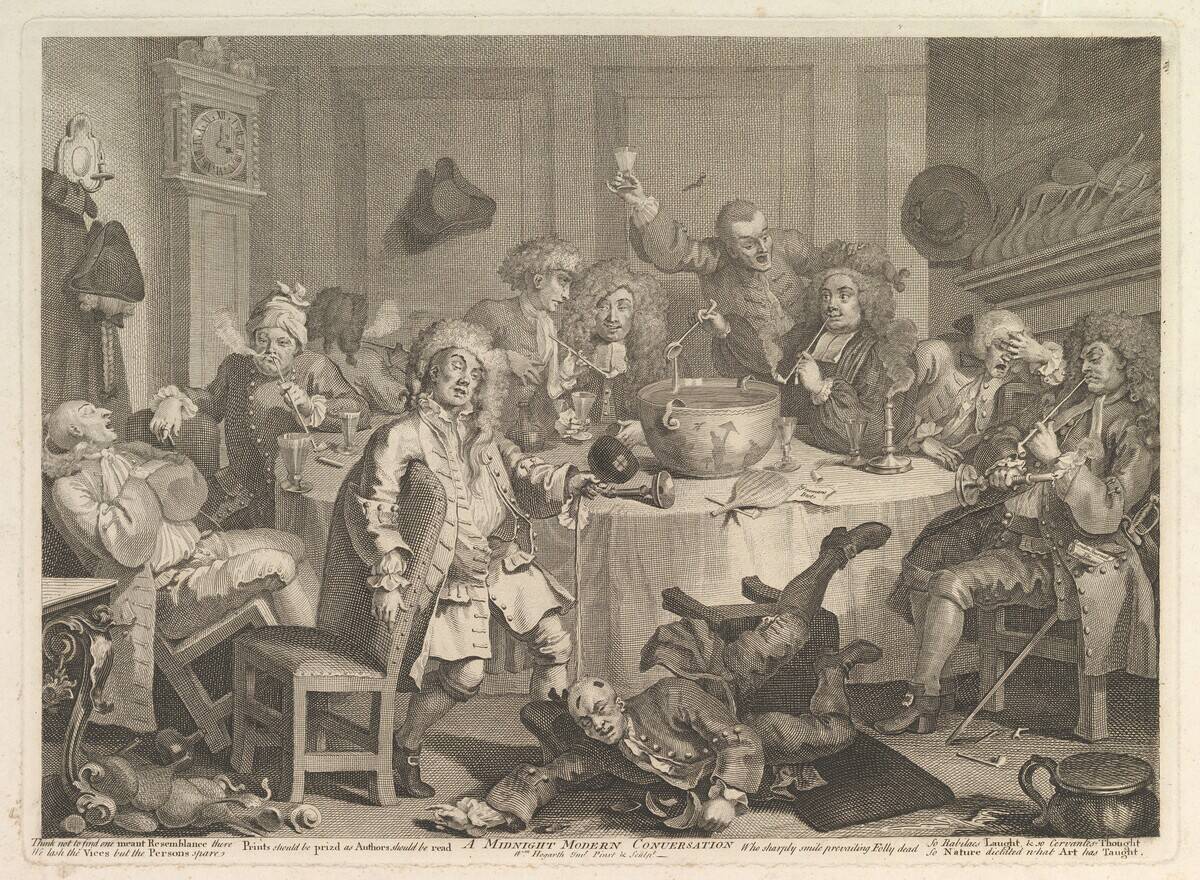
Conversation had its own venues. London’s 17th- and 18th-century coffeehouses were nicknamed “penny universities” because, for the price of a cup, patrons debated politics, science, and trade; Lloyd’s Coffee House (late 17th century) evolved into the insurance market Lloyd’s of London. In Paris, Enlightenment-era salons hosted by figures like Madame Geoffrin gathered philosophers and artists under chandeliers to test and polish ideas.
In taverns, the talk could be rowdier but no less consequential.
Colonial American meeting spots like Boston’s Green Dragon Tavern were linked with Revolutionary plotting. Later, café culture in cities from Vienna to New Orleans sustained newspaper-sharing and chess battles. Even without formal programs, these rooms functioned as social engines—places to argue a point, find a partner for whist, or overhear the rumor that would be tomorrow’s headline.
Clubs and Societies: From Book Clubs to Bird-Watchers
If you had a niche, there was a night for it. Book clubs and literary societies date back centuries, and scientific groups like the Royal Society (founded 1660) set an early template for organized curiosity. By the late 19th century, conservation and naturalist groups sprang up: the Audubon Society formed in 1886, and Britain’s Royal Society for the Protection of Birds began in 1889, turning bird-watching into citizen science before hashtags tallied sightings.
Outdoor and civic clubs multiplied.
The Sierra Club launched in 1892 to promote wilderness exploration and protection. Scouting movements followed: Robert Baden-Powell organized Boy Scouts in 1907, with the Boy Scouts of America founded in 1910; Girl Guides/Girl Scouts soon built parallel programs for girls. Meeting nights meant badges, bylaws, and friendships—plus bake sales—proving that structure can be a surprising incubator for fun.
Hobbies and Handiwork: Knitting, Woodwork, and Model-Making
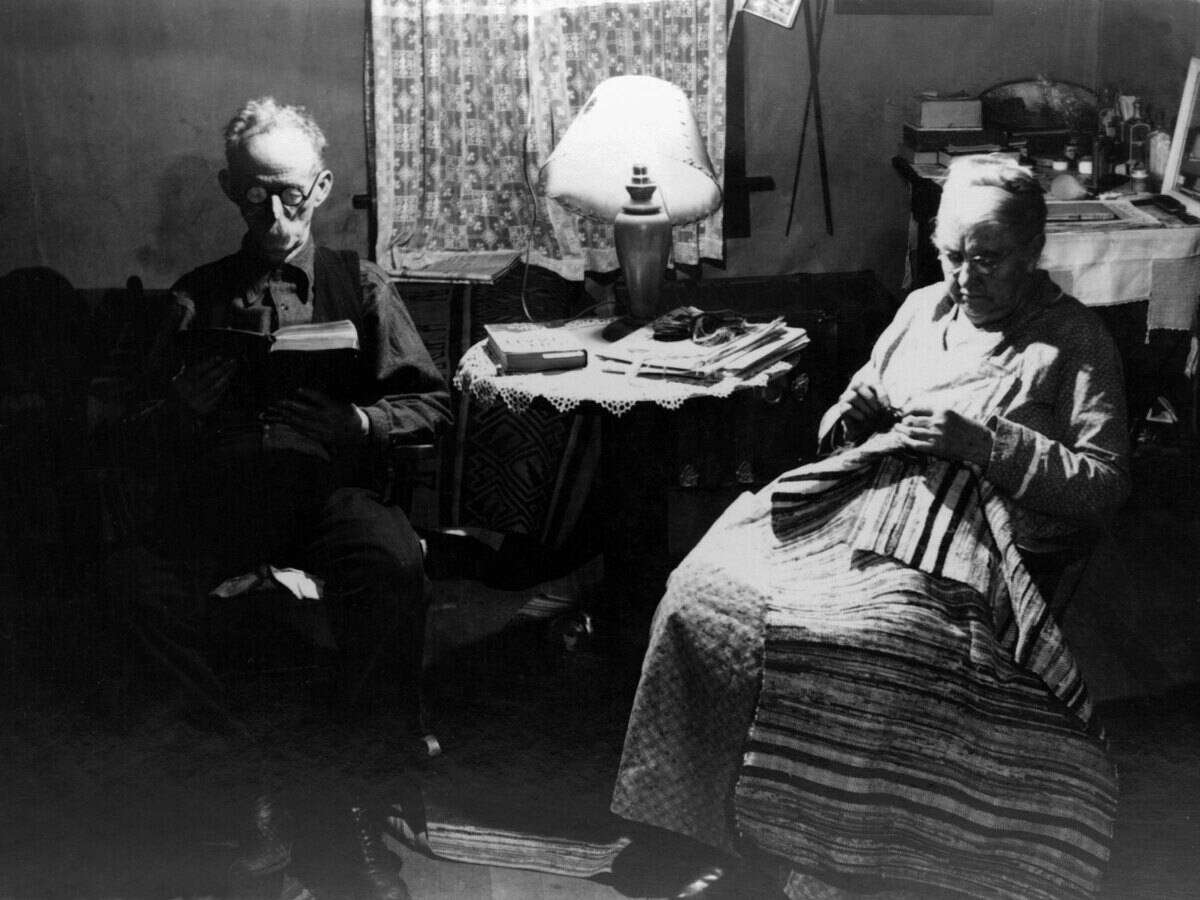
Hands stayed busy on purpose. Knitting patterns appeared in popular 19th-century magazines—Godey’s Lady’s Book regularly printed instructions—while quilting, embroidery, and tatting kept fingers nimble and wardrobes personal. Woodworking ranges from humble stools to fine cabinets; tool catalogs and mail-order houses supplied planes, chisels, and “how-to” guides.
The satisfaction was tangible: you could sit on, wear, or gift the evening’s progress.
Model-making scaled worlds down to the mantel. Early model railways delighted hobbyists by the early 20th century, and Meccano—created by Frank Hornby in 1901—let builders assemble working bridges and cranes from metal strips and nuts. Magazines like Popular Mechanics (founded 1902) and Popular Science (founded 1872) fed project plans. From ship-in-a-bottle challenges to balsa gliders, tinkering glued patience to imagination—and occasionally to the dining table.
Outdoor Fun: Picnics, Park Strolls, and Ice-Skating
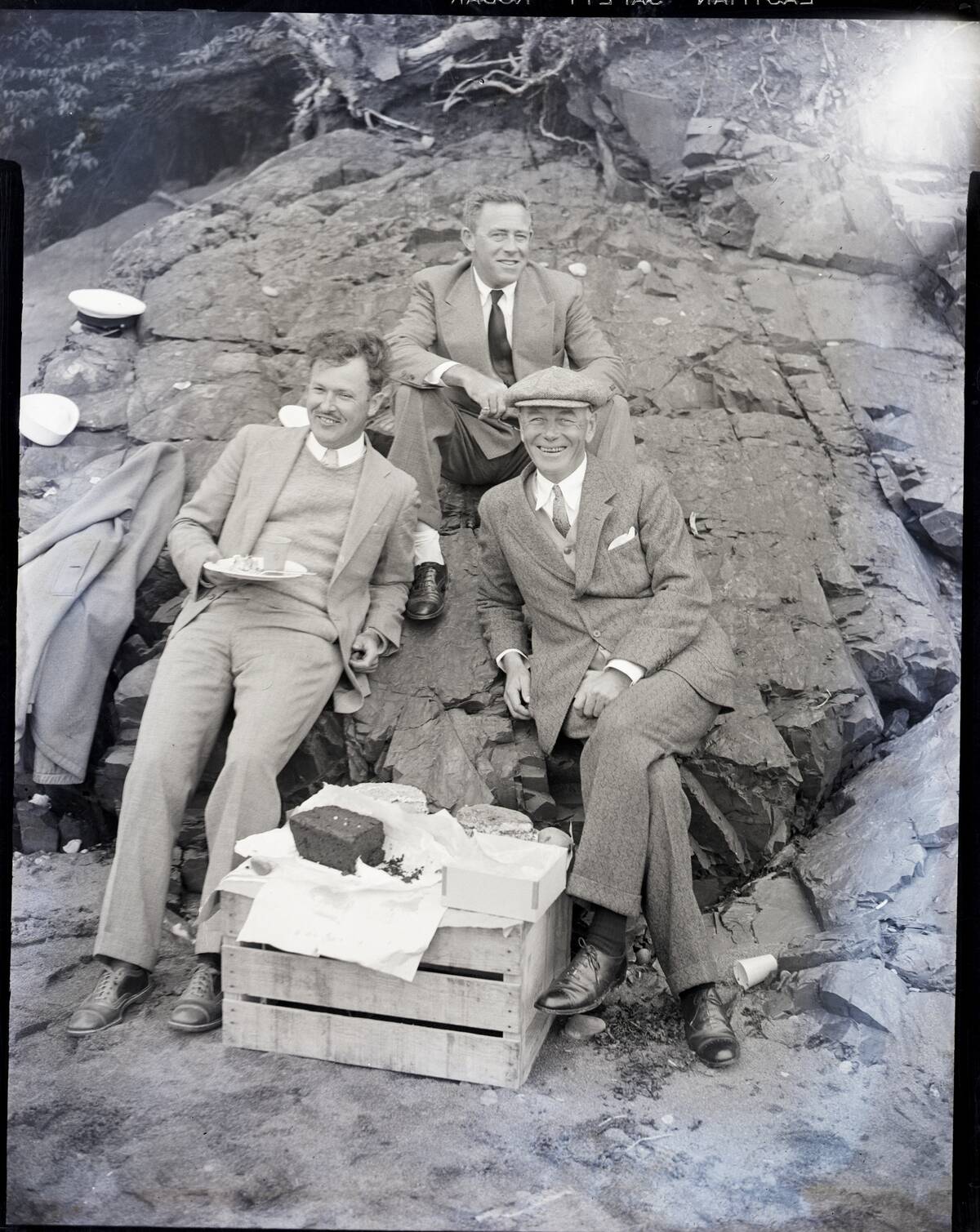
Fresh air was a pastime all its own. The very word picnic, borrowed from French pique-nique, settled into English by the 18th century and by the 19th had become a genteel way to make a meal an excursion. Urban parks offered scenery on schedule: New York’s Central Park, designed by Frederick Law Olmsted and Calvert Vaux in 1858, set the model for public green spaces that invited strolling, rowing, and people-watching.
Winters had their sparkle, too. Ponds turned into rinks when temperatures cooperated, and park lakes—like Central Park’s—welcomed skaters under gaslight and later electric lamps. The first mechanically refrigerated public rink, the Glaciarium, opened in London in 1876, letting blades swish even when ponds refused. With wicker hampers in summer and thermoses in winter, families learned that entertainment could be as simple as a blanket or a pair of laced boots.
Sports to Play and Watch: Cricket, Baseball, and Boxing
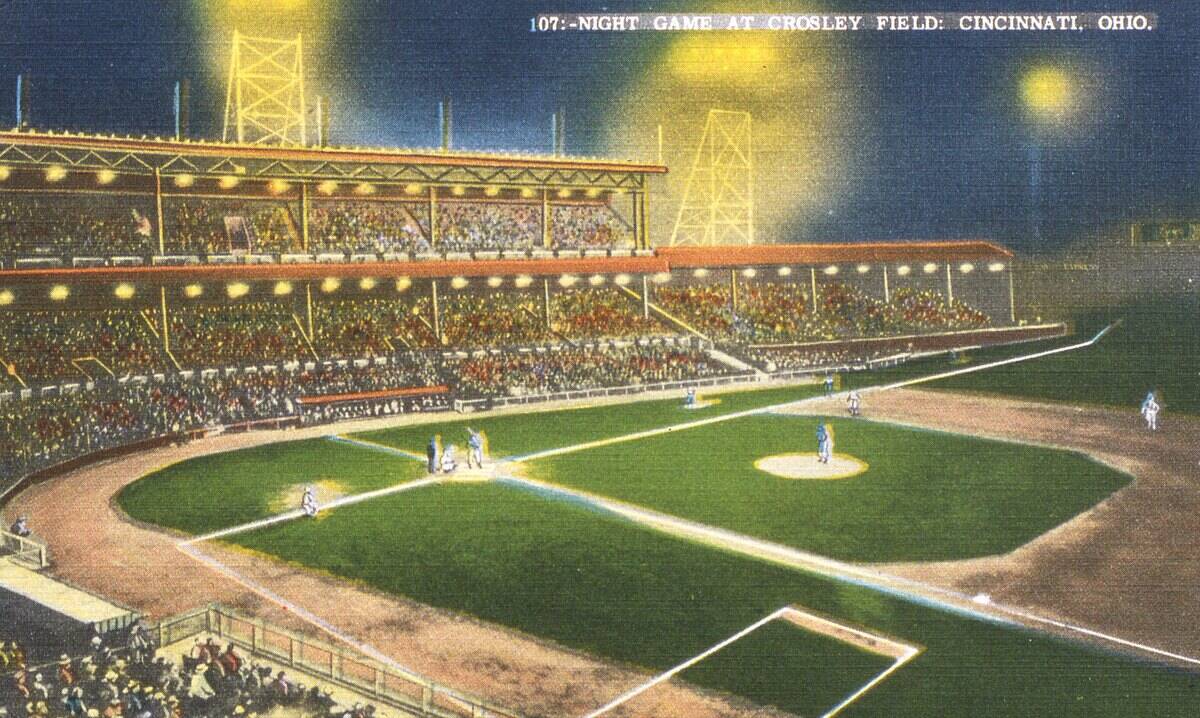
Games migrated from greens to grandstands. Cricket’s Laws were codified in the 18th century, with the Marylebone Cricket Club (founded 1787) acting as custodian; international Test matches began in 1877. Baseball professionalized with the Cincinnati Red Stockings in 1869 and the National League’s formation in 1876; the first modern World Series arrived in 1903. Bleachers and box scores taught even casual fans to savor strategy between swings.
Boxing tightened its rules with the Marquess of Queensberry Code in 1867, replacing bare-knuckle chaos with timed rounds and gloves. Champions became celebrities: Jack Johnson won the world heavyweight title in 1908, commanding headlines well beyond the ring. Local clubs and YMCAs meant amateurs could dabble, while newspapers and, later, radio carried results that fueled Monday debates over who was robbed and who landed the decisive shot.
Puzzles and Pastimes: Crosswords, Riddles, and Brain-Teasers
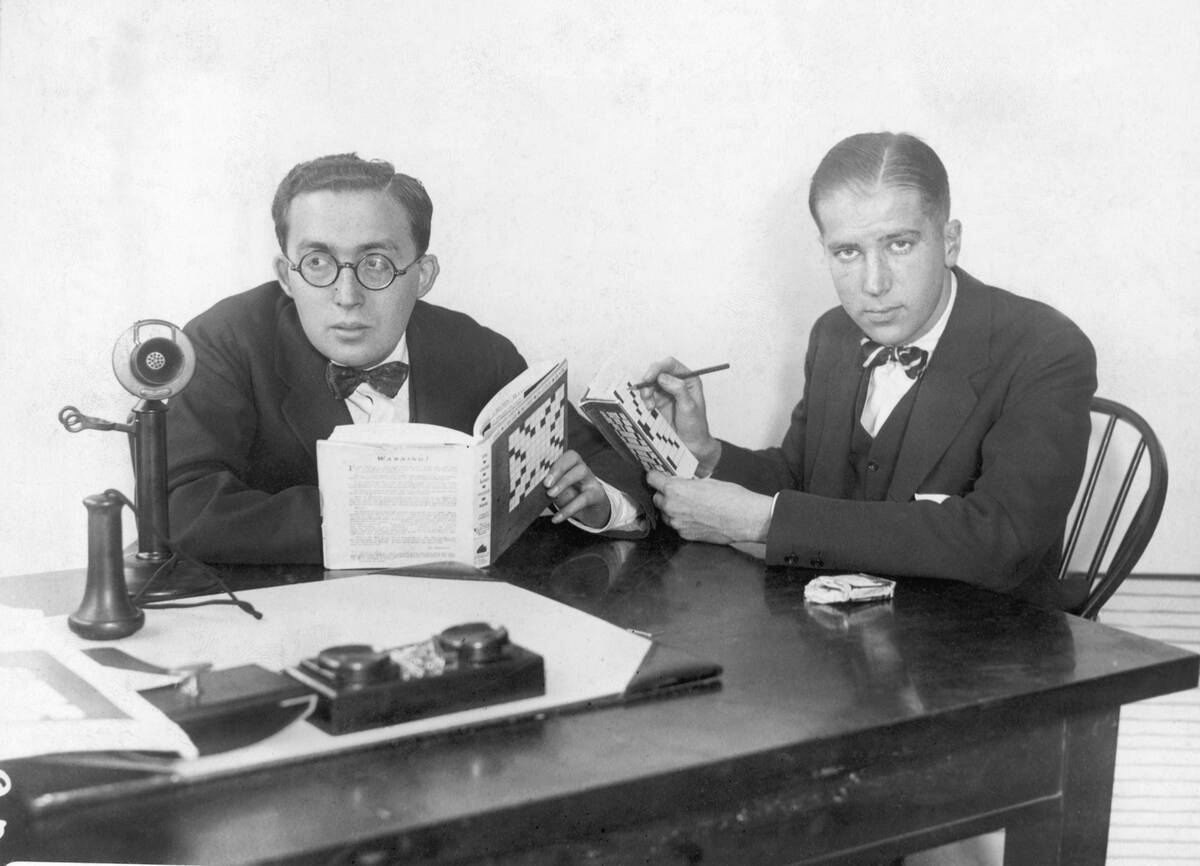
Mental gymnastics earned their spot by the lamp. The modern crossword debuted on December 21, 1913, in the New York World, devised by Arthur Wynne as a “word-cross.” It quickly became a craze, spawning books and rival newspaper features. Earlier, jigsaw puzzles—rooted in 18th-century educational maps by John Spilsbury—trained eyes and patience, while tangrams launched a Western fad in the early 19th century with just seven shapes and infinite arrangements.
Riddles, acrostics, and rebuses bridged parlors and print. Puzzle columns invited readers to send solutions by post, and winners occasionally saw their names in tiny celebratory type. Mechanical puzzles—disentanglement rings, sliding tiles—fit pockets and fascinated train commuters. However tricky the problem, the social part stayed central: swapping clues, arguing themes, and that delicious silence before someone finally said, “Wait—I’ve got it.”
Kids’ Classics: Marbles, Kites, and Hopscotch
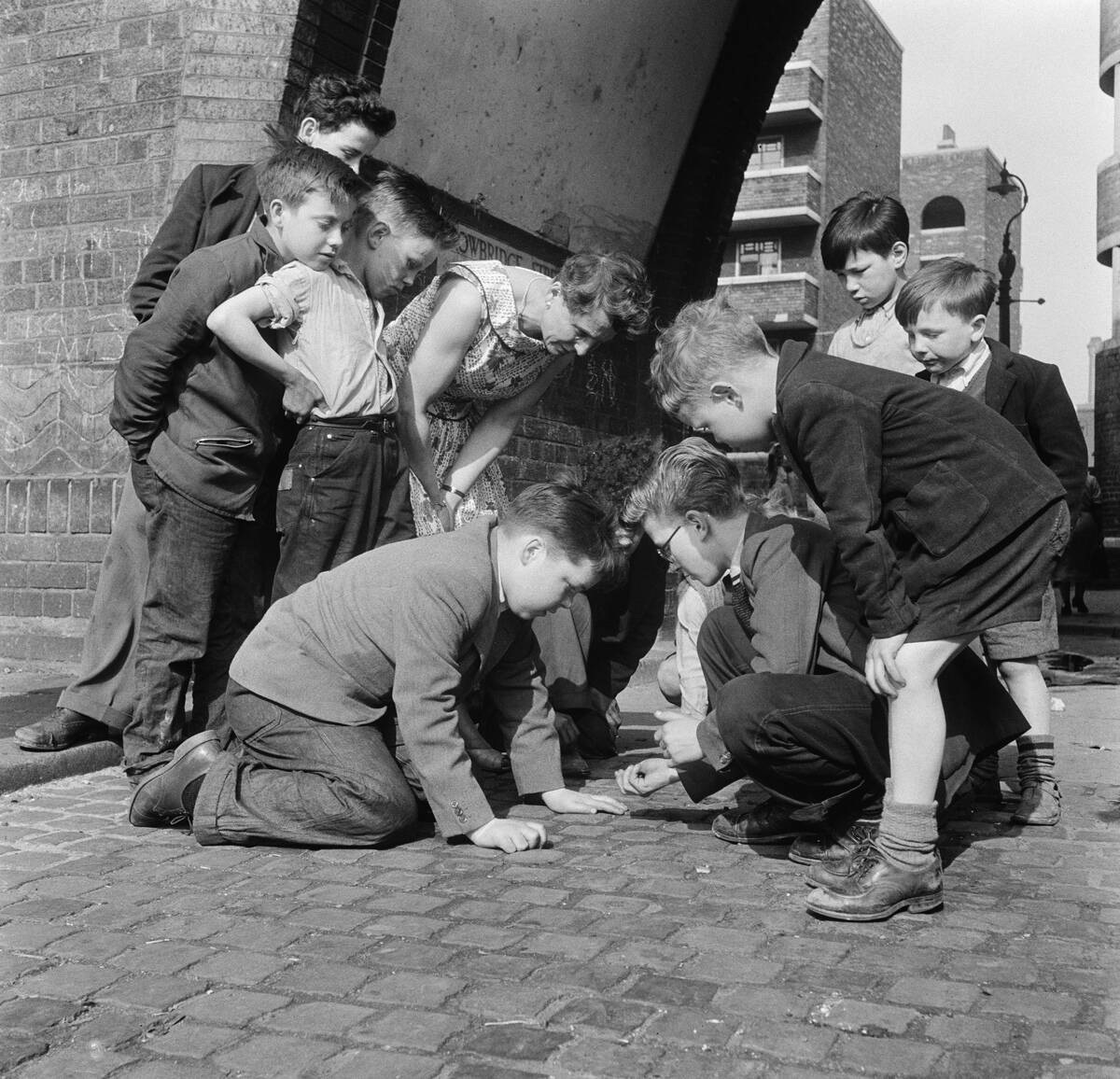
Childhood fun ran on pocket change and windy days. Marbles—clay, then glass by the late 19th century—filled schoolyards, with “taws” (shooters) knocking rivals from chalk rings. Mass-produced glass marbles from Germany and later American factories made bright swirls common treasures. Rules varied by neighborhood, but the satisfaction of a clean hit was universal and the bag of winnings a noisy badge of honor.
Kites have deep roots in China more than 2,000 years ago, and by the 19th century they were common playthings from parks to beaches. Hopscotch, recorded in Britain by the 17th century, chalked agility into pavement with numbered squares and a tossed marker. These games asked little from grown-ups and a lot from legs and lungs—training coordination, patience, and the priceless skill of settling disputes without a referee.
Postal Pleasures: Letters, Postcards, and Pen Pals
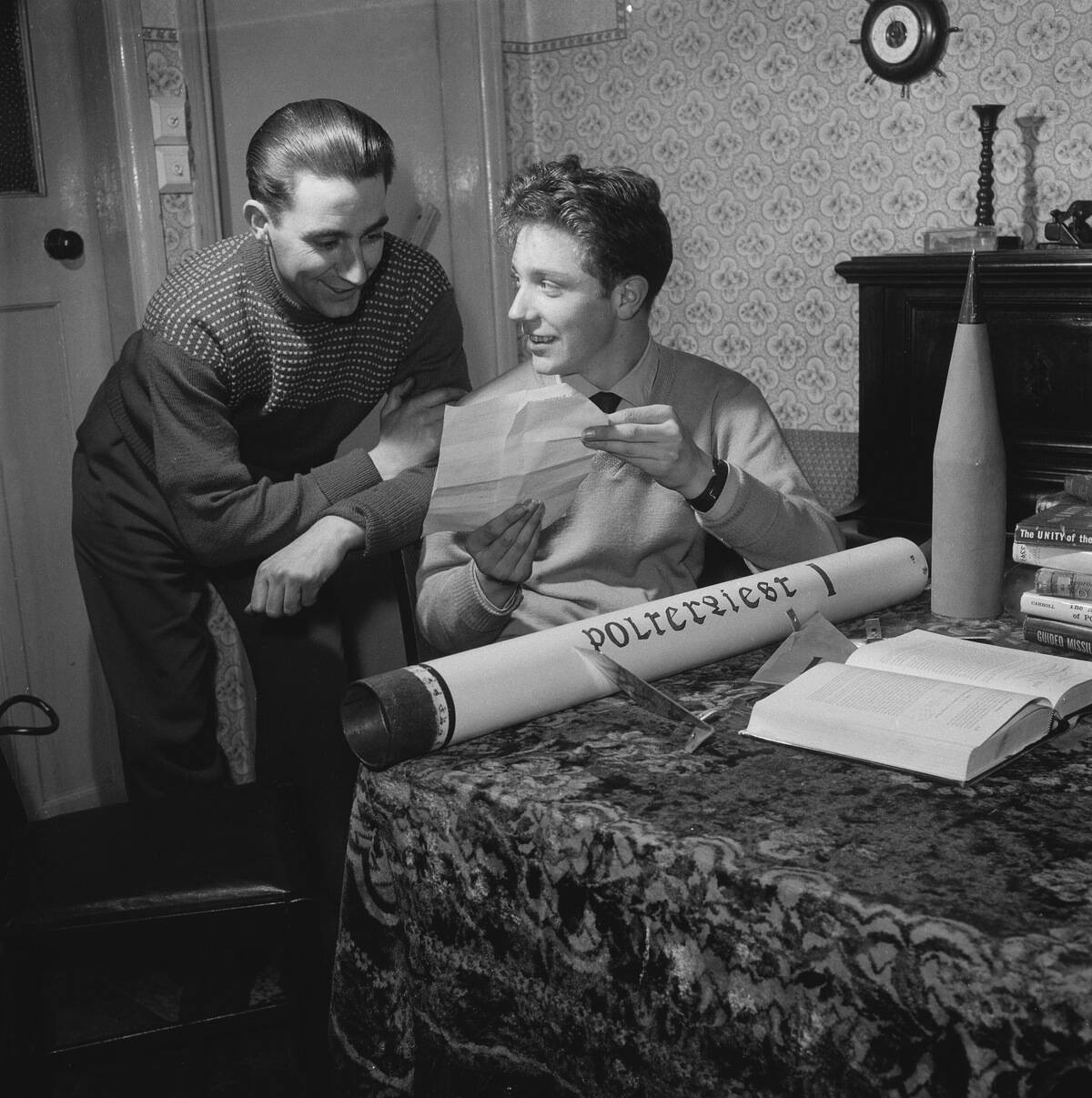
The mailbag doubled as a social network. Britain’s Uniform Penny Post began in 1840, along with the world’s first adhesive postage stamp, the Penny Black, making correspondence affordable for ordinary people. In the United States, Rural Free Delivery rolled out nationally by 1902 after trials beginning in 1896, ensuring farm families got letters without a long ride to town.
Mail wasn’t just information—it was anticipation.
Postcards surged in the late 19th and early 20th centuries. In the U.S., privately printed “mailing cards” were authorized in 1898, and the divided-back postcard for messages and addresses arrived in 1907. Picture postcards turned travel into a dispatchable souvenir. Pen-pal clubs and magazine classifieds paired strangers who became friends, practicing neat handwriting and global curiosity with every carefully chosen stamp and flourish of ink.
Community Gatherings: Church Socials, Quilting Bees, and Potlucks
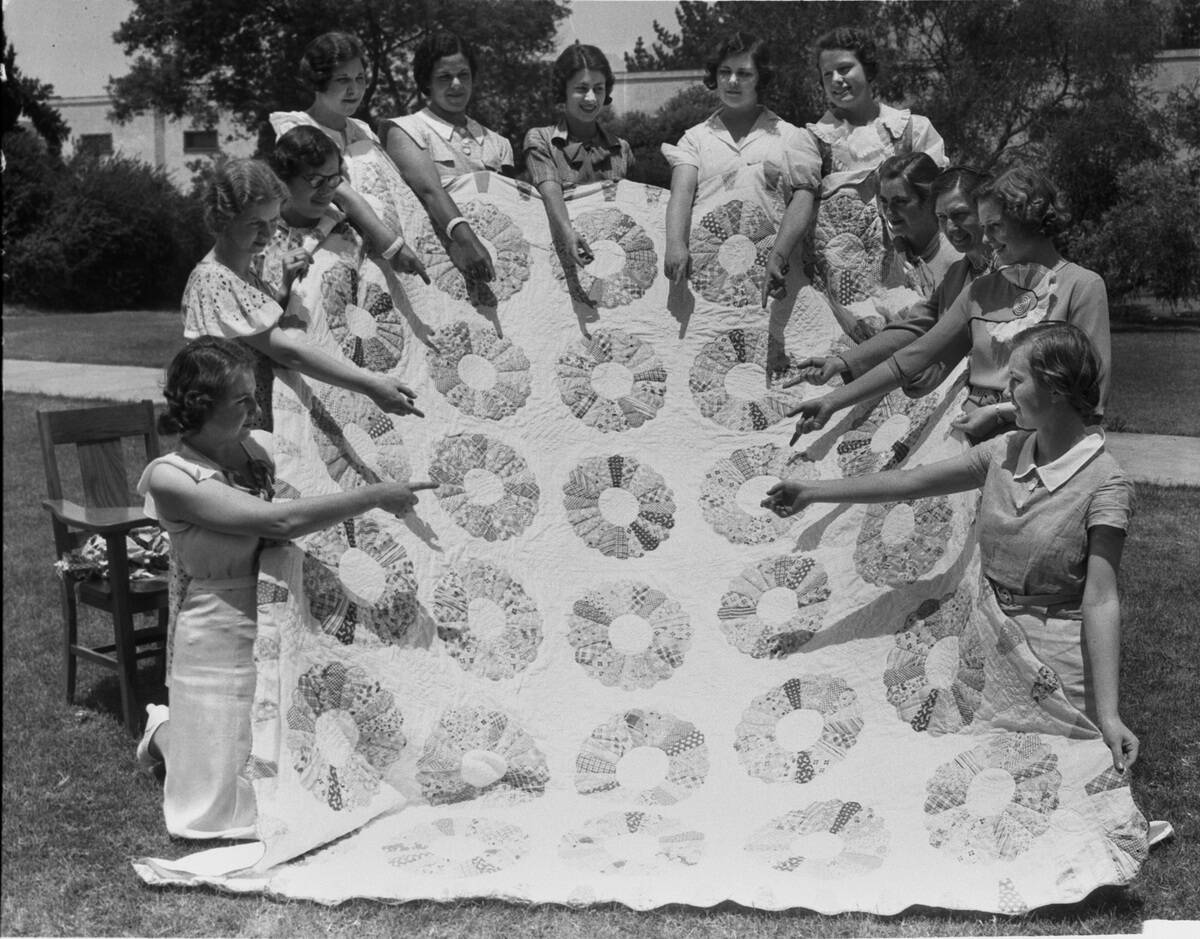
Community calendars brimmed with low-cost joy. Church socials—ice cream socials were especially popular in 19th-century America—turned fundraising into friendly mingling. Quilting bees stitched more than fabric, offering women a space to trade techniques, news, and mutual aid while assembling patchwork tops into warm, durable blankets. Raffles, hymns, and homemade desserts rounded out evenings where everyone’s contribution mattered.
Potlucks made culinary variety a collective art form.
The tradition of communal meals is old, but 20th-century American congregations and civic groups especially embraced the “bring a dish” format for suppers in basements and halls. Grange meetings, school events, and harvest dinners layered in fiddle tunes or student recitations. You left with a new recipe, a full heart, and, occasionally, a suspiciously empty casserole dish that wasn’t yours.
Shadow Plays and Puppetry: Small Stages, Big Applause
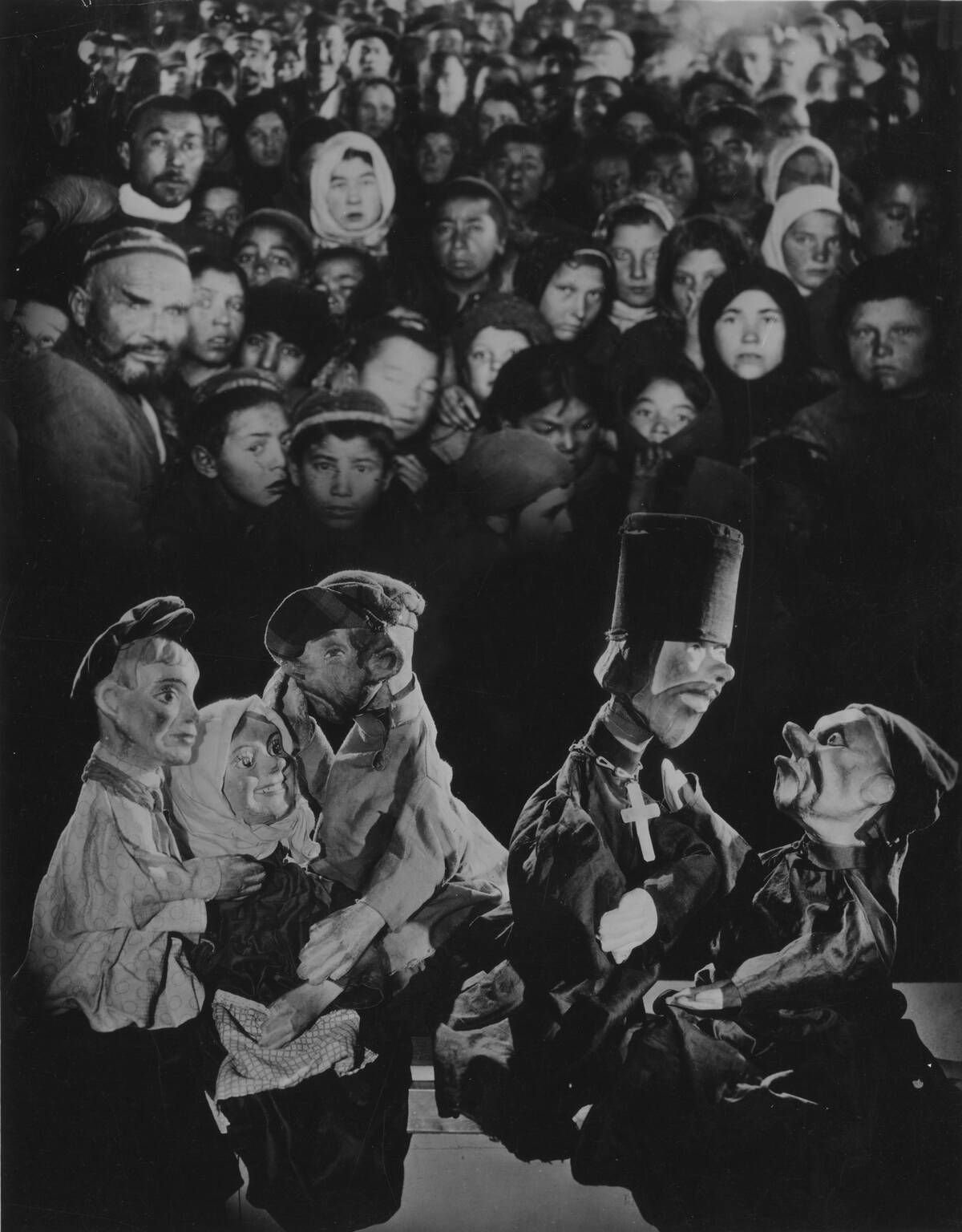
Light and silhouettes could mesmerize a crowd. Chinese shadow puppetry has deep roots, with legends tracing it to the Han dynasty era; by the time Western travelers described it, the craft boasted intricate leather figures and centuries of tradition. In Southeast Asia, Indonesian wayang kulit used carved leather puppets and a backlit screen to narrate epics like the Ramayana, accompanied by gamelan orchestras.
Europe had its own puppet fame. Punch and Judy shows were documented in England by 1662—Samuel Pepys noted seeing “Polichinello,” Punch’s ancestor—and remained a raucous street staple. By the 18th century, silhouette theaters and later marionette troupes toured salons and fairs. Even homes improvised: a bedsheet, a lamp, and nimble fingers could stage comic battles, proving that imagination needs only a little light to loom large.