A glimpse into everyday life in past decades
Have you ever wondered what life was really like in different historical periods? Often, the truth lies in the details of daily routines, personal stories, and cultural nuances.
By delving into firsthand accounts, we can gain a deeper understanding of how people lived, loved, and coped with their everyday challenges. This journey through time reveals that while the context may change, the essence of human experience remains remarkably consistent.
The Value of Firsthand Accounts in Understanding History
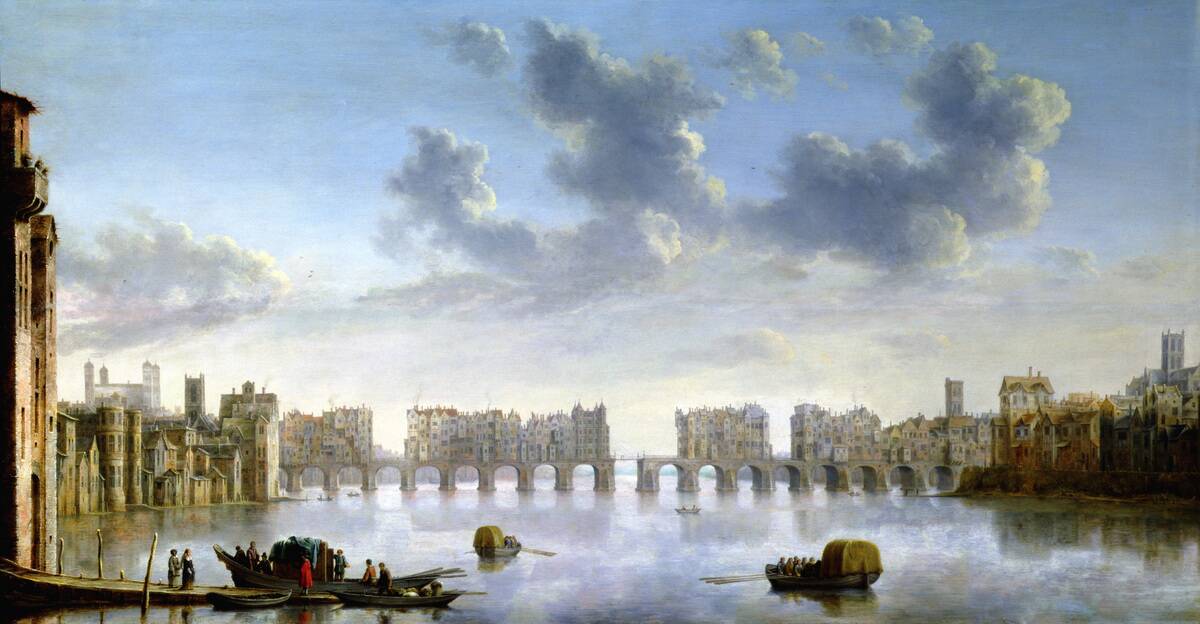
Firsthand accounts provide an invaluable window into the past, offering details that history books often overlook. They capture the voices and emotions of those who lived through historical events, making history feel alive and immediate.
For instance, Samuel Pepys’ diaries give us a vibrant picture of 17th-century London, from the Great Fire to the plague. Such narratives allow us to connect with our ancestors on a personal level, bridging the gap between then and now.
A Day in the Life of a Medieval Peasant
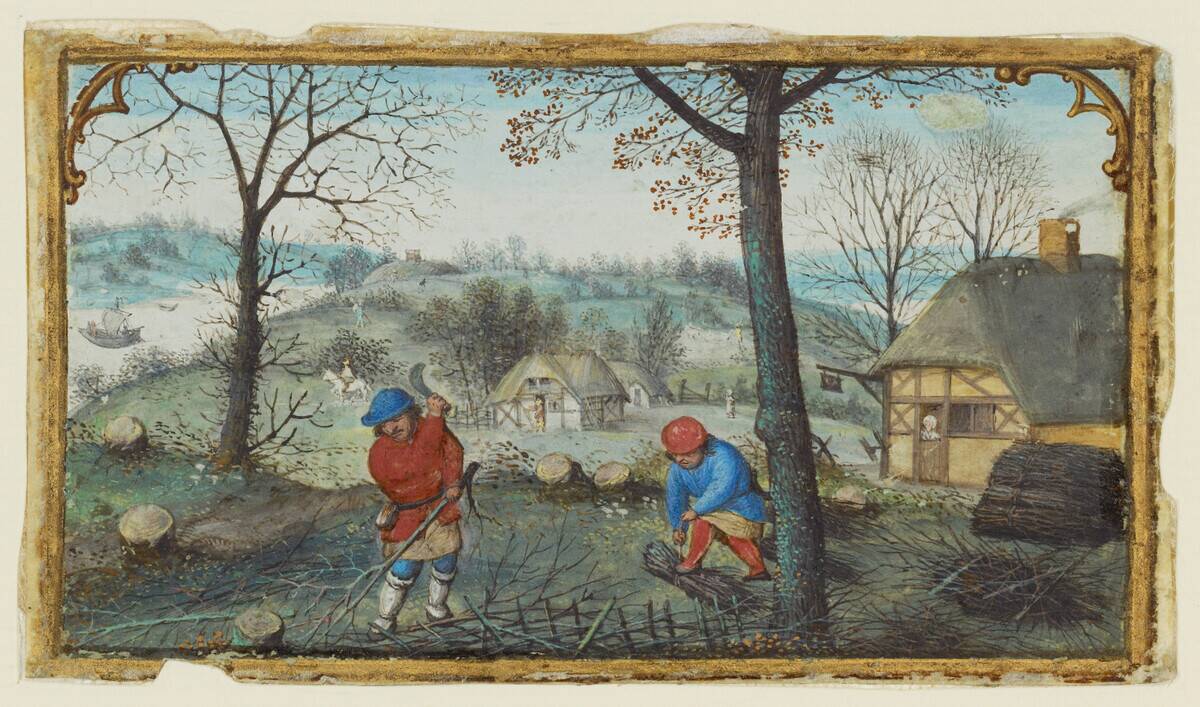
Medieval peasants led lives that were both challenging and community-oriented. Their days were long, beginning at dawn and filled with agricultural work. Despite the hardships, there was a strong sense of community, with festivals and communal gatherings bringing respite.
Harvest time was especially significant, as it dictated the community’s survival. These peasants’ lives, though difficult, were rich in tradition and relied heavily on barter and mutual support.
Inside the Homes of the Ancient Romans
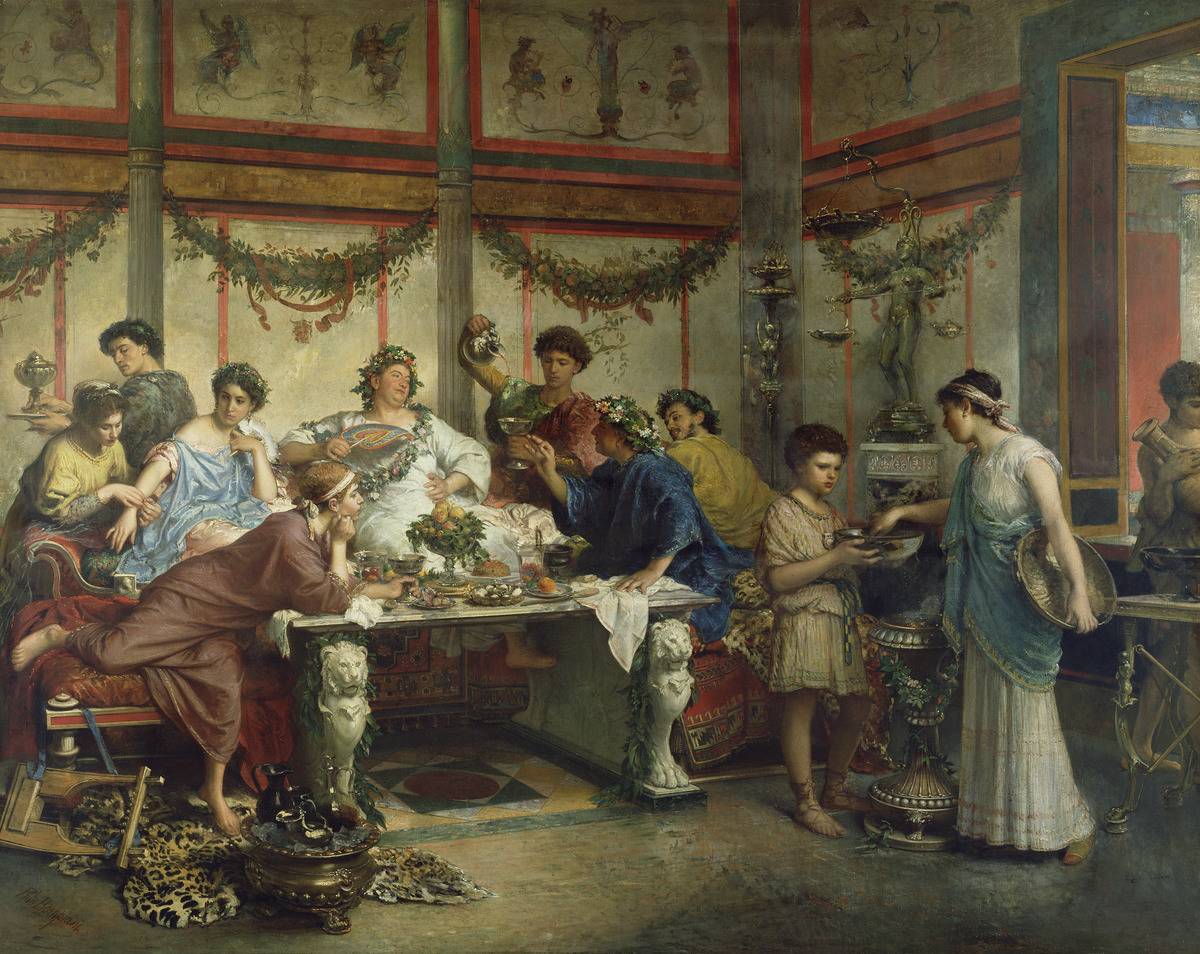
Ancient Roman homes ranged from lavish villas to modest insulae, or apartment buildings. Wealthier Romans enjoyed amenities like private baths and atriums adorned with frescoes. Meanwhile, common folks lived in cramped quarters, often without running water.
The Roman emphasis on family and social gatherings was evident in their home designs, with spaces dedicated to hosting guests. These homes were a reflection of societal status and the Roman way of life.
Daily Routines in the Victorian Era
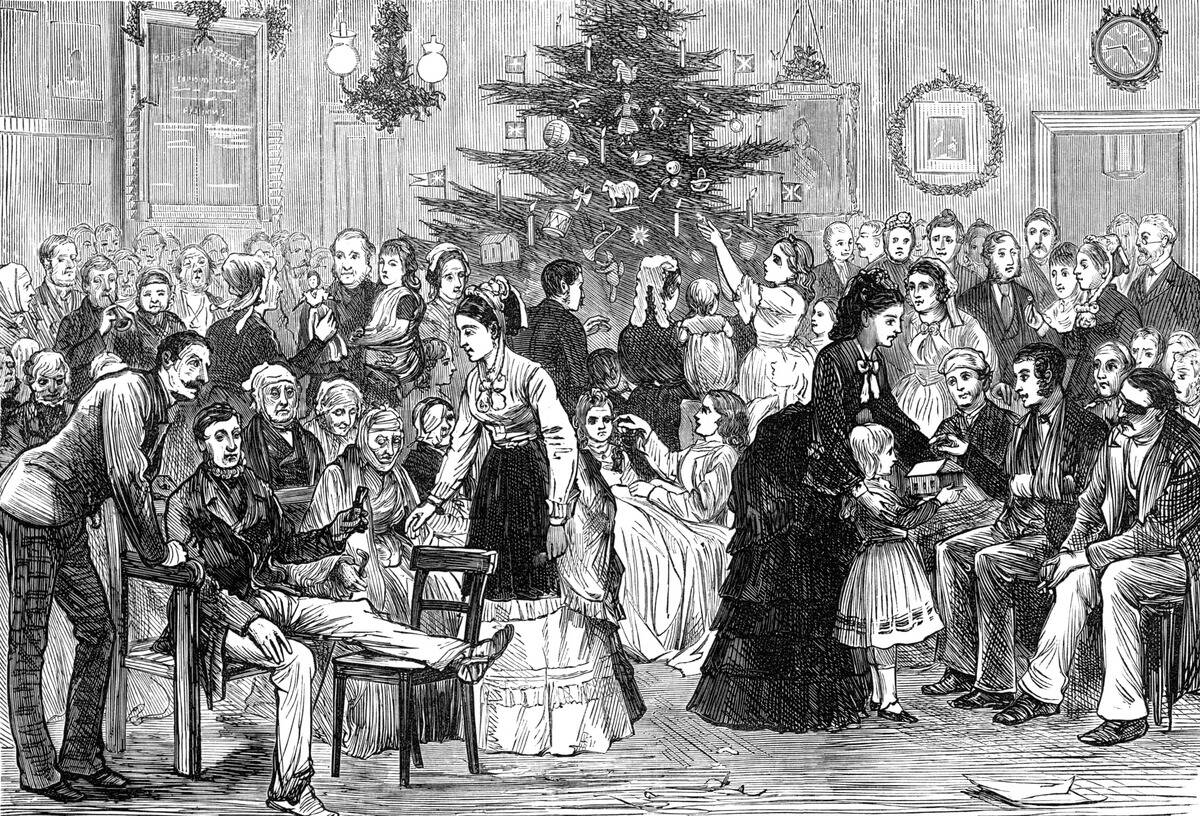
Victorian daily life was characterized by strict social norms and a burgeoning middle class. Morning routines often included reading the newspaper and partaking in elaborate breakfasts. Industrialization brought about new job opportunities, yet also led to long working hours.
Leisure activities like theater and the novel-reading boom offered an escape from the rigors of daily life. The Victorians were both industrious and deeply invested in the cultural pursuits of their time.
The Joys and Struggles of Life in the Roaring ’20s
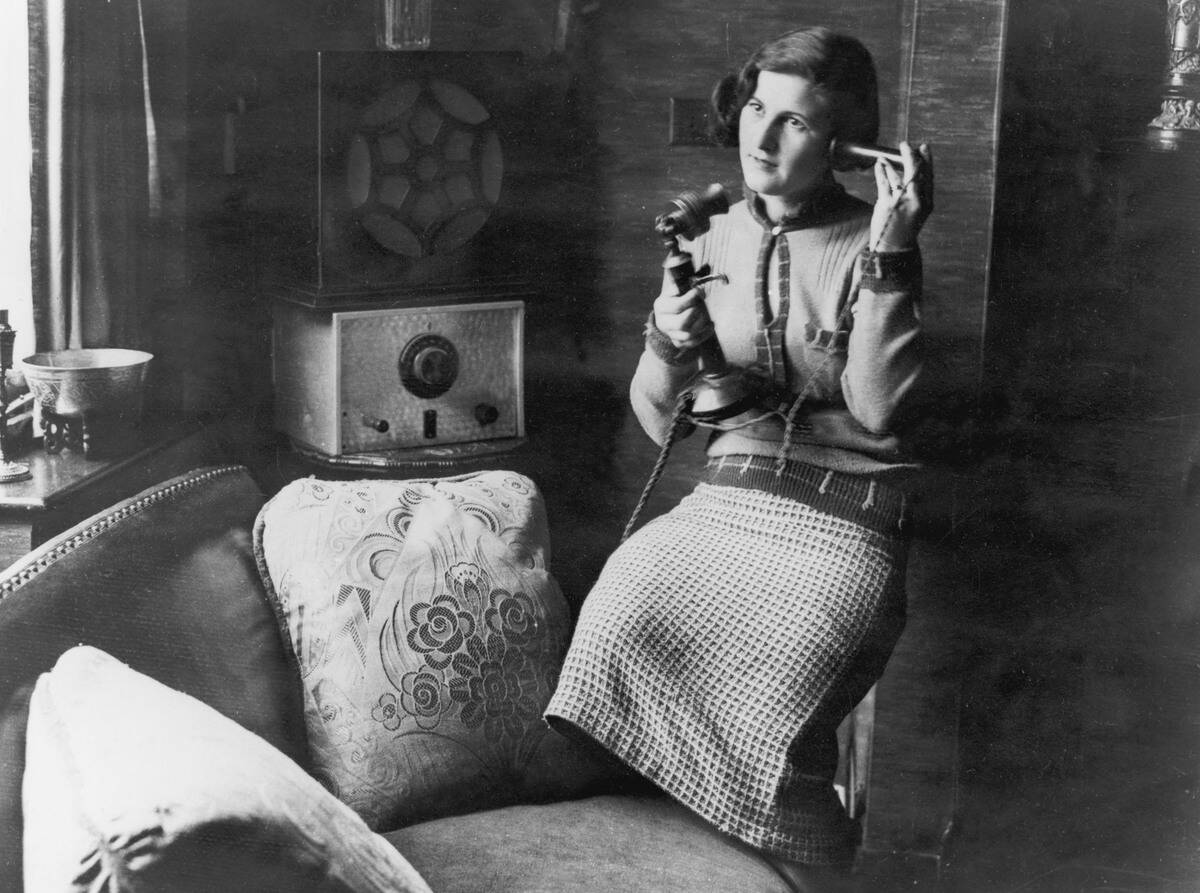
The 1920s were marked by economic prosperity and cultural dynamism, but also by underlying tensions. Jazz music and flapper fashion defined the era, symbolizing a break from the past.
While cities boomed, rural areas struggled with agricultural downturns. Prohibition sparked speakeasies and a rebellious spirit among the youth. Despite the decade’s exuberance, it was also a time of social change, with women gaining the right to vote and challenging traditional roles.
Living Through the Great Depression: A Personal Perspective
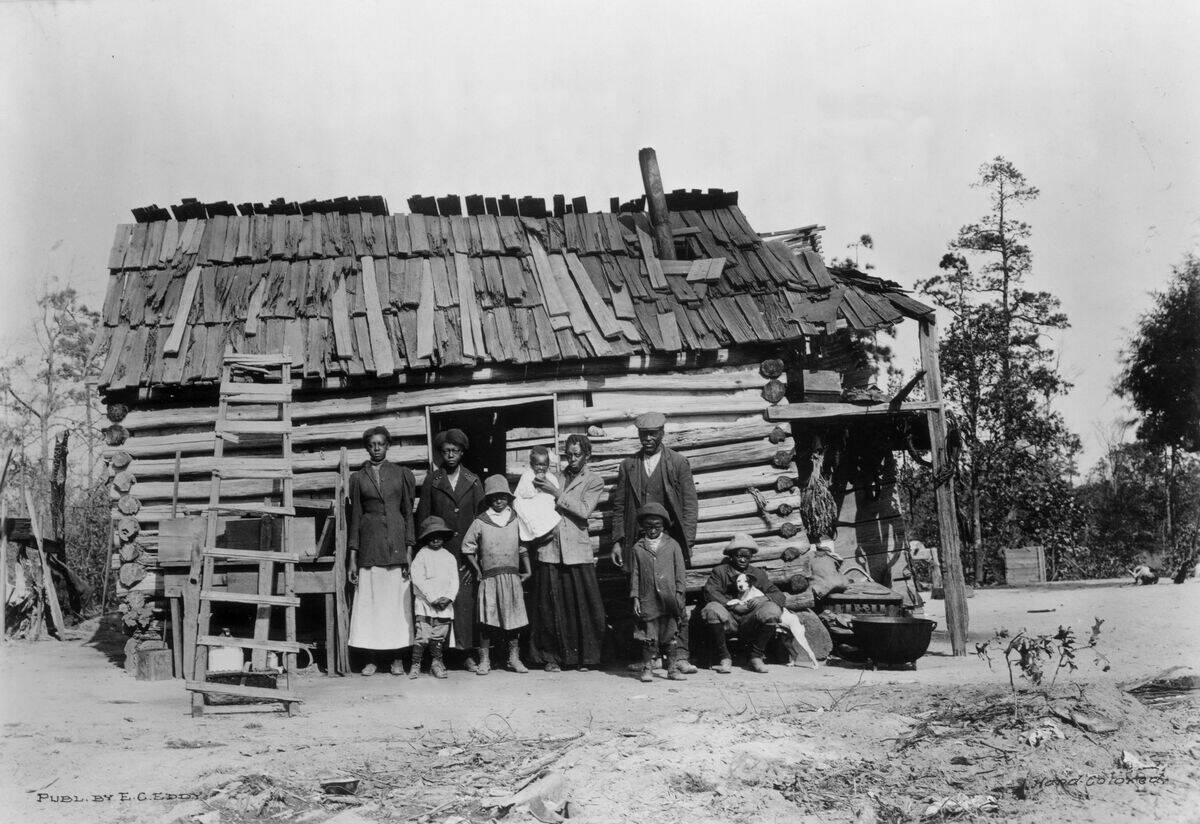
The Great Depression was a time of immense hardship, yet it also fostered resilience and community spirit. Families coped by growing their own food and relying on bartering. Stories from this era reveal the creativity and determination of people striving to make ends meet.
Despite widespread unemployment, public works programs like the WPA provided jobs and hope. These personal narratives highlight the human capacity to endure and adapt in the face of adversity.
Wartime Diaries: Life on the Home Front During WWII
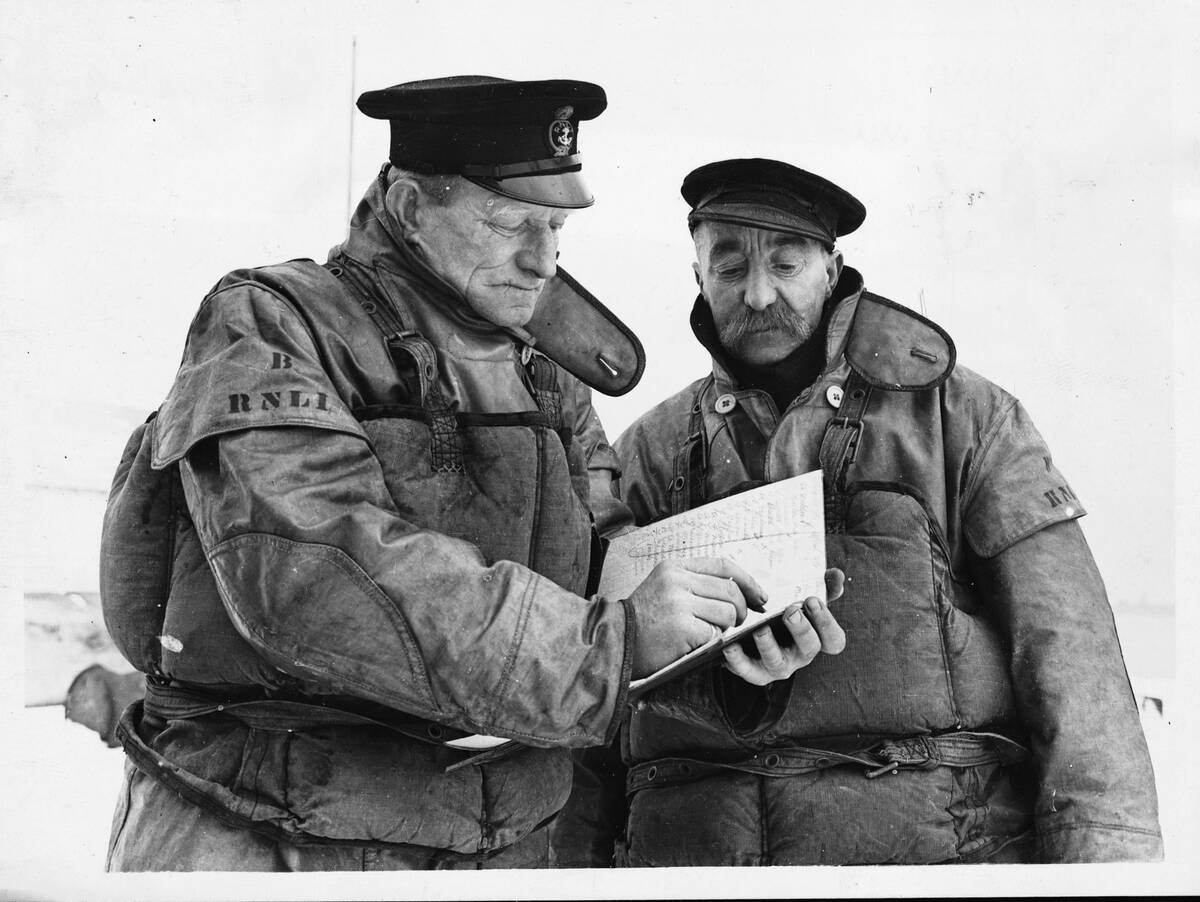
Wartime diaries offer poignant insights into life during World War II, capturing the mix of anxiety and hope that defined the era. Families faced rationing, air raids, and the absence of loved ones, yet communities rallied together in support.
Women’s roles expanded dramatically as they took on jobs traditionally held by men. These diaries reflect the resilience and patriotism of those who kept the home fires burning, even as the world was engulfed in conflict.
The 1960s: A Decade of Change and Its Impact on Daily Life
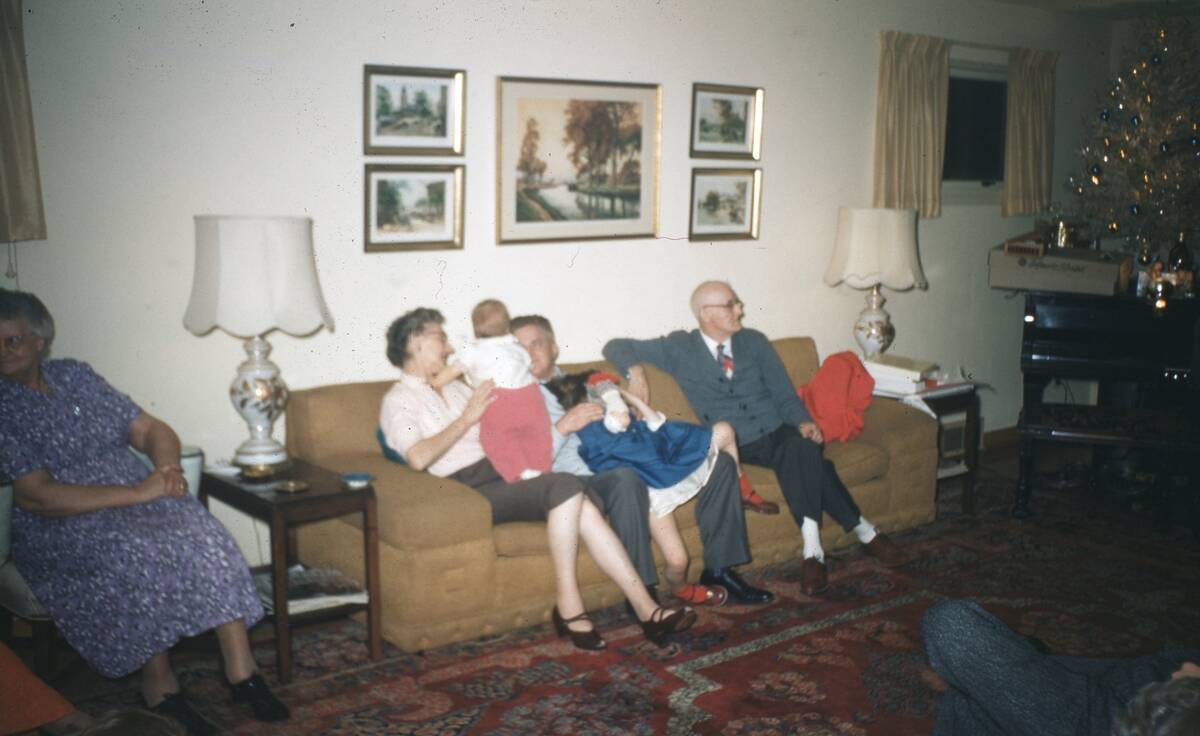
The 1960s were a revolutionary time, with social change reshaping daily life. The civil rights movement challenged racial inequalities, while the counterculture questioned traditional values. Technological advancements, like the widespread use of television, influenced public opinion and culture.
Music from bands like The Beatles and The Rolling Stones became the soundtrack for a generation. This decade was a period of experimentation and transformation, leaving a lasting impact on society.
Growing Up in the ’70s: A Firsthand Look at Family Life
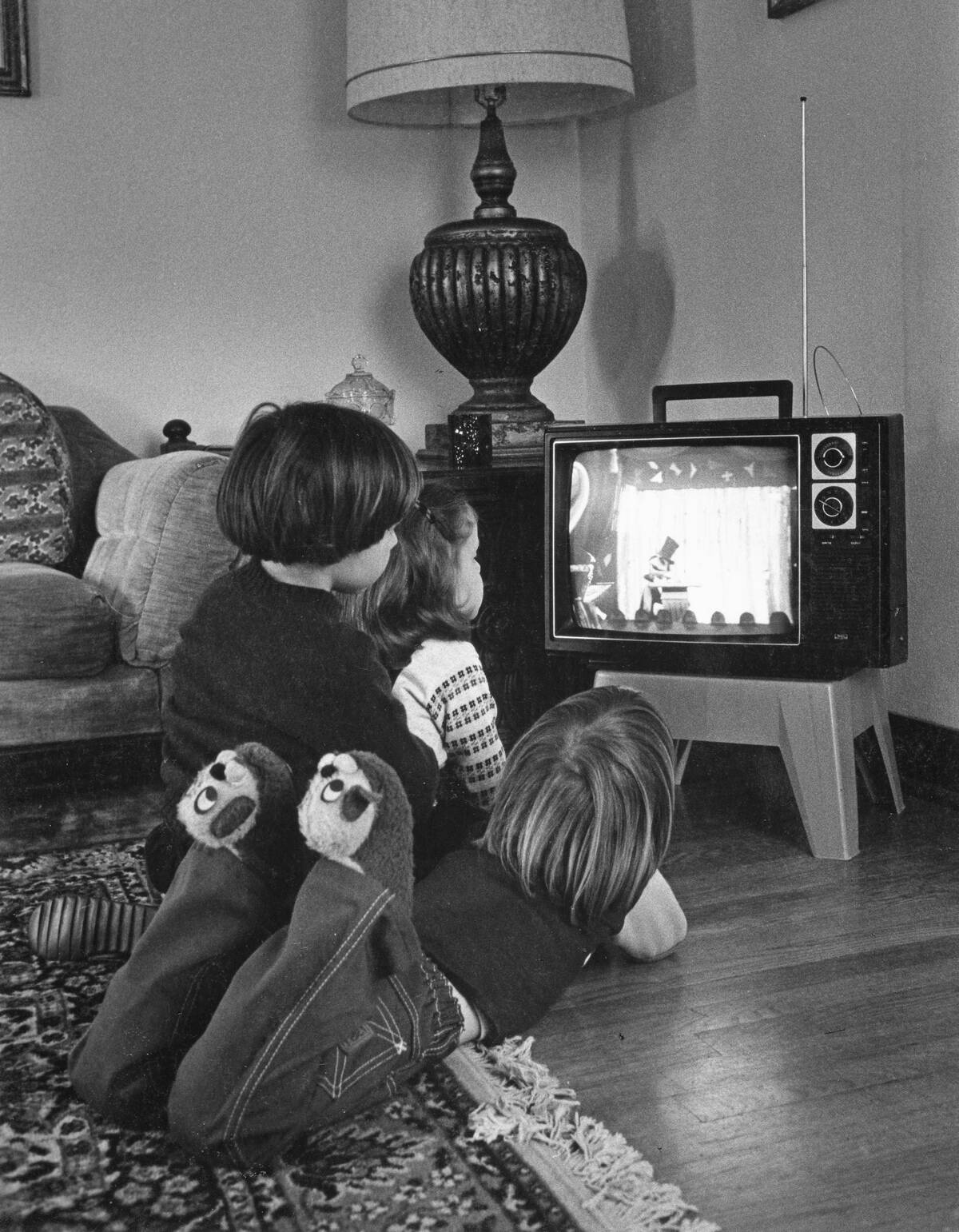
Family life in the 1970s was marked by a blend of traditional values and new freedoms. Divorce rates rose, but so did the recognition of diverse family structures. This decade saw the rise of the latchkey kid, as more mothers entered the workforce.
Popular culture, from disco to Star Wars, heavily influenced daily life. The ’70s were a time of both personal liberation and economic challenges, reflecting a society in transition.
The Rise of Technology: Daily Life in the ’80s
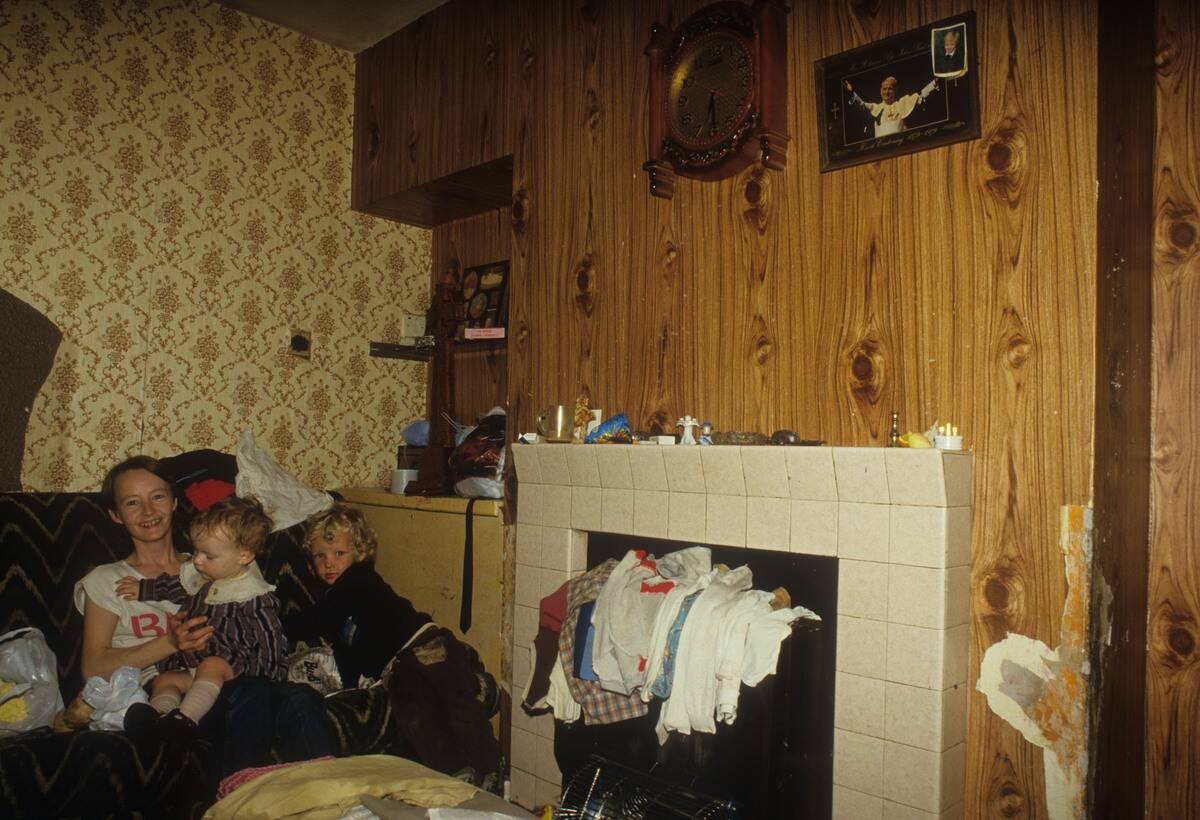
The 1980s brought a technological revolution that reshaped daily life. Personal computers and video games like Pac-Man became household staples. The introduction of cable TV and music videos on MTV transformed entertainment consumption.
The decade also saw economic shifts, with the rise of consumerism and corporate culture. These changes laid the groundwork for the digital age, influencing how people worked, played, and communicated in profound ways.
Navigating the 1990s: From Grunge to the Internet Boom
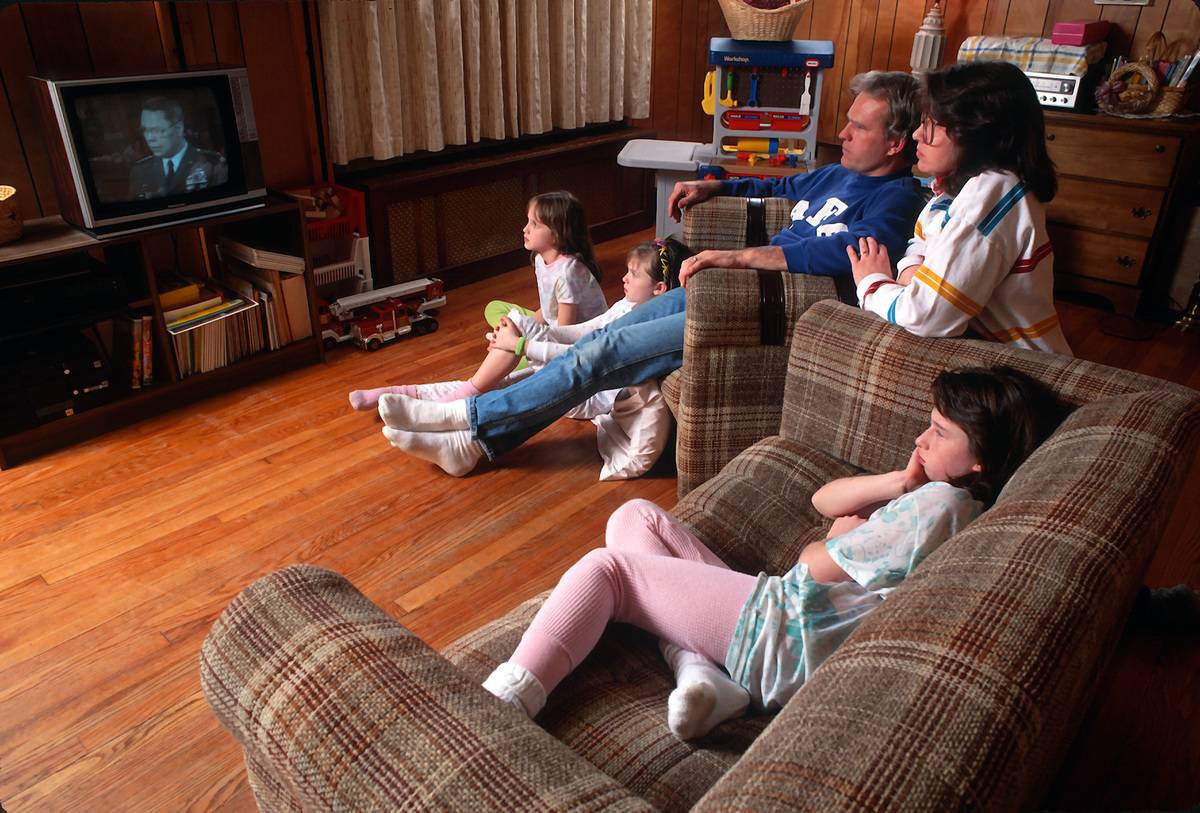
The 1990s were a decade of rapid change, with the internet revolutionizing communication and information access. Grunge music and fashion challenged the status quo, while sitcoms like Friends and Seinfeld dominated TV screens.
The fall of the Berlin Wall in 1989 and the end of the Cold War reshaped global politics. As technology advanced, the world felt smaller and more connected, setting the stage for the new millennium. The ’90s were a crossroads between old and new.
21st Century Living: How Modern Innovations Have Transformed Our Days
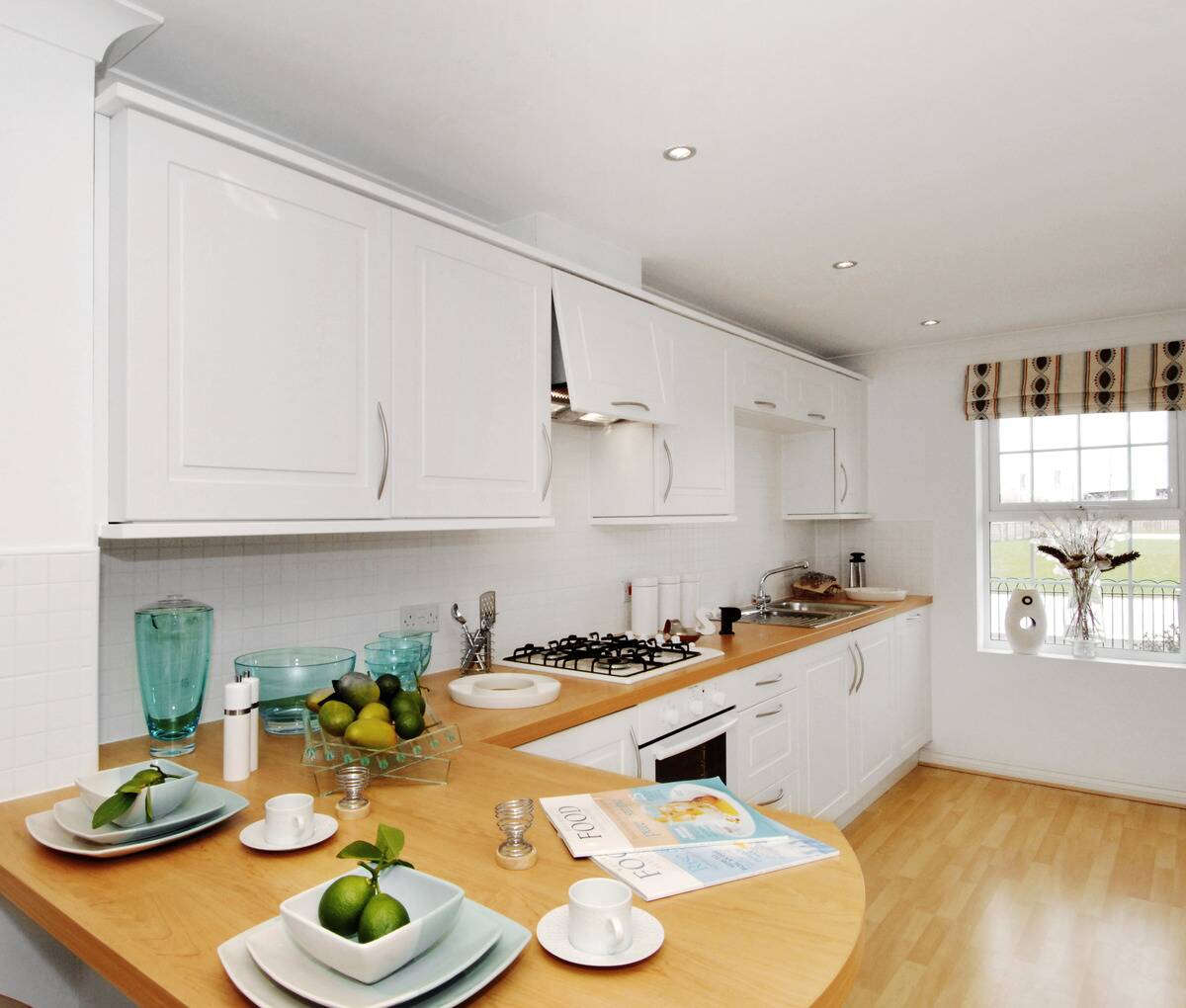
The 21st century has seen incredible technological advancements that have transformed daily life. Smartphones and social media have changed how we connect and communicate.
The gig economy and remote work have redefined job markets and work-life balance. Innovations in healthcare and renewable energy are reshaping our future. While these changes bring convenience and opportunity, they also pose challenges, such as privacy concerns and digital dependency, making this era both exciting and complex.
Rural vs. Urban: Contrasting Daily Lives Through the Ages
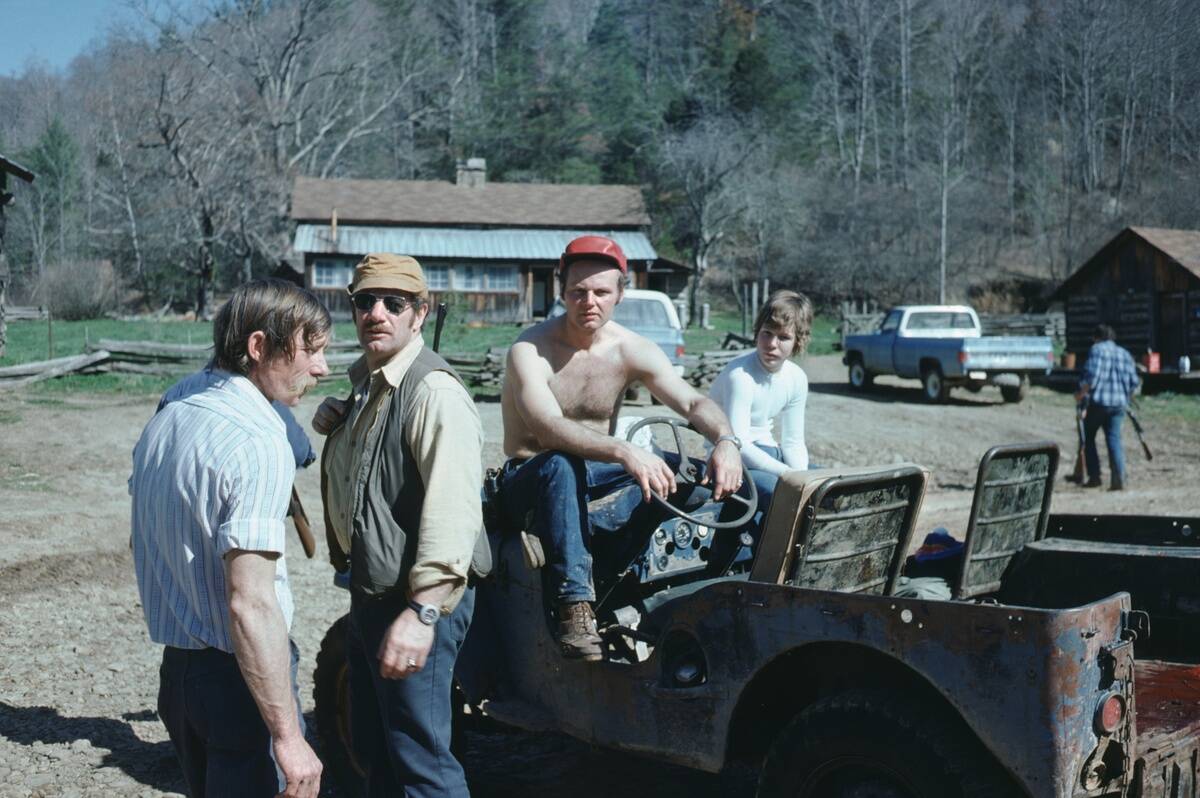
Throughout history, rural and urban lives have been markedly different, each with unique challenges and advantages. Rural areas offered space and a closer connection to nature, but often lacked access to services and opportunities found in cities.
Urban life, on the other hand, provided cultural and economic opportunities but also faced issues like overcrowding and pollution. These contrasting lifestyles highlight the diverse ways humans have adapted to their environments across time and space.
Firsthand Accounts of Life in Different Cultures Around the World
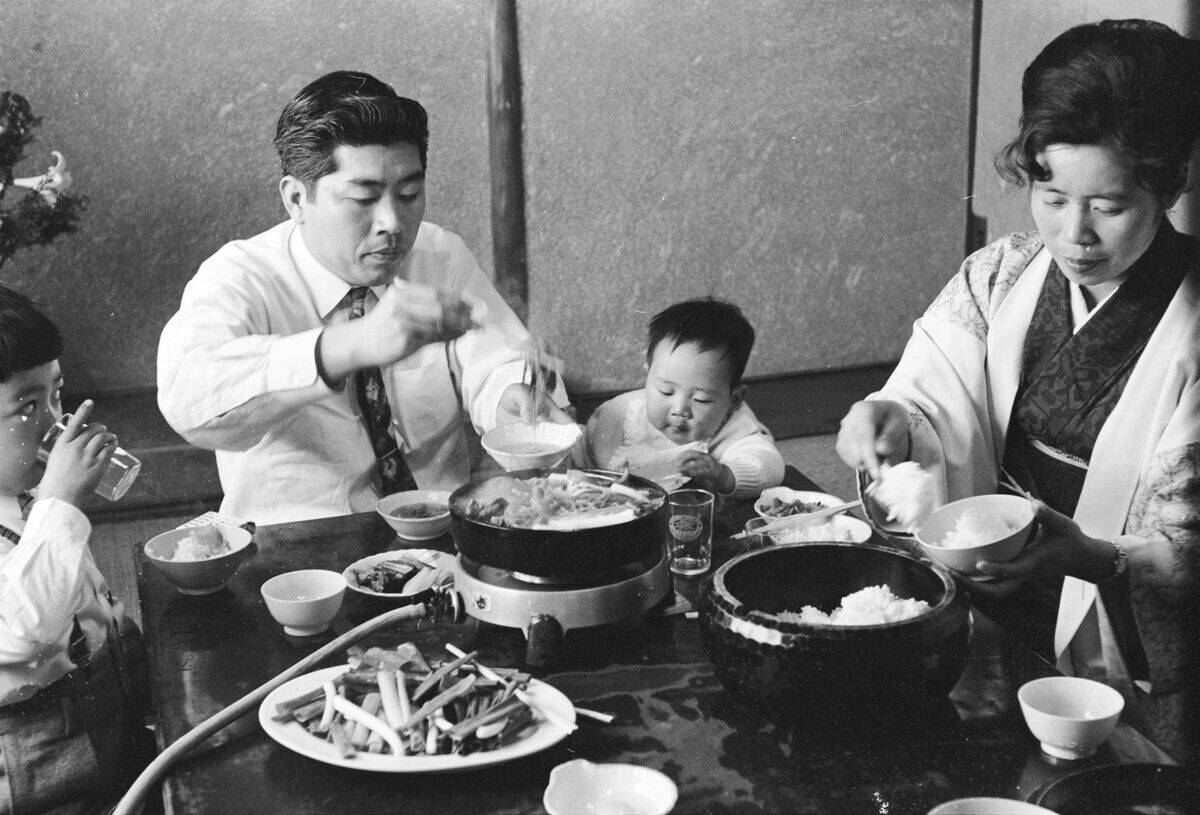
Firsthand accounts from around the world offer rich perspectives on cultural diversity and daily life. From the vibrant traditions of Indian festivals to the communal lifestyle of African tribes, these narratives reveal a tapestry of human experiences.
Japanese diaries might describe the serenity of a tea ceremony, while South American letters could detail the rhythms of life along the Amazon. Such accounts not only inform but also foster appreciation and understanding across cultures.
The Role of Gender in Shaping Daily Experiences
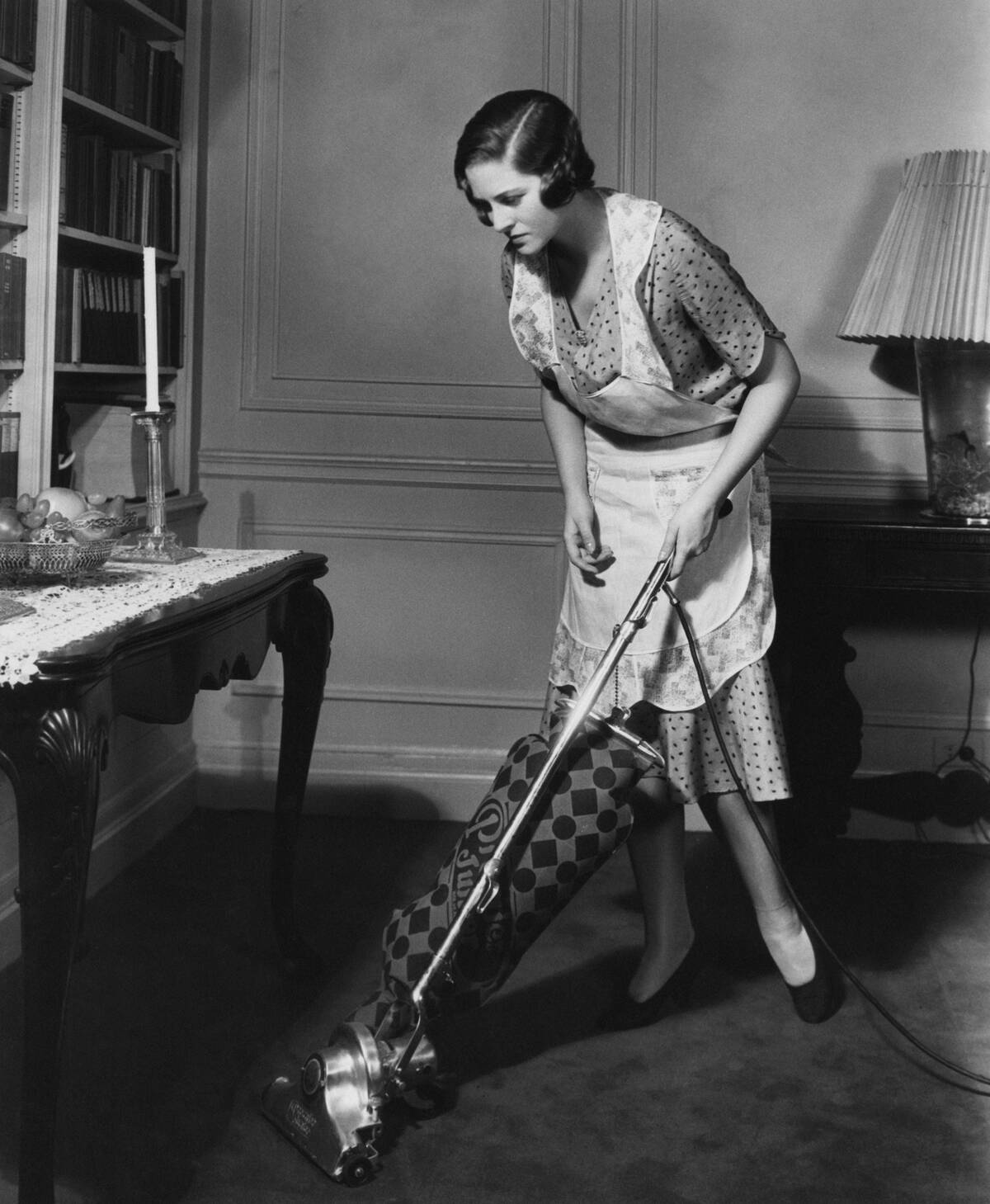
Gender has historically played a significant role in shaping daily experiences, influencing everything from job opportunities to social expectations. In many cultures, traditional gender roles dictated a woman’s place in the home while men worked outside.
However, these roles have evolved, with women increasingly participating in the workforce and public life. Firsthand accounts highlight the challenges and triumphs of breaking gender norms, showcasing the resilience and adaptability of individuals across generations.
How Personal Diaries and Letters Open a Window to the Past
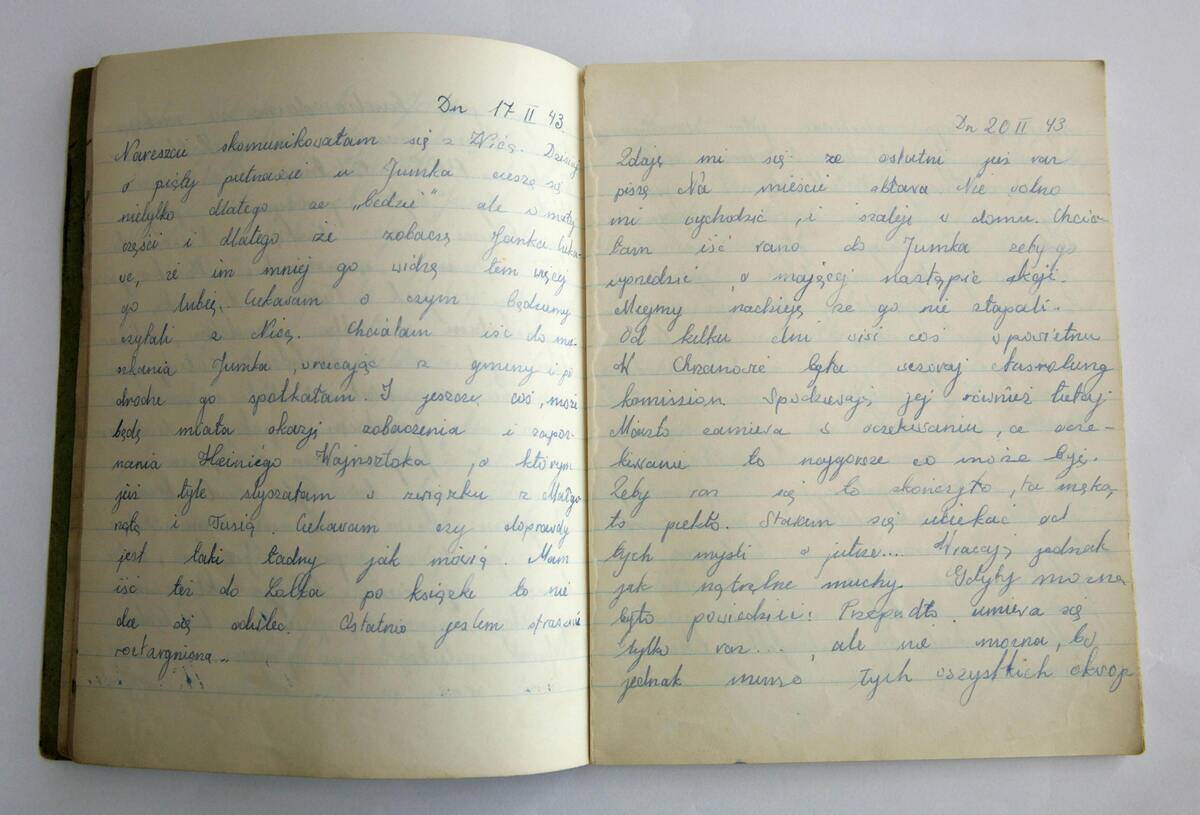
Personal diaries and letters are priceless historical artifacts that offer intimate glimpses into the past. They capture the emotions and thoughts of individuals, providing context to historical events.
Anne Frank’s diary, for example, offers unparalleled insight into life during the Holocaust. Such documents reveal the personal side of history, allowing us to connect with people from different eras on a human level. They remind us that, despite time’s passage, human experiences and emotions remain relatable.




