Lost libraries that protected knowledge for centuries
Libraries have always been the keepers of knowledge, silently sitting in the background as repositories of human achievement and discovery. While many libraries have stood the test of time, others have slipped into the shadows, their treasures left waiting to be rediscovered.
Today, we embark on a journey to uncover these forgotten gems, exploring their histories, their mysteries, and the wisdom they hold. From ancient manuscripts to architectural marvels, these libraries are more than just buildings; they are guardians of our cultural heritage.
The Mysterious Alexandria Library: More Than Just a Myth
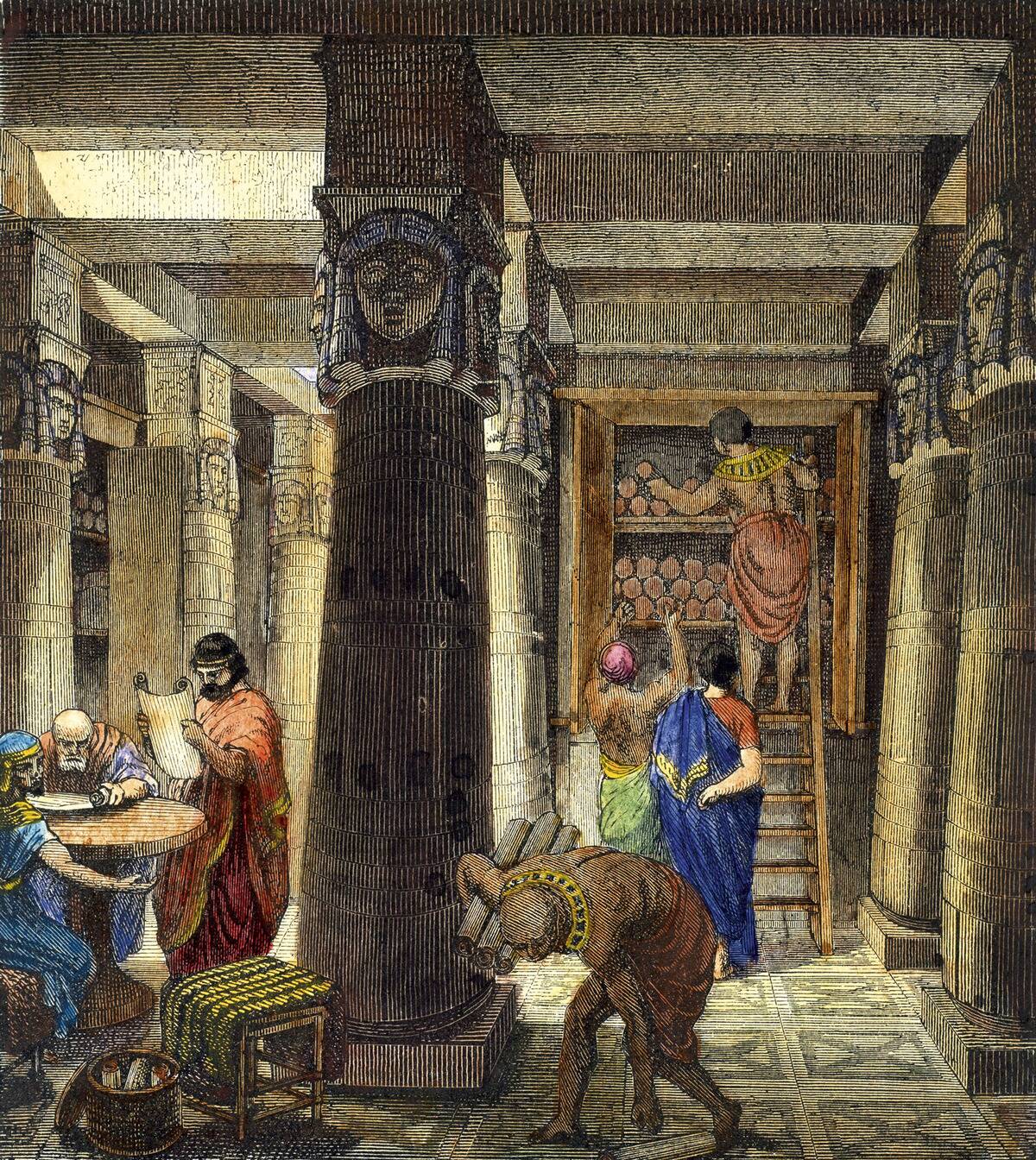
The Library of Alexandria is often regarded as the epitome of ancient knowledge, a beacon of learning in the classical world. Founded in the 3rd century BCE in Egypt, it is said to have housed hundreds of thousands of scrolls on subjects ranging from mathematics to astronomy.
Although largely lost to history due to a series of destructive events, its legacy lives on as a symbol of intellectual curiosity. The mystery surrounding its demise only adds to the allure, inviting scholars and dreamers alike to envision what could have been.
Timbuktu’s Ancient Manuscripts: Treasures of the Sahara
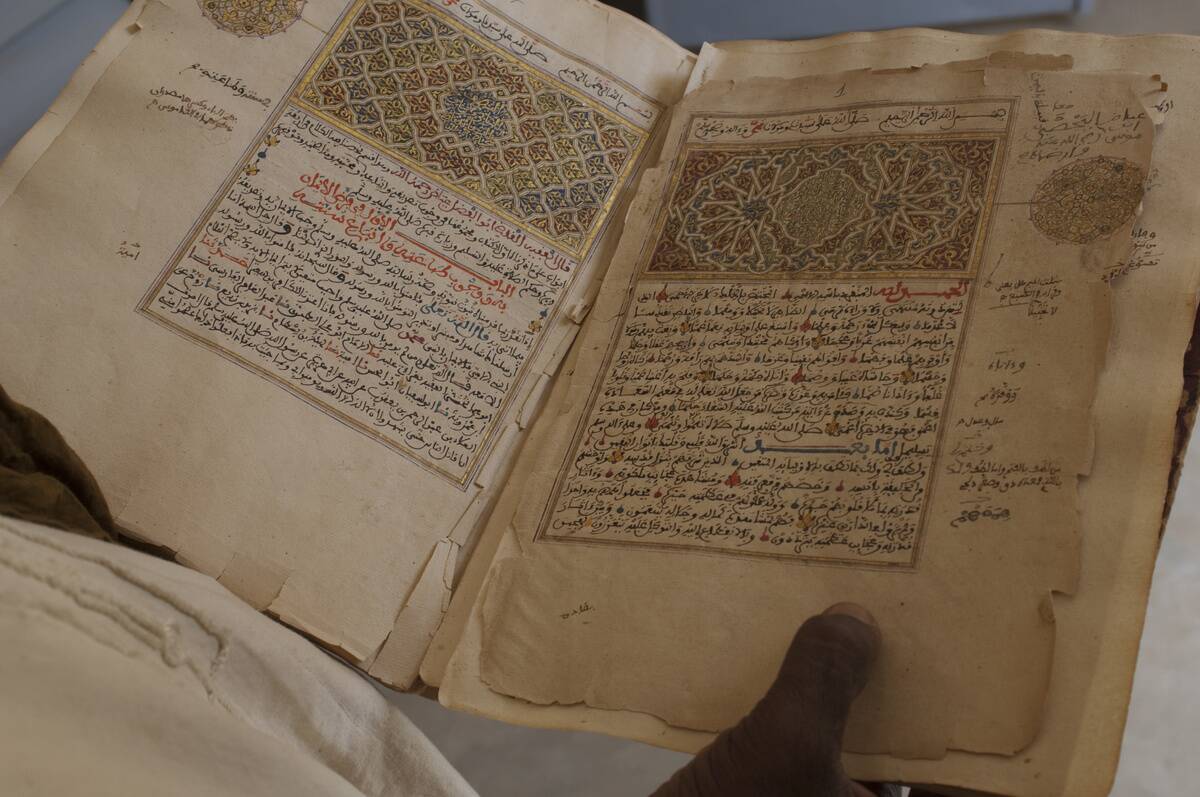
In the heart of the Sahara, Timbuktu was once a thriving center of learning and culture. Its libraries, filled with manuscripts on subjects like science, religion, and law, date back to the 13th century.
These texts, written in Arabic and local languages, showcase the rich intellectual history of West Africa. Despite threats from natural deterioration and conflict, efforts by locals and international organizations have helped preserve these invaluable documents, ensuring that Timbuktu remains a symbol of knowledge amidst the sands.
The Library of Ashurbanipal: A Glimpse into Assyrian Civilization
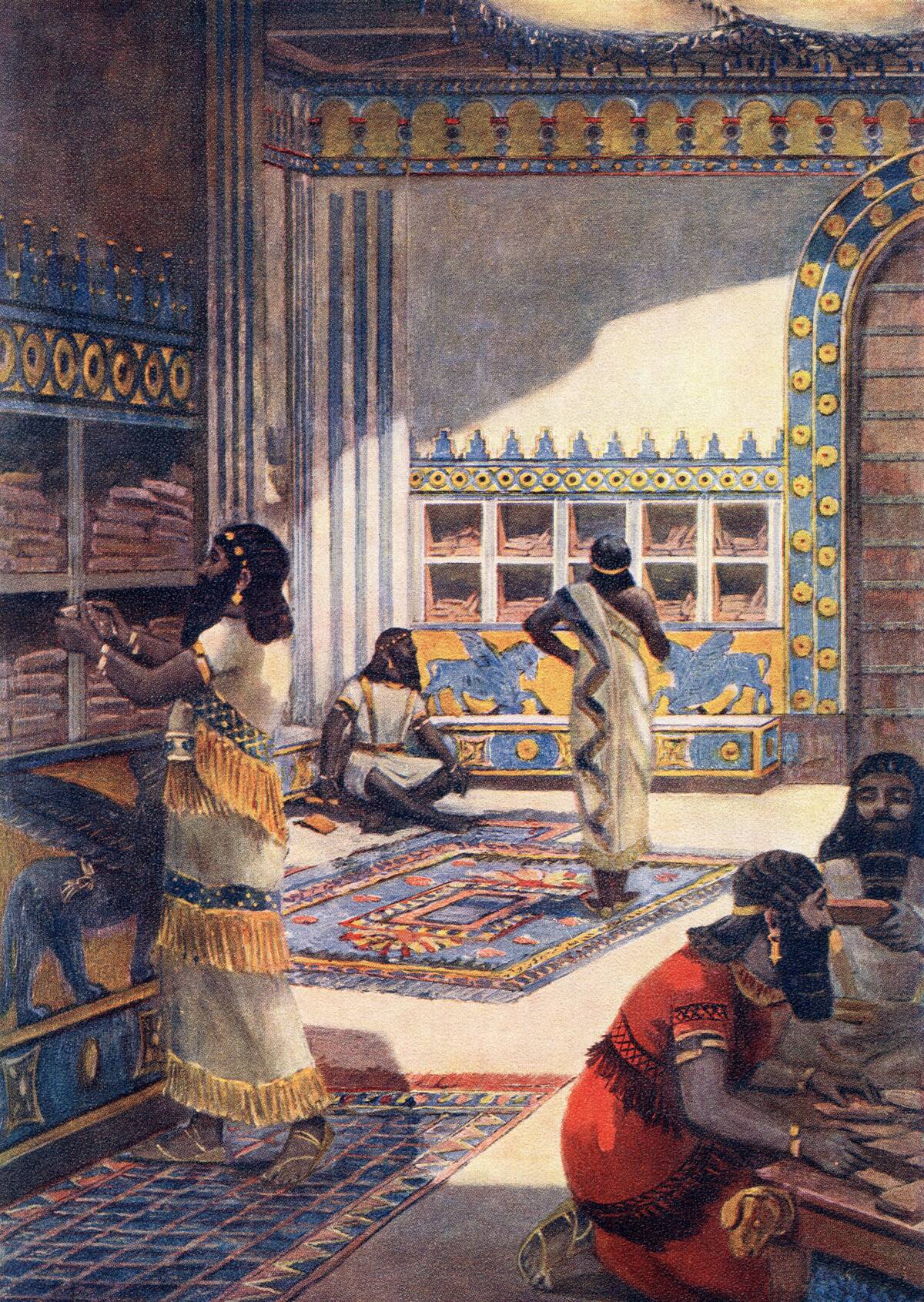
The Library of Ashurbanipal, nestled in the ruins of Nineveh in modern-day Iraq, offers a fascinating peek into ancient Assyrian life. Assembled by the last great king of the Assyrian Empire, this library boasts a collection of over 30,000 clay tablets.
These tablets cover a wide array of topics, including literature, medicine, and divination. Among its most famous works is the Epic of Gilgamesh, one of the earliest known literary masterpieces. The library serves as a testament to the sophisticated culture of its time.
Nalanda University Library: The Buddhist Knowledge Hub
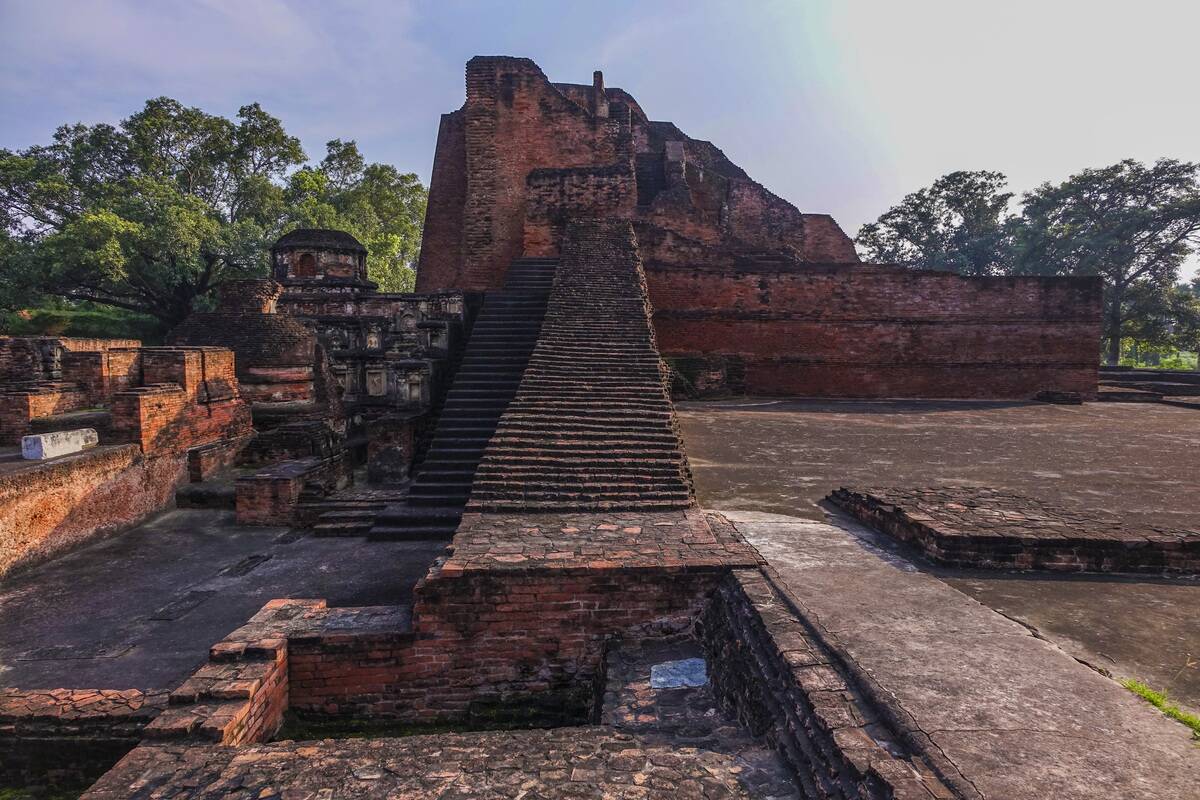
Nalanda University, established in the 5th century in India, was a renowned center of Buddhist learning that attracted scholars from all over Asia. Tibetan and Chinese textual sources suggest that its vast library, known as Dharmaganja, was divided into three buildings filled with sacred texts and scientific treatises.
Despite its destruction in the 12th century, Nalanda’s influence on Buddhist philosophy and education is still felt today. The library’s legacy continues to inspire modern efforts to revive the university as a symbol of ancient wisdom and cross-cultural exchange.
The Vatican Secret Archives: Unveiling the Mysteries
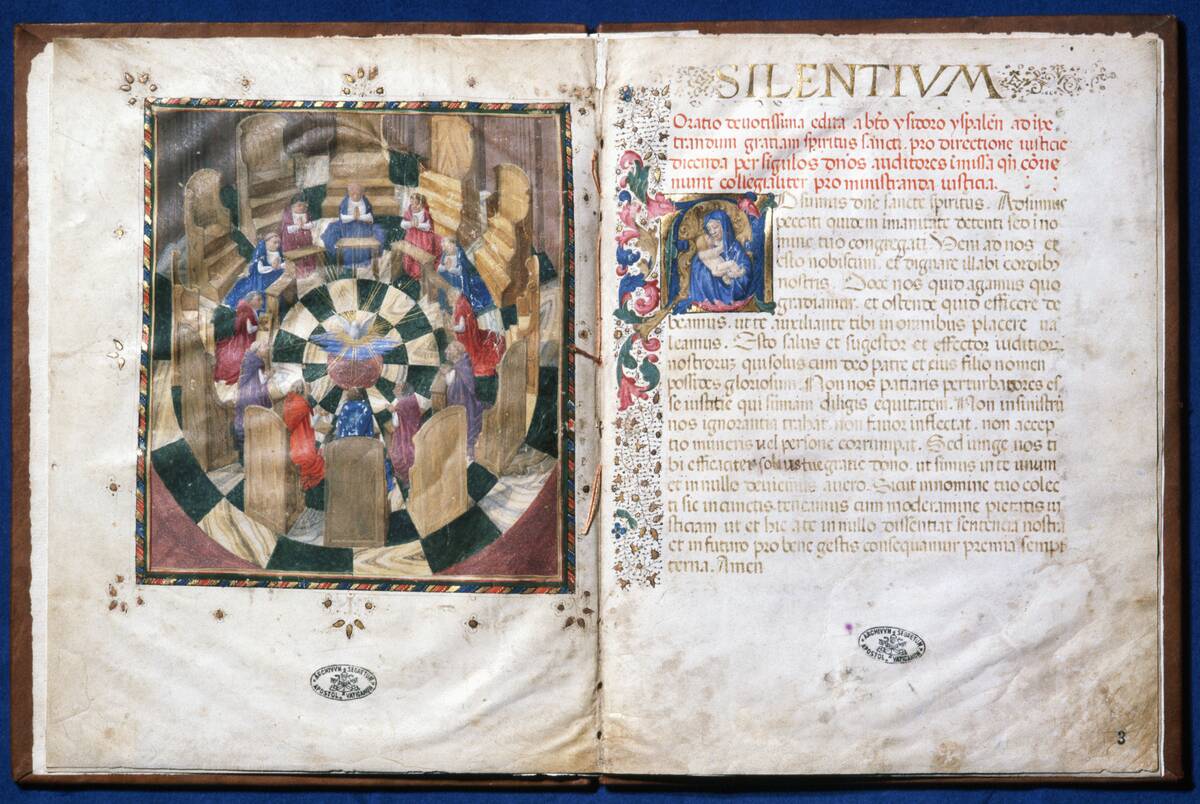
The Vatican Secret Archives, often shrouded in enigma, hold centuries of papal correspondence, state papers, and historic records. Contrary to popular belief, the ‘secret’ in its name refers to its private nature, not to hidden conspiracies.
Established in 1612, the archives contain documents dating back to the 8th century, offering insights into the religious, political, and cultural history of Europe. While access is restricted, scholars can request entry to study these documents, unlocking the secrets of the past one manuscript at a time.
The Bodleian Library: Oxford’s Historical Jewel
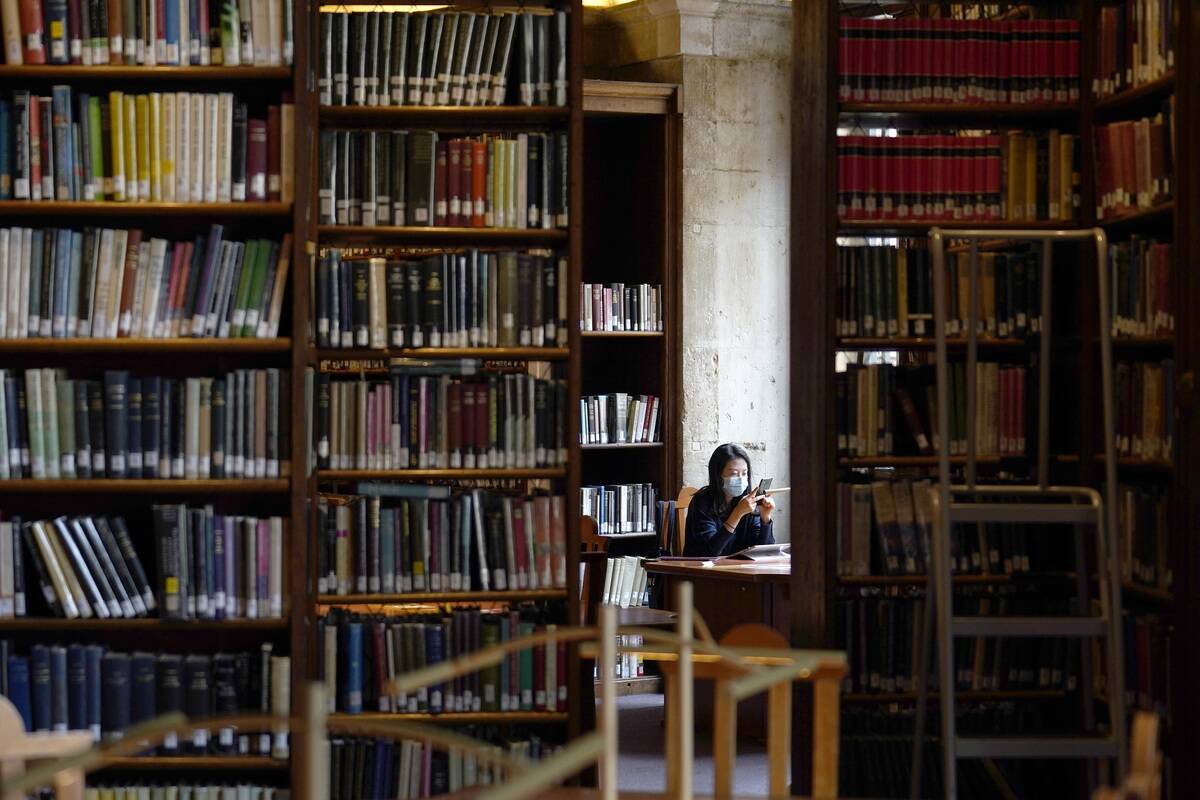
The Bodleian Library, a magnificent institution at the University of Oxford, is one of the oldest libraries in Europe, dating back to 1602. It is famed for its vast collection of over 12 million items, ranging from rare books to manuscripts and maps.
Its beautiful architecture, including the iconic Radcliffe Camera, attracts visitors from around the world. The library has been a site of scholarly pursuit for centuries, nurturing some of the greatest minds in history and continuing to serve as a vital resource for researchers today.
The Library of Pergamum: A Rival to Alexandria
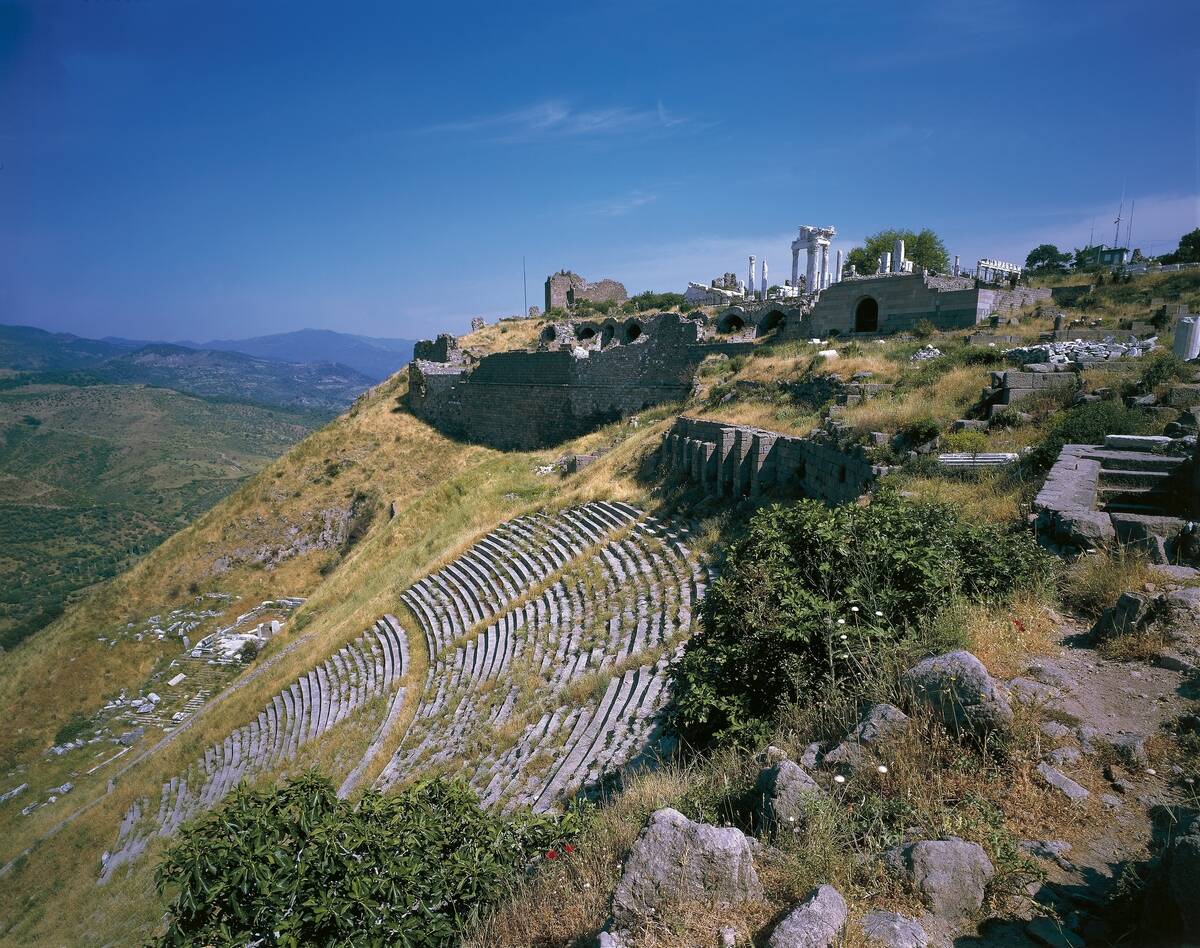
The Library of Pergamum, located in what is now modern-day Turkey, was once a formidable rival to the Library of Alexandria. Established in the 3rd century BCE, its collection is said to have included over 200,000 volumes.
Pergamum was also famous for its development of parchment, an alternative to papyrus, which was crucial for bookmaking. Although much of its collection has been lost, the library played a pivotal role in the intellectual exchanges of the Hellenistic world, influencing the preservation and dissemination of ancient knowledge.
Saint Catherine’s Monastery Library: A Desert Sanctuary of Texts
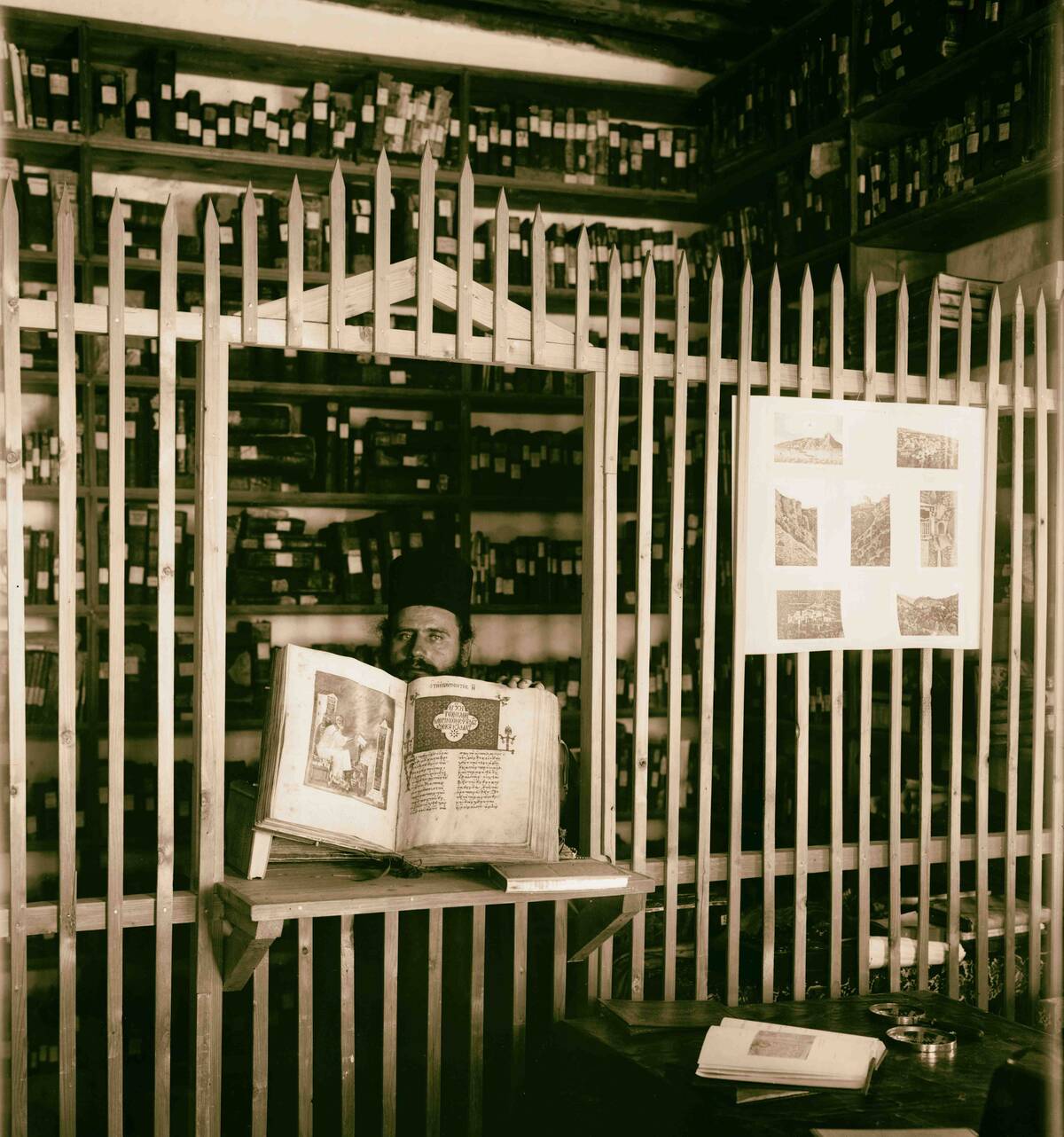
Nestled in Egypt’s Sinai Peninsula, Saint Catherine’s Monastery houses one of the world’s oldest working libraries. Founded in the 6th century, it contains a remarkable collection of religious texts, including ancient manuscripts in Greek, Arabic, and Syriac.
Among its treasures is the Codex Sinaiticus, one of the earliest nearly complete Bibles, though most of the codex is now held in international collections, with only fragments remaining at the monastery. The monastery’s remote location has helped preserve its vast collection, making it a unique sanctuary of Christian heritage and a testament to the enduring power of written words.
The Library of Celsus: Ephesus’s Architectural Marvel
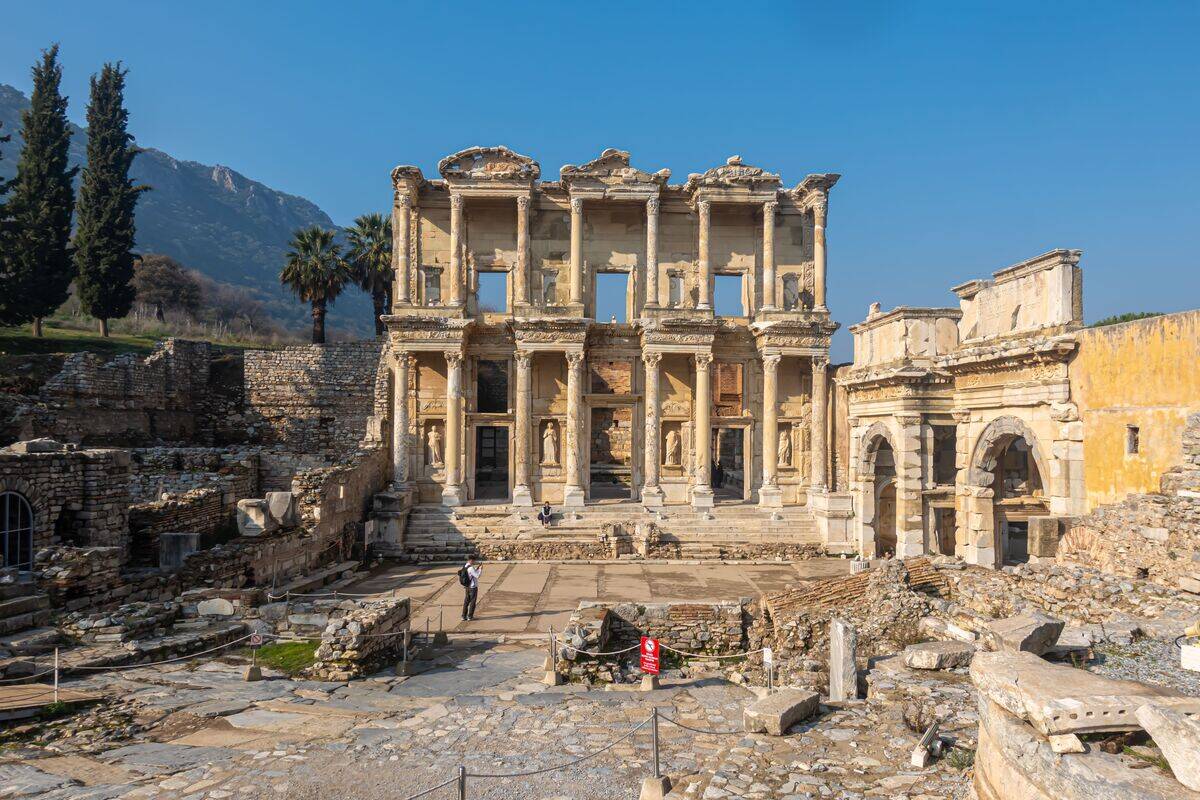
The Library of Celsus, an ancient Roman structure in Ephesus, Turkey, stands as a testament to architectural genius and cultural dedication. Built in the 2nd century CE, it was constructed to honor Tiberius Julius Celsus Polemaeanus.
The library once held around 12,000 scrolls, making it one of the largest in its time. Its grand facade, featuring Corinthian columns and statues, remains a popular attraction today, symbolizing the reverence for knowledge and the artistic achievement of ancient Rome.
The Al-Qarawiyyin Library: A Beacon of Islamic Scholarship
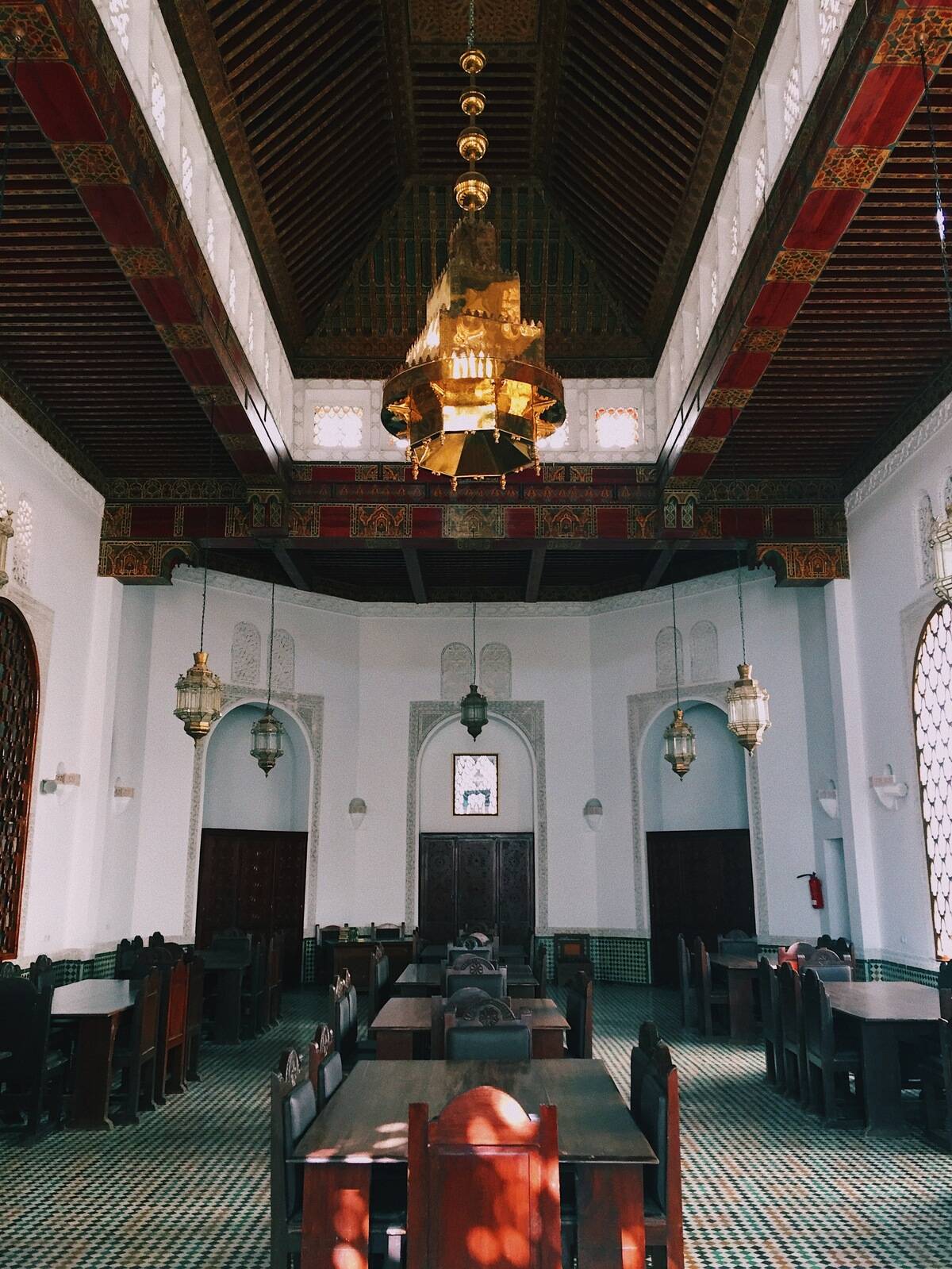
Founded in 859 CE, the Al-Qarawiyyin Library in Fez, Morocco, is part of the oldest existing, continually operating higher educational institution in the world. It has been a beacon of Islamic scholarship, housing a wealth of manuscripts on theology, astronomy, and medicine.
The library’s collection reflects the rich intellectual tradition of the Muslim world, and recent restoration efforts have revitalized its role as a center for learning. Its enduring legacy highlights the importance of preserving cultural heritage for future generations.
The Royal Library of the El Escorial: Spain’s Renaissance Treasure
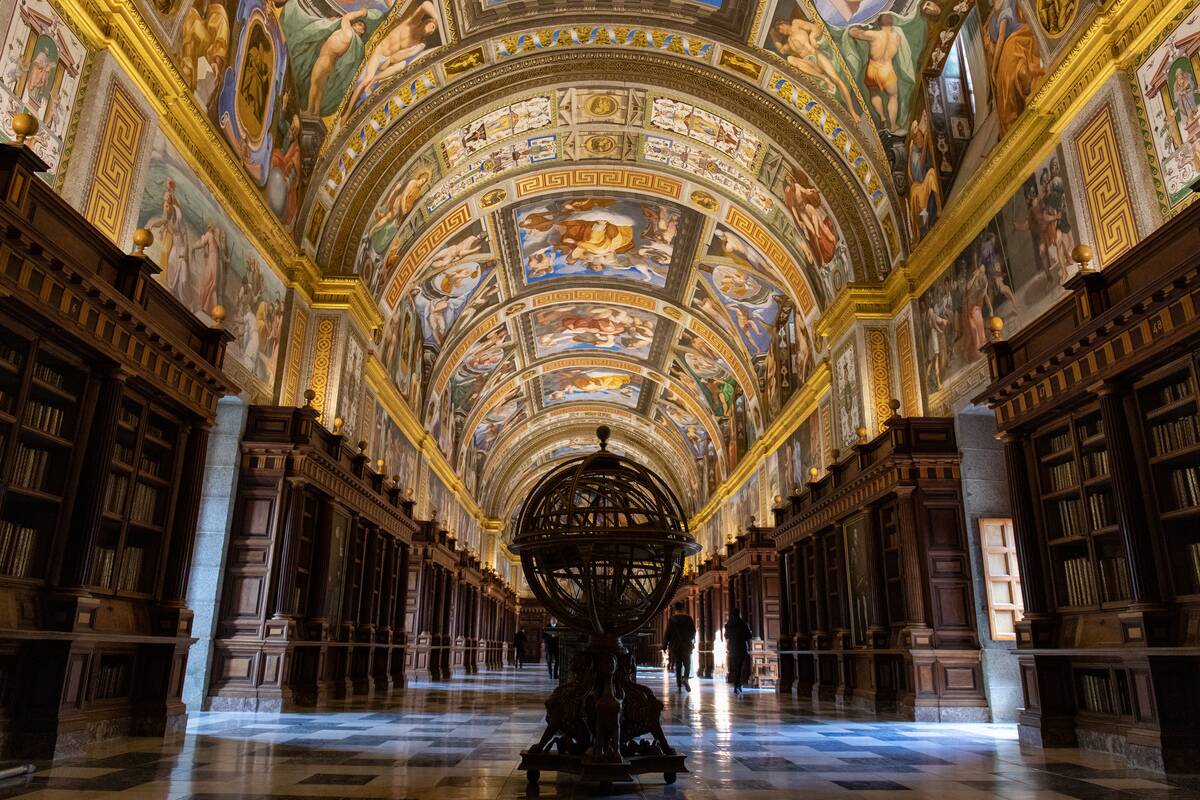
The Royal Library of the El Escorial, located in San Lorenzo de El Escorial, Spain, was established in the 16th century by King Philip II. This magnificent library is an architectural and cultural gem, containing over 40,000 volumes, including rare manuscripts and maps from the Renaissance period.
The library’s frescoed ceiling and elegant design make it a stunning example of Renaissance art and architecture. As a repository of knowledge, it played a crucial role in the intellectual development of Spain during its golden age.
The Library of Constantinople: The Last Flame of Eastern Rome
The Library of Constantinople, a beacon of knowledge in the Byzantine Empire, stood as the intellectual heart of Eastern Rome until its fall in 1453. It housed a vast collection of classical Greek and Roman texts, preserving them through the Middle Ages.
The library’s scholars played a pivotal role in the preservation and transmission of ancient knowledge to the Islamic world and, later, to the West. Although it was eventually destroyed, its legacy endures as a vital link in the chain of cultural history.
The Hanlin Academy: China’s Scholarly Sanctuary
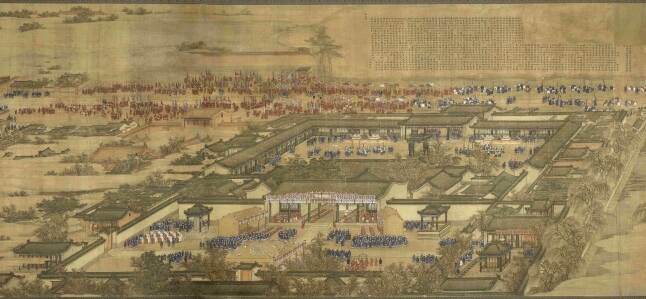
The Hanlin Academy, established during the Tang Dynasty in the 8th century, was a prestigious scholarly institution in China. It served as a center for literary and academic activities, producing some of the finest works of Chinese literature and historiography.
The academy’s library housed countless texts on subjects ranging from Confucian classics to scientific treatises. Despite suffering damage during the Boxer Rebellion, the Hanlin Academy’s influence on Chinese intellectual life remains profound, reflecting the enduring value of scholarship in Chinese culture.
The Abbey Library of Saint Gall: A Monastic Repository
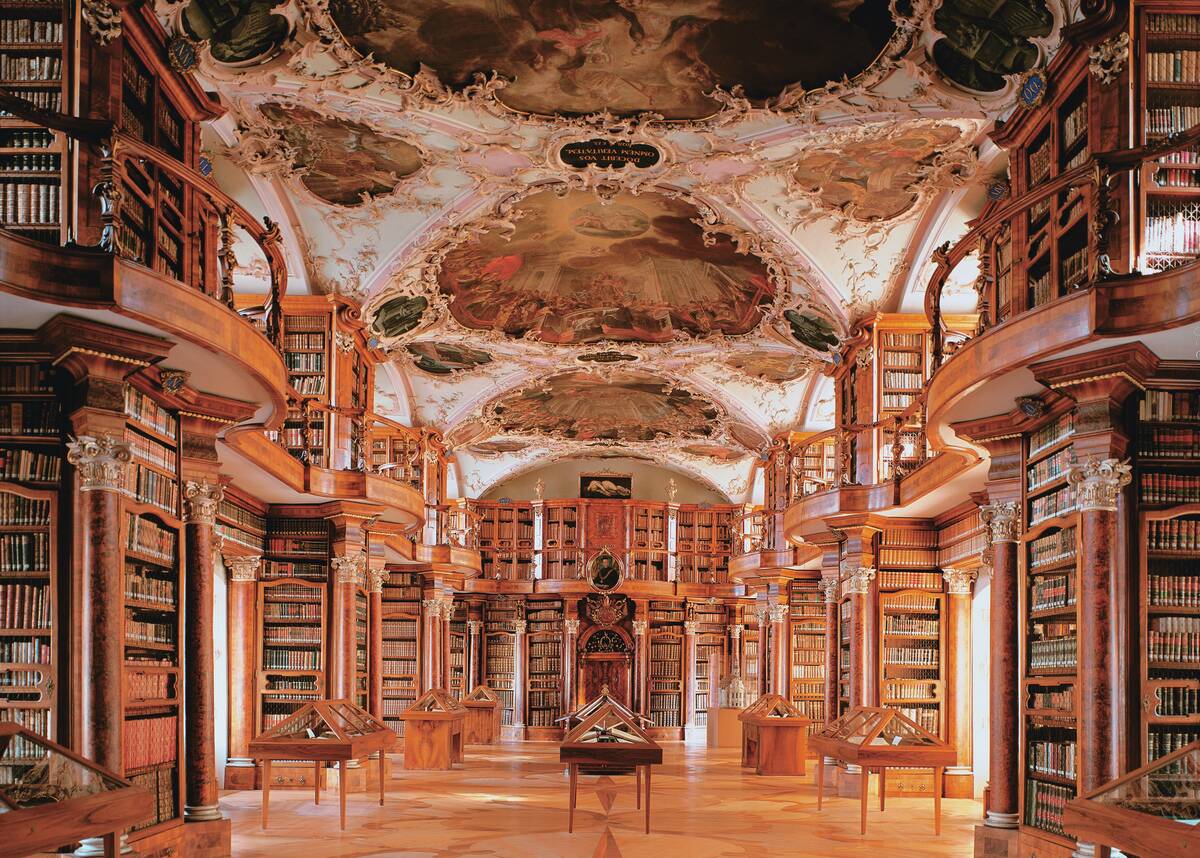
The Abbey Library of Saint Gall, located in Switzerland, is one of the oldest monastic libraries in the world. Founded in the 8th century, it houses a rich collection of medieval manuscripts, including illuminated texts and rare books.
The library’s Baroque architecture, with its ornate ceilings and exquisite woodwork, adds to its charm. As a UNESCO World Heritage Site, the Abbey Library continues to be a symbol of the monastic tradition of preserving knowledge and promoting learning through the ages.
The Bibliotheca Alexandrina: A Modern Homage to the Past
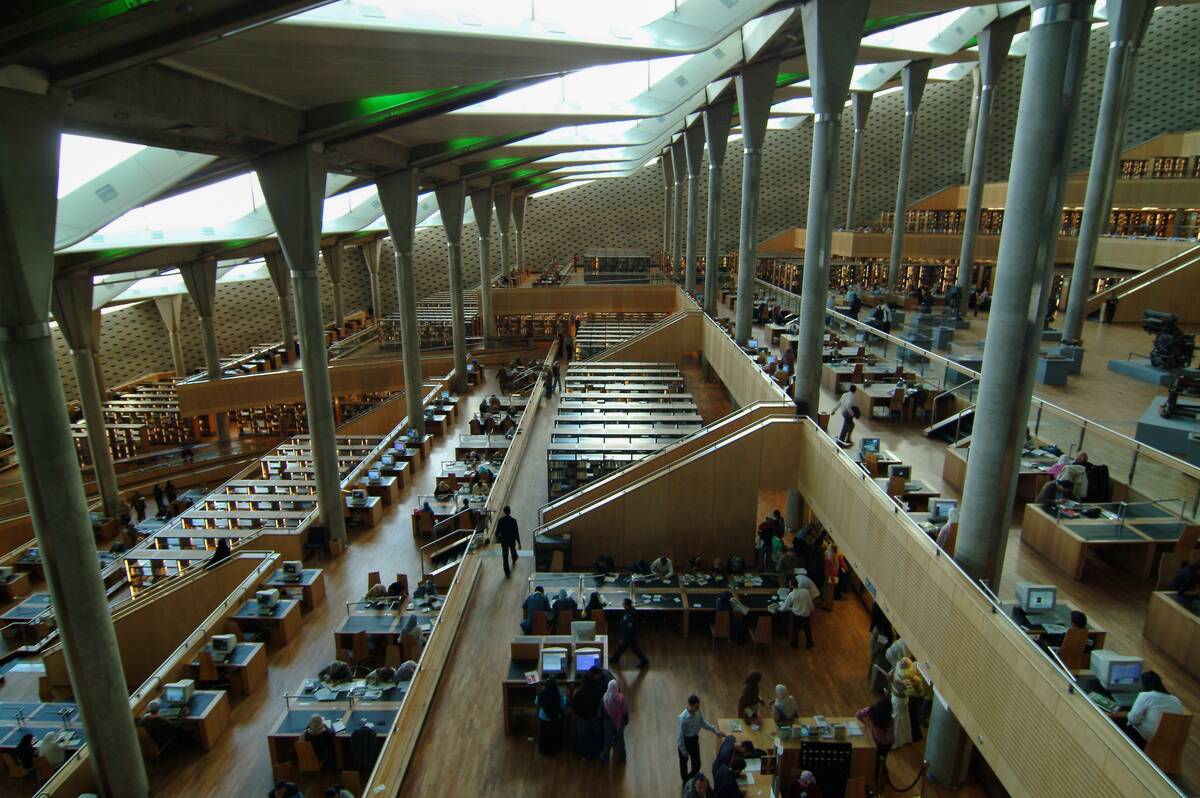
The Bibliotheca Alexandrina, inaugurated in 2002 in Egypt, stands as a modern tribute to the ancient Library of Alexandria. Designed to recapture the spirit of its predecessor, it features a stunning architectural design resembling a rising sun.
The library houses millions of books and digital resources, serving as a hub for cultural and educational activities. With its commitment to fostering dialogue and understanding, the Bibliotheca Alexandrina represents a bridge between the ancient world and contemporary scholarship, honoring the legacy of its storied past.
The Bodhi Tree Libraries: A Revival of Ancient Wisdom
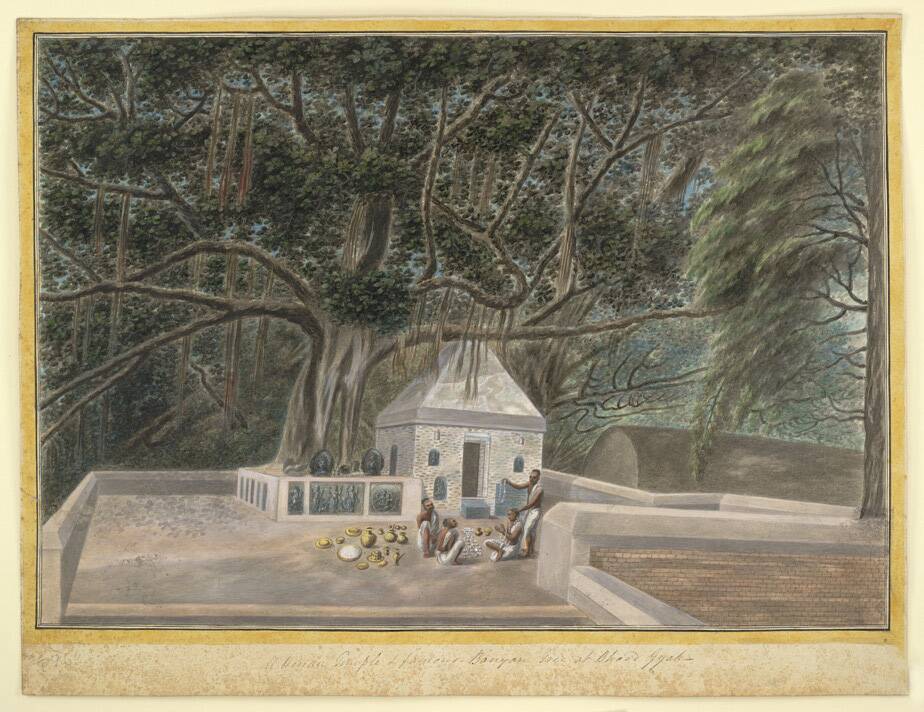
The Bodhi Tree Libraries, inspired by the wisdom of ancient texts, aim to revive and disseminate knowledge across communities in need. These modern libraries are designed to provide access to educational resources in regions lacking traditional library infrastructure.
By harnessing the power of digital technology, the Bodhi Tree Libraries make it possible for people to connect with the rich heritage of global knowledge. This initiative is a testament to the enduring value of libraries as centers of learning and inspiration, bridging the gap between past and present.




